
Parliamentary Reform and Sustainability of Institutions: ALI Discussed Priorities of Parliamentary Reform with Pat Cox
The Agency for Legislative Initiatives joined a meeting of Ukrainian civil society representatives with Pat Cox, former President of the European Parliament and Head of European Parliament’s Needs Assessment Mission to the Verkhovna Rada of Ukraine. Such meetings and discussions are dedicated to the next steps and priorities of parliamentary reform, which continues in the context of a full-scale war.
The internal reform of the Ukrainian parliament began back in 2016 with the launch of the European Parliament’s Needs Assessment Mission led by Pat Cox. The mission drafted a Roadmap with specific recommendations on how to strengthen the Verkhovna Rada of Ukraine institutionally and address the existing problems of Ukrainian parliamentarism.
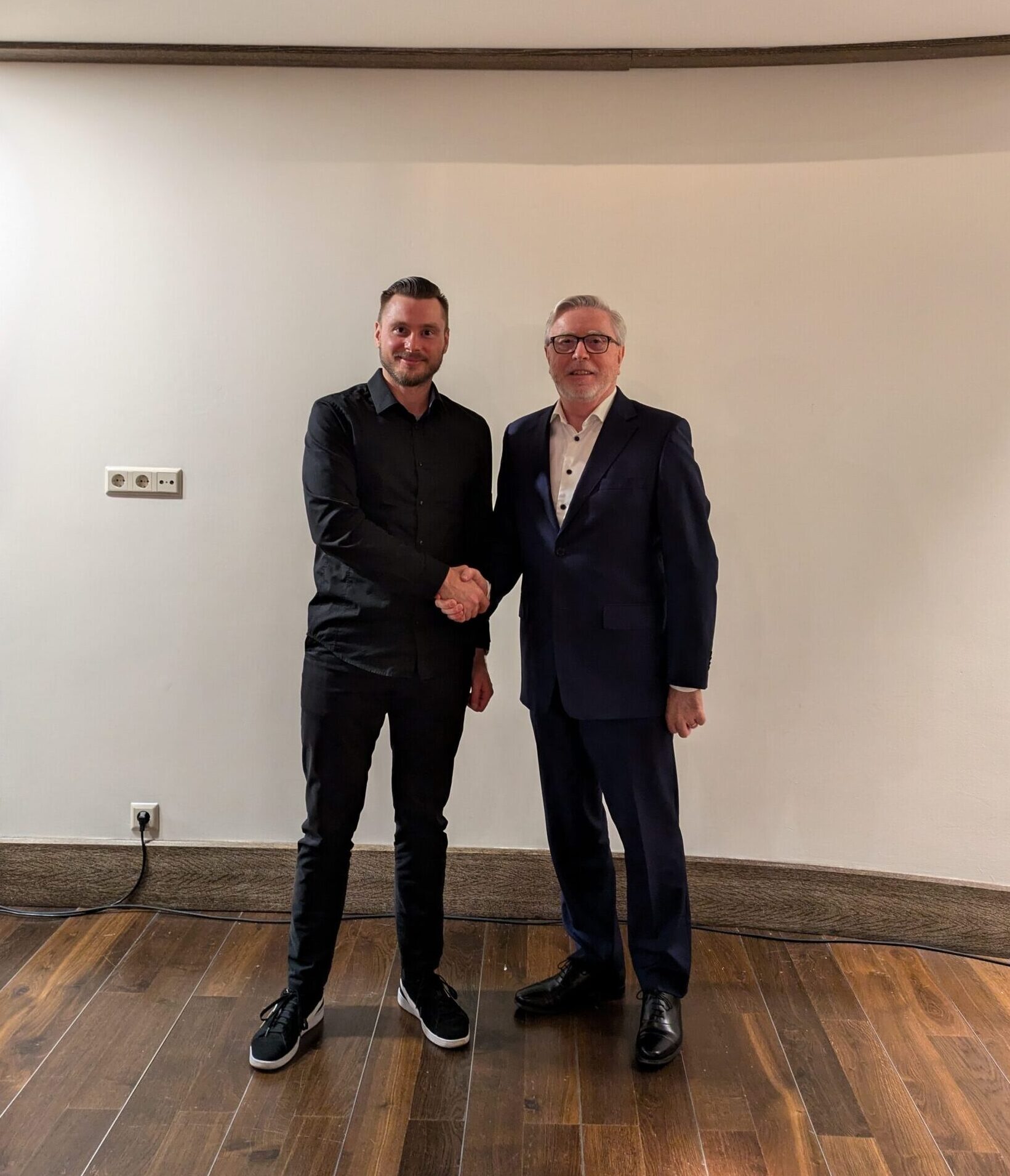
After the start of parliamentary reform, meetings with representatives of state institutions and civil society allow us to check the current processes and key priorities in the reform process. And, in particular, to convey important messages to the Ukrainian authorities in the context of the ongoing reforms.
The priority topics of this year’s meeting included the following issues:
- protecting state institutions from anti-democratic processes;
- preserving the agency of the parliament, which should be facilitated by the continuation of parliamentary reform;
- further implementation of the legislative impact assessment tool in the work of the Ukrainian parliament.
The Agency for Legislative Initiatives has always emphasised that ensuring the sustainability and capacity of the main democratic institution — the parliament — is a prerequisite for preserving the institutional potential of the state. Indeed, in the context of a full-scale war, it is impossible to continue parliamentary reform in a comprehensive manner, in particular, due to the restrictions established by the Constitution. However, the dynamics of the reform show that the Verkhovna Rada has already made progress in some of the blocks and recommendations of the Roadmap, and this trend should be maintained.
For reference. From the very beginning, the Agency for Legislative Initiatives has been supporting parliamentary reform and monitoring its implementation. According to the latest estimates of the ALI, the reform is 45.7% complete. The war has intensified the implementation of certain recommendations of the Roadmap for Internal Reform of the Verkhovna Rada, prepared by the European Parliament’s Needs Assessment Mission led by Pat Cox.
ALI analysed in detail where parliamentary reform is heading now in the Parliament Journal.
12th Session, 9th Convocation: Autumn of Promises
On 3 September 2024, the 12th session of the Verkhovna Rada of Ukraine of the 9th convocation began its work. On the same day, the Parliament adopted the agenda of the session.
In general, the Parliament’s agenda is a list of draft laws that MPs are to consider in the session hall. Basically, it is a plan of work for the Verkhovna Rada, which allows MPs to review draft laws and the public and international partners to monitor what and when the Verkhovna Rada is to vote.
In this text, we decided to highlight the most high-profile legislative initiatives, both from a political and public standpoint, that the Ukrainian parliament should or may consider in the next couple of months in the session hall. The reference point was based on both the agenda and the demands of Ukraine’s international partners, as well as MPs’ statements in their communications with the media regarding the possible adoption of certain laws in the near future.
However, as ALI previously wrote, the parliament’s agenda in Ukraine has ceased to be an effective work plan.
Selected draft laws touch on the most sensitive areas facing the Ukrainian state: national security and economy and reforms on the path to EU integration.
Tax hikes: Implementation
Amid the discussion on the economic reservation and the shaping of the state budget for the next year, the adoption of the equally important draft law No. 11416-d, which provides for significant tax hikes, continues.
On 17 September, the parliament passed the document, which had been recently approved by the VRU Committee on Finance and Customs Policy, in the first reading with 241 votes in favour.
Back in May of this year, Danylo Hetmantsev, Chair of the VRU Committee on Finance, said that the government planned to raise certain taxes to fill the budget in order to finance the Armed Forces of Ukraine. Already on 18 July, the Government approved the law on amendments to the state budget, and at the end of the month, Ruslan Stefanchuk, Speaker of the Verkhovna Rada, confirmed the parliament’s intention to adopt the tax hikes.
The draft law was amended several times by the end of August and voted down on 3 September this year.
At the same time, as part of the review of the cooperation programme, the IMF Mission in Ukraine called on the Ukrainian authorities to raise taxes to generate additional budget revenues to cover rising expenditures amid the fighting, which will continue next year.
Yaroslav Zhelezniak, Deputy Chair of the VRU Committee on Tax Policy, called the draft law adopted in the first reading a “historically large” tax increase: by UAH 58 billion this year and UAH 137 billion next year.
Changes proposed by the draft law include:
- increasing the military tax from 1.5% to 5%;
- increasing taxes for individual entrepreneurs of groups 1 and 2;
- setting the corporate income tax rate for banks at 50% for 2024 (although the Ministry of Finance is against this innovation).
According to Zhelezniak, the draft law will not be adopted in its entirety by the beginning of next month, so it will take effect retroactively from 1 October this year.
Economic reservation: Draft
At the same time, a draft law on economic reservation is being discussed no less actively, including in the context of mobilisation. Draft law No. 11331 and related documents outlining the concept of economic reservation are on the agenda of this session of parliament.
The authors of the draft laws explain the need for its adoption by creating a clear and understandable reservation system and increasing the state budget’s revenues because, as officials of the Ministry of Finance have said, “all the resources that the state can raise in its own economy are used to finance security and military needs.”
This idea has been discussed for a long time and has become the subject of active debate, accusations and controversy: from the possibility of “paying off” for the rich to the inevitability of such measures given the difficult situation with the financing of the Armed Forces of Ukraine.
Since Ukraine’s Western partners have banned the use of financial assistance to fund military needs, the government has to look for these funds within the Ukrainian economy.
The draft law raises the most questions and complaints from business representatives, as the staff shortage caused by mobilisation is a major problem for almost 60% of employers. A survey by the American Chamber of Commerce in Ukraine showed that 8 out of 10 companiesWhich are the member companies of the Сhamber. had experienced the impact of mobilisation.
Representatives of business associations also call for making the rules of economic reservation clear and stable and avoiding regular changes to them. They insist that the system that the parliament is planning to support should be in addition to the existing reservation of employees of state-critical companies, as the cancellation of the old mechanism regulated by government resolutions in favour of the new one could halt critical production processes. There are also calls for reserving managers of important companies without regard to the quota.
It is worth adding that three models of such reservation – parliamentary, governmental, and mixed – are currently under consideration. The media have described in detail the principles by which the future system could operate.
The VRU Committee on National Security also expressed cautious support for the draft law. Its chair, Oleksandr Zavitnevych, said in the summer that the parliament would seek a balance between the front and the rear. On the other hand, the reservation system itself seems unfair and sensitive to those Ukrainians who have been serving in the Armed Forces for the third year of the full-scale invasion.
In addition, according to Roksolana Pidlasa, Head of the VRU Committee on Budget, UAH 322 billionWithout taking into account the costs of weapons and equipment. is needed to mobilise up to 500,000 people, while the adopted draft law may bring in a smaller amountThe Chairman of the Committee on Economic Development of the Verkhovna Rada, Dmytro Natalukha, in an interview with the mass media, called UAH 200 billion..
Officials or parliaments have not made clear statements on the timing of the draft law’s adoption, although at a meeting of the VRU Committee on Financial Policy held on 29 August, a representative of the Ministry of Economy suggested that the system could be launched in October – November.
In late August, Denys Shmyhal, Prime Minister of Ukraine, announced the government’s intention to update the “fight or work” reservation procedure for businesses.
In turn, First Deputy Prime Minister and Minister of Economy Yuliia Svyrydenko added that the issue of economic reservation would be revisited as soon as the military command informed that the balance of mobilisation was not disturbed.
Budget 2025: Draft
On the evening of 13 September this year, the Cabinet of Ministers of Ukraine approved the draft State Budget for 2025. It was registered in the Verkhovna Rada already on 14 September.
Next year, the government expects a reduction in unemployment, an increase in average wages, inflation of 9.5%Higher than the indicator of the current year, which is 7.9%., GDP growth of 2,7%In 2024, this indicator is 3.5%, and an average annual exchange rate of UAH 45 per USD 1. Moreover, the main social indicatorsWe are talking about the minimum wage, categories of living wage, etc. remained unchanged.
According to the draft budget, its revenues will increase next year. When calculating the budget, the government likely considered the previously voted tax increase draft law. A significant increase in revenues from the National Bank of Ukraine is also expected.
However, after the draft was published, Minister of Economy Yuliia Svyrydenko said that revenues from the economic reservation were not included in the 2025 budget. Furthermore, Danylo Hetmantsev, Chair of the Parliamentary Committee on Finance, believes that such revenues were included in the draft.
The deficit in 2025 is expected to reach 19.4% of GDP, and it is planned to be covered mainly from external sources, primarily from Ukraine’s Western allies.
It should be added that the draft budget itself will change significantly before it is adopted by the parliament. So far, parliamentarians and ministry officials have not given any clear timeline for the budget’s adoption, but based on the adoption of the previous two budgets during the full-scale war, it can be expected in early November, as the VRU adopted budgets for 2023 and 2024 on 3 and 9 November, respectively.
Demobilisation: Idea
One of the most sensitive draft laws to be passed by the Ukrainian parliament concerns demobilisation.
In the spring of this year, provisions on the dismissal of military personnel from service were removed from the adopted draft law No. 10449, or the so-called “mobilisation law”. A few days later, the Ministry of Defence of Ukraine announced that a draft law on demobilisation was under development.
At the same time, it was stated that the 8-month submission deadline had been removed, as it could happen sooner.
On 18 June, after a meeting of the VRU Committee on National Security and representatives of the Ministry of Defence and the General Staff of the Armed Forces of Ukraine, it was stated that if the pace of mobilisation was maintained, the relevant draft law could be registered in October. The same was said to journalists by Roman Kostenko, Secretary of the VRU Committee, and Iryna Friz, Committee Member. According to Kostenko, one of the conditions for introducing the draft law on demobilisation is that the pace of mobilisationWe are talking about the situation as of June of the current year. should be maintained until the end of this summer.
In late July, the Ministry of Defence confirmed that the document was under development but did not provide specific registration dates or the possibility of its adoption by the parliament.
The VRU Committee on National Security did not discuss demobilisation at its meetings in July and AugustThe last meeting of the committee at the time of writing was held on August 29.. Currently, no draft laws related to demobilisation are on the agenda of the 12th session of the parliament, and no new public statements have been made recently.
Conclusions
In the context of a full-scale Russian invasion, all these decisions are interconnected and complex, either from an economic or a social point of view. However, some of them have not yet been implemented when it comes to demobilisation.
On the other hand, it is worth recognising that the demobilisation process depends on the process of mobilising people into the army and the dynamic security situation.
At the same time, MPs have maintained the rhythm established since the beginning of the full-scale Russian invasion in terms of adopting draft laws related to the state’s economic policy and budget planning amid increasingly difficult economic and security challenges facing the state.
MPs from Temporarily Occupied Territories: Luhansk and Kharkiv Oblasts
Concerning Kharkiv Oblast, as of 1 September 2024, after a successful counter-offensive by the Ukrainian military in autumn 2022, the territories of 176 and 177 electoral districts are partially occupied.
Luhansk Oblast
The 105th electoral district, part of which was occupied ten years ago, while the other part covered the city of Shchastia, is represented in parliament by MP Viktoriia Hryb, who was nominated by the pro-Russian OPFL as a non-partisan.
Since the commencement of the full-scale invasion, she has co-authored 39 draft laws or resolutions of the VRU, of which 13 have been adopted. After 24 February 2022, the MP took part in 68.8% of the VRU’s votes.
On her Facebook page, the MP mostly actively comments on current political news, events and her work or provides explanations to Ukrainians who leave the frontline settlements.
The 106th electoral district, located in parts of Sievierodonetsk and Alchevsk raions and also partially occupied in 2014, is represented by Oleksii Kuznietsov, elected as a non-partisan member of the Servant of the People party, who is currently a member of the party’s faction in parliament.
Since the beginning of the full-scale invasion, Kuznietsov has co-authored 205 draft laws and resolutions of the VRU, of which 63 have been adopted. During the studied period, the MP participated in 86.7% of parliamentary votes.
On his Facebook page, the MP regularly posts or shares statements by agencies, officials or President Volodymyr Zelenskyy. Kuznietsov also actively participates in and shares posts related to fund-raising, orders and needs of the Ukrainian military, primarily units in eastern Ukraine.
The 107th electoral district, located in the agglomeration of Lysychansk and Sievierodonetsk and partially in the territory occupied in 2014, is represented in parliament by self-nominated Oleksandr Sukhov, who is currently a member of the Dovira group.
Since 24 February 2022, he has co-authored 15 draft laws or resolutions of the VRU, of which two resolutions have been adopted. Since the beginning of the full-scale invasion, Sukhov has participated in 77.7% of the VRU’s votes.
The MP regularly publishes information about his work in parliament, usually a review of the day’s work of the VRU.
The 112th electoral district, located in Rubizhne and the territories occupied for ten years, is represented by Serhii Velmozhnyi, who was self-nominated and is currently a member of the Dovira parliamentary group.
Since the beginning of the full-scale invasion, he has co-authored 118 draft laws or resolutions of the VRU, of which 43 have been adopted. Since the beginning of the full-scale invasion, the MP has participated in 82.1% of the VRU’s votes.
The MP is active on both his Facebook pages, where he covers legislative activities, assistance to IDPs from the Temporarily Occupied Territories of Ukraine, including those from his own electoral district, and the work of the temporary investigative commission.
The 113th electoral district, located in the Svatove, Starobilsk, and Sievierodonetsk raions of the oblast, is represented by Oleksandr Lukashev, an MP from the banned OPFL party who is currently a member of the Restoration of Ukraine group.
During the full-scale invasion, he co-authored 71 draft laws and resolutions of the VRU, of which eight were adopted. Since the start of the invasion, Lukashev has participated in 52.7% of parliamentary votes.
Lukashev has not maintained his own Facebook page since 10 March 2022, when he last wrote about the transfer of aid to residents of his own electoral district.
The 114th electoral district, located in Starobilsk and Novoaidar raions, is represented by Serhii Shakhov, who was self-nominated and is currently a member of the Dovira group.
The MP has been actively featured in journalistic investigations since the commencement of the full-scale invasion. In 2023, the High Anti-Corruption Court put Shakhov on the wanted list after the NABU completed its investigation into him.
There is no information on the exact whereabouts of the MP. At the same time, according to journalists, he posts archival photos of himself in the session hall or panoramas of Kyiv.
This information is easy to verify, as Google tools can show that the post was published on one of the MP’s pages on 12 August this year, illustrated with a photo from an old post by Shakhov on another Facebook page from November 2020.
Since the beginning of the Russian invasion, he has co-authored 19 draft laws and resolutions of the VRU, of which eight have been adopted. Shakhov took part in 45.3% of the voting only in the 7th and 8th sessions of the 9th convocation, and since then, the MP has not registered for any meetings.

Kharkiv Oblast
The 176th electoral district, which is partially located in Kupiansk Raion, was represented by Dmytro Shentsev, who was elected to parliament as a non-partisan from the former OPFL.
After 24 February 2022, the MP was not registered at any parliamentary session and did not co-author any draft laws. In September 2022, Shentsev himself announced on his Facebook page that he had decided to resign as an MP and take up the affairs of a charity foundation.
In addition, he continues to maintain a private Facebook page, where posts are devoted to holidays and memories of the former MP, including those of odious political figures such as Yevhen Kushnarov.
The 177th electoral district, which is located in Izyum Raion of the oblast, is represented in the Verkhovna Rada by Dmytro Liubota, who was elected to the parliament from the Servant of the People party as a non-partisan.
Since the start of the full-scale invasion, the MP has co-authored 41 draft laws and resolutions, of which 11 have been adopted. He also took part in 84.6% of parliamentary votes.
Liubota is active on his own Facebook page and describes all the latest sessions of the Verkhovna Rada.

MPs’ positions
The results of the voting for draft law No. 8371 showed that in this regional list, four out of eight MPs in the sample supported the adoption of the document, which should regulate the activities of the UOC (MP) in Ukraine. On the other hand, in this particular regional sample of electoral districts, two MPs, namely Viktoriia Hryb and Oleksandr Lukashev, clearly voted against the document.
It is also worth noting that by the time of the vote, one MP had resigned (Dmytro Shentsev), and another, Serhii Shakhov, had been absent from all sessions for a long time, albeit in an attempt to actively demonstrate his presence in Ukraine, while his exact whereabouts remain unknown.
The specific list of MPs is quite active on social media, with most MPs actively covering general overviews of the Verkhovna Rada’s sessions and social issues affecting voters representing the electoral districts where they were elected.
This regional sample is also highly active in the session hall. Three MPs voted in more than 80% of cases, another in more than 70%, and one MP participated in voting in more than 60% and 50% of cases, respectively.
MPs from Temporarily Occupied Territories: Kherson Oblast
The 184th district, which covers Beryslav and partially Kakhovka raions of the oblast, is represented in parliament by Servant of the People MP Serhii Kozyr. He entered parliament after the midterm parliamentary elections held in the district on 31 October 2021.
Since the beginning of the full-scale invasion, he has co-authored 67 draft laws and resolutions of the VRU, of which 22 have been adopted. Since 24 February 2022, the MP has participated in 87% of the VRU’s votes.
The politician is active on social media, publishing reports on parliamentary meetings, work in the committee and the VRU’s temporary investigative commission, and posts about the transfer of aid to the military and NGOs working with internally displaced persons.
The 185th district, which covers the territories of Henichesk and Kakhovka raions, is represented in the Verkhovna Rada by Servant of the People MP Volodymyr Ivanov.
Since 24 February, the MP has co-authored 34 draft laws or resolutions of the VRU, of which 11 have been adopted. Since the invasion, Ivanov has participated in 71.7% of the parliament’s votes.
Since the beginning of the full-scale invasion, the MP has deleted his Facebook page, and the only publicly accessible page has had its last post published in autumn 2021.
The 186th district, which is located in Skadovsk and parts of Kherson and Kakhovka raions, was represented in parliament by Servant of the People MP Oleksii Kovalov.
Kovalov’s story was widely covered in the media, as after the occupation of Kherson Oblast, the MP announced that he was in Russian-occupied territory. He missed all the meetings during the war, data on which are in the public domain. At the same time, on 8 March 2022, he co-authored draft amendments to the VRU Rules of Procedure on remote parliamentary sessions.
In the summer of 2022, Kovalov sided with the occupiers. At the end of August of the same year, the former MP was killed in the temporarily occupied Hola Prystan, where he was born and elected to the parliament.

MPs’ positions
It should be added that this regional sample was the smallest in the study and that the overall data excludes information about Oleksii Kovalov, an MP who was killed shortly after he began cooperating with the Russians.
The other two representatives of the region, Serhii Kozyr and Volodymyr Ivanov, who were included in the study, supported the restriction of the UOC (MP) activities in Ukraine. In addition, they are active in the session hall, with Serhii Kozyr’s voting record of 87% and Volodymyr Ivanov’s exceeding 70%.
Both MPs are active on social media, where they post information about parliamentary sessions, the humanitarian needs of civilians in the frontline regions and the needs of the Ukrainian military.
MPs from Temporarily Occupied Territories: Zaporizhzhia Oblast
The 78th electoral district, which is located in Berdiansk and partially in Polohy raions of the oblast, was represented in the parliament by Oleksandr Ponomarov, a member of the former OPFL party. The MP’s story also made it to the media.
After reports of the alleged abduction of the MP by the occupiers, the media reported that he had cooperated with Russian troops and joined the work in the occupied territory, where he re-registered his own businesses in his native Berdiansk in accordance with Russian law. The Security Service of Ukraine officially confirmed it on 24 July 2023. The very next day, the MP was placed under arrest without bail.
On 15 July this year, the State Bureau of Investigation and the Prosecutor General’s Office brought the case of high treason and collaboration to court.
Despite the intentions to strip Ponomarov of his mandate, the MP is a member of the VRU Committee on Transport and Infrastructure. After the start of the full-scale invasion, the MP co-authored three draft laws, all of which were submitted before his arrest in July last year and one of which was passed. He also participated in 23.8% of the voting in the 7th–9th sessions of the 9th convocation of the parliament.
The 79th electoral district, located mostly in Vasylivka Raion, is represented in the Verkhovna Rada by Yuliia Yatsyk, a member of the Servant of the People party, who left the party in the autumn of 2022 and resigned from the party’s faction in Parliament on 19 July 2024.
Since the beginning of the full-scale invasion, Yatsyk has co-authored 111 draft laws and resolutions of the VRU, of which 29 have been adopted. Since the invasion, the MP has participated in 75.8% of the parliament’s votes.
The parliamentarian is active on social media and publishes information about her work, both in the VRU Committee and about roundtables, such as crimes related to humanitarian aid.
The 80th electoral district, located in Melitopol and part of Melitopol Raion, is represented in parliament by Serhii Minko, a self-nominated candidate. He joined the For the Future parliamentary group in the parliament, from which he moved to the Dovira group last year.
Since the beginning of the full-scale invasion, the MP has co-authored 201 draft laws or resolutions of the VRU, of which 67 have been adopted. During the full-scale invasion, Minko took part in 30.9% of parliamentary votes.
The MP has not been publicly active on social media since 31 December 2022 and has not posted on his other page since 2020.
The 81st electoral district, located in part of Melitopol and Berdiansk raions of the oblast, is represented by non-partisan MP Pavlo Melnyk, who was nominated by the Servant of the People party, whose faction member he became in parliament.
After the full-scale invasion, the MP co-authored 24 draft laws and resolutions of the VRU, of which 17 were adopted. Since February 2022, the MP has participated in 79.2% of parliamentary votes. The MP deleted his Facebook page.
The 82nd electoral district, which covers the territory of Zaporizhzhia and part of the Polohy raion of the oblast, is represented in parliament by Maryna Nikitina, a non-partisan MP nominated by the Servant of the People party, in whose faction she is a member.
The parliamentarian is a co-author of 189 draft laws and resolutions of the VRU, of which 50 have been adopted. Nikitina has participated in 76.3% of the VRU’s votes since the commencement of the full-scale invasion.
The parliamentarian uses social media intermittently, but she covers her work in the VRU Committee, for example, the weekly work of the Committee on Agrarian and Land Policy or the situation on the Polish-Ukrainian border.

Position of MPs
The majority of the 5 MPs surveyed, namely 3 of them representing the occupied districts of the oblast, voted for the draft law regulating the activities of the Ukrainian Orthodox Church (UOC of the Moscow Patriarchate) adopted in August. Two more, namely Serhii Minko and Oleksandr Ponomarov, were absent.
However, it is worth noting that Oleksandr Ponomarov is currently under investigation for high treason. As a result, he is absent from the sessions and has the lowest voting rate among the MPs from the region.
The activity indicators in the session hall are quite high for the MPs in our sample. Thus, three out of five, Pavlo Melnyk, Maryna Nikitina, and Yuliia Yatsyk, participated in voting in more than 70% of cases. At the same time, Serhii Minko voted only in slightly more than 30% of the sessions.
MPs from Temporarily Occupied Territories: Donetsk Oblast
The 46th electoral district, located mostly in the Bakhmut Raion of the oblast, is represented by Fedir Khrystenko, an MP from the former OPFL party who is currently not a member of any faction.
As of 24 February 2022, there is no information on the MP’s whereabouts. According to media reports, he left the territory of Ukraine on the eve of the full-scale invasion, rented an apartment in Poland and has not returned to Ukraine since then, as he also rented a hotel room in the UAE.
Since then, Khrystenko has not submitted any draft laws or parliamentary inquiries. He has also not been registered at any parliamentary session since 24 February 2022. The MP does not use social media; one of his Facebook pages has been deleted, while the other has been inactive since the 2019 parliamentary campaign.
The 51st electoral district, located in part of Bakhmut Raion, is represented in the parliament by Oleksandr Kovalov, who was self-nominated. During his tenure in the Verkhovna Rada, the MP was a member of the Dovira group, and now he is a member of the Restoration of Ukraine group.
During the full-scale invasion, he co-authored 49 draft laws and resolutions of the VRU, of which three have been adopted. In total, the MP took part in 43.12% of parliamentary votes after 24 February 2022.
Information about the MP’s work appears at long intervals on social media, but he usually does not write these posts himself. The MP himself is only mentioned in the publications of his colleagues in the VRU, for example, about the consideration of the so-called “mobilisation draft law” in the Committee on National Security, Defence and Intelligence.
The 52nd electoral district, which is also located in part of Bakhmut Raion and another part of which has been under Russian occupation for ten years, is represented in parliament by self-nominated Yevhen Yakovenko, currently a member of the Restoration of Ukraine group.
Since February 2022, the MP has co-authored 93 draft laws or resolutions of the VRU, of which three have been adopted. He has not updated his Facebook page since 31 December 2019, and the last posts on it were private, mostly congratulating residents of his electoral district on public and professional holidays.
The MP has also voted at 52.5% of the parliamentary sessions since the beginning of the invasion.
The 57th and 58th electoral districts are located in Mariupol.
The 57th electoral district was represented in parliament by Vadym Novynskyi, a member of the banned OPFL party, who announced his resignation in the summer of 2022. The Security Service of Ukraine subsequently seized Novynskyi’s property. He is also on the NSDC sanctions list, and criminal proceedings have been opened against him for aiding the aggressor country.
Prior to his resignation, Novynskyi was a member of the VRU Committee on Reintegration of Temporarily Occupied Territories of Ukraine. He also took part in 21.8% of the votes during the 7th session of the VRU of the 9th convocation. On his Facebook page, the former MP promotes pro-Russian narratives and regularly writes posts about the Russian Orthodox Church.
For example, in August 2024, Vadym Novynskyi participated in consecrating a Russian Orthodox Church in Cyprus, together with the Russian ambassador and a hierarch of the Russian Church.
The 58th electoral district is represented by Serhii Mahera, a member of the former OPFL party.
Since the start of the full-scale invasion, he has co-authored 15 draft laws or resolutions, of which two have been adopted. Mahera has participated in 62% of the VRU’s votes since 24 February 2022.
In general, the MP rarely writes about his work in the parliament on one of the Facebook pages. Posts are private and contain memories of his native region, while on the other page, publications are similar. However, there were publications related to the work of the parliament on the problem of internally displaced persons.
The 59th electoral district, located in Volnovakha and Pokrovsk raions of the oblast, is represented by Volodymyr Moroz, a member of the OPFL. In the spring of 2022, he left the OPFL faction and joined the Restoration of Ukraine group.
He is a co-author of 126 draft laws and resolutions of the VRU, of which five have been adopted. Since the start of the full-scale invasion, Moroz has participated in 65.3% of the VRU’s votes.
On his Facebook page, the MP actively covers his work and the transfer of humanitarian aid to IDPs, the problem of evacuating civilians in Donbas settlements, and trips to the frontline regions in eastern Ukraine.
The 60th electoral district, located in Mariupol and Volnovakha raions, was represented in the parliament by Dmytro Lubinets, who was self-nominated.
On 1 July 2022, Lubinets became the Ukrainian Parliament Commissioner for Human Rights. Since the beginning of the full-scale Russian invasion and before his appointment as ombudsman, he has co-authored 15 draft laws or resolutions of the VRU, of which 11 have been adopted. He took part in 66.9% of the votes at the 7th session of the 9th convocation of the parliament.
The official’s social media are active, as the ombudsman’s list of tasks has grown dramatically during the full-scale invasion. However, the district itself is not currently represented in parliament.

Position of MPs
If we look at the overall picture in terms of voting for draft law No. 8371, which is supposed to regulate the activities of religious organisations associated with the Russian Federation (primarily the UOC) on the territory of Ukraine, none of the surveyed parliamentarians from Donetsk Oblast expressed support for the draft law.
Three parliamentarians were absent on the day of the vote, and two spoke out against the document’s adoption. Two other representatives of the region, Dmytro Lubinets and Vadym Novynskyi, had resigned at the time of the vote.
The activity of the region’s representatives in parliament is relatively low. Only Serhiy Mahera and Volodymyr Moroz took part in more than 60% of the votes during the studied period, while another MP, Yevhen Yakovenko, attended slightly more than half of the sessions, and Oleksandr Kovalev attended 40% of the sessions.
It should be added that one MP from the region, Vadym Novynskyi, is being investigated for aiding the aggressor state and is currently abroad.
Wartime Parliament: MPs from Temporarily Occupied Territories of Ukraine – Who They Are and What They Do
This challenge is due to the record low number of MPs: the Ukrainian parliament has 401 MPs as of today. This number continues to decrease, as there were 403 MPs in the parliament last autumn.
One hundred eighty-six of these MPs were elected in single-member electoral districts. Some of these electoral district are currently occupied by Russian troops.
Who represents the interests of the voters of the occupied electoral districts in the Verkhovna Rada of Ukraine? Which factions do they belong to? And what do these MPs do while their electoral districts are occupied?
The Agency for Legislative Initiatives has investigated what percentage of the parliament of the 9th convocation represents temporarily occupied territories (TOT) after 2022 and how active MPs from the studied territories are.
It should be noted that the study did not include 26 electoral districtsThese constituencies were not included in the study, since elections have not been held for them since 2014 and they have not been represented in the parliament since the 9th convocation., whose territories were occupied by Russian troops in 2014. After the full-scale Russian invasion began, 23 more electoral districtsTaking into account the regions occupied in 2014, this is approximately 18% of the Ukrainian territory. located in Kherson, Zaporizhzhia, Donetsk, Luhansk and Kharkiv oblasts became fully or partially occupied.
Twenty-three majority electoral districts that have been fully or partially occupied since 24 February 2022 are located in the following oblasts: 7 in Donetsk Oblast, 6 in Luhansk Oblast, 5 in Zaporizhzhia Oblast, 3 in Kherson Oblast and 2 in Kharkiv Oblast.
It should also be added that elections cannot be held in the four electoral districts We are talking about the 57th, 60th, 176th and 186th districts. that were the subject of the study; their MPs resigned for certain reasons. The Constitution and the relevant Ukrainian legislation prohibit holding elections under martial law (at the level of the law – all elections as such, at the level of the Constitution – parliamentary elections).

What do they do?
Despite the existing stereotype that MPs elected during the 2019 campaign from pro-Russian parties mostly promoted the interests of the aggressor state, the research showed that this is not entirely true.
This opinion was supported by the investigative cases against a number of MPs or the runaway of some parliamentarians from Ukraine during the full-scale Russian invasion, but the share of such cases is a minority of the electoral districts studied.
As a conditional indicator of a pro-Ukrainian or pro-Russian position, we chose a draft law on the prohibition of religious organisations associated with Russia recently adopted in the second reading, better known as the law banning the activities of the Ukrainian Orthodox Church (Moscow Patriarchate) in Ukraine. Among the 23 MPs studied, 19 of whom were performing their duties at the time of the vote, only 4 MPs opposed the draft law, while 9 supported it.
If MPs did not support the draft law, they usually did not vote or were absent from the parliament’s session hall on a particular day. Of course, on the other hand, it can be argued that some of the MPs on the list thus avoided clearly demonstrating their position on the activities of religious organisations associated with the Russians.
We also paid special attention to the activity of MPs outside the session hall. We are talking about interacting with and working with residents of their electoral districts, providing humanitarian aid and assistance to the Ukrainian military.
Most of the MPs included in the study sample did not publicly demonstrate such activities on their social media pages or simply avoided them but tried to cover the activities of the Verkhovna Rada. Also, a large number of MPs deleted their pages, stopped maintaining them, or continued to maintain them as personal profiles without any posts related to parliamentary work.
The activity of MPs included in the study is not uniform. In addition to collaborators or persons suspected of such activities or those who were absent from most parliamentary sessions, there are also active MPs whose voting activity during the full-scale invasion was 86% of all votes.
In general, 4 out of 23 MPs in the study have more than 80% of votes, and five more have more than 70%. Two MPs missed more than half of the parliamentary votes.
Methodology: The average number of votes taken from 24 February 2022 to 1 September 2024 was used to determine the number of votes at the Verkhovna Rada sessions for the MPs studied. Indicators from the 7th session of the 9th convocation of the parliament, which began shortly before the full-scale Russian invasion, to the 11th session, which ended on 23 August, were taken into account.
For example, to determine the data for the representative of the 52nd electoral district, we used the data from the MP’s personal card on the VRU website and the dates indicated in the relevant search box.
You can read more about the activities of the studied MPs in the texts of the Agency for Legislative Initiatives for each region studied.
For your convenience, the texts will follow in ascending order of the numbers of territorial electoral districts included in the sample. From the smallest to the largest, accordingly.
MPs from Temporarily Occupied Territories: Donetsk Oblast
MPs from Temporarily Occupied Territories: Zaporizhzhia Oblast
MPs from Temporarily Occupied Territories: Luhansk and Kharkiv Oblasts
MPs from Temporarily Occupied Territories: Kherson Oblast
Achievements, Failures, Records and Myths of the Verkhovna Rada, 9th Convocation
On 29 August 2019, the 9th convocation of the VRU began its work. MPs have been working for five years, so after this anniversary, we want to recall what has been most memorable in the work of the parliament over the years. What was the 9th convocation surprised, pleased, and confused with?
Let’s start with the good things, namely with the achievements. There is indeed something to be proud of here.
About the good things
1. A “law on laws” was adopted
The “Law on Lawmaking” is among other important laws adopted by the Verkhovna Rada of the 9th convocation. This document is fundamental in the system of Ukrainian legislation: it sets the hierarchy of regulatory legal acts (RLAs) in order, i.e., clearly defines which of them have greater or lesser legal force in relation to each other; establishes basic definitions – we now have clear definitions of such concepts as “regulatory legal act,” “law,” “code,” and others; and governs the entire legislative process from draft law development to its adoption. An equally important innovation of the “law on laws” is the introduction of elements of public policy analysis into the lawmaking process: “white” and “green” books, impact assessments, and regulatory act concepts. Together with forecast and programmatic public policy documents, they should focus the Ukrainian decision-making system on ensuring that the adopted laws have a legally perfect text and a significant and traceable impact on society.
2. “Piano voting” was overcome
Non-personal voting, popularly known as “piano voting,” was a widespread crime in the Verkhovna Rada before the 9th convocation. Civil society activists have repeatedly documented such violations, and in 2019, they even found a record-breaking button-pusher: Volodymyr Kaltsev, an MP from the Opposition Platform – For Like (OPFL) who voted as many as nine times.
The situation changed in 2021, when a touch button was installed in the VRU: now MPs must use both hands to vote – one hand on the touch button and the other to press “for,” “against,” or “abstained.” A little earlier, in February 2021, MP Vladyslav Poliak (Dovira group) was notified of suspicion of piano voting. Although the case is still pending in court, and Poliak is still an MP, cases of piano voting, at least apparently, have stopped since the introduction of the touch button. However, most MPs who were caught piano voting have not yet received the punishment they deserve.
3. The moratorium on the sale of agricultural land was lifted
One of the greatest achievements of the 9th convocation was the adoption of Government Law No. 552-XI, which launched the land market in Ukraine and ended the twenty-year moratorium.
The moratorium was introduced in 2001 with the adoption of the Land Code. It was expected to be a temporary measure that would remain in place until legislation was developed to regulate the turnover of agricultural land. However, this issue was later made a subject of speculation, and the ban was extended annually for decades.
At the same time, both businesses and the Ukrainian government understood the need to introduce an agricultural land market, which, moreover, exists in a more or less liberal form in all countries of the world. Instead, the moratorium was in place only in Venezuela, Congo, the DPRK, Tajikistan, and Cuba. However, MPs submitted a draft law to the VRU only in 2019, and it was adopted three years later in 2021.
As of July 2024, three years have passed since the opening of the agricultural land market. According to Opendatabot, Ukrainians have purchased 567,322 hectares during this time and concluded more than 250,000 land sale agreements.
4. The functionality was maintained, and the operation continued at the beginning of the full-scale war
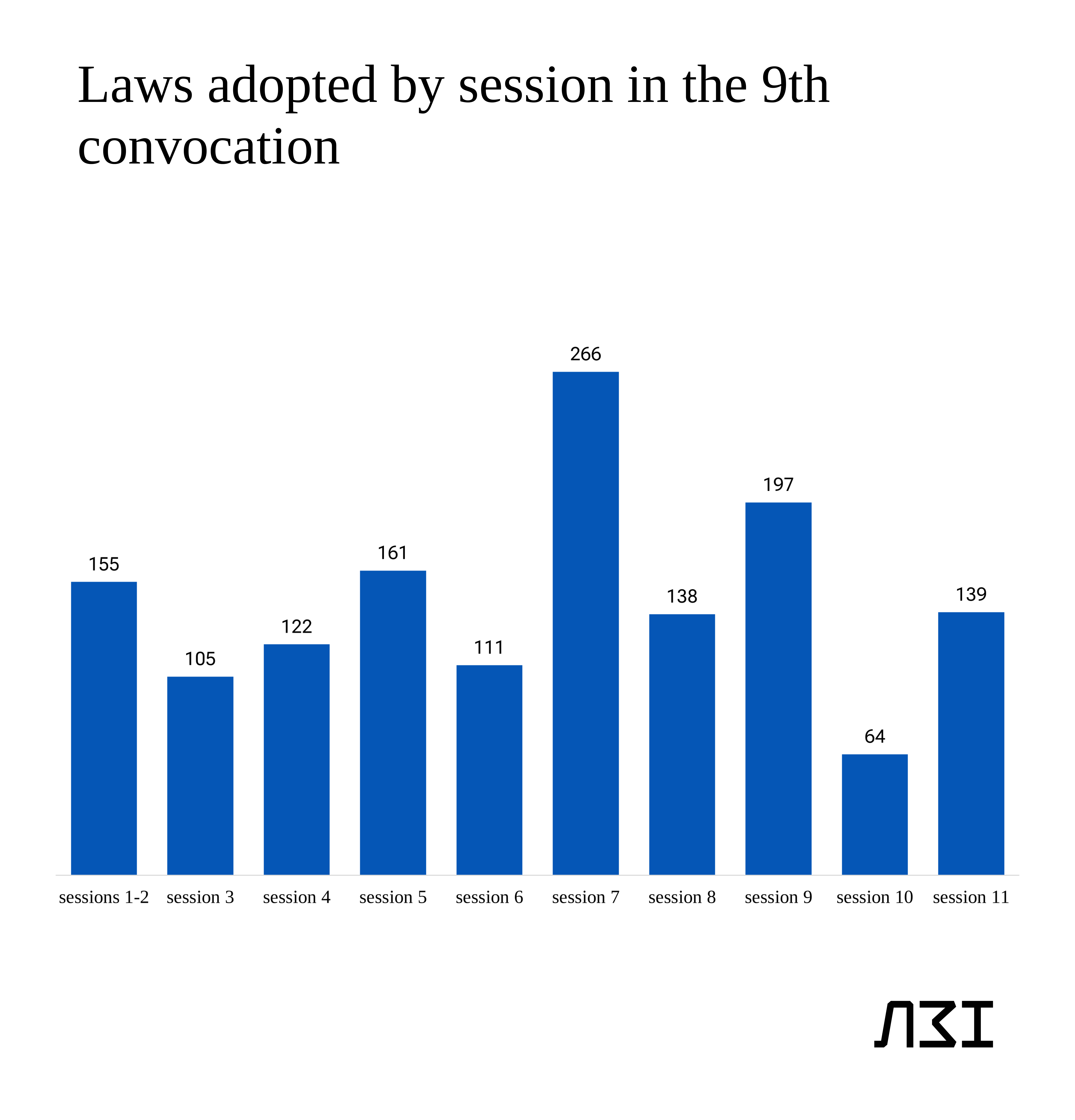
At the beginning of the full-scale war, the Verkhovna Rada not only managed to continue its work but also switched to a real “turbo mode.” During the seventh session (which covered the first six months of the full-scale invasion), the 9th convocation passed 266 laws, which is a record for laws passed in a session not only in this convocation, but also among all previous ones. In addition, the time for processing and passing draft laws has decreased – half were adopted in less than eight days.
But not everything is so good. There are some significant problems that the Verkhovna Rada of the 9th convocation can and should be reminded of.
About the disappointments of the 9th convocation
In situations where MPs violate basic standards of conduct, they demotivate their colleagues who do their jobs diligently and have a good public image and destroy trust in the Verkhovna Rada as a whole. As it stands, MPs cannot actually dissociate themselves from the unethical conduct of their colleagues. This issue could be resolved by adopting the Code of Conduct, a document that introduces uniform standards of conduct for MPs. In fact, this solution is ready, as the relevant draft law has been registered in the Verkhovna Rada. However, either internal resistance within the parliament or the desire to maintain a low level of trust in the Verkhovna Rada (and thus limit its subjectivity) has meant that this draft law is still pending.
2. MPs were made less protected from pressure from the executive branch
In August 2019, the VRU passed a law abolishing parliamentary immunity. Since then, law enforcement agencies have been able to prosecute MPs without prior approval of the parliament.
The issue of bringing MPs to justice is important in protecting the parliament from the executive branch, particularly law enforcement officers and prosecutors influenced by the President. Previously, if MPs did not want to pass a draft law that the government or the President wanted, they could not be threatened with criminal prosecution, but now all this is possible. With a weak judiciary, this is a direct threat to authoritarianism. International partners, primarily the EU, the Council of Europe, and its advisory body, the Venice Commission, have always had a negative attitude to initiatives to abolish parliamentary immunity.
3. The Verkhovna Rada became less open and transparent
The Verkhovna Rada of the 9th convocation has become much less open to society. On the one hand, this happened for objective reasons: first, the parliament restricted access for journalists during the COVID-19 pandemic, and then new, fully justified restrictions were introduced due to the commencement of Russia’s full-scale invasion on 24 February 2022. In addition to restricting journalists’ access to the Council, live broadcasts of its meetings were suspended for a month and a half (until April). Information about MPs also disappeared from the VRU’s website, and voting data was no longer updated.
Now, most of these restrictions have been lifted in one way or another, but they have already changed the work of the parliament, and it is unclear whether they will return to the old format. For example, journalists have been returned to the Verkhovna Rada, but in the format of a special room, not a press box. Meetings of the Conciliation Board remain closed (which is already a positive development, as it fulfils one of the recommendations given by the European Parliament Mission). Nevertheless, the Verkhovna Rada’s overall accessibility and openness have not been restored to pre-conflict levels.
4. Public trust was lost
In the 2019 elections, the presidential party Servant of the People received the highest support from citizens, winning 41.16% of the vote. The trust of voters helped the Servant of the People gain a mono-majority in the parliament, allowing them to make any decisions solely on the basis of their faction. However, due to internal disputes, corruption scandals and the unprofessional conduct of certain MPs, the ninth convocation lost the trust of the majority of voters by 2024. Thus, in December 2023, according to KIIS, only 15% of respondents trusted the Verkhovna Rada, while 61% did not trust it (another 24% chose the option “Uncertain”). In addition, according to another KIIS poll conducted in May 2024, one-third of respondents rated the performance of the Servants of the People as “very poor” and another 23% as “rather poor.”
Anti-records in terms of trust in the government are not new to the Ukrainian space. However, we would like to recall some of the records set by the 9th convocation.
About the records of the 9th convocation
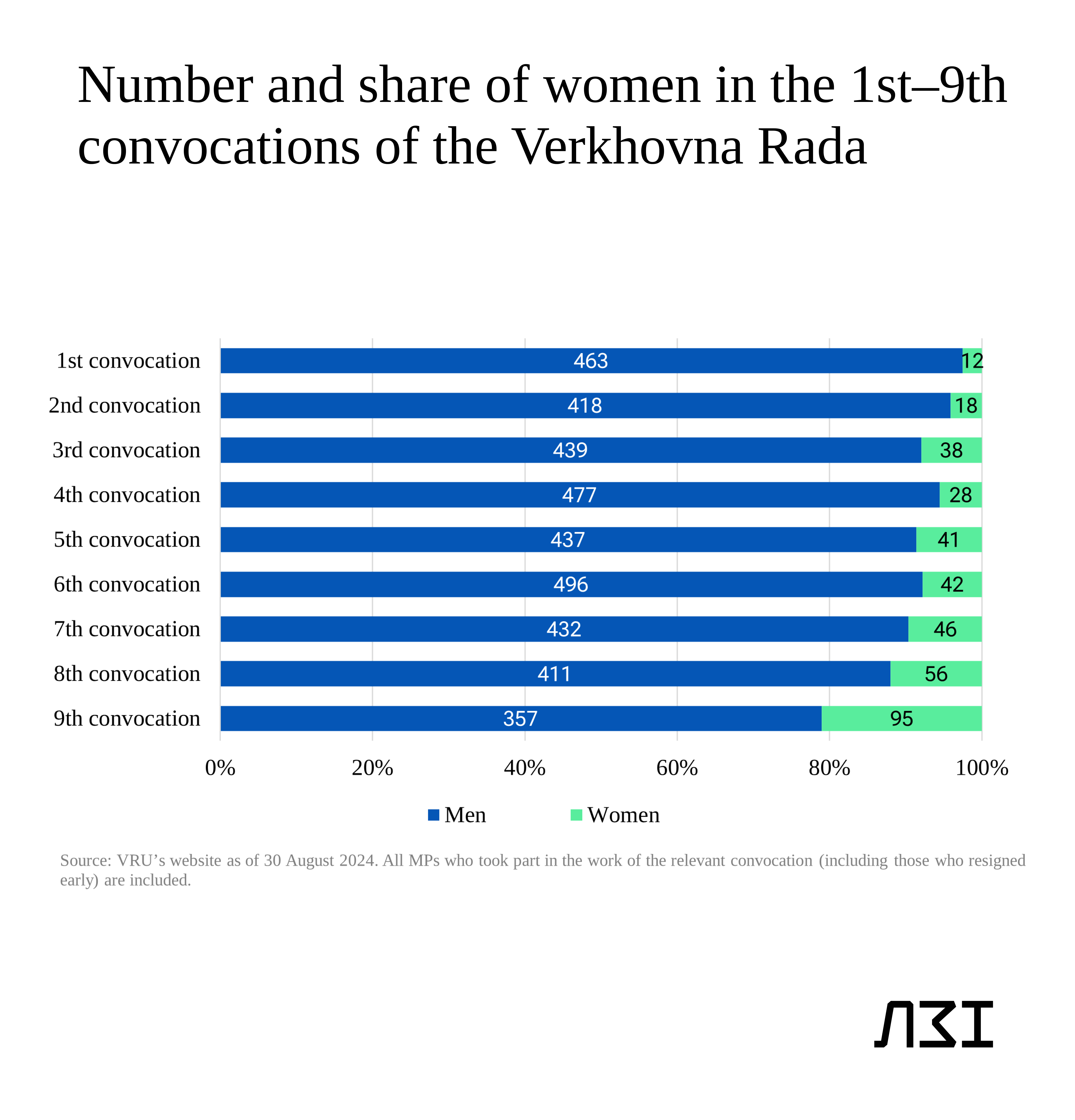
One of the important records of the Verkhovna Rada of the 9th convocation is the largest share of women among MPs, making almost 21%. In fact, the share of women in the Verkhovna Rada has been increasing with each subsequent convocation. For example, 12% of female MPs (56) were part of the eighth convocation, while the smallest number of women – only 12, or 2.5% – attended the first convocation.
2. Minimum number of MPs
As of the end of August, the number of MPs in the Verkhovna Rada is also at a record low, currently 401. This is due to the fact that 51 MPs resigned early, and only 30 “newcomers” replaced them, meaning that it was only partially possible to replace those who left. Although this situation is not catastrophic, and there have been worse situations in Ukrainian parliamentarians’ history (for example, the 2007 parliamentary crisis), this trend is worrying because the more MPs leave the parliament, the more difficult it is for those who stay to find votes to pass important draft laws.
3. Potentially the longest term of the Verkhovna Rada of Ukraine
The term of the Verkhovna Rada of the ninth convocation lasts exactly five years. Although the ninth convocation has not yet become the longest (the 6th convocation lasted 1,846 days, while the current one lasted 1,833 days as of 4 September 2024), it has every chance of breaking this record, as it will continue until martial law is lifted. Of course, there is also a less optimistic scenario: if MPs resign early in a massive way, the VRU may lose its decision-making capacity. However, the parliament still has 69 possible resignations of MPs away from this situation.
4. Record number of medals at the Olympics
Finally, sporting achievements in the Verkhovna Rada are also shaping up to be record-breaking. The parliament has a two-time Olympic champion for the first time. This is Zhan Beleniuk. During his time as an MP, he took part in two Olympic Games: in 2016, he won gold in Greco-Roman wrestling at the Summer Olympics in Rio de Janeiro, and in 2024, he won bronze in Paris.
These records are real. However, the 9th convocation was shrouded in some more legends and myths, without mentioning which the portrait of this term would be incomplete. So here are the popular myths about the VRU of the 9th convocation.
About the myths of the 9th convocation
One of the most memorable myths about the 9th convocation was the so-called “turbo mode”. Its emergence can be attributed to the then Speaker of the Verkhovna Rada, Dmytro Razumkov, who used this term to explain the alleged acceleration of the procedure for adopting reformist draft laws. However, Razumkov himself later retracted the term, adding that journalists invented and spread the term “turbo mode.” He acknowledged that the number of draft laws passed by the Verkhovna Rada had not increased significantly compared to previous convocations. The data of the Agency for Legislative Initiatives also confirm that there was no “turbo mode.” During the first and second sessions, the VRU adopted 155 draft laws. In comparison, 140 draft laws were adopted in the 8th convocation during the same time. It is worth noting that the 9th convocation, unlike the previous one, did not have to spend time forming a coalition thanks to its mono-majority. The situation was more appropriately described by another loud expression that was in use by political journalists at the time – “mad printer.” After all, during the first two sessions, MPs managed to register more than a thousand new draft laws (this number gradually decreased in all other sessions).
We can add that it is not entirely correct to evaluate the effectiveness of the VRU by the laws registered and adopted because, first, the legislation provides for a clear and rather lengthy procedure for adopting laws, the acceleration of which will lead to violations of the Rules of Procedure, and, second, the desire to adopt as many draft laws as possible in a short time may lead to their lack of elaboration and even erroneous decisions, which may require new amendments to the legislation to correct.
2. Unity of the mono-majority
While the unity of the Servant of the People’s mono-majority faction was possible to discuss at the beginning of the 9th convocation, the situation changed in the following years. This happened mainly due to internal disputes, where some MPs left the faction on their own, and some were expelled due to scandals (e.g., Bohdan Torokhtii or Anatolii Hunko). Thus, already in 2021, according to the Opora network, the “servants” passed only about a quarter of the laws with the votes of their faction alone. This situation only got more complicated, and in 2024, the Servants of the People increasingly had to look for situational allies in the factions of Restoration of Ukraine and PFLP, which were formed by members of the banned OPFL. Their votes are also used to pass quite important laws, such as the law on fair lobbying.
3. Loss of legitimacy
The myth about the loss of legitimacy of the 9th convocation can be attributed to Russian propaganda. The myth is that this convocation’s term of office is supposed to expire in August (after all, five years have passed), and therefore, it is losing its powers. However, this statement is refuted by the Constitution of Ukraine, which (specifically in Article 83) states that if the powers of the Verkhovna Rada expire during martial law, it still continues to work until it is lifted. Only after martial law is lifted can regular parliamentary elections be held.
4. The largest number of new faces
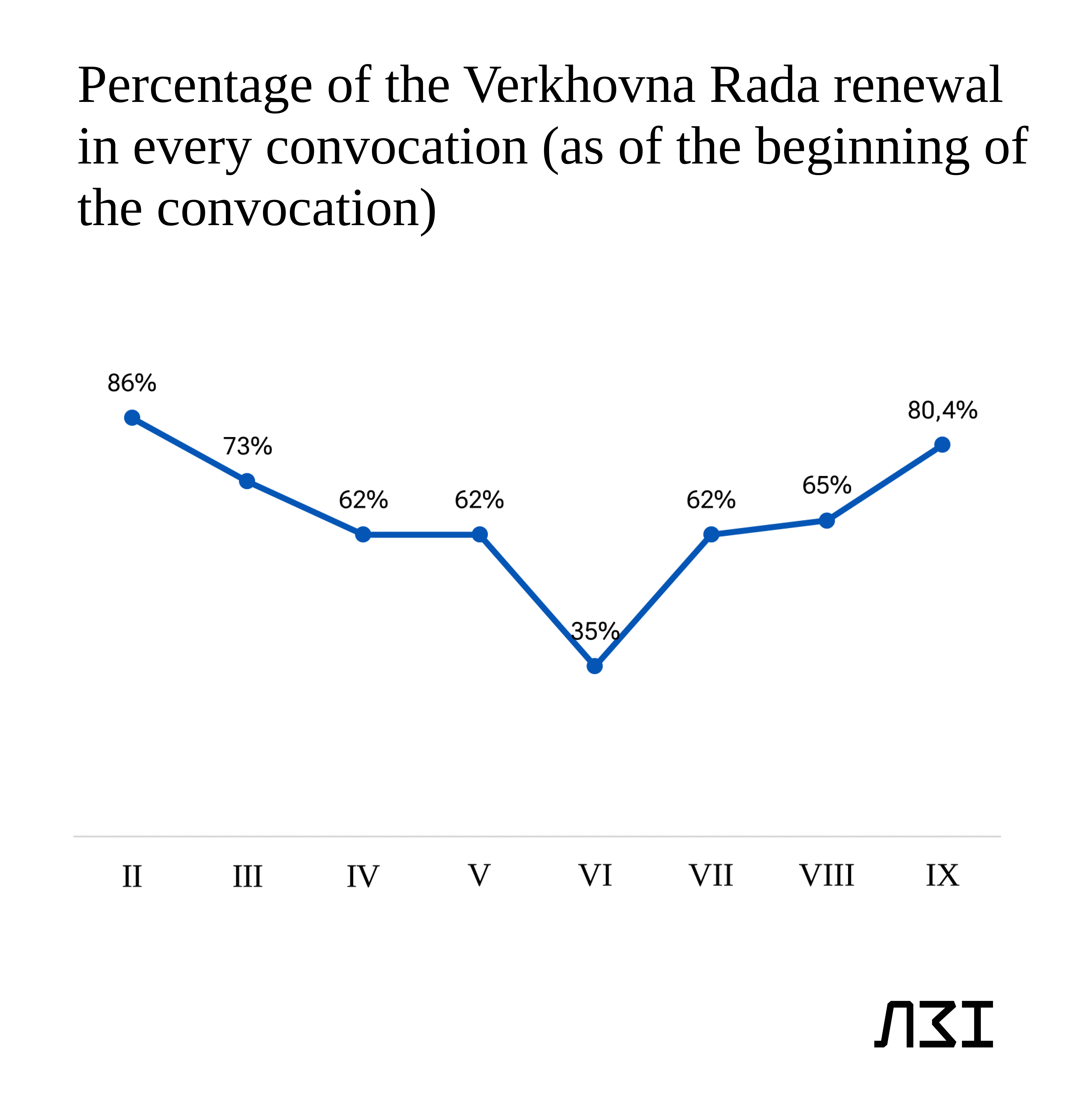
Although in 2019, the President and his Servant of the People party placed perhaps the biggest stake on “new faces” and presented it as a complete renewal of the Verkhovna Rada, in reality, the parliament was renewed by 80.4%, mainly due to the Servant of the People (which, indeed, included MPs with no previous experience of this kind). At the same time, the Verkhovna Rada was renewed the most after the first convocation – by 86%.
Finishing touches to the portrait
MPs of the 9th convocation have to work in one of the most difficult times for the country. This requires full involvement and dedication from MPs. They do a lot: pass important draft laws, including European integration draft laws (although not without “additional motivation” from international partners), continue reforms, etc.
As we have seen, this VRU also has its own records, and some of the theses spread in the information space are nothing more than myths inspired, not least by Russian propaganda. Of course, MPs have also managed to disappoint their voters over the past five years. They delay the resolution of many problems while addressing others at an accelerated pace, often leading to new mistakes.
However, the VRU remains a legitimate and functioning institution, and this should not be underestimated.
ALI Held a Seminar on Principles and Practices of Gender-Sensitive Legislative Impact Assessment for the Verkhovna Rada
On August 29, 2024, the Agency for Legislative Initiatives, together with the Parliamentary Centre (Canada), held a seminar for representatives of the Verkhovna Rada of Ukraine on the principles and practices of “Gender-Sensitive Legislative Impact Assessment: Canadian Experience and Prospects for Implementation in Ukraine.”
First Deputy Chairperson of the Verkhovna Rada of Ukraine Oleksandr Korniyenko opened the seminar and emphasised the importance of introducing such tools as legislative impact assessment and gender-sensitive analysis of draft laws into Ukrainian parliamentary practice:
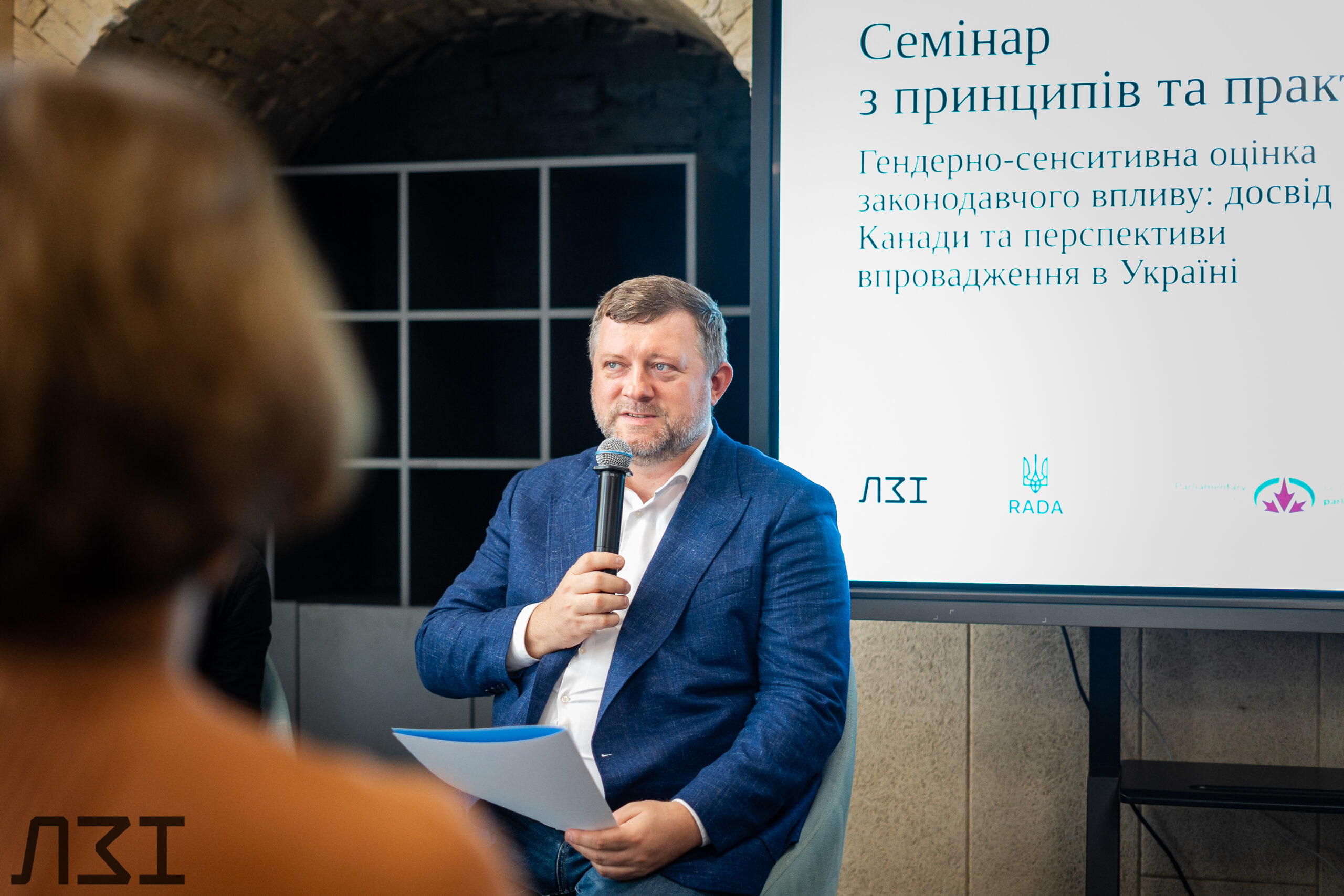
Senior Project Manager at the Parliamentary Centre of Canada Anastasia Shtaltovna stressed that advocacy for gender equality is a constant priority for the Parliamentary Centre (Canada). She also thanked the ALI and the Verkhovna Rada for their ongoing cooperation in this area.
The event’s speakers were Oleksandr Zaslavskyy, Director of the analytical department at the Agency for Legislative Initiatives, and Rick Stewart, Executive Director of the Regulatory Governance Initiative and Co-Director of the Regulatory Career Development Programme at the School of Public Policy and Management at Carleton University (Canada).
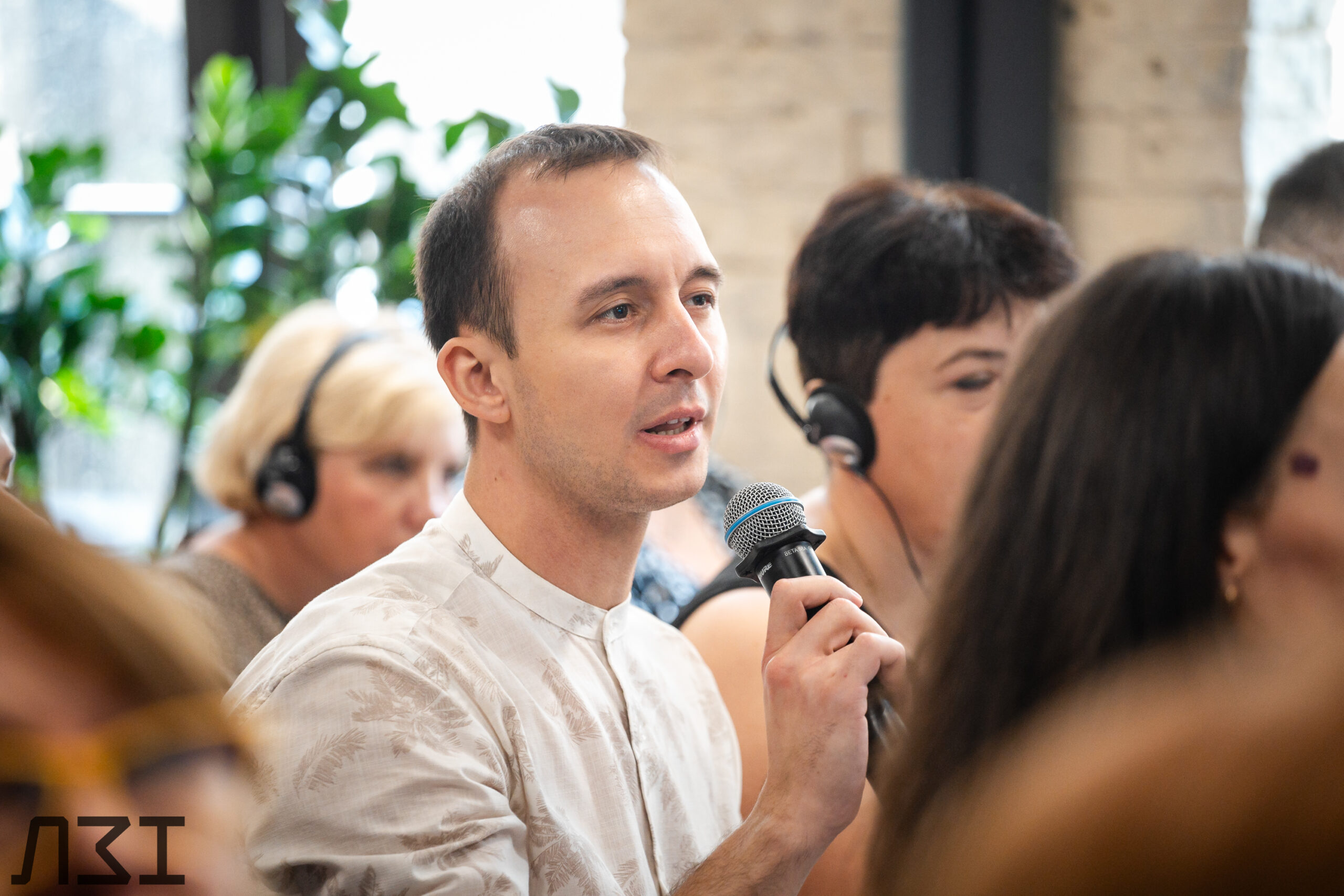
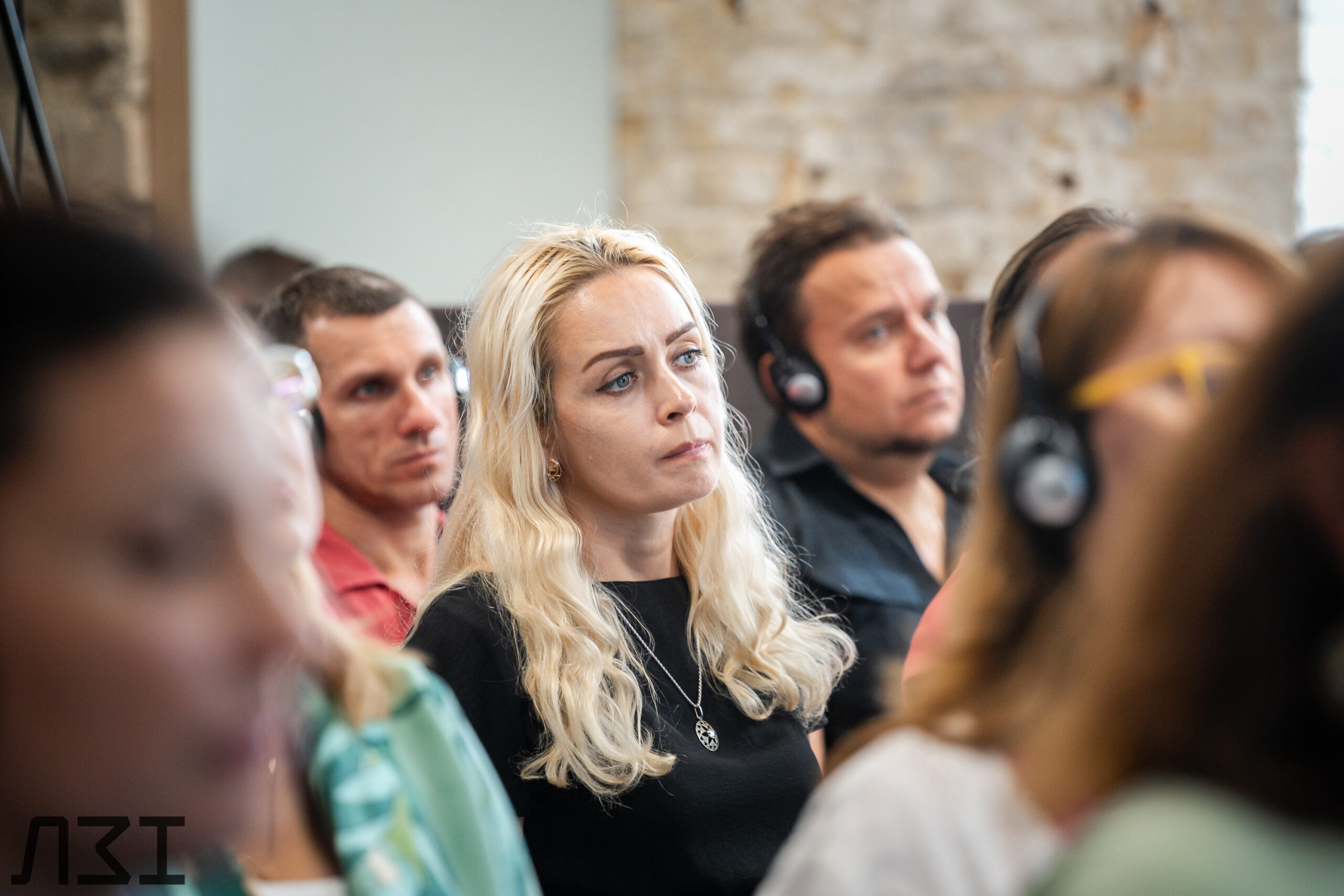
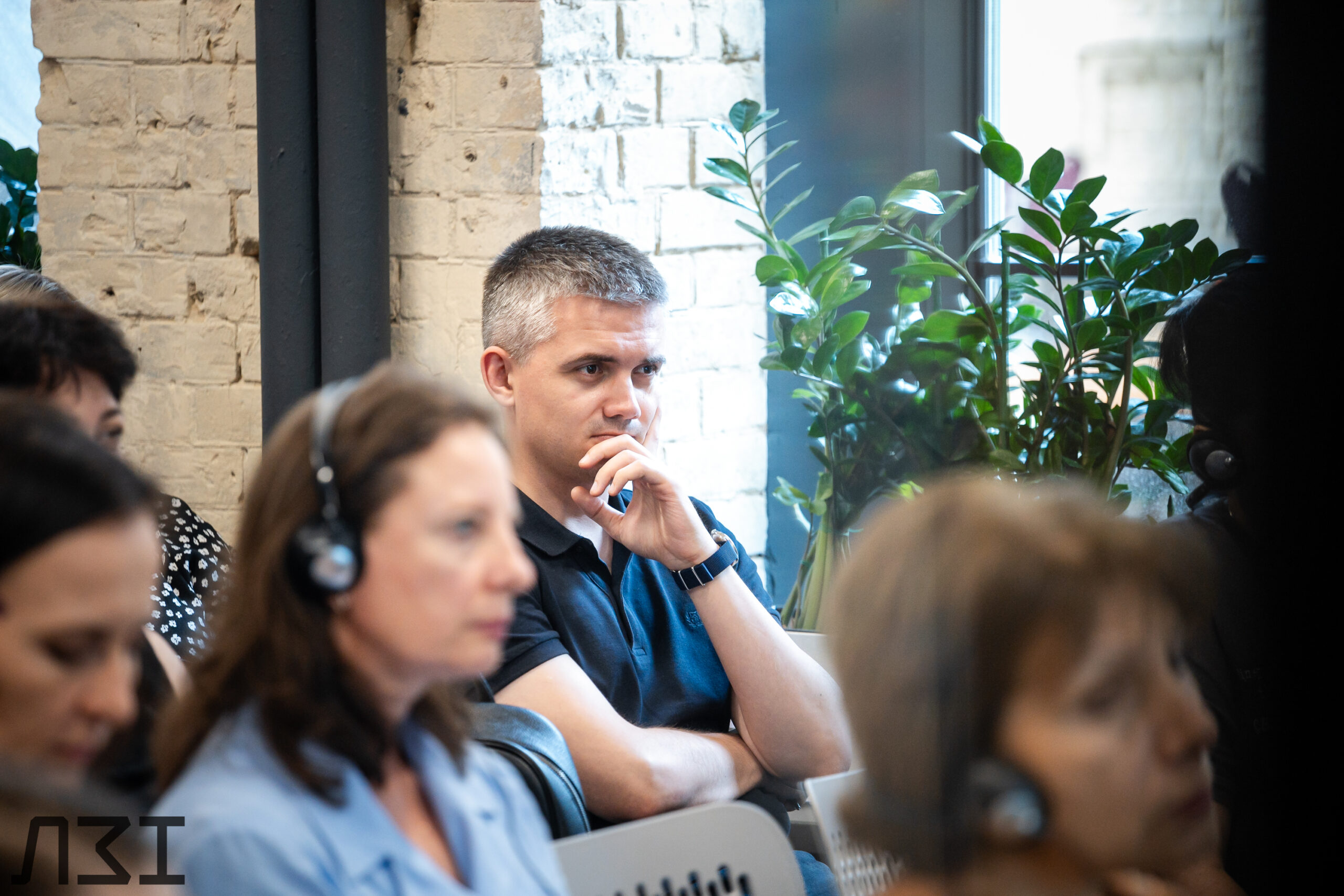
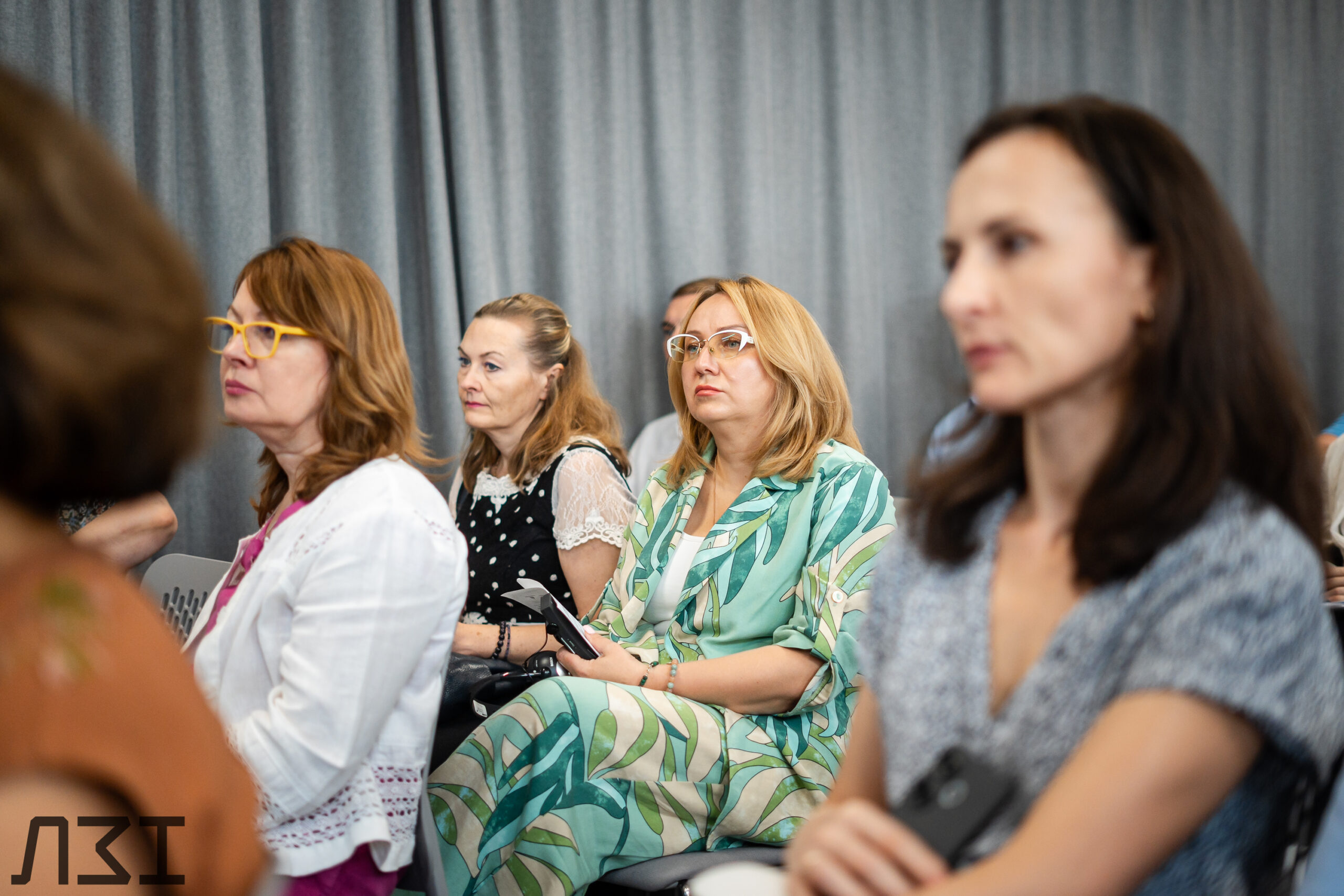
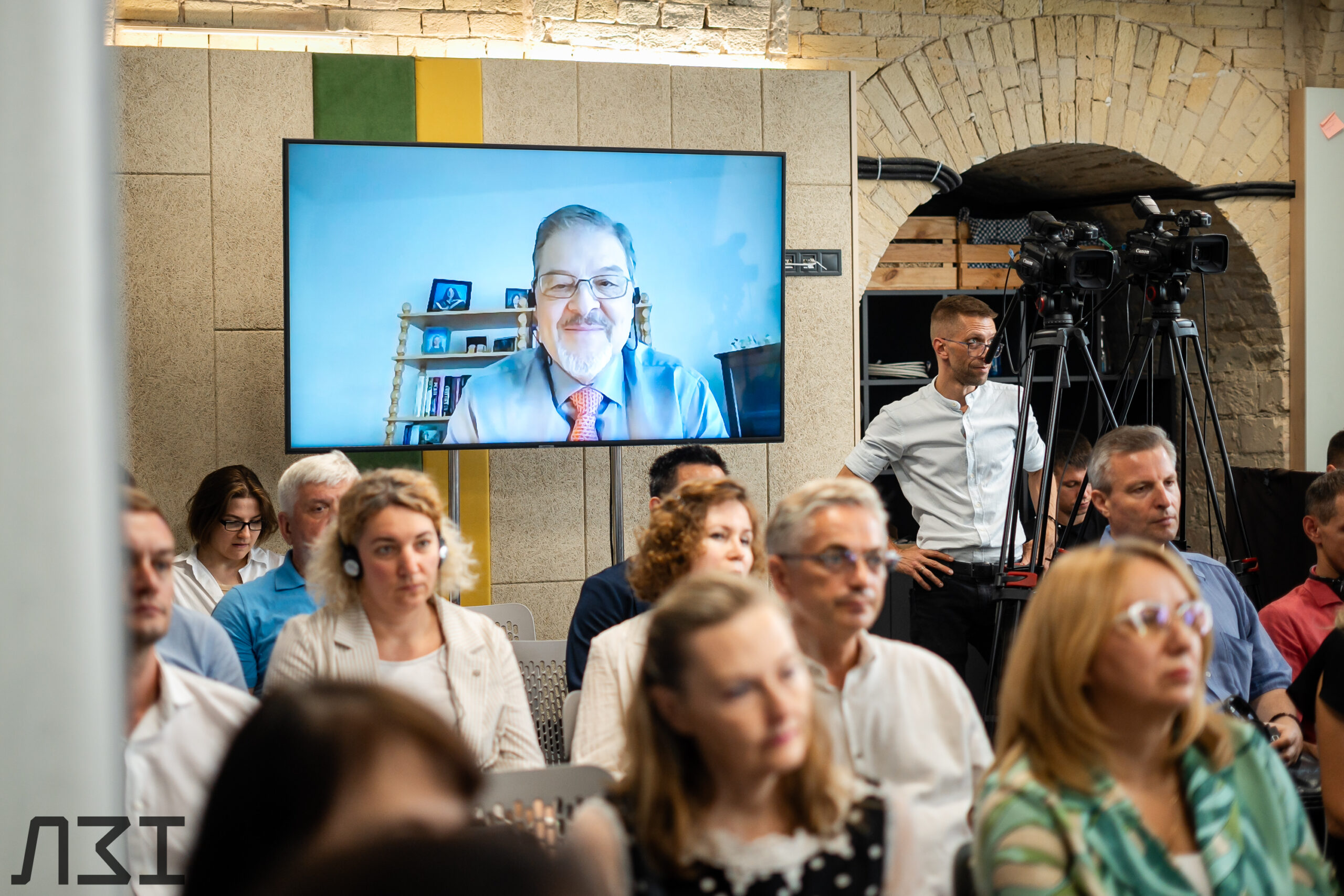
Rick Stewart spoke about the principles and practice of legislative impact assessment and gender analysis (GBA+). The participants also discussed with the speaker the prospects of implementing gender-sensitive impact assessment in the Verkhovna Rada:
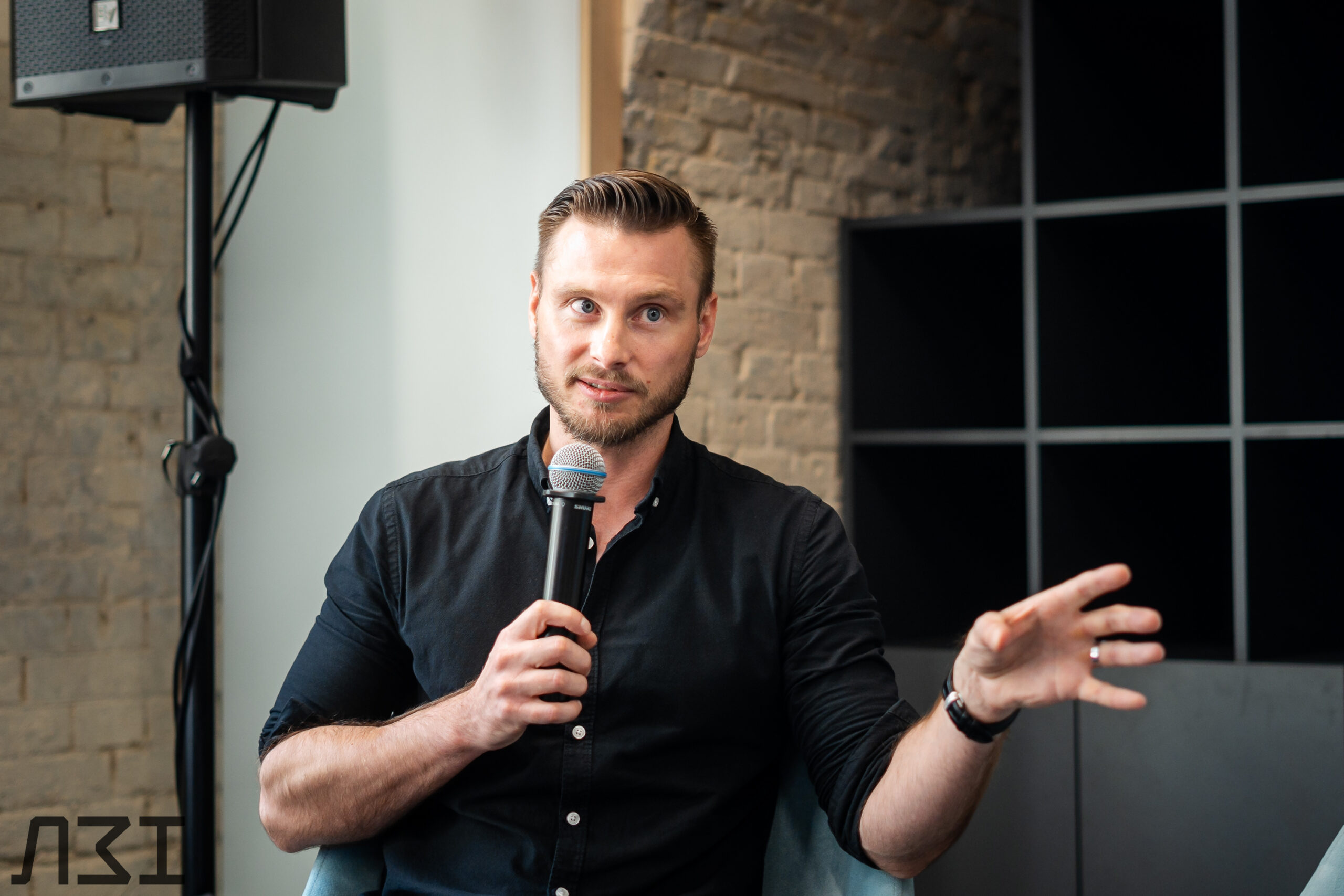
Oleksandr Zaslavskyy told the participants of the training about the application of gender analysis through the experience of Ukraine and EU standards:
The event was held by “Parliamentary Accountability of the Security Sector in Ukraine” (PASS Ukraine), which the Agency implements together with the Parliamentary Centre in cooperation with the Verkhovna Rada of Ukraine and with the support of Global Affairs Canada as part of Peace and Stabilization Operations Program (PSOPs).
What Will the Future Law on Military Police Change?
In the summer, the Verkhovna Rada passed two draft laws on military justice in the first reading. In June, the parliament voted for a draft law on the Military Police (MP), and in July, a draft law on exemption from criminal liability under certain conditions in case of unauthorised abandonment of the unit (UAU) by military personnel.
The establishment of the Military Police was also publicly supported by the Ministry of Defence of Ukraine. The Agency for Legislative Initiatives (ALI) also pointed to this need in a Green Paper we prepared for the VRU Committee on Law Enforcement.
After the commencement of the full-scale Russian invasion, the restoration of a full-fledged military justice system in Ukraine became urgent. Over the past ten years, the number of military personnel has increased from 166,000 in 2013 to 880,000 people in February 2024.
In addition, the number of offences committed in the armed forces has increased significantly over this period: from 2013 to 2023, it increased by 78 times, and the number of convicted servicepersons increased by 14 times. The legislation also introduced new types of administrative offences, and the number of penalties imposed has increased 6.5 times since 2015.
The new military realities have also increased the need for investigators, prosecutors, judges, and lawyers with the required competence.
What do we have now?
There is currently no military justice system in Ukraine. The law enforcement function in the military sector is performed by several state bodies, depending on their powers: separate units of the SBI, NPU, NABU, SSU, ESB, and others.
Each of these bodies operates separately in the military sector – different cases, depending on the offence, are handled by different law enforcement agencies and with due regard to the differences in their functions.
A special law enforcement unit, the Military Law Enforcement Service (MLES), has been operating within the AFU since 2002. Although the MLES operates within the AFU, it extends a number of its powers by law to military personnel of other units, persons liable for military service, and reservists.
The Green Paper on military justice prepared by the ALI outlines the main shortcomings of the current system:
- the existence of a special law enforcement unit within the AFU leads to the AFU being tasked with law enforcement functions which are inappropriate for them;
- The MLES is subordinate to the military command, is funded by the AFU, and MLES officials are appointed by the military command, which makes the MLES dependent on such a command, which may try to bring it under its control;
- most of MLES’s tasks and functions are not law enforcement by nature but are aimed at supporting the activities of the AFU.
Back in autumn 2021, the Presidential Decree approved the Strategic Defence Bulletin of Ukraine, which included the reform of the MLES into the Military Police, which will be responsible for maintaining law and order in the Ministry of Defence. This process was to be completed by the end of 2025.
What does the new draft law offer?
The draft law 6569-d voted in June is a revised version of draft laws 6569 and 6569-1.
The draft law’s adoption is justified by the fact that the current MLES does not have any powers to date to perform operational and investigative measures and bring perpetrators to legal liability, and it is limited in its ability to assist pre-trial investigation bodies and prosecutors.
In addition, it is necessary to bridge the existing gaps in the legislation, which, given the specific structure of the AFU and other military units in Ukraine, indicate the need for a comprehensive system of military justice in the country.
Among the arguments of the draft law are the inefficiency and slowness of the investigation into numerous military offences and the fact that SBI investigators do not fully ensure the fulfilment of their tasks due to limited powers and imperfect legislation.
In addition, the workload of the SBI has increased many times since 2022. For example, 85.5% of the registered criminal proceedings against military personnel in 2023 were concerned with violations of the rules of service, which obviously affected the quality and speed of solving crimes.
The draft law proposes to create a new military unit with law enforcement functions, namely the Military Police. Its task should be to ensure law and order and military discipline in the Ministry of Defence of Ukraine, the AFU and the State Special Transport Service.
One of the significant changes envisaged by the draft law is that Military Police officers will be empowered to carry out operational and search activities and, in some cases, even to conduct investigative (search) and covert investigative (search) actions. Previously, the MLES only assisted special agencies in performing such activities.
The newly created body will be financed by redistributing costs in the state budget spending and expenditures on those bodies whose functions will be partially taken over by the Military Police. According to the document text, the Cabinet of Ministers of Ukraine will coordinate the work of the Military Police through the Minister of Defence, while during martial law, the AFU Commander-in-Chief will provide overall leadership and coordination.
The Military Police is to be formed from active servicepersons of the AFU. According to the draft law, the total number of its members may not exceed 1.5% of the total number of the AFU.
What can be the problems?
Draft law No. 6569-d, adopted in the first reading, is an important step towards addressing the challenges faced by military justice in Ukraine.
Moreover, it is positive that parliamentarians adopted a revised draft law in the first reading rather than the documents registered shortly before the start of the full-scale invasion. Moreover, unlike previous legislative initiatives, MPs abandoned the idea of giving the Military Police financial control over the AFU and other military units this time.
Nevertheless, before introducing changes to the legislation, it is worth considering the risks that may accompany the process. Establishing a new institution always requires additional financial, material and organisational resources, which is difficult in times of war.
In terms of financing, the draft law initiators emphasise that its implementation will not require additional budgetary expenditures and can be accomplished by reforming the MLES and reducing the burden on other law enforcement agencies. However, it is difficult to agree (or disagree) with this without the calculations at hand.
There are doubts that the Military Police will start performing its tasks immediately after its establishment, given the lack of staffing and the lack of sufficient knowledge and skills of its officers in terms of operational and search activities and other tasks.
It is debatable that the independence of the Military Police in terms of its law enforcement functions is not directly defined as a principle of its activity.
The Military Police is also somewhat dependent on the decisions of the Minister of Defence or the AFU Commander-in-Chief, including in terms of financing its activities. The Central Scientific Experts Office of the Secretariat of the Verkhovna Rada of Ukraine also commented in this regard in its opinion.
Independent military justice bodies should support Ukraine and its Armed Forces’ declared goal of moving towards NATO membership and implementing NATO standards in practice.
The draft law provides for the coordination of the Military Police by the Cabinet of Ministers, which does not meet the standards of NATO member states where these bodies operate within the defence ministries.
On the other hand, the wording of the law as made public may lead to the risk of interference by the Military Police as a military unit in the activities of the executive body, which is the Ministry of Defence, as experts of the VRU Secretariat have pointed out. This, although indirectly, contradicts the provision of Article 17(4) of the Constitution of Ukraine, according to which no one can use military units to restrict the rights and freedoms of citizens or to obstruct the activities of the governmental authorities.
One of the most problematic issues that needs to be clarified in preparing the draft law for the second reading is whether and to what extent the pre-trial investigation function should be transferred to the Military Police. Also, the investigation under which articles should be transferred to it and how should it interact with other authorised bodies during such activities?