
7 for 5: The Journey of the Verkhovna Rada, 9th Convocation
On 29 August 2019, MPs of the Verkhovna Rada’s 9th convocation took the oath of office. Seven years later, the newly elected — and not so newly elected — representatives still hold their mandates, as martial law remains in force and parliamentary elections cannot be held.
So, what will this Verkhovna Rada be remembered for? The Agency for Legislative Initiatives invites you to look back at Parliament’s journey through the lens of time.
For the First Time, Women Hold More Than 20% of Seats
Eighty-four — that is the number of women MPs in the Verkhovna Rada of the 9th convocation as of August 2026. Women chair committees, parliamentary factions and groups, as well as parliamentary delegations. Since 24 February 2022, they have also been actively advancing parliamentary diplomacy.
This is the result both of consistent state policy — including requirements for party lists and additional funding for political parties that complied with the gender quota — and of growing public demand for women’s representation in politics.
A Decision 20 Years in the Making
One of the first laws adopted by MPs of the 9th convocation abolished parliamentary immunity.
The idea, supported in the all-Ukrainian referendum of 2000, was finally implemented almost two decades later. Since the law was adopted, dozens of MPs have been notified of suspicion of criminal offences. Yet alongside the possibility of holding MPs accountable came the risk of political pressure on them from law enforcement agencies.
The End of ‘Button Pushing’?
‘Button pushing’ had long been an integral part of parliamentary ‘culture’, and even its criminalisation failed to eliminate the problem completely. Finally, in 2021, the touch-sensitive button of the Rada-3 electronic voting system became operational in the Verkhovna Rada.
The voting principle is straightforward: for ten seconds, an MP must keep the voting button pressed with one hand while simultaneously keeping the other hand on the touch-sensitive button. In other words, both hands of the MP are occupied. That put an end to the possibility of multiple voting.
The story of ‘button pushing’ is also an example of how criminalisation does not always work. Adopting a law did not solve the problem; the best solution — a technical one — had been within reach all along.
The Mono-Majority Experiment
The electoral victory of the Servant of the People party enabled it, for the first time in independent Ukraine’s history, to form a coalition on its own. Or, more precisely, to become the coalition itself.
In political vocabulary, the phenomenon became known as the ‘mono-majority’. As a result, all power within the ‘Parliament – Government – President’ triangle was concentrated in one political force. Today, however, the mono-majority can hardly adopt any decision without ad hoc support from other factions and groups.
Records and Anti-Records of the Verkhovna Rada
The media dubbed the beginning of the 9th convocation’s work ‘turbo mode’, but the Verkhovna Rada set its real records for adopting legislation during the first months of the full-scale invasion. Between 24 February and 2 April 2022, Parliament sat in plenary on five days, while MPs spent a total of around 2 hours and 23 minutes in the session hall. They devoted roughly 57 minutes directly to considering draft laws and adopted a total of 70 laws and 3 resolutions during that time.
At the same time, the data show a slowdown: draft laws now take longer to pass than at any other point in the convocation, with more than a year elapsing between registration and adoption.
A total of 63 laws were adopted during the 14th session — the lowest figure for the 9th convocation. Given the record-low number of registered draft laws, this points to a substantial decline in legislative activity.
European Integration: Hostage to Its Own Ambition
During the term of the Verkhovna Rada’s 9th convocation, Ukraine opened negotiations on accession to the European Union. For Parliament, this means adopting almost 300 laws envisaged by the National Programme for the Adaptation of Ukrainian Legislation to European Union Law (EU acquis). Yet deadlines for fulfilling all of Ukraine’s EU membership commitments keep being postponed, while MPs are voting for fewer and fewer European integration initiatives.
Parliament appears to have become a hostage to its own ambition: despite its declared readiness to adopt the European integration legislation required, it has still failed to establish a separate accelerated procedure, limiting itself to two half-measures in the form of resolutions.
What the data show: only two European integration laws were adopted during the 14th session. This is the lowest number and the lowest share of adopted European integration laws since the 7th session. Such a pace poses a serious risk to Ukraine’s European integration prospects.
The Longest Convocation in History
Since the beginning of the full-scale invasion, the Verkhovna Rada has extended martial law 20 times.
At the beginning of the convocation, 424 MPs were serving; today, there are 392. Few of them can have expected at the start of their term to hold a mandate for longer than five years, still less under wartime conditions. With no prospect of elections in the near future, MPs are effectively ‘stuck’ in their seats.
A Seven-Year Snapshot
The years of the full-scale invasion have shown that the Verkhovna Rada is adaptable to external change and capable of acting when circumstances demand it. At the same time, the overall pace of legislative work has declined over the years. Yet despite this slowdown, and despite debates about Parliament’s agency and capacity, the institution remains central to major state processes. Foremost among them is steering Ukraine along its path towards membership of the European Union. Both the preservation of democratic order and the trust of international partners depend on the Verkhovna Rada’s ability to function effectively.
Government Out: What do Repeated Personnel Reshuffles Cost Ukraine?
Five days remained until the first anniversary of Yuliia Svyrydenko’s Government. Instead of a public assessment of its performance, President Volodymyr Zelenskyy announced a change in political strategy and a Government reshuffle. The following day, the Prime Minister submitted her resignation to the Verkhovna Rada, and Parliament accepted it. This automatically entailed the resignation of the entire Cabinet.
The public was never told why these changes were being made. It could only speculate as to whether the Government had fulfilled its tasks, what criteria had been used to assess it and whether state priorities were changing or the authorities were simply trying to salvage their reputation and approval ratings.
The news also came as a surprise to those required to give the decisions legal effect: MPs. They said they had learnt of the Government reshuffle from the President’s social media posts and the media.
The episode once again exposed not only poor communication between branches of government, but also the gap between Parliament’s role under the law and actual practice, in which political initiative is centred on the President.
Following procedure and making decisions transparent allow society to understand who decided what, how and why and who will be held responsible. The way personnel changes, including Government reshuffles, are conducted affects not only trust in new appointees, but also the state’s ability to continue working effectively through changes in personnel. This article considers what these processes reveal and what consequences they may have for the state.
Who Should Decide Whether the Government Has Delivered?
The President of Ukraine cannot appoint or dismiss the Cabinet of Ministers single-handedly. The Verkhovna Rada appoints the Prime Minister, the Minister of Defence and the Minister for Foreign Affairs on the President’s submission. It appoints the other members of the Government on the Prime Minister’s submission.
The Government is responsible to both the President and Parliament, but it is controlled by and accountable specifically to the Verkhovna Rada. Parliament should assess the Government throughout its term, not only on the day it resigns. MPs should monitor the fulfilment of commitments, hear reports from ministers, analyse decisions and demand explanations. Ultimately, they should determine whether the executive is performing its tasks.
With proper parliamentary oversight, the Cabinet’s performance would not be assessed within a closed circle of political leaders. MPs themselves would conduct that assessment.
This is difficult, however, in a system where the President is perceived as the main centre of decision-making by both Government officials and, often, MPs themselves. In such a configuration, accountability becomes an open question: why report to Parliament if it does not, in practice, determine whether a minister remains in office? Parliamentary oversight instruments exist, but in practice they do not ensure that the Government is accountable to the Verkhovna Rada.
Society is consequently given a political verdict without a public analysis of the Cabinet’s performance, clear conclusions or an explanation of what the new Government is expected to change.
The problem is not only that MPs do not assess the Government systematically. They may also be excluded from shaping personnel decisions that they will later be expected to approve with their votes.
Parliament as the Technical Executor of a Presidential Decision?
By law, the Government is formed with the participation of the President, the Verkhovna Rada and the candidate for the post of Prime Minister. Informal negotiations are a normal part of a democratic process. The problem arises when they entirely replace a substantive and open procedure and Parliament becomes merely the technical implementer of a decision taken elsewhere.
It remains unclear whether parliamentary committees were consulted before the reshuffle was announced or who prepared the list of candidates. Another unanswered question is whether the President, the future Prime Minister and the parliamentary majority divided among themselves the right to nominate candidates and, if so, how.
Judging by public and private reactions, MPs received no explanation for the Government reshuffle. This leaves them hostage to the situation and subsequently accountable to society for personnel changes over which they had little or no influence. Their votes, after all, turn the President’s initiative into a formal appointment.
Supporting the personnel changes proposed by the President will amount to an informal vote of confidence in the presidential strategy. Responsibility for that vote, however, cannot be transferred entirely to the President and his team.
Impossible to Assess: a Government Without an Approved Programme
Symbolically, Svyrydenko’s resignation coincided with the end of her first year in office, equivalent to the one-year protection from dismissal that the Government would have received had its Programme been approved. Even if the authorities had sought to justify the resignation by reference to the Svyrydenko Government’s performance, another problem would have arisen: on the basis of which documents could its performance be assessed?
This Cabinet submitted its Programme of Activities to the Verkhovna Rada in September 2025, but Parliament never approved it. There are therefore no objectives endorsed by Parliament against which the Government’s effectiveness can be measured.
It is, of course, possible to analyse priority action plans, the State Budget, implementation of international commitments, draft laws prepared and public promises. Such an assessment would, however, be based largely on public commitments that are not binding and do not assign responsibility.
Without an approved Programme, the Government’s resignation does not complete a proper cycle of accountability. The Government simply changes. Society is not shown the shortcomings that need to be addressed. These are lost amid speculation and rumours.
The new Cabinet’s first priority should therefore be to prepare a comprehensive Programme of Activities with measurable objectives, deadlines and responsible authorities. It should be presented publicly and submitted to the Verkhovna Rada on time. Approval of the Programme would give the new Government one-year immunity from dismissal and would allow MPs and society to understand exactly what the Cabinet is responsible for and how its performance will be assessed.
The Cost of Reorganisation: How to Preserve Institutional Memory
The imbalance between influence and responsibility is only one aspect of a personnel reset. The other is its cost to the public administration system.
Personnel changes in Ukraine are regularly accompanied by changes to the architecture of the executive itself. Ministries are merged, divided or renamed and their functions transferred from one authority to another.
Such a decision can be announced in a day, but its implementation takes months — usually around six. The ministry continues to operate during this period, but a substantial share of its resources is diverted to restoring and stabilising processes.
The Ministry of National Unity is a good example of poor management practice: a ministry that lasted only six months. At a time when Ukraine’s resources are limited, substantial resources were spent on an experiment that delivered no results.
Reorganisation requires a new regulation governing the ministry and the redistribution of functions, areas of responsibility, staff, budgets and other matters. Some decisions must be agreed again with other authorities.
Part of the new Government’s first year may therefore once again be spent on internal restructuring rather than policy implementation. Even a competent team cannot instantly recover lost time, restore disrupted working relationships or rebuild processes. The more complex another restructuring becomes, the more important a proper handover from the outgoing Government to its successor will be.
The quality of that handover will determine whether the new Cabinet can continue work already under way or must again spend months reconstructing the context, reviewing decisions already prepared and building its own teams. The true legacy of a Government is therefore not only a list of successes and failures or the Prime Minister’s final social media post, but a clear account of the state in which key policy areas are handed over to the new leadership.
Handover books for the new Prime Minister and each minister could be one tool for this transfer. They should record the current state of affairs, critical deadlines for meeting commitments, draft laws and secondary legislation in progress, potential risks and other relevant matters. They should separately identify processes that must not be interrupted by a change of leadership and decisions that cannot be postponed.
Ukraine has already attempted to introduce this practice, but it unfortunately failed to take root. As a good governance tool, it helps ensure that institutional memory is not lost when leadership changes. It would also allow Parliament to determine which measures proposed by the new Cabinet are genuinely new and which continue work begun by its predecessors.
Draft Laws That Fall With the Government
A change of Government will force some Government draft laws to begin their parliamentary journey again. This concerns all 142 draft laws introduced by the Svyrydenko Cabinet that had not been adopted as a basis at first reading, according to calculations based on open data. For Parliament, this effectively means a new cycle of committee consideration, opinions and another first reading.
The previous work does not disappear entirely, but repeating the procedure will take time. This may slow processes on which the fulfilment of EU integration commitments and Ukraine’s access to international financial support often depend. During a reshuffle, the state must therefore preserve its ability to perform hundreds of interconnected daily tasks without repeatedly returning to the starting point.
Between Political Expediency and Institutional Capacity
Personnel changes are sometimes necessary. It is reasonable to revise the structure of the executive if it is not delivering results. Every such decision, however, has a price: time, resources, lost momentum in meeting international commitments, the need to rebuild processes and the risk of new crises.
Ukraine has very few of these resources during wartime. Political decisions should therefore be assessed not only in terms of political expediency or the desire to satisfy personal political ambitions, but also in terms of whether they can realistically be implemented.
Even the best objective does not release the authorities from their duty to explain the reasons for personnel decisions, what state policy will look like following changes in personnel and what will ensure its continuity. Nor does it remove the obligation to follow the procedure established by law. The issue concerns not only the stability of state institutions, but also public trust and the country’s ability to move forward without another return to the starting point.
Ukraine is already at that starting point, forming a new Government. This time, it should at least try to do things properly: adopt a Programme of Activities and avoid another radical reshuffling of ministries. The new Cabinet may then avoid the fate of its predecessor.
ALI and a Coalition of Civil Society Organisations Present the Interim Shadow Report to the European Commission on the ‘Functioning of Democratic Institutions’
The second presentation of the interim Shadow Report: the Agency for Legislative Initiatives, together with a coalition of civil society organisations, presented the findings of its monitoring under the ‘Functioning of Democratic Institutions’ area of the ‘Fundamentals’ cluster. It covers Parliament, European integration, elections, civil society, governance and multi-level governance. The report sets out the current state of play, the progress of reforms in this area, and recommendations from experts at the organisations concerned.
Experts of the Agency for Legislative Initiatives, Civil Network OPORA and the Centre for Democracy and Rule of Law shared their work. The presentation was joined by representatives of the European Commission’s Directorate-General for Enlargement and Eastern Neighbourhood (DG ENEST), which is responsible for enlargement and EU accession negotiations with candidate countries and potential candidates.
Oleksandr Zaslavskyi, Deputy Executive Director for Analytical Work at ALI, congratulated the coalition partners and the EU representatives on the opening of the ‘Fundamentals’ cluster for Ukraine.
Under the ‘Parliament’ section, participants discussed the challenges and recommendations relating to parliamentary reform, the autonomy of the Verkhovna Rada, the legislative process and related matters. The expert noted that, since the start of the full-scale invasion, the Verkhovna Rada has remained functional and legitimate, and that during the first session under martial law parliamentarians passed 258 laws — the largest number of laws adopted in a single session in the history of the Ukrainian parliament.
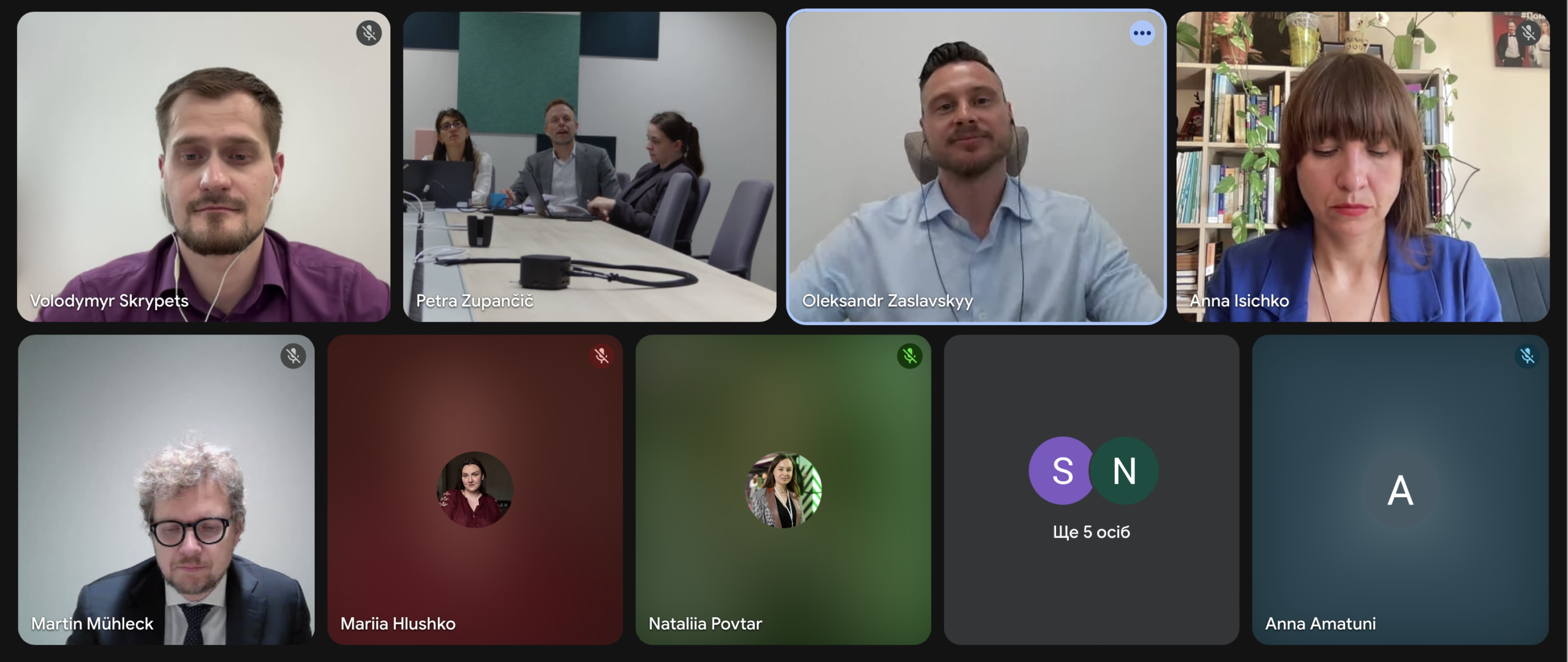
The presentation also addressed Ukraine’s progress on the European integration track, in particular the planning and development of law-making, policy implementation, and the monitoring of the changes introduced.
One of the significant achievements in this area has been the approval of the National Programme for the Adaptation of Ukrainian Legislation to European Union Law. It is now important to enshrine in law the status and binding nature of the National Programme, and to align it with the Verkhovna Rada’s legislative work plan.
During the presentation of the ‘Governance’ section, Oleksandr Zaslavskyi described the current situation — namely the structural and staffing changes in the Ukrainian Government, the challenges in its interaction with the Verkhovna Rada, and the planning of government activity, particularly with regard to fulfilling international commitments.
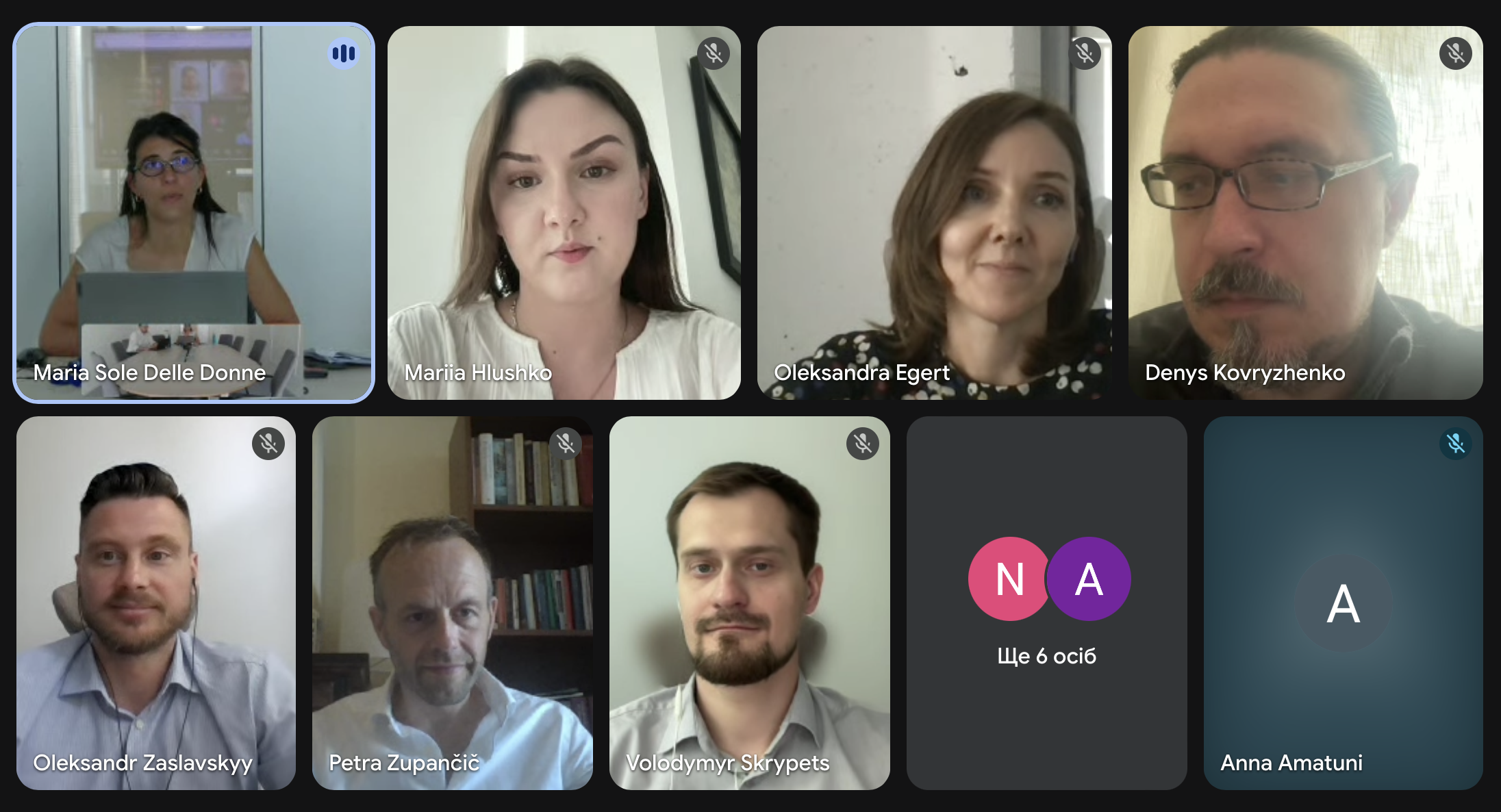
On multi-level governance, Volodymyr Skrypets noted that the European integration processes are continuing in this area too: in December 2025 the Government adopted Resolution No. 1748, ‘Certain Issues of Reforming Local Self-Government and the Territorial Organisation of Power under Martial Law and in Preparation for Ukraine’s Accession to the European Union’. However, under conditions of full-scale war, the problems that come to the fore are those linked to the depopulation of Ukrainian communities, the falling number of local council deputies, and the attraction of investment at the local level, including the implementation of the State Strategy for Regional Development.
As a reminder, the Agency for Legislative Initiatives, together with a coalition of civil society organisations, previously presented to the European Commission the interim findings of this year’s Shadow Report under Chapter 23 ‘Judiciary and Fundamental Rights’ and Chapter 24 ‘Justice, Freedom and Security’.
For the third year running, the coalition of civil society organisations coordinated by ALI has been monitoring and assessing Ukraine’s progress on European integration. This is an independent, alternative analysis by representatives of civil society and the expert community, coordinated by ALI. The coalition comprises experts from the Agency for Legislative Initiatives, Transparency International Ukraine, the Human Rights Centre ZMINA, Tomorrow’s Lawyer, Europe without Barriers, the Ukrainian Bar Association, Civil Network OPORA and the Centre for Democracy and Rule of Law, with media support from European Pravda.
As has become customary, the new Shadow Report will be published ahead of the European Commission’s report on Ukraine’s progress within the European Union Enlargement Package in 2026.
Background
The Shadow Report is a systematic audit by sector experts from civil society organisations. It does not duplicate the state’s official documents or the European Commission’s assessments and is not dependent on their positions. Rather, it is an analytical tool for developing a professional and comprehensive understanding of European integration processes, one that involves experts in the reform process. At the same time, it assesses how far Ukrainian legislation and the system as a whole conform to EU standards.
Producing shadow reports is a regular practice for all candidate countries seeking to join the European Union. In Bosnia and Herzegovina, Serbia, North Macedonia and Moldova, independent coalitions of civil society organisations have for years carried out alternative monitoring of reform progress in areas such as the rule of law and the functioning of democratic institutions. In Ukraine, this work has been carried out systematically since 2024, when a coalition of civil society organisations first prepared an alternative analysis to accompany the European Commission’s report on Ukraine’s progress within the European Union Enlargement Package.
The Shadow Report is entirely a product of civil society, regardless of its sources of support. To strengthen the institutional independence of the process, from 2026 ALI is establishing a new trend: the Shadow Report is also financed by independent civil society organisations. A significant share of the funding for its development will be covered by the Agency for Legislative Initiatives and Transparency International Ukraine. ALI takes on the mission of ensuring the maximum impartiality and objectivity of this preparation process, as it does every year.
Sustained Change Is Built through Daily Action: ALI Receives a Certificate of Honour from the Verkhovna Rada
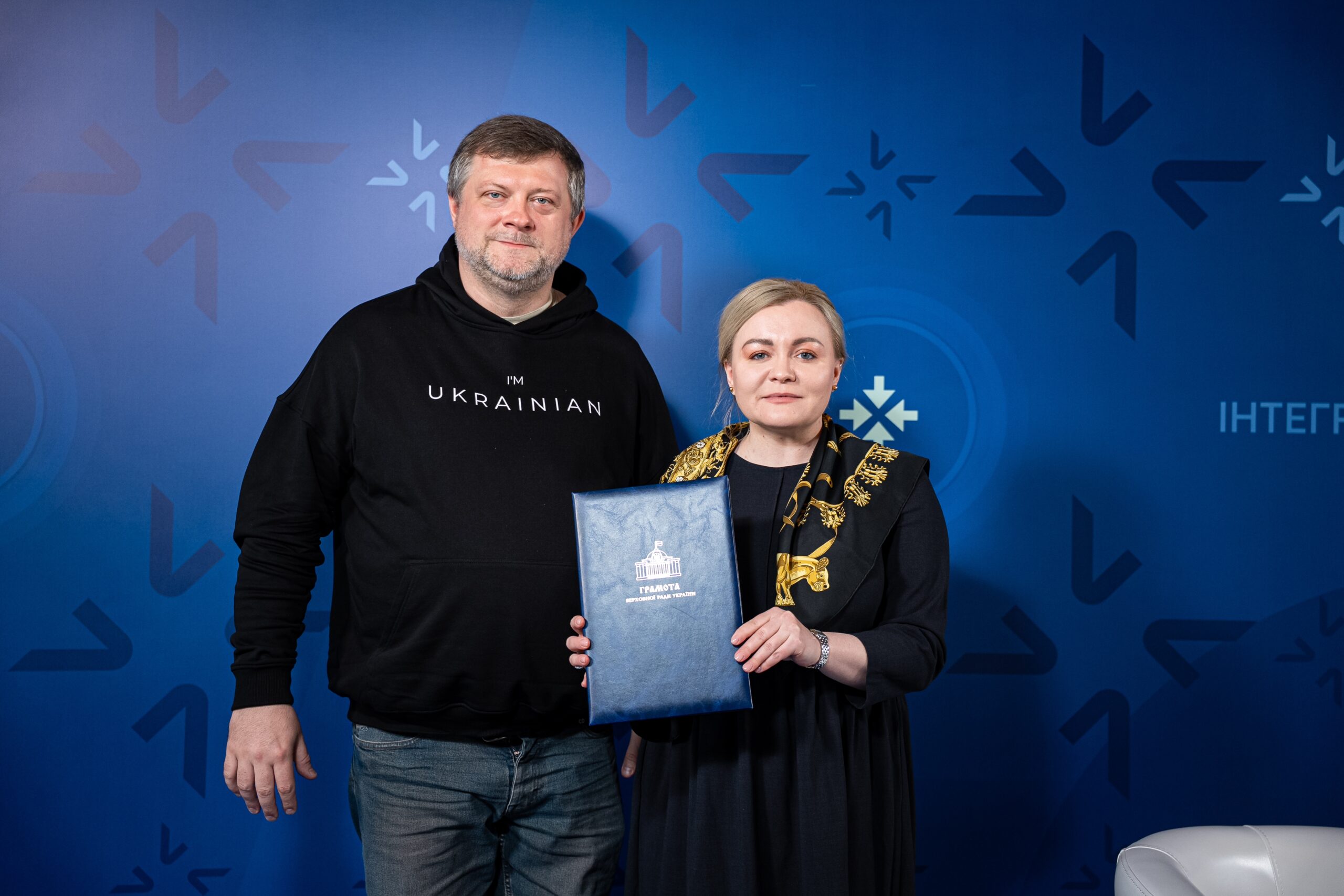
The team of the Agency for Legislative Initiatives (ALI) received the Certificate of Honour of the Verkhovna Rada of Ukraine during the First Session of the Ukrainian School of Political Studies’ landmark 20th programme. The School is an educational and networking project implemented by ALI under the auspices of the Council of Europe. The award was presented by Oleksandr Korniienko, First Deputy Chairman of the Verkhovna Rada of Ukraine and one of the Session’s speakers, in recognition of ALI’s significant contribution to the development of democracy and parliamentarism and the promotion of civic harmony in society.
For more than 26 years, ALI has helped build sustainable institutions in Ukraine and develop evidence-based public policy across a range of areas. ALI’s day-to-day work includes strengthening the institutional capacity of Parliament and the Government, advancing European and Euro-Atlantic integration, monitoring and supporting reforms in the justice and security sectors and providing political and civic education.
ALI regularly analyses the work of the Verkhovna Rada and its Secretariat through its session-by-session Parliamentary Monitoring reports and examines individual parliamentary processes in thematic issues of the Parliamentary Journal. We contribute to the development of draft laws and continue to monitor the implementation of parliamentary reform, a prerequisite for the institutional capacity of the Verkhovna Rada.
Background
The USPS programme explores different aspects of interaction between society and the state, including how these relationships are formed, how institutions and systems develop, what challenges they face and how those challenges can be overcome by taking responsibility and seeking solutions together.
Each year, changemakers from different fields join the USPS Community, including military personnel and entrepreneurs, politicians and civil servants, cultural figures and journalists. Learn more about the School, its values and its programme at this link.
75 Years to the EU? How to Accelerate the Work of the Verkhovna Rada
The 14th session of the Verkhovna Rada of Ukraine is far from the strongest in the ninth convocation in terms of quantitative performance — as evidenced by data from the parliamentary Monitoring conducted by the Agency for Legislative Initiatives. This is not about a single unsuccessful week or a few failed votes. It reflects systemic problems in the work of the Verkhovna Rada, confirmed by a combination of indicators and data.
The parliamentary crisis has already been widely discussed. MPs themselves are also speaking about it. Andrii Motovylovets, First Deputy Head of the ‘Servant of the People’ faction, stated that it is becoming increasingly difficult to secure votes for draft laws required for budget formation and the fulfilment of international obligations. Moreover, according to him, around 40 MPs are ready to resign their mandates — approximately 10% of the total composition of Parliament.
Let us compare the figures with the realities described by MPs themselves and consider how Parliament can overcome this crisis and restore its lost pace of work.
Too little, too slow and not important enough
The Ukrainian Parliament is not paralysed, but its effectiveness has noticeably declined. Committees, Temporary Investigative Commissions (TICs) and plenary sessions are held regularly. Decisions are still adopted. So where, and how, does the crisis manifest itself?
- Slow pace. On average, it takes Parliament 382 days to adopt a law at second reading — the slowest rate of the entire ninth convocation.
- Low-priority initiatives. A significant share of adopted laws consists of ratifications and minor amendments, while key European integration legislation has not progressed — only two European integration laws have secured sufficient votes.
- A sharp decline in output. Between September 2025 and February 2026, the Verkhovna Rada adopted only 63 laws — the lowest figure of the entire ninth convocation. This is four times less than during its most productive period, when Parliament adopted 229 laws between February and August 2022.
If such a pace continues, Ukraine may end up celebrating its accession to the EU alongside the beginning of the 22nd century (assuming accession takes place only after all European integration laws are adopted). This is how long — 75 years — it would take to pass all 300 European integration draft laws referred to by Deputy Prime Minister for European and Euro-Atlantic Integration Taras Kachka. (If two such laws are adopted per session, which lasts half a year, this results in four laws per year. 300/4 = 75. These calculations do not account for the likely expansion of the acquis communautaire.)
Such a pace appears particularly striking given that the first 100 days of the new Government fell in autumn 2025 — a period when the Cabinet of Ministers would be expected to operate at peak intensity, including, for example, approving its Programme of Activities.
Why has this crisis emerged? In numerous interviews with various media outlets, MPs point to a range of factors:
- lack of communication between Parliament and the Government, as well as within the mono-majority;
- backlash over ‘Mindichgate’ and its consequences;
- internal conflicts;
- developments surrounding NABU/SAPO;
- as well as a series of notices of suspicion issued to MPs by anti-corruption bodies.
What can be stated with confidence is that this crisis began in the summer, not in the winter — this is clearly reflected in the data.
Imperfect but indispensable: the role of Parliament during wartime
Talk of EU accession in 2027, international support linked to meeting structural benchmarks set by the International Monetary Fund, as well as compliance with the Ukraine Facility Plan, can all be set aside unless the situation changes (that is, unless the Verkhovna Rada begins adopting the laws envisaged by the Ukraine Facility Plan and required for Ukraine’s accession to the EU).
There is no alternative to the Verkhovna Rada in this process. Neither the Cabinet of Ministers nor the President has the authority to adopt laws. Yet it is precisely legislation that is required — both for European integration and for securing financing under the ‘funding in exchange for reforms’ model. Without it, Ukraine will struggle to finance even the most critical budget items, such as defence expenditure, let alone programmes such as national cashback schemes.
A functioning Parliament is essential for maintaining democratic order and the trust of international partners. While criticism of the Verkhovna Rada’s low productivity is justified, undermining the institution itself is dangerous.
Even a weakened Parliament is preferable to an institutional vacuum. An empty Verkhovna Rada will not pass a budget or adopt laws. Nor is it desirable to imagine a scenario in which someone decides to dissolve Parliament and assume its powers. It is better not to describe in detail a sequence of events involving a coup d’état, a cascading collapse of state institutions, the spectre of a Libya-style civil war, or a rapid occupation of Ukrainian territory…
The good news is that the Verkhovna Rada still has 393 sitting MPs, full legitimacy and even a formally existing coalition (a parliamentary faction in the Verkhovna Rada of Ukraine that holds the rights of a coalition of parliamentary factions). Parliament can still be revitalised.
Scenarios for overcoming the crisis
All scenarios for overcoming the crisis share one common element — restoring dialogue within the Parliament – Government – President triangle. The question is how exactly this can be achieved.
The first scenario is the formation of a national unity coalition, which was discussed in 2022 and could improve the situation in 2026. What was previously seen as a ‘desirable option’ is now becoming a practical necessity due to the lack of votes. This scenario may be complemented by a reconfiguration of the Government, the adoption of compromise draft laws and the signing of a formal coalition agreement. However, it requires genuine dialogue and mutual concessions involving parliamentary minority factions and groups.
The second scenario is to improve interaction between the current Government and Parliament. MPs point to:
- chaotic communication;
- lack of accountability;
- exclusion from decision-making processes.
These issues could be addressed by the Cabinet of Ministers led by Yuliia Svyrydenko, provided it finds effective ways of engaging with the Verkhovna Rada.
The third scenario is a reconfiguration of the Government. If the root cause of the crisis lies in poor communication between the Government and Parliament and the current Cabinet is unable to improve it, it may be worth giving a new one a chance. Formally, this step could be taken by the Servant of the People faction alone, although securing support from other factions appears more realistic. A key principle in this process should be ensuring that Parliament has a genuine influence over the selection of ministerial candidates — this would shape MPs’ attitudes towards the new Government.
The fourth scenario is to restore internal dialogue within Parliament. This could lead to mutual support for draft laws (so-called logrolling). It could also result in a review of MPs’ remuneration (if the issue indeed lies in the removal of informal top-up payments, as suggested by journalists). Alternatively, it may expand the scope of consensus voting — as is currently the case with votes on decrees extending martial law and mobilisation.
These scenarios may appear difficult to implement, but the alternative should not be overlooked — further deterioration during wartime could ultimately threaten statehood. Ultimately, overcoming the parliamentary crisis is possible. There are grounds for cautious optimism in the experience of the Verkhovna Rada two years ago (autumn 2023). At that time, the situation was similar: during the 10th session, Parliament adopted only 64 laws, of which just four were related to European integration. Yet by spring 2024, the situation had improved — albeit not as significantly as one might have hoped. Perhaps the desired progress can be achieved in 2026.
Reforms during martial law — focusing on cross-sector partnerships
Experts in governance, the rule of law, anti-corruption, and electoral processes joined the discussion. Participants discussed medium-term tendencies, potential avenues for Canada to support reforms, and opportunities for Ukraine’s recovery and reconstruction.
Close attention was drawn to the work of the Ukrainian Parliament. Oleksandr Zaslavskyi, the ALI’s Deputy Executive Director for Analytics, referred to the parliamentary Monitoring report for the 14th session when analysing trends in the Verkhovna Rada’s activity and the challenges it is currently experiencing. The expert highlighted institutional fatigue as one of the reasons for the recent decline in legislative output, adding that the 9th convocation is the longest in the Verkhovna Rada’s history. Other factors influencing this decline include issues surrounding NABU and SAPO, as well as other corruption scandals and internal conflicts.
Oleksandr Zaslavskyi remarked that the slowdown in Parliament’s work is affecting the implementation of necessary reforms, notably the adoption of EU-related legislation. If Ukraine is to join the European Union by 2027, the passage of all the necessary regulations requires greater attention and a steady pace.
For Oleksandr Zaslavskyi, an active civil society carries on playing a vital role in developing state institutions and national identity. However, he also raised particular concerns about troubling tendencies within civil society. Civil society organisations often find themselves having to work in place of institutions, rather than alongside them. In the long term, this will inevitably undermine their capacity, says Oleksandr Zaslavskyi. Therefore, it would be wise for civil society organisations to focus on approaches that engage institutions, public officials and decision-makers as deeply as possible in their work. This will empower us to preserve and reinforce the functioning of state institutions, especially those overseeing European integration.
Focus on European Integration and Interparliamentary Cooperation: ALI Launches a New Project
The Agency for Legislative Initiatives systematically supports and actively contributes to Ukraine’s European integration. As part of this effort, together with the International Renaissance Foundation, we are launching the IntehRada project. Building on sectoral analysis, the project aims to enhance awareness among international partners and Ukrainian MPs of the legislative changes and reforms that Ukraine needs to implement on its path to EU membership. Without a clear understanding of the specific political and procedural challenges faced by draft laws as they move through Parliament, it is extremely difficult to reinvigorate this process. The same applies to securing support — both externally, from EU Member States, and internally, within Parliament.
The Verkhovna Rada of Ukraine plays a crucial role in the European integration process by considering and adopting the necessary legislation. However, since obtaining EU candidate status, Ukraine has gradually experienced a slowdown in the development, consideration and adoption of EU-related draft laws: 2025 showed a decline in the pace of legislative European integration compared to previous years.
To accelerate progress in this area and ensure sustainable results, the ALI will produce three types of regular information briefs under the project:
- briefs on specific EU integration laws;
- briefs on broader challenges of the European integration track, focusing on procedural and institutional dimensions;
- briefs for Members of Parliament of Ukraine on priority EU integration draft laws (based on strategic planning documents, such as the Ukraine Facility Plan or the legislative work plan) for the upcoming month.
Ukraine’s accession to the EU also depends on the positions of EU Member States, which are not always unanimous in their support for Ukraine. However, the Verkhovna Rada can influence these positions — in particular, through interparliamentary friendship groups. Accordingly, another strand of the project will focus on analysing the work of these groups. Strengthening the effectiveness of parliamentary diplomacy tools (including friendship groups) will enable Ukraine to better substantiate its positions, explain the current context and shape realistic expectations.
We are confident that this approach will help draw the attention of international partners to challenges within the legislative European integration track and serve as an impetus for addressing them. In the longer term, it will contribute to steady progress in European integration through the consistent functioning of the Verkhovna Rada of Ukraine.
The IntehRada project is implemented with the support of the International Renaissance Foundation. The project reflects the position of the ALI and does not necessarily represent the position of the Foundation.
The Oversight Function of the Verkhovna Rada of the 9th Convocation during the 14th Session
Summary of the Unit
During the 14th session, 7 ‘Government Question Hours’ were held — in total, MPs and ministers spent more than 8 hours asking questions and providing answers.
The largest number of questions raised by MPs concerned the implementation of state social policy under martial law and the fulfilment of Ukraine’s European integration commitments.
Members of Parliament terminated the activities of 8 temporary commissions and established 5 temporary investigative commissions.
During the 14th session, MPs submitted 218 parliamentary questions — almost half as many as during the 13th session, and on a par with the 10th session. All inquiries addressed to the President concerned the conferment of titles.
Government Question Hour
‘Government Question Hour’ is an instrument of parliamentary oversight through which Members of Parliament may ask questions to members of the Cabinet of Ministers on a defined topic and receive answers. During the ‘Government Question Hour’, only issues related to the designated topic may be raised. As a rule, responses are delivered from the rostrum by the minister responsible for the relevant area, although questions may also be addressed to the Prime Minister and other ministers.
Government Question Hours Held
During the 14th sessionMPs may often yield the floor to another MP during the Government Question Hour to ask a question. Therefore, remarks by MPs lasting less than 10 seconds were removed from the data, as these were most likely such transfers of the floor., 7 ‘Government Question Hours’ were held — in total, MPs and ministers spent more than eight hours asking questions and receiving answers.
MPs may ask several questions during a single intervention, while ministers may respond to several questions, or several ministers may respond to a single question. Considering these features of the ‘Government Question Hours’, the data obtained illustrate MPs’ interest in particular topics or even specific ministers.
Compared to the 13th session, the data on the ‘Government Question Hours’ demonstrate a decrease in MPs’ activity, which is generally consistent with the overall trends of this session.
MPs Speeches by Factions and Groups*
*It should be noted that the ‘Government Question Hour’ is divided into two parts: 1) questions from parliamentary factions (parliamentary groups) to members of the Cabinet of Ministers of Ukraine and responses thereto; 2) questions from Members of Parliament to members of the Cabinet of Ministers of Ukraine and responses thereto — up to 30 minutes.
| Session 10 | Session 11 | Session 12 | Session 13 | Session 14 | |
| Servant of the People | 14 (28%) | 89 (29%) | 68 (33%) | 75 (30%) | 64 (35%) |
| European Solidarity | 6 (12%) | 49 (16%) | 30 (14%) | 44 (18%) | 26 (14%) |
| Dovira | 4 (8%) | 35 (11%) | 15 (7%) | 26 (11%) | 17 (9%) |
| Holos | 5 (10%) | 27 (9%) | 32 (15%) | 23 (9%) | 16 (9%) |
| PFPL | 8 (16%) | 17 (6%) | 11 (5%) | 15 (6%) | 15 (8%) |
| Fatherland | 2 (4%) | 30 (10%) | 24 (12%) | 18 (7%) | 13 (7%) |
| Restoration of Ukraine | 4 (8%) | 22 (7%) | 10 (5%) | 12 (5%) | 11 (6%) |
| Non-factional | 3 (6%) | 18 (6%) | 11 (5%) | 20 (8%) | 11 (6%) |
| For the Future | 4 (8%) | 19 (6%) | 6 (3%) | 13 (5%) | 10 (5%) |
| Total | 50 (100%) | 306 (100%) | 207 (100%) | 246 (100%) | 183 (100%) |
As in previous sessions, the largest number of questions (interventions) came from the Servant of the People faction — its representatives accounted for almost one third of all questions.
During the 14th session, questions from Members of Parliament were most frequently answered by the Prime Minister of Ukraine, Yuliia Svyrydenko, and the Minister of Education and Science, Oksen Lisovyi. This distribution is expected, given the role of the Prime Minister in coordinating the activities of the Cabinet of Ministers and the fact that the Minister of Education served as the main speaker during the ‘Government Question Hours’.
List of Government Question Hour Topics during the 14th Session
Temporary Investigative and Special Commissions
The Verkhovna Rada may establish temporary bodies: temporary special commissions and temporary investigative commissions, which are formed for a period not exceeding one year. During the 14th session, the Parliament voted to establish five temporary investigative commissions and terminated the activities of eight temporary commissions (of which five were special commissions). Their list is provided in Annex 7.
-
Annex 7. Temporary Commissions Established during 14th Session
Temporary Commissions that Terminated their Activities during 14th Session
Commission Date of termination Temporary Special Commission of the Verkhovna Rada of Ukraine for the preparation and comprehensive regulation of issues related to the provision of social guarantees to war veterans, Defenders of Ukraine and their family members, family members of deceased (fallen) war veterans and family members of deceased (fallen) Defenders of Ukraine 04.12.2025 Temporary Investigative Commission of the Verkhovna Rada of Ukraine on investigating possible violations of the legislation of Ukraine in the Ministry of Defence of Ukraine, the Armed Forces of Ukraine, other military formations established in accordance with the laws of Ukraine and specialised law enforcement bodies staffed by service members 04.12.2025 Temporary Special Commission of the Verkhovna Rada of Ukraine on monitoring and evaluating the effectiveness of the activities of local self-government bodies and local executive authorities in the city of Kyiv — the capital of Ukraine — under martial law 04.12.2025 Temporary Investigative Commission of the Verkhovna Rada of Ukraine on investigating possible violations of the legislation of Ukraine regarding the financing of treatment and rehabilitation of service members in medical institutions, overpricing of medicines for service members and their inadequate quality 04.12.2025 Temporary Special Commission of the Verkhovna Rada of Ukraine on the legal status, medical support, psychological assistance and social protection of war veterans, service members and their family members 04.12.2025 Temporary Investigative Commission of the Verkhovna Rada of Ukraine on investigating possible violations of the legislation of Ukraine in the formation and implementation of pricing and tariff policy in the energy and utilities sectors 04.12.2025 Temporary Special Commission of the Verkhovna Rada of Ukraine on preparing the draft basic principles of Ukraine’s state policy on interaction with national movements of small and indigenous peoples of the Russian Federation 18.12.2025 Temporary Special Commission of the Verkhovna Rada of Ukraine on the protection of property and non-property rights of internally displaced persons and other persons affected by the armed aggression of the Russian Federation against Ukraine 18.12.2025
Temporary Commissions by Sessions
MPs’ Inquiries and Appeals
Members of Parliament have the right to submit parliamentary inquiries and MPs’ appealsSince MPs’ appeals do not require announcement at a plenary sitting and there is no information about their registration, which complicates data collection, they are not the subject of this monitoring.. The former constitute a requirement by an MP to provide an official response on matters within the competence of a body or institution, while the latter constitute a request to provide an official clarification or present a position on matters within the competence of a body or institution.
During the 14th session, MPs submitted 218 parliamentary inquiries — almost twice fewer than during the 13th session and at the level of the 9th session. All parliamentary inquiries addressed to the President concernedThe conferral of titles and awards falls within the powers of the President; therefore, a parliamentary inquiry addressed to the President regarding the awarding of service members and other individuals (most often with the title of Hero of Ukraine) has become one of the instruments for recognising the contribution of service members, alongside citizens’ appeals and electronic petitions. the conferment of titles.
Parliamentary Inquiries
The decrease in the number of submitted parliamentary inquiries, as well as the number of ‘Government Question Hours’ held and MPs’ activity during them, confirms the conclusion that the 14th session is one of the slowest and least active sessions since the beginning of the full-scale invasion.
Violations of the Rules of Procedure in the Work of the Verkhovna Rada of the 9th Convocation during the 14th Session
Summary of the Unit
During the 14th session, the share of violations of the Rules of Procedure in the adoption of laws amounted to 38%, which is 30% lower than during the previous session.
The share of violations at the second reading of draft laws decreased by half compared to the 13th session.
The overall share of violations of the constitutional time limit (15 days) for the signing of laws by the President during the 14th session again amounted to 44%. The time limit for signing (or submitting proposals) was violated for 20 laws, while another 8 laws were neither signed nor vetoed.
The volume of violations of the legislative procedure during the 14th session decreased significantly and almost reached the level observed before the full-scale invasion. The overall share of draft laws adopted with violations is lower than during all other sessions under martial law, due to the significant decrease in violations at the second reading.
Violation of the Rules of Procedure regarding laws passed by the Verkhovna Rada
This section provides information on violations of the Rules of Procedure during the 14th session.
The 14th session demonstrated a decrease in the share of violations across all categories. During the 14th session, approximately 38% (more than one third) of laws were adopted with violations of consideration procedures, compared to 68% during the 13th session.
During the 14th session, the dynamics of the frequency of violations of the Rules of Procedure are similar for both the first and second readings. For the first reading, the share of violations decreased compared to the 13th session. Overall, the share of violations of the Rules of Procedure at the first reading has continued to decline since the 11th session.
Since the 9th session, the share of violations at the second reading had been increasing. During the 14th session, however, the share of violations of the Rules of Procedure at the second reading decreased almost twofold across all three types of violations monitored for the second reading.
These are among the lowest indicators for the entire IX convocation. The volume of violations at both the first and second readings continues to gradually approach the levels observed before the full-scale invasion.
In the charts and table, data on the share of draft laws adopted with specific types of violations of the Rules of Procedure are presented by session.
Violations of the Rules of Procedure in the Adoption of Laws in the Verkhovna Rada
| Type of violation | Provision of the Rules of Procedure | Total number of laws assessed for violations | Number of laws with violations |
| Opinion of the committee before the first reading (absence of such opinions or violation of the time limits established for familiarisation with these opinions prior to their consideration in the session hall) | The opinion is provided 7 days prior to the consideration of the draft law in the session hall at the first reading | 63 | 16 (25.4%) violations, all related to time limits, including 3 cases where the draft law was adopted on the day the opinion was provided. All opinions are available |
| Opinion of the MSED* before the first reading (absence of such opinions or violation of the time limits established for familiarisation with these opinions prior to their consideration in the session hall) | The opinion is provided 7 days prior to the consideration of the draft law in the session hall at the first reading | 63 | 11 (17%) violations of time limits. All opinions are available |
| Comparative table after the first reading (absence of the comparative table or preparation of such a table within timeframes that do not allow all entities to submit their amendments within the time limits established by the Rules of Procedure) | Proposals and amendments must be submitted to the table no earlier than 14 days after adoption at the first reading, or 7 days in case of shortened timeframes | 32 (draft laws adopted at the second reading) | No violations of time limits. All comparative tables are available |
| Opinions of the MLD (absence of MLD opinions or violation of the time limits established for familiarisation with these opinions prior to their consideration in the session hall) | MLD comments are provided 10 days prior to the consideration of the draft law in the session hall at the second reading, or 5 days in case of shortened timeframes | 32 (draft laws adopted at the second reading) | 10 (31.3%) violations of time limits. All opinions are available** |
| Opinion of the committee before the second reading (absence of committee opinions or violation of the time limits established for familiarisation with these opinions prior to their consideration in the session hall) | Committee opinions before the second reading are provided 10 days prior to the consideration of the draft law in the session hall at the second reading, or 5 days in case of shortened timeframes | 32 (draft laws adopted at the second reading) | 10 (31.3%) violations of time limits. Committee opinions are available for all laws |
| Comparative table before the second reading (absence of the comparative table or violation of the time limits established for familiarisation with these tables prior to their consideration in the session hall) | Tables must be provided 10 days prior to the consideration of the draft law in the session hall at the second reading, or 5 days in case of shortened timeframes | 32 (draft laws adopted at the second reading) | 9 (28.1%) violations of time limits. All tables are available |
*The Rules of Procedure of the VRU do not contain a direct and clear requirement regarding the mandatory nature of opinions of the MSED. Alongside Article 103(4), which provides that in the absence of opinions within 14 days there are deemed to be no comments, there are also provisions requiring MSED opinions:
- Article 112 establishes that accompanying documents to a draft law shall be provided to MPs no later than seven days before the day of consideration of the draft law at a plenary sitting of the Verkhovna Rada.
- Article 99(2)(3) provides that expert opinions on a draft law form part of the accompanying documents.
Therefore, it can be concluded that the Rules of Procedure of the VRU are imperfect and contain contradictory provisions. For example, the MSED may provide an opinion after the 14-day deadline (due to workload), and in such a case it is unclear what the main committee should do — treat the absence of timely opinions as meaning there are no comments or consider the comments submitted after the deadline.
**The opinion of the MLD was absent for the draft state budget, but this was not considered a violation due to the established practice of the absence of MLD opinions on budgets in different years.
Violation of the Constitution regarding the timeframe for signing laws
In addition to standard violations of the Rules of Procedure, monitoring was carried out of violations of the Constitution related to breaches of the 15-day time limit for the signing of adopted laws by the President (Article 94 of the Constitution). The monitoring covered 63 laws adopted by the Verkhovna Rada of Ukraine during the 14th session. The time limit for signing (or submitting proposals) was violated for 20 laws, i.e. in 32% of cases (compared to 43% during the 13th session). In addition, a further 8 laws were neither signed by the President, nor vetoed, nor accompanied by proposals (although the deadline for their signing had already expired). If all violations are combined, this amounts to 44% of all laws adopted during the 14th session, which is lower than the results of the 13th session (47%). Thus, almost half of all laws adopted during the 14th session involved violations of the time limits established by the Constitution of Ukraine.
Of course, the extent of the delay — whether 2 days or 102 days — does not change the fact that both constitute a violation. If one considers the most extreme cases, the longest recorded time for signing was 83 days.
Violations of the constitutional procedure began to increase with the introduction of martial law. The 11th and 13th sessions recorded the highest number of such violations, while the 12th and 14th sessions showed only a slight decrease. However, it is premature to conclude that the trend has changed. Despite significant improvements in the process of adopting laws, the timeframes for signing remain a major issue. These violations also cannot be explained byAccording to the Constitution of Ukraine, the President has 15 days to sign a law and officially promulgate it, or to return it with his reasoned and formulated proposals to Parliament. At the decision of the President, the Government organises an expert review of the law submitted for signature. According to the Rules of Procedure of the Cabinet of Ministers, the Government has a maximum of seven days to submit its proposals regarding the signing of the law by the President or reasoned and substantiated proposals on the expediency of the President exercising the right of veto. The time spent on preparing generalised comments and proposals depends both on the scope and complexity of the law and on other factors — the day of the week and time when the copy of the law was received, the number of ministries involved in the review, differences in their positions regarding the adopted law, internal bureaucratic procedures in the ministries, technical reasons, etc. Any combination of these factors may delay the Government’s submission of proposals on the law and, accordingly, the President’s decision to sign the law or return it to Parliament. deficiencies in the regulatory or procedural framework, as the relevant provisions have not changed.
During the 14th session, the President, within the established 15-day time limit (i.e. without violation), vetoed one draft law and submitted his proposals. The draft law had been initiated by representatives of the Servant of the People faction, which suggests that, in this case, the positions of the initiators and the President were not aligned or that the draft law was technically flawed. The Verkhovna Rada has not yet considered this draft law.
Committees of the Verkhovna Rada of the 9th Convocation for the 14th Session
Summary of the Unit
- The most heavily burdened committees are the Committee on Economic Development (34 opinions), the Committee on Finance (25 opinions), the Committee on National Security and the Committee on Social Policy (24 opinions each).
- In terms of the number of draft laws per MP, two committees had the highest workload during the 14th session — the Committee on Economic Development and the Committee on Social Policy. Both committees account for more than 2 assigned draft laws and provided opinions per MP. In nine committees, the workload (number of provided opinions) does not exceed 0.5 per MP.
During the 14th session, committees of the Verkhovna Rada continued to operate in conditions of a slight decrease in the number of registered draft laws compared to the 12th session. The total number of provided opinions decreased to 260, which is 32 fewer than during the corresponding 12th session. The uneven distribution of workload among committee members, which in some cases differs by as much as 17 times, raises the issue of redistributing responsibilities or revising the composition of MPs and secretariat staff within committees.
Information on the timeframes for the provision of committee opinions is presented in the section on the speed of passage of draft laws.
Opinions on Rejection (total: 38 opinions)
| Submitting entity | Number of opinions on rejection of draft laws (share of total opinions on rejection) |
| MPs of Ukraine | 38 (100%) |
| Government | 0 |
| President | 0 |
Number of Opinions Recommending Rejection of MP’s Draft Laws by Factions and Groups
During the 14th session, 38 opinions of main committees recommending the rejection of draft laws were prepared. Opinions recommending rejection may indicate both the political alignment of committees and the level (at least minimal) of the quality of draft law preparation. At the same time, as during the 11th session, two-thirds of the rejected draft laws are alternative draft laws. Presidential draft laws appear to meet both criteria, as none received opinions recommending rejection (it should be noted, however, that the number of presidential draft laws was limited and they are often ratifications and decrees). Government draft laws also appear largely unproblematic: during the 14th session, they did not receive any opinions recommending rejection. Most rejection opinions were issued for draft laws initiated by MPs from the Servant of the People faction, which is logical given the number of MPs and their legislative activity.
Committees’ Workload
When assessing committee workload, it should be borne in mind that this monitoring primarily calculates workload based on the number of opinions by main committees. This method is used due to data availability (open data format). Information on the opinions of main committees is consistently available on the website of the Verkhovna Rada, is regularly updated and covers all such opinions. At the same time, committees perform many other functions and tasks beyond providing opinions as main committees. Three committeesBudget Committee, Committee on Anti-Corruption Policy, Committee on European Integration. are required to provide mandatory opinions on all draft laws; committees may also be tasked with preparing opinions as supporting committees; they consider and adopt decisions within the framework of the oversight function; review letters and appeals; and organise conferences, round tables and other events. These limitations should be considered when reviewing the information presented below, which is based on the opinions of main committees.
The presented chart includes two indicators. First, it shows the number of opinionsThe number of opinions does not correspond to the number of draft laws considered. A committee may provide several opinions on a single draft law, for example: an opinion on inclusion in the agenda, opinions for the first and second readings, for repeated readings, or on revised versions of the draft law, etc. provided by the main committees. The second indicator reflects the number of draft laws assigned to each committee as the main committee in accordance with its remit. Together, these indicators illustrate the distribution of legislative work related to the preliminary consideration of draft laws.
The highest workload in terms of the number of opinions (34) falls on the Committee on Economic Development. Three other committees also demonstrate a relatively high workload (compared to other committees): the Committee on Finance (25 opinions), the Committee on National Security and the Committee on Social Policy (24 opinions each). While the Committee on Economic Development was not among the leaders in terms of the number of provided opinions in recent sessions, for the other committees, this distribution is relatively typical for the last seven sessions under martial law (7th–13th sessions).
The total number of opinions decreased to 260, which is 32 fewer than the number provided by committees during the corresponding 12th session.
The largest decreases (compared to the corresponding 12th session) in the number of opinions provided during the 14th session were recorded by the Committee on Legal Policy (−32 opinions) and the Committee on Law Enforcement (−29 opinions).
At the same time, for some committees, the number of opinions increased compared to the 12th session. In particular, the largest increase was recorded by the Committee on Economic Development (+18 opinions).
The number of draft laws assigned to committees, as compared to the 12th session, changed within a range from −28 to +15 assigned draft laws.
The potential workload (i.e. the number of assigned draft laws) of committees during the 14th session decreased most significantly (as compared to the 12th session) for the same committees that also experienced a decrease in actual workload: the Committee on Legal Policy (−28 assigned draft laws) and the Committee on Law Enforcement (−27 assigned draft laws).
At the same time, the potential workload increased most significantly for the Budget Committee (+15 assigned draft laws) and the Committee on Social Policy (+10 assigned draft laws).
Another dimension of committee workload is illustrated by the chart above, which shows how many opinions or registered draft laws fall per MPNumber of MPs at the end of the 14th session; during the 14th session the number of MPs in committees changed. who is a member of a committee. A high workload (where the number of assigned draft laws and provided opinions exceeds 2 per MP) during the 14th session is observed only in one committee — the Committee on Social Policy (5.1 draft laws per MP and 2.4 opinions per MP). Two other committees (the Committee on Economic Development and the Committee on EU Integration) have a workload exceeding 1.5 opinions and draft laws per MP.
In nine committees, the number of provided opinions per MP does not reach 0.5 (during the 12th session, this indicator also did not reach 0.5 for nine committees). The lowest number of provided opinions per MP is recorded for the Budget Committee (0.14 opinions per MP) and the Committee on Agrarian Policy (0.23 opinions per MP). Three other committees, despite having assigned draft laws, did not provide any opinions.
When comparing the 14th session with the corresponding 12th session, a noticeable difference in workload can be observed, as the difference in the number of provided opinions per MP ranges from −1.78 to +1.43. The number of assigned draft laws also varies significantly — within the range from −1.56 to +1.
The actual workload (i.e. the number of provided opinions per MP) decreased the most for the Committee on Legal Policy (−1.89 opinions per MP) and the Committee on Law Enforcement (−1.32 opinions per MP). The largest increase in actual workload was recorded for the Committee on Economic Development (+1.43 opinions per MP).
The potential workload decreased the most (compared to the 12th session) for the Committee on Legal Policy (−1.56 assigned draft laws per MP) and the Committee on Law Enforcement (−1.23 draft laws per MP). At the same time, the largest increase in potential workload was recorded for the Committee on EU Integration (+0.88 assigned draft laws per MP) and the Committee on Social Policy (+1 assigned draft law per MP).
Overall, the trends in actual and potential workload per committee member correspond to the general data on committee workload.
When comparing the least and most heavily burdened committees, their workload differs by a factor of 17. This situation observed during the 14th session, as well as persistent trends in committee workload across sessions, raises the issue of redistributing either MPs or the areas of competence among committees.