
Agency for Legislative Initiatives in 2024: Results and Achievements
We share the most essential things, and thank all our partners for their support. Our systemic work allows us to continue fulfilling our mission, expanding it, and developing our expertise in analytics and civic education.
Analytics about and for the Parliament
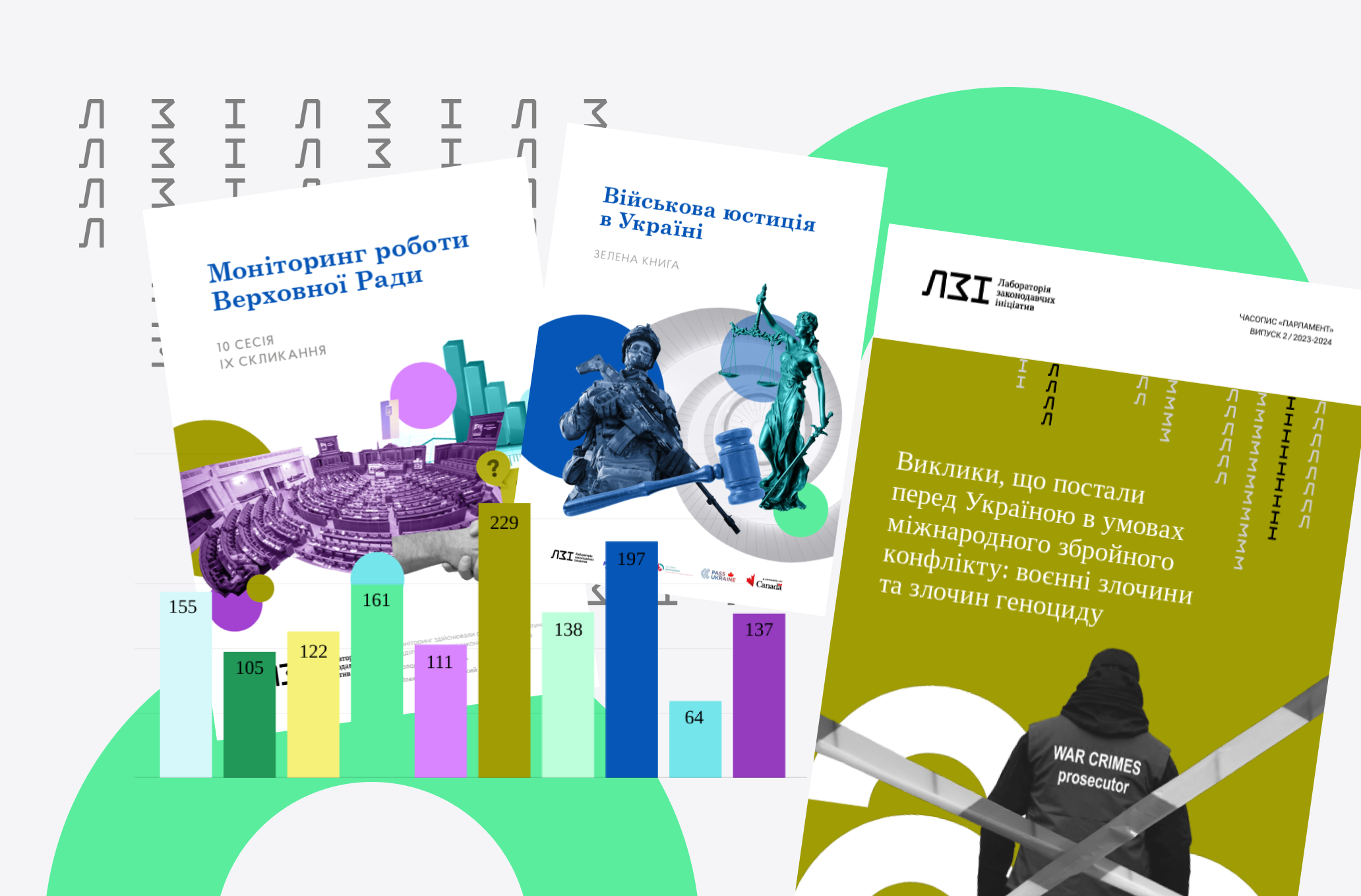
In 2024, we prepared several Parliamentary Monitors, which have been an important component of the ALI’s research for many years. Trends, main and side issues of Verkhovna Rada’s work processes, a lot of data and accompanying analytics on a number of factors – all this is analysed and reflected in the Monitors because based on data and regular monitoring, we can analyse the activities of the Parliament and strengthen its institutional capacity as the most important body in a democratic state.
You can read the ALI’s analytics on the Parliament for the 9th, 10th and 11th sessions here:
- Monitoring Report of the Activity of the 9th Session of the 9th Verkhovna Rada
- Monitoring Report of the Activity of the 10th Session of the 9th Verkhovna Rada
- Monitoring Report of the Activity of the 11th Session of the 9th Verkhovna Rada
In addition, ALI released two issues of the Parliament Journal in 2024:
- Temporary commissions in the Parliament: oversight without the ability to influence, where ALI analysed in detail what MPs did within the framework of temporary ad hoc and temporary investigative commissions, the effectiveness of their work, and what problems prevent temporary commissions from being an effective tool for solving the problems that concern citizens the most.
- Challenges Faced by Ukraine in the Context of International Armed Conflict: War Crimes and the Crime of Genocide. Since the first days of Russia’s full-scale war against Ukraine in February 2022, Ukraine, as well as the entire international community, has been facing the issue of qualifying crimes committed against Ukraine – it has become a real challenge in practice. That is why ALI’s research raises the following questions: “Do the norms of national legislation comply with the norms and principles of international law in terms of international crimes: war crimes and genocide?” and “How to legally justify the qualification of Russia’s crimes against Ukraine as the crime of genocide?”.
As well as periodic summary articles:
- Code of Parliamentary Ethics: Easy to violate, difficult to adopt, impossible to negotiate. Regulation of the rules of MPs’ ethical conduct in the public space is a long-standing “homework” for the Verkhovna Rada. After all, rash actions damage the image and undermine trust not only in individual MPs but also in the entire current convocation and the parliament as an institution. In other countries, unethical conduct can even result in the loss of a mandate. However, the Ukrainian parliament still has significantly limited ways to influence MPs’ actions, and these methods are currently not effective enough to prevent unethical actions and public scandals involving MPs outside the session hall.
- Achievements, Failures, Records and Myths of the Verkhovna Rada, 9th Convocation. On the occasion of the fifth anniversary of the 9th convocation of the Verkhovna Rada, ALI recalled the most memorable moments in the work of the parliament over the years – what surprised, pleased and worried the 9th convocation.
- On the Beaten Path: What Should the Verkhovna Rada of Ukraine Do to Get Closer to the European Union? The European Commission presented its Enlargement Report, which assessed the annual progress made by the candidate countries, including Ukraine. The Agency for Legislative Initiatives analysed the part of the report concerning the Verkhovna Rada, highlighted these points and explained why they are a priority for the parliament and its development as an institution that embodies Ukrainian democracy.
The work of the Parliament is systemically monitored thanks to the support of Sweden, which is ALI’s institutional partner.
In the context of challenges posed by Russia’s full-scale war against Ukraine, ALI has also prepared a Military Justice in Ukraine Green Paper, which is an analytical document covering information on the international experience of regulating and functioning of military justice, considering previous work on military prosecutors, advocacy, military police, military counterintelligence and military courts, and highlighting the challenges of creating new bodies of the military justice system in Ukraine.
The Green Paper was prepared within the framework of the Parliament and Accountability of the Security Sector in Ukraine (PASS Ukraine) project, which the Agency implements jointly with the Parliamentary Centre (Canada) in cooperation with the Verkhovna Rada of Ukraine and with the support of the Global Affairs Canada within the framework of the Peace and Stabilization Operations Program (PSOPs).
Parliamentary diplomacy
Throughout the year, we helped establish interparliamentary relations between Ukraine and several other countries, primarily our Canadian partners. Within the framework of the Parliament and Accountability of the Security Sector in Ukraine (PASS Ukraine) project, there were several working visits of Ukrainian parliamentarians to share experience in the field of military justice and law enforcement, practices of working with classified information, external audit processes in the security and defence sector, building civil-military culture, and the experience of Canadian colleagues in exercising parliamentary oversight of the armed forces and defence agencies. During these visits, the Ukrainian delegation joined events in the Canadian Parliament and, inter alia, the plenary session of the NATO Parliamentary Assembly in Montreal.
- Working Visit to Canada for MPs from the VRU Committee on Law Enforcement
- Results of the working visit of Ukrainian MPs to Canada
- Ukrainian parliamentary delegation to Canada: Results of the working visit


A new area of work – the rule of law
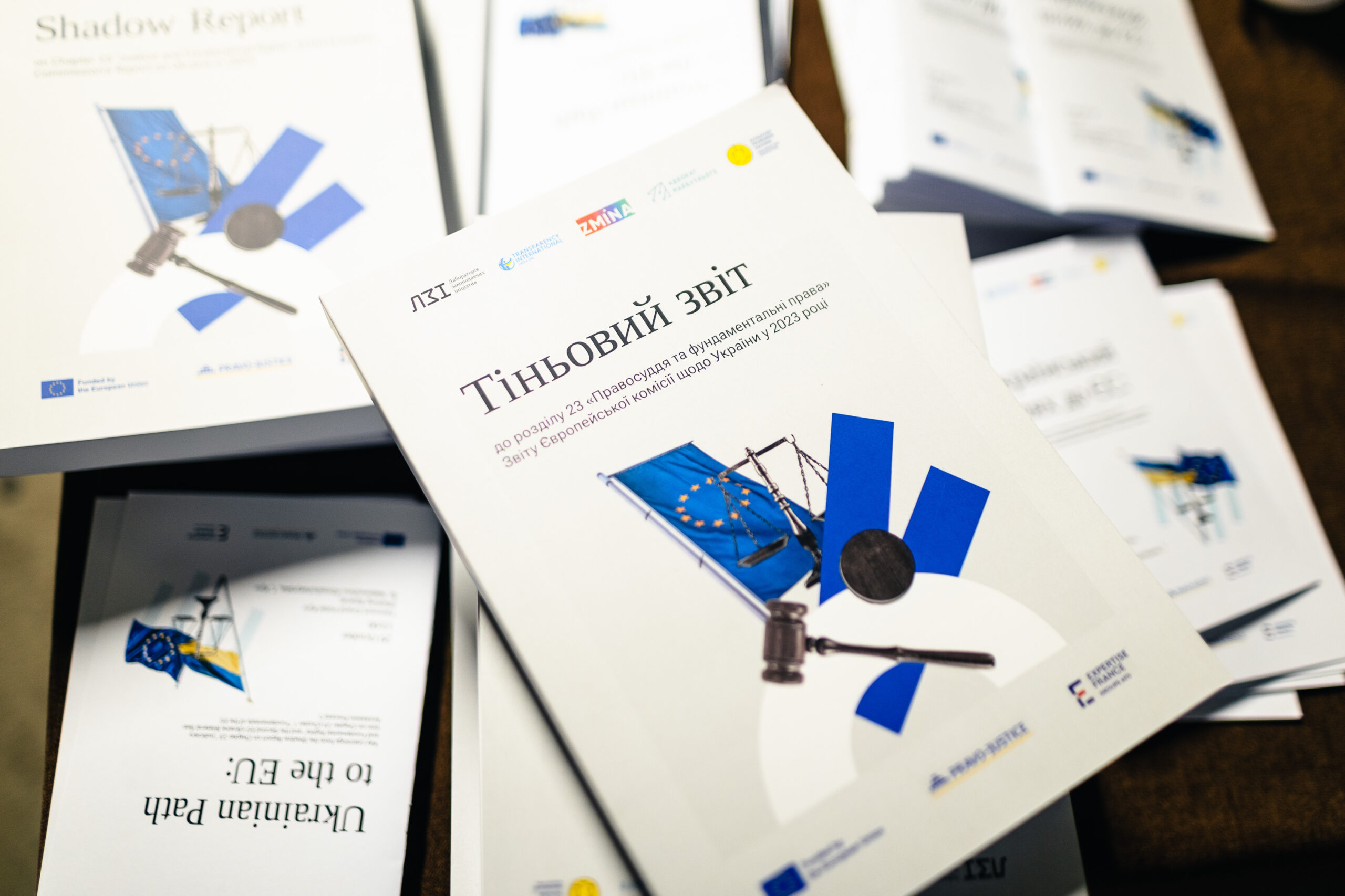
An important and honourable achievement for us was the new Rule of Law area of work led by Karina Aslanyan, which we launched in 2024: In Coalition with other NGOs, we prepared and presented to the European Commission the Shadow Report on Title 23 Justice and Fundamental Rights, held discussions on its key findings, and regularly issued expert materials on judicial reform, its related problems and challenges, competitive selection of judicial institutions, etc.


Decentralisation, communities and recovery
The current state of de-occupied communities and their recovery was a separate focus of our research. In particular, ALI published:
- The Assessment of the state of public services in de-occupied communities (Kherson Oblast) shows the unique experience of de-occupied territorial communities in Kherson region. These communities continue to provide public services to their residents despite lacking financial and human resources. Analysing this experience is extremely important, as it will help aggregate it and prepare for possible challenges after the de-occupation of other regions of Ukraine.
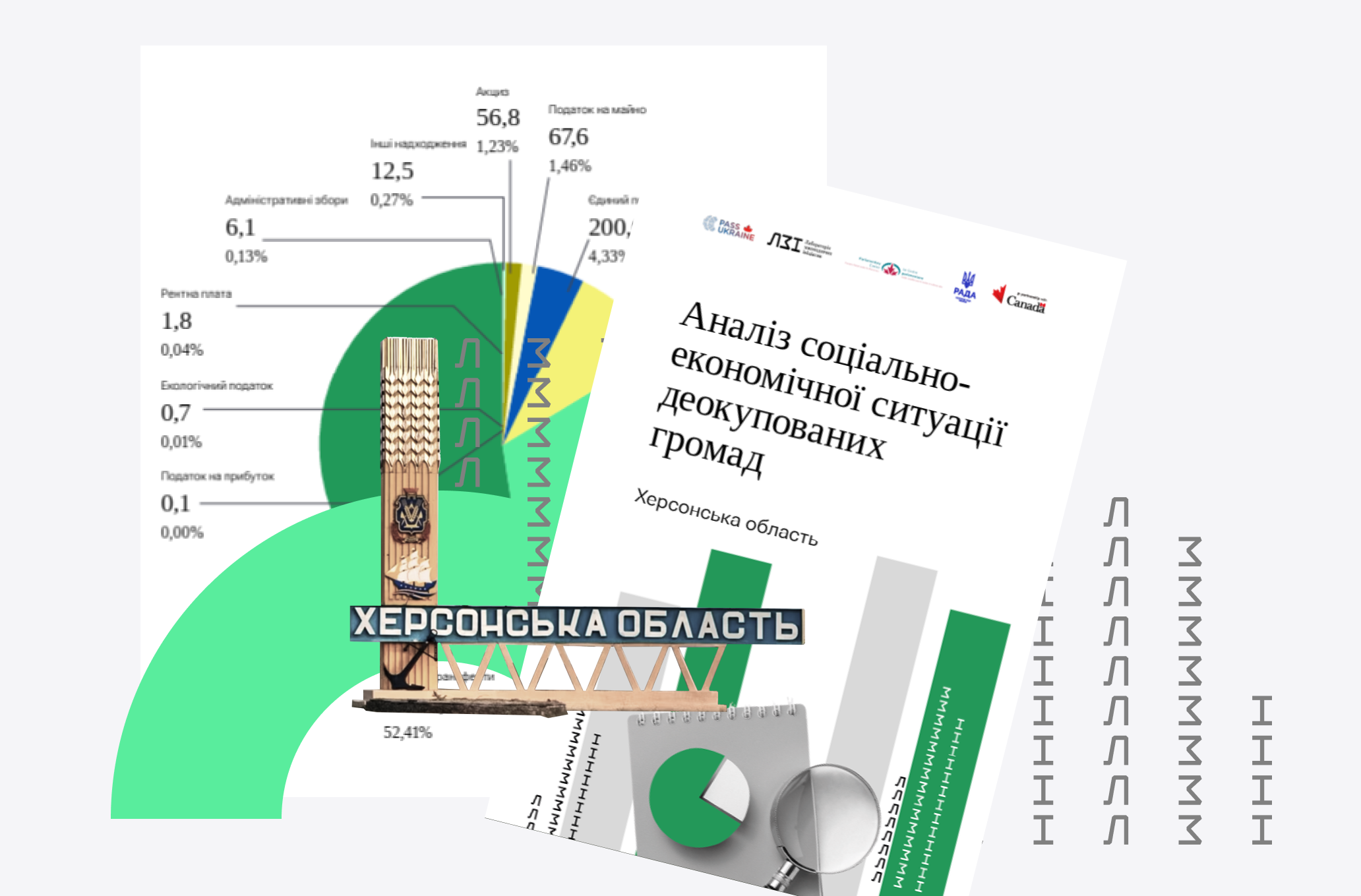
- The Analysis of the Socio-Economic Situation in De-Occupied Communities: Kherson Oblast research highlights the general trends in the development of de-occupied communities in Kherson Oblast. Special attention is paid to five key indicators: socio-demographic, financial, infrastructure accessibility, migration processes and cooperation. This is unique data that is needed to plan the recovery of de-occupied territories in a balanced manner.
These studies were prepared within the Parliamentary Accountability of the Security Sector in Ukraine (PASS Ukraine) project.
The growth of social demands and the complexity of their provision are illustrative, but not exhaustive, challenges faced by the central government, local governments, NGOs, and charities in building an effective social services market in Ukraine. Therefore, the Agency conducted the Social Services in Ukraine: Current Status, Problems and Limitations research, which describes the state of social services in the context of a full-scale invasion and provides recommendations for improvement. The research was carried out with the support of the International Renaissance Foundation.
Public administration reform
In 2024, the Agency for Legislative Initiatives continued to work on public administration reform. In previous years, ALI comprehensively monitored the implementation of the reform. Returning to this topic, we have prepared a series of info briefs on various aspects and challenges of public administration reform.
- Place of service in local governments in the public administration reform
- Place of administrative services in the public administration reform
- Place of civil service remuneration system reform in the public administration reform
- Updating the civil service selection procedure
The info briefs were developed with the support of Switzerland as part of the Improvement of Governance in Ukraine: Enhancing Policy Making for Social Progress Project.

Outreach activities
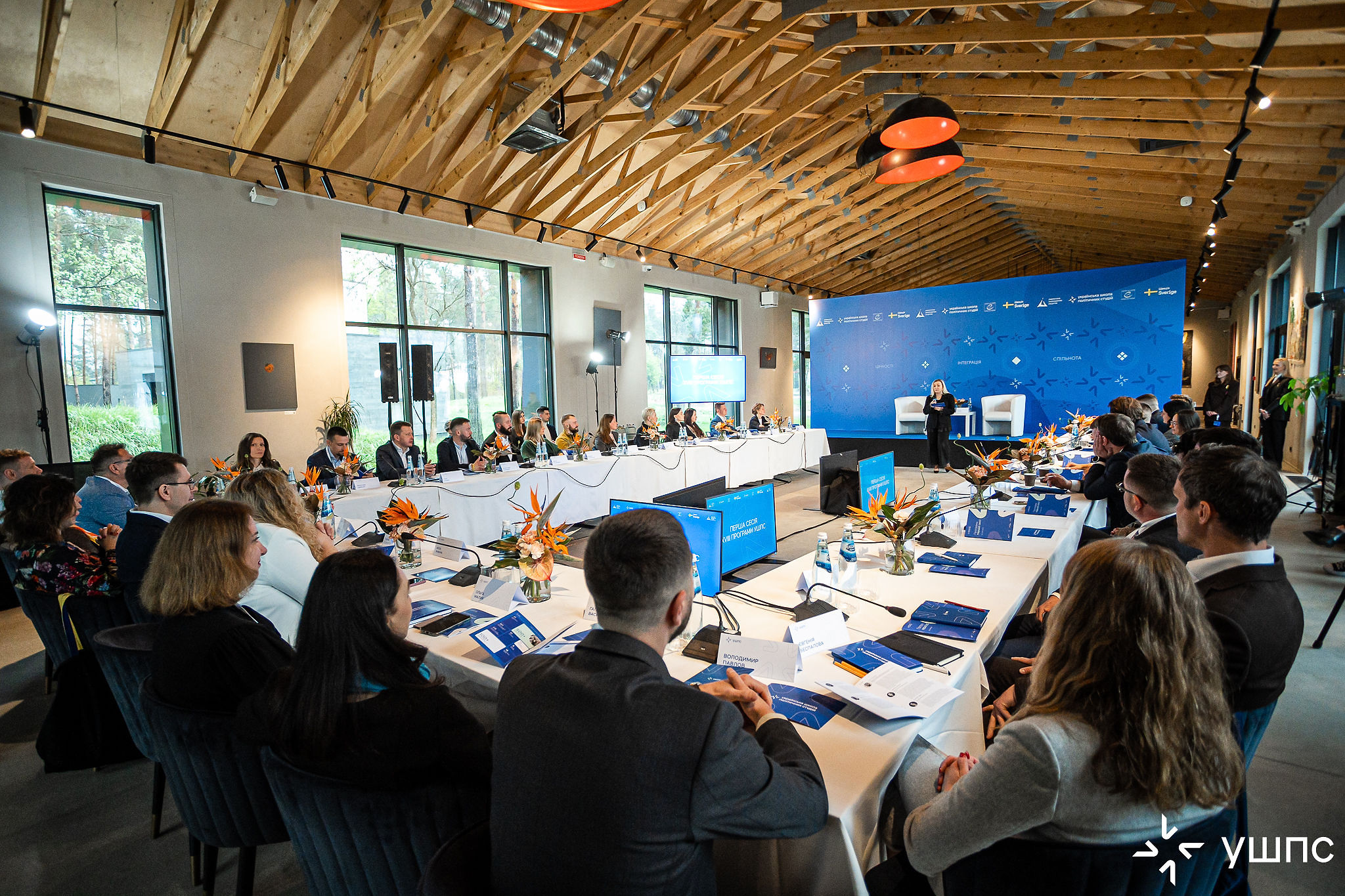
Of course, the Agency for Legislative Initiatives continued to implement the programme of the Ukrainian School of Political Studies, an educational project launched by ALI and the Council of Europe in 2024. In addition to the annual USPS-2024 programme, we managed to implement the You Are Important programme designed to support servicewomen and women veterans and hold six thematic USPS Clubs and two USPS Alumni Programmes. Moreover, a new video course, “Political Science with Ivan Gomza,” was released as part of the USPS Lectorium.
In addition, we held a series of training events for representatives of the Verkhovna Rada Secretariat and other government agencies:
- Workshops on Principles and Practices of Legislative Impact Assessment
- Workshop on Legislative Impact Assessment and Its Application in the Context of Defence and Security Sector Reform
- Workshop on Principles and Practices of Gender-Sensitive Legislative Impact Assessment for the Verkhovna Rada
In the report “The Role of Legal Education in Shaping Students’ Understanding of the Law,” we focused on how students perceive the law, how law and legal education affect their lives, and what legal instruments they tend to use to solve practical situations. This report was prepared with the support of Sweden, an ALI’s institutional partner.

We would like to thank all the partners and friends of the Agency for Legislative Initiatives who helped strengthen the Ukrainian state in 2024. Thanks to your support, we continue to work hard and diligently to implement our mission.
On the Beaten Path: What Should the Verkhovna Rada of Ukraine Do to Get Closer to the European Union?
The European Commission presented the Enlargement Report, which assessed the annual progress made by the candidate countries, including Ukraine. The Agency for Legislative Initiatives analysed the section of the report concerning the Verkhovna Rada of Ukraine.
How did the European Commission mention the Rada in the report?
In its report, the European Commission (EC) underlined that the Verkhovna Rada of Ukraine, as a legitimately elected parliament, continues to function and perform its legislative role. This is a key element in maintaining the democratic system in Ukraine. Nevertheless, Ukraine’s European integration ambitions raise the bar for a positive assessment of the parliament’s work. Therefore, [in addition to noting the very fact of the existence and functioning of the Verkhovna Rada of Ukraine], questions arise about the efficiency and quality of its work.
Brussels drew attention to the following weaknesses in the work of the Ukrainian parliament:
- The legislative process suffers because the impact of draft laws on society is not assessed either before or after their adoption by the Verkhovna Rada of Ukraine. Therefore, the European Commission proposes to create a procedural and methodological framework for legislative impact assessments and post-legislative evaluation.
- Parliamentary oversight, which has been reduced to individual meetings between ministers and MPs, does not allow for optimal oversight of the executive branch. The European Commission proposes to re-establish more thorough and broader parliamentary oversight and public consultations.
- Restrictions on the rights of the opposition, especially regarding duty trips abroad. The European Commission emphasises that political dialogue and multi-party parliamentary diplomacy are vital for the democratic process.
Below, we will take a closer look at these three points highlighted by the European Commission.
Legislative impact assessment
The process of adopting any important decision in the EU begins with an impact assessment and ends not with the adoption of the law itself but with a post-legislative evaluation (which starts a new policymaking cycle). Such analyses help answer several questions:
- Why is it necessary to adopt a decision?
- What problem does it aim to solve?
- What are the alternatives? Is the proposed solution the most effective and efficient way to solve the problem?
- Will this decision resolve the problem?
Instead, the post-legislative evaluation stage should determine whether the decision has achieved its goal and whether the problem has been solved.
This is about decisions. The EU does not reduce everything to laws and does not treat the need for legislative regulation as an end in itself. Instead, for Ukraine, laws are both a carrot and a stick to influence society. All problem-solving boils down to the adoption of laws. “The more laws we pass, the better” is often the criterion guiding lawmakers. However, the impact of these laws is unknown to Ukrainian parliamentarians. This approach does not lead to solving problems but to an increase in the number of laws. That is why, when previous laws fail to solve the problem, MPs pass new laws. To break this vicious circle, the European Commission recommends introducing a procedural and methodological framework for legislative impact assessments.
The Verkhovna Rada of Ukraine has already begun the journey from legislative chaos to data and evidence-based decision-making. Four committees of the Ukrainian parliament have already taken the first steps in mastering the methodology of legislative impact assessments in their work. The Agency for Legislative Initiatives assists in the application of this tool. The joint products of this work include pilot impact assessments and the Legislative Impact Assessment Handbook, which have laid the foundation for further development of the procedural and methodological framework for legislative impact assessment recommended by the European Commission.
Parliamentary oversight
For the Ukrainian parliament, traditionally overloaded with legislative functions (which often take the form of legislative spam), the oversight function has traditionally been “sagging.” The full-scale invasion, martial law and related events have created even more problems for its implementation. The share of ignored parliamentary inquiries and appeals has increased, and ministers are also more likely to ignore reporting to the Verkhovna Rada, despite repeated decisions of the Parliament to summon these ministers for reporting. As the European Commission has noted, as of the end of 2023, this oversight has been reduced to irregular, unstructured, and non-public meetings of individual ministers with individual groups of MPs. Such meetings, of course, do not provide quality oversight, which makes it more difficultWe do not assess whether the Verkhovna Rada is willing or able to respond to such actions for the Verkhovna Rada to respond to ill-conceived, inefficient, or even questionable actions of executive branch institutions. However, without parliamentary oversight, the democratic system of the state itself is potentially at risk.
Nevertheless, some MPs are unwilling to tolerate an unaccountable government. They use several tools to address this.
First, in 2024, the practice of holding an “hour of questions” to the government began to resume, although the effectiveness of this mechanism has traditionally remained low.
Secondly, MPs of the ninth convocation use the tools of temporary investigative and temporary special commissions (referred to as TIC/TSCs) more often. During the current ninth convocation, the Verkhovna Rada created the most special commissions of any convocation of the Ukrainian parliament – 40. However, quantity does not always equal quality: the vigorous activity of the TIC/TSCs often does not yield practical results in the form of policy changes or punishment of wrongdoers (or at least preparation and approval of reports on their activities), and their usefulness is often limited to public discussion and informing the public.
The implementation of the 2016 recommendations, provided by the European Parliament’s mission chaired by Pat Cox and approved by a resolution of the Verkhovna Rada of Ukraine, could help improve the oversight function.
For example, the parliament’s oversight function could be strengthened by such measures [envisaged by this resolution] as (1) the introduction of a unified format and structure of annual reports of ministries on the results of the implementation of programme documents or (2) the introduction of annual work plans for parliamentary committees to oversee (control) the executive branch of government.
However, the MPs decided not to follow such advice from the European Parliament. In general, the progress of the parliamentary reform leaves much to be desired. While the Verkhovna Rada Secretariat has implemented a significant part of the recommendations of the 2016 Pat Cox mission, progress for MPs is minimal. Perhaps this explains the European Commission’s attention to another dimension of the Ukrainian parliament’s work – restrictions on the work of the opposition in 2024.
Restriction of opposition rights
The European Commission points out the importance of the opposition being able to perform its functions. Brussels paid special attention to the restrictions faced by the parliamentary opposition when leaving the country for duty trips. The European Commission also stressed the importance of political dialogue between the parliamentary majority and minority.
Most of these issues were reflected in the recommendations of the 2016 European Parliament mission and could not have arisen in 2024 if measures to (1) regulate the status of the opposition, (2) create formal and informal platforms for inter-party dialogue, and (3) implement the Code of Ethics had been implemented.
There is a separate issue with foreign duty trips. It was not a problem in 2016, simply because MPs could travel freely abroad. Attending multilateral forums, meeting with foreign officials – essentially, everything that is considered “parliamentary diplomacy” in Ukraine – did not require the approvals needed during martial law. MPs did not have to coordinate their plans with the Ministry of Foreign Affairs or the parliamentary leadership at all. Of course, a significant question is how much such activities contribute to advancing the positions of the Verkhovna Rada of Ukraine as a unified multi-party body, rather than promoting individual ideas of MPs. At the same time, the logic of representing the Parliament as a unified multi-party body works both ways: neither the parliamentary majority nor the parliamentary minority can claim to represent the entire Parliament without involving representatives of the other party in foreign delegations. This is how foreign parliamentarians perceive the current situation in Ukraine, which they do not consider normal.
Why does the European Commission make recommendations?
The Enlargement Report is often referred to as the homework for the EU candidate countries. Homework for which the country receives a grade and, if the grade is high enough, the exam is considered passed (often the reward for passing the exam is financial assistance). Sometimes Ukraine takes advantage of the flaws in the assessment system and, like a bad student with flaws in the education system, creates the impression of reforms without any. Obviously, the European Commission expects something completely different from Ukraine, and it is quite capable of looking at what Ukraine shows it as results. Both the embodiment of EU values and the approximation to their standards require more than cosmetic changes from Ukraine in the form of formal adoption of another set of formal policies and legislation or implementation of minor recommendations. Ukraine as a whole and the Verkhovna Rada of Ukraine in particular truly need to change their practices and approaches, genuinely start assessing the consequences of their decisions, truly control the actions of the executive branch, and genuinely respect the rights of the opposition. Only this and nothing else will bring Ukraine into the family of civilised European states.
Monitoring Report of the Activity of the 11th Session of the 9th Verkhovna Rada
Overcoming the crisis of limited decision-making capacity
A total of 137 laws were adopted during the 11th session. This is a relatively strong figure compared to the 10th session, which set a record low for the number of laws passed. Thus, during the 10th session, only the most recent, often minor, technical draft laws were adopted, which raised no significant objections or discussions. By contrast, during the 11th session, both the number of laws passed and the period for their registration increased, and it became possible to pass draft laws that had undergone more extensive processing and included more substantial changes. Both the higher number of laws passed and their registration period show that the consensus-building challenges seen during the 10th session were effectively addressed in the 11th session.
The President’s return to regular law-making
During martial law, the President, as a legislative initiator, authored primarily ratifications, own decrees, and few symbolic draft laws. And their number was relatively low. In contrast, during the 11th session, the President doubled the number of registered draft laws compared to the 9th and 10th sessions.
For the first time during martial law, the President of Ukraine authored more than 15% of the laws passed, marking a one-and-a-half-fold increase over the previous two sessions. Notably, these included not only decrees and ratifications, as had been the case in almost all prior sessions during martial law. During the 11th session, there were also 3 standard laws. All of these, moreover, were marked by the President as urgent.
Strengthening legislative activity on European integration
Several indicators demonstrated the strengthening of the Verkhovna Rada’s legislative activity aimed at approximating Ukrainian legislation to EU legislation.
- Thus, during the 11th session, 16 European integration laws were adopted (11.7% of all laws adopted).
- In terms of the reforms ratified by the Verkhovna Rada, the largest number of agreements were ratified with the EU (4 agreements).
- In terms of committee work, the work of the Committee on Ukraine’s Integration into the EU is illustrative. It was this committee that demonstrated the largest increase in performance among the other committees. The growth occurred both in terms of the number of opinions provided (+11 opinions) and the number of draft laws (+14 draft laws), which was reflected in an increase in the workload per MP (+1.38 opinions provided per MP) and an increase in the workload per secretariat employee (+1.02 opinions provided per secretariat employee).
Poor legislative performance of the mono-majority
During the 11th session, the “Servant of the People” faction showed a record low share of registered and adopted laws.
This is the fourth session in which the “Servant of the People” faction’s performance in terms of registered draft laws has been declining. However, during the 11th session, the “Servant of the People” faction set a record by demonstrating the lowest rate (39% of all registered draft laws) in the entire ninth convocation.
The record low share of registered draft laws correlates with the record low share (42%) of adopted laws initiated by members of the “Servant of the People” faction.
The contradictory dynamics of legislative spam
Overall, indicators show a decrease in legislative spam during the 11th session. Thus, the growth of legislative spam observed during the 10th session was interrupted. However, the activities of one parliamentary group have many signs of legislative spam, which makes the overall observation of a decrease in legislative spam somewhat controversial.
The decrease in legislative spam is evidenced by:
- The total number of registered draft laws for the session is lower – 565 draft laws. This is 118 draft laws less than in the previous spring [ninth] session.
- The proportion of draft laws with a single signatory decreased, while the share of draft laws with 8-22 signatories increased.
- Halving the share of adopted laws with a single signatory and increasing the share of adopted laws with 8-22 and 23+ signatories.
At the same time, the performance of the “Restoration of Ukraine” group stands out from the general trend of reduced legislative spam. Despite their small number, the MPs of this group registered 107 draft laws (19% of all registered draft laws), which outpaced most factions and groups, and even the Cabinet of Ministers of Ukraine. With 5.94 draft laws per MP, the “Restoration of Ukraine” group set a record for the entire ninth convocation in terms of the number of initiated draft laws per MP. This figure is twice as high as any other figure for any other faction or group in previous sessions (or four times as high as the figures for other factions and groups in the 11th session). This marks the third consecutive session in which MPs from this group have demonstrated such high rates (more than 5 draft laws per MP). Against the backdrop of high rates of registration of draft laws, it is noteworthy that during the 11th session, not a single law initiated by MPs of this group was adopted. This pattern is a strong indicator of legislative spam – registration of a large number of low-quality draft laws with little chance of adoption.
Increase in the volume of violations
The situation with violations of the constitutional procedure for signing draft laws is becoming increasingly threatening. During the 11th session, the deadline for signing (or submitting proposals) was violated in respect of 54 laws, i.e. in 39% of cases. In addition, seven other laws were neither signed by the President, vetoed, nor received proposals (despite the singing deadline having passed). One more draft law was not even signed by the Chairman of the Verkhovna Rada. Combined, these violations affect 45% of all laws passed during the 11th session. That is, almost every second law passed. This is a worrying statistic that has worsened with each session held under martial law.
It is worth noting that during the first six months of martial law, 16.4% of laws had violations of the constitutional procedure. The following, 8th session, showed a 22.4% rate of laws for which the President violated the constitutional deadline. During the 9th session, this figure reached 36%. During the 10th session – 42%. If this trend continues, it is likely that by the 12th session, we can expect the President to violate the constitutional procedure for half of the laws adopted by the Verkhovna Rada. It is difficult to justify such a volume of violations by martial law, as there were three times as many violations during the 11th session as during the first six months of martial law, when Russian troops were stationed near Kyiv. Nor can they be explained by regulatory and procedural shortcomings, as the relevant rules have not been changed.
The volume of violations of the VRU Rules of Procedure is also significant: procedural rules were breached for up to 53% (slightly more than half) of laws considered during the 11th session. This represents a threefold increase in violations compared to the period before February 24, 2022.
The Agency for Legislative Initiatives has prepared a comprehensive Monitoring of the 11th session of the Verkhovna Rada of the IX convocation. Read more about the activities of the Verkhovna Rada in the context of the 11th session in the new Monitoring.
This monitoring has been prepared with the support of Sweden. The contents of the document are the sole responsibility of the CSO “Agency for Legislative Initiatives” and do not necessarily reflect the position of Sweden.
Ukrainian Parliamentary Delegation to Canada: Results of the Working Visit
The delegation was joined by MPs Halyna Mykhailiuk, Deputy Chairperson of the Committee on Law Enforcement, Viktoriia Podhorna, Deputy Chairperson of the Committee on Digital Transformation, Chairperson of the Subcommittee on Development of Digital Society and Adaptation of Ukrainian Legislation to the EU Acquis, Implementation of Ukraine’s International Legal Obligations in the Field of European Integration, Anna Purtova, Deputy Chairperson of the Committee on Budget, Chairperson of the Subcommittee on State Investment Projects.
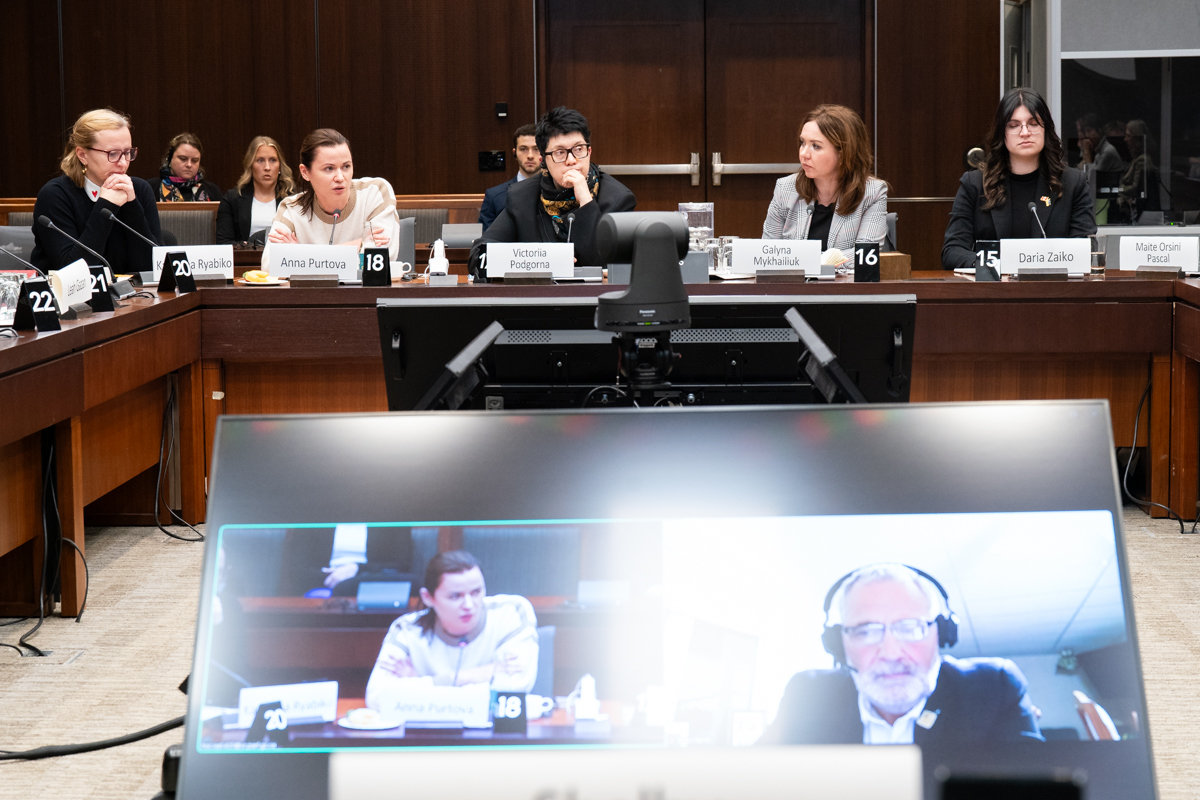
The Ukrainian delegation joined joint events with lawmakers from Latin America — from Argentina and Chile. Such events are significant for strengthening ties with the region to gradually and systematically establish interparliamentary cooperation between countries. Members of the delegations exchanged experience on a legislative basis on gender-based violence, parliamentary codes of conduct, gender aspects of E-democracy, and gender equality and women’s political participation.
The delegation also held meetings with Canadian government officials and parliamentarians, the Senate Standing Committee on Ethics and Conflicts of Interest for Senators (CONF), the House of Commons Standing Committee on Procedures and Affairs (PROC), and the Ambassador Extraordinary and Plenipotentiary of Ukraine to Canada Yulia Kovaliv.
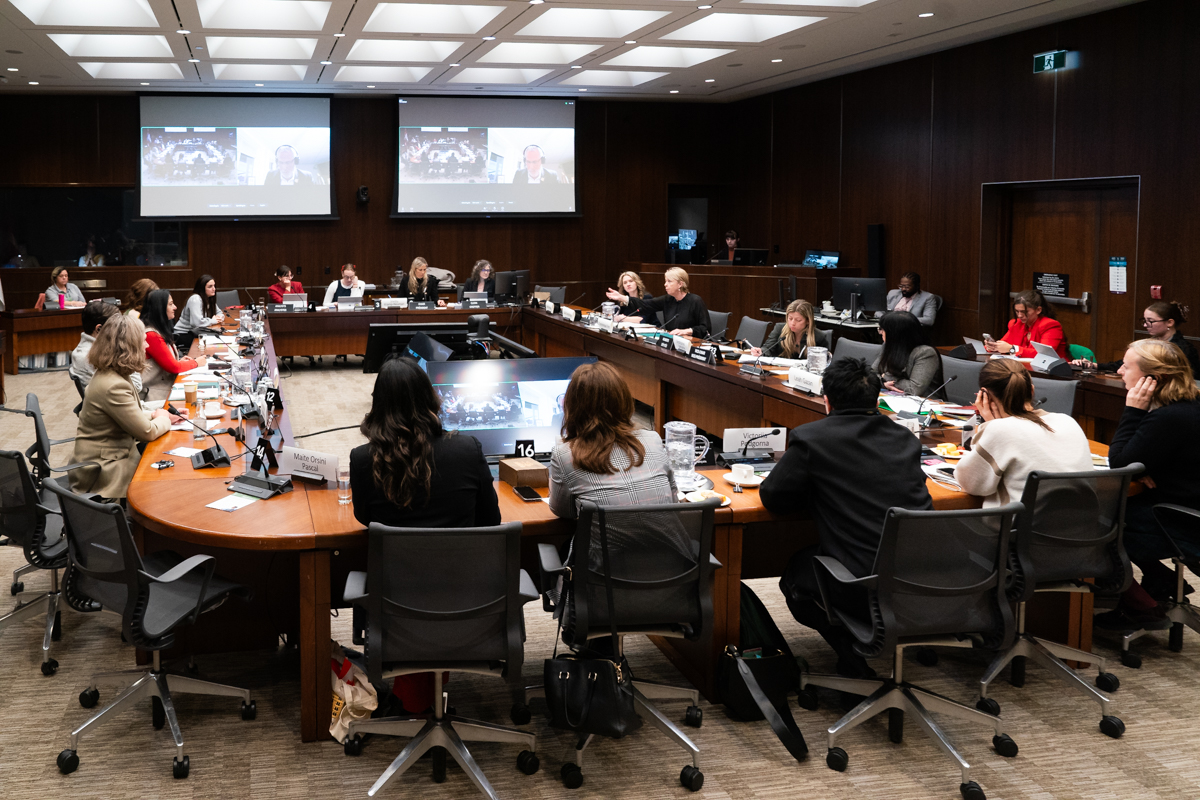
The visit, supported by the international parliamentary network of Women Legislators in Peace, Security and Defence (WLID), included a panel discussion on the evolution of political party governance and political party legislation.
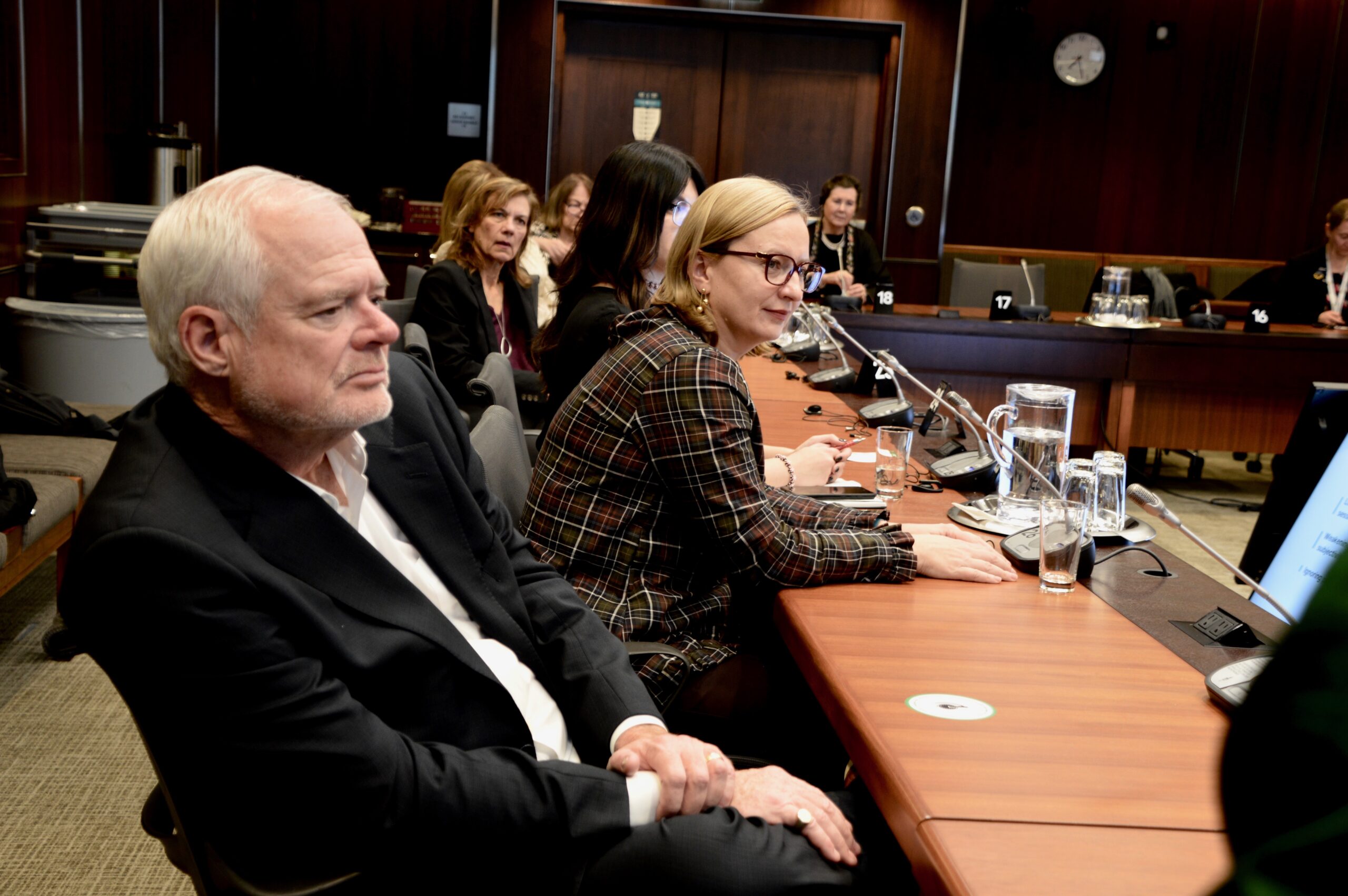
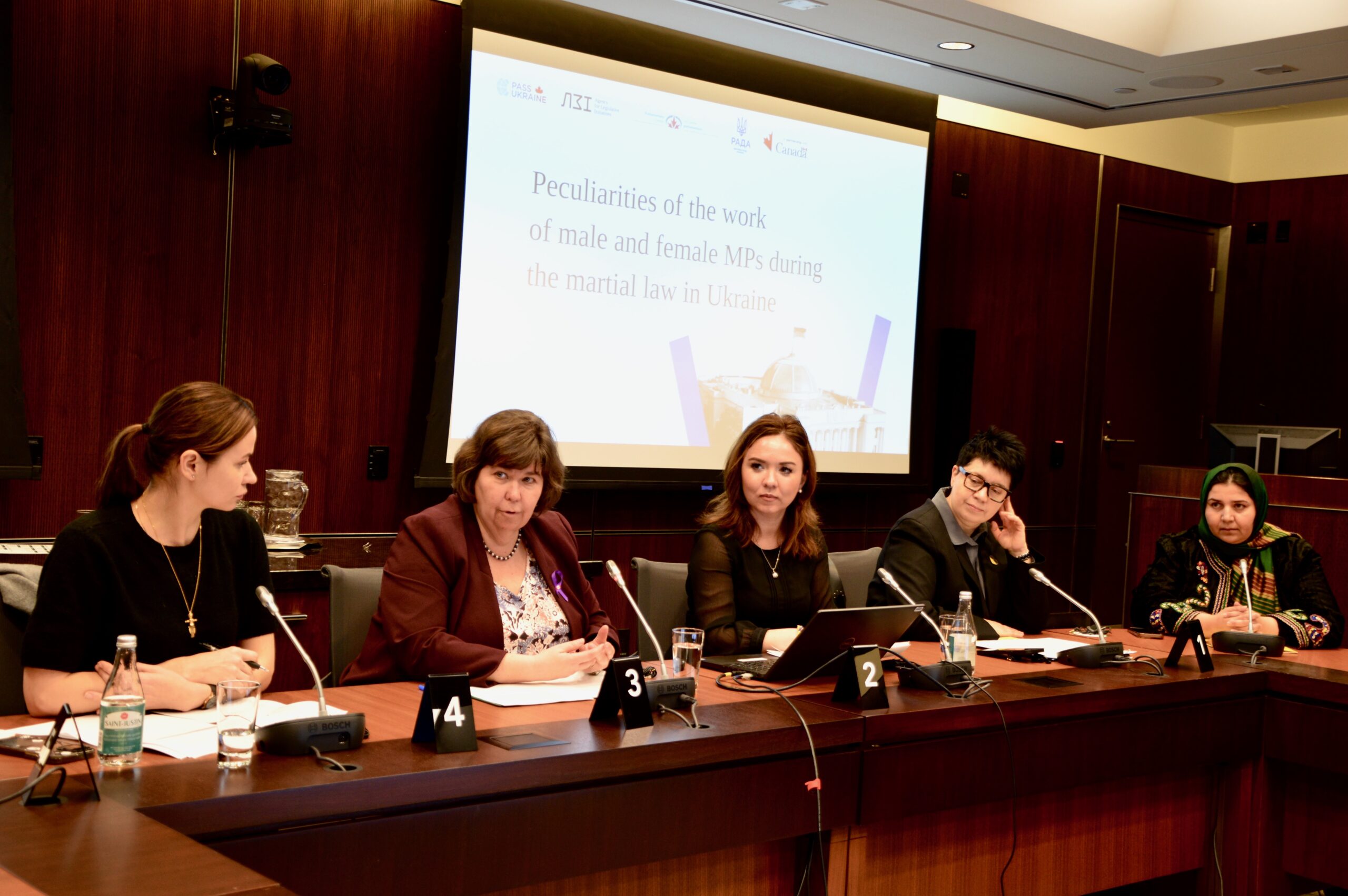
During the discussion, the women MPs spoke about the specifics of the work of women MPs during the martial law regime in Ukraine, based on the materials of a study currently being prepared by the Agency for Legislative Initiatives as part of the Parliamentary Accountability of the Security Sector in Ukraine (PASS Ukraine) project. The research focuses on such aspects as changes in the lives of MPs after the full-scale invasion, gender differences and gender equality in the parliament given current challenges, changes in the work of the Verkhovna Rada and legislative activities during martial law.
The visit was part of the project “Parliamentary Accountability of the Security Sector in Ukraine” (PASS Ukraine), which the Agency implements together with the Parliamentary Centre, in cooperation with the Verkhovna Rada of Ukraine, and with the support of Canada’s Foreign Policy—Global Affairs Canada as part of the Peace and Stabilization Operations Program (PSOPs).
Security with Several “Buts”: Is the Draft Law on Mass Video Surveillance Beneficial?
At the end of February, seven MPsVyacheslav Medyanyk, Maksym Buzhanskyi, Maksym Pavlyuk, Serhiy Kuzminykh, Oleksandr Bakumov, Serhiy Shvets, Volodymyr Zakharchenko. from the “Servant of the People” party registered draft law No 11031 in the Verkhovna Rada, which proposes to introduce a “unified system for video monitoring of public security” in Ukraine. The document is included in the agenda of the 12th session of the IX convocation of the Parliament.
In this analysis, the Agency for Legislative Initiatives examines the draft law and why its adoption in the current version will not improve the security situation in the country, but rather create additional obstacles to public safety.
Why is this being discussed?
According to the text of the draft law, its goal is to enhance public and state security, introduce a single centralised video surveillance system that will operate at different levels and integrate all existing systems currently in use.
The MPs believe that this will bring Ukraine’s video surveillance systems up to the standards of the United States, the United Kingdom, or the EU countries. This is how they justify the need to adopt the document, as the current state of video surveillance systems does not meet the requirements of law enforcement in ensuring public and national security.
At the beginning of this year, the government announced that it would start working on the introduction of video surveillance systems. After the document was included in the parliamentary agenda, the leadership of the Ministry of Internal Affairs held a meeting with members of the relevant parliamentary committee to discuss the need to pass the draft law.
However, despite the obvious need to improve public safety in Ukraine, several issues may arise during this process. They relate to the advanced video surveillance system itself, the potential violation of citizens’ rights, and its ability to withstand cyber threats, especially given instances of using Russian or Chinese software.
Another concern is the unclear wording of the draft law and the motivation behind its adoption, as the objectives and methods for achieving them are outlined only in general terms.
Should we fear the prospects of the state sliding towards authoritarianism, or should we be concerned about the security of our personal data, and why is the proposed document unlikely to be a solution to the problem? Let’s delve deeper.
What does the draft law propose?
The draft law provides for the development of unified functional and technical standards for the system, with their approval delegated to the Cabinet of Ministers of Ukraine. At the same time, at the request of the security and defence forces, the placement of video surveillance systems may be restricted either temporarily or permanently.
The MoIA will own the system, which is proposed to be divided into central, regional/local, and departmental levels, all designed to interact with each other.
The draft law stipulates that cameras will be installed in all public places, will be able to record sound and process the data using AI technologies.
The proposed new system will have access to data from state registersIn particular: the Unified State Demographic Registe, the Unified Information and Analytical Migration Process Management System, National System of Biometric Verification and Identification of Ukrainian Citizens, Foreigners and Stateless Persons, Unified State Register of Vehicles, the State Register of Taxpayers., and it is thanks to AI processing that the Ministry of Internal Affairs will have a large amount of information about citizens, including name, gender, place and date of birth, as well as place of residence (stay) and digitised image of the person’s face, tax data, etc. At the same time, the MPs do not explain how the “digitised face” came to be at the disposal of the state. Although the Ministry itself denies the risks of “total surveillance”.
The draft law proposes to grant citizens the right to access the information stored in the system, but without the ability to request its removal. Article 13 of the draft law also stipulates that collected information may be retained for 15 years, but the same article grants the MoIA the authority to set different data retention periods.
Article 12 of the draft law also refers to Convention 108+Convention for the Protection of Individuals with regard to Automatic Processing of Personal Data is a framework document that defines the general principles of processing, storing and exchanging personal data. for the protection of personal data, but there is no specifics on how this process will be implemented. Notably, Ukraine has ratified only the original text of the Convention and not its subsequent amendments.
In the explanatory note, the parliamentarians specifically claim that the new law could improve national and state security, yet they do not provide a clear explanation of how video surveillance systems will contribute to achieving this objective.
The text of the draft law does not provide more specific details of all these processes, limiting itself at this stage to general wording. Similarly, the document does not clearly explain how the adoption of the law could affect security in the context of Russian aggression. Let’s examine the issues with Draft Law No 11031.
Why isn’t everything as good as it seems?
Despite the stated intentions to technologically improve and elevate security standards in Ukraine, strengthen the ability of law enforcement and special services to investigate or even prevent crimes, and bring Ukrainian legislation closer to the EU standards, this is not entirely true.
To address this, attention should be given to some of the main documents regulating the collection and processing of personal data and AI systems in the EU. First of all, these include the General Data Protection Regulation (GDPR) and the Artificial Intelligence Act adopted by the European Parliament.
The purpose of the GDPR is to protect the personal data of EU citizens and to establish rules and regulations by which organisations and institutions must collect and protect personal data.
Its key provisions include the minimization of data collection and processing, a clearly defined and limited data retention period, a specifically stated purpose for processing, and the ability for individuals to correct and delete information collected during observation. This is in stark contrast to what is proposed in Draft Law No 11031.
The VRU Committee on Digital Transformation, for example, pointed out that the text of the draft law refers to the compliance with GDPR standards, but the regulation itselfHowever, Ukraine’s implementation of the GDPR is ongoing, with draft law No. 8153 on personal data protection registered in Parliament. has not yet been implemented by Ukraine. It also highlighted the absence of any description in the text of the purpose for storing, processing and deleting the data obtained.
Meanwhile, the Artificial Intelligence Act is the world’s first comprehensive lawWhich applies to the territory of EU member states. regulating AI, aimed at minimising risks associated with its use. Its primary goal is to regulate AI technology based on its potential risks. One key provision of the Act, which is absent in the Ukrainian draft law, is the prohibition on the use of AI for the collection and processing of personal data.
The Parliament’s European Integration Committee added that although the draft law falls withinArticle 15 of the Agreement provides that the parties will work to improve the protection of personal data. the scope of the EU-Ukraine Association Agreement, the document currently does not meet several criteria and contradicts the objectives of the agreement and the European integration process. The biggest risks are associated with the process of personal identification: from the use of AI technologies to the collection of biometric data.
In its opinion, the Main Scientific and Expert Department of the Parliament also highlighted the risks of excessive state interference in the video surveillance system, and described conceptual inaccuracies in the legislative initiative.
In some cases, the legislators fail to provide clear definitions for the terminology used in the document, or terms that are entirely absent from related legislation. There are also no explanations of how the system should be implemented, what infrastructure should be involved, and what costs will be incurred by the state budget.
Conclusions
The need to improve the security monitoring system in Ukraine, especially against the backdrop of Russian aggression, is a pressing issue that requires resolution.
However, excessive data accumulation, unclear objectives and methods of implementing the draft law will open the way to unnecessary interference by law enforcement agencies in the lives of citizens. The proposed draft law may not solve the problems as intended, but only further provoke several legislative conflicts and push Ukraine away from the declared technological and legal standards of the EU.
Overall, the current version of the draft law requires revision to provide clear justification for its adoption, define which practical steps should be taken, and demonstrate whether it will indeed improve the security situation.
Status of Local Council Members: ALI Holds a Roundtable with the Relevant VRU Committee
Context. Earlier, ALI analysed the issues of legislative support for the status of local council members at the Committee’s request with a view to further developing legislative changes in this area. The study includes an analysis of the practices of applying the current legislation during the 2020 elections, as well as the results of a survey of local government representatives. 2,279 officials from different regions of Ukraine participated, of whom 94.7% are representatives of local governments and 67.2% have experience as local council members. This is the second presentation of this study.
The event was attended by Ukrainian MPs, members of the Verkhovna Rada Committee on State Power, Local Self-Government, Regional Development and Urban Planning, representatives of governmental authorities, local governments and their associations, international organisations, and the expert community.
Oleksandr Korniienko, First Deputy Chair of the Verkhovna Rada of Ukraine, opened the event and stressed the need to work on issues relevant to local self-government, from updating the legislation on the status of local council members to updating the approach to community capacity.
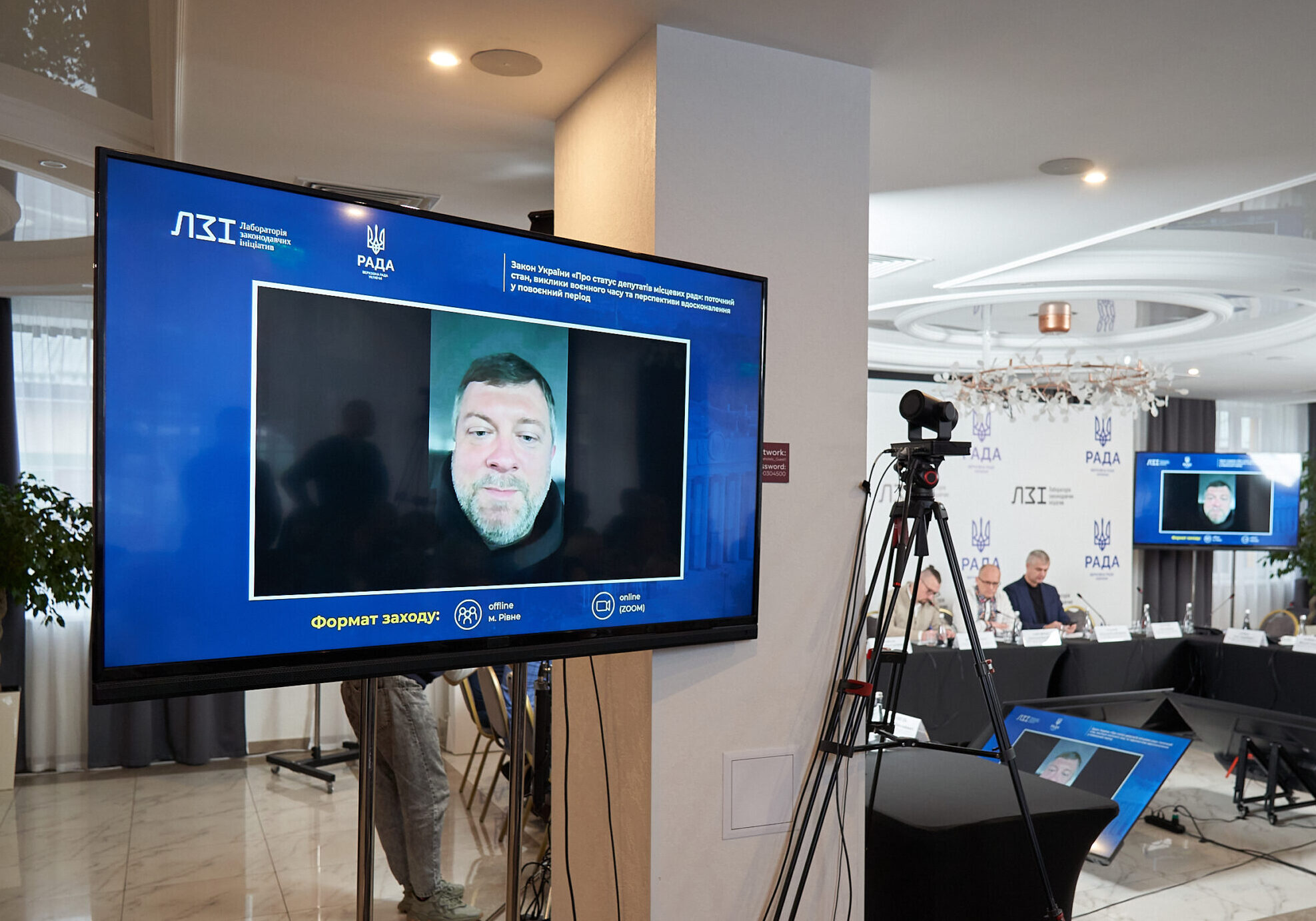
Vitalii Bezgin, MP of Ukraine, Chair of the Subcommittee on Administrative and Territorial Structure and Local Self-Government of the relevant Committee of the Verkhovna Rada, stressed the importance of such discussions and the opportunity to communicate with representatives of parliament and local government on problematic issues.
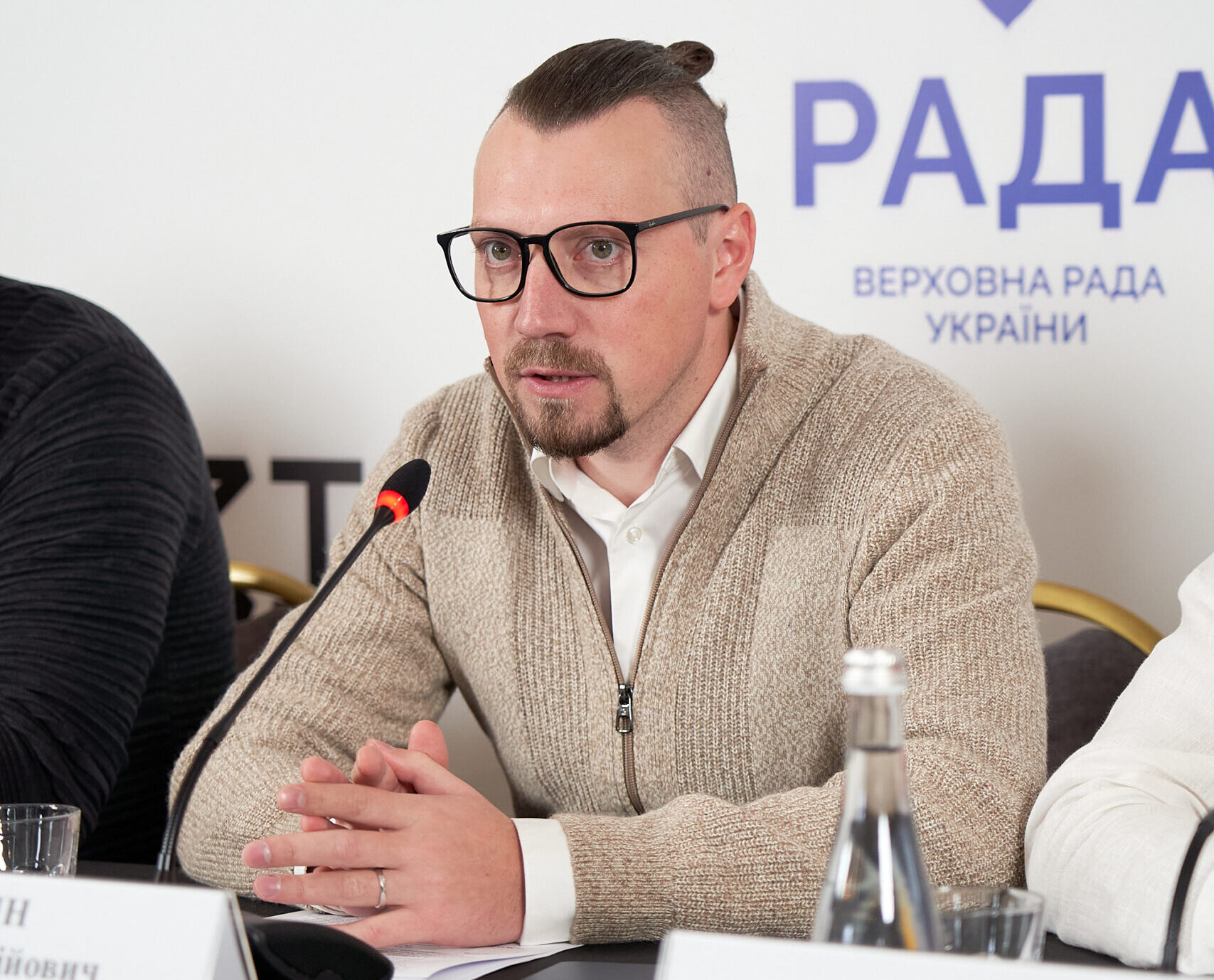
Oleksandr Aliksiichuk, MP of Ukraine, Chair of the Subcommittee on Cooperation of Territorial Communities and Regions of the Verkhovna Rada Committee on State Power, Local Self-Government, Regional Development and Urban Planning, stressed the importance of gradual but constant joint cooperation with local self-government.
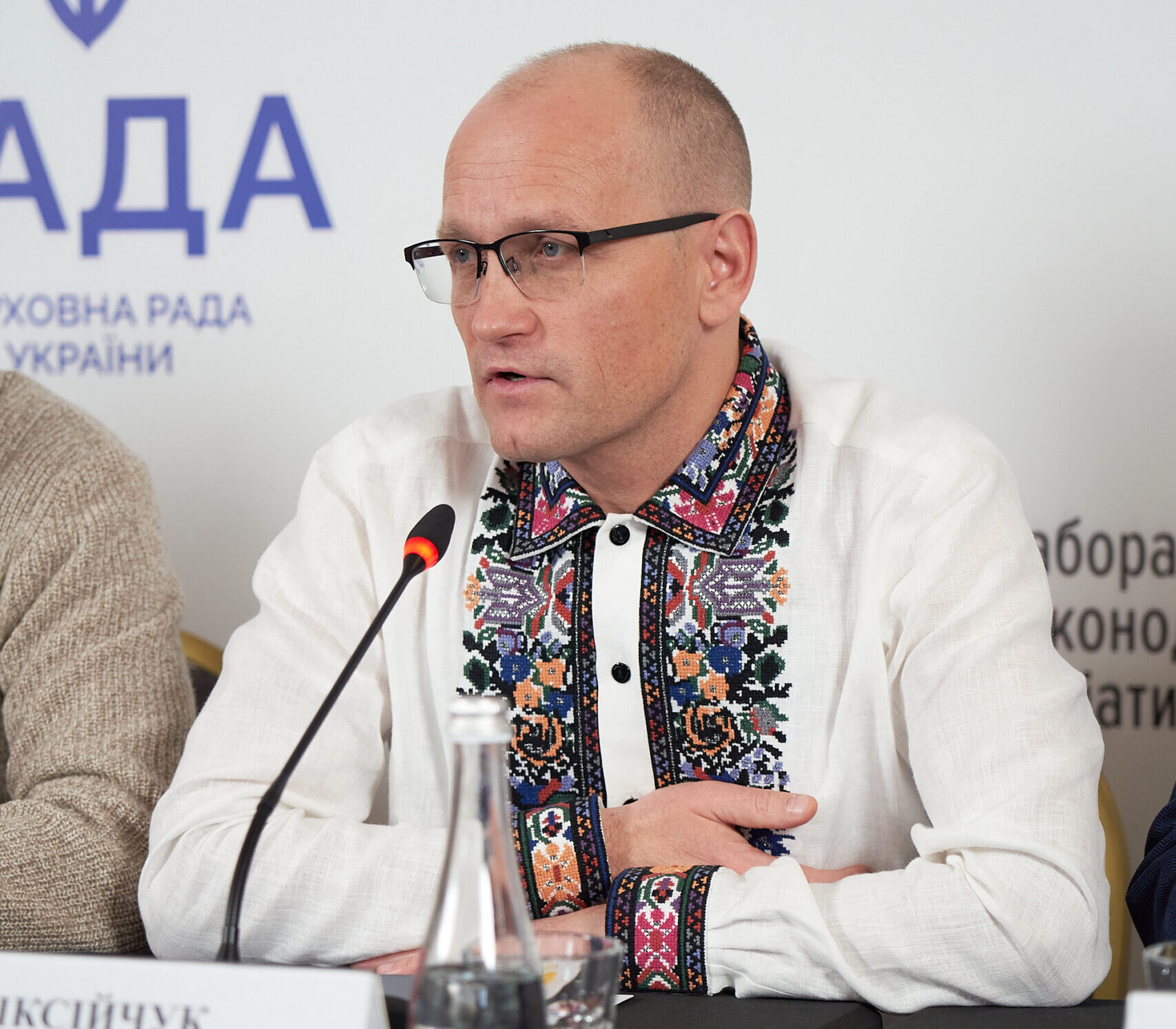
Oleksandr Zaslavskyi, Deputy Executive Director of the Agency for Legislative Initiatives, stressed that further discussions on various aspects of the study were necessary and would help in further work.
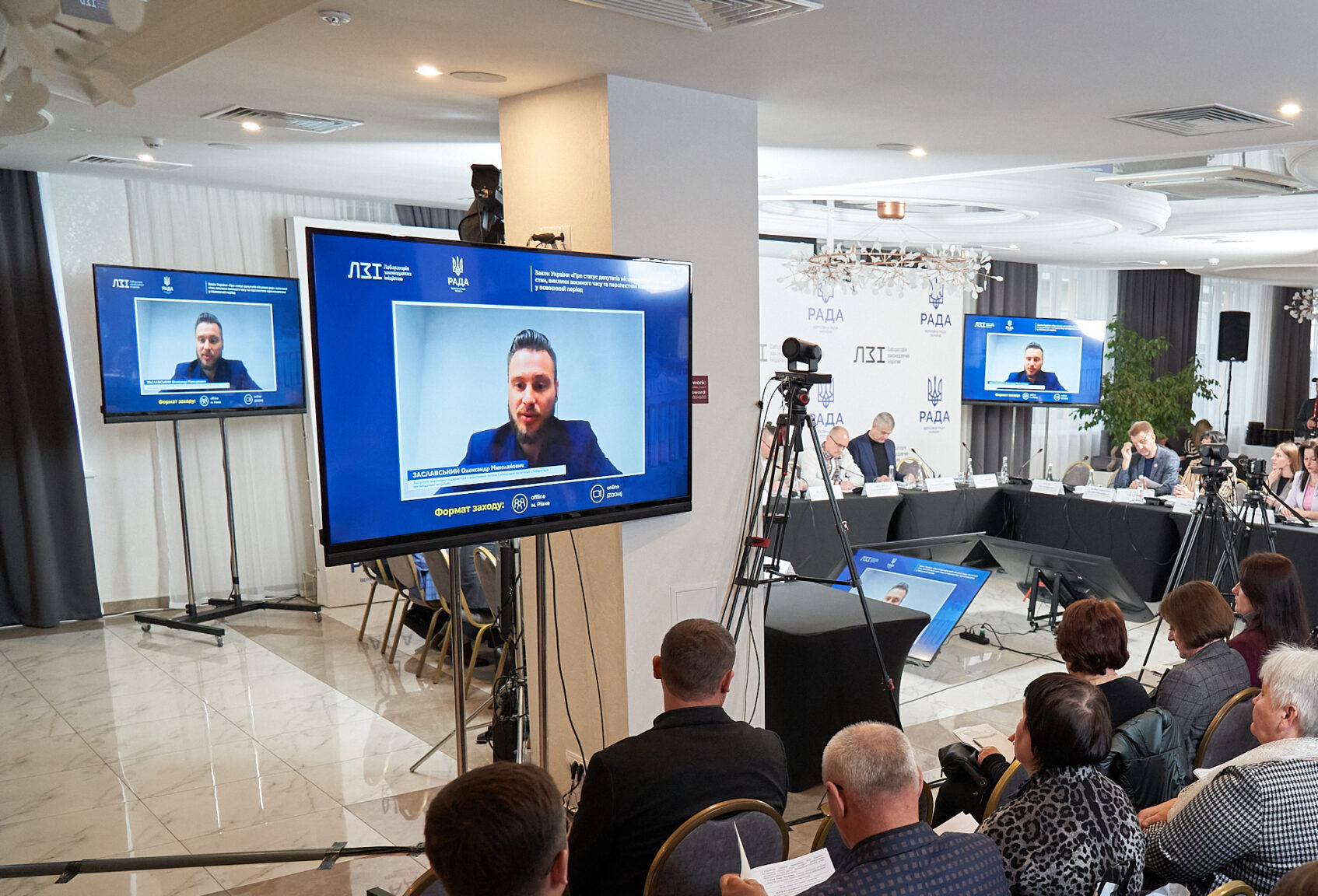
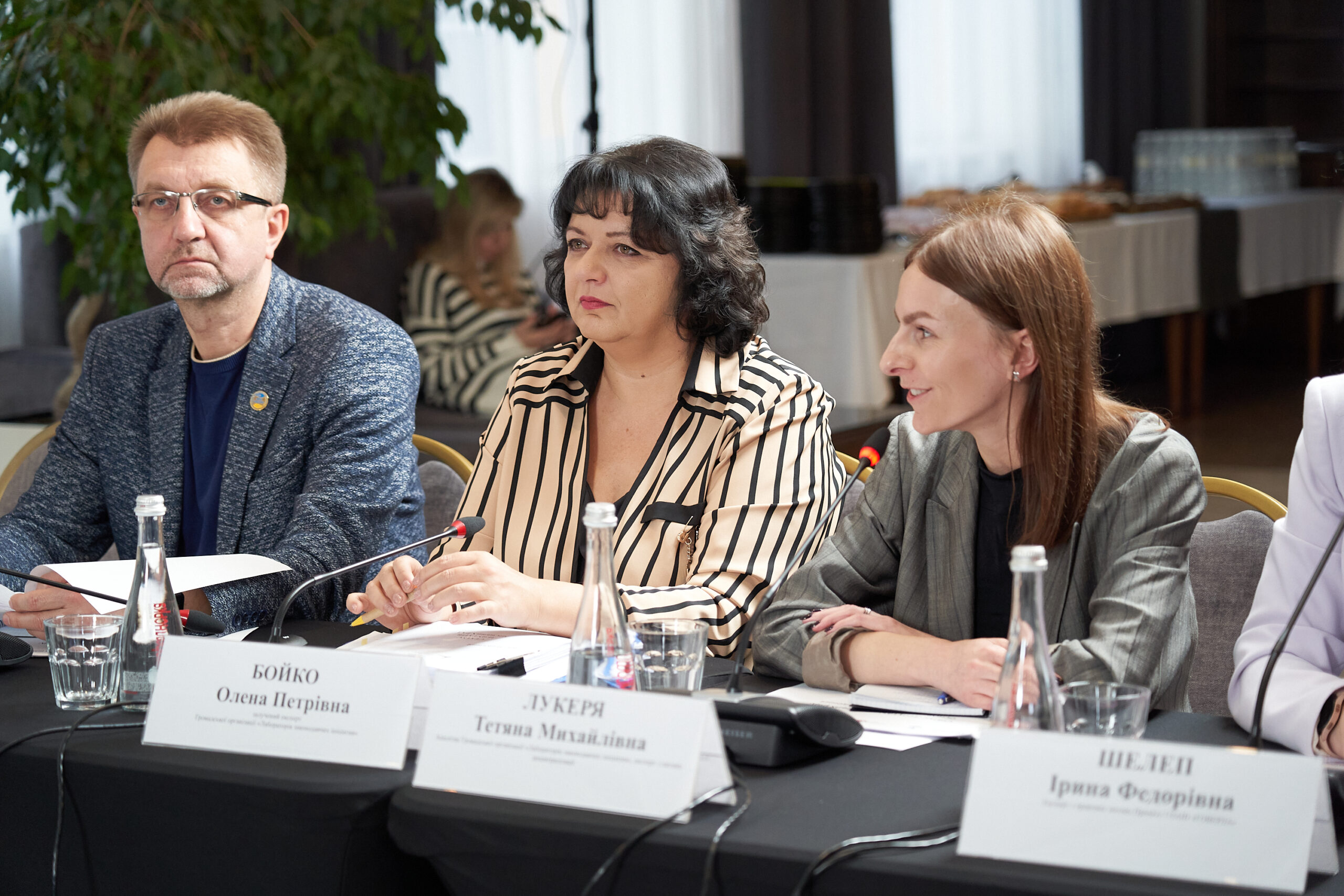
Olena Boiko, an ALI-engaged expert, presented the main results of the study and key recommendations for improving the status of local council members through legislation.
Tetiana Lukeria, an ALI-engaged expert, stressed that the Agency had already studied the issue of the status of local council members – the first study was conducted by ALI in 2017. In particular, it mentioned the imperative mandate and the fact that this practice is not used in European countries, where they either strengthen the local electoral system or local democracy. She also noted that ALI was conducting research with de-occupied communities, in particular on the status of local council members when the powers of local governments are transferred to the military administration, so the discussion of the imperative mandate is very important.
Viacheslav Rublov, MP of Ukraine, Chair of the Subcommittee on Regional Policy and Local Budgets of the Verkhovna Rada Committee on State Power, Local Self-Government, Regional Development and Urban Planning, stressed that local self-government should also be concerned about its problems, in particular, by sending appeals regarding decisions that impede or even block the work of councils.
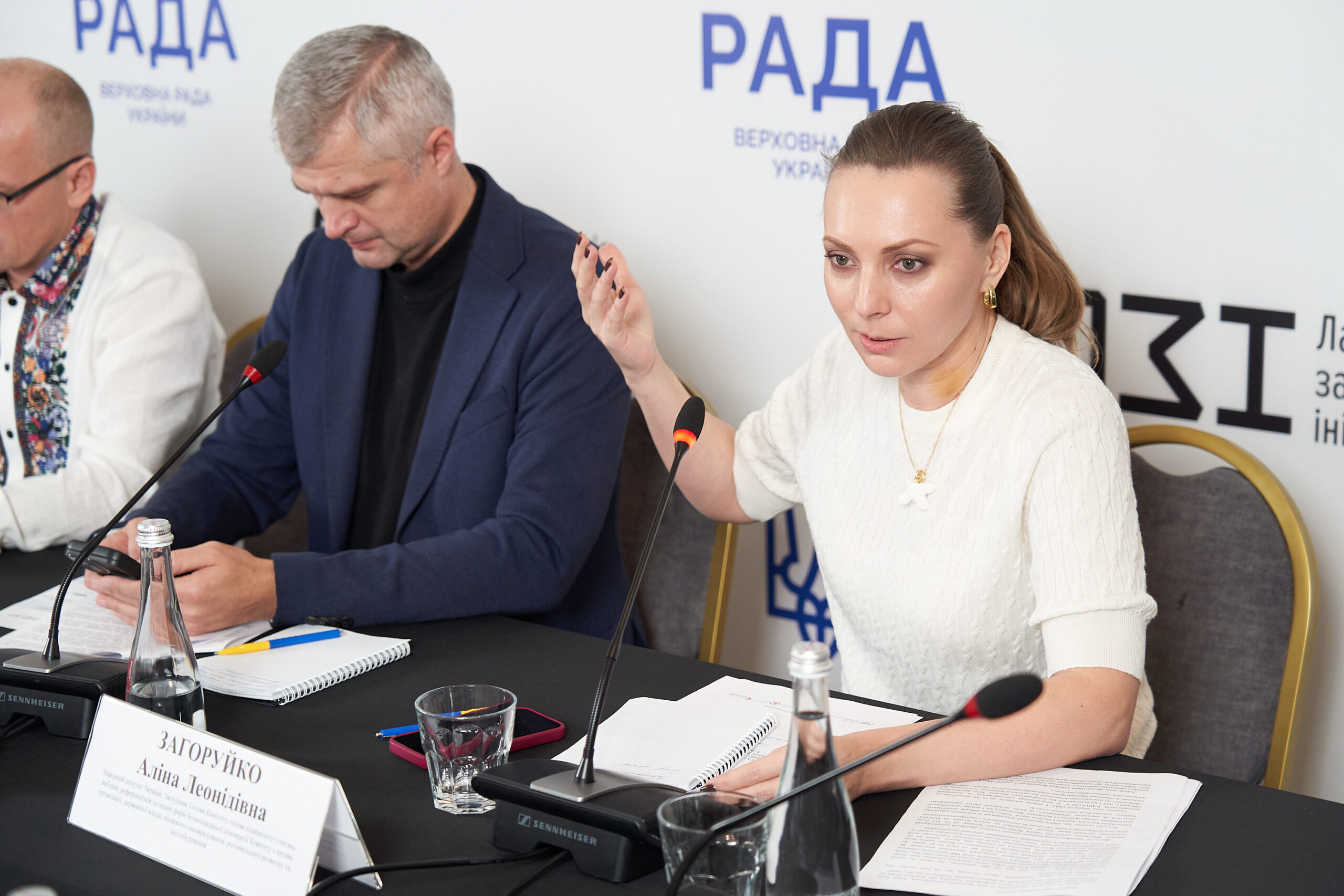
Alina Zahoruiko, MP of Ukraine, Deputy Chair of the Committee, Chair of the Subcommittee on Elections, Referendums and Other Forms of Direct Democracy of the Committee on State Power, Local Self-Government, Regional and Urban Development, answered questions about partisanship and the imperative mandate of local self-government representatives. After all, Ukrainian legislation is outdated and does not fully meet the current challenges, and changes need to be made, not just on a piecemeal basis, but systematically and carefully.
During the panel discussion, participants exchanged views and shared possible working models on the following current issues affecting the work of local councils in wartime:
- issues of acquiring and early termination of powers of local council members;
- impact of the ban on certain political parties on the work of local councils;
- guarantees for the activities of a local council member;
- compliance of the status of a local council member with European standards;
- ensuring proper representation in the local council;
- regulation of MP ethics;
- strengthening the accountability and responsibility of local council members to the voters.
In particular, much attention was paid to the problems of quorum, the possibility of organising meetings of local councils in a mixed format, the risks of deepening partisanship of local councils and the preservation of human resources, as all, even purely organisational aspects of local councils’ work subsequently affect the capacity of communities.
The event was part of the project “Parliament and Accountability of the Security Sector in Ukraine” (PASS Ukraine), which the Agency implements jointly with the Parliamentary Centre (Canada), in cooperation with the Verkhovna Rada of Ukraine, and with the support of Global Affairs Canada within the framework of the Peace and Stabilization Operations Program (PSOPs).
Parliamentary Diplomacy in Action: Results of the Working Visit of Ukrainian MPs to Canada
Ukrainian parliamentarians from the Committee on National Security, Defence and Intelligence and the Committee on Law Enforcement of the Verkhovna Rada of Ukraine paid a week-long working visit to Ottawa.
The priority areas of the visit were the practices of working with classified information, which is a topical issue for Ukraine, external audit processes in the security and defence sector, development of civil-military culture, and the experience of Canadian colleagues in exercising parliamentary control over the activities of the armed forces and defence structures.
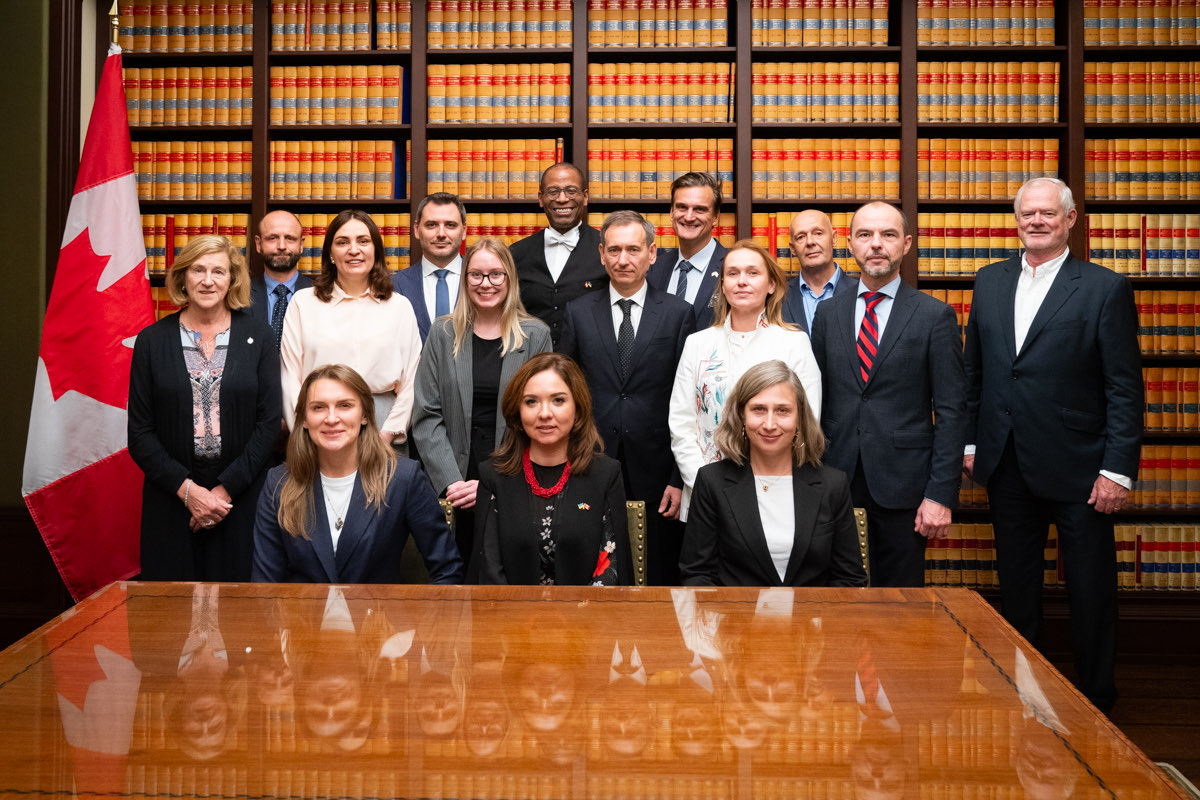
Ambassador Extraordinary and Plenipotentiary of Ukraine to Canada Yuliya Kovaliv emphasised during a meeting with the Ukrainian delegation:
The visit also included meetings with Canadian counterparts in the security and defence sector. During a meeting with Canada’s Minister of National Defence Bill Blair, the Ukrainian delegation discussed urgent items to strengthen Ukraine’s defence capabilities: timely delivery of military assistance packages, assistance in providing equipment and weapons from other countries, and investments in Ukrainian defence production.
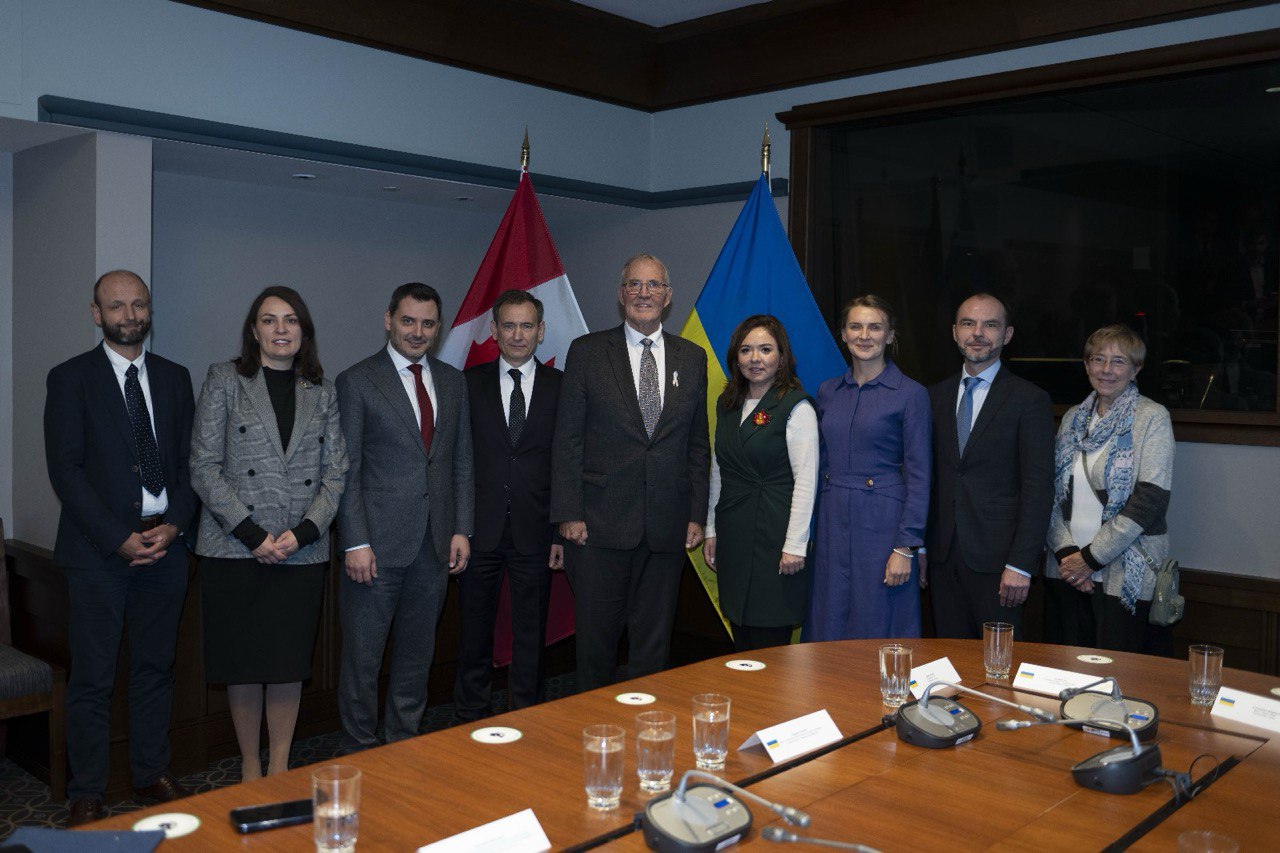
The main aspects of the meeting with the Speaker of the House of Commons, Greg Fergus, were negotiations on security partnership, implementation of the Ukrainian Peace Formula, including the return of deported and captured Ukrainians, and the upcoming session of the NATO Parliamentary Assembly.
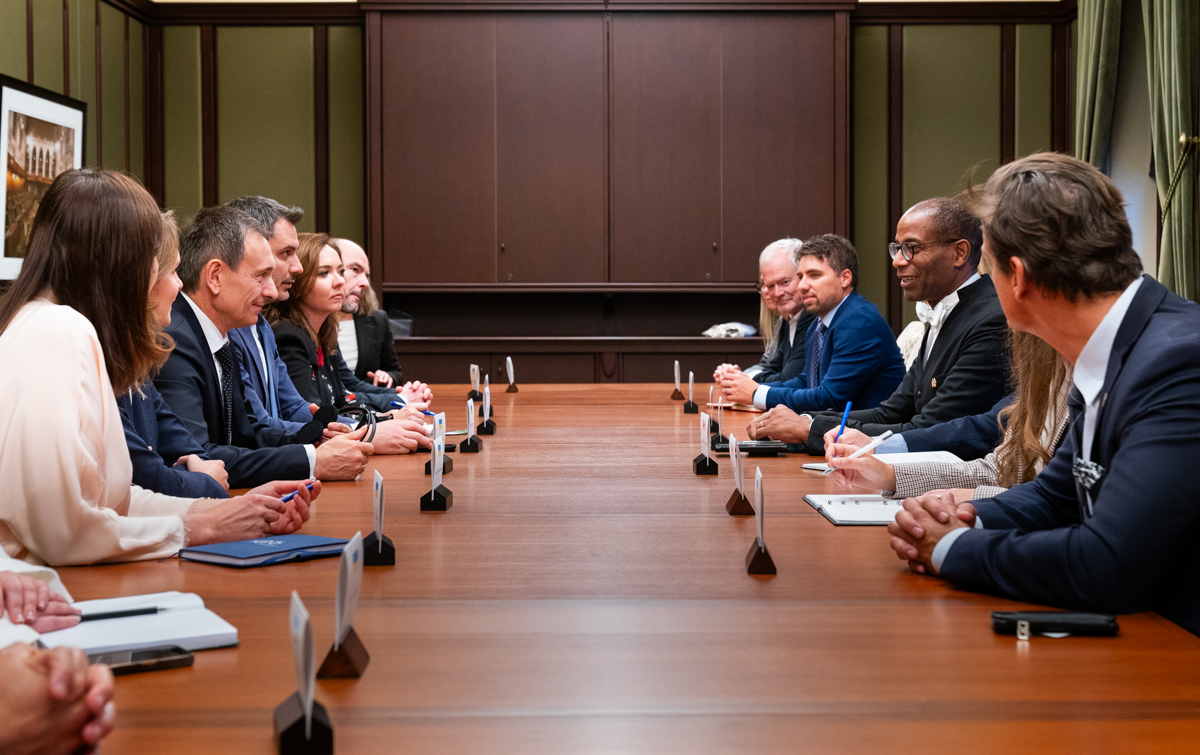
A series of meetings was also held with the Canada-Ukraine Parliamentary Friendship Group, chaired by Yvan Baker; members of the relevant committees in the Canadian Parliament: The House of Commons Standing Committee on National Defence and the Senate Standing Committee on National Security, Defence and Veterans Affairs; representatives of the Communications Security Centre, the Office of the Auditor General and the Office of the Canadian Forces Ombudsman.
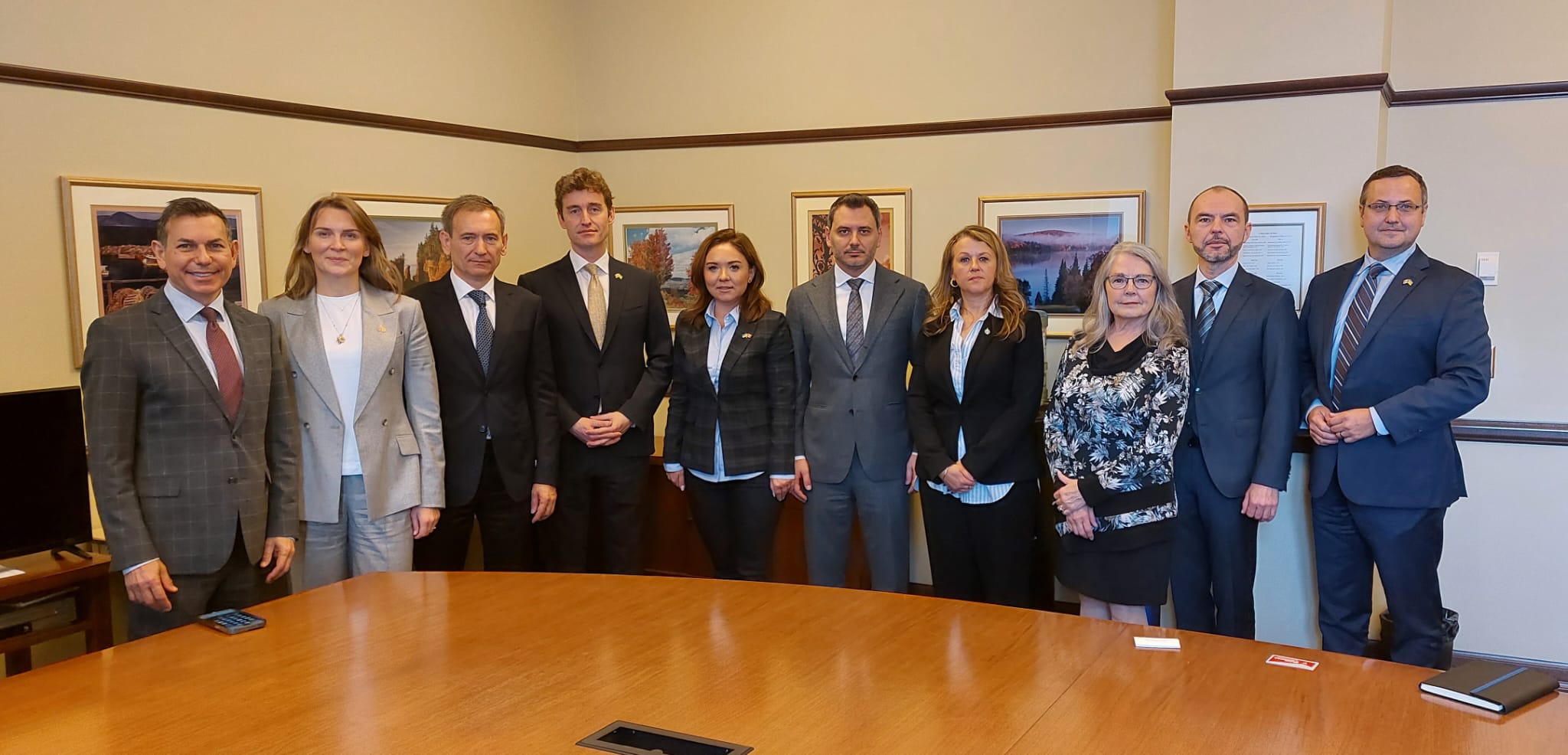
The visit was part of the project “Parliamentary Accountability of the Security Sector in Ukraine” (PASS Ukraine), which the Agency implements together with the Parliamentary Centre, in cooperation with The Verkhovna Rada of Ukraine, and with the support of Canada’s Foreign Policy—Global Affairs Canada as part of the Peace and Stabilization Operations Program (PSOPs).
Status of Local Council Members — Presentation of the Study
ALI analysed the issues of legislative support for the status of local council members at the Committee’s request to further develop legislative changes in this area. The study includes an analysis of the practices of applying the current legislation during the 2020 elections, as well as the results of a survey of local government representatives. 2,279 officials from different regions of Ukraine participated, of whom 94.7% are representatives of local governments and 67.2% have experience as local council members.
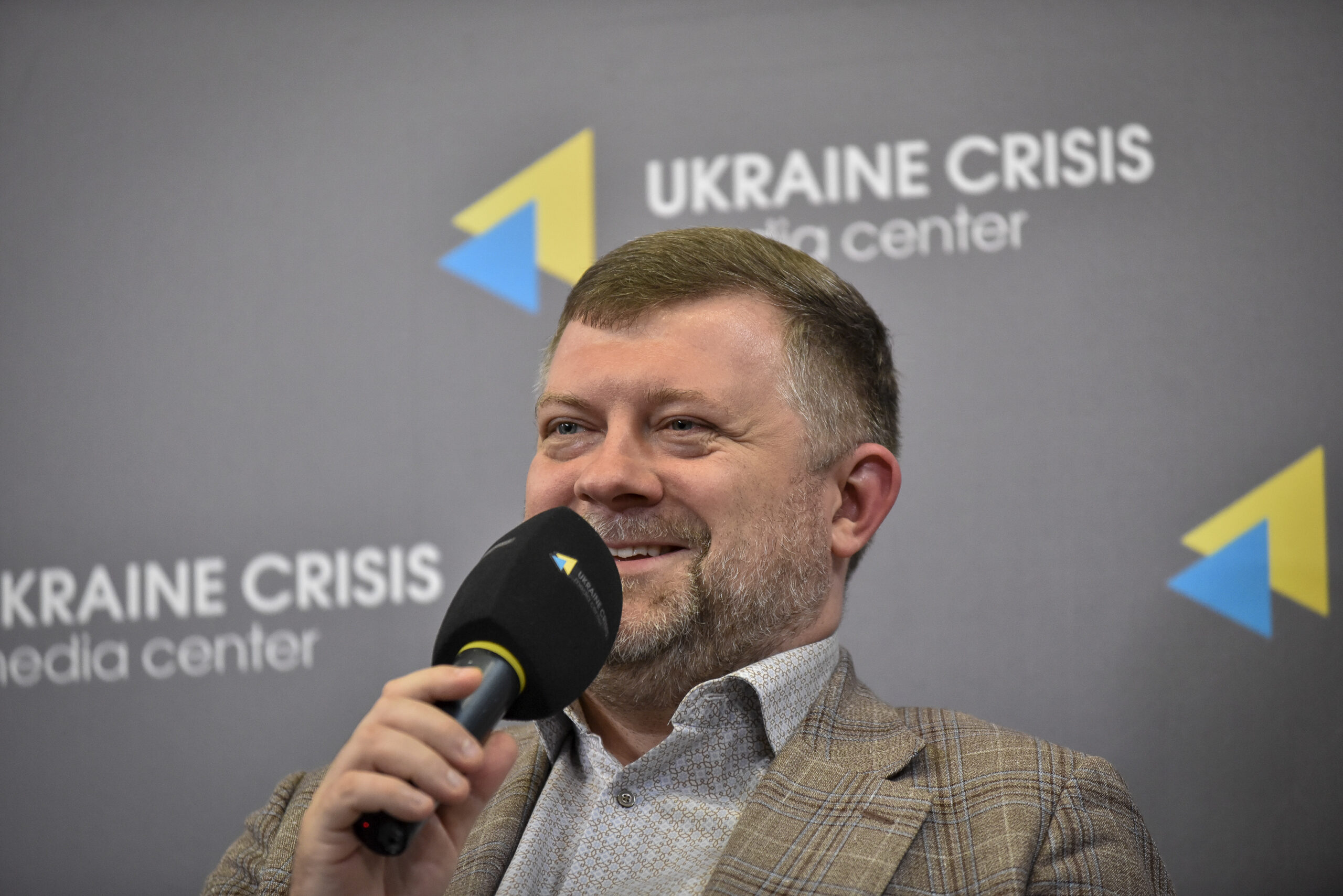
Oleksandr Korniienko, First Deputy Chair of the Verkhovna Rada of Ukraine, noted that the findings of the research by the Agency for Legislative Initiatives are needed to develop the concept of a new law “On the Status of Local Council Members”:
Vitalii Bezgin, Chair of the Subcommittee on Administrative and Territorial Structure and Local Self-Government of the relevant Committee of the Verkhovna Rada, stressed the importance of returning to this topic in the Committee’s work. After all, many issues have accumulated in this area, and they will arise in the negotiation framework for European integration in the context of transparency of functioning.
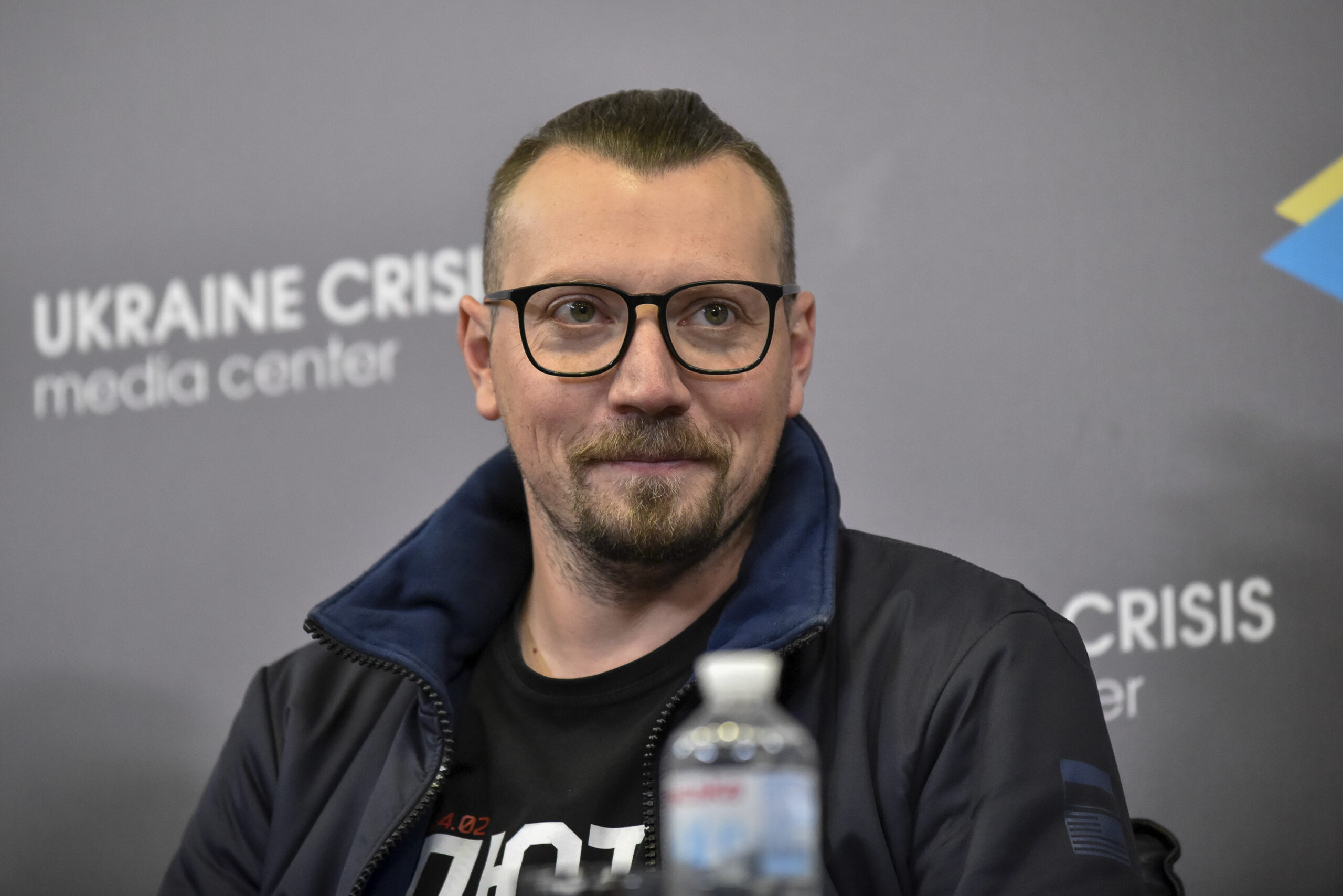
Olena Boiko, an engaged expert at the Agency for Legislative Initiatives, presented the main results of the study and key recommendations for legislative improvement of the status of local council members.
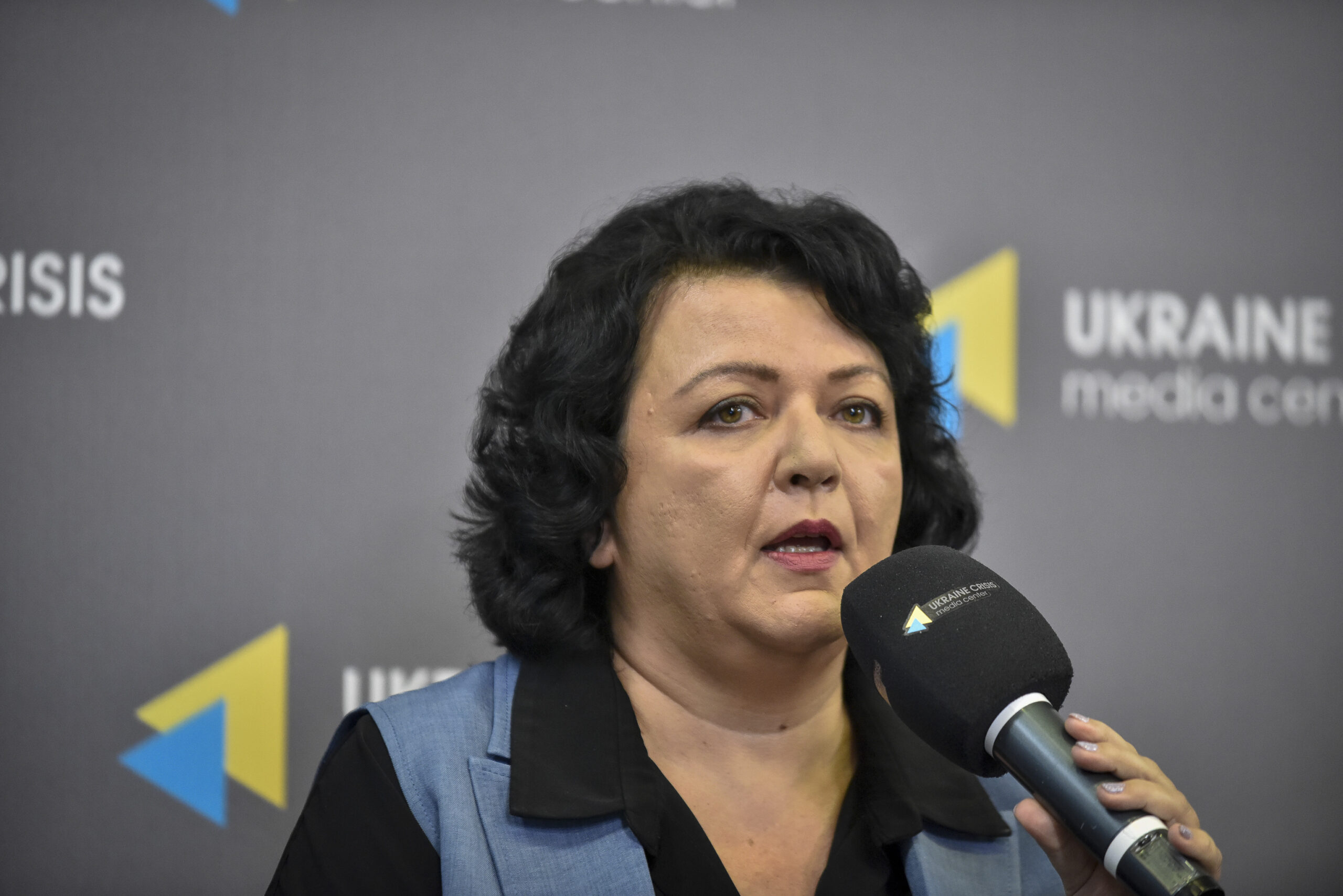
Oleksandr Zaslavskyi, Deputy Executive Director of the Agency for Legislative Initiatives, stressed that such a study was the basis of evidence-based policy in the context of local self-government.

Olena Zhuk, Head of the Zaporizhzhia Oblast Council and Vice President of the Ukrainian Association of Raion and Oblast Councils, spoke about the challenges in Zaporizhzhia Oblast related to gaps in the current legislation. In particular, this concerns the early termination of powers for local council members in frontline communities due to cooperation with the occupation authorities and the lack of appropriate regulation of this issue.
Yaroslav Raboshuk, Deputy Executive Director of the All-Ukrainian Association of Local Governments “Association of Ukrainian Cities” and Head of the Think Tank, noted that the study should be divided into two parts – those problems and fundamental issues that need to be addressed now, according to the results of the study, and conceptual issues that can be considered later.
Yurii Kotok, acting Head of the Department for the Development of Local Self-Government, Territorial Organisation of Power and Administrative and Territorial Structure of the Ministry for Communities and Territories Development, stressed the significant changes that require the creation of relevant tools to regulate the status of local council members. After all, with the beginning of Russia’s full-scale aggression, the problems of representative democracy have become much more acute at the local level.
Serhii Sharshov, an expert on the Legislation for the ATC Platform of the All-Ukrainian Association of Local Governments “Association of Amalgamated Territorial Communities,” focused on the archaic nature of the existing mechanisms for regulating local government activities, especially in the context of the status of local council members.
The event was part of the project “Parliament and Accountability of the Security Sector in Ukraine” (PASS Ukraine), which the Agency implements with the Parliamentary Centre (Canada), in cooperation with the Verkhovna Rada of Ukraine, and with support from Global Affairs Canada within the framework of the Peace and Stabilization Operations Program (PSOPs).
Local Government: How to Retain Staff in Times of War – Analysing Draft Law No. 10284
In early May 2024, the Verkhovna Rada adopted draft law No. 10284 in the first reading. This law plans to provide for the payment of additional salary supplements to civil servants and local government officials at the expense of international assistance and grants. These additional payments will be made at the expense of funds provided for by such projects, and the amount of additional payments should not exceed 50% of the officer’s average salary.
According to the document authors, such economic incentives will delay the outflow of skilled personnel and keep them “in place,” as well as promote international cooperation.
The problem
The draft law was submitted shortly before the entry into force of the Law On the State Budget 2024, which increased the difference between the minimum salary and the salary of local government officials, which had not been revised since 2021.
The Law on the State Budget 2024 launched the reform of civil servants’ remuneration earlier this year. It is now based on the classification of positions according to the grade systemA system that is determined by the level of duties performed in accordance with the position, the powers exercised by this position, and the duration of the employee’s work..
The new remuneration system has significantly limited the maximum salaries for civil servants, especially those in local state administrations. Therefore, civil servants involved in the management of international grants and programmes are paid under the same conditions as those established by the new reform for all categories of civil servants. Prior to the reform, salaries were more flexible, with incentive bonuses that could even exceed guaranteed payments.
The remuneration of local government officials did not change from year to year, as salaries were not revised from 2021 to April 2024. As a result, the minimum official salary was significantly lower than the minimum wage. That is why bonuses and incentive allowances compensated for the low salaries in local governments.
The Cabinet of Ministers tried to eliminate this imbalance in April this year by increasing the salaries of local government officials by resolution.
Despite legislative decisions, the remuneration of civil servants managing international programmes is more competitive in central bodies than at the regional and district levels.
In addition, during the full-scale invasion, amid insufficient remuneration, public authorities and local governments faced staff outflows and the overloading of officers who had to perform additional functions.
The initiators of the draft law emphasise that the need for changes is caused by the insufficient remuneration of civil servants and local government officials.
The situation is also influenced by other factors, such as a shortage of personnel, a decrease in the workforce, including due to migration both within the country and abroad, mobilisation, budget shortages, rising unemployment, inflation, etc.
The situation is becoming more complicated due to the process of reducing vacancies. Moreover, it should be acknowledged that reducing public service positions in the context of a state budget deficit is one of the measures to save financial resources.
Communities are more and more often facing the risk of losing their financial capacity to fulfil their responsibilities at the expense of their own revenues. In such circumstances, attracting international assistance and grants is a promising tool for community development and infrastructure reconstruction.
Therefore, the public service needs to retain and attract skilled project management staff capable of developing and implementing joint initiatives, events, projects, programmes, and strategies in various fields.
Anti-corruption legislation also prohibits persons authorised to perform state or local government functions from combining their work with other paid activities, except in cases prescribed by law Except for teaching, scientific and creative activities, medical practice, instructional and refereeing practice in sports.. Accordingly, this also confirms the need to prepare a draft law.
What’s wrong with the draft law
The shortcomings of the draft law that stakeholders are currently pointing out include the following:
- The terminology of the draft law is not consistent with the legal provisions of the Budget Code of Ukraine;
- Provisions of the document on the formation of the payroll fund for local government officials require a distinction between local budget funds and funds received by the local budget under assistance programmes or grants;
- The draft law does not define a further mechanism for the formation of payroll funds and the use of such funds for payments to officers of public authorities and local governments;
- The editorial inaccuracy of the draft law’s provisions may lead to misinterpretation in the course of its implementation;
- The term of the law’s entry into force, if it is adopted “from the day following the day of its publication”, also raises doubts due to the need to bring regulatory legal acts in line with this law and adopt new ones within three months from the day of entry into force.
In addition, the draft law is inconsistent with several otherFor example, the Strategy for Public Administration Reform in Ukraine for 2022-2025 and the Concept for reforming the system of civil servants salaries. existing documents. Most importantly, it is at odds with the new reform of civil servants’ remuneration envisaged by draft law No. 8222, namely the introduction of unified approaches to civil servants’ remuneration based on job classification
Consequences of the potential adoption of the law
Draft Law No. 10284 is aimed at solving a significant problem that is not actively discussed in public. The adoption of this draft law will have both negative and positive consequences. The positive ones include:
- retaining human resources in government agencies and local governments;
- increased international cooperation, strengthening of international partnerships and attraction of international assistance (grants);
- diversification of sources of the payroll fund, increase in tax revenues to budgets and other mandatory contributions;
- increased implementation of project management by public authorities and local governments.
The consequences of the risks include:
- Transfer of officials working with aid programmes (projects) from some bodies that do not provide for such payments to other bodies that guarantee such payments as part of the implementation of programmes;
- Imbalance of the remuneration system for civil servants and local government officials since, on the one hand, uniform remuneration conditions will be effectively undermined, and on the other hand, the additional payment may, in fact, duplicate the already existing similar bonus for high performance for local government officials;
- Significant disproportions in salaries, as not every programme stipulates expenditures for the remuneration of executives in its budget. On the other hand, such funds are earmarked (that is, such remuneration can be paid only to the person who directly manages the program (project), within the framework of which the funds were received), so they cannot be used to pay other persons. This could result in a significant gap in salaries.
It is also important that the proposed document does not take into account the rights of officers of executive authorities with special ranks (police, military and others) who manage programmes (projects).
Conclusion
In general, draft law No. 10284 is an important step in promoting community development, an incentive to attract international assistance and strengthen international cooperation, which is a separate important point in the context of Ukraine’s European integration.
In addition, in the context of a full-scale Russian invasion, attracting international funds to local budgets helps find funding for communities in the regions amidst wartime budget austerity by the state and retain managerial staff in the regions, countering the trend of outflow of local government officers and officials.
However, the current document needs to be revised, and the changes it proposes need to be justified in more detail. Their adoption will require discussions with international partners on the goals of targeting assistance in connection with corruption risks in the aforementioned EU integration process.
It is also worth noting that the adoption of the draft law will not fix all the problems of local government functioning: From the lack of project management units and specialists to the lack of skills. In other words, the entire change process should include comprehensive measures to optimise administrative resources and take into account the risks that may arise during implementation.
ALI Joined the Discussion on Decentralisation and Regional Development
On October 3, 2024, the Agency for Legislative Initiatives in cooperation with the Committee of the Verkhovna Rada of Ukraine on State Building, Local Governance, Regional and Urban Development held a panel discussion “Platform for Territorial Development: Decentralisation and Regional Development”, the purpose of which was to discuss the priorities and formats of interaction between the expert environment and state authorities.
The interaction of civil society organisations with the authorities, including the parliament, is one of the important principles of any democratic society. And in the conditions of the ongoing war, even despite certain limitations, the Verkhovna Rada should strengthen its agency, promote and develop various tools and practices of interaction with other state authorities, and use all available resources more effectively.
The event was opened by the First Deputy Chairman of the Verkhovna Rada of Ukraine, Oleksandr Korniyenko. He emphasised the need to hold discussions that will help to actualise problematic issues, and most importantly, to consolidate the efforts of all parties for what can be resolved even under martial law.
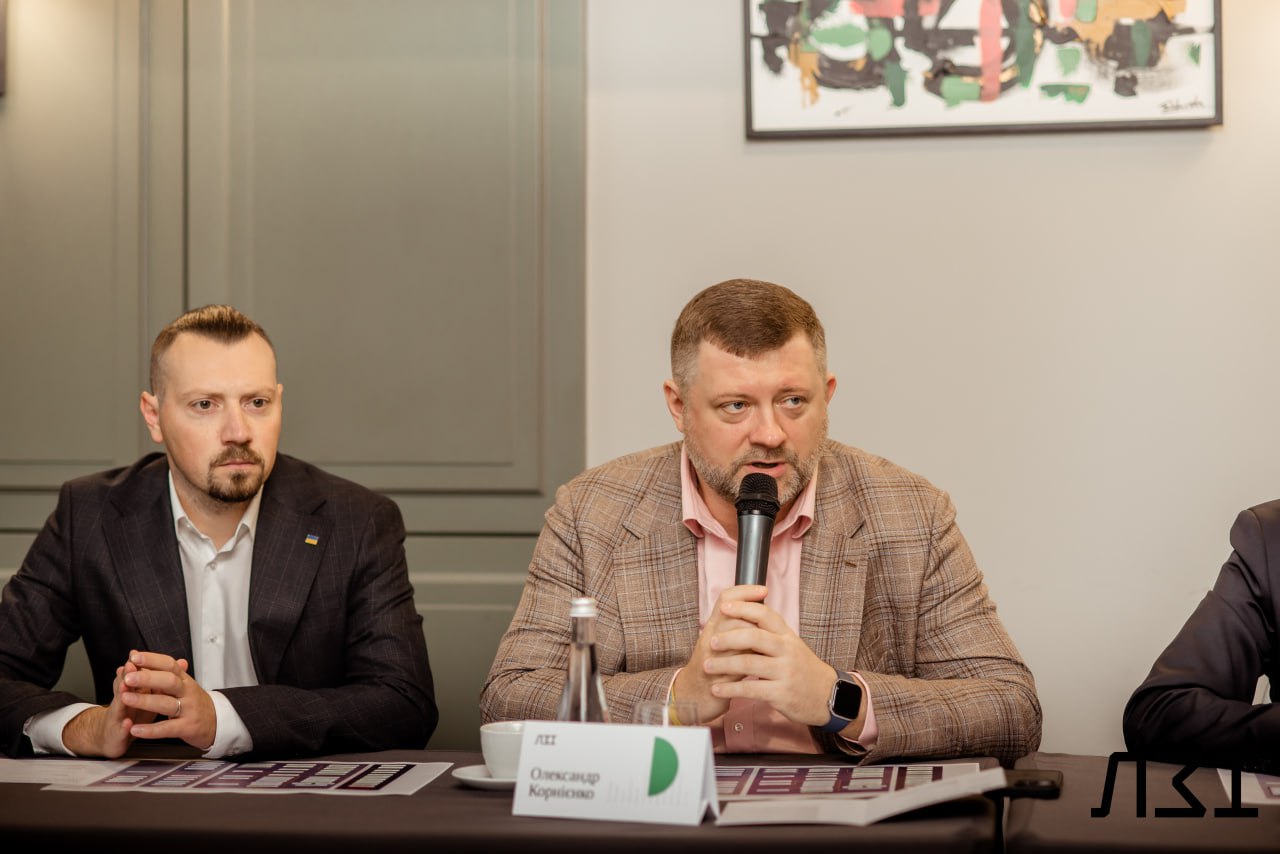
The event was attended by the First Deputy Chairman of the Verkhovna Rada of Ukraine Oleksandr Korniyenko; MP’s of the Committee of the Verkhovna Rada of Ukraine on State Building, Local Governance, Regional and Urban Development; an invited analyst from the Agency for Legislative Initiatives, Tetiana Lukeria; expert on local self-government and regional policy Yuriy Tretiak; director of science and development of the CSO “Civil Society Institute” Anatoliy Tkachuk; director of the Institute of Territorial Development Yuriy Hanushchak; head of regional programs, deputy head of the advocacy and international relations department, Public Union “Reanimation Package of Reforms Coalition” Yuriy Mykytyuk; an independent expert Olena Boyko, as well as representatives of the donor community. Taras Khavunka, Head of the Lviv Regulatory Hub, acted as moderator.
Tetiana Lukeria presented the experience of various countries regarding the cooperation of authorities and civil society, various models, formats and tools of such cooperation — so that the lessons learned would be useful for state decisions.

Yuriy Tretyak emphasised that this event is important not only in the context of discussing current challenges, but also because the past two years have seen a certain regression in this area, despite the fact that Ukraine has correctly built a framework for regional policy.
Anatoliy Tkachuk emphasised the priorities of building an ecosystem of cohesion, because the aggression of the russian federation has caused irreparable damage, foremost, to the human potential of Ukraine. That is why it is important to conduct a policy that will be sensitive in the context of the value of human life.
Yuriy Hanushchak noted that the organisation of public governance at the local level still remains at an unsatisfactory level — and therefore will require reform at the level of organisational powers that ensure legitimacy, institutional stability and responsibility of local authorities to the community.
Yurii Mykytiuk highlighted the importance of normalising interaction between specialised state bodies and institutions with an expert environment. And Olena Boyko spoke about the prospects for the further development of the reform and the existing platforms for interaction with the authorities, which should be preserved. After all, for the post-war state, it will be important to unite people and show that even amid the war challenges, the state can care about them — primarily because of the quality of public services. And this is impossible without an obvious condition — further consolidation at various levels of government and qualitatively organised work at the community level.

The event was held by “Parliamentary Accountability of the Security Sector in Ukraine” (PASS Ukraine), which the Agency implements together with the Parliamentary Centre in cooperation with the Verkhovna Rada of Ukraine and with the support of Global Affairs Canada as part of Peace and Stabilization Operations Program (PSOPs).