
Agency for Legislative Initiatives Presents a Green Paper on the Civil and Patronage Service in Courts
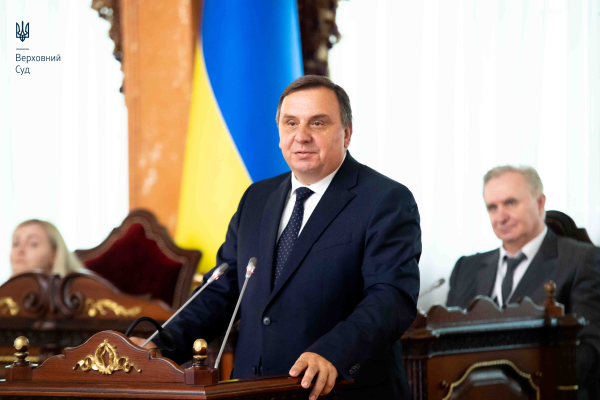
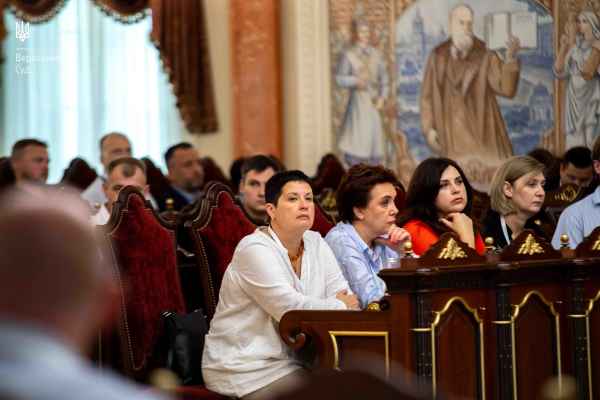
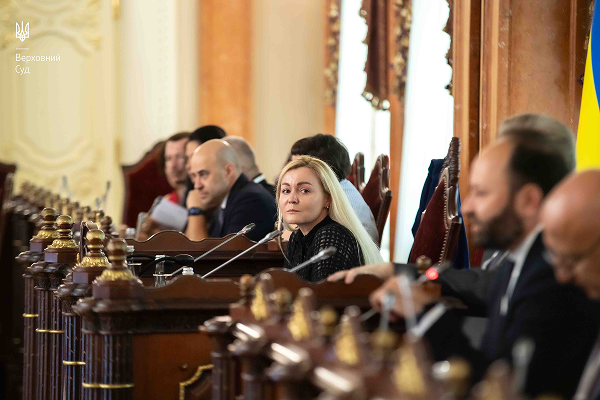
The presentation gathered the leadership of the Supreme Court, heads of staff from appellate courts across Ukraine and district courts in Kyiv, representatives of the High Council of Justice, the High Qualification Commission of Judges, the State Judicial Administration of Ukraine, and members of judicial associations.
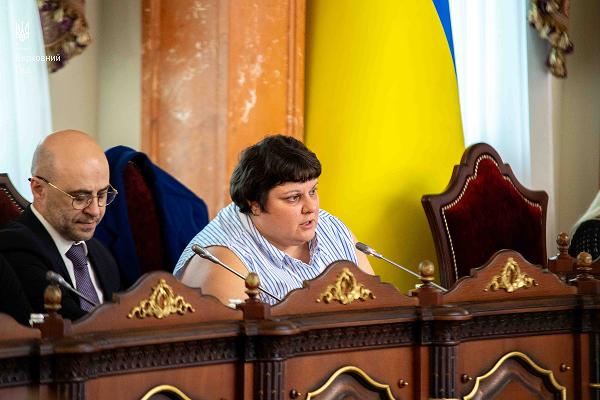
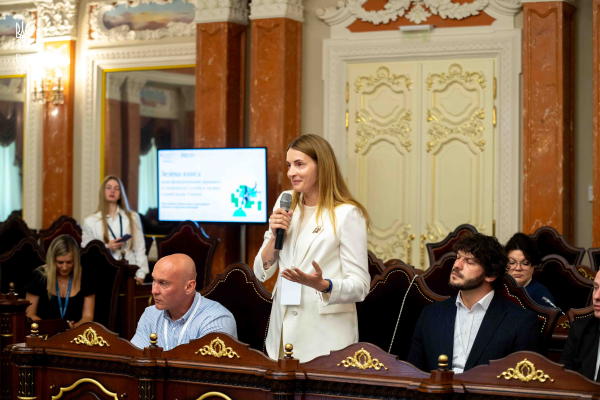
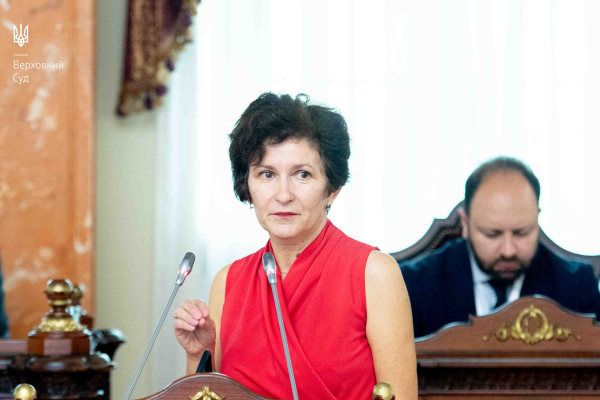
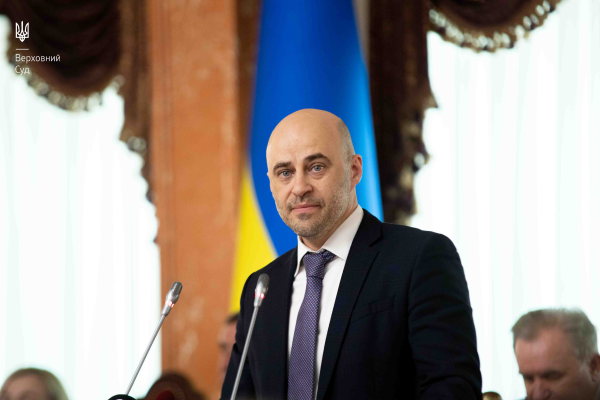
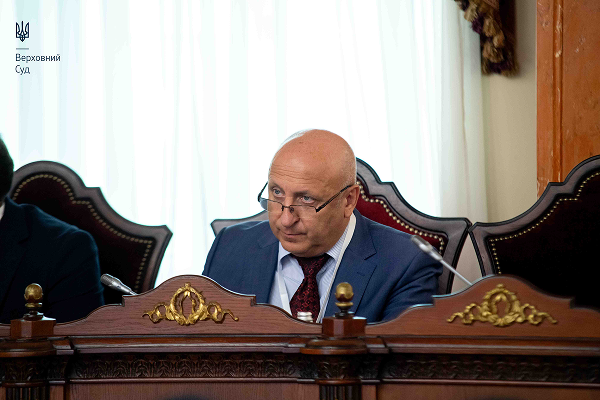
Rasim Babanly, First Deputy Chief of Staff of the Supreme Court, emphasised that ALI research marks a crucial step toward constructive dialogue between civil society and the judiciary. He noted that the Green Paper is not just a critical assessment of existing problems but also a commitment to joint solutions grounded in thorough analysis and respect for institutions.
The Green Paper focuses on civil servants, judicial assistants, and technical staff who ensure the daily functioning of courts — from record-keeping and technical support to public communication. The research is based on a survey of more than 1,000 court staff members and 42 in-depth interviews covering all jurisdictions of first-instance and appellate courts.
Stanislav Kravchenko, President of the Supreme Court, stated in his address:
However, Karyna Aslanian, Head of the Rule of Law area at ALI, pointed out that court staff remain overlooked in reforms: ‘Court employees are systematically undervalued — in terms of status, pay, HR policy, and professional development’.
The Green Paper also highlights long-term risks to institutional memory, ethics, and the independence of the judiciary. A significant share of court staff (judicial assistants) is not covered by anti-corruption policies, face substantial disparities in social guarantees and career advancement, while training and professional development often remain merely formal.
ALI experts not only analyse problems but also propose institutional solutions. Key challenges include:
- Overtime work: According to the survey, 21% of court staff work overtime almost daily, 19% often, 22% occasionally, 17% rarely, 16% very rarely, and only 5% never;
- Underfunding and out-of-pocket expenses for court needs: More than 70% of respondents reported having to purchase office supplies, refill cartridges, or even repair court premises at their own expense. Specifically, 696 respondents bought paper and stationery, 424 refilled cartridges, 231 purchased furniture and equipment, 218 paid for postage, 175 carried out office repairs, and 61 covered other expenses;
Oleksandr Sasevych, member of the High Council of Justice, emphasised:
Maksym Pampura, Acting Head of the State Judicial Administration of Ukraine, highlighted low salaries in the judiciary as a critical issue:
- Lack of a clear HR strategy: More than 3,000 vacancies in court staff positions remain unfilled;
Viktor Kapustynskyi, the Supreme Court’s Chief of Staff, added that without a sustainable vision for personnel development, we cannot build an effective strategy for the judiciary. According to him, it is crucial to lay the groundwork for tomorrow’s solutions by rethinking HR philosophy and revising approaches to job classification, remuneration, and digitalisation.
- Low salaries: 74% of court staff consider their pay demotivating. Respondents also identified it as one of the key factors affecting their professional independence;
Taras Neshyk, Head of the Secretariat of the High Qualification Commission of Judges, emphasised that low salaries and outdated functional models prevent the judiciary from attracting a new, qualified workforce. According to him, the current work format is also incompatible with the digital era.
- Unsatisfactory working conditions: Most courts lack bomb shelters or stable internet access.
Nataliia Fulei, a representative of the National School of Judges of Ukraine, noted that the Green Paper is not only an analytical document but also a tool for shaping state policy that should serve as a starting point for systemic changes in the treatment of court staff.
The Agency for Legislative Initiatives hopes the Green Paper will lay the groundwork for reforming the court staff, and its recommendations will help improve the efficiency of the judiciary in Ukraine. Key findings are published in the presentation, and the full report is forthcoming.
The event took place as part of the Improvement of Governance in Ukraine: Enhancing Policy Making for Social Progress Project, with the support of Switzerland and the organisational assistance of the Supreme Court. The content of the research and presentation is the sole responsibility of the Agency for Legislative Initiatives. The views expressed in the presentation and research do not necessarily reflect those of the donor and the Supreme Court.
The Issue of Internal Reform and Institutional Capacity of the VRU Is Always Relevant — ALI at the Meeting with Pat Cox
The Agency for Legislative Initiatives joined a meeting of Ukrainian civil society representatives with Pat Cox, former President of the European Parliament and Head of the Needs Assessment Mission to the Verkhovna Rada of Ukraine.
The discussions focused on urgent challenges and problems the civil society sector in Ukraine has faced, the need to maintain interaction with the authorities, including the Verkhovna Rada, and the next steps in this regard. The Agency highlighted the continuation of parliamentary reform in the context of a full-scale war as a cross-cutting aspect. This reform was launched in 2015 with the commencement of the European Parliament’s Needs Assessment Mission led by Pat Cox.
The mission developed a Roadmap with specific recommendations on how to strengthen the Verkhovna Rada of Ukraine institutionally and solve the problems of Ukrainian parliamentarism, which ALI has repeatedly drawn attention to, as it has been supporting parliamentary reform and monitoring its implementation since the beginning. Indeed, the war has intensified the implementation of some of the Roadmap’s recommendations for internal reform of the Verkhovna Rada, although some improvements may require constitutional amendments, which is currently impossible. ALI analysed each aspect of the reform in a thematic Journal, which describes its current state in detail.
At the same time, the Ukrainian parliament continues to operate as the main legislative body of a democracy at war. Therefore, it needs to strengthen its subjectivity and capacity and, even in such circumstances, implement changes that help build resilience and sustainability of internal processes.
One of the components of such processes should be the adoption of the Code of Conduct for MPs, a document that will eventually introduce uniform standards of ethical conduct for MPs, a system of monitoring and oversight over their observance, and become an effective mechanism for distancing from MPs who discredit the entire institution.
Rule of Law in the Context of EU Accession: ALI Attended the Conference in Germany
The meeting focused on how Ukraine, with the support of Germany and its EU partners, can promote the rule of law and safeguard fundamental values in a time of war. Issues such as electoral democracy, migration challenges, and the implementation of judicial reform were the main topics of discussion.
The discussion “Advancing judicial reform in Ukraine: modernisation and strengthening accountability” began with a report by ALI on the state of the rule of law in Ukraine. Karyna Aslanyan, Judicial Reform Project Lead at the Agency for Legislative Initiatives, spoke about Ukraine’s progress in 2024, risks, challenges, and necessary steps in the context of the Shadow Report to Chapter 23 “Justice and Fundamental Rights” of the European Commission’s 2023 Report on Ukraine, prepared by ALI in coalition with NGOs.
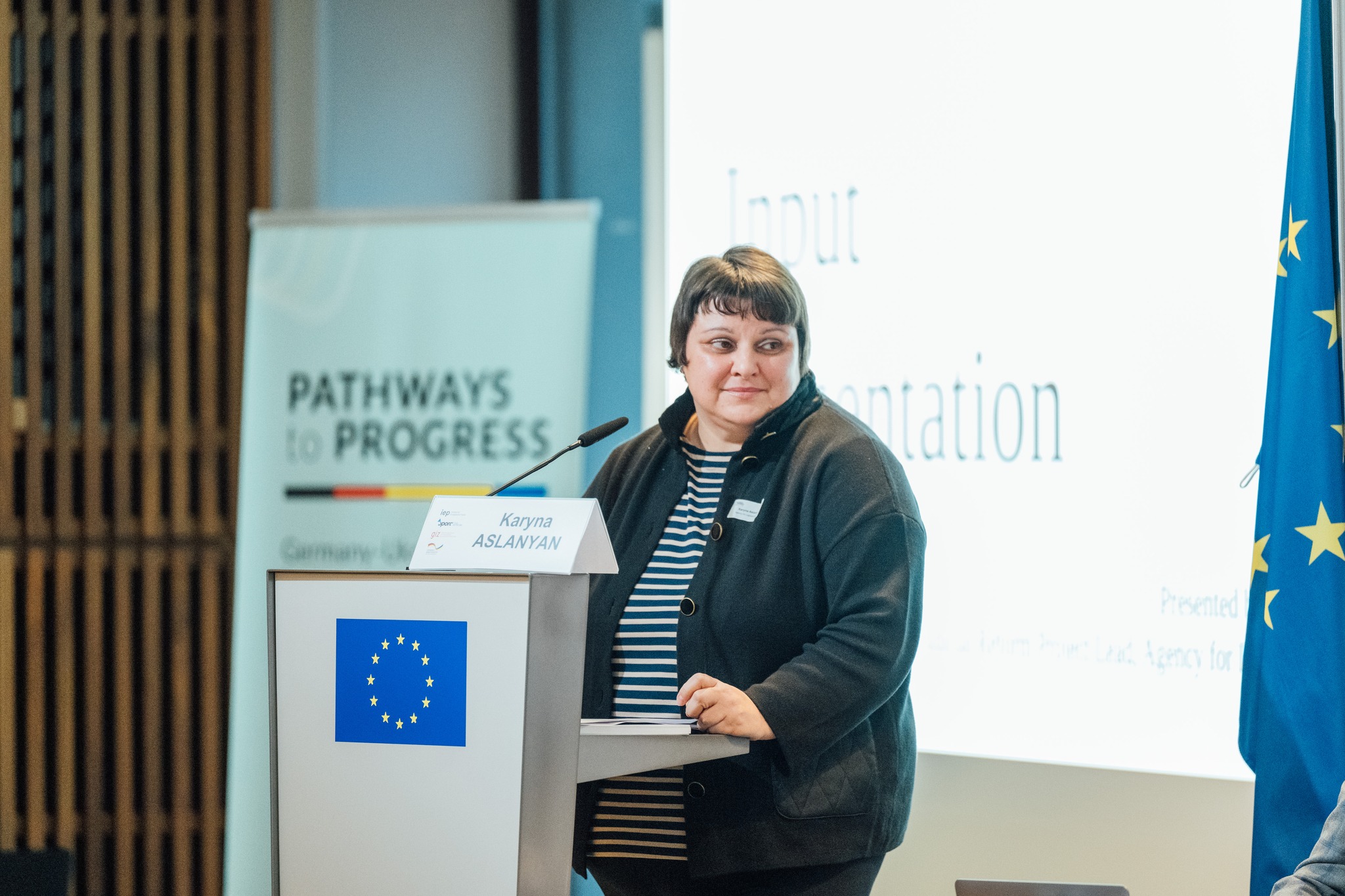
The discussion brought together a wide range of leading experts to address one of the most pressing issues on Ukraine’s path towards integration with the EU. The discussion was moderated by Johannes Uhl, Implementation Manager, 3*E4U Project, Deutsche Gesellschaft für Internationale Zusammenarbeit (GIZ). He noted that the judiciary, and in particular judicial reform, is currently the cornerstone of this process, as Ukraine’s accession to the EU makes European law a full-fledged body of law to be applied.
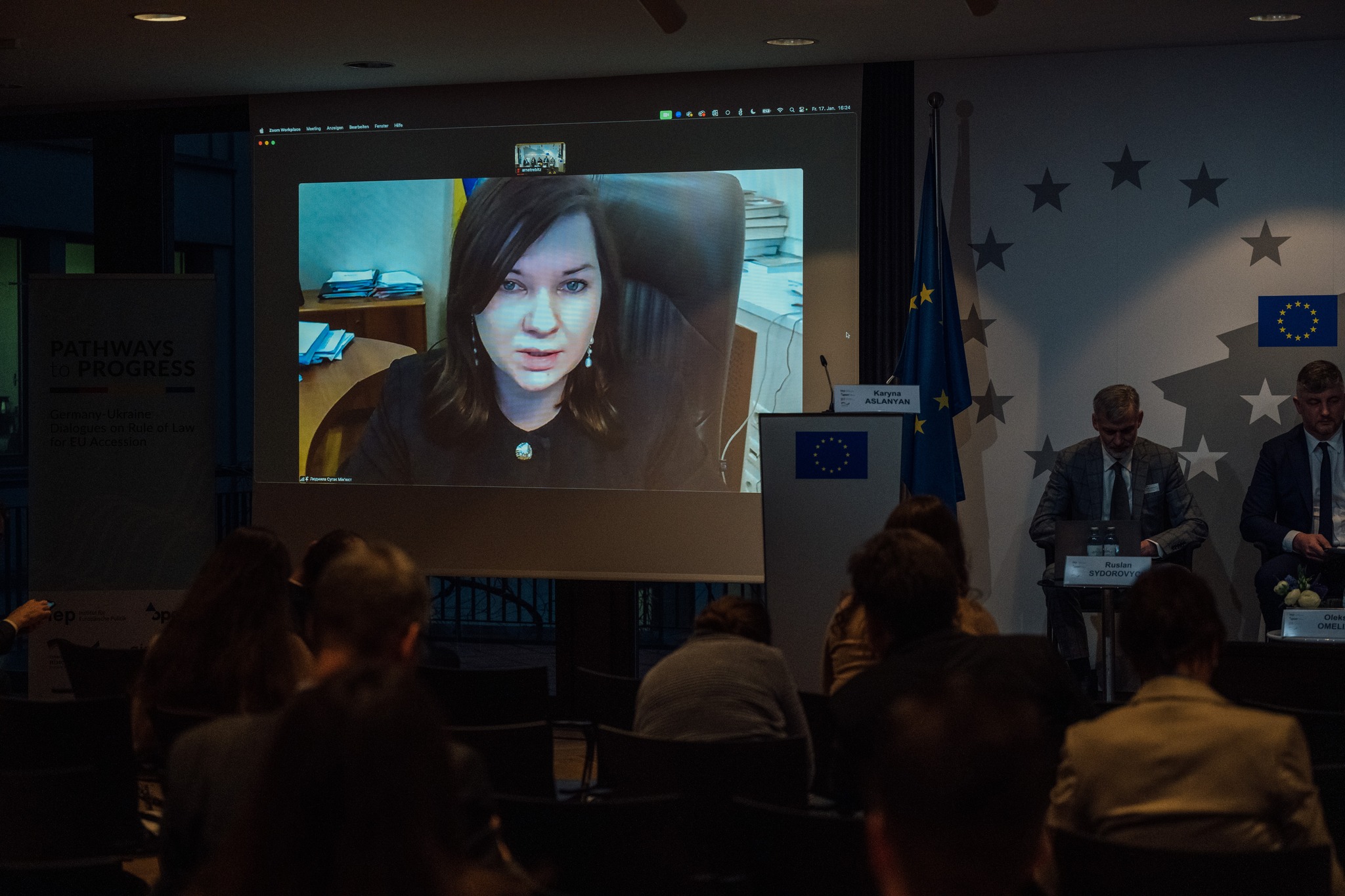
The Ministry of Justice is coordinating the development of the Rule of Law Roadmap in Ukraine, the draft of which was submitted to the European side in December 2024, and the process of consultations with the European Commission is currently ongoing, said Liudmyla Suhak, Deputy Minister of Justice of Ukraine for European Integration. The main areas of focus in the justice sector are judicial and prosecutorial reform, including ensuring the independence and impartiality of the judiciary and the constitutional judiciary, ensuring judicial accountability, improving the quality and efficiency of the judiciary, and strengthening the independence and institutional capacity of the Constitutional Court of Ukraine.
Polina LI, Adviser to the Deputy Prime Minister for European and Euro-Atlantic Integration of Ukraine, Minister of Justice of Ukraine, emphasised that Ukraine should be responsible for the selection procedures for judicial bodies before EU accession — and should strengthen its own capacity rather than being dependent on international assistance in these processes. The challenges for the Ukrainian side associated with the transition period, when the mandates of the relevant selection commissions will expire, were particularly highlighted.
The main priorities of the current phase of judicial reform were highlighted by John Morin, Lead Legal Expert, 3*E4U Project, Deutsche Gesellschaft für Internationale Zusammenarbeit (GIZ). Priority should be given to the implementation of the EU standard requirements for the judiciary’s independence and to the judiciary’s institutional architecture. He stressed that it is very important to see this as a shared responsibility, as the independence of the judiciary is not the responsibility of the judges, the politicians, or the society alone.
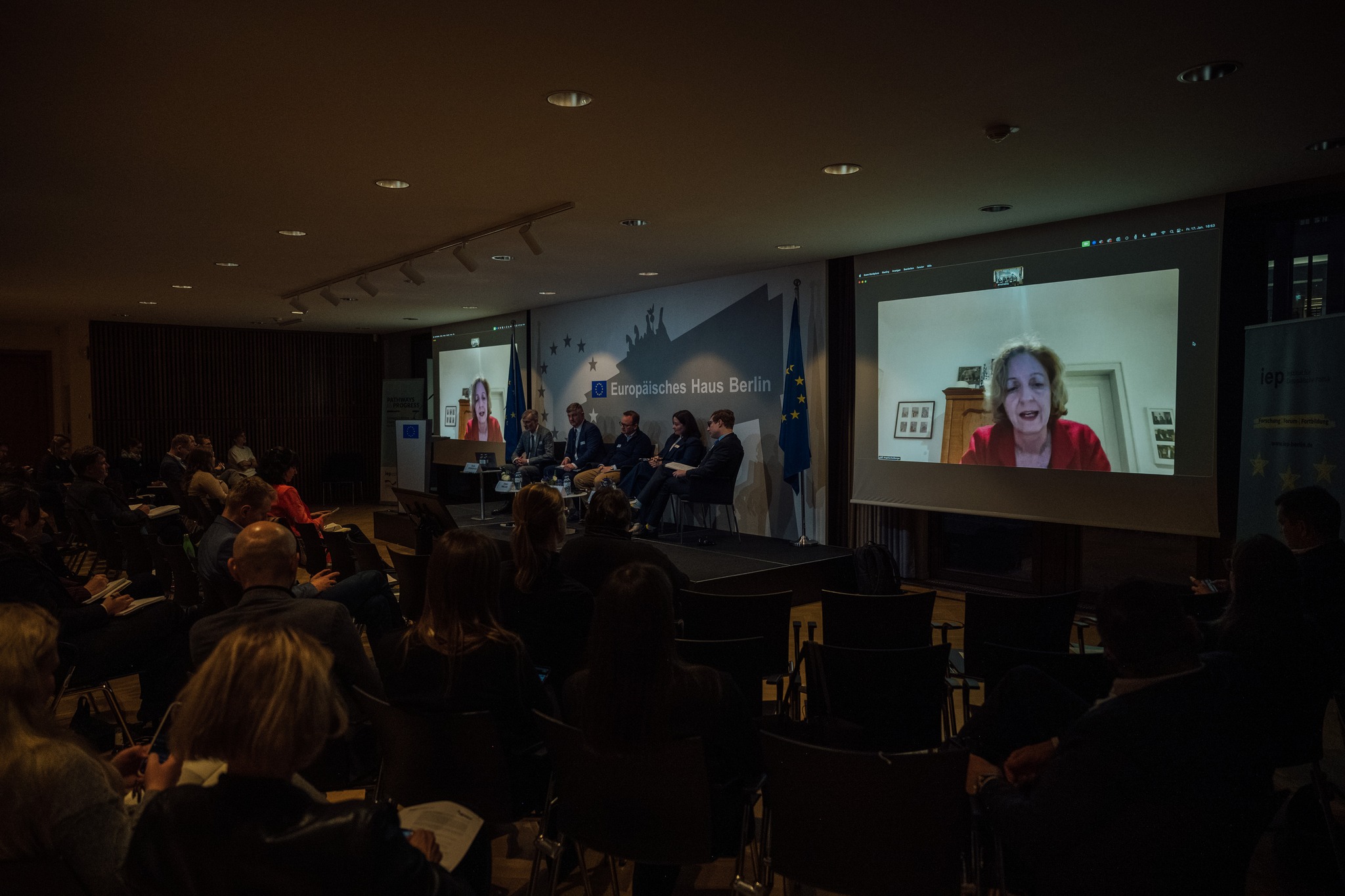
Angelika Nußberger, Vice-President of the Constitutional Court of Bosnia-Herzegovina and Professor at the University of Cologne stressed the importance of increasing public trust in the judiciary as a key element of the country’s judicial model. According to the speaker, an equally important trend that requires a proactive approach is the problem of the “shortage of human resources.” The process of change is being significantly slowed down by the conditions and consequences of the war, which are leading to a constant exodus of qualified professionals. This phenomenon, according to the expert, hampers the sustainability and success of justice sector reforms.
Oleksii Melian, Deputy Chairman, the High Qualification Commission of Judges of Ukraine, noted that there is currently a personnel crisis in the rule of law in Ukraine and that there is a need for more than just judges. Therefore, the HQCJ selects honest and professional legal professionals as the personnel agency of the Ukrainian judiciary. An important aspect of the Commission’s work is an extraordinary procedure — an assessment of qualifications for the position to be filled.
Ruslan Sydorovych, a member of the High Qualification Commission of Judges of Ukraine, spoke about the risks associated with the current situation in the Ukrainian judiciary: a significant shortage of judges in various instances, the difficulty of holding competitions for new judges, and the need to complete competitions for appellate courts this year, despite all the procedural difficulties. He also underlined the need to work on the issue of public trust in the judiciary, in particular in the key bodies that are involved in the reform of this sector.
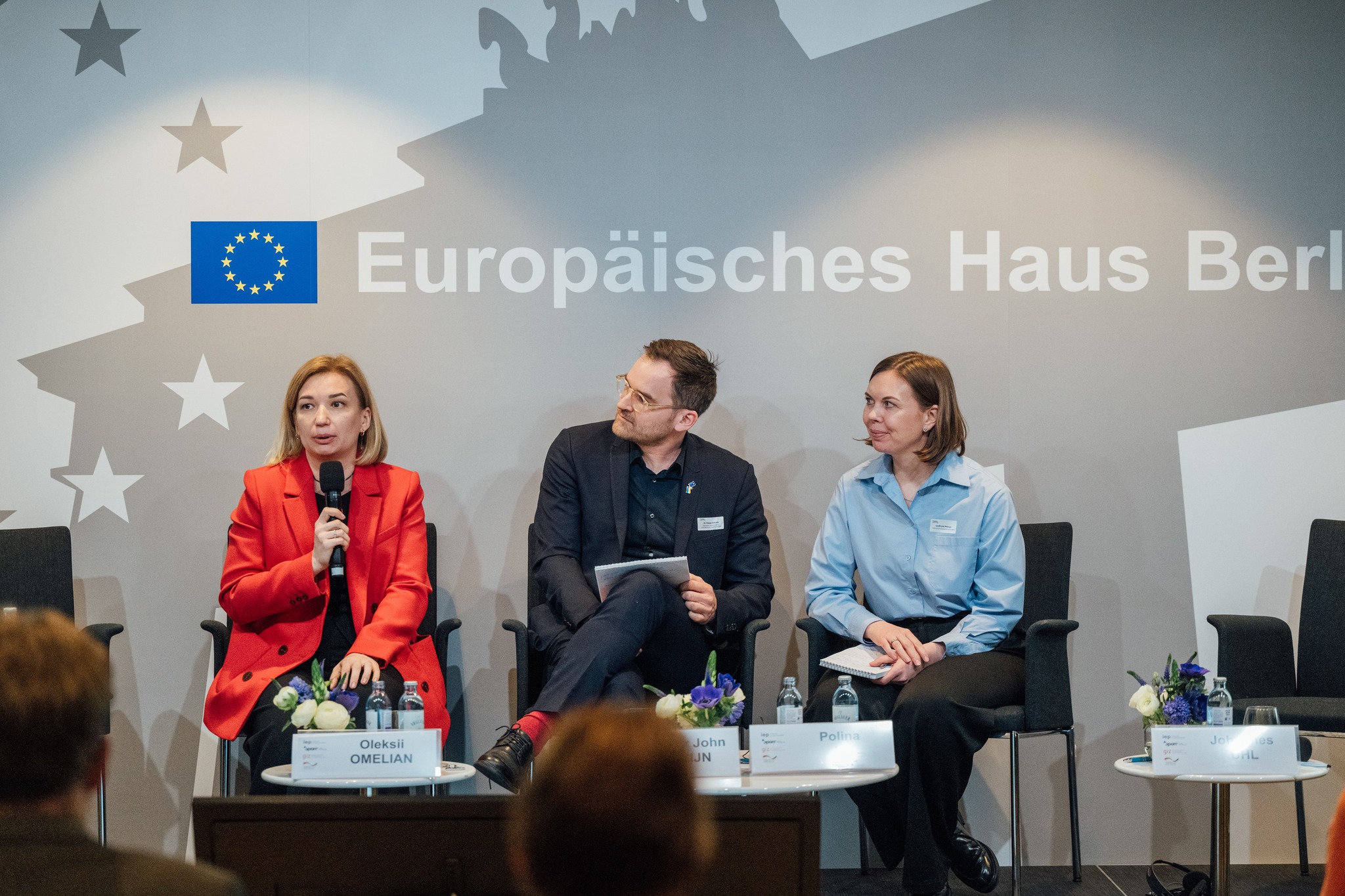
The conference was organised as part of the project Strengthening Ukraine’s EU Accession in the Rule of Law in cooperation with the civil network OPORA and with the support of GIZ Ukraine, Auswärtiges Amt and Institut für Europäische Politik.
Ukrainian Parliamentary Delegation to Canada: Results of the Working Visit
The delegation was joined by MPs Halyna Mykhailiuk, Deputy Chairperson of the Committee on Law Enforcement, Viktoriia Podhorna, Deputy Chairperson of the Committee on Digital Transformation, Chairperson of the Subcommittee on Development of Digital Society and Adaptation of Ukrainian Legislation to the EU Acquis, Implementation of Ukraine’s International Legal Obligations in the Field of European Integration, Anna Purtova, Deputy Chairperson of the Committee on Budget, Chairperson of the Subcommittee on State Investment Projects.
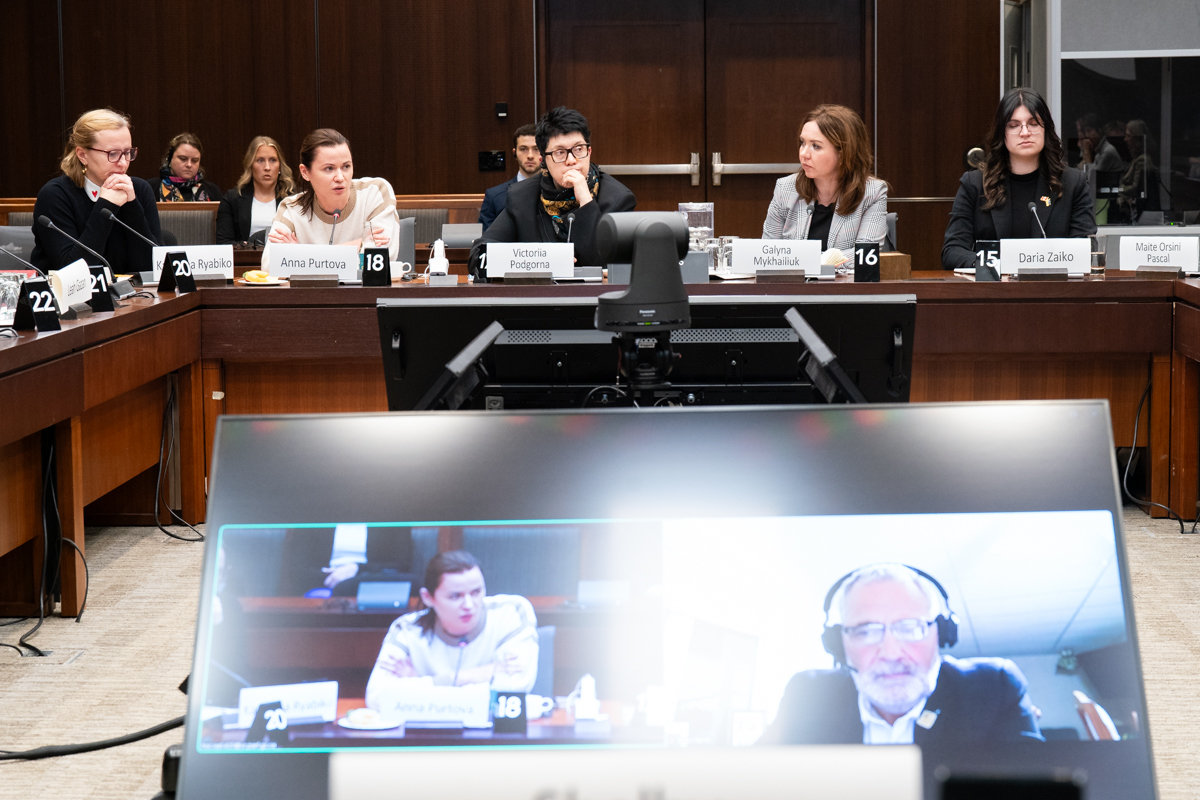
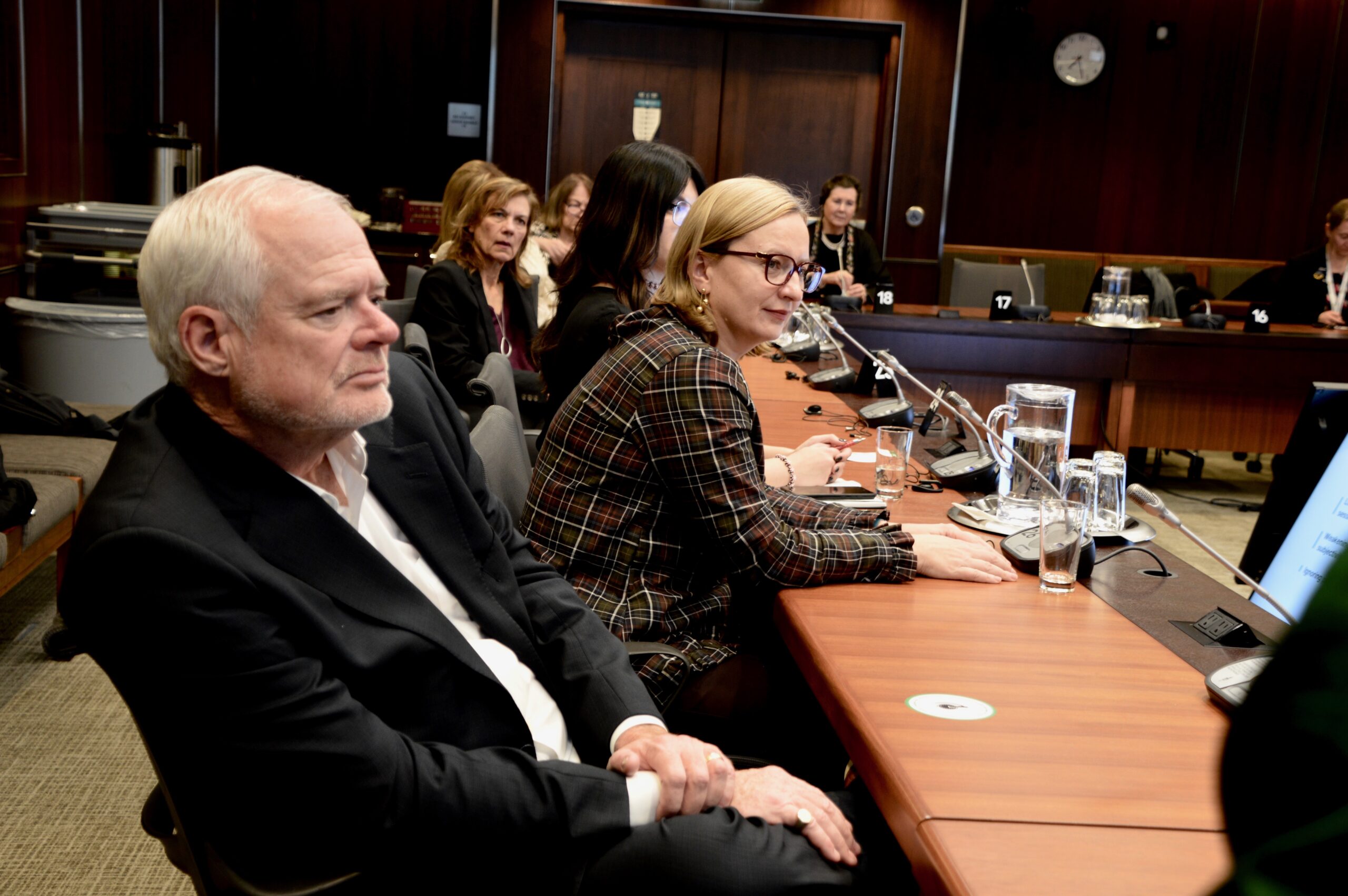
The Ukrainian delegation joined joint events with lawmakers from Latin America — from Argentina and Chile. Such events are significant for strengthening ties with the region to gradually and systematically establish interparliamentary cooperation between countries. Members of the delegations exchanged experience on a legislative basis on gender-based violence, parliamentary codes of conduct, gender aspects of E-democracy, and gender equality and women’s political participation.
The delegation also held meetings with Canadian government officials and parliamentarians, the Senate Standing Committee on Ethics and Conflicts of Interest for Senators (CONF), the House of Commons Standing Committee on Procedures and Affairs (PROC), and the Ambassador Extraordinary and Plenipotentiary of Ukraine to Canada Yulia Kovaliv.
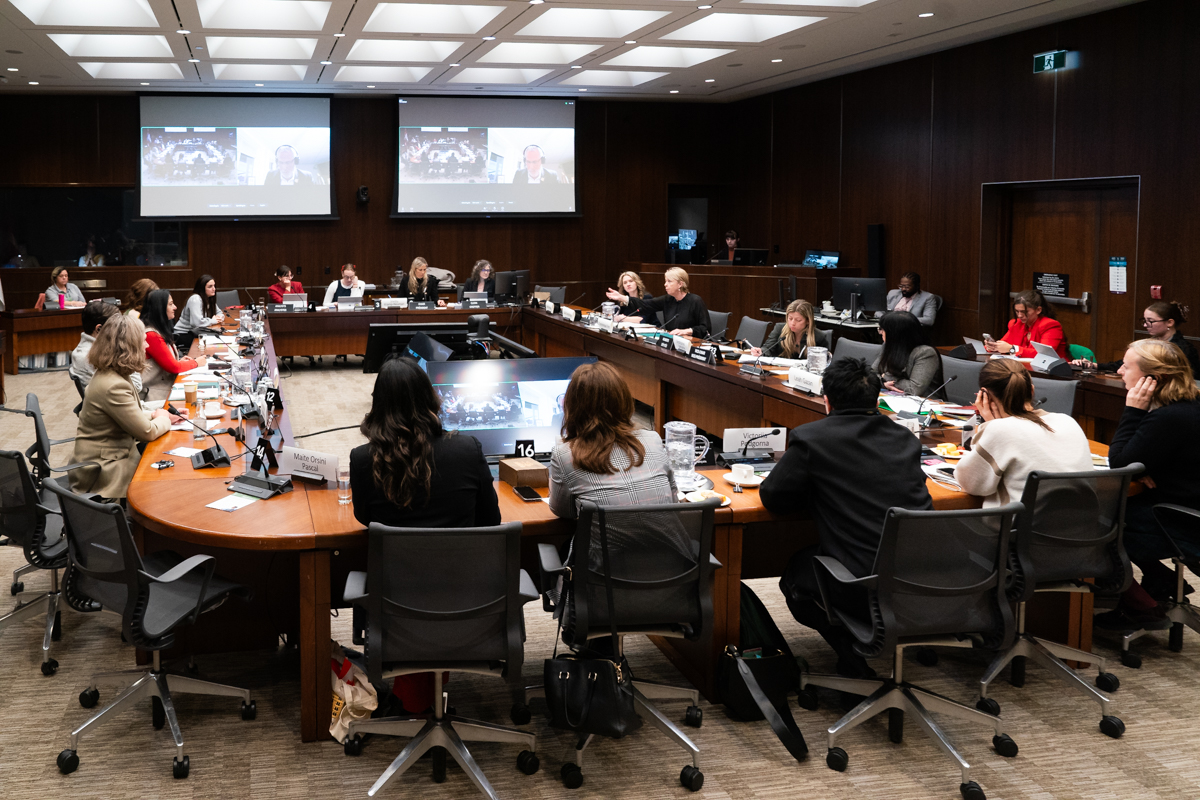
The visit, supported by the international parliamentary network of Women Legislators in Peace, Security and Defence (WLID), included a panel discussion on the evolution of political party governance and political party legislation.
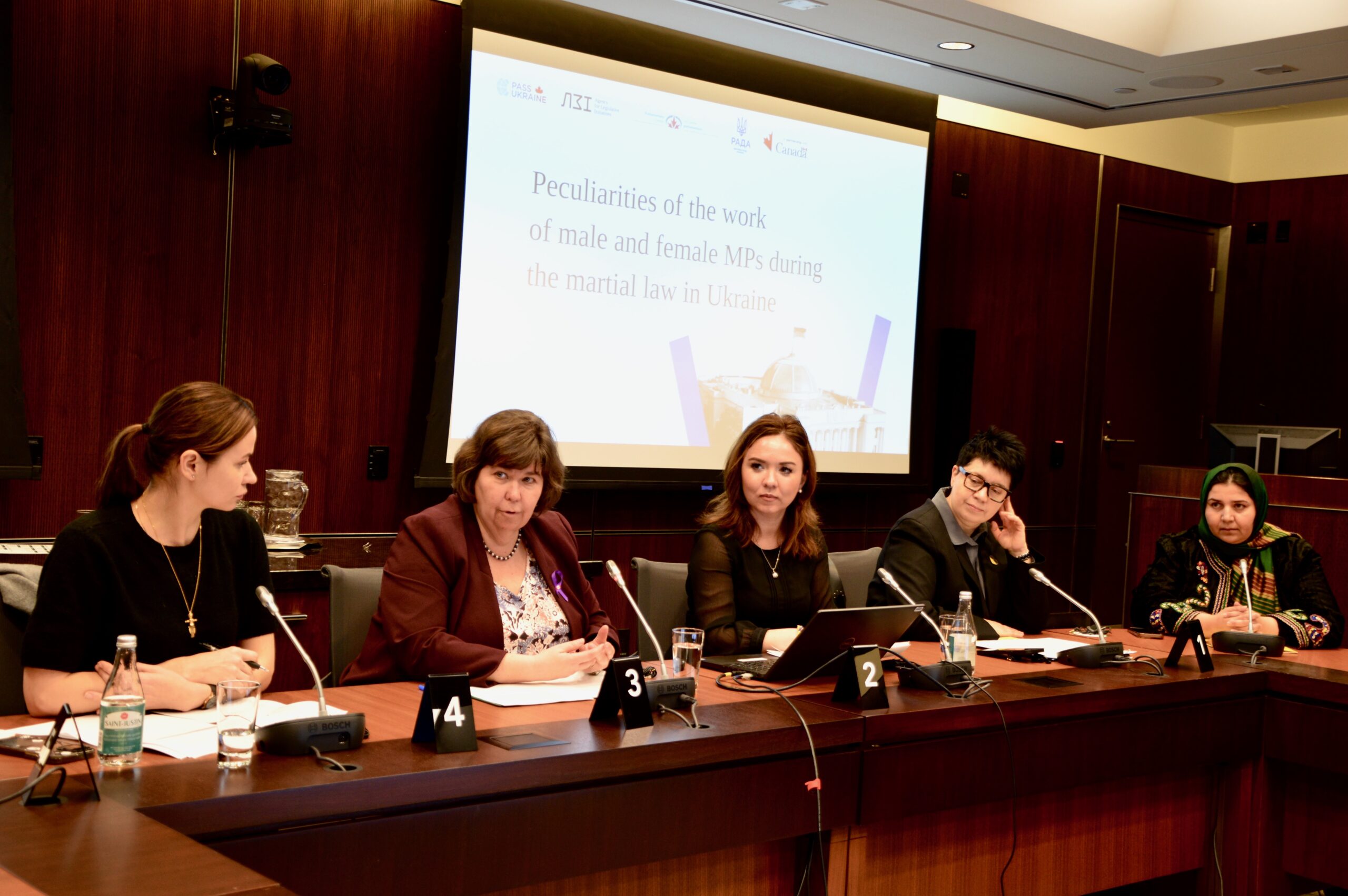
During the discussion, the women MPs spoke about the specifics of the work of women MPs during the martial law regime in Ukraine, based on the materials of a study currently being prepared by the Agency for Legislative Initiatives as part of the Parliamentary Accountability of the Security Sector in Ukraine (PASS Ukraine) project. The research focuses on such aspects as changes in the lives of MPs after the full-scale invasion, gender differences and gender equality in the parliament given current challenges, changes in the work of the Verkhovna Rada and legislative activities during martial law.
The visit was part of the project “Parliamentary Accountability of the Security Sector in Ukraine” (PASS Ukraine), which the Agency implements together with the Parliamentary Centre, in cooperation with the Verkhovna Rada of Ukraine, and with the support of Canada’s Foreign Policy—Global Affairs Canada as part of the Peace and Stabilization Operations Program (PSOPs).
Parliamentary Reform and Sustainability of Institutions: ALI Discussed Priorities of Parliamentary Reform with Pat Cox
The Agency for Legislative Initiatives joined a meeting of Ukrainian civil society representatives with Pat Cox, former President of the European Parliament and Head of European Parliament’s Needs Assessment Mission to the Verkhovna Rada of Ukraine. Such meetings and discussions are dedicated to the next steps and priorities of parliamentary reform, which continues in the context of a full-scale war.
The internal reform of the Ukrainian parliament began back in 2016 with the launch of the European Parliament’s Needs Assessment Mission led by Pat Cox. The mission drafted a Roadmap with specific recommendations on how to strengthen the Verkhovna Rada of Ukraine institutionally and address the existing problems of Ukrainian parliamentarism.
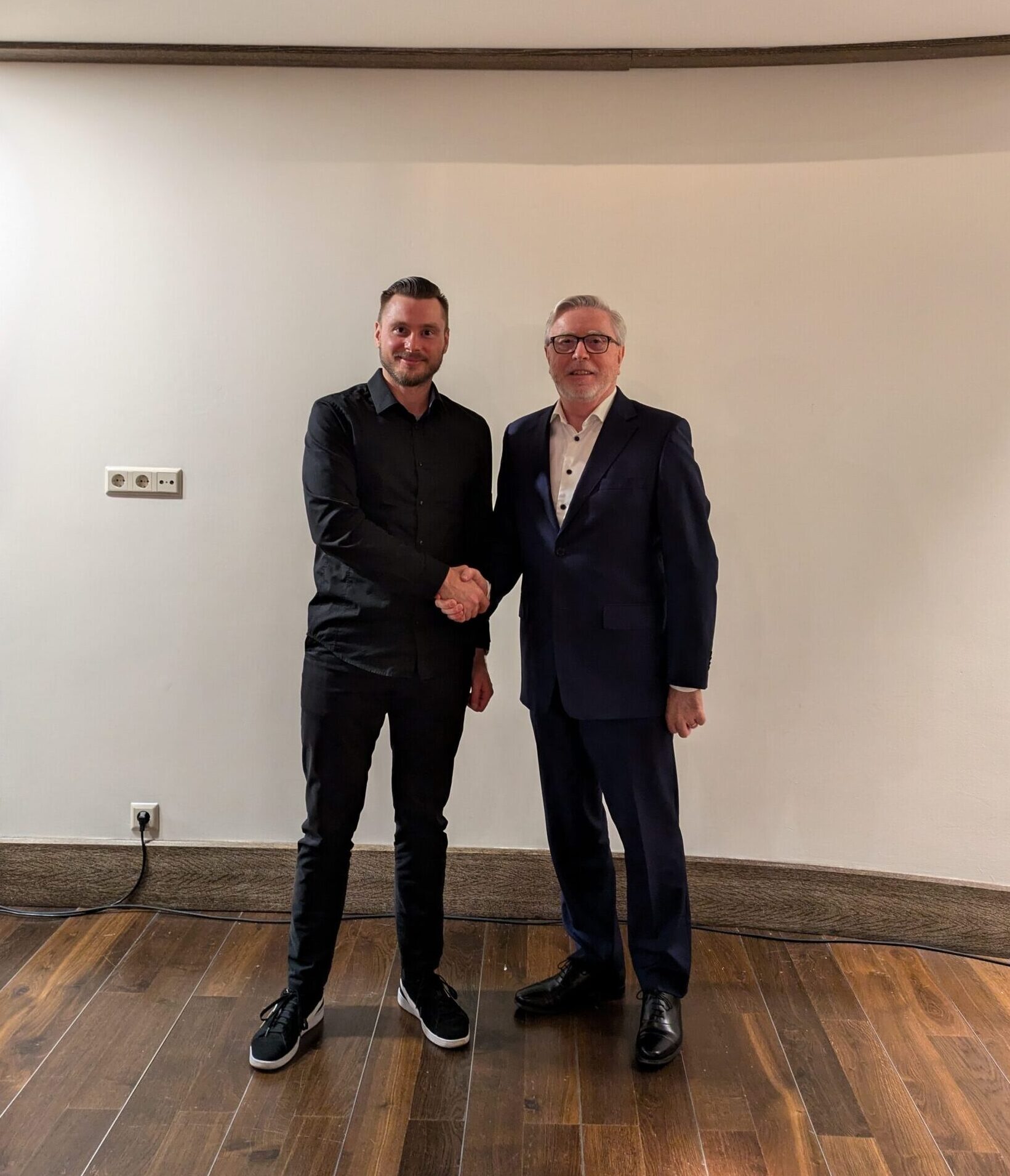
After the start of parliamentary reform, meetings with representatives of state institutions and civil society allow us to check the current processes and key priorities in the reform process. And, in particular, to convey important messages to the Ukrainian authorities in the context of the ongoing reforms.
The priority topics of this year’s meeting included the following issues:
- protecting state institutions from anti-democratic processes;
- preserving the agency of the parliament, which should be facilitated by the continuation of parliamentary reform;
- further implementation of the legislative impact assessment tool in the work of the Ukrainian parliament.
The Agency for Legislative Initiatives has always emphasised that ensuring the sustainability and capacity of the main democratic institution — the parliament — is a prerequisite for preserving the institutional potential of the state. Indeed, in the context of a full-scale war, it is impossible to continue parliamentary reform in a comprehensive manner, in particular, due to the restrictions established by the Constitution. However, the dynamics of the reform show that the Verkhovna Rada has already made progress in some of the blocks and recommendations of the Roadmap, and this trend should be maintained.
For reference. From the very beginning, the Agency for Legislative Initiatives has been supporting parliamentary reform and monitoring its implementation. According to the latest estimates of the ALI, the reform is 45.7% complete. The war has intensified the implementation of certain recommendations of the Roadmap for Internal Reform of the Verkhovna Rada, prepared by the European Parliament’s Needs Assessment Mission led by Pat Cox.
ALI analysed in detail where parliamentary reform is heading now in the Parliament Journal.
Workshop on Legislative Impact Assessment and Its Application in the Context of Defence and Security Sector Reform
The legislative impact assessment is a tool for identifying and assessing the future consequences and likely impacts of proposed public policies. The Agency has been promoting this tool for a long time and helps the Parliament and the Government integrate it into their work, namely by organising specialised workshops and trainings for representatives of various government agencies.
On 21 June, an online workshop on legislative impact assessment and its application in the context of defence and security sector reform was held. The purpose of the workshop is to discuss the principles and practices of impact assessments with those directly involved in the development of legislation.
Workshop attendees:
- representatives of the Legal Support Department of the Ministry of Defence of Ukraine;
- representatives of the State Special Transport Service;
- representatives of the National Defence University of Ukraine;
- representatives of the Reforms Support Office of the Ministry of Defence of Ukraine.
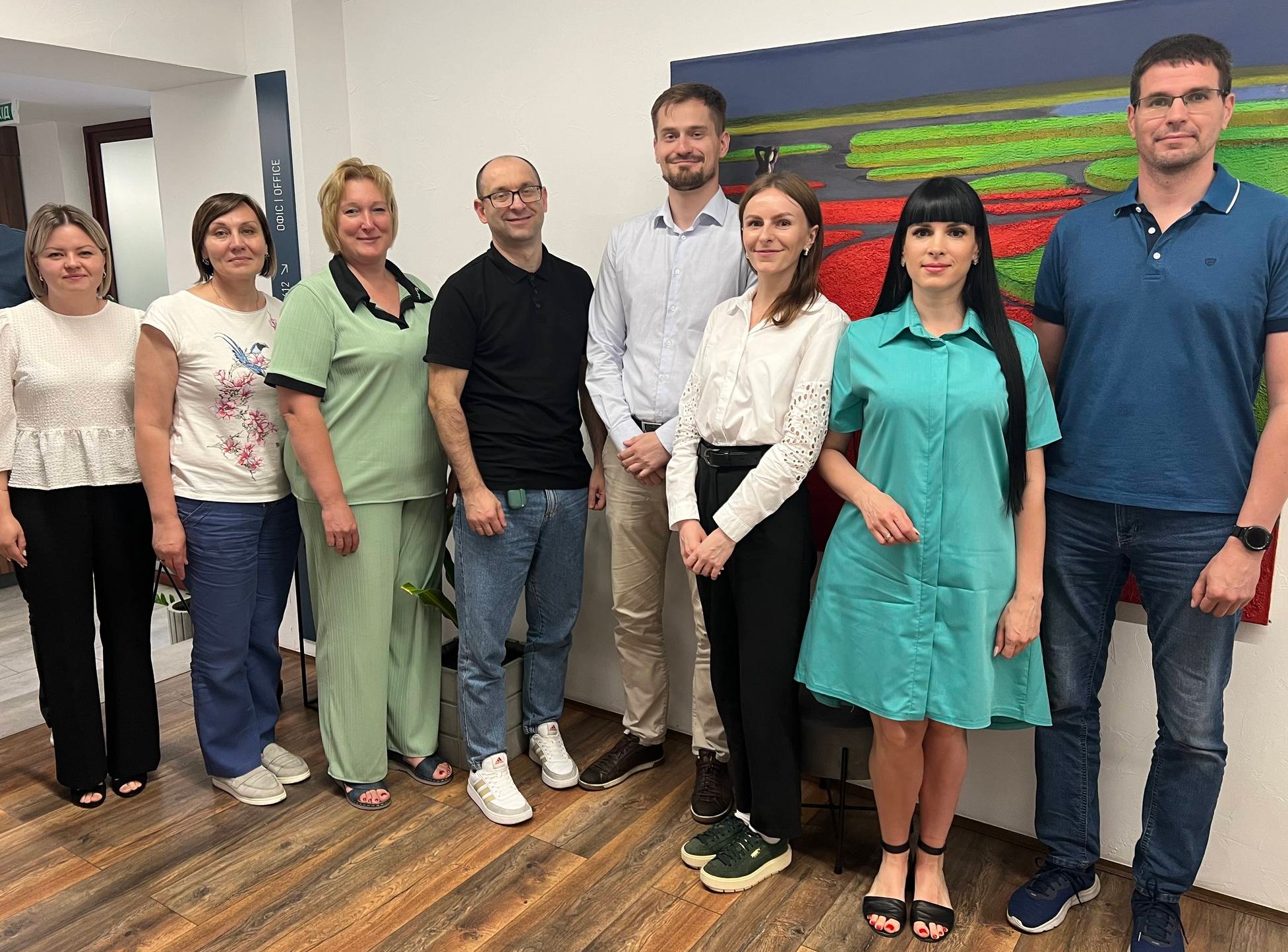
The event was part of the project “Parliament and Accountability of the Security Sector in Ukraine” (PASS Ukraine), which the Agency implements jointly with the Parliamentary Centre of Canada, in cooperation with the Verkhovna Rada of Ukraine, and with the support of Global Affairs Canada within the framework of the Peace and Stabilization Operations Program (PSOPs).
The Agency for Legislative Initiatives Joins a Meeting with a Delegation of Swedish Parliamentarians
The Agency for Legislative Initiatives joined a meeting with a delegation of Swedish parliamentarians on 14 May 2024.
A delegation of the Swedish Parliament and Ambassador Extraordinary and Plenipotentiary of Sweden to Ukraine, Martin Åberg, met with representatives of Ukrainian civil society to discuss Ukraine’s progress in certain areas of reforms.
In particular, Swedish MPs noted the processes of implementing the parliamentary reform, in which the ALI is actively involved in the development, implementation, and regular monitoring.
We appreciate such feedback on important reforms, as the Embassy of Sweden in Ukraine is an institutional partner of the Agency for Legislative Initiatives, which supports us in strengthening democratic institutions in Ukraine. Improving the quality of the legislative process and the institutional capacity of the parliament as a whole is one of the key areas of the Agency’s work.
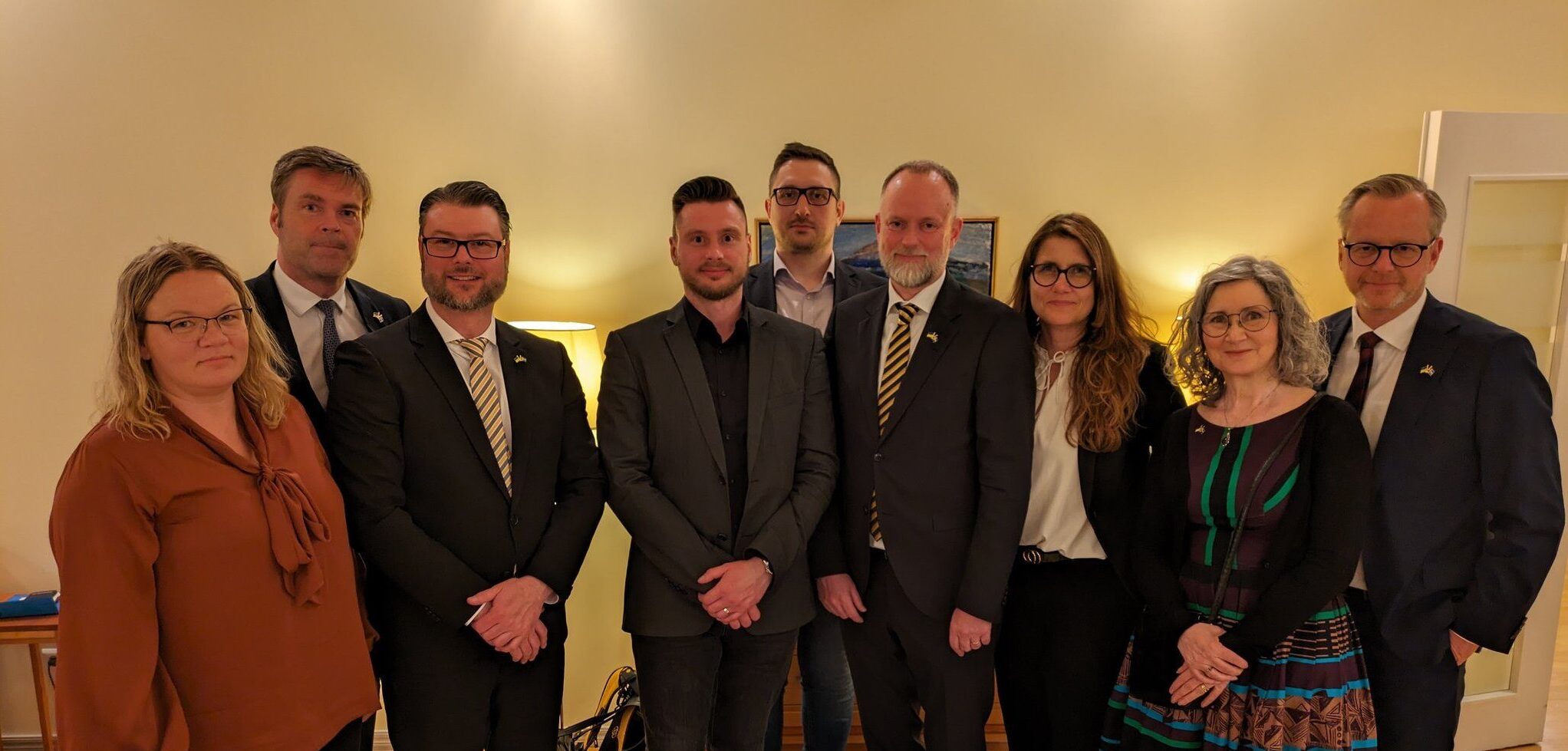
So, we once again thank Sweden for its comprehensive support at various levels – our joint efforts create opportunities for Ukraine’s further development and recovery.
Oleksandr Zaslavskyi, Head of Analytics, represented the Agency at the event.
Working Visit to Canada for MPs from the VRU Committee on Law Enforcement
In the last weeks of April, the PASS Ukraine team helped organise a working visit to Canada for MPs from the VRU Committee on Law Enforcement.
The main purpose of the visit was to exchange experience in the field of military justice and law enforcement. In particular, participants visited the Petawawa military base, where they learned about the principles of organisation and functioning of the Canadian Armed Forces and discussed issues related to training the Ukrainian military.
In addition, during a meeting with Bill Blair, Minister of National Defence of Canada, the delegation of Ukrainian MPs discussed the supply of ammunition and investment in the Ukrainian defence industry.

As Halyna Mykhailiuk noted: “It was important for our delegation to have the opportunity to communicate not only with the leadership of the military law enforcement agencies but also directly with the military personnel during the visit to the Petawawa military base.
In addition to the principles of implementing military justice “on-site,” we had the opportunity to discuss the activities of Canadian instructors in training Ukrainian servicepersons as part of Operation UNIFIER.”
During the visit, MPs also worked on strengthening parliamentary diplomacy, in particular at meetings with the Standing Committees on Public Safety and National Security and National Defence of the House of Commons of Canada, members of the Canada-Ukraine Parliamentary Group, and Greg Fergus, Speaker of the House of Commons.

Moreover, Ukrainian MPs attended an event at the Embassy of Ukraine in Canada, where they once again stressed the need to increase military assistance to Ukraine.
Following the visit, Oleksandr Danutsa said: “I would like to note the high professionalism of the PASS team in organising the visit. A lot of quality material was processed, which is necessary for us, as MPs of Ukraine, in our future work on drafting the law on the establishment of the military justice institution in Ukraine.”
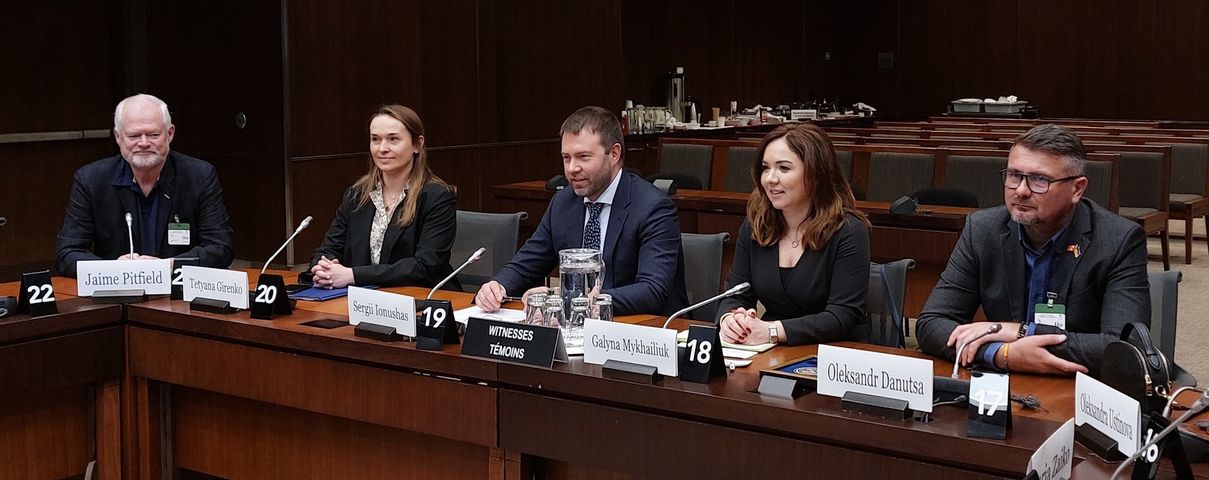
The visit was part of the project “Parliament and Accountability of the Security Sector in Ukraine” (PASS Ukraine), which the Agency implements jointly with the Parliamentary Centre (Canada), in cooperation with the Verkhovna Rada of Ukraine, and with the support of Global Affairs Canada within the framework of the Peace and Stabilization Operations Program (PSOPs).