
For additional information, contact Maria Hereles, Director of the Communications Department of the Agency of Legislative Initiatives, at mg@parliament.org.ua.
Military Justice in Ukraine: ALI Joined the Discussion in the Committee of the Verkhovna Rada
On May 21, 2024, the Agency for Legislative Initiatives participated in the round table on “Military justice: Canada’s experience and possible options for regulation in Ukraine“, organised by the Committee on Law Enforcement Activities of the Verkhovna Rada of Ukraine.
The event was attended by the head of the Law Enforcement Committee, Sergii Ionushas, Representative of the President of Ukraine to the VRU/Deputy Head of the Committee Galyna Mykhailiuk, Deputy Heads of the Committee Maksym Pavliuk and Hryhorii Mamka, Subcommittee Chairmen Oleksandr Danutsa and Vladlen Neklyudov, Committee member Volodymyr Zakharchenko, Canadian experts on military justice — Ms Robyn Hynes, Director General of Operations, Office of the DND/CAF Ombudsman, and Colonel Todd Murphy, Deputy Commander, Office of the Canadian Armed Forces. The roundtable was also attended by representatives of the Parliamentary Accountability of the Security Sector in Ukraine (PASS Ukraine) project, the Ministry of Defence of Ukraine, the General Staff of the Armed Forces of Ukraine, the Military Law Enforcement Service of the Armed Forces of Ukraine, the Prosecutor General’s Office, the Security Service of Ukraine, and the State Bureau of Investigation.
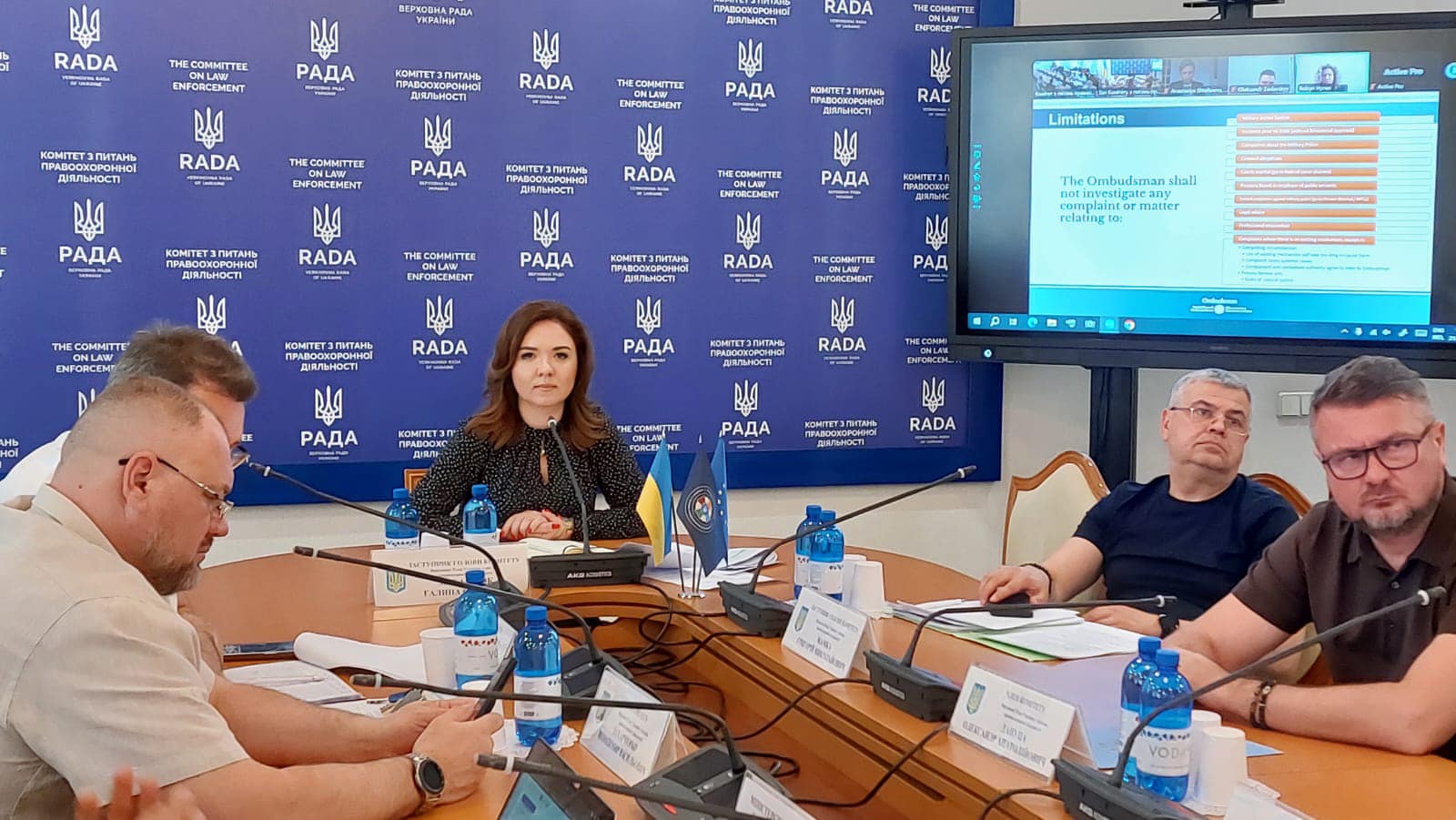
Photo: Committee of the Verkhovna Rada of Ukraine on Law Enforcement Activities
The issue of the functioning of the military justice system in Ukraine has become particularly acute since the beginning of Russia’s full-scale aggression against Ukraine. After all, creating a clear and fair legal mechanism designed to perform the law enforcement function in military formations and the function of justice for military personnel is one of the important components of the combat capability of the state’s armed forces. That is why studying the experience of Ukraine’s strategic partners and updating the relevant legislation is a priority in this area.
During the panel discussions, the participants discussed the following themes:
- Overview of the Canadian military police system.
- Powers and functions of the Canadian Armed Forces Ombudsman.
- Canada’s experience in respecting the rights of servicemen and women when they are brought to justice.
- Problems of functioning of military justice in Ukraine.
- Problems of creating new bodies of the military justice system and military courts.
In addition, the event featured a presentation of the Green Book on Military Justice in Ukraine, which was prepared by the Agency for Legislative Initiatives in cooperation with the Parliamentary Centre (Canada) as part of the PASS Ukraine project and with the support of Global Affairs Canada under the Peace and Stabilization Operations Program (PSOPs).
The web version of the document will soon be available on the ALI website.
Workshop on Principles and Practices of Legislative Impact Assessment
The legislative impact assessment is a tool that helps analyse and forecast the potential impact of formulated public policies. The introduction of this toolkit will help improve the quality of draft laws being prepared in the Verkhovna Rada. Its main goal is to pay more attention to the possible consequences of adopted laws and conduct a comprehensive analysis of the proposed changes.
On Friday, 23 February, the Agency, together with the Committee on the Organisation of State Power, Local Self-Government, Regional Development and Urban Planning, held a workshop on the principles and practices of legislative impact assessment.
The Agency remains a staunch supporter of the popularisation of the legislative impact assessment tool. That is why it promotes the organisation of educational events and training involving representatives of lawmakers.
The event was part of the project “Parliament and Accountability of the Security Sector in Ukraine” (PASS Ukraine), which the Agency implements jointly with the Parliamentary Centre (Canada), in cooperation with the Verkhovna Rada of Ukraine, and with the support of Global Affairs Canada within the framework of the Peace and Stabilization Operations Program (PSOPs).
Workshop on Principles and Practices of Legislative Impact Assessment
The legislative impact assessment is a tool that helps analyse and forecast the potential impact of formulated public policies. Sustained use of this tool and its popularisation allows the Agency to promote its implementation in the work of the parliament.
On 31 January, the Committee on the Organisation of State Power, Local Self-Government, Regional Development and Urban Planning held a workshop on the principles and practices of legislative impact assessment.
The workshop encompassed draft laws aimed at regional development and local self-government. Rick Stewart, Senior Advisor to our project, former Assistant Deputy Minister of the Government of Canada, and now a professor of legislative and regulatory impact assessment, joined the event. Rick Stewart assisted representatives of the committee in reviewing practical cases of legislative impact assessment.
The event was part of the project “Parliament and Accountability of the Security Sector in Ukraine” (PASS Ukraine), which the Agency implements jointly with the Parliamentary Centre (Canada), in cooperation with the Verkhovna Rada of Ukraine, and with the support of Global Affairs Canada within the framework of the Peace and Stabilization Operations Program (PSOPs).
An Educational Event for Representatives of the Parliament and the Government
On September 15, 2023, the Agency for Legislative Initiatives (ALI) held a training event for parliament and government representatives to discuss problematic issues arising while developing and processing draft laws. This event is prepared within the framework of the “Civil Society for Ukraine’s Post-War Reconstruction and EU Readiness” project financed by the European Union.
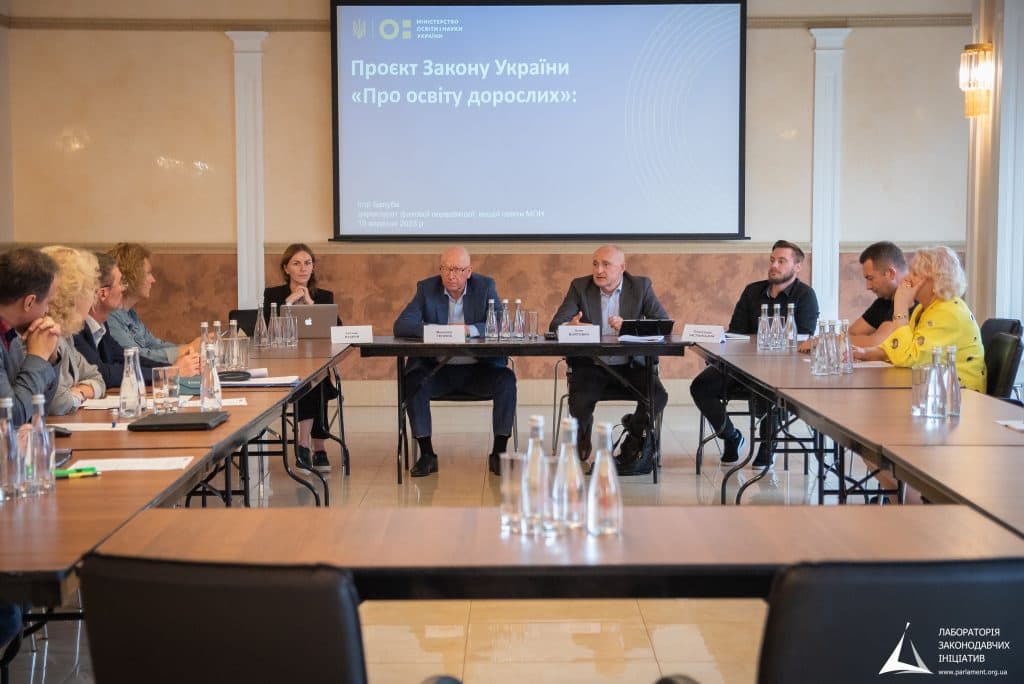
Context. The legislative process is a living organism that constantly needs improvement. A legislative impact assessment is one of the tools for this which can be used right now. This practice is rightfully considered an effective tool for improving draft laws, particularly during expert-analytical review.
During the event, the participants discussed existing gaps and challenges in the process of developing draft laws and ways to solve these problems.
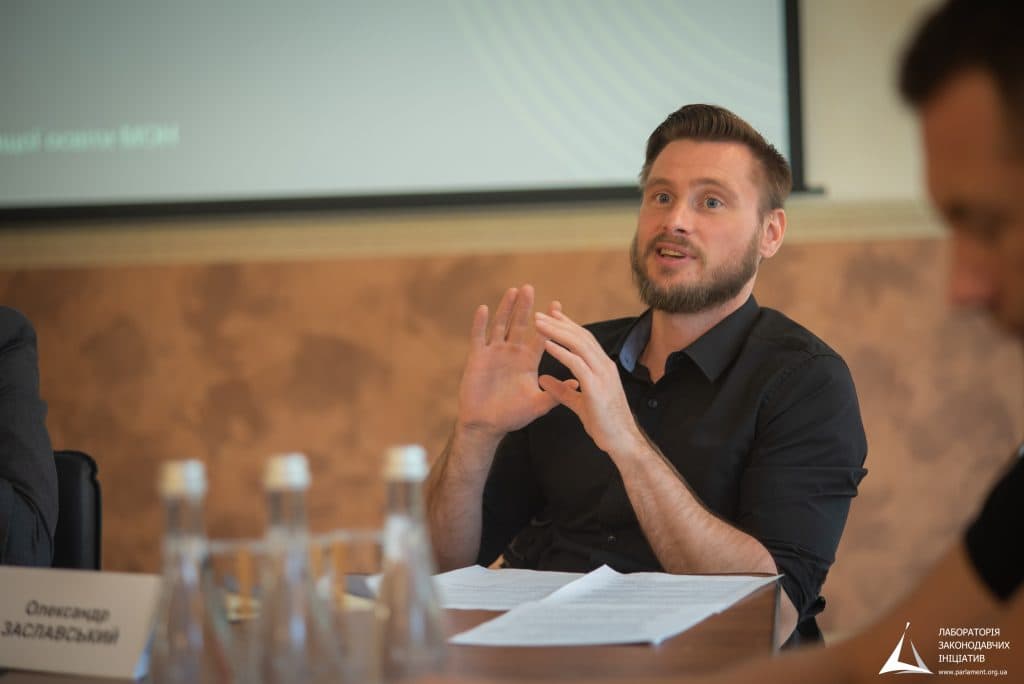
Oleksandr Zaslavskyy, director of the analytical direction of the Agency for Legislative Initiatives, moderated the discussion. He spoke about the advantages of the legislative impact assessment methodology:
“For the past several years, the Agency for Legislative Initiatives has been promoting the idea of legislative impact assessment in Ukraine. We even developed a step-by-step guide. Today’s informal discussion is organised to identify gaps in the legislative work better, how they can be corrected and how to properly use the impact assessment tool of draft laws”

Tetiana Lukeria, the author of the Manual on the preparation of legislative impact assessments, spoke about the international experience of using this tool and the nuances that must be considered when adapting the tool to Ukrainian needs:
“Legislative impact assessment is an effective tool that has long been used in many countries around the world. The purpose of this assessment is to determine what consequences the draft law will have even at the stage of its preparation. We cannot simply copy international experience, but we can adapt it to the needs of the Ukrainian context”
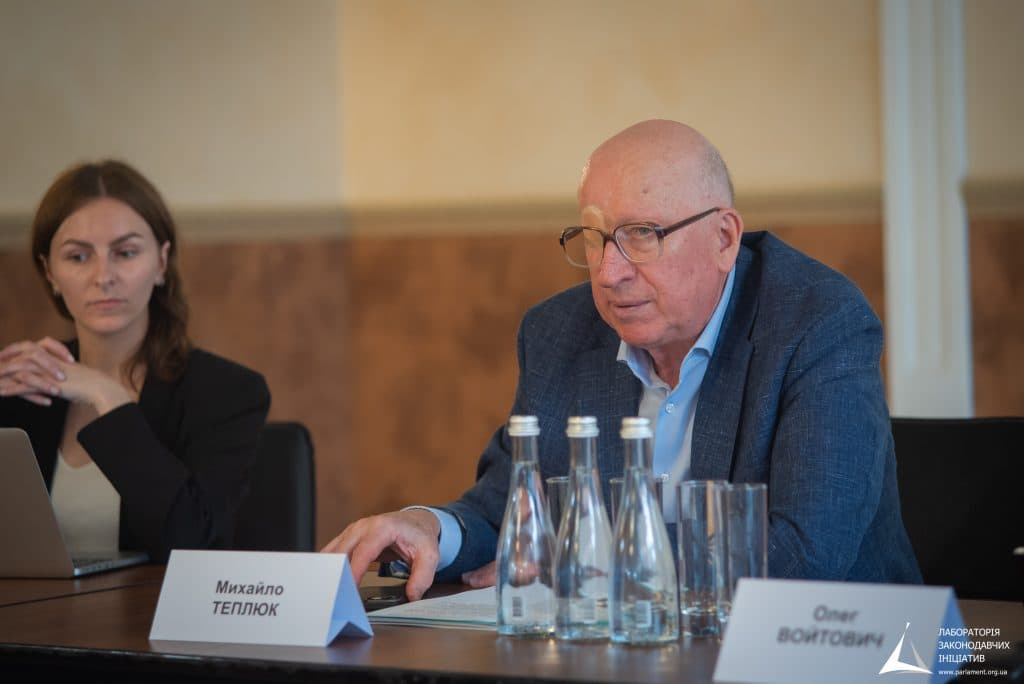
Mykhailo Teplyuk, Deputy Head of the Apparatus of the Verkhovna Rada of Ukraine – head of the Main Legal Department of the VRU, emphasized the need to rethink the approach to evaluating the effectiveness of draft laws:
“The issue of the number of adopted laws and resolutions has long been a priority from the point of view of evaluating the effectiveness of the legislative activity of the parliament. However, the adoption of laws is not an end in itself. The main goal is to regulate relations between citizens, the public sector and public structures”
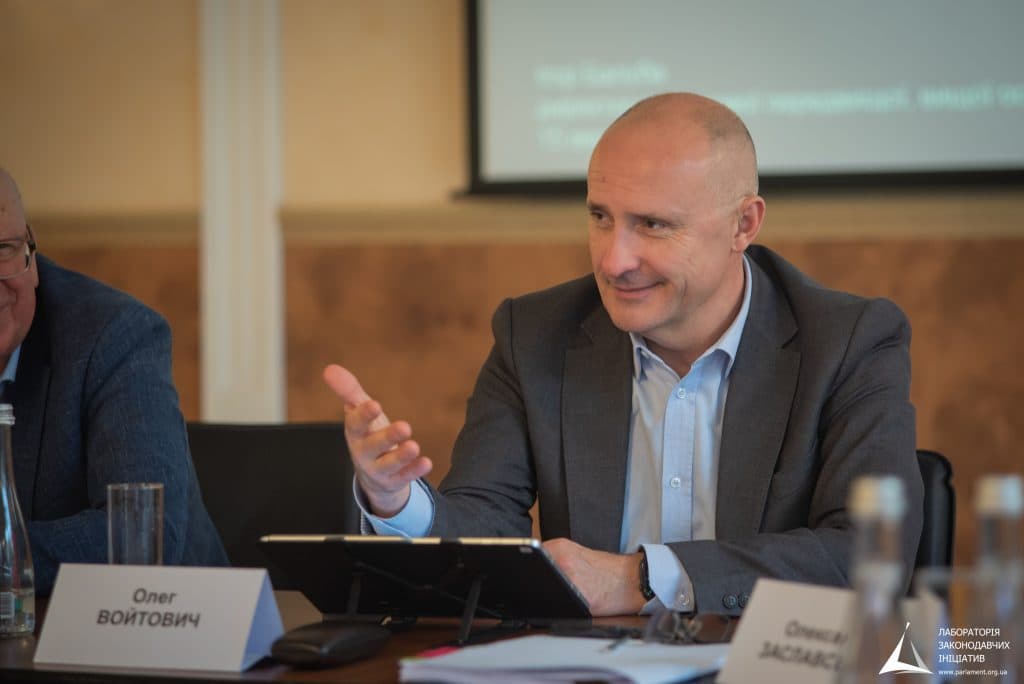
Oleh Voitovych, Deputy State Secretary of the Cabinet of Ministers of Ukraine, noted that the development of quality laws requires the cooperation of the parliament and the government:
“This meeting, organised with the help of the Agency for Legislative Initiatives, is one of the bricks that should improve the cooperation between the parliament and the government. A comprehensive approach in our cooperation will help construct an algorithm for preparing high-quality draft laws”
ALI Held an Expert Discussion of a New Study on the Courts’ Impact on the Course of Reforms in Ukraine
On September 14, 2023, the Agency of Legislative Initiatives (ALI) held an expert discussion on the results of a study on judicial influence on reforms in Ukraine. This study was prepared within the project “Civil society for post-war recovery of Ukraine and readiness for the EU”, which is financed by the European Union.

Context. Today, Ukraine has a real chance to fulfil its European integration aspirations and become a full member of the European Union. However, we still have to go through a long and difficult path of reforms. The key here will be the quality of these reforms. Therefore, it is extremely important to involve not only government agencies but also civil society and independent experts in the process of designing reforms.
During the presentation, participants discussed the phenomenon of judicial influence, its impact on the course of reforms, and possible steps to improve future reforms and cooperation between various stakeholders.
Oleksandr Zaslavskyy, director of the analytical direction of the Agency for Legislative Initiatives, moderated the discussion. He spoke about the main results of the study and key recommendations for lawmakers:
“Each new government promises to carry out reforms, but the results of these reforms do not always correspond with what was planned to be implemented. With each new iteration of such reforms, people’s trust in this government decreases. However, problems arise. In particular, due to the low quality of legislative acts. In our research, we tried to point out the factors that should be taken into account when designing reforms and make recommendations for policymakers.”
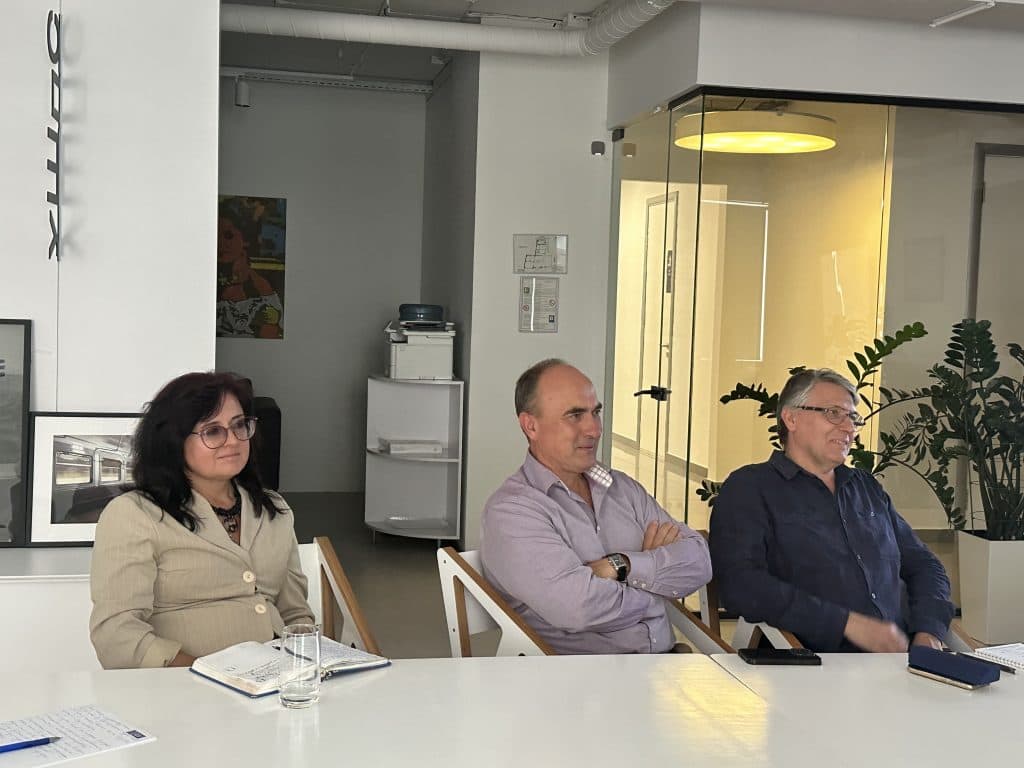
Oleksiy Tseliev, PhD in legal sciences, associate professor, expert of the Center for the Study of the Rule of Law of the Ukrainian National Academy of Sciences, noted that the practice of applying the new norms may differ from the plan — and this is a normal phenomenon.
“Errors in any normative design are normal. They cannot be predicted or avoided. It is very difficult to predict what will happen in a month, two, or a year from the application of the norm. After all, when the norm-maker formulates a norm, he proceeds from those legal relations that already exist, and not those that will arise after the adoption of the norm.”
Volodymyr Chaban, the chief national expert of the Pravo-Justice project, spoke about the possibilities of development and further work with the study of ALI:
“This study by the Agency of Legislative Initiatives combines all simple but necessary things for designing reforms. By moving in this direction, we will be able to provide some step-by-step guidance for policymakers so that they do not forget about important but often underestimated things.”

Karyna Aslanian, an expert involved in the peer review of the study, shared her vision of the practical use of ALI research:
“We know from experience that a new round of reforms usually takes place immediately after the elections. Exactly such reforms are often implemented without proper design, because the bet is on speed, not on quality. This study of the Agency of Legislative Initiatives will become a guidebook designed to protect those who will implement the next reforms from making mistakes.”
After taking into account the experts’ comments, the study will be published on the Agency of Legislative Initiatives’ website and sent to the relevant government agencies for further review and application in law-making activities.
Additional information:
The project Civil society for the post-war recovery of Ukraine and readiness for the EU is implemented with the support of the European Union. It is aimed at increasing the ability of the Cabinet of Ministers and the Verkhovna Rada to overcome the consequences of the war and on the way to Ukraine’s membership in the EU. The project plans to achieve this by providing expert and communication support from public organizations regarding developing and implementing relevant laws and policies.
More details about the project: https://parlament.org.ua/2022/09/19/ali-eu-readiness-consortium/
For additional information, contact Maria Hereles, Director of the Communications Department of the Agency of Legislative Initiatives, at mg@parliament.org.ua.
ALI Presented a New EU-Funded Study on the Situation of Ukrainian Refugees and the Potential Factors of their Return
On September 15th, 2023 the Agency of Legislative Initiatives (ALI), presented results of the study “The situation of Ukrainian refugees abroad and their plans to return to Ukraine”. The paper was prepared within the framework of the “Civil Society for Ukraine’s Post-War Reconstruction and EU Readiness” project funded by the European Union.
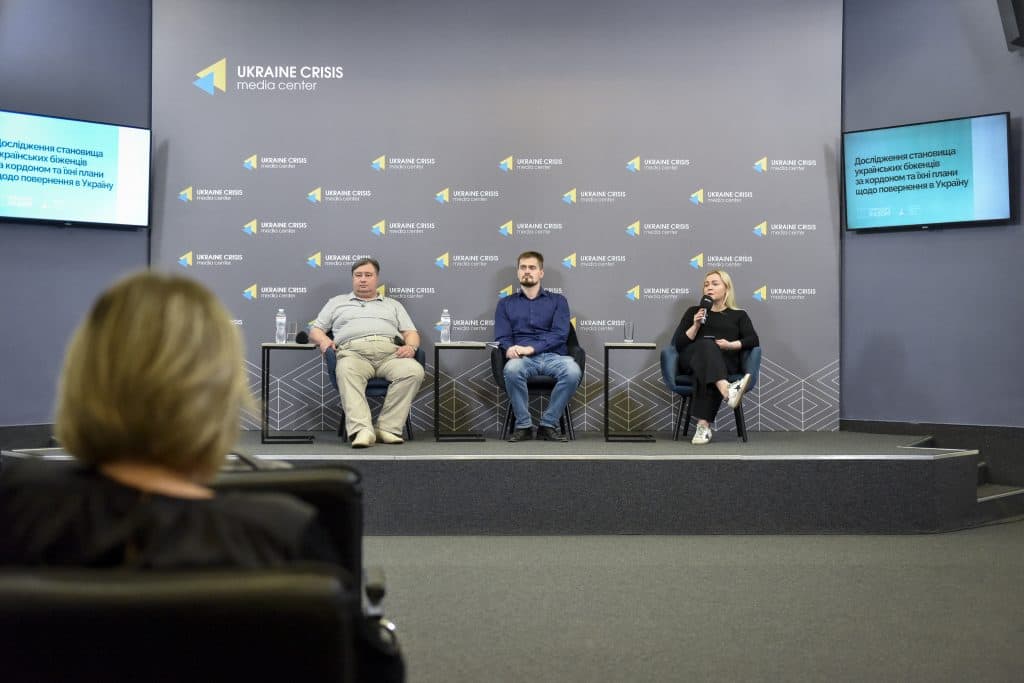
Concept of study. From December 2022 to July 2023, a comprehensive study of refugees was conducted. In July 2023, 1,032 refugees over the age of 18 were interviewed – 910 of them fled abroad after February 24, 2022 due to the start of a full-scale war, and 122 – from January to February 23, 2022. The field research was conducted in 3 steps: the first and second included in-depth interviews with refugees, and the third – a survey of refugees in Europe, which was carried out by the sociological company InfoSapiens.
Context. As of now, we have to admit: with the passage of time, the probability of returning of forced migrants is gradually decreasing, and the share of those who can remain abroad even after the end of the war is increasing. According to a study conducted by the Agency of Legislative Initiatives, every fifth respondent went abroad alone. The rest are with children (47.3%), with husbands or wives (22.0%), with their parents (15.5%) or other relatives. Today, on a 100-point scale, the probability of return of Ukrainian refugees before the end of the war is 33 out of 100 (about 70% of respondents said that they would definitely or rather not return to Ukraine before the end of the war), while after the end of the war, it is 66 out of 100 (about 67% of respondents indicated that they would rather or definitely return to Ukraine). However, these indicators will change because Ukrainian refugees are increasingly taking root abroad.
What reasons do refugees find important for returning? The top ones are:
- cessation of hostilities, shelling of the entire territory of Ukraine / end of the war – 34%;
- work and wages (jobs, decent pay, work by profession) – 32%;
- overcoming corruption / punishing corrupt officials – 20%
Notably, if the respondent has parents, husbands, or wives / children left in Ukraine, then they have a greater desire to return to Ukraine.
During the presentation, the participants discussed the motives described in the study and the situation of forced migrants in different countries, as well as the prerequisites for their potential return to Ukraine. In particular, recommendations for creating policies and comprehensive measures for the return of refugees.
The discussion was moderated by Svitlana Matviienko, executive director of the Agency for Legislative Initiatives. She emphasized the importance of such research:
“We believe that any state policy should be based on clear, understandable data, on models of appeals to the future and various options for developing events. This is important in order for such a policy to be the most optimal and to be implemented by the state in this difficult time.”
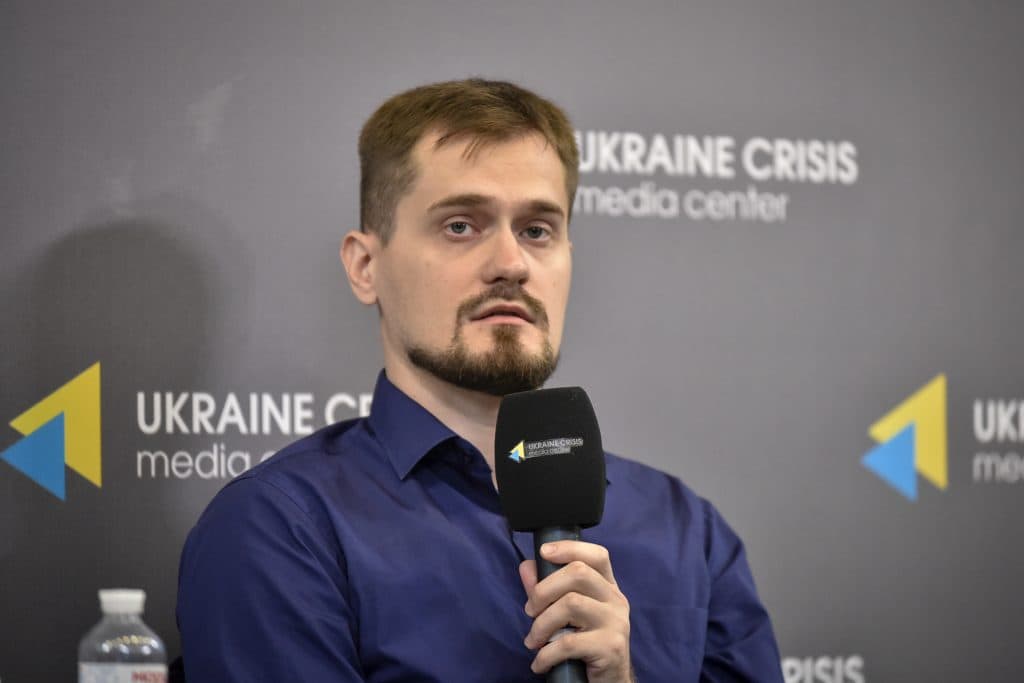
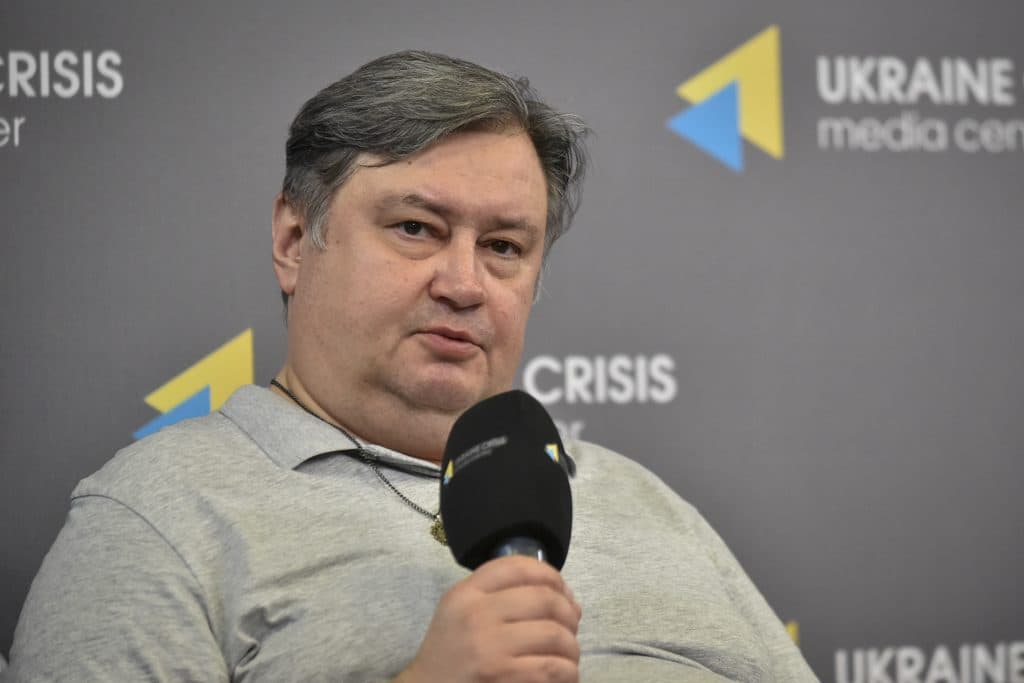
Volodymyr Skrypets, an analyst at the Agency for Legislative Initiatives, spoke about the stages of the research, its main results, as well as potential clues that can be used for the development of a refugee return policy:
“The issue of the return of refugees is crucial for post-war reconstruction, so the state should already think about the legislative framework and strategy for the return of our citizens. In 2022, the process of mass departure from Ukraine did not end – 12% of the respondents left in 2023. Many people left after the explosion of the Kakhovska HPP. Analysing this data, we must state: we may have new waves of refugees, and therefore it is necessary to think now about how to return them and how to avoid the mistakes of the past”
Head of the sector of the M.V. Ptoukha Institute for Demography and Social Studies of the National Academy of Sciences of Ukraine Oleksiy Pozniak shared his thoughts on the presented results:
“The research of the Agency of Legislative Initiatives completes the picture and helps to better understand the general situation regarding forced migrants. There are many threats against certain groups of refugees. It will not be easy to return them. Such survey of our citizens helps to better understand their motivation and confirms the relevance of already available information”
The study titled “The situation of Ukrainian refugees abroad and their plans to return to Ukraine” will be published on the website of the Agency of Legislative Initiatives. It will also be sent to government agencies for further review and consideration in the development of relevant state policies and measures.
Additional information:
The project Civil society for the post-war recovery of Ukraine and readiness for the EU is implemented with the support of the European Union. It is aimed at increasing the ability of the Cabinet of Ministers and the Verkhovna Rada in the process of overcoming the consequences of the war and on the way to Ukraine’s membership in the EU. The project plans to achieve this by providing expert and communication support from public organizations regarding the development and implementation of relevant laws and policies.
For additional information, contact Maria Hereles, Director of the Communications Department of the Agency of Legislative Initiatives, at mg@parliament.org.ua.
Announcement: Presentation of Research on the Factors of Return of Ukrainians from Abroad
15 вересня 2023 року Лабораторія законодавчих ініціатив презентуватиме результати дослідження «Становище українських біженців за кордоном та їхні плани щодо повернення в Україну». Дослідження було підготовлене в рамках реалізації проєкту «Громадянське суспільство для післявоєнного відновлення України та готовності до ЄС», який фінансується Європейським Союзом.
Захід відбудеться об 11:00 у прес-центрі Українського кризового медіа-центру (м. Київ, вул. Хрещатик, 2 «Український дім»). Реєстрація — за посиланням: https://forms.gle/tNCTekQVbhRZQd3q8.
Контекст. Очікувано, що показники зовнішньої міграції українців різко зросли через повномасштабне вторгнення росії. Що може стати на заваді поверненню вимушених переселенців з-за кордону? У дослідженні аналізували різні чинники: безпекові ризики, страх зустрічі з окупаційними військами, побоювання щодо руйнування житла та продовольчої кризи, рівень адаптації та підтримки в інших країнах, економічні наслідки військової агресії з боку росії — все, що може вплинути на рішення повернутися.
Мета презентації — обговорити описані у дослідженні мотиви та становище вимушених мігрантів у різних країнах — з одного боку, та передумови їхнього потенційного повернення в Україну — з іншого. Власне, в ході дослідження третина опитаних (33,6%) вказали, що найближчим часом навряд чи зможуть пристосуватися до нової країни, «відчути себе в ній, як вдома», а 49% респондентів, навпаки, зазначили, що поступово адаптовуються та пристосовуються до життя у приймаючій країні.
| Що? | Презентація дослідження «Становище українських біженців за кордоном та їхні плани щодо повернення в Україну» |
| Де? | м. Київ, вул. Хрещатик, 2, «Український дім» (прес-центр УКМЦ). Також буде доступна онлайн-трансляція. |
| Коли? | 15 вересня, 2023, 11:00-12:30 |
| Спікери: | Світлана Матвієнко, виконавча директорка Лабораторії законодавчих ініціатив; Володимир Скрипець, аналітик Лабораторії законодавчих ініціатив; Олексій Позняк, завідувач сектора Інституту демографії і соціальних досліджень ім. Птухи НАНУ; Представник Міністерства соцiальної політики України (уточнюється); Представники комітетів Верховної Ради України (уточнюється). |
Запрошуємо до участі у заході представників ЗМІ. Мова заходу: українська.
Контакти: Марія Герелес,комунікаційна директорка Лабораторії законодавчих ініціатив,mg@parliament.org.ua, тел.: +38 063 531 61 06.
A New Study on the Impact of Courts on the Course of Reforms in Ukraine Was Conducted with the Support of the EU
On September 13, 2023, the Agency for Legislative Initiatives (ALI) presented the study’s results, “The impact of judicial intervention: the role of courts of general jurisdiction in the course of reforms in Ukraine.” This work was prepared within the framework of the “Civil Society for Ukraine’s Post-war Recovery and EU-Readiness” project financed by the European Union.
Context. Today, it is already obvious that even such long-awaited and promising reforms as those that began after the Revolution of Dignity have not become successful cases. This happened for many reasons. And one of them is judicial intervention. However, to realise our European integration wishes, we must fulfil our obligations regarding implementing reforms and approximating Ukrainian legislation to EU legislation. An important criterion here will be not just the adoption of laws and the start of reforms but their sustainability. Therefore, it is necessary to design quality reforms without legislative gaps and shortcomings.
During the event, participants discussed the phenomenon of judicial intervention, its impact on the course of reforms, and possible steps to improve future reforms and cooperation between different branches of government.
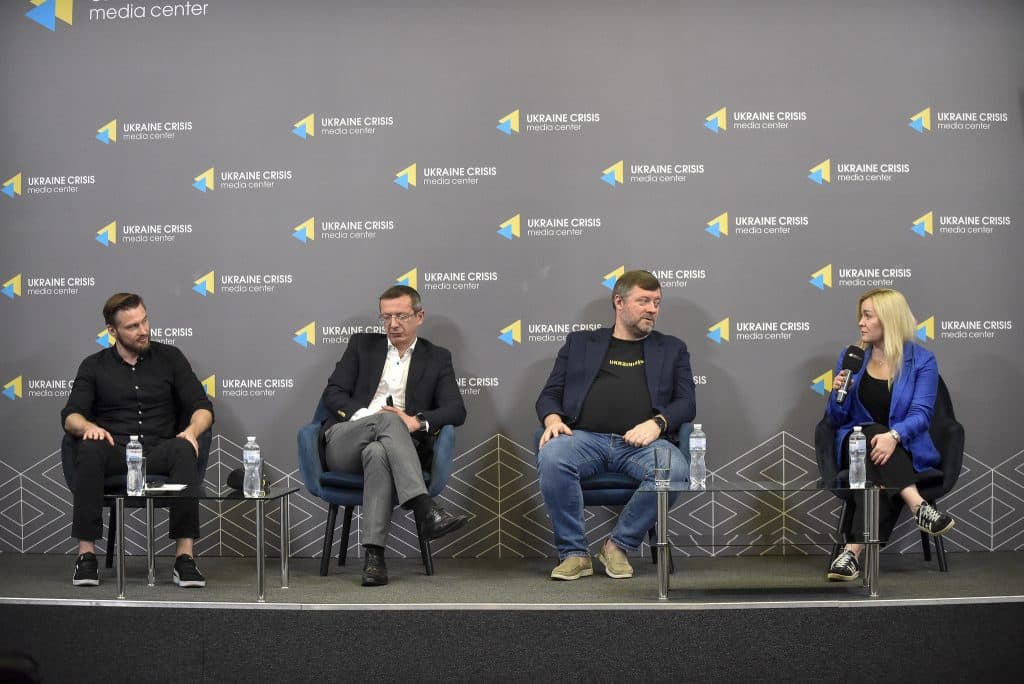
The discussion was moderated by Svitlana Matviienko, executive director of the Agency for Legislative Initiatives. She talked about the very idea of the research and why it is worth paying more attention to this issue:
“We drew attention to the fact that the courts have a specific “shadow influence” on the course of reforms. When the reform is thought out perfectly, the courts have no grounds and opportunity for cancellation and political battles. However, if the reforms are not planned perfectly, then the courts can use the gaps and shortcomings of the legal framework to, for example, reinstate the lustrated officials. We believe that the parliament and the government should study in detail the previous experience of reforms to better design and implement them, avoiding past shortcomings.”
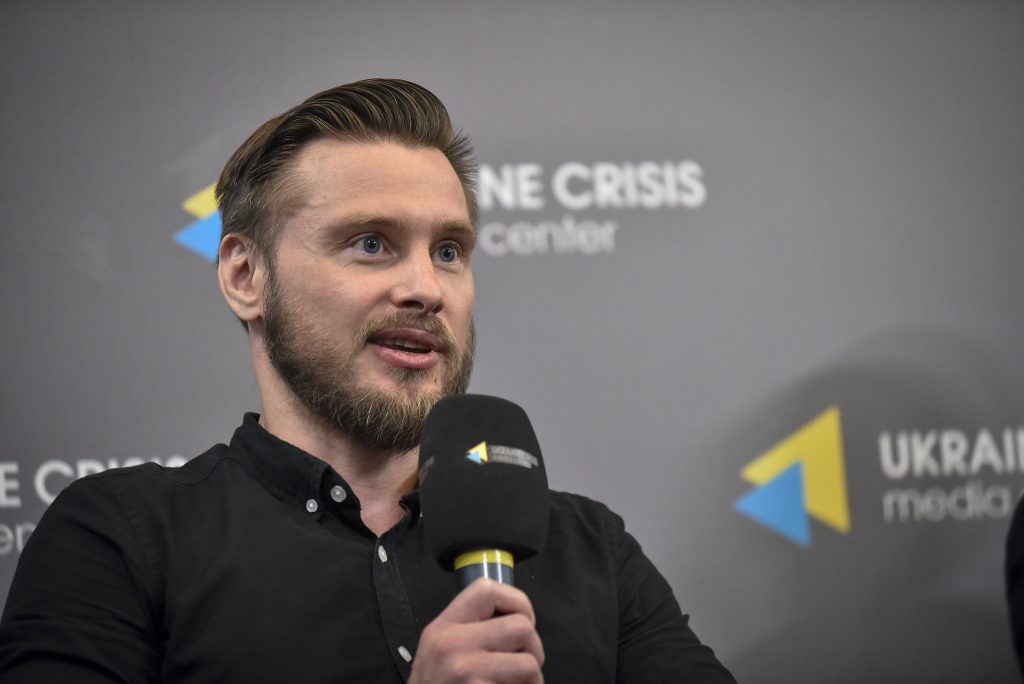
Oleksandr Zaslavskyy, director of the analytical direction of the Agency for Legislative Initiatives, spoke about the main results of the study and key recommendations for lawmakers:
“The study’s main goal was to identify typical errors in the reform process in Ukraine. We analysed 5 cases: contesting the lustration procedure, re-certifying the personnel of the National Police, certification of prosecutors of the General Prosecutor’s Office, clearing the courts of “Maidan judges”, and banning pro-Russian parties. They concluded that the decisions of the courts significantly affect the final result of the success of the reforms. Still, at the same time, they are an indicator of the problems that arise in the process of implementing the reforms. Most of the shortcomings were discovered at the stage of normative design. Quite often, reforms are based on weakly developed legislation – and this is a problem, the solution of which requires, in particular, close cooperation of the parliament, the government and the expert environment.”
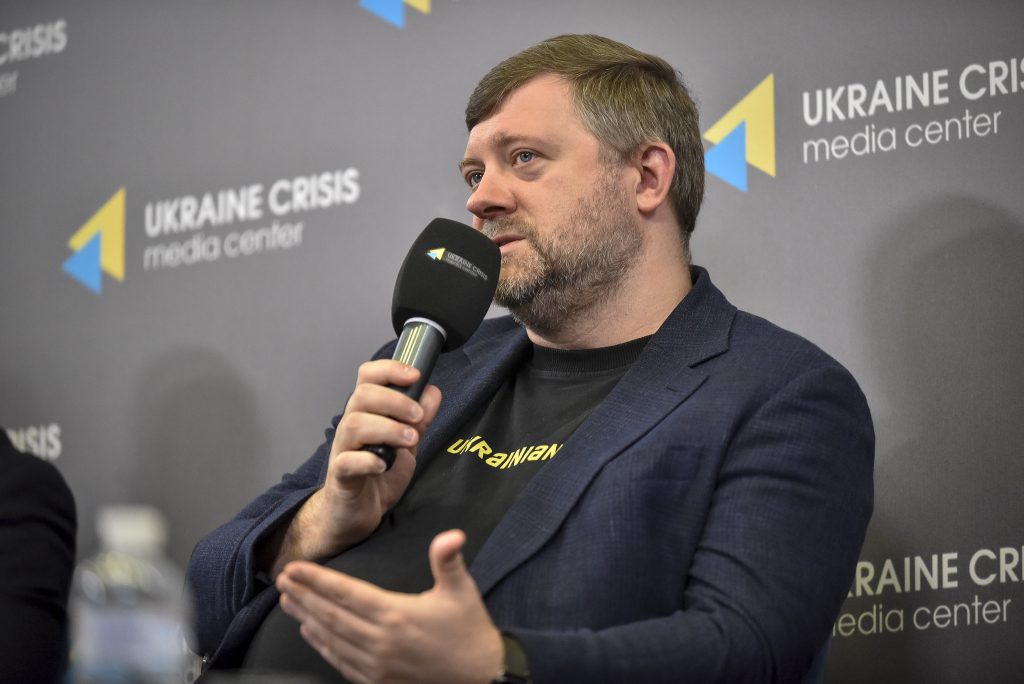
Oleksandr Korniyenko, First Deputy Chief of the Verkhovna Rada of Ukraine, emphasized the importance of the integrated work of all branches of government in planning and implementing reforms:
“All reforms have two significant indicators — quality and sustainability. Any reform is complex. There is also a rule-making component (laws, by-laws), followed by implementation and judicial control. So that the reforms do not get “stuck” and are not cancelled in the courts, it is necessary to work on improving the quality of legislation and the institutional capacity of the parliament, the government, and the judicial system. At the same time, the judiciary must also be aware of its responsibility. Also, pay systems and approaches should be reviewed for better work – and we are now fighting for an equal system for all employees.”
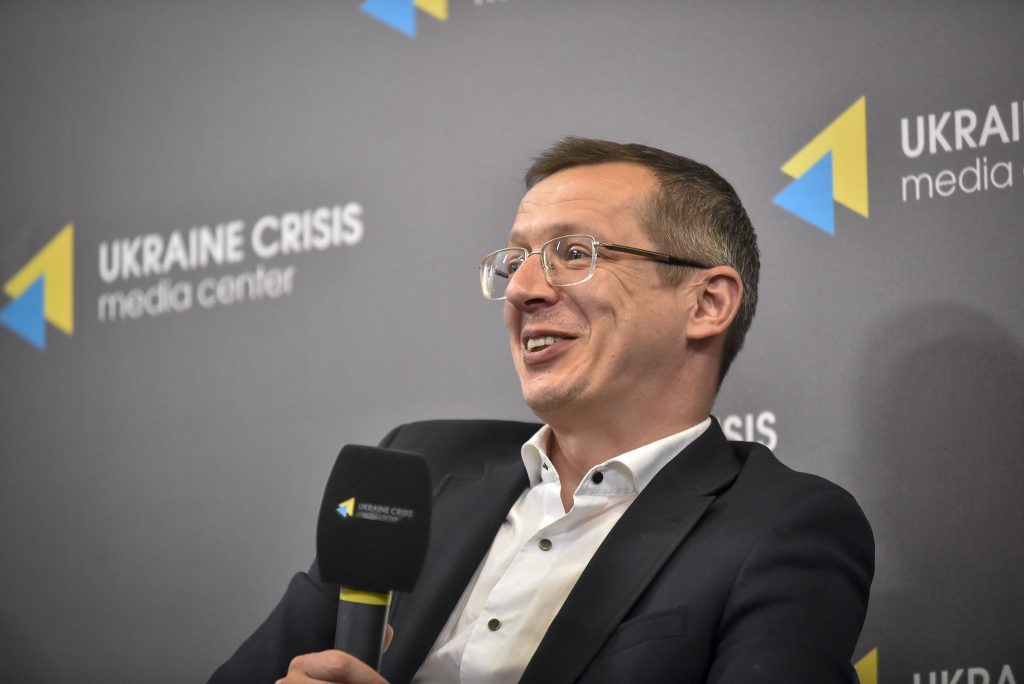
Oleksandr Ilkov, Director General of the Government Office for the Coordination of European and Euro-Atlantic Integration, noted that the architecture of reforms should be built on balance:
“The reforms initiated after the Revolution of Dignity were carried out quickly, but this was one of the reasons why not all of them were entirely successful. Here, the question arises of finding a reasonable balance between carrying out reforms at the request of society and observing European standards and considering international experience, between speed and quality, to avoid mistakes, as a result of which reforms are not always checked by the courts.”
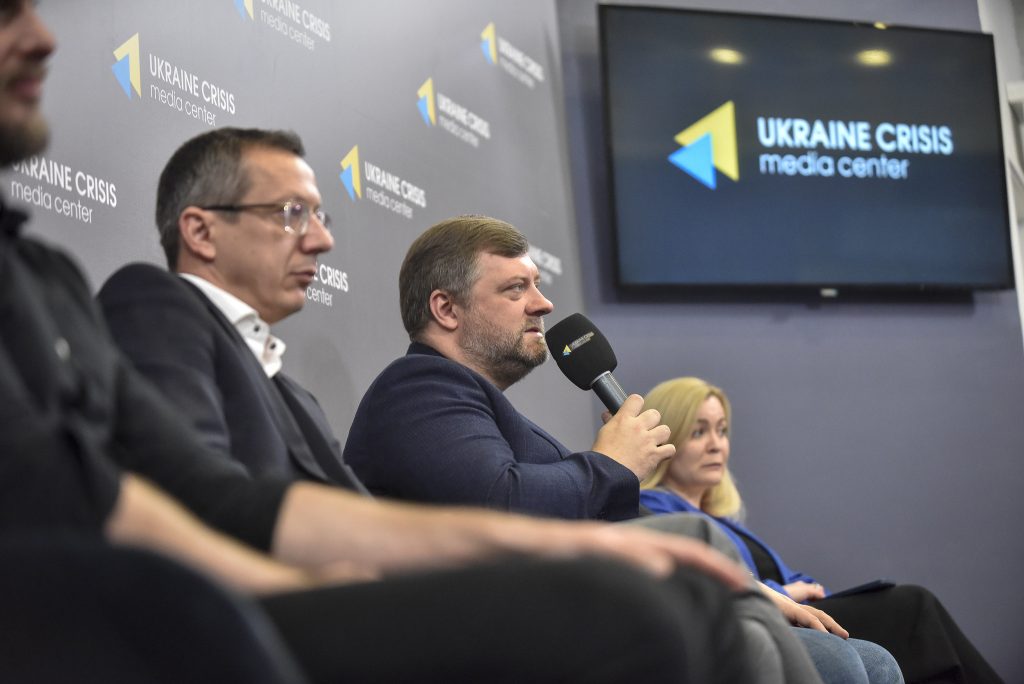
Soon, the study “The Impact of judicial intervention: the role of courts of General Jurisdiction in the course of Reforms in Ukraine” will be published on the website of the Agency for Legislative Initiatives and will also be sent to the relevant state bodies for further review and application in law-making activities.
For additional information, contact Mariia Hereles, Director of the Communications Department of the Agency for Legislative Initiatives, at mg@parliament.org.ua.
Announcement: ALI Presents a Study on the Impact of Courts on the Course of Reforms in Ukraine
On September 13, the Agency for Legislative Initiatives (ALI) will present the results of the study “The impact of Judicial Intervention: the role of General Courts in the reform process in Ukraine”. The paper was prepared within the framework of the “Civil Society for Ukraine’s Post-War Reconstruction and EU Readiness” project funded by the European Union.
The event will take place at 10:30 in the press centre of Ukraine Crisis Media Center (Khreshchatyk Street, 2 («Ukrainian House», Kyiv).
Context. Implementing reforms is always a lengthy and complex process, and their proper implementation is crucial in European integration and post-war recovery planning. However, the experience of reforms in Ukraine is not always positive, as the results of changes often do not meet expectations. Quite often, the final point in the debate on the effectiveness of a particular reform is put by the courts, which act as arbitrators in these disputes.
The event aims to present and discuss the results and key findings of the study: typical mistakes that accompany the reform process in Ukraine and recommendations that would reduce the risks of court interference in implementing state policy in this area.
| What? | Presentation of the study “The impact of judicial intervention: the role of general courts in the reform process in Ukraine”. |
| Where? | Kyiv, Ukraine Crisis Media Center, Khreshchatyk Street, 2 («Ukrainian House»). An online broadcast will also be available. |
| When? | September 13, 2023, 10:30 – 12:00. |
| Participants: | Svitlana Matvienko, executive director of the Agency for Legislative Initiatives Oleksandr Zaslavskyy, director of the analytical direction of the Agency for Legislative Initiatives Oleksandr Korniyenko, First Deputy Chief of the Verkhovna Rada of Ukraine Oleksandr Ilkov, Director General at Government Office for Coordination on European and Euro-Atlantic Integration. |
Media representatives are warmly invited to attend. The working language is Ukrainian.
Contact person: Mariia Hereles, Head of Communications of the Agency for Legislative Initiatives, mg@parliament.org.ua, tel. + 38 063 531 61 06.
A New Study on the Experience and Needs of Reconstruction of De-Occupied Communities of Ukraine Was Carried Out with the Support of the EU
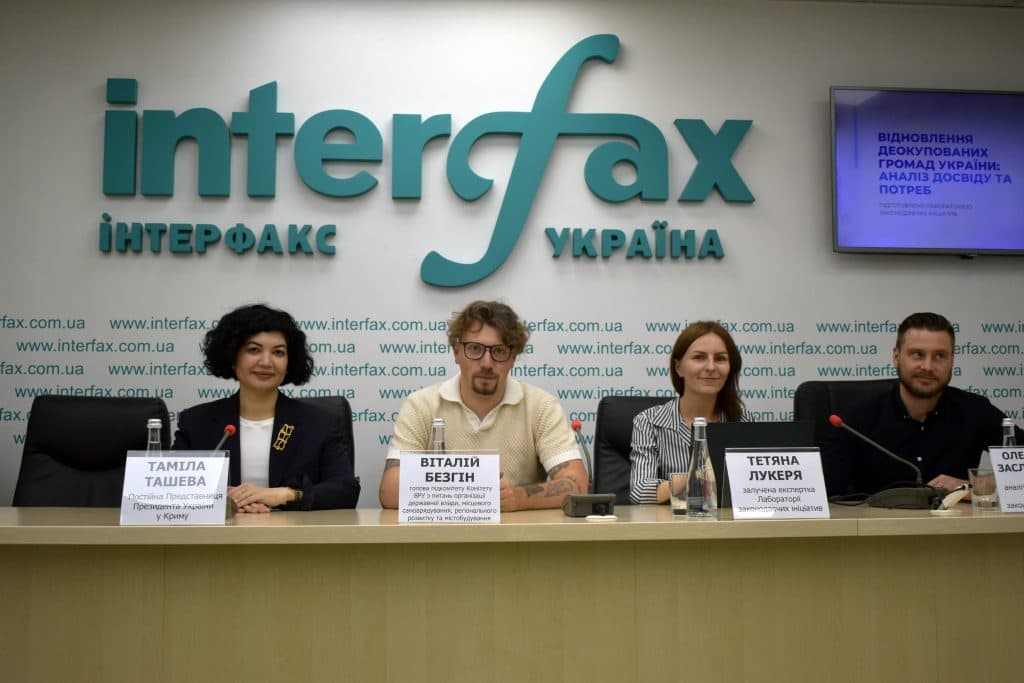
On August 22, 2023, the Agency for Legislative Initiatives (ALI) presented the results of the study “Restoration of de-occupied communities of Ukraine: analysis of experience and needs”. The study was prepared as part of the implementation of the “Civil Society for Ukraine’s Post-war Recovery and EU-Readiness” project financed by the European Union.
Background. State policy regarding the restoration and development of the territories affected by the russian occupation, both in the period 2014-2022 and after the full-scale invasion, changed from point reconstruction of only infrastructural facilities to the setting of long-term goals for the development of the territories. However, a general systemic approach to the restoration of de-occupied communities has not yet been established at the state level.
During the event, the participants discussed the factors, advantages, and disadvantages of reconstruction until 2022, as well as the prospects of the new stage of restoration.
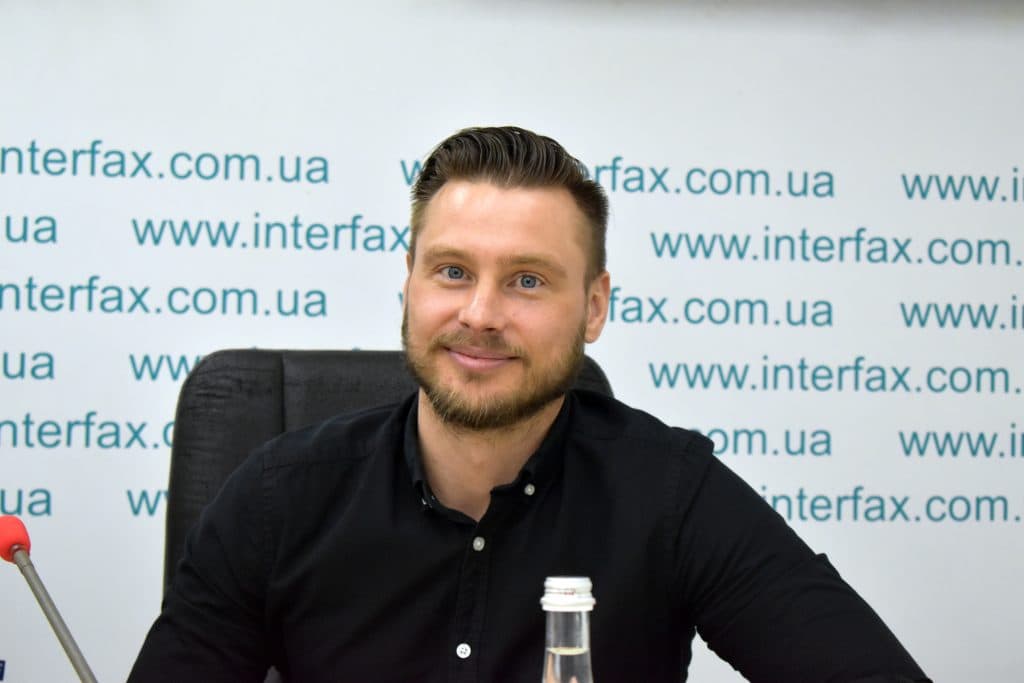
The discussion was moderated by Oleksandr Zaslavskyy, Director of the analytical direction of the Agency for Legislative Initiatives. He talked about the project, the research idea and its main plot.
“The idea of the study was to analyse the state policy, its legislative framework and the practical dimension of implementation regarding the territories that have been de-occupied since 2014 in the Donetsk and Luhansk regions. This should have given us an idea of how similar, but large-scale policies could be developed more effectively in the future. We hope that all the collected and analysed information will be useful to the authorities for developing and implementing an effective policy for restoring the de-occupied territories of Ukraine. Now and in the near future”
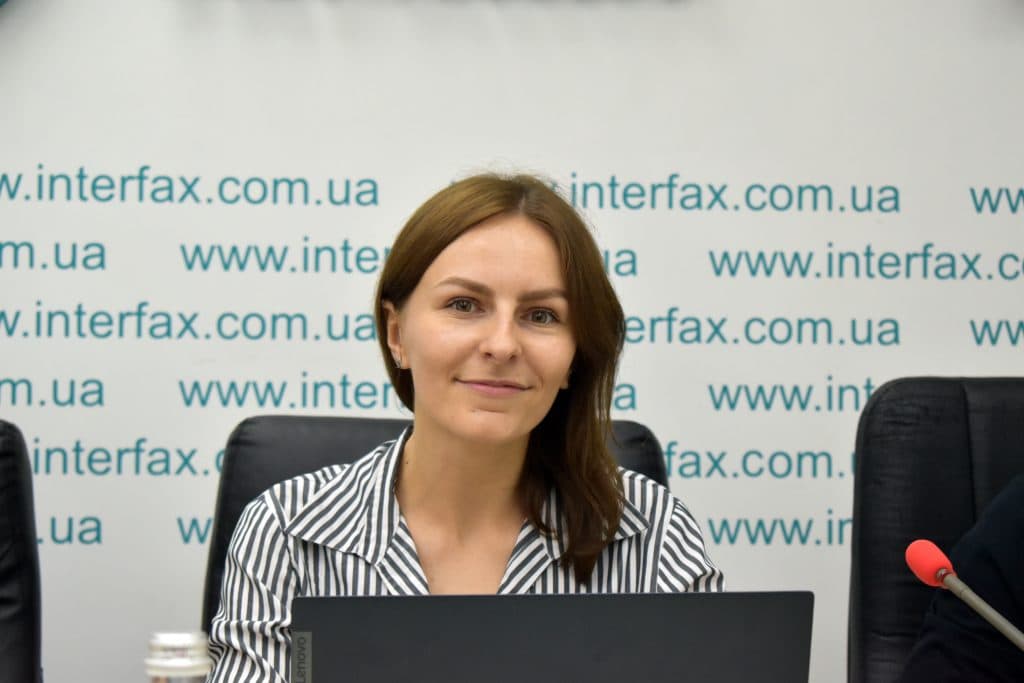
The involved analyst of the Agency for Legislative Initiatives, Tetiana Lukeria, spoke about the main results of the study and the key elements for the effective restoration of communities and territories:
“There is no universal approach to the restoration of the de-occupied territories of Ukraine. The communities have different scales of damage, different human and financial resources, were under the temporary occupation of Russia for different periods of time. However, a coordinated process at the state level is necessary, which should provide a certain algorithm for assessing the situation on the ground and determining priority tasks for local authorities, which can be adapted to each specific situation. To implement the community restoration policy, there must also be systematic coordination and interaction of all subjects, the involvement of various departments from various ministries”
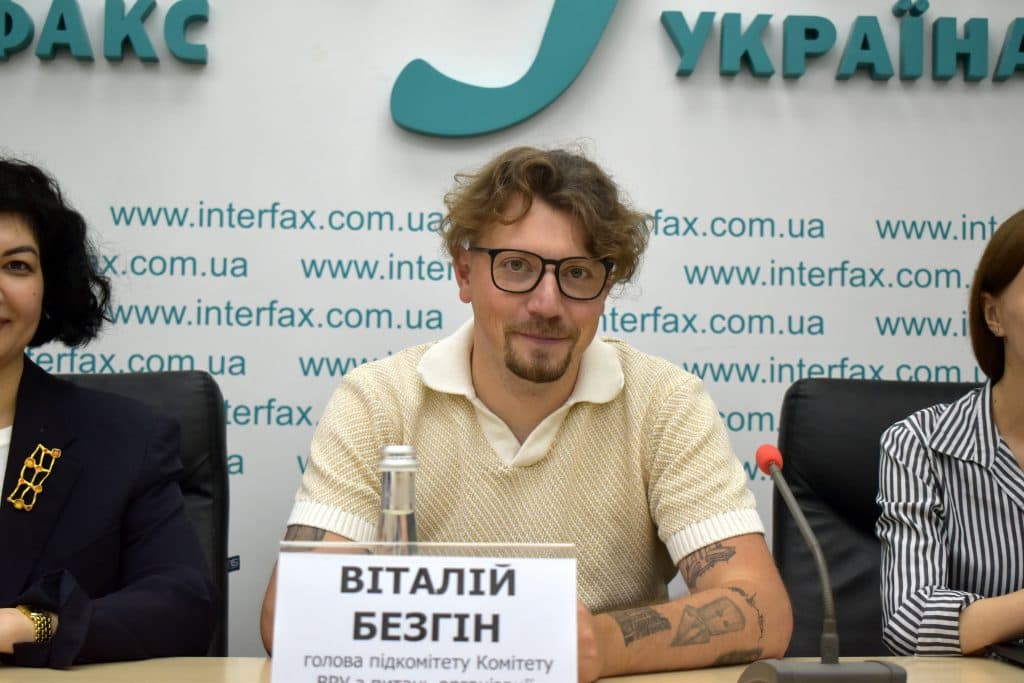
Vitaliy Bezgin, Chairman of the Subcommittee of the Parliamentary Subcommittee on State Building, Local Governance, Regional and Urban Development, noted certain aspects and the importance of prioritizing recovery processes:
“If we talk about the restoration policy, then at the state level, we must figure out two things: does it apply only to the territories that were directly temporarily occupied or suffered as a result of hostilities, or will such a policy generally apply to the entire territory of Ukraine? It was absolutely rightly noted that the same policy cannot be applied to all communities. Indeed, the degree of destruction, the time the territory has been under occupation, and the proximity to the demarcation line or the border with the aggressor state will greatly affect the recovery process. All this must be taken into account”
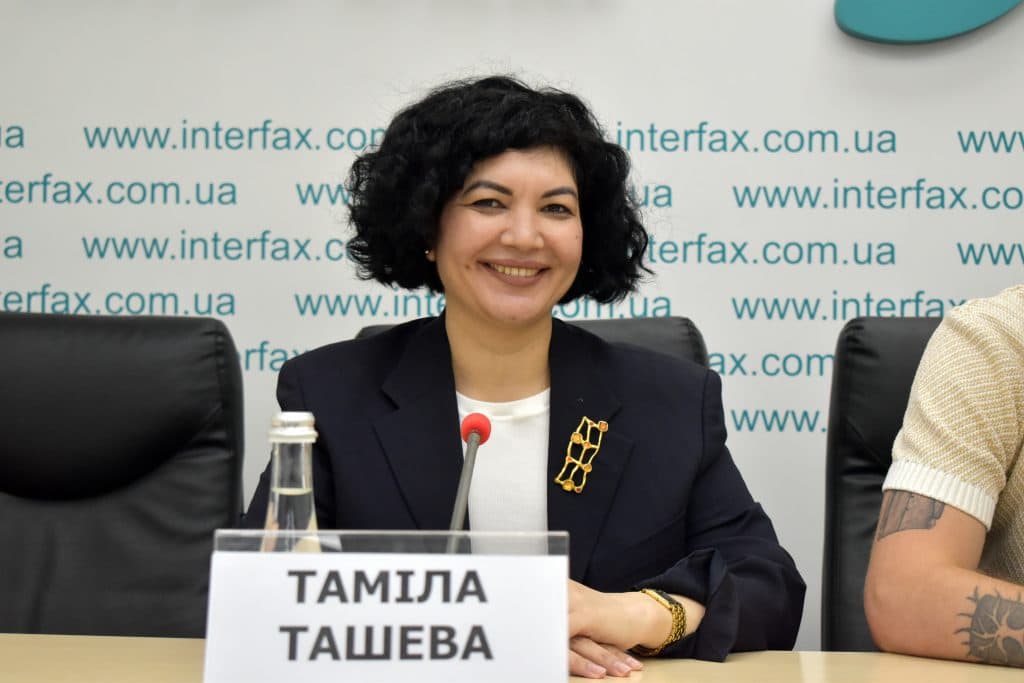
Tamila Tasheva, Permanent Representative of the President of Ukraine in the Autonomous Republic of Crimea, noted that the territories occupied by the russian federation for more than 9 years are significantly different from those occupied after the full-scale invasion of 2022. There is a wider range of problems and challenges that the occupiers have caused and that we will have to deal with.
“First of all, in the liberated territories, we must restore the public authorities, in particular, create military and military-civilian administrations, which will allow us to ensure a certain controllability of the process and a gradual post-occupation transition. We are also discussing restoring educational, medical services, communications, and infrastructure. Work with documents issued in the occupied territories will be particularly important as all of it will be subject to verification”
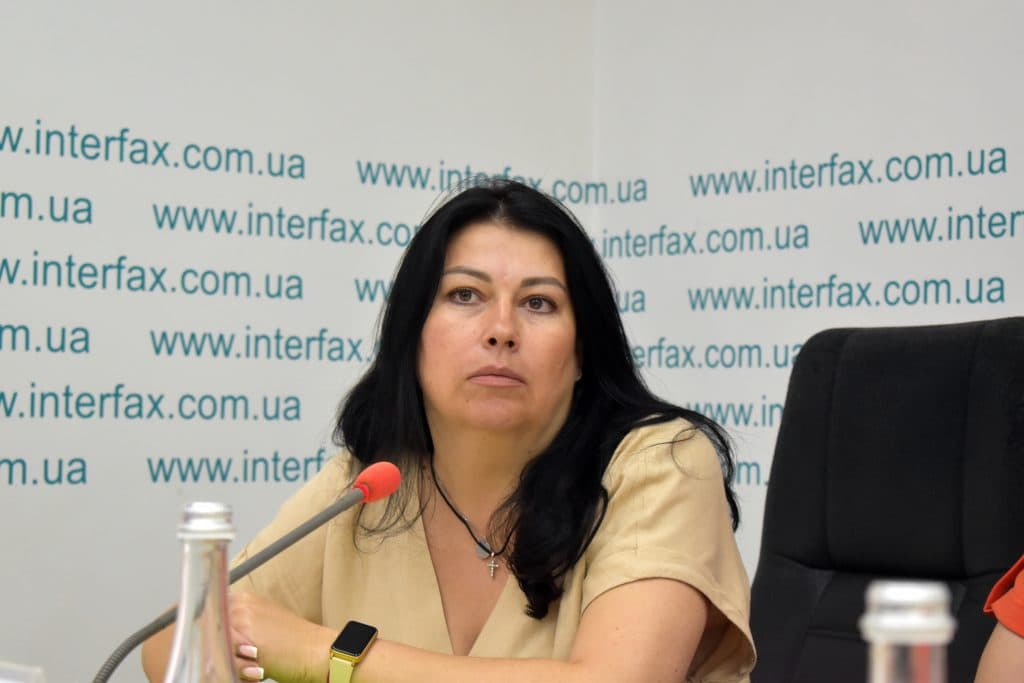
Nataliia Petrenko, a member of the Board of the All-Ukrainian Association of Amalgamated Territorial Communities, Head of the Shulhynka territorial community of Luhansk region, noted that recovery will depend on many factors, in particular, the state in which Ukraine will return the de-occupied territories:
“Before starting the restoration, we must understand the territories to which we will return. Damage analysis, community needs assessment and planning are needed now. Luhansk and Donetsk regions approved a priority action plan to stabilise and reintegrate territories. Each community already understands what needs to be done. A platform on de-occupied and occupied territories was also developed. It is a tool to ensure the participation of local self-government in developing and implementing an effective policy for the recovery and development of communities affected by the aggressor, taking into account the specifics of each region. We are creating reserves for recovery, we have approved budgets and agreed structure, but the lack of specialists is a very big problem”
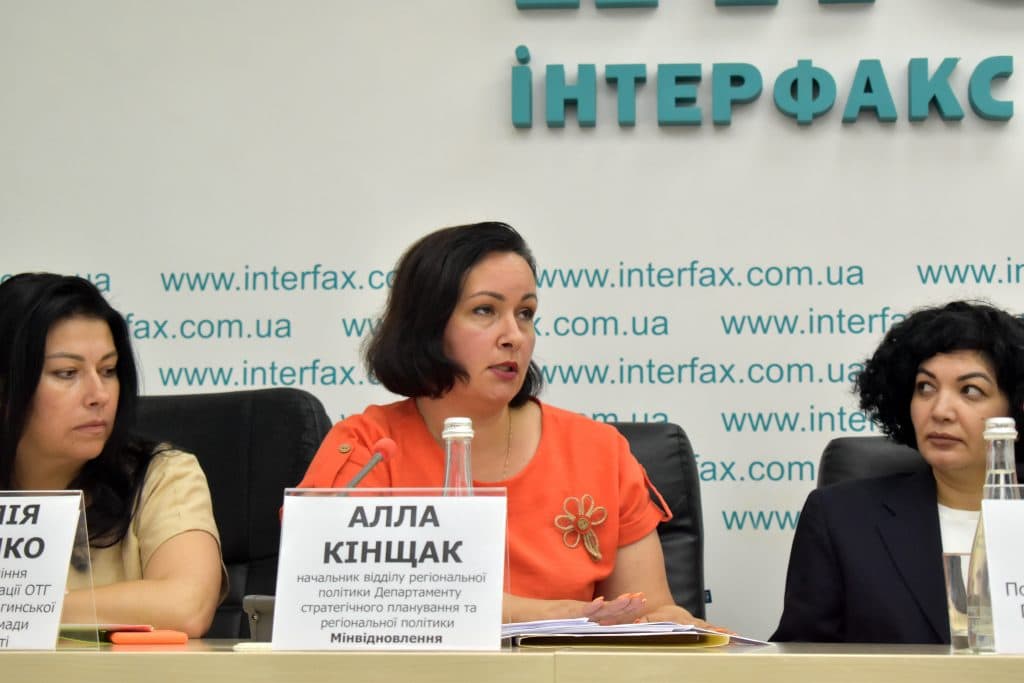
Alla Kinschak, Head of the Department of Regional Policy of the Department of Strategic Planning and Regional Policy of the Ministry of Reconstruction, spoke about the Ministry’s priority plans for the restoration of territories:
“Currently, the process of identifying communities that will be included in the recovery areas has already begun. Also, the Ministry is working on defining indicators for assigning territories to other functional types, such as: regional poles of growth, territories of sustainable development and territories with special conditions for development, which will include, in particular, territorial communities, which include temporarily occupied settlements. Additionally, we started to work on updating the State Regional Development Strategy until 2027, which is the main planning document for the implementation of sectoral development strategies and the coordination of state policy in various areas, including the field of recovery, which is an end-to-end element of regional development policy formation. The updated Strategy will determine the list of territorial communities that will be included in the recovery areas, and from that moment the process of developing a plan for the recovery and development of regions and territorial communities will begin”
After considering the positions of stakeholders, the full version of the study “Restoration of de-occupied communities of Ukraine: analysis of experience and needs” will be published on the website of the Agency for Legislative Initiatives.
For additional information, please contact Mariia Hereles, Head of Communications, Agency for Legislative Initiatives, via mg@parliament.org.ua.