ALI and a Coalition of Civil Society Organisations Present the Interim Shadow Report to the European Commission on the ‘Functioning of Democratic Institutions’
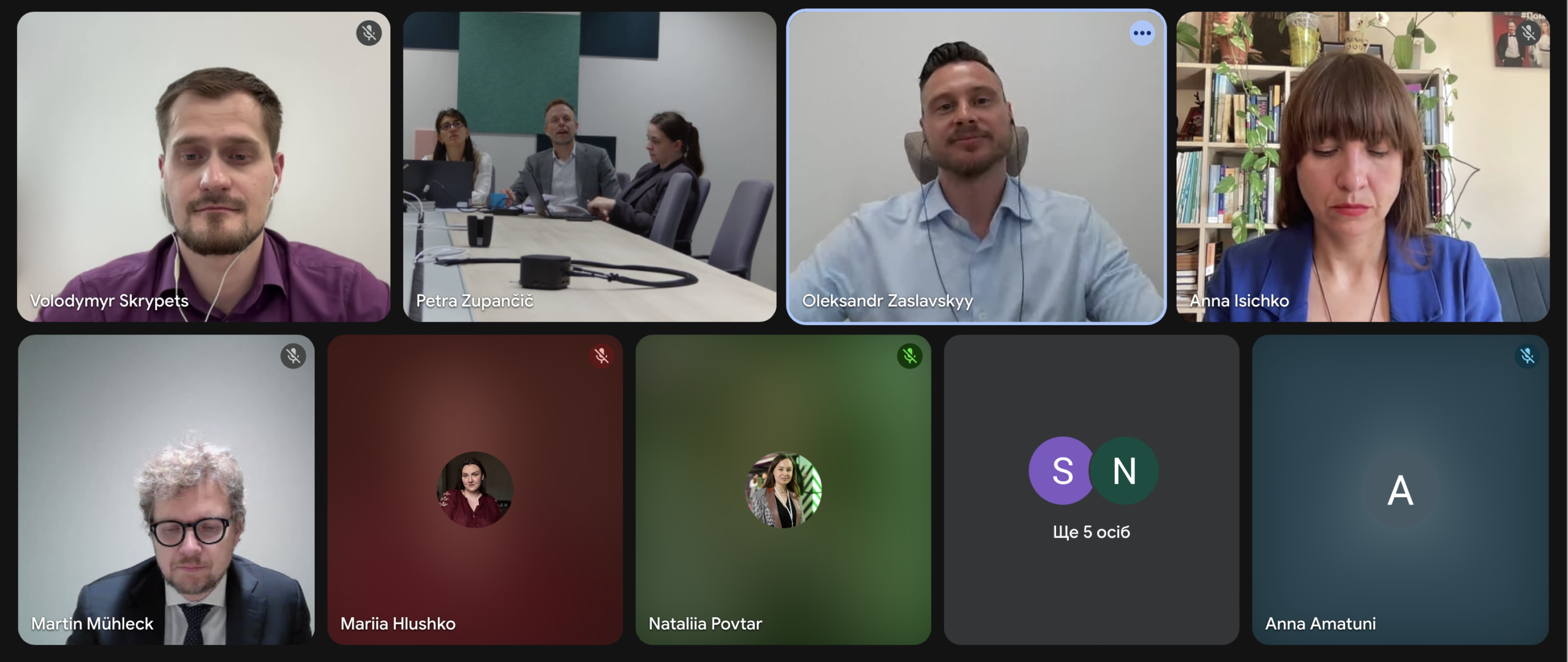
The second presentation of the interim Shadow Report: the Agency for Legislative Initiatives, together with a coalition of civil society organisations, presented the findings of its monitoring under the ‘Functioning of Democratic Institutions’ area of the ‘Fundamentals’ cluster. It covers Parliament, European integration, elections, civil society, governance and multi-level governance. The report sets out the current state of play, the progress of reforms in this area, and recommendations from experts at the organisations concerned.
Experts of the Agency for Legislative Initiatives, Civil Network OPORA and the Centre for Democracy and Rule of Law shared their work. The presentation was joined by representatives of the European Commission’s Directorate-General for Enlargement and Eastern Neighbourhood (DG ENEST), which is responsible for enlargement and EU accession negotiations with candidate countries and potential candidates.
Oleksandr Zaslavskyi, Deputy Executive Director for Analytical Work at ALI, congratulated the coalition partners and the EU representatives on the opening of the ‘Fundamentals’ cluster for Ukraine.
Under the ‘Parliament’ section, participants discussed the challenges and recommendations relating to parliamentary reform, the autonomy of the Verkhovna Rada, the legislative process and related matters. The expert noted that, since the start of the full-scale invasion, the Verkhovna Rada has remained functional and legitimate, and that during the first session under martial law parliamentarians passed 258 laws — the largest number of laws adopted in a single session in the history of the Ukrainian parliament.
The presentation also addressed Ukraine’s progress on the European integration track, in particular the planning and development of law-making, policy implementation, and the monitoring of the changes introduced.
One of the significant achievements in this area has been the approval of the National Programme for the Adaptation of Ukrainian Legislation to European Union Law. It is now important to enshrine in law the status and binding nature of the National Programme, and to align it with the Verkhovna Rada’s legislative work plan.
During the presentation of the ‘Governance’ section, Oleksandr Zaslavskyi described the current situation — namely the structural and staffing changes in the Ukrainian Government, the challenges in its interaction with the Verkhovna Rada, and the planning of government activity, particularly with regard to fulfilling international commitments.
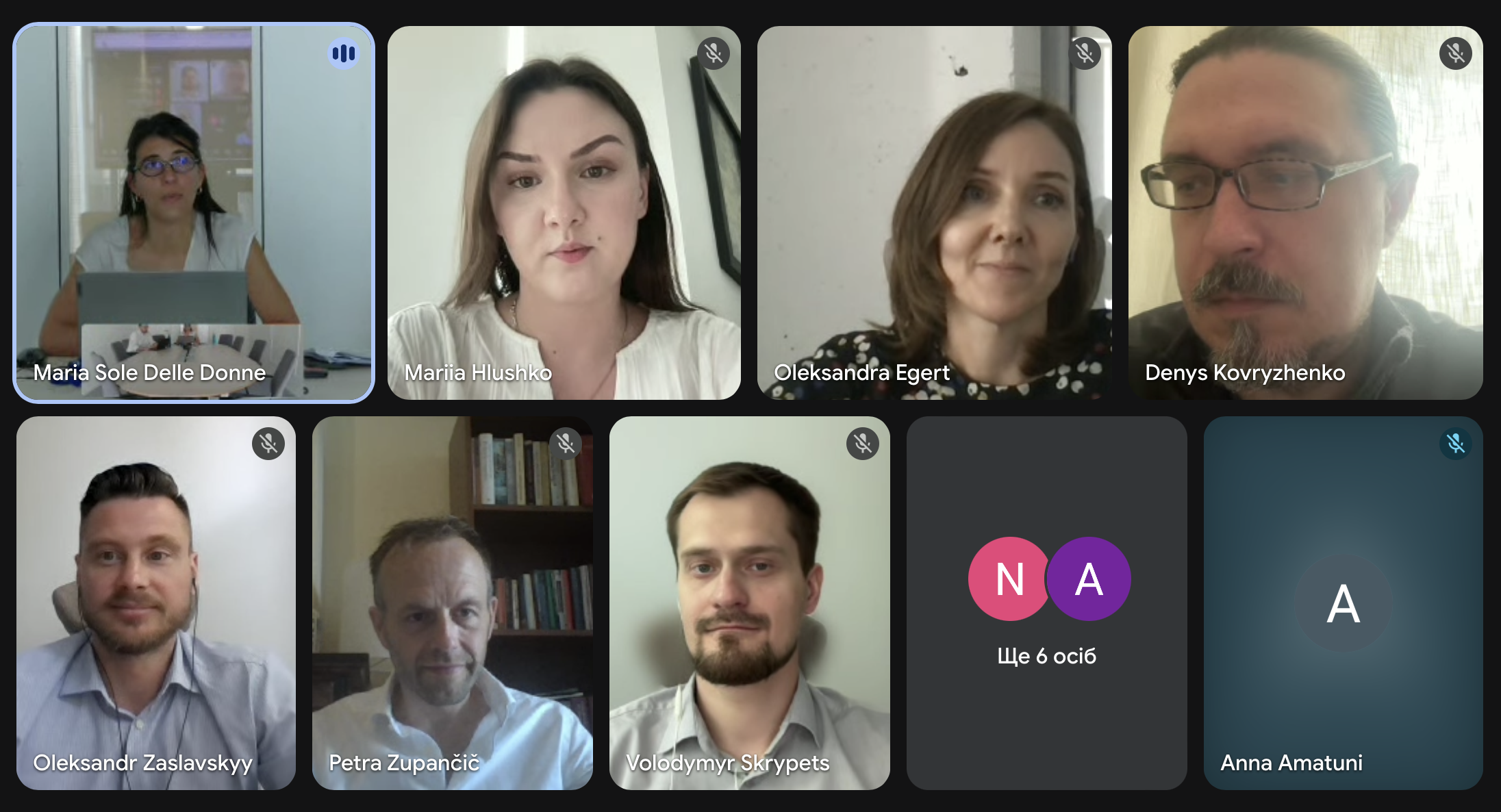
On multi-level governance, Volodymyr Skrypets noted that the European integration processes are continuing in this area too: in December 2025 the Government adopted Resolution No. 1748, ‘Certain Issues of Reforming Local Self-Government and the Territorial Organisation of Power under Martial Law and in Preparation for Ukraine’s Accession to the European Union’. However, under conditions of full-scale war, the problems that come to the fore are those linked to the depopulation of Ukrainian communities, the falling number of local council deputies, and the attraction of investment at the local level, including the implementation of the State Strategy for Regional Development.
As a reminder, the Agency for Legislative Initiatives, together with a coalition of civil society organisations, previously presented to the European Commission the interim findings of this year’s Shadow Report under Chapter 23 ‘Judiciary and Fundamental Rights’ and Chapter 24 ‘Justice, Freedom and Security’.
For the third year running, the coalition of civil society organisations coordinated by ALI has been monitoring and assessing Ukraine’s progress on European integration. This is an independent, alternative analysis by representatives of civil society and the expert community, coordinated by ALI. The coalition comprises experts from the Agency for Legislative Initiatives, Transparency International Ukraine, the Human Rights Centre ZMINA, Tomorrow’s Lawyer, Europe without Barriers, the Ukrainian Bar Association, Civil Network OPORA and the Centre for Democracy and Rule of Law, with media support from European Pravda.
As has become customary, the new Shadow Report will be published ahead of the European Commission’s report on Ukraine’s progress within the European Union Enlargement Package in 2026.
Background
The Shadow Report is a systematic audit by sector experts from civil society organisations. It does not duplicate the state’s official documents or the European Commission’s assessments and is not dependent on their positions. Rather, it is an analytical tool for developing a professional and comprehensive understanding of European integration processes, one that involves experts in the reform process. At the same time, it assesses how far Ukrainian legislation and the system as a whole conform to EU standards.
Producing shadow reports is a regular practice for all candidate countries seeking to join the European Union. In Bosnia and Herzegovina, Serbia, North Macedonia and Moldova, independent coalitions of civil society organisations have for years carried out alternative monitoring of reform progress in areas such as the rule of law and the functioning of democratic institutions. In Ukraine, this work has been carried out systematically since 2024, when a coalition of civil society organisations first prepared an alternative analysis to accompany the European Commission’s report on Ukraine’s progress within the European Union Enlargement Package.
The Shadow Report is entirely a product of civil society, regardless of its sources of support. To strengthen the institutional independence of the process, from 2026 ALI is establishing a new trend: the Shadow Report is also financed by independent civil society organisations. A significant share of the funding for its development will be covered by the Agency for Legislative Initiatives and Transparency International Ukraine. ALI takes on the mission of ensuring the maximum impartiality and objectivity of this preparation process, as it does every year.
The Agency for Legislative Initiatives and a Сoalition of CSOs Present the Interim Shadow Report to the European Commission
The Agency for Legislative Initiatives (ALI), together with a coalition of civil society organisations, has presented the European Commission with the interim findings of this year’s Shadow Report under Chapter 23 ‘Judiciary and Fundamental Rights’ and Chapter 24 ‘Justice, Freedom and Security’.
The presentation, held on 4 June, was joined by representatives of the European Commission’s Directorate-General for Enlargement and the Eastern Neighbourhood (DG ENEST), which is responsible for the negotiations on enlargement and EU accession with candidate countries and potential candidates, as well as by representatives of the EU Delegation to Ukraine.
For the third year running, the Agency for Legislative Initiatives and the coalition of civil society organisations are monitoring and assessing Ukraine’s progress in the field of European integration. This is an independent, alternative analysis by representatives of civil society and the expert community, coordinated by ALI.
Participants presented and discussed the results in the areas of the rule of law (the courts, the prosecution service and the bar), the fight against corruption and organised crime, the reform of law enforcement agencies, and the protection of fundamental human rights and freedoms. Taking part were Karyna Aslanian, Head of ALI’s Rule of Law area, and Yevhen Krapyvin, Head of ALI’s Law and Order area; Kateryna Ryzhenko, Deputy Executive Director for Legal Affairs at Transparency International Ukraine; and Tetiana Pechonchyk, Head of the Board, and Anastasiia Datsiv, Advocacy Manager for European Integration, both of the Human Rights Centre ZMINA.
Karyna Aslanian, Head of ALI’s Rule of Law area, presented the key findings on judicial reform. The focus was on the selection of new judges and the work of the competition commissions, the improvement of disciplinary procedures, and the unresolved problems that require attention now — as well as the latest developments concerning possible cases of corruption in the Supreme Court.

An important achievement during the reporting period was the launch of a comprehensive project on the digitalisation of the judicial system, which the Agency is implementing together with key judicial institutions — the Supreme Court, the High Council of Justice (HCJ), the State Judicial Administration of Ukraine and the High Qualification Commission of Judges of Ukraine (HQCJ), as well as the Constitutional Court of Ukraine (CCU).
The key challenges at this stage are the appointment of judges to the Constitutional Court, preventing the HCJ’s work from being halted owing to legislative conflicts, and responding appropriately to possible cases of corruption in the judiciary.
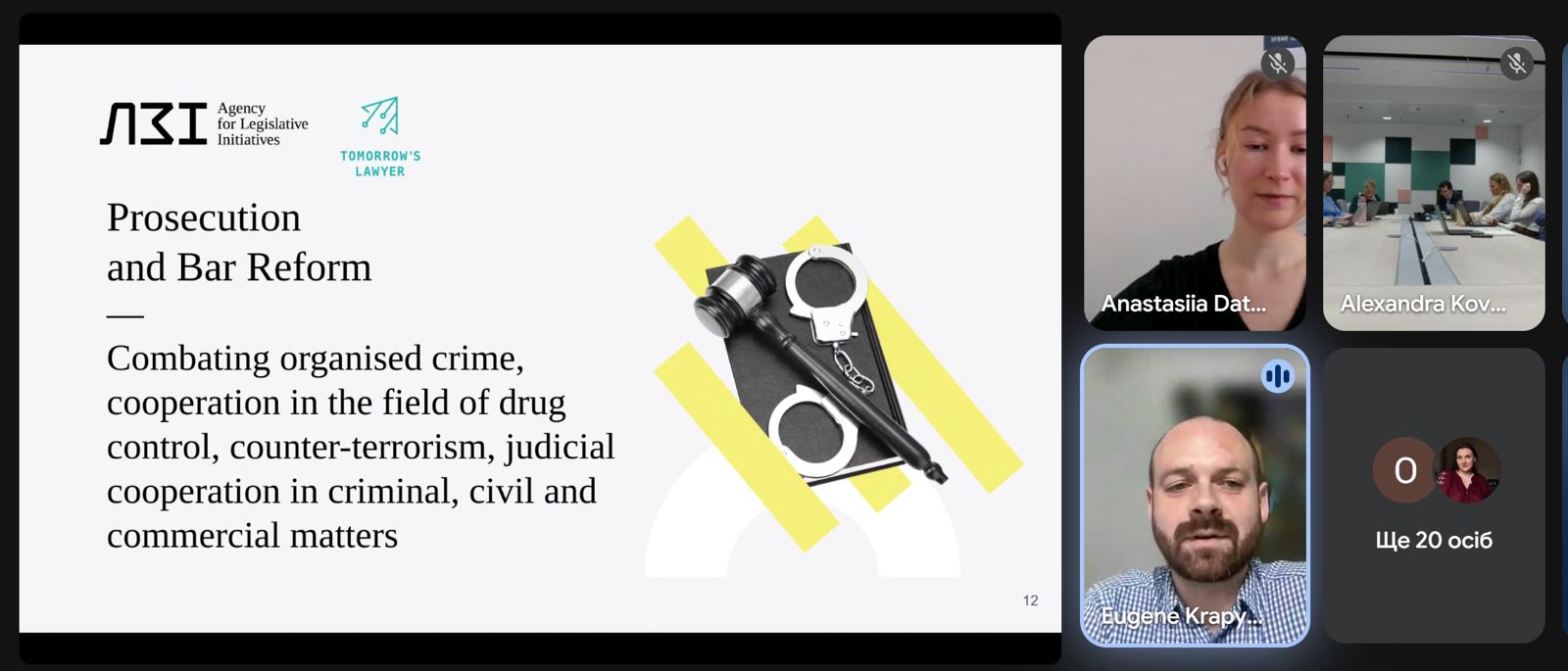
The parts of the Shadow Report concerning the prosecution service and the bar, as well as the strengthening of the institutional capacity of law enforcement agencies to counter serious crime, including organised crime, were presented by Yevhen Krapyvin, Head of ALI’s Law and Order area.
He stressed that the competitions cancelled in July 2025 have still not been resumed and that the Prosecutor General retains excessive powers. Despite the European Commission’s demand not only to restore the legislation to its previous state but also to refrain from exercising these powers, there has been no progress whatsoever. The greatest challenge for the development of the prosecution service is the 10 Kachka–Kos priorities for Ukraine for 2026. These concern, first and foremost, changing the politicised procedure for appointing and dismissing the Prosecutor General, as well as introducing a mandatory competition for senior positions. This, in particular, forms part of the drafts of the new Anti-Corruption Strategy that Ukraine is currently developing. The competition for senior positions was due to be introduced back in March 2026, but this did not happen.
Yevhen Krapyvin drew attention to the absence of any progress in reforming the bar: despite the creation in January 2026 of a governmental working group on improving the legislation in this area, only one meeting has been held since. This, together with the resistance of the Ukrainian National Bar Association, is significantly slowing the achievement of a proper outcome and of the objectives of the Rule of Law Roadmap in this area.
Yevhen Krapyvin also addressed the key aspects of the Shadow Report under Chapter 24 ‘Justice, Freedom and Security’.
This year, the experts also analysed another part of the ‘Fundamentals’ cluster — ‘Functioning of Democratic Institutions’. The coalition, coordinated by ALI, likewise shared its work in this area with the European Commission.
This year’s Shadow Report is being prepared by experts from the Agency for Legislative Initiatives, Transparency International Ukraine, the Human Rights Centre ZMINA, Tomorrow’s Lawyer, Europe without Barriers, the Ukrainian Bar Association, the Civil Network OPORA and the Centre for Democracy and Rule of Law, with the information support of European Pravda. As has now become customary, it will be published ahead of the European Commission’s report on Ukraine’s progress within the European Union’s 2026 Enlargement Package.
Background
The Shadow Report is a systematic audit by specialist experts from civil society organisations that does not duplicate the state’s official documents or the European Commission’s assessment and is not dependent on their positions. Rather, it is an analytical tool for developing a professional and comprehensive vision of the European integration processes — one that provides for the involvement of experts in the reform process — while also assessing the compliance of Ukrainian legislation and of the entire system with EU standards.
Preparing shadow reports is a regular practice in all candidate countries seeking to join the European Union. In Bosnia and Herzegovina, Serbia, North Macedonia and Moldova, independent coalitions of civil society organisations have for years carried out alternative monitoring of reform progress in the areas of the rule of law, the functioning of democratic institutions and others. In Ukraine, this work has been carried out systematically since 2024, when a coalition of civil society organisations first prepared an alternative analysis to accompany the European Commission’s report on Ukraine’s progress within the European Union’s Enlargement Package.
The Shadow Report is entirely a product of civil society, regardless of the sources of support. To strengthen the institutional independence of the process, from 2026, ALI is setting a new precedent: the Shadow Report is also funded by independent civil society organisations. A significant share of the funds for its development will be covered by the Agency for Legislative Initiatives and Transparency International Ukraine. ALI takes on the mission of ensuring the utmost impartiality and objectivity in this preparation process, as it does every year.
Sustained Change Is Built through Daily Action: ALI Receives a Certificate of Honour from the Verkhovna Rada
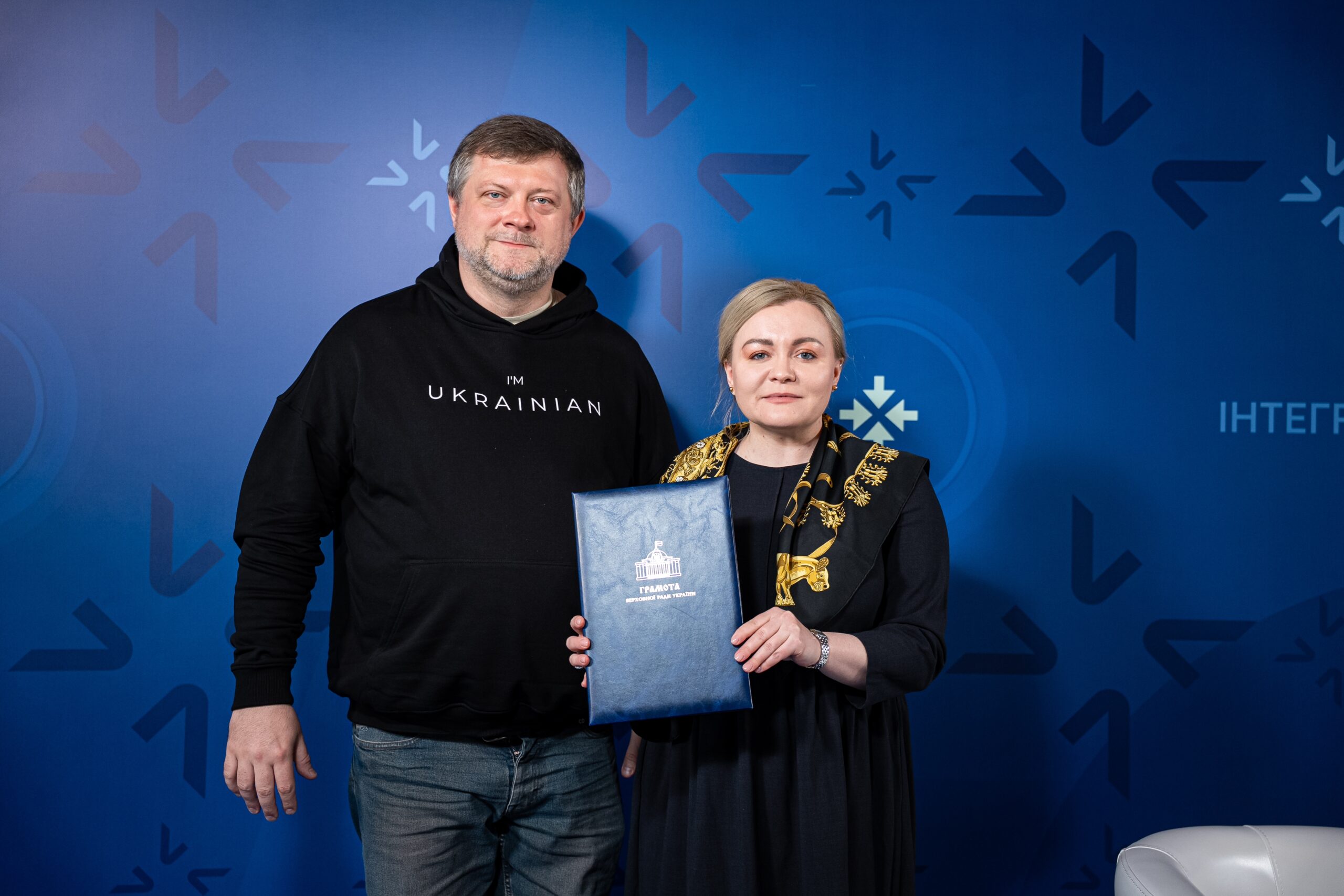
The team of the Agency for Legislative Initiatives (ALI) received the Certificate of Honour of the Verkhovna Rada of Ukraine during the First Session of the Ukrainian School of Political Studies’ landmark 20th programme. The School is an educational and networking project implemented by ALI under the auspices of the Council of Europe. The award was presented by Oleksandr Korniienko, First Deputy Chairman of the Verkhovna Rada of Ukraine and one of the Session’s speakers, in recognition of ALI’s significant contribution to the development of democracy and parliamentarism and the promotion of civic harmony in society.
For more than 26 years, ALI has helped build sustainable institutions in Ukraine and develop evidence-based public policy across a range of areas. ALI’s day-to-day work includes strengthening the institutional capacity of Parliament and the Government, advancing European and Euro-Atlantic integration, monitoring and supporting reforms in the justice and security sectors and providing political and civic education.
ALI regularly analyses the work of the Verkhovna Rada and its Secretariat through its session-by-session Parliamentary Monitoring reports and examines individual parliamentary processes in thematic issues of the Parliamentary Journal. We contribute to the development of draft laws and continue to monitor the implementation of parliamentary reform, a prerequisite for the institutional capacity of the Verkhovna Rada.
Background
The USPS programme explores different aspects of interaction between society and the state, including how these relationships are formed, how institutions and systems develop, what challenges they face and how those challenges can be overcome by taking responsibility and seeking solutions together.
Each year, changemakers from different fields join the USPS Community, including military personnel and entrepreneurs, politicians and civil servants, cultural figures and journalists. Learn more about the School, its values and its programme at this link.
Implementation of the OAS on Law Enforcement Reform: ALI Participated in an Expert Group Meeting
The state of implementation of the Overarching Strategic Plan for Law Enforcement Reform is the focus of civil society discussion with relevant ministries and institutions. ALI joined a meeting of the Expert Group under the Coordination Council for Monitoring the Implementation of the Action Plan aimed at implementing the Overarching Strategic Plan for Law Enforcement Reform as part of Ukraine’s security and defence sector for 2023–2027.
Participants discussed the key challenges in implementing law enforcement reforms, civil society’s view of their progress, including the preparation of independent analytical assessments. They also jointly identified formats for future interaction between state bodies and civil society to develop and institutionalise dialogue.
Yevhen Krapyvin, Head of the ‘Law and Order’ Area at ALI, emphasised the importance of NGO participation in monitoring reforms and preparing independent analytical assessments. ALI has been preparing the Shadow Report assessing Ukraine’s implementation of its European integration commitments for the third consecutive year, including under Chapter 24, one of the measures of which concerns the implementation of the Overarching Strategic Plan.
At present, many public policy documents contain measures related to the reform of law enforcement agencies, while the OAS and its Action Plan are the most comprehensive. For example, the Rule of Law Roadmap and the State Anti-Corruption Programme for 2023–2025 also contain a number of measures in this area, so public authorities must properly coordinate their implementation of public policy measures.


According to Olha Piskunova, Expert of the ‘Law and Order’ Area at ALI, the process should begin with the development of a relevant draft law, which should be prepared using a comprehensive approach and in close cooperation with all stakeholders and the public. This would help ensure an orderly process for implementing the Priorities.


The event was attended by representatives of the Ministry of Internal Affairs, the Office of the Deputy Prime Minister for European and Euro-Atlantic Integration, the Prosecutor General’s Office and law enforcement agencies, as well as international partners and representatives of civil society institutions — human rights organisations, academics and analytical centres involved in monitoring law enforcement reforms.
The event was organised by the Ministry of Internal Affairs of Ukraine as part of the project ‘Reforming the Civilian Security Sector in Ukraine’, supported by the Government of the United Kingdom.
Reforming the Bar in Ukraine: ALI Joins Working Group Meeting
Developing legislative amendments to reform the Bar, strengthen guarantees for advocates’ professional activities and improve the quality of legal assistance is no longer only a matter of domestic priorities — it is also an essential component of delivering on Ukraine’s European integration commitments in this area. This has been consistently emphasised in key documents, from the European Commission’s annual enlargement reports to Shadow Reports under Chapter 23 of the EU acquis.
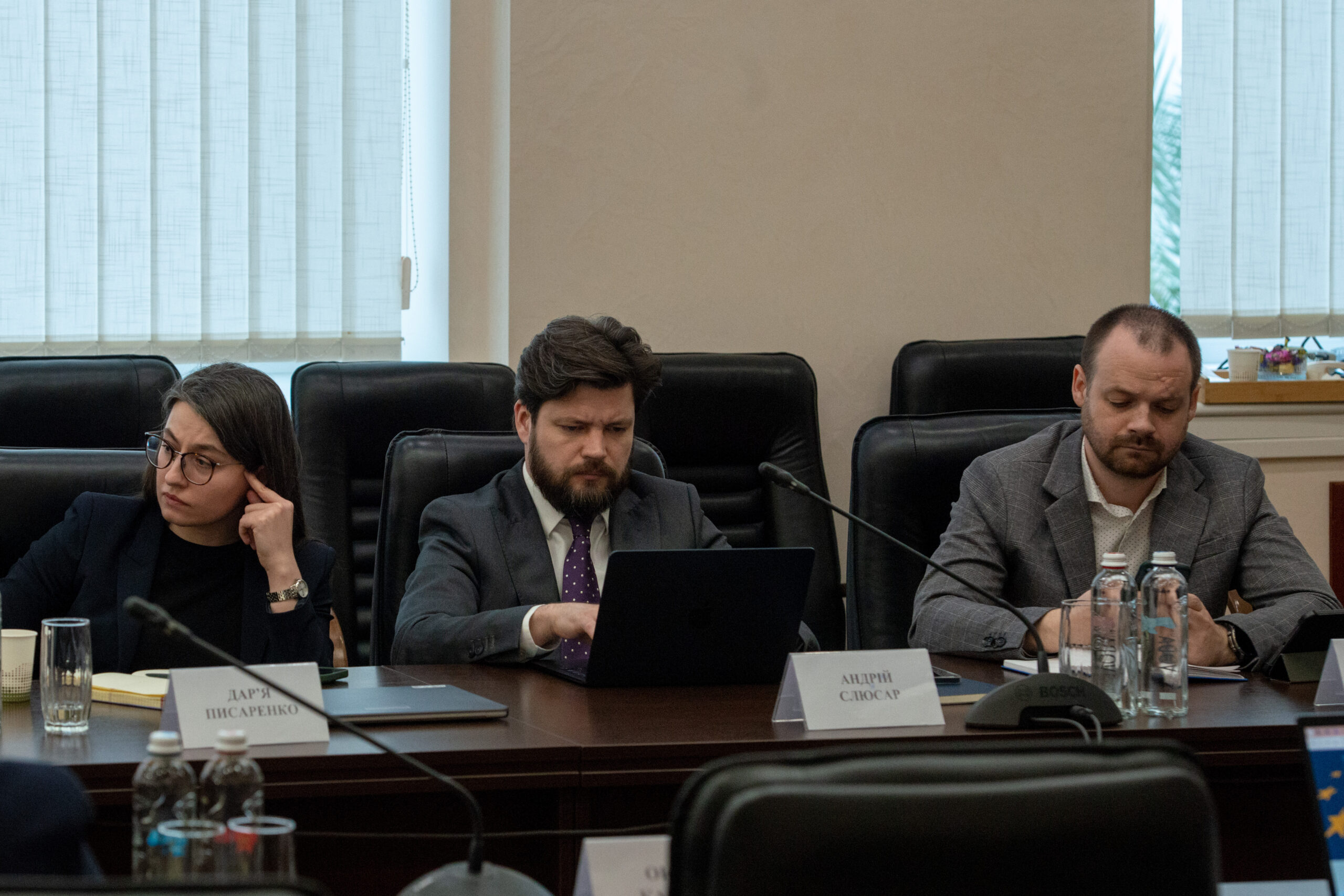
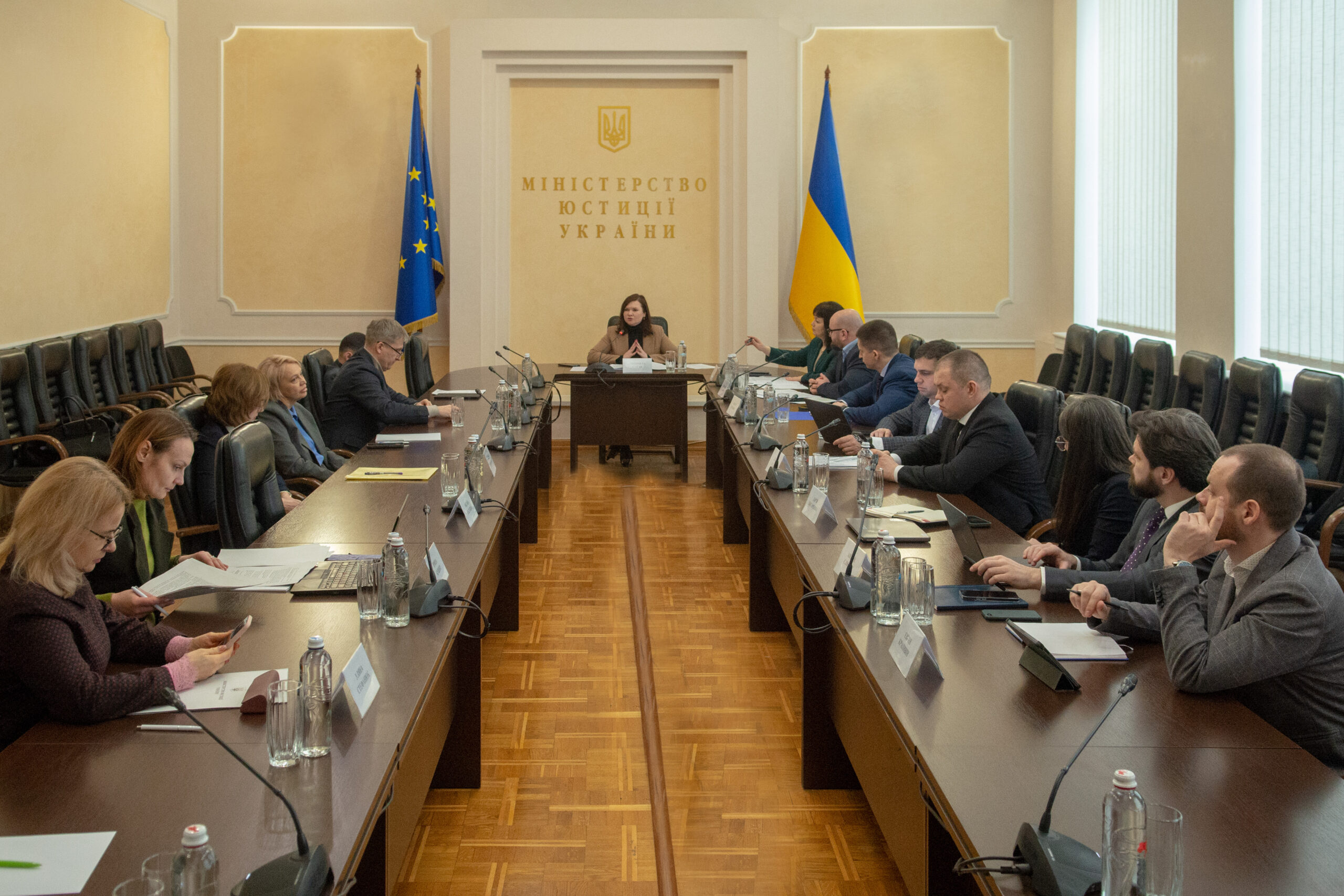
On 19 March, the Agency for Legislative Initiatives took part in the first meeting of the Working Group on improving legislation in the field of the Bar and practice of law (established by Resolution of the Cabinet of Ministers of Ukraine No. 42 of 12 January 2026). Participants discussed next steps for developing amendments to the Law of Ukraine ‘On the Bar and Practice of Law’.
Improving sector-specific legislation is an essential component of strengthening the rule of law. It is also linked to the ratification of the Council of Europe Convention on the Protection of the Profession of Lawyer, which Ukraine signed in early March 2026. This forms part of a broader, comprehensive reform of the legal profession in Ukraine — from updating professional standards to ensuring the effective functioning of lawyers’ self-governance bodies.
The launch of active work by the joint group — bringing together parliamentarians, government officials, representatives of the Bar, civil society organisations and academia — is an important step in advancing reform, noted Yevhen Krapyvin, Head of the ‘Law and Order’ Area at the ALI. It is important to maintain this momentum and focus so that the Working Group can deliver tangible results in the future, and that Members of Parliament support the proposals developed by experts. The Rule of Law Roadmap sets a clear deadline for this — the fourth quarter of 2026.

The implementation of measures under the Rule of Law Roadmap will contribute to Ukraine’s fulfilment of its European integration commitments. Accordingly, participants discussed relevant aspects of reforming the legal profession. This concerns:
- reforming the bodies of Bar self-governance, including the introduction of clear and transparent selection procedures for their formation, as well as improving the efficiency and transparency of their financial management;
- improving access to the Bar by ensuring the impartiality and objectivity of admission procedures;
- establishing a transparent and effective system of disciplinary liability for advocates;
- ensuring effective and accessible continuing professional development for advocates.
The working group format will enable the development of substantive recommendations for the implementation of these measures. In this context, one of the key issues discussed was updating its composition to ensure balanced representation of the Verkhovna Rada, the National Bar Association of Ukraine, state authorities and civil society.
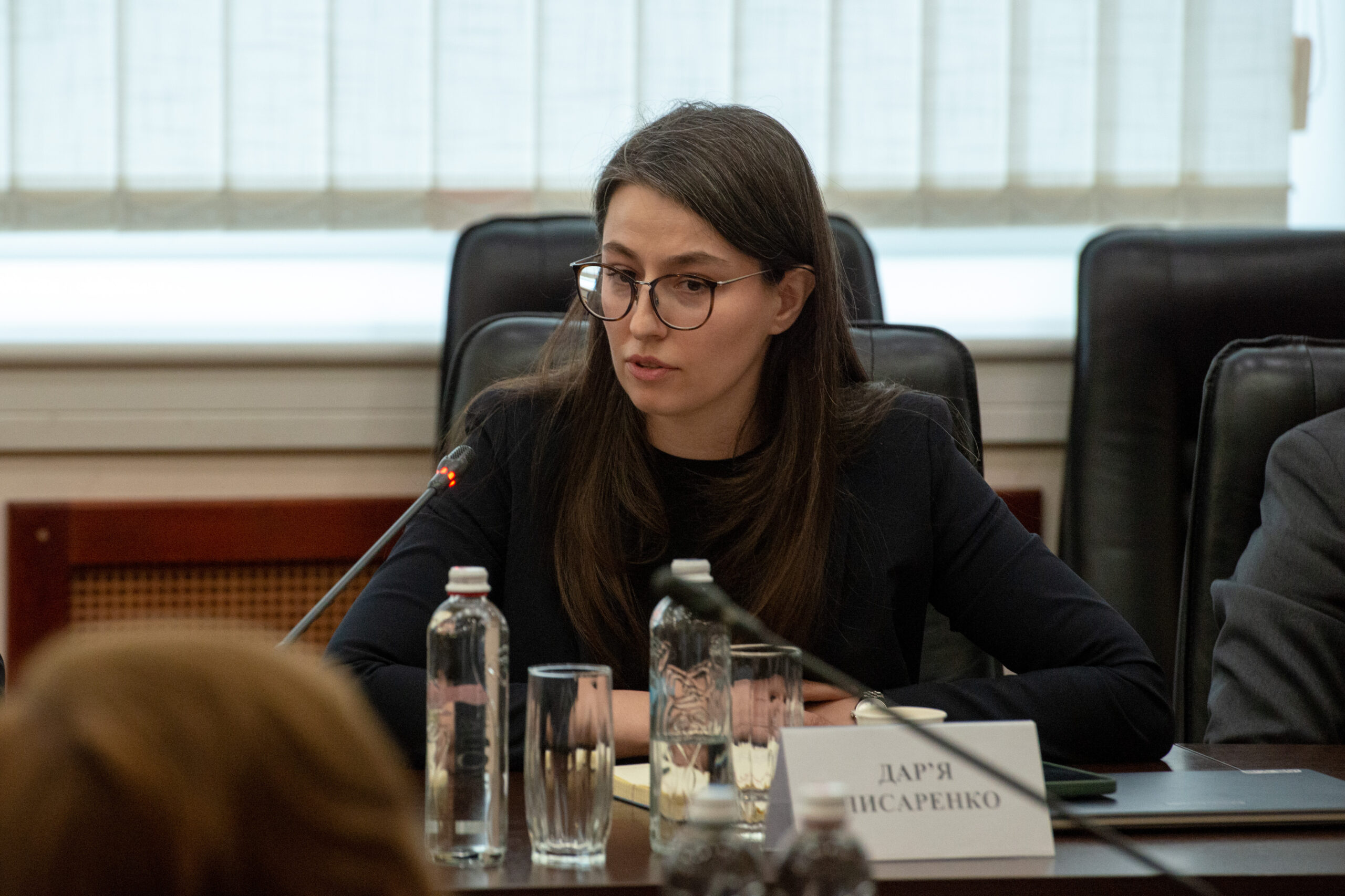
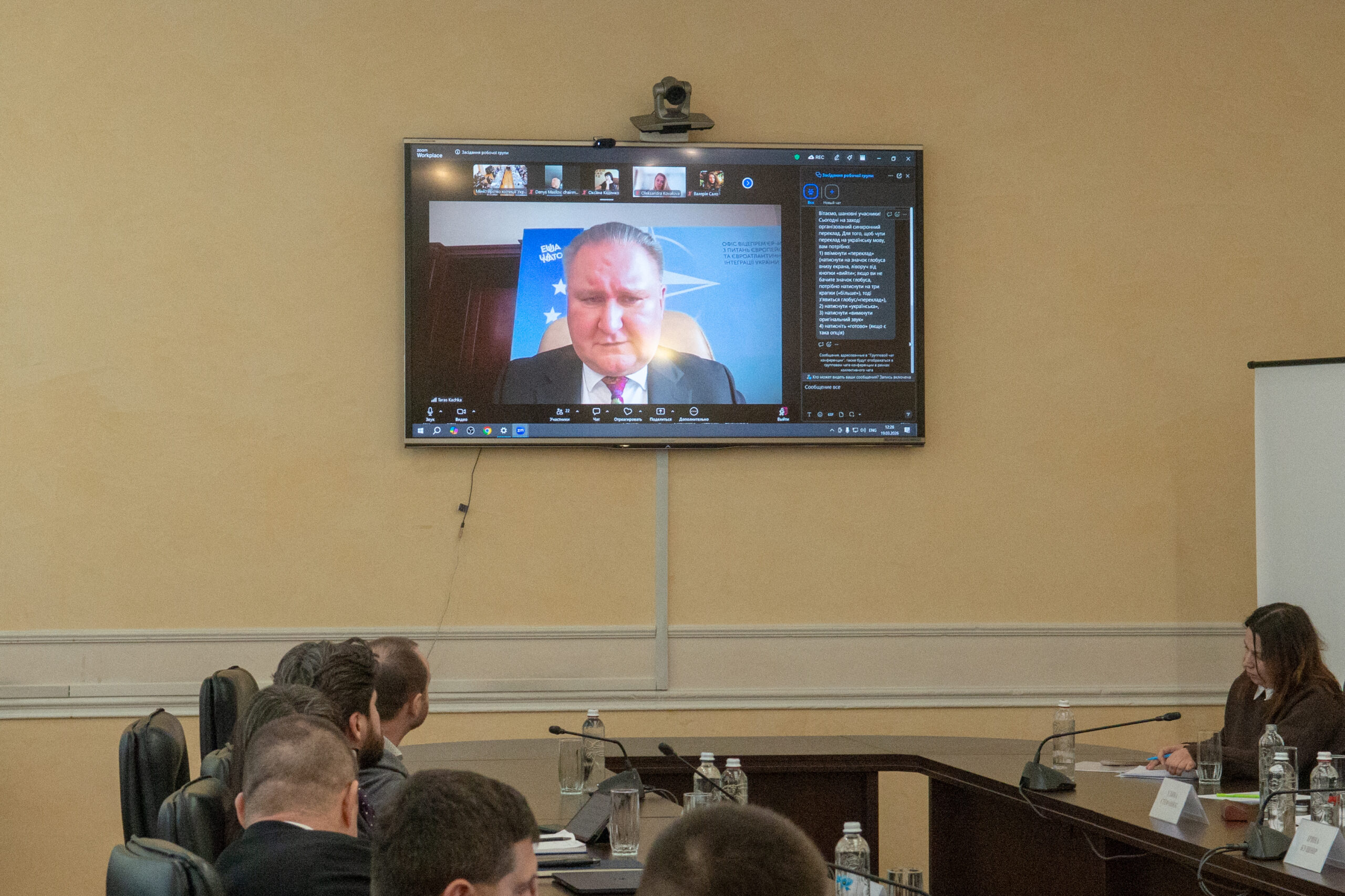
The first meeting of the Working Group was attended by Deputy Prime Minister for European and Euro-Atlantic Integration of Ukraine, Taras Kachka; Acting Minister of Justice of Ukraine and Deputy Minister of Justice for European Integration, Liudmyla Suhak; Chair of the Verkhovna Rada Committee on Legal Policy, Denys Maslov; as well as representatives of the Office of the President of Ukraine, the Cabinet of Ministers of Ukraine, Members of Parliament and representatives of academia, the legal profession, civil society and international partners.
EU Integration and Ukrainian Legislation: ALI Joins the Discussion
The Agency for Legislative Initiatives joined the III Conference on Anti-Corruption Law to discuss these issues and share its perspective.
Yevhen Krapyvin, Head of the Law-and-Order Area at the Agency for Legislative Initiatives, participated in the session ‘European Integration Changes in Anti-Corruption Legislation’. Understanding European integration processes and state policy in this area makes it possible to anticipate the changes that Ukrainian legislation will undergo and to identify what requires particular attention in the course of European integration.
The expert noted that the ‘10 priorities of Kachka–Kos’, announced in December 2025, as well as the Rule of Law Roadmap until 2027, provide a clear understanding that the Criminal Procedure Code of Ukraine (CPC of Ukraine) will undergo amendments both in the field of anti-corruption and in other areas.
Interestingly, all the requirements of the EU priority plan coincide with the recommendations of the Shadow Report prepared in 2025 by a coalition of civil society organisations coordinated by the ALI. At present, the Government is working on a consolidated draft of amendments that will be presented to the Verkhovna Rada — and a professional and substantive discussion on this issue will continue at a later stage.
Background
Each year, the Ukrainian Bar Association organises the Conference on Anti-Corruption Law — a professional platform for an expert discussion on how the anti-corruption system in Ukraine operates today, from the pre-trial investigation of corruption-related criminal proceedings to the development of judicial practice. The event brings together representatives of state authorities, judges, defence counsel, lawyers from the corporate sector and experts to discuss the key challenges of anti-corruption law enforcement, analyse practical cases and exchange professional experience.
Meeting between ALI and GIZ Representatives: Focus on Veterans Policy Issues
Researching veterans policy issues is not a new topic for the Agency for Legislative Initiatives, and the need for its effective development and implementation is more relevant than ever for Ukraine. Therefore, the ALI continues to work in this area. In particular, on February 19, we held a meeting with representatives of the German Society for International Cooperation (Deutsche Gesellschaft für Internationale Zusammenarbeit, GIZ).
We shared our thoughts and visions on the Ukrainian approach to working with veterans — which aspects need to be revised and which procedures — improved. We focused separately on the importance of developing a comprehensive veteran policy and discussed the challenges and specifics of its implementation, in particular:
- forming a legislative framework for veteran policy;
- developing a network of veteran support assistants;
- involving local businesses in supporting veterans;
- the capacity of local authorities to integrate veterans;
- the suitability of services to the needs of veterans and the capacity to provide them.
ALI already has systematic experience in this area, including a comprehensive Shadow Report on the Study of Invisible Veteran Policy for 2014–2022, in which ALI experts described the entire cycle of veteran policy — to understand whether it is possible to create a policy that will be able to truly solve the problems of veterans, and what systemic mistakes were made earlier.
The ALI educational project, the Ukrainian School of Political Studies (USPS), also ran the ‘You Are Important’ training programme in 2024. More than 30 servicewomen and female veterans participated in the first cycle of the programme.
The meeting was attended by Svitlana Matviienko, Executive Director at ALI, Volodymyr Skrypets, the Analytics Lead at ALI, Oleksandra Egert, Deputy Executive Director for Operations and Project Coordination, Sebastian Schlebusch, Head of the InClude Component EMPOWER Project (GIZ), and Oleksandr Khoruzhenko, GIZ Ukraine Project Advisor.
Digitalisation and IT Solutions for Courts as a Priority: ALI at the First Annual Court Administration Conference
The Agency for Legislative Initiatives took part in CourtUP: the First Annual Court Administration Conference. The event brought together representatives of the judiciary, primarily court staff, to discuss key aspects of effective court administration, workload optimisation, staffing needs and modern approaches to organising the work of courts.
A key part of the conference was a discussion on digital solutions to improve both public access to justice and the day-to-day work of Ukrainian courts, particularly in wartime.
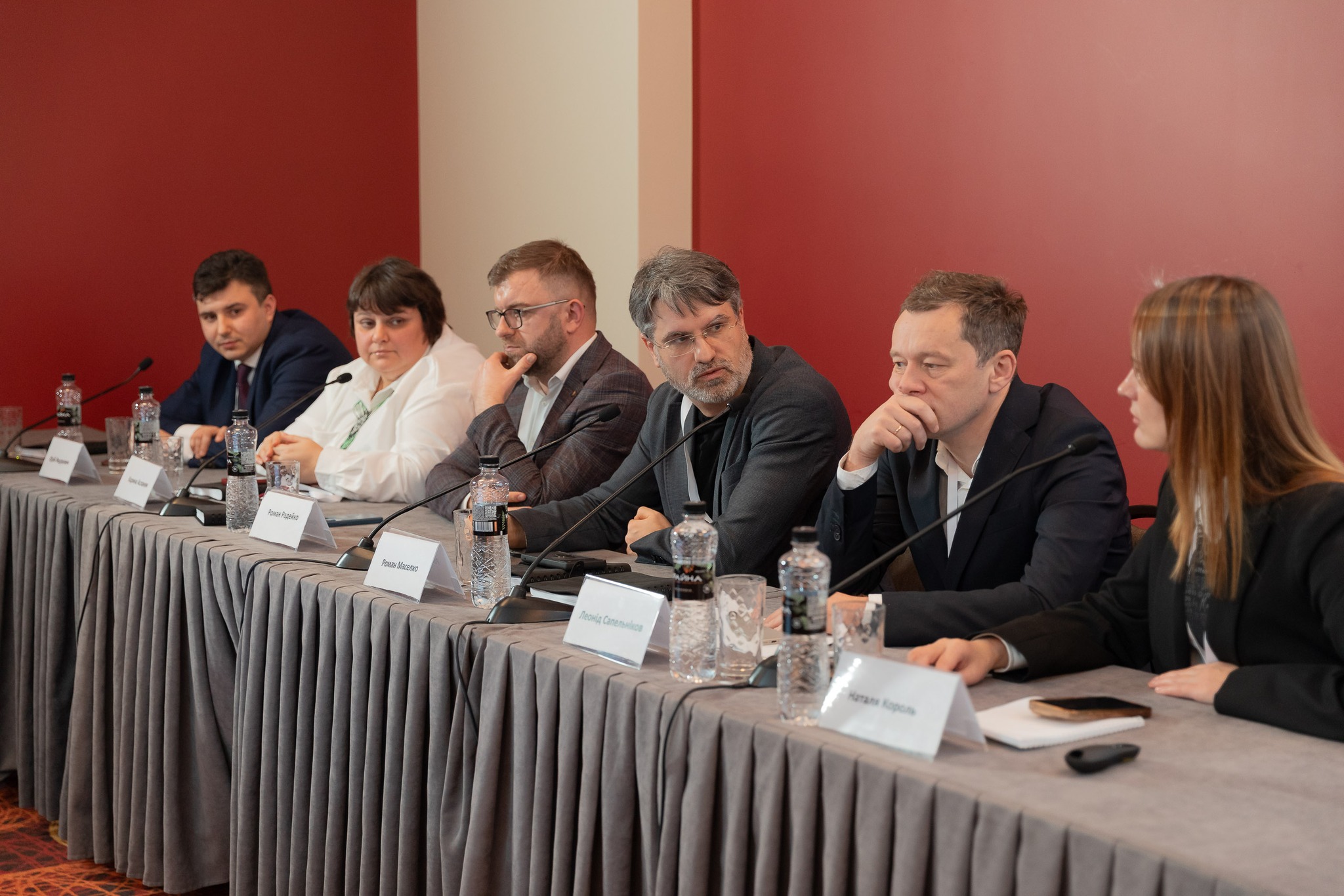
The e-court system was a central focus of the panel discussion ‘Digitalisation and Court Administration: Modern IT Solutions to Enhance the Effectiveness of Justice’. Participants discussed the concept and implementation timeline for the project’s core modules, currently planned for the fourth quarter of 2027.
One of the key components of the e-court system is electronic document management, which requires a fundamental upgrade using the latest technologies and considering the needs of both courts and external users.
Improving this tool will be possible with the support of the Agency for Legislative Initiatives within the project on digitalising Ukraine’s court system.
Head of the Rule of Law Area at the ALI, Karyna Aslanian, noted that implementation of the project has already begun. It has every chance of becoming the largest joint initiative of the judiciary, bringing together all key stakeholders — courts, judicial governance bodies, development teams from the Ministry of Digital Transformation, international partners and donors, civil society, as well as representatives of the IT industry selected through transparent procedures.
She stressed that the digitalisation of processes in the judicial system is both a requirement of international partners under the Ukraine Facility and a recommendation of the Shadow Report by the coalition of civil society organisations led by the Agency for Legislative Initiatives. Moreover, the task of digitalising court files and document flow is also envisaged in the Rule of Law Roadmap and is subject to specific deadlines.
The Project will be implemented jointly with key judicial institutions — the Supreme Court, the High Council of Justice, the High Qualification Commission of Judges of Ukraine, the State Judicial Administration of Ukraine and the Constitutional Court of Ukraine. More about the digital products to be developed for the justice sector within the Project is available here.
The expert also recalled that the Agency for Legislative Initiatives had previously examined the needs of court staff in its Green Paper on the Functioning of Civil and Patronage Service in the Judiciary, where process digitalisation is among the top demands and areas for change. The ALI is now working on a White Paper – a comprehensive document setting out recommendations for concrete steps to be taken by both key public authorities and the courts to improve processes in the Ukrainian justice system, including through the introduction of digital solutions.
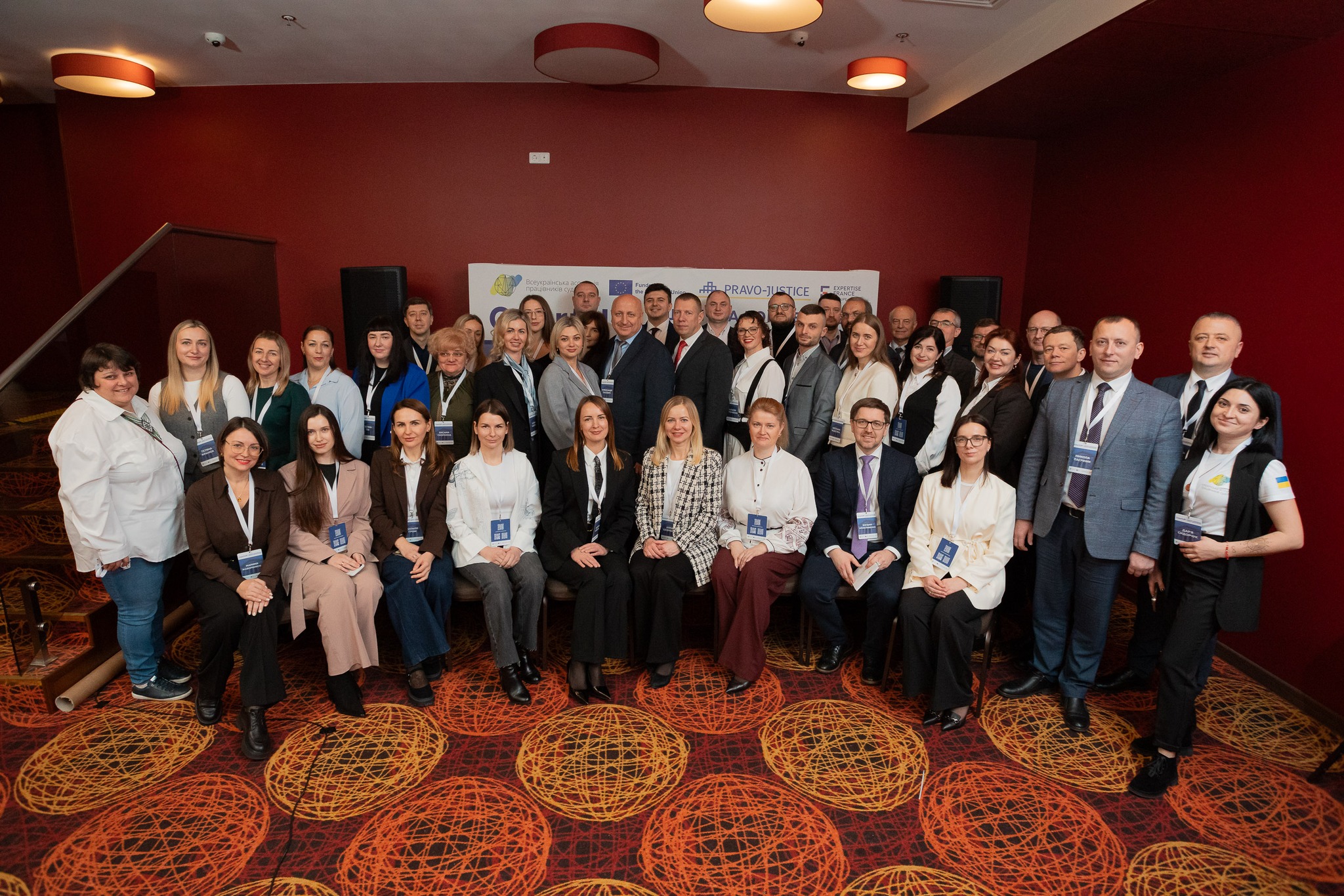
The event was organised by the All-Ukrainian Association of Court Staff with the support of the EU Project ‘Pravo-Justice’, implemented by Expertise France.
Agency for Legislative Initiatives and Civil Society Coalition Present Shadow Report in Brussels
A coalition of civil society organisations led by the Agency for Legislative Initiatives presented the Shadow Report on Chapter 23 ‘Justice and Fundamental Rights’ and Chapter 24 ‘Justice, Freedom and Security’ of the European Commission’s 2024 Report on Ukraine in Brussels (Belgium).
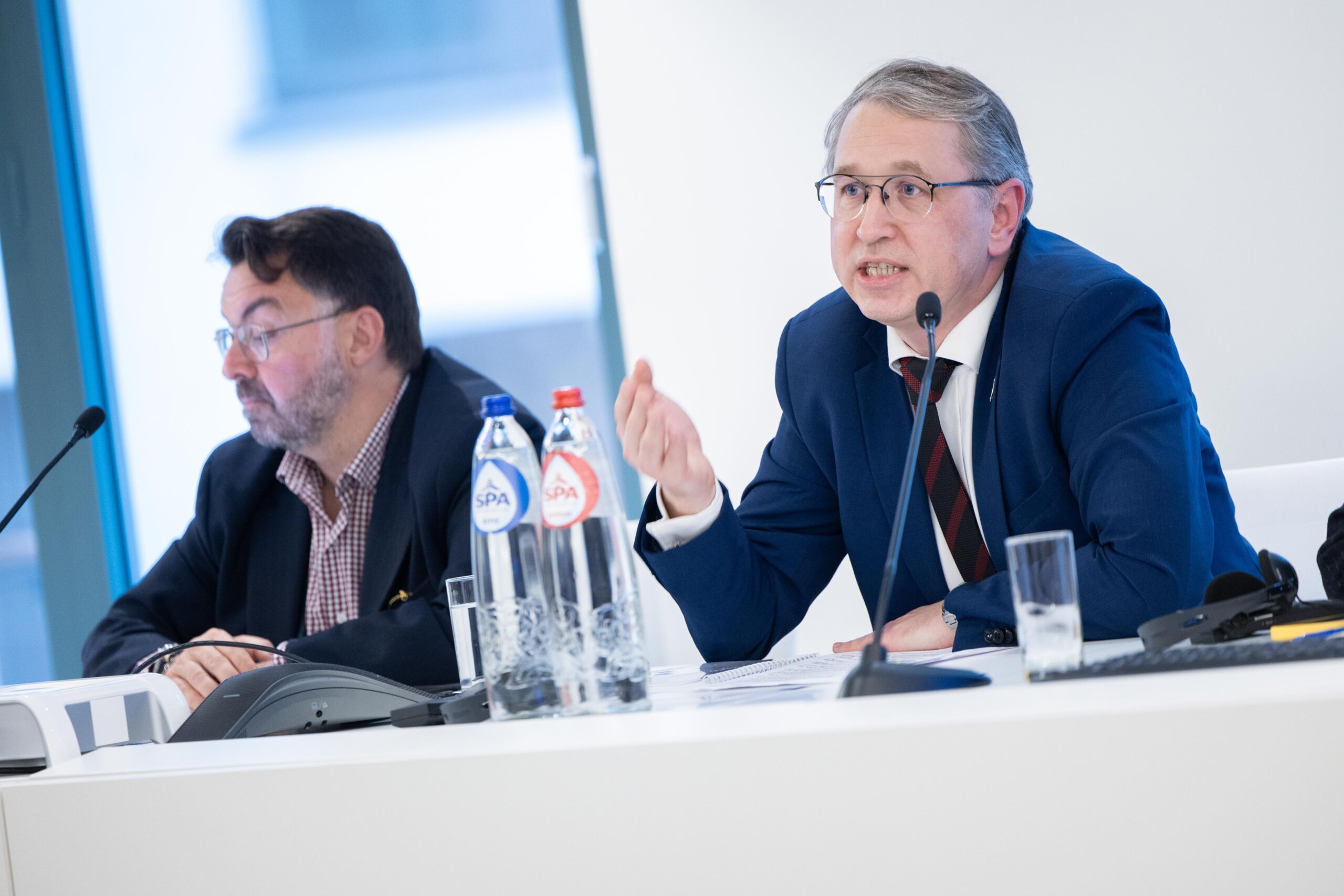
The presentation took place as part of the event ‘Justice and Resilience in Ukraine: the Perspective of Civil Society and the Human Dimension of the Judiciary’, organised with the support of the EU Project Pravo-Justice, implemented by Expertise France, at the Permanent Representation of France to the EU. The event brought together representatives of Ukrainian civil society, the judiciary, EU institutions and the international expert community.
The European path to membership is Ukraine’s own choice. This was underlined by Wolfgang Nozar, Head of the Rule of Law, Anti-Fraud and Financial Management Unit of the Directorate-General for Neighbourhood and Enlargement Negotiations of the European Commission.
‘The reforms that need to be implemented are of critical importance. We fully support the efforts Ukraine is making to carry out reforms; however, Ukraine must assume responsibility and set clear deadlines. It is important that these deadlines are both ambitious, as Ukraine seeks rapid accession to the EU, and realistic, so that the reforms can in practice be implemented,’ he noted.

Representatives of the Agency for Legislative Initiatives also stressed the need to move more actively and swiftly in implementing reforms, particularly in the areas of the rule of law and law and order.
Karyna Aslanian, Head of the ‘Rule of Law’ Area at the ALI, noted that despite constant power cuts, missile strikes and drone attacks, Ukrainian courts continue to operate during the war:
The expert noted some progress in judicial reform, while at the same time drawing attention to critical challenges that could slow this progress or even undo years of work. These include delays by appointing authorities in selecting members of the High Council of Justice and judges of the Constitutional Court of Ukraine, as well as the urgent need to maintain the involvement of international experts in the selection processes for judicial governance bodies and key courts. More recently, an additional concern has been the activity of the Temporary Investigative Commission on alleged corruption- or corruption-related offences in law enforcement bodies, courts and judicial authorities. ‘Instead of focusing on systemic problems in the justice sector and law enforcement bodies, the TIC has begun questioning members of the High Qualification Commission of Judges, the Public Integrity Council and civil society activists. This is an attempt to interfere with the independence of the judiciary and to obstruct the work of civil society,’ Karyna Aslanian stressed.
At the same time, Oleksandra Egert, Deputy Executive Director for Operations and Project Coordination at the ALI, highlighted Ukraine’s progress in meeting the requirements of Chapter 24 ‘Justice, Freedom and Security’ through strengthening institutions, improving policies and deepening cooperation with European partners.





Experts from specialised civil society organisations — the Agency for Legislative Initiatives, Transparency International Ukraine, the ZMINA Human Rights Centre, Tomorrow’s Lawyer, Europe without Barriers and the Ukrainian Bar Association — have formulated more than 500 recommendations. The Shadow Report has, in effect, become a detailed answer to the question of how the Ukrainian authorities can fulfil the European Commission’s requirements.
For his part, Serhii Tereshko, Deputy Representative of Ukraine to the EU, underlined that it is the Shadow Report of the CSO coalition led by the ALI that provides an alternative view of developments in the rule of law, human rights protection and the state of the judicial system in Ukraine.
‘The Ukrainian Government remains firmly and consistently committed to advancing along the path of the rule of law. We are fully aware that without adherence to key European principles, progress on the road to EU membership is impossible,’ he noted.
By way of reminder, the Shadow Report focuses not only on Ukraine’s progress but also on the challenges and problems the state faces in implementing European standards in the areas of the rule of law (the judiciary, prosecution service, Bar and legal education), the fight against corruption and organised crime, the protection of fundamental human rights and freedoms, visa policy and migration. It serves as a complement to the EU Enlargement Report, offering an independent expert analysis with step-by-step, concrete and practical recommendations. The Shadow Report is based not only on the subjective views of civil society organisations but also assesses the compliance of Ukrainian legislation with EU law and of the system as a whole with EU standards.
The Report has been prepared with the financial support of the European Union under the EU Project ‘Pravo-Justice’. Its contents are the sole responsibility of the Agency for Legislative Initiatives and other civil society organisations and do not necessarily reflect the views of the European Union.
Digitalisation of the Judiciary at the Heart of the 14th Judicial Forum: Key Takeaways
Digitalising the judiciary was at the centre of the 14th Judicial Forum as one of the critically important tools for adapting public services to wartime conditions. The digital transformation of justice became the focus of the first session.
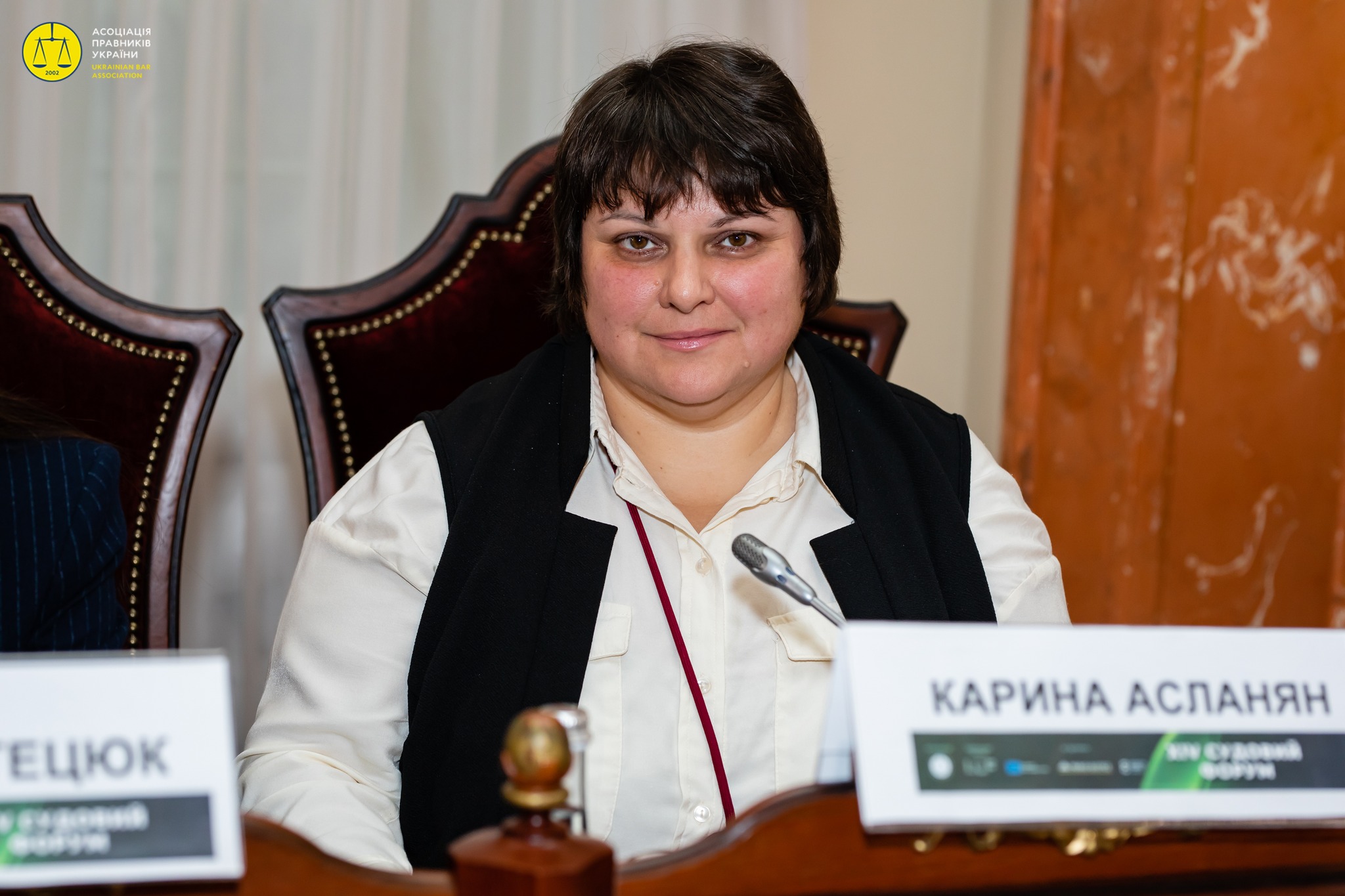
Experts, representatives of the judiciary and the Government discussed how technology is reshaping justice in Ukraine and which steps are needed to ensure the sustainable development of new digital solutions. The discussion was moderated by Karyna Aslanian, Head of the Rule of Law Area at the ALI.
Speakers underlined that successful digitalisation requires coordinated decisions and a systemic approach across key institutions – from the High Qualification Commission of Judges of Ukraine (HQCJ) and the State Judicial Administration (SJA) to the Supreme Court (SC) and the Ministry of Digital Transformation. This applies to the introduction of electronic document management, the digitisation of judicial statistics, the use of artificial intelligence as well as the modernisation of databases and interfaces that are convenient both for judges and for the public.
President of the Supreme Court, Stanislav Kravchenko, noted that digital tools are needed wherever they improve the quality of justice, while respecting procedural standards and taking into account international experience.
Member of the High Council of Justice, Roman Maselko, stressed that digitalising procedures is not merely a technical option but an important precondition for ensuring people’s access to justice.
During the discussion, participants also reflected on what has already been achieved in terms of digitalisation over the past year and what is still planned. Zoriana Stetsiuk, Deputy Minister of Digital Transformation of Ukraine, spoke about joint initiatives of the Ministry of Digital Transformation and the State Judicial Administration designed to ease the burden on courts and speed up the consideration of cases. These include a module for generating decisions in standard cases, the integration of enforcement documents into the Diia application and the future possibility of choosing an enforcement officer online.
Leonid Sapelnikov, Deputy Head of the SJA responsible for digital development, noted that a concept for the development of digital services has already been prepared and that digital priorities for 2026 have been defined.
Oksana Litvinova, Adviser to the First Deputy Prime Minister and Minister of Digital Transformation, underlined that three key services — court notifications, access to court decisions and online payment of fines — are already part of the everyday routine of almost 13 million Ukrainians.
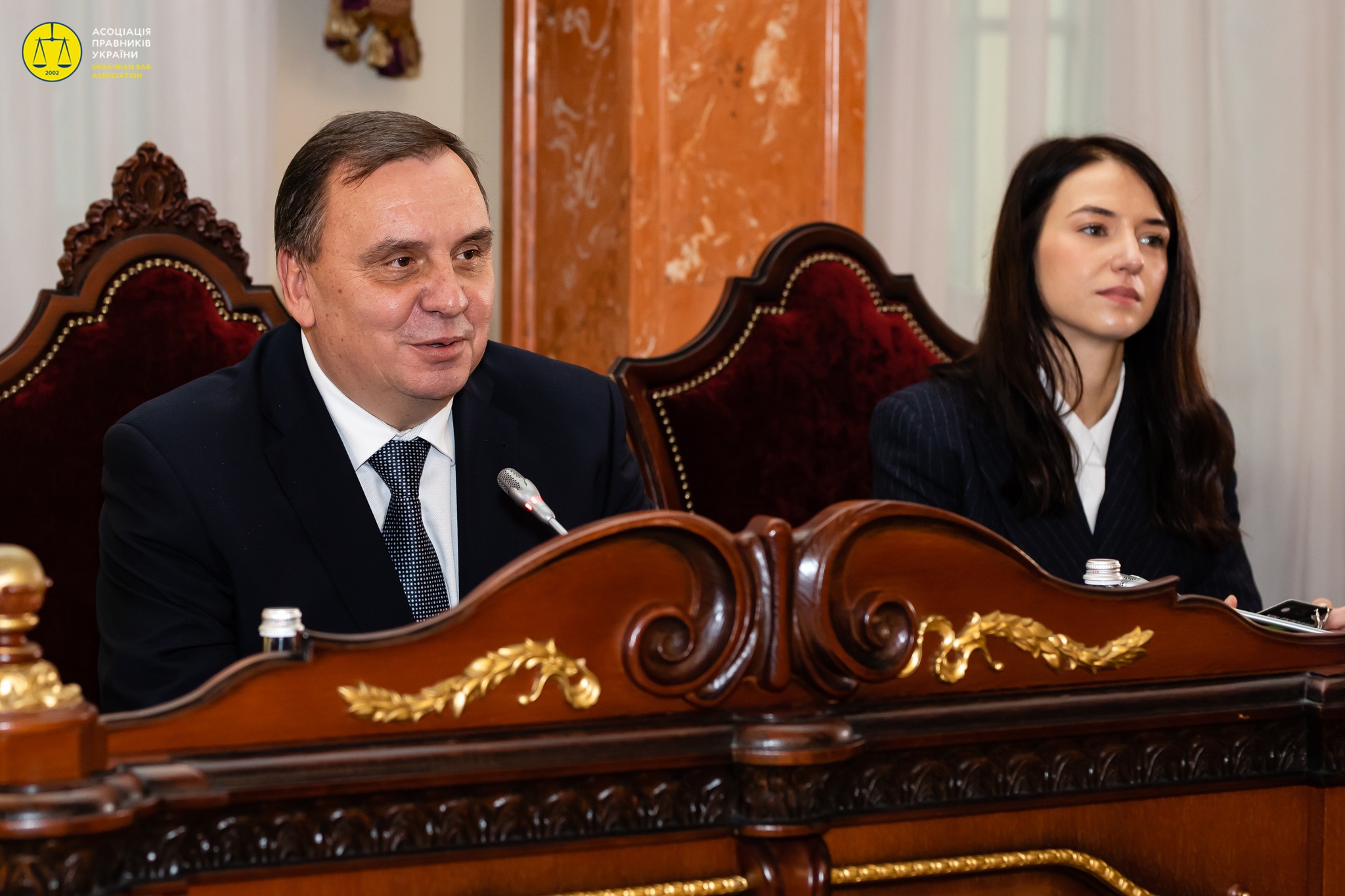
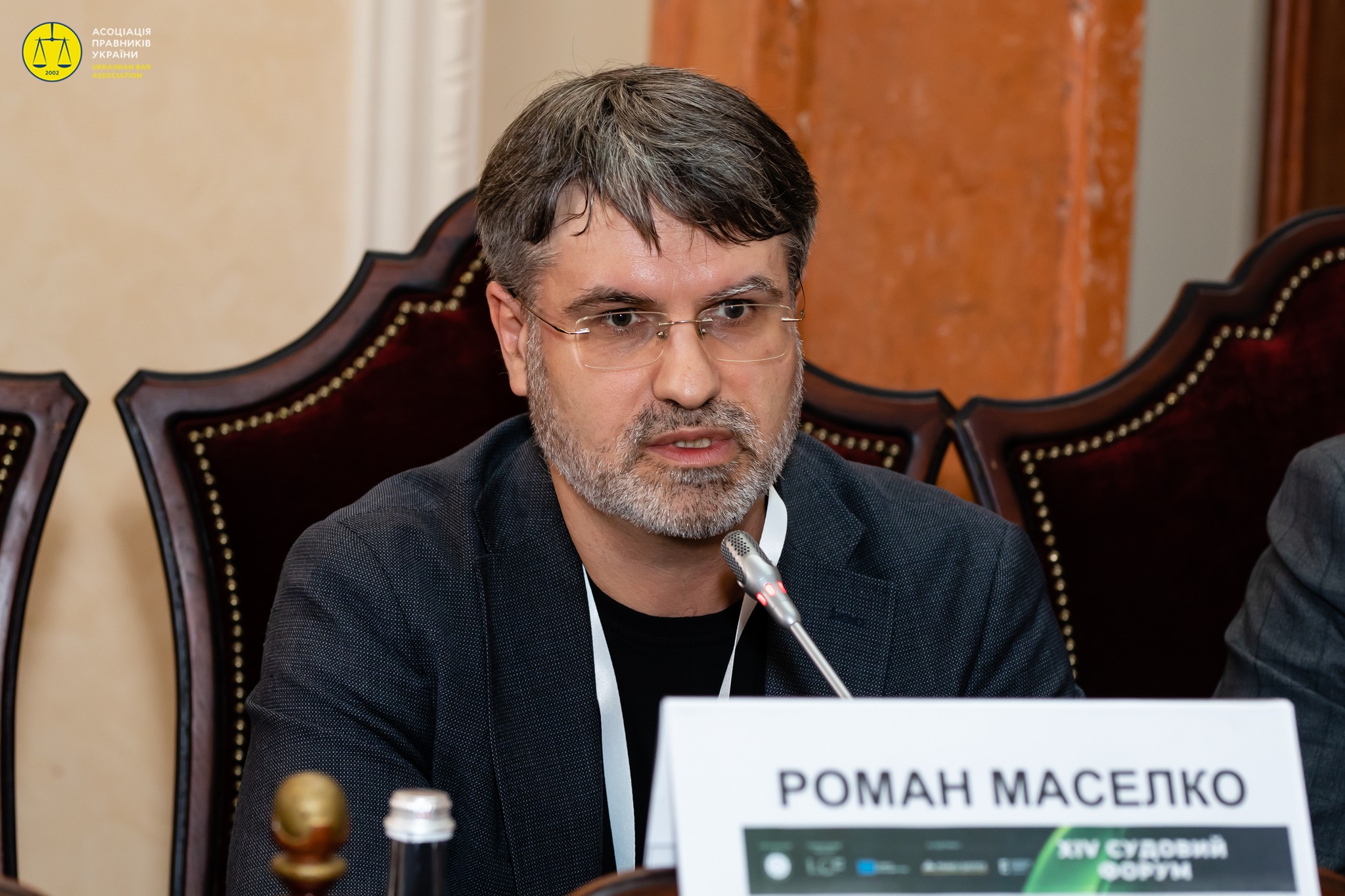
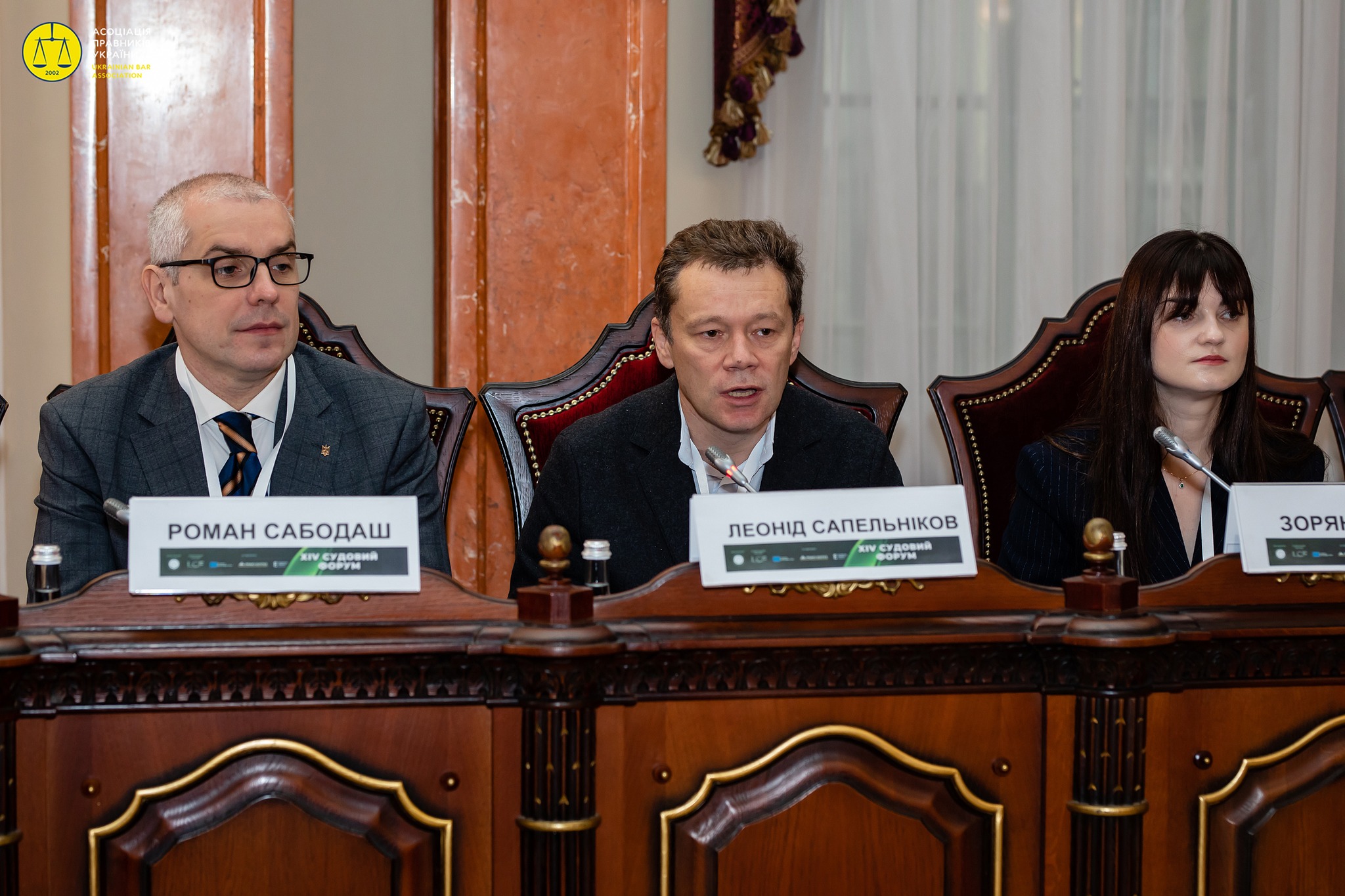
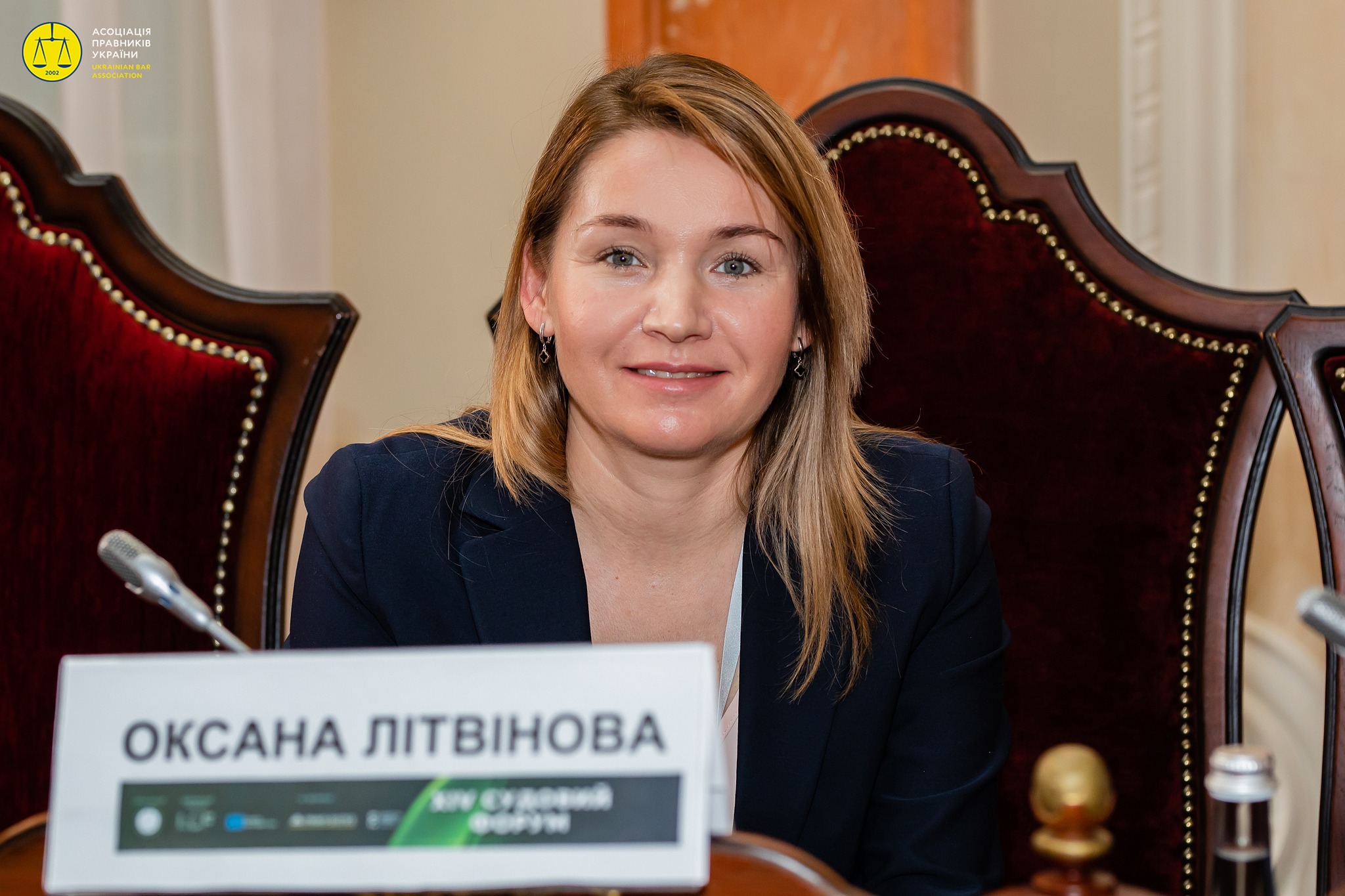
During the discussion, Roman Sabodash, member of the HQCJ, spoke about the introduction of an electronic format for submitting documents by candidates for judicial positions, which has reduced the burden on the HQCJ Secretariat and on competition participants. According to him, three goals should become strategic priorities for the HQCJ and the judiciary: electronic document management, a judicial dossier and an online account for candidates — all of which will be implemented within ALI’s project on digitalising the justice sector.
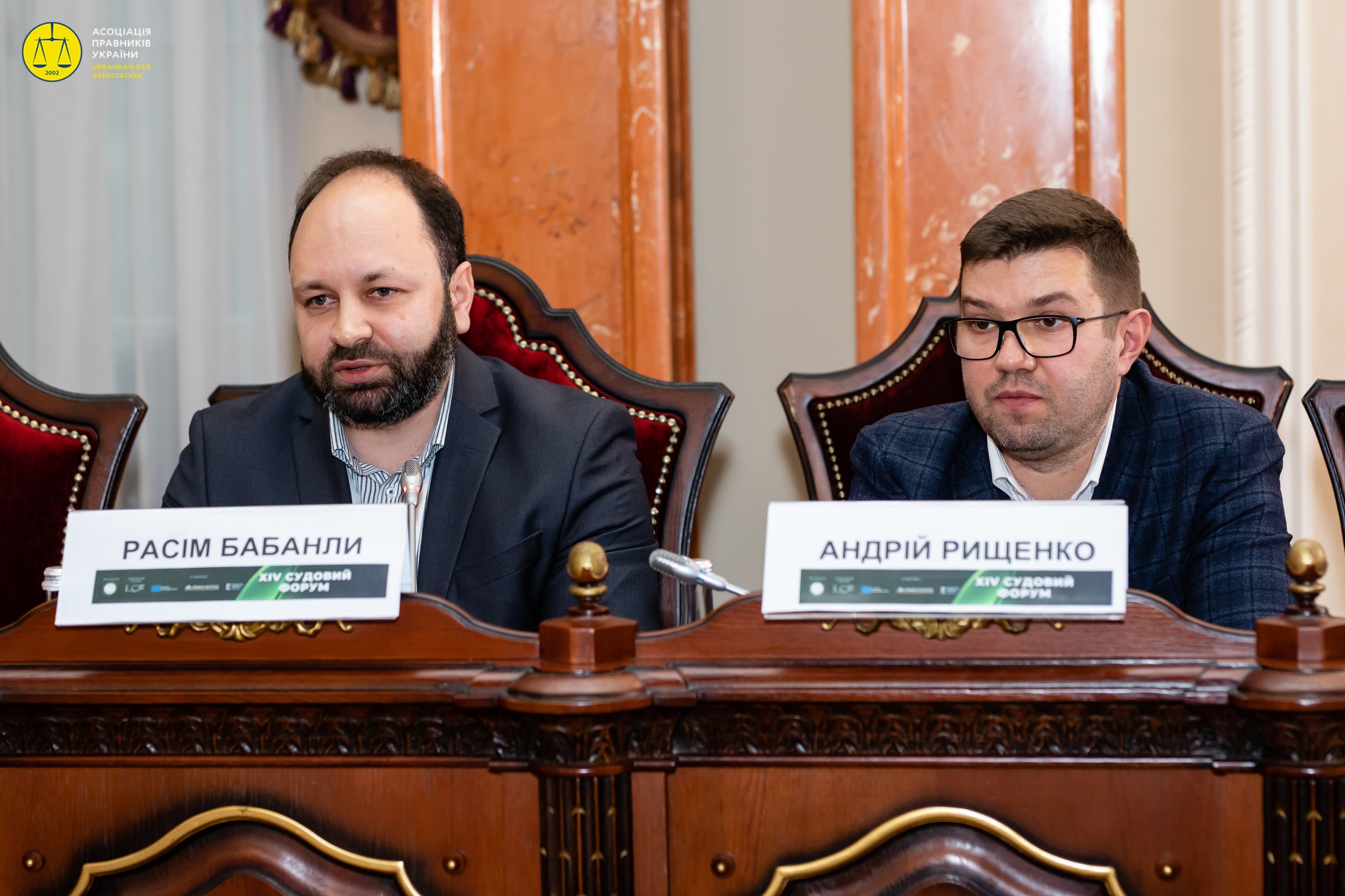
Rasim Babanli, First Deputy Head of the Supreme Court’s Secretariat, outlined the opportunities offered by the Supreme Court’s Case-Law Database and shared the experience of the Secretariat, where artificial intelligence is already being used to improve the search for legal positions and the analysis of case-law.
Judge-spokesperson of the Dnipropetrovsk District Administrative Court, Andrii Ryshchenko, stressed that data quality may become a key challenge in the digitalisation of the judiciary. In his view, Ukraine therefore needs to develop its own model of digital justice, tailored to the realities of wartime and limited resources.
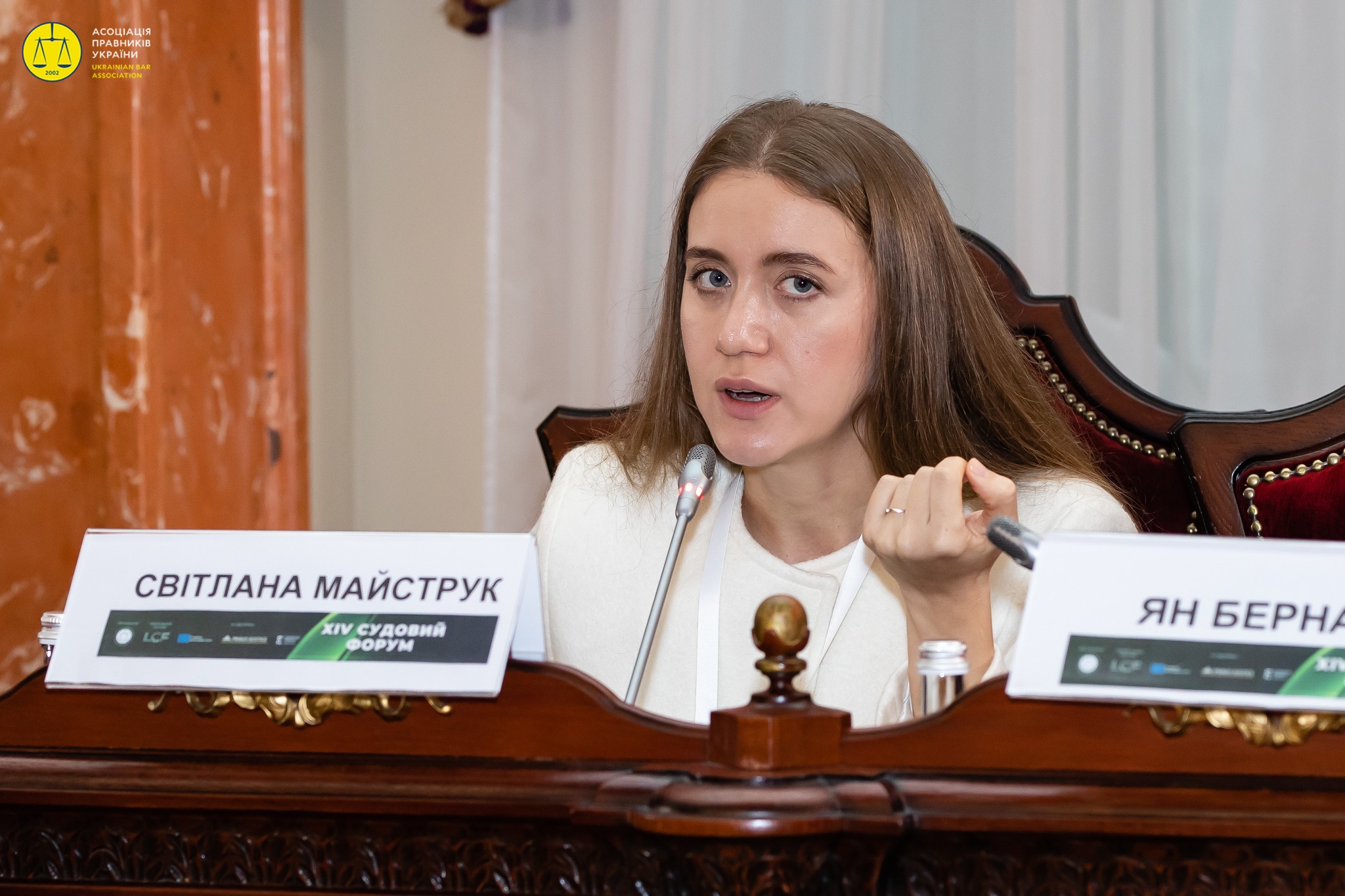
Svitlana Maistruk, Lead National Expert of the EU Project Pravo-Justice, recalled that the digitalisation of justice is part of Ukraine’s European integration commitments. She underlined that the roll-out of the e-Court reform must proceed consistently, taking into account completed audits, the updated concept of the Unified Judicial Information and Telecommunication System and close coordination among all stakeholders.
This panel discussion at the Judicial Forum once again confirmed that digitalisation in the justice system is about both innovation and embedding EU-level standards of the rule of law. Achieving this will require joint efforts from all stakeholders and a long-term strategy.