
Shadow Report on the Invisible Veteran Policy for 2014–2022
Studying the needs and problems of veterans and, more generally, veterans’ policy has been going on in Ukraine for the past 11 years. However, it became more pronounced when the war went beyond the ATO/JFO and affected almost every Ukrainian family. Many relevant actors, experts, and observers are still of the opinion that the veterans’ policy is not really formed and that the set of tools for its development is still almost entirely borrowed from the state practices of the Ukrainian SSR.
But if the changed context is a window of opportunity for systemic change, how long can this window be open? Will the changed context allow for the creation of a veterans’ policy capable of addressing veterans’ concerns?
In order to answer these questions, the Agency for Legislative Initiatives has analysed the experience of the development of veterans’ policy in the 2014-2022 period, with a clear focus on the question “Why did it happen this way?” at all stages of the policy cycle.
The ALI considers veterans’ policy as a case study and an important precedent. Answering the question, “Why did we fail to develop a qualitatively new veterans’ policy in 2014-2022?” the report also provides a detailed look at the work of the Ukrainian system of decision-making and implementation.
Methodology
We use several approaches and methods to answer these questions, primarily institutionalism and public policy analysis.
- Institutionalism: The object of research is viewed through the prism of formal and informal rules, institutions, and policymaking mechanisms. This model allows policy to be divided into stages of a single system — the policy cycle. The political cycle model is used in this study as a kind of “optic” that allows us to better see what is happening in the decision-making system.
- Analysis of state policy: We have included an analysis of the actions of the Verkhovna Rada, the President and the Government to provide a more comprehensive view of the whole policy cycle.
The study focuses on veterans’ policy and identifies systemic problems that have arisen at each stage of its development. The study also contains tasks and recommendations for optimising and improving the design of veterans’ policy.
Read more about the issues of veterans’ policy 2014-2022 — in the new ALI study.
Liquidation of CRGL: What Remains for the New Regulator
A new authorised body must be established to replace the Commission for Regulation of Gambling and Lotteries (CRGL)CRGL is a body established in 2020 to regulate activities in the field of organising and conducting gambling and lotteries, namely, the implementation of state policy and state market supervision in these areas. by 1 April 2025. It is expected to be more effective in areas of regulation such as strengthening control over financial flows, combating gambling addiction and restricting advertising.
However, there is a risk that the new regulator will not be able to eliminate the key shortcomings of the CRGL unless it carries out high-quality work on mistakes and takes other important steps, such as launching an online monitoring system, developing mechanisms for detecting violations in the gambling sector and establishing clear conditions for interaction with other responsible actors. The unclear legislation and not always orderly interaction with other structures and government agencies played a role in the liquidation of CRGL to a certain extent. Therefore, it is important to focus on each problematic aspect and approach the regulator’s reorganisation in a rather complex area with a better understanding of all processes.
Collegial principle
The Ministry of Digital Transformation initiated a draft law on the liquidation of CRGL back in May 2023. At that time, the Commission’s work was blocked for about three months due to the resignation of one of its members and a lack of quorumThe quorum is 5 members. The KRAIL works on a collegial basis; it can consist of 6 members, headed by the chairman. During the full-scale war, there were 5 of them, and the mobilisation of the chairman and resignations of the Commission members caused its blocking.. There have also been precedents of blocking individual meetings by members of the Commission. Although the draft law of the Ministry of Digital Transformation was not adopted, the new regulator will not work collegially. Some of the CRGL’s powers have already been transferred to the Ministry of Digital Transformation, while others will be transferred to the new regulator.
Control over financial flows
CRGL was unable to exercise full control over gambling finances due to the absence of the State Online Monitoring System (SOMS)SOMS is a software and hardware system for monitoring the activities of gambling organisers, compliance with licensing conditions, collecting and processing transaction data, as well as protecting information and ensuring the principle of responsible gambling.. Although the creation of the SOMS was a precondition for the legalisation of the gambling business, it would have allowed for real-time monitoring of gambling operators.
CRGL was responsible for all SOMS stages. The system was supposed to be commissioned no later than July 2022, but only in June 2023 did CRGL start developing the SOMS Procedure, and the Cabinet of Ministers approved it in February 2024. Although the state budget does not include an expenditure item, SOMS creation was included in the CRGL’s budget programme in 2021. The Commission announced a corresponding tender, but the bidding did not take place. In contrast to previous years, the State Budget for 2025 already includes the creation and implementation of the SOMS as a separate item of expenditure. CRGL must report on the use of these funds for the first time by 10 April. This will allow the system to assess its degree of readiness when it is transferred to the new Authorised Body.
However, even with the creation of the SOMS, the illegal gambling segment remains uncontrolled, and the CRGL did not have clearly defined mechanisms to detect it. When illegal games were detected, operators were not always punished: the CRGL did not have the authority to implement the imposed sanctions independently, and in case of non-compliance, the Commission could only send files to law enforcement agencies. However, in 2022, the CRGL sent the Economic Security Bureau (ESB) information about 1,698 illegal websites and 605 gambling offices, but the ESB opened only 34 criminal proceedings without making a decision on any of them.
The level of tax evasion schemes used by the gambling sector also depends on law enforcement agencies. During the time of the CRGL, miscodingMiscoding is the use of a different payment purpose code to pay taxes at different rates. and drops‘Drops’ are people who provide criminals with access to their bank details for a fee.
were popular. Miscoding caused Ukraine to lose UAH 2 billion in tax revenue per month, and drops were used to ensure transactions to illegal gambling websites. The new regulator will not be autonomous, so it will interact with law enforcement agencies like CRGL. Therefore, the new regulator’s ability to control finances will depend on:
- the availability of mechanisms for tracking illegal business;
- a defined procedure for interaction with law enforcement agencies;
- the degree of effectiveness of law enforcement.
Combating gambling addiction
The CRGL, the Ministry of Health, and the Ministry of Social Policy did not divide their powers regarding the prevention and combating of gambling addiction. In 2023, the Commission attempted to resolve this by developing a relevant draft law, but it was not submitted to the Verkhovna Rada. Therefore, the new regulator’s success in combating gambling addiction will depend on the clarity of its powers and the conditions under which it interacts with other responsible parties.
The new Authorised Body will not be more effective than the previous regulator if it continues to use CRGL tools to combat gambling addiction.
First, Ukrainians could complete an application for restriction, blocking access to all legal casinos and lotteries for themselves or their family membersRelatives of the first degree of kinship only.. This system was imperfect, as illegal casinos remained available. Unstable operations, manipulation of results, and non-guaranteed payouts could stress players. Thus, the registry will remain ineffective if there is an easily accessible illegal segment.
Second, the gambling business was obliged to adhere to the principles of responsible gambling, in particular, to warn about possible negative implications of gambling, not to incentivise with prizes or gifts, identify players, etc. In case of non-compliance with these principles, CRGL was supposed to impose sanctions, but the sector often went unpunished due to the lack of a systemic mechanism for identifying violators.
Third, CRGL used social advertising to spread messages about non-guaranteed payouts in illegal casinos, possible links between unlicensed gambling businesses and Russia, etc. However, social advertising was placed based on local initiatives, and its number was low compared to gambling advertising. On the other hand, an increase in social advertising will not have a dramatic impact without stricter control over the advertising of gambling services and brands.
Control over advertising
Control over gambling advertising was not envisaged when the Commission was established. It was only in October 2023 that the CRGL was vested with such powers. No structural unit responsible for the advertising segment was created within the CRGL. Mechanisms for monitoring gambling advertising and detecting violations were not developed, either. Therefore, a new regulator is being formed with the function of controlling such advertising.
The shortcomings of the legislation on gambling advertising were also eliminated. During the CRGL, the gambling business circumvented the restrictions by using paid journalism and advertising that speculated about volunteering and war. However, stricter rules for gambling advertising will be introduced effective 1 April 2025. For example, sponsorship, the use of military and patriotic topics, and participation in advertising of military personnel, volunteers and popular figures will be prohibited.
However, identifying violators remains a problem. Despite the fact that outdoor gambling advertising has been banned since 2020 when the above provisions were being developed, MPs received reports of potential “catastrophic consequences for the outdoor advertising industry.” This indicates the ineffectiveness of the previous restrictions, so it is necessary to develop procedures for informing the advertising industry, tracking gambling advertising and detecting offences.
Can we say that the liquidation of CRGL and the creation of a new Authorised Body guarantee the solution of key problems in the gambling sector? The new regulator needs to launch the SOMS and clear mechanisms to combat illegal business, which complicates the regulation of all the above issues. Law enforcement agencies’ work also has problems, and the new regulator should be interested in ensuring that the procedure for their interaction is defined in detail. Otherwise, all the problems accumulated by the previous Commission will become the baggage of the new body, and they will definitely not contribute to making the state policy in the field of gambling clear, consistent, and, most importantly, intended to overcome the shadow segment and challenges related to gambling addiction.
ALI Conducted a Training on Gender Analysis in Legislative Activities for the Verkhovna Rada
During the training, the participants considered integrating gender-sensitive approaches in developing legal acts. They learned what tools can be used for gender legal expertise, including the gender marker as an example of a toolkit for rapid gender assessment of draft laws. In the practical session, the participants analysed existing laws and previously proposed draft laws for gender expertise.
Gender legal expertise in drafting laws is an important mechanism for ensuring the principle of equal rights and opportunities for women and men in legislative activities. In fact, its key role is to:
- Identifying gender risks in draft laws that may create or exacerbate inequality.
- Ensuring harmonisation of Ukrainian legislation with international commitments in the field of gender equality (e.g., the UN Convention on the Elimination of All Forms of Discrimination against Women, the Beijing Declaration, the European Social Charter (revised), and the Convention on the Rights of Persons with Disabilities).
- Developing an inclusive legal framework that considers the different needs of women and men, including those from vulnerable groups.
This mechanism allows for a comprehensive analysis of different population groups rather than viewing the population as an abstract whole. It is gradually becoming a part of the Legislative Impact Assessment, a comprehensive tool designed to identify and assess the potential consequences and probable impacts of public policy in a particular area, including at the stage of drafting legislation and its analysis.
The event’s speakers included Oksana Moskalenko, Head of the Women’s Consortium of Ukraine; Myroslava Babak, gender expert and member of the Bureau of Gender Strategies and Budgeting; and Tetiana Ivanina, gender expert, trainer and facilitator.
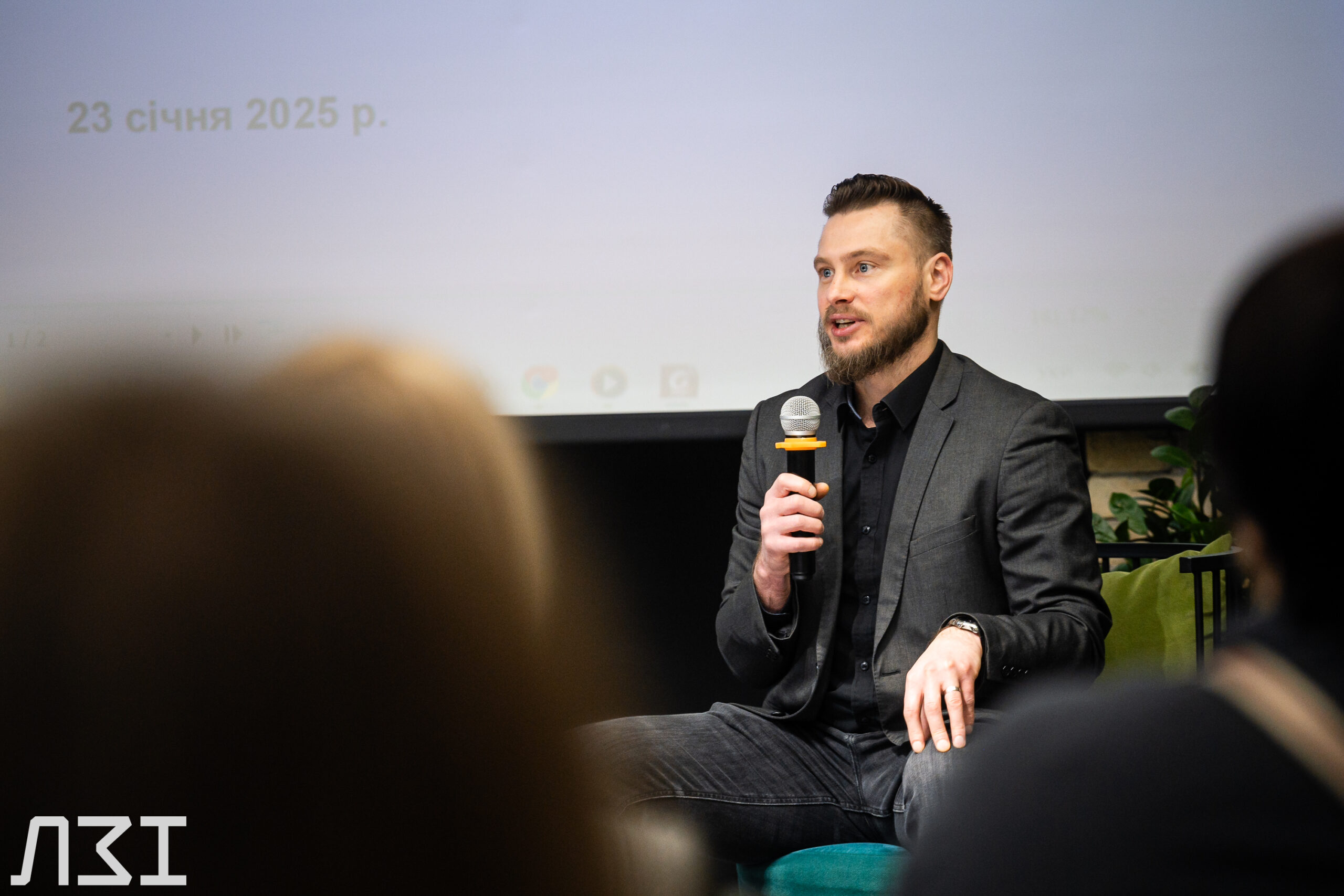
At the beginning of the event, Oleksandr Zaslavskyi, Deputy Executive Director of the Agency for Legislative Initiatives, noted that it was not the first time that the Verkhovna Rada had joined and initiated such events, thus confirming its agency in this matter and demonstrating its understanding of the necessity of gender legal expertise and gender-sensitive impact assessment of legislative proposals. After all, for the EU, this dimension of analysis is fundamental. Without it, the development of decisions or draft acts does not begin, and it allows for an assessment of how the same decisions affect various population groups in different ways. While this is actually about the diversity of such impacts.
Oksana Moskalenko stressed that it is a great responsibility to start a discussion on the search for implementing gender mainstreaming tools in legislative practice, and certain tools allow measuring the impact of draft laws in a more personal, targeted way. Therefore, the training should be the first step towards not only looking at what these tools are but also at what exactly should be introduced — because for this mechanism to work, it must be based on the resources and capacities of the Verkhovna Rada.
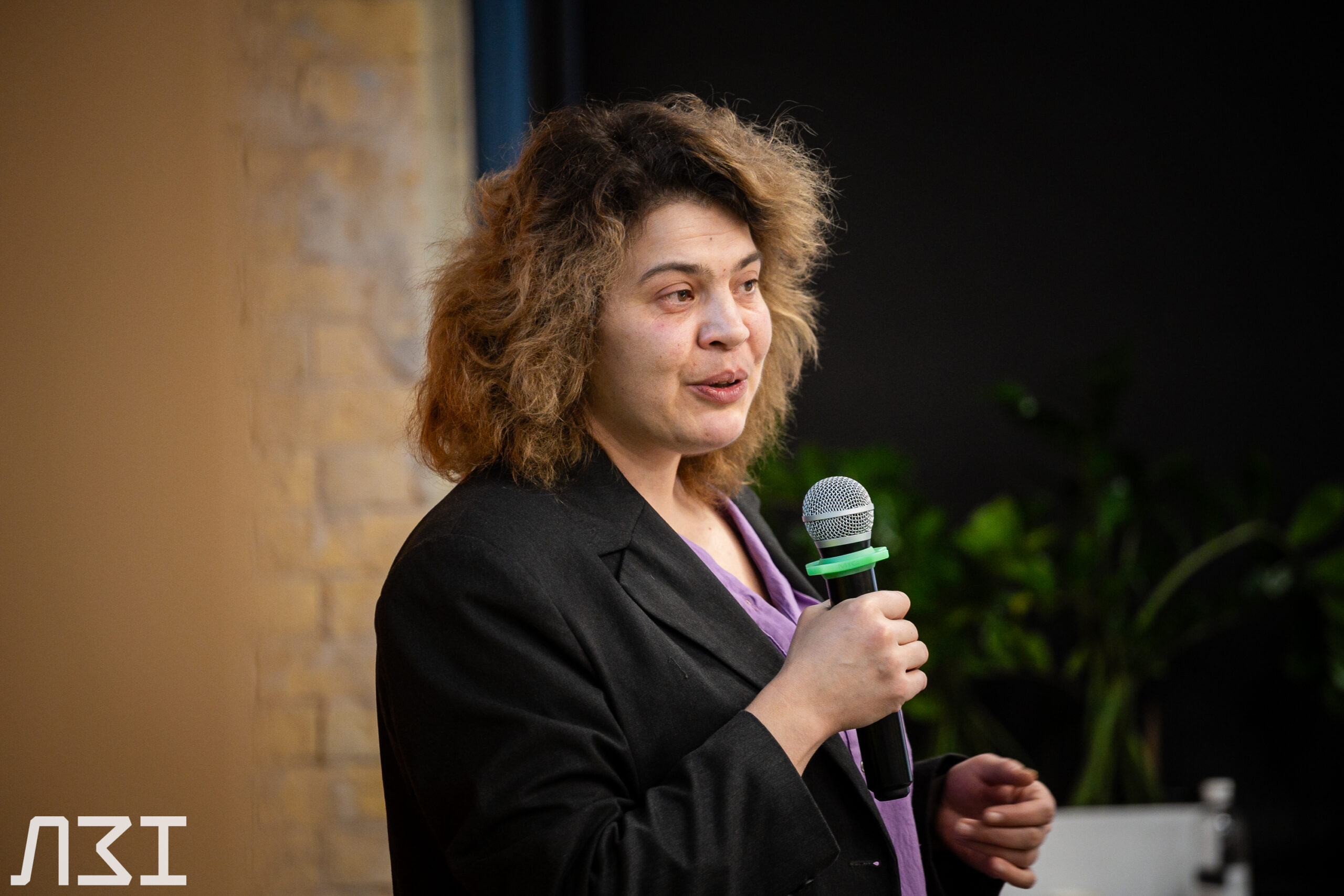
Myroslava Babak noted that considering all possible analysis tools, including the gender perspective, provides greater opportunities to track the impact after adopting the law. Therefore, the training aims to showcase the diversity of such tools — so that professionals working with legislation daily can identify ways and methods to apply gender analysis in legislative expertise. The state, through legislation, must understand the barriers people face and recognise and analyse the diversity of these features and needs.
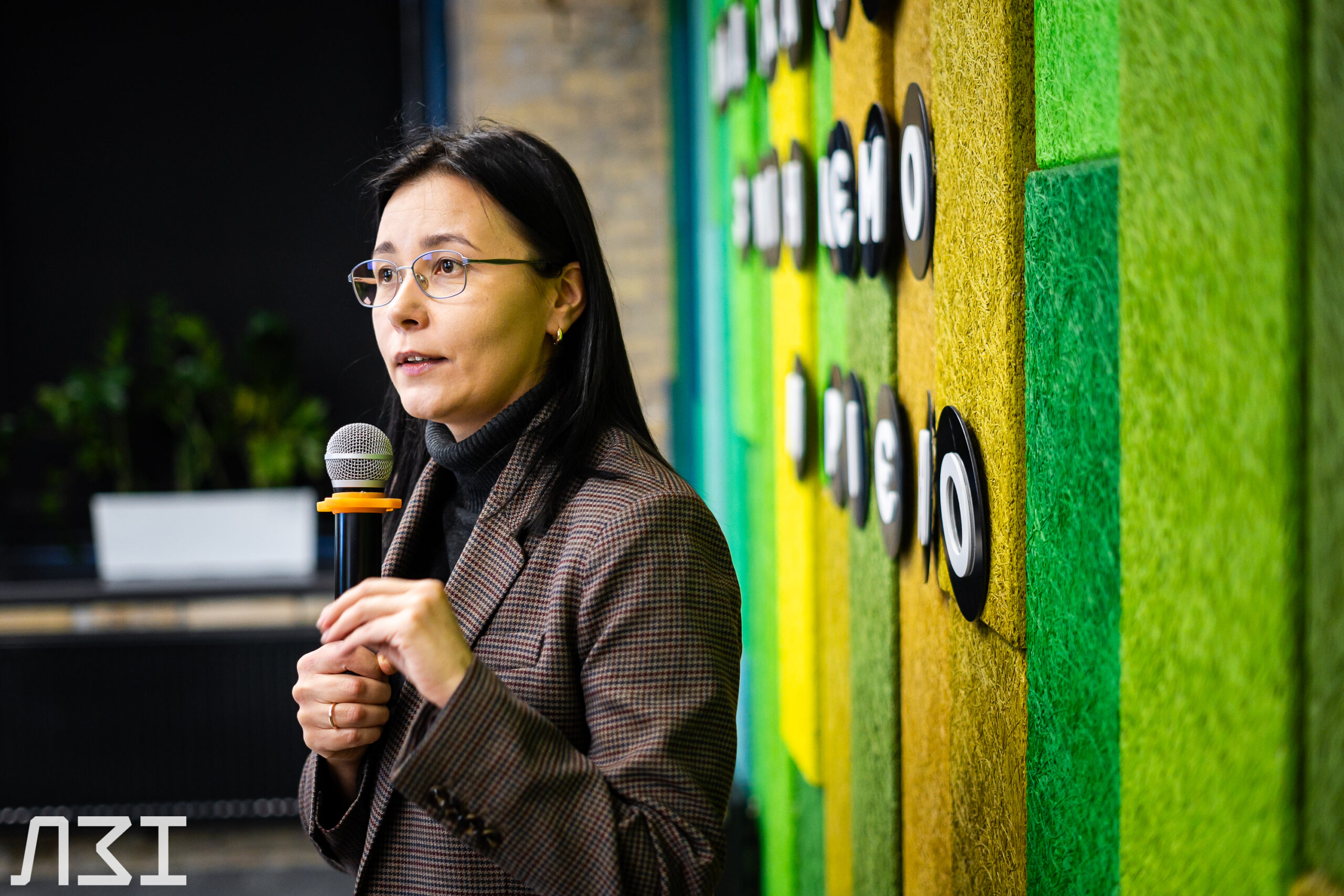

Tetiana Ivanina emphasised that gender legal analysis tools can be useful because gender expertise “unpacks” what is behind a person — their experience and needs, and directly addresses their opportunities and barriers. Only such an approach allows for the creation of human-centred draft laws, seeing not just the population as a whole but different groups of people and the impact on them. For its part, the Verkhovna Rada is the institution that should set the direction for such an approach. Therefore, understanding which tools should be used and what data is needed for this is about a parliament meeting all citizens’ needs.
The event took place as part of the “Parliamentary Accountability of the Security Sector in Ukraine” (PASS Ukraine) project, which the Agency is implementing in partnership with the Parliamentary Centre (Canada) in cooperation with the Verkhovna Rada of Ukraine and with the support of Global Affairs Canada under the Peace and Stabilization Operations Program (PSOPs).
Military Justice: How to Create It So It Won’t Need to Be Abolished?
Supporters of military justice emphasise that military casesIt doesn’t matter whether it’s generals or soldiers. should be handled by investigative bodies, prosecutors and judges who have a clear understanding of the specifics of military service, statutory relations, and are familiar with the technical aspects of military affairs.
The volume of “military” cases is growing every year. While in 2023, the number of such offencesAccording to the Office of the Prosecutor General. did not reach 30,000, by 2024, nearly 94,000 military criminal offences have been recorded, of which 24,000 have been classified as particularly serious crimes.
This state of play justifiably raises the issue of reviving military justice in Ukraine, which was destroyed during the era of “Regionals”. The main argument for eliminating the military justice system then was the desire to eliminate the Soviet legacy and the belief that the army was unnecessary, as there were supposedly no external threats. Moreover, at that time, Ukraine received specific recommendations from certain institutions of the Council of Europe, including the Venice Commission, for example, on abolishing the military prosecutor’s office. This was despite the fact that most countries in Europe and North America not only preserved their historically established military justice systems but also actively developed them.
Ideas to restore military justice or its individual elements — military police, military prosecution, military courts, and possibly even military Bar — have been circulating since the beginning of the Russian-Ukrainian war in 2014. Since 2015, numerous iterations of legislative initiatives on this issue have been registered in parliament. However, it was only in June 2024, in the third year of the full-scale war, that the parliament adopted, in its first reading, a draft law on establishing military police. Earlier this year, with a similar outcome, the Rada considered draft law No. 10301, which proposes introducing judicial specialisation in considering military criminal offences.
So why is the process of restoring military justice progressing so slowly, and why is there no unequivocal support for this movement among experts?
Among the well-founded arguments “against” the immediate full-scale restoration of this branch of justice are the following:
- The lack of trained military legal professionalsProsecutors, judges, investigators..
- The lack of significant financial support in the face of a critical shortage of resources.
- The risk of abuses within a closed system, especially in the absence of strong democratic civilian oversight.
Military justice must be restored, but this should not happen in haste — it requires a balanced approach and an open, data-driven discussion.
The Agency for Legislative Initiatives proposes precisely this — to first study the topic of military justice in the global context and assess its prospects in Ukraine’s realities. To that end, we present the ALI research — the Green Paper on Military Justice.
The research was conducted within the framework of the project “Parliamentary Accountability of the Security Sector in Ukraine” (PASS Ukraine), which the Agency implements together with the Parliamentary Centre, in cooperation with The Verkhovna Rada of Ukraine, and with the support of Canada’s Foreign Policy—Global Affairs Canada as part of the Peacebuilding Program and stability (PSOPs).
Agency for Legislative Initiatives in 2024: Results and Achievements
We share the most essential things, and thank all our partners for their support. Our systemic work allows us to continue fulfilling our mission, expanding it, and developing our expertise in analytics and civic education.
Analytics about and for the Parliament
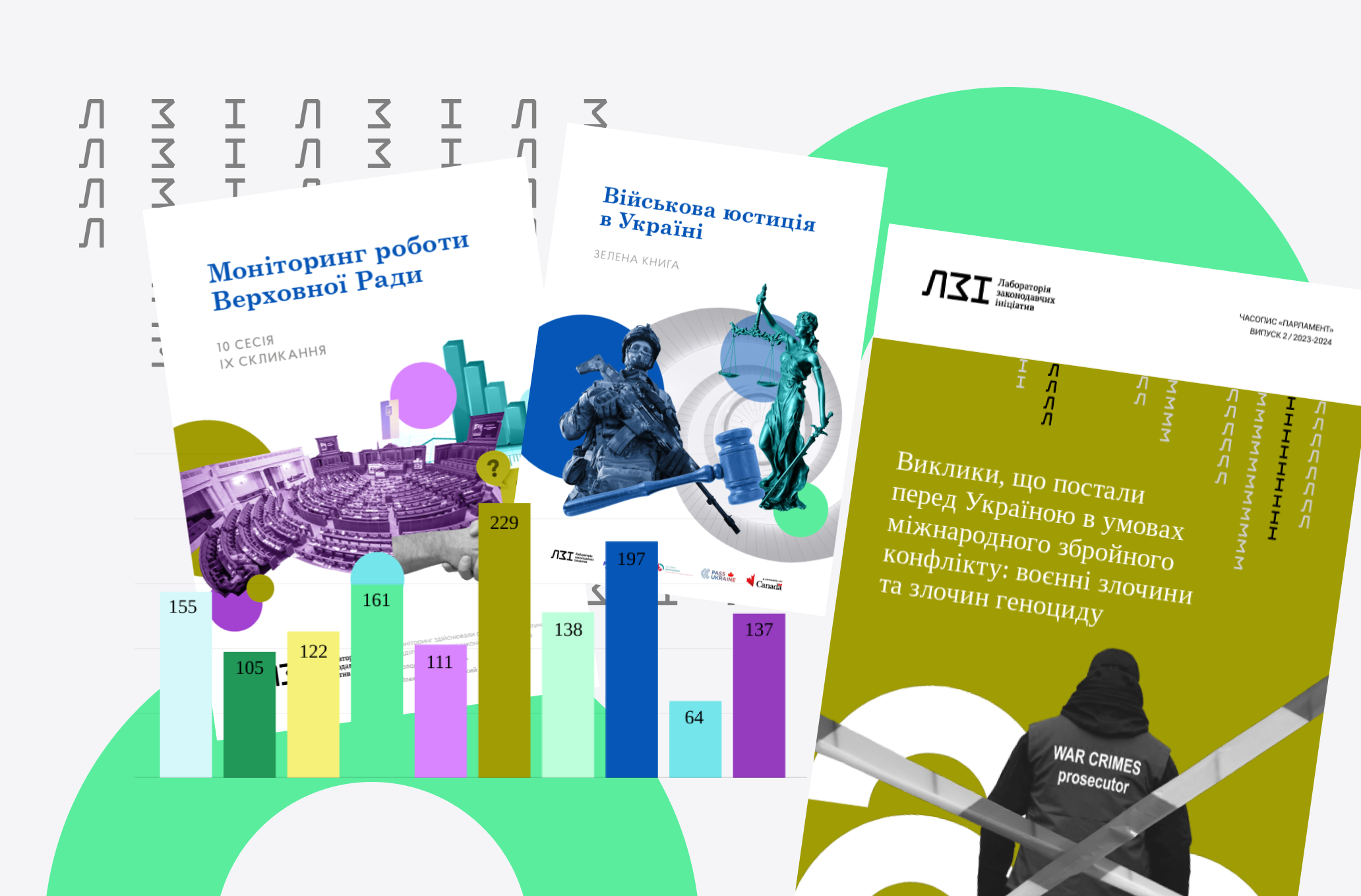
In 2024, we prepared several Parliamentary Monitors, which have been an important component of the ALI’s research for many years. Trends, main and side issues of Verkhovna Rada’s work processes, a lot of data and accompanying analytics on a number of factors – all this is analysed and reflected in the Monitors because based on data and regular monitoring, we can analyse the activities of the Parliament and strengthen its institutional capacity as the most important body in a democratic state.
You can read the ALI’s analytics on the Parliament for the 9th, 10th and 11th sessions here:
- Monitoring Report of the Activity of the 9th Session of the 9th Verkhovna Rada
- Monitoring Report of the Activity of the 10th Session of the 9th Verkhovna Rada
- Monitoring Report of the Activity of the 11th Session of the 9th Verkhovna Rada
In addition, ALI released two issues of the Parliament Journal in 2024:
- Temporary commissions in the Parliament: oversight without the ability to influence, where ALI analysed in detail what MPs did within the framework of temporary ad hoc and temporary investigative commissions, the effectiveness of their work, and what problems prevent temporary commissions from being an effective tool for solving the problems that concern citizens the most.
- Challenges Faced by Ukraine in the Context of International Armed Conflict: War Crimes and the Crime of Genocide. Since the first days of Russia’s full-scale war against Ukraine in February 2022, Ukraine, as well as the entire international community, has been facing the issue of qualifying crimes committed against Ukraine – it has become a real challenge in practice. That is why ALI’s research raises the following questions: “Do the norms of national legislation comply with the norms and principles of international law in terms of international crimes: war crimes and genocide?” and “How to legally justify the qualification of Russia’s crimes against Ukraine as the crime of genocide?”.
As well as periodic summary articles:
- Code of Parliamentary Ethics: Easy to violate, difficult to adopt, impossible to negotiate. Regulation of the rules of MPs’ ethical conduct in the public space is a long-standing “homework” for the Verkhovna Rada. After all, rash actions damage the image and undermine trust not only in individual MPs but also in the entire current convocation and the parliament as an institution. In other countries, unethical conduct can even result in the loss of a mandate. However, the Ukrainian parliament still has significantly limited ways to influence MPs’ actions, and these methods are currently not effective enough to prevent unethical actions and public scandals involving MPs outside the session hall.
- Achievements, Failures, Records and Myths of the Verkhovna Rada, 9th Convocation. On the occasion of the fifth anniversary of the 9th convocation of the Verkhovna Rada, ALI recalled the most memorable moments in the work of the parliament over the years – what surprised, pleased and worried the 9th convocation.
- On the Beaten Path: What Should the Verkhovna Rada of Ukraine Do to Get Closer to the European Union? The European Commission presented its Enlargement Report, which assessed the annual progress made by the candidate countries, including Ukraine. The Agency for Legislative Initiatives analysed the part of the report concerning the Verkhovna Rada, highlighted these points and explained why they are a priority for the parliament and its development as an institution that embodies Ukrainian democracy.
The work of the Parliament is systemically monitored thanks to the support of Sweden, which is ALI’s institutional partner.
In the context of challenges posed by Russia’s full-scale war against Ukraine, ALI has also prepared a Military Justice in Ukraine Green Paper, which is an analytical document covering information on the international experience of regulating and functioning of military justice, considering previous work on military prosecutors, advocacy, military police, military counterintelligence and military courts, and highlighting the challenges of creating new bodies of the military justice system in Ukraine.
The Green Paper was prepared within the framework of the Parliament and Accountability of the Security Sector in Ukraine (PASS Ukraine) project, which the Agency implements jointly with the Parliamentary Centre (Canada) in cooperation with the Verkhovna Rada of Ukraine and with the support of the Global Affairs Canada within the framework of the Peace and Stabilization Operations Program (PSOPs).
Parliamentary diplomacy
Throughout the year, we helped establish interparliamentary relations between Ukraine and several other countries, primarily our Canadian partners. Within the framework of the Parliament and Accountability of the Security Sector in Ukraine (PASS Ukraine) project, there were several working visits of Ukrainian parliamentarians to share experience in the field of military justice and law enforcement, practices of working with classified information, external audit processes in the security and defence sector, building civil-military culture, and the experience of Canadian colleagues in exercising parliamentary oversight of the armed forces and defence agencies. During these visits, the Ukrainian delegation joined events in the Canadian Parliament and, inter alia, the plenary session of the NATO Parliamentary Assembly in Montreal.
- Working Visit to Canada for MPs from the VRU Committee on Law Enforcement
- Results of the working visit of Ukrainian MPs to Canada
- Ukrainian parliamentary delegation to Canada: Results of the working visit


A new area of work – the rule of law
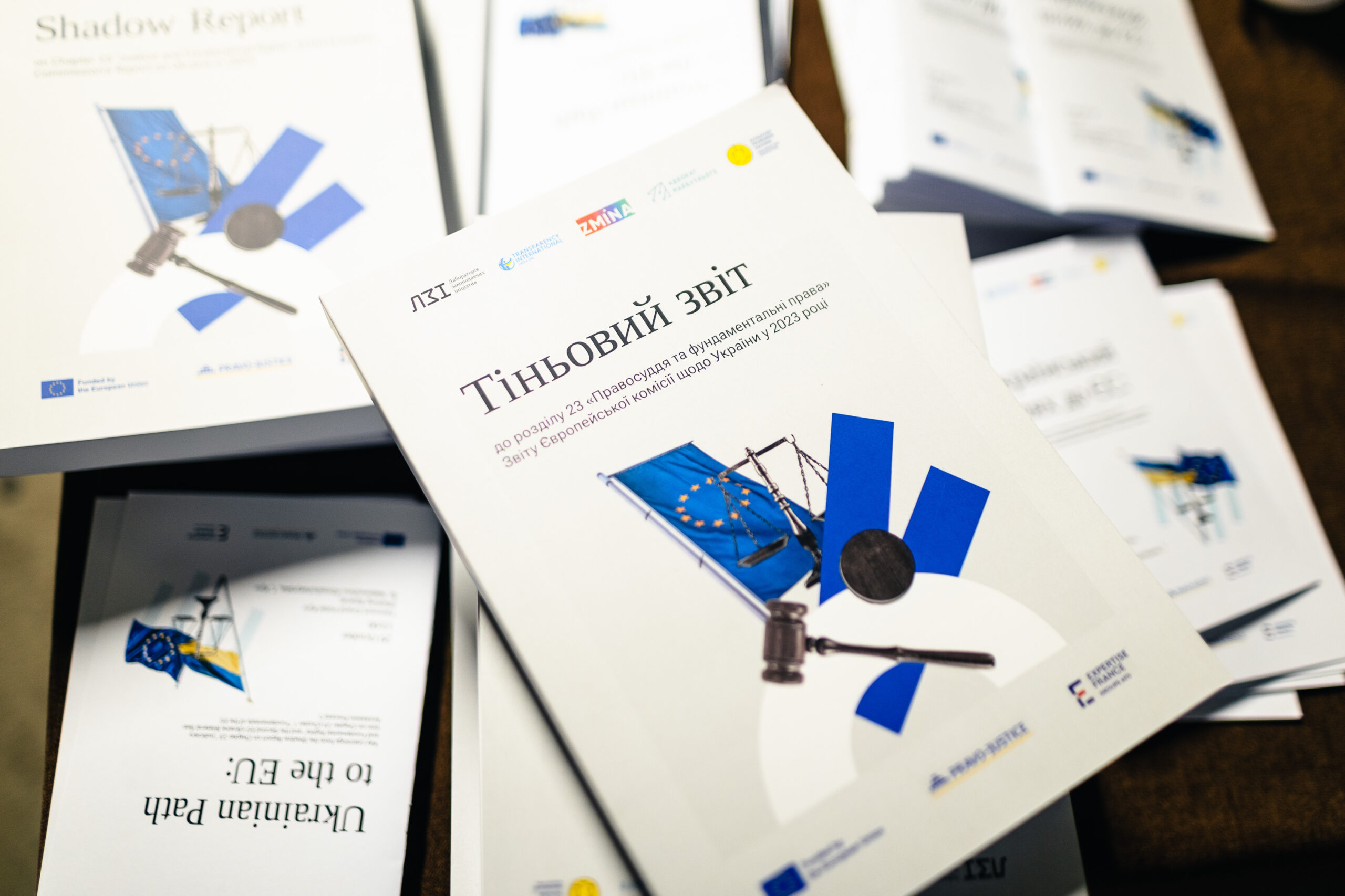
An important and honourable achievement for us was the new Rule of Law area of work led by Karina Aslanyan, which we launched in 2024: In Coalition with other NGOs, we prepared and presented to the European Commission the Shadow Report on Title 23 Justice and Fundamental Rights, held discussions on its key findings, and regularly issued expert materials on judicial reform, its related problems and challenges, competitive selection of judicial institutions, etc.


Decentralisation, communities and recovery
The current state of de-occupied communities and their recovery was a separate focus of our research. In particular, ALI published:
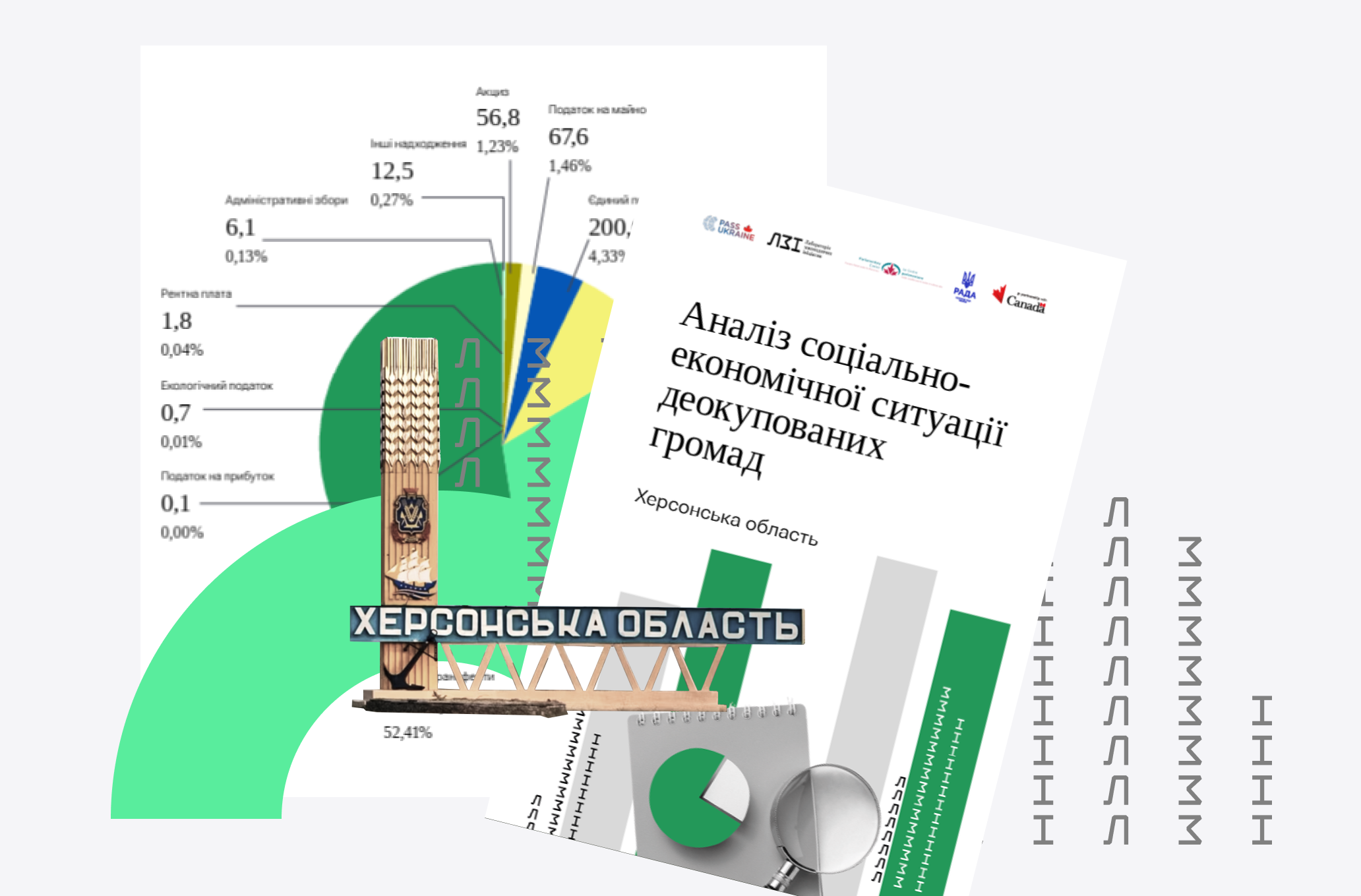
- The Assessment of the state of public services in de-occupied communities (Kherson Oblast) shows the unique experience of de-occupied territorial communities in Kherson region. These communities continue to provide public services to their residents despite lacking financial and human resources. Analysing this experience is extremely important, as it will help aggregate it and prepare for possible challenges after the de-occupation of other regions of Ukraine.
- The Analysis of the Socio-Economic Situation in De-Occupied Communities: Kherson Oblast research highlights the general trends in the development of de-occupied communities in Kherson Oblast. Special attention is paid to five key indicators: socio-demographic, financial, infrastructure accessibility, migration processes and cooperation. This is unique data that is needed to plan the recovery of de-occupied territories in a balanced manner.
These studies were prepared within the Parliamentary Accountability of the Security Sector in Ukraine (PASS Ukraine) project.
The growth of social demands and the complexity of their provision are illustrative, but not exhaustive, challenges faced by the central government, local governments, NGOs, and charities in building an effective social services market in Ukraine. Therefore, the Agency conducted the Social Services in Ukraine: Current Status, Problems and Limitations research, which describes the state of social services in the context of a full-scale invasion and provides recommendations for improvement. The research was carried out with the support of the International Renaissance Foundation.
Public administration reform
In 2024, the Agency for Legislative Initiatives continued to work on public administration reform. In previous years, ALI comprehensively monitored the implementation of the reform. Returning to this topic, we have prepared a series of info briefs on various aspects and challenges of public administration reform.
- Place of service in local governments in the public administration reform
- Place of administrative services in the public administration reform
- Place of civil service remuneration system reform in the public administration reform
- Updating the civil service selection procedure
The info briefs were developed with the support of Switzerland as part of the Improvement of Governance in Ukraine: Enhancing Policy Making for Social Progress Project.

Outreach activities
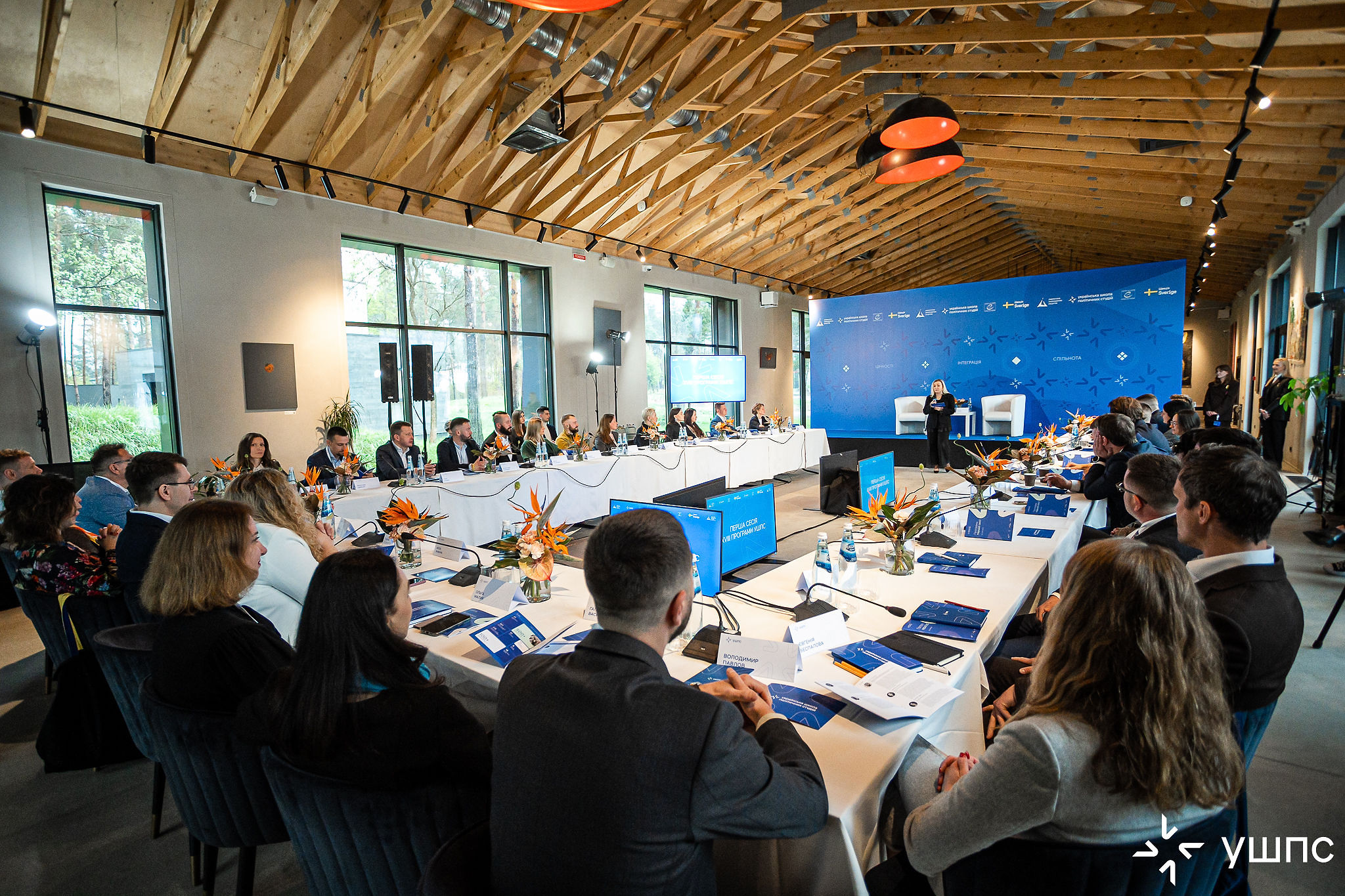
Of course, the Agency for Legislative Initiatives continued to implement the programme of the Ukrainian School of Political Studies, an educational project launched by ALI and the Council of Europe in 2024. In addition to the annual USPS-2024 programme, we managed to implement the You Are Important programme designed to support servicewomen and women veterans and hold six thematic USPS Clubs and two USPS Alumni Programmes. Moreover, a new video course, “Political Science with Ivan Gomza,” was released as part of the USPS Lectorium.
In addition, we held a series of training events for representatives of the Verkhovna Rada Secretariat and other government agencies:
- Workshops on Principles and Practices of Legislative Impact Assessment
- Workshop on Legislative Impact Assessment and Its Application in the Context of Defence and Security Sector Reform
- Workshop on Principles and Practices of Gender-Sensitive Legislative Impact Assessment for the Verkhovna Rada
In the report “The Role of Legal Education in Shaping Students’ Understanding of the Law,” we focused on how students perceive the law, how law and legal education affect their lives, and what legal instruments they tend to use to solve practical situations. This report was prepared with the support of Sweden, an ALI’s institutional partner.

We would like to thank all the partners and friends of the Agency for Legislative Initiatives who helped strengthen the Ukrainian state in 2024. Thanks to your support, we continue to work hard and diligently to implement our mission.
Ukrainian Parliamentary Delegation to Canada: Results of the Working Visit
The delegation was joined by MPs Halyna Mykhailiuk, Deputy Chairperson of the Committee on Law Enforcement, Viktoriia Podhorna, Deputy Chairperson of the Committee on Digital Transformation, Chairperson of the Subcommittee on Development of Digital Society and Adaptation of Ukrainian Legislation to the EU Acquis, Implementation of Ukraine’s International Legal Obligations in the Field of European Integration, Anna Purtova, Deputy Chairperson of the Committee on Budget, Chairperson of the Subcommittee on State Investment Projects.
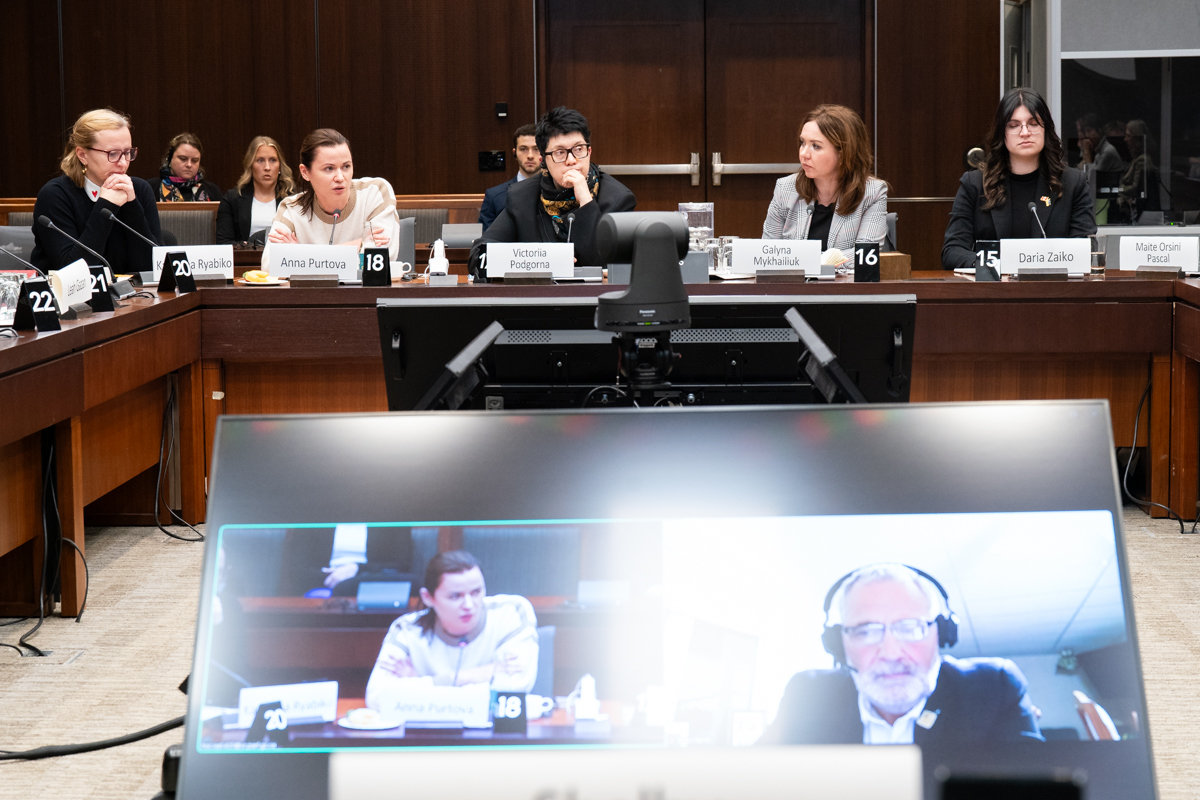
The Ukrainian delegation joined joint events with lawmakers from Latin America — from Argentina and Chile. Such events are significant for strengthening ties with the region to gradually and systematically establish interparliamentary cooperation between countries. Members of the delegations exchanged experience on a legislative basis on gender-based violence, parliamentary codes of conduct, gender aspects of E-democracy, and gender equality and women’s political participation.
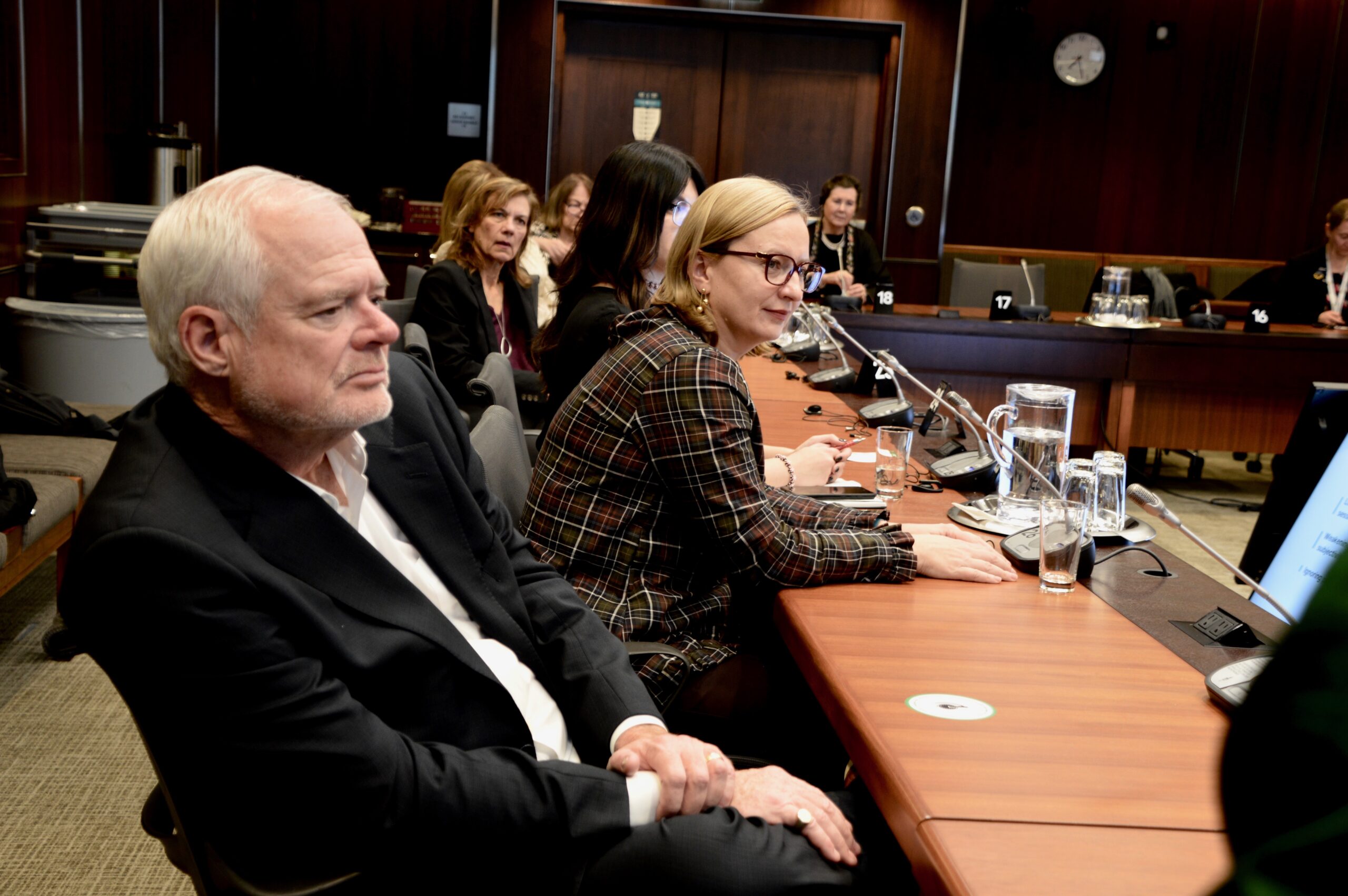
The delegation also held meetings with Canadian government officials and parliamentarians, the Senate Standing Committee on Ethics and Conflicts of Interest for Senators (CONF), the House of Commons Standing Committee on Procedures and Affairs (PROC), and the Ambassador Extraordinary and Plenipotentiary of Ukraine to Canada Yulia Kovaliv.
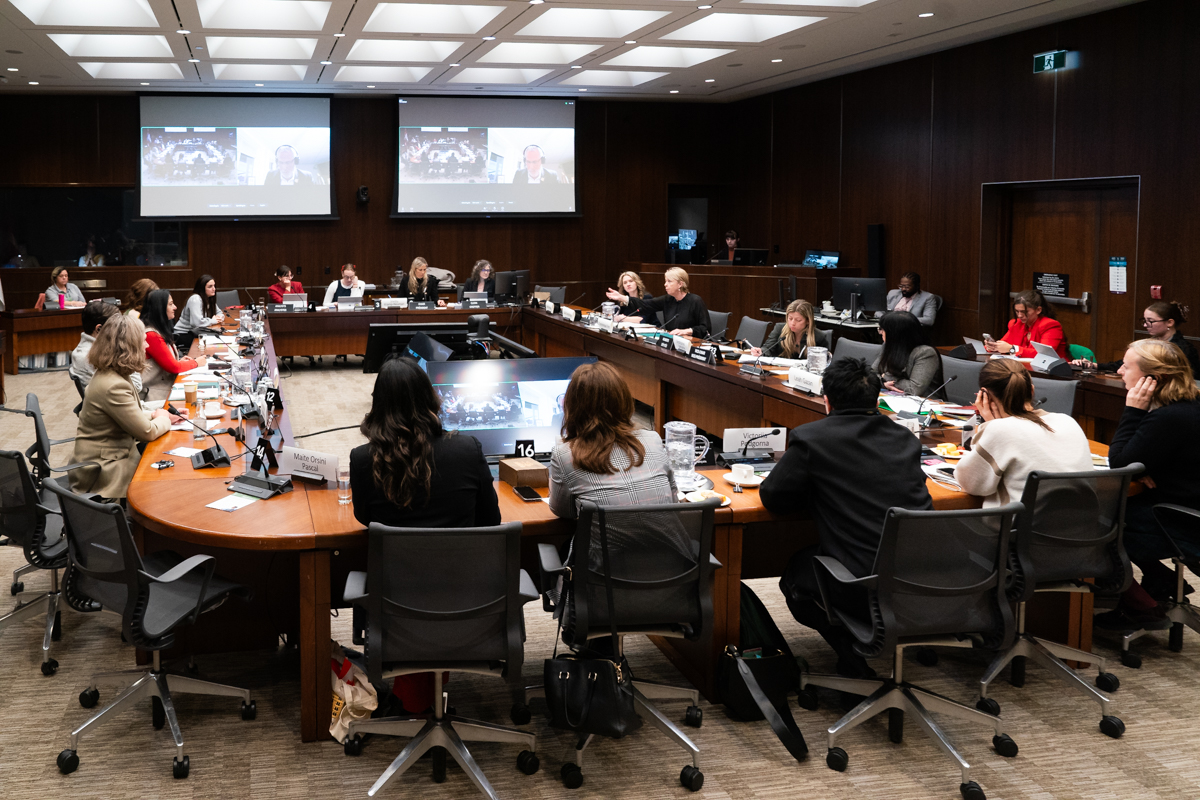
The visit, supported by the international parliamentary network of Women Legislators in Peace, Security and Defence (WLID), included a panel discussion on the evolution of political party governance and political party legislation.
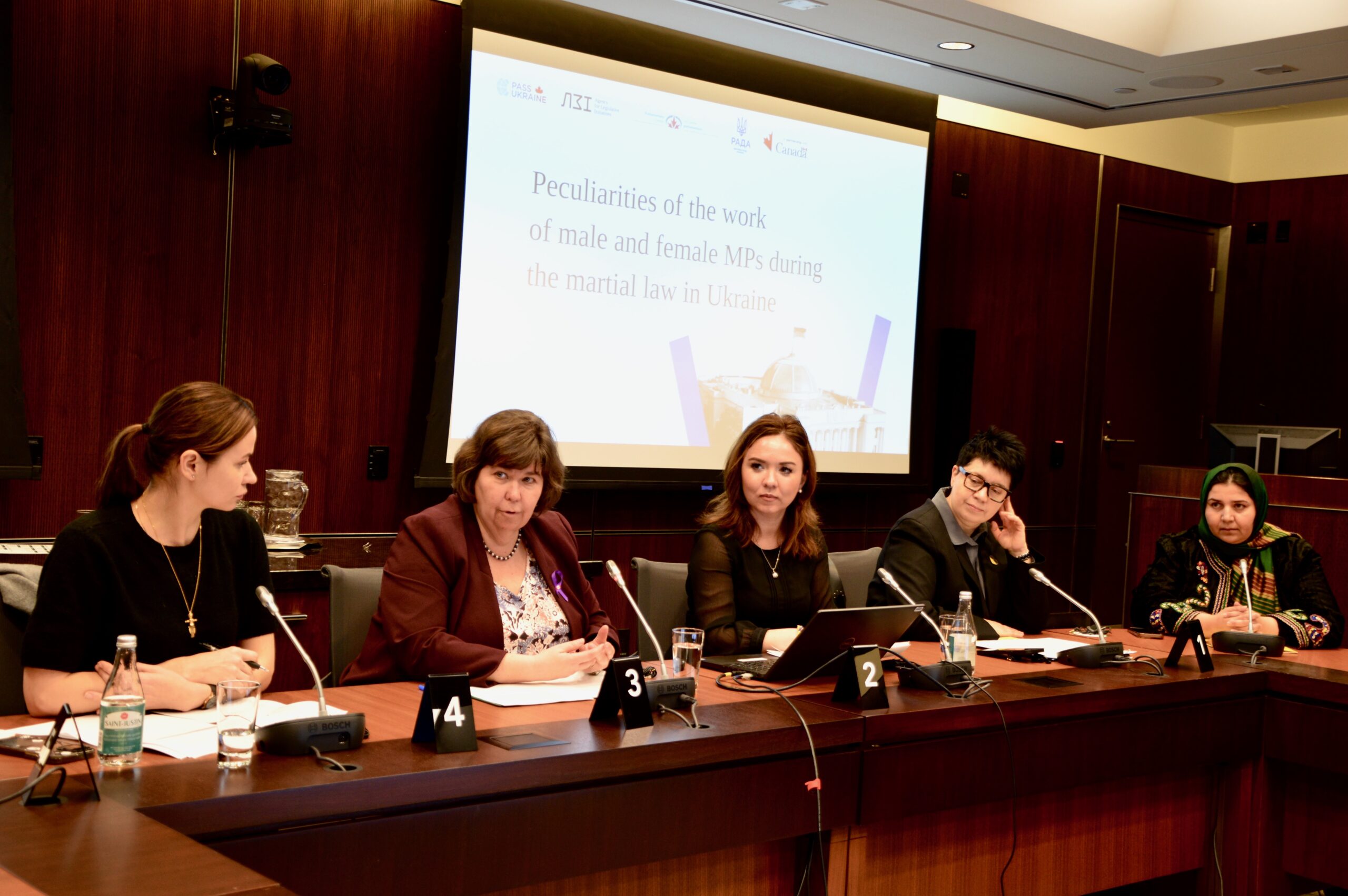
During the discussion, the women MPs spoke about the specifics of the work of women MPs during the martial law regime in Ukraine, based on the materials of a study currently being prepared by the Agency for Legislative Initiatives as part of the Parliamentary Accountability of the Security Sector in Ukraine (PASS Ukraine) project. The research focuses on such aspects as changes in the lives of MPs after the full-scale invasion, gender differences and gender equality in the parliament given current challenges, changes in the work of the Verkhovna Rada and legislative activities during martial law.
The visit was part of the project “Parliamentary Accountability of the Security Sector in Ukraine” (PASS Ukraine), which the Agency implements together with the Parliamentary Centre, in cooperation with the Verkhovna Rada of Ukraine, and with the support of Canada’s Foreign Policy—Global Affairs Canada as part of the Peace and Stabilization Operations Program (PSOPs).
Parliamentary Diplomacy in Action: Results of the Working Visit of Ukrainian MPs to Canada
Ukrainian parliamentarians from the Committee on National Security, Defence and Intelligence and the Committee on Law Enforcement of the Verkhovna Rada of Ukraine paid a week-long working visit to Ottawa.
The priority areas of the visit were the practices of working with classified information, which is a topical issue for Ukraine, external audit processes in the security and defence sector, development of civil-military culture, and the experience of Canadian colleagues in exercising parliamentary control over the activities of the armed forces and defence structures.
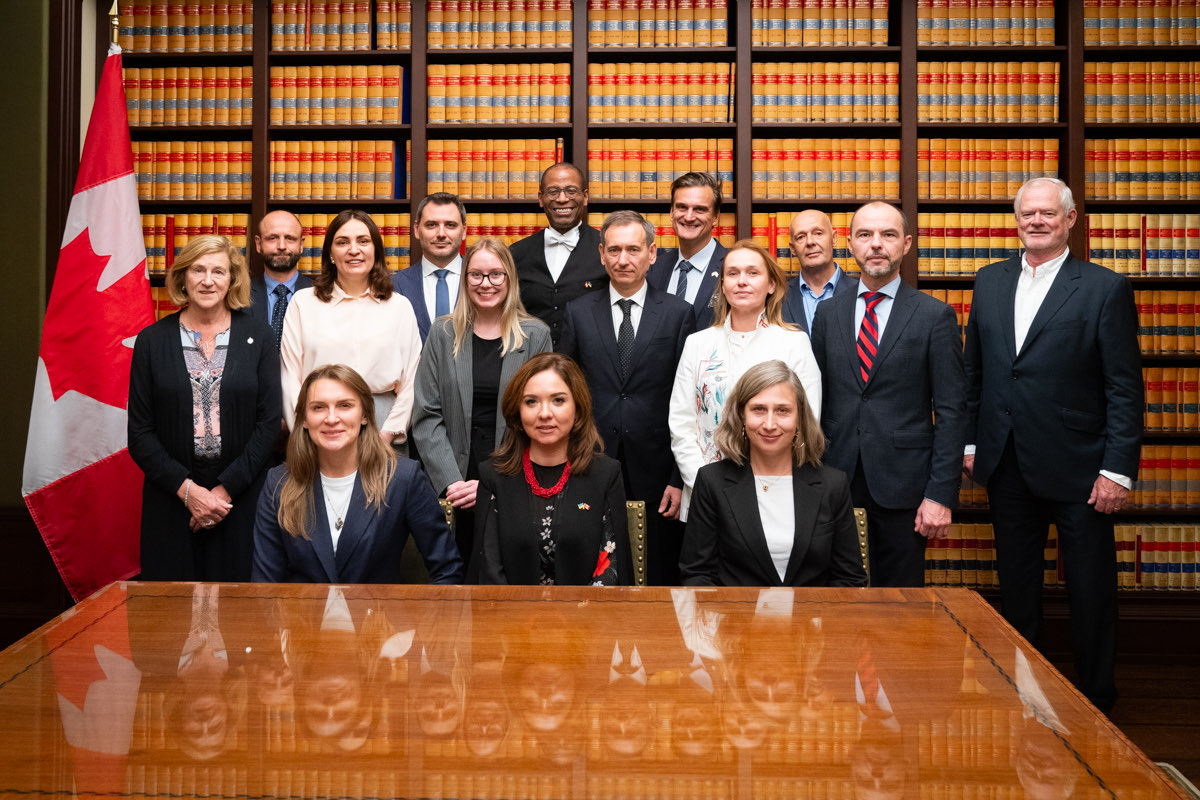
Ambassador Extraordinary and Plenipotentiary of Ukraine to Canada Yuliya Kovaliv emphasised during a meeting with the Ukrainian delegation:
The visit also included meetings with Canadian counterparts in the security and defence sector. During a meeting with Canada’s Minister of National Defence Bill Blair, the Ukrainian delegation discussed urgent items to strengthen Ukraine’s defence capabilities: timely delivery of military assistance packages, assistance in providing equipment and weapons from other countries, and investments in Ukrainian defence production.
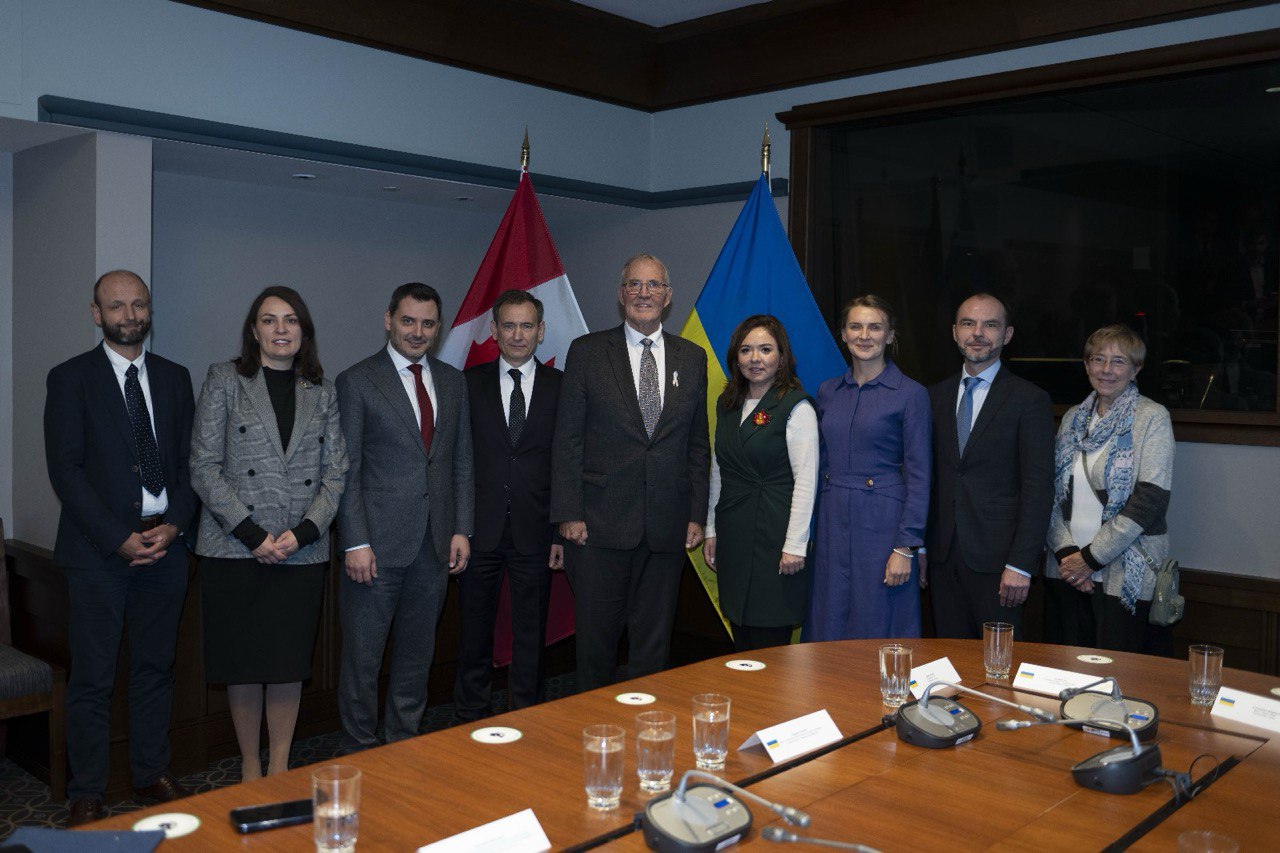
The main aspects of the meeting with the Speaker of the House of Commons, Greg Fergus, were negotiations on security partnership, implementation of the Ukrainian Peace Formula, including the return of deported and captured Ukrainians, and the upcoming session of the NATO Parliamentary Assembly.
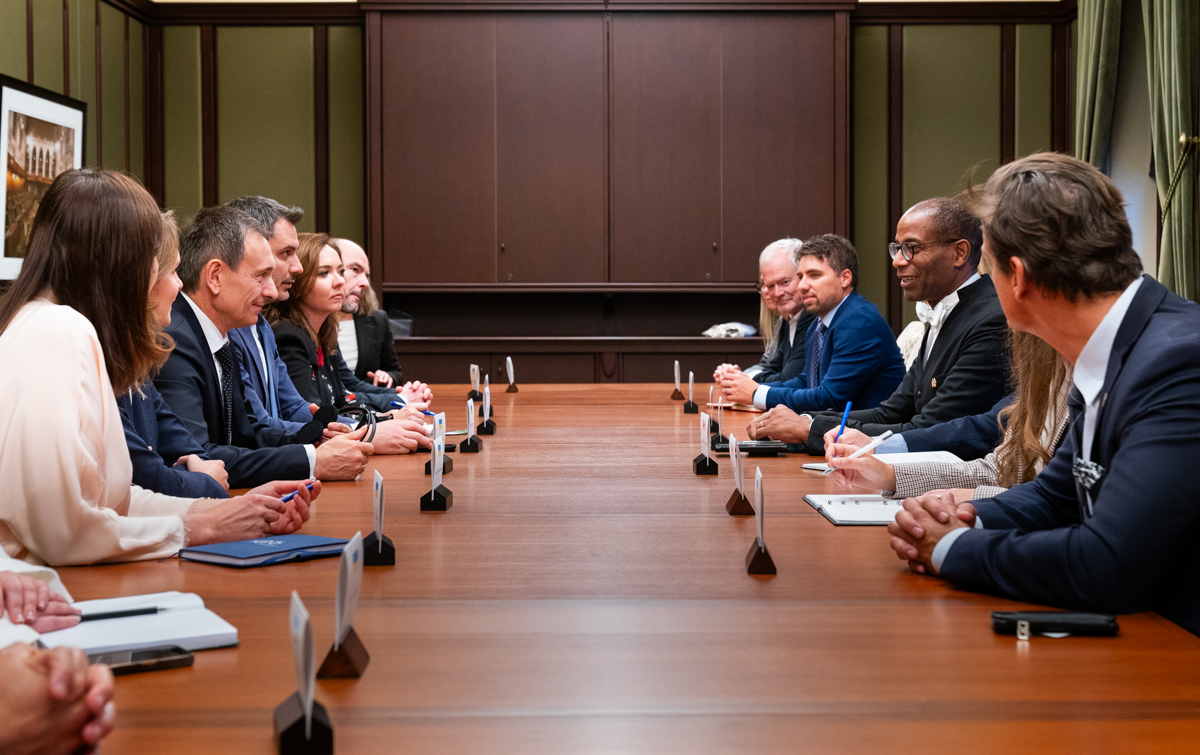
A series of meetings was also held with the Canada-Ukraine Parliamentary Friendship Group, chaired by Yvan Baker; members of the relevant committees in the Canadian Parliament: The House of Commons Standing Committee on National Defence and the Senate Standing Committee on National Security, Defence and Veterans Affairs; representatives of the Communications Security Centre, the Office of the Auditor General and the Office of the Canadian Forces Ombudsman.
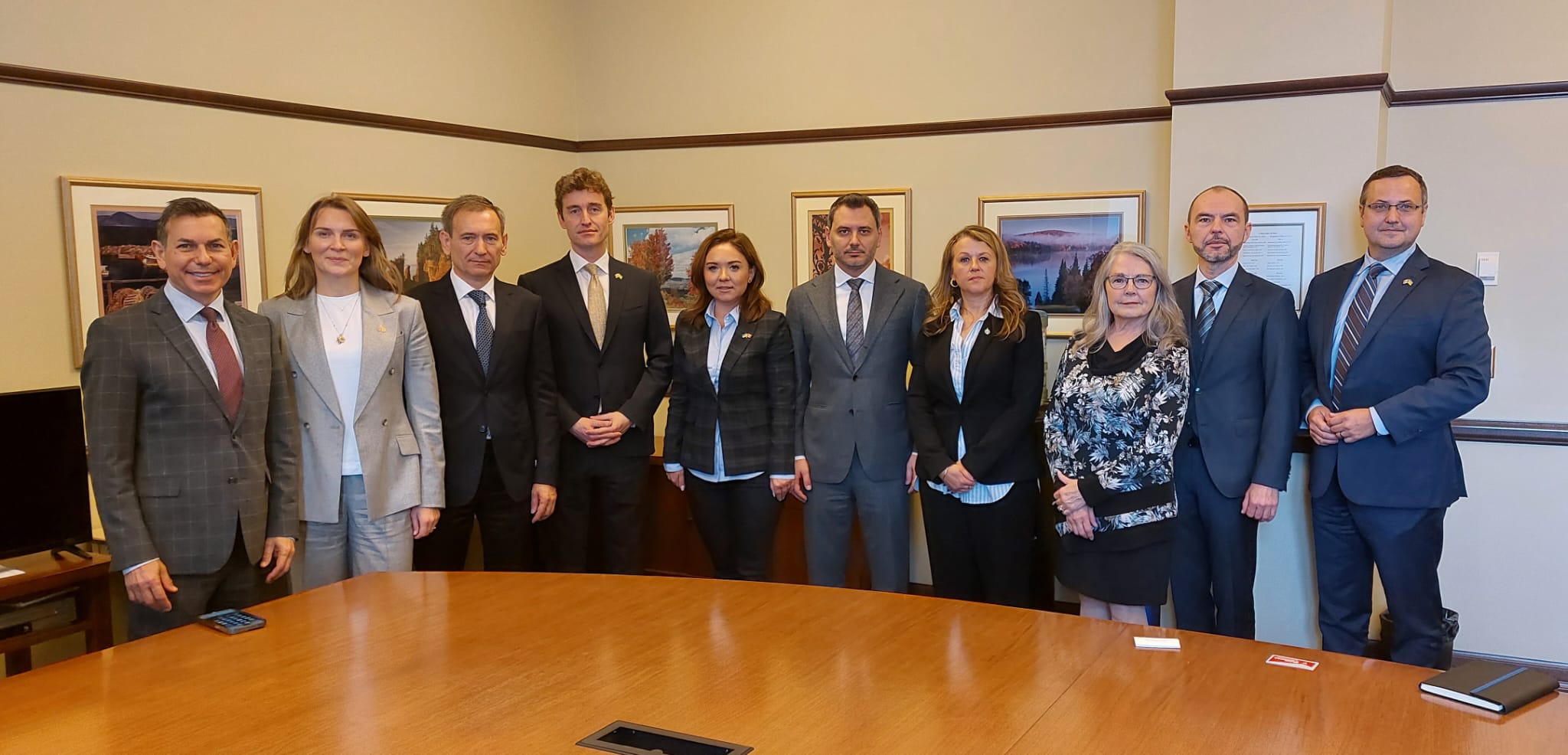
The visit was part of the project “Parliamentary Accountability of the Security Sector in Ukraine” (PASS Ukraine), which the Agency implements together with the Parliamentary Centre, in cooperation with The Verkhovna Rada of Ukraine, and with the support of Canada’s Foreign Policy—Global Affairs Canada as part of the Peace and Stabilization Operations Program (PSOPs).
ALI Held a Seminar on Principles and Practices of Gender-Sensitive Legislative Impact Assessment for the Verkhovna Rada
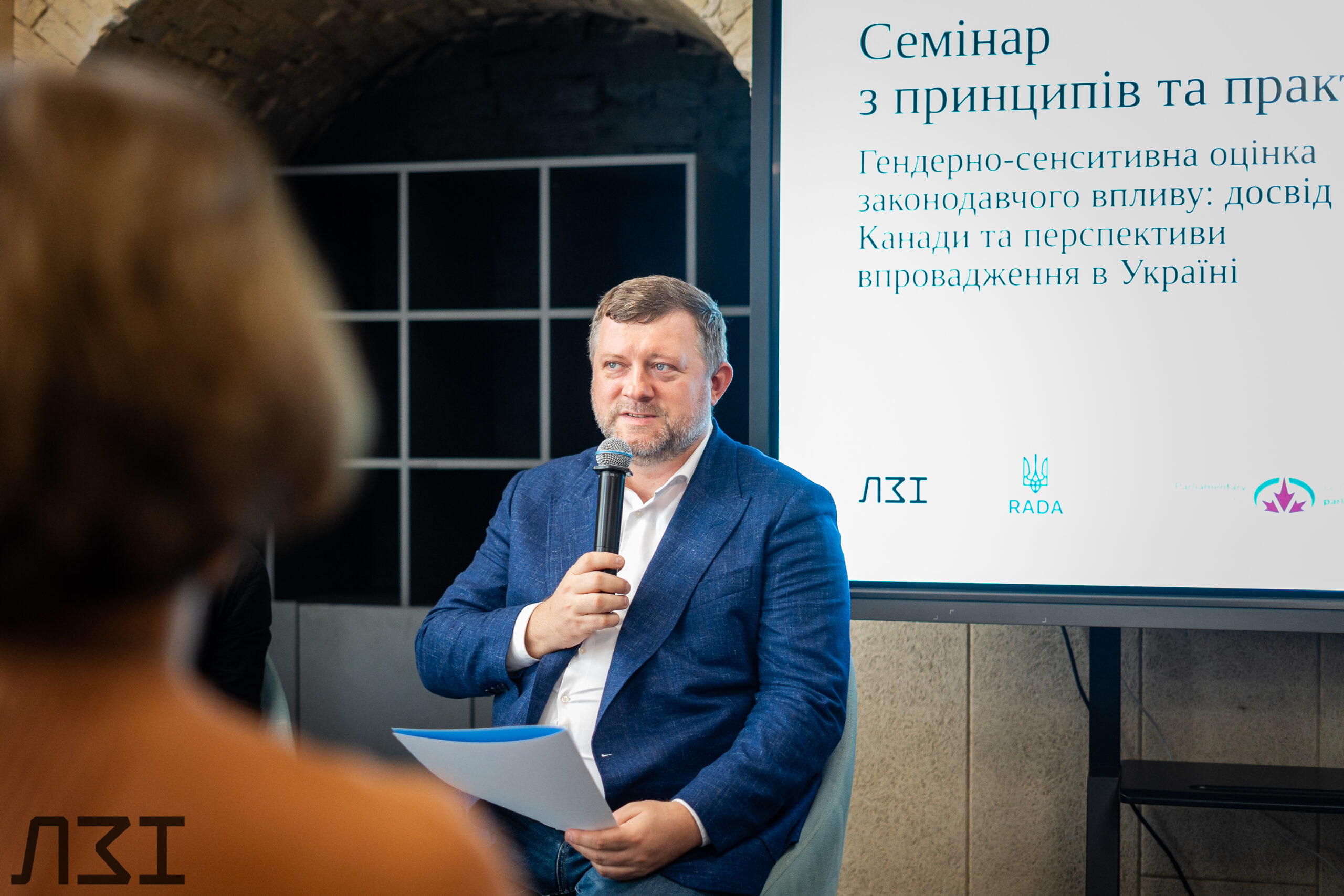
On August 29, 2024, the Agency for Legislative Initiatives, together with the Parliamentary Centre (Canada), held a seminar for representatives of the Verkhovna Rada of Ukraine on the principles and practices of “Gender-Sensitive Legislative Impact Assessment: Canadian Experience and Prospects for Implementation in Ukraine.”
First Deputy Chairperson of the Verkhovna Rada of Ukraine Oleksandr Korniyenko opened the seminar and emphasised the importance of introducing such tools as legislative impact assessment and gender-sensitive analysis of draft laws into Ukrainian parliamentary practice:
Senior Project Manager at the Parliamentary Centre of Canada Anastasia Shtaltovna stressed that advocacy for gender equality is a constant priority for the Parliamentary Centre (Canada). She also thanked the ALI and the Verkhovna Rada for their ongoing cooperation in this area.
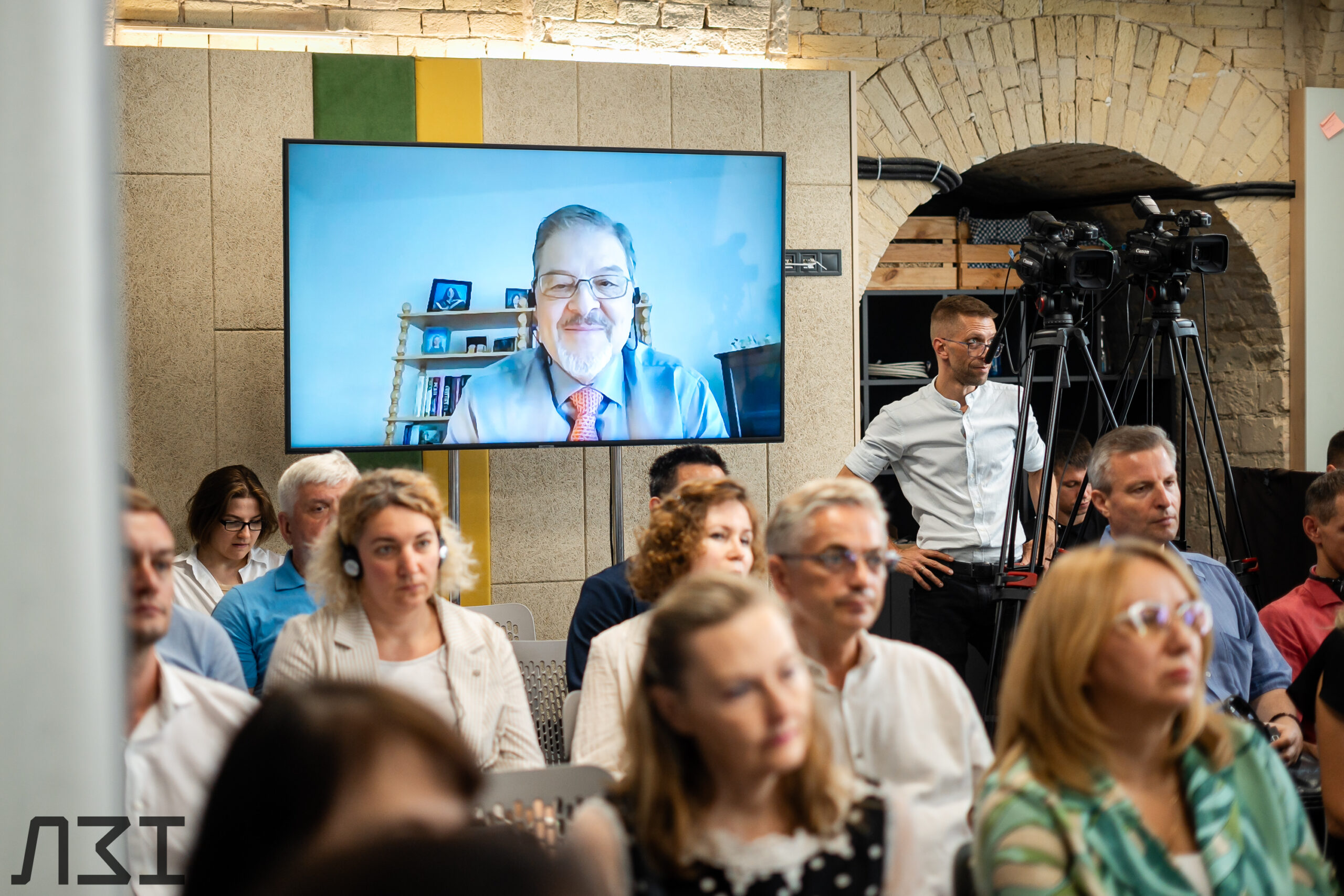
The event’s speakers were Oleksandr Zaslavskyy, Director of the analytical department at the Agency for Legislative Initiatives, and Rick Stewart, Executive Director of the Regulatory Governance Initiative and Co-Director of the Regulatory Career Development Programme at the School of Public Policy and Management at Carleton University (Canada).
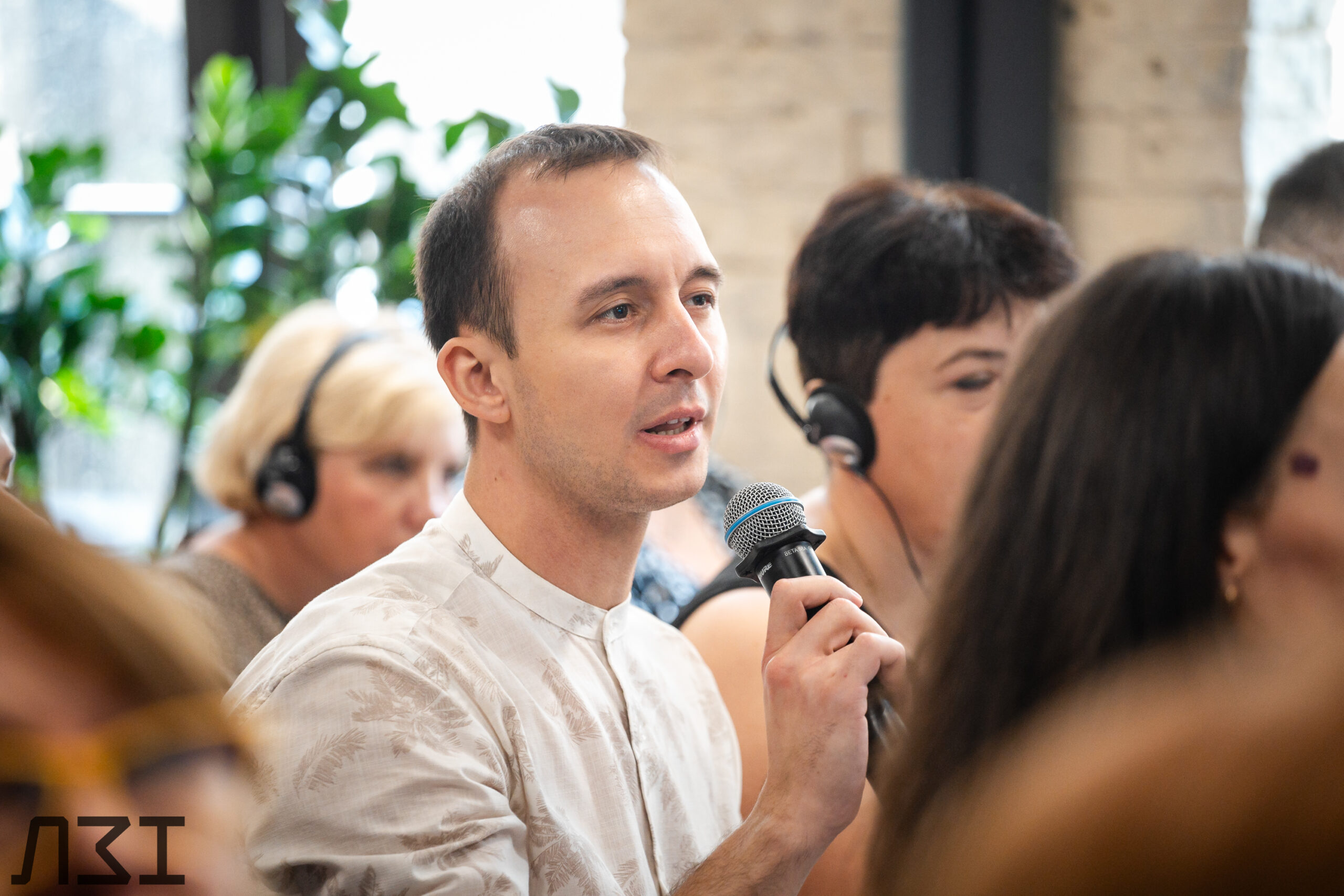


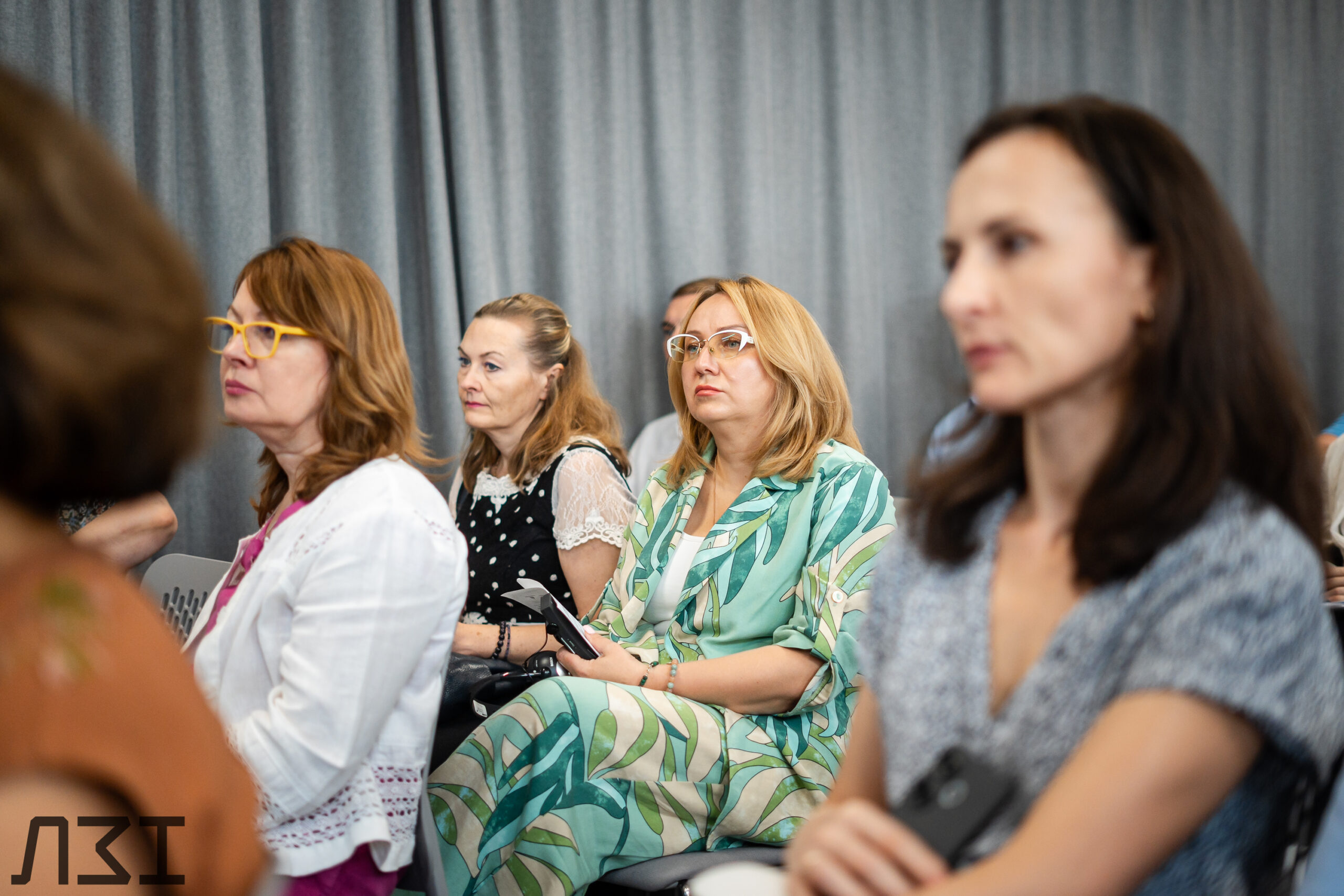
Rick Stewart spoke about the principles and practice of legislative impact assessment and gender analysis (GBA+). The participants also discussed with the speaker the prospects of implementing gender-sensitive impact assessment in the Verkhovna Rada:
Oleksandr Zaslavskyy told the participants of the training about the application of gender analysis through the experience of Ukraine and EU standards:

The event was held by “Parliamentary Accountability of the Security Sector in Ukraine” (PASS Ukraine), which the Agency implements together with the Parliamentary Centre in cooperation with the Verkhovna Rada of Ukraine and with the support of Global Affairs Canada as part of Peace and Stabilization Operations Program (PSOPs).
What Will the Future Law on Military Police Change?
In the summer, the Verkhovna Rada passed two draft laws on military justice in the first reading. In June, the parliament voted for a draft law on the Military Police (MP), and in July, a draft law on exemption from criminal liability under certain conditions in case of unauthorised abandonment of the unit (UAU) by military personnel.
The establishment of the Military Police was also publicly supported by the Ministry of Defence of Ukraine. The Agency for Legislative Initiatives (ALI) also pointed to this need in a Green Paper we prepared for the VRU Committee on Law Enforcement.
After the commencement of the full-scale Russian invasion, the restoration of a full-fledged military justice system in Ukraine became urgent. Over the past ten years, the number of military personnel has increased from 166,000 in 2013 to 880,000 people in February 2024.
In addition, the number of offences committed in the armed forces has increased significantly over this period: from 2013 to 2023, it increased by 78 times, and the number of convicted servicepersons increased by 14 times. The legislation also introduced new types of administrative offences, and the number of penalties imposed has increased 6.5 times since 2015.
The new military realities have also increased the need for investigators, prosecutors, judges, and lawyers with the required competence.
What do we have now?
There is currently no military justice system in Ukraine. The law enforcement function in the military sector is performed by several state bodies, depending on their powers: separate units of the SBI, NPU, NABU, SSU, ESB, and others.
Each of these bodies operates separately in the military sector – different cases, depending on the offence, are handled by different law enforcement agencies and with due regard to the differences in their functions.
A special law enforcement unit, the Military Law Enforcement Service (MLES), has been operating within the AFU since 2002. Although the MLES operates within the AFU, it extends a number of its powers by law to military personnel of other units, persons liable for military service, and reservists.
The Green Paper on military justice prepared by the ALI outlines the main shortcomings of the current system:
- the existence of a special law enforcement unit within the AFU leads to the AFU being tasked with law enforcement functions which are inappropriate for them;
- The MLES is subordinate to the military command, is funded by the AFU, and MLES officials are appointed by the military command, which makes the MLES dependent on such a command, which may try to bring it under its control;
- most of MLES’s tasks and functions are not law enforcement by nature but are aimed at supporting the activities of the AFU.
Back in autumn 2021, the Presidential Decree approved the Strategic Defence Bulletin of Ukraine, which included the reform of the MLES into the Military Police, which will be responsible for maintaining law and order in the Ministry of Defence. This process was to be completed by the end of 2025.
What does the new draft law offer?
The draft law 6569-d voted in June is a revised version of draft laws 6569 and 6569-1.
The draft law’s adoption is justified by the fact that the current MLES does not have any powers to date to perform operational and investigative measures and bring perpetrators to legal liability, and it is limited in its ability to assist pre-trial investigation bodies and prosecutors.
In addition, it is necessary to bridge the existing gaps in the legislation, which, given the specific structure of the AFU and other military units in Ukraine, indicate the need for a comprehensive system of military justice in the country.
Among the arguments of the draft law are the inefficiency and slowness of the investigation into numerous military offences and the fact that SBI investigators do not fully ensure the fulfilment of their tasks due to limited powers and imperfect legislation.
In addition, the workload of the SBI has increased many times since 2022. For example, 85.5% of the registered criminal proceedings against military personnel in 2023 were concerned with violations of the rules of service, which obviously affected the quality and speed of solving crimes.
The draft law proposes to create a new military unit with law enforcement functions, namely the Military Police. Its task should be to ensure law and order and military discipline in the Ministry of Defence of Ukraine, the AFU and the State Special Transport Service.
One of the significant changes envisaged by the draft law is that Military Police officers will be empowered to carry out operational and search activities and, in some cases, even to conduct investigative (search) and covert investigative (search) actions. Previously, the MLES only assisted special agencies in performing such activities.
The newly created body will be financed by redistributing costs in the state budget spending and expenditures on those bodies whose functions will be partially taken over by the Military Police. According to the document text, the Cabinet of Ministers of Ukraine will coordinate the work of the Military Police through the Minister of Defence, while during martial law, the AFU Commander-in-Chief will provide overall leadership and coordination.
The Military Police is to be formed from active servicepersons of the AFU. According to the draft law, the total number of its members may not exceed 1.5% of the total number of the AFU.
What can be the problems?
Draft law No. 6569-d, adopted in the first reading, is an important step towards addressing the challenges faced by military justice in Ukraine.
Moreover, it is positive that parliamentarians adopted a revised draft law in the first reading rather than the documents registered shortly before the start of the full-scale invasion. Moreover, unlike previous legislative initiatives, MPs abandoned the idea of giving the Military Police financial control over the AFU and other military units this time.
Nevertheless, before introducing changes to the legislation, it is worth considering the risks that may accompany the process. Establishing a new institution always requires additional financial, material and organisational resources, which is difficult in times of war.
In terms of financing, the draft law initiators emphasise that its implementation will not require additional budgetary expenditures and can be accomplished by reforming the MLES and reducing the burden on other law enforcement agencies. However, it is difficult to agree (or disagree) with this without the calculations at hand.
There are doubts that the Military Police will start performing its tasks immediately after its establishment, given the lack of staffing and the lack of sufficient knowledge and skills of its officers in terms of operational and search activities and other tasks.
It is debatable that the independence of the Military Police in terms of its law enforcement functions is not directly defined as a principle of its activity.
The Military Police is also somewhat dependent on the decisions of the Minister of Defence or the AFU Commander-in-Chief, including in terms of financing its activities. The Central Scientific Experts Office of the Secretariat of the Verkhovna Rada of Ukraine also commented in this regard in its opinion.
Independent military justice bodies should support Ukraine and its Armed Forces’ declared goal of moving towards NATO membership and implementing NATO standards in practice.
The draft law provides for the coordination of the Military Police by the Cabinet of Ministers, which does not meet the standards of NATO member states where these bodies operate within the defence ministries.
On the other hand, the wording of the law as made public may lead to the risk of interference by the Military Police as a military unit in the activities of the executive body, which is the Ministry of Defence, as experts of the VRU Secretariat have pointed out. This, although indirectly, contradicts the provision of Article 17(4) of the Constitution of Ukraine, according to which no one can use military units to restrict the rights and freedoms of citizens or to obstruct the activities of the governmental authorities.
One of the most problematic issues that needs to be clarified in preparing the draft law for the second reading is whether and to what extent the pre-trial investigation function should be transferred to the Military Police. Also, the investigation under which articles should be transferred to it and how should it interact with other authorised bodies during such activities?
Workshop on Legislative Impact Assessment and Its Application in the Context of Defence and Security Sector Reform
The legislative impact assessment is a tool for identifying and assessing the future consequences and likely impacts of proposed public policies. The Agency has been promoting this tool for a long time and helps the Parliament and the Government integrate it into their work, namely by organising specialised workshops and trainings for representatives of various government agencies.
On 21 June, an online workshop on legislative impact assessment and its application in the context of defence and security sector reform was held. The purpose of the workshop is to discuss the principles and practices of impact assessments with those directly involved in the development of legislation.
Workshop attendees:
- representatives of the Legal Support Department of the Ministry of Defence of Ukraine;
- representatives of the State Special Transport Service;
- representatives of the National Defence University of Ukraine;
- representatives of the Reforms Support Office of the Ministry of Defence of Ukraine.
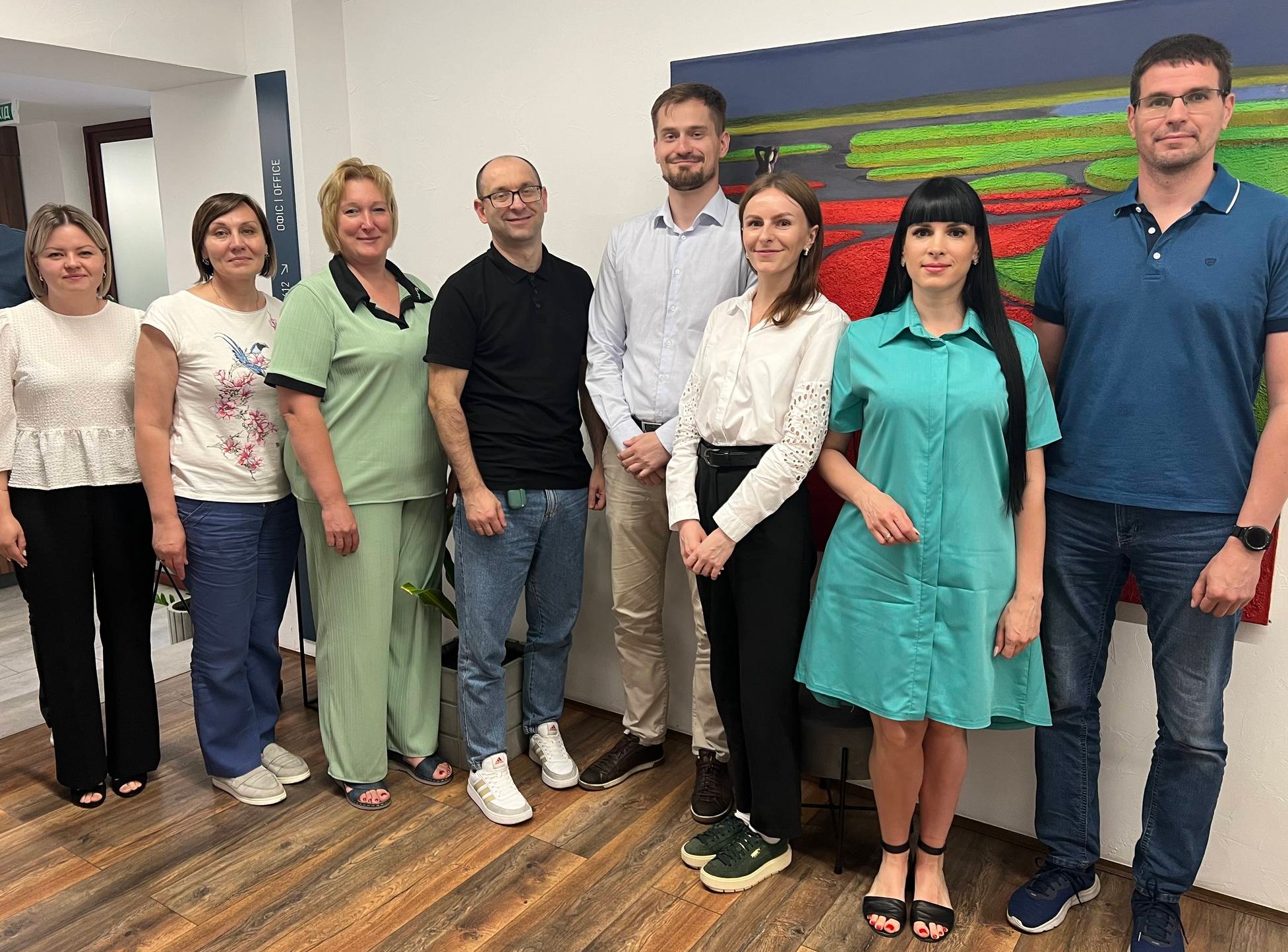
The event was part of the project “Parliament and Accountability of the Security Sector in Ukraine” (PASS Ukraine), which the Agency implements jointly with the Parliamentary Centre of Canada, in cooperation with the Verkhovna Rada of Ukraine, and with the support of Global Affairs Canada within the framework of the Peace and Stabilization Operations Program (PSOPs).