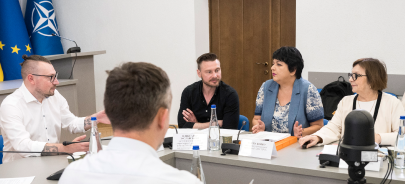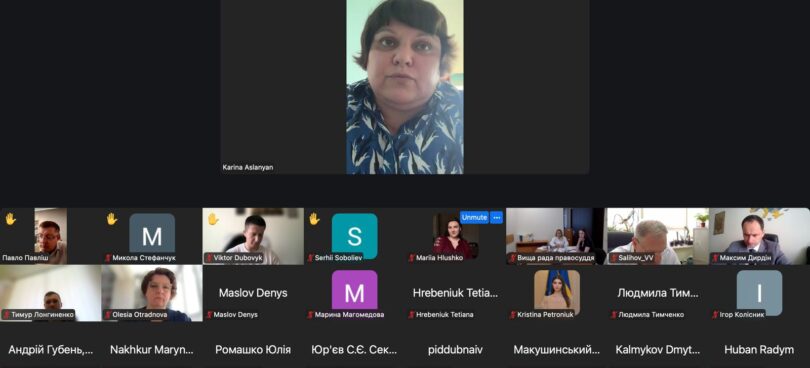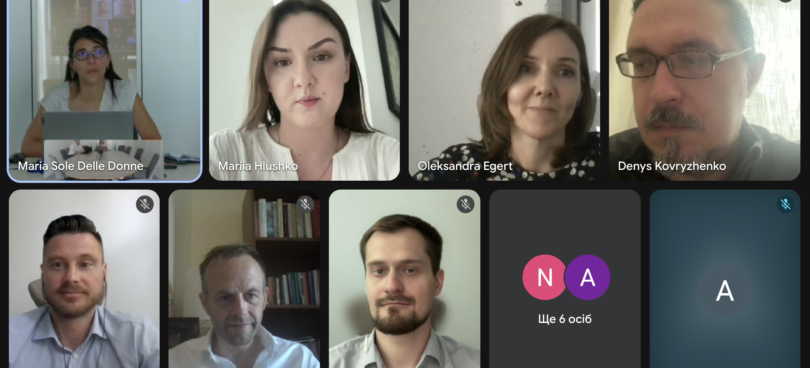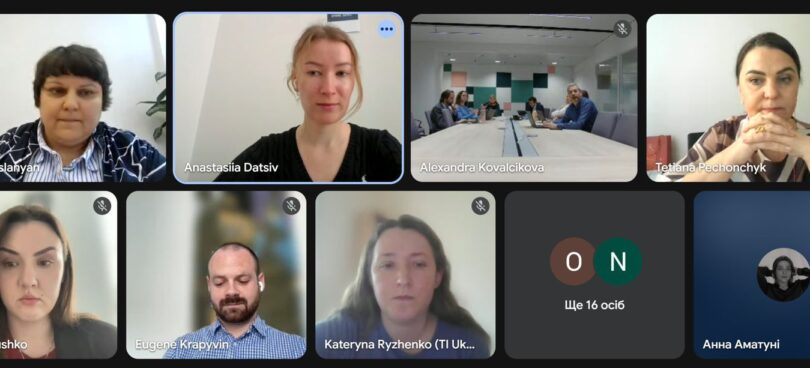
How can Ukraine sustain the pace of reforms amid war, and is it sufficient to progress towards EU membership? This was discussed by representatives of Ukrainian civil society organisations and think tanks with Canada’s Secretary of State (International Development), Randeep Sarai.
Experts in governance, the rule of law, anti-corruption, and electoral processes joined the discussion. Participants discussed medium-term tendencies, potential avenues for Canada to support reforms, and opportunities for Ukraine’s recovery and reconstruction.
Close attention was drawn to the work of the Ukrainian Parliament. Oleksandr Zaslavskyi, the ALI’s Deputy Executive Director for Analytics, referred to the parliamentary Monitoring report for the 14th session when analysing trends in the Verkhovna Rada’s activity and the challenges it is currently experiencing. The expert highlighted institutional fatigue as one of the reasons for the recent decline in legislative output, adding that the 9th convocation is the longest in the Verkhovna Rada’s history. Other factors influencing this decline include issues surrounding NABU and SAPO, as well as other corruption scandals and internal conflicts.
Oleksandr Zaslavskyi remarked that the slowdown in Parliament’s work is affecting the implementation of necessary reforms, notably the adoption of EU-related legislation. If Ukraine is to join the European Union by 2027, the passage of all the necessary regulations requires greater attention and a steady pace.
For Oleksandr Zaslavskyi, an active civil society carries on playing a vital role in developing state institutions and national identity. However, he also raised particular concerns about troubling tendencies within civil society. Civil society organisations often find themselves having to work in place of institutions, rather than alongside them. In the long term, this will inevitably undermine their capacity, says Oleksandr Zaslavskyi. Therefore, it would be wise for civil society organisations to focus on approaches that engage institutions, public officials and decision-makers as deeply as possible in their work. This will empower us to preserve and reinforce the functioning of state institutions, especially those overseeing European integration.