Developing legislative amendments to reform the Bar, strengthen guarantees for advocates’ professional activities and improve the quality of legal assistance is no longer only a matter of domestic priorities — it is also an essential component of delivering on Ukraine’s European integration commitments in this area. This has been consistently emphasised in key documents, from the European Commission’s annual enlargement reports to Shadow Reports under Chapter 23 of the EU acquis.
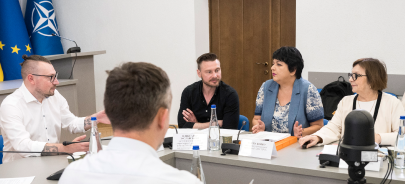
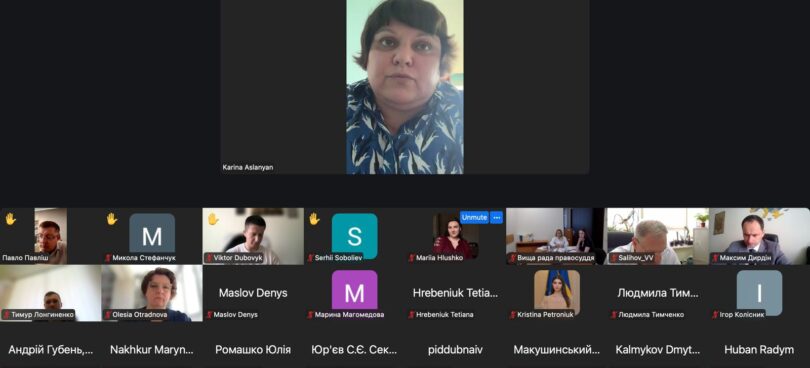
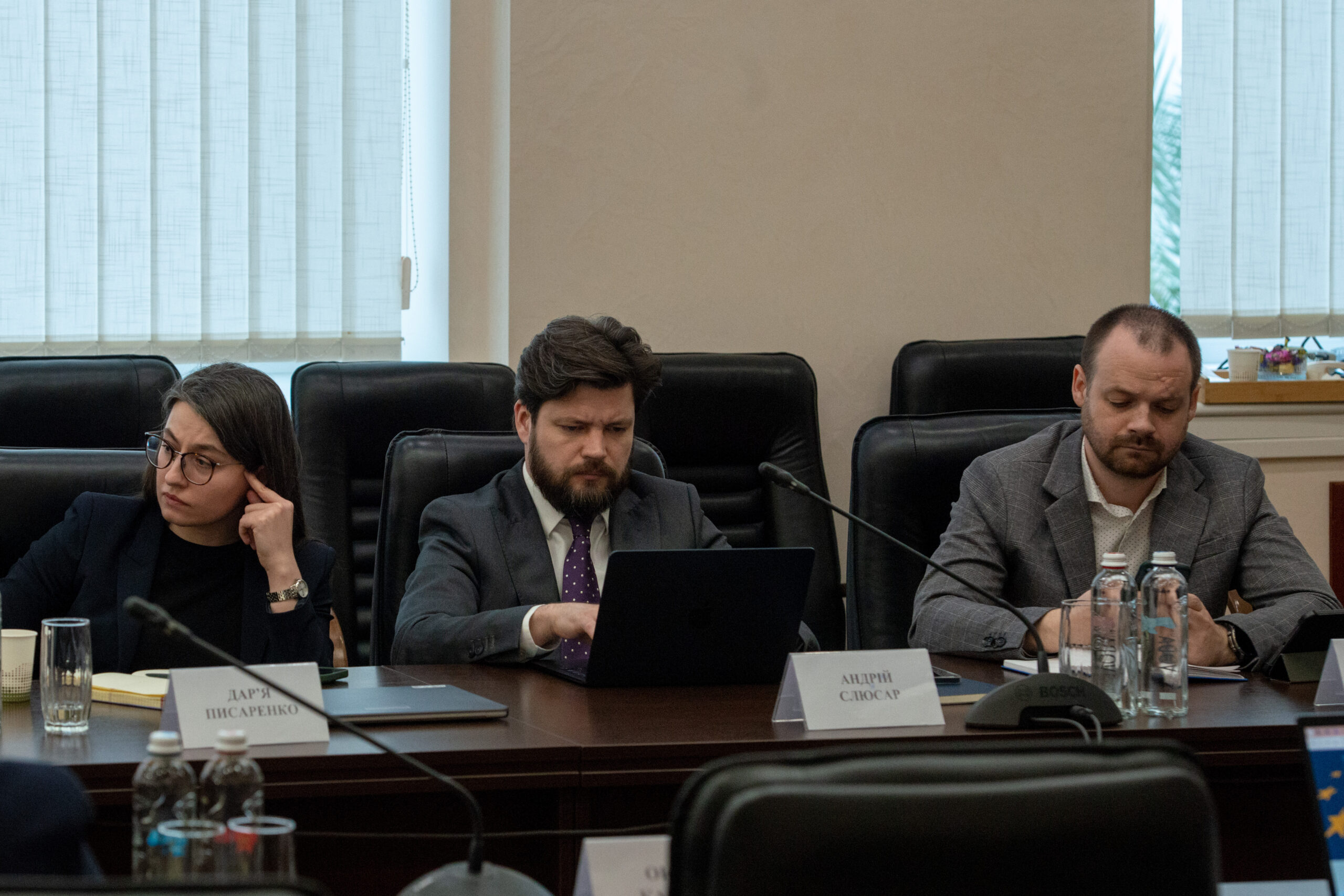
On 19 March, the Agency for Legislative Initiatives took part in the first meeting of the Working Group on improving legislation in the field of the Bar and practice of law (established by Resolution of the Cabinet of Ministers of Ukraine No. 42 of 12 January 2026). Participants discussed next steps for developing amendments to the Law of Ukraine ‘On the Bar and Practice of Law’.
Improving sector-specific legislation is an essential component of strengthening the rule of law. It is also linked to the ratification of the Council of Europe Convention on the Protection of the Profession of Lawyer, which Ukraine signed in early March 2026. This forms part of a broader, comprehensive reform of the legal profession in Ukraine — from updating professional standards to ensuring the effective functioning of lawyers’ self-governance bodies.
The launch of active work by the joint group — bringing together parliamentarians, government officials, representatives of the Bar, civil society organisations and academia — is an important step in advancing reform, noted Yevhen Krapyvin, Head of the ‘Law and Order’ Area at the ALI. It is important to maintain this momentum and focus so that the Working Group can deliver tangible results in the future, and that Members of Parliament support the proposals developed by experts. The Rule of Law Roadmap sets a clear deadline for this — the fourth quarter of 2026.

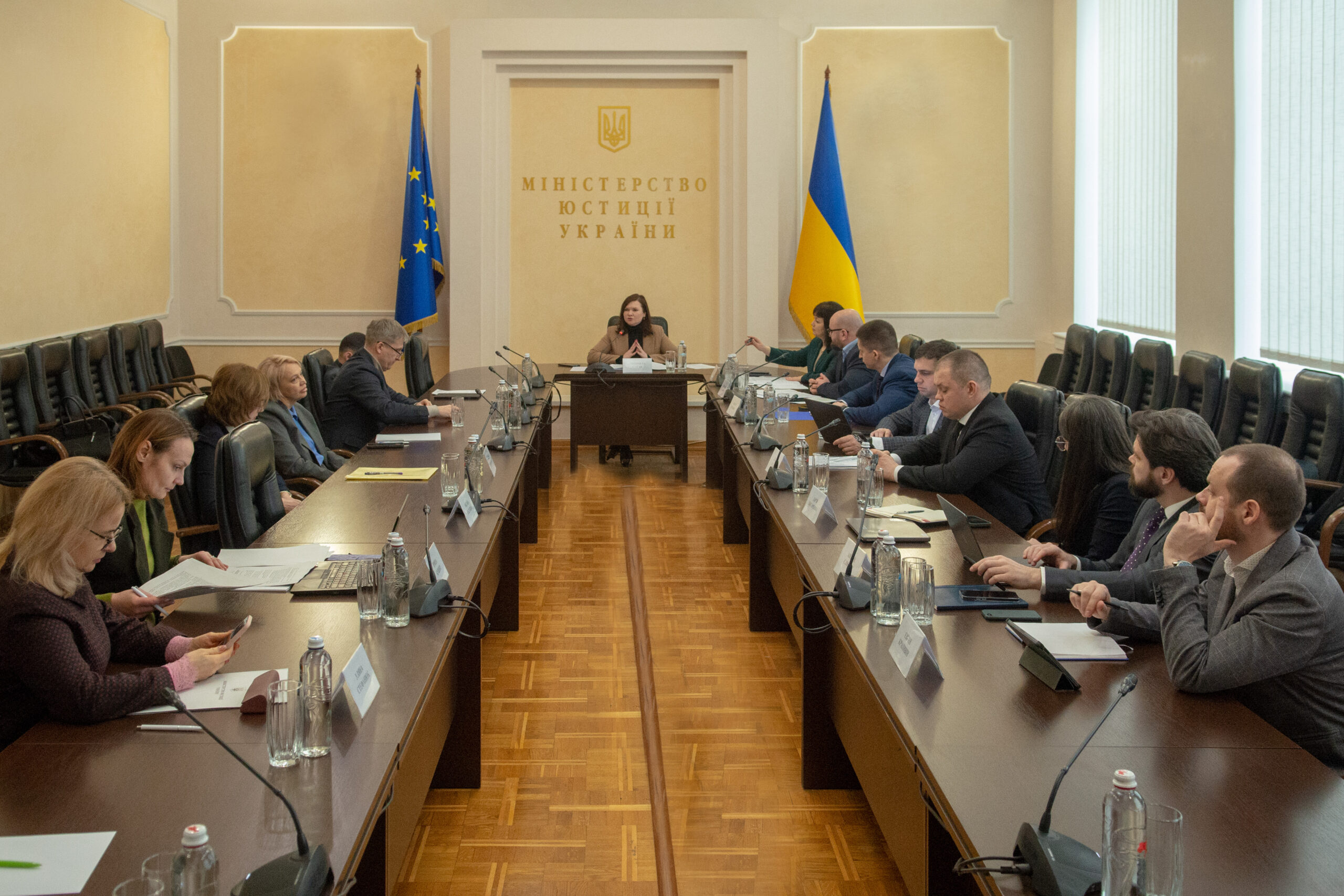
The implementation of measures under the Rule of Law Roadmap will contribute to Ukraine’s fulfilment of its European integration commitments. Accordingly, participants discussed relevant aspects of reforming the legal profession. This concerns:
- reforming the bodies of Bar self-governance, including the introduction of clear and transparent selection procedures for their formation, as well as improving the efficiency and transparency of their financial management;
- improving access to the Bar by ensuring the impartiality and objectivity of admission procedures;
- establishing a transparent and effective system of disciplinary liability for advocates;
- ensuring effective and accessible continuing professional development for advocates.
The working group format will enable the development of substantive recommendations for the implementation of these measures. In this context, one of the key issues discussed was updating its composition to ensure balanced representation of the Verkhovna Rada, the National Bar Association of Ukraine, state authorities and civil society.
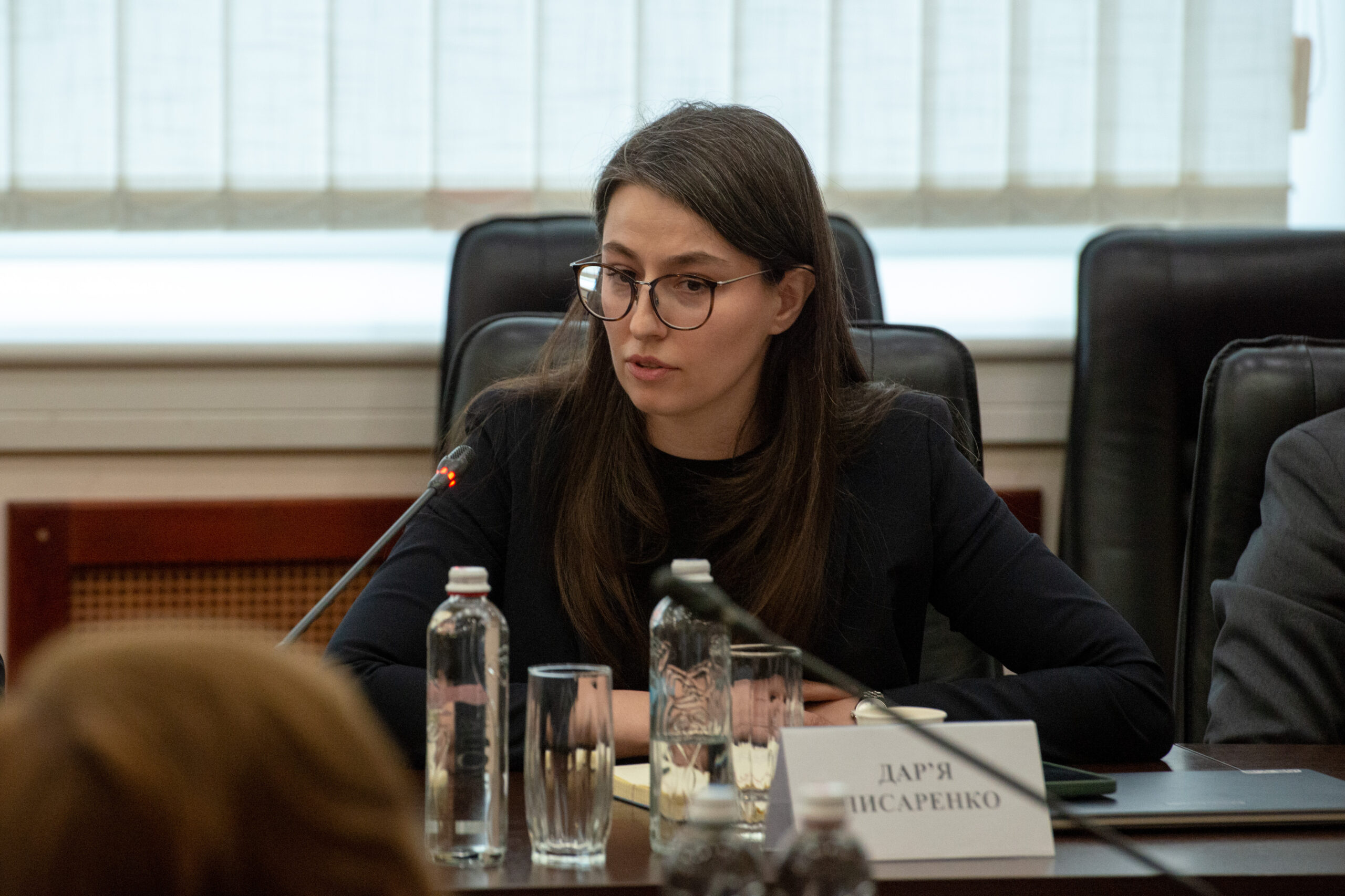
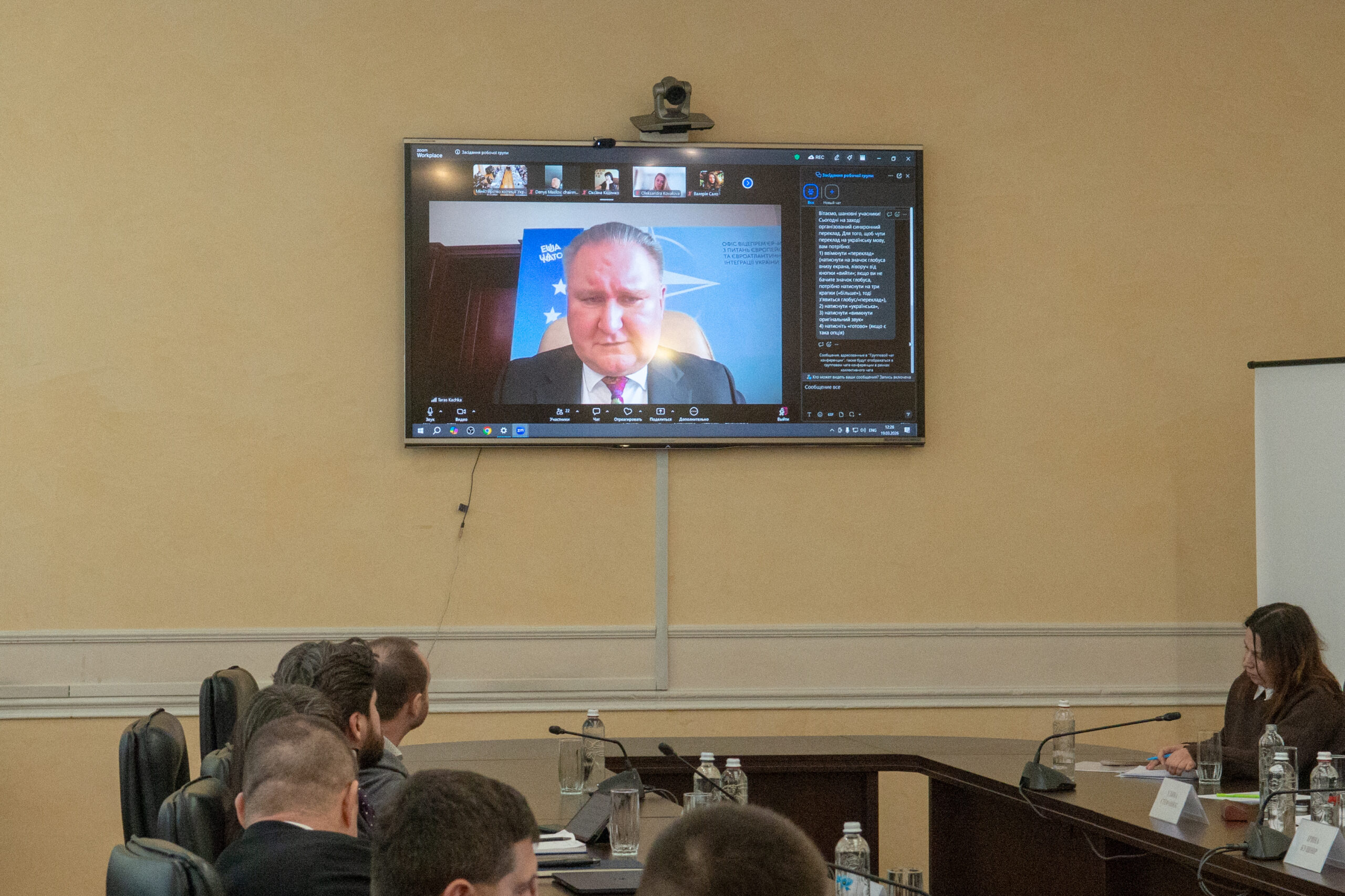
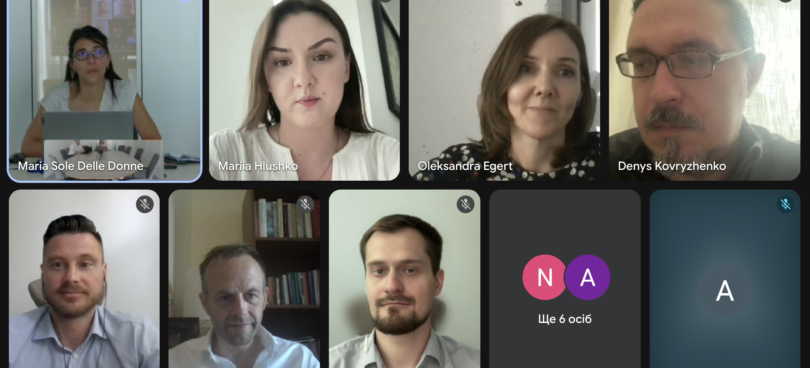
The first meeting of the Working Group was attended by Deputy Prime Minister for European and Euro-Atlantic Integration of Ukraine, Taras Kachka; Acting Minister of Justice of Ukraine and Deputy Minister of Justice for European Integration, Liudmyla Suhak; Chair of the Verkhovna Rada Committee on Legal Policy, Denys Maslov; as well as representatives of the Office of the President of Ukraine, the Cabinet of Ministers of Ukraine, Members of Parliament and representatives of academia, the legal profession, civil society and international partners.