
When the Government Listens: Successful Petition Cases in Ukraine
In Ukraine, petitions are an essential tool that allows citizens to directly appeal to authorities — from local councils to the President, Cabinet of Ministers, and Parliament. Enshrined in Article 40 of the Constitution of Ukraine, the right to petition guarantees everyone the opportunity to express their views and receive a response. But do petitions truly bring change? This article explores how petitions can influence government decisions, what shortcomings exist in addressing them, and why only some succeed in achieving their goals.
Petitions are designed to provide a direct link between citizens and the government in the decision-making process. They make it possible to initiate public discussion on issues of social importance, foster non-partisan dialogue, and strengthen democratic legitimacy. Petitions also serve as a source of information for authorities — publicly signalling the positions of particular social groups on specific issues. Even when a petition doesn’t lead to immediate action, it can help shape public opinion and, in turn, influence the political agenda.
The effectiveness of petitions largely depends on how they are processed and what rules govern their review. The petitioner’s guaranteed right to receive a formal response is a critical condition for their impact. In Ukraine, petitions submitted to central government bodies are considered only after collecting the required 25,000 signatures. In this context, the level of media visibility and the issue’s relevance are key: petitions that gain public attention are more likely to succeed — even if that attention is driven by popular or populist themes.
Let us explore several successful petition cases submitted to the Verkhovna Rada, the Cabinet of Ministers, and the President of Ukraine.
During martial law, the highest number of petitions that collected more than 25,000 signatures were addressed to the President of Ukraine — 351 in total. Most of these (213) concerned posthumous awards for service members, which can be explained by the President’s constitutional powers and the high level of public support for such initiatives. During the same period, 37 petitions addressed to the Cabinet of Ministers reached the required threshold, and only four were submitted to Parliament.
Since the beginning of the full-scale invasion, the President, Verkhovna Rada, and Cabinet of Ministers’ responses to petitions have shared two features.
First, one of the most common responses to petitions is a reference to the lack of authority on the part of the recipient to resolve the issue raised. This points to several recurring problems in how petitions are handled.
- Petition initiators often don’t fully grasp the limits of power held by the authorities they’re addressing. This results in a backlog of petitions that fall outside a given body’s jurisdiction — and, predictably, elicit a formal reply with no follow-up.
- There’s also a legal gap: government bodies aren’t obliged to act on petitions that don’t fall within their remit. That means many petitions, even those with tens of thousands of signatures, simply vanish from public view without further discussion or action. There is one exception — the President — who has the authority to forward such petitions to other institutions formally. However, that mechanism only applies within the boundaries of presidential powers. In short, the option to transfer socially important petitions exists, but it’s limited.
Second, one of the most common responses to petitions — particularly from the Cabinet of Ministers — is a promise to “consider the issue raised”. While this may come across as a box-ticking exercise, it does include a formal commitment to discuss the issue. And that is something: it can trigger internal discussions within the government and push the topic into the public sphere.
The catch? There’s little way to track whether that promise was actually fulfilled. In most cases, there are no transparent mechanisms to monitor whether the issue was genuinely reviewed — or what, if anything, came of it.
Successful Petitions to the President of Ukraine
Curbing Online Gambling: Tackling Addiction in the Ranks During Wartime
One of the most striking examples of an effective e-petition involved the call to restrict online casinos in Ukraine. The issue was publicly raised by service member Pavlo Petrychenko, who drew attention to the growing problem of gambling addiction among military personnel. A petition calling for an immediate ban on online gambling for service members during martial law quickly gathered the required 25,000 signatures.
In response, the President of Ukraine convened a National Security and Defence Council meeting, which led to a set of restrictive measures. These included a ban on access to gambling platforms for military personnel, new controls on user accounts, caps on spending and time spent gaming, and the launch of an awareness campaign on the dangers of gambling addiction. A draft law strengthening the regulation of the gambling industry was also supported. As a result, the petition led to concrete measures aimed at reducing the risks of gambling addiction.
Opening Officials’ Asset Declarations
Another example of a successful petition was the demand to veto a draft law that sought to delay the reopening of the public register of officials’ asset declarations. Verkhovna Rada’s refusal to ensure immediate access to e-declarations — as proposed in Draft Law No. 9534 — sparked widespread public outrage. Within just three hours, the corresponding petition had collected over 25,000 signatures.
The President’s response was swift: the draft law was vetoed and returned to Parliament with a demand to open the declarations. This happened before the official response to the petition was published — but after it had reached the required number of signatures.
The President justified his decision by citing the need to uphold national anti-corruption principles and honour commitments to international partners. Parliament promptly reviewed the proposals and adopted a revised law mandating the immediate publication of declarations and requiring officials to submit reports for previous years. Thanks to the petition, transparency and openness in the public sector were preserved — even during wartime.
Successful Petitions to the Cabinet of Ministers of Ukraine
Petition in Support of Tabletki.ua
The publication of a draft resolution by the Cabinet of Ministers proposing changes to the licensing conditions for retail trade in medicinal products sparked outrage among consumers and online service providers. According to the draft, information about the availability and prices of medicines could only be published on pharmacy websites — effectively banning independent price aggregators like Tabletki.ua.
In response, an e-petition was launched demanding that the government reconsider the draft regulation. Within less than a day, it collected the required 25,000 signatures and eventually surpassed 30,000. The government had to respond. Negotiations took place between service representatives, the Ministry of Health, and the State Service of Medicines, resulting in the suspension of the proposed changes. In its official reply, the Cabinet of Ministers stated that the draft resolution would be revised, taking into account the suggestions of the public.
Introducing Women-Only Compartments on Ukrainian Railways
Against the backdrop of growing public demand for safer travel conditions for women on long-distance trains, an e-petition was launched calling for the introduction of dedicated women-only compartments. The petition garnered support from over 25,000 people.
In its official response, the government noted that Ukrzaliznytsia independently makes decisions within its mandate. However, the proposal for separate compartments would be considered, as the petition had clearly demonstrated a legitimate public request. Shortly afterwards, Ukrzaliznytsia announced the launch of a pilot project. In June 2023, the first women-only compartments became available for booking via the company’s mobile app. Their introduction was accompanied by carriage upgrades, including video surveillance and panic buttons for added safety.
Successful Petitions to the Verkhovna Rada of Ukraine
Strengthening the defence capacity of communities
Of the four petitions reviewed by the Verkhovna Rada, only one can be considered effective — the petition in support of Draft Law No. 9560-1. The draft proposes amendments to the Budget Code to give communities clear legal grounds to support the Armed Forces of Ukraine using local budget funds. Without such changes, local government officials providing material assistance to the military risked becoming subjects of criminal investigations.
In its official response, the Parliamentary Budget Committee stated that Draft Law No. 9559-d would be adopted first, after which Draft Law No. 9560-1 and its alternatives would be prepared for a first reading. Indeed, the first draft was supported by Parliament in June 2024. However, since then, the draft has remained in “legislative limbo”— neither signed nor vetoed by the President of Ukraine. This has made its implementation impossible and continues to spark public frustration.
Draft Law No. 9560-1 and its alternatives have still not been reviewed. Nonetheless, the logic of the process suggests that the petition was partially successful: at the time the official response was issued, the petition’s demands had been taken into account. Since Parliament stated that further work on Draft No. 9560-1 would begin after the adoption of No. 9559-d, the current delay does not lie within the Verkhovna Rada’s direct responsibility. The President’s failure to either sign or veto Draft Law No. 9559-d has effectively blocked the next steps outlined in the official response to the petition.
In the end, e-petitions in Ukraine hold considerable potential as a tool of direct democracy — one that allows citizens to influence government decisions and shape the public agenda. Successful cases such as the restriction of online casinos, the opening of officials’ asset declarations, or the introduction of women-only compartments on trains demonstrate that when demands are clearly articulated, aligned with the recipient’s powers, and backed by strong media attention, petitions can lead to real change. At the same time, vague procedures, limited referral mechanisms, and formalistic replies often reduce petitions to a mere imitation of dialogue. Still, even when a petition doesn’t result in immediate resolution, it can serve as a starting point for institutional dialogue — within government or between the state and civil society. What matters is that the issue is raised, placed on the agenda, and spoken about publicly. That, too, is a result.
Supporting and Preserving Institutions Is a Priority — Svitlana Matviienko at the Forum on Ukraine’s Accession to the EU
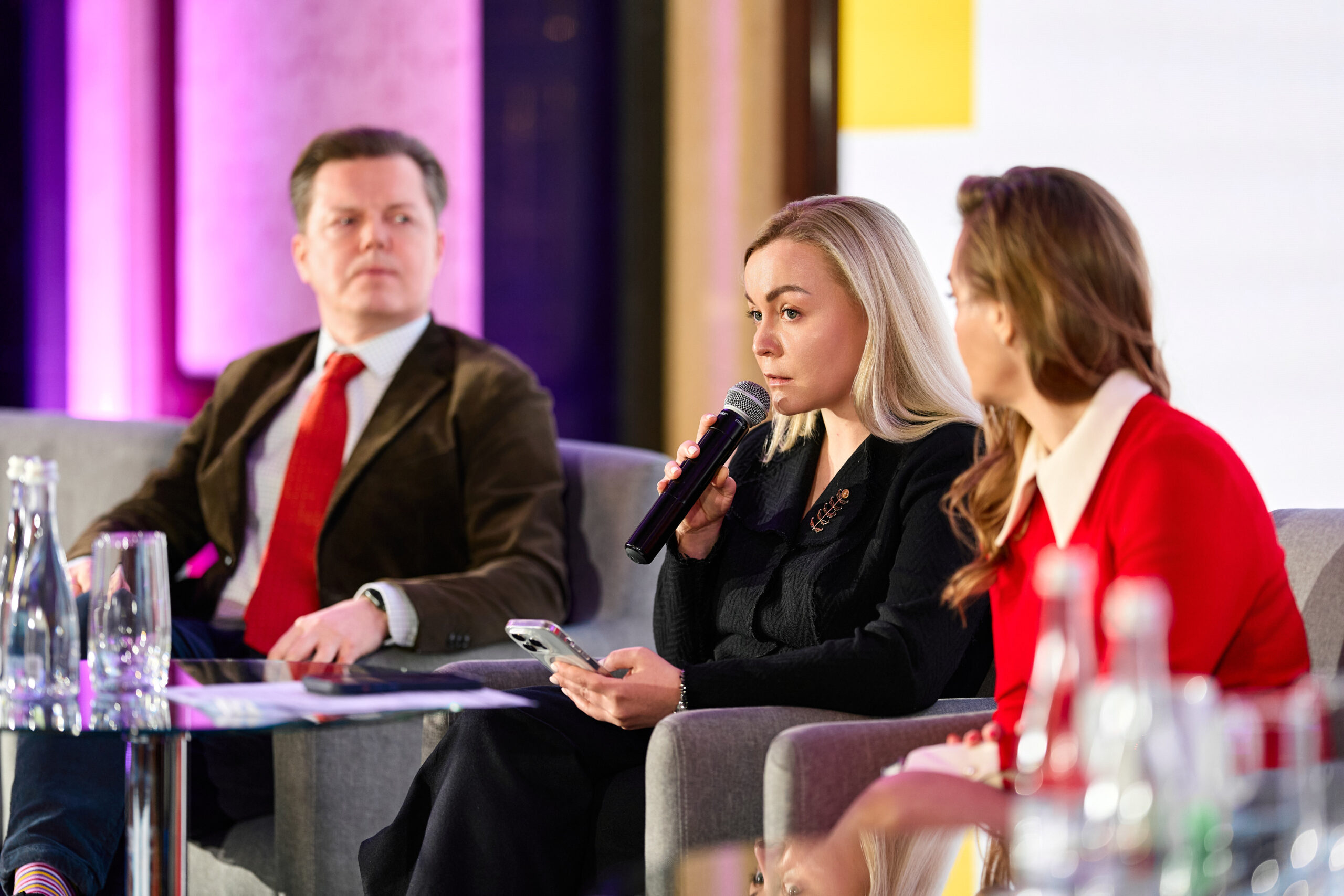
During the discussion, Svitlana Matviienko, Executive Director of the ALI, shared her vision of civil society’s role in cooperation with governmental authorities, where the partnership should be strengthened, and how to make it more effective.
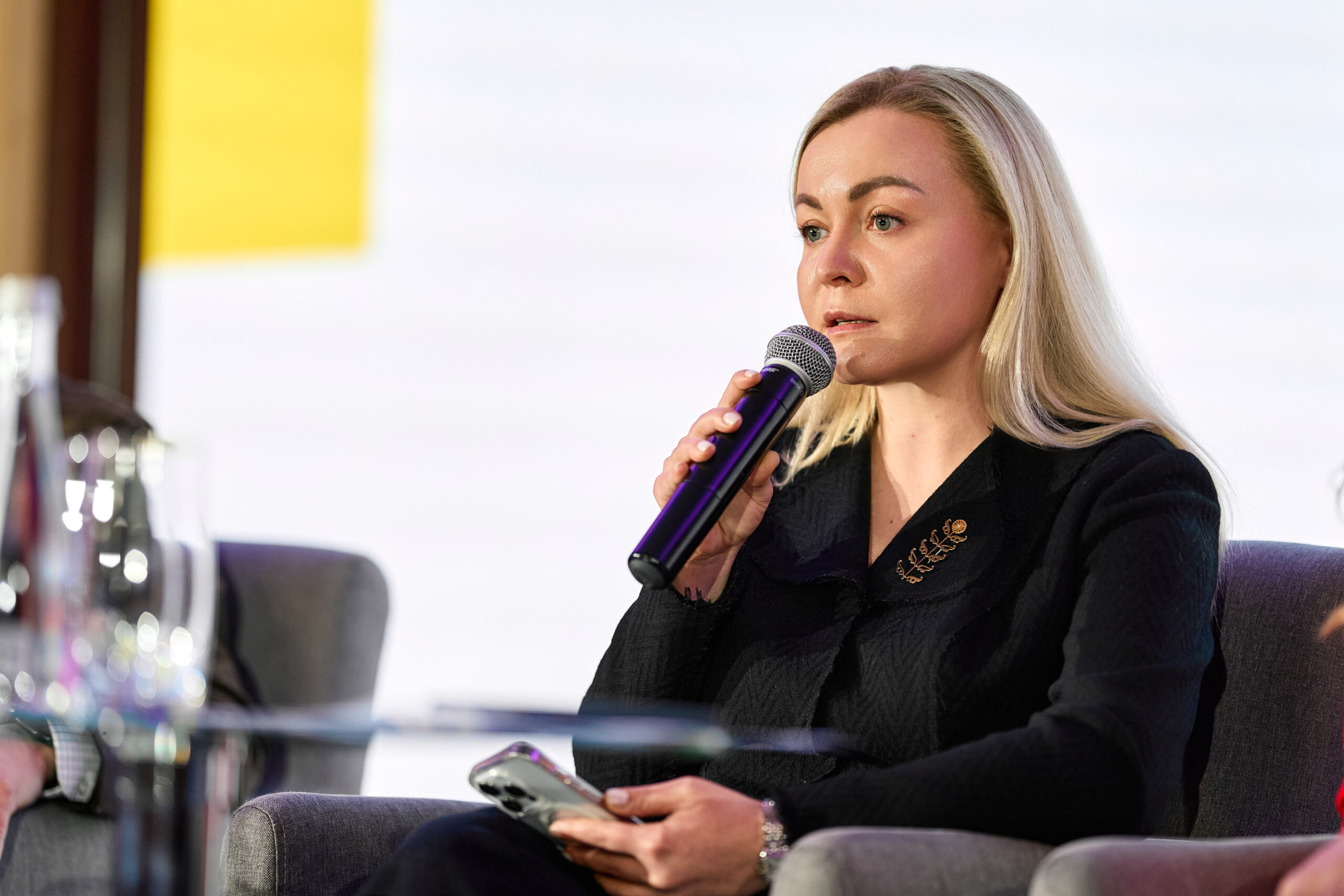
Given the experience of the Coalition of NGOs led by ALI, which prepared the Shadow Report to Title 23 Justice and Fundamental Rights of the European Commission’s 2023 Report on Ukraine, it should also be borne in mind that the issue of thorough joint work on roadmaps is both about human capital and the ability to implement them. And civil society needs to find opportunities to support institutions working on European integration processes, as this is a huge amount of work.
All issues, especially in times of war, can be resolved jointly and constructively, both with partners and civil society. Therefore, an important task for the public sector is to form such Coalitions and maintain constructive relations, while the government institutions need to build an adequate framework for cooperation.
For reference
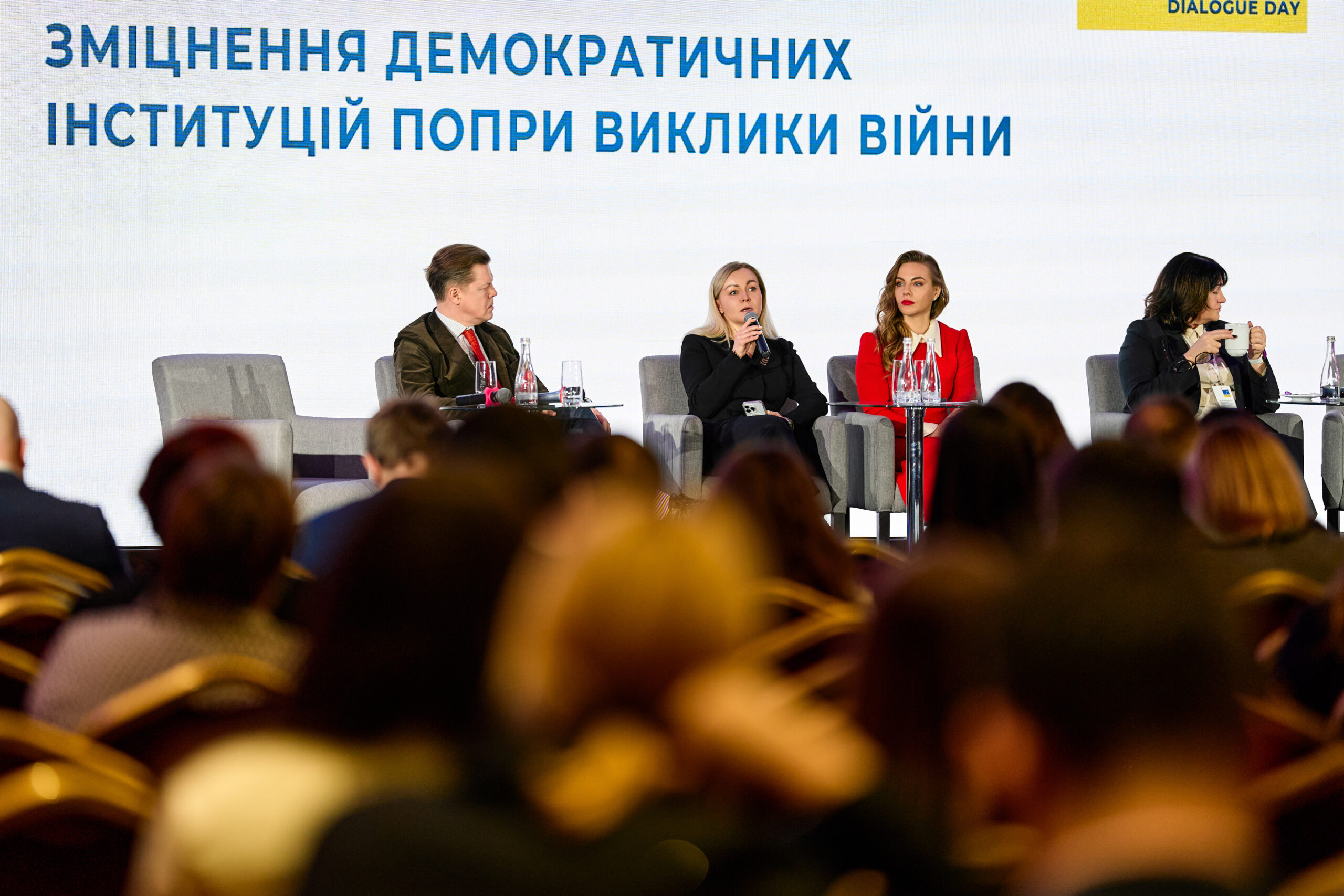
Ukraine’s Accession to the EU: Shaping the Transformation Agenda Forum was held on 7 February 2025. This forum brought together representatives of governmental authorities, the European Union, and the expert community.
During the event, participants discussed Ukraine’s transformation plan in the areas of the rule of law and public administration, namely roadmaps that will become key benchmarks for the coming years for Ukraine to achieve the EU membership criteria and a roadmap for the functioning of democratic institutions. These developments will form the basis for negotiations with the EU. Therefore, it is important to jointly identify the strategic priorities of such roadmaps, further steps for their implementation, and all the tasks and challenges along the way.
Agency for Legislative Initiatives in 2024: Results and Achievements
We share the most essential things, and thank all our partners for their support. Our systemic work allows us to continue fulfilling our mission, expanding it, and developing our expertise in analytics and civic education.
Analytics about and for the Parliament
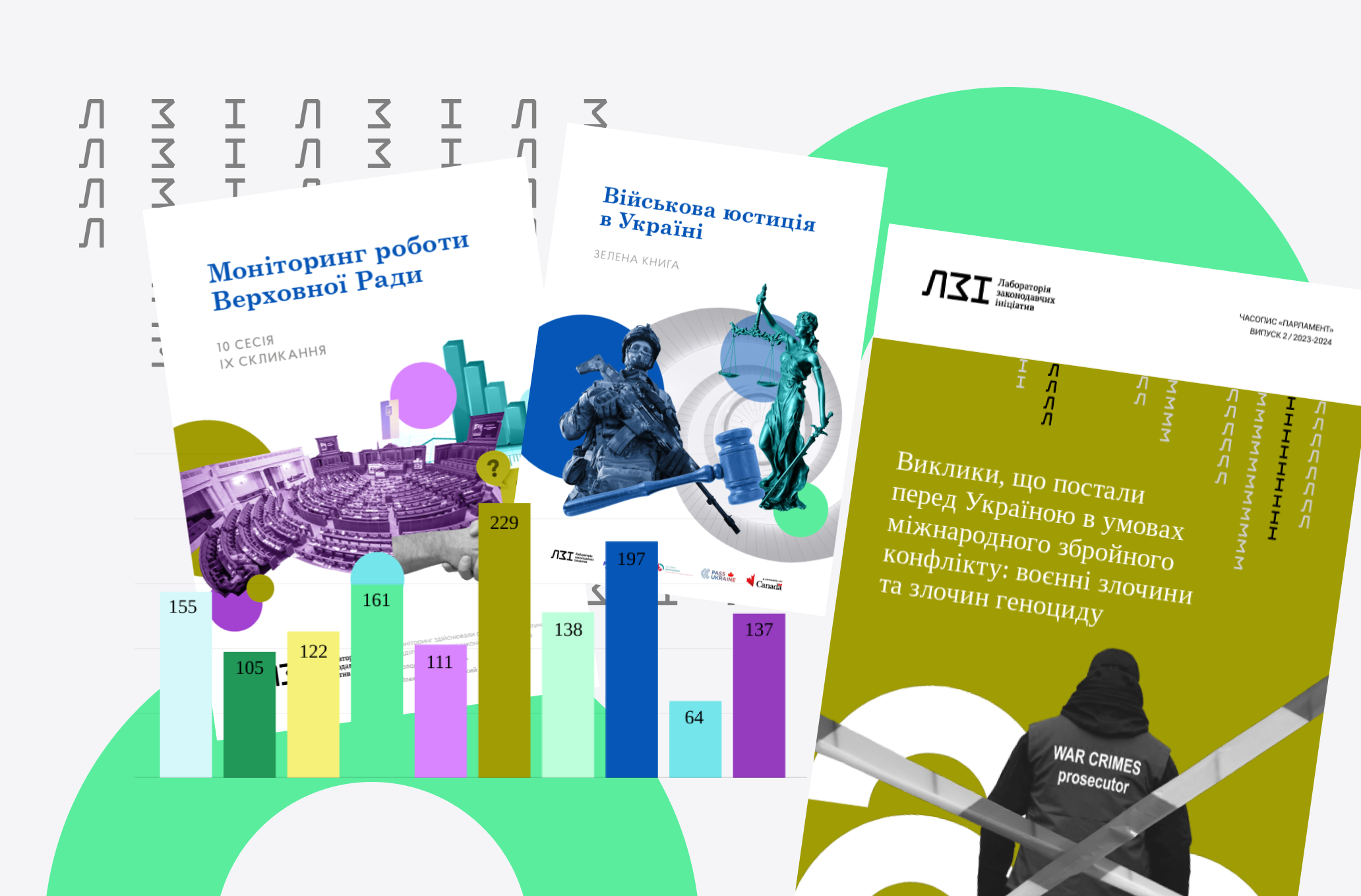
In 2024, we prepared several Parliamentary Monitors, which have been an important component of the ALI’s research for many years. Trends, main and side issues of Verkhovna Rada’s work processes, a lot of data and accompanying analytics on a number of factors – all this is analysed and reflected in the Monitors because based on data and regular monitoring, we can analyse the activities of the Parliament and strengthen its institutional capacity as the most important body in a democratic state.
You can read the ALI’s analytics on the Parliament for the 9th, 10th and 11th sessions here:
- Monitoring Report of the Activity of the 9th Session of the 9th Verkhovna Rada
- Monitoring Report of the Activity of the 10th Session of the 9th Verkhovna Rada
- Monitoring Report of the Activity of the 11th Session of the 9th Verkhovna Rada
In addition, ALI released two issues of the Parliament Journal in 2024:
- Temporary commissions in the Parliament: oversight without the ability to influence, where ALI analysed in detail what MPs did within the framework of temporary ad hoc and temporary investigative commissions, the effectiveness of their work, and what problems prevent temporary commissions from being an effective tool for solving the problems that concern citizens the most.
- Challenges Faced by Ukraine in the Context of International Armed Conflict: War Crimes and the Crime of Genocide. Since the first days of Russia’s full-scale war against Ukraine in February 2022, Ukraine, as well as the entire international community, has been facing the issue of qualifying crimes committed against Ukraine – it has become a real challenge in practice. That is why ALI’s research raises the following questions: “Do the norms of national legislation comply with the norms and principles of international law in terms of international crimes: war crimes and genocide?” and “How to legally justify the qualification of Russia’s crimes against Ukraine as the crime of genocide?”.
As well as periodic summary articles:
- Code of Parliamentary Ethics: Easy to violate, difficult to adopt, impossible to negotiate. Regulation of the rules of MPs’ ethical conduct in the public space is a long-standing “homework” for the Verkhovna Rada. After all, rash actions damage the image and undermine trust not only in individual MPs but also in the entire current convocation and the parliament as an institution. In other countries, unethical conduct can even result in the loss of a mandate. However, the Ukrainian parliament still has significantly limited ways to influence MPs’ actions, and these methods are currently not effective enough to prevent unethical actions and public scandals involving MPs outside the session hall.
- Achievements, Failures, Records and Myths of the Verkhovna Rada, 9th Convocation. On the occasion of the fifth anniversary of the 9th convocation of the Verkhovna Rada, ALI recalled the most memorable moments in the work of the parliament over the years – what surprised, pleased and worried the 9th convocation.
- On the Beaten Path: What Should the Verkhovna Rada of Ukraine Do to Get Closer to the European Union? The European Commission presented its Enlargement Report, which assessed the annual progress made by the candidate countries, including Ukraine. The Agency for Legislative Initiatives analysed the part of the report concerning the Verkhovna Rada, highlighted these points and explained why they are a priority for the parliament and its development as an institution that embodies Ukrainian democracy.
The work of the Parliament is systemically monitored thanks to the support of Sweden, which is ALI’s institutional partner.
In the context of challenges posed by Russia’s full-scale war against Ukraine, ALI has also prepared a Military Justice in Ukraine Green Paper, which is an analytical document covering information on the international experience of regulating and functioning of military justice, considering previous work on military prosecutors, advocacy, military police, military counterintelligence and military courts, and highlighting the challenges of creating new bodies of the military justice system in Ukraine.
The Green Paper was prepared within the framework of the Parliament and Accountability of the Security Sector in Ukraine (PASS Ukraine) project, which the Agency implements jointly with the Parliamentary Centre (Canada) in cooperation with the Verkhovna Rada of Ukraine and with the support of the Global Affairs Canada within the framework of the Peace and Stabilization Operations Program (PSOPs).
Parliamentary diplomacy
Throughout the year, we helped establish interparliamentary relations between Ukraine and several other countries, primarily our Canadian partners. Within the framework of the Parliament and Accountability of the Security Sector in Ukraine (PASS Ukraine) project, there were several working visits of Ukrainian parliamentarians to share experience in the field of military justice and law enforcement, practices of working with classified information, external audit processes in the security and defence sector, building civil-military culture, and the experience of Canadian colleagues in exercising parliamentary oversight of the armed forces and defence agencies. During these visits, the Ukrainian delegation joined events in the Canadian Parliament and, inter alia, the plenary session of the NATO Parliamentary Assembly in Montreal.
- Working Visit to Canada for MPs from the VRU Committee on Law Enforcement
- Results of the working visit of Ukrainian MPs to Canada
- Ukrainian parliamentary delegation to Canada: Results of the working visit


A new area of work – the rule of law
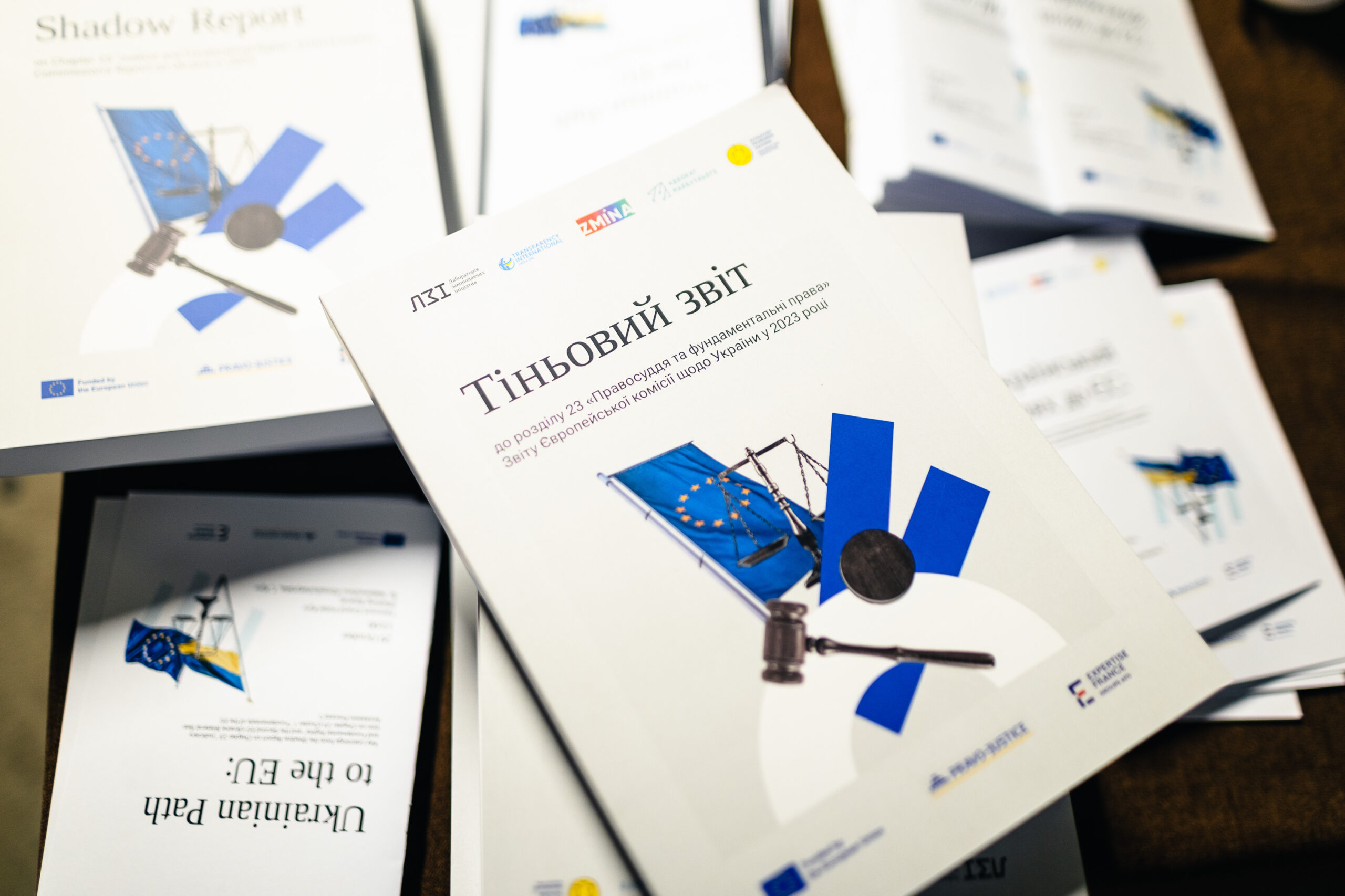
An important and honourable achievement for us was the new Rule of Law area of work led by Karina Aslanyan, which we launched in 2024: In Coalition with other NGOs, we prepared and presented to the European Commission the Shadow Report on Title 23 Justice and Fundamental Rights, held discussions on its key findings, and regularly issued expert materials on judicial reform, its related problems and challenges, competitive selection of judicial institutions, etc.


Decentralisation, communities and recovery
The current state of de-occupied communities and their recovery was a separate focus of our research. In particular, ALI published:
- The Assessment of the state of public services in de-occupied communities (Kherson Oblast) shows the unique experience of de-occupied territorial communities in Kherson region. These communities continue to provide public services to their residents despite lacking financial and human resources. Analysing this experience is extremely important, as it will help aggregate it and prepare for possible challenges after the de-occupation of other regions of Ukraine.
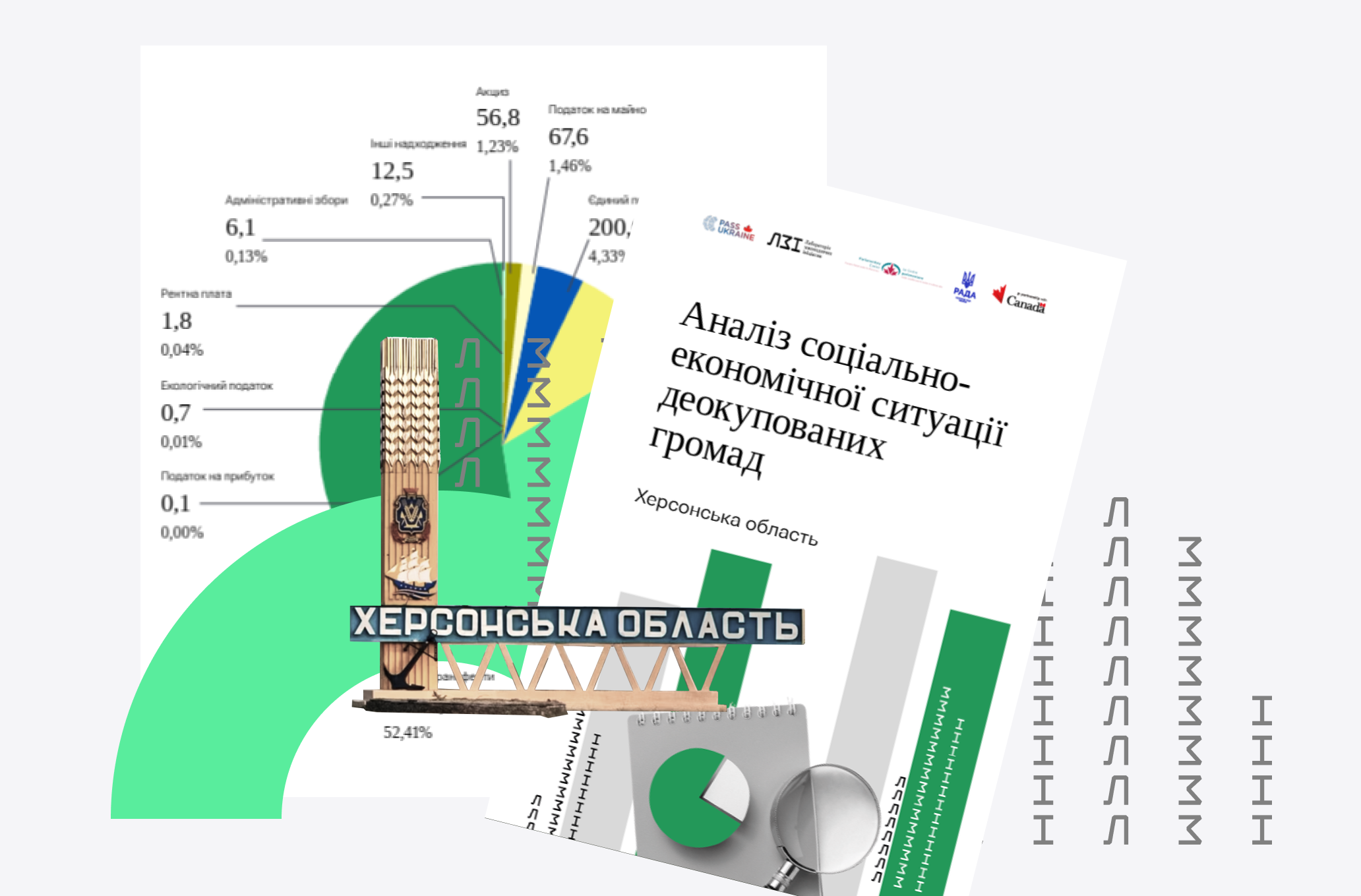
- The Analysis of the Socio-Economic Situation in De-Occupied Communities: Kherson Oblast research highlights the general trends in the development of de-occupied communities in Kherson Oblast. Special attention is paid to five key indicators: socio-demographic, financial, infrastructure accessibility, migration processes and cooperation. This is unique data that is needed to plan the recovery of de-occupied territories in a balanced manner.
These studies were prepared within the Parliamentary Accountability of the Security Sector in Ukraine (PASS Ukraine) project.
The growth of social demands and the complexity of their provision are illustrative, but not exhaustive, challenges faced by the central government, local governments, NGOs, and charities in building an effective social services market in Ukraine. Therefore, the Agency conducted the Social Services in Ukraine: Current Status, Problems and Limitations research, which describes the state of social services in the context of a full-scale invasion and provides recommendations for improvement. The research was carried out with the support of the International Renaissance Foundation.
Public administration reform
In 2024, the Agency for Legislative Initiatives continued to work on public administration reform. In previous years, ALI comprehensively monitored the implementation of the reform. Returning to this topic, we have prepared a series of info briefs on various aspects and challenges of public administration reform.
- Place of service in local governments in the public administration reform
- Place of administrative services in the public administration reform
- Place of civil service remuneration system reform in the public administration reform
- Updating the civil service selection procedure
The info briefs were developed with the support of Switzerland as part of the Improvement of Governance in Ukraine: Enhancing Policy Making for Social Progress Project.

Outreach activities
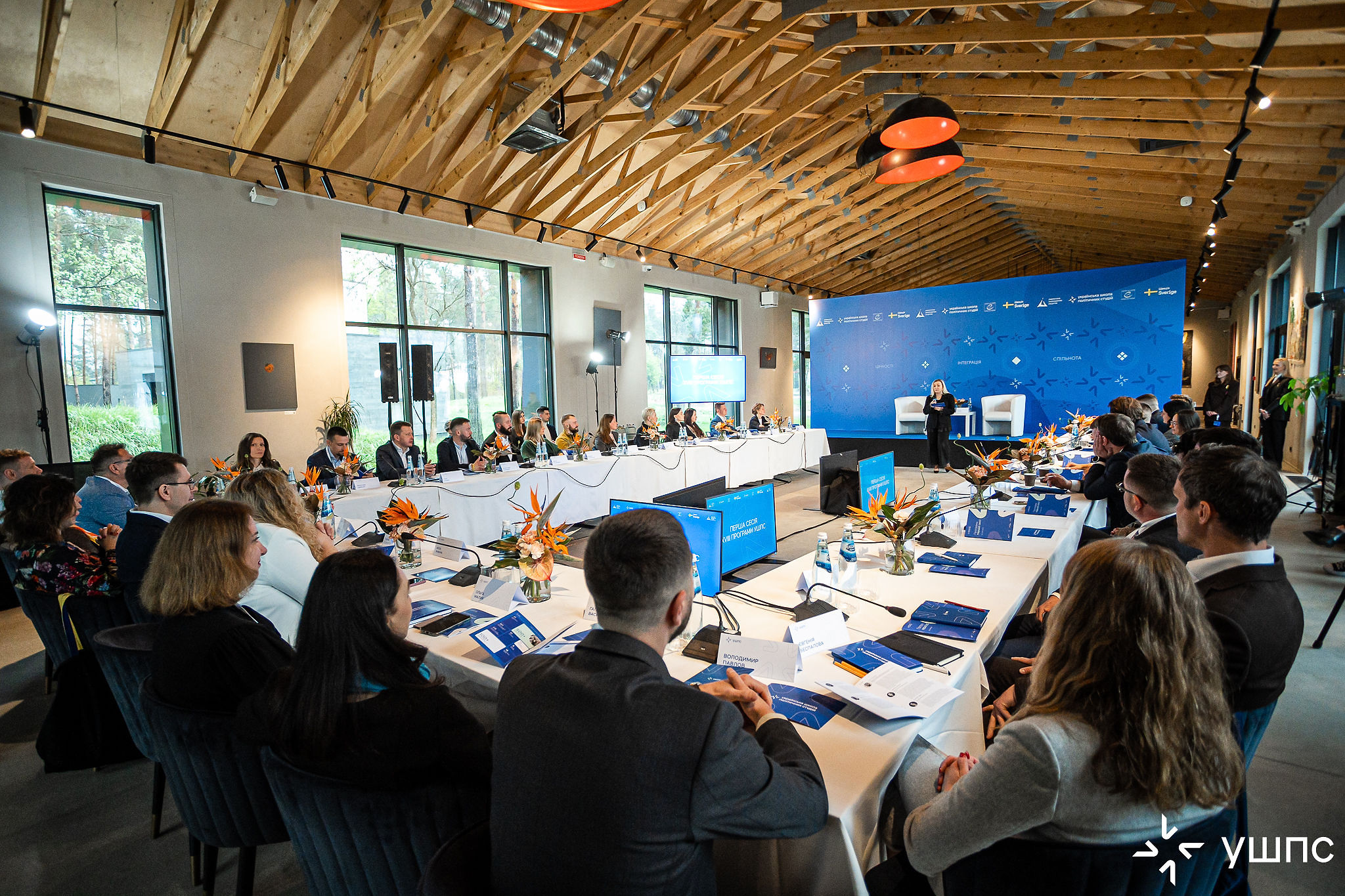
Of course, the Agency for Legislative Initiatives continued to implement the programme of the Ukrainian School of Political Studies, an educational project launched by ALI and the Council of Europe in 2024. In addition to the annual USPS-2024 programme, we managed to implement the You Are Important programme designed to support servicewomen and women veterans and hold six thematic USPS Clubs and two USPS Alumni Programmes. Moreover, a new video course, “Political Science with Ivan Gomza,” was released as part of the USPS Lectorium.
In addition, we held a series of training events for representatives of the Verkhovna Rada Secretariat and other government agencies:
- Workshops on Principles and Practices of Legislative Impact Assessment
- Workshop on Legislative Impact Assessment and Its Application in the Context of Defence and Security Sector Reform
- Workshop on Principles and Practices of Gender-Sensitive Legislative Impact Assessment for the Verkhovna Rada
In the report “The Role of Legal Education in Shaping Students’ Understanding of the Law,” we focused on how students perceive the law, how law and legal education affect their lives, and what legal instruments they tend to use to solve practical situations. This report was prepared with the support of Sweden, an ALI’s institutional partner.

We would like to thank all the partners and friends of the Agency for Legislative Initiatives who helped strengthen the Ukrainian state in 2024. Thanks to your support, we continue to work hard and diligently to implement our mission.
Amendments to the Constitution: New Rules Dictated by the Call of the Times
Today, the Constitution of Ukraine celebrates its 28th birthday. Though adopted quite late, as the result of a compromise, it was nevertheless a huge achievement for Ukrainian statehood as of 1996. At the same time, every Ukrainian President and every convocation of the Verkhovna Rada tried (and did so with varying degrees of success) to change the Ukrainian Constitution. The full-scale invasion of Russia (its social, demographic, economic, and political consequences) activated a broad discussion on the need to revise the social contract (these changes, by all means, shall somehow be reflected in the Constitution). Thus, the constitutional discussion continues during the hostilities, and after they end, it moves into the dimension of legislative work. In its research, the Agency for Legislative Initiatives often faced requests for constitutional changes. Therefore, to support constitutional discussions, we suggest making a retrospective journey into the history of the constitutional dimension of our research.
Social sphere: The Constitution guarantees, but is the state capable of ensuring?
The Constitution declares that Ukraine is a social state (Article 1). However, to what extent is this provision realistic? The key problem is that, despite such a declarative norm, the state has little money to implement this. This problem is so obvious that the Ministry of Social Policy of Ukraine officially recognises its existence.
In line with this, the search for a quick way to resolve it looks rather illusory since the Constitution establishes a mechanism that significantly restricts the possibilities of reforming the system of public services. In the context of veteran policy, these norms, together with decisions of the Constitutional Court, blocked the reforms. And this applies not only to veteran policy. A great part of the Constitution of Ukraine comprises such social norms. Another example is medical reform, the unconstitutionality of which the Constitutional Court of Ukraine (CCU) has been considering for several years. When it comes to social and demographic composition, Ukraine of the mid-2020s is very different from Ukraine of the mid-1990s. Under such conditions, social policy shall be flexible and adaptable, which is hard to achieve with current socially oriented prescriptions of the Constitution.
Parliamentary reform: how many issues still need constitutional regulation?
The Ukrainian Constitution features imbalances in terms of the status of the coalition and the opposition. Unlike the term “coalition of parliamentary factions,” the notion of a parliamentary opposition is not enshrined in the text of the Constitution. The opposition shall play an essential role in exercising parliamentary control and constitute an integral part of the parliamentary dialogue. Nevertheless, so far, there are three parliamentary committees headed by representatives of the parliamentary minority: 1) Youth and Sports, 2) European Integration, and 3) Freedom of Speech. These are the least influential committees within the parliament with the smallest scope of responsibility and, accordingly, the smallest workload. Certainly, this situation does not contribute to parliamentary control from the opposition.
During its work, the working group on parliamentary reform faced the need for amendments to the Constitution. Resolving this issue is one of the recommendations of the Road Map on internal reform and increasing the institutional capacity of the Verkhovna Rada of Ukraine (Recommendation 44). There are two possible ways to resolve this issue – either to add the norms on the parliamentary opposition to the Main Law or to remove the norms on the coalition from it.
Restrictions on Legislative Spam
Legislative spam is a well-known problem in the Ukrainian parliamentary system. It replaces high-quality law-making work with the adoption of hundreds of low-quality legislative acts, which need to be amended almost immediately after their adoption and do not have a real impact on resolving social problems. For example, during the recently completed 10th session of the current convocation, 80 draft laws were registered (+20%) more than during the previous similar session. One of the MP groups registered more draft laws than the total Cabinet of Ministers, and the MP’s draft laws were mostly registered by 1-3. All these are clear signs of legislative spam.
One of the priority approaches for overcoming legislative spam is the possibility of introducing a collective legislative initiative of MPs. This decision is often discussed in various working groups. However, implementing such a mechanism may require clarifying the norm of Article 93 of the Constitution.
The norm of this Article establishes that “the right of legislative initiative in the Verkhovna Rada of Ukraine shall belong […] to members of parliament of Ukraine”. That is, MPs as the subject of the legislative initiative are mentioned in the plural. Although previously, this did not prevent MPs from exercising this right individually. Therefore, in the event of any change in the practice regarding the minimum number of MPs who have the right to introduce draft laws, this constitutional norm shall be worded differently. Clarifying its content is to prevent possible contestation of the unconstitutionality of the new requirement to limit individual legislative initiatives.
Signing and promulgating draft laws not signed by the President
What to do if the President of Ukraine does not sign or veto the draft law adopted by the Verkhovna Rada of Ukraine? The problem that such an unsigned draft law was supposed to resolve has not been resolved, but the Verkhovna Rada had already done everything possible. The imperfect wording of Part 3 Article 94 of the Constitution creates specific problems in the legislative process. Thus, this part contains a provision that states, “If the President of Ukraine does not return the law for reconsideration within the prescribed period, the law shall be considered as approved by the President of Ukraine and shall be signed and officially published.” This wording prevents the establishment of a person authorised to sign and publish draft laws that the President has not signed within the 15-day period. During martial law, the President increasingly uses these aspects to avoid signing or untimely signing of draft laws. Thus, during the 10th session of the current convocation, 42% of draft laws were signed untimely or not at all. These indicators increased threefold during the period of martial law.
At the same time, part 4 of this Article does not contain such an imperfection. It clearly stipulates that when the veto is overcome, the relevant law shall be made public by the Chair of the Verkhovna Rada of Ukraine and published with their signature. Drawing a parallel with this provision and taking into account the fact that Article 94 is found in Chapter IV, “Verkhovna Rada of Ukraine,” it is quite logical to assume that the draft law not signed by the President should be signed by the Chair of the Verkhovna Rada. In reality, this logic does not work; if the President does not sign the draft law, then the Chair of the parliament does not take responsibility for signing such acts. Therefore, not to make assumptions, such provisions should be clearly recorded in the Constitution.
Parliamentary committees with the control function
Under Article 89 of the Constitution, “The Verkhovna Rada of Ukraine, for the purposes of law drafting, preparation, and preliminary consideration of issues falling within its powers, and to exercise the supervisory functions in compliance with the Constitution of Ukraine, shall form the Committees of the Verkhovna Rada of Ukraine from among MPs of Ukraine.” This approach established the “universal nature of parliamentary committees. That is, they are simultaneously engaged in legislative work and perform the control function. Problems started when trying to improve the work of the parliament. For example, to bring it to NATO standards, the Verkhovna Rada should create a control committee over law enforcement and intelligence bodies. Such norms have already been included in the legislation; however, in practice, the Committee was not created due to discussion on its unconstitutionality.
Another practical manifestation of this situation consists of limitations in introducing an effective sanction system against violators of ethical norms. Scandals about the unethical behaviour of MPs appear almost every month. The Verkhovna Rada is unable to properly respond to such behaviour because there is no mechanism for self-regulation of their behaviour. This leads to the negativity from a scandal involving one member extending to all MPs, reducing trust in the entire parliament. This problem can be solved by the Code of Ethics of Members of Parliament. Draft law No. 8327 on the Code of Ethics of Members of Parliament was registered in the parliament in late 2022. Experts from the Agency for Legislative Initiatives participated in its development. Among other things, this act proposes to create a committee, the subject matter of which is the issue of monitoring compliance with discipline and rules of parliamentary ethics. However, such an initiative also ran into a discourse on unconstitutionality, although it does not foresee the creation of a special control committee.
Summarising this text, we would like to emphasise that it is not about the Constitution’s shortcomings, the shortsightedness of its authors, or the reforms of recent years. This text concerns the importance of constitutional discourse and its mass nature/popularity for a democratic country. The wider this discourse is, and the more discussion platforms and participants are in this process, the more weight the Main Law itself will have and the more legitimacy will be vested in the state bodies, which is undoubtedly crucially important both for a young democracy and especially for a country at war. And the Constitution, as a certain framework of social relations, shall and will inevitably change along with social relations. The Constitution will most likely change after the end of martial law. This constitutional discussion should define exactly what will be changed, what the new social contract will be, and what form it will take. And the Constitution Day is a good opportunity to think about it.
Military Justice in Ukraine: ALI Joined the Discussion in the Committee of the Verkhovna Rada
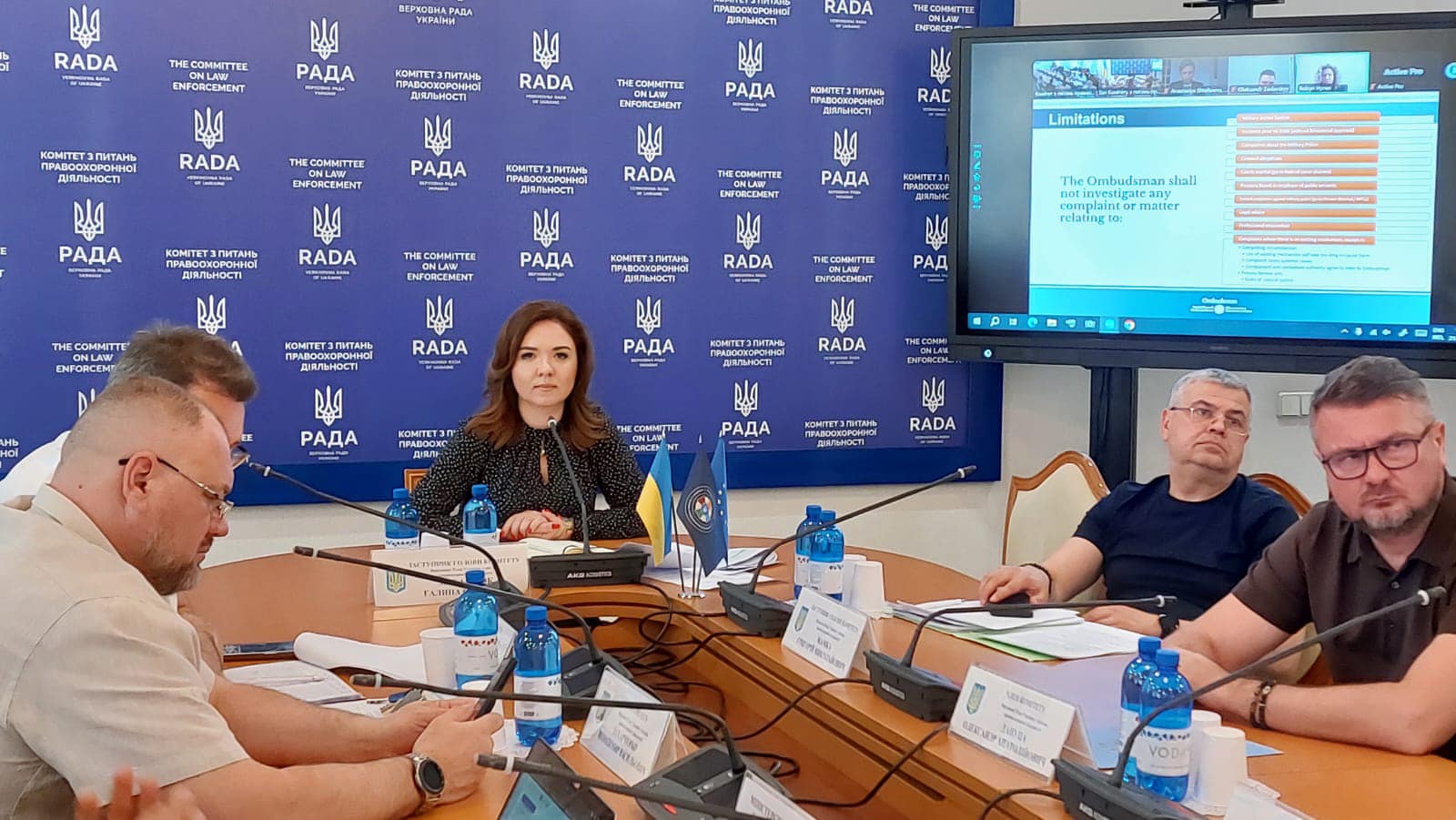
On May 21, 2024, the Agency for Legislative Initiatives participated in the round table on “Military justice: Canada’s experience and possible options for regulation in Ukraine“, organised by the Committee on Law Enforcement Activities of the Verkhovna Rada of Ukraine.
The event was attended by the head of the Law Enforcement Committee, Sergii Ionushas, Representative of the President of Ukraine to the VRU/Deputy Head of the Committee Galyna Mykhailiuk, Deputy Heads of the Committee Maksym Pavliuk and Hryhorii Mamka, Subcommittee Chairmen Oleksandr Danutsa and Vladlen Neklyudov, Committee member Volodymyr Zakharchenko, Canadian experts on military justice — Ms Robyn Hynes, Director General of Operations, Office of the DND/CAF Ombudsman, and Colonel Todd Murphy, Deputy Commander, Office of the Canadian Armed Forces. The roundtable was also attended by representatives of the Parliamentary Accountability of the Security Sector in Ukraine (PASS Ukraine) project, the Ministry of Defence of Ukraine, the General Staff of the Armed Forces of Ukraine, the Military Law Enforcement Service of the Armed Forces of Ukraine, the Prosecutor General’s Office, the Security Service of Ukraine, and the State Bureau of Investigation.
The issue of the functioning of the military justice system in Ukraine has become particularly acute since the beginning of Russia’s full-scale aggression against Ukraine. After all, creating a clear and fair legal mechanism designed to perform the law enforcement function in military formations and the function of justice for military personnel is one of the important components of the combat capability of the state’s armed forces. That is why studying the experience of Ukraine’s strategic partners and updating the relevant legislation is a priority in this area.
During the panel discussions, the participants discussed the following themes:
- Overview of the Canadian military police system.
- Powers and functions of the Canadian Armed Forces Ombudsman.
- Canada’s experience in respecting the rights of servicemen and women when they are brought to justice.
- Problems of functioning of military justice in Ukraine.
- Problems of creating new bodies of the military justice system and military courts.
In addition, the event featured a presentation of the Green Book on Military Justice in Ukraine, which was prepared by the Agency for Legislative Initiatives in cooperation with the Parliamentary Centre (Canada) as part of the PASS Ukraine project and with the support of Global Affairs Canada under the Peace and Stabilization Operations Program (PSOPs).
The web version of the document will soon be available on the ALI website.
Executive Director of the ALI Svitlana Matviienko on Air of Radio Svoboda
Amid the recent news of personnel reshuffles in the Government, including the dismissal of the heads of the Ministry of Agrarian Policy and Food and the Ministry for Communities, Territories and Infrastructure Development of Ukraine, people are talking a lot about what is happening behind the scenes. However, very little is said about the aspects that shape the presentation, communication, and, ultimately, decision-making on important state issues.
Executive Director of the ALI Svitlana Matviienko spoke on the air of Radio Svoboda about the format of decision-making on personnel changes, their communication, and what society should pay special attention to in these processes:
So, no ministerial term, especially during a full-scale war, has ever gone perfectly. However, given the current personnel hunger and the reluctance of people to take up leadership positions, decisions to fire certain individuals seem somewhat unreasonable.
At the same time, you can decide whether the proposal to separate the ministries (of infrastructure and communities and territories development) again aligns with the Government’s idea of optimising ministries in general by reading the Agency’s latest article here.
The Agency for Legislative Initiatives, with the Support of the European Endowment for Democracy, Is Launching the Project “Assistance in Establishing Justice and Transparency”
“Assistance in establishing justice and transparency” is a new project of the Agency for Legislative Initiatives, which will be implemented with the support of the European Endowment for Democracy (EED).
As part of the Watchers.Media project, the media division of the Agency, will work to ensure transparency and accountability in the legal system, as well as to promote social justice and equality.

As a reminder, the Agency launched Watchers.Media in 2020. This is a specialized publication that publishes materials on significant topics and issues related to military aggression, law enforcement agencies, and investigations of high-profile events and crimes. The publication responds to current topics but also keeps in view those that have lost resonance, forcing them to return to the information space when there is a public interest in this.
Such projects are significant now because the investigation of crimes against humanity and the search for the truth in socially significant cases are, at the exact time key prerequisites for democratic development and post-war reconstruction of Ukraine.
The European Endowment for Democracy (EED) is a committed partner of Ukrainian civil society, supporting initiatives to strengthen democratic processes. We are grateful for the opportunity to jointly implement initiatives that will help Ukraine on its democratic path!
Additional information:
The European Endowment for Democracy (EED) is an independent, grant-making organisation, established in 2013 by the European Union (EU) and EU member states as an autonomous International Trust Fund to foster democracy in the European Neighbourhood (Eastern Partnership – EaP – and Middle East and North Africa – MENA), the Western Balkans, Turkey and beyond. EED supports civil society organisations, pro-democracy movements, civic and political activists, and independent media platforms and journalists working towards a pluralistic, democratic political system.
The Agency for Legislative Initiatives is a leading Ukrainian think tank focused on the study of Ukrainian parliamentarism, support for Ukraine’s European integration path, work with decentralization reform, and political education.
The Rule of the People on the Ground During Martial Law
The decentralisation reform and the transfer of resources and powers to the local level therewith increased the number of participation tools for residents of communities. The communities have more opportunities for the changes that the residents of the community themselves can initiate – participation budgets, electronic petitions, consultations in the development of draft decisions, public control, and other options to ensure transparency of local processes. These tools have been legislated. But how can the community get involved in addressing local problems? And do war conditions allow doing so?
Russia’s full-scale invasion into Ukraine and the introduction of martial law create some restrictions for citizens – in the context of both forms of public participation and access to public information. This is primarily due to security issues, as the enemy tries to use all possible information (including public one) as weapons against us.
Among other things, during martial law, local self-government bodies or their ‘substitutes’ (i.e., military-civil and military administrations) may refrain from publishing draft decisions. The work of local MPs’ committees and local councils is not announced in advance and can take place behind closed doors. Public electronic registers (especially those for land plots, planning documentation) may be closed to citizens. In addition, some communities have temporarily ceased to hold calls for public budget proposals or delayed participation budget projects (this is regulated by a Cabinet of Ministers of Ukraine’s Resolution, which legitimises free disposal/transfer of local funds for the purpose of counteracting Russian aggression. In fact, budgetary funds that were appropriated for the implementation of local initiatives are reallocated to address military needs). This is due to the peculiarities of the budget process under martial law and limited financial resources.
All of this changes the relations of local self-government bodies and the community, established by the decentralisation reform, and, accordingly, narrows the ability of citizens to influence local authorities. Yet it should be remembered that all the above restrictions are temporary, and citizens are not deprived of the rights to participate in the life of their community. Today, there is no legislative act forbidding that completely.
How are the forms of participation of community residents regulated?
The Ukrainian legal framework does not have a single law regulating the procedures of all forms of public participation. The main forms of local participation of citizens are defined in charters, provisions on communities and the following laws:
- Law of Ukraine on Local Self-Government in Ukraine;
- Law of Ukraine on the Bodies of Self-Organisation of the Population;
- Law of Ukraine on Citizens’ Appeals;
- Law of Ukraine on the Status of Members of Local Councils.
So, the participation of citizens is not limited only by the elections of the head of the community and their deputies, which, by the way, may not be run during martial law (at least as yet). Citizens are also guaranteed the rights to access freely information about local authorities, attend local government meetings, submit electronic petitions, hold public hearings, etc. Which may be used under martial law, and which ones are to be put off – we tell you further.
Local referendum
Local referendum (Article 7) is a form of direct expression of will of community residents. Any issues may be addressed at a local referendum, except for those prohibited by the Constitution (taxes, budget and amnesty) and those belonging to the powers of state, rather than local authorities. For example, a local referendum in the community may address the issue of liquidation or reorganisation of communal educational institutions, approval of the charter of the community or changes thereto, a community development programme, early termination of powers of the head of the community, etc.
Local referendum decisions are binding. But organising and holding it is not easy. This requires an initiative group of citizens, collecting signatures among voters, financial resources for its organisation.
However, nowadays, a referendum may not take place for two reasons. First, there is martial law in Ukraine, which prohibits elections including referendums. Second, the vehicle of local referendum has been mentioned in the national legislation in a piece-meal way across several legislative acts, since in 2012 the fundamental Law on All-Ukrainian and Local Referendums lost its effect. As a result, a legal vacuum developed with regard to the procedural aspects of this form of participation. The Law of Ukraine on Local Self-Government mentions that the procedure for setting and holding a local referendum and the list of issues that may be addressed at it are to be determined by a law on referendums. However, this law is not in place today. Draft law No. 5512 On Local Referendum has been with the Verkhovna Rada since its registration back in 2021 but is yet to be approved.
General meeting of citizens
General meeting of citizens (Article 8) provides for the direct participation of citizens in addressing local issues. For example, this may be a meeting of the inhabitants of the section in a block of flats, street or neighbourhood to discuss the problems of their area, file proposals to local self-government bodies, discuss the council’s draft decisions. At the meeting, citizens may require reports from local self-government bodies and actions to address pressing issues (such as the state of the environment, social services provision to various populations of the community, urban development, etc.). The procedure for holding a general meeting of citizens is determined by the charter of a specific territorial community. Any community resident may initiate a general meeting where there is a need to address an issue or set up house committees (e.g., homeowners associations). If a community resident initiates that meeting, then the notice along with the agenda is sent to the local council, published on the official website and shared in the media.
During martial law, this instrument of participation formally works. The only thing is that there can be difficulties in organising meetings, especially in communities where lots of residents have left for safer regions. The decisions of the general meeting of citizens shall be considered by local self-government bodies. If local authorities decide not to accommodate the decision of the general meeting, they should provide a reasoned response together with a refusal to make the requested decision.
Local initiatives
Local initiatives (Article 9) are the right of members of a territorial community to initiate the council’s consideration of any issue related to local self-government. These can be issues on land relations, social, administrative, educational, healthcare services, etc. For example, initiatives on establishing a municipal centre for rehabilitation of veterans, preventing the build-up of the city, planting trees along the street, developing transport infrastructure, repairing an educational institution, etc. Local initiatives may also relate to the council’s committees – for example, proposals can be made to change the members of a committee or exclude a certain local MP where residents of the community do not trust them. In fact, through local initiatives, community residents can draft decisions – just the way MPs do that – and they must be considered at the council’s session.
During martial law, this participation tool is accessible to community residents, even in a situation where a council meeting is held behind closed doors. The issue of the initiative group is included into the agenda of the meeting in advance, the day of the meeting is then communicated, and it must be discussed by all members of the council with the participation of that group.
Public hearings
Public hearings (Article 13) are the right of a territorial community to hold meetings with the members of the council or officials. This is a kind of public meeting to exchange opinions where citizens can have their say on pressing issues, and representatives of LSGBs can hear the needs of community residents.
For example, before decision-making on building a waste processing plant, the LSGB may organise public hearings to get feedback from the residents. Thus, public hearings are not just a tool to inform the community residents about relevant issues, but it is also meant to involve citizens into solving local problems.
Public hearings are held at least once a year, although in practice, this legislative requirement is not always complied with. All proposals made as a result of public hearings must be considered by local self-government bodies.
During martial law, it can be challenging to organise and hold public hearings. First and foremost, this is because today LSGBs’ representatives address urgent issues related to military needs, IDPs and humanitarian aid. Otherwise, public hearings are held informally or online. Communities use online platforms, such as e-Dem, Google Forms, Diia chatbot. For example, these participation formats were used for renaming the streets in Kalush and Chervonohrad communities.
Consultative surveys of citizens
Consultative surveys of citizens (Article 43) are a form of participation that is used to identify the opinion of residents on the needs and problems of a community. At their plenary sessions, district and regional councils make decisions following the proposal of territorial communities to conduct such a survey. The findings of this survey are taken into account in making respective decisions. For the most part, such a survey involves unambiguous answers – “yes” or “no” – and refers to some specific problems. A consultative survey of citizens is flexible, as it can be conducted for a given house, residential quarter, street – everything depends on the decision of local authorities. This survey takes little time, and its participants have to answer the questions once. There are no restrictions as to the systematic nature of such surveys – they can occur depending on the emergence of requests, e.g., when there are discussions on a particular draft decision of the council on urban development, landscaping, local infrastructure, environmental safety, etc.
Population self-organisation bodies
Population self-organisation bodies (Article 14) are established to address certain issues of local importance. These bodies can be endowed with their own finances, property, powers, and they are established at the initiative of residents of a building, residential quarter, street, neighbourhood.
Notionally, residents of an inhabited locality can directly influence the decisions of the council and monitor their implementation. It is, in fact, a tool of direct democracy. There are many examples of issues that can be resolved through self-organisation of the population. For instance, a residential complex is planned to be built, but its construction was not agreed with local residents who live in the area. In this case, residents can self-organise and establish committees that would prevent illegal construction. Another example is a broken and bumpy road in the area, and a member of the local council does not respond to the problem. Here, too, the establishment of street-based committees facilitates raising the profile of the issue in the media and to the level of LSGBs.
There are other cases where self-organisation bodies can be established. For example, when there is an active part of inhabitants in a neglected residential quarter of the community, they can unite to systematically promote their ideas.
Uniting into population self-organisation bodies has a double advantage – its activity can enhance the work of members of a district council, and it can be resistance where a local MP abuses their powers and spends budget resources on their own needs. The district to which the member of the local council is assigned usually goes beyond a street, house or residential quarter. Therefore, oftentimes the MP may lack resources or time to lobby for a decision in favour of the community or even explore the problem in greater detail. Accordingly, in this case, residential quarter or street-based committees will be effective, and they, in fact, play the role of local MPs by offering solutions to problems. The only thing, of course, is that initiators from population self-organisation bodies may not vote on these decisions in the council.
Creating a population self-organisation body can be particularly effective in the process of recovery of territories, as their activities relate to different areas. Considering that the population self-organisation body, together with local MPs, represents residents of a street, building, residential quarter, etc., their initiative can minimise the risks of abuse and corruption. Another advantage of the functioning of such a body in the process of recovery of territories is the ability to raise funding since the population self-organisation body is funded not only by local budgets but also by voluntary contributions of individuals and other revenues that are not prohibited by law.
Other forms
Appeals of citizens – proposals, statements, and complaints, presented in writing or verbally, and electronic petitions. Appeals may relate to any issue that is of concern for the residents of the community or needs to be immediately resolved. During martial law, this form of participation is widespread as the number of individuals in need of advice on social services, housing recovery, etc. has increased significantly. In some regions, special advisory assistance centres have been established (for example, the City Support Centre for Internally Displaced People is operating in Lviv). Another form of public participation – voters’ instructions to their member of the local council – is specified in the Law on the Status of Members of Local Councils. Voters can make submissions to their local council members at a meeting, in the course of their reports or meetings with them. These instructions can relate to any issues and needs of a constituency or community as a whole (for example, repair of a road, rehabilitation of an educational institution, etc.). Such an instruction must be endorsed by a majority of those present at a meeting (by voting). The local MP must convey the content of the instruction to the local council, and a decision on its implementation is made in line with available resources. This tool allows combining the efforts of the entire community to fulfil the instruction, since participation in the implementation can be taken by both constituency voters and the LSGB.
In lieu of the conclusion
National legislation, martial law and restrictions associated with it do not ban full participation of citizens in local self-government. Moreover, as of today, the Verkhovna Rada has adopted in the first reading the draft Law on Amendments to the Law on Local Self-Government in Ukraine and Other Legislative Acts of Ukraine on Democracy at the Level of Local Self-Government, which improves the procedure for organising the forms of participation. Therefore, even in today’s environment, it is important for local self-government bodies not to reject using community involvement tools that are formally approved in their charters or provisions. Depending on the level of security in, and capabilities of, each region, flexible forms of participation can be used – electronic public consultations, remote conferences, surveys of residents and more. Such participation mechanisms are not only accessible but will also improve the quality of decisions and align them with the needs of different social categories, because the number of IDPs has increased across the regions, as businesses have relocated, the need has arisen to redistribute budgets, attract additional resources, etc. This requires enhanced interaction with the community.
This material was prepared with the financial support of Sweden.
The Agency for Legislative Initiatives Is Launching a New EU-Supported Project to Strengthen Cooperation between Government Bodies and Think Tanks
The new Project “Civil Society for Ukraine’s Post-war Recovery and EU-Readiness” aims at increasing policy capacity of the Cabinet of Ministers and the Verkhovna Rada in the process of overcoming the consequences of the war and on the way to Ukraine’s membership in the EU by providing expert and communication support from civil society organisations in the course of designing and implementing relevant laws and policies.
The Project will promote a systematic approach to policymaking based on a thorough problem analysis, economic impact assessment and positions of stakeholders. It will also help to improve quality of baseline data and analytical documents, including EU law compliance analysis and legislative impact assessment at both the Government and Parliament levels.
The ALI in this project will be responsible, in particular, for:
- development of a quality policy of reintegration of refugees and IDPs;
- analysis of mechanisms for the restoration of legitimate state administration in territories freed from occupation;
- conducting research on the impact of the judicial system on the results of reforms;
- impact assessment of the draft laws aimed at ensuring the European integration movement of Ukraine.
The project will last 12 months. The amount of the EU contribution is EUR 1,054,304.
Background information:
The project will be implemented by a consortium of well-known Ukrainian NGOs and think tanks:
Agency for Legislative Initiatives is an analytical center with many years of expertise in issues of democratisation, parliamentarism, political education and good governance.
Transparency International Ukraine is an accredited representative of the global movement Transparency International, which comprehensively approaches the development and implementation of changes to reduce the level of corruption in Ukraine.
Civil network OPORA is an all-Ukrainian civil society organisation of public control and advocacy in the field of elections, parliamentarism, education, management of common property, energy efficiency, local self-government, as well as the comprehensive implementation of the open data principle.
Tomorrow’s Lawyer is an NGO with practical experience in legal and judicial development, justice sector reform.
Centre for Economic Strategy is a non-governmental research centre on economic policy issues.
NGO “European Pravda” (EuroPravda) is an independent Ukrainian media that specialises in covering news related to European issues and the European integration of Ukraine.
For additional information, please contact Mariia Hereles, Head of Communications, Agency for Legislative Initiatives, via mg@parliament.org.ua or at +38 063 531 61 06.
ALI Joined the RISE Ukraine Coalition for the Reconstruction of Ukraine
The Agency for Legislative Initiatives and the Ukrainian School of Political Studies joined the RISE Ukraine coalition for the recovery and modernization of Ukraine after the war.

Today, RISE Ukraine unites more than 20 Ukrainian and international organizations that work, among other things, on the development of open governance and the implementation of anti-corruption reform.
The purpose of the coalition is to promote the principles of integrity, sustainability, and efficiency in the restoration of Ukraine.
In particular, the principles of reconstruction and modernization of RISE Ukraine state that reforms should continue. The ultimate goal of post-war development should be not just technological and economic recovery, but the creation of a renewed, powerful developed independent democratic European state, member of the European Union. Ukraine needs to make progress in implementing reforms, including implementation of best governance practices, healthcare and education as well as anti-corruption and judicial reforms, to establish the rule of law.
The Agency for Legislative Initiatives is convinced that stable and strong state institutions are the key to the successful implementation of reforms.
The 10 principles of reconstruction and modernization have already been supported by the Ministry of Infrastructure of Ukraine, the Ministry of Economy of Ukraine, the National Agency on Corruption Prevention (NACP), the Accounting Chamber of Ukraine, and other leading state institutions.
Among the tasks of the Coalition is also to lay the foundation for the use of digital solutions during development; build accountable, transparent, and inclusive processes, involving all reconstruction participants in them. And also to create fair and equal conditions for business and ensure accountability and speed of decision-making.
You can learn more about RISE Ukraine and join the coalition here: https://www.rise.org.ua.