
Ukraine’s Path to the EU: Coalition of NGOs Holds a Discussion on Key Findings from the Shadow Report on Chapter 23 “Justice and Fundamental Rights”
During the event, the heads of judicial and anti-corruption bodies shared their vision of the current state and next steps in Ukraine’s integration into the EU in terms of justice, fighting corruption and ensuring fundamental rights, and discussed it together with representatives of the civil sector and international partners.
Olha Stefanishyna, Deputy Prime Minister for European and Euro-Atlantic Integration of Ukraine – Minister of Justice of Ukraine, stressed that cooperation with civil society was the basis of reforms bringing Ukraine closer to EU membership.
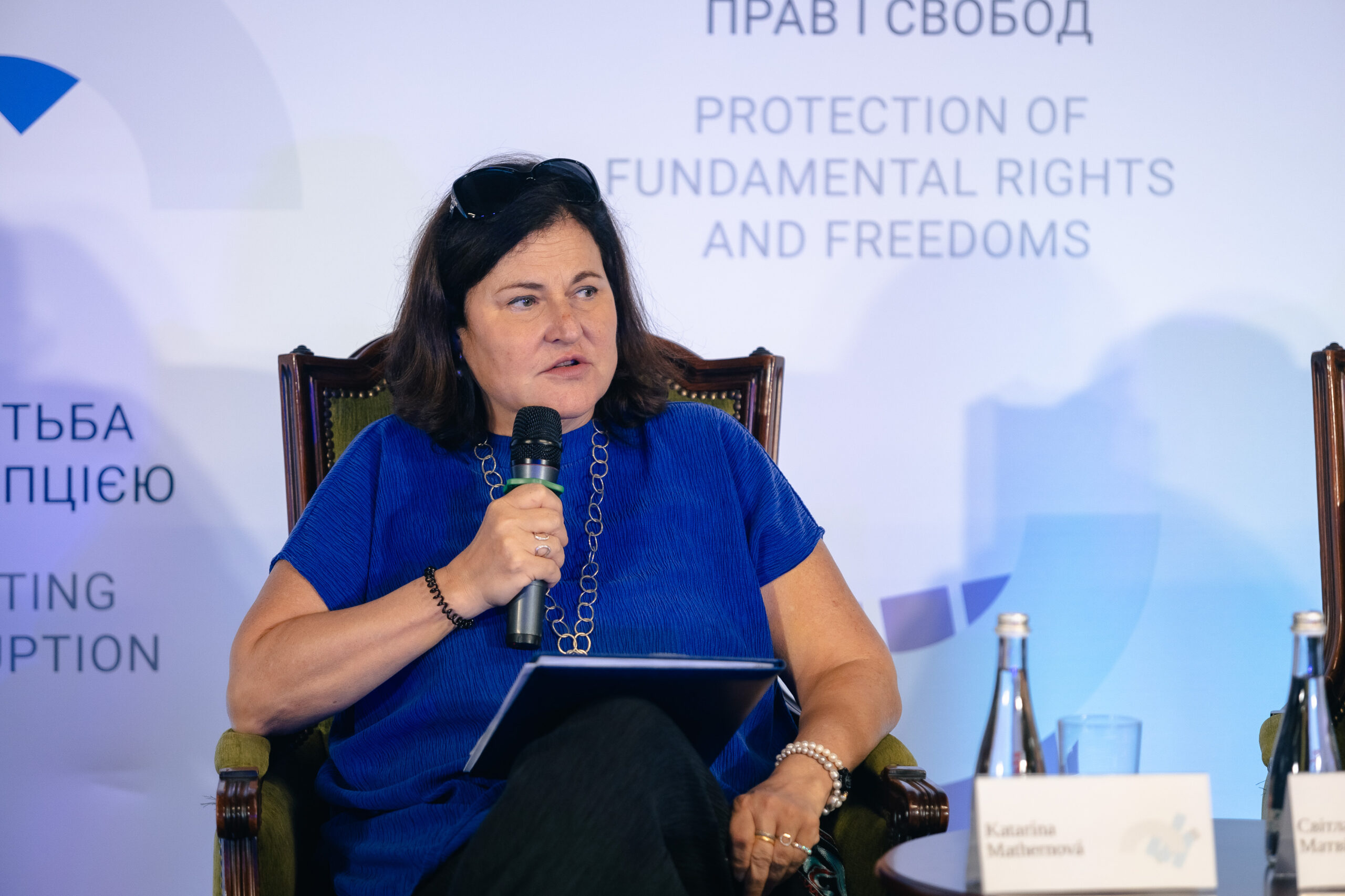
For her part, Katarina Mathernova, Ambassador of the European Union to Ukraine, noted the uniqueness of discussions on Chapter 23’s fundamental issues in the context of Ukraine’s existential war. Ms Mathernova thanked the study’s authors and the organisations that had performed extensive work on drawing up this Report and stressed its role in Ukraine’s European integration process.
Svitlana Matviienko, Executive Director at the Agency for Legislative Initiatives, noted that the ALI and its Coalition partners had done everything to ensure that the bilateral meetings were successful and that everyone had analytical and objective information collected with the involvement of a wide range of experts.
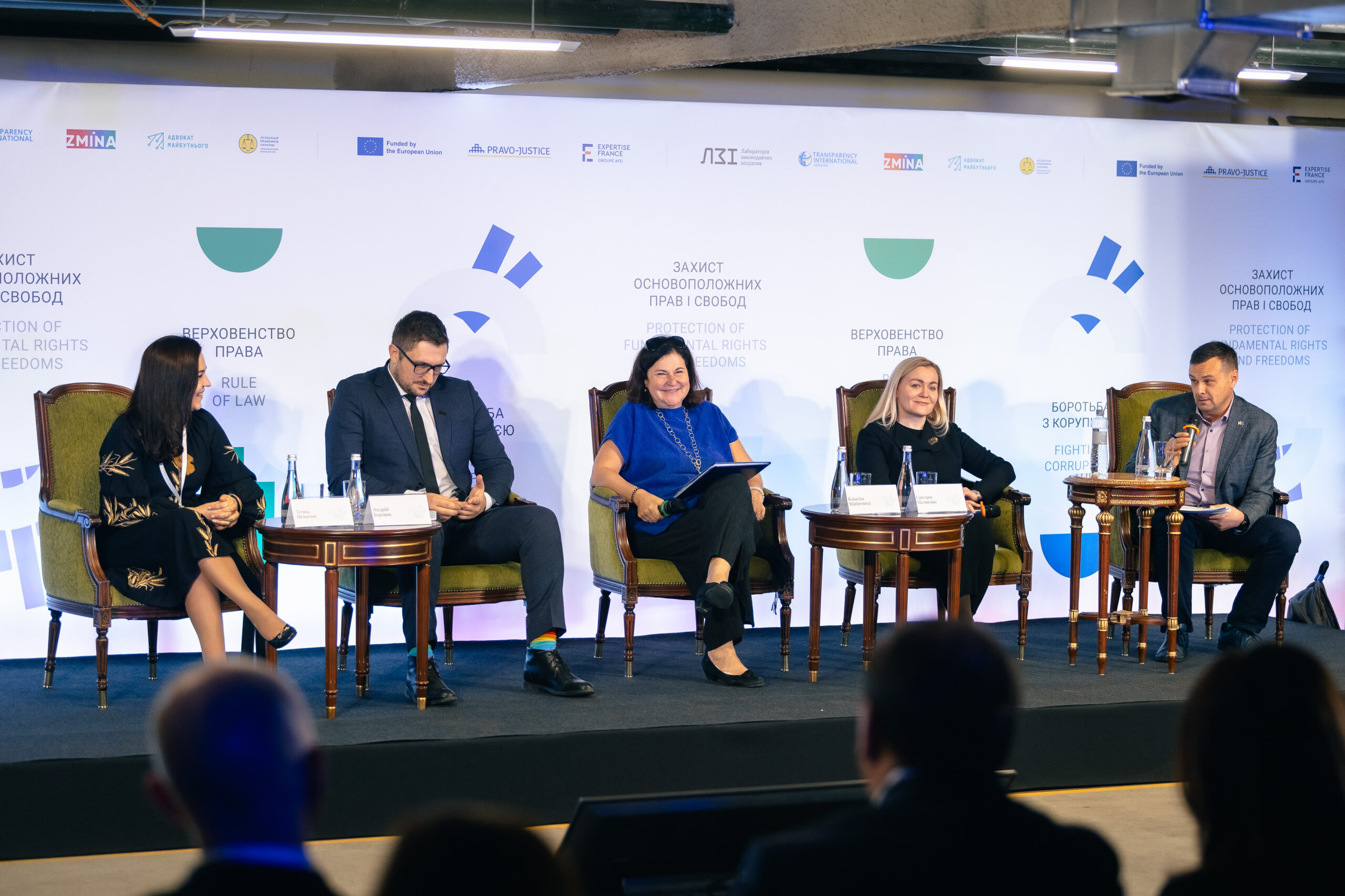
The discussion under the Justice pillar focused on the Strategy for Sustainable Development of the Judiciary, capacity building of key judicial institutions, and cooperation between civil society organisations and governmental authorities to successfully implement the EU integration roadmap. The discussion panel was moderated by Karina Aslanian, Head of the Rule of Law at ALI, and Rasim Babanly, First Deputy Chief of Staff of the Supreme Court.
The speakers of this panel were Stanislav Kravchenko, President of the Supreme Court; Dmytro Lukianov, Deputy Chair of the High Council of Justice; Andrii Pasichnyk, Chair of the High Qualification Commission of Judges of Ukraine; Viktor Horodovenko, Judge of the Constitutional Court of Ukraine; Iryna Mudra, Deputy Head of the Presidential Office; and Viktoriia Litvinova, Deputy Prosecutor General.
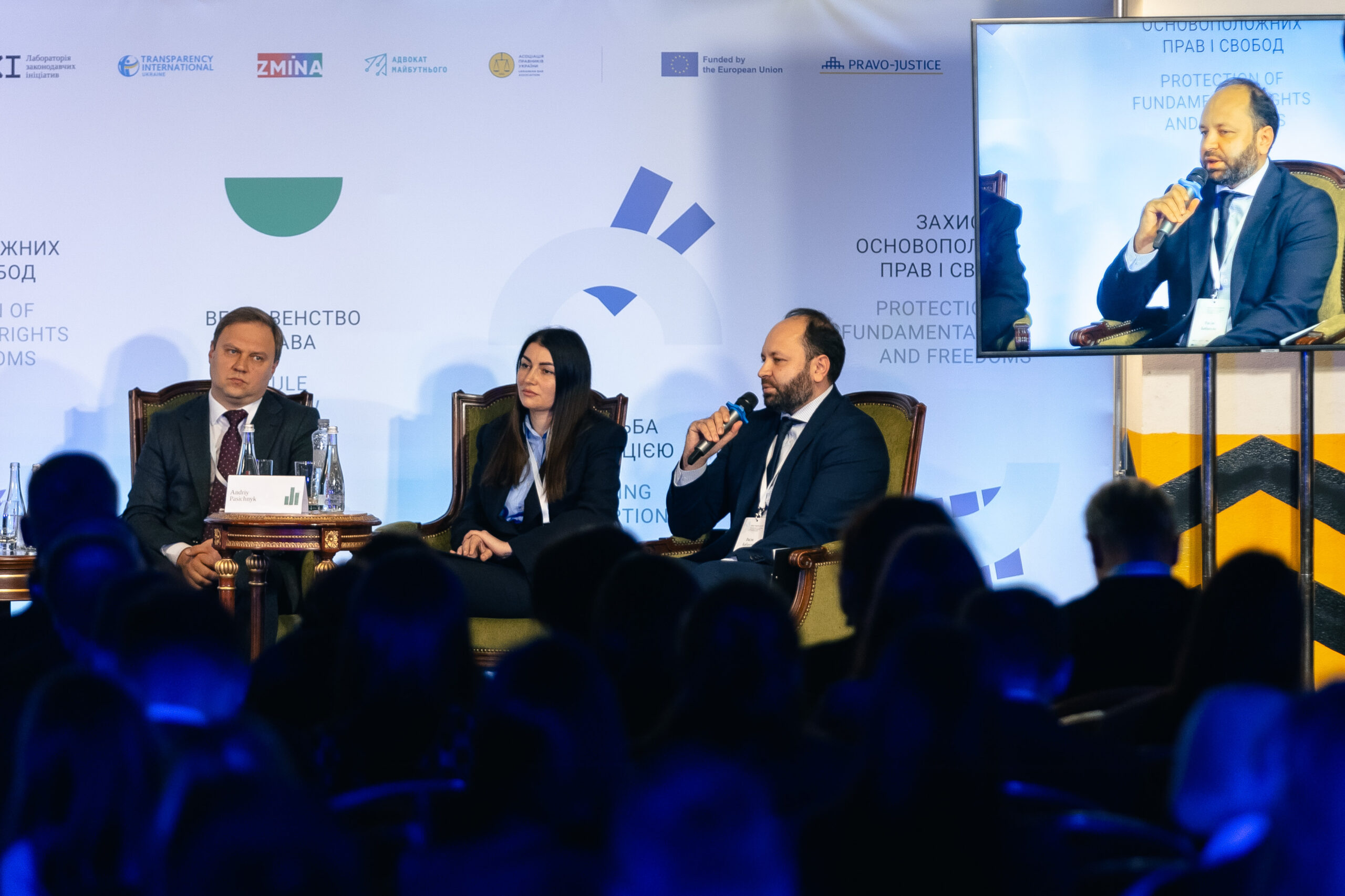
Rasim Babanly spoke about the September EU-Ukraine bilateral session, which was dedicated to negotiating Chapter 23 in Brussels as part of the screening of Ukrainian legislation for compliance with EU legal norms.
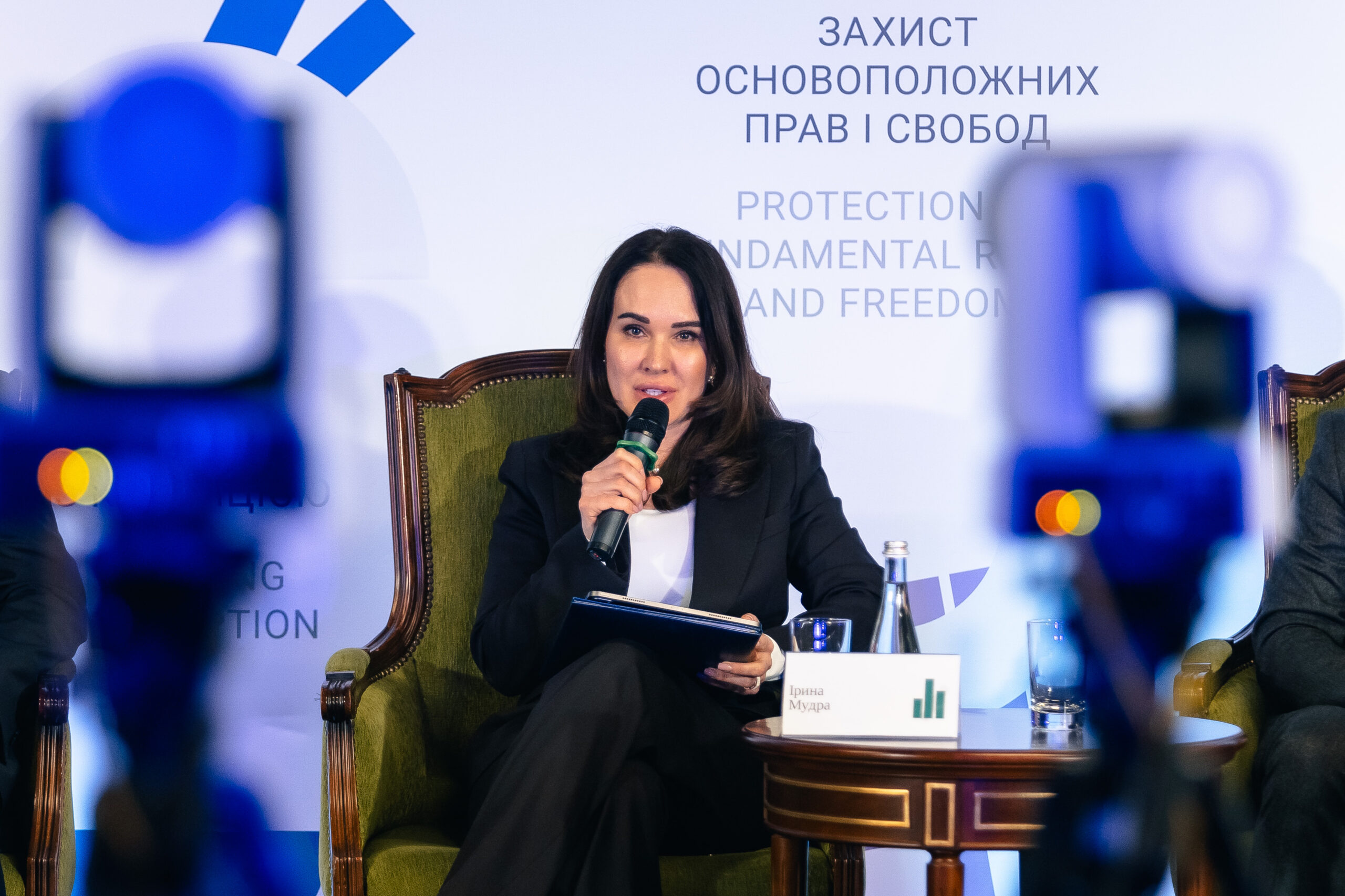
Iryna Mudra emphasised the importance of cooperation between civil society and authorities in moving towards a common goal – the European future of Ukraine. She also highlighted the key points of the draft Strategy for the Development of the Justice System and Constitutional Justice, which was developed based on an analysis of the current state of the judiciary and the justice system as a whole. Iryna Mudra also noted that the Strategy contained measures to address many of the issues highlighted in the Shadow Report.
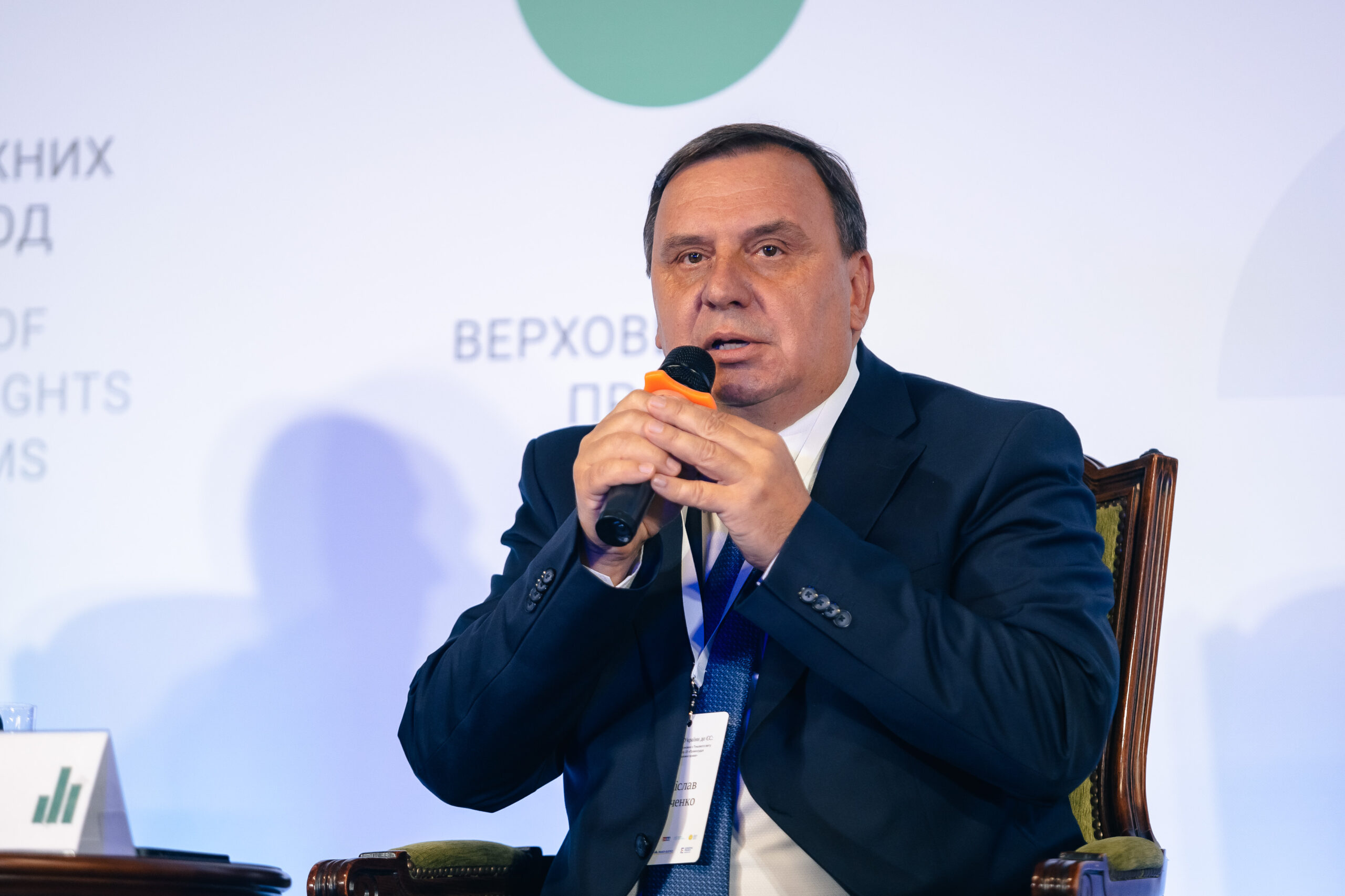
Stanislav Kravchenko spoke about the readiness of Ukrainian judicial practice to harmonise with European legislation and practice, the role of the Supreme Court in this, and generally about the stage at which Ukraine is in this process.
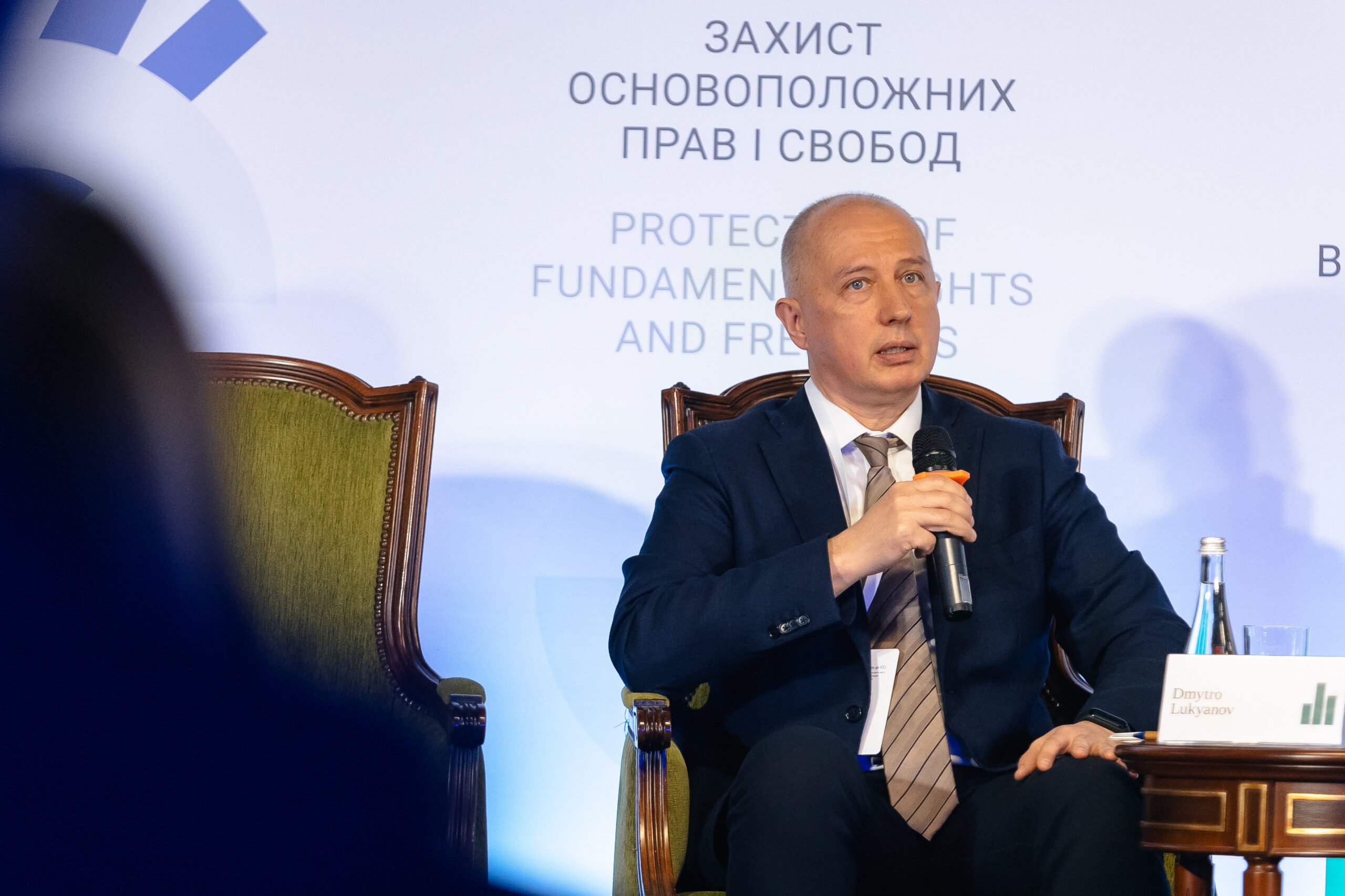
Dmytro Lukianov shared his experience in the EU-Ukraine negotiation process and spoke about further risks faced by the High Council of Justice in its work.
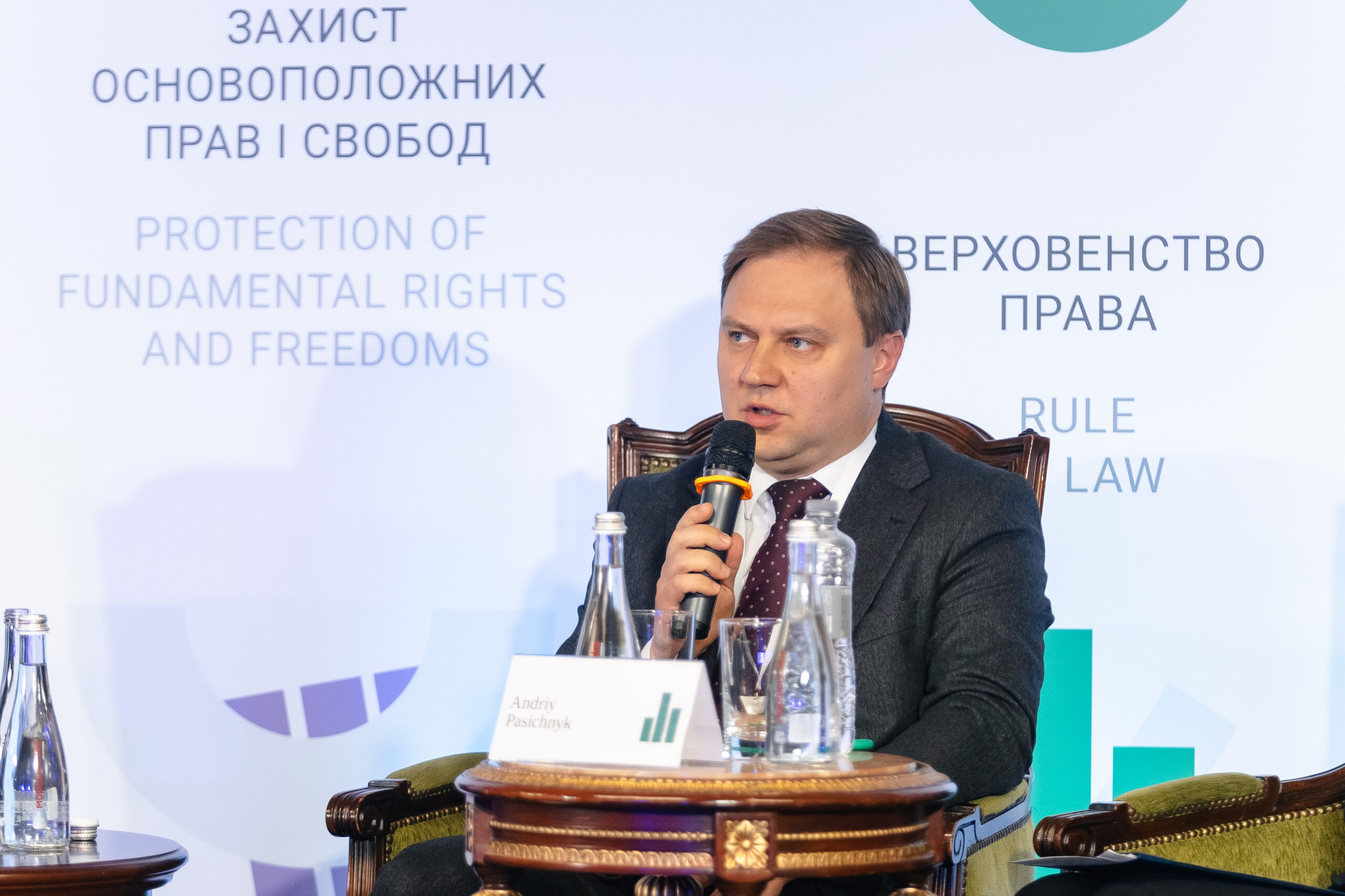
Andrii Pasichnyk spoke about the results of the selection procedure carried out by the High Qualification Commission of Judges of Ukraine to solve the judiciary’s staffing problems and the progress made in fulfilling international obligations in the process of European integration.
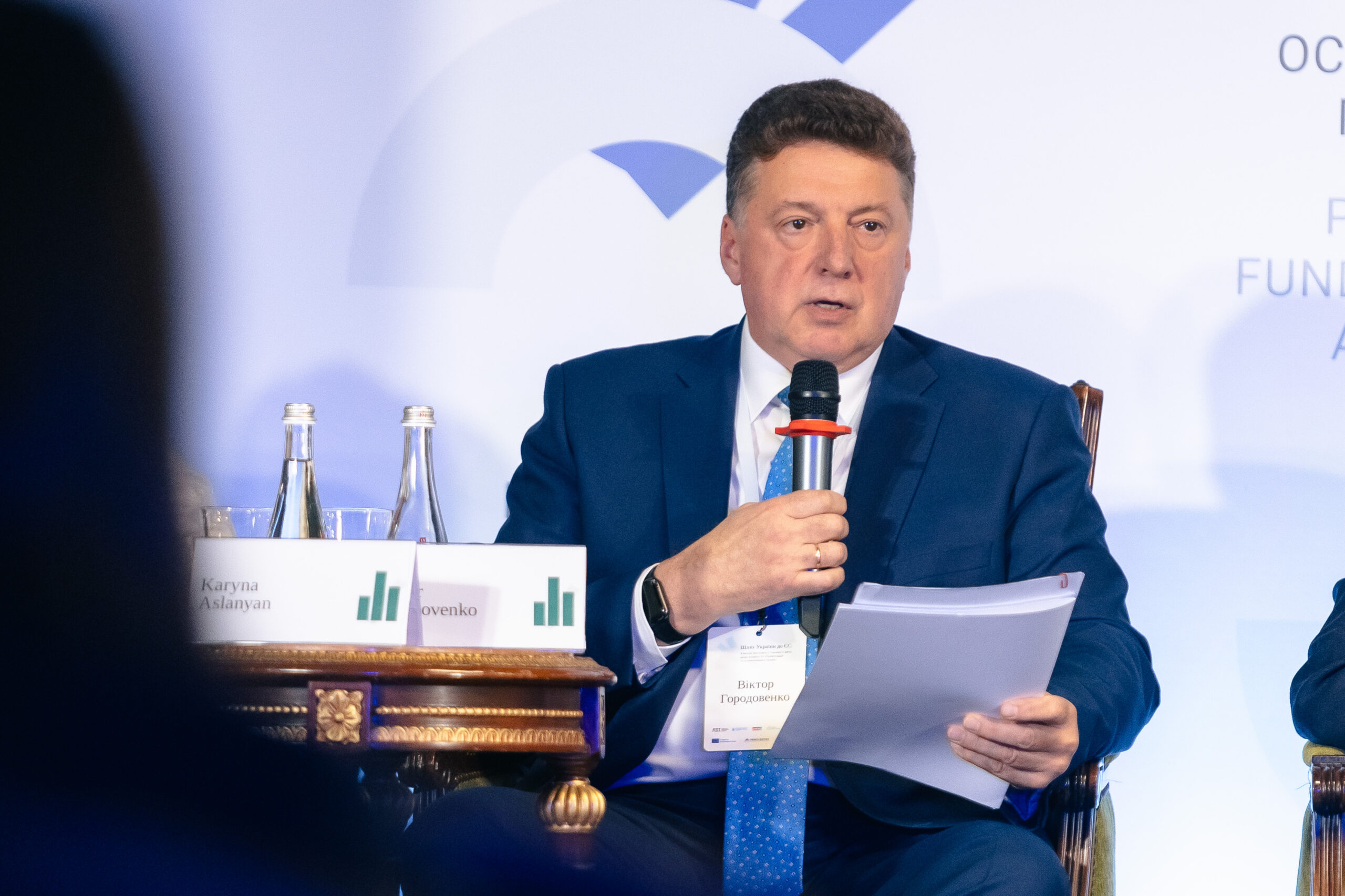
Viktor Horodovenko shared his vision of the role of the Constitutional Court in the process of European integration. In particular, he spoke about the challenges related to the Court’s institutional capacity in the context of a full-scale invasion.
Viktoriia Litvinova highlighted the progress and challenges of the current stage of reforming the public prosecution service and the Prosecutor General’s Office in the context of European integration. In particular, she emphasised the important role of sustainable transformation of the law enforcement sector and prosecution authorities in bringing Ukraine closer to full EU membership.
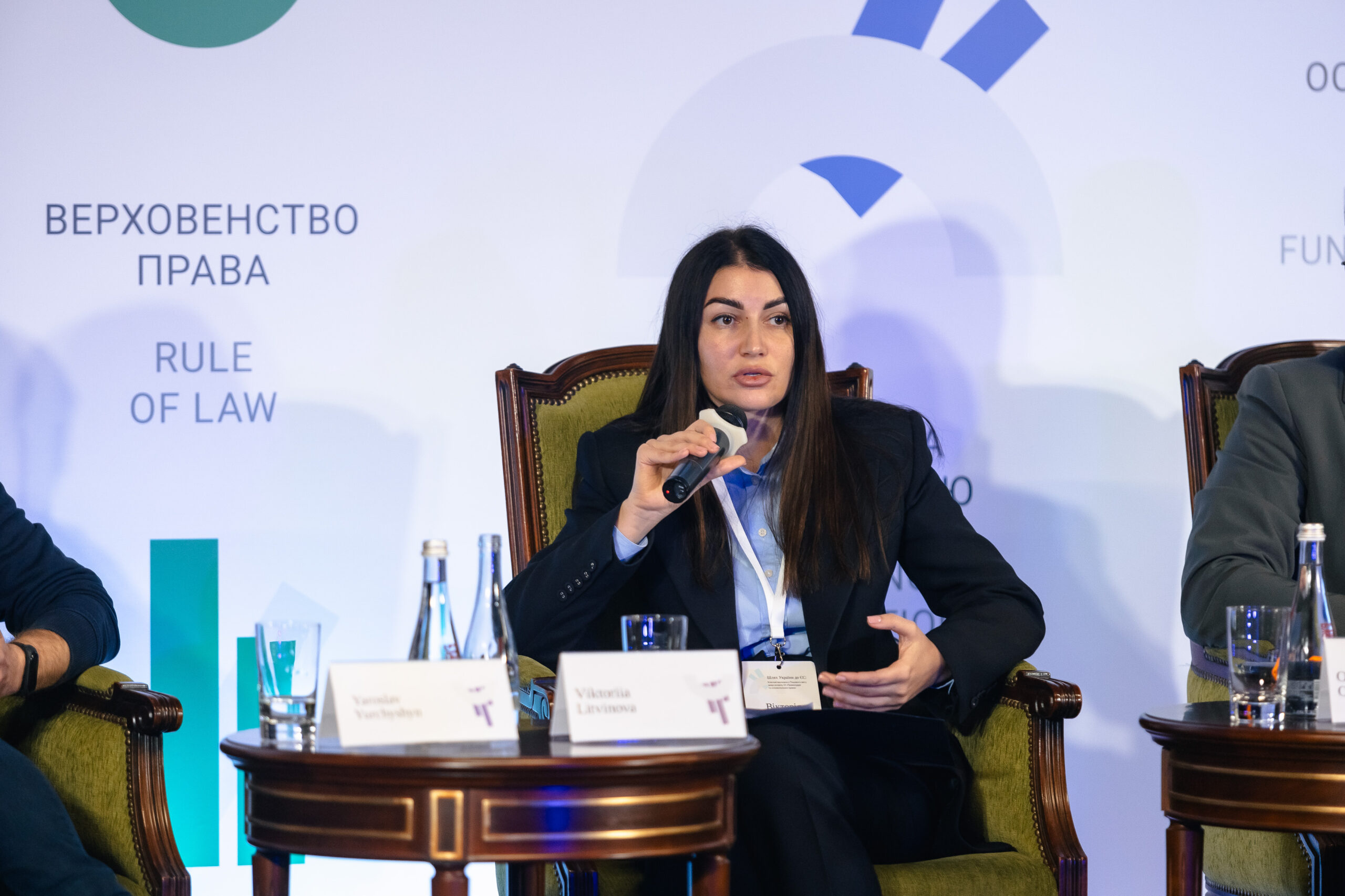
Yevhen Krapyvin, an expert of the Tomorrow’s Lawyer NGO, shared his vision of prosecution reform. Daria Pysarenko, Executive Director at Tomorrow’s Lawyer NGO, also spoke about the need for systemic reform of the bar.
In addition, during the thematic panel, a Q&A session was held with the participants of the event, namely representatives of organisations from the Coalition of NGOs that drew up the Shadow Report, the expert community and representatives of relevant judicial institutions. The questions covered the following aspects:
- Development and support of prosecutorial self-government;
- Accountability of the bar and bar self-government bodies to the lawyers themselves and to the public;
- Institutional capacity of the judiciary, in particular, the functioning of advisory bodies – the Ethics Council and the Selection Commission for Selecting Members of the HQCJ;
- News on the Unified Judicial Information and Telecommunication System (UJITS).
For reference. The Shadow Report prepared by experts from relevant NGOs led by the Agency for Legislative Initiatives includes the following sections:
- Judicial reform (Agency for Legislative Initiatives);
- Combating corruption (Transparency International Ukraine);
- Protection of fundamental rights and freedoms (ZMINA Human Rights Centre);
- Reform of the public prosecution service (Tomorrow’s Lawyer);
- Reform of the bar (Tomorrow’s Lawyer);
- Legal education reform (Ukrainian Bar Association).
The Shadow Report was monitored, analysed and prepared in February – August 2024.
The report has been prepared with the financial support of the European Union within the EU-funded Project Pravo-Justice. Its contents are the sole responsibility of the Agency for Legislative Initiatives and other NGOs and do not necessarily reflect the views of the European Union.
ALI Presents Research on the Socio-Economic Situation in De-occupied Communities
The study encompasses the main trends in various spheres of de-occupied communities of Kherson Oblast based on the results of the analysis of data on the socio-economic situation in 17 communities, i.e., the entire de-occupied part of the oblast. The data set was collected based on five indicators: socio-demographic, infrastructure, financial, migration trends and cooperation.
Context. Back in 2023, the Agency for Legislative Initiatives, in cooperation with the Verkhovna Rada Committee on the Organisation of State Power, Local Self-Government, Regional Development and Urban Planning, studied the state of public services in the de-occupied communities of Kherson Oblast. During this study, the need to collect information beyond the issue of public services appeared, so ALI conducted an additional study to analyse the situation fully and identify interdependencies between the problems.
Oleksandr Zaslavskyi, Deputy Executive Director of the Agency for Legislative Initiatives, presented the study prepared at the request of the relevant Committee and stressed that such data was very much needed by stakeholders – both MPs responsible for legislation and government representatives developing public policies – to refer to substantiated data in their work.
Vitalii Bezgin, Chair of the Subcommittee on Administrative and Territorial Structure and Local Self-Government of the Committee on the Organisation of State Power, Local Self-Government, Regional Development and Urban Planning, stressed the critical importance of such research and the need for continued cooperation to scale it up:
Oleksiy Riabykin, Deputy Minister for Communities and Territories Development of Ukraine, noted that it was necessary to continue the study, and the Ministry was ready to help:
Tetiana Lukeria, an engaged analyst at the Agency for Legislative Initiatives, discussed the study’s key findings and recommendations. She also reminded that this was the second study covering Kherson Oblast – in July, ALI presented a study on public services, in which it measured the extent to which communities can provide residents with various types of services:
Alina Zahoruiko, Deputy Chair of the Committee, Chair of the Subcommittee on Elections, Referendums and Other Forms of Direct Democracy of the Verkhovna Rada Committee on State Power, Local Self-Government, Regional Development and Urban Planning, noted the complexity and need for research on the socio-economic situation in the de-occupied communities:
Dmytro Mykysha, member of the Verkhovna Rada Committee on State Power, Local Self-Government, Regional Development and Urban Planning, shared the findings of the study, which could potentially be developed further:
The study “Analysis of the socio-economic situation in de-occupied communities: Kherson Oblast” is available here.
The event is held within the Parliamentary Accountability of the Security Sector in Ukraine (PASS Ukraine) project, which the Agency for Legislative Initiatives is implementing jointly with the Parliamentary Centre (Canada), in cooperation with the Verkhovna Rada of Ukraine, and with support from Global Affairs Canada within the Peace and Stabilization Operations Program (PSOPs).
Status of Local Council Members — Presentation of the Study
ALI analysed the issues of legislative support for the status of local council members at the Committee’s request to further develop legislative changes in this area. The study includes an analysis of the practices of applying the current legislation during the 2020 elections, as well as the results of a survey of local government representatives. 2,279 officials from different regions of Ukraine participated, of whom 94.7% are representatives of local governments and 67.2% have experience as local council members.
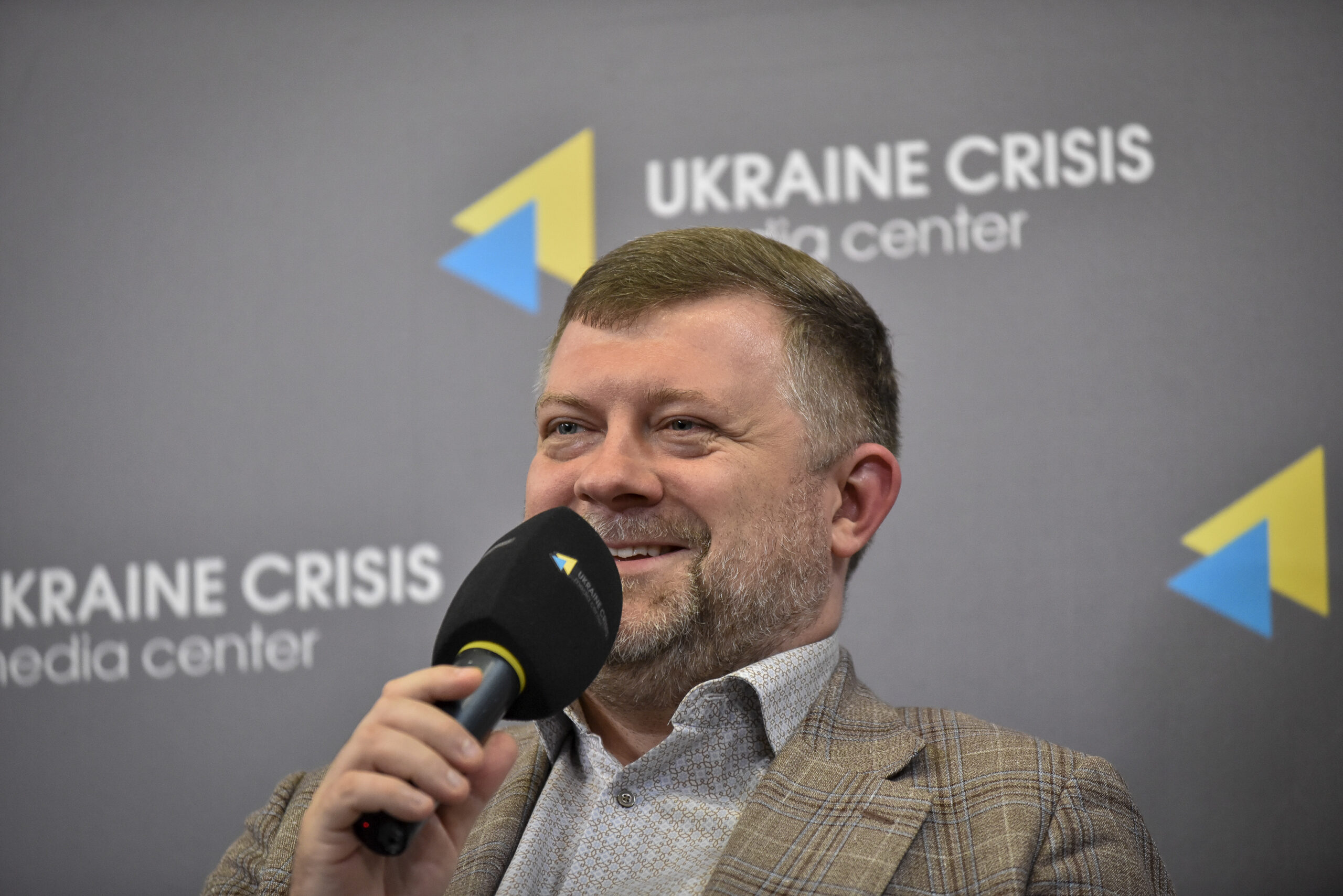
Oleksandr Korniienko, First Deputy Chair of the Verkhovna Rada of Ukraine, noted that the findings of the research by the Agency for Legislative Initiatives are needed to develop the concept of a new law “On the Status of Local Council Members”:
Vitalii Bezgin, Chair of the Subcommittee on Administrative and Territorial Structure and Local Self-Government of the relevant Committee of the Verkhovna Rada, stressed the importance of returning to this topic in the Committee’s work. After all, many issues have accumulated in this area, and they will arise in the negotiation framework for European integration in the context of transparency of functioning.
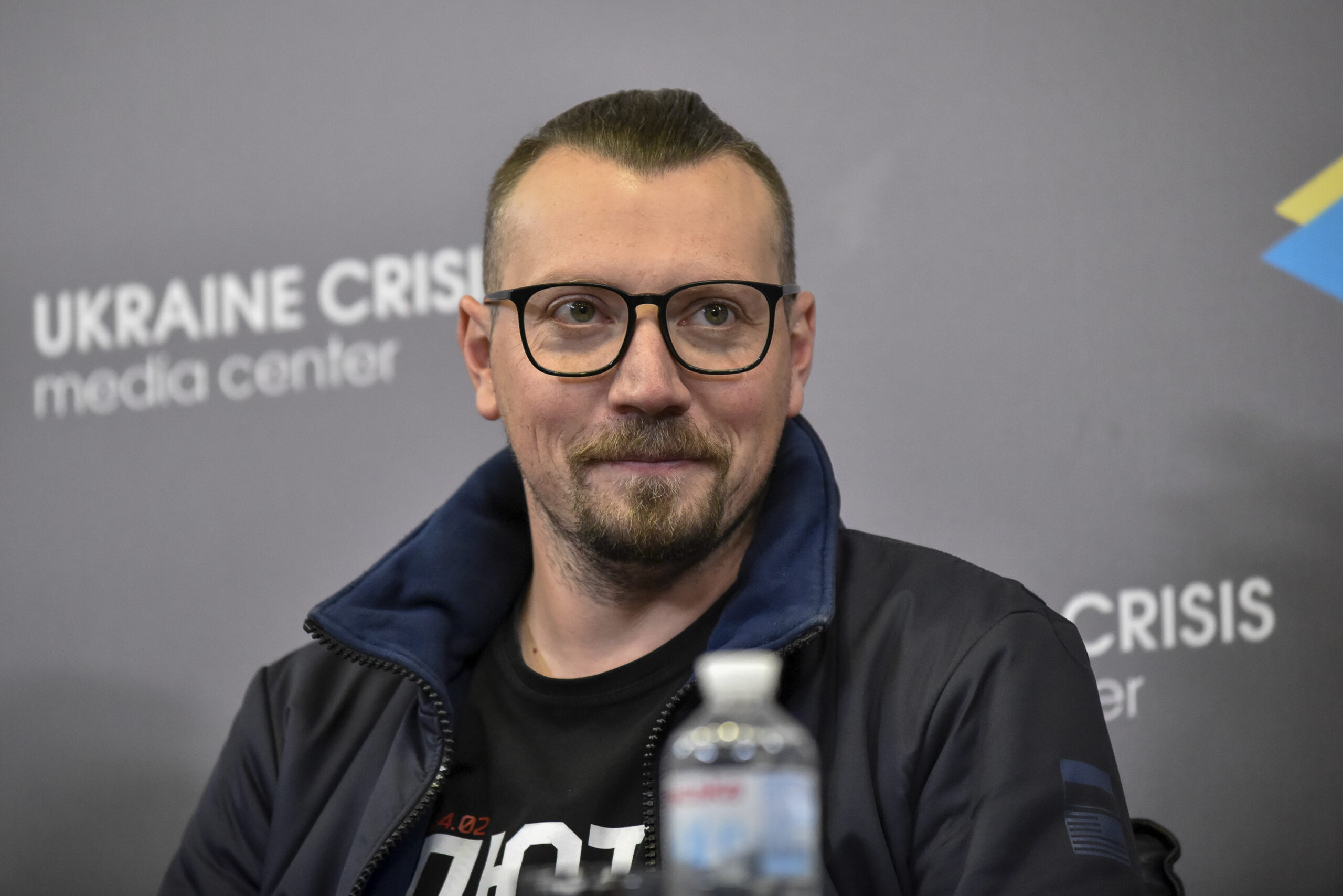
Olena Boiko, an engaged expert at the Agency for Legislative Initiatives, presented the main results of the study and key recommendations for legislative improvement of the status of local council members.
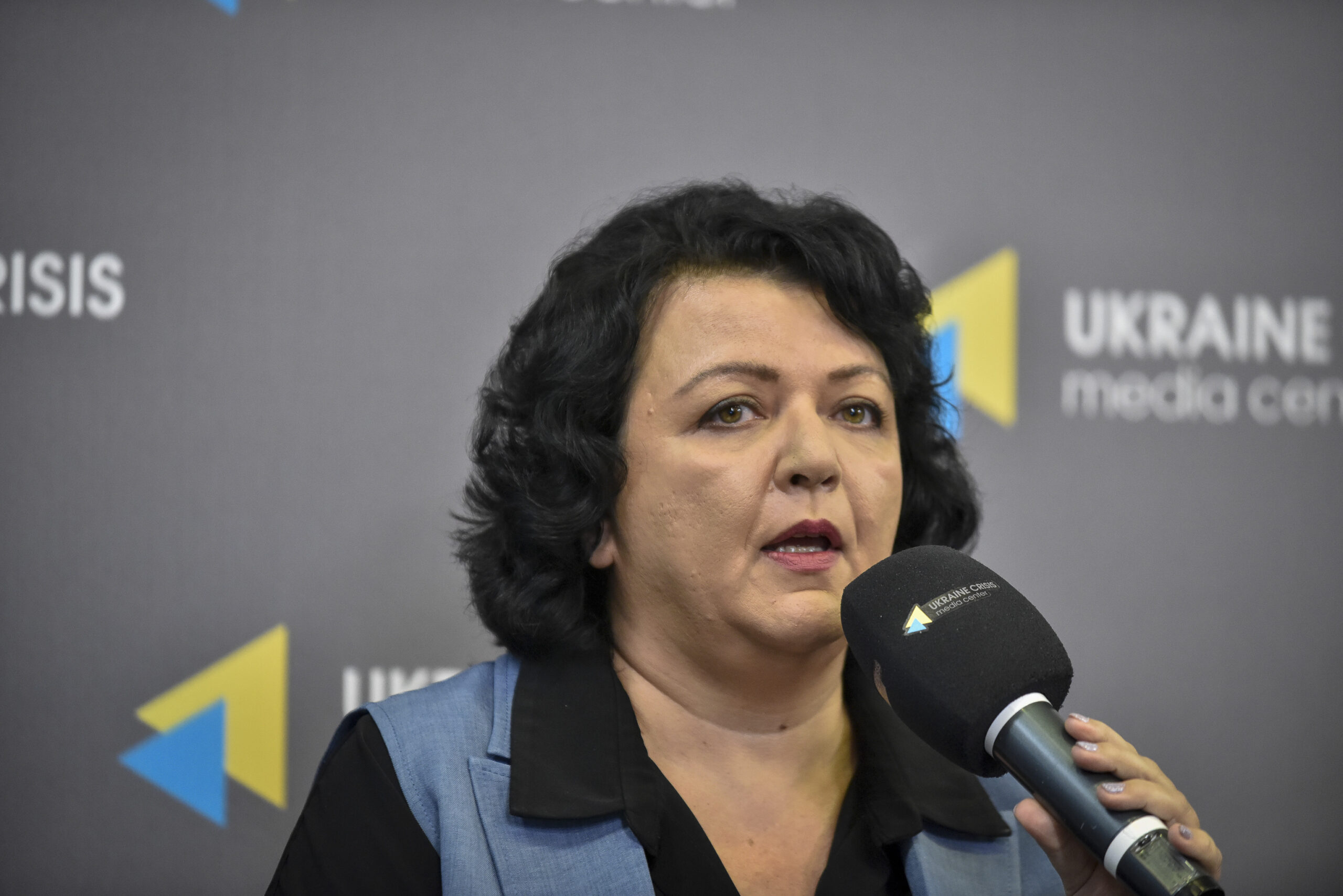
Oleksandr Zaslavskyi, Deputy Executive Director of the Agency for Legislative Initiatives, stressed that such a study was the basis of evidence-based policy in the context of local self-government.
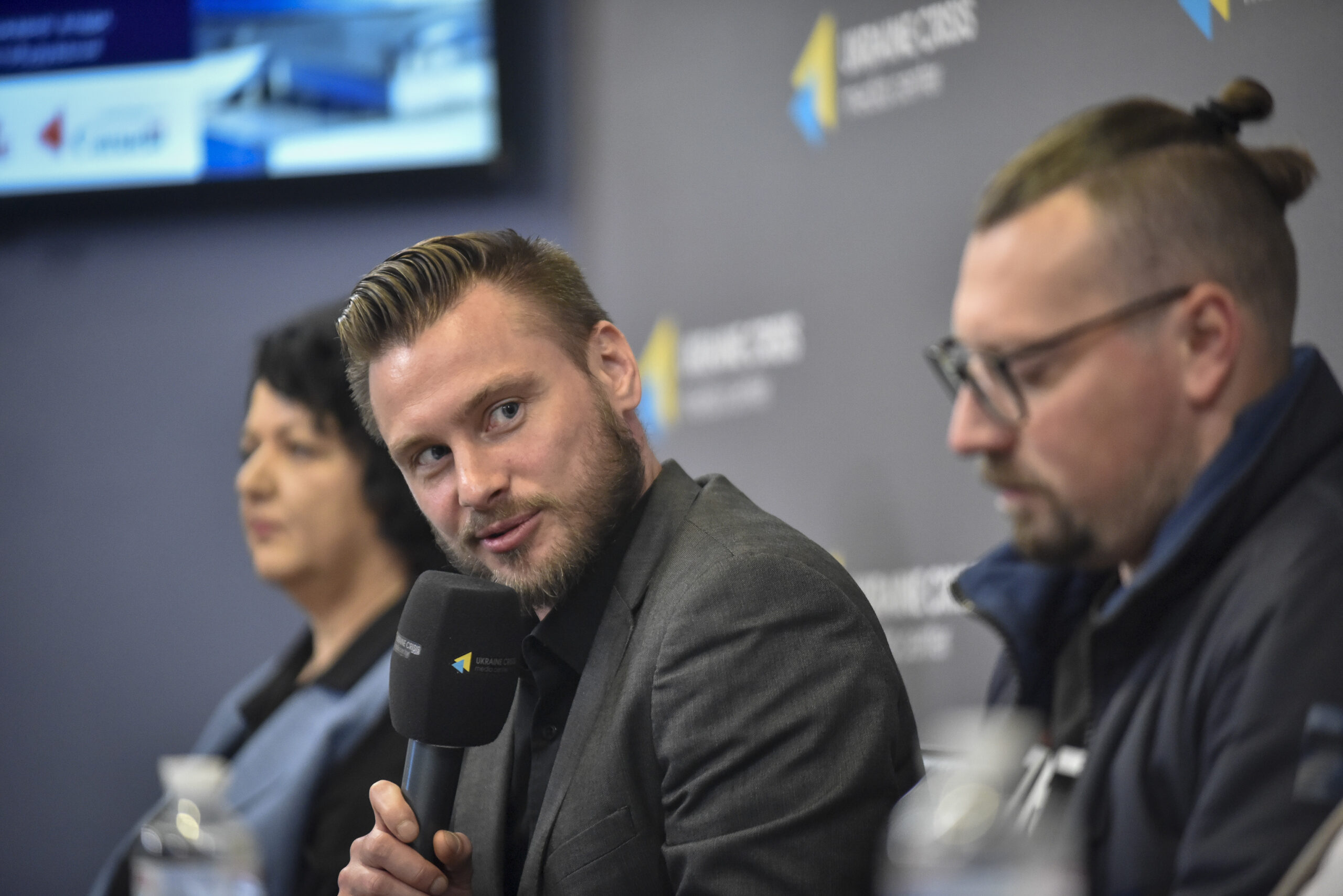
Olena Zhuk, Head of the Zaporizhzhia Oblast Council and Vice President of the Ukrainian Association of Raion and Oblast Councils, spoke about the challenges in Zaporizhzhia Oblast related to gaps in the current legislation. In particular, this concerns the early termination of powers for local council members in frontline communities due to cooperation with the occupation authorities and the lack of appropriate regulation of this issue.
Yaroslav Raboshuk, Deputy Executive Director of the All-Ukrainian Association of Local Governments “Association of Ukrainian Cities” and Head of the Think Tank, noted that the study should be divided into two parts – those problems and fundamental issues that need to be addressed now, according to the results of the study, and conceptual issues that can be considered later.
Yurii Kotok, acting Head of the Department for the Development of Local Self-Government, Territorial Organisation of Power and Administrative and Territorial Structure of the Ministry for Communities and Territories Development, stressed the significant changes that require the creation of relevant tools to regulate the status of local council members. After all, with the beginning of Russia’s full-scale aggression, the problems of representative democracy have become much more acute at the local level.
Serhii Sharshov, an expert on the Legislation for the ATC Platform of the All-Ukrainian Association of Local Governments “Association of Amalgamated Territorial Communities,” focused on the archaic nature of the existing mechanisms for regulating local government activities, especially in the context of the status of local council members.
The event was part of the project “Parliament and Accountability of the Security Sector in Ukraine” (PASS Ukraine), which the Agency implements with the Parliamentary Centre (Canada), in cooperation with the Verkhovna Rada of Ukraine, and with support from Global Affairs Canada within the framework of the Peace and Stabilization Operations Program (PSOPs).
ALI Joined the Discussion on Decentralisation and Regional Development
On October 3, 2024, the Agency for Legislative Initiatives in cooperation with the Committee of the Verkhovna Rada of Ukraine on State Building, Local Governance, Regional and Urban Development held a panel discussion “Platform for Territorial Development: Decentralisation and Regional Development”, the purpose of which was to discuss the priorities and formats of interaction between the expert environment and state authorities.
The interaction of civil society organisations with the authorities, including the parliament, is one of the important principles of any democratic society. And in the conditions of the ongoing war, even despite certain limitations, the Verkhovna Rada should strengthen its agency, promote and develop various tools and practices of interaction with other state authorities, and use all available resources more effectively.
The event was opened by the First Deputy Chairman of the Verkhovna Rada of Ukraine, Oleksandr Korniyenko. He emphasised the need to hold discussions that will help to actualise problematic issues, and most importantly, to consolidate the efforts of all parties for what can be resolved even under martial law.
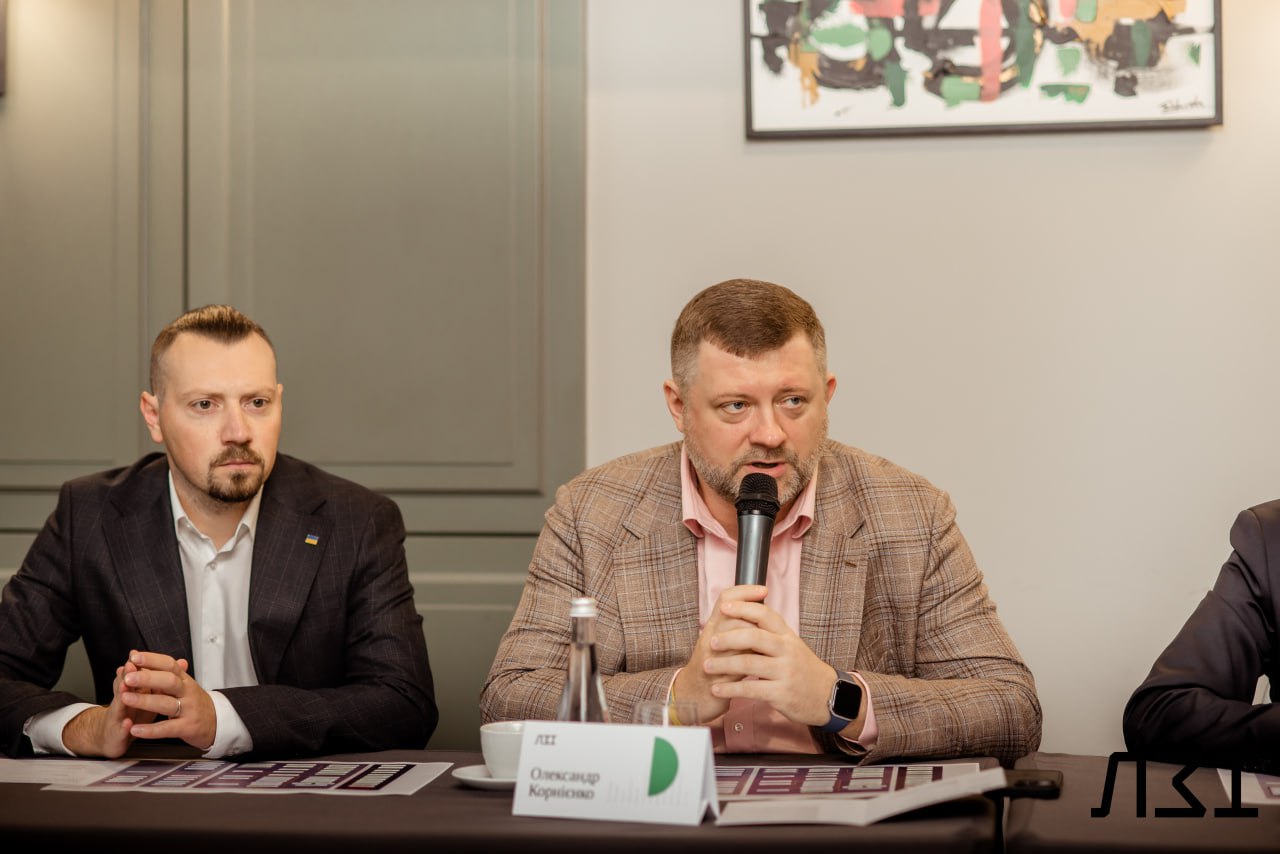
The event was attended by the First Deputy Chairman of the Verkhovna Rada of Ukraine Oleksandr Korniyenko; MP’s of the Committee of the Verkhovna Rada of Ukraine on State Building, Local Governance, Regional and Urban Development; an invited analyst from the Agency for Legislative Initiatives, Tetiana Lukeria; expert on local self-government and regional policy Yuriy Tretiak; director of science and development of the CSO “Civil Society Institute” Anatoliy Tkachuk; director of the Institute of Territorial Development Yuriy Hanushchak; head of regional programs, deputy head of the advocacy and international relations department, Public Union “Reanimation Package of Reforms Coalition” Yuriy Mykytyuk; an independent expert Olena Boyko, as well as representatives of the donor community. Taras Khavunka, Head of the Lviv Regulatory Hub, acted as moderator.
Tetiana Lukeria presented the experience of various countries regarding the cooperation of authorities and civil society, various models, formats and tools of such cooperation — so that the lessons learned would be useful for state decisions.
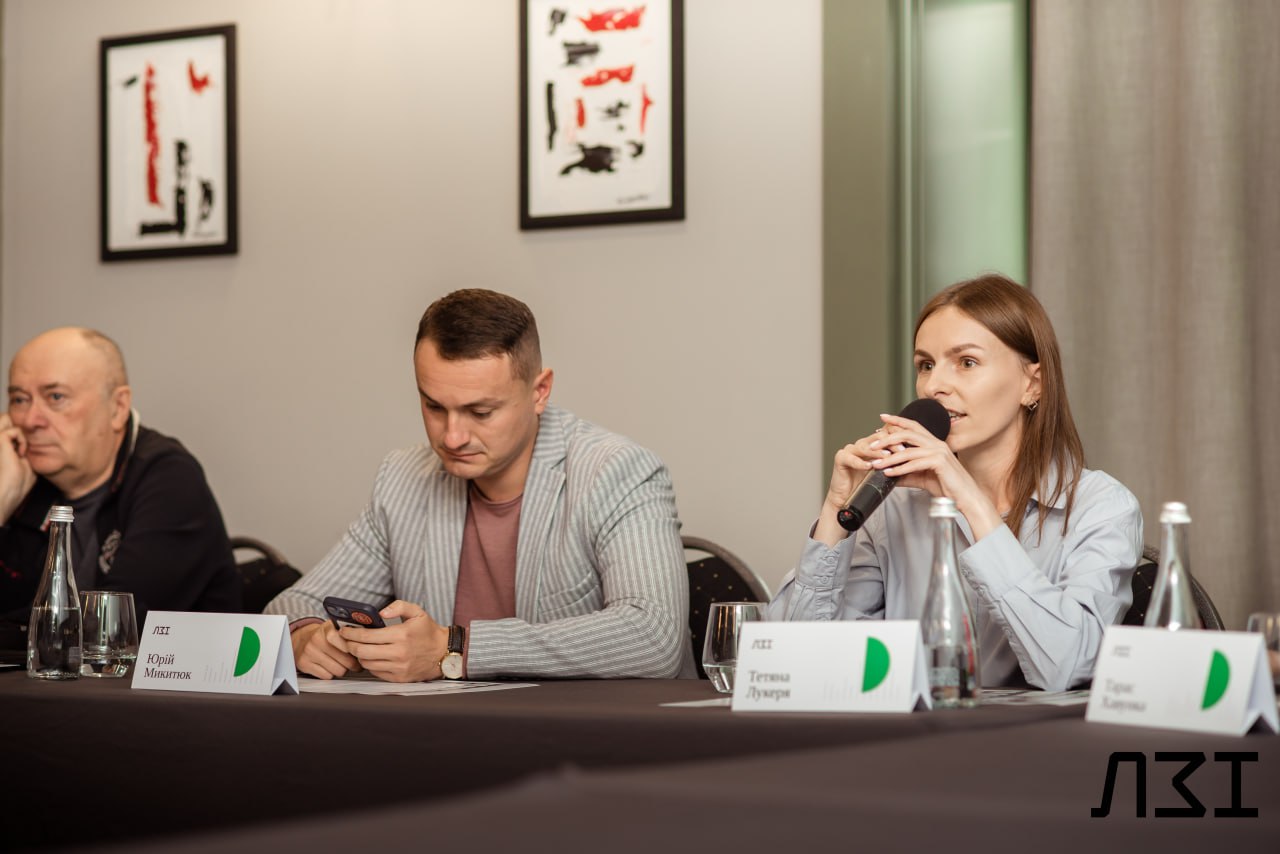
Yuriy Tretyak emphasised that this event is important not only in the context of discussing current challenges, but also because the past two years have seen a certain regression in this area, despite the fact that Ukraine has correctly built a framework for regional policy.
Anatoliy Tkachuk emphasised the priorities of building an ecosystem of cohesion, because the aggression of the russian federation has caused irreparable damage, foremost, to the human potential of Ukraine. That is why it is important to conduct a policy that will be sensitive in the context of the value of human life.
Yuriy Hanushchak noted that the organisation of public governance at the local level still remains at an unsatisfactory level — and therefore will require reform at the level of organisational powers that ensure legitimacy, institutional stability and responsibility of local authorities to the community.
Yurii Mykytiuk highlighted the importance of normalising interaction between specialised state bodies and institutions with an expert environment. And Olena Boyko spoke about the prospects for the further development of the reform and the existing platforms for interaction with the authorities, which should be preserved. After all, for the post-war state, it will be important to unite people and show that even amid the war challenges, the state can care about them — primarily because of the quality of public services. And this is impossible without an obvious condition — further consolidation at various levels of government and qualitatively organised work at the community level.
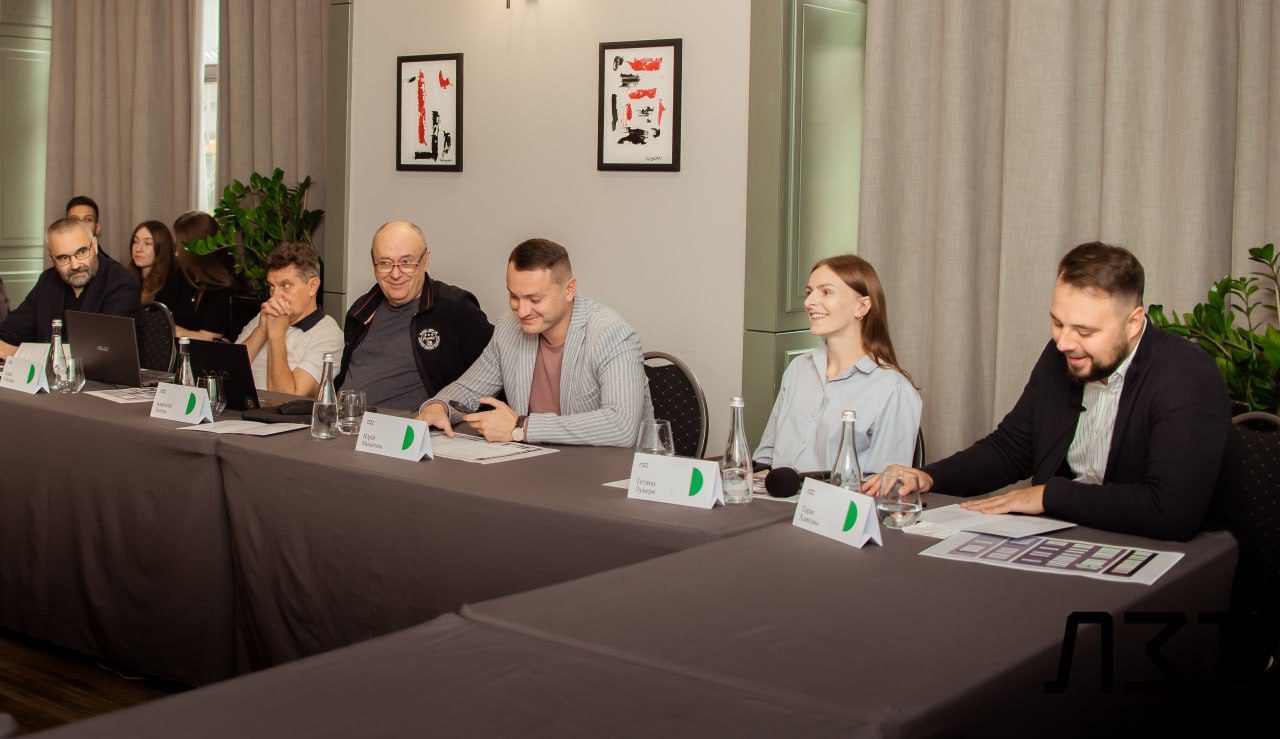
The event was held by “Parliamentary Accountability of the Security Sector in Ukraine” (PASS Ukraine), which the Agency implements together with the Parliamentary Centre in cooperation with the Verkhovna Rada of Ukraine and with the support of Global Affairs Canada as part of Peace and Stabilization Operations Program (PSOPs).
Role of Legal Education in Shaping Legal Understanding: ALI Holds Expert Discussion of the New Study
Context. Understanding the nature of law and its role and importance in society shapes the worldview of legal professionals, and their foundations are laid during their studies at higher education institutions. This worldview and understanding of the essence of law affect how lawyers act in practical life situations. We are talking about the daily activities of judges, prosecutors, attorneys, and other legal professionals. Thus, it is important to explore what role modern legal education plays in the process of shaping students’ understanding of law in general.
During the event, participants discussed the research issues, in particular how the legal understanding of law students is shaped and changes during their studies and the factors that influence it.

Volodymyr Skrypets, analyst at the Agency for Legislative Initiatives, moderated the discussion. He thanked the invited researchers for their expert examination and assistance to the Agency during the research, namely organisational, methodological and consulting.
Alina Makhno, an invited analyst at ALI, spoke about the study’s results, key findings, and recommendations.
Mykola Koziubra, Doctor of Law, Professor, and Judge of the Constitutional Court of Ukraine (1996–2003), stressed the relevance of the student survey, the urgency of the issues, and the importance of continuing such study.

Oleksii Tseliev, PhD in Law, Associate Professor, drew attention to the need to scale up the study and involve a wider number of legal professionals.
Yuliia Matvieieva, PhD in Law, emphasised the study’s tangible link to its potential impact on legal education in Ukraine.

Volodymyr Venher, Dean of the Faculty of Law at the National University of “Kyiv-Mohyla Academy,” PhD in Law, Associate Professor, highlighted the opportunities for development and further work with the ALI study.
Based on the discussion results and after considering the experts’ comments, the study of the Agency for Legislative Initiatives will be finalised and sent to higher education institutions and relevant government agencies for further review and incorporation into their work.
Coalition of CSOs Presents Shadow Report to the European Commission on Chapter 23, “Justice and Fundamental Rights”
A coalition of CSOs — Agency for Legislative Initiatives, Transparency International Ukraine, Human Rights Center ZMINA, Tomorrow’s Lawyer Program and Ukrainian Bar Association — presented the Shadow Report to the European Commission on Chapter 23, “Justice and Fundamental Rights” of the European Commission’s Report on Ukraine in 2023.
This is the first report that Ukraine’s civil society sector has prepared for the European Commission since Ukraine became an EU candidate. The Shadow Report highlights the views of Ukrainian civil society, representatives of the legal community and experts active in the field of justice. The report analyses the progress made in the areas of the rule of law, the fight against corruption and the protection of fundamental human rights and freedoms, identifies weaknesses and gaps, and provides recommendations on what needs to be done on the Ukrainian side.
Representatives of the European Commission praised the level of preparation of the Shadow Report, noting that its findings would definitely be used.
In its part of the report, the Agency for Legislative Initiatives emphasised the need to adopt a judicial reform strategy. Today, unfortunately, Ukraine does not have it as a single approved document. The reform is being implemented under pressure from the public and international partners. Only now, the Presidential Office of Ukraine has developed and sent a draft Strategy for the Development of the Justice System and Constitutional Justice for 2024-2029 to the main judicial bodies and some representatives of the non-governmental sector for suggestions and comments. This draft Strategy needs to be substantially revised, and the ALI is already preparing its proposals.
In his turn, Manfredas Limantas expressed hope that the recommendations of civil society would be taken into account by the Presidential Office of Ukraine to improve the Strategy.
Yevhen Krapyvin, an Expert of Tomorrow’s Lawyer Program and the Center for Political and Legal Reforms, focused on problems and recommendations for solving them in Ukraine’s prosecution system. The speaker emphasised the need for the prosecutor’s office and the Prosecutor General to be independent, particularly from political influence, and the development of institutions that should ensure this independence.
Daria Pysarenko, Director of the Tomorrow’s Lawyer Program, presented the main conclusions, problems and recommendations to the section on the Bar reform. In particular, she covered the issues of the legal status of the Bar, bar self-government, disciplinary liability — all aspects that characterise the current structure of the Bar.
A full-fledged reform of the justice system is impossible without addressing the problems with legal education in Ukraine. Every year, Ukrainian universities graduate thousands of lawyers, but the quality of this education does not meet European standards. Ivan Gorodissky, Vice President of the Ukrainian Bar Association, presented civil society’s recommendations on the necessary changes in education.
Kateryna Ryzhenko, Deputy Executive Director for Legal Affairs of TI Ukraine, presenting the section on anti-corruption, stressed the need to improve anti-corruption legislation and the urgent need to take into account the shortcomings of the previous State Anti-Corruption Strategy and the State Anti-Corruption Programme in the process of developing new documents, as this process will begin very soon. As part of her presentation, Kateryna also mentioned the importance of fully restoring e-declaration and reporting by political parties.
Tetiana Pechonchyk, Head of the Human Rights Center ZMINA, spoke about the main challenges to the observance of a wide range of human rights in Ukraine, which Ukraine will have to overcome on its way to the EU.
Tetiana Pechonchyk also drew attention to negative trends in the field of human rights protection, in particular, the intention to restrict access to information and decisions of the Unified State Register of Court Decisions through the draft law No. 7033d, which, despite the criticism of human rights activists, was adopted by the Verkhovna Rada as a basis.
The monitoring, analysis and preparation of the Shadow Report were carried out in February-August 2024. The full text of the report has already been published in Ukrainian and English.
The report has been prepared with the financial support of the European Union within the framework of the EU Project “Pravo-Justice”. Its contents are the sole responsibility of the Agency for Legislative Initiatives and other civil society organisations and do not necessarily reflect the views of the European Union.
ALI Held a Seminar on Principles and Practices of Gender-Sensitive Legislative Impact Assessment for the Verkhovna Rada
On August 29, 2024, the Agency for Legislative Initiatives, together with the Parliamentary Centre (Canada), held a seminar for representatives of the Verkhovna Rada of Ukraine on the principles and practices of “Gender-Sensitive Legislative Impact Assessment: Canadian Experience and Prospects for Implementation in Ukraine.”
First Deputy Chairperson of the Verkhovna Rada of Ukraine Oleksandr Korniyenko opened the seminar and emphasised the importance of introducing such tools as legislative impact assessment and gender-sensitive analysis of draft laws into Ukrainian parliamentary practice:
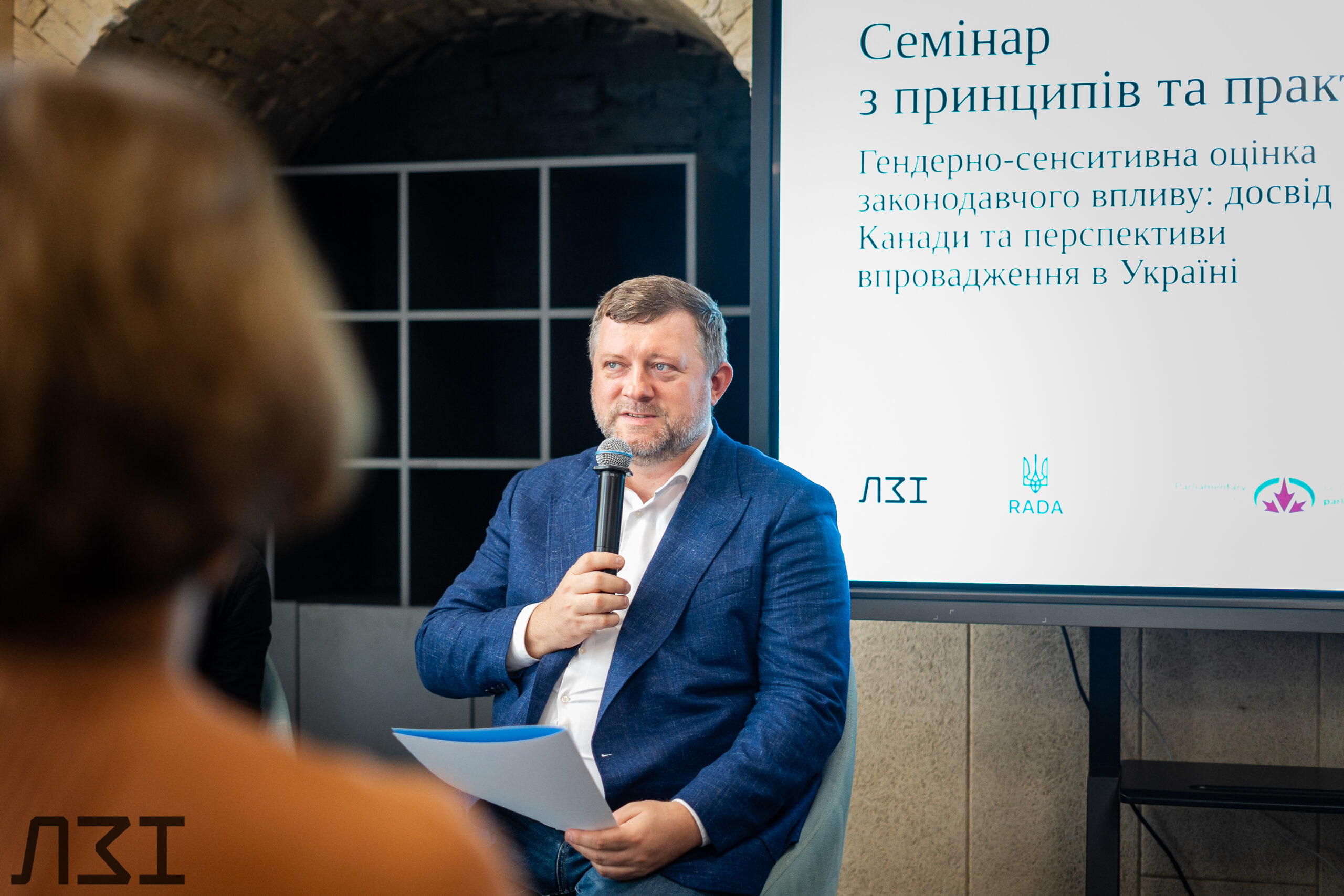
Senior Project Manager at the Parliamentary Centre of Canada Anastasia Shtaltovna stressed that advocacy for gender equality is a constant priority for the Parliamentary Centre (Canada). She also thanked the ALI and the Verkhovna Rada for their ongoing cooperation in this area.
The event’s speakers were Oleksandr Zaslavskyy, Director of the analytical department at the Agency for Legislative Initiatives, and Rick Stewart, Executive Director of the Regulatory Governance Initiative and Co-Director of the Regulatory Career Development Programme at the School of Public Policy and Management at Carleton University (Canada).
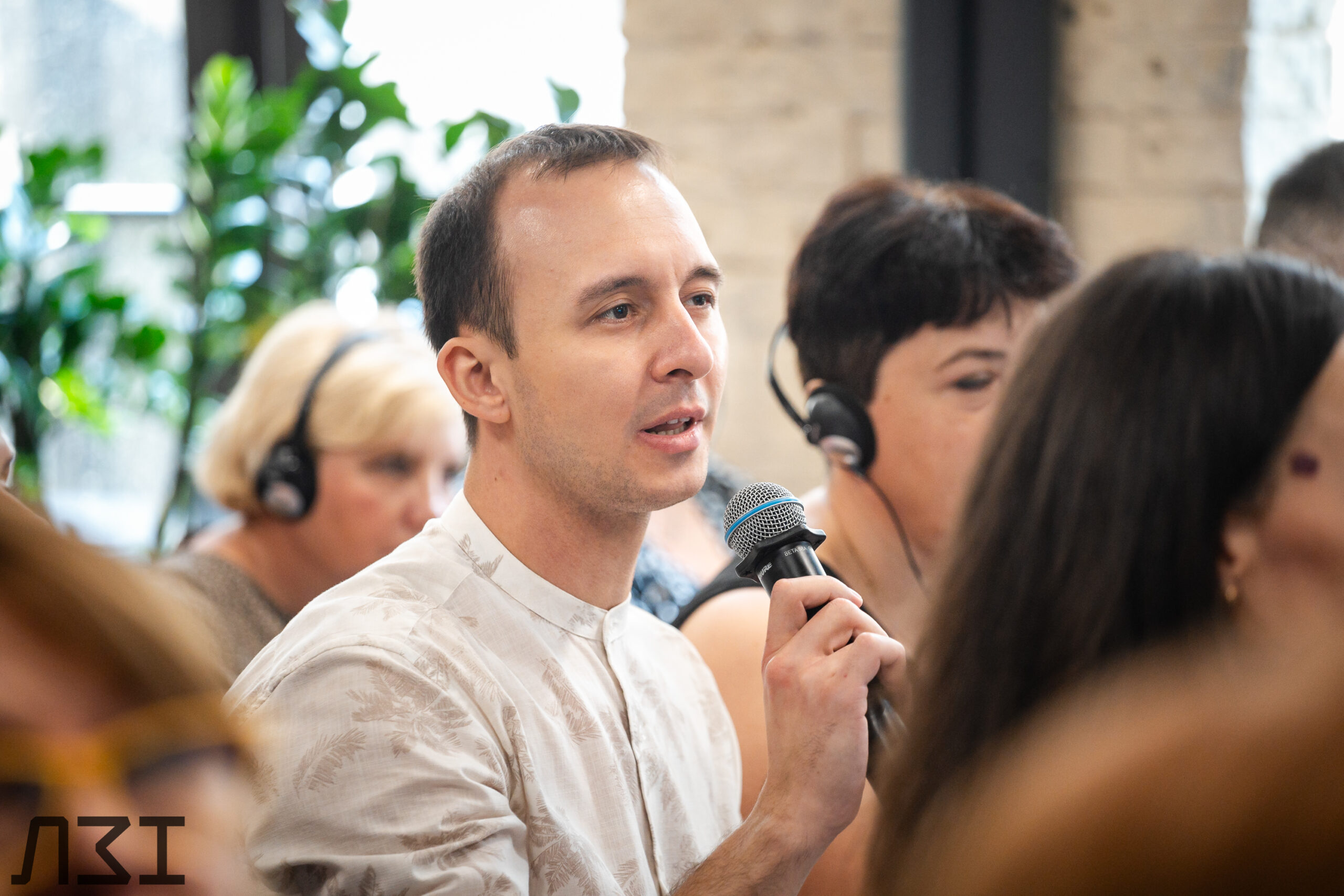


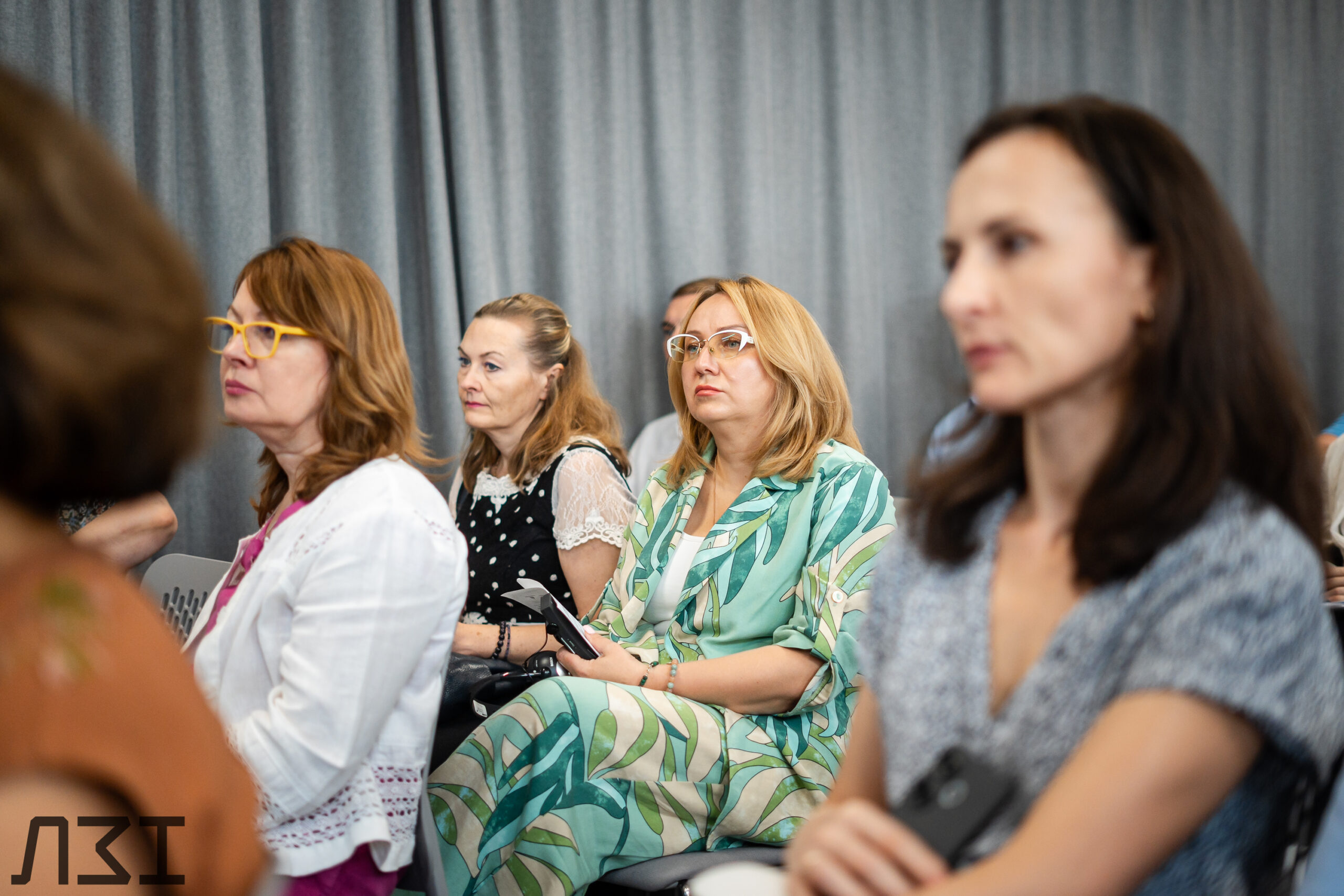
Rick Stewart spoke about the principles and practice of legislative impact assessment and gender analysis (GBA+). The participants also discussed with the speaker the prospects of implementing gender-sensitive impact assessment in the Verkhovna Rada:
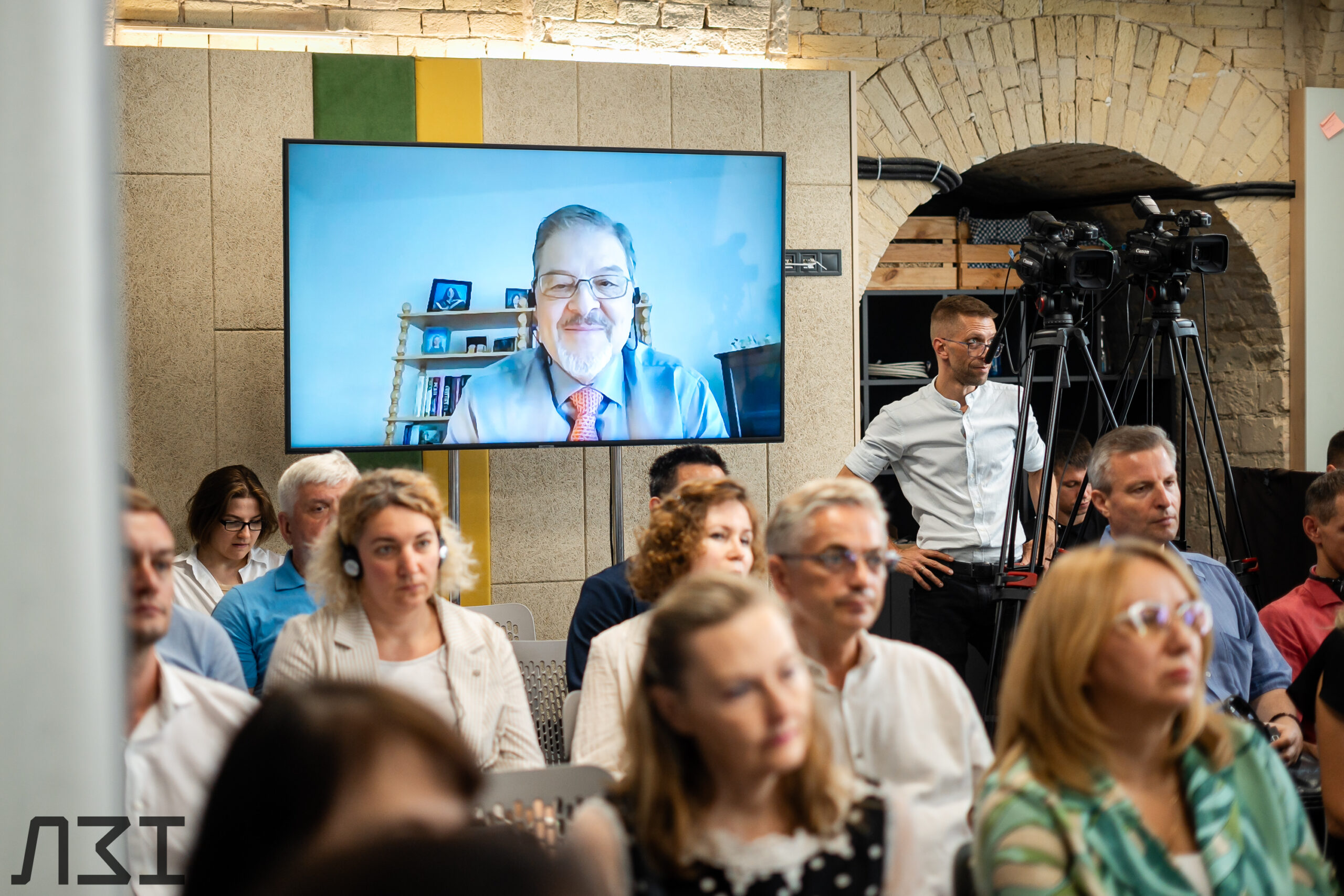
Oleksandr Zaslavskyy told the participants of the training about the application of gender analysis through the experience of Ukraine and EU standards:

The event was held by “Parliamentary Accountability of the Security Sector in Ukraine” (PASS Ukraine), which the Agency implements together with the Parliamentary Centre in cooperation with the Verkhovna Rada of Ukraine and with the support of Global Affairs Canada as part of Peace and Stabilization Operations Program (PSOPs).
Problems and State of the Social Services Sector in Ukraine: ALI Holds a Presentation of the Research
Concept of the research. The research identifies problems in the social service system and recommendations that will help solve them. The research consists of several parts and was conducted in several stages: analysis of Ukrainian legislation and international experience; semi-structured in-depth interviews with representatives of local governments, social protection agencies, municipal providers and experts – 30 interviews; focus group discussions with representatives of NGOs and charitable foundations – 12 focus groups.
Context. In Ukraine, the social service sector has become particularly important, as the challenges for the social sector increase significantly during the full-scale war. In 2022–2023, Ukraine’s position in the global Social Progress Index deteriorated significantly: in 2021, Ukraine ranked 48th (out of 168 countries), in 2022 – 52nd (out of 169 countries), and in 2023 – 59th out of 170 countries. That is why the social sector needs to change, improve approaches and make social services more accessible to all social groups. At the same time, the challenges in the social sector are only increasing – the full-scale invasion has exacerbated existing problems and revealed all the systemic shortcomings that have been accumulating over the years.
At the event, participants discussed the main challenges of the social service system in Ukraine and recommendations developed by the Agency for government agencies, local governments, and NGOs.

Oleksandr Zaslavskyi, ALI Head of Analytics, stressed that this research was needed, inter alia, to develop more effective policies in the social sector:

Tetiana Lukeria, an involved ALI analyst, outlined the problems that the Agency had identified during the research and presented recommendations that will improve the quality and accessibility of services in communities:

Uliana Tokarieva, Deputy Minister of Social Policy of Ukraine, noted that the research was useful because it would help shape the strategy for social services that the Ministry was working on:
We understand how difficult it is for communities now and what a heavy workload they have in all areas. Nevertheless, it is important that local governments respond to the initiatives proposed at the central level. To decide how the social service sector should develop further, the Ministry has launched several major processes, namely the elaboration of the Social Service Development Strategy, the development of a new Classifier of Social Services – updated and focused on today’s challenges – and work on amending the Law of Ukraine “On Social Services””

Vitalii Bezgin, Chair of the Subcommittee on Administrative and Territorial Structure and Local Self-Government of the Verkhovna Rada Committee on State Building, Local Governance, Regional and Urban Development, stressed that despite the decentralisation reform, the issue of sectoral reforms at the local level has not been resolved yet. Therefore, flexible social policy for different regions is a priority:
For example, when we talk about de-occupied territories, it is not enough to plant a Ukrainian flag there – we need a systemic policy to ensure that residents of de-occupied communities feel that the state treats them with dignity. Of course, given the scale of destruction and the outflow of people, this isn’t easy to accomplish. But there must be an understanding and implementation of a flexible approach”
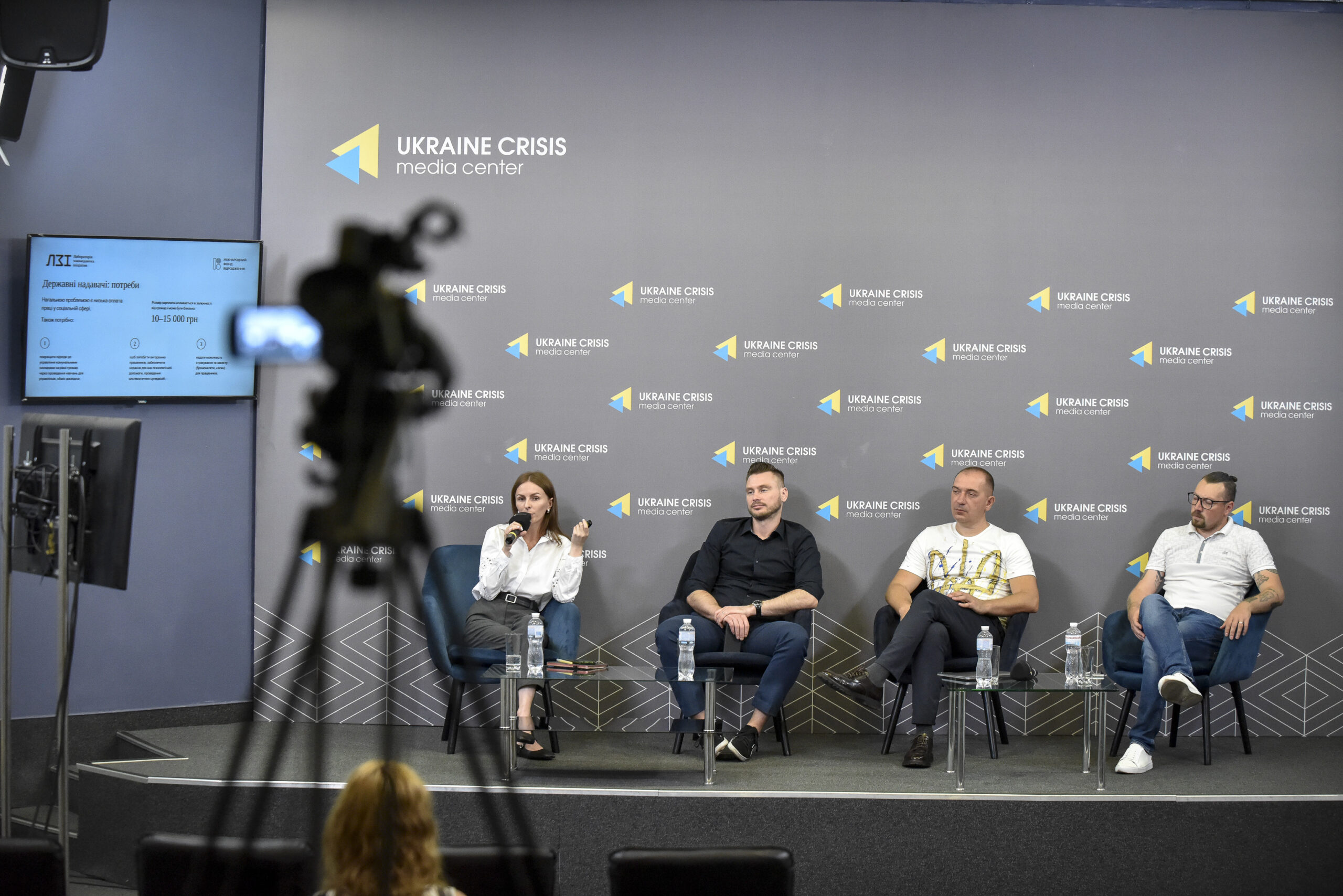
Larysa Bilozir, Chair of the Sub-committee on Administrative Services and Administrative Procedures of the Verkhovna Rada Committee on State Building, Local Governance, Regional and Urban Development, stressed the importance of supporting community capacity and working on a comprehensive update of legislation in the social sector:
However, there are also specific positive cases in social service delivery: for example, there are charitable and public organisations that probably do not enter into contracts for the provision of services (i.e., do not make money from it) but which support social service centres for the elderly. This format of cooperation is also useful because it gives communities an impetus to develop, seek funds and capacities, and this should be supported”
Nataliia Petrenko, Head of the Shulhynka Village Military Administration of Starobilsk Raion in Luhansk Oblast, Head of the Temporarily Occupied and De-occupied Communities Platform, representative of the Association of Amalgamated Territorial Communities, spoke about the situation concerning social service delivery in frontline areas and noted the need to change approaches to the provision of social services:

Oleksandr Khoruzhenko, Project Advisor of the GIZ Ukraine: Resilient Society Cluster, EU4ResilientRegions – Special Assistance Programme Ukraine, spoke about the areas of social support that international donors and partners are helping Ukrainian communities with:
Through such international partnerships, we have managed to address a number of social challenges, especially in the area of mobility and barrier-free access, inter alia, in frontline and de-occupied communities. However, I would like the state policy to be more holistic and more proactive towards the southern and eastern regions because here the question is not so much about justice as about the expectation of justice and whether the state is ready to meet such expectations”
A recording of the research presentation is available here.
The research on social service delivery in communities is supported by the International Renaissance Foundation. The full report will be published shortly.
Photo: Ukraine Crisis Media Centre
State of Public Service Provision in Communities of Kherson Oblast: the ALI Has Presented a Study
On 8 July 2024, the Agency for Legislative Initiatives (ALI), together with the Committee of the Verkhovna Rada on the Organisation of State Power, Local Self-Government, Regional Development and Urban Planning, presented the results of the study “Assessment of the State of Public Services in De-Occupied Communities: Kherson Oblast.” This work was prepared within the framework of the project “Parliament and Accountability of the Security Sector in Ukraine” (PASS Ukraine), which the Agency implements jointly with the Parliamentary Centre (Canada) in cooperation with the Verkhovna Rada and with the support of the Global Affairs Canada within the framework of the Peace and Stabilization Operations Program (PSOPs).
Study concept
The study was conducted in several stages during September – December 2023 and covered 17 de-occupied communities of Kherson Oblast. During the course of the study, ALI collected more than 800 datasets on the provision of public services in the following main areas: administrative, social, medical, educational, security, housing and utility services. We also held in-depth semi-structured interviews with heads of military administrations in individual settlements.
Context
In November 2022, the Ukrainian army liberated the right-bank part of Kherson Oblast, which had been under occupation for almost nine months. The occupation fallout includes the destroyed industrial and social infrastructure, the explosive demolition of the Kakhovka HPP, which caused at least $2 billion in direct losses, the outflow of businesses, and the loss of human resources — in some communities, more than 60% of residents left their homes. All this made it much more difficult for residents to access basic public services. At the same time, relentless shelling of the right-bank part of Kherson Oblast continues, and this worsens the public service provision situation.
During the event, participants discussed the experience and problems faced by the de-occupied territorial communities of Kherson Oblast, which, despite limited resources, continue to provide residents with services as they find various opportunities for this. In addition, the Agency presented recommendations and proposals that would later help in the development of a dedicated national policy package on this issue.
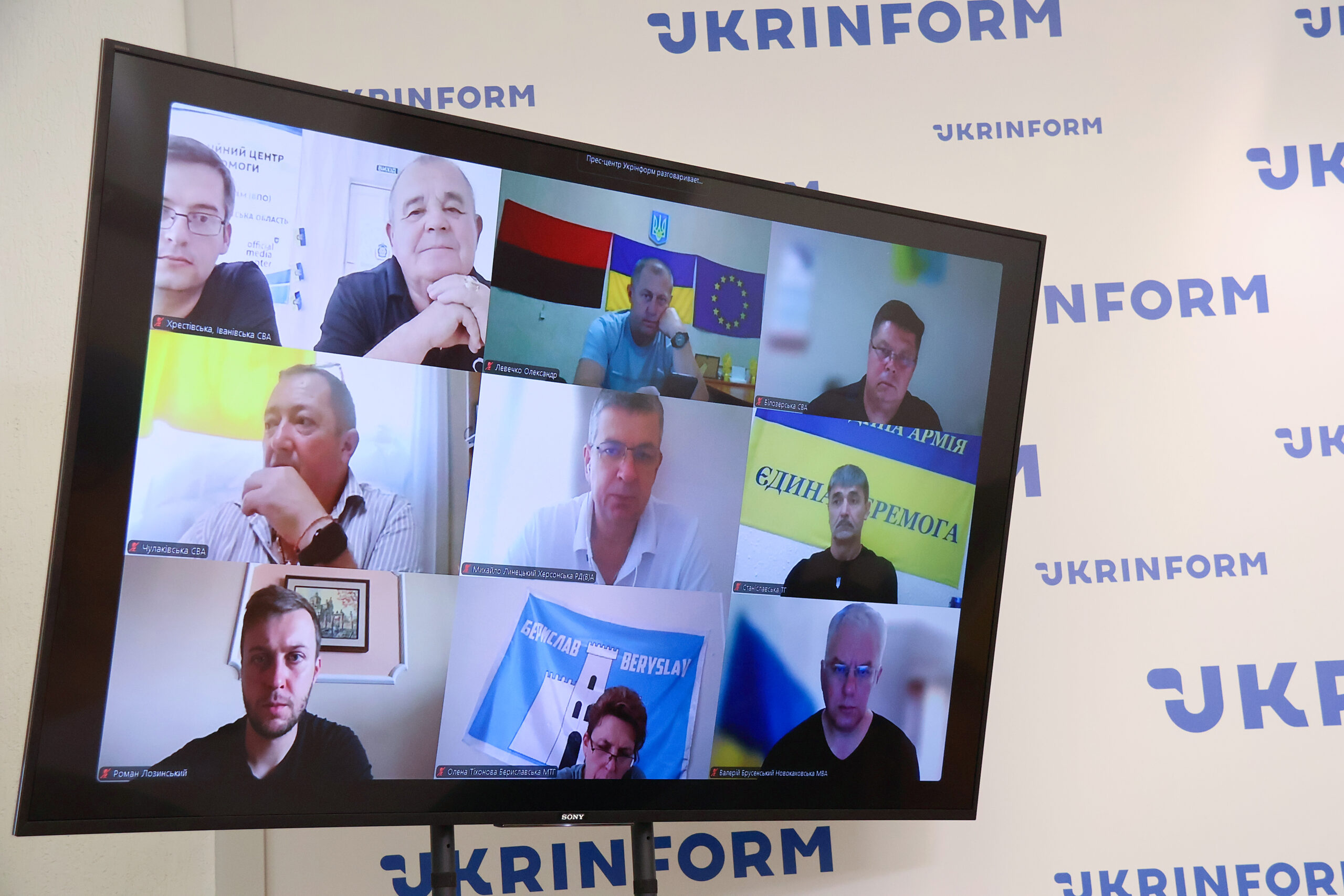
The director of the analytical department at the Agency for Legislative Initiatives, Oleksandr Zaslavskyi, moderated the discussion. He noted the importance of such studies and their role in reconstruction processes:
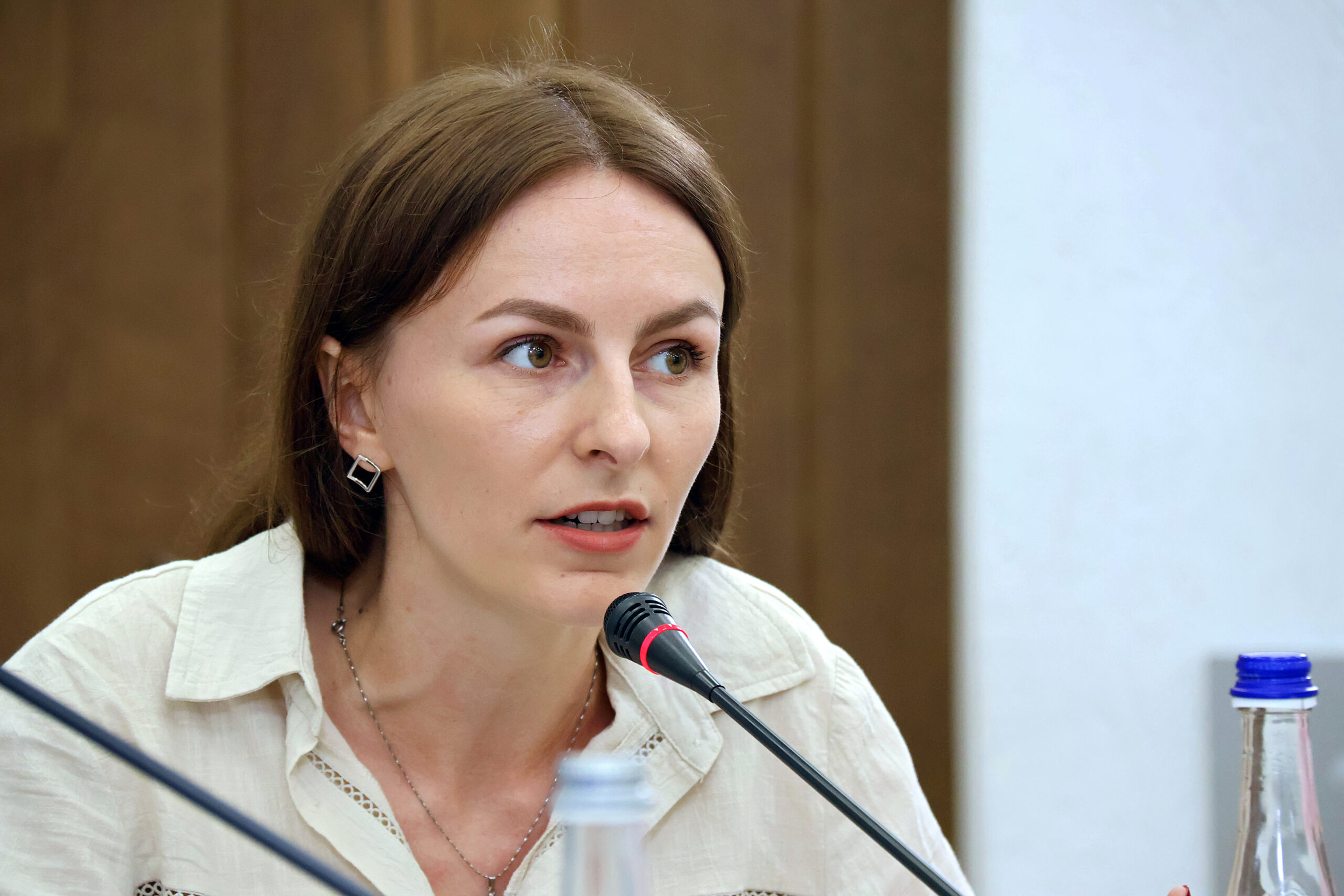
Tetiana Lukeria, the invited analyst of the Agency for Legislative Initiatives, told the audience about the principal issues covered in the study, its main directions and proposals.
MPs sitting on the relevant Committee of the Verkhovna Rada of Ukraine also emphasised the importance of the experience and challenges faced by the de-occupied communities of Kherson Oblast.
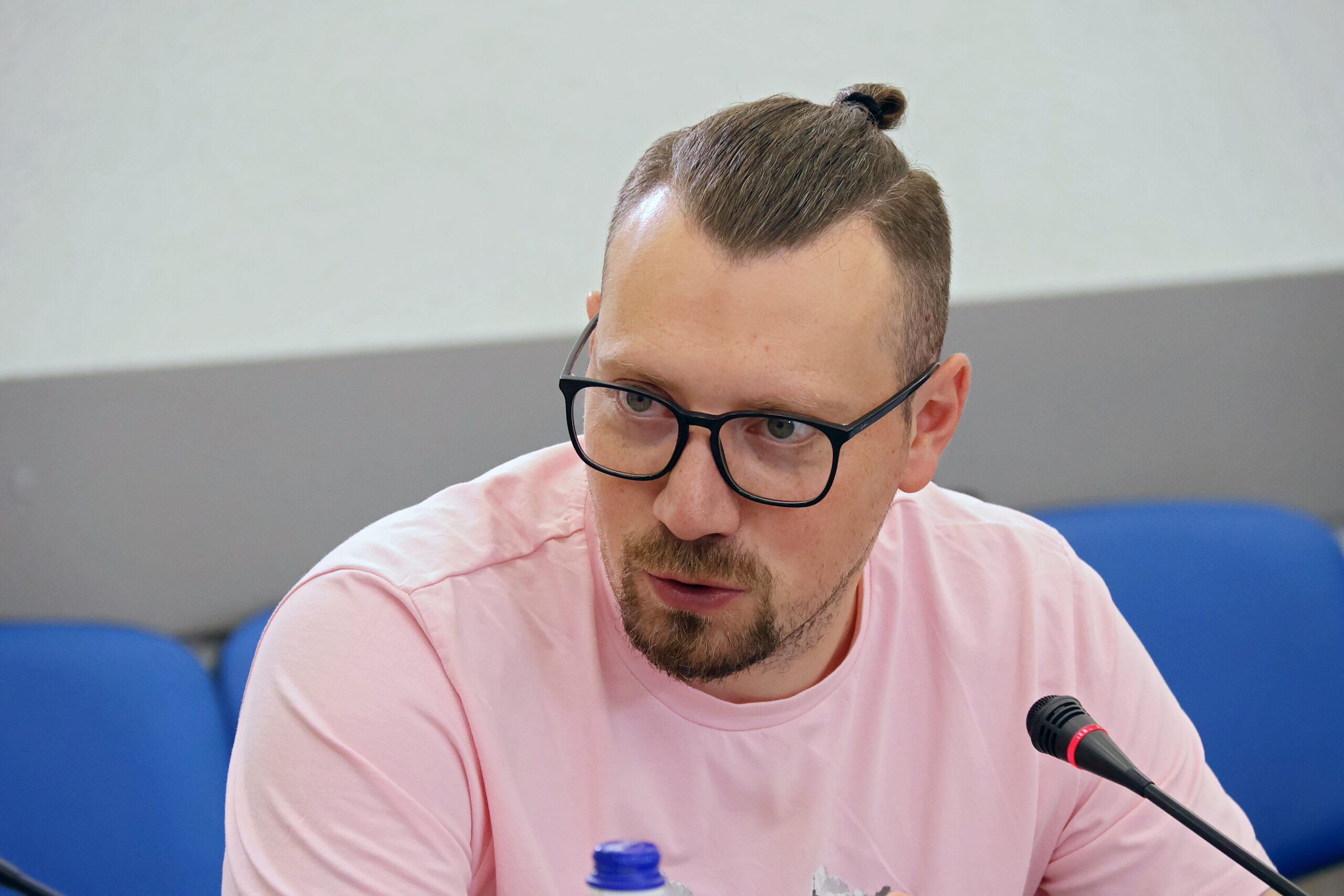
And I am grateful, in particular to the Agency for Legislative Initiatives, for enabling us to start this process. I hope that this study will form the basis of the national policy that concerns de-occupied territories, including those located at an extremely short distance from enemy positions”
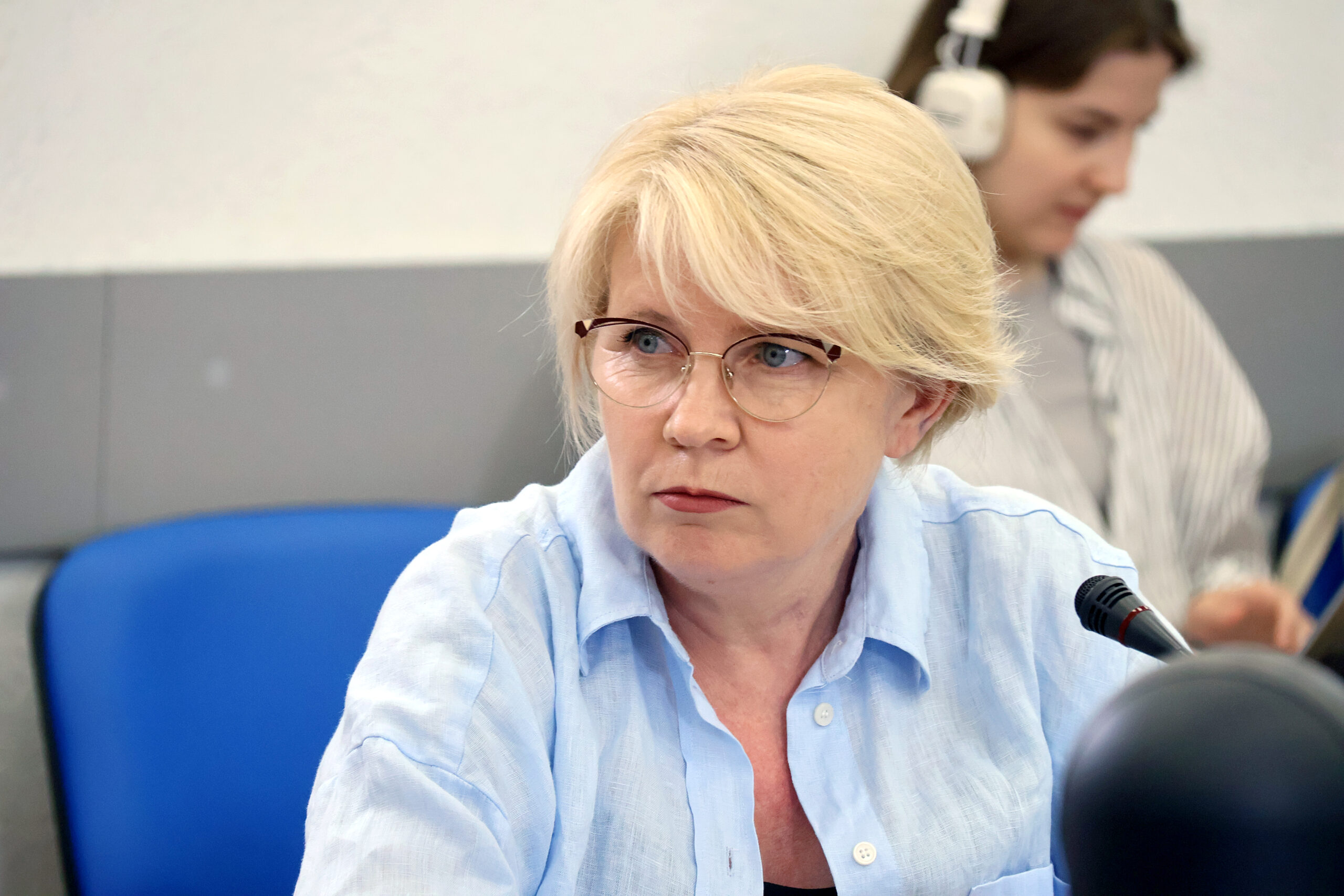
Liudmyla Kostiuk, Head of Kochubeivka Village Military Administration of Beryslav Raion (Kherson Oblast), noted urgent problems associated with the organisation and provision of public services in communities.
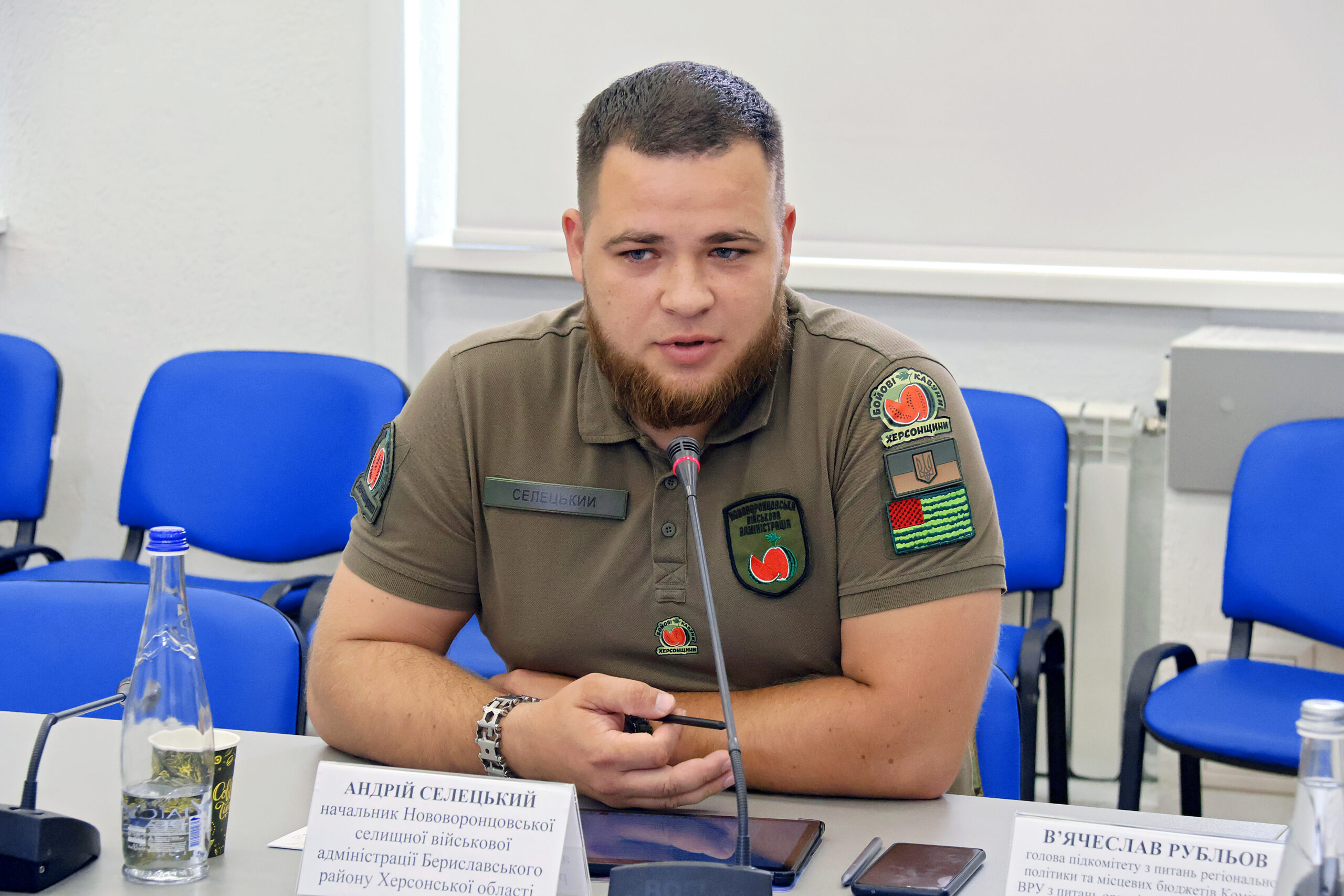
Andrii Seletskyi, Head of Novovorontsovka Town Military Administration of Beryslav Raion (Kherson Oblast), shared successful practices already being implemented in communities, from digitalisation solutions to the implementation of a system of incentives for school students and youth support.
However, comprehensive Internet coverage throughout the oblast remains a big issue, which requires resolution at a higher level than that of individual communities. It needs to be done as soon as possible because the research on access to information, which was conducted in the community, shows that it is a very pressing issue. Outmigration of the workforce and businesses is a painful issue. Therefore, the development of mechanisms that will allow us to keep people in Kherson Oblast, not by force, but by prospects of improvement, is urgent, and it must be done at the level of the relevant policy as well”
The study “Assessment of the State of Public Services in De-Occupied Communities: Kherson Oblast” will soon be published on the website of the Agency for Legislative Initiatives and sent to government bodies for further examination and incorporation in the development of relevant national policies and measures.
For more information, contact Maria Hereles, Director of the Communications Department at the Agency for Legislative Initiatives, at mg@parliament.org.ua.
Workshop on Principles and Practices of Legislative Impact Assessment
On Thursday, 30 May, ALI, with the participation of the VRU Committee on National Security, Defence and Intelligence, held a workshop on the principles and practices of legislative impact assessment.
The Agency continues to emphasise the importance of legislative process assessments as a tool for improving the quality of draft laws prepared by the Verkhovna Rada of Ukraine (VRU). Therefore, we actively work with committees and help them implement it in their work.
The visit was part of the project “Parliament and Accountability of the Security Sector in Ukraine” (PASS Ukraine), which the Agency implements jointly with the Parliamentary Centre (Canada) in cooperation with the Verkhovna Rada of Ukraine and the support from Global Affairs Canada within the framework of the Peace and Stabilization Operations Program (PSOPs).