
Socio-Economic Situation in Deoccupied Communities: Key Findings from New Study by ALI
The study offers a comprehensive overview of socio-economic conditions across the deoccupied territories, spanning 15 communities in the Kyiv region, 10 in the Mykolaiv region, and 28 in the Kharkiv region. One of the major challenges in conducting such a complex analysis was the complete absence of baseline data. To address this, ALI initiated data collection from scratch and developed a custom data matrix to provide decision-makers with the necessary information.
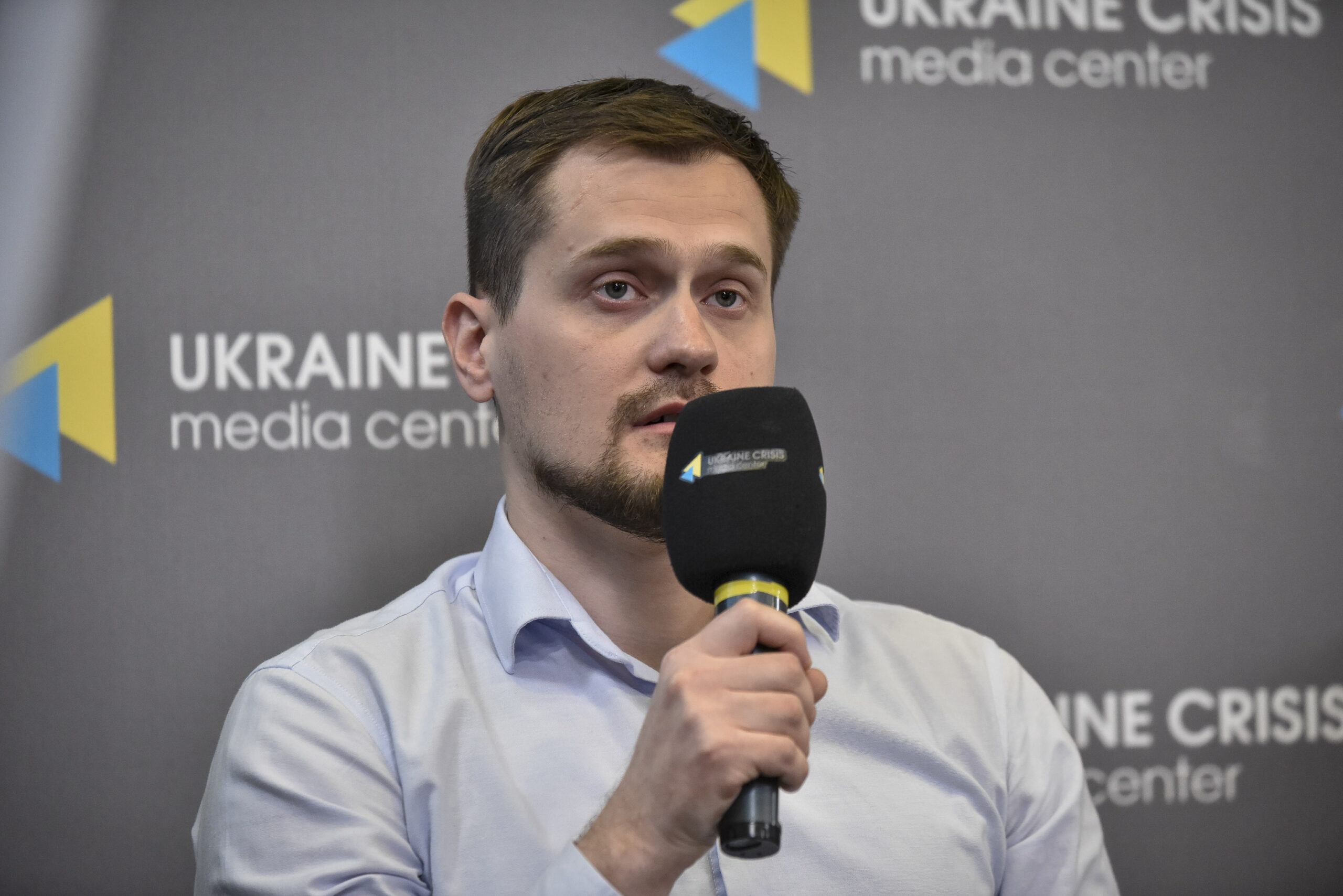
Oleksandr Zaslavskyi, Deputy Executive Director of ALI, explained the team’s decision to scale the study to three additional regions after piloting the methodology in the Kherson region.
The second value lies in the practicality of the recommendations — including insights into the data collection process itself, since we experienced it from the inside. They also address very hands-on issues, like maintaining communication with displaced residents to bring them back to their communities and prioritising recovery policy steps. The state simply can’t afford to do everything simultaneously with the limited available resources.”
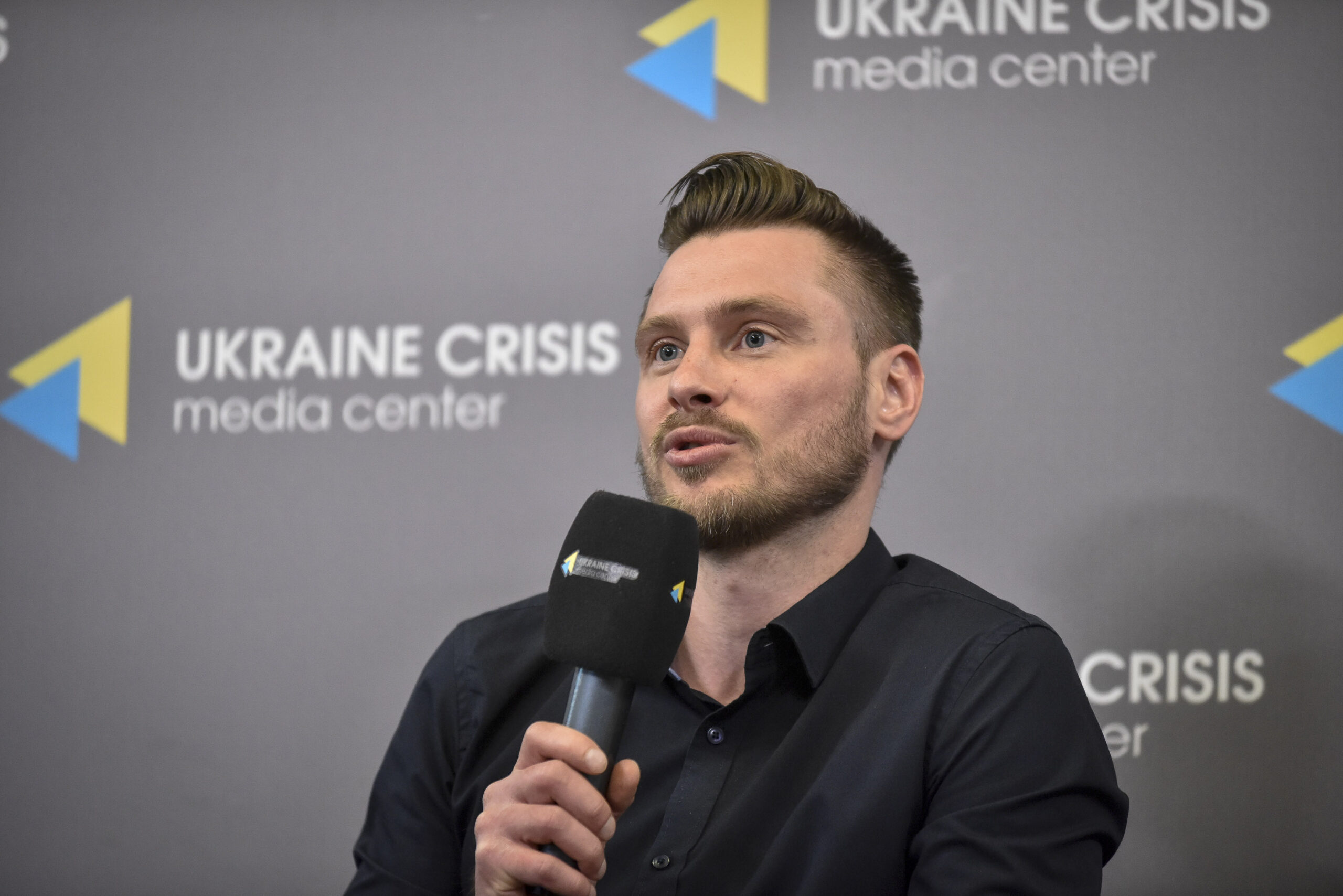
Vitalii Bezghin, Head of the Subcommittee on Administrative and Territorial Structure and Local Self-Government of the Verkhovna Rada Committee on State Building, Local Governance, Regional and Urban Development, noted that ALI’s research on Kherson region had offered a comprehensive picture of the current situation — which sparked demand for similar analysis in other formerly occupied, now liberated regions. Such findings, he said, should form the foundation for the next steps by both Parliament and the relevant ministry, and the study’s detailed data would be of interest to both the public and key stakeholders.
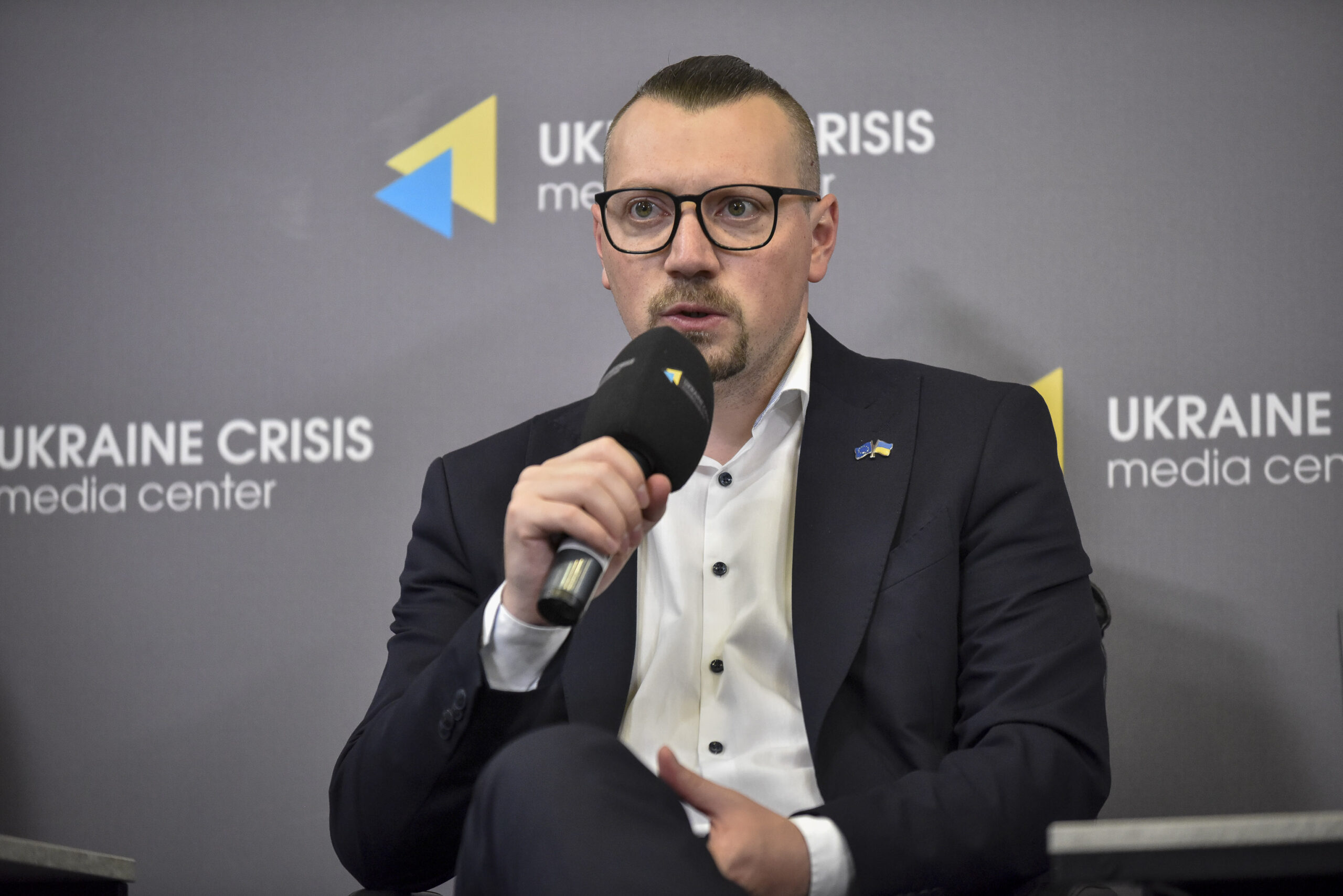
How Can ALI’s Data Be Interpreted and Understood?
The study was conducted in three stages. In the first stage, the Legislative Initiatives (ALI) collected statistical data across six groups of indicators: socio-demographic, infrastructure, financial, migration trends, cooperation, and access to public services. The second stage involved assessing the financial capacity of communities using a composite index made up of 11 indicators, including revenues, expenditures, and the level of budget dependence. In the third stage, ALI interviewed local officials, including heads of communities and military administrations. The research period spanned January to April 2025.
Volodymyr Skrypets, the Analytics Lead at ALI, presented the study’s key findings:
The study covered blocks such as infrastructure, security and civil protection, socio-demographic shifts, access to public services, financial capacity, and cooperation potential across various formats. Just as importantly, it allowed us to develop proposals and recommendations that can help model the recovery process for deoccupied communities.”
Tamila Tasheva, Member of the Verkhovna Rada Committee on State Building, Local Governance, Regional and Urban Development, emphasised that in regional development planning, the unique challenges of deoccupied communities are often insufficiently taken into account — and that studies like this one offer a foundation for a more systemic understanding of those challenges.
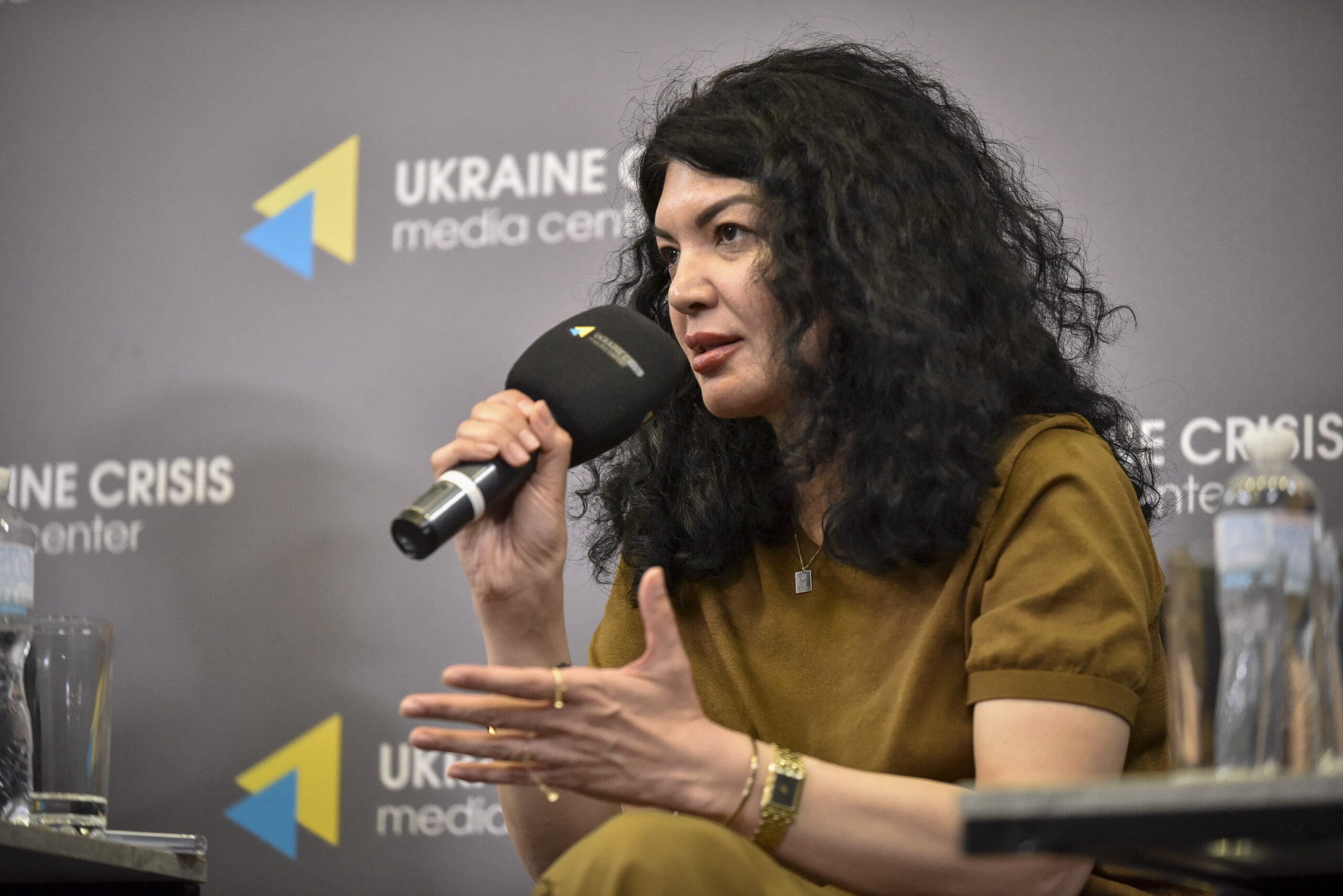
She also stressed the importance of communicating such findings to Ukraine’s international partners — who need to see the real picture on the ground and the progress made despite all odds.
Context. Back in 2023, the Agency for Legislative Initiatives (ALI), in cooperation with the Verkhovna Rada Committee on State Building, Local Governance, Regional and Urban Development, conducted a study on the state of public services in deoccupied communities of the Kherson region. During the research, it became clear that information was neededbeyond the scope of public services. ALI, therefore, launched an additional study to enable a more comprehensive analysis and to uncover interrelated challenges across sectors. Following the completion of work on the Kherson region, demand emerged for similar research on deoccupied communities in Kyiv, Mykolaiv, and Kharkiv regions.
The complete study “Analysis of the Socio-Economic Situation in Deoccupied Communities: Kherson Region” is available here. The study on Kyiv, Mykolaiv and Kharkiv regions is currently being finalised and will be published soon.
The presentation took place as part of the project “Parliamentary Accountability of the Security Sector in Ukraine” (PASS Ukraine), implemented by ALI in partnership with the Parliamentary Centre (Canada), in cooperation with the Verkhovna Rada of Ukraine, and with support from Global Affairs Canada under the Peace and Stabilization Operations Program (PSOPs).
Revisiting the Status of Local Council Members: ALI and Parliamentary Committee Host Expert Roundtable
A special focus of the event was the presentation and discussion of ALI’s analytical study “The Status of Local Council Members,” previously developed at the Committee’s request. The report examines how current legislation was applied during the 2020 local elections and presents findings from a nationwide survey involving 2,279 local self-government officials across various regions of Ukraine.
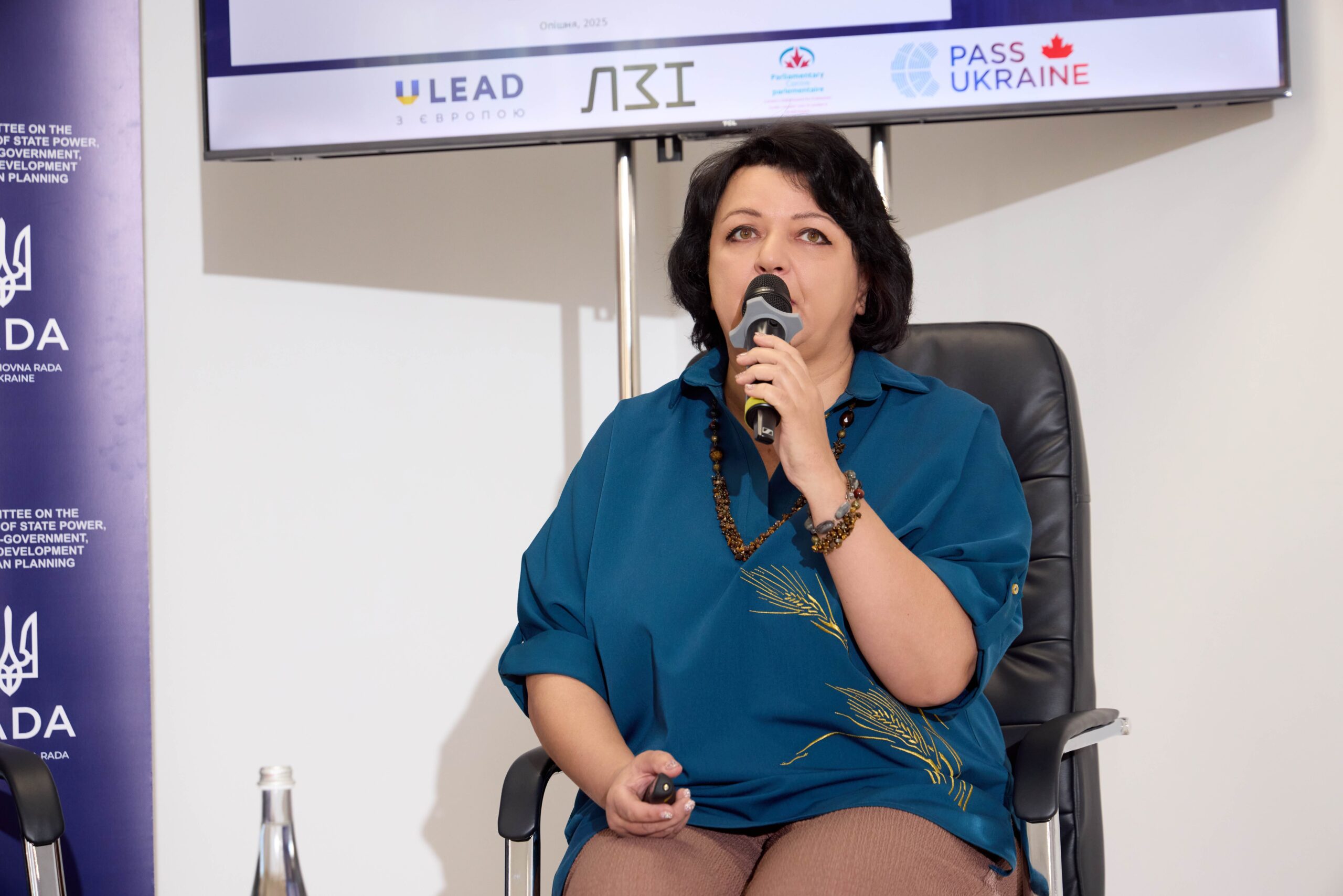
Olena Boiko, contributing expert with ALI, delivered the study’s key findings, highlighting areas for legislative improvement regarding the status of local council members. The presentation covered a wide range of issues, including challenges posed by the Russian Federation’s full-scale invasion; early termination of mandates; underrepresentation in local councils; the imperative mandate; guarantees and safeguards for council members’ activities; communication between the public and local council members, and mechanisms of accountability, oversight, and responsibility of local council members.
The discussion brought together a wide range of stakeholders, including Members of Parliament Oleh Dunda, Dmytro Mykysha, Dmytro Chornyi, Oleksandr Aliksiychuk, Andrii Klochko, Oleksii Ustenko, and Kostiantyn Kasai. Participants also included representatives from national and local government bodies across the Poltava region: Volodymyr Kohut, Acting Head of the Poltava Regional State Administration and Acting Head of the Regional Military Administration; Oleksandr Bilenkyi, Head of the Poltava Regional Council; and Mykola Riznyk, Head of the Opishnia Settlement Council. Also present were local council members of various levels, representatives of leading local self-government associations, as well as experts and international partners.
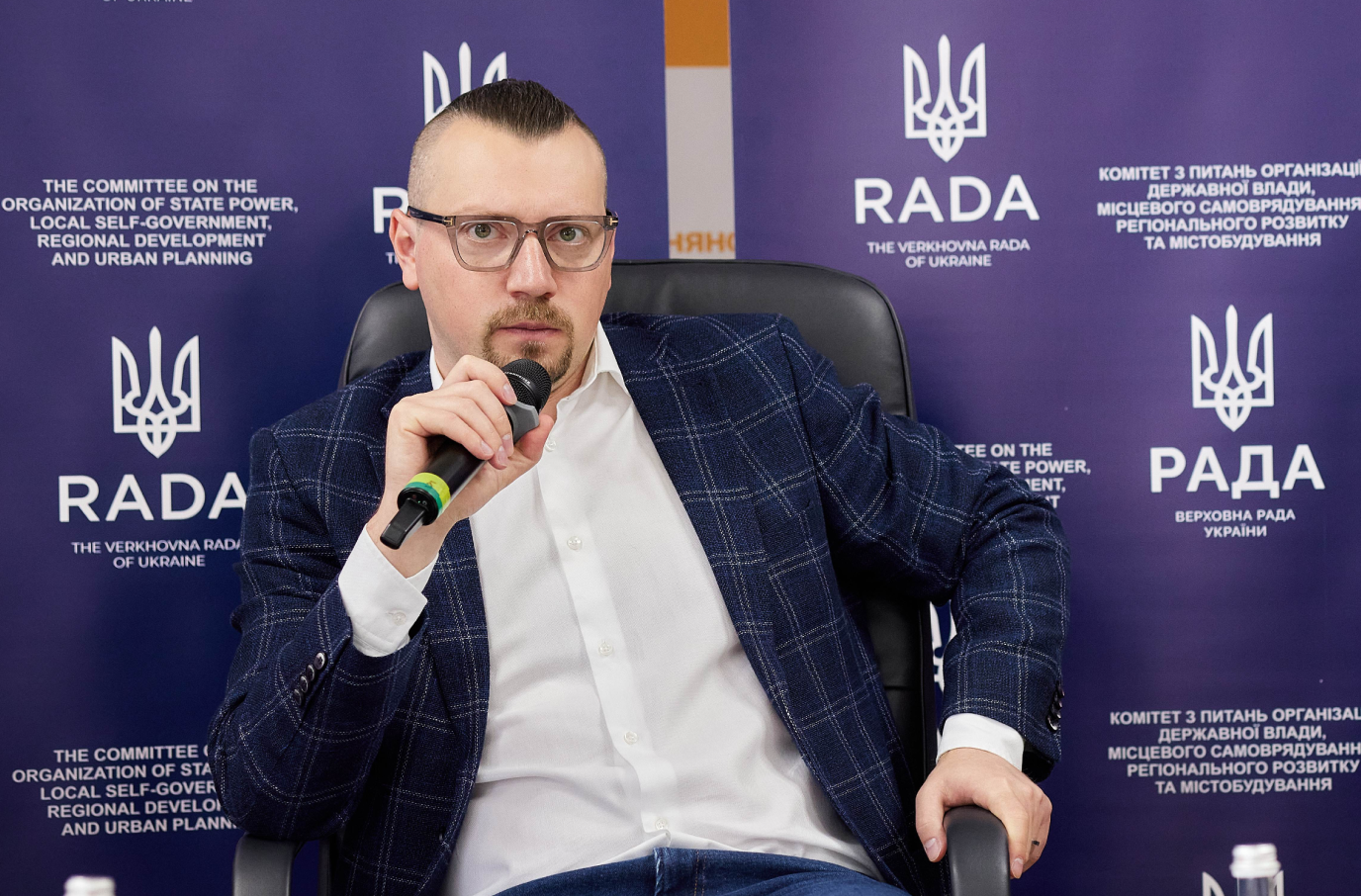
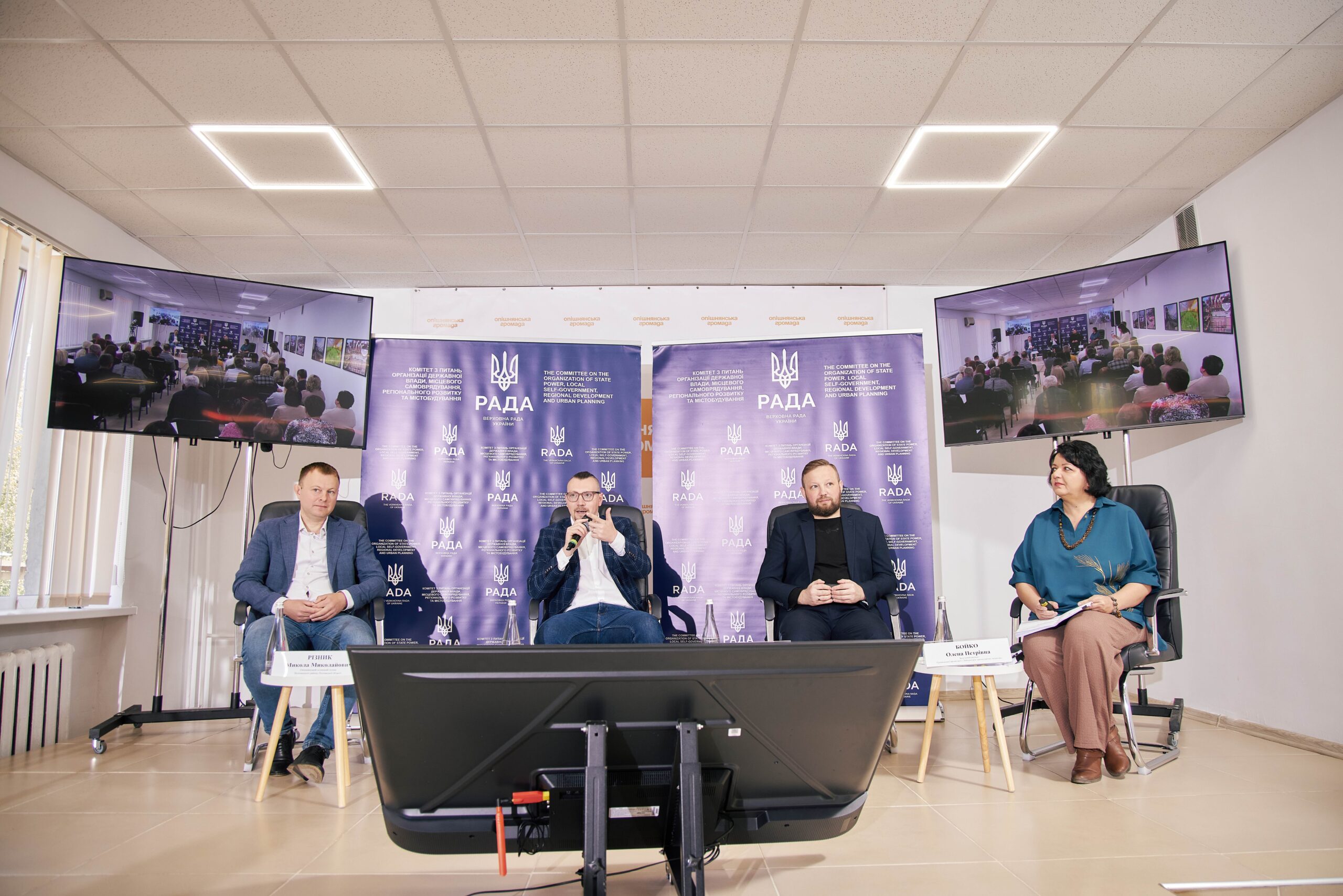
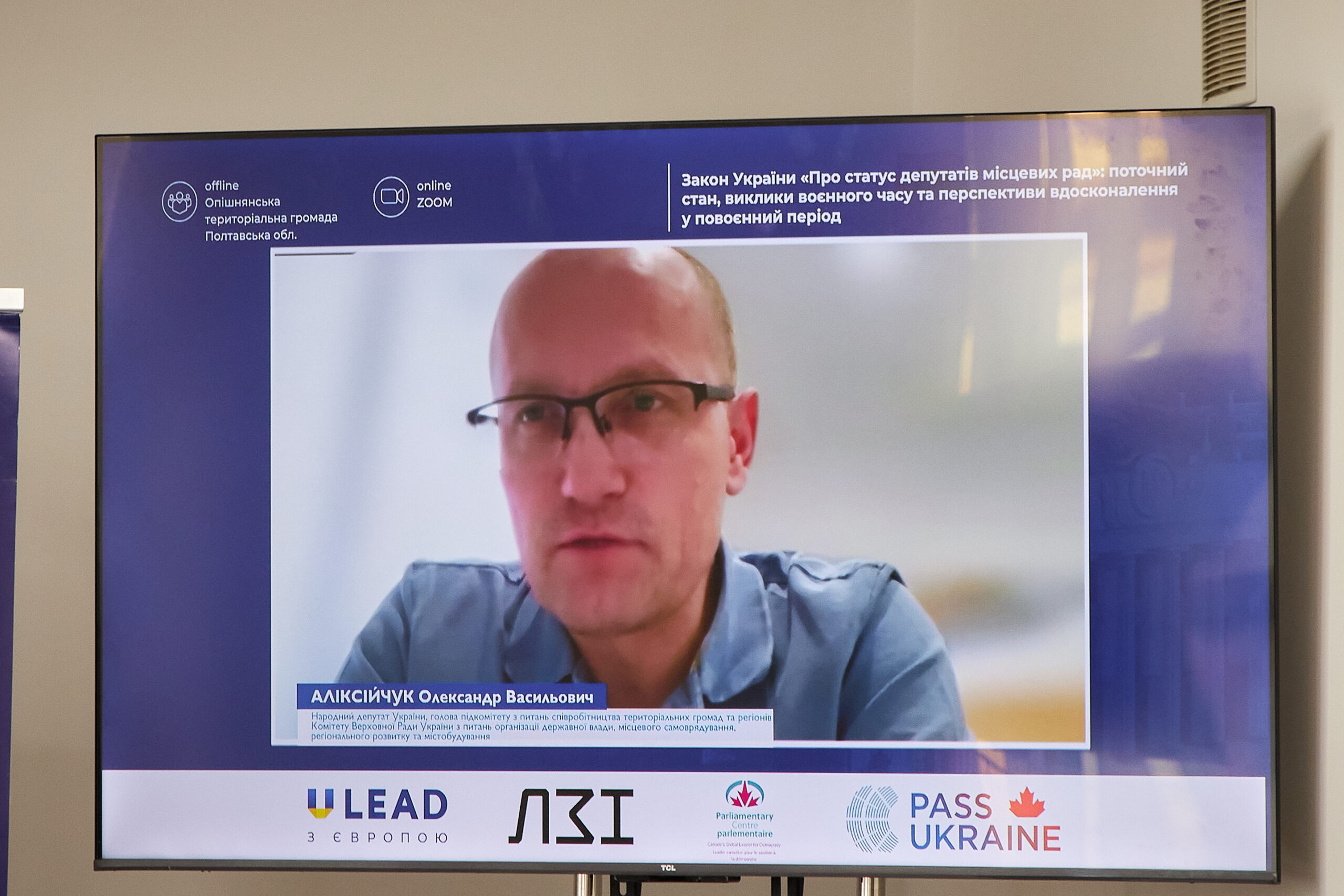
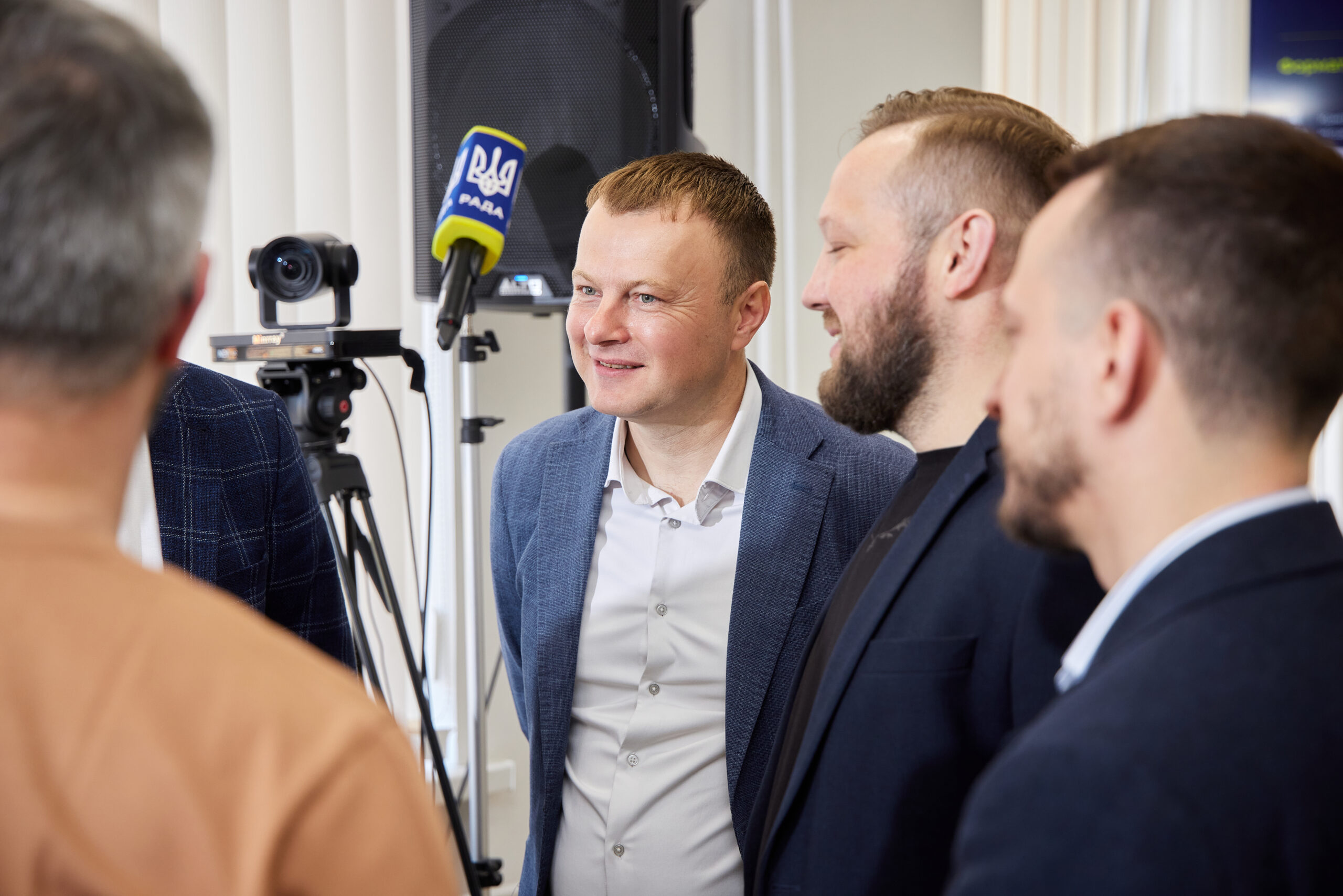
Vitalii Bezghin, Head of the Subcommittee on Administrative and Territorial Structure and Local Self-Government of the relevant Committee of the Verkhovna Rada, emphasised the importance of maintaining feedback and transparent dialogue between government representatives at all levels.
During the panel discussion, participants addressed several pressing issues, including:
- the specific challenges of operating local councils under martial law;
- the procedures for acquiring and prematurely terminating the mandates of local council members;
- the impact of the banning of certain political parties on the work of local councils;
- guarantees for the activities of local council members;
- alignment of the status of local council members with European standards;
- ensuring proper representation in local councils;
- the need to regulate questions of council members’ ethics;
- problematic aspects of local council members’ work within the local council and their constituencies;
- strengthening the accountability and responsibility of local council members to their constituents.
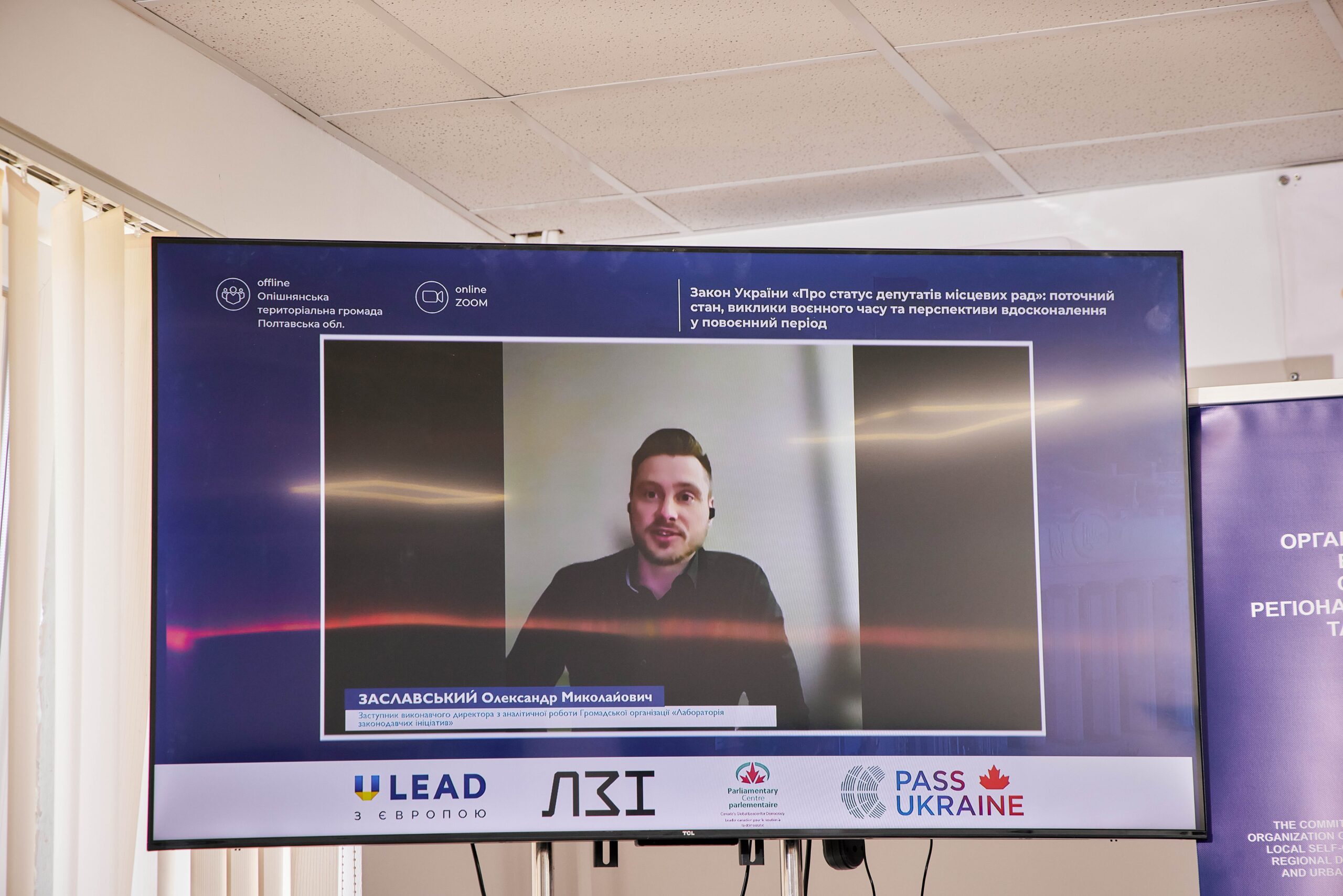
Oleksandr Zaslavskyi, Deputy Executive Director of the Agency for Legislative Initiatives, stressed the need for a consolidated approach to all key issues related to the status of local council members, as well as the practical application of mechanisms such as public consultations on legislative initiatives.
In this context, the ALI study holds particular value, as it is methodologically grounded in field research — specifically, a survey of local self-government representatives. These are not merely stakeholders, but one of the target groups for future legislative changes.
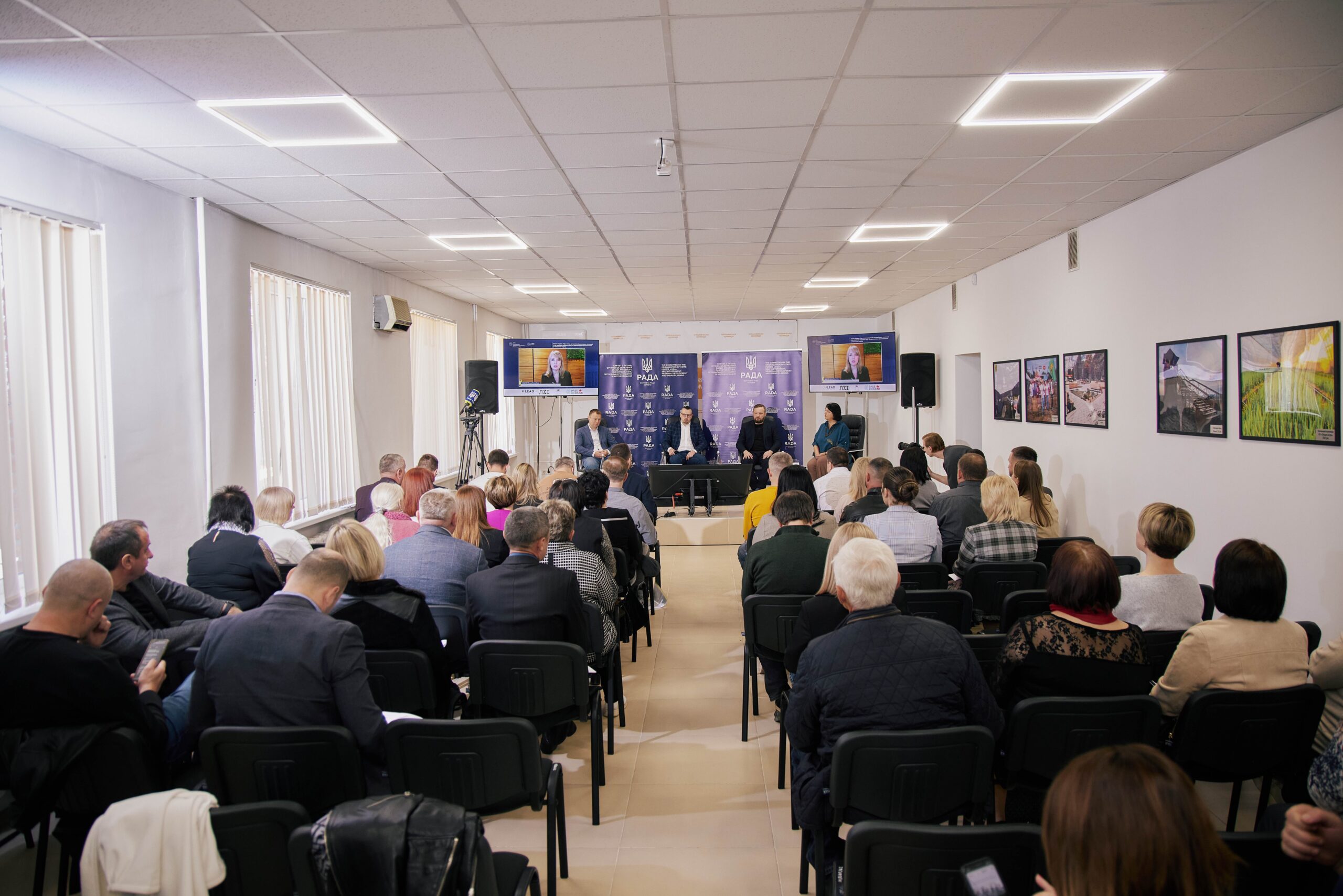
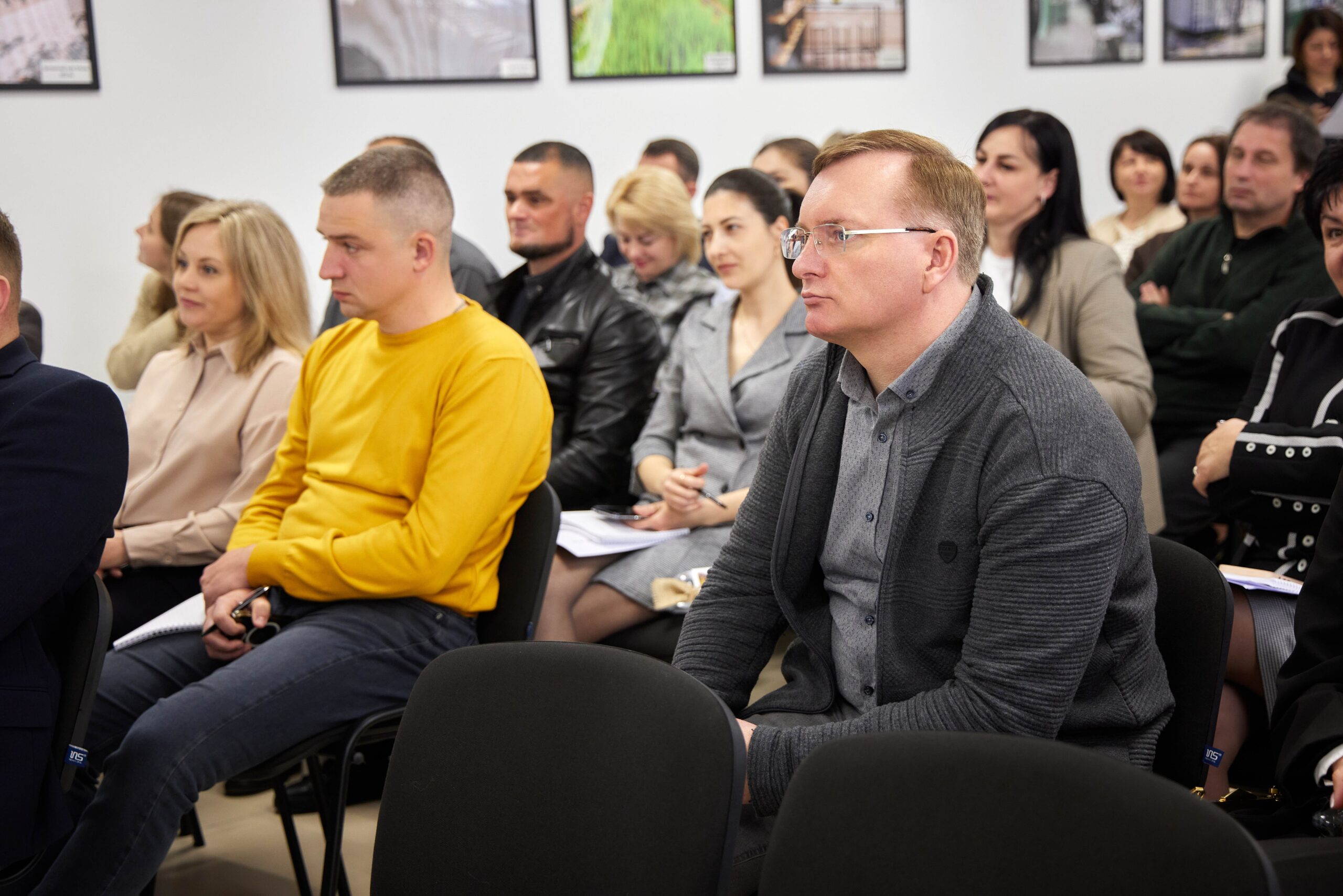
Olena Shuliak, Head of the Verkhovna Rada Committee on State Building, Local Self-Government, Regional and Urban Development, highlighted the importance of addressing issues related to the accountability and responsibility of local council members. However, she noted that the topic of ethical standards for council members — both at the national and local levels — remains largely unregulated.
As a reminder, in late 2022, a draft law on the Code of Ethical Conduct for Members of Parliament was registered in the Verkhovna Rada. Among its co-authors are experts from the Agency for Legislative Initiatives. However, the process has yet to move forward beyond its registration.
A recording of the roundtable discussion is available at the link.
The roundtable took place within the framework of the project “Parliamentary Accountability in Ukraine’s Security Sector” (PASS Ukraine), implemented by the Agency for Legislative Initiatives in cooperation with the Parliamentary Centre (Canada), the Verkhovna Rada of Ukraine, and with the support of Global Affairs Canada through the Peace and Stabilization Operations Program (PSOPs).
The event was also supported by the “U-LEAD with Europe” programme.
Gender Impact Assessment and Legal Gender Expertise: Prospects for Implementation in the Verkhovna Rada
During the training, participants explored how gender analysis and legislative impact assessment methodologies can be integrated into the legislative process, learned about international and EU-level practices, and examined tools used in other countries. In the practical part of the session, participants applied gender analysis methodologies to fundamental draft laws.
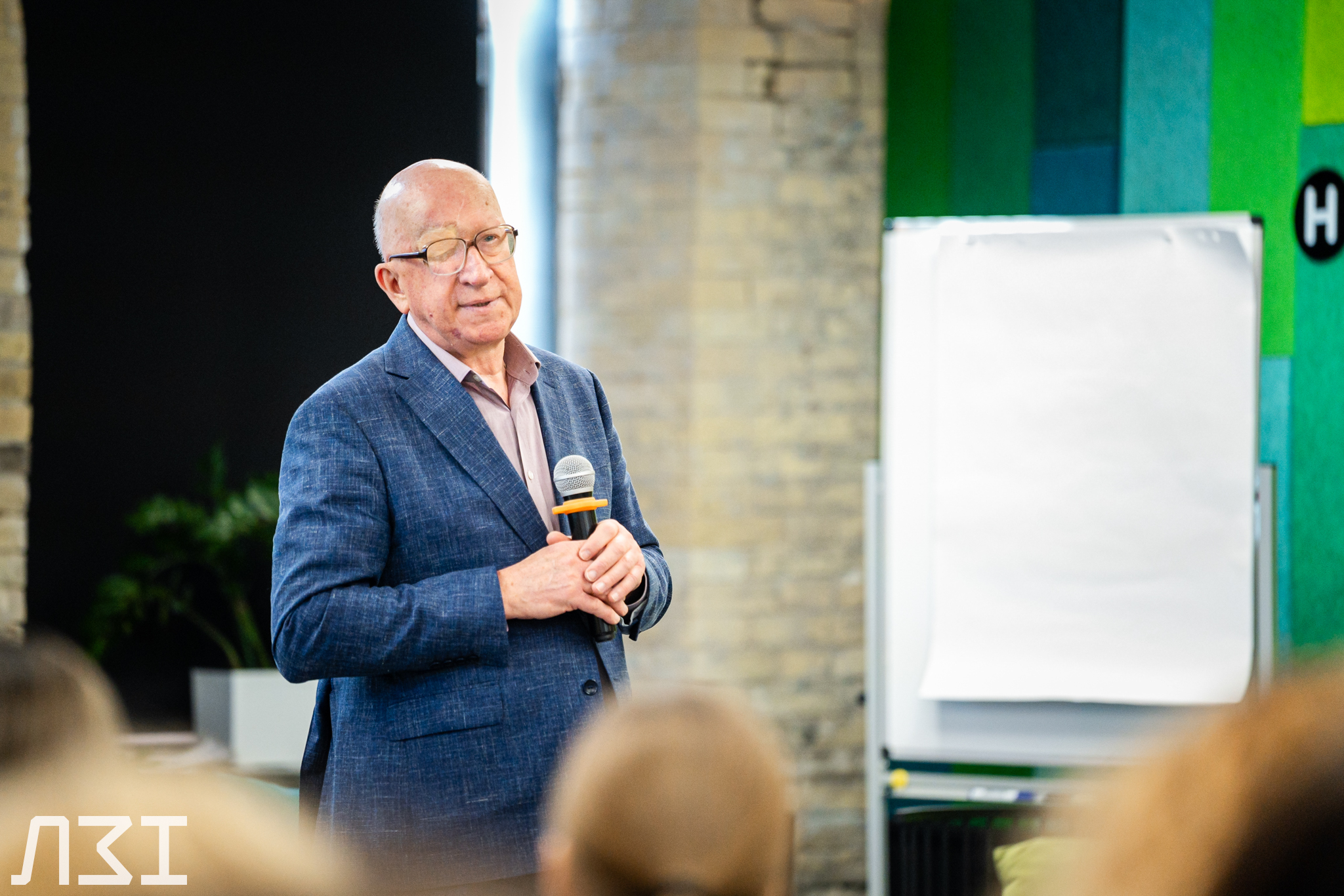
Mykhailo Tepliuk, Deputy Head of the Secretariat of the Verkhovna Rada of Ukraine — Head of the Main Legal Department, highlighted recent developments that will help align legislation with constitutional norms. He noted that when referring to the Constitution, one must pay particular attention to Article 3. It stipulates that human rights and freedoms, and their guarantees, determine the content and focus of state activities, and that the state is accountable for the outcomes of its actions.
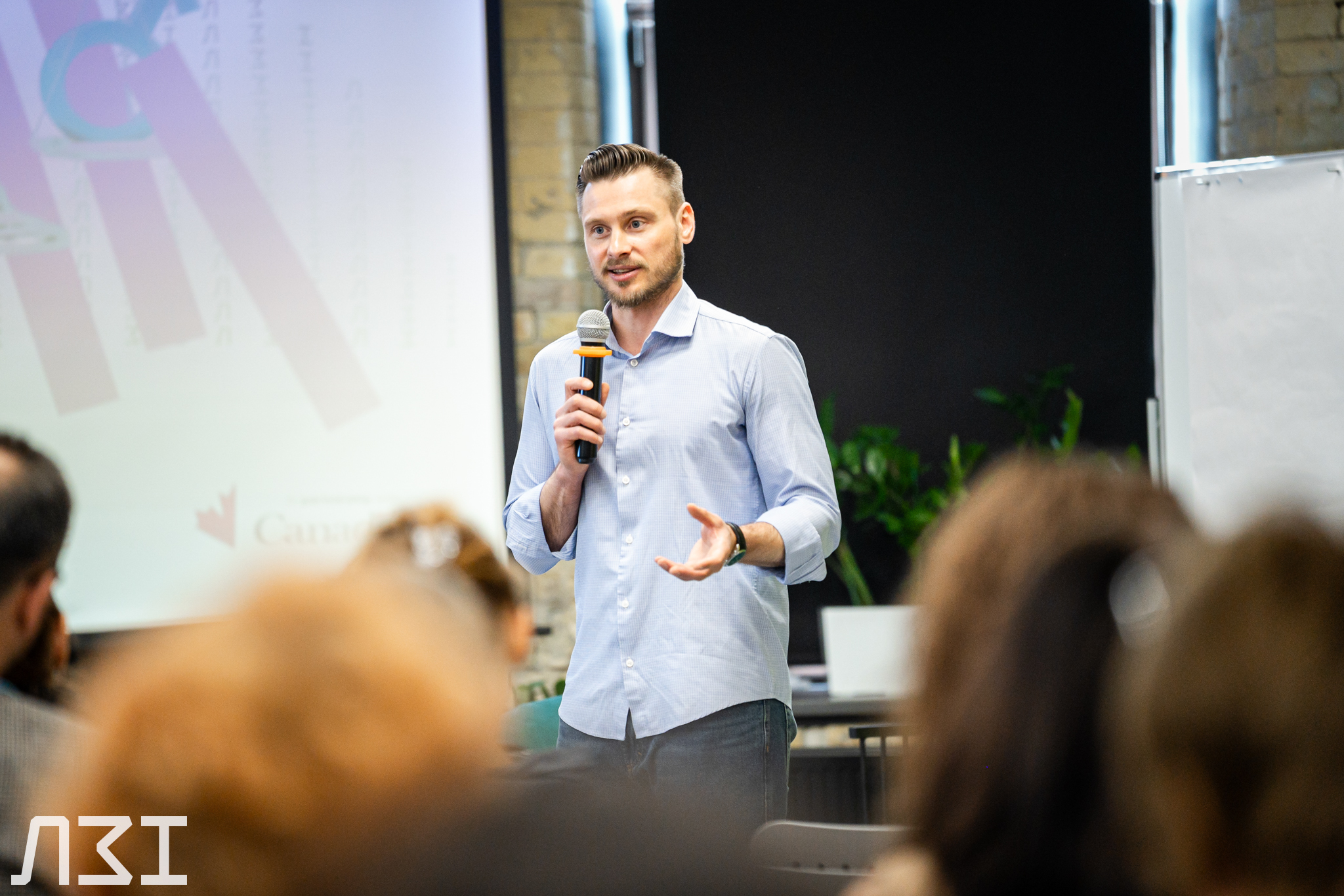
The event was moderated by Oleksandr Zaslavskyi, Deputy Executive Director of the Agency for Legislative Initiatives. He highlighted the importance of implementing gender analysis and impact assessment tools, noting that doing so would benefit Ukraine both in the context of European integration and in strengthening domestic decision-making processes.
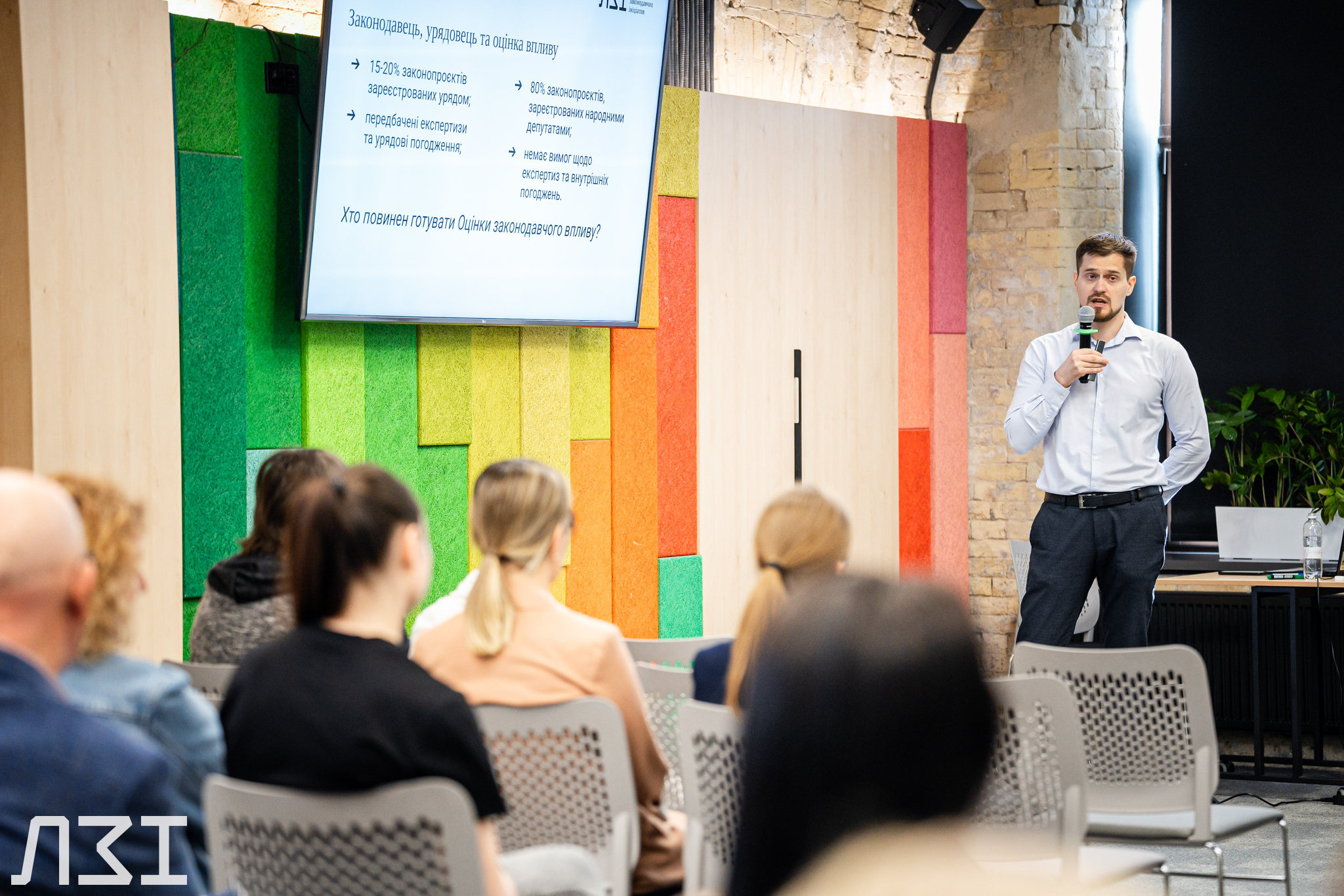
Volodymyr Skrypets, the Analytics Lead at the Agency for Legislative Initiatives, shared with the training participants the experience of piloting and adapting the gender-sensitive impact assessment methodology within the Verkhovna Rada. His presentation covered a wide range of materials: the Guide to Legislative Impact Assessments — a joint product of ALI and four parliamentary committees — almost fifty conducted assessments, European experience, European Commission practices, and an analysis of the Law “On Law-Making Activity”. Together, these provide a broad basis for understanding gender-sensitive impact assessment tools and frameworks.
The training also explored similarities and differences in approaches to gender analysis in various countries — Sweden, Canada, several EU states — as well as global examples of gender-responsive tools and methodologies and how they are implemented in stages. Participants, including gender analysis expert Olena Zaitseva, underscored the importance of such measures.
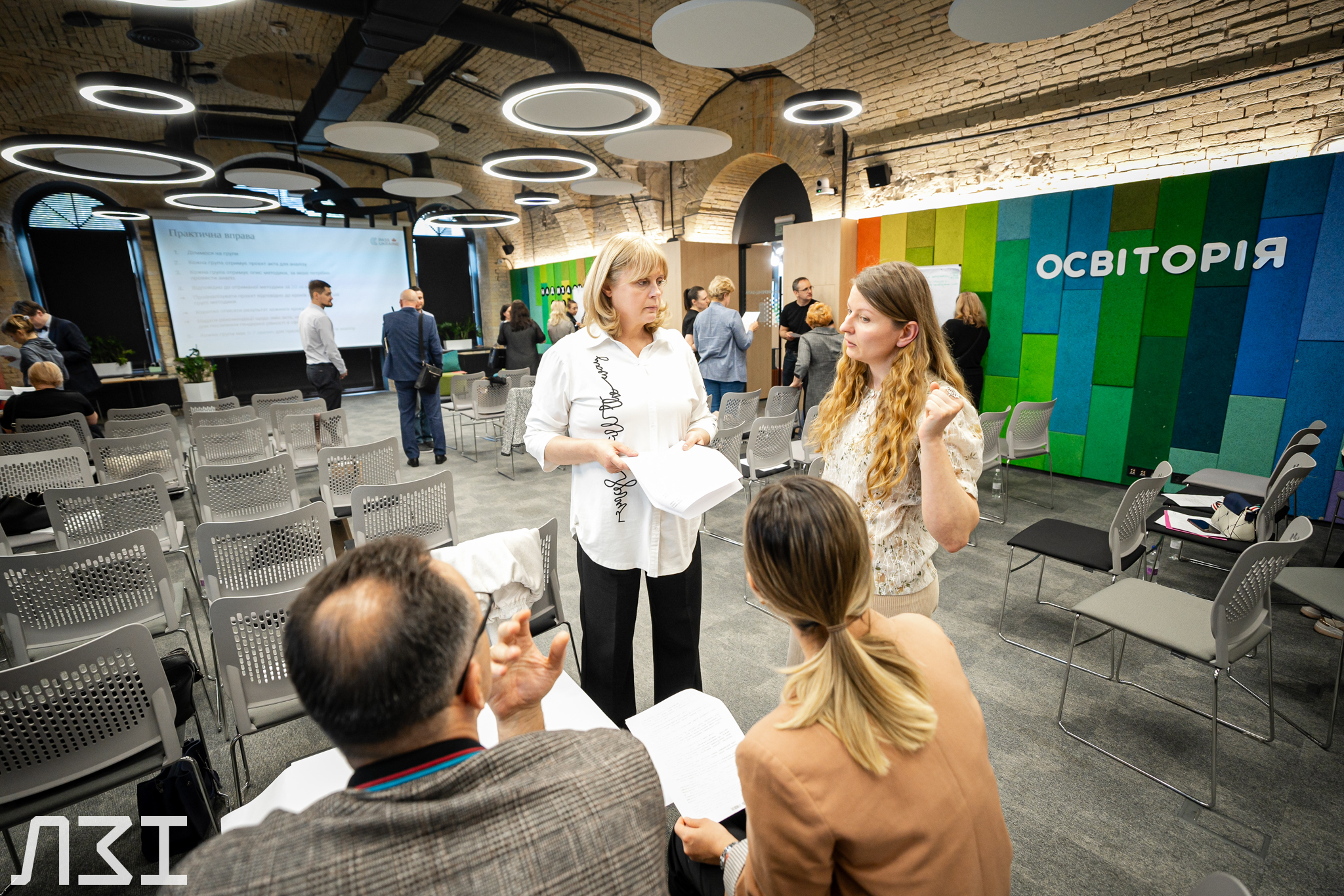
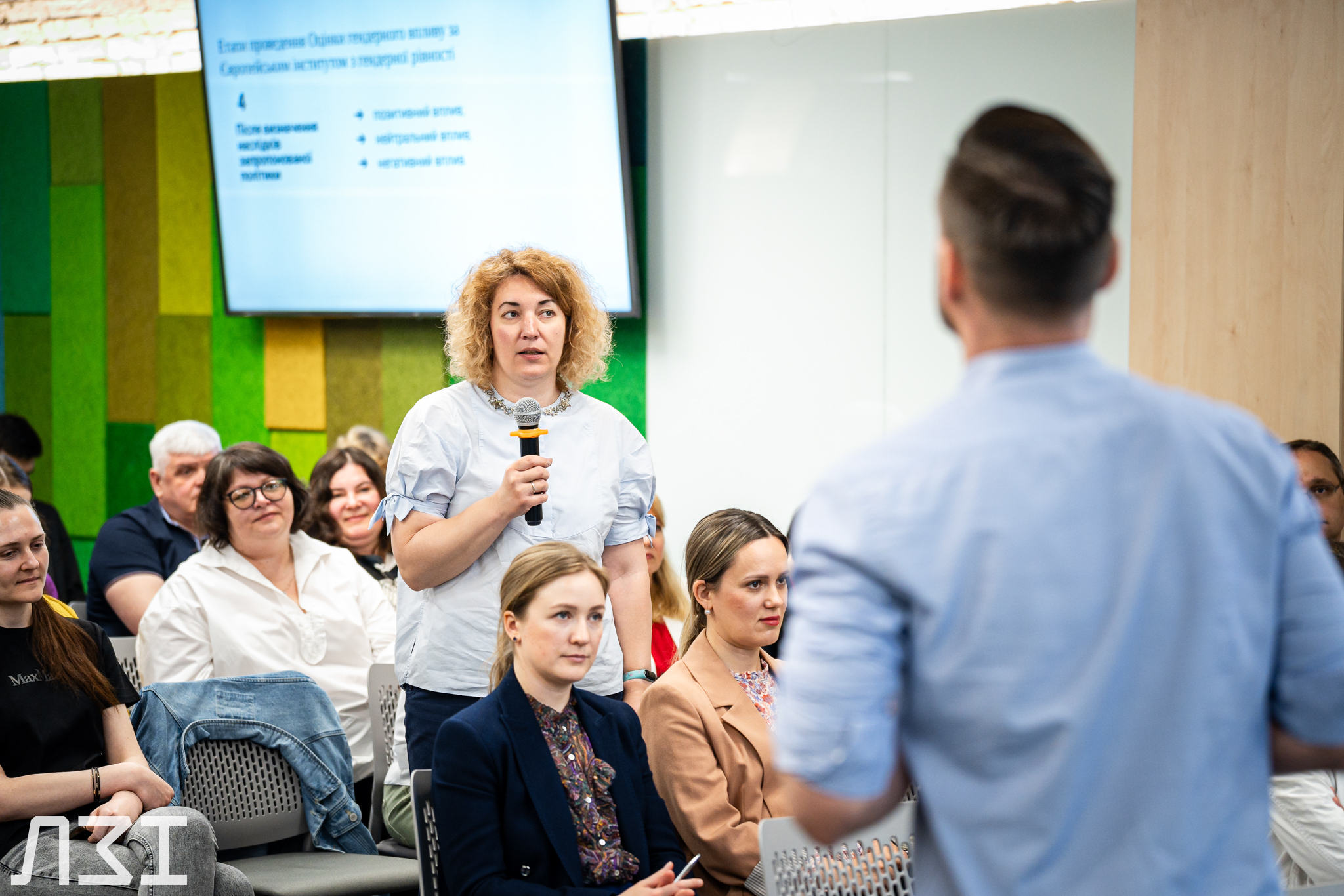
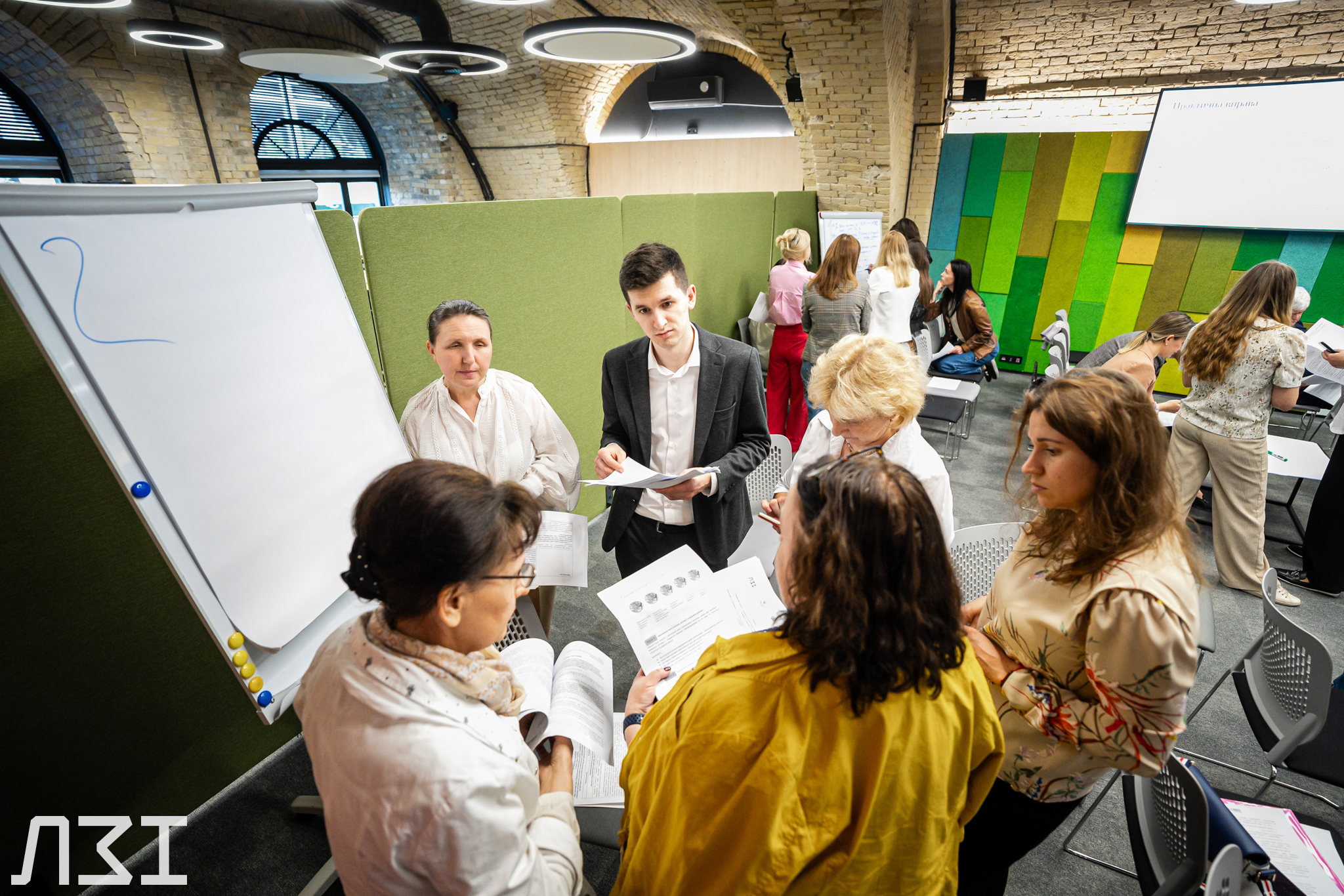
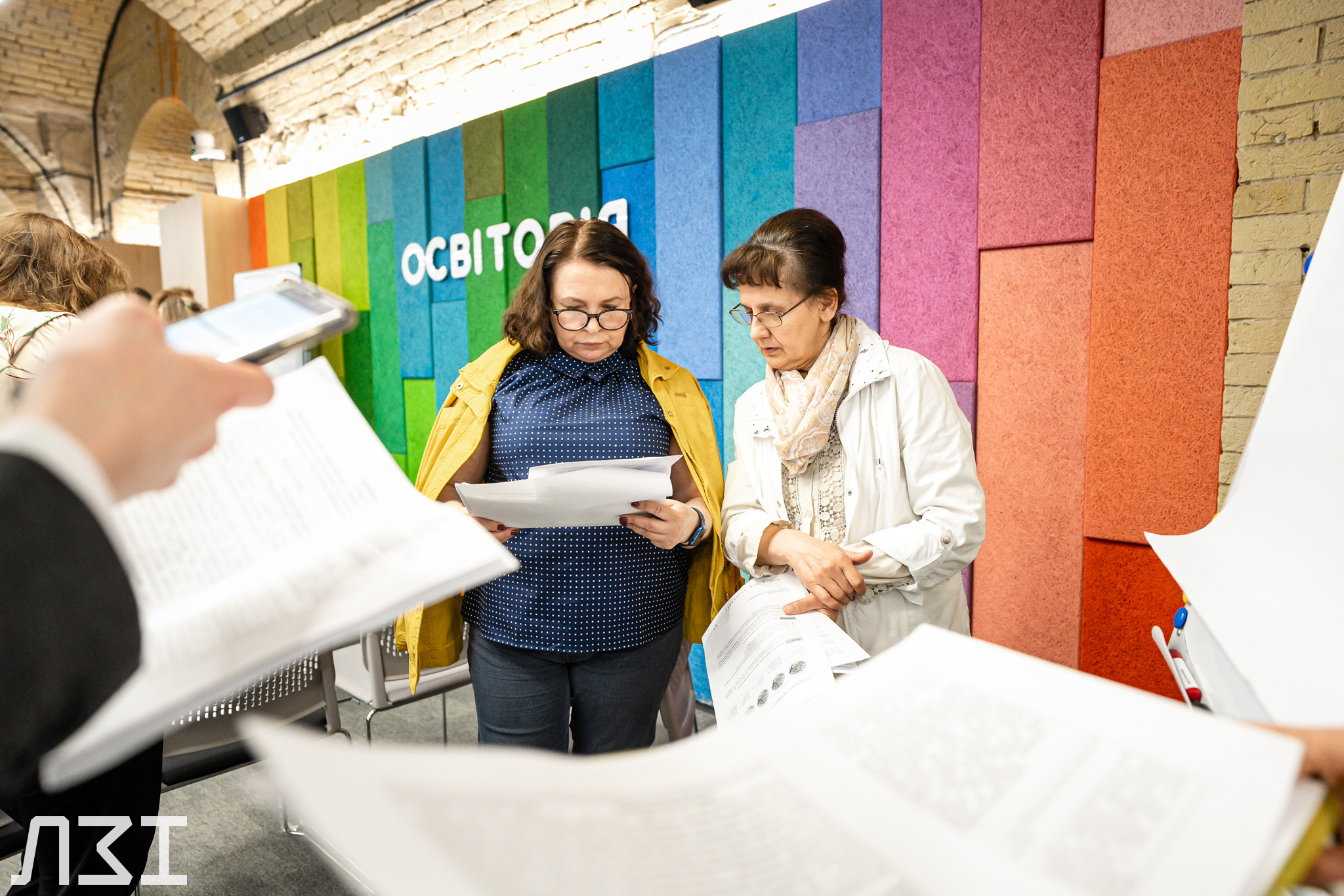
This part of the training also featured a hands-on workshop on applying gender-sensitive methodologies to the analysis of specific draft laws across different sectors.
The roundtable took place within the framework of the project “Parliamentary Accountability in Ukraine’s Security Sector” (PASS Ukraine), implemented by the Agency for Legislative Initiatives in cooperation with the Parliamentary Centre (Canada), the Verkhovna Rada of Ukraine, and with the support of Global Affairs Canada through the Peace and Stabilization Operations Program (PSOPs).
Status of Parliamentary Civil Servants: Experience Exchange Between Ukraine, Moldova, and Armenia
On 23 April 2024, parliamentary civil servants from the Verkhovna Rada of Ukraine, the Parliament of Moldova, and the National Assembly of Armenia held an expert exchange on “Status of Parliamentary Civil Servants: International Experience and Lessons Learned.”
During the meeting, participants discussed the status of parliamentary civil servants — including the legislative frameworks that regulate their work and the similarities and differences between parliamentary and general civil service in their respective countries. A key focus was placed on the legal regulation of parliamentary staff, their independence, and the distinct nature of their role compared to broader public service.
Artem Yanchuk, Deputy Head of the Secretariat of the Verkhovna Rada of Ukraine, shared insights on the current state of the parliamentary civil service in Ukraine — including ongoing reform efforts, key challenges, and available opportunities. He noted that establishing a separate parliamentary civil service helps reinforce the institutional independence of parliament and makes it possible to introduce tailored conditions for those employed within it.
He specifically highlighted that in Ukraine, the status of parliamentary civil servants is part of the internal reform roadmap of the Verkhovna Rada and is referenced in the parliamentary Resolution “On Measures to Implement the Recommendations on Internal Reform and Strengthening the Institutional Capacity of the Verkhovna Rada of Ukraine.” Ukraine has been moving in this direction – in 2020, the Draft Law “On Parliamentary Service” was registered and subsequently adopted as a basis.
Ultimately, the question is not whose approach is better — many aspects depend on a country’s legal system, population size, available resources, and other structural factors. However, learning how parliamentary service is organised in countries that are on the path toward EU integration is valuable for all parliamentary representatives. In this light, experience-sharing initiatives can serve as effective platforms for discussing key regulatory aspects of parliamentary service.
Background
In line with the recommendations of the European Parliament’s Needs Assessment Mission, Draft Law No. 4530, “On Parliamentary Service”, was registered in the Verkhovna Rada of Ukraine in December 2020 and adopted at first reading in January 2021. The goal of this draft law is to define the specific legal framework governing parliamentary service and the legal status of parliamentary civil servants, as well as to ensure the effective functioning of the Secretariat of the Verkhovna Rada of Ukraine.
The event took place as part of the project “Parliamentary Accountability of the Security Sector in Ukraine” (PASS Ukraine), implemented by ALI in partnership with the Parliamentary Centre (Canada), in cooperation with the Verkhovna Rada of Ukraine, and with support from Global Affairs Canada under the Peace and Stabilization Operations Program(PSOPs).
Sustainability of Processes and Continuation of Parliamentary Reform: Visit of the Delegation of the Verkhovna Rada to Canada
At the beginning of April, a delegation of the Verkhovna Rada of Ukraine made a study visit to Canada to learn about the experience in areas related to the sustainable operation of the parliament.
The status of parliamentary staff, its similarities and differences with the public service, work with parliamentarians, issues of the Rules of Procedure for plenary and committee meetings, tools and processes used for translation of documents and ongoing work — during the visit, many thematic meetings and trainings were held for the representatives of the Verkhovna Rada. Canada is currently preparing for a parliamentary election, so it is a very valuable opportunity to see how similar processes are carried out in another country.
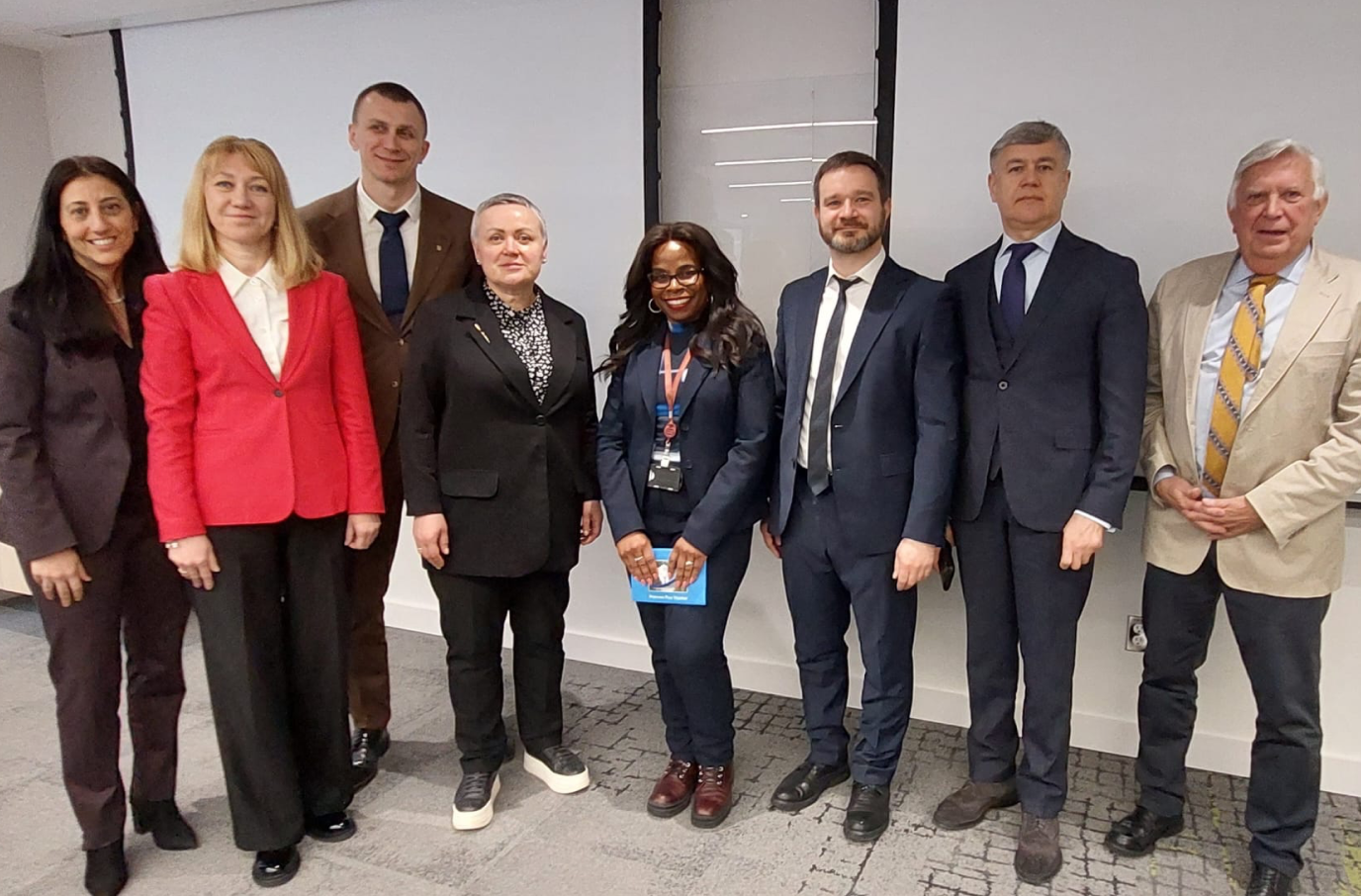
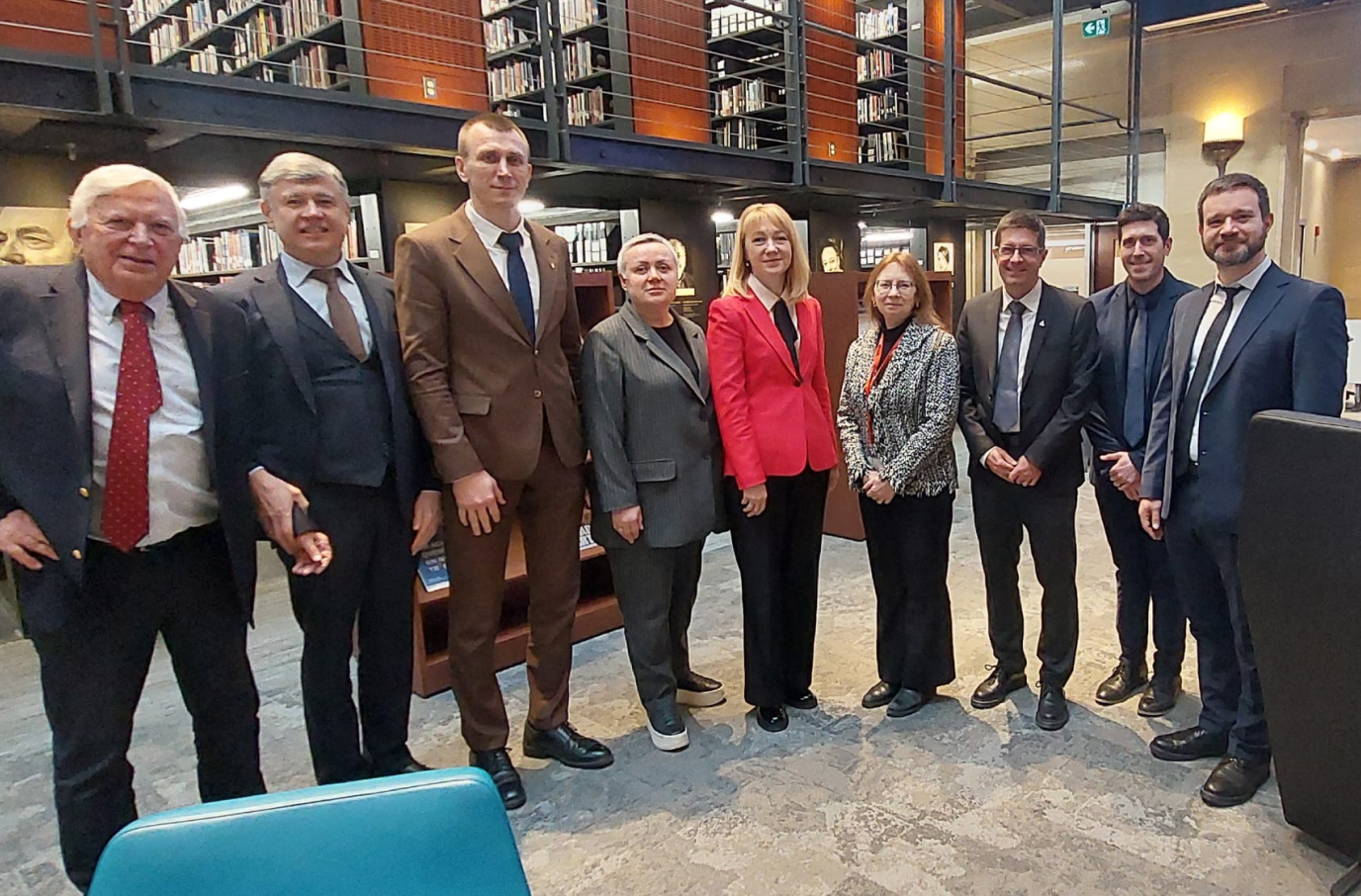
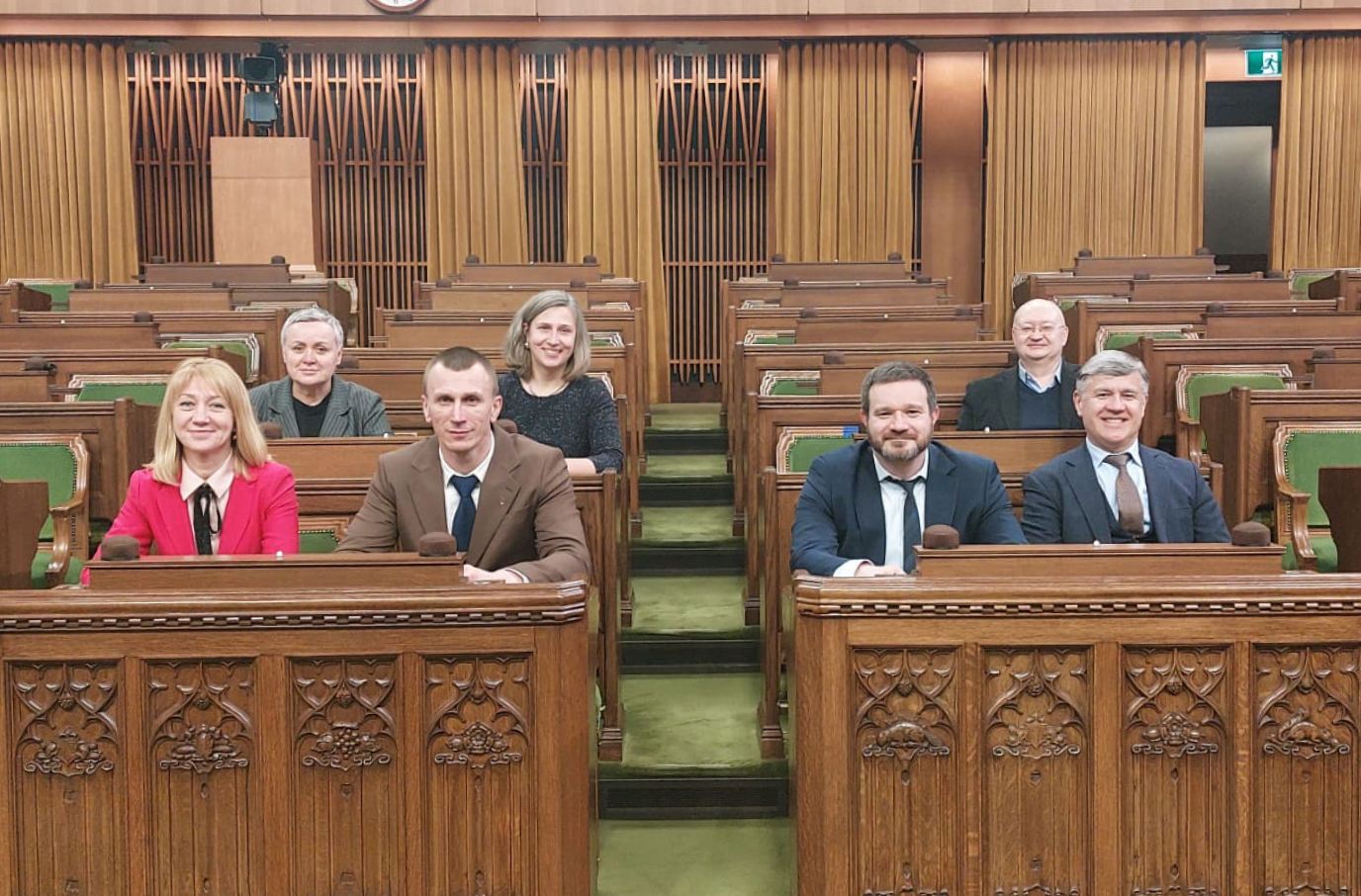
It is important for Ukraine to maintain the sustainability of its institutions, and the visit focused on aspects of business continuity of the Parliament. This remains a priority due to the numerous security challenges faced by the Ukrainian parliament during martial law. The work of the parliament did not stop even during the most critical period — the beginning of the full-scale invasion of russia. The Verkhovna Rada was able to adapt and develop organisational processes under martial law, which is undoubtedly an important step for institutional development. Therefore, including within the framework of the PASS Ukraine project, documents and plans to ensure the continuity of the Verkhovna Rada’s activities have already been developed and are in the process of implementation and adoption.
In the context of parliamentary reform and the need to balance competing demands, the Ukrainian delegation gained valuable experience from Canadian colleagues in legislative and research support for parliamentarians, as well as professional training programs for parliamentary staff. The topics of the visit were based on the requests and challenges for the Verkhovna Rada: the continuation of parliamentary reform, Ukraine’s accession to the European Union, and russian aggression against Ukraine. All these topics remain extremely relevant for improving various aspects of parliamentary work, especially in wartime.
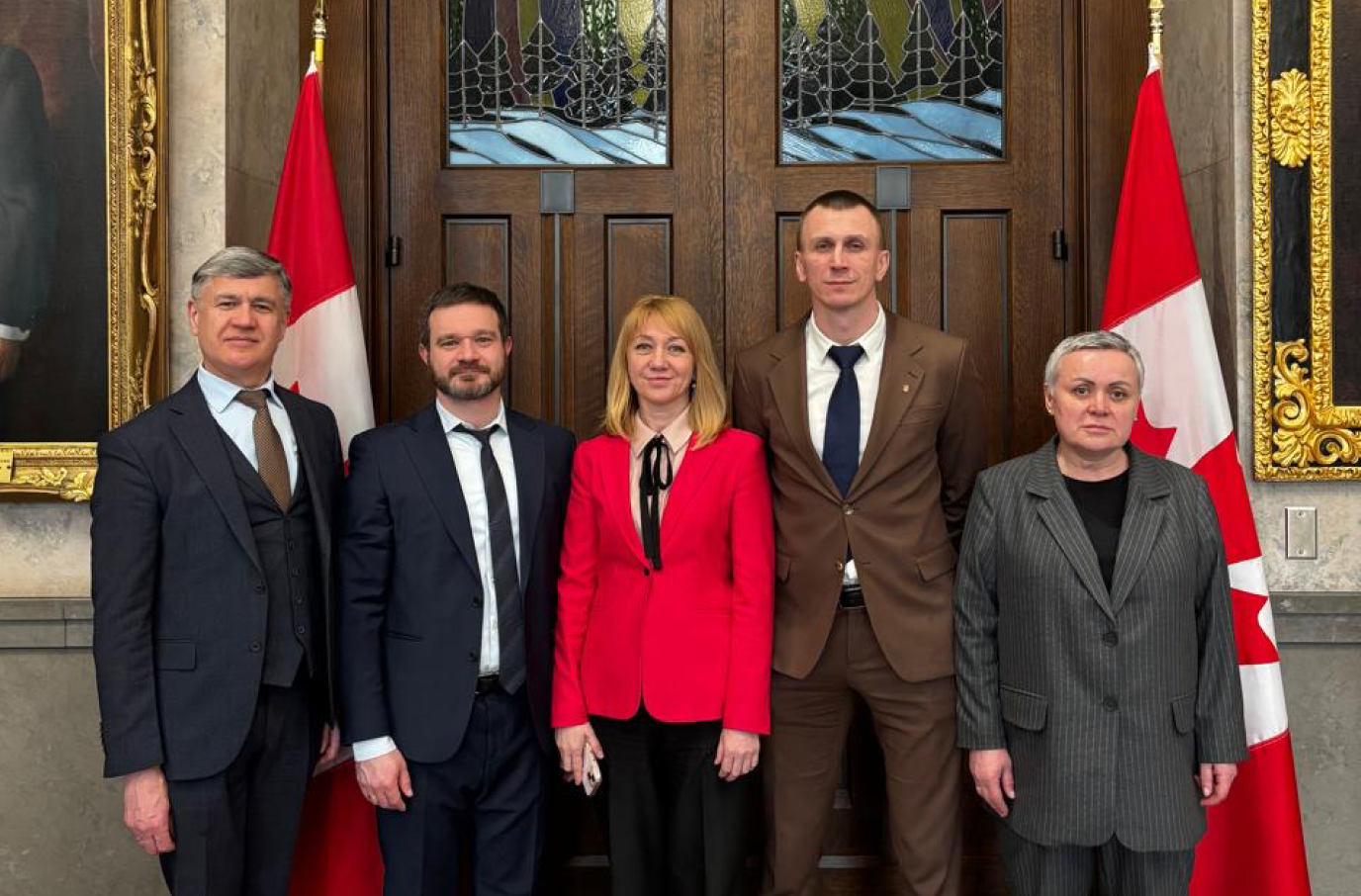
The visit took place as part of the “Parliamentary Accountability of the Security Sector in Ukraine” (PASS Ukraine) project, which the Agency is implementing in partnership with the Parliamentary Centre (Canada) in cooperation with the Verkhovna Rada of Ukraine and with the support of Global Affairs Canada under the Peace and Stabilization Operations Program (PSOPs).
Strengthening Transparency and the Rule of Law: ALI’s Working Visit to Brussels
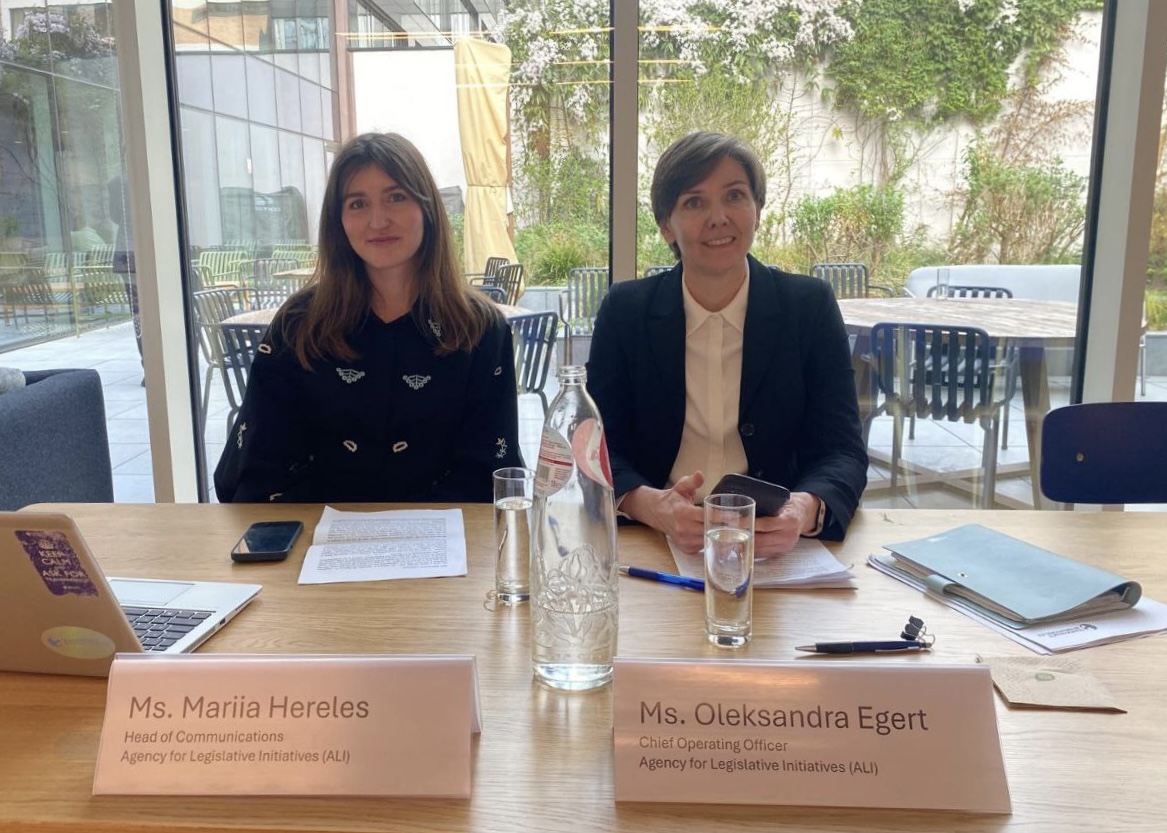
The Agency for Legislative Initiatives joined the visit of Transparency International Ukraine at the invitation of Transparency International EU. Together with representatives of civil society from Georgia, Moldova and the Western Balkans, the participants discussed anti-corruption challenges and news, exchanged experiences and achievements on the European integration path, which each country is going through in its own context and with its own obstacles.
The main topics of the panel discussions included pressure on civil society, malign interference and corruption. ALI also joined working meetings with representatives of DG ENEST (Directorate-General for Enlargement and Eastern Neighbourhood), EEAS (European External Action Service), COELA / COWEB, as well as a meeting in the European Parliament chaired by MEP Daniel Freund.
Delegations from the Agency for Legislative Initiatives and Transparency International Ukraine spoke about the challenges and threats Ukraine has faced in recent years, the work of Ukrainian democratic institutions and the role of the judiciary in the fight against corruption.
Over the years, the organisations have monitored many external and internal factors that affect the implementation of reforms. However, by far the first and greatest challenge for us, which affects all state processes, is the war that has been going on in Ukraine since 2014.
Only strong and capable institutions, whose development civil society has been promoting and supporting for years, will help to withstand this pressure at all levels and dispel attempts to undermine the credibility of Ukrainian state institutions not only in the eyes of the Ukrainian audience but also the international one.
But what if this capacity, including in terms of the rule of law, is affected by both systematic malign interference from russia and internal factors related to staff shortages, difficulties in conducting competitive selections, and complicated procedures for recruiting to the judiciary at all levels?
As a reminder, the Agency for Legislative Initiatives, in coalition with other CSOs, including Transparency International Ukraine, prepared a Shadow Report on Chapter 23 “Justice and Fundamental Rights” of the European Commission’s Report on Ukraine in 2023. Currently, the CSO Coalition has launched a new cycle of monitoring and evaluation of Ukraine’s progress in the field of European integration — under Chapters 23 “Justice and Fundamental Rights” and 24 “Justice, Freedom and Security”.

For reference
The working visit took place within the framework of the annual meeting of the Transparency International movement. The presentations of national regional chapters of Transparency International and NGOs from Ukraine, Georgia, Moldova and the Western Balkans were devoted to the analysis of the “Fundamentals” Cluster, the first and key cluster of the EU in its enlargement process. In particular, the visit focused on the key challenges and opportunities of each country in terms of their enlargement prospects.
Expanding Parliamentary Diplomacy: Ukrainian MPs Visit Singapore
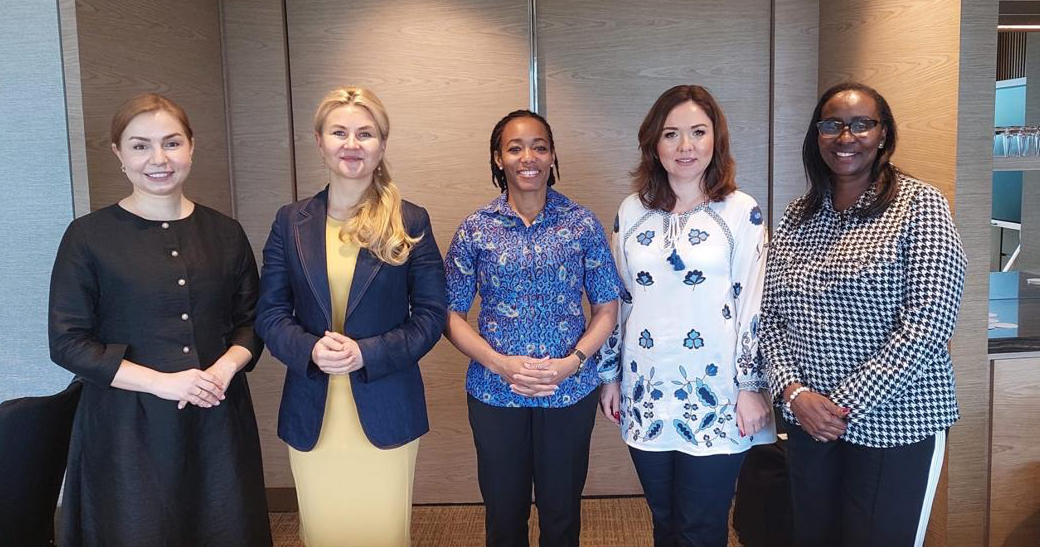
Halyna Mykhailiuk, Deputy Chair of the Committee on Law Enforcement, Anastasiya Radina, Chair of the Committee on Anti-Corruption Policy, and Yuliya Svitlychna, MP, represented Ukraine at the event.
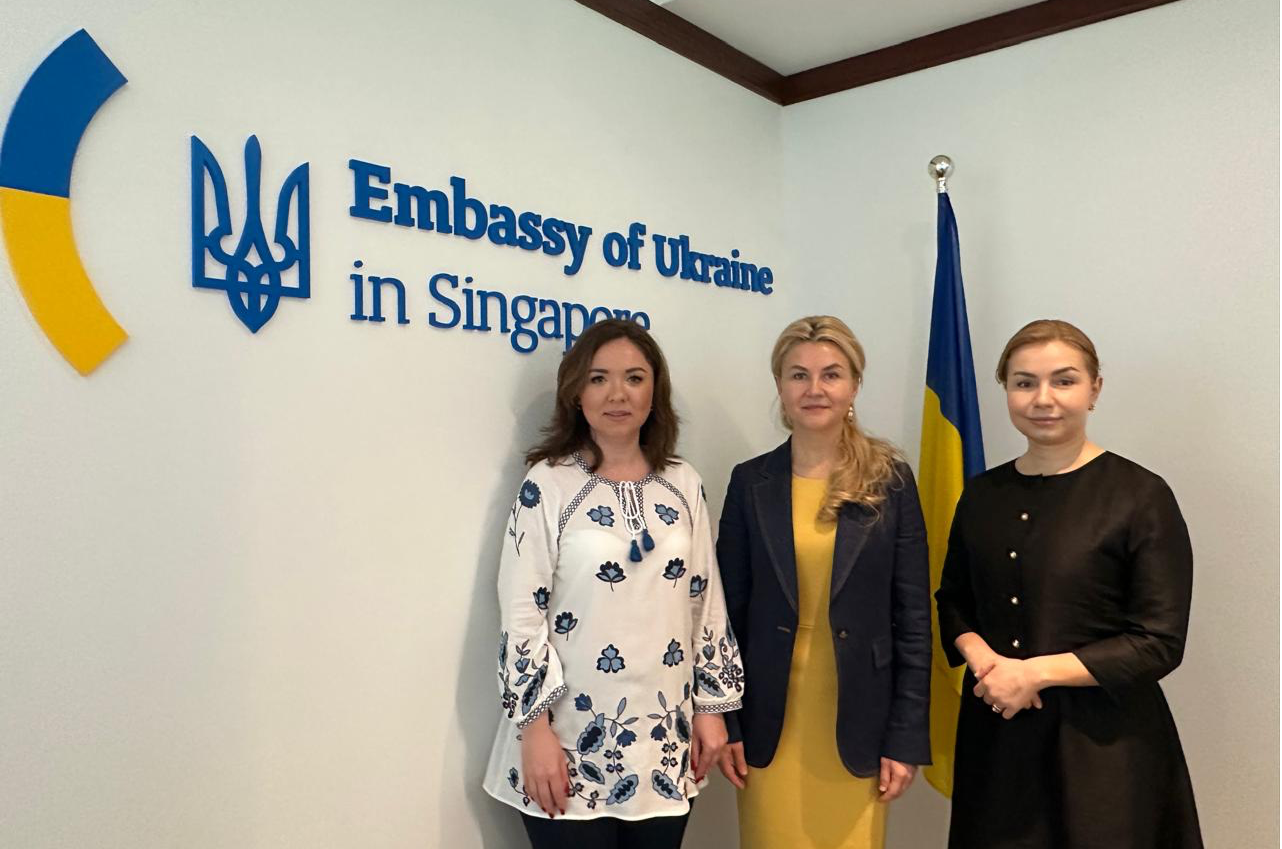
Ukrainian women parliamentarians took part in several strategic discussions, in addition to various panels dedicated to the challenges they face in their professional work: the following topics were discussed:
- the role of women parliamentarians in conflict resolution and post-conflict processes;
- the importance of participation in decision-making processes, in particular in peace negotiations, etc.;
- disinformation campaigns and their impact on women parliamentarians;
- codes of ethics in parliaments and mechanisms to promote gender equality.
The MPs spoke about the peculiarities of the work of the Verkhovna Rada during the martial law regime in Ukraine, based on the materials of a study prepared by the Agency for Legislative Initiatives as part of the Parliamentary Accountability for the Security Sector in Ukraine (PASS Ukraine) project. It examines such aspects as changes in the lives of MPs after the full-scale invasion, gender differences and gender equality in parliament in the face of current challenges, changes in the work of the Verkhovna Rada and legislative activity during martial law.
It is particularly important to share the extraordinary experience of the Ukrainian Parliament in order to deepen inter-parliamentary cooperation and to better understand the context in which Ukraine lives and in which Ukrainian democracy functions, given the global challenges facing the country as a whole and the personal stories and professional challenges faced by parliamentarians.
Context
The Global Network of Women Legislators in Defence, Security and Peace (WLID) is a platform for mutual support among women parliamentarians with the aim of removing obstacles to their participation in decision-making, particularly in the areas of security, defence and peacekeeping.
The event was held within the framework of cooperation between the Agency for Legislative Initiatives, the Parliamentary Centre (Canada) and the Asia Pacific Foundation of Canada with the financial support of Global Affairs Canada.
Supporting and Preserving Institutions Is a Priority — Svitlana Matviienko at the Forum on Ukraine’s Accession to the EU
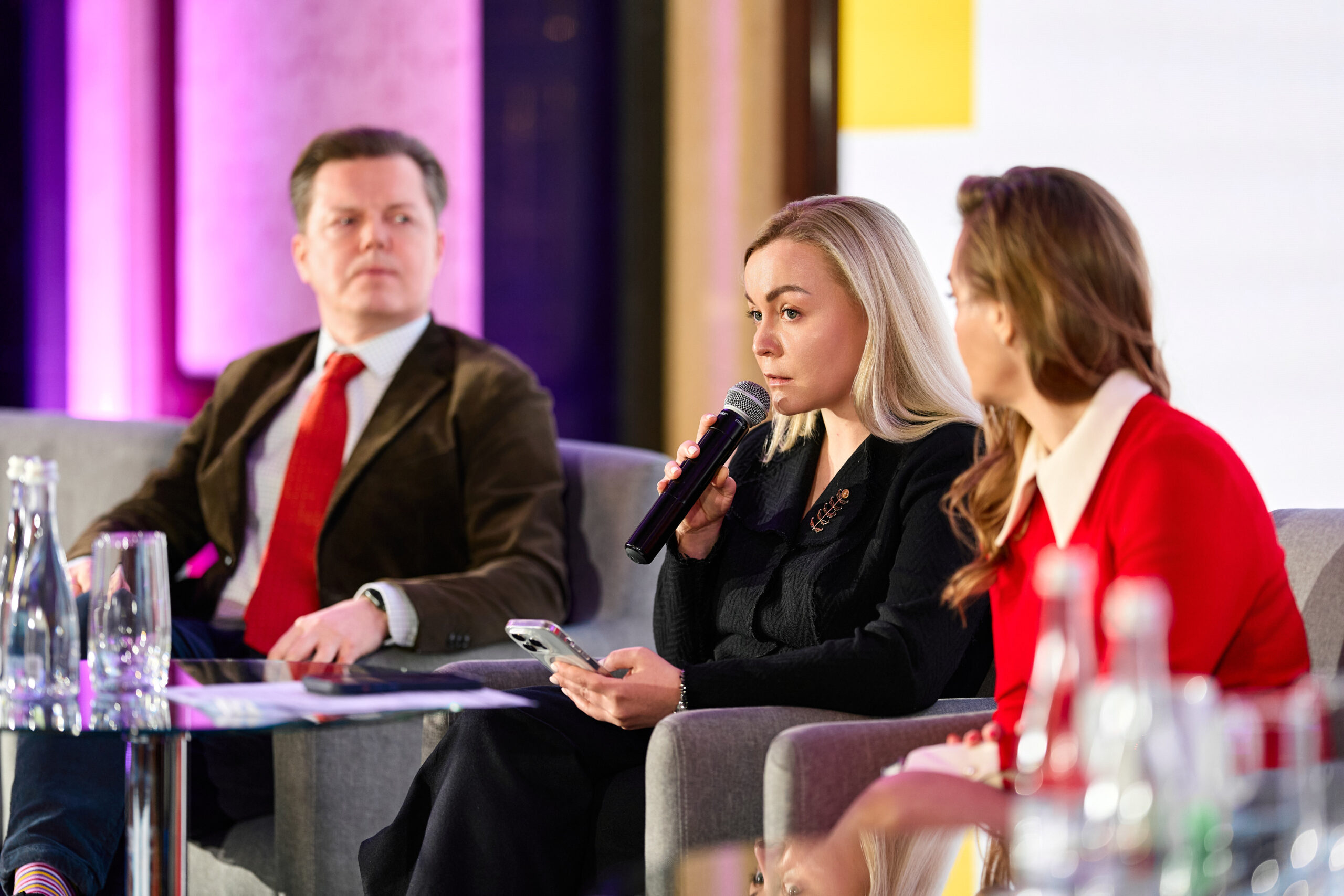
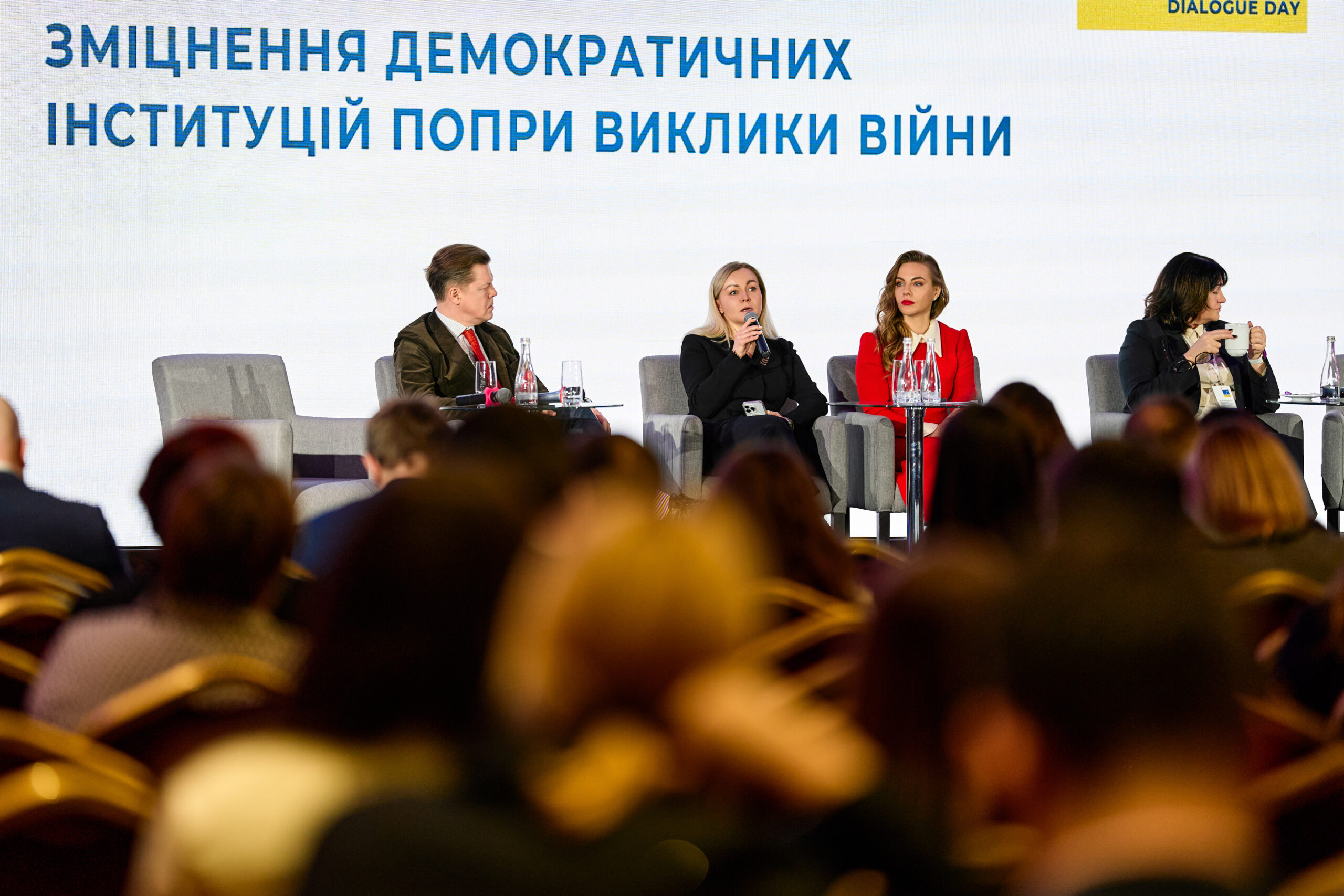
During the discussion, Svitlana Matviienko, Executive Director of the ALI, shared her vision of civil society’s role in cooperation with governmental authorities, where the partnership should be strengthened, and how to make it more effective.
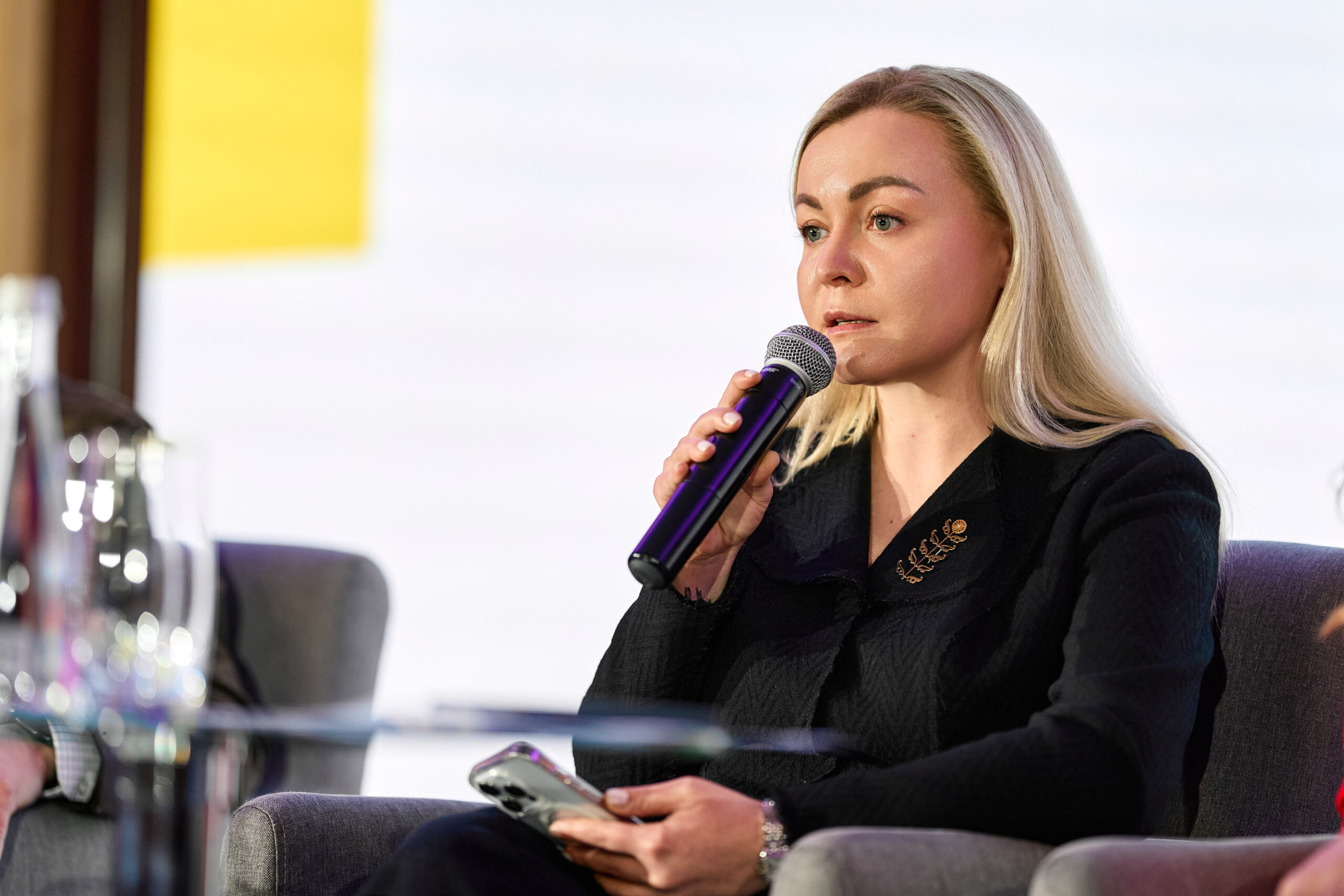
Given the experience of the Coalition of NGOs led by ALI, which prepared the Shadow Report to Title 23 Justice and Fundamental Rights of the European Commission’s 2023 Report on Ukraine, it should also be borne in mind that the issue of thorough joint work on roadmaps is both about human capital and the ability to implement them. And civil society needs to find opportunities to support institutions working on European integration processes, as this is a huge amount of work.
All issues, especially in times of war, can be resolved jointly and constructively, both with partners and civil society. Therefore, an important task for the public sector is to form such Coalitions and maintain constructive relations, while the government institutions need to build an adequate framework for cooperation.
For reference
Ukraine’s Accession to the EU: Shaping the Transformation Agenda Forum was held on 7 February 2025. This forum brought together representatives of governmental authorities, the European Union, and the expert community.
During the event, participants discussed Ukraine’s transformation plan in the areas of the rule of law and public administration, namely roadmaps that will become key benchmarks for the coming years for Ukraine to achieve the EU membership criteria and a roadmap for the functioning of democratic institutions. These developments will form the basis for negotiations with the EU. Therefore, it is important to jointly identify the strategic priorities of such roadmaps, further steps for their implementation, and all the tasks and challenges along the way.
ALI Conducted a Training on Gender Analysis in Legislative Activities for the Verkhovna Rada
During the training, the participants considered integrating gender-sensitive approaches in developing legal acts. They learned what tools can be used for gender legal expertise, including the gender marker as an example of a toolkit for rapid gender assessment of draft laws. In the practical session, the participants analysed existing laws and previously proposed draft laws for gender expertise.
Gender legal expertise in drafting laws is an important mechanism for ensuring the principle of equal rights and opportunities for women and men in legislative activities. In fact, its key role is to:
- Identifying gender risks in draft laws that may create or exacerbate inequality.
- Ensuring harmonisation of Ukrainian legislation with international commitments in the field of gender equality (e.g., the UN Convention on the Elimination of All Forms of Discrimination against Women, the Beijing Declaration, the European Social Charter (revised), and the Convention on the Rights of Persons with Disabilities).
- Developing an inclusive legal framework that considers the different needs of women and men, including those from vulnerable groups.
This mechanism allows for a comprehensive analysis of different population groups rather than viewing the population as an abstract whole. It is gradually becoming a part of the Legislative Impact Assessment, a comprehensive tool designed to identify and assess the potential consequences and probable impacts of public policy in a particular area, including at the stage of drafting legislation and its analysis.
The event’s speakers included Oksana Moskalenko, Head of the Women’s Consortium of Ukraine; Myroslava Babak, gender expert and member of the Bureau of Gender Strategies and Budgeting; and Tetiana Ivanina, gender expert, trainer and facilitator.
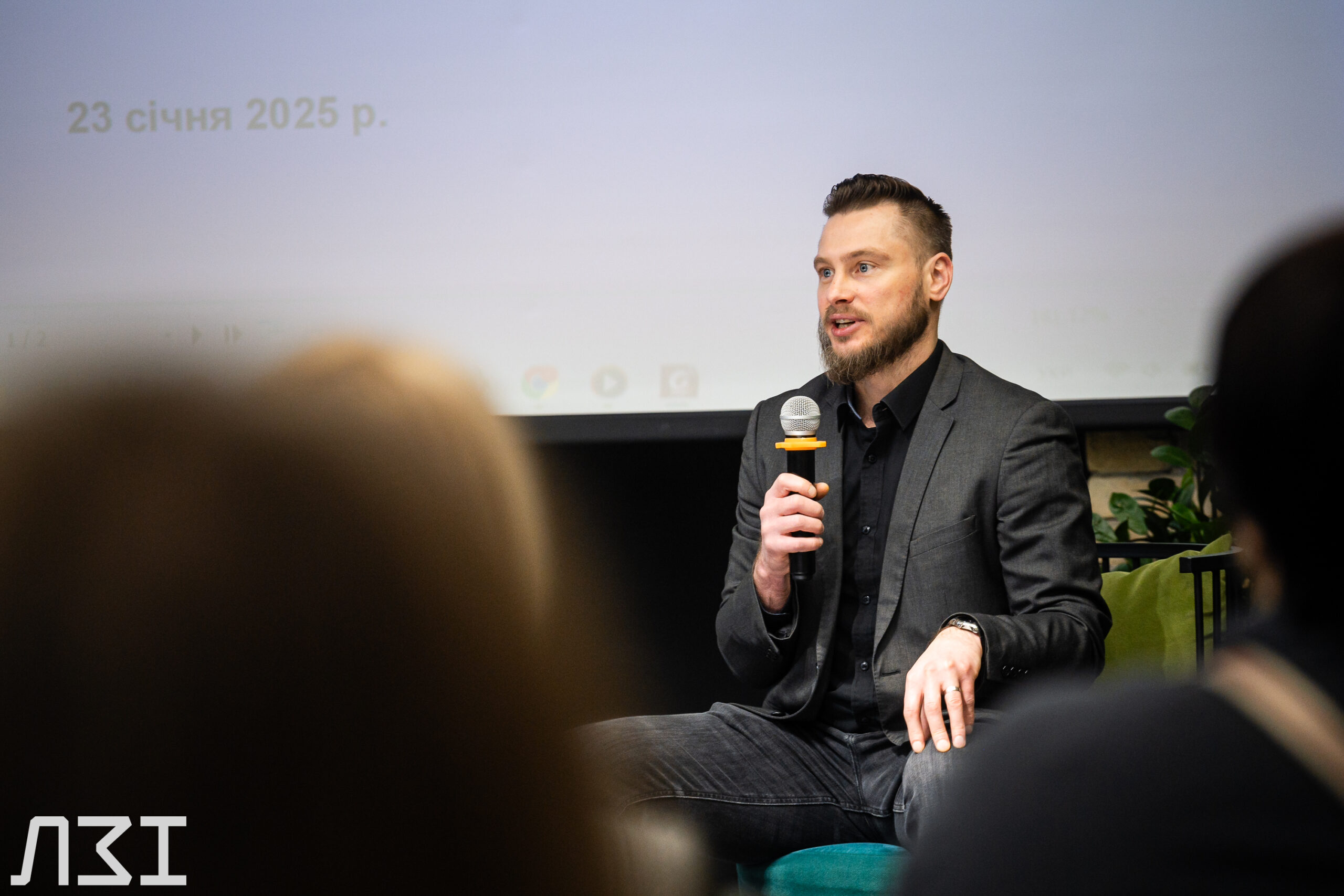
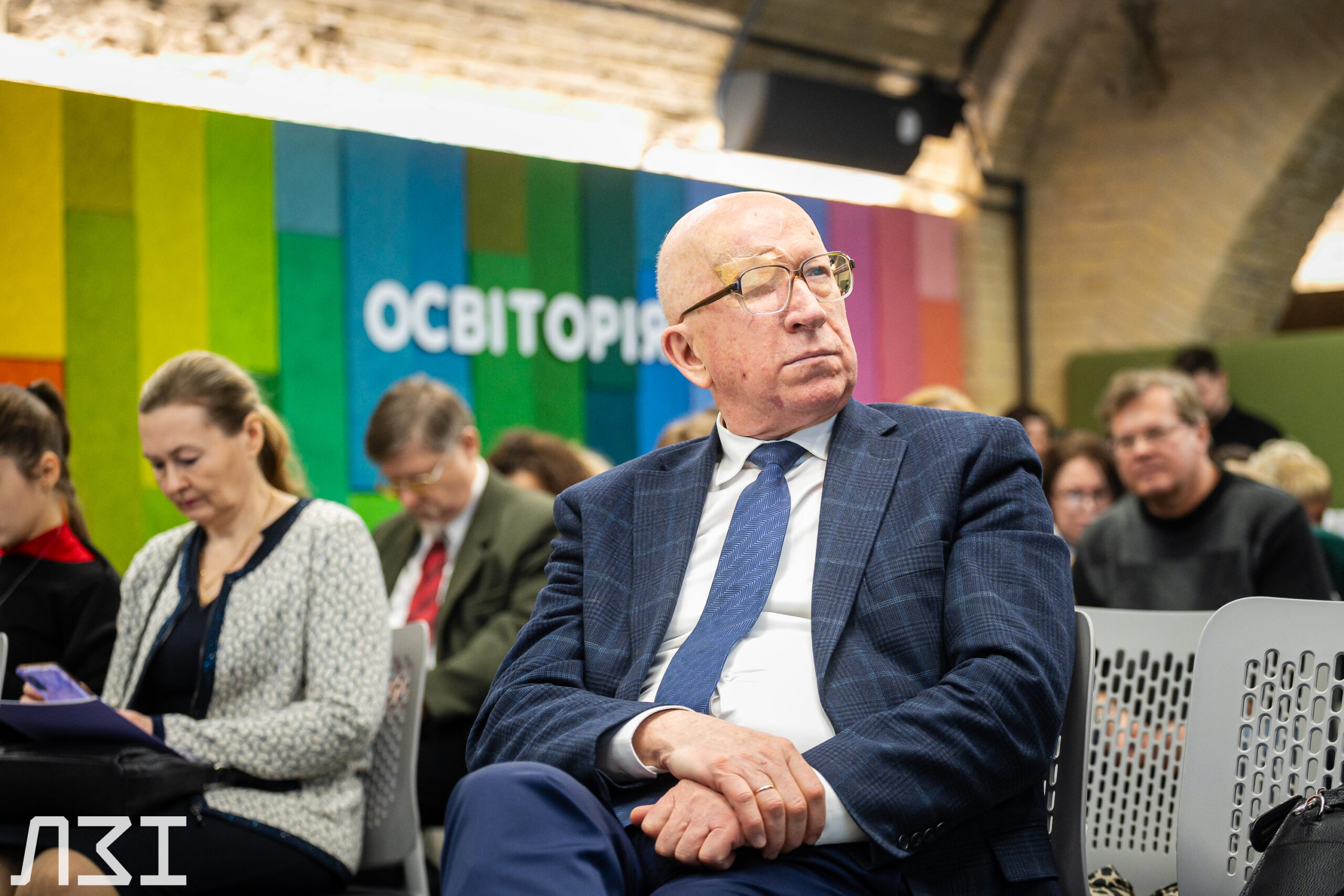
At the beginning of the event, Oleksandr Zaslavskyi, Deputy Executive Director of the Agency for Legislative Initiatives, noted that it was not the first time that the Verkhovna Rada had joined and initiated such events, thus confirming its agency in this matter and demonstrating its understanding of the necessity of gender legal expertise and gender-sensitive impact assessment of legislative proposals. After all, for the EU, this dimension of analysis is fundamental. Without it, the development of decisions or draft acts does not begin, and it allows for an assessment of how the same decisions affect various population groups in different ways. While this is actually about the diversity of such impacts.
Oksana Moskalenko stressed that it is a great responsibility to start a discussion on the search for implementing gender mainstreaming tools in legislative practice, and certain tools allow measuring the impact of draft laws in a more personal, targeted way. Therefore, the training should be the first step towards not only looking at what these tools are but also at what exactly should be introduced — because for this mechanism to work, it must be based on the resources and capacities of the Verkhovna Rada.
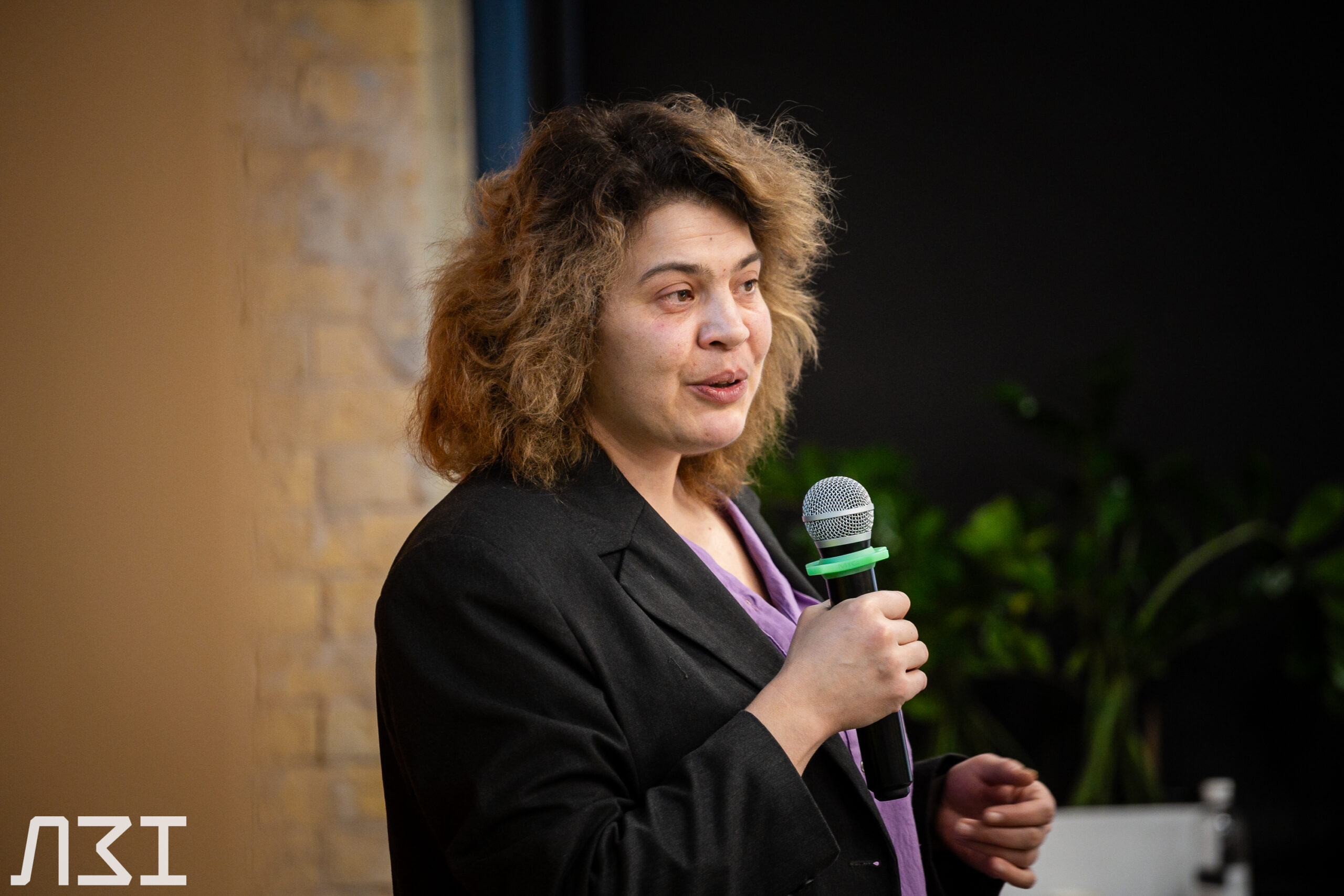
Myroslava Babak noted that considering all possible analysis tools, including the gender perspective, provides greater opportunities to track the impact after adopting the law. Therefore, the training aims to showcase the diversity of such tools — so that professionals working with legislation daily can identify ways and methods to apply gender analysis in legislative expertise. The state, through legislation, must understand the barriers people face and recognise and analyse the diversity of these features and needs.
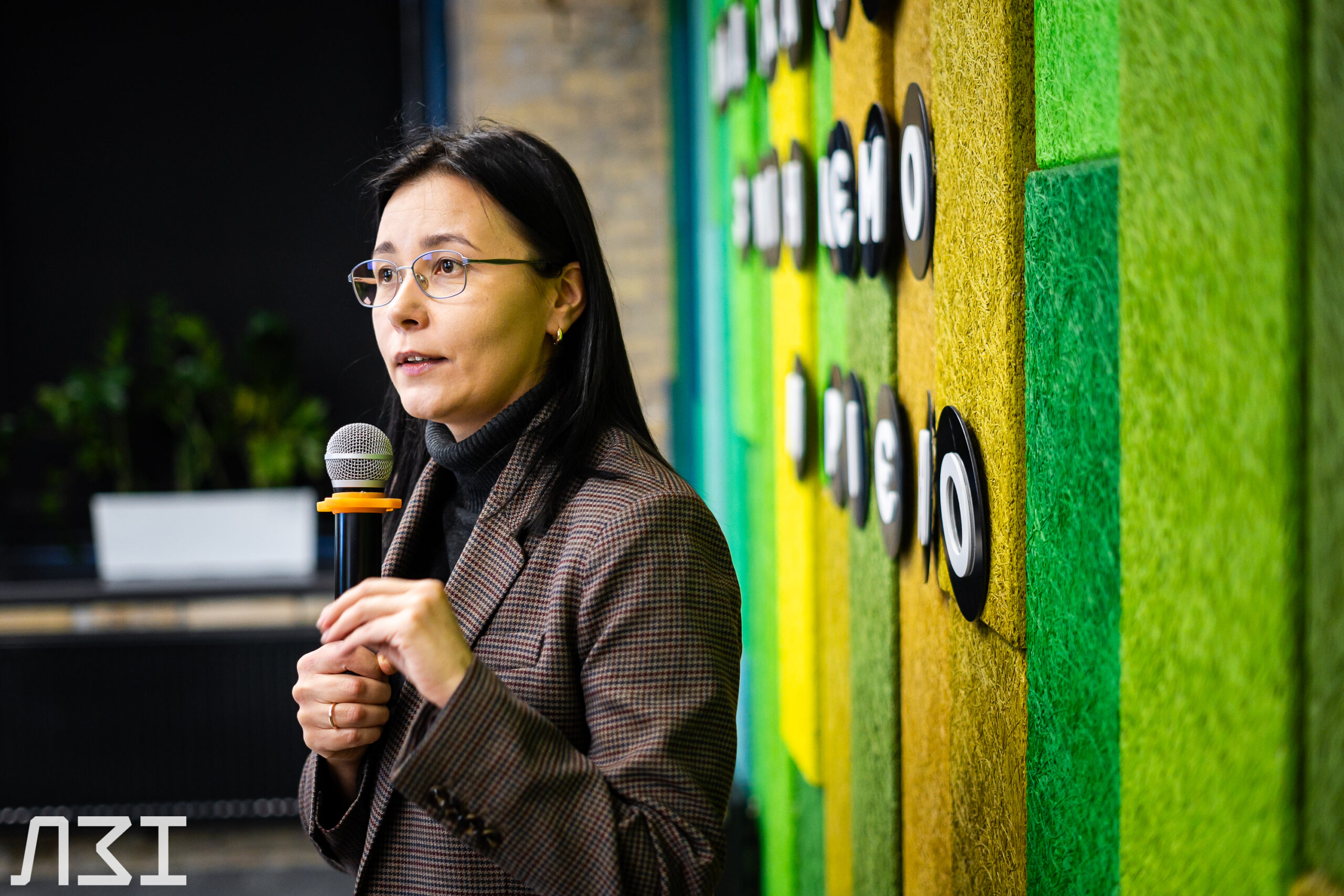
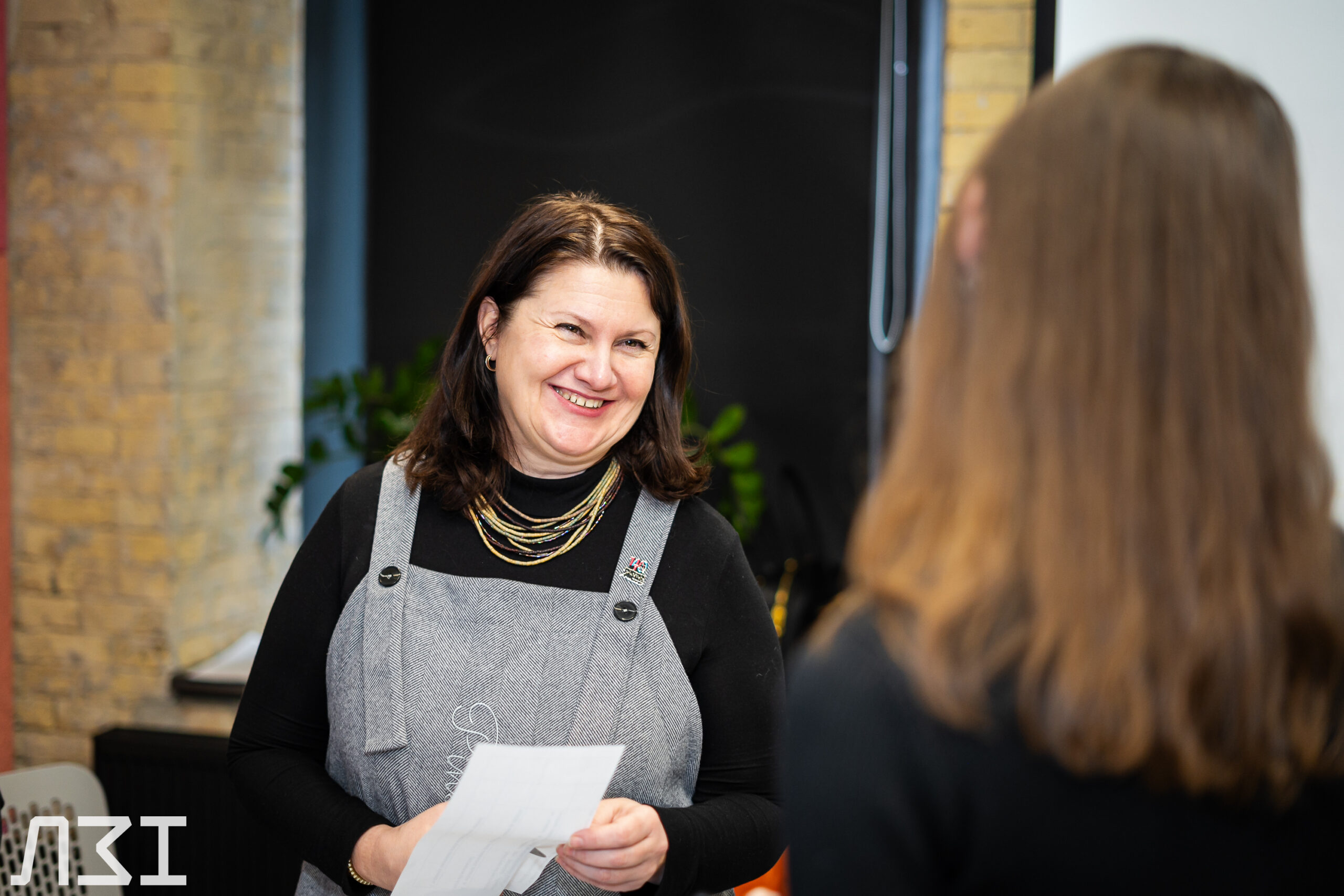
Tetiana Ivanina emphasised that gender legal analysis tools can be useful because gender expertise “unpacks” what is behind a person — their experience and needs, and directly addresses their opportunities and barriers. Only such an approach allows for the creation of human-centred draft laws, seeing not just the population as a whole but different groups of people and the impact on them. For its part, the Verkhovna Rada is the institution that should set the direction for such an approach. Therefore, understanding which tools should be used and what data is needed for this is about a parliament meeting all citizens’ needs.
The event took place as part of the “Parliamentary Accountability of the Security Sector in Ukraine” (PASS Ukraine) project, which the Agency is implementing in partnership with the Parliamentary Centre (Canada) in cooperation with the Verkhovna Rada of Ukraine and with the support of Global Affairs Canada under the Peace and Stabilization Operations Program (PSOPs).
Status of Local Council Members: ALI Holds a Roundtable with the Relevant VRU Committee
Context. Earlier, ALI analysed the issues of legislative support for the status of local council members at the Committee’s request with a view to further developing legislative changes in this area. The study includes an analysis of the practices of applying the current legislation during the 2020 elections, as well as the results of a survey of local government representatives. 2,279 officials from different regions of Ukraine participated, of whom 94.7% are representatives of local governments and 67.2% have experience as local council members. This is the second presentation of this study.
The event was attended by Ukrainian MPs, members of the Verkhovna Rada Committee on State Power, Local Self-Government, Regional Development and Urban Planning, representatives of governmental authorities, local governments and their associations, international organisations, and the expert community.
Oleksandr Korniienko, First Deputy Chair of the Verkhovna Rada of Ukraine, opened the event and stressed the need to work on issues relevant to local self-government, from updating the legislation on the status of local council members to updating the approach to community capacity.
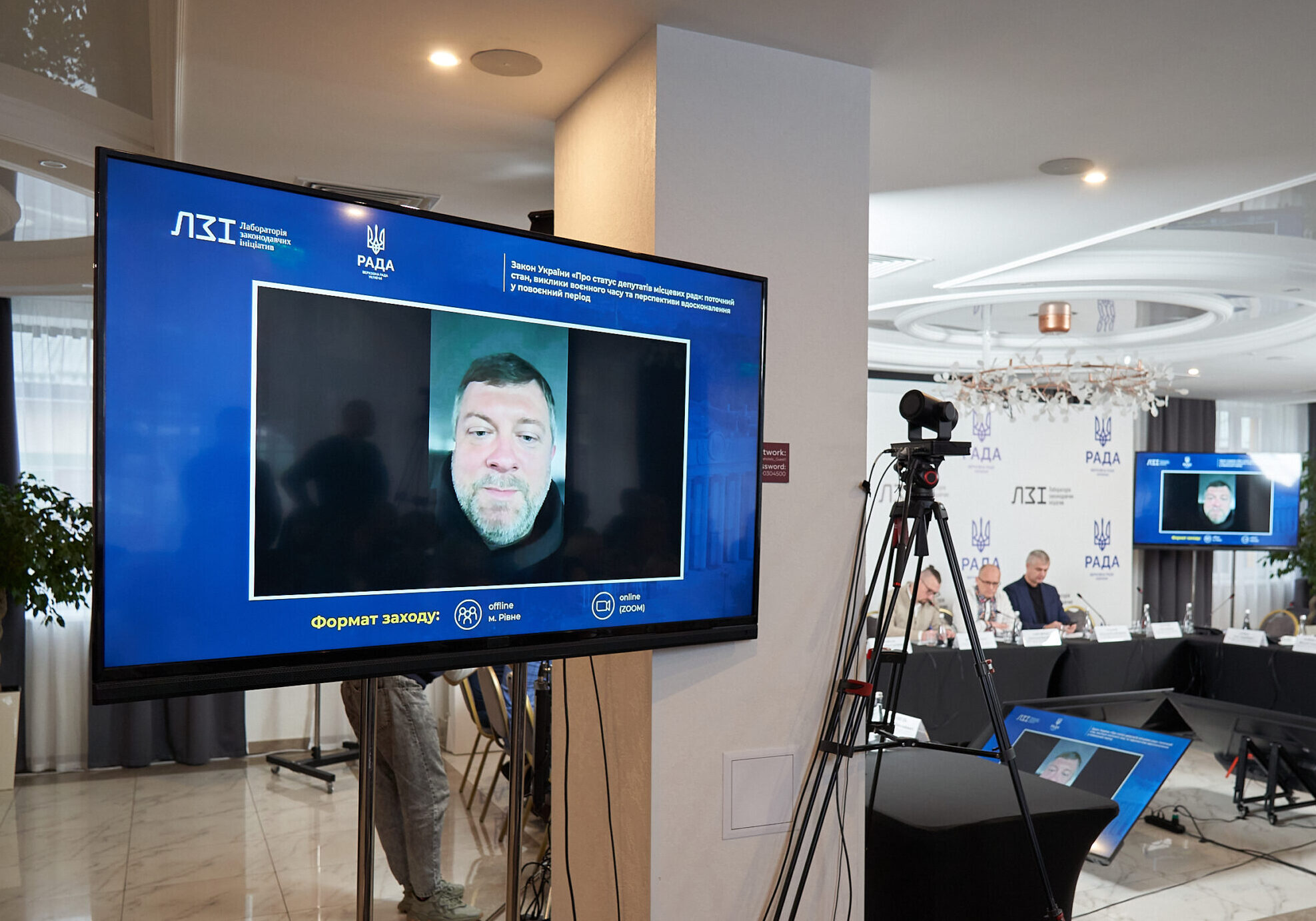
Vitalii Bezgin, MP of Ukraine, Chair of the Subcommittee on Administrative and Territorial Structure and Local Self-Government of the relevant Committee of the Verkhovna Rada, stressed the importance of such discussions and the opportunity to communicate with representatives of parliament and local government on problematic issues.
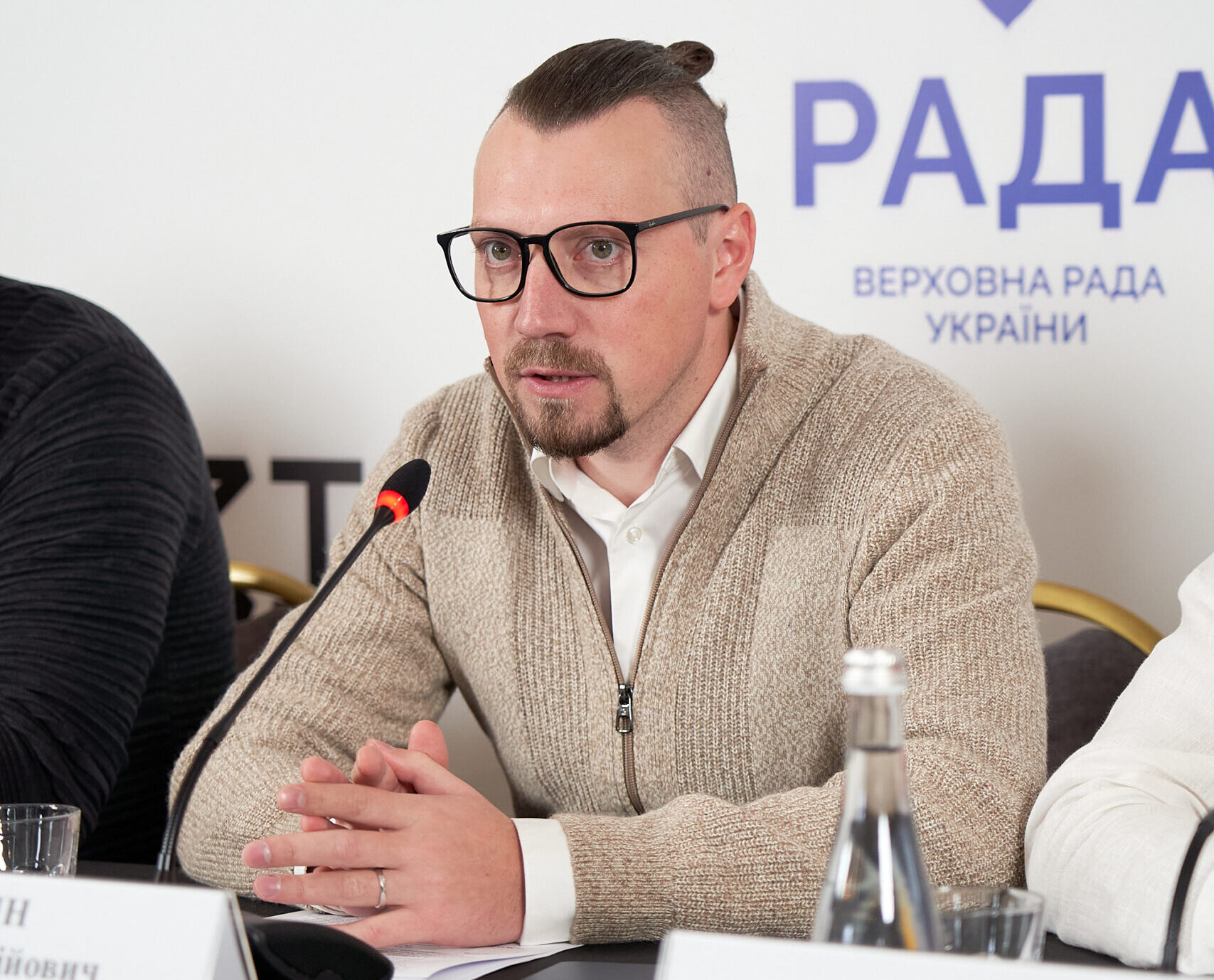
Oleksandr Aliksiichuk, MP of Ukraine, Chair of the Subcommittee on Cooperation of Territorial Communities and Regions of the Verkhovna Rada Committee on State Power, Local Self-Government, Regional Development and Urban Planning, stressed the importance of gradual but constant joint cooperation with local self-government.
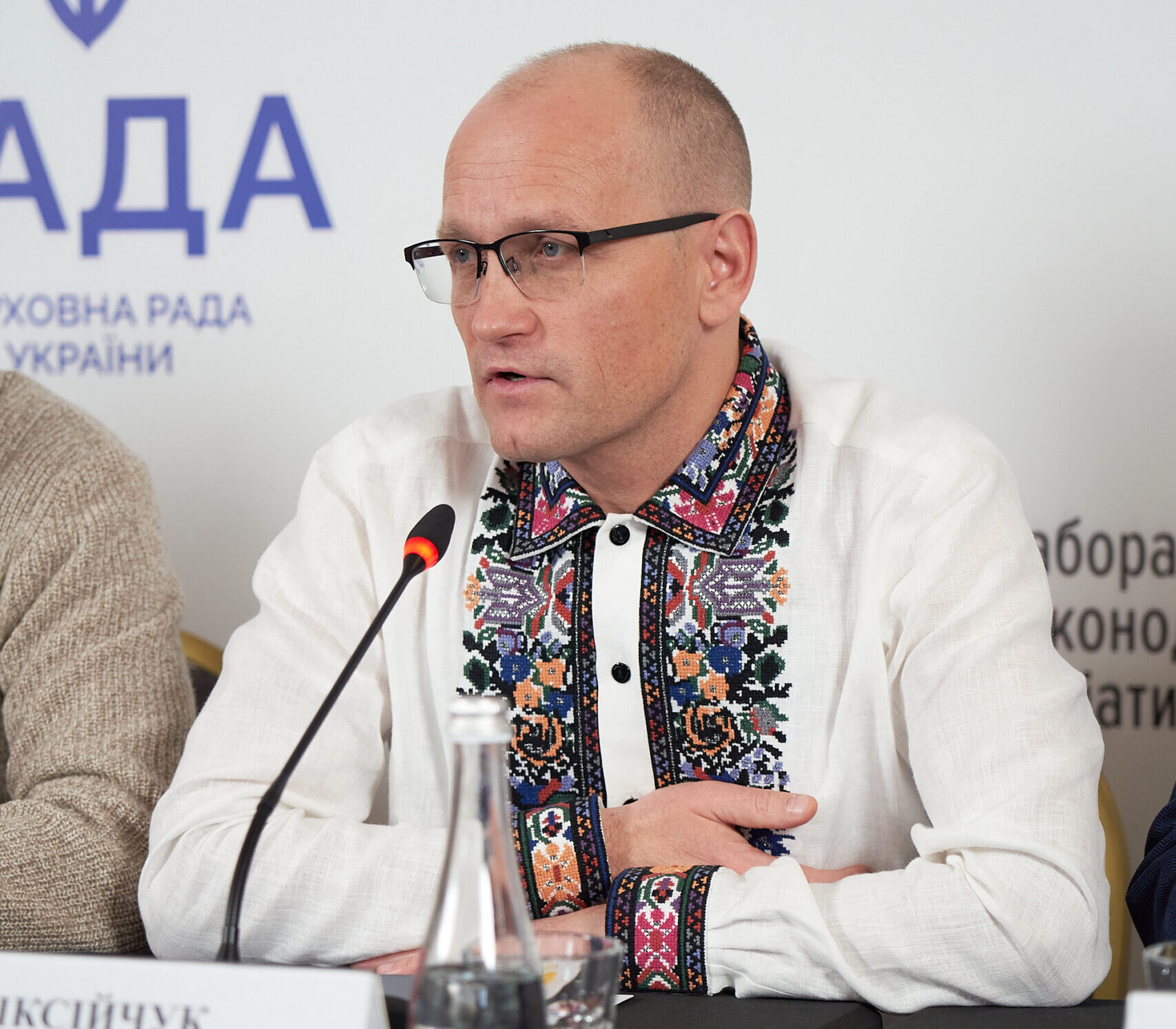
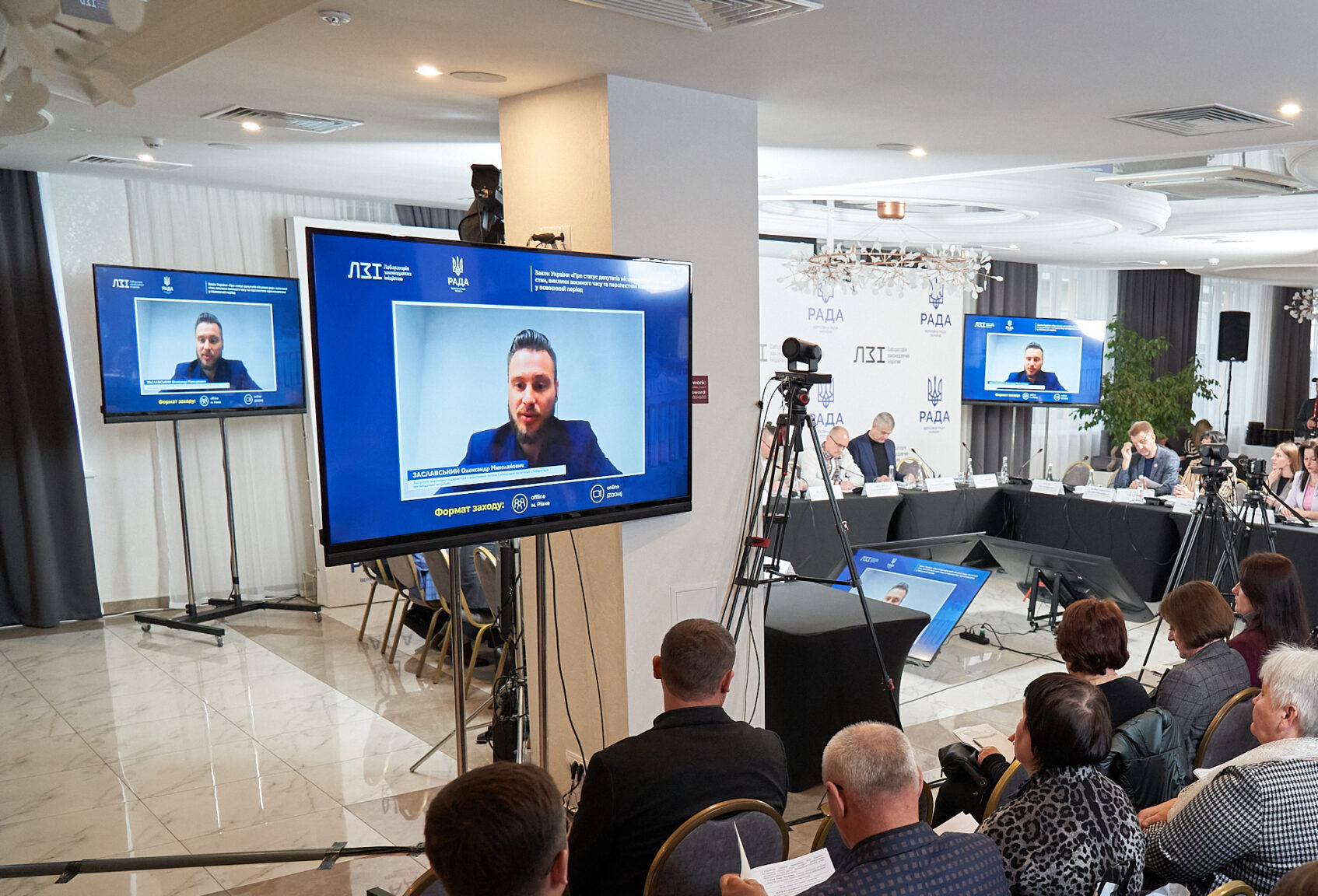
Oleksandr Zaslavskyi, Deputy Executive Director of the Agency for Legislative Initiatives, stressed that further discussions on various aspects of the study were necessary and would help in further work.
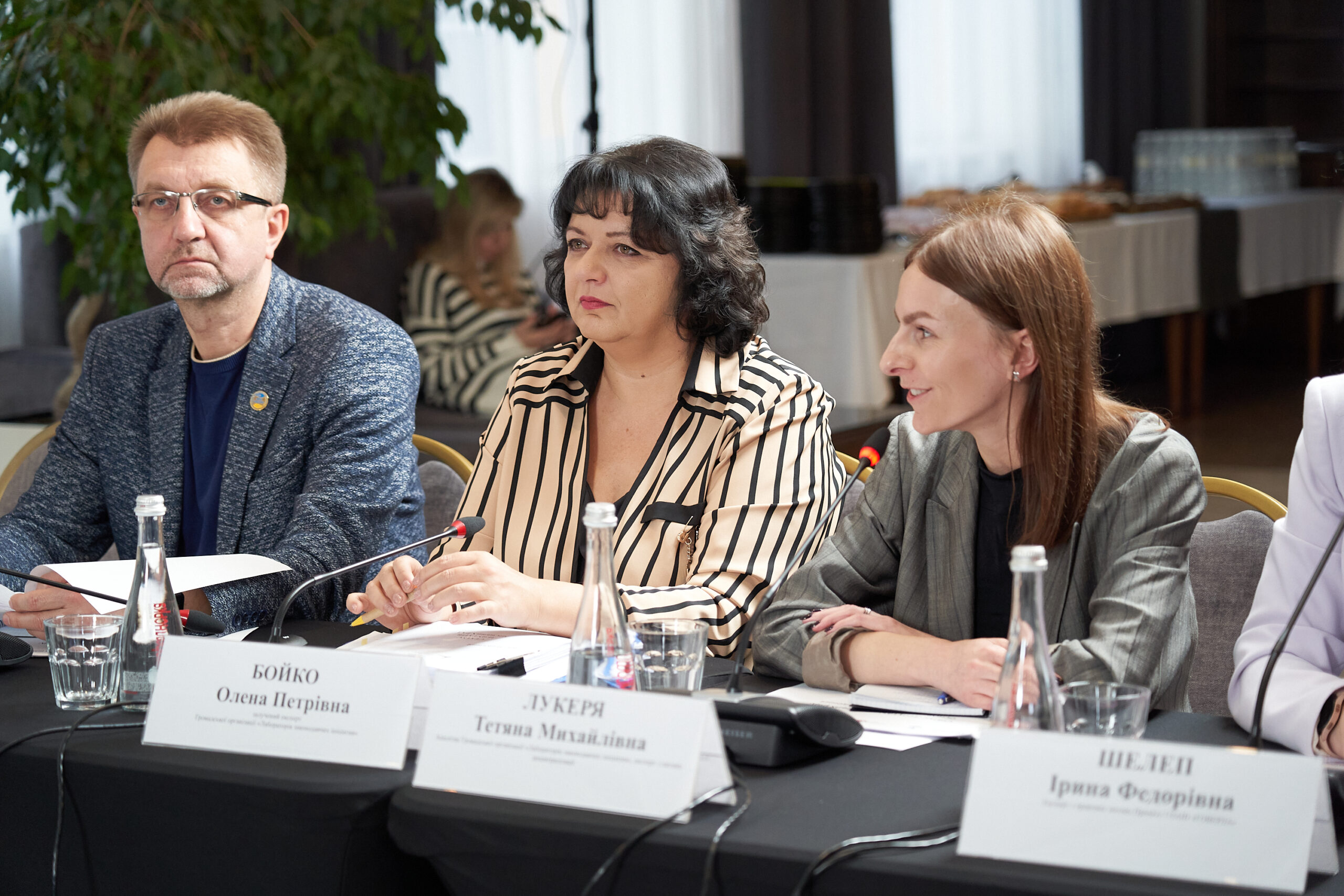
Olena Boiko, an ALI-engaged expert, presented the main results of the study and key recommendations for improving the status of local council members through legislation.
Tetiana Lukeria, an ALI-engaged expert, stressed that the Agency had already studied the issue of the status of local council members – the first study was conducted by ALI in 2017. In particular, it mentioned the imperative mandate and the fact that this practice is not used in European countries, where they either strengthen the local electoral system or local democracy. She also noted that ALI was conducting research with de-occupied communities, in particular on the status of local council members when the powers of local governments are transferred to the military administration, so the discussion of the imperative mandate is very important.
Viacheslav Rublov, MP of Ukraine, Chair of the Subcommittee on Regional Policy and Local Budgets of the Verkhovna Rada Committee on State Power, Local Self-Government, Regional Development and Urban Planning, stressed that local self-government should also be concerned about its problems, in particular, by sending appeals regarding decisions that impede or even block the work of councils.
Alina Zahoruiko, MP of Ukraine, Deputy Chair of the Committee, Chair of the Subcommittee on Elections, Referendums and Other Forms of Direct Democracy of the Committee on State Power, Local Self-Government, Regional and Urban Development, answered questions about partisanship and the imperative mandate of local self-government representatives. After all, Ukrainian legislation is outdated and does not fully meet the current challenges, and changes need to be made, not just on a piecemeal basis, but systematically and carefully.
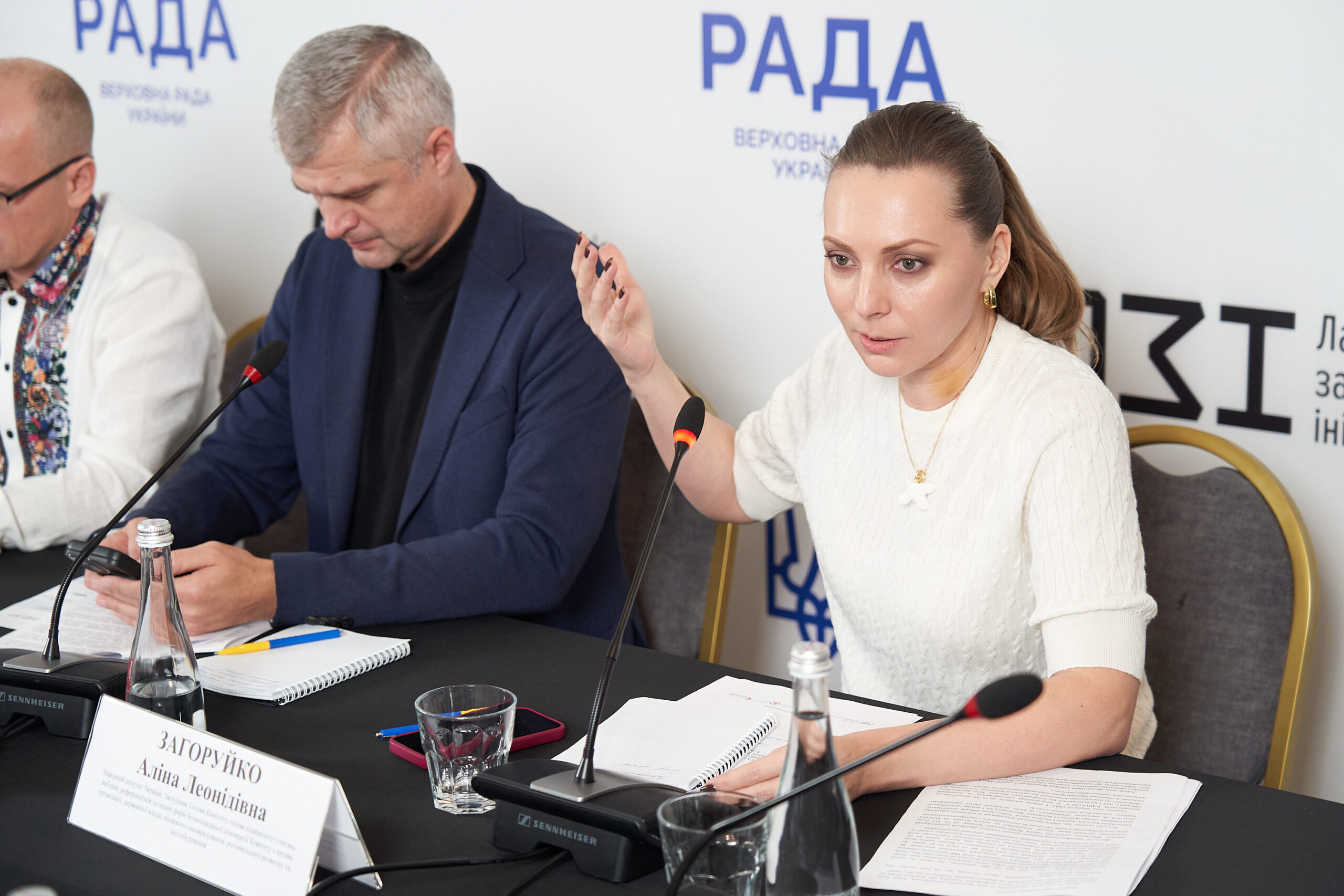
During the panel discussion, participants exchanged views and shared possible working models on the following current issues affecting the work of local councils in wartime:
- issues of acquiring and early termination of powers of local council members;
- impact of the ban on certain political parties on the work of local councils;
- guarantees for the activities of a local council member;
- compliance of the status of a local council member with European standards;
- ensuring proper representation in the local council;
- regulation of MP ethics;
- strengthening the accountability and responsibility of local council members to the voters.
In particular, much attention was paid to the problems of quorum, the possibility of organising meetings of local councils in a mixed format, the risks of deepening partisanship of local councils and the preservation of human resources, as all, even purely organisational aspects of local councils’ work subsequently affect the capacity of communities.
The event was part of the project “Parliament and Accountability of the Security Sector in Ukraine” (PASS Ukraine), which the Agency implements jointly with the Parliamentary Centre (Canada), in cooperation with the Verkhovna Rada of Ukraine, and with the support of Global Affairs Canada within the framework of the Peace and Stabilization Operations Program (PSOPs).