
Consideration of the European Commission’s Report on Ukraine: ALI Participates in the Meeting of the Verkhovna Rada Committee
The discussion focused on the state of implementation of the criteria under Cluster 1 ‘Fundamentals’, with participation of the First Vice-Speaker of the Verkhovna Rada of Ukraine, Oleksandr Korniyenko; the Deputy Prime Minister for European and Euro-Atlantic Integration, Taras Kachka; the EU Ambassador to Ukraine, Katarína Mathernová; Members of Parliament; and civil society representatives from Transparency International Ukraine, the Human Rights Centre ZMINA, Tomorrow’s Lawyer, Europe Without Barriers and the Ukrainian Bar Association.
According to Karyna Aslanian, Head of the Rule of Law area at ALI, several priority tasks in judicial reform require Parliament’s involvement:
Participation of international experts in selection processes.
In June 2025, the Verkhovna Rada registered Draft Law No. 13382, which would reinstate international experts in the selection of members of the High Qualification Commission of Judges of Ukraine (HQCJ). However, no progress in considering the draft law has been made to date.
Filling vacancies in the Constitutional Court of Ukraine (CCU) and the High Council of Justice (HCJ).
In addition, the expert drew attention to the need to revise the approach to financing the judiciary: ‘Each year the judiciary is funded at roughly 60%, which makes it impossible to ensure adequate remuneration in local courts. As a result, court secretaries and judges’ assistants earn less than cleaning staff in a supermarket’.
Karyna Aslanian also touched on the latest scandals surrounding the work of the parliamentary Temporary Investigative Commission (TIC):
A significant part of renewing the justice system is the reform of law-enforcement agencies, which requires more systematic and consistent work.
Yevhen Krapyvin, Head of ALI’s Law and Order area, noted that establishing a practice of dialogue between Parliament and the Government on Ukraine’s implementation of its European integration commitments is essential and should become regular. This reflects the political agency of both Parliament and the Government in this process. The expert also stressed that Parliament and the Government’s decision to involve civil society in such meetings is crucial, as it enables all sides to assess Ukraine’s progress on the path to EU integration objectively.
The Head of ALI’s Law and Order area stressed the need to reinstate mandatory competitive procedures for appointments to prosecution offices at all levels, and that the selection of the Prosecutor General must take place through a transparent and merit-based procedure that eliminates any risk of politicisation.
He noted that draft laws No. 13601 and No. 13699 are already before the Verkhovna Rada, giving Parliament the opportunity to swiftly meet the EU’s recommendations.
The Shadow Report was prepared by a coalition of civil society organisations led by the Agency for Legislative Initiatives, under a grant provided by the EU Project Pravo-Justice, implemented by Expertise France. Its contents are the sole responsibility of the authors and do not necessarily reflect the views of the European Union.
Parliament in Wartime and on the Path to the EU: Key Takeaways from the ALI Discussion
On 5 November 2025, the Agency for Legislative Initiatives (ALI) held an expert discussion entitled ‘Wartime Challenges and the European Integration Tasks of the Verkhovna Rada of Ukraine: Institutional and Personal Dimensions’. The event followed ALI’s recent publication of its Parliamentary Monitoring Report for the 13th session, which analysed trends, practices and performance indicators.
Members of Parliament, the leadership of the Verkhovna Rada and its Secretariat, as well as representatives of the expert community and international projects, gathered to openly discuss the current situation, key challenges and risks in the work of the Ukrainian Parliament. They also outlined the steps needed to improve the functioning of the Verkhovna Rada, strengthen its agency and ensure its institutional resilience.
Svitlana Matviienko, Executive Director of ALI, emphasised that the Parliament of the ninth convocation can already be described as a wartime Parliament, as it has operated under wartime conditions for 1,350 days — no previous convocation has ever worked for so long. The work of the Verkhovna Rada in such circumstances enables us to speak about its European integration tasks and its role in these processes, as without the active work of Members of Parliament, Ukraine would not have been able to advance so far on its path towards the EU.
Maximilian Schröder, Head of the European Parliament Office in Ukraine, noted that Ukrainians continue to do extraordinary things daily under such circumstances — including in the Parliament.
At the same time, looking at this from a broader perspective, you may be considering how best to prioritise your future work and which issues to focus on to achieve strategic goals and to continue the fight for freedom against tyranny. To this end, effective dialogue — both within Parliament and between the legislative and executive branches — is crucial for building and sustaining the political consensus needed to achieve strategic objectives’.”
First Deputy Chair of the Verkhovna Rada of Ukraine, Oleksandr Korniienko, spoke about the work already carried out — as well as the further tasks and challenges facing the Verkhovna Rada. He recalled that European integration is one of the priority workstreams alongside support for defence and security.
The need to strengthen internal mechanisms and processes within the Verkhovna Rada was also highlighted by the Deputy Chair of the Verkhovna Rada of Ukraine, Olena Kondratiuk.
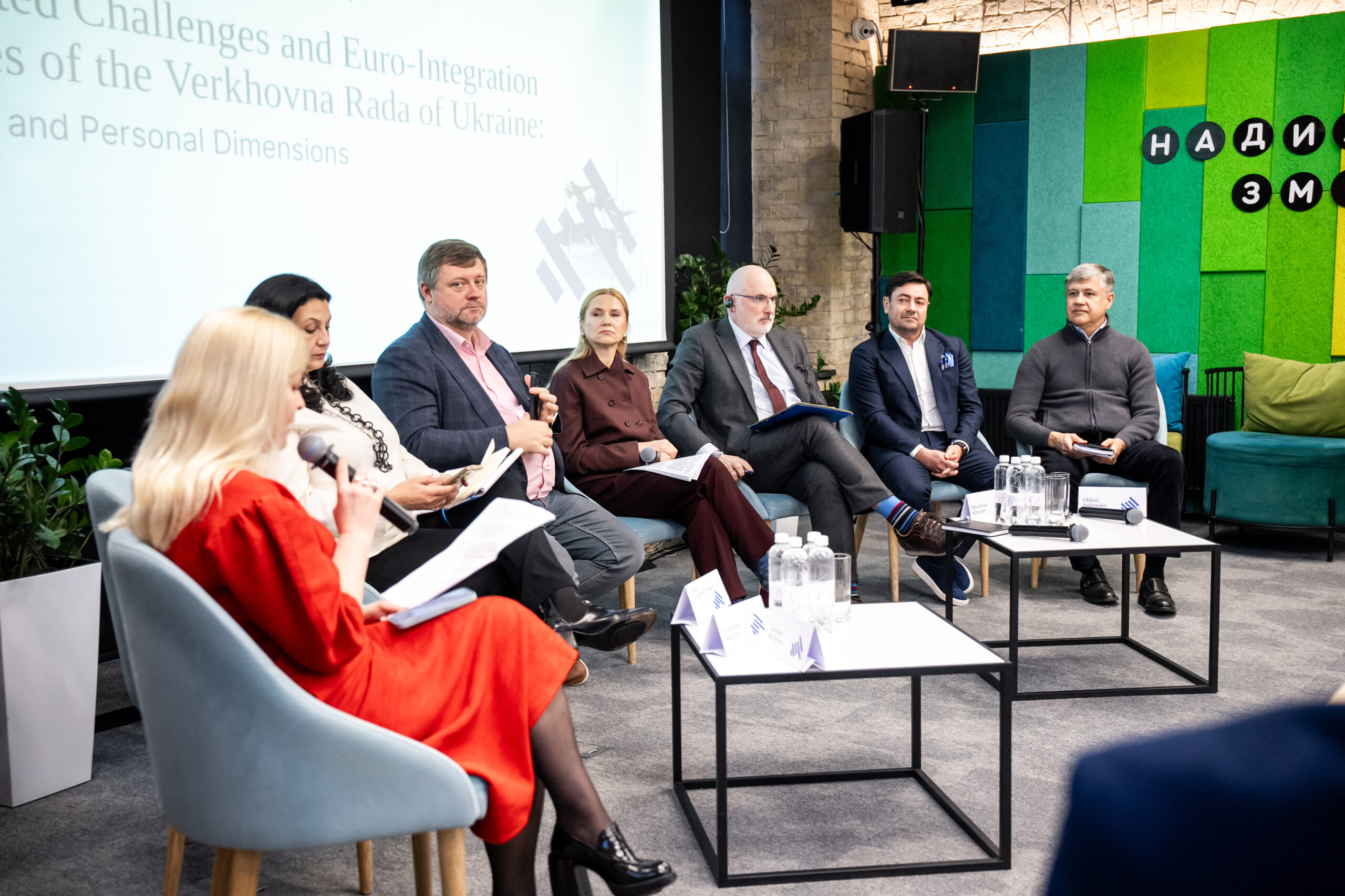
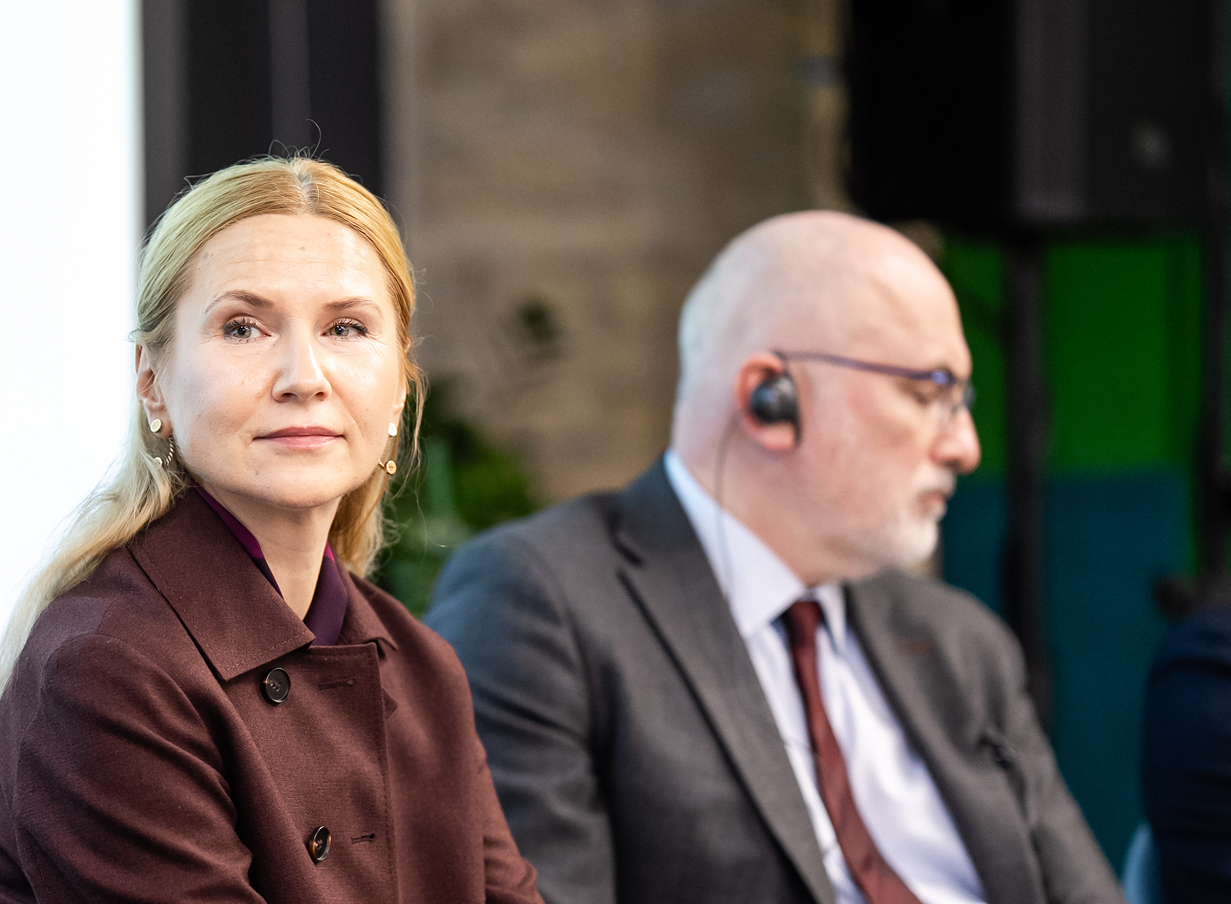

The Chair of the Verkhovna Rada Committee on Ukraine’s Integration into the European Union, Ivanna Klympush-Tsintsadze, emphasised the importance of the Monitoring conducted by ALI — as it makes it possible to view, from the outside, how Members of Parliament are fulfilling their duties and exercising their powers.
The Secretary-General of the Verkhovna Rada, Viacheslav Shtuchnyi, stressed that ensuring the uninterrupted work of Parliament has been one of the key tasks since the beginning of the war. ‘The uninterrupted operation of Parliament is a symbol of resistance, a symbol of resilience and devotion to the state’, he underlined.
An important and correct step for the development of Parliament was the decision to open the European Parliament Liaison Office in Ukraine and the Verkhovna Rada Office in the European Parliament. Over the past six years, the Verkhovna Rada has been working both within the Jean Monnet Dialogue formatThe Jean Monnet Dialogue format involves meetings between parliamentarians on a given subject in order to develop a common ground on a specific issue. This format aims to foster political dialogue and consensus between political parties. and on implementing the recommendations of the Roadmap for Internal Reform — which the Secretariat of the Verkhovna Rada has completed by 99%.
Particular attention must also be paid to the technical support of parliamentary work. A worthy response by the Ukrainian Parliament to the challenges of wartime has been the Continuity Plan of the Verkhovna Rada of Ukraine.
Oleksii Sydorenko emphasised that the Secretariat continues to strengthen cyber resilience and cybersecurity components. He also noted that Parliament recently completed its successful connection to the PULS system, a tool for monitoring the fulfilment of European integration commitments — and an additional platform for interaction between the Verkhovna Rada and the Government on all initiatives.
The second part of the discussion focused on the work of Members of Parliament during martial law. Three Members — Halyna Mykhailiuk, Anastasiia Radina and Mariia Ionova — shared their experiences as well as their perspectives on priorities and changes needed in parliamentary work.
Oleksandr Zaslavskyi, Deputy Executive Director of the Agency for Legislative Initiatives, stressed that in 2022, the Verkhovna Rada increased the intensity of parliamentary diplomacy many times over.



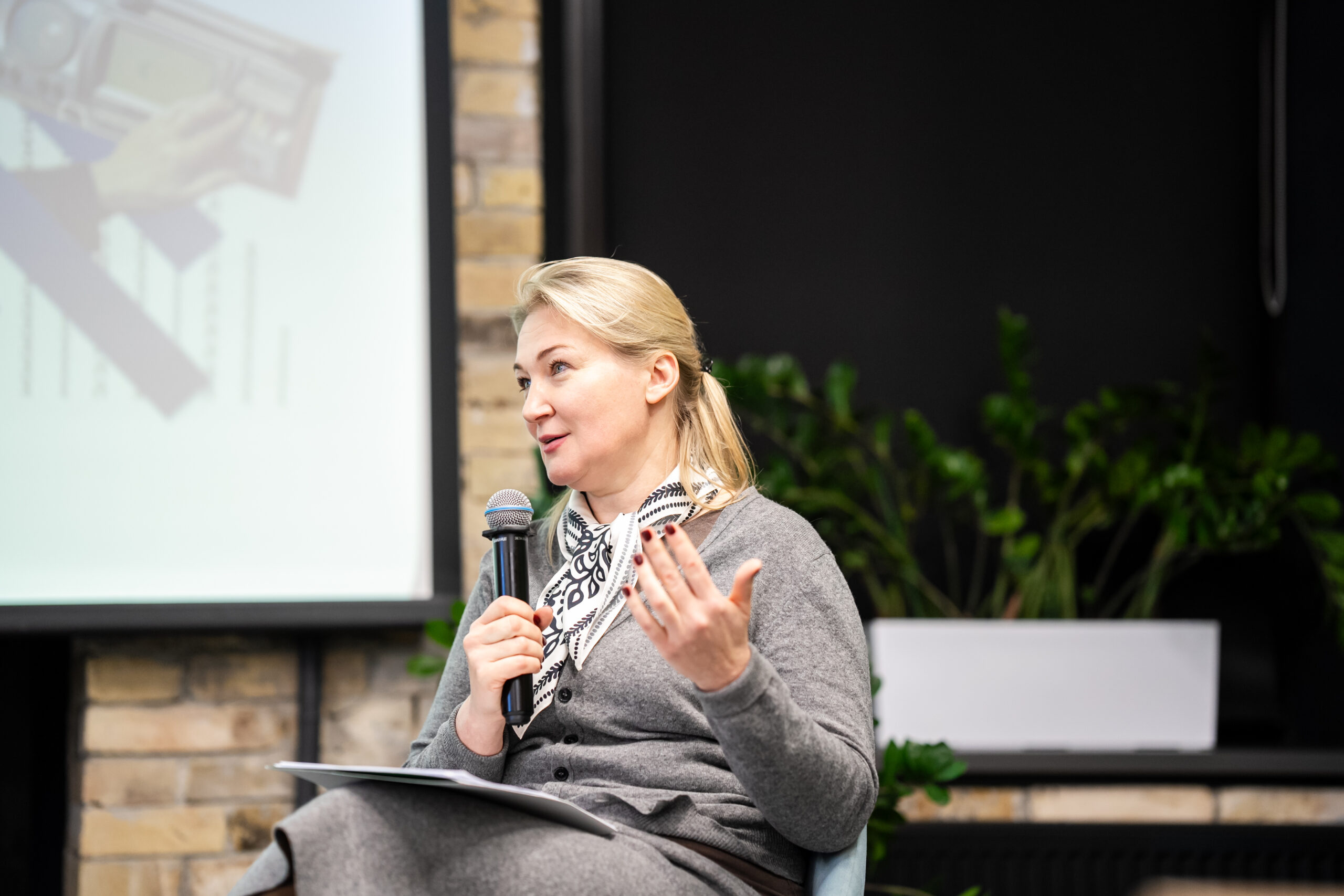
Ukraine’s Mirror of Progress on the Path to the EU: ALI Presents the Shadow Report
On 23 October 2025, in Kyiv, a coalition of civil society organisations led by the Agency for Legislative Initiatives (ALI) presented the Shadow Report to the European Commission’s 2024 Report on Ukraine. The report covers Chapters 23, ‘Judiciary and Fundamental Rights’ and 24, ‘Justice, Freedom and Security’ — chapters that the European Union considers fundamental to Ukraine’s integration process. The presentation became a platform for open dialogue between government, experts and European partners — about Ukraine’s progress towards EU integration and the challenges that still lie ahead.
The main goal of the Shadow Report is not criticism but to propose a roadmap for strengthening the state on its path to the EU. This was underlined by Svitlana Matviienko, Executive Director of the Agency for Legislative Initiatives:
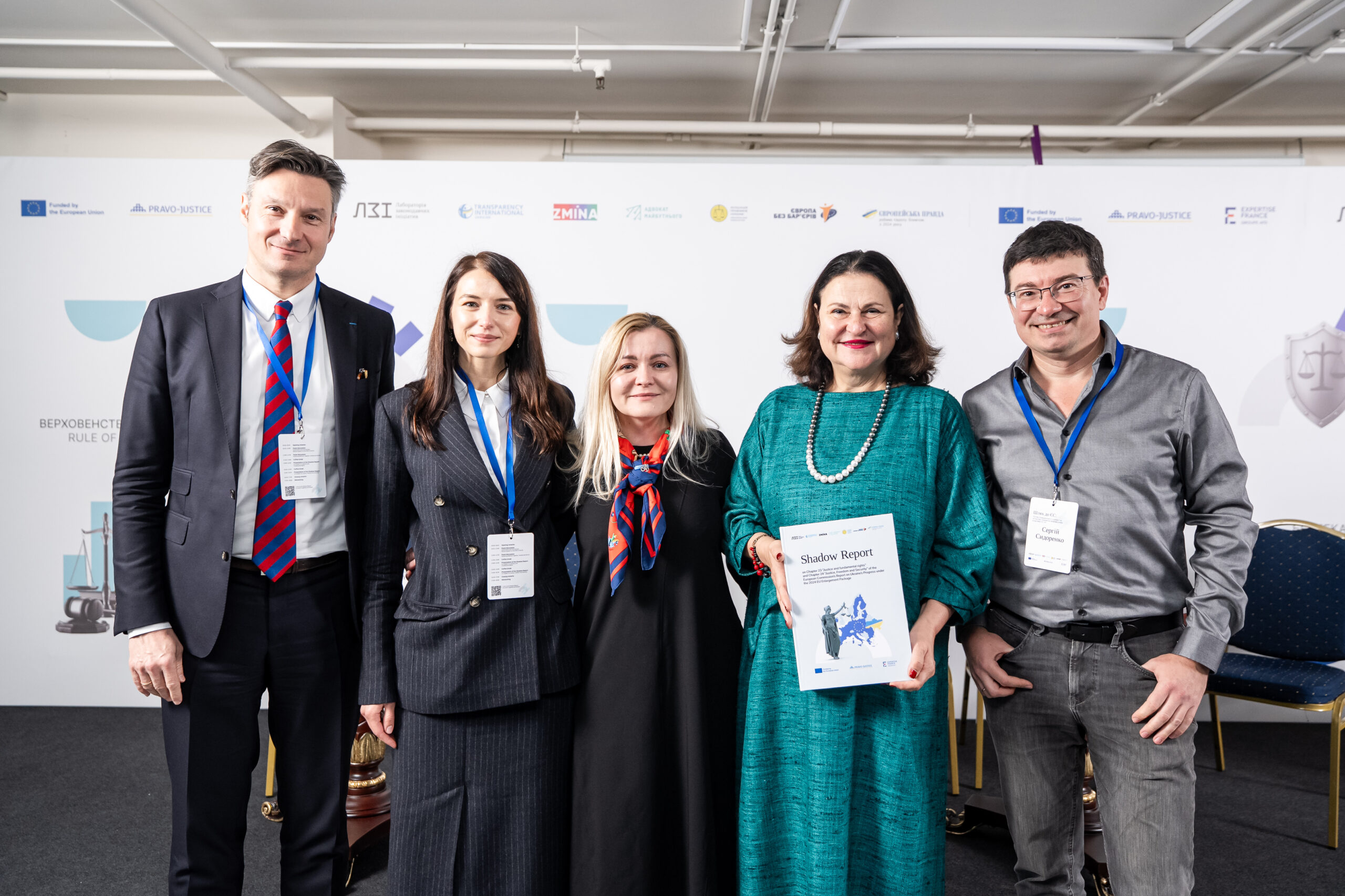
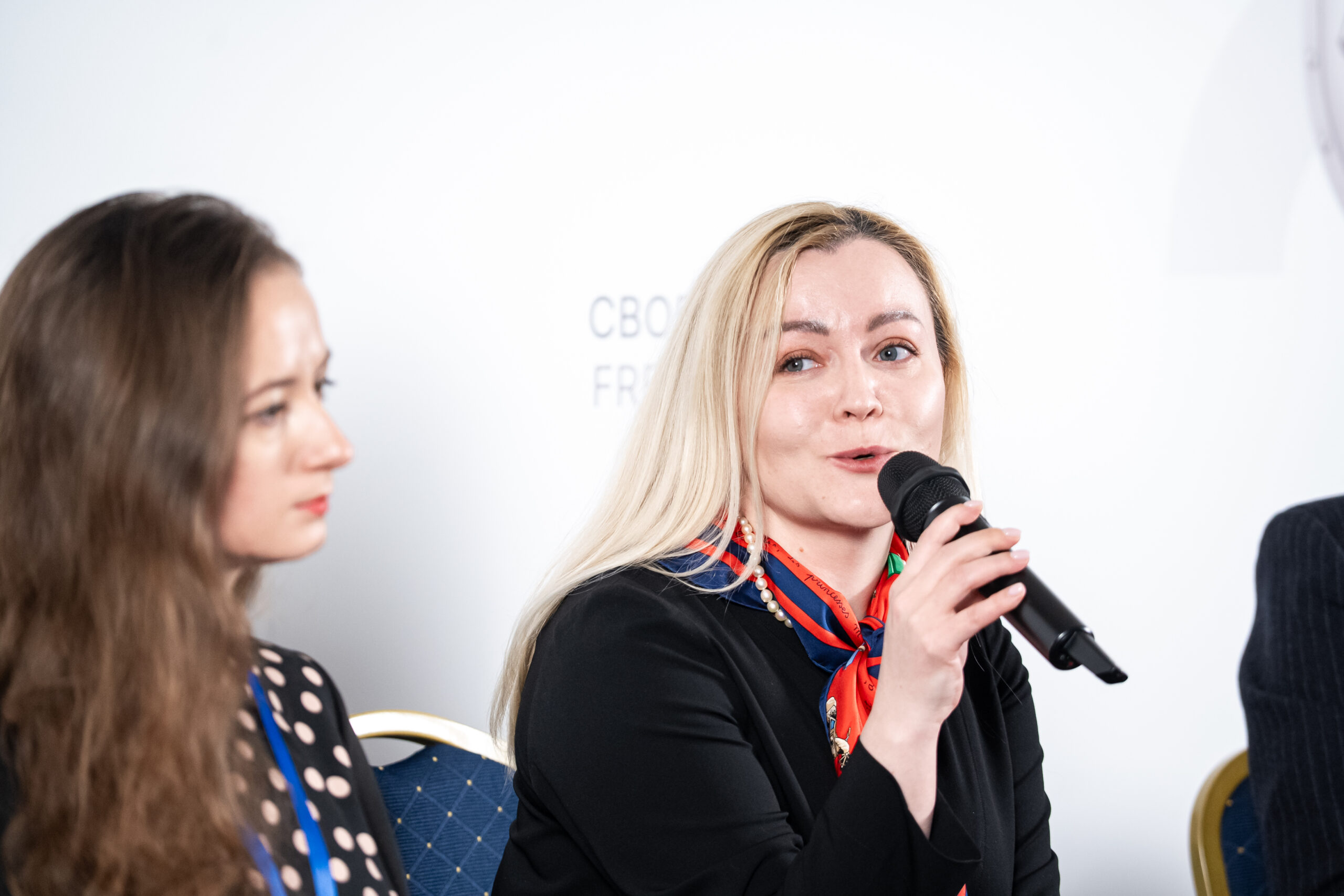

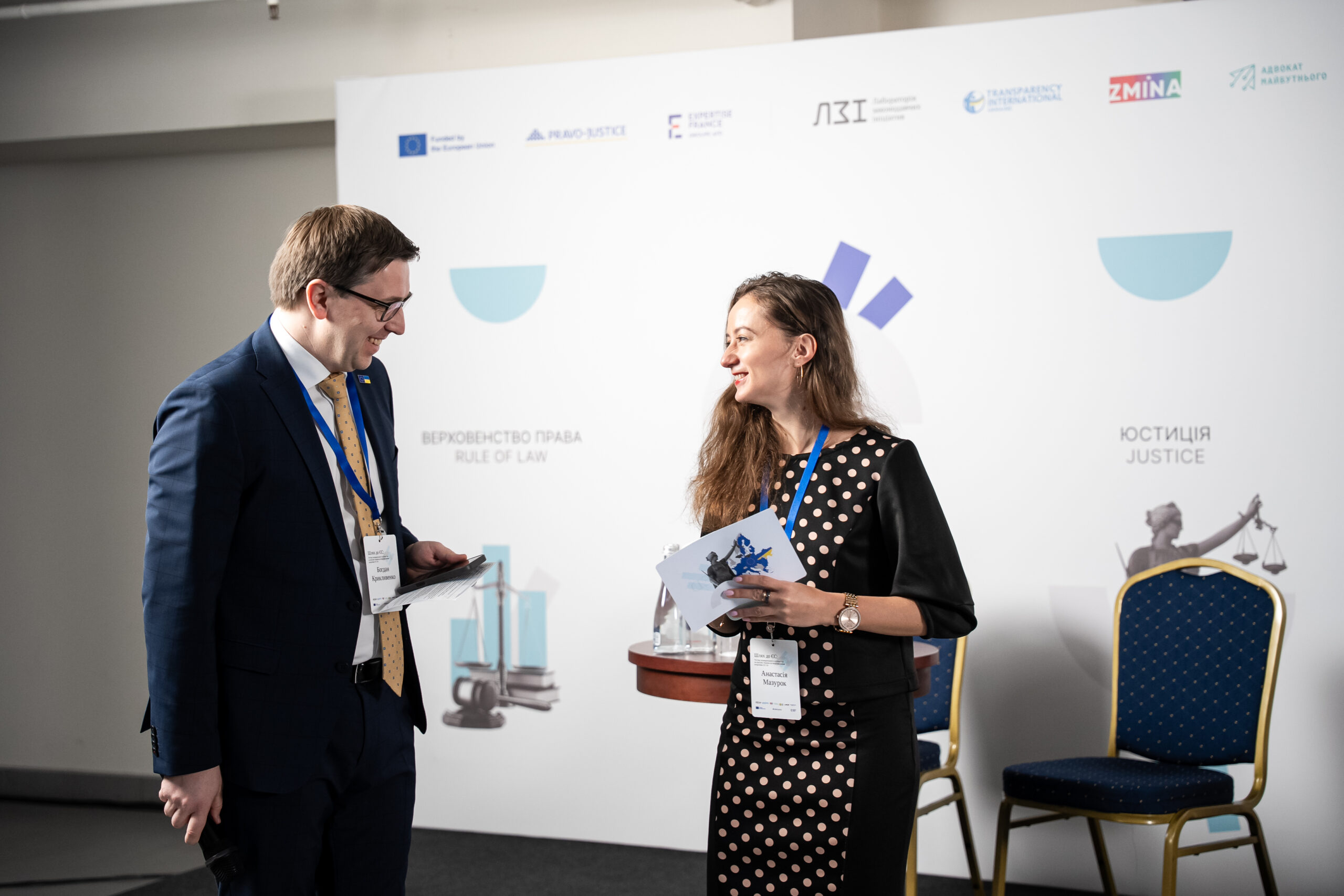

The document contains more than 500 specific recommendations covering the rule of law, judicial independence, reform of law enforcement agencies, human rights protection and the fight against corruption and organised crime. The practical value of this analytical work was emphasised by Oksana Tsymbrivska, Head of the EU Project Pravo-Justice:
The event took place on the eve of the release of the new EU Enlargement Report, in which the European Union will assess Ukraine’s reform progress. As Katarína Mathernová, EU Ambassador to Ukraine, noted, the accession process should be measured not by speed, but by resilience:
Taras Kachka, Deputy Prime Minister for European and Euro-Atlantic Integration, stressed in his remarks that cooperation between government, civil society and international partners is the key to reform effectiveness:
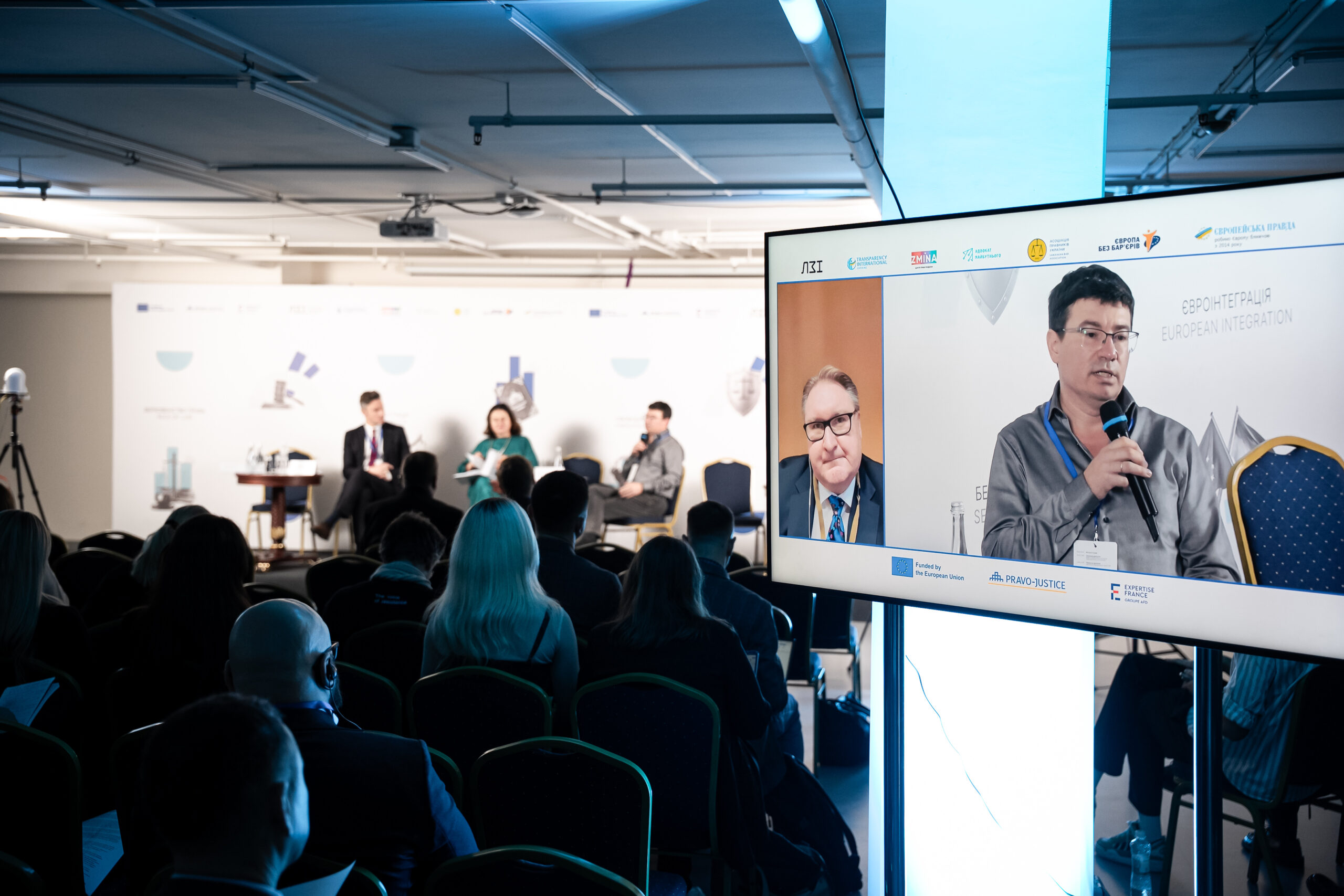
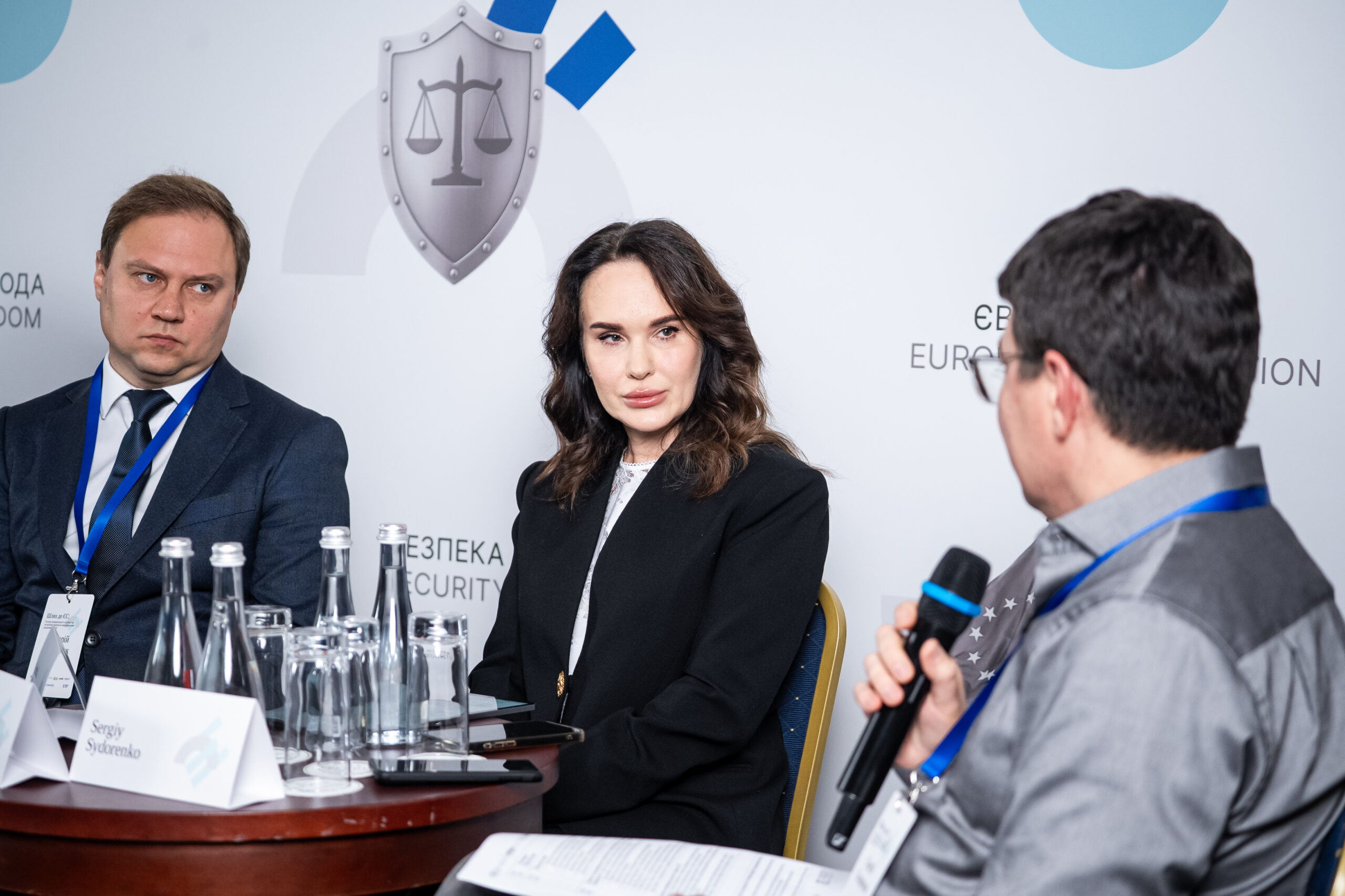

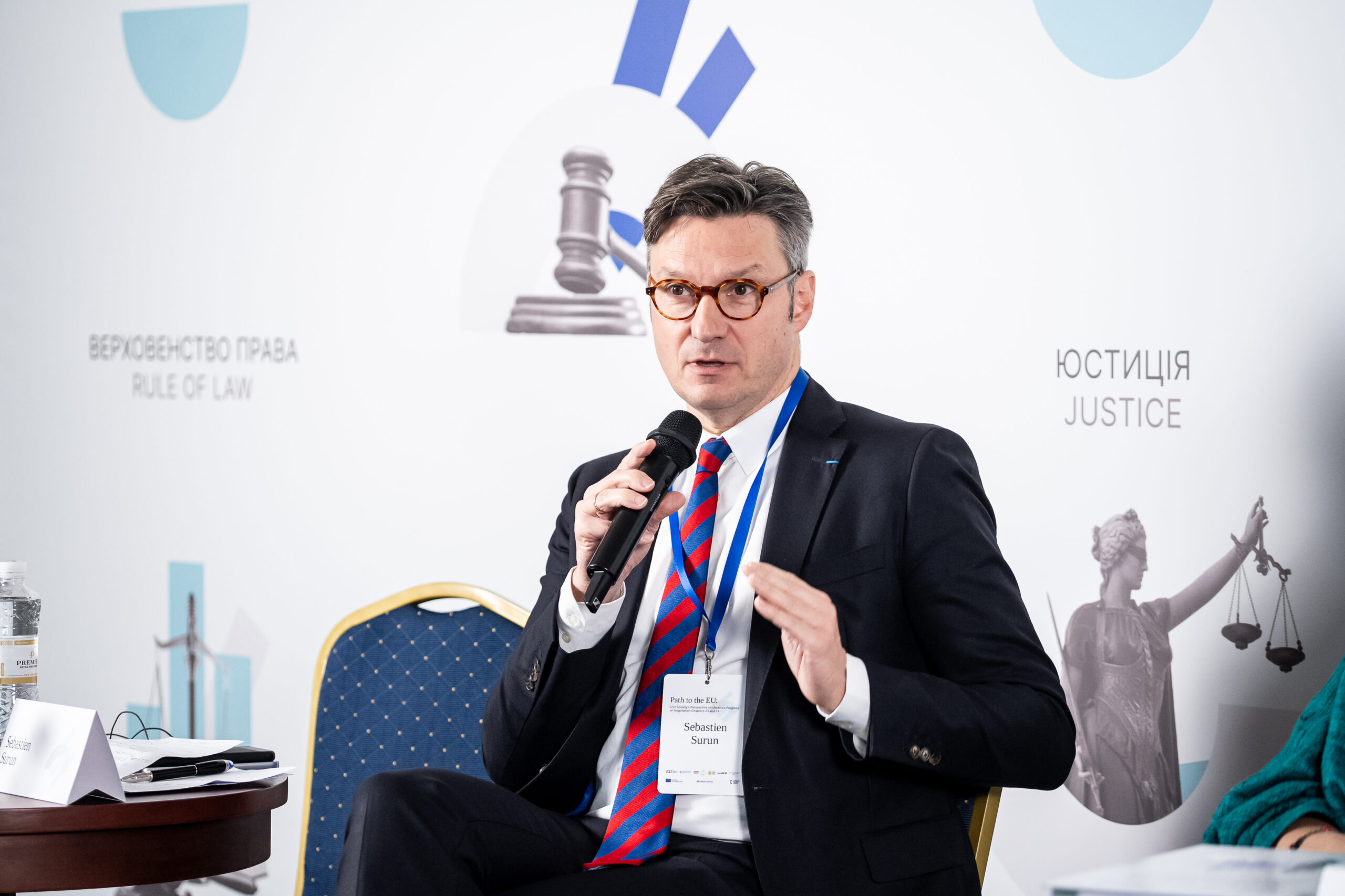
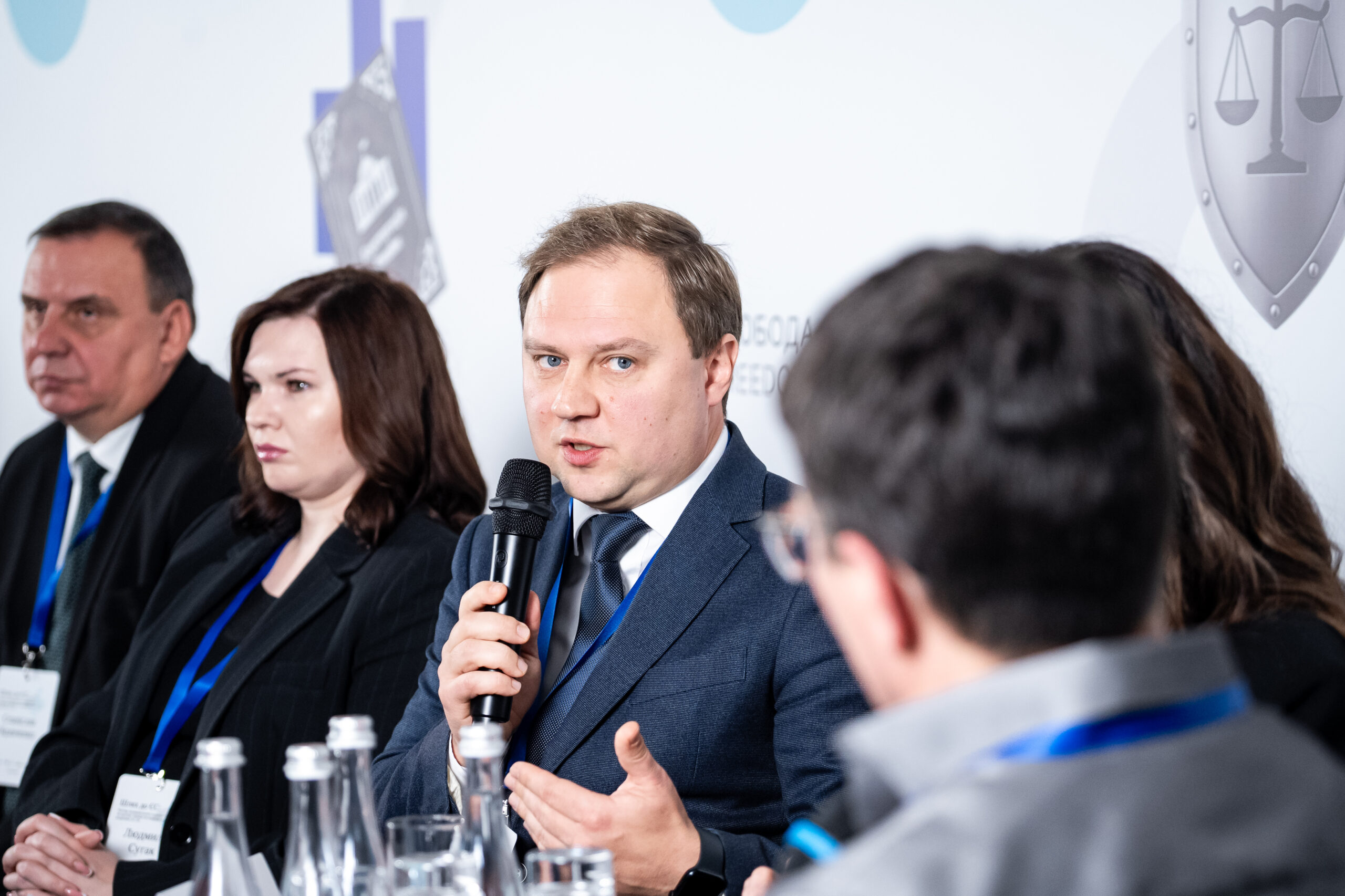
The importance of mutual support between government and civil society was also highlighted by Iryna Mudra, Deputy Head of the Office of the President:
She added that despite challenges, the President and his team have acted within their powers and at the necessary pace: ‘Over the past year, everything within the President’s powers has moved forward without delay’.
Experts, meanwhile, pointed out that progress in the justice sector remains uneven. Karyna Aslanyan, Head of the ‘Rule of Law’ Area at the Agency for Legislative Initiatives, noted:
Yevhen Krapyvin, Head of the ‘Law and Order’ Area at the Agency for Legislative Initiatives, emphasised the need to ensure the full independence of the prosecution service — a key to fostering a European justice culture:
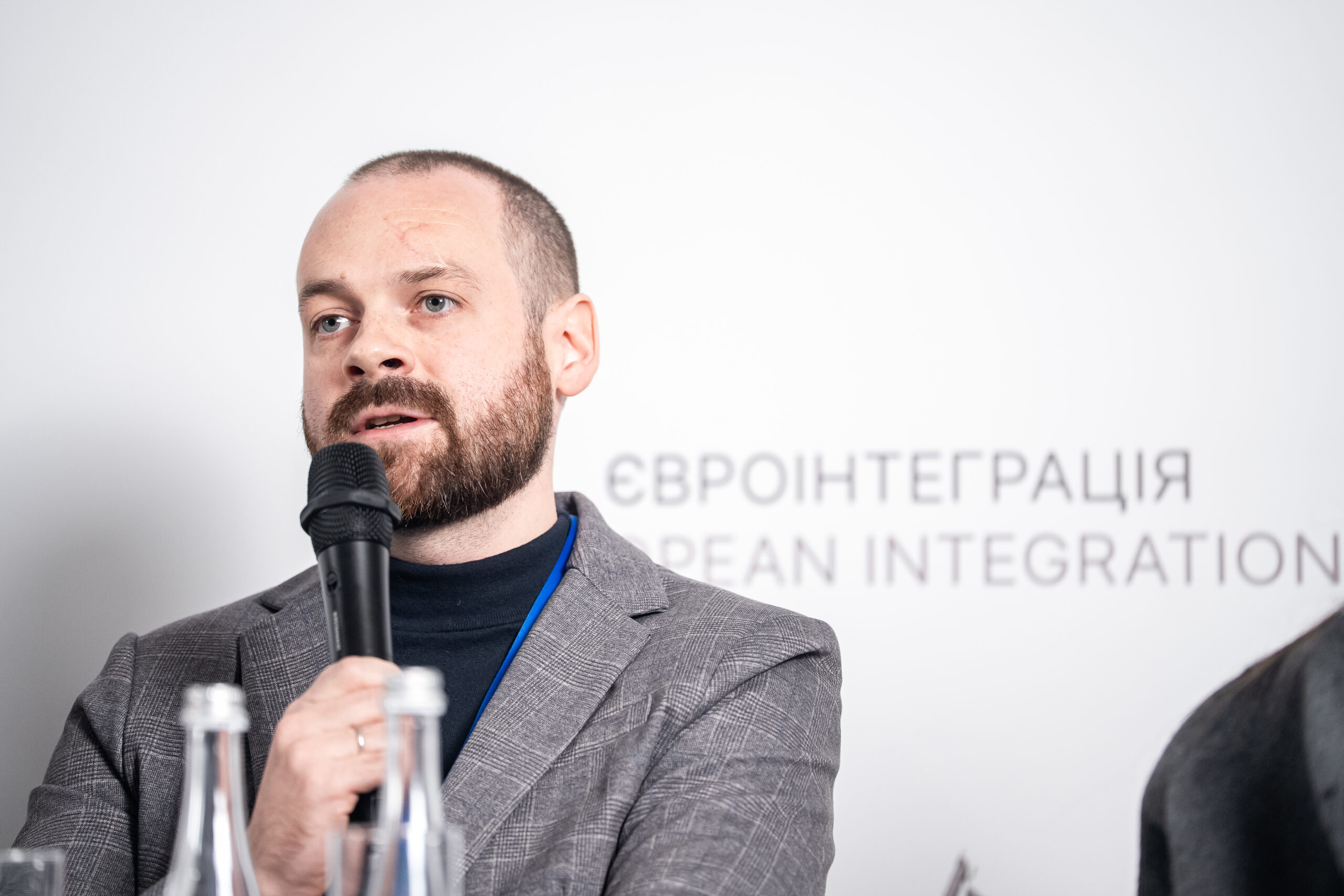
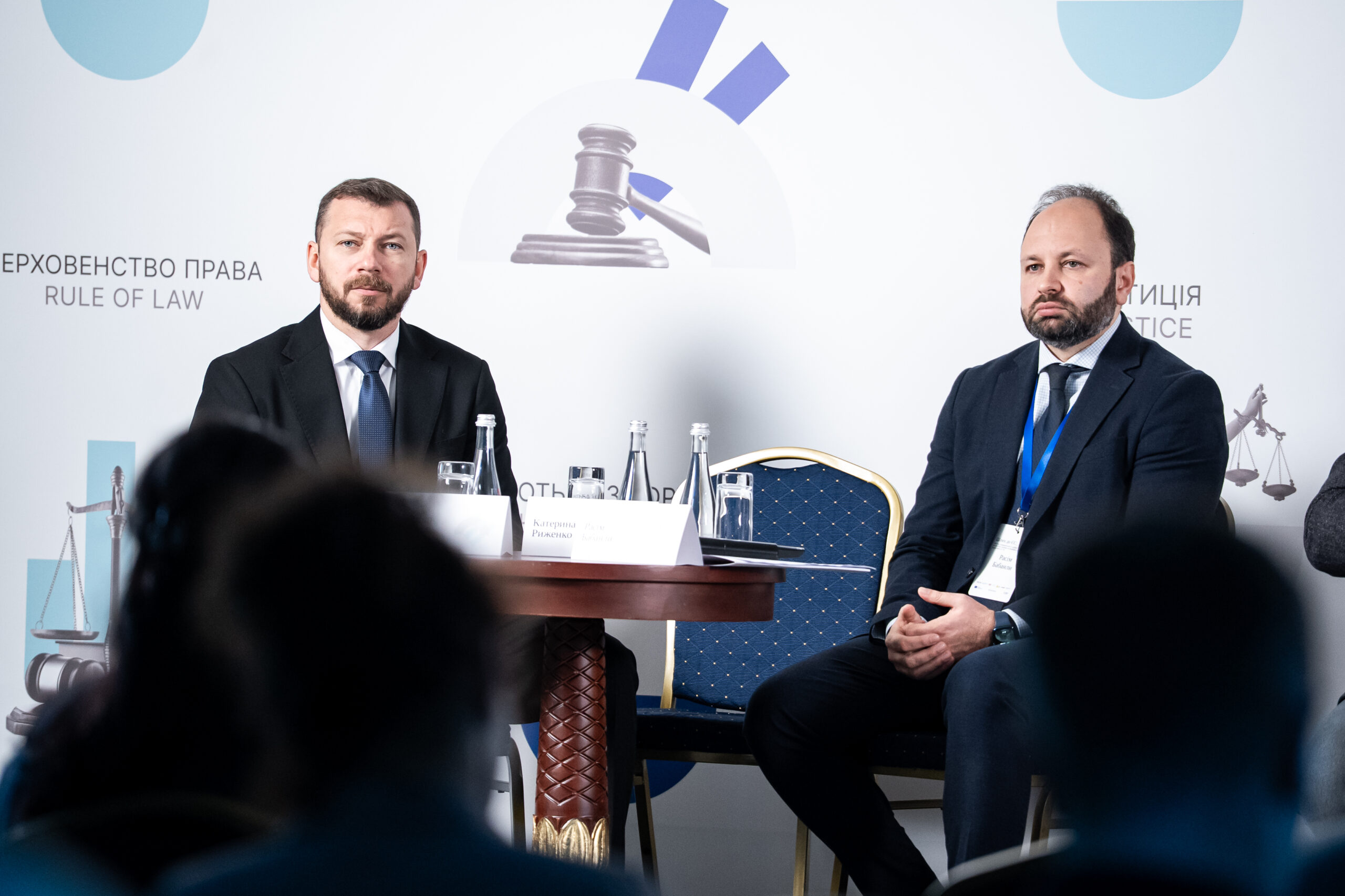

The Shadow Report is the result of joint work by the Agency for Legislative Initiatives, Transparency International Ukraine, the Human Rights Centre ZMINA, Tomorrow’s Lawyer, Europe Without Barriers, European Pravda and the Ukrainian Bar Association. Its aim is to provide a comprehensive, independent assessment of Ukraine’s implementation of the European Commission’s recommendations, identify reform gaps and outline priorities for the next phase of the country’s movement towards EU membership.
The Shadow Report was prepared by a coalition of civil society organisations led by the Agency for Legislative Initiatives, under a grant provided by the EU Project Pravo-Justice, implemented by Expertise France. The content is the sole responsibility of the authors and does not necessarily reflect the views of the European Union.
Roadmap on the Rule of Law: ALI Joins in a Coordination Meeting
On 24 September, the Agency for Legislative Initiatives (ALI) took part in a meeting aimed at coordinating the implementation of the Rule of Law Roadmap.
Thematic discussions brought together representatives of Ukrainian public authorities, judicial institutions, civil society, international organisations and partner countries, as well as international technical assistance projects.
Participants discussed the progress achieved so far and the mechanisms for coordinating the implementation of the Roadmap. The event also identified priority actions for the coming years, particularly in the areas of justice, anti-corruption and human rights protection.
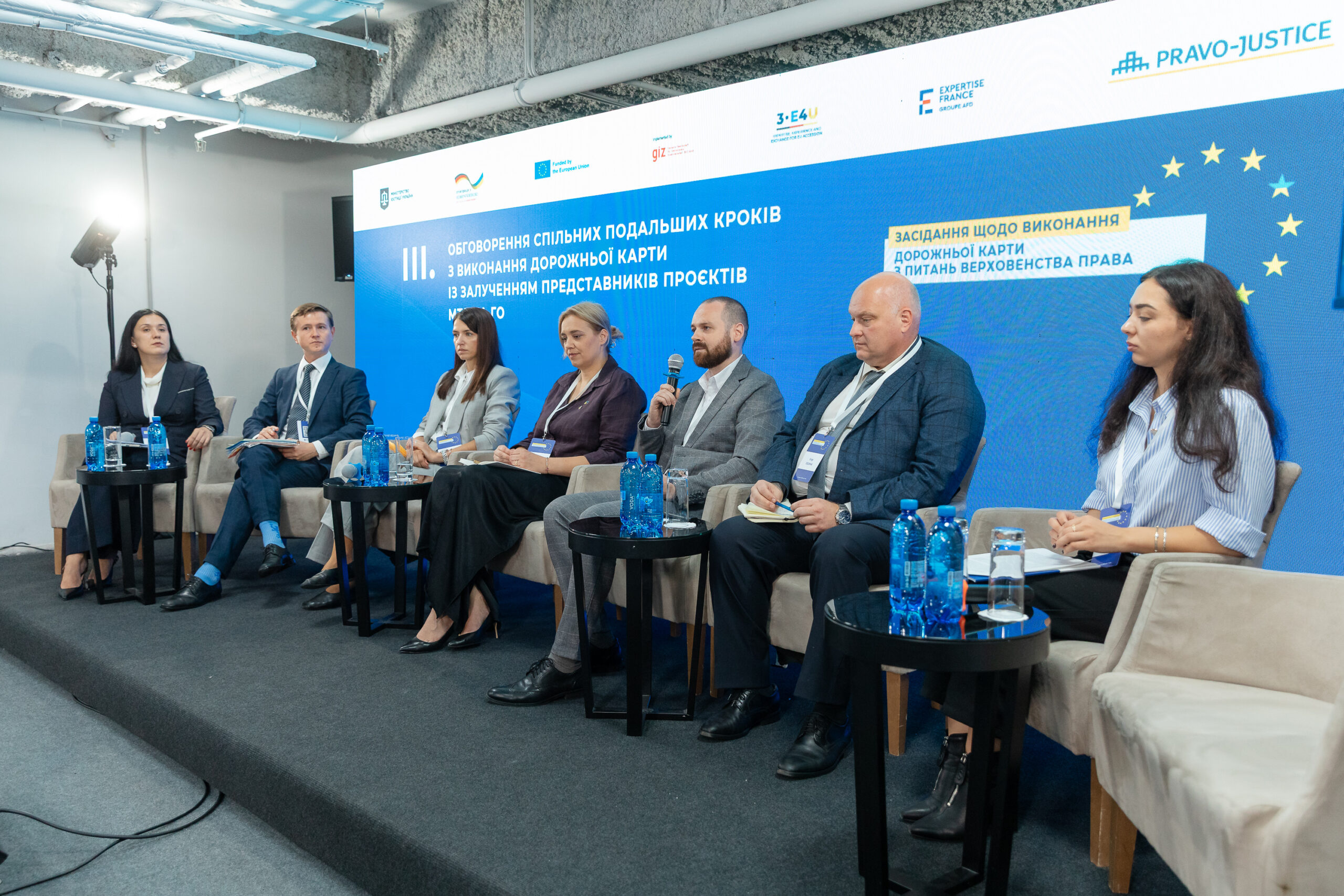
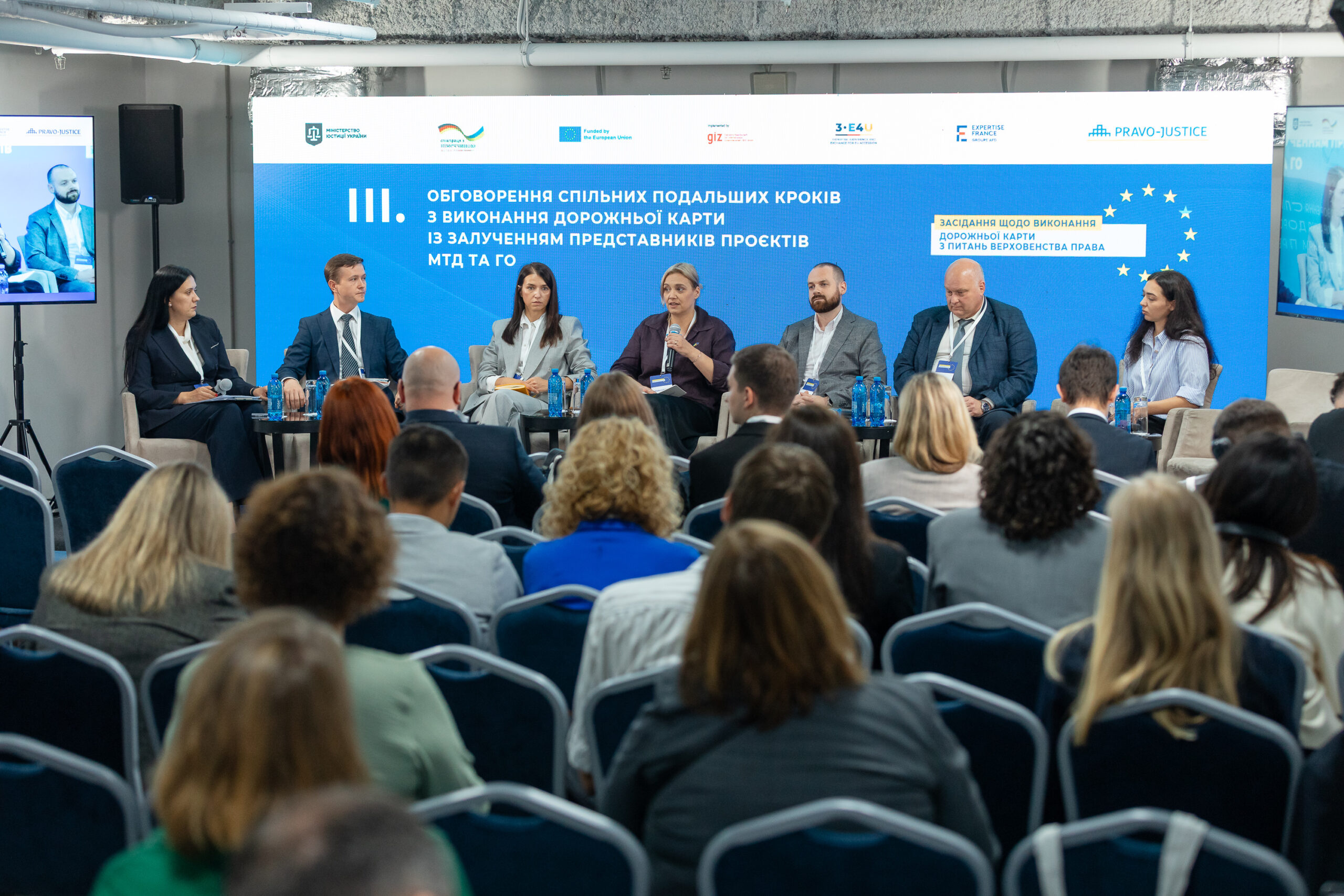
Yevhen Krapyvin, Head of the Rule of Law Area at the ALI, noted that the work of the negotiation groups is crucial to ensure that roadmaps are implemented — including the Rule of Law Roadmap — as European integration is being advanced through the joint efforts of public authorities, international partners and civil society.
He emphasised that ALI’s long-standing experience of working with Parliament makes it possible to look one step ahead, as a significant share of the European integration commitments involves the preparation of legislative amendments. Their subsequent adoption by Members of Parliament is a complex process that requires effective communication, since only Parliament makes the final decision, and the quality of that decision depends not only on the Government. Therefore, a consolidated position at every stage is the key to success.
It should be recalled that in 2023, the Agency for Legislative Initiatives, in coalition with other civil society organisations, prepared the Shadow Report on Chapter 23 ‘Judiciary and Fundamental Rights’ of the European Commission’s Report on Ukraine. At present, the CSO Coalition is once again working on monitoring and assessing Ukraine’s progress in European integration — under Chapter 23 ‘Judiciary and Fundamental Rights’ and Chapter 24 ‘Justice, Freedom and Security’.
Green Paper 2.0: The Agency for Legislative Initiatives Deepens Dialogue with Court Staff
On 24 July 2025, the Agency for Legislative Initiatives held the second presentation of the Green Paper on civil and patronage service in judicial bodies. This time, the event was co-organised with the All-Ukrainian Association of Court Employees (UACES). The roundtable focused primarily on exchanging experiences, discussing the needs and visions of court employees themselves — heads of court apparatuses, their deputies, judicial assistants, and others. The presentation took the form of a professional dialogue: informal in tone yet centred on systemic issues and potential solutions.
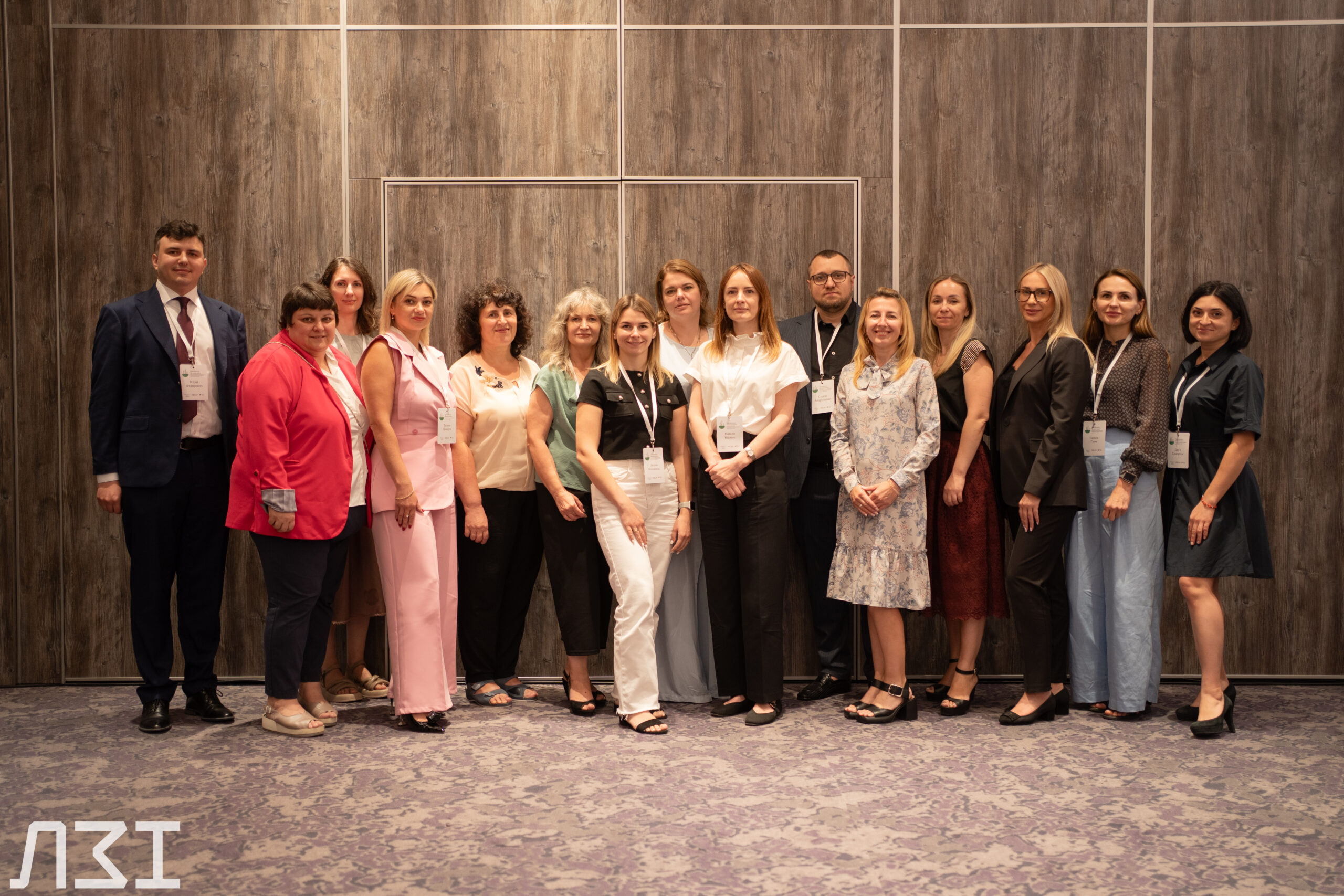
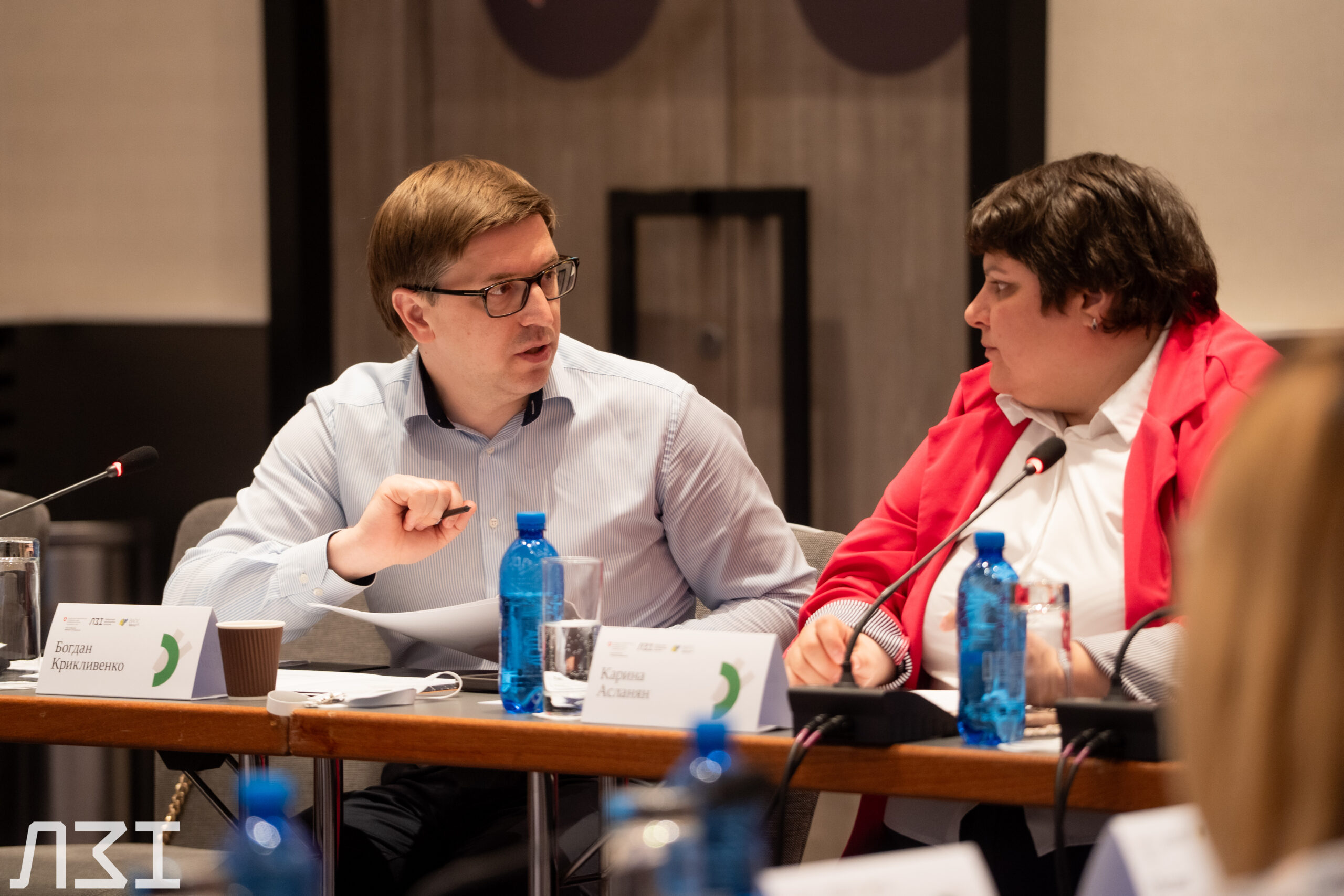
Svitlana Matviienko, Executive Director of the Agency for Legislative Initiatives, emphasised that the Green Paper serves as a starting point for sustained dialogue:
The meeting was moderated by Bohdan Kryklyvenko, Head of the Secretariat of the High Anti-Corruption Court and UACES Board Member. According to him, the presentation of the study is a significant step towards ensuring that the voices of court staff are heard and that real change can begin.
Karyna Aslanyan, Head of the Rule of Law Area at the Agency for Legislative Initiatives, presented the findings of the research and invited everyone to the discussion:
The discussion participants — including Yurii Fedorovych (Commercial Court of Kharkiv Region), Olha Pasichnyk (Odesa District Administrative Court), Serhii Andrushchenko (Commercial Court of Odesa Region), Oksana Kolomiiets (Vyshhorod District Court), among others — shared experiences based on their day-to-day professional situations. All of them highlighted several pressing issues: a shortage of staff in courts located in smaller towns, a mismatch between workload and remuneration, and difficulties with digitalisation and the use of electronic systems due to inadequate technical support.
Olha Pasichnyk, Head of the Secretariat of the Odesa District Administrative Court, raised important concerns related to the recognition of court staff, professional training and its assessment, and the lengthy process of special vetting for candidates seeking civil service positions — noting that the lack of clear regulation around vetting timelines directly affects the court’s daily operations.
Nataliia Korol, Head of the UACES and Head of the Secretariat of the Vinnytsia Court of Appeal, noted:
All participants agreed that it is important not only to identify problems but also to propose solutions. It is vital that court staff are heard — something clearly demonstrated by the research conducted by the Agency for Legislative Initiatives. For instance, according to Karyna Aslanyan, one of the in-depth interviews lasted nearly four hours.
The Green Paper on the Functioning of Civil and Patronage Service in the Judicial Authorities of Ukraine is soon to be published on the platforms of the Agency for Legislative Initiatives.
The event took place within the framework of the project ‘Governance Improvement Initiative in Ukraine: Empowering Policy Making for Societal Progress’, supported by Switzerland. Responsibility for the content of the research and its presentation lies solely with the NGO Agency for Legislative Initiatives. The views and opinions expressed during the presentation and in the study do not necessarily reflect those of the donor.
The System of Law and Order in the Process of European Integration: ALI Joined the Conference
The conference was attended by Olha Stefanishyna, Deputy Prime Minister for European and Euro-Atlantic Integration of Ukraine — Minister of Justice of Ukraine, Ihor Klymenko, Minister of Internal Affairs of Ukraine, Stefan Schleuning, Chargé d’Affaires of the Delegation of the European Union to Ukraine, Rolf Holmboe, Head of the European Union Advisory Mission for Civilian Security Sector Reform in Ukraine, representatives of the international community and civil society.
The first panel featured the performance of the Ministry of Internal Affairs in wartime conditions. In this regard, the EU representatives reaffirmed their commitment to further support Ukraine in implementing reforms designed to make the law and order system more operational, accountable, and human-centred.
At the second panel, ‘Perspectives from Civil Society and International Partners’, Yevhen Krapyvin, Head of the ‘Law and Order’ Area at the Agency for Legislative Initiatives, stated that the Comprehensive Strategic Plan is a unique public policy document, since it covers not only institutional dimensions of law enforcement entities, but also a broader set of issues, including the rules and policies under which these agencies operate.
That is primarily because the Plan covers such matters as:
- enforcement of a consistent criminal policy;
- strategic priorities of law enforcement entities;
- simplification of procedural rules (amendments to the criminal procedure);
- reinforcement of the coordination role and extent of the prosecutor’s discretion in criminal proceedings, etc., i.e. criminal law instruments applied by the prosecutor and investigator in criminal prosecutions.
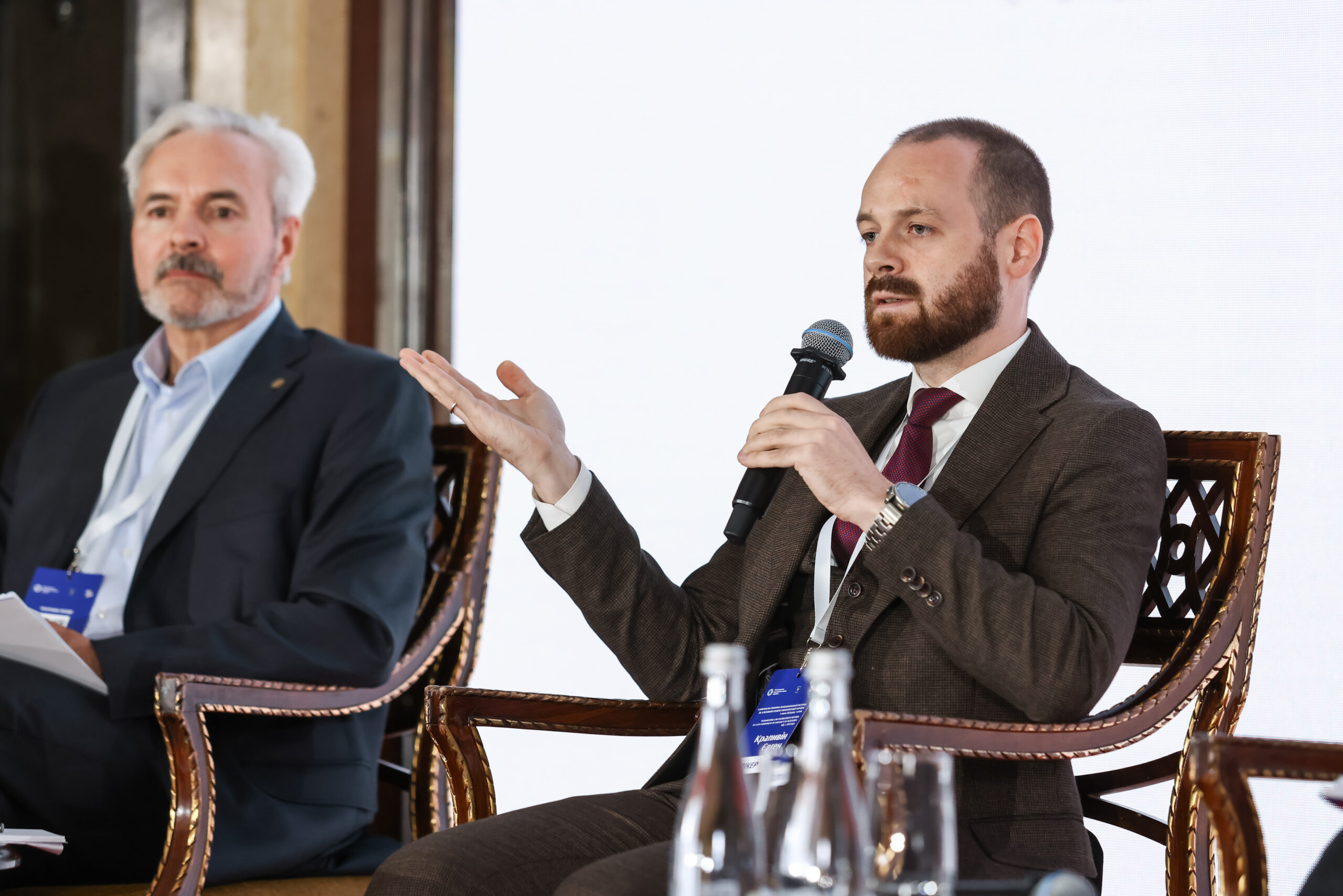
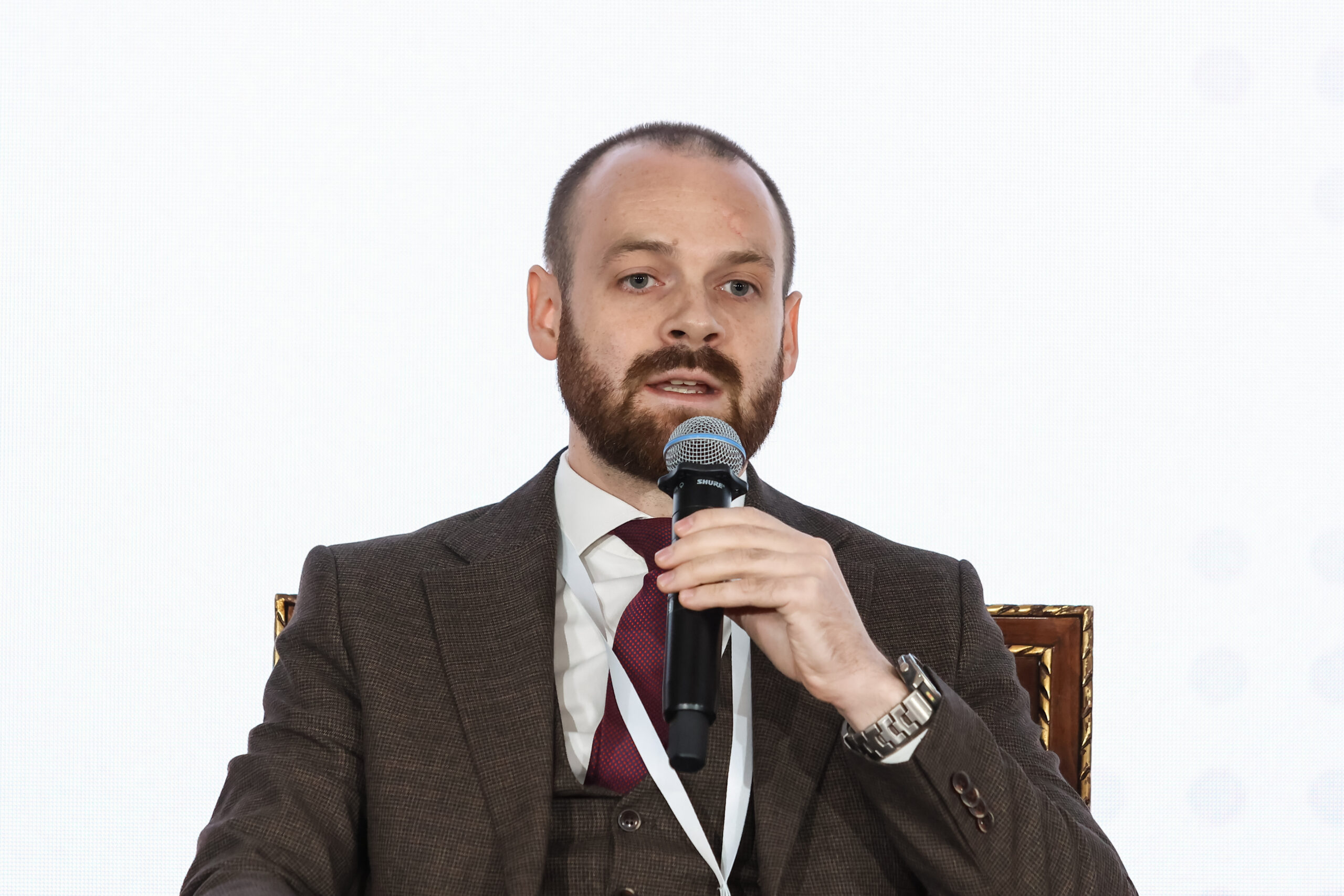
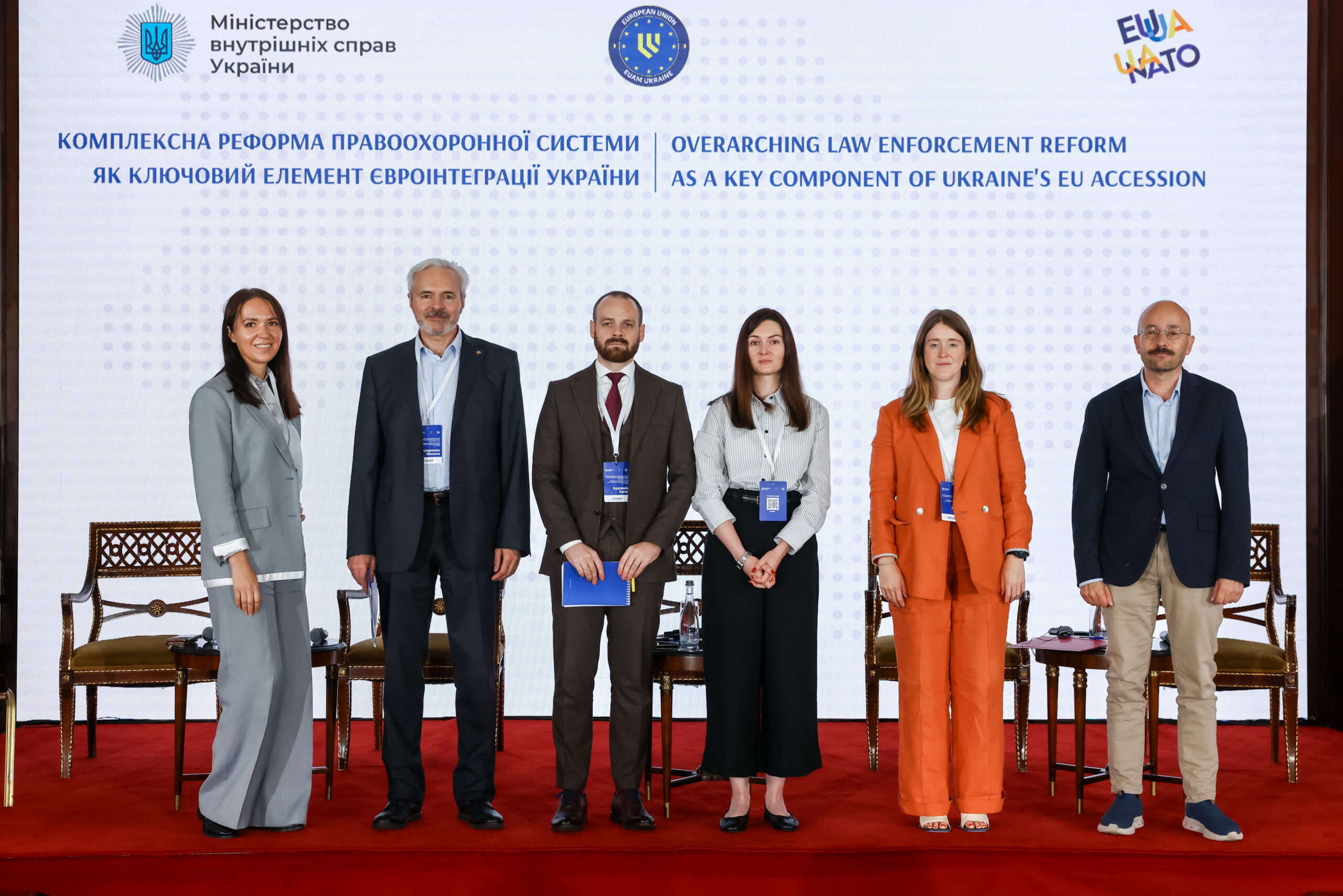
Yevhen Krapyvin additionally mentioned that two years have passed since the President of Ukraine approved the Comprehensive Strategic Plan, and almost a year since the Government approved the Action Plan. In fact, over this time, we can attempt to weigh the progress of its implementation. However, given the measures’ complex structure and multi-level nature, a separate implementation mechanism should exist. To this end, a two-tiered Coordination Council is to be established shortly to oversee the assessment of the Action Plan.
Training of Trainee Prosecutors: Lecture by ALI Expert
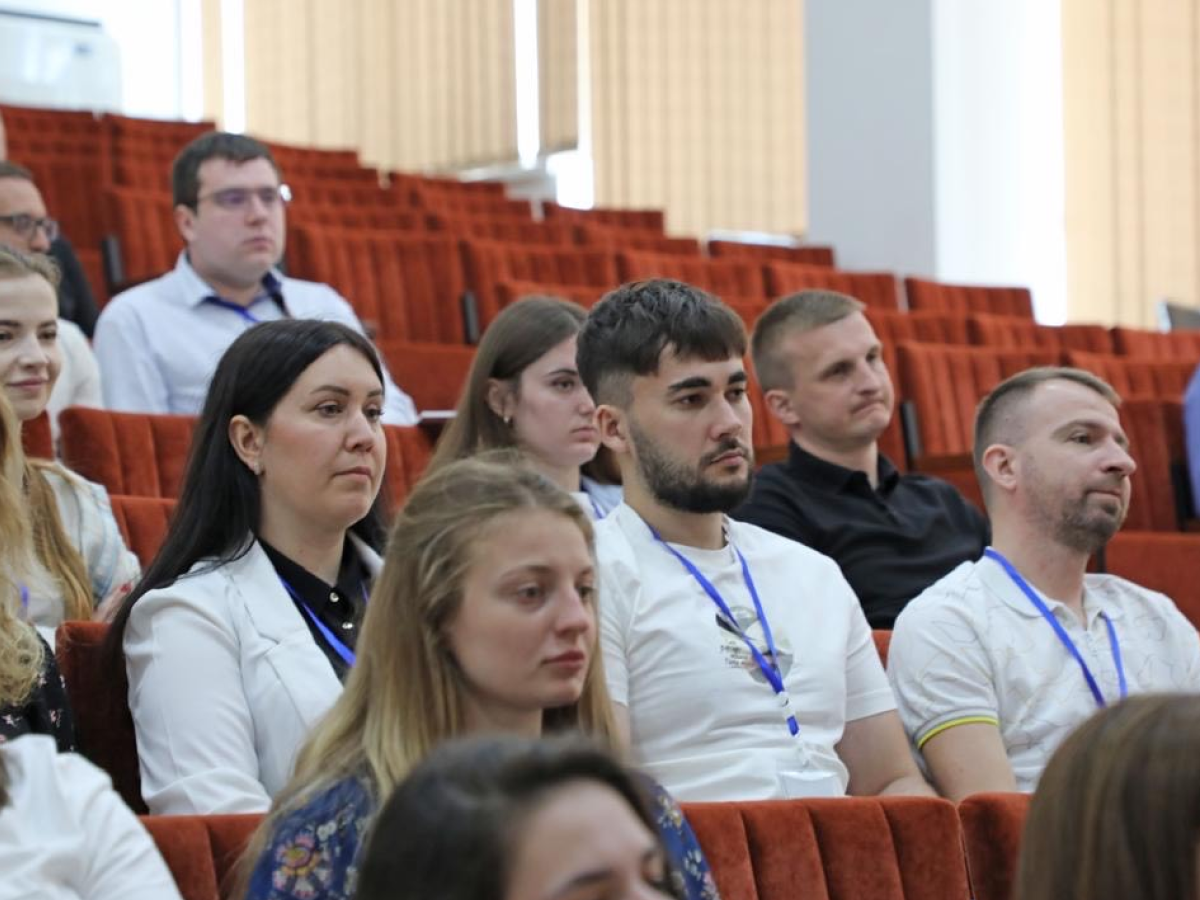
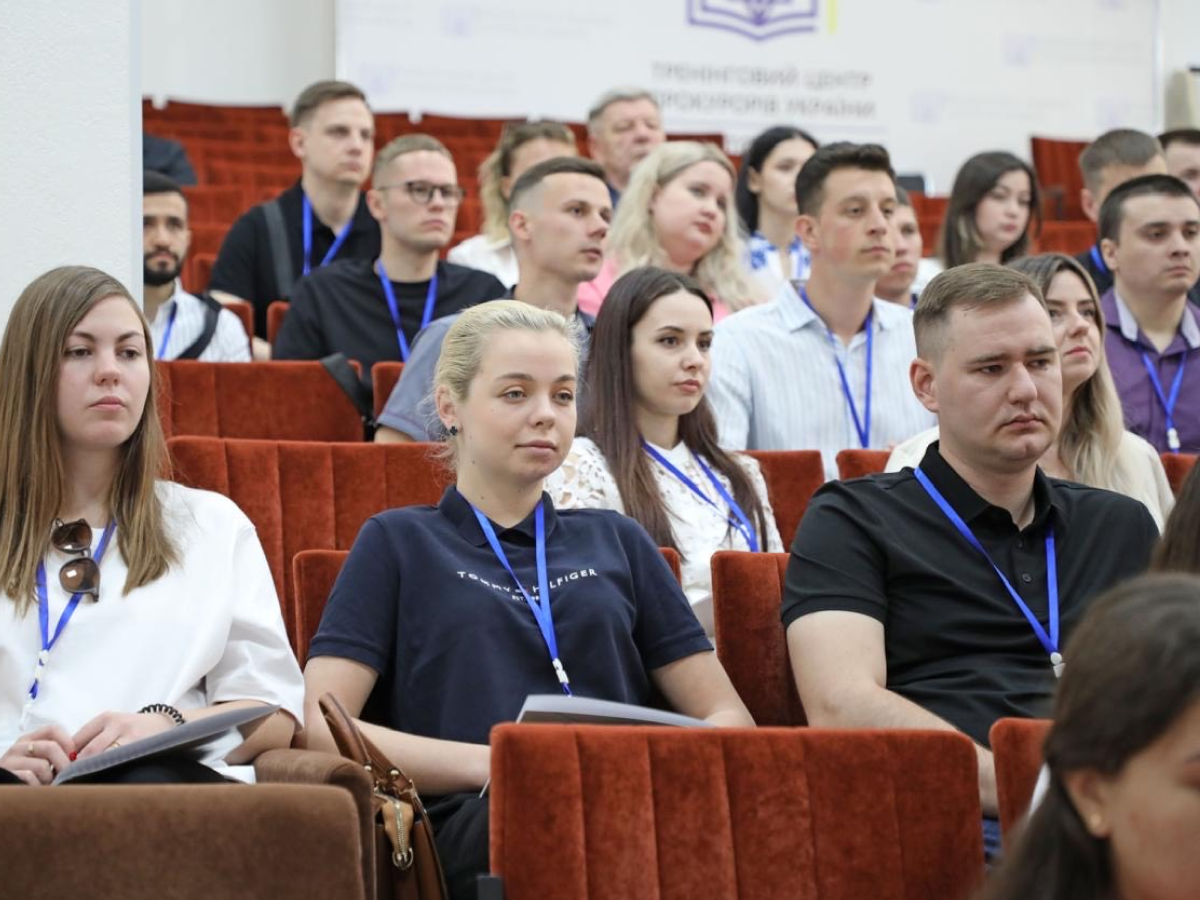
The ALI expert has been teaching this topic in various formats at the Training Centre for the third consecutive year. During the sessions, trainees explore general approaches to defining the professional ethics of legal practitioners, the relationship between moral and ethical categories and legal norms, and the concepts of “ethics”, “integrity”, and related issues. The training also focuses on current practices of the Qualification and Disciplinary Commission of Prosecutors and prospects for the development of prosecutorial self-governance in light of these lecture topics.
Background information
On June 4, 2025, by Decision No. 175 dk-25, the Qualification and Disciplinary Commission of Prosecutors approved the results of the competition for appointment as trainee prosecutors at the district prosecutor’s offices (the competition was held from July 2024).
On June 16, 55 trainee prosecutors began their preparation, which will last two months. This will be followed by an internship, and upon successful completion, prosecutors will be appointed to positions of the corresponding level.
On the Issue of Anti-Corruption Justice: ALI Joins the VIII Kyiv Polylogue
The discussion focused on challenges in the adjudication of criminal offences related to corruption, particularly regarding legislative support and enforcement practices, as well as addressing the abuse of procedural rights by parties to criminal proceedings.
One of the thematic discussions of the Kyiv Polylogue — dedicated to ensuring the right to a fair trial in criminal proceedings — was moderated by Yevhen Krapyvin, Head of the “Law and Order” Area at the Agency for Legislative Initiatives.
The need to counter the abuse of procedural rights has been widely acknowledged within the professional community for some time. Back in 2017, this legal concept was introduced into the Commercial Procedural Code of Ukraine, the Civil Procedural Code of Ukraine, and the Code of Administrative Procedure of Ukraine — yet it still remains absent in criminal proceedings. Of course, there are differing views on whether this should be considered a general principle of law or a sector-specific one; on which actions should be classified as abusive and which should not; and on what types of sanctions ought to be applied in response. However, all participants in the legal process agree on one fundamental point — such abuses do exist, and this kind of bad-faith behaviour must result in procedural, disciplinary, or even financial consequences.
At the same time, criminal proceedings are often plagued by practices such as so-called “scattergun” motions aimed at having cases heard by a “favourable” judge; unjustified absences of participants; repeated postponements due to constant changes of defence counsel, even when multiple lawyers are already engaged; motions submitted on issues not subject to review at that stage of proceedings; or simply filing motions with identical content. An ALI expert noted that these problems are especially apparent in cases before the High Anti-Corruption Court of Ukraine, where the defence side often has the most resources at its disposal. However, abuse of procedural rights is not solely a defence issue — it also concerns prosecutors.
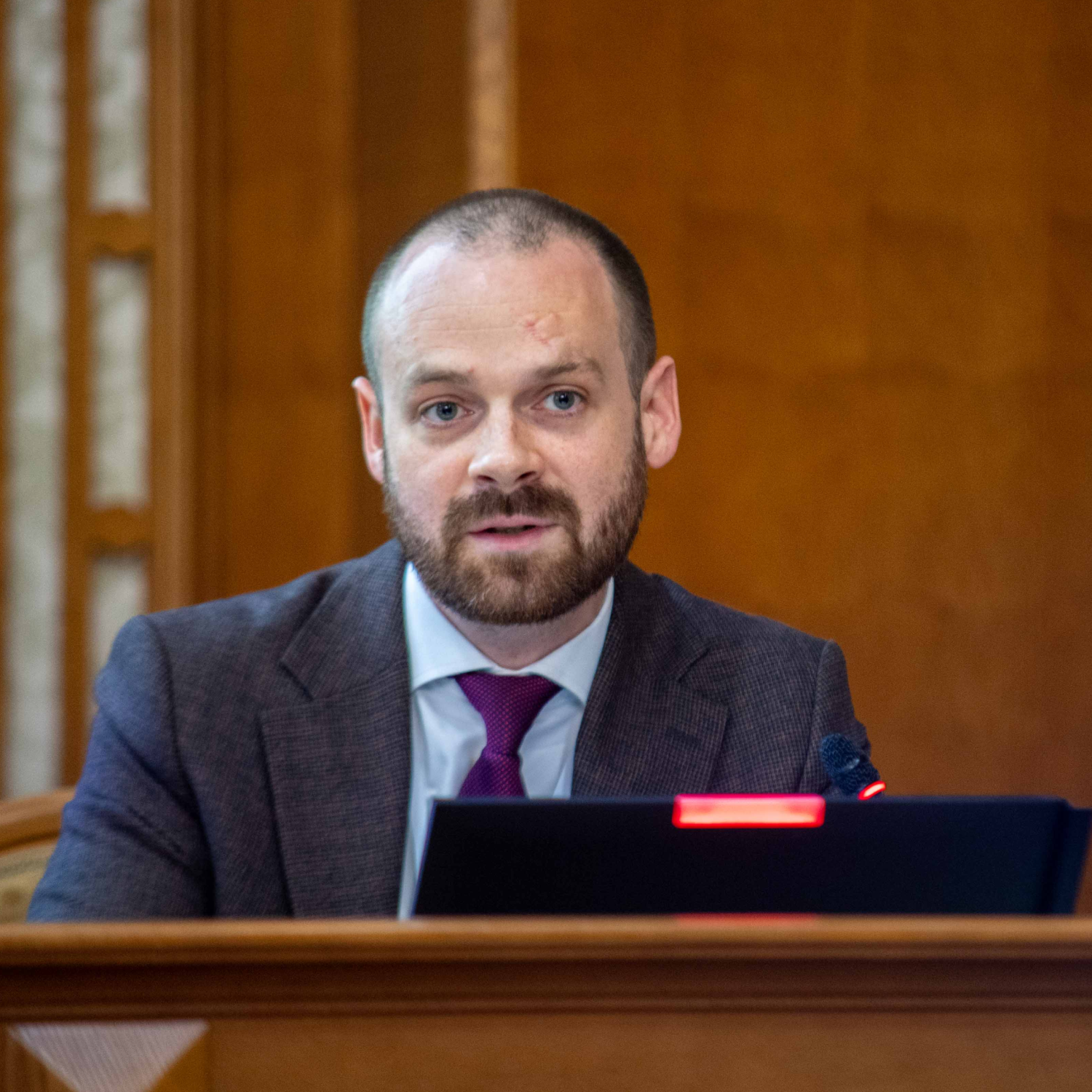
Yevhen Krapyvin emphasised that the format of the polylogue demonstrates support for such a step from various participants in the criminal justice process, as these discussions encompass the views of judges, prosecutors, representatives of the legislative branch, as well as the legal and academic communities. A consolidated position should serve as a catalyst for important decisions to be made by the Government and Parliament.
Human Rights Reforms: ALI Joins Human Rights Dialogue
The event focused on the need to improve human rights mechanisms in Ukraine, the impact of European Court of Human Rights (ECHR) rulings against Ukraine on the EU’s reform expectations, the government’s readiness to implement those rulings, and the role civil society can and must play in ensuring accountability in this process.
ALI contributed to the panel discussion titled “When Will Detentions Become European?” — a critical topic given that unlawful detention remains a serious issue in Ukraine. Over the past 18 months alone, the ECHR has ordered Ukraine to pay over €1.4 million in compensation for violations of Article 5 of the European Convention on Human Rights (ECHR) — the right to liberty and security.
Yevhen Krapyvin noted that in just the first quarter of this year, the ECHR issued 17 rulings under Article 5, accounting for a third of all rulings. Key, recurring violations include: deprivation of liberty without a court order; detention orders lacking specified time limits; court rulings authorising pre-trial detention without proper justification; delays in releasing individuals from custody after court decisions; delays in drawing up arrest protocols; detention without legal basis prior to judicial review, etc.
So, what’s the core problem? While the Criminal Procedure Code of Ukraine formally regulates the procedures for detention, application of preventive measures, and their extension, systemic issues persist in practice.
Separately, Yevhen noted the Custody Records system Custody Records systemA system of electronic recording of all actions taken with detained persons., which has been expanding significantly in recent years. However, it does not cover all the “grey zones” where investigative and operational units may attempt to extract information in an extralegal manner for further use. Such practices are often accompanied by isolation from legal assistance, failure to notify relatives, psychological pressure, and improper treatment. The system has been actively implemented in the National Police for over five years, yet there is still a lack of a comprehensive assessment of its effectiveness and overall impact on the problem. Therefore, conducting such an evaluation should be a priority for experts in this field — especially since this issue is increasingly raised in the context of European integration.
Undoubtedly, to achieve tangible progress in all aspects related to human rights, it is essential to comprehensively improve the mechanisms of the rule of law and law enforcement in Ukraine. Supporting and providing expert assistance to state institutions on this path is one of the core missions of the Agency, which is precisely why we have begun to engage more deeply with issues related to the prosecution service and public order.
Rule of Law in the EU Enlargement Process: Current Status and Challenges for Ukraine
The first panel discussion focused on the regulation of Ukraine’s integration into the European Union. It also addressed a recently proposed approach that would allow candidate countries to gradually participate in EU institutions, policies, and programmes even before obtaining full membership.
Vsevolod Chentsov, Representative of Ukraine to the European Union and the European Atomic Energy Community, commented on Ukraine’s European integration process:
Olha Stefanishyna, Deputy Prime Minister for European and Euro-Atlantic Integration of Ukraine — Minister of Justice of Ukraine, spoke about mutual strengthening and Ukraine’s readiness for the negotiation process:
Just last week, the Cabinet of Ministers of Ukraine reviewed and approved Reform Roadmaps in the areas of the rule of law, public administration reform, and the functioning of democratic institutions. Representatives of civil society were involved in developing these roadmaps – the Agency for Legislative Initiatives provided expert support in their preparation.
During the discussion panel “The Impact of the Rule of Law in Ukraine”, Karyna Aslanyan, Rule of Law Lead at the Agency for Legislative Initiatives, spoke about the progress and challenges faced by the judiciary on Ukraine’s path toward EU membership. In particular, she reminded the audience that in 2024, a coalition of civil society organisations led by ALI prepared the first Shadow Report under Chapter 23, “Judiciary and Fundamental Rights”. The coalition is now working on the second Shadow Report, which will cover both Chapter 23, “Judiciary and Fundamental Rights,” and Chapter 24 “, Justice, Freedom and Security.”
However, challenges in the area of the rule of law remain substantial: issues with quorum in the High Council of Justice and especially in the Constitutional Court of Ukraine, which has been non-operational since January; the Prosecutor General’s position remains vacant; there are ongoing problems with interference in the activities of judges and members of judicial governance bodies. The issue of uneven workload among judges remains relevant, as does the insufficient funding of the judiciary. Although there has been some positive momentum in the selection of judges for local courts (around 400 new judges were appointed last year), there is still a critical shortage of judges in appellate courts (particularly in criminal specialisation).
What could be the solutions to these problems?
This includes the strategic development of a new judicial map, the unification of procedures for selecting judges and members of judicial governance bodies, and the revision of the model for the functioning of the Public Integrity Council — including ensuring its proper funding and technical support — as well as the gradual reform of judicial education.
It also encompasses the digitalisation of judicial proceedings, including remote hearings in frontline regions, adequate funding for the judiciary, and the immediate appointment of judges to the Constitutional Court of Ukraine.
This panel discussion also featured the participation of Oleksii Omelian, Deputy Head of the HQCJ, and Vitalii Hatseliuk, a member of the HQCJ.
Oleksii Omelian spoke about the current situation and the challenges facing the Commission — namely, the shortage of judicial personnel, outdated material and technical infrastructure, and the consequences of the war. At the same time, he highlighted the ongoing work of the Commission: the completion of competitions for positions in local courts and the High Anti-Corruption Court, the renewal of the composition of the Public Integrity Council and the Public Council of International Experts. In addition, a competition for appellate courts is currently underway, a new competition for the Appeals Chamber of the High Anti-Corruption Court has been announced, and the largest judicial selection process in Ukraine’s history is in progress — the Commission has begun selecting candidates for 1,800 positions in local courts. Over 8,500 individuals have applied for these posts, and nearly 600 current judges have submitted applications for transfer.
Vitalii Hatseliuk emphasised that the HQCJ continues to focus on ensuring functional sustainability, building public trust by involving civil society in the selection processes, and coordinating with international partners. However, he noted that successful implementation of these efforts requires improvements in legislation, optimisation of the processing of personal data for candidates and judges, and an overall strengthening of the Commission’s institutional capacity.
He also stressed the importance of forming resilient institutions grounded in the rule of law.
Thus, it is crucial for Ukraine today to focus on all aspects that support and develop independent and effective judicial institutions — institutions capable not only of consolidating their achievements and results but also of responding to current challenges.