For additional information, contact Maria Hereles, Director of the Communications Department of the Agency of Legislative Initiatives, at mg@parliament.org.ua.
Lobbying in Law or Law on Lobbying: Ukrainian Realities
In simple words, lobbying is any influence exercised on representatives of the authorities to shape state policy in a certain field or defend the interests of certain groups.
It is important to understand that lobbying is a multi-million, if not multi-billion, business. Pharmaceutical companies, electronics manufacturers, and owners of mining companies spend hundreds of thousands of dollars annually on the services of lobbyists because their future income depends on them.
The phenomenon of lobbying: international experience and failed attempts of Ukrainian lawmakers
In international practice, lobbying for the interests of individual groups is a fairly common phenomenon. Several recommendations and resolutions of the Council of Europe and the Organisation for Economic Cooperation and Development (OECD) cover the main international guidelines in the field of lobbying and everything related thereto. Individual states have their own legislative regulation functions at the state level.
The United States is the most striking example of the application of lobbying capabilities in its fullness. Hence, it is not surprising that numerous nations that are presently attempting to legalise lobbying are following in American footsteps. Hence, most countries of the European Union have rules and norms on lobbying in place today. Hence, six countries enacted distinct laws governing lobbying activities (Ireland, France, Austria, Lithuania, Poland, and Slovenia), and nine implemented self-regulation of lobbyists, which is exemplified by a lenient control mechanism (Germany, Italy, Spain, the Netherlands, Finland, Czech Republic, Croatia, Latvia, and Romania).
Photo: flickr / Daniel Huizinga
As a general rule, the common characteristics of lobbying in these countries include the registration of individuals wishing to provide lobbying services in accordance with a predetermined procedure, the availability of a public lobbyist registry, the reporting of lobbyists on their activities to authorities and the public; the imposition of certain restrictions during the performance of such activities; the obligation to adhere to established rules of conduct, etc.
Lobbying in Ukrainian realities can be compared to “Schrödinger’s cat”: you can see what’s inside only after opening the box. Because lobbying in Ukraine is not enshrined at the legislative level, one might think that it does not exist in politics, but this isn’t the case. Lobbying is used in many ways. To a certain extent, this latency fits all, as there are no predetermined rules of the game, and thus, one may exercise their discretion, frequently opting for unethical methods to attain the desired outcome.
For more than 20 years, Ukrainian authorities have been trying to normalise public relations in the field of lobbying. There were numerous attempts to develop and adopt the required regulatory acts. In 2009, the Concept of the draft Law of Ukraine “On the Influence of the Public on the Adoption of Regulatory Acts” was approved, and the Law of Ukraine “On the Principles of State Anti-Corruption Policy in Ukraine (the Anti-Corruption Strategy) for 2014–2017” was adopted. This Law provided, among other things, the adoption of legislation on the legal framework of lobbying. Yet, there is no legislative framework even now.
Another attempt of Ukrainian lobbying to become legal
The attention of government officials, experts, and the public is currently focused on two draft laws, whose authors aim to finally elevate lobbying from formal relations to a legitimate state. The first is the draft law by MPs Y. Tymoshenko and S. Vlasenko, “On State Registration of Lobbying Entities and Lobbying in Ukraine” (register No. 3059 of 11 February 2020). The second draft law is called “On Honest Lobbying in Ukraine.” It was developed by the National Agency for Corruption Prevention to implement the Anti-Corruption Strategy until 2025 and the State Anti-Corruption Programme for 2023–2025.
The Agency for Legislative Initiatives team attempted to study both draft laws from the perspective of international experience and their compliance with the Council of Europe and the OECD regulations. It is important to start with what the draft laws have in common and which norms consider international standards. Draft law No. 3059 and draft law of the NACP both define the fundamental principles of the lobbying process, establish a public register of lobbyists in Ukraine, specify minimum requirements for the information to be contained, and mandate lobbyists’ obligation to report on their activities.
The draft laws often adhere to at least a portion of the principles outlined in the Council of Europe Recommendations regarding the avoidance of conflicts of interest and the introduction of ethical guidelines for lobbyists. However, the proposed norms raise certain concerns. For instance, in the future, NACP proposes to approve the Code of Ethics for lobbying participants through its own legislation, thereby establishing a set of ethical guidelines that will become mandatory for all lobbying participants. It is hard to express a complete consensus on such a proposal, given that, under international practice, a code of conduct (code of ethics) is an internal document of a specific professional association, including lobbyists, who have committed to adhering to certain guidelines in their activities. In this particular instance, the NACP will serve as an external regulator with regard to participants in the lobbying process. As a result, there may be a potential for bias towards the conduct guidelines imposed on them, even if preliminary consultations have been conducted. Instead, draft law No. 3059 only briefly mentions restrictions in the context of conflicts of interest, stating that a lobbying entity cannot give gifts or arrange trips for people covered by the law.
Furthermore, regrettably, the draft law content failed to distinguish between lobbying and public advocacy, thereby neglecting the crucial principle of the Council of Europe Recommendations on the involvement of civil society in political life. These recommendations stipulate that the legal regulation of lobbying activities should not violate the democratic right of citizens to express their opinions, petition public officials, bodies and institutions, conduct campaigns for political changes, and amendments to legislation. It is clear that there are certain concerns that ordinary citizens or public organisations will not be able to exert influence on MPs and government officials to effect beneficial changes in public life.
So, both draft laws need to be improved, and the ideas and comments of stakeholders should be taken into account. This can make it more likely that some draft law will be adopted. It is worth mentioning that draft law No. 3059 of late March 2021, despite undergoing some revisions, failed to make it to the agenda of the Verkhovna Rada of Ukraine. At the same time, based on the information in the Information System for Monitoring the Implementation of the State Anti-Corruption Policy, the NACP’s draft law has not been forwarded to the Government for consideration yet. So, we will see the fate of these draft laws later. Perhaps in the near future, we may witness the emergence of a new draft law or even several of them.
In any case, Ukrainian society needs a law on lobbying that is balanced and effective and considers the best international experience and the views of stakeholders. This legislation ought to serve as a catalyst for positive transformations, a means to prevent corruption, and not merely as another manifestation of populism of the power entities.
The text has been prepared as part of the “Civil Society for Ukraine’s Post-Ware Recovery and EU-Readiness” Project, which is implemented with financial support from the EU.
Information brief available only in Ukrainian
An Educational Event for Representatives of the Parliament and the Government
On September 15, 2023, the Agency for Legislative Initiatives (ALI) held a training event for parliament and government representatives to discuss problematic issues arising while developing and processing draft laws. This event is prepared within the framework of the “Civil Society for Ukraine’s Post-War Reconstruction and EU Readiness” project financed by the European Union.
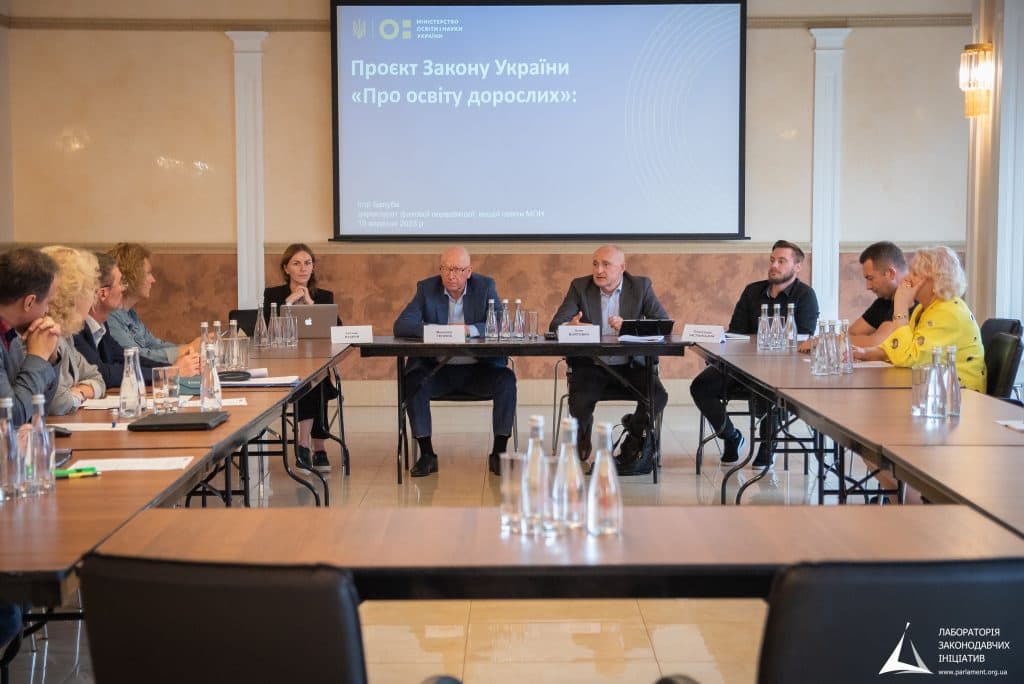
Context. The legislative process is a living organism that constantly needs improvement. A legislative impact assessment is one of the tools for this which can be used right now. This practice is rightfully considered an effective tool for improving draft laws, particularly during expert-analytical review.
During the event, the participants discussed existing gaps and challenges in the process of developing draft laws and ways to solve these problems.
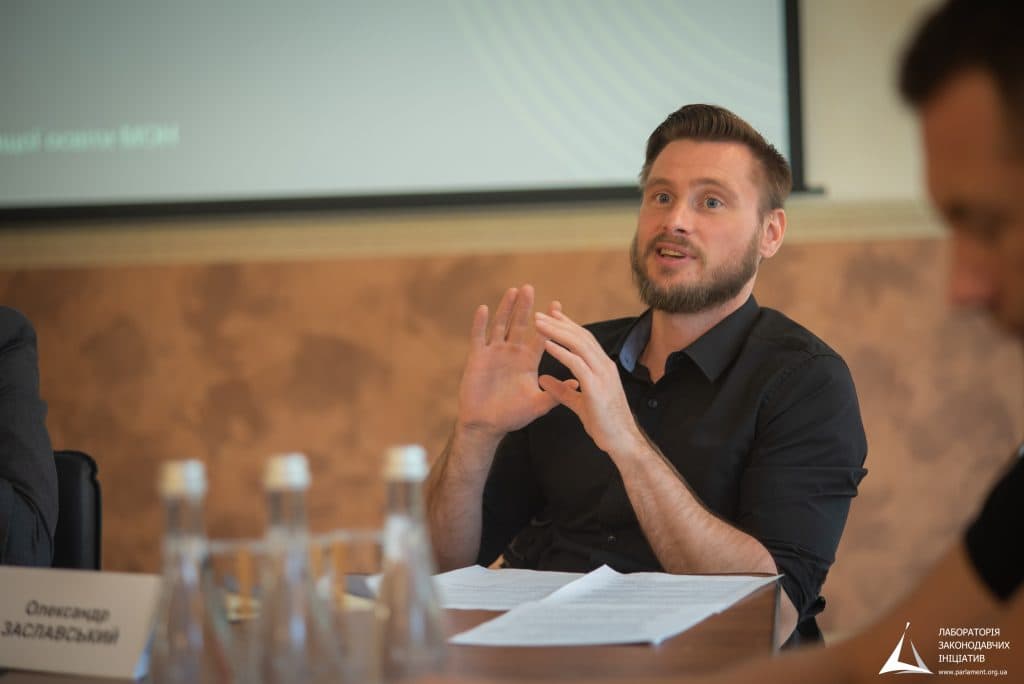
Oleksandr Zaslavskyy, director of the analytical direction of the Agency for Legislative Initiatives, moderated the discussion. He spoke about the advantages of the legislative impact assessment methodology:
“For the past several years, the Agency for Legislative Initiatives has been promoting the idea of legislative impact assessment in Ukraine. We even developed a step-by-step guide. Today’s informal discussion is organised to identify gaps in the legislative work better, how they can be corrected and how to properly use the impact assessment tool of draft laws”

Tetiana Lukeria, the author of the Manual on the preparation of legislative impact assessments, spoke about the international experience of using this tool and the nuances that must be considered when adapting the tool to Ukrainian needs:
“Legislative impact assessment is an effective tool that has long been used in many countries around the world. The purpose of this assessment is to determine what consequences the draft law will have even at the stage of its preparation. We cannot simply copy international experience, but we can adapt it to the needs of the Ukrainian context”
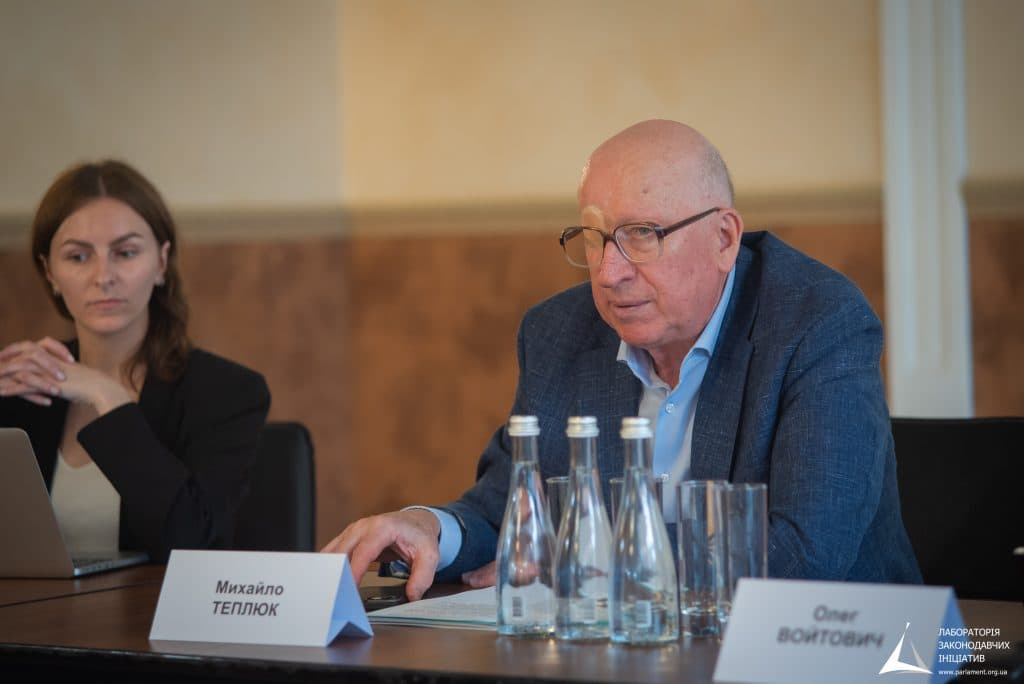
Mykhailo Teplyuk, Deputy Head of the Apparatus of the Verkhovna Rada of Ukraine – head of the Main Legal Department of the VRU, emphasized the need to rethink the approach to evaluating the effectiveness of draft laws:
“The issue of the number of adopted laws and resolutions has long been a priority from the point of view of evaluating the effectiveness of the legislative activity of the parliament. However, the adoption of laws is not an end in itself. The main goal is to regulate relations between citizens, the public sector and public structures”
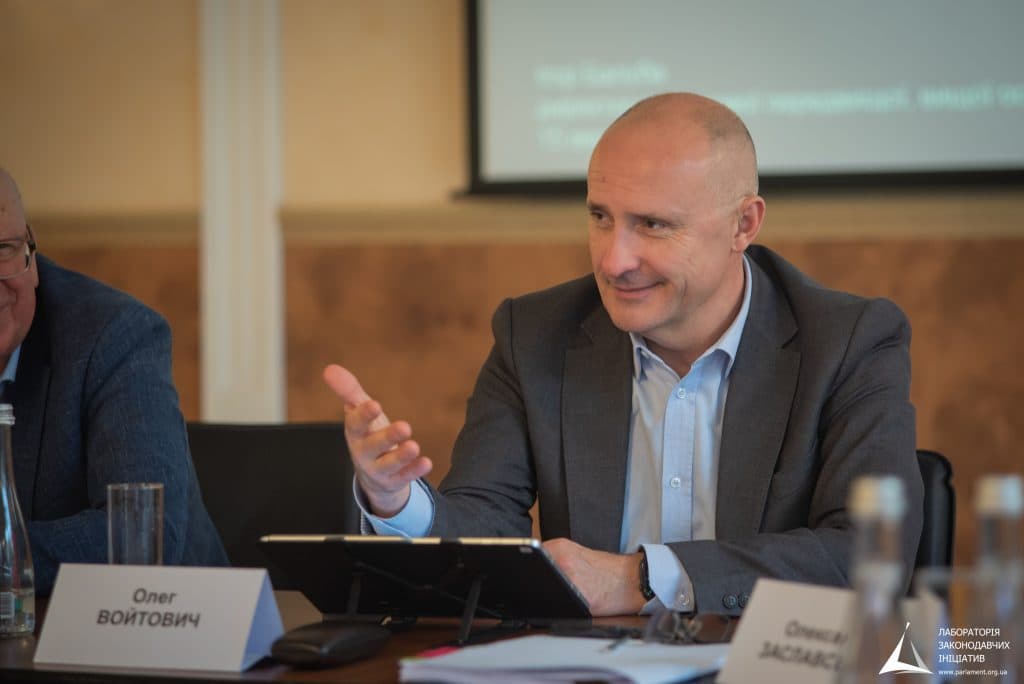
Oleh Voitovych, Deputy State Secretary of the Cabinet of Ministers of Ukraine, noted that the development of quality laws requires the cooperation of the parliament and the government:
“This meeting, organised with the help of the Agency for Legislative Initiatives, is one of the bricks that should improve the cooperation between the parliament and the government. A comprehensive approach in our cooperation will help construct an algorithm for preparing high-quality draft laws”
The Rule of the People on the Ground During Martial Law
The decentralisation reform and the transfer of resources and powers to the local level therewith increased the number of participation tools for residents of communities. The communities have more opportunities for the changes that the residents of the community themselves can initiate – participation budgets, electronic petitions, consultations in the development of draft decisions, public control, and other options to ensure transparency of local processes. These tools have been legislated. But how can the community get involved in addressing local problems? And do war conditions allow doing so?
Russia’s full-scale invasion into Ukraine and the introduction of martial law create some restrictions for citizens – in the context of both forms of public participation and access to public information. This is primarily due to security issues, as the enemy tries to use all possible information (including public one) as weapons against us.
Among other things, during martial law, local self-government bodies or their ‘substitutes’ (i.e., military-civil and military administrations) may refrain from publishing draft decisions. The work of local MPs’ committees and local councils is not announced in advance and can take place behind closed doors. Public electronic registers (especially those for land plots, planning documentation) may be closed to citizens. In addition, some communities have temporarily ceased to hold calls for public budget proposals or delayed participation budget projects (this is regulated by a Cabinet of Ministers of Ukraine’s Resolution, which legitimises free disposal/transfer of local funds for the purpose of counteracting Russian aggression. In fact, budgetary funds that were appropriated for the implementation of local initiatives are reallocated to address military needs). This is due to the peculiarities of the budget process under martial law and limited financial resources.
All of this changes the relations of local self-government bodies and the community, established by the decentralisation reform, and, accordingly, narrows the ability of citizens to influence local authorities. Yet it should be remembered that all the above restrictions are temporary, and citizens are not deprived of the rights to participate in the life of their community. Today, there is no legislative act forbidding that completely.
How are the forms of participation of community residents regulated?
The Ukrainian legal framework does not have a single law regulating the procedures of all forms of public participation. The main forms of local participation of citizens are defined in charters, provisions on communities and the following laws:
- Law of Ukraine on Local Self-Government in Ukraine;
- Law of Ukraine on the Bodies of Self-Organisation of the Population;
- Law of Ukraine on Citizens’ Appeals;
- Law of Ukraine on the Status of Members of Local Councils.
So, the participation of citizens is not limited only by the elections of the head of the community and their deputies, which, by the way, may not be run during martial law (at least as yet). Citizens are also guaranteed the rights to access freely information about local authorities, attend local government meetings, submit electronic petitions, hold public hearings, etc. Which may be used under martial law, and which ones are to be put off – we tell you further.
Local referendum
Local referendum (Article 7) is a form of direct expression of will of community residents. Any issues may be addressed at a local referendum, except for those prohibited by the Constitution (taxes, budget and amnesty) and those belonging to the powers of state, rather than local authorities. For example, a local referendum in the community may address the issue of liquidation or reorganisation of communal educational institutions, approval of the charter of the community or changes thereto, a community development programme, early termination of powers of the head of the community, etc.
Local referendum decisions are binding. But organising and holding it is not easy. This requires an initiative group of citizens, collecting signatures among voters, financial resources for its organisation.
However, nowadays, a referendum may not take place for two reasons. First, there is martial law in Ukraine, which prohibits elections including referendums. Second, the vehicle of local referendum has been mentioned in the national legislation in a piece-meal way across several legislative acts, since in 2012 the fundamental Law on All-Ukrainian and Local Referendums lost its effect. As a result, a legal vacuum developed with regard to the procedural aspects of this form of participation. The Law of Ukraine on Local Self-Government mentions that the procedure for setting and holding a local referendum and the list of issues that may be addressed at it are to be determined by a law on referendums. However, this law is not in place today. Draft law No. 5512 On Local Referendum has been with the Verkhovna Rada since its registration back in 2021 but is yet to be approved.
General meeting of citizens
General meeting of citizens (Article 8) provides for the direct participation of citizens in addressing local issues. For example, this may be a meeting of the inhabitants of the section in a block of flats, street or neighbourhood to discuss the problems of their area, file proposals to local self-government bodies, discuss the council’s draft decisions. At the meeting, citizens may require reports from local self-government bodies and actions to address pressing issues (such as the state of the environment, social services provision to various populations of the community, urban development, etc.). The procedure for holding a general meeting of citizens is determined by the charter of a specific territorial community. Any community resident may initiate a general meeting where there is a need to address an issue or set up house committees (e.g., homeowners associations). If a community resident initiates that meeting, then the notice along with the agenda is sent to the local council, published on the official website and shared in the media.
During martial law, this instrument of participation formally works. The only thing is that there can be difficulties in organising meetings, especially in communities where lots of residents have left for safer regions. The decisions of the general meeting of citizens shall be considered by local self-government bodies. If local authorities decide not to accommodate the decision of the general meeting, they should provide a reasoned response together with a refusal to make the requested decision.
Local initiatives
Local initiatives (Article 9) are the right of members of a territorial community to initiate the council’s consideration of any issue related to local self-government. These can be issues on land relations, social, administrative, educational, healthcare services, etc. For example, initiatives on establishing a municipal centre for rehabilitation of veterans, preventing the build-up of the city, planting trees along the street, developing transport infrastructure, repairing an educational institution, etc. Local initiatives may also relate to the council’s committees – for example, proposals can be made to change the members of a committee or exclude a certain local MP where residents of the community do not trust them. In fact, through local initiatives, community residents can draft decisions – just the way MPs do that – and they must be considered at the council’s session.
During martial law, this participation tool is accessible to community residents, even in a situation where a council meeting is held behind closed doors. The issue of the initiative group is included into the agenda of the meeting in advance, the day of the meeting is then communicated, and it must be discussed by all members of the council with the participation of that group.
Public hearings
Public hearings (Article 13) are the right of a territorial community to hold meetings with the members of the council or officials. This is a kind of public meeting to exchange opinions where citizens can have their say on pressing issues, and representatives of LSGBs can hear the needs of community residents.
For example, before decision-making on building a waste processing plant, the LSGB may organise public hearings to get feedback from the residents. Thus, public hearings are not just a tool to inform the community residents about relevant issues, but it is also meant to involve citizens into solving local problems.
Public hearings are held at least once a year, although in practice, this legislative requirement is not always complied with. All proposals made as a result of public hearings must be considered by local self-government bodies.
During martial law, it can be challenging to organise and hold public hearings. First and foremost, this is because today LSGBs’ representatives address urgent issues related to military needs, IDPs and humanitarian aid. Otherwise, public hearings are held informally or online. Communities use online platforms, such as e-Dem, Google Forms, Diia chatbot. For example, these participation formats were used for renaming the streets in Kalush and Chervonohrad communities.
Consultative surveys of citizens
Consultative surveys of citizens (Article 43) are a form of participation that is used to identify the opinion of residents on the needs and problems of a community. At their plenary sessions, district and regional councils make decisions following the proposal of territorial communities to conduct such a survey. The findings of this survey are taken into account in making respective decisions. For the most part, such a survey involves unambiguous answers – “yes” or “no” – and refers to some specific problems. A consultative survey of citizens is flexible, as it can be conducted for a given house, residential quarter, street – everything depends on the decision of local authorities. This survey takes little time, and its participants have to answer the questions once. There are no restrictions as to the systematic nature of such surveys – they can occur depending on the emergence of requests, e.g., when there are discussions on a particular draft decision of the council on urban development, landscaping, local infrastructure, environmental safety, etc.
Population self-organisation bodies
Population self-organisation bodies (Article 14) are established to address certain issues of local importance. These bodies can be endowed with their own finances, property, powers, and they are established at the initiative of residents of a building, residential quarter, street, neighbourhood.
Notionally, residents of an inhabited locality can directly influence the decisions of the council and monitor their implementation. It is, in fact, a tool of direct democracy. There are many examples of issues that can be resolved through self-organisation of the population. For instance, a residential complex is planned to be built, but its construction was not agreed with local residents who live in the area. In this case, residents can self-organise and establish committees that would prevent illegal construction. Another example is a broken and bumpy road in the area, and a member of the local council does not respond to the problem. Here, too, the establishment of street-based committees facilitates raising the profile of the issue in the media and to the level of LSGBs.
There are other cases where self-organisation bodies can be established. For example, when there is an active part of inhabitants in a neglected residential quarter of the community, they can unite to systematically promote their ideas.
Uniting into population self-organisation bodies has a double advantage – its activity can enhance the work of members of a district council, and it can be resistance where a local MP abuses their powers and spends budget resources on their own needs. The district to which the member of the local council is assigned usually goes beyond a street, house or residential quarter. Therefore, oftentimes the MP may lack resources or time to lobby for a decision in favour of the community or even explore the problem in greater detail. Accordingly, in this case, residential quarter or street-based committees will be effective, and they, in fact, play the role of local MPs by offering solutions to problems. The only thing, of course, is that initiators from population self-organisation bodies may not vote on these decisions in the council.
Creating a population self-organisation body can be particularly effective in the process of recovery of territories, as their activities relate to different areas. Considering that the population self-organisation body, together with local MPs, represents residents of a street, building, residential quarter, etc., their initiative can minimise the risks of abuse and corruption. Another advantage of the functioning of such a body in the process of recovery of territories is the ability to raise funding since the population self-organisation body is funded not only by local budgets but also by voluntary contributions of individuals and other revenues that are not prohibited by law.
Other forms
Appeals of citizens – proposals, statements, and complaints, presented in writing or verbally, and electronic petitions. Appeals may relate to any issue that is of concern for the residents of the community or needs to be immediately resolved. During martial law, this form of participation is widespread as the number of individuals in need of advice on social services, housing recovery, etc. has increased significantly. In some regions, special advisory assistance centres have been established (for example, the City Support Centre for Internally Displaced People is operating in Lviv). Another form of public participation – voters’ instructions to their member of the local council – is specified in the Law on the Status of Members of Local Councils. Voters can make submissions to their local council members at a meeting, in the course of their reports or meetings with them. These instructions can relate to any issues and needs of a constituency or community as a whole (for example, repair of a road, rehabilitation of an educational institution, etc.). Such an instruction must be endorsed by a majority of those present at a meeting (by voting). The local MP must convey the content of the instruction to the local council, and a decision on its implementation is made in line with available resources. This tool allows combining the efforts of the entire community to fulfil the instruction, since participation in the implementation can be taken by both constituency voters and the LSGB.
In lieu of the conclusion
National legislation, martial law and restrictions associated with it do not ban full participation of citizens in local self-government. Moreover, as of today, the Verkhovna Rada has adopted in the first reading the draft Law on Amendments to the Law on Local Self-Government in Ukraine and Other Legislative Acts of Ukraine on Democracy at the Level of Local Self-Government, which improves the procedure for organising the forms of participation. Therefore, even in today’s environment, it is important for local self-government bodies not to reject using community involvement tools that are formally approved in their charters or provisions. Depending on the level of security in, and capabilities of, each region, flexible forms of participation can be used – electronic public consultations, remote conferences, surveys of residents and more. Such participation mechanisms are not only accessible but will also improve the quality of decisions and align them with the needs of different social categories, because the number of IDPs has increased across the regions, as businesses have relocated, the need has arisen to redistribute budgets, attract additional resources, etc. This requires enhanced interaction with the community.
This material was prepared with the financial support of Sweden.
Social Audit: What Is It?
One of the functions of the public is to ensure that the government’s actions are in line with its statements. If the state program provides for the construction of a road, the public should control whether such construction takes place and whether it meets the quality standard. If the state declares in law that administrative services are provided following a certain standard, then the public should check whether this is the case.
This type of activity is probably familiar to every public activist. But it often happens that the result of such control is, at best, the dissemination of information in the media, but there is no real change. This can be due to many reasons, but if you take the general political processes in brackets, the lack of communication with the authorities and the desire to find the culprits play not the least role. On one side of the barricades remains the community, and on the other – the government. The main characters are in the same boat.

Social audit appears here
Social audit can solve this problem. Social auditing differs from ordinary public scrutiny or journalistic activity by having a transparent methodology that ensures:
- involvement of authorities in auditing,
- participation of the general public in the audit,
- conducting advocacy and awareness-raising campaigns,
- use of research methods to service valuation and public policy.
What is social audit?
One of the instruments to capture several goals – increased participation, strengthening of local civil society, and oversight – is social audit. Social audit focuses on strengthening the voice and capacity of citizens to directly demand greater accountability from public officials and service providers. Social audit is an accountability mechanism where citizens organize and mobilize to evaluate the government’s or local authorities’ performance and policy decisions. It is unique in the sense that it not only provides means for monitoring and evaluation and thus contributing to combatting corruption and better governance; it also provides a platform for active citizens to self-organize and participate in the process, making their voices heard. The proposed initiative complements social audit tools with other educational and participatory instruments such as School of Community Leaders and Town Hall Meetings.
The main purpose of social audit is to improve governance, strengthen democracy, improve policy monitoring, assess the consequences of a particular policy, and verify the use of public resources.
Social audit cannot be seen as the goal of blame-seeking. It is a matter of combining the efforts of the public and the authorities in matters of control. The fact is that the policy cycle always focuses on the evaluation of policy implementation. Such an analysis should take place within the public body responsible for a particular policy. However, in the Ukrainian reality, the assessment is carried out formally or not carried out at all. And this is where social audit organized by the community can become an essential tool for interaction between the government and the public. The main thing is to explain to government agencies that they benefit from such an audit (this can be the hardest and longest part of your audit!).
Methodology of social audit
Methodology of social audit is based on a combination of a set of research methods to study the views of stakeholders (e.g., service recipients) with non-research methods of accountability. The correct use of research methods ensures the legitimacy of social audit results. It, therefore, requires the involvement of relevant experts in the development of the methodology of a specific audit. On the other hand, the development of an alliance with the authorities is one of the main conditions for the effectiveness of social audit, as it ensures sufficient representation of the interests and mobilization of the specific community.
It is important to note that social auditing can complement government reporting or financial auditing. While other types of audits are mostly documented, social audit is carried out through real activity inspection. That is why social auditing can complement other types of audits and evaluations by exposing a non-lit issue in other formats.
Social auditing is a flexible tool that can be adapted to the specific situation of a particular community. There are many specific methods. So we’re going to talk about three main methods: сitizen report card, Community scorecard, and actual inspections. But more on that later.
The development of the methodology of social auditing was carried out within the framework of the LOCUS: Leaders of Communities in Ukrainian South project with the support of the MATRA Programme of the Kingdom of the Netherlands.
A Monitoring Study on the Implementation of the National Strategy for Civil Society Development in Ukraine (2016–2020)
A monitoring study on the implementation of the National Strategy for Civil Society Development in Ukraine (2016-2020) was carried by the Agency for Legislative Initiatives out upon the request of the Secretariat of the Cabinet of Ministers of Ukraine as part of the implementation of the Council of Europe project “Promoting civil participation in democratic decision-making in Ukraine”.
The study aimed at assessment of the progress and achievements in implementing the Strategy and at the examination of the work and the results of the executive authorities and the Coordinating Boards in the implementation of the Strategy.
Within this study, analysis of the main documents of the Strategy and related regulations was made.
Also, monitoring group conducted interviews with persons involved in implementation of the trategy and experts.
Town Hall Meeting “Implementation of the Law of Ukraine “On Legal Aid”
The event was organized by the Agency for Legislative Initiatives within the project “Ensuring Access to Justice in Ukraine: Ethical Standards and Institutional Aspects” with the support of the Law Enforcement Section of the US Embassy in Ukraine. The project aims directly at the comprehensive provision of the rule of law principle in Ukraine by strengthening the institutional capacity of the advocate’s self-government and strengthening the place of ethical norms and standards in the work of lawyers for the better protection of human and citizen rights.
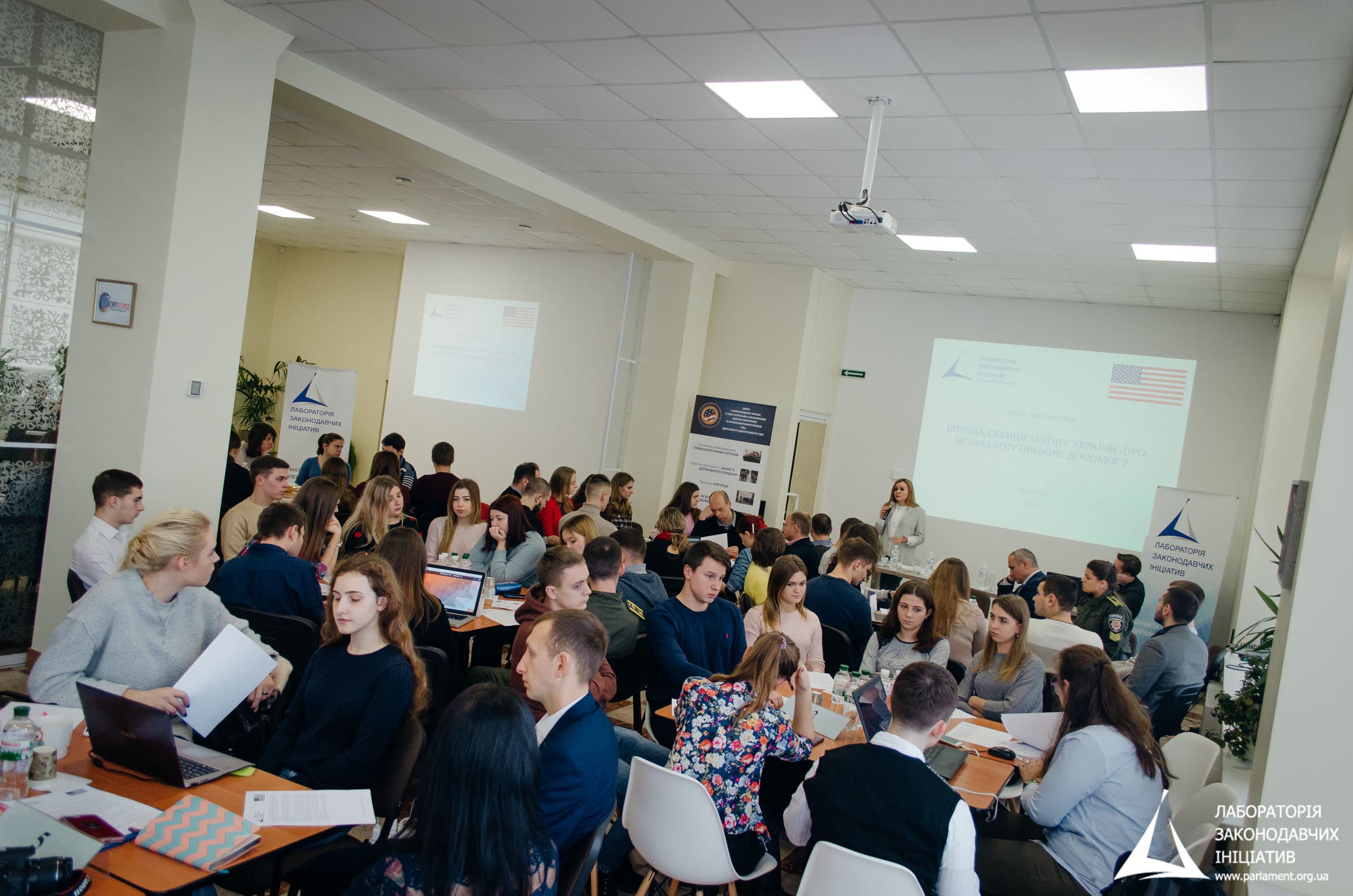
The urgency and necessity of the event for Chernihiv residents was confirmed by a large number of participants, more than 70, who expressed their desire to participate in the discussion of a number of problems of provision of legal aid. Among the participants were: lawyers, human rights activists, public activists, representatives of the Novozavodsk District Court, Chernihiv Appeal Court, Chernihiv Regional Council, Chernihiv Regional State Administration, Main Directorate of the National Police in Chernihiv Oblast, Desnianska District Council in Chernihiv city, legal advisers of Chernihiv City Council, students and lecturers of Chernihiv National Technical University, cadets of the Academy of the State Penitentiary Service, as well as ordinary citizens, who are not indifferent to the state of the legal aid system in Ukraine.
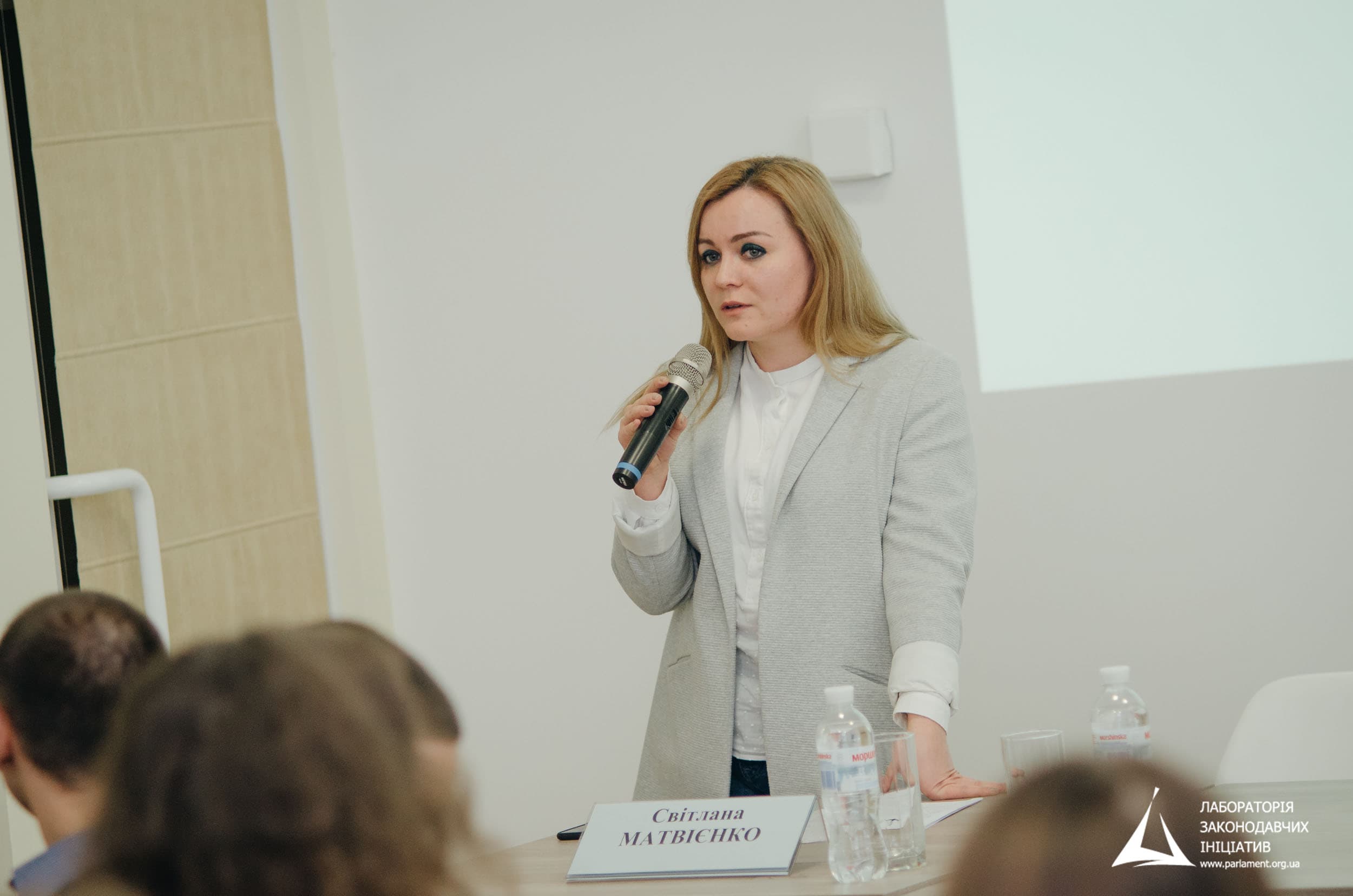
During her introductory speech Svitlana MATVIIENKO, Chairwoman of the Board of the Agency for Legislative Initiatives, stressed the need to bring up the discussion of providing legal aid to a new level in order to develop effective and efficient mechanisms for the provision of this type of service.
“Legal aid provides access to legal protection for a society, since the right to professional legal assistance, including free of charge, is guaranteed by article 59 of the Constitution of Ukraine, and provided by a number of conventions and international documents, which are part of the international system of ensuring human rights. Sometimes, legal aid is the only opportunity for insecure groups of people to get legal protection and representation of their interests in court or during communication with other state bodies”
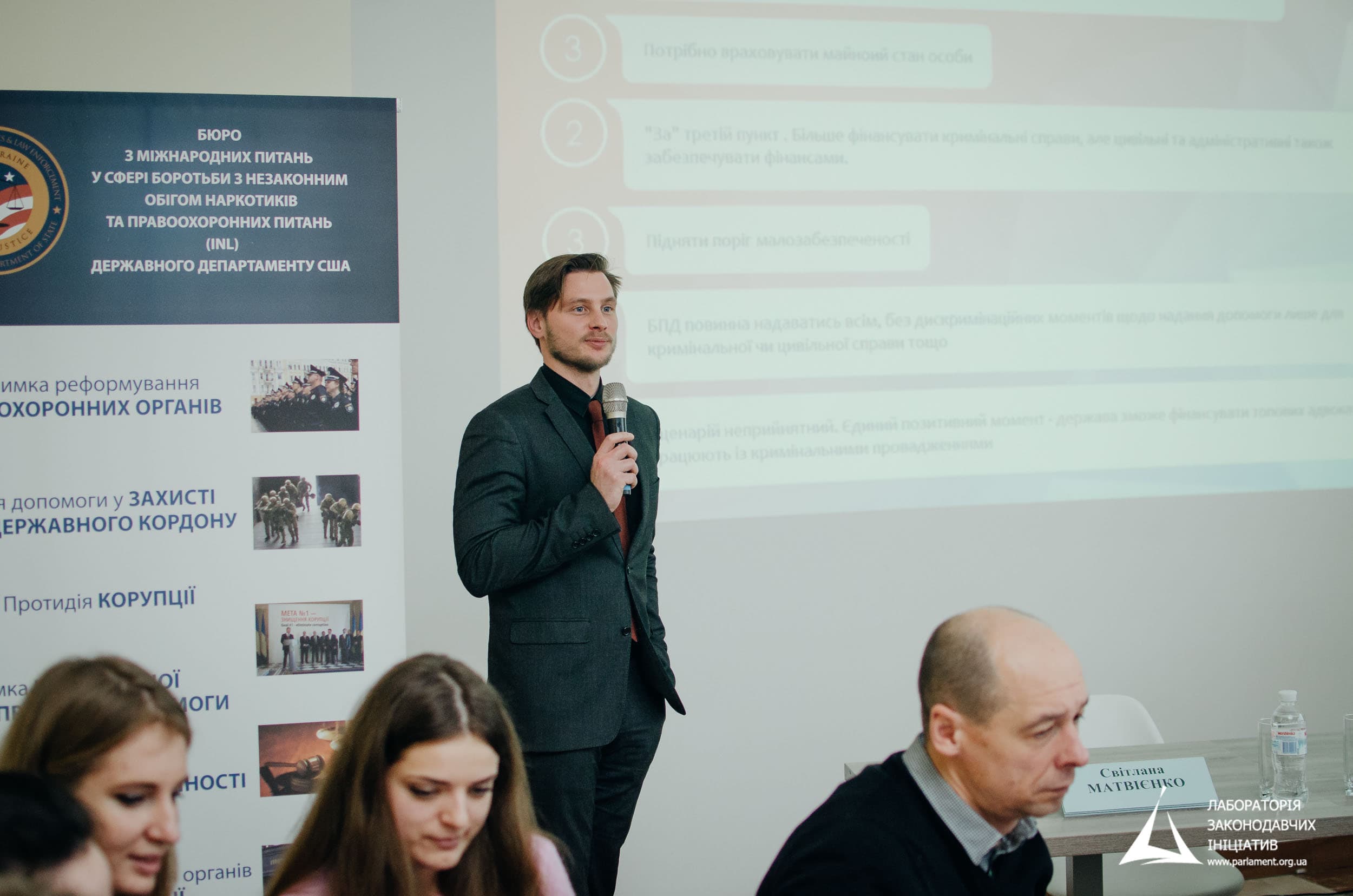
Oleksandr ZASLAVSKYI, Deputy Chairman of the Board of the Agency for Legislative Initiatives, introduced to the participants the Town Hall Meeting (THM) format, and also emphasized the importance of such formats in decision-making both at the national and local levels:
“The THM format is primarily intended for public participation in decision making at the local level. In particular, it is great for finding out the community’s priorities when forming a local budget. However, this format can also be used to discuss options for solving more complex problems, and even draft legislation”
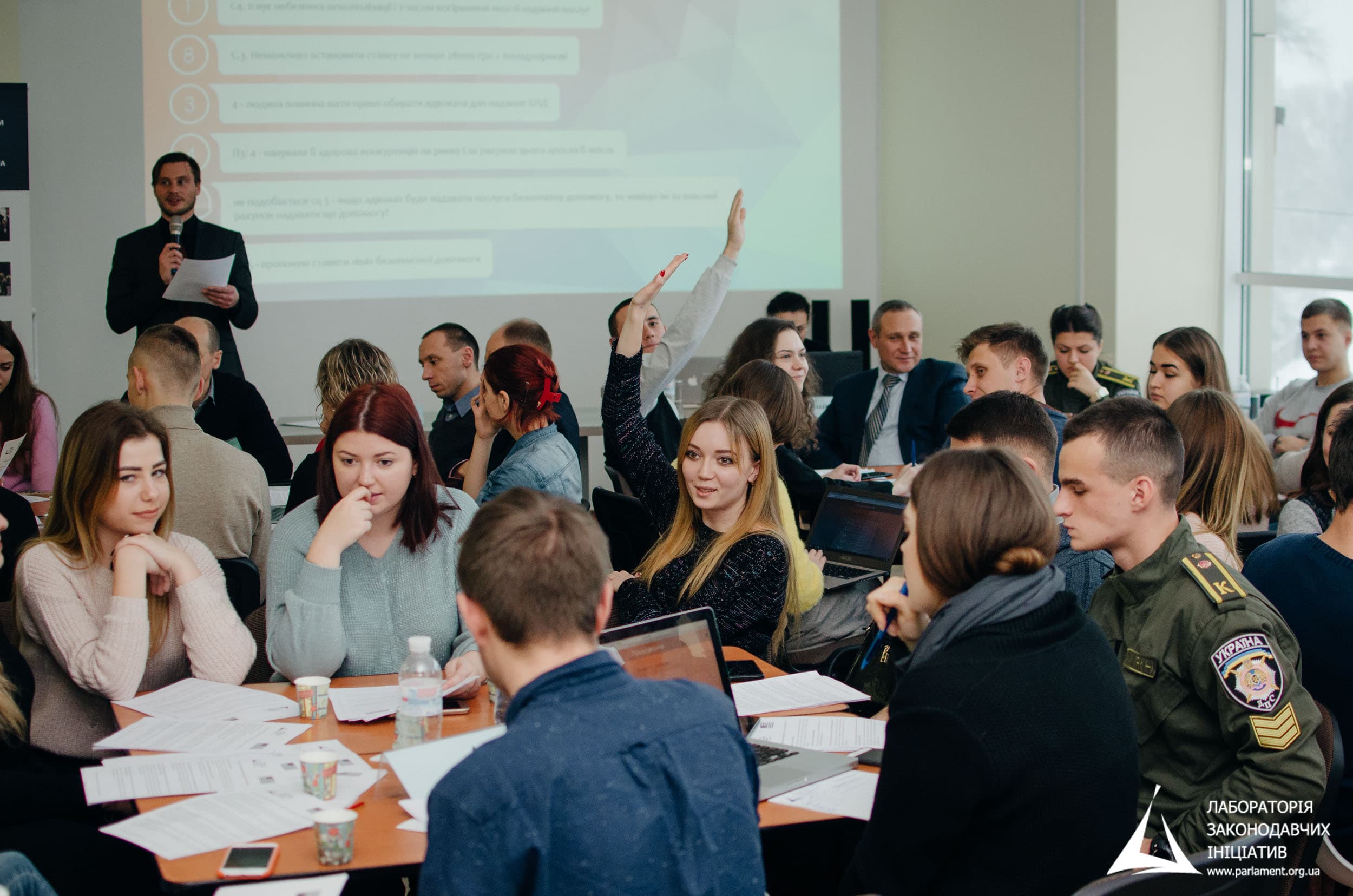
Participants of the event got acquainted with the main aspects of legal aid provision, the grounds for its provision, and peculiarities of primary legal aid and secondary legal aid.
During an active two-hour discussion the participants discussed the proposed scenarios and developed their own approaches to the issues of the financial and organizational basis for providing services in legal aid system, the subordination of legal aid system, as well as improving the accessibility and quality of the provision of these services.
As a result of lively discussions, voting on scenarios took place. The scenarios address the main issues of providing legal aid.
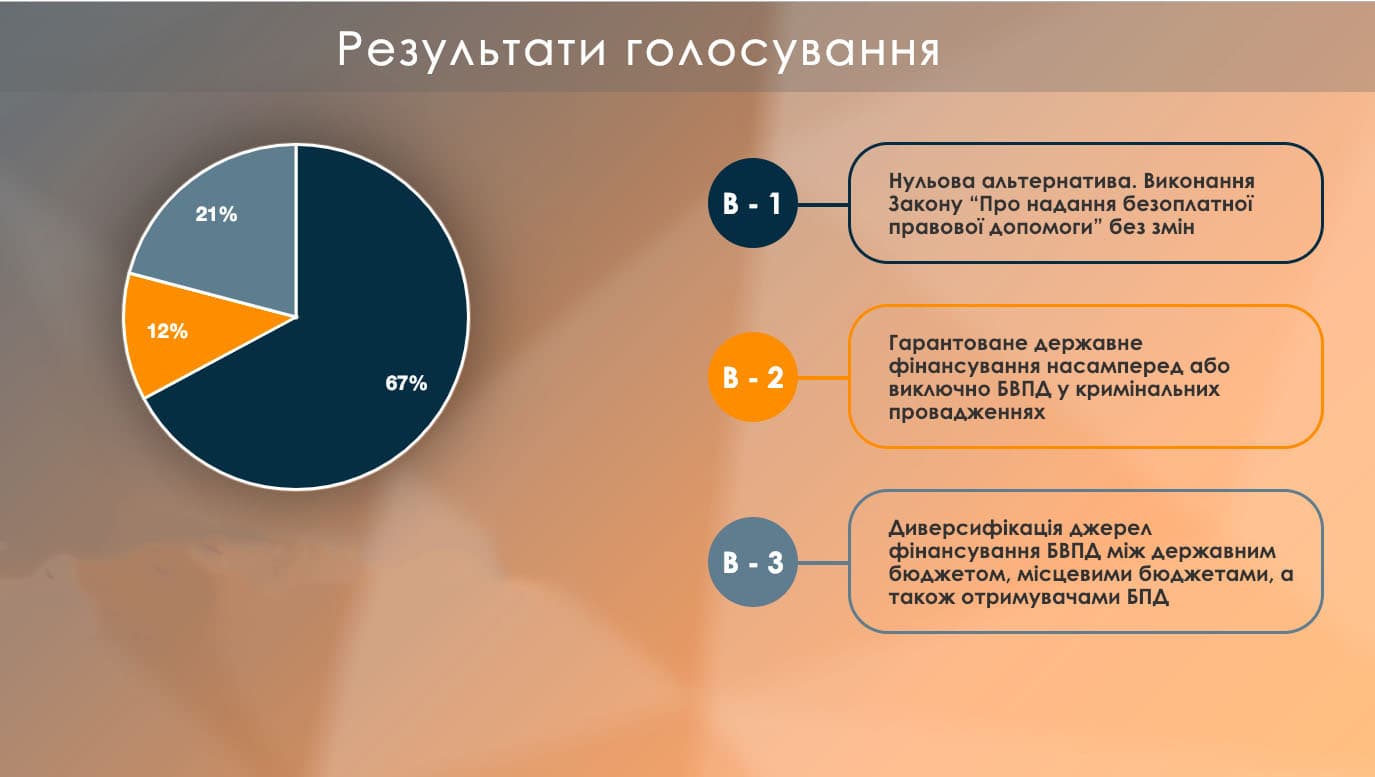
After the discussion on the system of financial and organizational basis for the provision of services, the status quo scenario, that is, the implementation of the law “On Free Legal Aid” unchanged, won the vote. For this option, 67% of the participants gave their votes. The option to diversify the sources of financing of secondary legal aid between the state budget, local budgets, as well as recipients of free legal aid came second (21% of votes).
The smallest number of votes (12%) was given to the version according to which state funding is guaranteed primarily or exclusively for secondary legal aid in criminal proceedings.
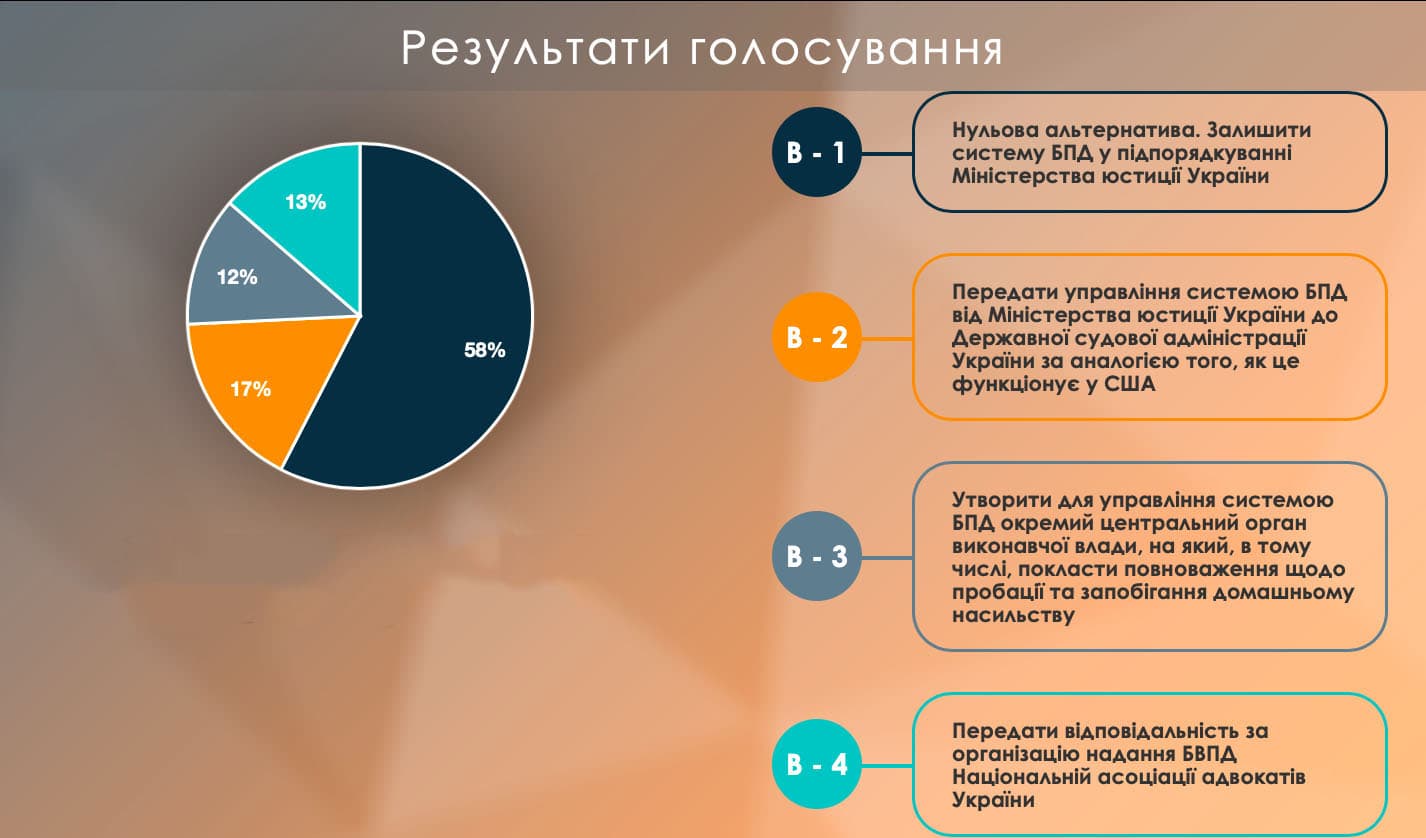
During the consideration of the problem of subordination of the legal aid system, according to the results of the voting, the status quo scenario also won the vote, which means the subordination of the legal aid system to the Ministry of Justice of Ukraine (58% of votes).
The second place (17%) was given to the option according to which the transfer of management of the legal aid system from the Ministry of Justice of Ukraine to the State Judicial Administration of Ukraine, as for example is in USA. Almost the same number of votes got the Scenario 4 (transfer of responsibility for the provision of secondary legal aid to the National Bar Association of Ukraine – 13%) and Scenario 3 (management of the legal aid system by a separate central executive body – 12%).
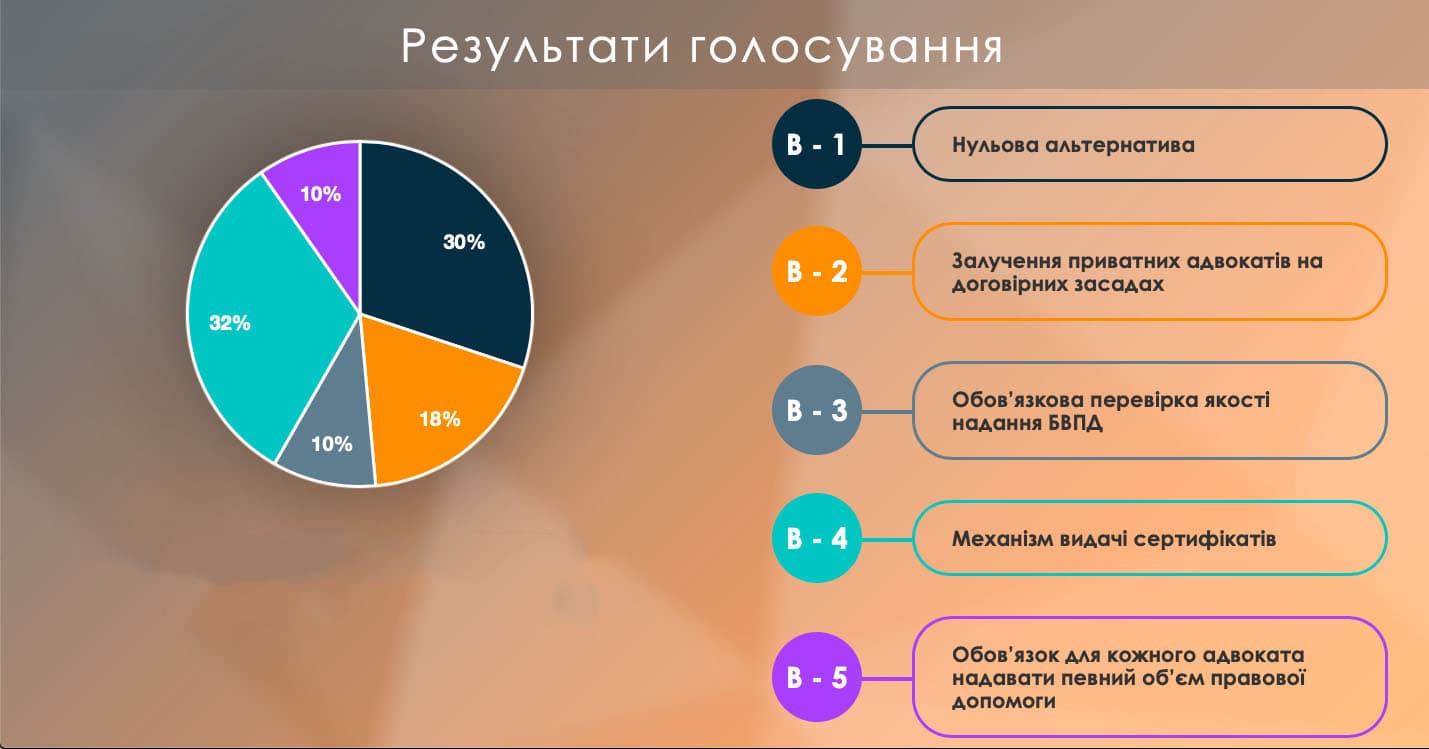
During the voting for the third problem (Improving accessibility and quality of the secondary legal aid), each participant had the opportunity to cast his or her vote for more than one option. This is due to the fact that the proposed options in their essence are not so much alternative as complementary, that is, they can be implemented in parallel or in a complex. The largest percentage of participants of the event voted for the option of introducing an additional mechanism for issuing certificates with the option of free choice of lawyer by the recipient of the secondary legal aid (32%). The status quo option took the second place, that is, to retain the existing mechanisms provided for by the Law of Ukraine “On Legal Aid” (30%). The third place was taken by the involvement of private lawyers on a contractual basis (18%). Scenario 5 (assigning a lawyer to provide a certain amount of legal aid pro bono) and Scenario 3 (mandatory verification of the quality of the legal aid) were the least popular (10% support each).
As well as during the discussion of problems related to the Rules of Legal Ethics(December 11, 2018 in Zhytomyr), the systemic problem of lack of open discussions about the prospects for development of legal aid system in Ukraine became obvious.
The opinions and proposals of the participants, the voting results, which were recorded during the discussions, after processing and including in the report, will be sent to each participant of the events in Chernihiv and Zhytomyr, as well as distributed among the wider range of stakeholders.
Presentation of the Guidelines for Conducting City Meetings in Town Hall Meeting Format
On June 8, 2018, “The Guidelines for Conducting City Meetings in Town Hall Meeting Format” were presented in the Verkhovna Rada of Ukraine.
The event was organized by the Agency for Legislative Initiatives in co-operation with the Apparatus of the Verkhovna Rada of Ukraine within the framework of the USAID RADA Program: Responsible, Accountable, Democratic Assembly implemented by the East Europe Foundation.
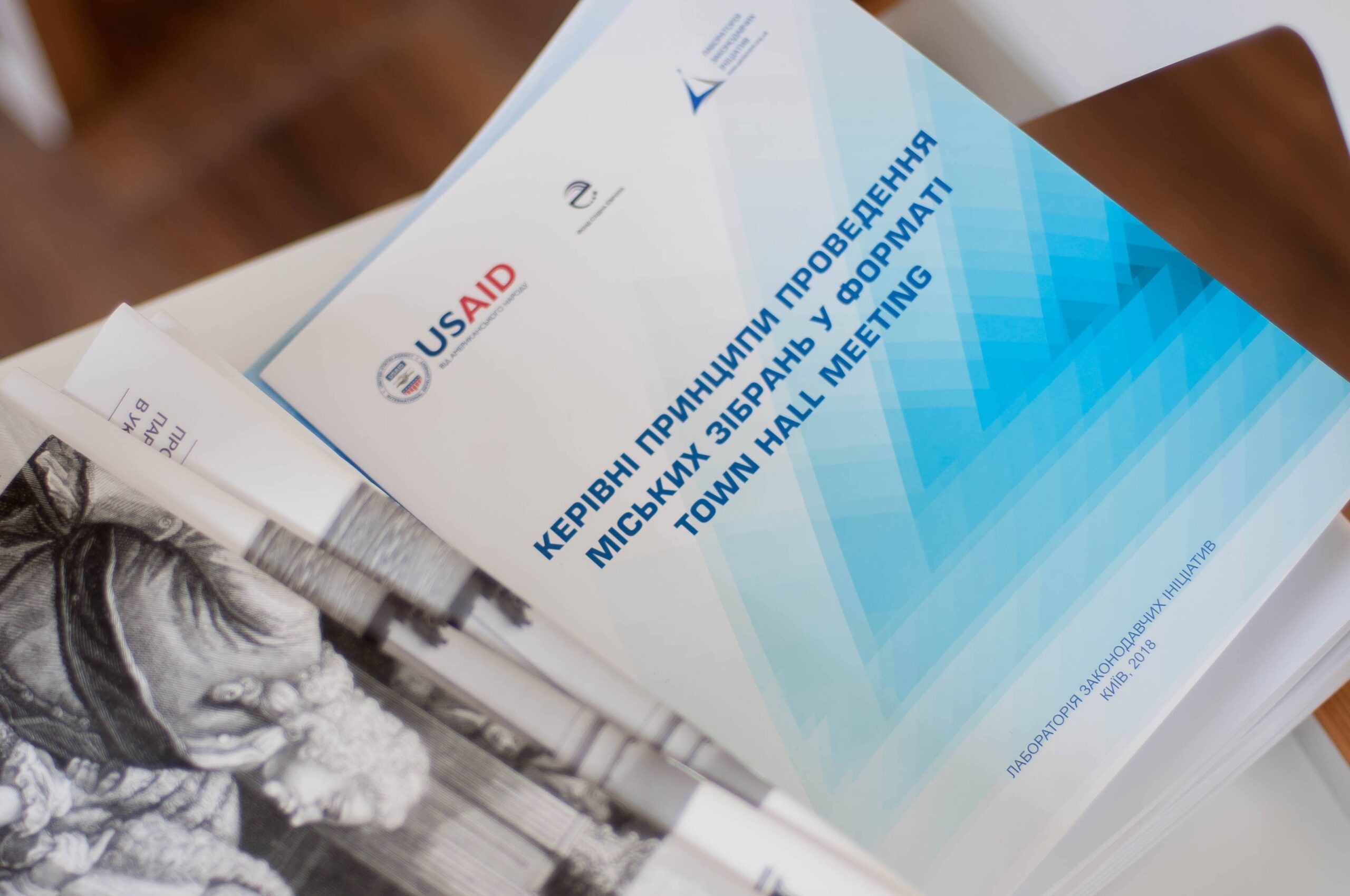
Photo by Oleksandr Kovalenko
The guidelines summarize the experience of assembling Town Hall Meeting in different regions on the various topics that the Agency for Legislative Initiatives has been conducting since 2010. The manual summarizes the best practices of planning, organizing and holding city meetings, as well as presenting materials that are examples of organizational and expert documents that were used during events organized by the Agency for Legislative Initiatives.
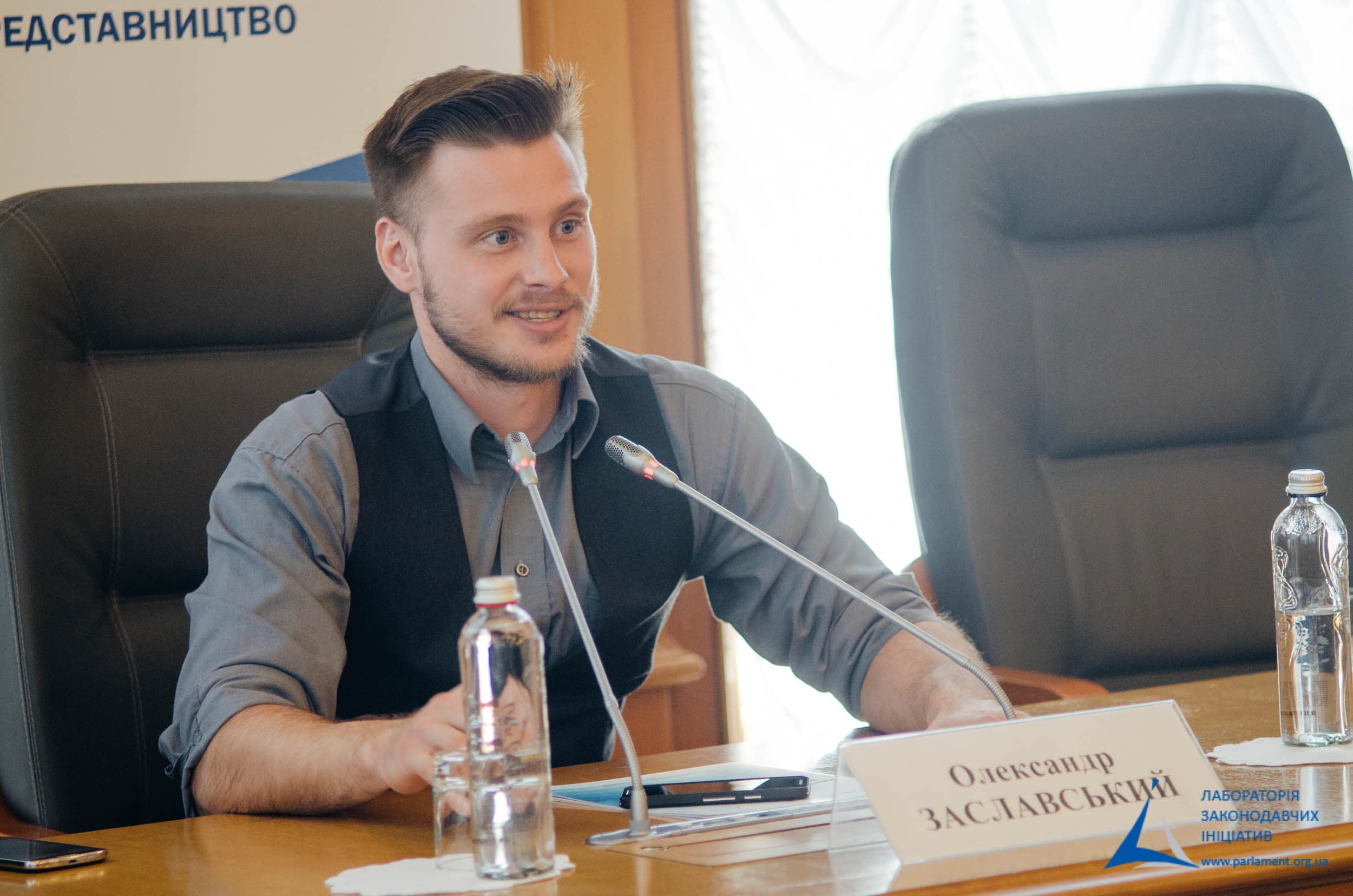
Photo by Oleksandr Kovalenko
Oleksandr Zaslavskyi, Deputy Chairman of the Board of the Agency for Legislative Initiatives, thanked the Apparatus of the Verkhovna Rada of Ukraine and briefly summarized the main features of the Town Hall Meeting.
“Within the framework of the “Model District” component of the USAID RADA Program, the organization’s partners offer “model” MPs a set of innovative tools for establishing communication with voters. The Agency for Legislative Initiatives offered a new format for citizen participation – city meetings in the Town Hall Meeting format”
The Town Hall Meeting format originates from the United States of America, where it is known since the 18th century. Later Town Hall Meeting spread around the world in various formats.
Why do we think it is necessary?
Today we observe rather low level of citizens’ trust in state institutions, including local self-government institutions. This distrust is mutual – the authorities also do not trust citizens. This is not an exclusively Ukrainian problem. There is a crisis of representative democracy throughout the world. In the past 20-30 years, this challenge has led to the spread of various practices of participatory democracy. This is something that allows you to create a certain discourse of complicity and co-responsibility, which, in return, builds trust in society. The Town Hall Meeting is just the tool that can provide effective public participation and confidence.
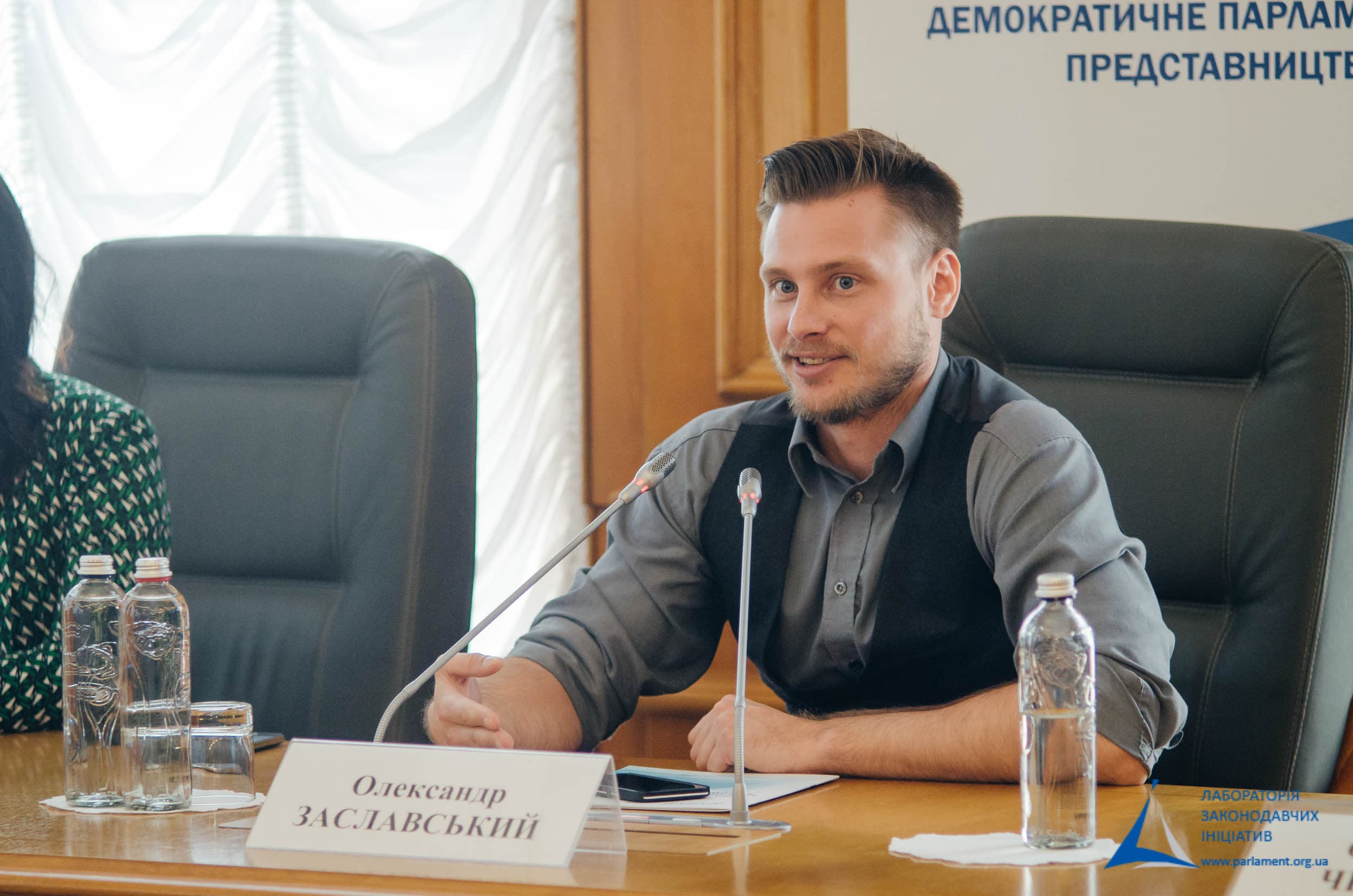
Photo by Oleksandr Kovalenko
Within the framework of the USAID RADA Program, Agency for Legislative Initiatives has conducted 11 town halls, among which the most successful is the discussion of certain points of the draft bill “On the Rehabilitation of Victims of Political Repressions in Ukraine”. This law was adopted 2.5 years later after the discussion on the Town Hall Meeting.
For decision makers, the Town Hall Meeting is an opportunity to get an answer to their initiatives, at the same time, to involve citizens in the decision-making process. The biggest advantage of the Town Hall Meeting format is that it is not about problems but solutions.
Apart from that, last year Agency for Legislative Initiatives conducted a series of town halls in cooperation with the Ministry of Youth and Sport on different approaches to youth development policy. Due to these discussions, the bill on youth centers was developed and approved, and in Donetsk region, this has contributed to the formation of a network of youth centers.
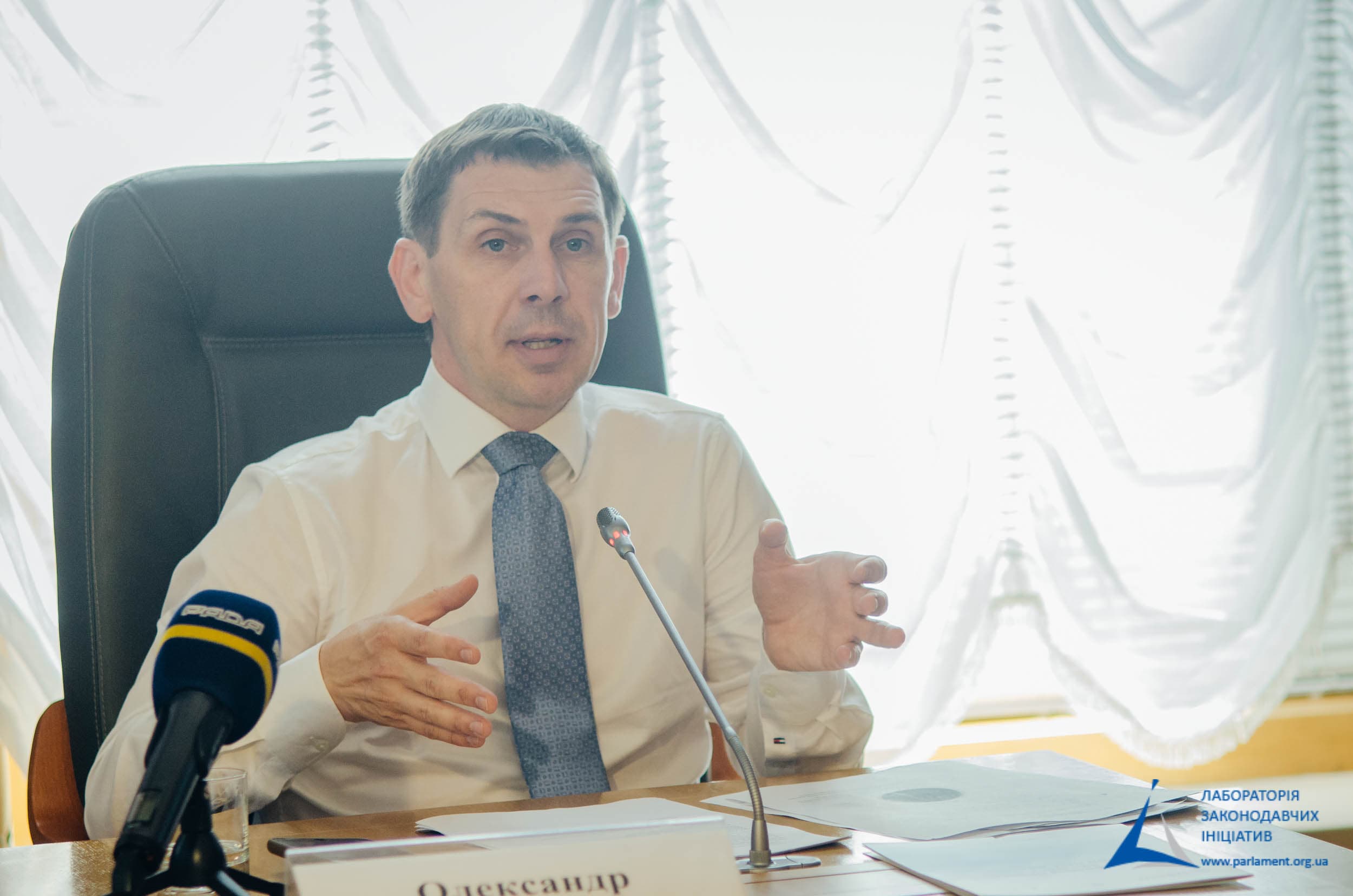
Photo by Oleksandr Kovalenko
Oleksandr Chernenko, MP, told about his experience of cooperation with the Agency for Legislative Initiatives in conducting Town Hall Meeting in Chernihiv, which was devoted to discussing various approaches of utilization solid household waste.
Among the participants of the Chernihiv meeting were Chernihiv citizens, representatives of local authorities, communal enterprises, non-government organizations, environmental organizations; i.e. all main stakeholders were represented – consumers, service providers and those who care about the environment. Within the framework of this event, we tried to find solutions to two problems: firstly, it is the search for an optimal way of utilization and recycling of waste; and secondly, effective ways of storing and transporting garbage. The discussion resulted in the number of adjustments to the environment bills, which, unfortunately, yet have not been adopted.
Oleksandr Chernenko stressed that the Town Hall Meeting provides legitimation to the discussed issues and shows that the future bill expresses the interests of the community.
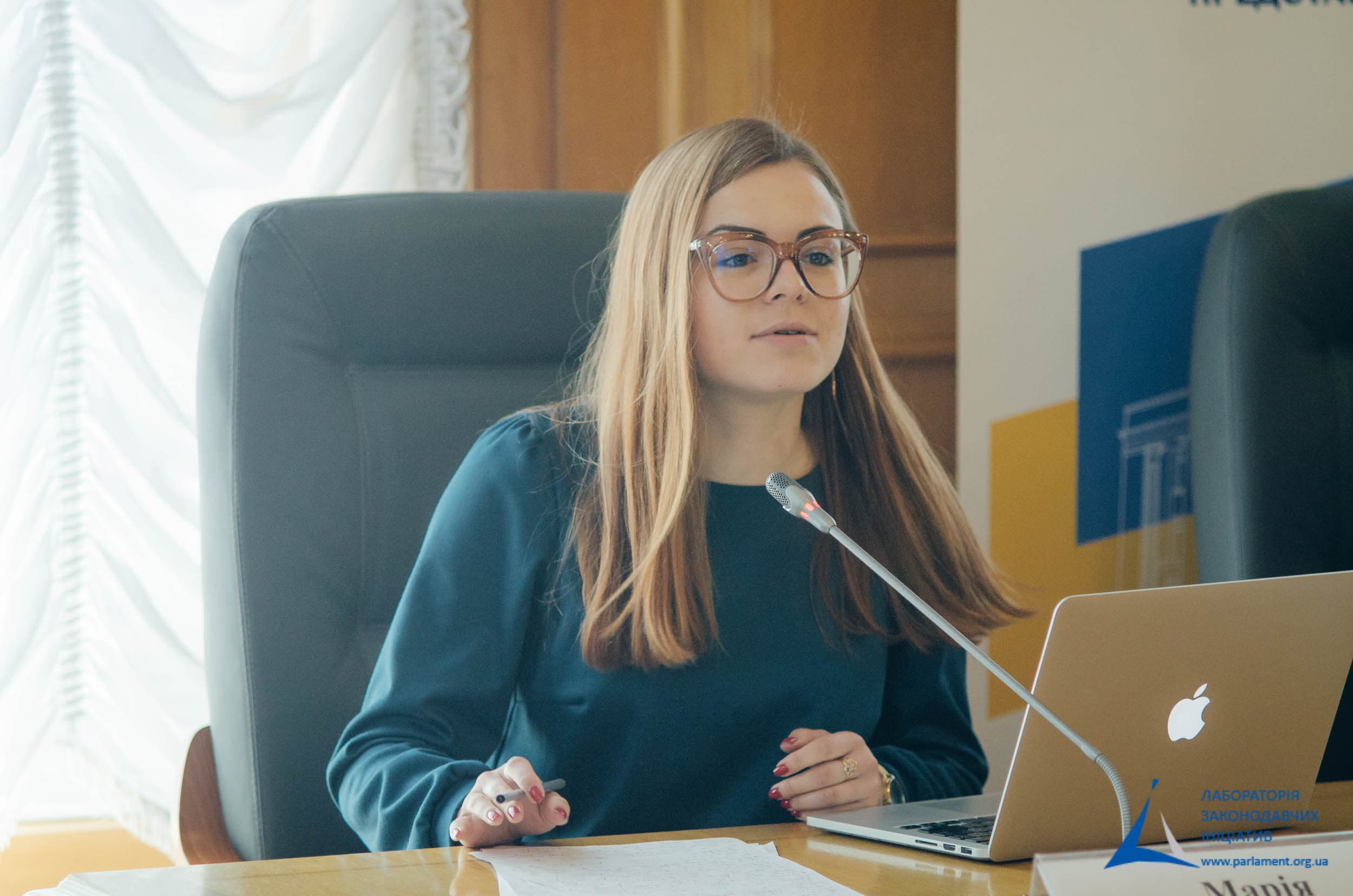
Photo by Oleksandr Kovalenko
Victoria Baklazhenko, Program Coordinator, Agency for Legislative Initiatives, while presenting the guidelines, briefly focused on the key features of the Town Hall Meeting format.
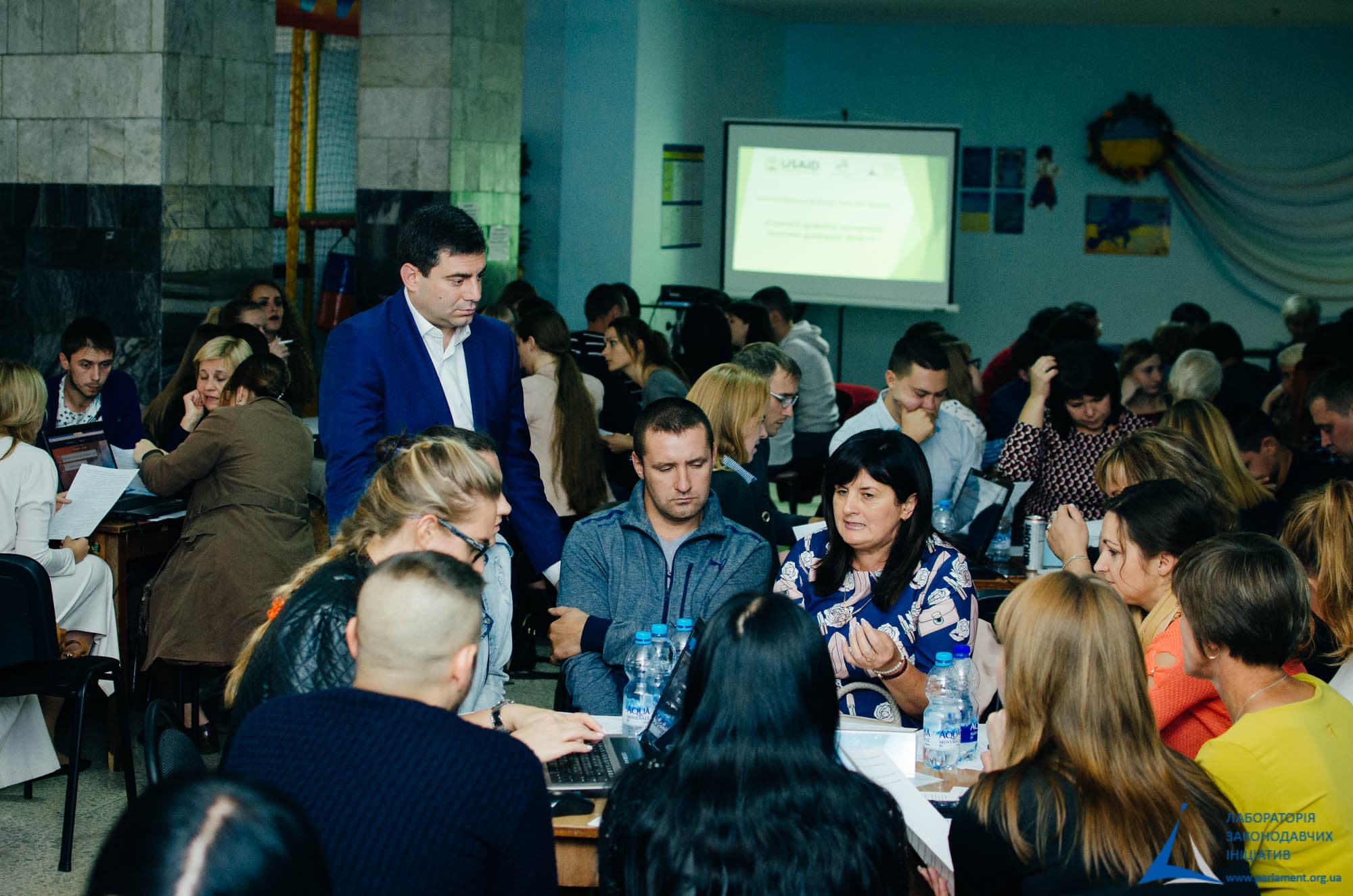
Town Hall Meeting is an informal public gathering of local residents of a certain area. It is a qualified, purposeful and effective discussion of any specific issues of public interest.
The Town Hall Meeting format includes:
- discussion on the basis of several prepared scenarios – various options for solving the issue with the simultaneous display of participants’ positions on the screens;
- the participants of the discussion are, first of all, citizens interested in solving a certain problem;
- experts, politicians, public figures take part in discussions on an equal grounds with ordinary citizens;
- the discussion is held simultaneously in small groups (from 10 to 12 people);
- at each table there is a facilitator and a note taker (the person who notes on the computer the thoughts expressed by the participants);
- participants consistently discuss all options (15-20 minutes per script);
- participants’ thoughts and positions can be viewed in real-time on screens;
- after the discussion, the participants vote for the best scenario.
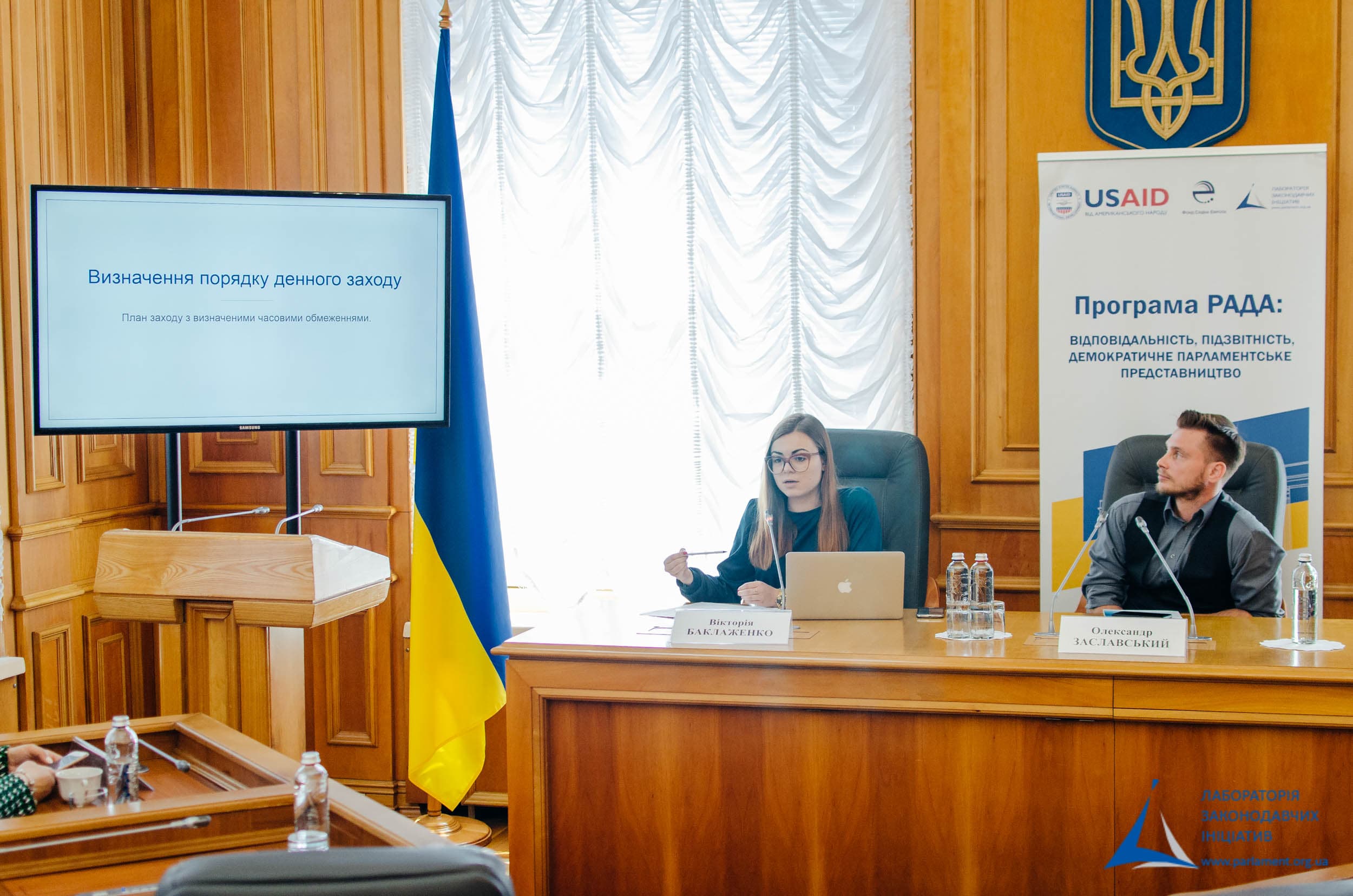
Photo by Oleksandr Kovalenko
An important part of the Town Hall Meeting is the communication support of the event, which includes an information campaign to gather main stakeholders by e- mails, publishing information on the website, social media, creating graphic materials, and spreading information among partners. After the end of the discussion, you can start an advocacy campaign on the decision voted during the Town Hall Meeting.
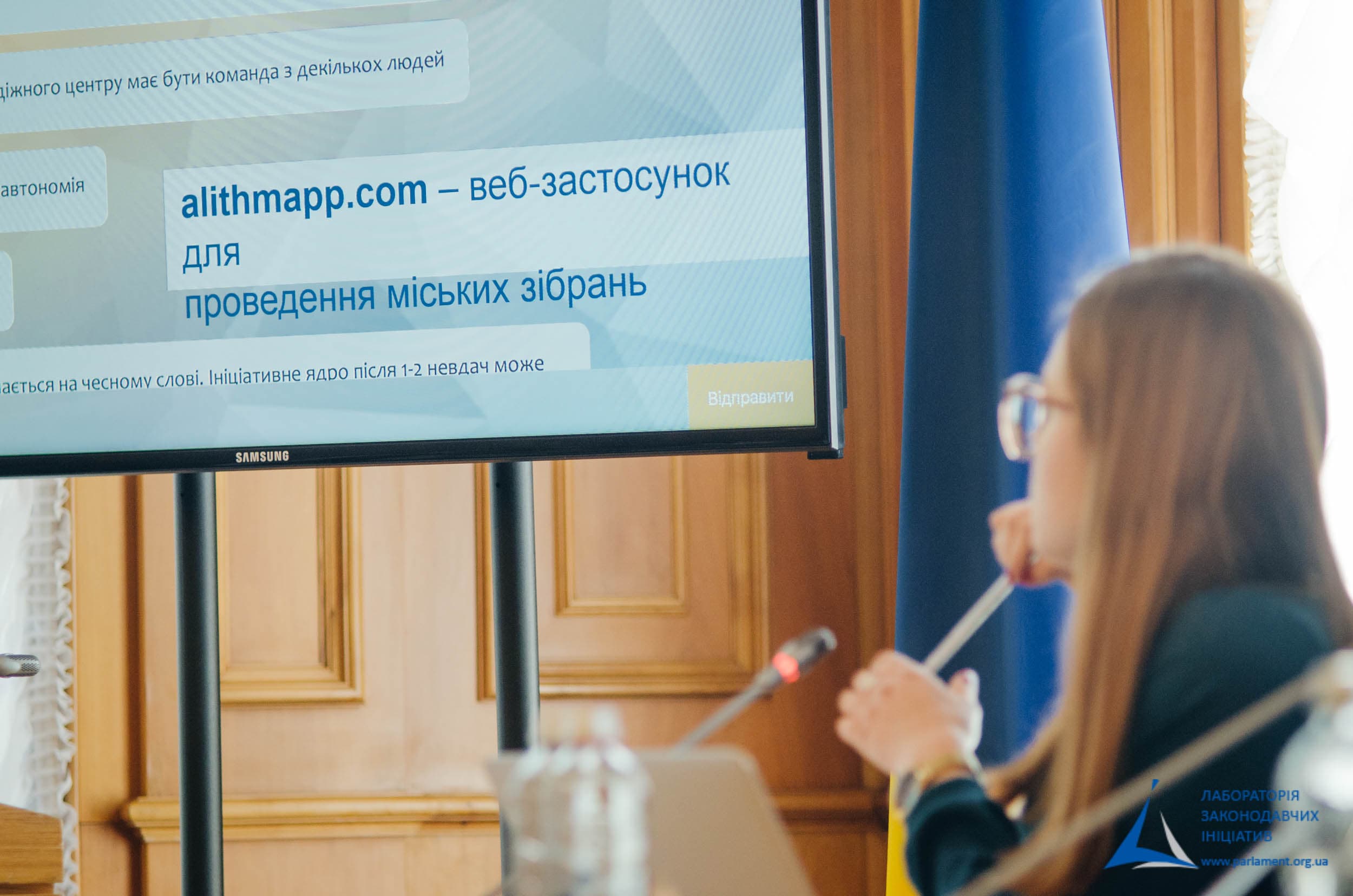
Photo by Oleksandr Kovalenko
Agency for Legislative Initiatives has developed a special web application for the Town Hall Meeting. It is available at alithmapp.com, which can be downloaded from the Agency for Legislative Initiatives’ website parliament.org.ua. This web application allows you to display structured and informative messages in a shared chat and to simplify the process of generating a report after the event. In order to use the web application for the Town Hall Meeting, please contact us.
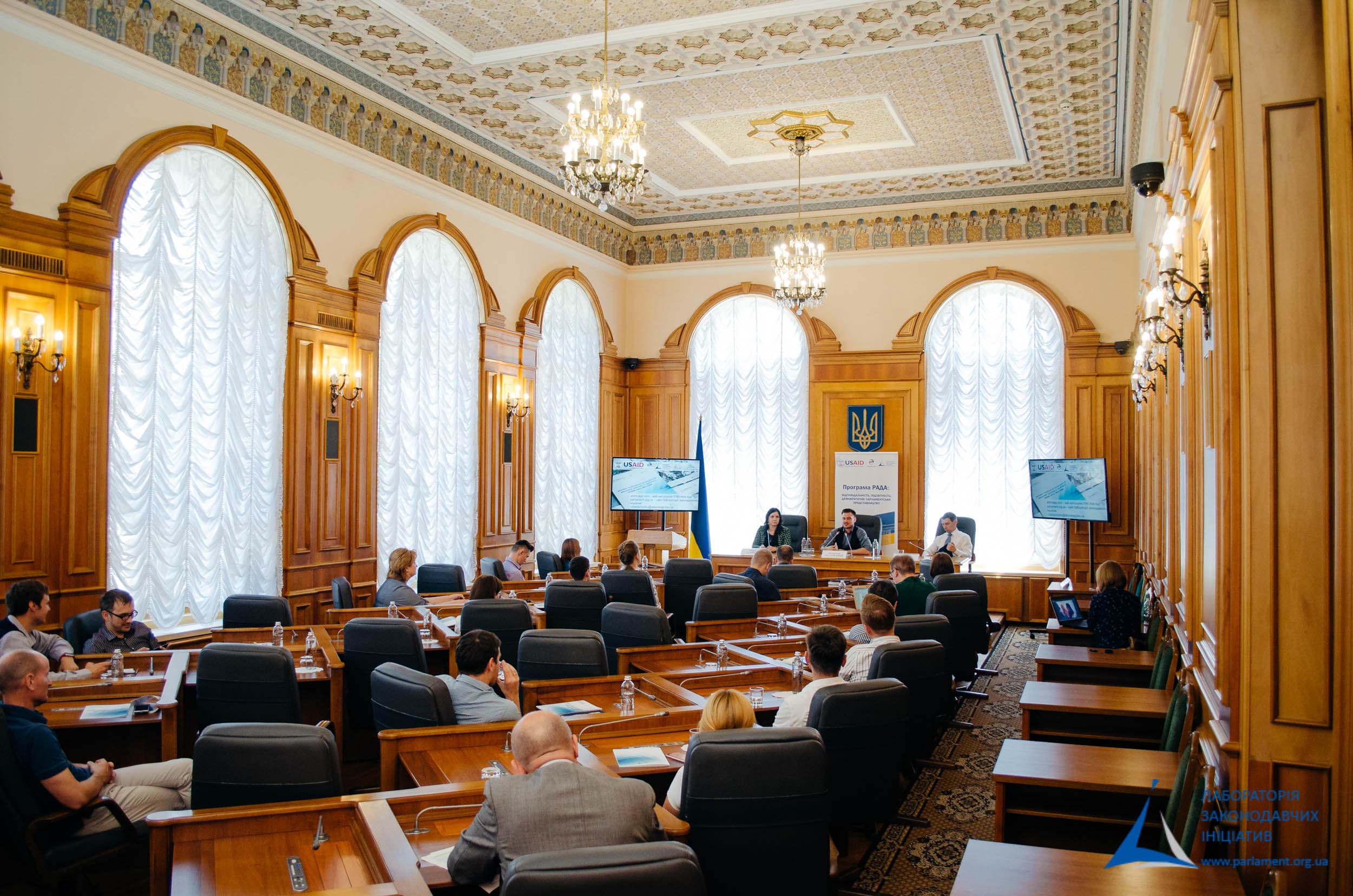
Photo by Oleksandr Kovalenko
Guidelines for Conducting City Meetings in Town Hall Meeting Format
The guidelines summarize the experience of assembling Town Hall Meeting in different regions on the various topics that the Agency for Legislative Initiatives has been conducting since 2010. The manual summarizes the best practices of planning, organizing, and holding city meetings, as well as presenting materials that are examples of organizational and expert documents that were used during events organized by the Agency for Legislative Initiatives.
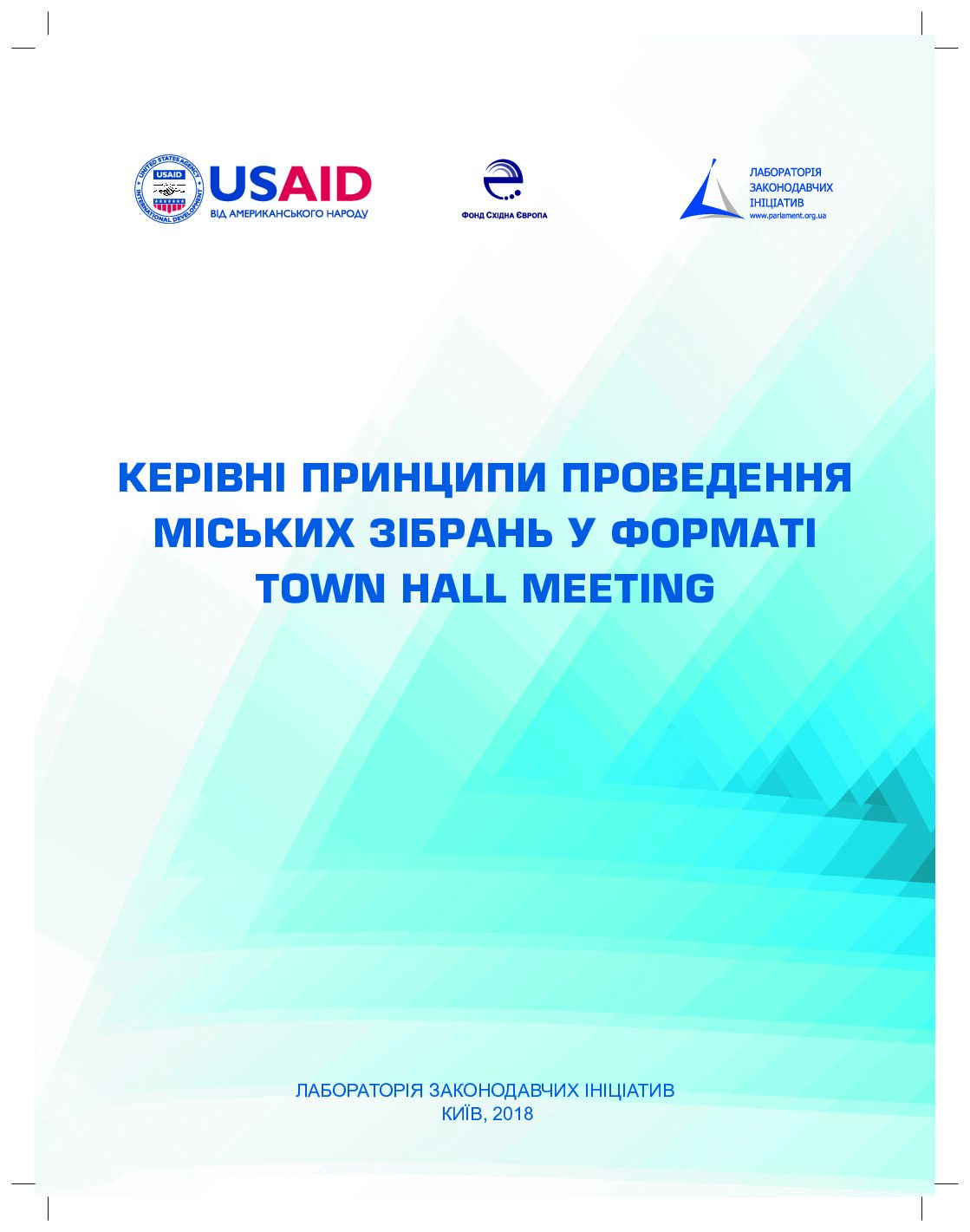
The preparation of studies is part of a project implemented by the Agency for Legislative Initiatives in co-operation with the Apparatus of the Verkhovna Rada of Ukraine within the framework of the USAID RADA Program: Responsible, Accountable, Democratic Assembly implemented by the East Europe Foundation.
Town Hall Meeting in Volnovakha on DoTeBe TV channel
Town Hall Meetings provide a platform for competent and effective discussion of any specific issues of public interest; it is a tool for ensuring citizens’ participation in governance. Town Hall Meetings are intended to highlight the role of public voices in the decision-making process by giving policy-makers opportunities to receive feedback from the public on key public issues.
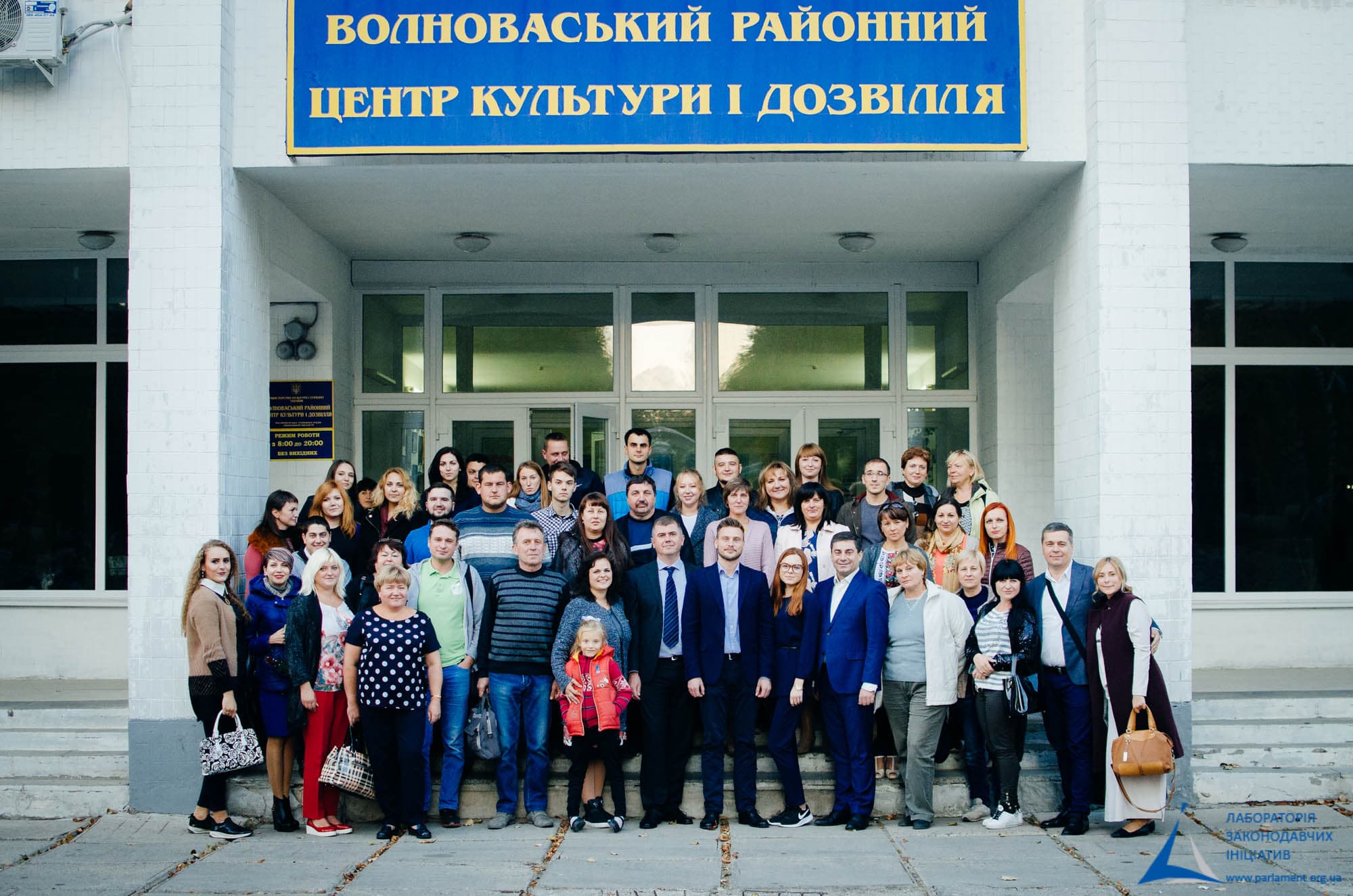
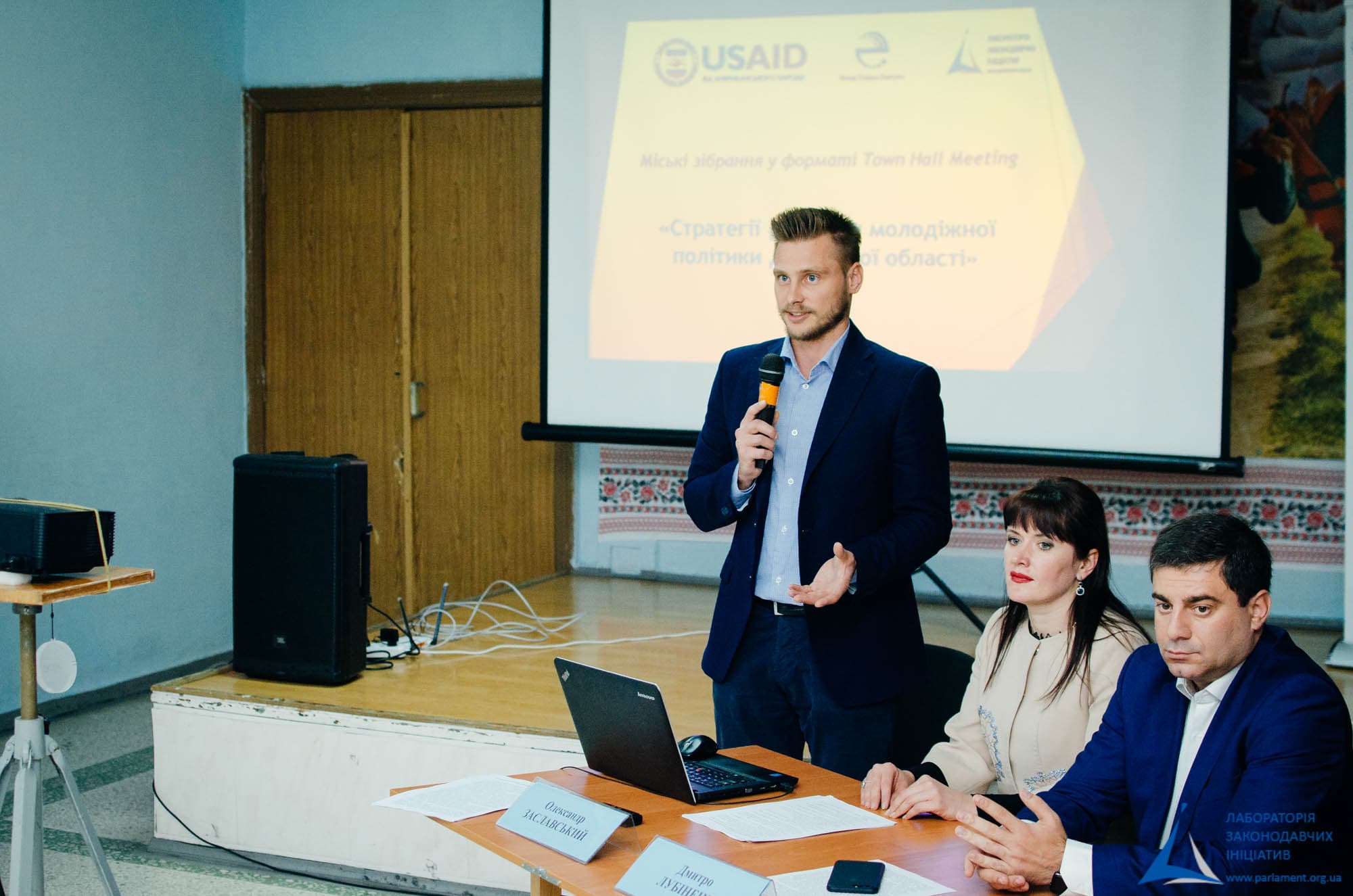
DoTeBe TV channel on the Town Hall Meeting in Volnovakha organized by the Agency for Legislative Initiatives involving representatives of the youth centers of Donetsk region, young people of Donetsk region, Dmytro Lubinets, MP, and Oleksandr Yarema, Deputy Minister of Youth and Sports.
The event was organized by the Agency for Legislative Initiatives together with the Interns’ League and the Ministry of Youth and Sports of Ukraine on the initiative of Dmytro Lubinets, MP of Ukraine, in the framework of the Model District Project, supported by the USAID Rada Program: Responsible Accountable Democratic Assembly, implemented by the East Europe Foundation.
Town Hall Meeting on the Topic of “Strategies for the Development of Youth Policy in Donetsk Region”
The event was organized by the Agency for Legislative Initiatives together with the Interns’ League and the Ministry of Youth and Sports of Ukraine on the initiative of Dmytro Lubinets, MP of Ukraine, in the framework of the Model District Project, supported by the USAID Rada Program: Responsible Accountable Democratic Assembly, implemented by the East Europe Foundation.
The discussion took place in the Town Hall Meeting format, which implies competent and efficient discussion of any specific issues of public interest and serves as a tool for citizen participation in governance. Town Hall Meetings are intended to highlight the role of the public voice in the policy decision-making process by providing feedback from the public on key issues of public interest.
During the event in Volnovakha, we piloted a web app for holding Town Hall Meetings, developed by the Agency for Legislative Initiatives. This web app is designed to facilitate handling information both during the process of discussion, and during processing and analysis of data. Information is better structured and easier to perceive, which improves the level of discussion. The web app helps you quickly process and display voting results on monitors; it also summarizes discussion results in a download-friendly format for their further analysis and processing.
The event was attended by more than a hundred representatives of Donetsk oblast youth centers, representatives of the towns of Nikolske, Mangush, Dobropillya, Kramatorsk, Druzhkivka, Slovyansk and other towns of Donetsk oblast, students, and activists.
Photos by Oleksandr Kovalenko
Oleksandr Zaslavskyi, Deputy Chairman of the Board of the Agency for Legislative Initiatives, emphasized the advantages of the Town Hall Meeting format compared to other formats of public gatherings:
“First of all, this format gives everyone an opportunity to speak and be heard – it is a structured discussion. Secondly, the format involves the adoption of a decision – you will have the opportunity to vote for one of the options. Thirdly, the decision is made on the basis of preliminary expert work – the decision you make will be based on facts and rational arguments”
Photos by Oleksandr Kovalenko
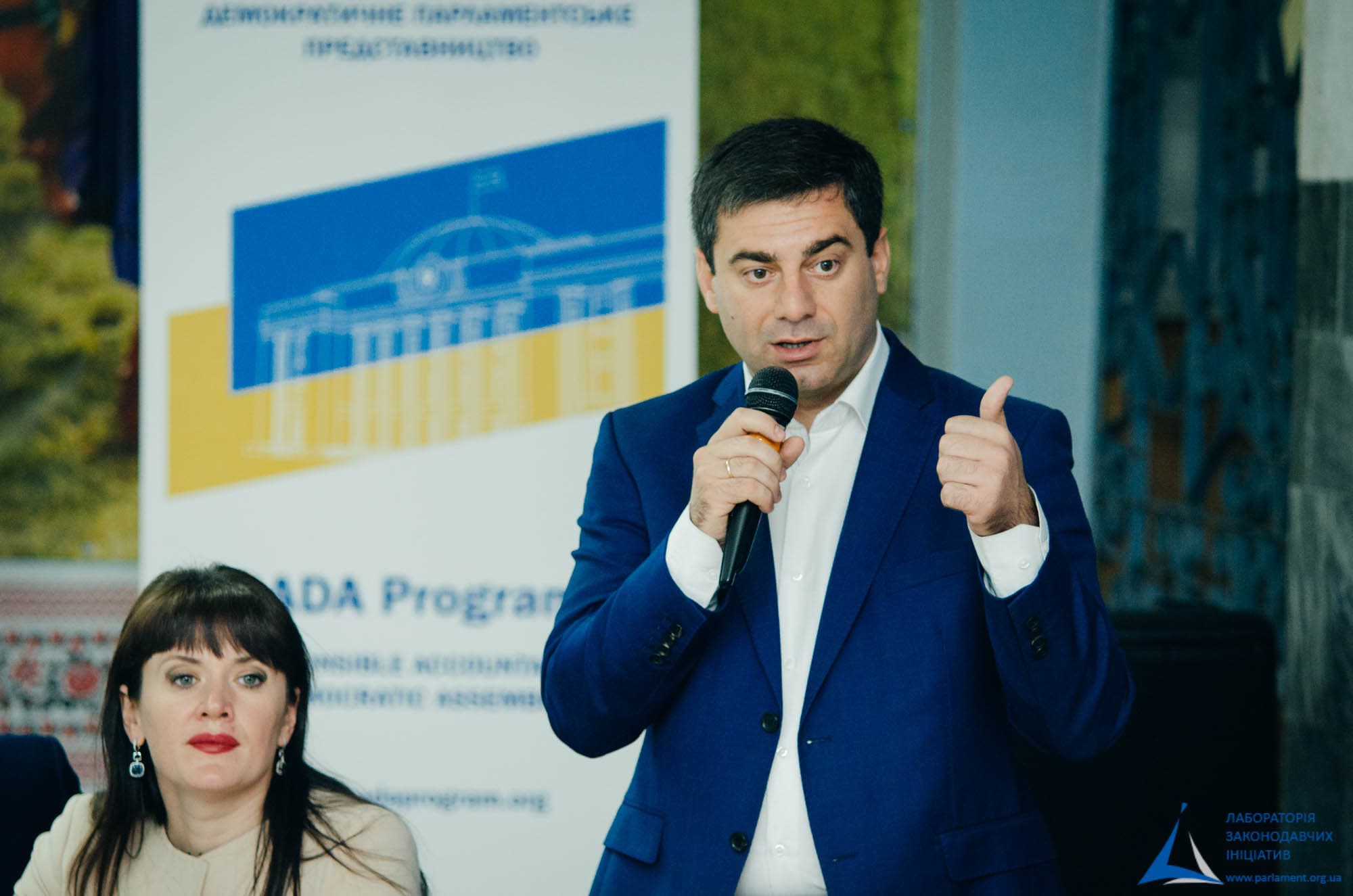
Dmytro Lubinets, MP of Ukraine, said that the idea of addressing the youth is really a proper one. Because it is young people who will develop Donetsk region and influence the whole of Ukraine. It is appropriate that changes and initiatives should come from the youth on the ground; they are much better aware of their needs than MPs. Often MPs vote for a decision without clearly understanding how it will work and without understanding the problems of people who will then fulfil these decisions. The Town Hall Meeting format makes it possible to directly hear the opinion of people and make it known to decision-makers who have to vote.
What is the main problem of the events spawned in 2014? The problem is that nobody ever tried to develop civil society, public organizations, or youth movements in Donetsk region.
The example of young people working in “I am Volnovakha” fund demonstrates how by developing themselves they develop their town and region as a whole. The increase in the number of such towns, active involvement of youth, and development of civil society will contribute to the advancement of Donetsk region and the whole of Ukraine.
Photos by Oleksandr Kovalenko
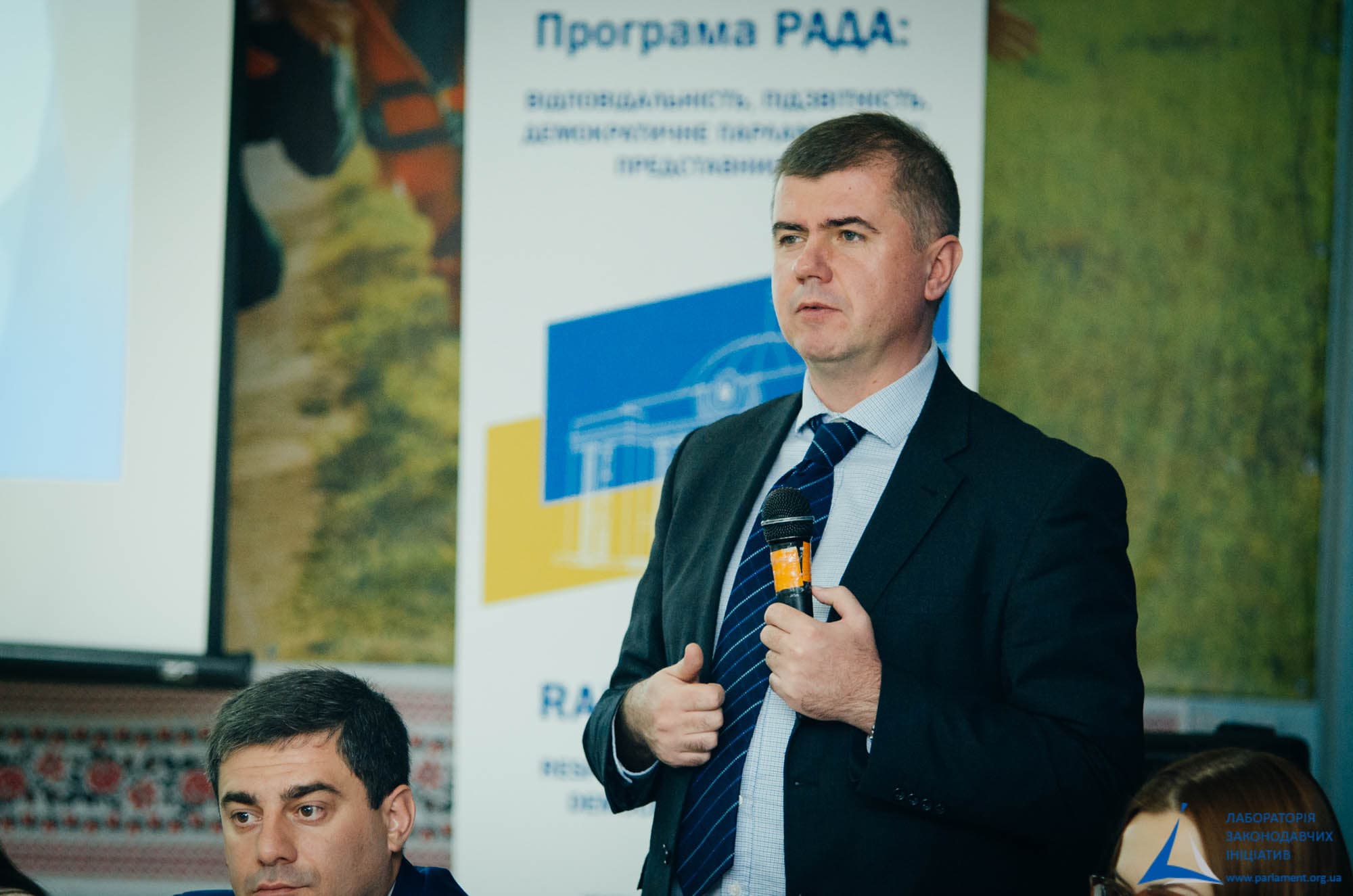
Oleksandr YAREMA, Deputy Minister of Youth and Sport of Ukraine, emphasized the importance of establishing partnership relations with civil society. Only through such cooperation can we build something reliable, durable, and at the same time really interesting and needed for young people. A youth center should be a friendly space. It should work when young people need it; it should generate interesting ideas and initiatives that would attract young people, and make young people feel at home there.
The slogan of the Agency for Legislative Initiatives is “Think and act ahead of time”, and the Agency is ahead of time working to establish communication between MPs and civil society, which provides a solid foundation for further understanding and cooperation.
The most important thing is to strengthen horizontal relationships. The youth of all regions has to meet in different formats, on different platforms, and in different venues. It is important that the country develop, move ahead, and establish a better understanding between young people. It is very important that youth spaces become growth points for the region spawning new youth initiatives, new organizations, new ideas, points of view, etc.
“We have a lot in common. We just have to talk about these things, plan ahead together, and outline the steps that will help us move faster and faster”

Photos by Oleksandr Kovalenko

Participants of the Town Hall Meeting “Strategies the for Development of Youth Policy in Donetsk Region” discussed two issues: 1) institutionalization of youth centers, 2) organization of communication between youth centers of Ukraine.
When discussing the institutionalization of youth centers, the participants reviewed four scenarios: the first one involved creation of a municipal youth center (in the youth sector); the second ran on the establishment of a youth center under an NGO with financing from the local budget; the third scenario implied the creation of a youth center as a structural subdivision of an existing municipal educational, cultural, etc. institution; the fourth scenario was about setting a youth center by developing and implementing a project (based on a public initiative).
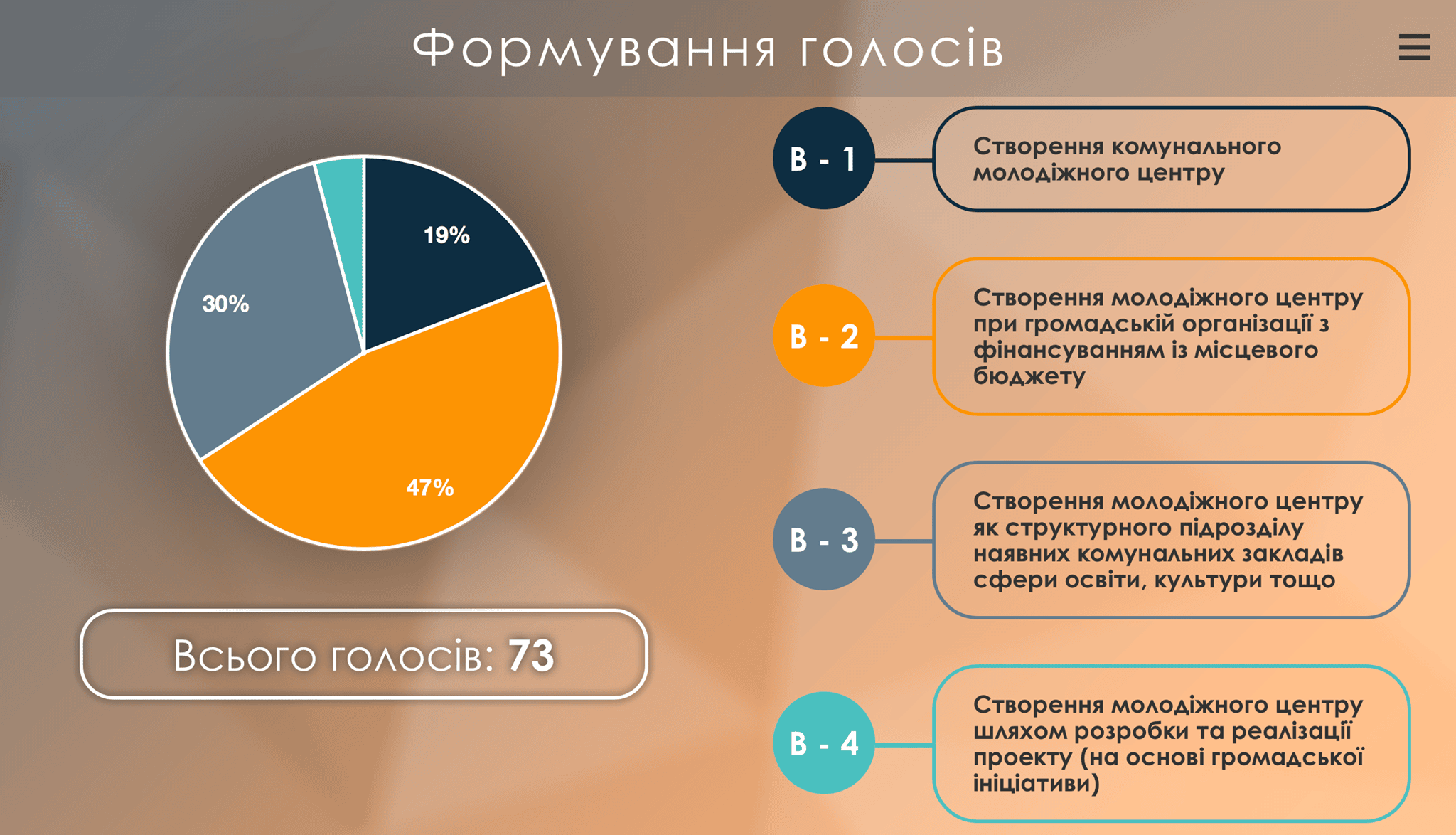
The results of the voting were as follows: the first scenario scored 19% of votes; the second amounted to 47%; the third scored 30%; the fourth numbered 4%. Thus, almost half of the participants of the discussion chose the option of creating a youth center under an NGO with financing from the local budget.
Photos by Oleksandr Kovalenko
Discussing the problem of organizing communication between youth centers of Ukraine, the participants reviewed 4 scenarios, the first of which implied establishment of a coordination council under the Ministry of Youth and Sports of Ukraine; the second suggested creation of an all-Ukrainian public organization of employees and activists of youth centers; the third was about establishing a professional communication network based on an Internet platform, website (volunteer initiative); the fourth involved creation of the institution entitled National Youth Center functioning as an organizational and methodological center of the network.
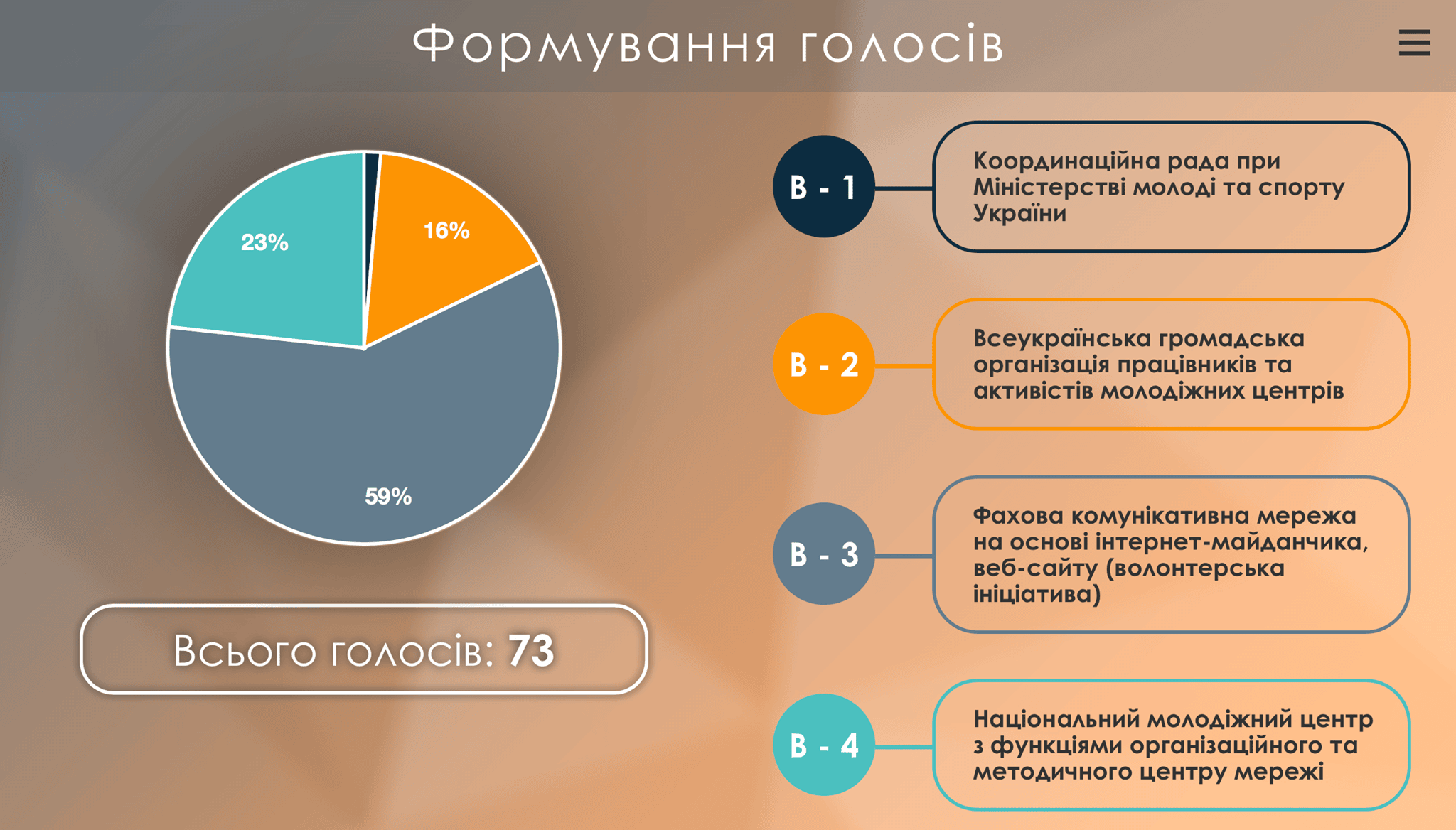
After the discussion, the participants voted in the following way: the first scenario scored 2%, the second scored 16%, the third amounted to 59%, and the fourth nembered 23%. Thus, more than half of the participants of the discussion preferred the third option, which involves the establishment of a professional communication network based on an Internet platform, website (volunteer initiative).
The results of town hall meetings carry no legal weight. The decisions approved within this discussion will be implemented by Mr Lubinets within his powers and capabilities as an MP.