
Reforming the Appeals System in Ukraine: European Standards, Legislative Changes and Implementation Risks
In Ukraine, the interaction between citizens and public institutions is governed simultaneously by the current Law of Ukraine ‘On Citizens’ Appeals’ (No. 393/96-VR of 2 October 1996) and by the recently adopted Law of Ukraine ‘On Administrative Procedure’ (No. 2073-IX of 15 December 2023). However, these two acts rest on different governance logics. The Law ‘On Administrative Procedure’ introduces a more modern model of public administration, aligned with European standards and oriented towards taking an individual decision on the merits of a case. The Law ‘On Citizens’ Appeals’, by contrast, retains a more traditional, post-communist approach centred on the obligation to provide a reply within a set deadline. As a result, situations that are identical in substance — complaints, requests, reports of violations, or requests to resolve an individual matter — may fall under two different procedures (stipulated by two different laws). This is inconvenient for the individual, as it obscures which mechanism should actually be used to resolve a problem. At the administrative level, this duality effectively leaves the choice of procedure to the authorities’ discretion, encourages formal responses rather than genuine resolution, and reduces both the predictability and the effectiveness of protecting citizens’ rights.
The specific problem has been described in:
- the European Commission’s enlargement reports on Ukraine for 2024 and 2025: the sections devoted to public administration reform (2025) state explicitly that Ukraine has still not met the requirement to adopt a Law ‘On Appeals’ that would clearly distinguish administrative procedures from other forms of public petition;
- the Public Administration Reform Roadmap, which requires the current Law ‘On Citizens’ Appeals’ to be aligned with the Law ‘On Administrative Procedure’ and with European legislation, and a new law to be adopted by the end of the fourth quarter of 2025.
Why Does This Matter?
The continued parallel existence of two different approaches to handling appeals (the Law of Ukraine ‘On Citizens’ Appeals’ and the Law of Ukraine ‘On Administrative Procedure’) creates a number of systemic risks for both the state and citizens, namely:
- it reduces the predictability of interaction with the state: citizens find it difficult to understand the rules under which an authority will consider a particular appeal and whether this will lead to a genuine resolution or merely to a formal reply;
- this uncertainty reinforces a formalistic style of response: rather than resolving the underlying problem, authorities often confine themselves to issuing a reply within the prescribed deadline, which diminishes the practical effectiveness of protecting citizens’ rights;
- it generates duplication of procedures and additional administrative burden, since similar matters may follow different legal routes and give rise to repeated appeals and challenges;
- it creates risks for the European integration process. In the approach taken by the EU and the OECD, a clear distinction between the two functions of the state is essential: administrative procedure means taking binding individual decisions with procedural safeguards for the individual, whereas the appeals mechanism is a feedback channel between society and the state. This distinction is crucial, as it ensures a balance between individual rights and administrative effectiveness.
Addressing the Problem
The problem of duplication and inconsistency in the regulation of appeals is currently being addressed through the government’s draft Law No. 11082 ‘On Appeals’ (of 13 March 2024), which is intended to define how the right of persons to apply to public authorities is exercised and to separate the two channels of interaction between citizens and the public authorities:
- administrative procedure (the Law of Ukraine ‘On Administrative Procedure’): used where a person applies to obtain an individual administrative decision (a permit, registration, licence, or other decision on the merits of a case);
- the appeals mechanism (the new Law ‘On Appeals’): covering proposals, reports of problems, comments, and other forms of communication that do not entail an individual authoritative decision concerning a person’s rights.
To give effect to this approach, draft Law No. 11082 ‘On Appeals’ proposes the following innovations:
- a clear definition of the purpose and a classification of proposal-type appeals (proposals, recommendations, comments, and reports of problems);
- the introduction of a single procedure for considering all appeals;
- clarification of the range of entities obliged to consider appeals, with a focus on public administration bodies;
- extension of the right to submit appeals beyond Ukrainian citizens to other natural and legal persons;
- stronger legal certainty for applicants as to ‘whom to approach’ and ‘under which procedure’;
- removal of complaints from the appeals mechanism and the transfer of their full regulation to the sphere of administrative procedure, in line with EU standards;
- institutionalisation of in-person reception of citizens as a component of the work of public authorities, while allowing it to be delegated to authorised officials.
Draft Law No. 11082 ‘On Appeals’ was considered by the Verkhovna Rada of Ukraine and adopted in the first reading as a basis on 24 April 2024 and is currently being prepared for the second reading.
Key Risks
Although draft Law No. 11082 ‘On Appeals’ (of 13 March 2024) is intended to separate administrative procedure from the appeals mechanism, its revised version does not fully resolve the key systemic problems that give rise to certain risks, namely:
- Risk of institutional uncertainty in the appeals-handling system. The reference to ‘other entities designated by the head of a state authority, an authority of the Autonomous Republic of Crimea, or a local self-government body, within whose powers the matters raised fall’ creates legal uncertainty as to whether the law applies to housing maintenance offices, hospitals, schools, social protection bodies, and other providers of public services.
This will lead to:
- a regulatory ‘grey zone’: some citizens’ appeals remain outside the legal framework (covered neither by the new law nor by the Law ‘On Administrative Procedure’);
- inequality among citizens: depending on whether a reviewing body recognises itself as such, a person may or may not receive a reply to their appeal;
- an erosion of the authorities’ legitimacy: citizens will not know whom to approach, or whether their appeal will be considered at all.
The core problem: in the absence of clear criteria, the law will be interpreted by the very bodies that consider appeals, at their own discretion, creating a risk of manipulation and of blocking unwelcome communications.
- Risk of formalistic responses to appeals owing to insufficient time to prepare them. Short deadlines for preparing a reply create an unrealistic pace of administration, particularly under martial law.
This leads to:
- the formalisation of appeal handling: rather than substantive consideration, authorities will be compelled to issue template replies to ‘meet’ the deadline;
- inevitable breaches of reply deadlines: staff shortages and heavy workloads make compliance with such deadlines practically impossible;
- the provocation of additional appeals: any formal failure to meet the deadlines becomes grounds for a new appeal, creating a vicious circle.
The core problem: excessively short deadlines encourage ‘brush-off’ replies instead of substantive communication between the state’s representative and the author of the appeal.
- Risk to European integration and to EU support. Retaining in the draft law both the appellant’s ability to challenge the reply of the body considering the appeal and the excessively short deadlines for preparing a reply — which encourage formalistic handling — runs counter to Ukraine’s commitments under Cluster 1 of the EU negotiating framework (the functioning of democratic institutions, public administration reform, and the rule of law).
Retaining these shortcomings weakens Ukraine’s position in the EU accession negotiations.
The core problem: the draft law meant to eliminate competition with the Law ‘On Administrative Procedure’ and to bring Ukrainian appeals practice into line with European practice instead retains provisions that reproduce that very competition.
Conclusion
Advancing the reform of legislation on citizens’ appeals requires not merely the formal adoption of a new law, but above all its systemic consistency with the legislation on administrative procedure and with the principles of good governance. Unless the existing conceptual and procedural shortcomings are addressed, there is a risk of perpetuating legal fragmentation, weakening the safeguards for citizens’ rights, and complicating Ukraine’s fulfilment of its European integration commitments.
Conclusion
Advancing the reform of legislation on citizens’ appeals requires not merely the formal adoption of a new law, but above all its systemic consistency with the legislation on administrative procedure and with the principles of good governance. Unless the existing conceptual and procedural shortcomings are addressed, there is a risk of perpetuating legal fragmentation, weakening the safeguards for citizens’ rights, and complicating Ukraine’s fulfilment of its European integration commitments.
Recommendations
Short-Term Recommendations (Urgent Legislative Changes):
- Clarify the range of ‘other entities considering appeals’ in draft Law No. 11082 ‘On Appeals’ by adding to it institutions that perform public administration functions, provide public services, or carry out public tasks.
- Remove from draft Law No. 11082 ‘On Appeals’ the right to challenge a reply to an appeal, retaining only the right to challenge a failure to reply or a refusal to consider an appeal.
- Reconsider the excessively short deadlines for handling appeals. It would be advisable to extend the 15-day deadline for providing a reply to the EU standard of 30 days, and to reconsider the obligation to forward an appeal to the competent body within five days.
Medium-Term Recommendations (1–3 Years):
- The appeals system should become an instrument of feedback between the state and society and a source of governance analytics for identifying systemic problems and improving the quality of public services. Accordingly, implementation of the Law ‘On Appeals’ should provide for (1) its transformation into a tool of evidence-based policy-making, (2) the creation of a national system for analysing appeals, (3) the integration of this analysis into assessments of the performance of public authorities, and (4) a shift towards using feedback to adjust public policy and improve services.
This infobrief was compiled with the support of the International Renaissance Foundation. Its content is the exclusive responsibility of the authors and does not necessarily reflect the views of the International Renaissance Foundation.
Regulation of the Powers of the Parliamentary Majority and Opposition. ALI Participated in the Discussion
The Agency for Legislative Initiatives attended a meeting about the regulation of parliamentary majority and opposition powers in Ukraine. Organised by the National Democratic Institute, the event was also attended by Members of Parliament, representatives of political parties, civil society organisations, academics and experts. An Analytical Note on the regulation of the powers of the parliamentary majority and opposition was also shared at the event.
Oleksandr Zaslavskyi, the ALI’s Deputy Executive Director for Analytics, outlined the concept of legislative enshrinement of the opposition’s status. This concept was originally designed in 2022 by the Sub-group on Regulating the Status of the Opposition, which was part of the Working Group on Parliamentary Reform. The ALI was a member of this Sub-group.
Oleksandr Zaslavskyi highlighted that the Sub-group’s key insight was the rejection of the perception that the opposition is a unified entity, given that Ukrainian parliamentary practice is far more intricate. In fact, it is more accurate to refer to a pluralistic opposition, or even to opposition factions that may collaborate ad hoc, rather than to the opposition as a unified whole.
In terms of the definition of the word ‘opposition’, the Sub-group had set out several potential criteria:
- Factions in which the majority of registered members did not vote in favour of the Government’s appointment (or of the majority of Government members) — a mandatory criterion;
- Factions in which the majority of registered members did not vote in favour of the Government’s programme — an optional criterion;
- Factions that have declared themselves to be in opposition or have signed an opposition list — an optional criterion.
The concept also acknowledges the separation of responsibilities between the majority and the opposition. The majority is responsible for policymaking, while the opposition focuses on parliamentary oversight. The opposition must have access to the necessary tools and levers, including the appointment of committee chairs with clear oversight responsibilities.
Members of Parliament of the 9th convocation must address the issue of regulating the status of the parliamentary opposition alongside other long-awaited decisions. Among these tasks are adopting the Code of Ethics for Members of Parliament, passing the Parliamentary Service Law, and establishing a framework for a special oversight committee on intelligence matters for the next parliamentary convocation.
The Problem of Delineating Powers Between State Authorities and Local Self-Government in Draft Law No. 14412
The Concept of Reforming Local Self-Government and Territorial Organisation of Power in Ukraine set out, as early as 2014, the objective of achieving an optimal distribution of powers between local self-government bodies (LSGBs) and state authorities. Despite this, the proper delineation of powers between the various levels of public administration remains an open question and has yet to be conclusively resolved. The absence of such delineation sustains the excessive (post-communist) centralisation of public administration, entrenches an ineffective model of power-sharing between central state authorities and LSGBs, undermines the achievements of Ukraine’s decentralisation reform, and does not conform to the European principles governing the distribution of powers across levels of public governance. In practical terms, the lack of delineation gives rise to conflicts of competence, the inefficient use of resources, and the dependence of local self-government on ‘manual’ control from the centre.
The specific problem has been set out in the following documents:
- the Ukraine Facility Plan for 2024–2027,which sets the task of bringing into force, by 31 March 2026, legislation delineating powers between LSGBs and state authorities, and between the various levels of public administration, in line with the principles of decentralisation and subsidiarity;
- the Action Plan for Implementing the Recommendations of the European Commission Set Out in the Report on Ukraine’s Progress Under the 2024 EU Enlargement Package, which establishes commitments: (1) to define the principles for delineating the spheres of competence of the state and of local self-government and (2) to distribute LSGB powers into own and delegated powers by June 2025, and (3) to submit to the Cabinet of Ministers of Ukraine a draft law on delineating the powers of LSGBs of different levels and of LSGBs and executive authorities in accordance with the principle of subsidiarity by August 2025;
- the Public Administration Reform Roadmap (2025), which provides for completing the reform of local self-government and the territorial organisation of power in Ukraine by 31 December 2027 and adopting the corresponding legislation by 31 March 2026.
Why This Matters
Entrenching the current model of power-sharing between LSGBs and state authorities, together with the imbalances between the various levels of public administration, creates a set of systemic risks. Specifically, it:
- makes effective vertical coordination impossible owing to chronic conflicts of competence between levels of authority: the quality of public service delivery becomes secondary, while authorities focus on disputes over the limits of their responsibilities;
- undermines the very idea of decentralisation: the administrative, financial and resource dependence of LSGBs — driven by the persistence of extensive ‘manual’ control over them by state administrations — devalues the accountability of LSGBs to voters;
- contributes to a negative assessment of Ukraine’s progress in the EU negotiation process, owing to the late fulfilment of commitments under the Ukraine Facility Plan for 2024–2027, the Action Plan for Implementing the Recommendations of the European Commission Set Out in the Report on Ukraine’s Progress Under the 2024 EU Enlargement Package, the European Commission’s recommendations set out in its report on Ukraine (November 2025), and the Public Administration Reform Roadmap, [АБ1] with regard to regulating the area of multi-level governance.
Addressing the Problem
The problems described above are to be resolved by the government’s draft law ‘On the Principles of Delineation and Distribution of Powers Between Levels of Public Governance’ (No. 14412 of 30 January 2026).
The draft law sets out the framework, principles, conditions and criteria for the delineation and distribution of powers between executive bodies and local self-government bodies. If it is adopted, amendments will be required for a further 158 laws and other legal acts, ultimately establishing the powers of public governance bodies.
Draft Law No. 14412 defines:
- the legal basis and principles for delineating and distributing powers of public governance bodies;
- the levels and bodies of public governance;
- the classification of the powers of public governance bodies;
- the criteria for distinguishing the own and delegated powers of local self-government, as well as the criteria for delineating powers between levels of local self-government;
- the conditions under which the state may delegate powers to LSGBs;
- the specific arrangements for the exercise of powers by executive authorities and LSGBs under martial law or a state of emergency;
- the resourcing of the exercise of powers by public governance bodies;
- the limits of LSGB autonomy in decision-making;
- the accountability of LSGBs for the exercise of their powers.
Draft Law No. 14412 was considered by the Verkhovna Rada of Ukraine and adopted at first reading on 7 April 2026. While it regulates the same matters of local self-government reform and the territorial organisation of power as the Resolution of the Cabinet of Ministers of Ukraine No. 1748 of 12 December 2025, the two documents propose different approaches to classifying the powers of public governance bodies. The government Resolution No. 1748 differentiates between (1) powers of state authorities that cannot be transferred to LSGBs; (2) powers of executive authorities that may be transferred under certain conditions; (3) delegated powers of LSGBs; and (4) own powers of LSGBs. The classification proposed by Draft Law No. 14412 includes (1) functional powers (own, delegated, optional, and those falling within the exclusive competence of the state) and (2) institutional and organisational powers (powers aimed at establishing and providing organisational support for the activities of public governance bodies).
Key Risks
Inconsistency in the legal basis for the activities of the various levels of public governance. Draft Law No. 14412 contains provisions that conflict with the Constitution of Ukraine and with European law, namely: (1) defining by law the manner in which LSGBs perform their own functions; (2) specifying the list of LSGB functions through a legal act of the government or the President rather than through a law; (3) restricting the right of LSGBs to challenge in court the decisions concerning their own powers; and (4) establishing contractual grounds for the joint exercise or delegation of powers. Together with the discrepancies between Draft Law No. 14412 and Resolution of the Cabinet of Ministers No. 1748 regarding the classification of the powers of public governance bodies, these features create the following risks:
- a high likelihood that the law will be found unconstitutional, in whole or in part;
- the emergence of an internally contradictory model of public governance;
- a slowing of European integration.
Institutional bias in favour of the executive vertical. Draft Law No. 14412 effectively allows the functions of LSGBs to be defined at the level of subordinate legislation (acts of the President and the Cabinet of Ministers), which creates a threat:
- to the balance between the branches of government, in particular by limiting the competence of Parliament and of local councils;
- to the long-term planning of LSGB activities, since subordinate legislation is less stable and predictable than primary law.
Conclusion
Adopting Draft Law No. 14412 without addressing its conceptual inconsistencies would create risks of legal uncertainty and institutional conflict, lay the groundwork for greater centralisation of administration by the executive and the erosion of the positive results of the decentralisation reform, and slow Ukraine’s fulfilment of its European integration commitments.
Recommendations
Short-Term Recommendations (Urgent Legislative Changes):
- Synchronise government decisions with legislative changes in the area of the optimal distribution of powers between LSGBs and state authorities and between the various levels of public administration; align the terminology and the classification of powers used in Draft Law No. 14412 and in government Resolution No. 1748.
- Remove from Draft Law No. 14412 the provisions on defining the functions of LSGBs through subordinate legislation, and provide that LSGB functions be defined exclusively by law.
- Remove from Draft Law No. 14412 the norms allowing executive authorities to determine the means and procedures by which LSGBs exercise their own powers, leaving communities free to choose their own working methods within the powers conferred on them by law.
- Remove from Draft Law No. 14412 the concept of ‘optional powers’, as it has no equivalent in European law and creates legal uncertainty.
- Remove from Draft Law No. 14412 the provisions on the contractual redistribution of powers between public authorities, and provide that powers be defined exclusively by law rather than transferred locally through informal arrangements.
- Provide for the resolution of any disputes regarding the exercise of all powers (not only those delegated) through the courts.
Medium-Term Recommendations (1–3 Years):
- Conduct a functional audit of the system of public powers.
- Develop and enshrine in law a single model for classifying powers.
- Regulate the resourcing for LSGBs’ exercise of delegated powers.
- Institutionalise a mechanism for monitoring compliance with the distribution of powers between LSGBs and state authorities and between the various levels of public administration.
This infobrief was compiled with the support of the International Renaissance Foundation. Its content is the exclusive responsibility of the authors and does not necessarily reflect the views of the International Renaissance Foundation.
ALIʼs New Report on the Staffing of the Civil Service During Martial Law
Executive Summary
The suspension of competitive selection in early 2022 was a necessary emergency measure for the civil service system in the first months of the full-scale invasion. At the same time, several questions remain open regarding:
- whether the use of this practice throughout the entire period of the legal regime of martial law is justified;
- the mechanisms to be introduced to remedy the situation;
- whether the proposed approaches meet the interests of the target audience — civil servants themselves.
This report seeks to answer these questions.
Throughout martial law, the restoration of competitive procedures for civil service positions has repeatedly prompted active debate. International institutions have emphasised the need for Ukraine to return to merit-based, competitive selection. Lawmakers have focused on meeting these requirements, while the target audience — civil servants themselves — do not always share this view.
This study focuses on civil servants’ internal perspective of the current state of play and prospects for staffing the civil service during the legal regime of martial law, as well as their attitudes, needs and expectations.
The internal assessments and attitudes of the civil service were identified through an anonymous questionnaire survey.
Overall, the survey results indicate that civil servants have adapted to the current staffing model and appear to have limited awareness of the potential advantages of competitive selection. A majority of respondents (57.2%) are comfortable with the absence of competitive procedures and, in some cases, openly opposed their restoration, not only during martial law but more broadly.
At the same time, some respondents clearly recognise the need to restore competitive procedures for civil service positions and expect this step to be taken. They associate such procedures with fair selection, reduced subjective discretion and lower corruption risks in staffing decisions. However, this group accounts for only 26.3% of respondents.
Although the prospect of restoring competitive procedures did not receive broad support, a majority of respondents (51.7%) expressed trust in their results. At the same time, almost one in five respondents does not trust the results of competitive selection. As civil servants themselves explain, this mistrust is based on their own negative experience of taking part in competitive procedures.
This experience has created demand among respondents for improving the quality and transparency of competitions. In this context, civil servants identified areas that could strengthen the effectiveness of the Commission on Senior Civil Service and competition commissions, including:
- granting commissions the power to select one winner of the competition and the next-ranked candidate, who may take up the position if the winner declines or if the position becomes vacant within one year after the competition — 29.5%;
- reducing political influence on commission members — 29%;
- specifying liability for interference in the work of commissions — 22.9%;
- training commission members in tools for assessing candidates’ professional competence — 22.5%.
Civil servants appointed without competition during martial law are concerned about their future status once competitive selection is restored. Most respondents (42.8%) believe that such persons should be able to continue in civil service without a competition based on the results of performance appraisal, 26.7% — based on the actual length of service and 22.5% — based on a competition under the general procedure. In addition, respondents suggested combining appraisal results with the time actually worked, as well as simplifying competitive procedures for persons who already have some length of service in civil service positions.
38.6% of survey participants stated that continuation of civil service based on a decision of the appointing authority would improve the quality of public administration, as it creates opportunities to retain valuable and experienced staff.
On the one hand, these results may reflect concerns about competitive selection or an unwillingness to spend personal resources, in particular time and effort, on additional preparation for it. On the other hand, the inclination towards this practice may indicate that the civil servants do not perceive the appointing authority’s discretion as a significant risk and, in some cases, even regard it as a potential advantage and an acceptable alternative to competitive selection.
At the same time, the staffing model is not the main factor shaping the professionalism, prestige and stability of the civil service workforce. Working conditions play an equally important role and are currently neither conducive to attracting highly qualified specialists to the civil service nor to retaining current civil servants.
Only 8% of respondents consider civil service employment to be prestigious. Respondents most often mention: (1) excessive workload, which leads to burnout and resignations; (2) low remuneration; (3) frequent changes in the organisational structure of state bodies (changes in structure, staffing tables and staff reductions); (4) instability of the system of central executive bodies (redistribution of powers, reorganisations and changes in subordination or functions of bodies); (5) ineffective decisions and weak management by the political leadership. These factors encourage civil servants to change jobs.
The adoption of Draft Law No. 13478-1 on restoring competitive procedures will contribute to meeting one of the requirements of the Ukraine Facility Plan for 2024–2027 and to resolving a number of problems related to forming the workforce, serving in and terminating civil service.
At the same time, civil servants are cautious about the draft law’s ability to improve the situation. Only 4.2% of respondents believe that it will do so, while the largest share (29.2%) assumes that the draft law will help resolve the problems only partially. Every sixth respondent (17.8%) is not familiar with the provisions of Draft Law No. 13478-1 at all. This points to insufficient awareness among civil servants of their prospects for continuing in the civil service and the need to strengthen communication activities to prepare them to work under the renewed conditions.
Despite the sceptical attitude of most respondents towards the restoration of competitive procedures, competitive selection remains a tool with clear advantages over the current procedure for forming the civil service workforce.
A meritocratic approach to staffing increases the value of selection both for the civil servant, who invests personal effort in entering the civil service, and for the state body, which has an interest in retaining a professional selected through competition.
Selecting candidates for civil service positions on a competitive basis can potentially contribute to a more balanced distribution of workload among staff, reducing the risk of situations where some specialists have to compensate for the lack of experience or professional training of newly appointed employees. Therefore, restoring competitions is likely to help reduce staff turnover.
The restoration of competitive selection and clarification of certain conditions for entry into, service in and termination of civil service should not be expected, in themselves, to automatically ensure the recruitment of highly qualified specialists or significantly increase the prestige of the civil service. This requires comprehensive solutions aimed at creating working conditions that would be both attractive and acceptable for potential and current civil servants. This concerns ensuring fair remuneration (respondents mention disgracefully low pay), stability in the system of public authorities and improving the quality of managerial competences and decisions of the political leadership, whose effectiveness is assessed critically by some civil servants.
Restoring competitive procedures is a necessary step, but parallel efforts must continue to develop and implement measures that increase the prestige of the civil service and strengthen the state’s image as a reliable and competitive employer.
Sustained Change Is Built through Daily Action: ALI Receives a Certificate of Honour from the Verkhovna Rada
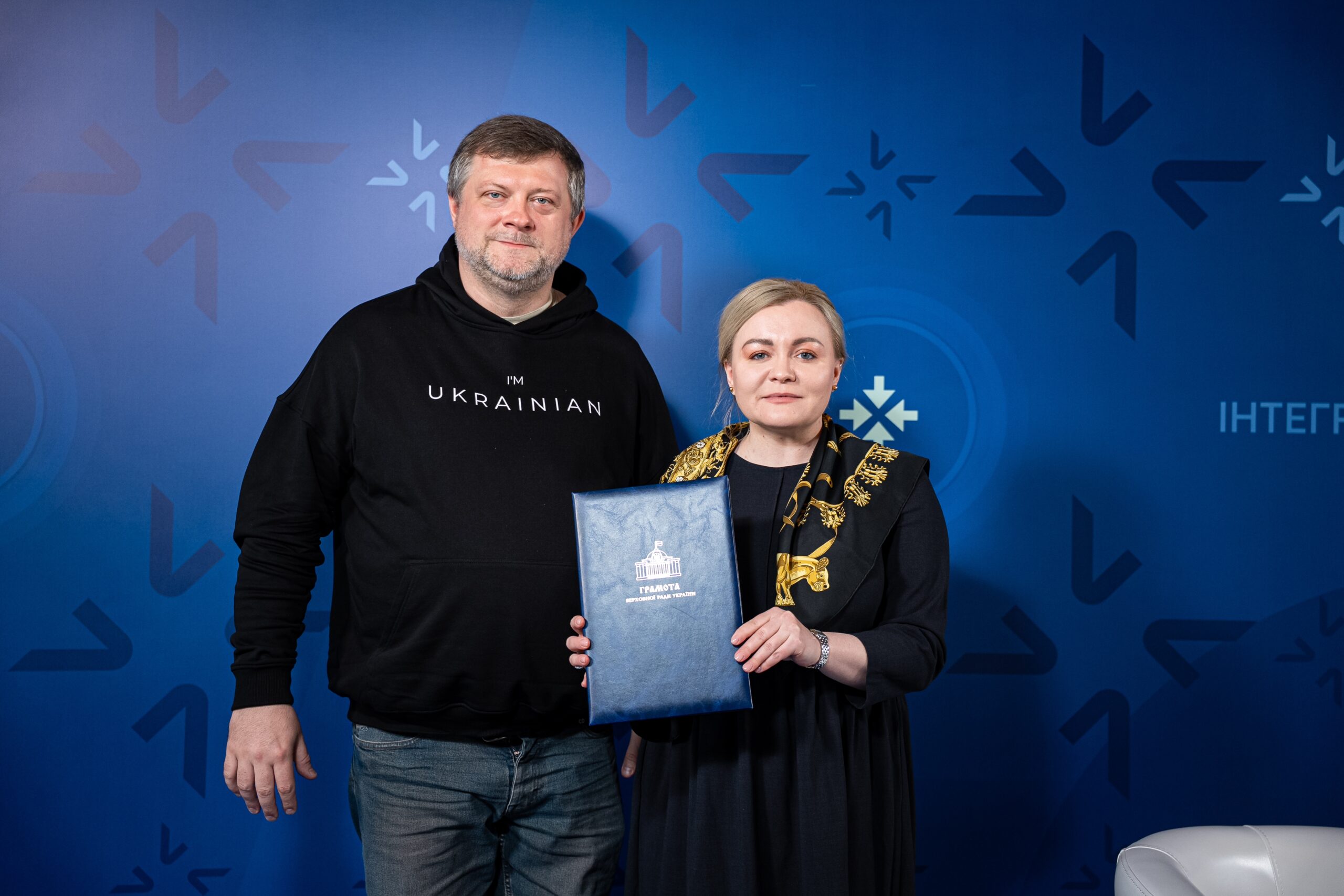
The team of the Agency for Legislative Initiatives (ALI) received the Certificate of Honour of the Verkhovna Rada of Ukraine during the First Session of the Ukrainian School of Political Studies’ landmark 20th programme. The School is an educational and networking project implemented by ALI under the auspices of the Council of Europe. The award was presented by Oleksandr Korniienko, First Deputy Chairman of the Verkhovna Rada of Ukraine and one of the Session’s speakers, in recognition of ALI’s significant contribution to the development of democracy and parliamentarism and the promotion of civic harmony in society.
For more than 26 years, ALI has helped build sustainable institutions in Ukraine and develop evidence-based public policy across a range of areas. ALI’s day-to-day work includes strengthening the institutional capacity of Parliament and the Government, advancing European and Euro-Atlantic integration, monitoring and supporting reforms in the justice and security sectors and providing political and civic education.
ALI regularly analyses the work of the Verkhovna Rada and its Secretariat through its session-by-session Parliamentary Monitoring reports and examines individual parliamentary processes in thematic issues of the Parliamentary Journal. We contribute to the development of draft laws and continue to monitor the implementation of parliamentary reform, a prerequisite for the institutional capacity of the Verkhovna Rada.
Background
The USPS programme explores different aspects of interaction between society and the state, including how these relationships are formed, how institutions and systems develop, what challenges they face and how those challenges can be overcome by taking responsibility and seeking solutions together.
Each year, changemakers from different fields join the USPS Community, including military personnel and entrepreneurs, politicians and civil servants, cultural figures and journalists. Learn more about the School, its values and its programme at this link.
Focus on European Integration and Interparliamentary Cooperation: ALI Launches a New Project
The Agency for Legislative Initiatives systematically supports and actively contributes to Ukraine’s European integration. As part of this effort, together with the International Renaissance Foundation, we are launching the IntehRada project. Building on sectoral analysis, the project aims to enhance awareness among international partners and Ukrainian MPs of the legislative changes and reforms that Ukraine needs to implement on its path to EU membership. Without a clear understanding of the specific political and procedural challenges faced by draft laws as they move through Parliament, it is extremely difficult to reinvigorate this process. The same applies to securing support — both externally, from EU Member States, and internally, within Parliament.
The Verkhovna Rada of Ukraine plays a crucial role in the European integration process by considering and adopting the necessary legislation. However, since obtaining EU candidate status, Ukraine has gradually experienced a slowdown in the development, consideration and adoption of EU-related draft laws: 2025 showed a decline in the pace of legislative European integration compared to previous years.
To accelerate progress in this area and ensure sustainable results, the ALI will produce three types of regular information briefs under the project:
- briefs on specific EU integration laws;
- briefs on broader challenges of the European integration track, focusing on procedural and institutional dimensions;
- briefs for Members of Parliament of Ukraine on priority EU integration draft laws (based on strategic planning documents, such as the Ukraine Facility Plan or the legislative work plan) for the upcoming month.
Ukraine’s accession to the EU also depends on the positions of EU Member States, which are not always unanimous in their support for Ukraine. However, the Verkhovna Rada can influence these positions — in particular, through interparliamentary friendship groups. Accordingly, another strand of the project will focus on analysing the work of these groups. Strengthening the effectiveness of parliamentary diplomacy tools (including friendship groups) will enable Ukraine to better substantiate its positions, explain the current context and shape realistic expectations.
We are confident that this approach will help draw the attention of international partners to challenges within the legislative European integration track and serve as an impetus for addressing them. In the longer term, it will contribute to steady progress in European integration through the consistent functioning of the Verkhovna Rada of Ukraine.
The IntehRada project is implemented with the support of the International Renaissance Foundation. The project reflects the position of the ALI and does not necessarily represent the position of the Foundation.
Lawmaking between the War and European Integration — ALI at the OSCE’s Supplementary Human Dimension Meeting I
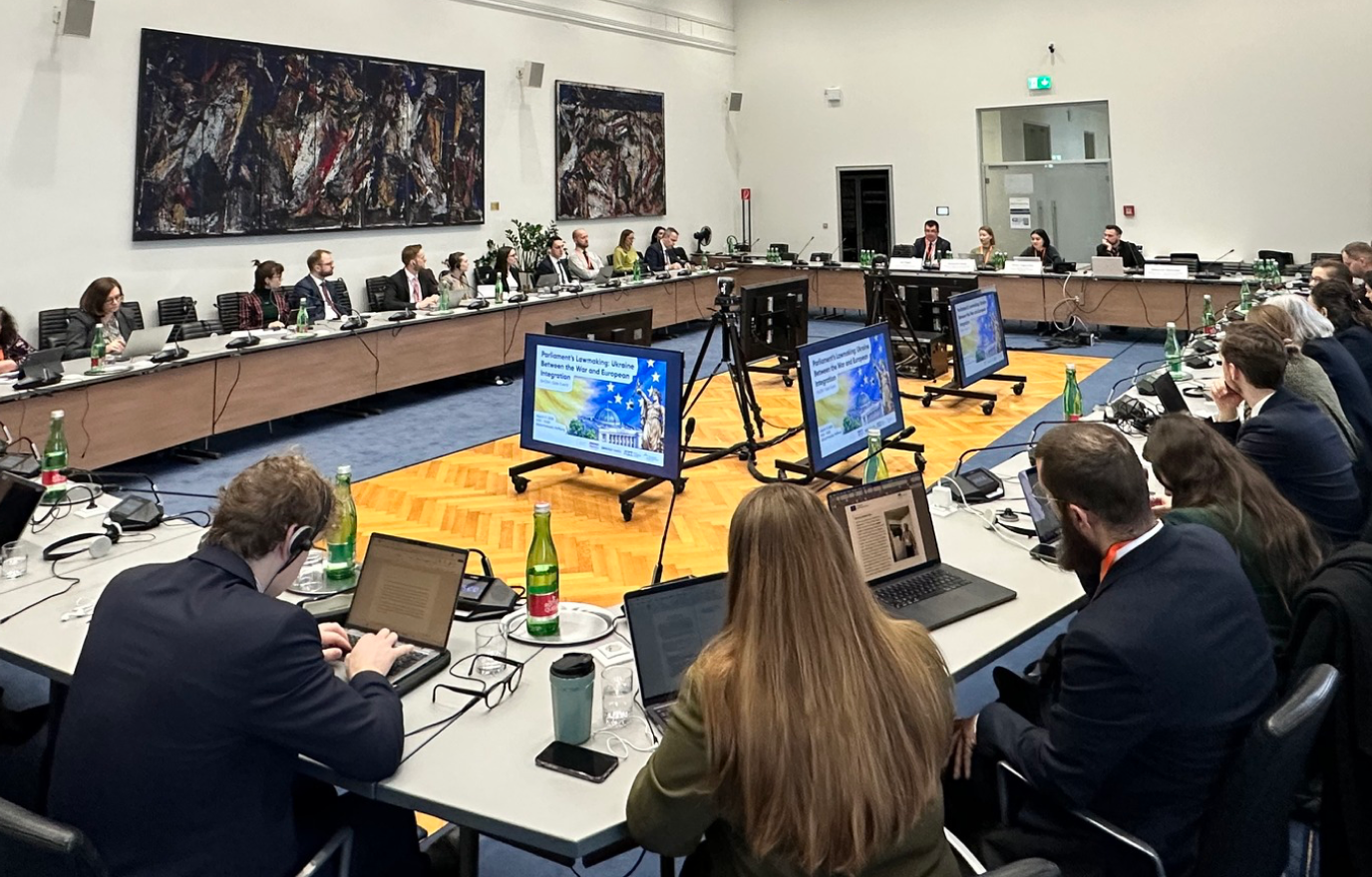
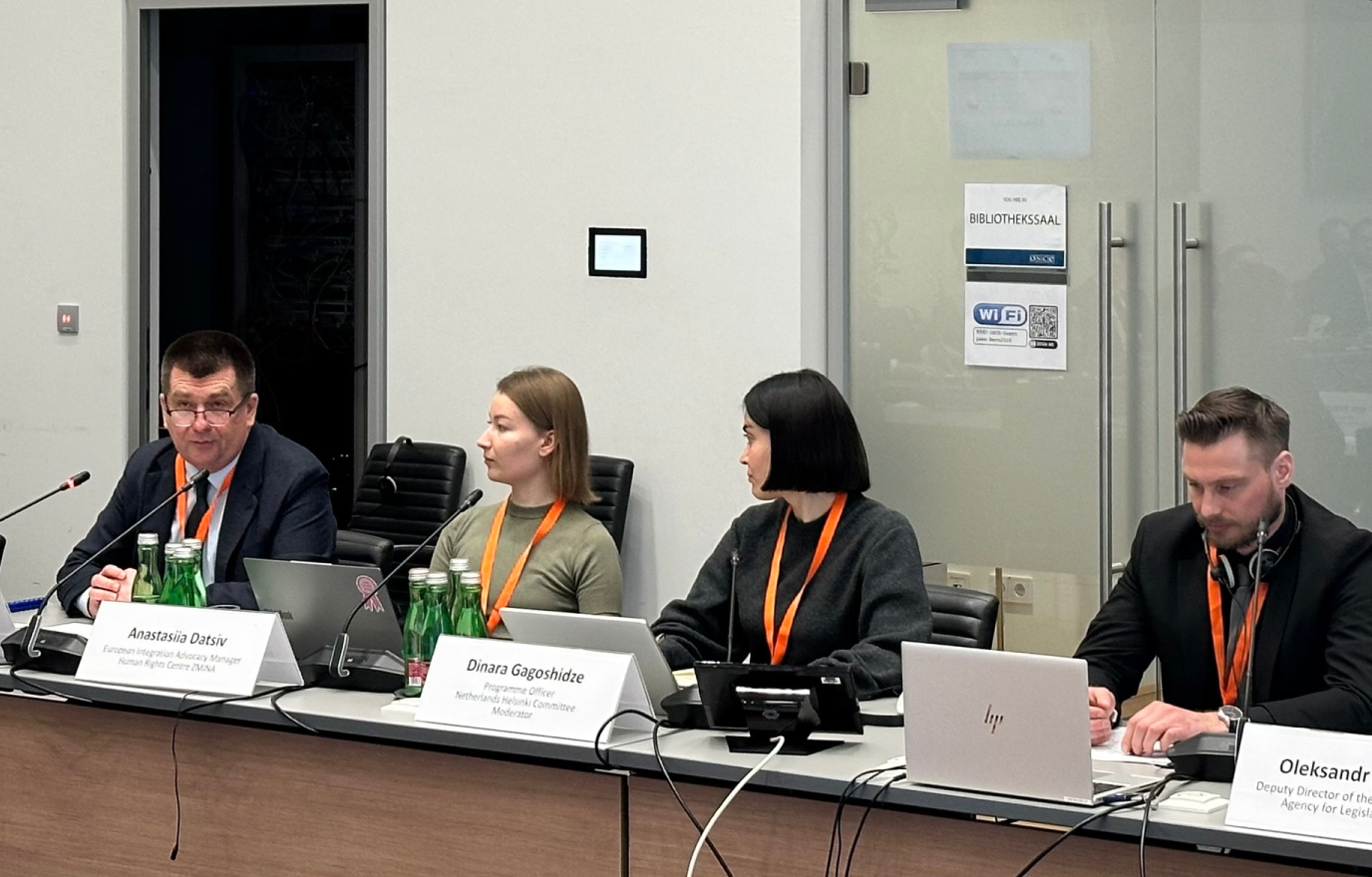
Democratic governance and the rule of law are essential components of European integration and of our long-term security and defence capabilities. The Agency for Legislative Initiatives consistently upholds these values and works to implement them within Ukrainian state institutions. Therefore, as part of a delegation of Ukrainian non-governmental organisations, the ALI participated in the First Supplementary Meeting on the Human Dimension organised by the Organization for Security and Co-operation in Europe (OSCE). Ukraine was represented by Oleksandr Zaslavskyi, Deputy Executive Director for Analytics at the ALI, Ihor Kohut, Director at the Ukrainian Parliamentary Institute, Anastasiia Datsiv, European Integration Advocacy Manager at the Human Rights Centre ZMINA, and Halyna Petrenko, Director of Detector Media.
EU accession requires the implementation of institutional reforms and transparent legislative changes, with the participation of civil society. Responsibility for this lies with the Ukrainian Parliament, whose work is undoubtedly influenced by a number of wartime circumstances. During the panel discussion ‘Parliament’s Lawmaking: Ukraine between the War and European Integration’, ALI and other participants discussed how parliamentary procedures are being adapted during wartime while preserving transparency and accountability. They also exchanged views on the role of civil society in supporting legislative quality, EU acquis alignment, and independent monitoring.
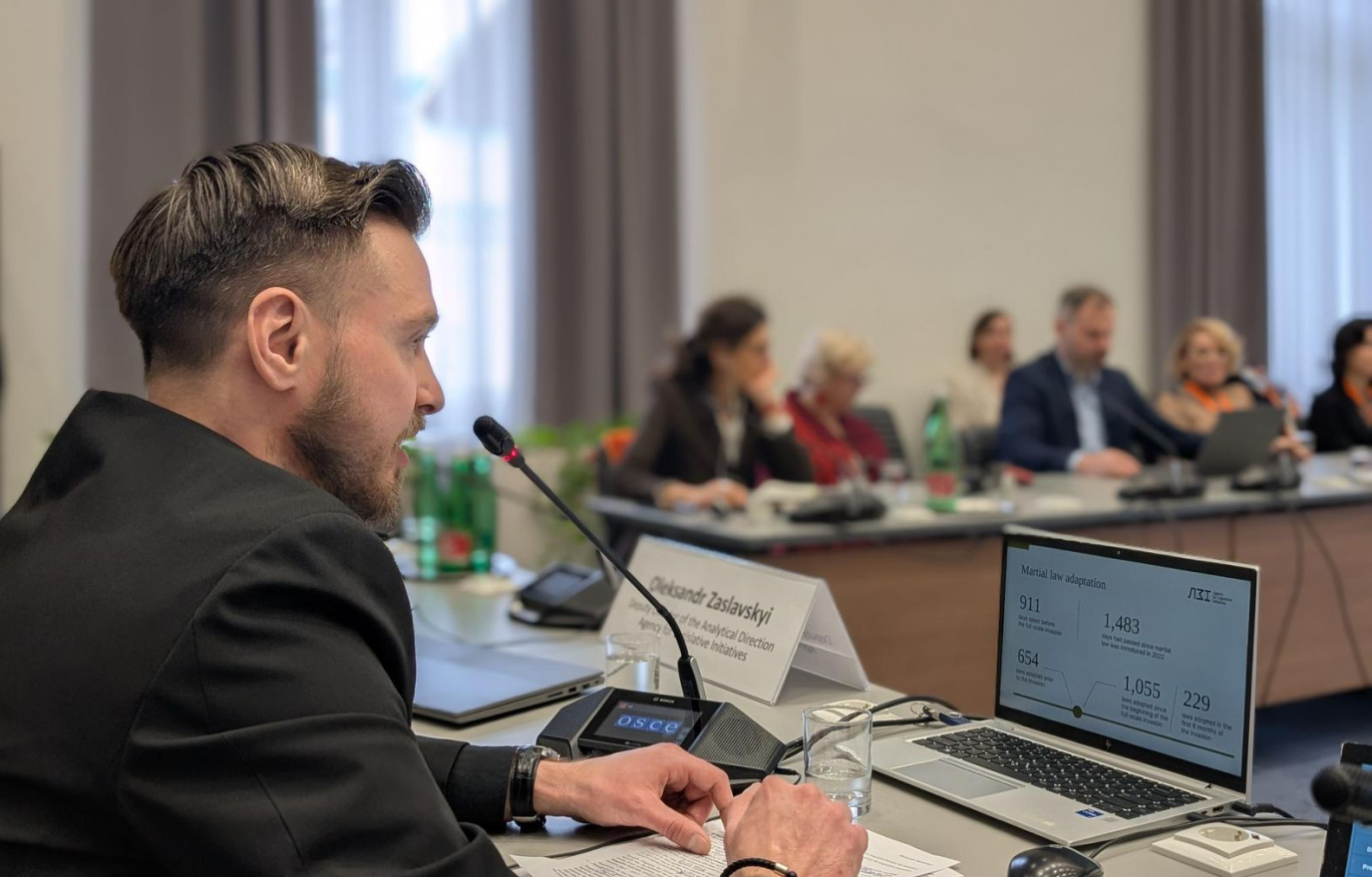
Oleksandr Zaslavskyi emphasised that the Verkhovna Rada of the 9th convocation has been working under the conditions of a full-scale war for longer than in peacetime and has gone through several stages of transformation. The first months were characterised by extraordinary speed of decision-making and an exceptionally high level of legislative activity and political unity.
A special focus should be on strengthening Parliament’s ability to operate amid new and existing security challenges and to progress toward the EU, noted Ihor Kohut. Important areas include developing the parliamentary administration and implementing the Roadmap for democratic institutions along with the European Commission’s recommendations on enlargement.
In other words, despite procedural obstacles, the Verkhovna Rada has largely adapted to the conditions of a protracted war and continues to function despite obvious difficulties. What, then, can help the Parliament achieve stability in the current Ukrainian context:
- Full implementation of a methodology for assessing the legislative impact of draft laws, in conjunction with post-legislative oversight tools, as well as a methodology for gender-sensitive legal expertise of legislative initiatives.
- Adoption of a law strengthening ethical standards for Members of Parliament.
- Updating priorities regarding next steps, in particular, the adoption of a new Resolution on parliamentary reform.
- Inclusion in the Rules of Procedure of the Verkhovna Rada of special procedures and mechanisms in case of the need to operate under extreme (including wartime) conditions.
These recommendations from the ALI will contribute to the consistent improvement of legislative work and to effective legislative support for European integration. In this process, it is important for Parliament to be open to cooperation and dialogue with civil society.
Despite the security risks associated with martial law, the Verkhovna Rada is gradually becoming more open, though it has not yet returned to pre-war levels.
Background
Supplementary Human Dimension Meetings provide a platform for exchange of views between OSCE participating States, OSCE institutions, international organisations, civil society, and other stakeholders to discuss implementation of specific OSCE commitments in the human dimension. In 2026, the OSCE will hold three supplementary human dimension meetings. The first focused on threats to democratic lawmaking and the role of preventive safeguards, the contribution of civil society and independent oversight, and the importance of judicial review and accountability throughout the legislative process.
The series of meetings was organised by the Organisation for Security and Co-operation in Europe (OSCE)/Office for Democratic Institutions and Human Rights (ODIHR). The discussion titled ‘Parliament’s Lawmaking: Ukraine between the War and European Integration’ was held with the support of the Netherlands Helsinki Committee.
Control It or Not — the Government Is Still Not Accountable to the Rada
The Verkhovna Rada of Ukraine began 2026 not very actively, yet ‘vividly’ — the greatest interest in the work of Members of Parliament is currently demonstrated by the anti-corruption bodies. This cannot but affect the capacity of Parliament and its ability to adopt draft laws, including those related to European integration. It also once again raises the question of whether the Verkhovna Rada is capable not only of adopting decisions but also of exercising effective oversight over the executive branch.
‘The attention of the National Anti-Corruption Bureau and the Specialised Anti-Corruption Prosecutor’s Office to the activities of Members of Parliament is directly linked to MPs’ performance of their direct duties — bribes for “necessary votes”, false asset declarations, accusations of land misappropriation and so on. This time, officers of NABU and SAPO did not overlook the Head of the “Batkivshchyna” faction, Yuliia Tymoshenko.’
This entire anti-corruption track — including the corruption scandal in the energy sector — could not but affect the ‘New Year agenda of the parliamentarians. Most importantly, it has evidently also affected the effectiveness of the first plenary meetings.
At first, Parliament dismissed two ministers and, only on the second attempt, adopted a decision to appoint Denys Shmyhal and Mykhailo Fedorov to other positions — First Deputy Prime Minister of Ukraine — Minister of Energy of Ukraine and Minister of Defence of Ukraine respectively. However, MPs have still not voted for a new Head of the Security Service of Ukraine, nor for changes in the Ministry of Justice.
As for legislative activity, from 1 January to 2 February 2026, Members of Parliament considered only 12 draft laws, six of which were adopted. The total plenary time during this period amounted to 11 hours. During the same period in 2025, the Verkhovna Rada considered 46 draft laws and plenary time in the chamber totalled almost 18 hours.
It should be noted that the President has also not demonstrated productivity in the legislative sphere from early January to 2 February — he was expected to sign or submit proposals regarding 13 laws. However, four laws did not receive any response from the President despite the expiry of the 15-day deadline (as of 17 February 2026, two of them have already been signed). Among them is draft law No. 3195 on introducing mandatory reporting by members of the Government prior to their dismissal.
In the context of this draft law, the article analyses whether there is a chance for effective parliamentary oversight during the 15th session of the Verkhovna Rada. It also examines why parliamentary oversight does not function effectively and how this can be remedied.
Reporting by Government Officials: Background
On 17 December 2025, an overwhelming majority of Members of Parliament adopted in the second reading and in its entirety draft law No. 3195, which obliges ministers to report before parliamentary committees and, ultimately, before Parliament when their resignation is being considered. With 285 votes in favour, the Verkhovna Rada of the IX convocation attempted to assert — strengthen — restore its own institutional agency through reinforcing parliamentary oversight. The fact that draft law No. 3195 was supported by virtually all factions and groups may be regarded as an institutional demand for stronger oversight.
The dismissal of Minister of Justice Herman Halushchenko and Minister of Energy Svitlana Hrynchuk, which took place without their presence in the Rada, once again demonstrated the gap in interaction between the Government and Parliament. The entire arsenal of available instruments has proven insufficient to ensure ministerial accountability and responsibility before Parliament.
After the energy sector, the security and defence sector is the next sphere where new scandals with even more far-reaching consequences can be expected — both for the country’s defence capability and for its socio-political resilience. In this area, parliamentary oversight of the Government traditionally does not differ from that in other sectors.
The Oversight Function Today: Increased Activity Without Systemic Change
Although recent monitoring of the Verkhovna Rada’s work records a significant increase in quantitative indicators — in particular, a rise in the number of requests and appeals submitted by MPs — this does not always indicate genuine parliamentary oversight. In many cases, it reflects pressure or personal gain. Recordings from Operation ‘Midas’ revealed that a criminal group had asked Members of Parliament to submit certain requests.
In terms of dialogue, government officials and parliamentarians held nine ‘Question Time with the Government’ sessions, which was also noted in the report of the European Commission.
However, even though energy infrastructure was the most frequently discussed topic during these ‘Question Time with the Government’ sessions, the Verkhovna Rada failed to identify in advance the problems that ultimately resulted in the largest corruption scandal — at least since the beginning of the full-scale war.
This once again highlighted the weakness and ineffectiveness of this mechanism. Ukraine has many established rules and practices intended to maintain balance within the triangle of power that correspond to general European and Euro-Atlantic counterparts. In practice, however, the application of these instruments does not produce results. Attempts to introduce fines for ignoring an invitation to attend a parliamentary session in draft law No. 11387 were vetoed by the President.
When discussing the provision of parliamentary oversight and the accountability of the executive branch, structural constraints are becoming increasingly visible. Performing these functions is difficult in a system where the key centre of decision-making is the President — both in the perception of government officials and often of MPs themselves. In such a configuration, the question of accountability remains open: why report to Parliament if it is not, in fact, Parliament that determines your ministerial fate? As a result, the instruments of parliamentary oversight continue to exist on paper but in reality remain largely a formality.
Reporting as a Component of Parliamentary Oversight: International Experience
When discussing the strengthening of parliamentary oversight in Ukraine, international experience is often invoked in the search for quick and effective solutions. Although foreign practices and regulations in the field of parliamentary oversight may differ significantly and the respective countries are not currently in a state of war, examining how these mechanisms operate elsewhere allows for a better understanding of why the approach proposed by Ukrainian legislators is unlikely to work as expected.
As a rule, the Prime Minister and other ministers have the right to resign on their own initiative. In developed democracies, government reporting to Parliament — as one component of a broader architecture of oversight — is largely voluntary. In some countries, the resignation of a minister does not require mandatory discussion at all — as, for example, in North Macedonia or Serbia.
The Government of Finland annually submits a report to Parliament on its activities and, separately, reports on the state of the economy and the implementation of the budget. Parliamentarians may also request thematic reports. Their consideration may result either in approval or in a vote of no confidence in the Government or in an individual minister.
In the United Kingdom, ministers are required to report on their work as well as on the activities of their departments and agencies. Moreover, they may bear responsibility for the actions of the latter. The instruments of oversight include parliamentary questions and committee hearings. If the results of a report are deemed unsatisfactory, a minister may be dismissed by the Prime Minister or submit a resignation.
In Sweden, the Government annually presents to Parliament a programme defining its main priorities and objectives and submits a report on the implementation of the budget. In addition, it reports on the work of commissions established to develop proposals for addressing pressing issues. The Government may also submit to Parliament a statement or report on matters related to the governance of the country or international relations. The consideration of such a statement may result in a vote of no confidence in the Government or in a minister.
The Polish Government also reports annually on the implementation of the budget. Following its consideration, a resolution is adopted either granting or refusing consent for the Government to continue its activities. There are also thematic reports (for example on the state of the healthcare system or environmental policy) which Parliament may approve or reject. The rejection of a report does not automatically result in the resignation of the member of the Government responsible for the relevant public policy.
The rules of procedure in some countries also provide for interpellations. An interpellation is a procedure whereby Parliament summons representatives of the Government and government officials must explain their policy, specific documents or actions. Following an interpellation, a member of the Government may receive immunity for a short period or a procedure for their dismissal may be initiated. For example, in the Czech Republic there are both oral and written interpellations.
Effective parliamentary oversight abroad is based not on isolated procedures but on a coherent system of instruments that ensure regular access of Parliament to information and the accountability of the Government. It is precisely from this perspective that draft law No. 3195 should be considered — whether it complements the existing arsenal of parliamentary oversight instruments in Ukraine and whether it is capable of strengthening it in practice.
Draft Law No. 3195: Why Reporting Only at the Time of Resignation Is Not Enough
Draft law No. 3195 provides that a minister who submits a resignation must personally be present and report on their work during the consideration of the issue of their dismissal — both at a meeting of the relevant committee and in the plenary chamber. The authors also propose aligning certain provisions of the Rules of Procedure of the Verkhovna Rada with the Constitution in the part concerning the appointment of members of the Cabinet of Ministers.
However, in its current version, draft law No. 3195 is unlikely to strengthen the oversight function of Parliament, as it contains several shortcomings.
For example, the requirement to report does not apply to dismissals initiated upon the submission of the Prime Minister, the President or on the initiative of the Verkhovna Rada itself.
Draft law No. 3195 also does not establish any requirements regarding the structure, content or standards of such a report. In other words, the minister will be able to determine independently what exactly and in what form should be communicated to Parliament. This effectively turns both oral and written reporting into a formality.
Parliamentary oversight must operate in conjunction with all available instruments, since only then can it be effective. This arsenal could be expanded through the introduction of interpellation. However, draft laws No. 3499 and No. 13596 registered in the Verkhovna Rada on this issue have still not been brought to the Parliament’s agenda. The Main Scientific and Expert Department and the committees of the Verkhovna Rada have expressed substantial comments on them, yet it remains important to assess interpellation as a potential instrument of parliamentary oversight.
Merely reporting on one’s activities prior to a minister’s resignation is insufficient. It is more of a symbolic gesture than an effective instrument of oversight. It cannot replace systemic mechanisms — interpellations, regular and extraordinary reports, well-developed committee work and others.
Draft law No. 3195 positions ministerial reporting as a sanction that is triggered at the very end, when a minister resigns, rather than as an instrument of regular accountability. In other words, the minister is effectively punished by having to report — a public ‘examination’ is imposed at the moment of dismissal. Such an approach transforms the position of minister from the apex of a political career into compulsory ‘community service’, from which one cannot even depart without first submitting a report.
Chronic Weakness of Oversight over the Security and Defence Sector
If the intention to strengthen parliamentary oversight is a genuine objective rather than merely an imitation, action must be systematic rather than selective. Extracting only one instrument from the entire set — reporting — and applying it situationally will not solve the problem. This is particularly true in the context of scandals in the security and defence sector — where parliamentary oversight and accountability must be strengthened as a matter of urgency. Draft law No. 3195 does not address this issue. Instead, Parliament is once again attempting to adopt a narrow measure that does not correspond to the scale of the problem.
Limited parliamentary oversight fits poorly within the framework of European and Euro-Atlantic integration. It is precisely through the oversight function that Parliament can guarantee a balance between security and freedom, the observance of democratic principles and the protection of human rights — all of which are fundamental to accession to the European Union.
For a country in a state of war, this is of particular importance when it comes to the security and defence sector. This is traditionally a closed sphere that requires oversight, alignment of security and political objectives and the establishment of safeguards against abuses by the executive branch. By exercising oversight over the security sector, Parliament ensures its effectiveness, transparency and accountability, as well as supervision over the proper use of funds. However, as long as the Verkhovna Rada is unable to transform the existing set of instruments into an institutionally developed system of oversight, the security sector itself is unlikely to submit to such oversight. Is it possible to change this? In the Green Paper, experts of the Agency for Legislative Initiatives analyse whether, under martial law, the Verkhovna Rada uses the available instruments of parliamentary oversight to their full extent, to what degree this function of Parliament is limited under wartime conditions, and which practices of NATO member states should be adopted in the future.
European partners emphasise the need for reform of the Security Service of Ukraine, stressing that oversight of this key national security body must be strengthened, alongside the relaunch of the State Bureau of Investigations (SBI) and the central and regional units of the National Police. They also point to political risks associated with the work of the recently merged Defence Procurement Agency and the State Rear Operator.
In the Verkhovna Rada, the response has unfortunately been slow. MPs’ draft laws No. 13602 on the relaunch of the SBI (registered in August 2025) and No. 4210 on democratic civilian oversight have been left idle. The creation of a committee for oversight of special-purpose bodies, which would have expanded powers of parliamentary oversight, was initiated as far back as the IV convocation and is provided for under current legislation. However, this decision has also not been adopted for several years, although it depends exclusively on the Verkhovna Rada.
Parliamentary Oversight Between War and Post Bellum
Without a comprehensive approach, the Verkhovna Rada will continue to have formal powers but remain limited in its capacity to use them effectively. Yet it is precisely this capacity — particularly with regard to oversight of the security and defence sector — that serves as a marker of a mature democracy and a key condition for Ukraine’s European future.
A significant share of the problems currently observed by Ukrainian society and international partners is the result of decisions that postponed issues of accountability and oversight (as well as many others) ‘until after the war’ and/or left their resolution to successors. However, it appears that remaining suspended in such hypothetical anticipation can continue for a very long time. Will the President and Parliament change in the near future? Evidently not. Yet the resolution of the problems described depends precisely on this Parliament and this President — and it is they who will determine when and how the long-awaited post bellum moment arrives.
Effectiveness of the Implementation of Legislation at the Local Level: A New Study by the Agency for Legislative Initiatives
The evaluation of legislation is an important component of the law-making process, as it makes it possible to identify shortcomings and gaps in legislative acts and to assess their impact on various aspects of public life. In addition, analysing the practical implementation of laws contributes to building an open dialogue between the legislator and stakeholders.
In European countries, legislative evaluation is applied to assess the achievement of stated objectives, identify shortcomings and unintended consequences, and amend legislation to enhance its effectiveness.
In Ukrainian practice, the attention of Members of Parliament is primarily focused on the mere adoption of legislative decisions, whereas the ability of legislation to achieve its declared objectives and the effectiveness of its implementation remain without proper evaluation. At the same time, the absence of a systematic approach to legislative evaluation makes it more difficult to identify problems in a timely manner and reduces the overall effectiveness of law-making activity.
Regarding Local Self-Government
From August 2019 to June 2025, the Verkhovna Rada of Ukraine adopted several laws in the field of local self-government and regional development aimed at continuing the decentralisation process. Not all of them have been analysed in terms of their practical application. Meanwhile, under wartime conditions, communities face new challenges, which in turn necessitate a prompt and high-quality review of legislation.
Accordingly, the purpose of this study is to analyse selected laws in the field of local self-government and regional development adopted between August 2019 and June 2025 inclusive and to assess the practice of their implementation.
Key Areas of the Study:
- what factors influence the quality and effectiveness of legislative provisions;
- to what extent the adopted legislation corresponds to the needs of territorial communities;
- how improved communication between the legislator and local self-government bodies (LSG bodies) can contribute to enhancing the legislative process and increasing the effectiveness of law implementation.
The study also contains a number of recommendations for legislators, local self-government bodies and central executive authorities aimed at developing a systematic approach to the application and evaluation of legislation.
Although in Ukraine the requirement to conduct legislative evaluation will enter into force only after the termination of martial law, the study provides recommendations that can be applied in practice now.
More on the evaluation of legislation in the field of local self-government and regional development can be found in the new issue of the journal Parliament, published by the Agency for Legislative Initiatives.
This study has been prepared with the support of Sweden. The content of the document is the sole responsibility of the NGO ‘Agency for Legislative Initiatives’ and does not necessarily reflect the position of Sweden.
ALI Launches a New Project on Judicial Reform and Strengthening Prosecutorial Independence with the Support of the Netherlands
The Agency for Legislative Initiatives (ALI) has launched a new project supported by the MATRA programme of the Embassy of the Kingdom of the Netherlands in Ukraine. The project aims to consistently advance the reform of the judiciary and the prosecution, which are crucial for Ukraine’s further progress on its path toward European integration.
Two Key Areas of the Project
The project focuses on two strategic priorities.
The first area is the optimisation of the national network of general local first instance courts.
The current court system does not align with Ukraine’s new administrative and territorial structure or with the realities of wartime, thereby complicating access to justice for citizens and posing additional risks to the effective functioning of the judicial system.
To address these challenges, the Agency for Legislative Initiatives will:
- Develop a new court mapping methodology that takes into account Ukraine’s updated administrative-territorial division, internal and external migration processes caused by the ongoing war, judges’ workload, and the geographical features of regions, including those located close to the combat zone. At all stages, the recommendations of the Council of Europe European Commission for the Efficiency of Justice (CEPEJ) will be taken into account.
- Prepare model court maps for each government-controlled region of Ukraine. Based on the results, universal regional maps will be developed, defining the number of courts and judges, as well as hub territorial communities for the location of new courts of first instance.
- Develop a detailed step-by-step plan for a pilot project on optimising the network of general local courts in one of Ukraine’s regions, which can later be replicated in all other regions.
- Assist in developing the legislative framework necessary for this transformation.
This project will help rethink court mapping projects developed before the full-scale invasion and, taking into account significant population migration, propose the most optimal models for the future functioning of the system of general local courts. The goal is to ensure the best possible access to justice for Ukrainian citizens residing in government-controlled territories or using judicial services from abroad.
The second area focuses on strengthening guarantees of prosecutorial independence by enhancing the institutional capacity and autonomy of the Council of Prosecutors of Ukraine (CPU), as a body of prosecutorial self-governance, and the Qualification and Disciplinary Commission of Prosecutors (QDCP), as a body ensuring the functioning of the prosecution.
The current legal design of these bodies prevents them from effectively fulfilling their mandate to protect prosecutorial independence. At the same time, their financial dependence on the Prosecutor’s General Office undermines their institutional autonomy in this process.
The project envisages the preparation of analytical concepts based on EU standards to substantiate proposed solutions, ALI’s expert participation in drafting legislative amendments together with key stakeholders (the Office of the Prosecutor General, the Council of Prosecutors of Ukraine, and the Qualification and Disciplinary Commission of Prosecutors), as well as further advocacy for the proposed reforms.
Expected Outcomes
The implementation of the project is expected to create practical preconditions for:
- improving citizens’ access to justice through an updated and rationally structured network of local general courts of first instance;
- ensuring that prosecutors adopt lawful and fair decisions in criminal proceedings by reducing the risks of pressure and interference, including from political actors or senior management, made possible through strengthening the institutional capacity of prosecutorial self-governance to safeguard prosecutorial independence;
- implementing the recommendations of the European Commission and the objectives of the Rule of Law Roadmap, which are necessary for advancing Ukraine’s path toward EU membership.
The project will last for two years.
About the MATRA Programme
The MATRA programme of the Government of the Kingdom of the Netherlands supports reforms in the field of democracy and the rule of law in the countries joining the EU. Support for this project is further evidence of the Netherlands’ consistent support, which, even in conditions of full-scale war, remains a loyal partner of Ukraine: strict but fair, and involved at every stage of Ukraine’s integration into the EU.
Responsibility for the content of the project lies with the authors and does not necessarily reflect the official position of the Netherlands.