
Lessons Learned from Members of the Verkhovna Rada: ALI Research on Gender Equality as an Element of Democratic Governance
Traditional masculinity, as well as conservative views on gender and sexuality, are at the very heart of Russia’s hybrid warfare strategy against Ukraine. By opposing equal rights, Russia is trying to substantiate its aggression. By arguing that ‘men are strong and women are weak’ or ‘men do what they can, and women do what they have to’, Russia wants to convey that it is ‘normal’ for ‘the strong to do what they can and the weak to bear what they have to’. With its consistent anti-gender policy, Russia is trying to separate Ukraine from the European value and cultural dimensions. In both senses, Russia is creating a space for disinformation and propaganda aimed at dividing Ukraine and the international community.
Thus, this study aims to explore how members of the Verkhovna Rada understand and stand for gender equality and whether this understanding is sufficient to protect against the gender equality component of Russia’s hybrid warfare.
Indicators of gender equality in the Verkhovna Rada of Ukraine
- Gender stereotypical roles in lawmaking: while women are getting more involved in ‘male’ topics, men are rarely perceived as working on ‘female’ topics. This version of gender equality mainly involves women’s engagement in areas traditionally considered to be male and not vice versa.
- Gender stereotypical roles in the family: men and women expressed concern about the excessive pressure women experience in caring for children and family, especially in the context of evacuation and separation. However, few mentioned that men may also have difficulties fulfilling family responsibilities.
- Recognising hostile rather than ‘benevolent’ sexism: Lawmakers recognise harmful, aggressive sexism as an issue. However, they often fail to recognise that idealising women or focusing only on their roles as mothers and caregivers also undermines gender equality.
Methodology
- The qualitative research is based on 14 in-depth semi-structured interviews with nine women and five men MPs. The interviewed MPs represented four parliamentary parties: seven from the majority party and seven from the opposition parties.
- The interviews were analysed and compared using inductive narrative analysis, which allowed for the identification of patterns and themes in the interview transcripts, and discourse analysis, which allowed for the identification of common meanings in the socio-cultural, political, and historical context of the full-scale invasion.
Read more about gender (in)equality in the Ukrainian parliament — in the new ALI study.
The study was conducted within the framework of the project “Parliamentary Accountability of the Security Sector in Ukraine” (PASS Ukraine), which the Agency implements together with the Parliamentary Centre, in cooperation with the Verkhovna Rada of Ukraine, and with the support of Canada’s Foreign Policy — Global Affairs Canada as part of the Peacebuilding Program and stability(PSOPs).
Committees and NGOs: A Checklist for Building Cooperation
Preserving and strengthening this cooperation, even under martial law, is a vital task for both the Ukrainian government and civil society.
Indeed, if not now, when is the right time to foster systematic collaboration at all levels and with a range of institutions — including the committees of the Verkhovna Rada of Ukraine? Parliamentary committees, as key actors in the legislative process, play a crucial role in conducting public consultations. Involving non-governmental organisations (NGOs) in law-making is an established practice, supported by Council of Europe documents, the EU–Ukraine Association Agreement, and other international treaties.
So, how is cooperation between non-governmental organisations and parliamentary committees in Ukraine organised? How are openness and inclusivity ensured in this collaboration? How can new NGOs begin working with committees of the Verkhovna Rada? And how has the full-scale war affected these processes? These are the questions at the heart of a new study by the Agency for Legislative Initiatives, which explores the cooperation between parliamentary committees and non-governmental organisations in Ukraine.
Demand vs Need — Why Does It Matter?
Parliament has several forms of public engagement, which can be divided into five stages: informing, education, communication, consultation, and participation. NGOs, in turn, play a significant role — including in the development of legislation and in providing analytical support to the Verkhovna Rada of Ukraine.
For example, the Council of Europe identifiesCode of Good Practice for Civil Participation in the Decision-Making Process. the principles of inclusivity, openness, and transparency as fundamental to building effective cooperation mechanisms between public authorities and civil society. Decision-making processes should remain open to ensure that diverse perspectives are taken into account and that balanced, well-informed policies are developed.
Considering the expertise, experience, and reputation of organisations — as well as their readiness for long-term cooperation — is a key priority when building partnerships with non-governmental organisations. This inclusive approach, backed by practical measures, helps to shape higher-quality legislative initiatives that respond to the real needs of society.
According to the ALI research, non-governmental organisations recognise the importance of the same criteria used by parliamentary committees — expertise, reputation, and experience. These factors determine the level of trust in organisations and their capacity to influence policymaking: the expertise of organisations that provide high-quality analytical materials allows their in-depth knowledge in the field to be taken into account, while the reputation of NGOs depends on their previous activities, financial transparency, and participation in significant projects.
Of course, existing legal acts — such as the laws On the Committees of the Verkhovna Rada of Ukraine and On Law-making Activity — provide for various forms of cooperation, including parliamentary hearings, round tables, working groups, and public consultations. At the same time, they do not always specify the procedures for their implementation in detail, which creates gaps in practical application. For example, individual consultations or informal communication with experts remain outside the scope of clear regulatory frameworks. At the same time, the effectiveness of cooperation between the committees of the Verkhovna Rada and NGOs is based on mutual transparency, the involvement of a broad range of stakeholders, and a focus on practical outcomes. For committees, this creates opportunities to develop high-quality legislative initiatives that reflect the needs of society; for NGOs, such cooperation offers a means to influence decision-making processes that serve the public interest.
Checklist of Criteria for Selecting Non-Governmental Organisations for Effective Cooperation with Verkhovna Rada Committees
Based on information collected through surveys and interviews with representatives of parliamentary committees and NGOs, we have identified key criteria for establishing effective cooperation with committees of the Verkhovna Rada. This checklist may serve as a reference point for the characteristics and capacities that committees typically expect from potential partner organisations — and can help NGOs assess their own readiness for collaboration.
Relevance to the Committee’s Area of Activity (High Priority):
- Does the NGO’s work align with the main topics and objectives of the committee?
Expertise and Professional Competence (High Priority):
- Does the NGO have proven experience in the relevant field?
- Does the NGO represent the interests of a specific community (for stakeholder organisations)?
- Does the NGO have the capacity to conduct high-quality analysis (for think tanks)?
- Does the NGO have publications demonstrating its experience in the field?
Organisational Capacity (Medium Priority):
- Is the NGO willing to engage in long-term cooperation within a specific topic?
- Does the NGO have sufficient resources (human, technical, financial, etc.) to carry out joint tasks?
- Is the organisation capable of responding promptly to committee requests?
- Who are the NGO’s donors, and does it participate in large-scale projects?
Communication Capacity (Medium Priority):
- Is the NGO able to effectively communicate the results of its cooperation with the committee?
Previous Experience of Cooperation with Public Authorities (High Priority):
- Does the NGO have experience working with government bodies or participating in parliamentary hearings?
Proactiveness (High Priority):
- Does the NGO initiate cooperation and independently propose ideas and activities?
Partnership Network (Low Priority):
- Does the organisation have established connections with other NGOs or international organisations?
We invite you to explore the full set of recommendations for both parliamentary committees and NGOs in the study prepared by the Agency for Legislative Initiatives.
Cooperation of Committees with Civil Society: New Study by ALI
All over the world, including in Ukraine, parliamentary committees, as key actors in the legislative process, play an essential role in holding discussions with the public. Committees engage in various forms of interaction with society and facilitate the creation of platforms for citizen participation in the legislative process. At the same time, non-governmental organisations (NGOs) play a significant role in providing analytical support to the Parliament. Of course, the involvement of NGOs is not limited to participation in the discussion of draft laws. Still, it covers various activities, from organising events and events for committees to providing expert opinions and training. Interaction between state institutions and civil society is an organic part of democratic governance.
The ALI study details this aspect of public-private interaction and the cooperation process between the Verkhovna Rada committees and NGOs.
The study answers the following questions:
- How is cooperation between non-governmental organisations and parliamentary committees organised in Ukraine?
- How can cooperation between parliamentary committees and non-governmental organisations ensure openness and inclusiveness?
- How can new non-governmental organisations initiate cooperation with the committees of the Verkhovna Rada?
Methodology
- An analysis of international experience in cooperation between parliamentary committees and non-governmental organisations;
- An empirical section on cooperation between the Verkhovna Rada committees and non-governmental organisations: a survey and in-depth interviews with representatives of the Verkhovna Rada committee secretariats and non-governmental organisations engaged in cooperation with these committees.
Read more about cooperation between the parliament and the civil society — in our study.
The study was conducted within the framework of the project “Parliamentary Accountability of the Security Sector in Ukraine” (PASS Ukraine), which the Agency implements together with the Parliamentary Centre, in cooperation with The Verkhovna Rada of Ukraine, and with the support of Canada’s Foreign Policy—Global Affairs Canada as part of the Peacebuilding Program and stability (PSOPs).
When the Government Listens: Successful Petition Cases in Ukraine
In Ukraine, petitions are an essential tool that allows citizens to directly appeal to authorities — from local councils to the President, Cabinet of Ministers, and Parliament. Enshrined in Article 40 of the Constitution of Ukraine, the right to petition guarantees everyone the opportunity to express their views and receive a response. But do petitions truly bring change? This article explores how petitions can influence government decisions, what shortcomings exist in addressing them, and why only some succeed in achieving their goals.
Petitions are designed to provide a direct link between citizens and the government in the decision-making process. They make it possible to initiate public discussion on issues of social importance, foster non-partisan dialogue, and strengthen democratic legitimacy. Petitions also serve as a source of information for authorities — publicly signalling the positions of particular social groups on specific issues. Even when a petition doesn’t lead to immediate action, it can help shape public opinion and, in turn, influence the political agenda.
The effectiveness of petitions largely depends on how they are processed and what rules govern their review. The petitioner’s guaranteed right to receive a formal response is a critical condition for their impact. In Ukraine, petitions submitted to central government bodies are considered only after collecting the required 25,000 signatures. In this context, the level of media visibility and the issue’s relevance are key: petitions that gain public attention are more likely to succeed — even if that attention is driven by popular or populist themes.
Let us explore several successful petition cases submitted to the Verkhovna Rada, the Cabinet of Ministers, and the President of Ukraine.
During martial law, the highest number of petitions that collected more than 25,000 signatures were addressed to the President of Ukraine — 351 in total. Most of these (213) concerned posthumous awards for service members, which can be explained by the President’s constitutional powers and the high level of public support for such initiatives. During the same period, 37 petitions addressed to the Cabinet of Ministers reached the required threshold, and only four were submitted to Parliament.
Since the beginning of the full-scale invasion, the President, Verkhovna Rada, and Cabinet of Ministers’ responses to petitions have shared two features.
First, one of the most common responses to petitions is a reference to the lack of authority on the part of the recipient to resolve the issue raised. This points to several recurring problems in how petitions are handled.
- Petition initiators often don’t fully grasp the limits of power held by the authorities they’re addressing. This results in a backlog of petitions that fall outside a given body’s jurisdiction — and, predictably, elicit a formal reply with no follow-up.
- There’s also a legal gap: government bodies aren’t obliged to act on petitions that don’t fall within their remit. That means many petitions, even those with tens of thousands of signatures, simply vanish from public view without further discussion or action. There is one exception — the President — who has the authority to forward such petitions to other institutions formally. However, that mechanism only applies within the boundaries of presidential powers. In short, the option to transfer socially important petitions exists, but it’s limited.
Second, one of the most common responses to petitions — particularly from the Cabinet of Ministers — is a promise to “consider the issue raised”. While this may come across as a box-ticking exercise, it does include a formal commitment to discuss the issue. And that is something: it can trigger internal discussions within the government and push the topic into the public sphere.
The catch? There’s little way to track whether that promise was actually fulfilled. In most cases, there are no transparent mechanisms to monitor whether the issue was genuinely reviewed — or what, if anything, came of it.
Successful Petitions to the President of Ukraine
Curbing Online Gambling: Tackling Addiction in the Ranks During Wartime
One of the most striking examples of an effective e-petition involved the call to restrict online casinos in Ukraine. The issue was publicly raised by service member Pavlo Petrychenko, who drew attention to the growing problem of gambling addiction among military personnel. A petition calling for an immediate ban on online gambling for service members during martial law quickly gathered the required 25,000 signatures.
In response, the President of Ukraine convened a National Security and Defence Council meeting, which led to a set of restrictive measures. These included a ban on access to gambling platforms for military personnel, new controls on user accounts, caps on spending and time spent gaming, and the launch of an awareness campaign on the dangers of gambling addiction. A draft law strengthening the regulation of the gambling industry was also supported. As a result, the petition led to concrete measures aimed at reducing the risks of gambling addiction.
Opening Officials’ Asset Declarations
Another example of a successful petition was the demand to veto a draft law that sought to delay the reopening of the public register of officials’ asset declarations. Verkhovna Rada’s refusal to ensure immediate access to e-declarations — as proposed in Draft Law No. 9534 — sparked widespread public outrage. Within just three hours, the corresponding petition had collected over 25,000 signatures.
The President’s response was swift: the draft law was vetoed and returned to Parliament with a demand to open the declarations. This happened before the official response to the petition was published — but after it had reached the required number of signatures.
The President justified his decision by citing the need to uphold national anti-corruption principles and honour commitments to international partners. Parliament promptly reviewed the proposals and adopted a revised law mandating the immediate publication of declarations and requiring officials to submit reports for previous years. Thanks to the petition, transparency and openness in the public sector were preserved — even during wartime.
Successful Petitions to the Cabinet of Ministers of Ukraine
Petition in Support of Tabletki.ua
The publication of a draft resolution by the Cabinet of Ministers proposing changes to the licensing conditions for retail trade in medicinal products sparked outrage among consumers and online service providers. According to the draft, information about the availability and prices of medicines could only be published on pharmacy websites — effectively banning independent price aggregators like Tabletki.ua.
In response, an e-petition was launched demanding that the government reconsider the draft regulation. Within less than a day, it collected the required 25,000 signatures and eventually surpassed 30,000. The government had to respond. Negotiations took place between service representatives, the Ministry of Health, and the State Service of Medicines, resulting in the suspension of the proposed changes. In its official reply, the Cabinet of Ministers stated that the draft resolution would be revised, taking into account the suggestions of the public.
Introducing Women-Only Compartments on Ukrainian Railways
Against the backdrop of growing public demand for safer travel conditions for women on long-distance trains, an e-petition was launched calling for the introduction of dedicated women-only compartments. The petition garnered support from over 25,000 people.
In its official response, the government noted that Ukrzaliznytsia independently makes decisions within its mandate. However, the proposal for separate compartments would be considered, as the petition had clearly demonstrated a legitimate public request. Shortly afterwards, Ukrzaliznytsia announced the launch of a pilot project. In June 2023, the first women-only compartments became available for booking via the company’s mobile app. Their introduction was accompanied by carriage upgrades, including video surveillance and panic buttons for added safety.
Successful Petitions to the Verkhovna Rada of Ukraine
Strengthening the defence capacity of communities
Of the four petitions reviewed by the Verkhovna Rada, only one can be considered effective — the petition in support of Draft Law No. 9560-1. The draft proposes amendments to the Budget Code to give communities clear legal grounds to support the Armed Forces of Ukraine using local budget funds. Without such changes, local government officials providing material assistance to the military risked becoming subjects of criminal investigations.
In its official response, the Parliamentary Budget Committee stated that Draft Law No. 9559-d would be adopted first, after which Draft Law No. 9560-1 and its alternatives would be prepared for a first reading. Indeed, the first draft was supported by Parliament in June 2024. However, since then, the draft has remained in “legislative limbo”— neither signed nor vetoed by the President of Ukraine. This has made its implementation impossible and continues to spark public frustration.
Draft Law No. 9560-1 and its alternatives have still not been reviewed. Nonetheless, the logic of the process suggests that the petition was partially successful: at the time the official response was issued, the petition’s demands had been taken into account. Since Parliament stated that further work on Draft No. 9560-1 would begin after the adoption of No. 9559-d, the current delay does not lie within the Verkhovna Rada’s direct responsibility. The President’s failure to either sign or veto Draft Law No. 9559-d has effectively blocked the next steps outlined in the official response to the petition.
In the end, e-petitions in Ukraine hold considerable potential as a tool of direct democracy — one that allows citizens to influence government decisions and shape the public agenda. Successful cases such as the restriction of online casinos, the opening of officials’ asset declarations, or the introduction of women-only compartments on trains demonstrate that when demands are clearly articulated, aligned with the recipient’s powers, and backed by strong media attention, petitions can lead to real change. At the same time, vague procedures, limited referral mechanisms, and formalistic replies often reduce petitions to a mere imitation of dialogue. Still, even when a petition doesn’t result in immediate resolution, it can serve as a starting point for institutional dialogue — within government or between the state and civil society. What matters is that the issue is raised, placed on the agenda, and spoken about publicly. That, too, is a result.
ALI Launches New Focus Area on Prosecution and Law Enforcement
As of 1 May, ALI is launching a new programme area dedicated to the prosecution service and law enforcement.
Public safety in society is achieved, in part, through fair accountability for those who commit unlawful acts. The public prosecution service must have the resources it needs to pursue justice, while fully respecting human rights and fundamental freedoms. Ukraine’s prosecution and law enforcement system is undergoing a gradual transformation that aligns with European standards, but this process still requires professional, expert support. From now on, the Agency for Legislative Initiatives will contribute to that support.
ALI’s work on prosecution and the rule of law will focus on:
- advancing the development of the prosecution service in Ukraine in line with EU standards — in particular, by strengthening guarantees of prosecutorial independence and enhancing prosecutorial self-governance;
- reforming law enforcement agencies — from establishing unified principles for defining their status to implementing systemic changes within the police, SBI and ESBU;
- introducing a formalised approach to criminal justice policy, including forecasting and prioritisation in the work of the prosecution service and law enforcement agencies;
- monitoring and supporting legislative changes to the Criminal Procedure Code to improve its effectiveness;
- strengthening the institutional capacity of Ukraine’s system of military and wartime justice.
This area at ALI will be led by Yevhen Krapyvin, a legal expert and scholar with over a decade of professional experience in criminal justice reform, focusing on aligning the Ukrainian prosecution service with European standards.
ALI will be sharing key findings and insights from this essential area of reform across all its platforms.
Gender Impact Assessment and Legal Gender Expertise: Prospects for Implementation in the Verkhovna Rada
During the training, participants explored how gender analysis and legislative impact assessment methodologies can be integrated into the legislative process, learned about international and EU-level practices, and examined tools used in other countries. In the practical part of the session, participants applied gender analysis methodologies to fundamental draft laws.
Mykhailo Tepliuk, Deputy Head of the Secretariat of the Verkhovna Rada of Ukraine — Head of the Main Legal Department, highlighted recent developments that will help align legislation with constitutional norms. He noted that when referring to the Constitution, one must pay particular attention to Article 3. It stipulates that human rights and freedoms, and their guarantees, determine the content and focus of state activities, and that the state is accountable for the outcomes of its actions.
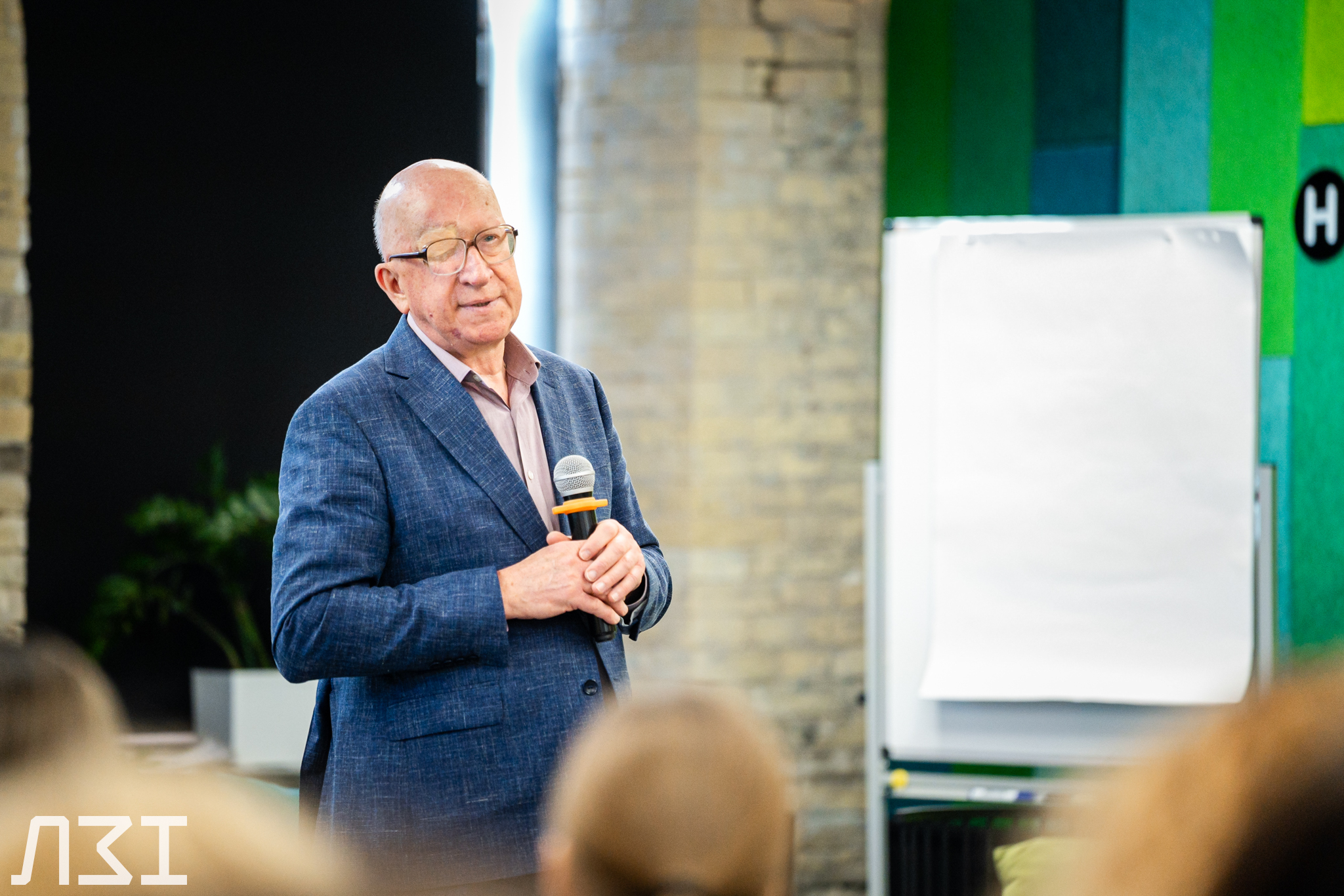
The event was moderated by Oleksandr Zaslavskyi, Deputy Executive Director of the Agency for Legislative Initiatives. He highlighted the importance of implementing gender analysis and impact assessment tools, noting that doing so would benefit Ukraine both in the context of European integration and in strengthening domestic decision-making processes.

Volodymyr Skrypets, the Analytics Lead at the Agency for Legislative Initiatives, shared with the training participants the experience of piloting and adapting the gender-sensitive impact assessment methodology within the Verkhovna Rada. His presentation covered a wide range of materials: the Guide to Legislative Impact Assessments — a joint product of ALI and four parliamentary committees — almost fifty conducted assessments, European experience, European Commission practices, and an analysis of the Law “On Law-Making Activity”. Together, these provide a broad basis for understanding gender-sensitive impact assessment tools and frameworks.
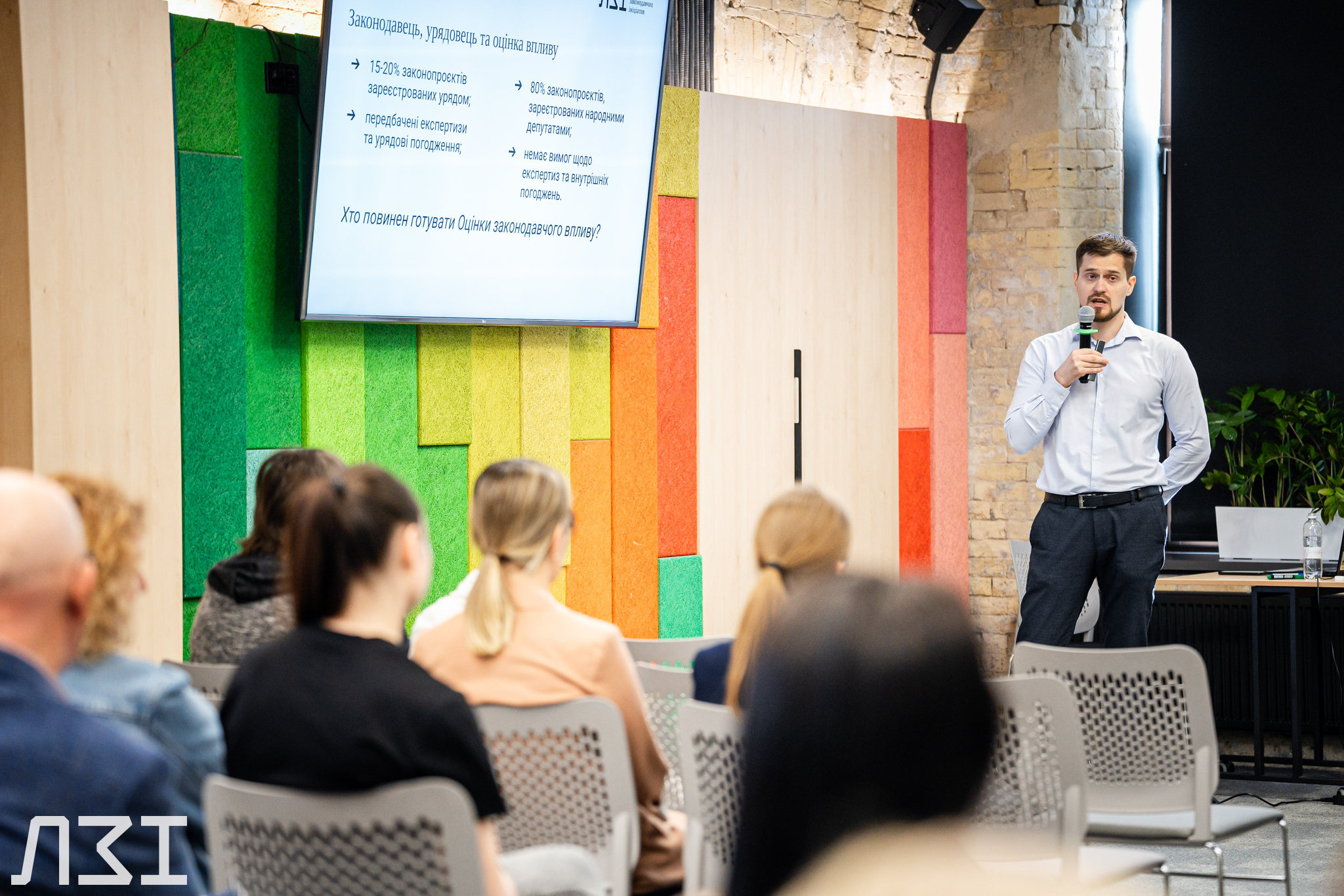
The training also explored similarities and differences in approaches to gender analysis in various countries — Sweden, Canada, several EU states — as well as global examples of gender-responsive tools and methodologies and how they are implemented in stages. Participants, including gender analysis expert Olena Zaitseva, underscored the importance of such measures.
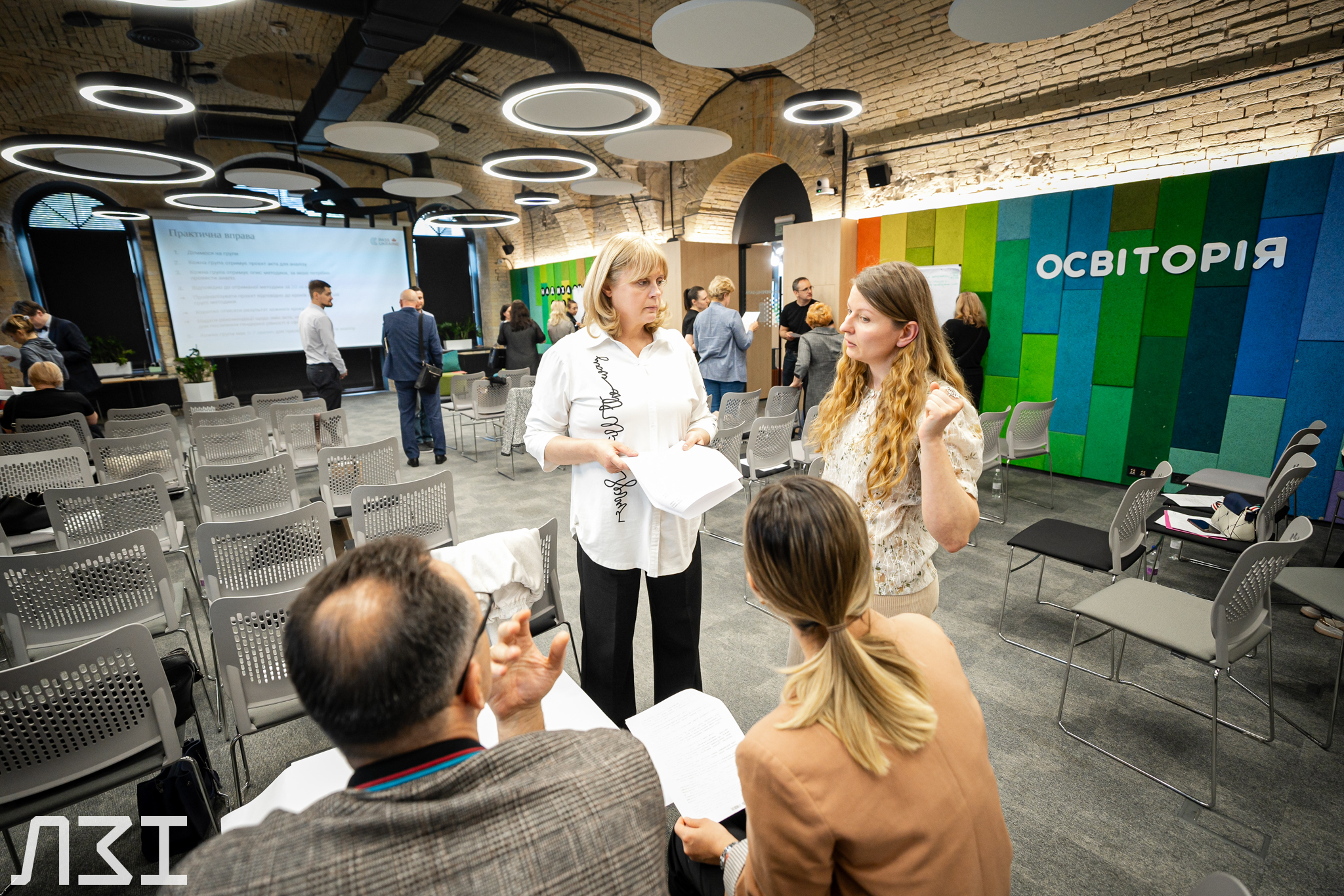

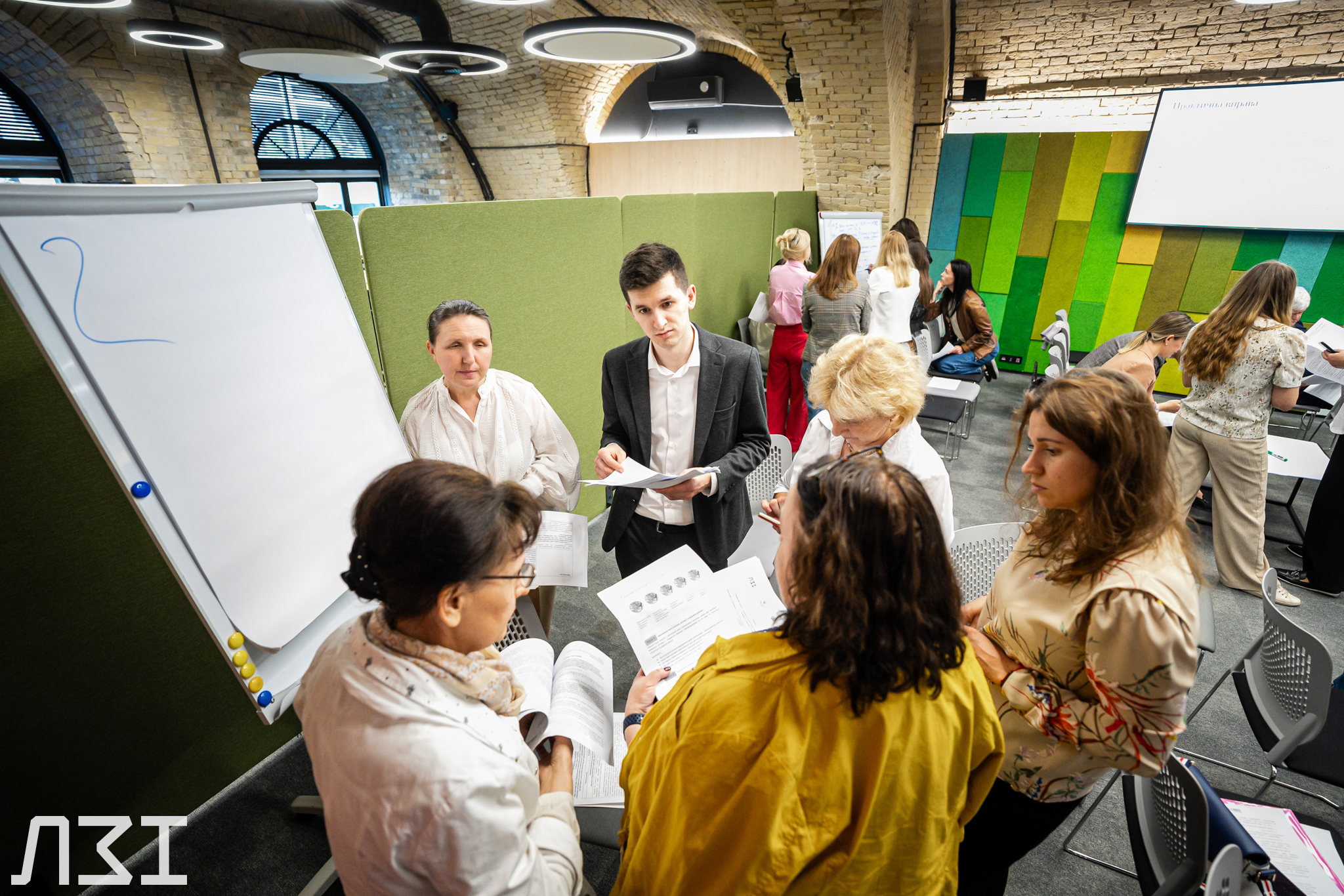
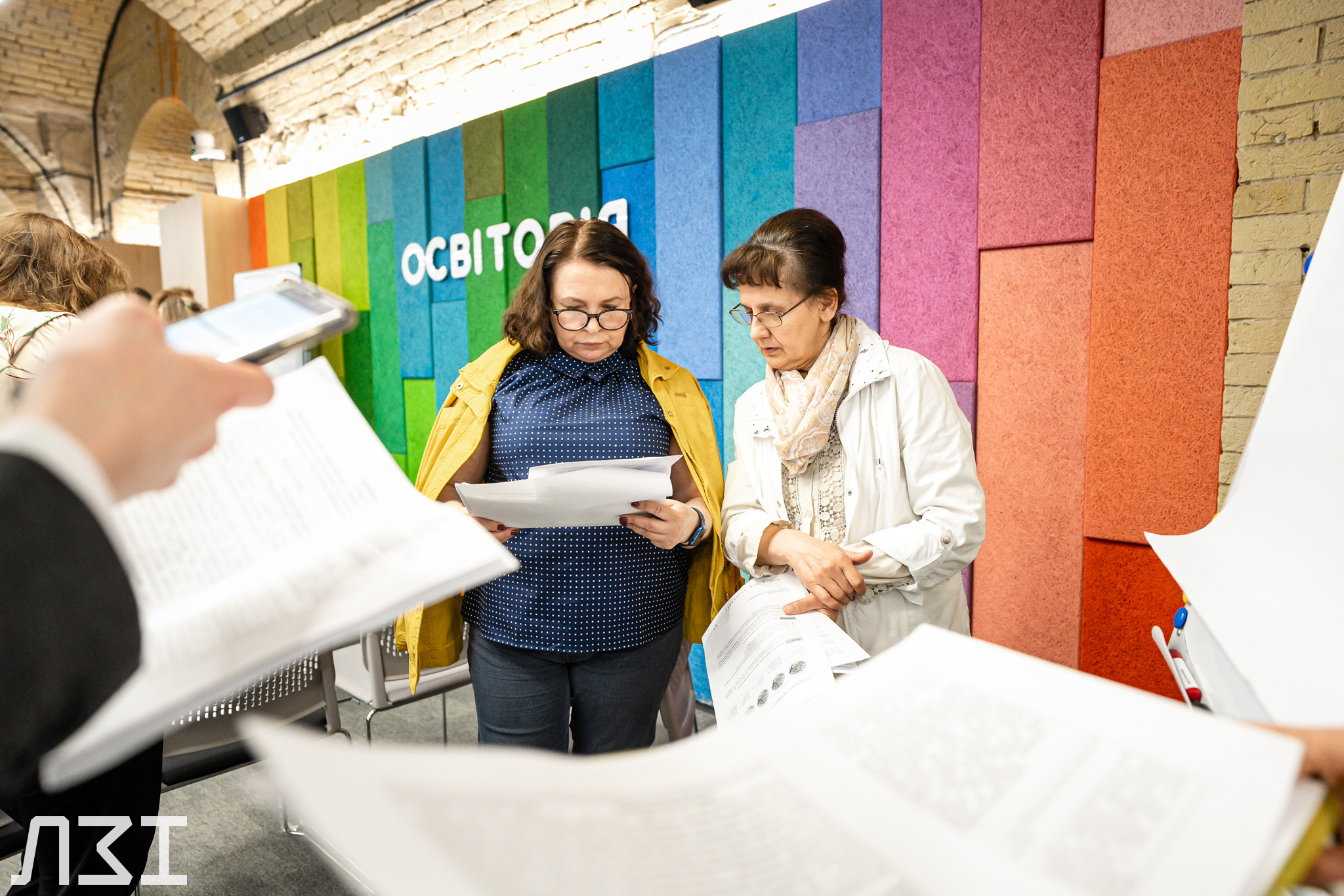
This part of the training also featured a hands-on workshop on applying gender-sensitive methodologies to the analysis of specific draft laws across different sectors.
The roundtable took place within the framework of the project “Parliamentary Accountability in Ukraine’s Security Sector” (PASS Ukraine), implemented by the Agency for Legislative Initiatives in cooperation with the Parliamentary Centre (Canada), the Verkhovna Rada of Ukraine, and with the support of Global Affairs Canada through the Peace and Stabilization Operations Program (PSOPs).
“National Discussion” of the Draft Law: What Is This New (Old) Mechanism?
Public participation in lawmaking is possible in different formats: for example, the Cabinet of Ministers holds consultations with the public, Verkhovna Rada committees form working groups with the involvement of experts, etc.
One of the lesser-known instruments of interaction between the state and citizens is the national discussion, a mechanism inherited from the Soviet era. National discussions of state and party documents were actively practised in the Soviet Union after World War II, but they could hardly be considered an effective democratic tool. In the conditions of a totalitarian state, the results of such discussions were quite predictable and, inter alia, had an ideological impact.
Of course, it is important to involve the public, but this process should be open, efficient and transparent. The national discussion hardly meets these criteria, and we will explain why.
National discussion: What is the procedure?
On 11 February 2025, the Verkhovna Rada decided to submit the draft law for national discussion. This honour was given to the draft law No. 12260, “On Credit History.” According to its initiator, MP Olha Vasylevska-Smahliuk, the draft law would eliminate the shortcomings of the current legislation and replace the Law of Ukraine “On Organisation, Formation and Circulation of Credit Histories” adopted in 2005.
The Main CommitteeCommittee on Finance, Taxation and Customs Policy. supported the draft law and recommended that the Verkhovna Rada adopt it in the first reading as a basis. However, during the parliamentary consideration, there were not enough votes even to send it for repeated first reading or return it to the author for revision. As a last resort, the draft law was sent for national discussion with 226 votes, the minimum number of votes required to make a decision.
This possibility is envisaged by Article 114 of the Rules of Procedure of the Verkhovna Rada of Ukraine, which stipulates that following the consideration of a draft law in the first reading, the Verkhovna Rada may make one of the following decisions:
1) adopt the draft law as a basis with an instruction to the main committee to prepare it for the second reading;
2) reject the draft law;
3) return the draft law for revision or submit it to the main committee for preparation for repeated first reading;
4) publish the draft law for national discussion, revise it by the main committee with due regard to the results of the discussion and submit it for repeated first reading.
The Rules of Procedure do not generally provide a detailed description of the procedure for submitting a draft law for national discussion, but Article 115(2) requires that a separate resolution of the Verkhovna Rada determine the timeframe for submitting a draft law for repeated first reading, regarding which a decision on national discussion has been made. However, the adopted resolution does not specify such a timeframe. The Law of Ukraine “On Committees of the Verkhovna Rada of Ukraine” obliges committees to summarise comments and proposals received during the national discussion of draft laws when performing their drafting function. However, neither the VRU Rules of Procedure nor the Law of Ukraine “On Committees of the Verkhovna Rada of Ukraine” define a detailed procedure of a national discussion, its stages, its participants, and their rights and obligations. The Regulations on the Secretariat of the Verkhovna Rada of Ukraine stipulate that it keeps records and summarises proposals and comments received on draft legislative acts published for national discussion, effectively duplicating the committee’s powers.
Everything new is well-forgotten old
Where did the rule on national discussion of draft laws come from? Obviously, we inherited it from the Soviet regime. The USSR actively used national discussion as a way to legitimise its decisions. Between 1956 and 1985, the USSR held discussions on more than 30 draft regulations of various levelsAbstracts of reports and directives adopted by the CPSU Central Committee and the USSR Council of Ministers.. This procedure was first enshrined in the Constitution of the Ukrainian SSR of 1978, which stated that “the most important issues of state life shall be submitted for national discussion.” The procedure was regulatedThe Law does not apply on the territory of Ukraine in accordance with the Law of Ukraine ‘On De-Sovietisation of the Legislation of Ukraine’ No. 2215-IX dated 21.04.2022. by the relevant Law of the Ukrainian SSR, “On Public Discussion of Important Issues of State Life of the Ukrainian SSR.”
This procedure is not new to Ukrainian politics after independence. In 1992, a draft of the new Constitution of Ukraine was put up for national discussion, and draft amendments to the Constitution were put up for discussion in 2003 and 2009 at the initiative of the President.
In 2006, the new Rules of Procedure of the Verkhovna Rada of Ukraine were adopted in connection with the amendments to the Ukrainian Constitution. It enshrined the possibility of submitting a draft law for national discussion, which has been incorporated into all subsequent rules of procedure almost unchanged and is still in force today.
Previous attempt
One of the most famous cases of using the national discussion procedure took place during the adoption of the Tax Code. On 15 June 2010, the Government registered a draft Tax Code in the Verkhovna Rada, which MPs adopted as a basis two days later. Given the adverse public reaction, the Parliament adopted a resolution on a national discussion of the draft Tax Code of Ukraine on 8 July 2010, which, however, authorised the Cabinet of Ministers:
- first, to ensure that the draft code is made public and that there are conditions for national discussion,
- second, to summarise the discussion results and submit them to the Verkhovna Rada of Ukraine.
While considering the draft code at the plenary session, the then Speaker of the Rada, Volodymyr Lytvyn, admitted that “the material efforts of the Verkhovna Rada of Ukraine to discuss this issue will not be enough.” Some MPs, however, stressed that the draft Tax Code should not be sent for national discussion by a separate decision of the Verkhovna Rada but only after consideration in the first reading (while the draft Tax Code had already been adopted as a basis). In addition, the draft law was sent to the Government with MPs’ proposals and amendments for the second reading.
Two months later, on 8 September 2010, the Government reported on the results of the national discussion and, a few days later, introduced a new draft Tax Code that – at least, the explanatory note says so – took into account the results of the national discussion and was subsequently adopted by the Verkhovna Rada.
Is a national discussion really necessary?
The situation with draft law No. 12260 is more like an attempt to avoid rejecting the draft law. Unlike the Tax Code, it did not receive widespread attention or a strong adverse reaction from society. The accompanying documents do not contain information on the need for discussion or any consultations, and the main committee recommended that the draft law be adopted as a basis rather than sent for national discussion. In addition, the committee responsible for preparing the draft law for a repeated first reading is not obliged to report on the results of the discussion, which may lead to abuse, meaning that there is no need to justify the grounds on which some proposals and comments will be taken into account, and others will be rejected.
In general, the national discussion of the draft law seems to be an ineffective mechanism for engaging citizens in decision-making, as the criteria and procedures for holding it and processing the results are unclear. Therefore, it is extremely difficult to discuss the impact of national discussions of draft laws, primarily because the practice was sporadic, and the rules were not established.
Supporting and Preserving Institutions Is a Priority — Svitlana Matviienko at the Forum on Ukraine’s Accession to the EU
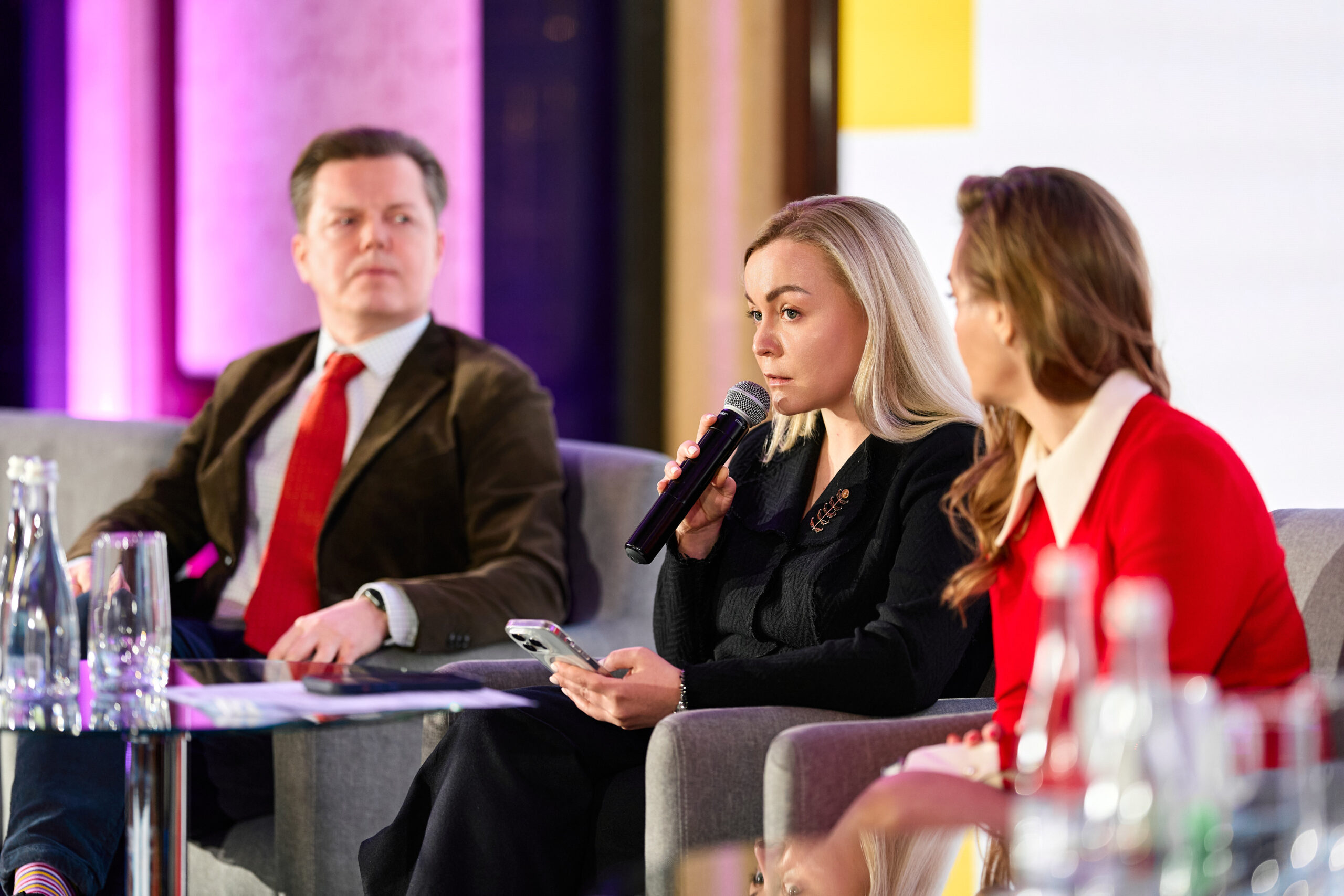
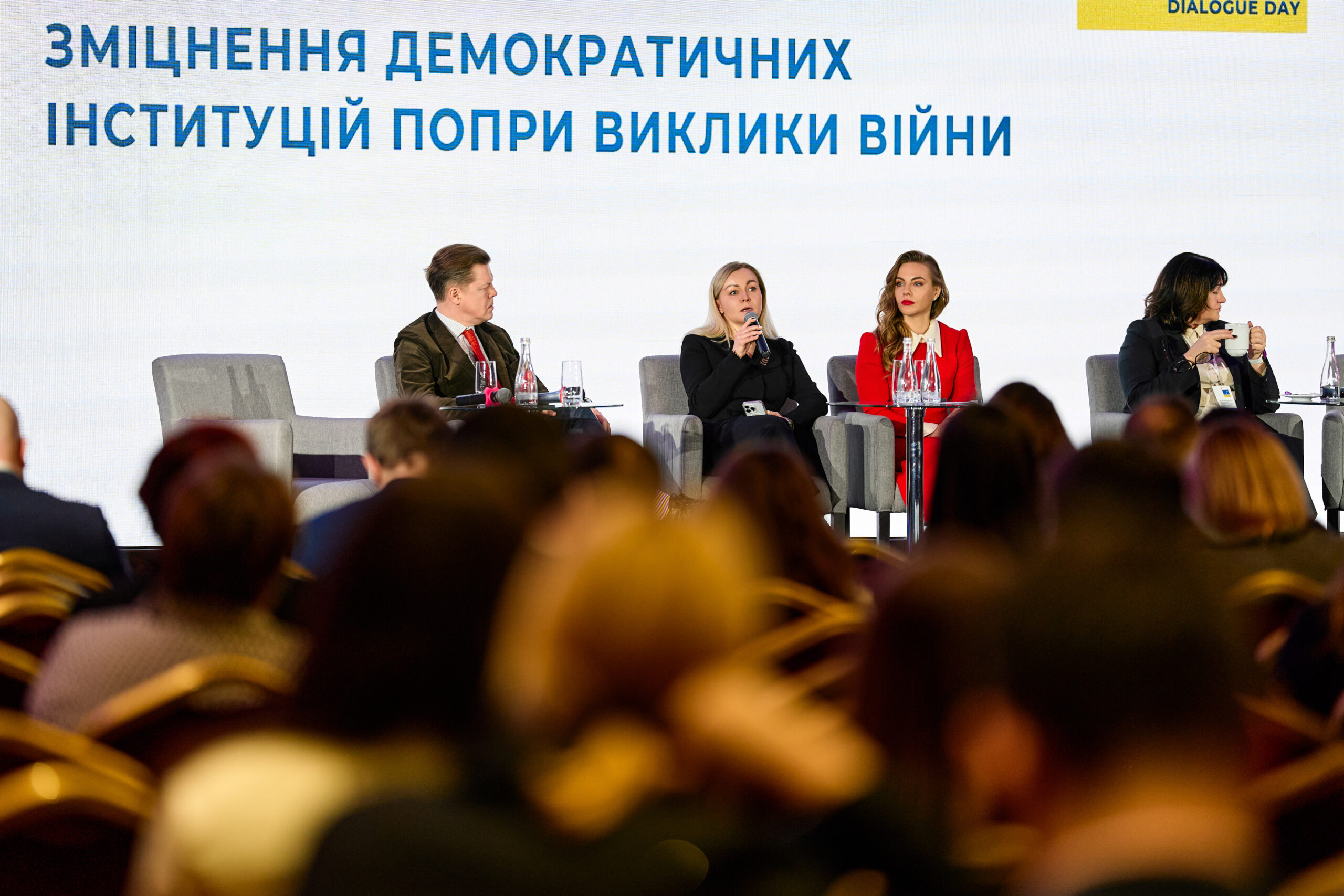
During the discussion, Svitlana Matviienko, Executive Director of the ALI, shared her vision of civil society’s role in cooperation with governmental authorities, where the partnership should be strengthened, and how to make it more effective.
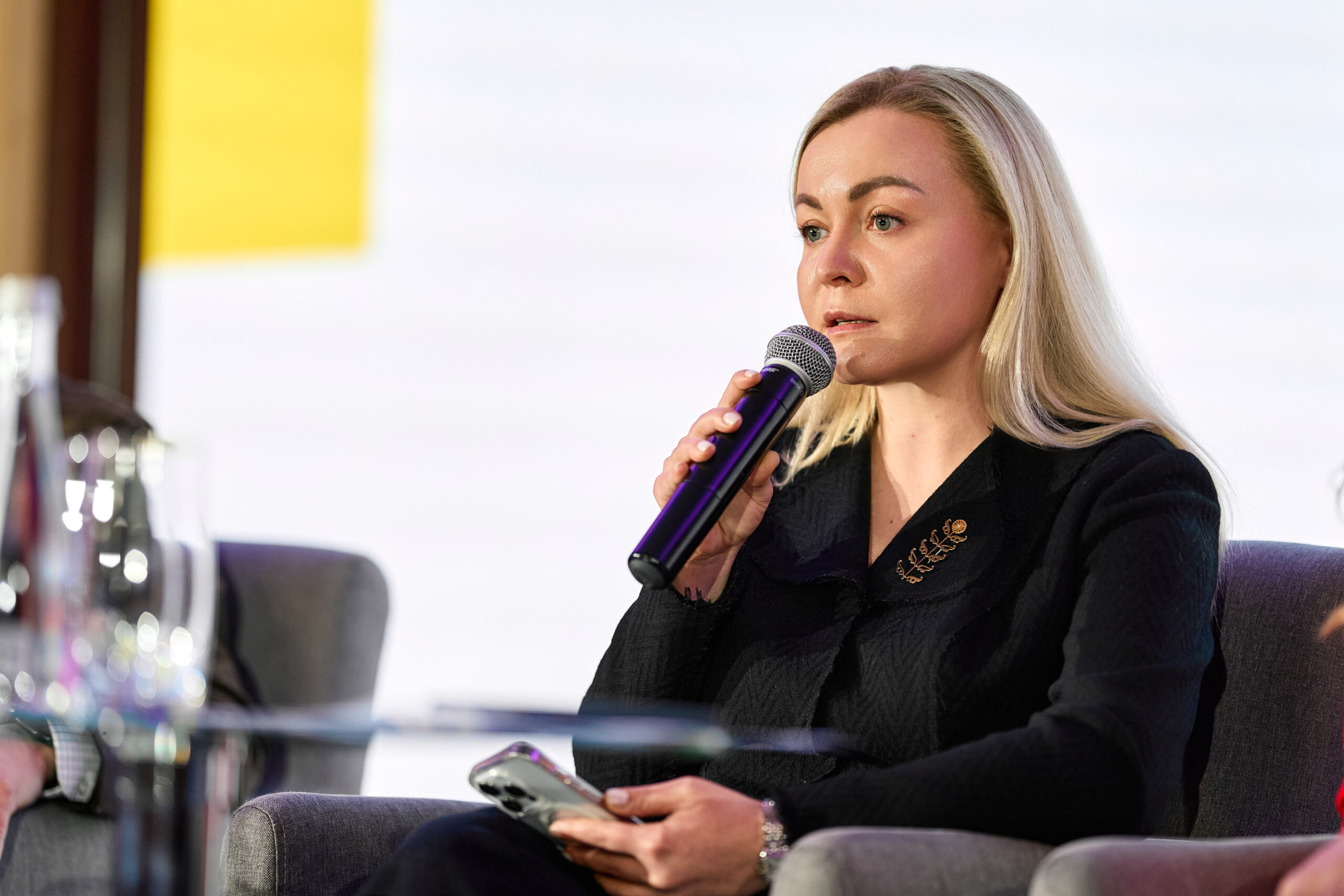
Given the experience of the Coalition of NGOs led by ALI, which prepared the Shadow Report to Title 23 Justice and Fundamental Rights of the European Commission’s 2023 Report on Ukraine, it should also be borne in mind that the issue of thorough joint work on roadmaps is both about human capital and the ability to implement them. And civil society needs to find opportunities to support institutions working on European integration processes, as this is a huge amount of work.
All issues, especially in times of war, can be resolved jointly and constructively, both with partners and civil society. Therefore, an important task for the public sector is to form such Coalitions and maintain constructive relations, while the government institutions need to build an adequate framework for cooperation.
For reference
Ukraine’s Accession to the EU: Shaping the Transformation Agenda Forum was held on 7 February 2025. This forum brought together representatives of governmental authorities, the European Union, and the expert community.
During the event, participants discussed Ukraine’s transformation plan in the areas of the rule of law and public administration, namely roadmaps that will become key benchmarks for the coming years for Ukraine to achieve the EU membership criteria and a roadmap for the functioning of democratic institutions. These developments will form the basis for negotiations with the EU. Therefore, it is important to jointly identify the strategic priorities of such roadmaps, further steps for their implementation, and all the tasks and challenges along the way.
ALI Conducted a Training on Gender Analysis in Legislative Activities for the Verkhovna Rada
During the training, the participants considered integrating gender-sensitive approaches in developing legal acts. They learned what tools can be used for gender legal expertise, including the gender marker as an example of a toolkit for rapid gender assessment of draft laws. In the practical session, the participants analysed existing laws and previously proposed draft laws for gender expertise.
Gender legal expertise in drafting laws is an important mechanism for ensuring the principle of equal rights and opportunities for women and men in legislative activities. In fact, its key role is to:
- Identifying gender risks in draft laws that may create or exacerbate inequality.
- Ensuring harmonisation of Ukrainian legislation with international commitments in the field of gender equality (e.g., the UN Convention on the Elimination of All Forms of Discrimination against Women, the Beijing Declaration, the European Social Charter (revised), and the Convention on the Rights of Persons with Disabilities).
- Developing an inclusive legal framework that considers the different needs of women and men, including those from vulnerable groups.
This mechanism allows for a comprehensive analysis of different population groups rather than viewing the population as an abstract whole. It is gradually becoming a part of the Legislative Impact Assessment, a comprehensive tool designed to identify and assess the potential consequences and probable impacts of public policy in a particular area, including at the stage of drafting legislation and its analysis.
The event’s speakers included Oksana Moskalenko, Head of the Women’s Consortium of Ukraine; Myroslava Babak, gender expert and member of the Bureau of Gender Strategies and Budgeting; and Tetiana Ivanina, gender expert, trainer and facilitator.

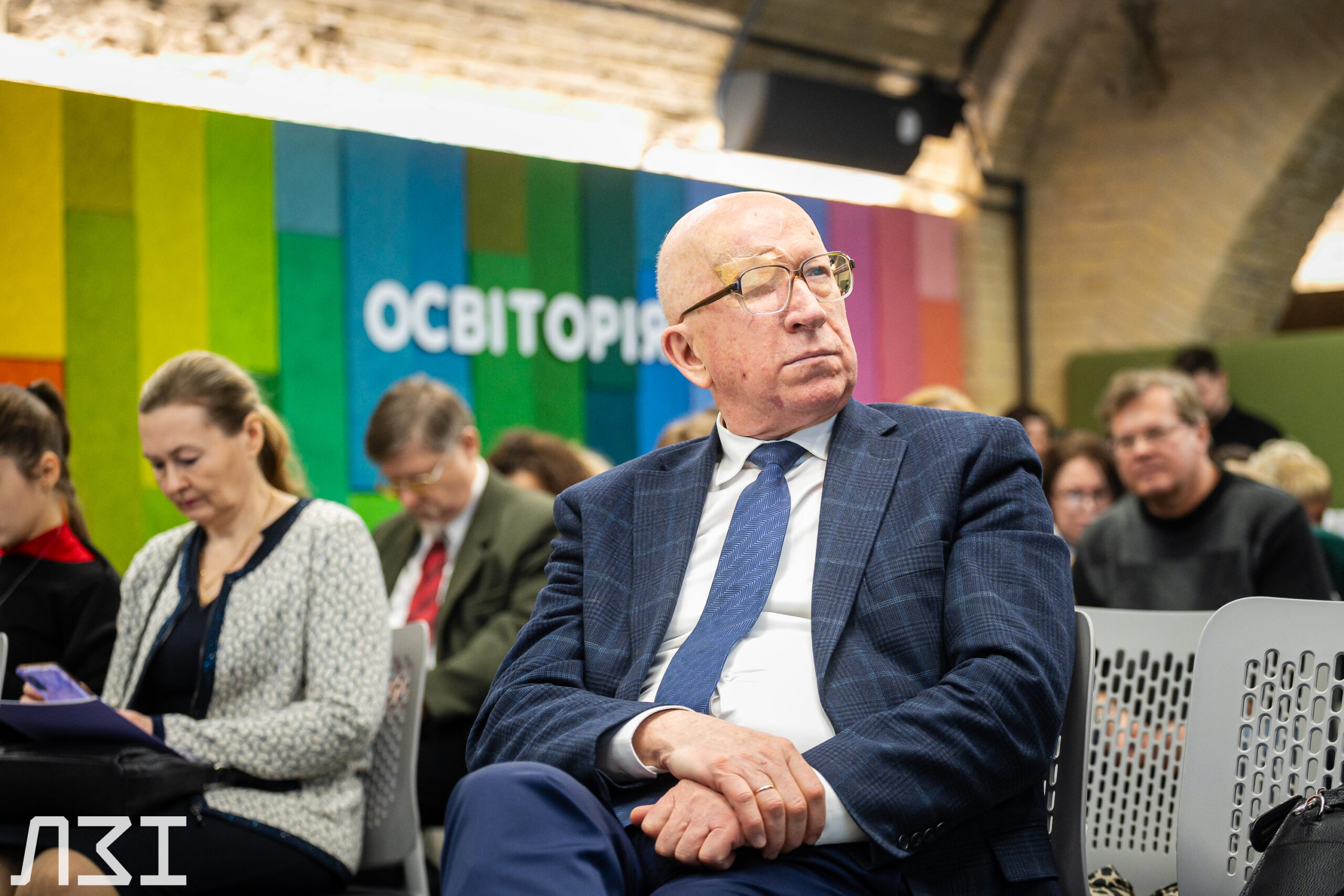
At the beginning of the event, Oleksandr Zaslavskyi, Deputy Executive Director of the Agency for Legislative Initiatives, noted that it was not the first time that the Verkhovna Rada had joined and initiated such events, thus confirming its agency in this matter and demonstrating its understanding of the necessity of gender legal expertise and gender-sensitive impact assessment of legislative proposals. After all, for the EU, this dimension of analysis is fundamental. Without it, the development of decisions or draft acts does not begin, and it allows for an assessment of how the same decisions affect various population groups in different ways. While this is actually about the diversity of such impacts.
Oksana Moskalenko stressed that it is a great responsibility to start a discussion on the search for implementing gender mainstreaming tools in legislative practice, and certain tools allow measuring the impact of draft laws in a more personal, targeted way. Therefore, the training should be the first step towards not only looking at what these tools are but also at what exactly should be introduced — because for this mechanism to work, it must be based on the resources and capacities of the Verkhovna Rada.
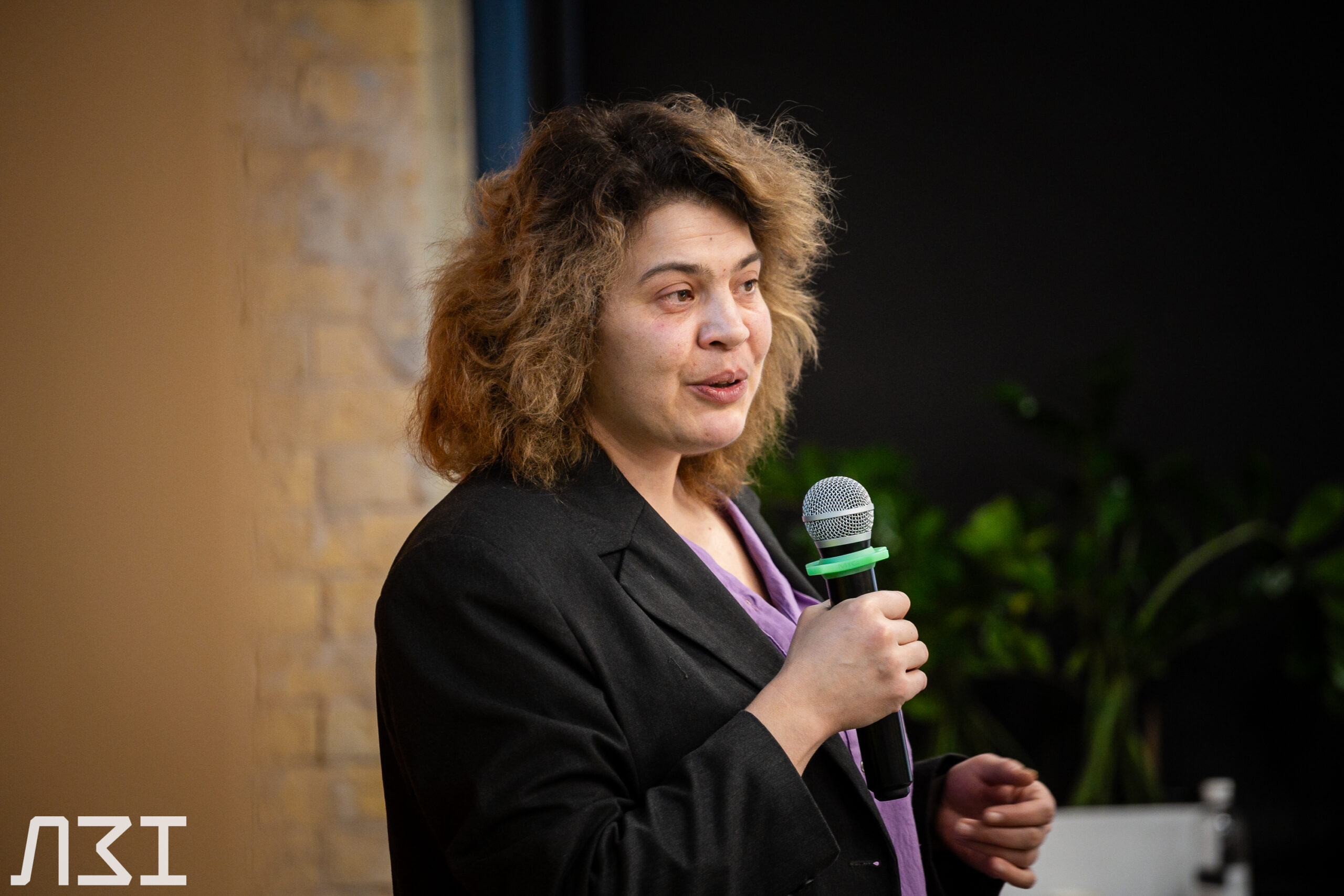
Myroslava Babak noted that considering all possible analysis tools, including the gender perspective, provides greater opportunities to track the impact after adopting the law. Therefore, the training aims to showcase the diversity of such tools — so that professionals working with legislation daily can identify ways and methods to apply gender analysis in legislative expertise. The state, through legislation, must understand the barriers people face and recognise and analyse the diversity of these features and needs.
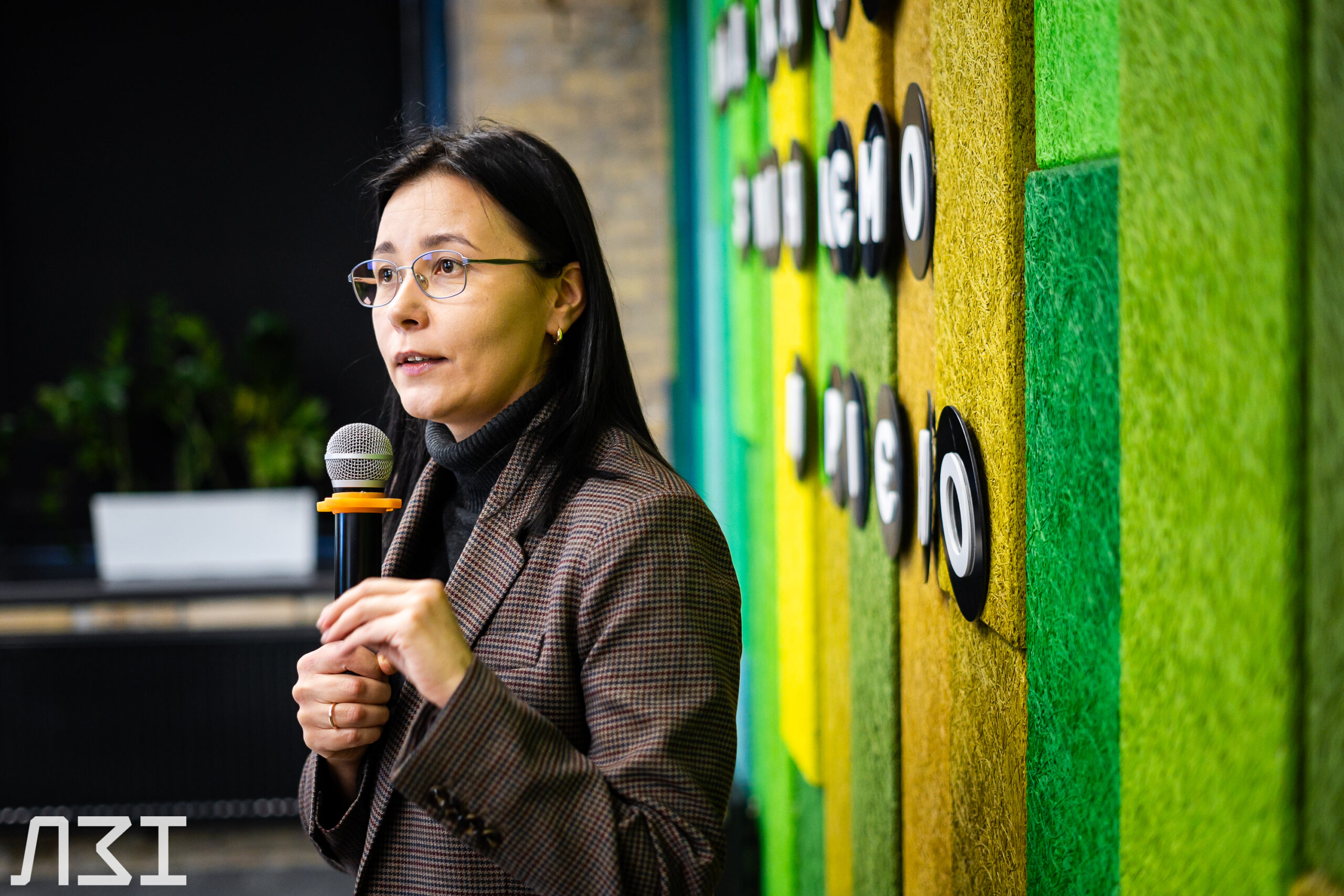

Tetiana Ivanina emphasised that gender legal analysis tools can be useful because gender expertise “unpacks” what is behind a person — their experience and needs, and directly addresses their opportunities and barriers. Only such an approach allows for the creation of human-centred draft laws, seeing not just the population as a whole but different groups of people and the impact on them. For its part, the Verkhovna Rada is the institution that should set the direction for such an approach. Therefore, understanding which tools should be used and what data is needed for this is about a parliament meeting all citizens’ needs.
The event took place as part of the “Parliamentary Accountability of the Security Sector in Ukraine” (PASS Ukraine) project, which the Agency is implementing in partnership with the Parliamentary Centre (Canada) in cooperation with the Verkhovna Rada of Ukraine and with the support of Global Affairs Canada under the Peace and Stabilization Operations Program (PSOPs).
Without an “Hour of Questions”: How Does the Parliament Communicate with the Cabinet of Ministers During the War?
One year and a half have passed since MPs lost a large part of their power to control the government and communicate with society. The scandal with Turkish jackets and the ex-Minister of Defence was telling. Such news shook society and, most likely, led to Mr. Reznikov losing his post. Against the background of scandals, dissatisfaction also built up in the session hall, where MPs increasingly demanded to return the so-called “hour of questions.” Finally, on 6 October, the first session of questions in a long time was held in the Rada. Why do members of parliament need this tool, and is it effective for influencing the government?
Before the full-scale invasion, the “hour of questions” to the government was held on Friday, each plenary week. The topic was chosen in advance, so the Prime Minister and the relevant minister answered the questions. The significance of such meetings between MPs and government officials consists in several components. First, the “hour of questions to the government” is an important tool of parliamentary oversight. MPs can use it to find out the state of affairs within the government and its performance. This is especially sensitive for MPs who do not belong to the ruling coalition: they have fewer opportunities to communicate with the executive branch of the government. Certainly, the “hour of questions to the government” mostly comes down to information sharing – answers of government officials to questions asked by MPs. But after all, this is the possibility of communication between the two most important state institutions, and this means a lot.
Second, this is an important media tool that has been used by the opposition members to the fullest extent. It was due to the procedure’s publicity as before the full-scale invasion, the “hour of questions to the government” was broadcast online, and MPs were able to exert pressure on the government officials, contributing to the desired changes.
There is another crucial aspect: the government is usually formed by the coalition, so the “hour of questions” for the opposition means the continuation of the “coalition-opposition” dialogue. They say that the truth is born in debates… Well, the “hour of questions to the government” is a platform for public discussions, the opportunity for parliamentarians to give publicity to problems they consider important. An aptly asked question on a relevant topic may involve civil society in the discussion, and this tandem has a chance to achieve changes.
After 24 February 2022, the “hour of questions to the government” is being held in a completely different form. Ministers still meet with MPs: meetings with the coalition take place, as well as with faction leaders in the form of the Conciliation Board. However, it is hard to speak about the recurrence of this activity. Having reviewed the transcripts of plenary sessions for August, it may be assumed that MPs are not happy. At each session during this period, representatives of the opposition factions demanded to return the “hour of questions to the government” at least once, and sometimes, it was quite emotional.
“Perhaps it is just the time for us to return the “hour of questions to the government” if everything that is adopted in this session hall is so brazenly and stupidly regulated,” judging by these words of Solomiia Bobrovska, MP from the “Holos” opposition faction, the lack of this parliamentary oversight tool has long been the burning problem for MPs.
Thus, the full-scale invasion forced MPs to change their working mode. The “hour of questions to the government” has just disappeared from it. At that moment, it seemed quite reasonable – MPs gathered under the dome for the minimum possible period of time only to address the most pressing problems. The safety aspect of the work seemed the most important at that time – nobody wanted to be exposed to excessive danger by spending too much time discussing policy implementation. The recurrence, with which the “hour of questions to the government” was supposed to take place, stood in stark contrast with the level of looming danger.
Is this working mode still reasonable now? Opposition representatives disagree. A year ago, opposition forces were against the continuation of some restrictions related to safety. Thus, in September of last year, there were heated debates in the session hall concerning the restriction on the functioning of the Rada TV channel and live broadcasts of sessions. Even then, restrictions seemed inadequate, taking into account the existing level of threat. The same thing is happening with the “hour of questions”: scandals with jackets and then with eggs around the Ministry of Defence demonstrate how detached MPs are from what is happening in the government.
Calls for returning the “hour of questions” may be a symptom of another parliamentary sickness – decreased subjectivity of the Verkhovna Rada in general and of the opposition in particular. The existential threat to Ukrainian statehood objectively needs consolidation and, solidarity, closer coordination between the legislative and executive branches of the government. And since the majority and opposition factions and groups consolidated in the parliament, criticism of the government’s actions from different parliamentary forces became less evident. Such a state of affairs is normal for a country at war. But, at the same time, the role of such democratic structures as the parliament is reduced. Taking into account the long history of the Ukrainian struggle for democracy and freedom, this situation creates a piercing dissonance – legally elected MPs have limited influence on the development of state policies and the composition of the government.
The ice broke on 6 October: the Verkhovna Rada held the first “hour of questions to the government” over a long period. In spite of the quite specific topic during the question session – energy security and readiness for the heating season – MPs did not hesitate to ask questions on a wide range of topics, including payments to military servicepersons and restrictions on foreign travel for MPs.
Unfortunately, the success did not repeat: on the following plenary week, the “hour of questions to the government” did not take place. However, isolated meetings will not resolve the problem – only systematic events will help build high-quality communication between branches of the government and enhance the role of the parliament, which is critical now.