
Civilian Security Sector Reform: ALI Joins Discussion within the CSSR Programme
The Civilian Security Sector Reform (CSSR) programme has been launched, bringing together the Agency for Legislative Initiatives and other civil society organisations, think tanks and experts to discuss how to reform the civilian security sector and make it more effective, transparent and aligned with EU standards.
The discussion also focused on how civil society can meaningfully influence the implementation of the Action Plan for the implementation of the Overarching Strategic Plan for Law Enforcement Reform (OAS) – the key transformation document for 2023–2027. An important part of the event was identifying ‘entry points’ for civil society organisations to support the authorities in implementing the reform, particularly through contributing to the preparation of draft laws and strategic documents.
Evhen Krapyvin, Head of the ‘Law and Order’ Area at the ALI, spoke about the progress made and the challenges encountered in implementing the OAS Action Plan.
As noted by the expert, reform of law-enforcement agencies requires a comprehensive approach: Chapter 24 of the EU acquis contains not only a list of specific measures, but first and foremost refers to the Overarching Strategic Plan. In other words, the task is twofold and concerns not only individual institutions, but also the rules under which they operate — changes to criminal procedure, forensic activity, criminal policy and so on. The main institutions responsible for implementing these measures are the Ministry of Internal Affairs, the Prosecutor General’s Office and the Ministry of Justice of Ukraine. At the same time, Yevhen Krapyvin noted that there are far fewer civil society organisations specialising in these areas than in anti-corruption or judicial reform.
Regarding the implementation of the Overarching Strategic Plan, session participants discussed the following issues:
- how the OAS and its Action Plan are embedded in the fulfilment of obligations under Chapters 23 and 24;
- the role of the OAS Plan in reforming law enforcement agencies;
- why implementation of the Action Plan is effectively equivalent to fulfilling the EU’s requirements;
- where in this process the involvement of civil society is essential.
It should be recalled that the adoption of the Overarching Strategic Plan in 2023 constituted the implementation of one of the seven recommendations made by the European Commission in June 2022 regarding the granting of EU candidate status to Ukraine. The following year, by Order No. 273 of 23 August 2024, the Cabinet of Ministers of Ukraine approved the Action Plan, which contains a detailed list of measures for implementing the strategic priorities and is specifically aimed at delivering the OAS. In 2025, the OAS became an integral part of the Rule of Law Roadmap, as its implementation is one of the EU integration measures under Chapter 24 of the EU acquis.
Some of the strategic priorities of the Action Plan are examined in greater detail in a separate article by the Agency for Legislative Initiatives.
Background
The Civilian Security Sector Reform (CSSR) programme is aimed at supporting Ukraine’s European integration objectives by assisting Ukrainian partners in reforming the law-enforcement sector in line with the Overarching Strategic Plan for Law Enforcement Reform as part of Ukraine’s security and defence sector for 2023–2027 and its Action Plan. The programme is implemented with the support of the United Kingdom’s Foreign, Commonwealth & Development Office.
Analysis of the Socio-Economic Condition of De-Occupied Communities: Kyiv, Mykolaiv, Kharkiv Regions
Research context. Since the onset of the full-scale invasion, the total value of direct damage to residential and non-residential real estate, infrastructure, vehicles, and inventories has surpassed $157 billion. Another concern is the shortage of qualified personnel, particularly medical professionals, teachers, and social workers, caused by migration. The relocation of businesses from the de-occupied frontier territories has caused a decline in community income and an increase in regional inequality. As of April 2024, nearly 19,000 companies had relocated from Ukraine since February 2022.
The reconstruction of de-occupied communities requires not only technical restoration, but also a comprehensive approach to creating an environment in which people want and are able to live. In this sense, it is necessary to analyse the socio-economic profile of de-occupied communities to identify their needs, capabilities and constraints — data that are crucial for developing a systematic and multi-level reconstruction algorithm.
Focus and Methodology of Analysis
The study covers demographic trends, the state of public services, infrastructure damage and losses, financial capacity, economic development, and the scale of community cooperation.
The study timeline was from January to April 2025.
The three-stage study included:
- The first stage involved collecting datasets in the de-occupied communities of Kyiv, Mykolaiv, and Kharkiv regions according to six groups of indicators: socio-demographic, infrastructure, financial, migration, cooperation, and public service delivery.
- In the second stage, the financial capacity of the de-occupied territorial communities was estimated based on the results of the corresponding financial indicators for 2021–2024.
- The third stage of the study involved conducting semi-structured, in-depth interviews with the heads of territorial communities and military administrations in settlements.
According to the Study, the Key Problems in the Dynamics of Community Recovery Are:
- A complex demographic profile and increasing migration rates. At the time of de-occupation, the population in the territorial communities was 44% lower than it had been at the beginning of 2022. The population structure of the communities is dominated by people over 60 years of age, which affects the labour potential and places an additional burden on the social welfare system.
- Problems with the accessibility of public services. Most communities were able to resume the delivery of public services after de-occupation, particularly by ensuring the launch of mobile administrative service centres, social service centres, and outpatient clinics. Nevertheless, de-occupied communities still experience problems with the accessibility of social services.
- Unstable security climate. Significant areas of mined territories and contamination with explosive objects. The most dangerous situation is in communities in the Kharkiv region, where at least 332 high-risk and mined areas have been confirmed.
- Damage and loss of infrastructure due to destruction. At the end of 2024, 41% of infrastructure assets were recorded as destroyed in the de-occupied communities of the Kharkiv region, 15.3% in the Mykolaiv region, and 10.6% in the Kyiv region. The most challenging situation is in the frontline communities of the Kharkiv region, where more than two-thirds of infrastructure facilities have been ruined, and the population is being evacuated.
- Disparity in access to financial resources between communities. In 2024, 27 communities are classified as having critical or low capacity, of which 15 are located in the Kharkiv region, five in the Kyiv region, and seven in the Mykolaiv region. The Kyiv region has the largest share of de-occupied communities with high and medium capacity. This reflects inequalities between communities.
- Decline in economic growth. A significant amount of production capacity was destroyed or seriously damaged. One of the problems remains the lack of labour resources. In 2024, compared to 2021, the number of employees in companies in the de-occupied communities of the Kyiv region increased by 12.6%. In contrast, in the de-occupied communities of the Mykolaiv and Kharkiv regions, the decrease was 12.7% and 26.8% respectively.
In response to the identified problems and needs, the Agency for Legislative Initiatives has designed recommendations, the implementation of which is expected to contribute to the recovery and sustainable growth of the de-occupied communities. For more details on the situation of the de-occupied communities in the Kyiv, Mykolaiv, and Kharkiv regions, see the new study by the Agency for Legislative Initiatives.
The study was conducted within the framework of the project “Parliamentary Accountability of the Security Sector in Ukraine” (PASS Ukraine), which the Agency implements together with the Parliamentary Centre, in cooperation with the Verkhovna Rada of Ukraine, and with the support of Canada’s Foreign Policy — Global Affairs Canada as part of the Peacebuilding Program and stability(PSOPs).
The Next World War May Be Fought for Water
In a world besieged by crises, one catastrophe, often unspoken about, is rising to the surface. It has the potential to become the defining security threat of our time: access to water.
With a lot of ongoing conversations about the next global armed conflict and the weapons to be used in future conflicts, most of the talks are focused on drones or unmanned vehicles to deter and defeat the enemy. Not many of these conversations are focused on ‘weaponising’ water resources in contemporary and future wars, including cyber, chemical and biological threats that, if deployed, will have a devastating, deadly impact. Actions with ill intent and operational effect on civilians or military capacity, including dam-breaching, deliberate river poisoning, cyber-intrusions into water control, and denial or manipulation of supply, all fall under the definition of ‘weaponisation of water’ within a hybrid-war framework. During the 2025 Warsaw Security Forum, I askedWSF2025 Winning the War Before the War: European Strategies for Ukraine. the EU Ministries of Defence whether the EU is ready to deter the risks associated with such attacks and received a brief and indisputable response, ‘Yes’. It is reassuring at first glance, isn’t it? However, is it really?
The 2024 World Economic Forum’s Global Risks Report identified environmental changes and misinformation and disinformation as the top two short-term risks facing the planet. But disinformation doesn’t only distort elections or polarise societies. It also masks the gravity of the environmental breakdowns already unfolding, especially our mismanagement of natural resources, including water. When people take clean water for granted, at times under the influence of false narratives, they miss one of the most pressing truths of our times: water is not infinite, and in a deeply unequal world, it is already being used as a weapon.
It’s time to talk about water security with the same urgency as energy security, food security, and defence. In June 2023, the world witnessed a chilling reminder of what it means when water becomes a tactical tool in warfare. The destruction of the Kakhovka dam in Southern Ukraine unleashed an environmental, humanitarian, and strategic disaster. The massive reservoir it held was a vital water source for agriculture and the cooling of the Zaporizhzhia Nuclear Power Plant. Kakhovka’s dam collapse caused widespread flooding, forced thousands of people to evacuate, contaminated drinking water, and destroyed ecosystems that may take decades to recover.
It has been made clear that weaponising water infrastructure is no longer hypothetical. It is happening, and Russian aggression against Ukraine is not the only war theatre where water has become both a casualty and a tool of war. In Syria, drought preceded civil war, contributing to mass migration and social unrest. In Gaza, the collapse of water and sanitation systems has turned an existing humanitarian emergency into a public health crisis. Oxfam reported that sewage was flowing through displacement camps, with aid agencies warning that Gaza’s devastated infrastructure risked the re-emergence of diseases that were once eradicated. In Iraq, Iran, and Türkiye, cross-border tensions over river flows have escalated further, threatening regional stability.
By 2024, over ten cyberattacks on water supply and wastewater infrastructure were reported globally, risking public health, causing service disruptions, economic damage, and environmental harm. Within the EU in August 2025, Polish authorities reported that they had foiled a cyberattack targeting the water supply system of a ‘large city’. Officials reported that an intrusion was detected and neutralised before it could disrupt operations. The attack had exposed vulnerabilities in critical infrastructure, particularly in the interface between the IT systems and operational control systems of utility networks. The incident was used by the Polish government to accelerate investments in cybersecurity for water and utility systems by allocating funds to strengthen these systems.
These examples demonstrate an increasing trend of politicisation and militarisation of water resources. At the same time, the lack of information or disinformation fuels inaction and creates a critical thinking vacuum. As a result, water and security of water resources and infrastructure continue to be treated with a lack of sense of urgency despite the high risk of weaponisation. In high-income countries, water still flows freely from taps. This complacency is dangerous. It breeds false security in the Global North, while the Global South is already on the frontlines. From Cape Town’s Day Zero to Chennai’s parched streets to Mexico City’s collapsing aquifers, the signs are everywhere.
Disinformation doesn’t just distort facts; it dilutes our moral clarity. And in doing so, it delays the collective action needed to prevent water from becoming the catalyst of the next great conflict. When a dam falls, whether due to military strikes, sabotage, or ageing infrastructure, it impacts food production, energy supply, public health, and migration patterns. It can destabilise entire regions. In the case of Ukraine, the destruction of the Kakhovka water reservoir has become a calculated blow to civilian resilience and regional water security.
We have long understood that energy grids are critical infrastructure. The same recognition must now apply to water systems, including dams, pipelines, reservoirs, and treatment plants. Securing these is as important as securing our borders. And yet, in many countries, water infrastructure remains underfunded, outdated, unprotected, and increasingly vulnerable to cyberattacks and sabotage.
Closing the loop from where I began — are we prepared to deter the weaponisation of water? Is the answer truly an indisputable ‘YES’? Global history teaches us that wars are often sparked by scarcity, unmet needs, a sense of injustice or desperation. If we allow water to become scarce, then the next transnational war may not be fought over ideology or land, but over rivers, reservoirs, and the right to survive. The time to act is now. Before the taps run dry. Before the rivers are poisoned. Before water dams become battlegrounds, and we all lose.
A Military Ombudsman’s Office to Be Established: Can We Expect Better Protection of the Rights of Military Personnel?
The Verkhovna Rada has finally adopted the law on the Military Ombudsman. On 17 September, 283 MPs voted in favour. The new post has every chance of strengthening the protection of the rights of military personnel. The Military Ombudsman will be appointed by the President for a five-year term to handle complaints about violations of military personnel’s rights, conduct inspections and issue findings demanding that violations be stopped. The Ombudsman will also report on their activities to both the President and the Verkhovna Rada.
At first glance, this appears to be a long-awaited positive development. In practice, however, the risks seem to outweigh the opportunities. Let us consider whether this reform will indeed improve the protection of military personnel’s rights.
Fourth Time Lucky: What Preceded the Law on the Military Ombudsman
The main risk for the new institution is that Ukraine may once again repeat its past mistakes. Experts from the Agency for Legislative Initiatives have already detailed this experience in the Green Paper on Parliamentary Oversight of the Security and Defence Sector. The Military Ombudsman represents the fourth attempt to protect the rights of military personnel. If the previous three mechanisms failed (hence the need for a new institution), what will make this one different? Why should it succeed where others have not? The tools remain the same — only the title and the person holding the office will change.
Since 1998, Ukraine has had the Parliament Commissioner for Human Rights, whose mandate includes protecting the rights of all individuals, including military personnel. In fact, complaints from service members account for over 25% of all submissions to the Commissioner — more than 28,000 in 2024 alone.
To safeguard military personnel’s rights, the Commissioner conducts monitoring, receives appeals and complaints, and contacts relevant authorities to restore violated rights. The Commissioner is also supported by a Coordination Council on the Protection of the Rights of Military Personnel, Police Officers, and Members of Their Families. In addition, the Commissioner regularly prepares Reports on Human Rights, identifying systemic issues in ensuring the rights of military personnel and providing recommendations on how to address them.
In other words, the Parliament Commissioner for Human Rights already performs all the core functions of a Military Ombudsman — and does so with an established organisational structure, a team of staff, practical experience in protecting military personnel’s rights, and an existing regulatory framework. The Commissioner is already restoring the rights of thousands of service members who turn to the institution for help. Moreover, this is not merely a peacetime Commissioner. The current Commissioner, Dmytro Lubinets, was appointed by the Verkhovna Rada in mid-2022 — presumably with the understanding that during wartime, he would also address issues related to the protection of military personnel’s rights. Yet, it appears this was deemed insufficient, prompting the decision to establish a Military Ombudsman’s Office.
In April 2024, another mechanism was introduced to strengthen the protection of military personnel’s rights — the establishment of the Central Department for the Protection of Service Members’ Rights within the Ministry of Defence. Since its establishment, the department has received over 5,000 complaints, resulting in the restoration of rights for 2,038 service members and their family members, including 1,037 cases in 2025. Nevertheless, this measure also seems to have fallen short of expectations, as the problem of rights violations among service members persists.
To complement the two existing structures, a third one appeared on 30 December 2024 — the President created a new advisory position entitled ‘Presidential Commissioner for the Protection of the Rights of Military Personnel and Their Families’. Yet even this consultative role proved insufficient, so the drafting of the Law ‘On the Military Ombudsman’ began in parallel with its establishment.
A New Player or a Duplication of Powers?
Three previous attempts to protect service members’ rights — all with functions similar to those of the Military Ombudsman — have failed to resolve the issue or ensure adequate protection. The fourth attempt might indeed be more successful. But how will it relate to the previous three? Who will be responsible for what? Which rights will each protect?
The new law introduces no changes to the procedures of the Parliament Commissioner for Human Rights, to whom around a quarter of all complaints come from service members. It seems that both the Commissioner and the Military Ombudsman will engage in monitoring compliance with rights, conducting inspections, addressing violations, and preparing reports and recommendations. The Central Department for the Protection of Service Members’ Rights within the Ministry of Defence will also perform similar functions.
The relationship between the Military Ombudsman and the Presidential Commissioner for the Protection of the Rights of Military Personnel and Their Families appears particularly ambiguous. Both are appointed by the President, and both are tasked with defending the rights of service members. This raises an obvious question: will the same person hold both positions?
A Military Ombudsman Outside the Constitution?
The Law on the Military Ombudsman carries significant risks of being unconstitutional. It stipulates that the President, through the Military Ombudsman, would exercise democratic civilian control over the security and defence sector. However, Article 106(2) of the Constitution explicitly prohibits the President from delegating powers to other persons or bodies.
The Constitution clearly defines the President’s powers, yet it currently contains no provisions regarding either the appointment or dismissal of a Military Ombudsman. To grant such powers legally, constitutional amendments would be required. Nor does the Constitution include the set of functions now assigned to the Ombudsman, who is to be directly subordinated to the President.
Building a mechanism for protecting service members’ rights on an unconstitutional foundation is inherently problematic. If the law were to be ruled unconstitutional, the rights of service members would once again be put at risk, and all the resources and effort invested in creating this new institution would be wasted. In the worst-case scenario, it could set a troubling precedent — one in which the President acts contrary to the Constitution, doing what he deems necessary regardless of its limits.
From Risks to Opportunities
There remain numerous risks that could prevent the Military Ombudsman from effectively protecting the rights of service members. For example, despite the recommendations of the Parliamentary Assembly of the Council of Europe (PACE) and the Venice Commission, the Ombudsman will be appointed without an open competition, and the position will be directly dependent on the President. Moreover, the law does not even specify who will be subject to the inspections carried out by the Ombudsman. These and many other issues — dozens, in fact — were identified in expert opinions, including that of the Main Legal Department of the Verkhovna Rada (MLD), yet the law was nonetheless adopted and signed by the President the very next day.
Ahead lies the process of appointing the Military Ombudsman, allocating financial and material resources, and developing and approving the necessary regulatory documents for the institution’s functioning. Will it be successful? Will the Ombudsman avoid repeating the mistakes of the other institutions that were supposed to protect the rights of service members? Will he or she manage to coordinate effectively with these existing institutions so that service members benefit? And will it be possible to avoid the risks of unconstitutionality? One can only hope — hope that the creation of yet another institution will finally address the systemic problem of protecting service members’ rights, which the previous three structures somehow failed to solve.
The main task of the Ombudsman is to respond to violations of rights. When the rights of service members are violated, they can turn to the Ombudsman for assistance. Yet the true strength and value of this institution do not lie in restoring the rights of individual service members, but in identifying systemic causes behind hundreds of such violations. These findings — together with recommendations — will be reflected in reports that are advisory in nature.
The Ombudsman cannot independently eliminate the causes of widespread violations of service members’ rights or reform the system — he or she can only highlight its shortcomings and advise on how to correct them. But if these recommendations are ignored, the problem of rights violations among service members will persist. In that case, the Parliament Commissioner for Human Rights, the Central Department for the Protection of Service Members’ Rights within the Ministry of Defence, the Presidential Commissioner for the Protection of the Rights of Military Personnel and Their Families and the Military Ombudsman will merely mitigate the consequences rather than resolve the root causes.
The Legislative Process in the Defence Sector: A New Study by ALI
The legislative process is a legally prescribed procedure for passing a law, which consists of a series of logically defined stages. As in any other area, the legislative process in the defence sphere is planned and based on strategic and defence-planning documents developed following the inauguration of a newly elected President: the National Security and Defence Strategy of Ukraine and the documents drawn up to implement and build upon this Strategy.
However, the full-scale war affects the content of legislative proposals, since they now concern not only planned changes aimed at reforming the defence sector, but also urgent responses to security challenges.
Focus and Methodology of the Study
The purpose of this study is to track the features, challenges and problems of the legislative process in the defence sphere.
For this, we examined legislative work in this area within the framework of the general procedures defined by legislative acts: the Constitution of Ukraine, the Rules of Procedure of the Verkhovna Rada, and the Rules of Procedure of the Cabinet of Ministers of Ukraine, which regulate current processes of preparing draft laws. The study also analyses the Law of Ukraine ‘On Law-Making Activity’, the entry into force of which will have an impact on the legislative process.
The analysis is based on desk research of publicly available information (legislation, decisions of the Constitutional Court of Ukraine, academic articles, analytical studies, media publications, and so forth), as well as in-depth semi-structured interviews with representatives of the Ministry of Defence and the Secretariat of the Verkhovna Rada. The particular features of law-making in the defence sphere and the challenges facing government legislative initiatives are examined through the example of four government draft laws.
What Characterises the Legislative Process Specifically in the Defence Sector?
Several key actors are involved in the legislative process in the defence sphere — the President, Parliament, Government, NSDC, the Ministry of Defence, and the General Staff.
In practice, however, the preparation and adoption of decisions, and the interaction among all these actors, vary considerably. When their positions are aligned, politically motivated decisions — or those dictated by the demands of the moment — are prepared, adopted and brought into force quickly. In the absence of consensus, however, even the most urgent decisions may be delayed at any stage.
This model of interaction affects all processes — reflecting both gaps in normative regulation and systemic problems in legislative practice.
What are these problems?
- Lack of a clear systemic approach to planning work and adhering to plans. The situational formation and adjustment of the agenda, as well as legislative ‘spam’, lead to inefficient use of Parliament’s resources, delays in the consideration of draft laws, and sometimes to the loss of their relevance.
- Uncertainty and the limited effectiveness of the pre-draft stage hamper the formation of high-quality legislative initiatives.
- Insufficient transparency and openness of the public consultation process prevent the collection of feedback from stakeholders.
- Difficulties in the passage of draft laws in Parliament can result in their prolonged delay or in amendments that alter the original purpose of legislative initiatives.
- Fragmentary analysis and use of impact assessment tools. This deprives the legislative process of an evidence base and of clear indicators of the effectiveness of a decision, limits the ability to anticipate the possible consequences of its adoption or rejection, and reduces the quality of communication among participants in the legislative process.
- Certain provisions of the Rules of Procedure of the Verkhovna Rada are ‘dead’ or simply do not function properly (for example, the third reading, most of the deadlines, or the requirement to prepare supporting documents for certain types of laws). Instead, living parliamentary practice creates hybrid procedures and mechanisms not provided for by the Rules of Procedure.
- Violation by the President of the constitutional deadline for signing a law adopted by Parliament, or the use of the veto, which causes delays in promulgation and entry into force. Some laws do not receive the President’s signature at all and, in effect, remain suspended in a legislative vacuum, without the possibility of implementation.
- Lack of effective mechanisms for monitoring the implementation of adopted laws and for retrospective impact assessment, which complicates their enforcement and the understanding of their effectiveness.
A cross-cutting problem of the legislative process is the absence of effective communication and coordination among its participants, and the lack of political will, which at times becomes an obstacle to the adoption of decisions that are timely and well-founded.
Recommendations
Ukraine is gradually approaching the point where it needs to rethink the entire legislative process and introduce the concept of a ‘from start to finish’ legislative cycle through amendments to the Constitution and the laws of Ukraine. In view of martial law, constitutional amendments are a matter with an uncertain outlook. Yet it is critically important to introduce fundamental principles and rules that must be followed during the planning, drafting and adoption of legislation, in order to modernise the legislative process in line with actual practice.
What is needed?
- Adapt the legislation on law-making to the policy cycle. This will make it possible to adopt decisions that are reasoned, consistent and effective.
- Establish uniform requirements for all law-making actors regarding the preparation of draft normative legal acts and draft laws.
- Strengthen the role of the Government in the legislative process. This is an important step towards ensuring the systematisation, effectiveness and evidence base of public policy. As the key centre of policy formation, the Government is responsible for the development, coordination and implementation of public policy in all spheres and has the necessary resources to justify policy on the basis of evidence.
- Change approaches to communication and coordination among the key participants in the legislative process in the defence sphere, at every stage.
All this will make it possible to achieve an optimal balance between the quantity and quality of legislative initiatives, which is especially important not only under martial law but also during post-war recovery.
Further details on each point, the problems and recommendations can be found in the new study by the ALI.
The study was prepared within the framework of the project ‘Parliamentary Accountability of the Security Sector in Ukraine’ (PASS Ukraine), which the Agency for Legislative Initiatives is implementing jointly with the Parliamentary Centre (Canada), in cooperation with the Verkhovna Rada of Ukraine and with the support of Global Affairs Canada under the Peace and Stabilization Operations Program (PSOPs). The PROTECT2 project, funded by the Department of National Defence of Canada, contributed to the development of certain provisions of this document.
Prosecutor General Wants to Dismiss All Prosecutors with Disabilities: Why This Won’t Help
Ruslan Kravchenko plans to appeal to the Qualification and Disciplinary Commission of Public Prosecutors (QDCPP) with a request to consider the dismissal of 348 prosecutors with disabilities. While the QDCP does have the authority to dismiss for disciplinary misconduct, there must be legal grounds for doing so. Finding one is difficult, since only a medical institution can confirm whether a disability status is unjustified. How can the problem of prosecutors with disabilities be solved? And why won’t simply firing them all help?
How Many Prosecutors Have Disabilities?
At the end of October 2024, a scandal erupted over “prosecutors’ disabilities”—nearly all prosecutors were accused of having disabilities (and receiving the corresponding benefits). Prosecutor General Andrii Kostin eventually resigned, calling it his personal “political responsibility.” Meanwhile, official data showed that only 5–7% of prosecutors received disability pensions, some of whom genuinely had Group II or III disabilities compatible with work conditions. As of now, that number has gone down to 484 individuals (some resigned voluntarily). Excluding prosecutors with childhood disabilities, combat veterans, etc., 348 individuals remain in question. This is 3.4% of the total prosecutor workforce.
What Happened After the Scandal?
The General Inspectorate of the Prosecutor General’s Office launched an internal investigation, which, as of March this year, has not been completed. The State Bureau of Investigation initiated criminal proceedings for document forgery (Art. 358 of the Criminal Code) and bribery (Art. 369 of the Criminal Code). Some officials were notified of suspicion, primarily for organising a criminal scheme in collusion with the Medical and Social Expert Commissions (MSEC).
At the same time, the disability issue largely falls under the jurisdiction of the Ministry of Health, which disbandedMSEC and began a review of disability decisions. All prosecutors were referred for reevaluation to specialised institutions. It is known that 74 prosecutors had their disability status revoked. The Prosecutor General’s Office consistently maintained that disciplinary action and dismissal could only be pursued based on such findings, which has not happened yet.
Meanwhile, Draft Law No. 12278 (authored by H. Tretiakova) is under consideration in the Verkhovna Rada of Ukraine. Its idea is simple: ban prosecutors from receiving pension payments while still working. This is a radical solution, as it “kills” the incentive for corruption. However, the idea is clearly unfair to prosecutors who have childhood disabilities or other conditions that do not interfere with their duties. Also, Ukraine will soon see the demobilisation of war veterans, some of whom are prosecutors or may work in the prosecutor’s office while having Group II or III disabilities. Passing this draft law would discriminate against such prosecutors, so it needs further refinement.
What Does the New Prosecutor General Propose?
Ruslan Kravchenko has proposed referring all prosecutors with disabilities to the QDCPP for a “review.” At first glance, such a sharp measure may seem appealing, but in reality, it poses more risks than potential benefits.
First, it is unclear what exactly the Qualification and Disciplinary Commission of Public Prosecutors is supposed to “review”. If it concerns the legality of obtaining a disability certificate from the Medical and Social Expert Commission, such an assessment is conducted by medical professionals based on documents and a physical examination. Should the QDCPP perform medical examinations instead of doctors? The question is rhetorical. If the QDCPP is only supposed to review secondary documentation, it is still unclear what conclusions it could possibly draw without medical expertise.
The previous mechanism addressed this issue: the Ministry of Health conducted assessments, either revoking or confirming disability status. Then, an internal investigation determined the unlawful way in which the disability was obtained. Finally, the General Inspectorate and State Bureau of Investigations (SBI) probed whether prosecutors committed corruption, forged documents, or exerted pressure on those authorised to make decisions on granting disability status. Prosecutors should be held accountable for these specific actions. Has the Ministry of Health found violations regarding these 358 prosecutors? This remains unknown.
This idea looks like an effort to shift responsibility for prosecutors with disabilities onto the Qualification and Disciplinary Commission of Prosecutors.
What Are the Pitfalls of the New Prosecutor General’s Idea?
The QDCPP now faces a dilemma: it can either directly refuse this proposal or agree to it. In the first case, it will face public backlash; in the second, it risks triggering lawsuits from wrongfully terminated prosecutors, leading to compensation payouts from the state budget.
The QDCPP can review secondary materials, such as medical records, prior investigation files, explanatory notes, etc., and then make a decision based on this review. But on what legal grounds? Article 43 of the Law “On the Prosecutor’s Office” provides an exhaustive list of such grounds. Perhaps an applicable one is “a one-off gross violation of prosecutorial ethics” (clause 6, part 1 of Article 43 of the Law), since it harmed the reputation of the prosecution service? However, without a medical conclusion confirming fraud, this lacks a legal basis. In this case, prosecutors would have every opportunity to successfully appeal the decision to the High Council of Justice and/or the court. The prosecution service would lose, and compensation from the state budget (after similar situations with certification of the police officers and prosecutors) can become a cruel joke.
There is an even more radical idea to dismiss prosecutors on the grounds of “integrity,” meaning recognising questionable disability claims as “actions that discredit the prosecutor and may raise doubts about their objectivity, impartiality, and independence and about the integrity and incorruptibility of prosecution offices” (clause 5, part 1 of Article 43 of the Law). This might sound good. But here’s the problem: this provision should have been removed from the law long ago, as GRECO Fourth Evaluation Round Report (2017) described it as “insufficient to ensure effective enforcement of the rules, to provide for legal certainty, and to prevent possible misuse of disciplinary proceedings.” It also recommended that specific disciplinary offences are defined more precisely. That is why the draft law submitted to the government in March this year finally implements these recommendations regarding disciplinary proceedings and excludes them from the Law. Applying this ground to more than 300 prosecutors without individualising their guilt is a losing strategy.
The statute of limitations for disciplinary proceedings is one year from the date of the offence. It means that even if wrongdoing is proven, proceedings would be closed, leaving the QDCPP to be blamed by the public.
So How Can Prosecutors be Held Accountable?
Despite the apparent nature of the issue, there is no simple fix—the solution must be comprehensive.
- It is crucial to complete the process of confirming disability status of prosecutors in specialised institutions. Delays persist, partly because some prosecutors evade re-examination, which is an act that could lead to disciplinary action. Additionally, the Prosecutor General should meet with the Ministry of Health to address the problem, potentially signing a Memorandum outlining steps toward its resolution. Meanwhile, the Ministry of Health should audit this drawn-out process.
- It is necessary to complete internal investigations by the General Inspectorate and criminal proceedings by the State Bureau of Investigations. These probes can determine how disability statuses were wrongfully obtained and hold those responsible accountable. The Inspectorate should then forward thoroughly reviewed materials to the QDCPP, while court rulings should leave no doubt about a prosecutor’s guilt.
- It is also necessary to address damage to the state budget. Recovering pension payments poses a legal hurdle: even if they are deemed unjustified, they cannot be reclaimed by the state (clause 1, part 1 of Article 1215 of the Civil Code). While this provision protects a broad circle of pensioners, it significantly softens the liability of individuals who systematically and unlawfully received funds for years. At a minimum, this should factor into offence classification, since there may be alternative means of financial liability.
- It is necessary to complete the reform of the disability assessment system. Similar schemes exist not only among prosecutors but also judges, civil servants, and individuals, enabling not just illicit payments but also evasion of military service and access to other privileges. For no apparent reason, dismantling the Medical and Social Expert Commissions required a decision of the National Security and Defence Council, yet the effectiveness of the current system of medical commissions remains questionable. We still lack public data on the results of this reform or even basic information about civil servants receiving disability-related payments.
- Finally, it is important to address unjust special pensions. Another pressing problem within the prosecutor’s service involves special pensions granted by the court based on outdated pension laws for prosecutors. Some prosecutors receive pensions as high as UAH 150,000 per month, with some recipients being under 40 years old. Outdated laws allowed such pensions after just 15 years of service, and court rulings (including by the Constitutional Court) still uphold such payouts today. This extends beyond prosecutors to judges and other officials, demanding legislative intervention.
Only systemic measures (which cannot be implemented by the Prosecutor General alone), requiring coordinated action by Parliament, the Prosecutor General’s Office, the Ministry of Health, and other responsible bodies, can resolve the “prosecutors’ disabilities” scandal and broader pension abuses. Hasty measures, like mass dismissals (though publicly popular in the short-run), could result in prosecutors being reinstated and compensated, ultimately causing even greater long-term damage and failing to bring us any closer to solving the problem.
The System of Law and Order in the Process of European Integration: ALI Joined the Conference
The conference was attended by Olha Stefanishyna, Deputy Prime Minister for European and Euro-Atlantic Integration of Ukraine — Minister of Justice of Ukraine, Ihor Klymenko, Minister of Internal Affairs of Ukraine, Stefan Schleuning, Chargé d’Affaires of the Delegation of the European Union to Ukraine, Rolf Holmboe, Head of the European Union Advisory Mission for Civilian Security Sector Reform in Ukraine, representatives of the international community and civil society.
The first panel featured the performance of the Ministry of Internal Affairs in wartime conditions. In this regard, the EU representatives reaffirmed their commitment to further support Ukraine in implementing reforms designed to make the law and order system more operational, accountable, and human-centred.
At the second panel, ‘Perspectives from Civil Society and International Partners’, Yevhen Krapyvin, Head of the ‘Law and Order’ Area at the Agency for Legislative Initiatives, stated that the Comprehensive Strategic Plan is a unique public policy document, since it covers not only institutional dimensions of law enforcement entities, but also a broader set of issues, including the rules and policies under which these agencies operate.
That is primarily because the Plan covers such matters as:
- enforcement of a consistent criminal policy;
- strategic priorities of law enforcement entities;
- simplification of procedural rules (amendments to the criminal procedure);
- reinforcement of the coordination role and extent of the prosecutor’s discretion in criminal proceedings, etc., i.e. criminal law instruments applied by the prosecutor and investigator in criminal prosecutions.
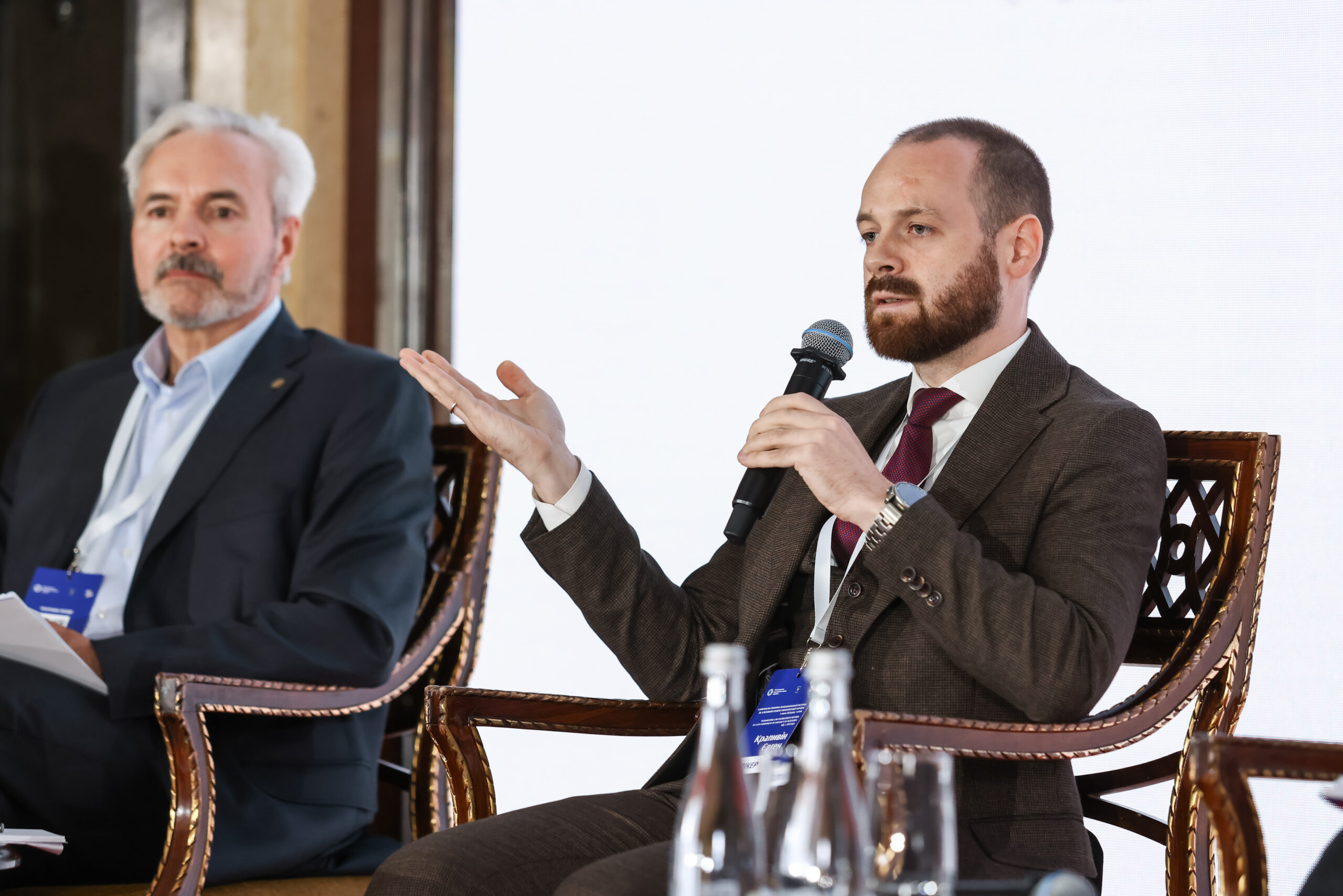
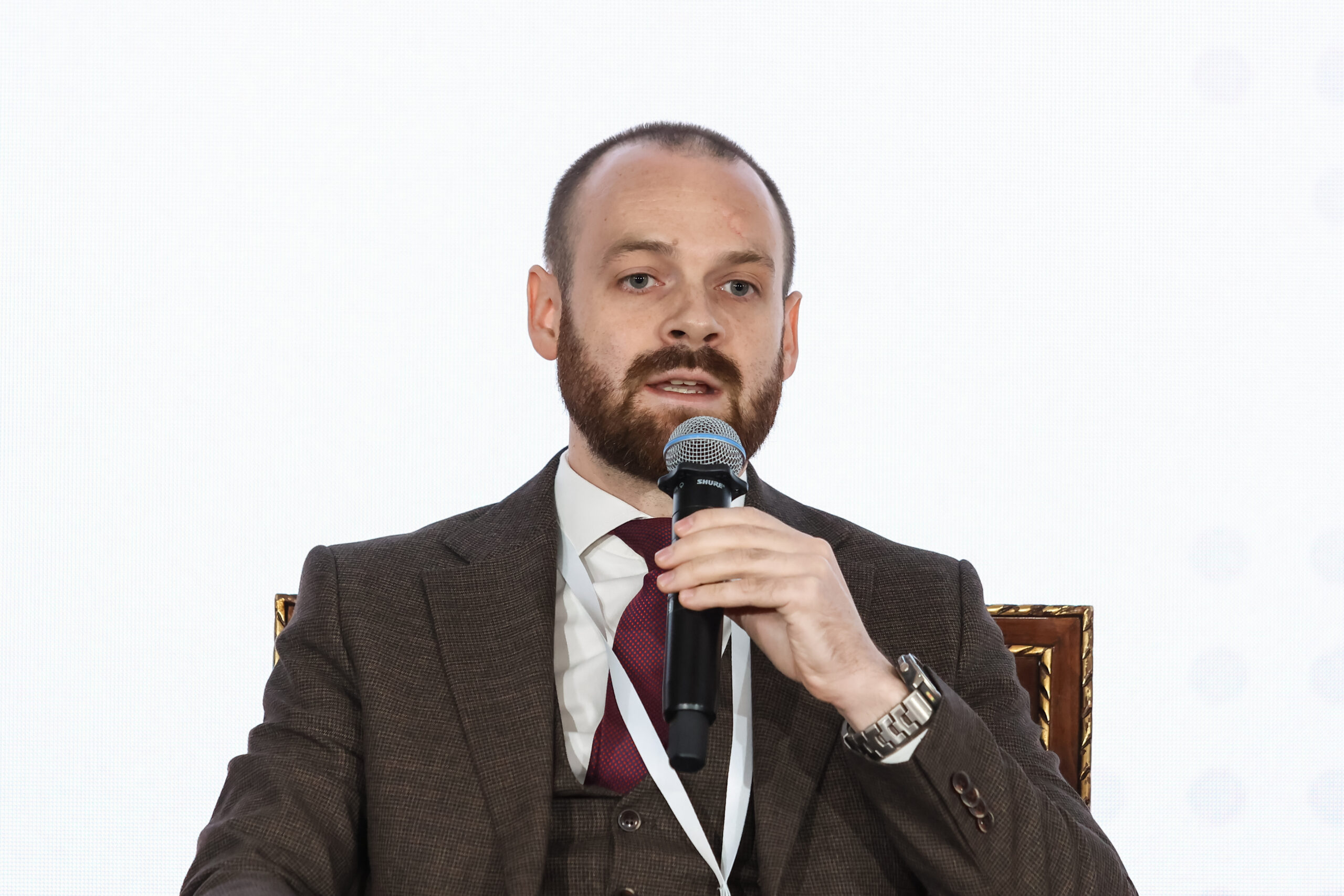
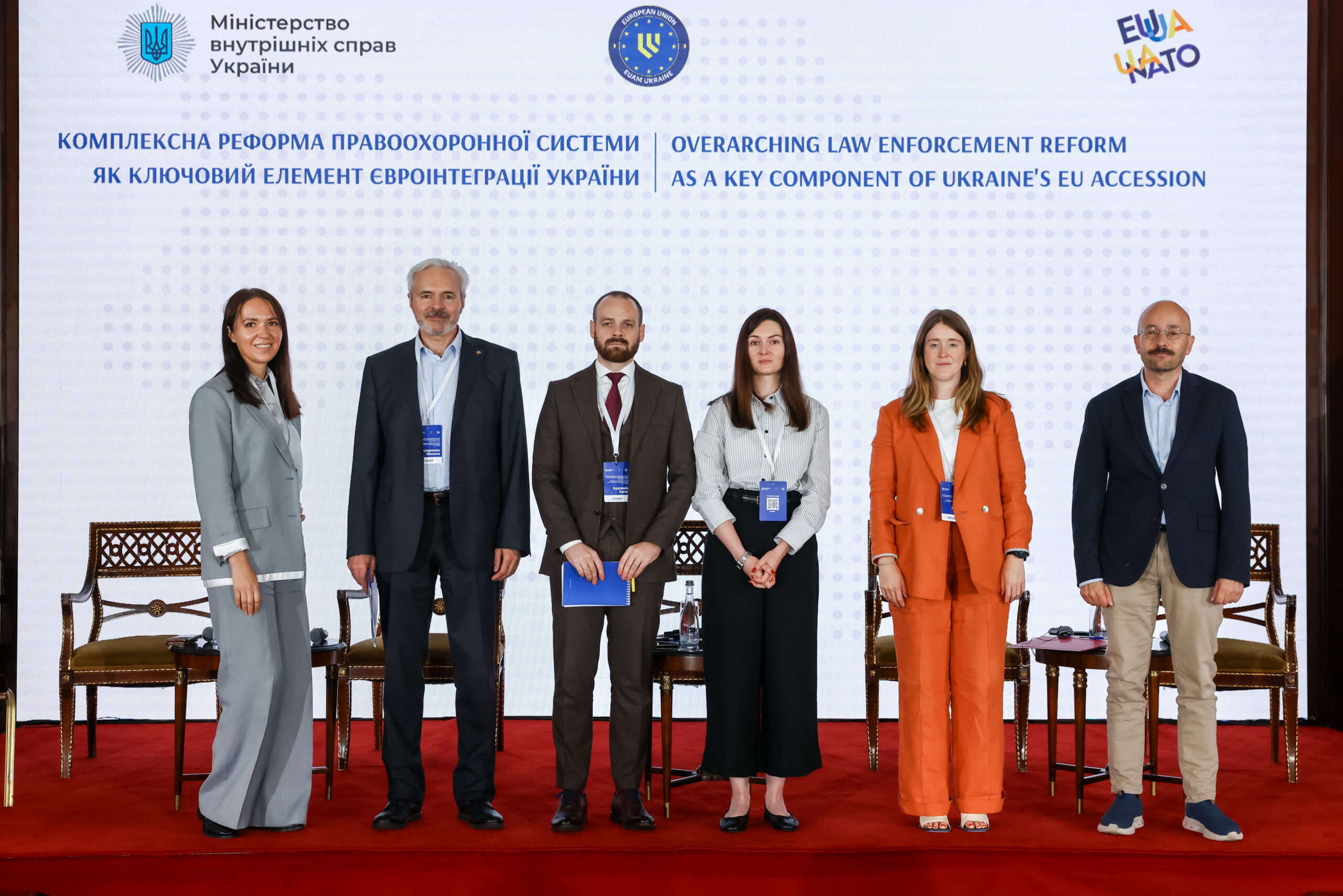
Yevhen Krapyvin additionally mentioned that two years have passed since the President of Ukraine approved the Comprehensive Strategic Plan, and almost a year since the Government approved the Action Plan. In fact, over this time, we can attempt to weigh the progress of its implementation. However, given the measures’ complex structure and multi-level nature, a separate implementation mechanism should exist. To this end, a two-tiered Coordination Council is to be established shortly to oversee the assessment of the Action Plan.
Lessons Learned from Members of the Verkhovna Rada: ALI Research on Gender Equality as an Element of Democratic Governance
Traditional masculinity, as well as conservative views on gender and sexuality, are at the very heart of Russia’s hybrid warfare strategy against Ukraine. By opposing equal rights, Russia is trying to substantiate its aggression. By arguing that ‘men are strong and women are weak’ or ‘men do what they can, and women do what they have to’, Russia wants to convey that it is ‘normal’ for ‘the strong to do what they can and the weak to bear what they have to’. With its consistent anti-gender policy, Russia is trying to separate Ukraine from the European value and cultural dimensions. In both senses, Russia is creating a space for disinformation and propaganda aimed at dividing Ukraine and the international community.
Thus, this study aims to explore how members of the Verkhovna Rada understand and stand for gender equality and whether this understanding is sufficient to protect against the gender equality component of Russia’s hybrid warfare.
Indicators of gender equality in the Verkhovna Rada of Ukraine
- Gender stereotypical roles in lawmaking: while women are getting more involved in ‘male’ topics, men are rarely perceived as working on ‘female’ topics. This version of gender equality mainly involves women’s engagement in areas traditionally considered to be male and not vice versa.
- Gender stereotypical roles in the family: men and women expressed concern about the excessive pressure women experience in caring for children and family, especially in the context of evacuation and separation. However, few mentioned that men may also have difficulties fulfilling family responsibilities.
- Recognising hostile rather than ‘benevolent’ sexism: Lawmakers recognise harmful, aggressive sexism as an issue. However, they often fail to recognise that idealising women or focusing only on their roles as mothers and caregivers also undermines gender equality.
Methodology
- The qualitative research is based on 14 in-depth semi-structured interviews with nine women and five men MPs. The interviewed MPs represented four parliamentary parties: seven from the majority party and seven from the opposition parties.
- The interviews were analysed and compared using inductive narrative analysis, which allowed for the identification of patterns and themes in the interview transcripts, and discourse analysis, which allowed for the identification of common meanings in the socio-cultural, political, and historical context of the full-scale invasion.
Read more about gender (in)equality in the Ukrainian parliament — in the new ALI study.
The study was conducted within the framework of the project “Parliamentary Accountability of the Security Sector in Ukraine” (PASS Ukraine), which the Agency implements together with the Parliamentary Centre, in cooperation with the Verkhovna Rada of Ukraine, and with the support of Canada’s Foreign Policy — Global Affairs Canada as part of the Peacebuilding Program and stability(PSOPs).
Experience of Male and Female Parliamentarians During Martial Law in Ukraine
Over the years, war has left its stamp on the existence of the state. It has forced key decision-making institutions to adapt to new realities quickly. Legislative priorities, possible formats of lawmaking, the role of parliamentary diplomacy, and interaction with voters — everything that used to form the basis of the Verkhovna Rada’s work has changed.
Amid the visible transformations, the Agency for Legislative Initiatives decided to study the changes in the work of the parliament by looking at the personal experience of MPs.
The ALI study incorporates a gender perspective, which allows us to examine the experience of MPs in the work of the parliament at a critical time for Ukraine, as well as the impact of extraordinary circumstances on the lives and work of people at the very ‘heart’ of Ukrainian democracy.
The study focuses on the following issues:
- Key Changes in Parliamentary Activities During the Full-Scale War;
- The Impact of Full-scale War on Lawmaking;
- Parliamentary Diplomacy During the Full-Scale War;
- Parliamentary Oversight;
- The Image of MPs in the Media During the Full-Scale War;
- Positive and negative practices and solutions.
Methodology
The research was conducted using quantitative and qualitative methods.
- Desk research included an analysis of legislation and policies on gender equality in the Verkhovna Rada of Ukraine, as well as an analysis of foreign studies.
- The empirical part of the study included 14 in-depth semi-structured interviews with MPs representing four parliamentary factions. The interviews were analysed using the open coding method, which allowed us to identify peculiarities in the coverage and perception of the activities of male and female MPs.
The study results will provide a deeper understanding of the diverse personal experiences of MPs. This experience, including the challenges and solutions found, will be an influential source of information for parliamentarians around the world in today’s world.
Read more about the work of the parliament in times of war — in the new research by ALI.
The study was conducted within the framework of the project “Parliamentary Accountability of the Security Sector in Ukraine” (PASS Ukraine), which the Agency implements together with the Parliamentary Centre, in cooperation with the Verkhovna Rada of Ukraine, and with the support of Canada’s Foreign Policy — Global Affairs Canada as part of the Peacebuilding Program and stability (PSOPs).
Expanding Parliamentary Diplomacy: Ukrainian MPs Visit Singapore
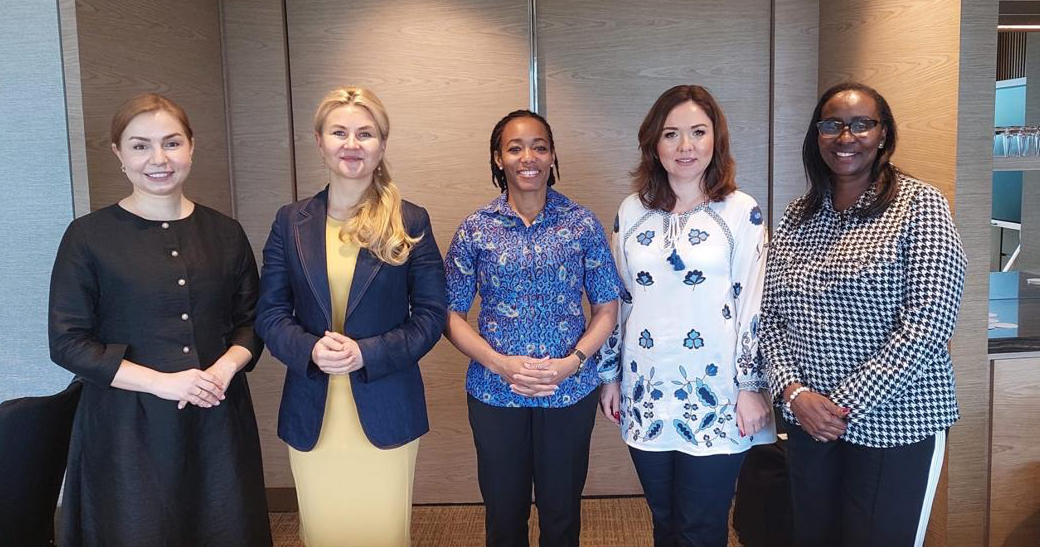
Halyna Mykhailiuk, Deputy Chair of the Committee on Law Enforcement, Anastasiya Radina, Chair of the Committee on Anti-Corruption Policy, and Yuliya Svitlychna, MP, represented Ukraine at the event.
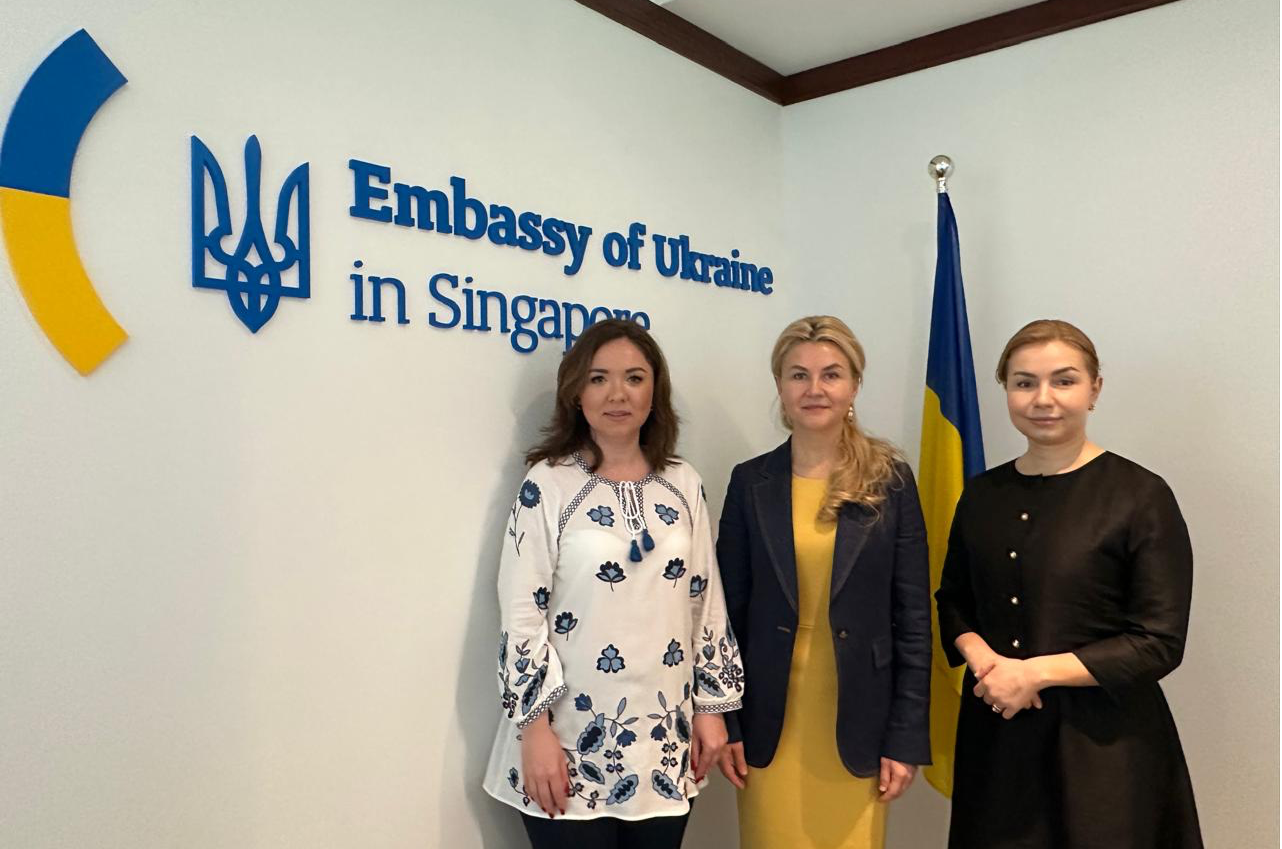
Ukrainian women parliamentarians took part in several strategic discussions, in addition to various panels dedicated to the challenges they face in their professional work: the following topics were discussed:
- the role of women parliamentarians in conflict resolution and post-conflict processes;
- the importance of participation in decision-making processes, in particular in peace negotiations, etc.;
- disinformation campaigns and their impact on women parliamentarians;
- codes of ethics in parliaments and mechanisms to promote gender equality.
The MPs spoke about the peculiarities of the work of the Verkhovna Rada during the martial law regime in Ukraine, based on the materials of a study prepared by the Agency for Legislative Initiatives as part of the Parliamentary Accountability for the Security Sector in Ukraine (PASS Ukraine) project. It examines such aspects as changes in the lives of MPs after the full-scale invasion, gender differences and gender equality in parliament in the face of current challenges, changes in the work of the Verkhovna Rada and legislative activity during martial law.
It is particularly important to share the extraordinary experience of the Ukrainian Parliament in order to deepen inter-parliamentary cooperation and to better understand the context in which Ukraine lives and in which Ukrainian democracy functions, given the global challenges facing the country as a whole and the personal stories and professional challenges faced by parliamentarians.
Context
The Global Network of Women Legislators in Defence, Security and Peace (WLID) is a platform for mutual support among women parliamentarians with the aim of removing obstacles to their participation in decision-making, particularly in the areas of security, defence and peacekeeping.
The event was held within the framework of cooperation between the Agency for Legislative Initiatives, the Parliamentary Centre (Canada) and the Asia Pacific Foundation of Canada with the financial support of Global Affairs Canada.