
How Do the Courts Affect the Personnel Purge in the Government?
When the new government launched large-scale reforms in 2014, everyone had high hopes: we would conduct a lustration, restart the law enforcement system, overcome corruption – and begin a full-fledged path to the EU.
But just as the best recipe can be spoiled by the quality of products, so the best reform can be killed by the quality of personnel, especially if they hold fast to their positions.
Since 2014, we have been witnessing high-profile cases regarding the mass reinstatement of officials who have passed the lustration, the return to the system of law enforcement bodies of dismissed policemen and prosecutors who did not pass certification, as well as the cancellation of decisions on the dismissal of “Maidan judges”. It would seem that the authorities tried to clean the state bodies of unscrupulous and unprofessional personnel but faced resistance from the judiciary. So, can we say that the courts purposefully influenced the reform process? And why did it happen? The Agency for Legislative Initiatives investigated this issue. This article describes our findings.
How “affected” personnel successfully challenged their dismissal in the courts
Experience shows that a wave of court appeals as a reaction to certain changes occurs when these changes significantly affect the scope of citizens’ rights. Turning to the courts, the “victims” try to restore their previous position, referring to the illegality of the innovations. Do they succeed in the future? Everything depends on the level of organization and implementation of changes prepared by the authorities.
Lustration. The dismissal from management bodies of persons involved in the usurpation of power by ex-president Viktor Yanukovych began in 2014. So far, the lustration check process has covered almost 500,000 officials.
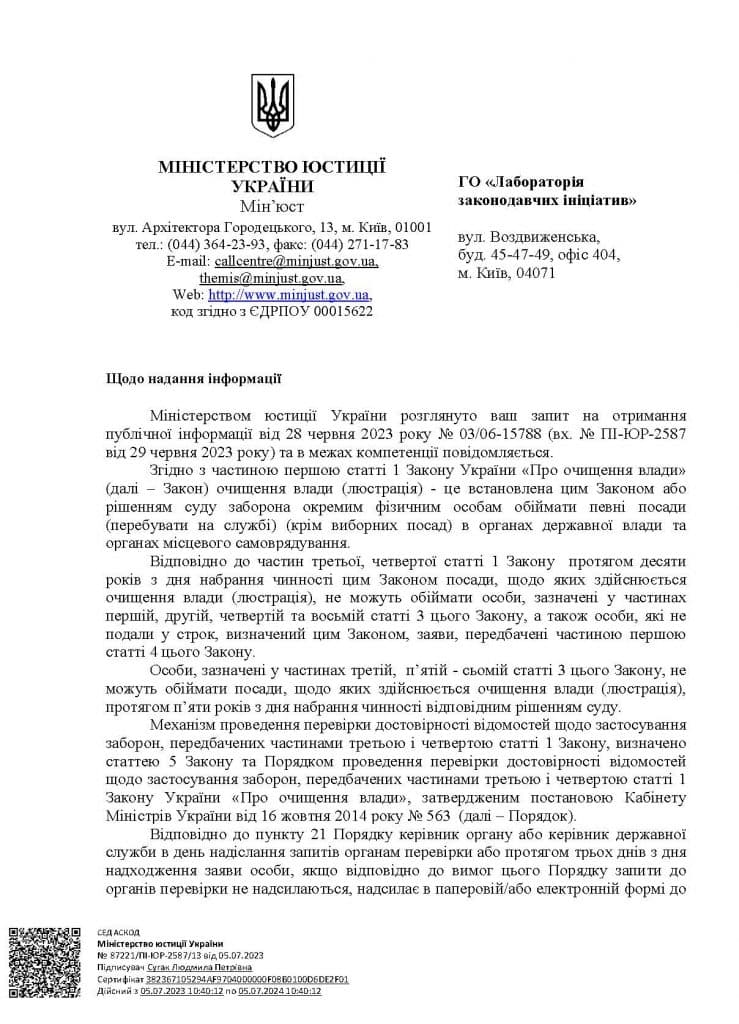
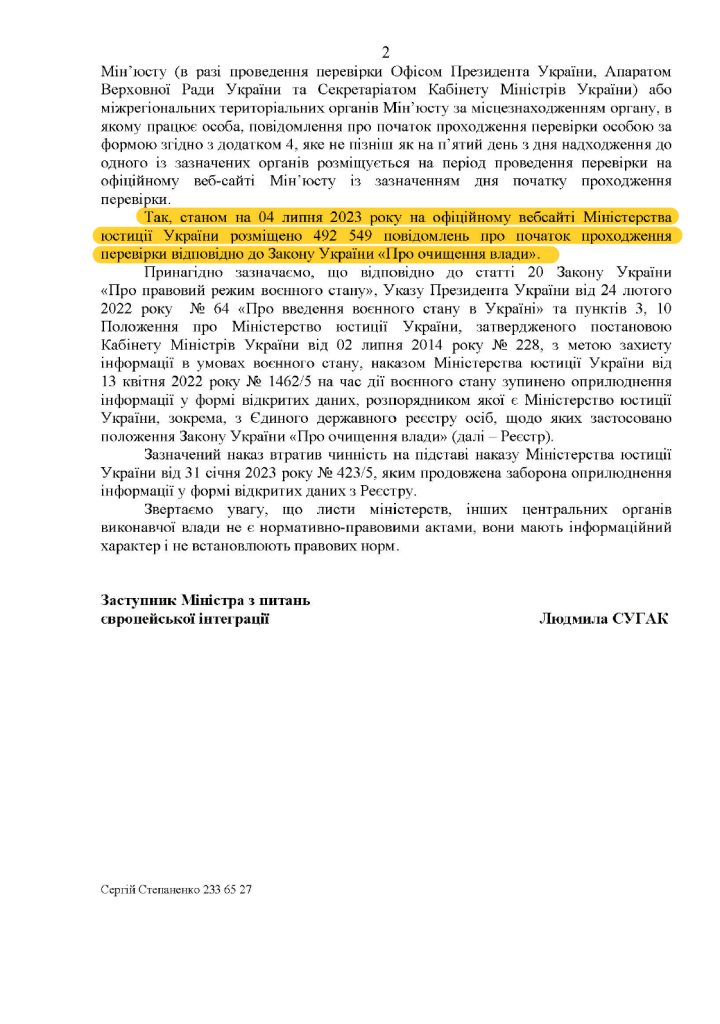
However, many former political figures consider the procedure of personnel purges in power structures to be illegal. In addition, they also consider decisions made by authorized bodies to be illegal. This provokes a large number of appeals to the court by officials who have passed the lustration.
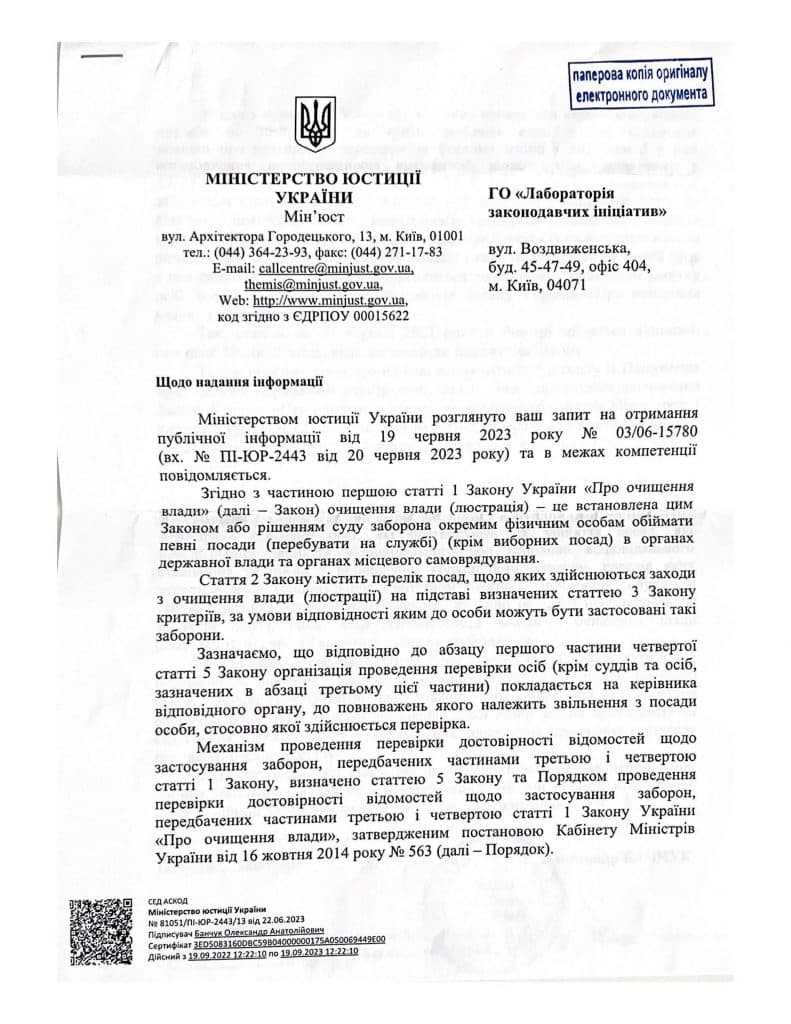
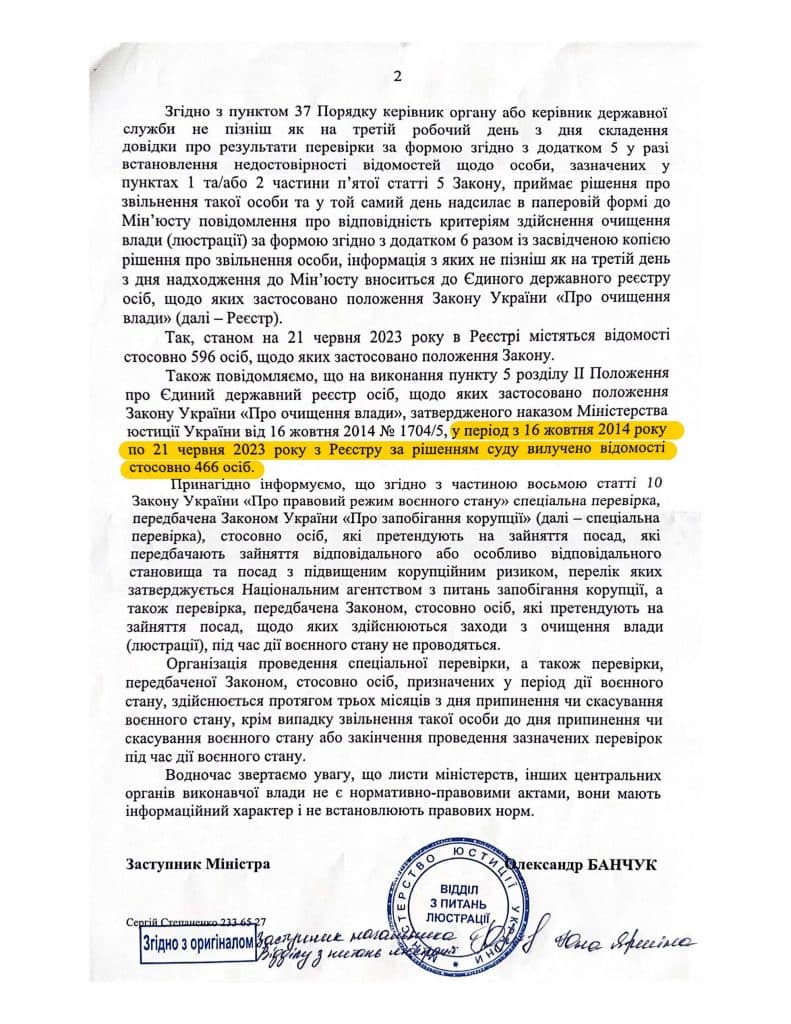
The situation worsened due to the decision of the European Court of Human Rights (ECHR) in the case “Polyakh and Others v Ukraine”, by which the lustration procedure in Ukraine was recognized as a violation of human rights. It is significant that after the entry into force of this decision, national courts, in more than 90% of cases, annul the dismissal orders. Ultimately, according to the Ministry of Justice of Ukraine, from October 2014 to June 2023, information on 466 officials was removed from the Register of persons who have passed the lustration by a court decision – they were reinstated. Therefore, the process of personnel purges in law enforcement agencies initiated in Ukraine did not withstand a court appeal. And this case was just one of the first in a whole series of similar cases.
Police reform. We observe a similar situation in the case of the renewal of police officers dismissed based on the results of certification in 2015-2016. This procedure was one of the significant events in the process of reforming the law enforcement system, as it aimed to select honest police officers who expressed a desire to continue serving in the newly created National Police of Ukraine.
The proposed design of the changes initially looked quite promising. However, hopes for the undisputed success of the restart of the National Police of Ukraine did not come true – after the announcement of the unsatisfactory results of the certification, about 3,300 police officers did not agree with them and filed lawsuits in administrative courts. It was in this that the active role of judicial authorities in the process of control over the legality of personnel purges was manifested.
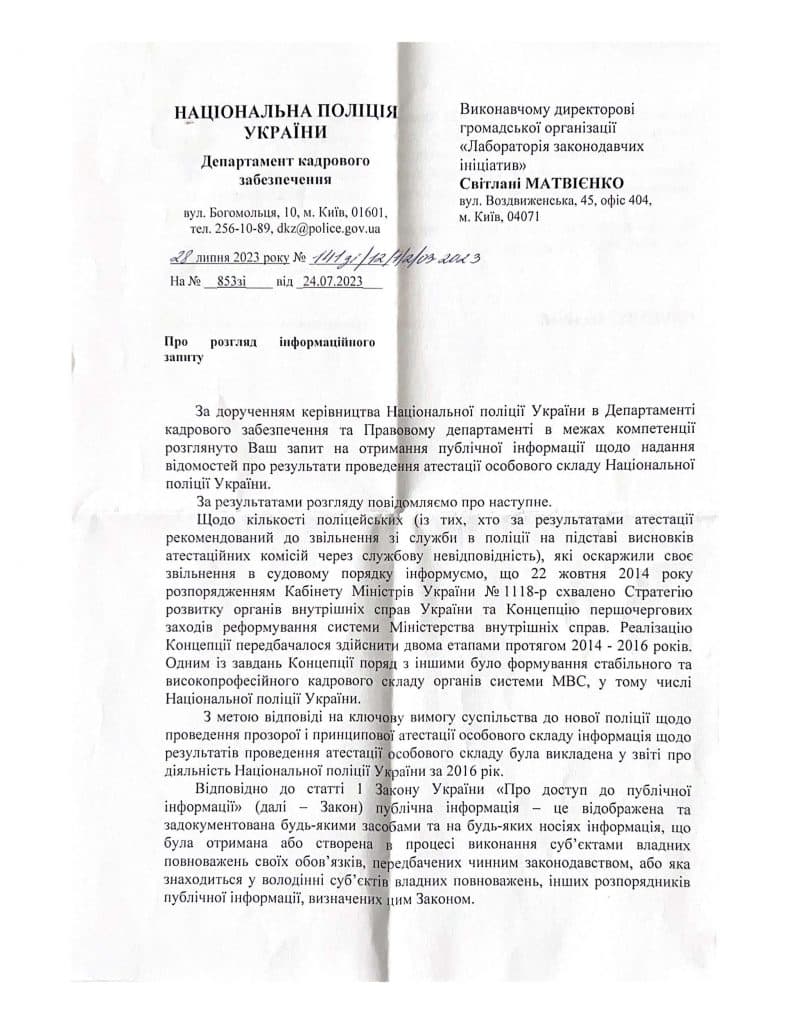
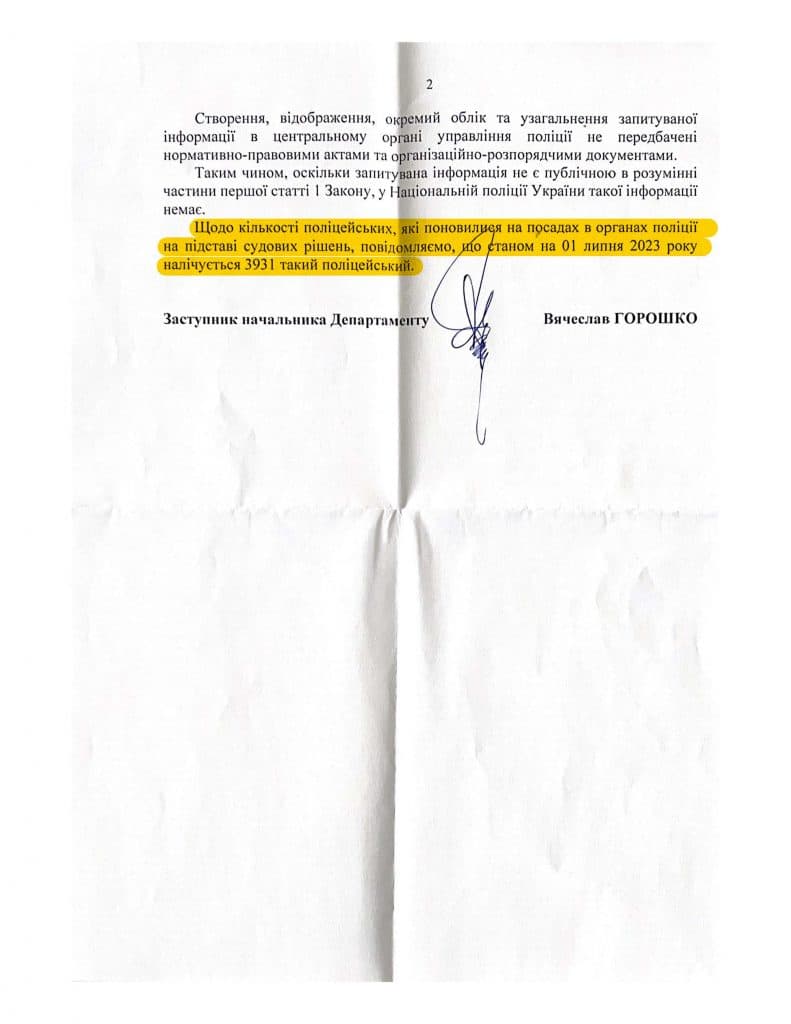
As a result, on the basis of the decisions of the courts, a significant percentage of the police-plaintiffs were reinstated in their positions because, during the consideration of the cases, the courts found weak points in the certification procedure. In particular, according to the National Police of Ukraine, as of July 1, 2023, there are 3,931 police officers who managed to return to their posts based on court decisions. Such a position of the courts once again called into question the success of the implemented changes.
Personnel purges of the prosecutor’s office. Unfortunately, the negative experience of designing and implementing certification of police officers was not properly analyzed at the highest state level. As a result, the previous shortcomings were recalled four years later, when it was necessary to conduct the certification of prosecutors of the General Prosecutor’s Office of Ukraine.
According to the plan of the developers, only those prosecutors who were able to successfully pass the certification should have been transferred to the newly created Office of the Prosecutor General, which began work in January 2020. However, this time too, it was not without a wave of legal appeals. This is due to the fact that out of 1,083 prosecutors of the General Prosecutor’s Office who submitted statements of intent to pass the certification, only 643 (59%) successfully passed it. Those prosecutors who failed to get on this list decided to challenge the certification in court. So, in general, according to the Laboratory of Legislative Initiatives, based on its own analysis of information from the Register of Court Decisions of Ukraine, more than 400 lawsuits were submitted to administrative courts.
This time, although the courts did not recognize the complete failure of the attestation, they did reveal significant shortcomings during its development and implementation. Therefore, as a result of the judicial review, about 140 decisions were made in favor of the ex-prosecutors of the General Prosecutor’s Office.
Purges of the judicial system by “Maidan judges”. After the events of the Revolution of Dignity in 2013-2014, the question of bringing to justice the judges who took an active part in the suppression of public protests against Viktor Yanukovych’s regime became particularly acute. For this reason, a decision was made in 2014-2015 to conduct special inspections of judges in order to “restore legality and justice in society.”
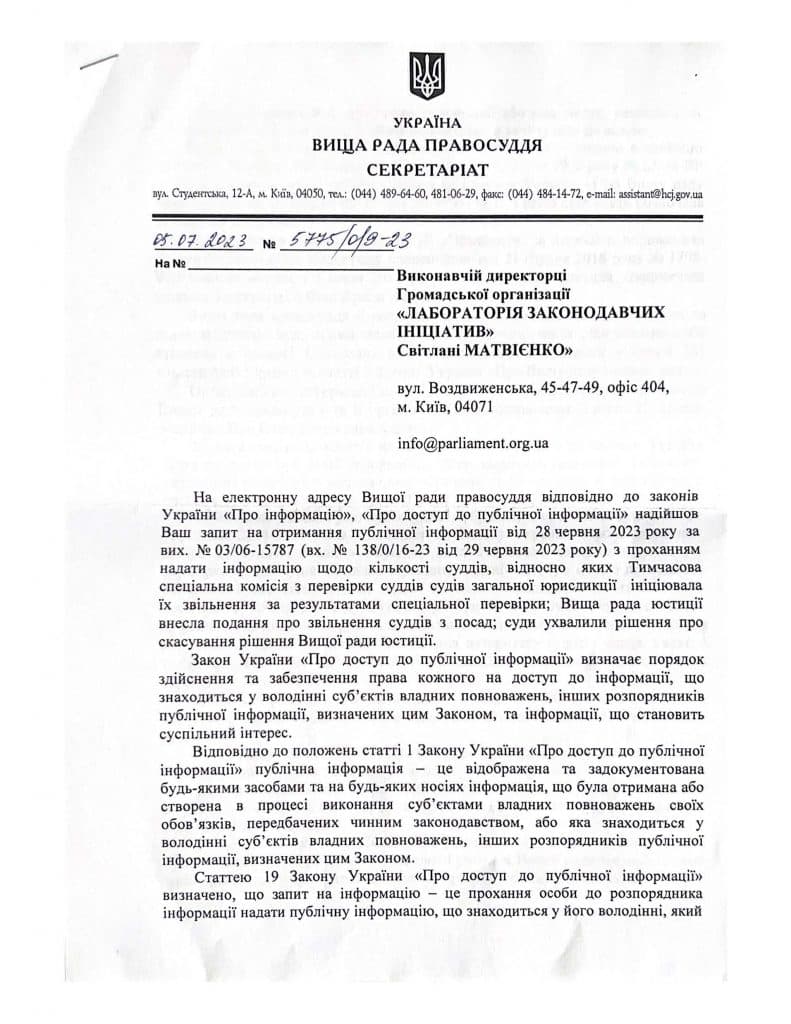
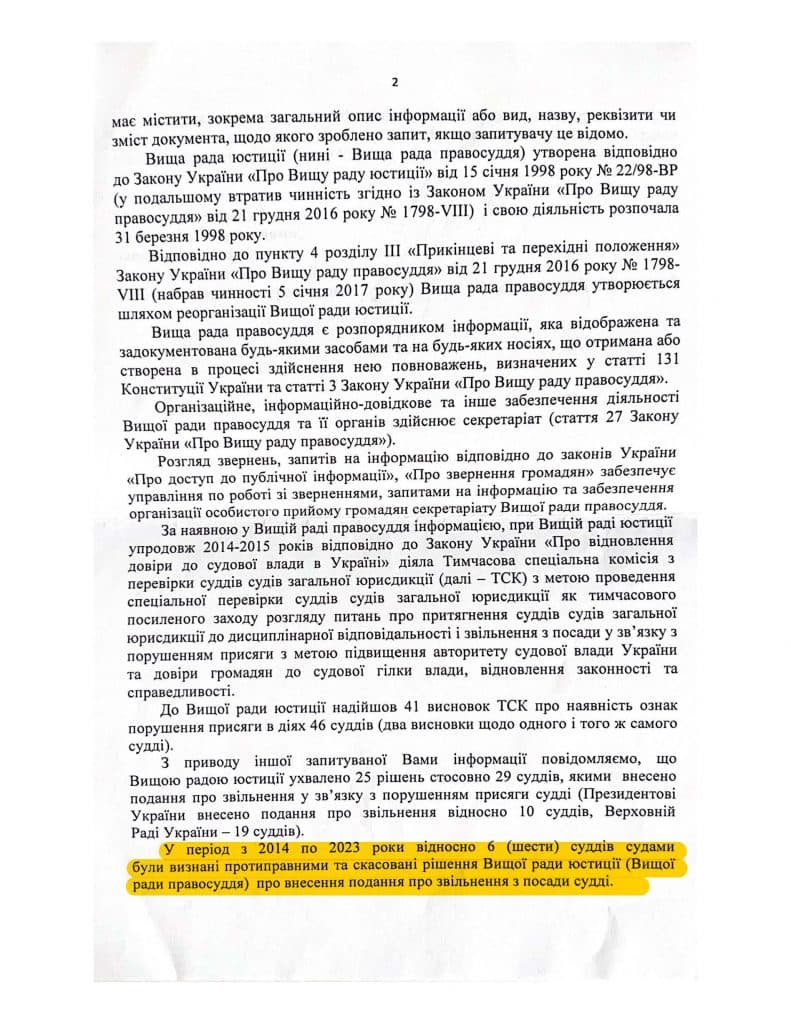
According to official information from the Supreme Council of Justice, as a result of this procedure, 41 conclusions were made about the presence of signs of oath violation in the actions of 46 judges. On the basis of these conclusions, the Supreme Council of Justice adopted 25 decisions on submitting a petition to the president and parliament for the dismissal of 29 “Maidan judges”.
However, according to the results of the trial, some judges still managed to get these decisions overturned. One of the key reasons is the inadequate quality of the law that introduced the special inspection procedure. So, as of July 2023, in relation to six judges, the courts made final decisions to cancel their removal from office. This is more than 20% of the total number of judges who appear in dismissal applications.
Why is this happening, and what does it mean?
The decisions of the courts have a significant impact on the final result of the success of the personnel purges in state bodies. Mass cancellation of the results of changes at the level of individual appeals is an example of the indirect but very tangible influence that Ukrainian courts have on public policy.
However, this is not because the idea of personnel purges in itself is wrong, it indicates, rather, that there are certain flaws in its design or implementation process. In general, the decisions of the courts are evidence that the Ukrainian practice of implementing such changes is traditionally accompanied by typical mistakes that cannot be overcome for a long time. So what’s the problem?
First, quite often, large-scale changes are based on weakly developed legislation. In connection with this, there are various inconsistencies and contradictions in relevant normative legal acts, national practice does not meet international standards, etc.
Secondly, even well-designed regulations do not guarantee 100% success of the reform. This happens because the provisions of the legislation are often violated during the direct implementation of the changes. For example, the authorities act contrary to their authority, improperly substantiate the decisions made, do not observe the deadlines for carrying out certain procedures.
Therefore, in the case of the presence of at least one of these aspects, the courts come into play, and based on the results of the cases, they recognize the reforms or some of their procedures as illegal.
So, in the end, the influence of the courts is one of the indicators that the vector of social changes is at least thought out and (in)correct. Unfortunately, the domestic experience of organizing previous attempts to restart state institutions and personnel renewal cannot always be called successful. The results of the court appeal reveal all the mistakes that were made by the developers of the innovations. However, there is also a positive point in this – judicial control acts as a safeguard and warns against repeating similar mistakes in the future. And this experience should be taken into account now when we are planning the reforms necessary for Ukraine’s full membership in the EU.
The text has been prepared as part of the “Civil Society for Ukraine’s Post-Ware Reconstruction and EU-Readiness” Project, which is implemented with financial support from the EU.
ALI Held an Expert Discussion of a New Study on the Courts’ Impact on the Course of Reforms in Ukraine
On September 14, 2023, the Agency of Legislative Initiatives (ALI) held an expert discussion on the results of a study on judicial influence on reforms in Ukraine. This study was prepared within the project “Civil society for post-war recovery of Ukraine and readiness for the EU”, which is financed by the European Union.

Context. Today, Ukraine has a real chance to fulfil its European integration aspirations and become a full member of the European Union. However, we still have to go through a long and difficult path of reforms. The key here will be the quality of these reforms. Therefore, it is extremely important to involve not only government agencies but also civil society and independent experts in the process of designing reforms.
During the presentation, participants discussed the phenomenon of judicial influence, its impact on the course of reforms, and possible steps to improve future reforms and cooperation between various stakeholders.
Oleksandr Zaslavskyy, director of the analytical direction of the Agency for Legislative Initiatives, moderated the discussion. He spoke about the main results of the study and key recommendations for lawmakers:

Oleksiy Tseliev, PhD in legal sciences, associate professor, expert of the Center for the Study of the Rule of Law of the Ukrainian National Academy of Sciences, noted that the practice of applying the new norms may differ from the plan — and this is a normal phenomenon.
Volodymyr Chaban, the chief national expert of the Pravo-Justice project, spoke about the possibilities of development and further work with the study of ALI:

Karyna Aslanian, an expert involved in the peer review of the study, shared her vision of the practical use of ALI research:
After taking into account the experts’ comments, the study will be published on the Agency of Legislative Initiatives’ website and sent to the relevant government agencies for further review and application in law-making activities.
Additional information:
The project Civil society for the post-war recovery of Ukraine and readiness for the EU is implemented with the support of the European Union. It is aimed at increasing the ability of the Cabinet of Ministers and the Verkhovna Rada to overcome the consequences of the war and on the way to Ukraine’s membership in the EU. The project plans to achieve this by providing expert and communication support from public organizations regarding developing and implementing relevant laws and policies.
More details about the project: https://parlament.org.ua/2022/09/19/ali-eu-readiness-consortium/
For additional information, contact Maria Hereles, Director of the Communications Department of the Agency of Legislative Initiatives, at mg@parliament.org.ua.
A New Study on the Impact of Courts on the Course of Reforms in Ukraine Was Conducted with the Support of the EU
On September 13, 2023, the Agency for Legislative Initiatives (ALI) presented the study’s results, “The impact of judicial intervention: the role of courts of general jurisdiction in the course of reforms in Ukraine.” This work was prepared within the framework of the “Civil Society for Ukraine’s Post-war Recovery and EU-Readiness” project financed by the European Union.
Context. Today, it is already obvious that even such long-awaited and promising reforms as those that began after the Revolution of Dignity have not become successful cases. This happened for many reasons. And one of them is judicial intervention. However, to realise our European integration wishes, we must fulfil our obligations regarding implementing reforms and approximating Ukrainian legislation to EU legislation. An important criterion here will be not just the adoption of laws and the start of reforms but their sustainability. Therefore, it is necessary to design quality reforms without legislative gaps and shortcomings.
During the event, participants discussed the phenomenon of judicial intervention, its impact on the course of reforms, and possible steps to improve future reforms and cooperation between different branches of government.

The discussion was moderated by Svitlana Matviienko, executive director of the Agency for Legislative Initiatives. She talked about the very idea of the research and why it is worth paying more attention to this issue:

Oleksandr Zaslavskyy, director of the analytical direction of the Agency for Legislative Initiatives, spoke about the main results of the study and key recommendations for lawmakers:
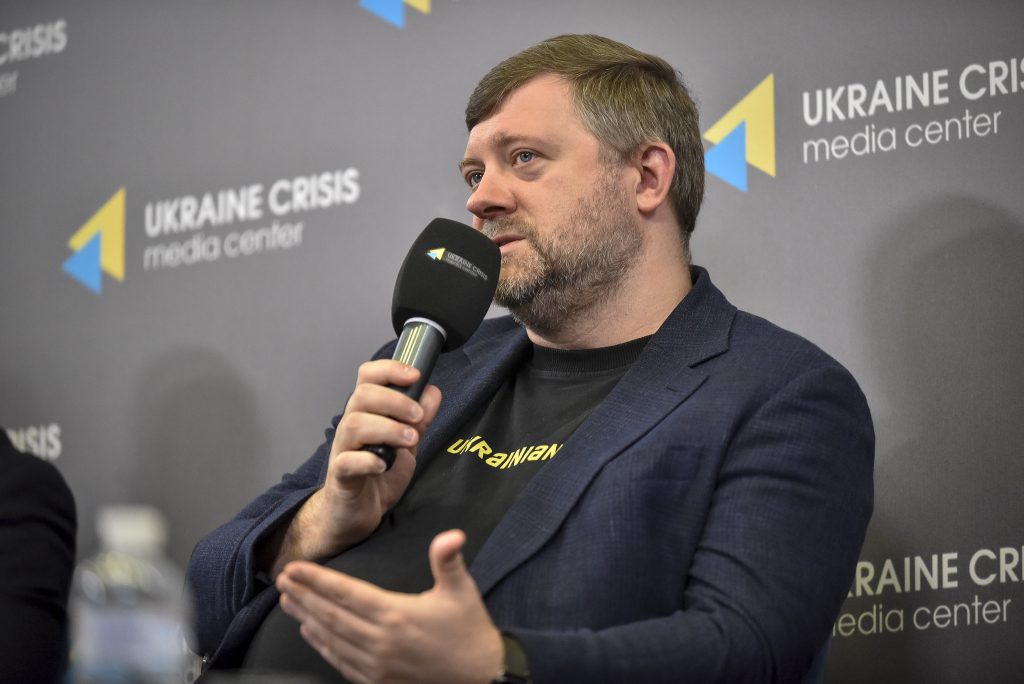
Oleksandr Korniyenko, First Deputy Chief of the Verkhovna Rada of Ukraine, emphasized the importance of the integrated work of all branches of government in planning and implementing reforms:
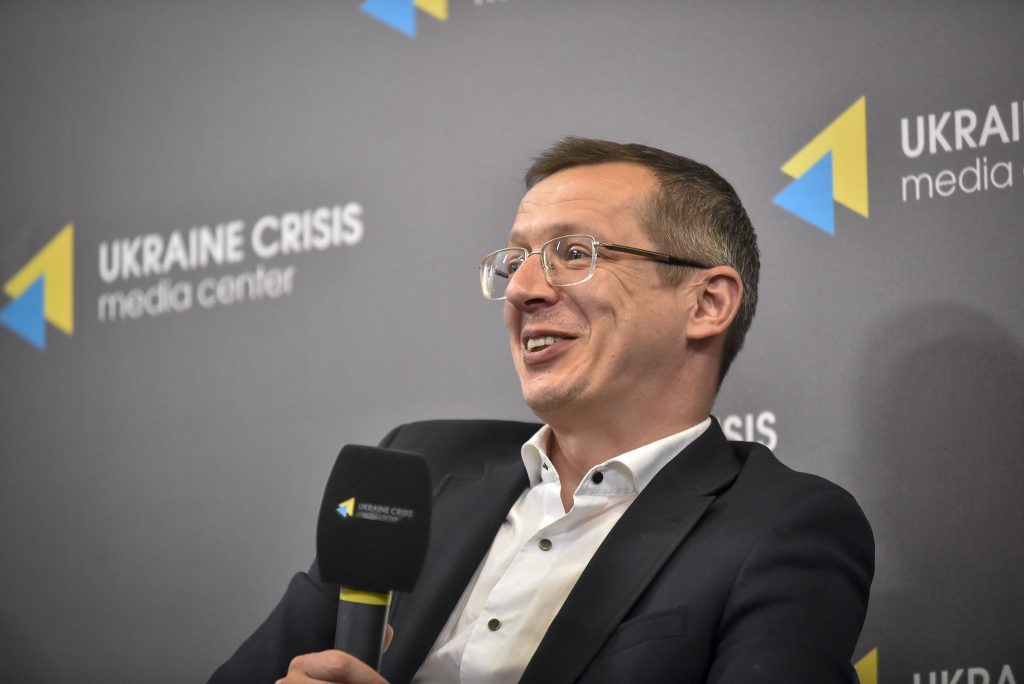
Oleksandr Ilkov, Director General of the Government Office for the Coordination of European and Euro-Atlantic Integration, noted that the architecture of reforms should be built on balance:
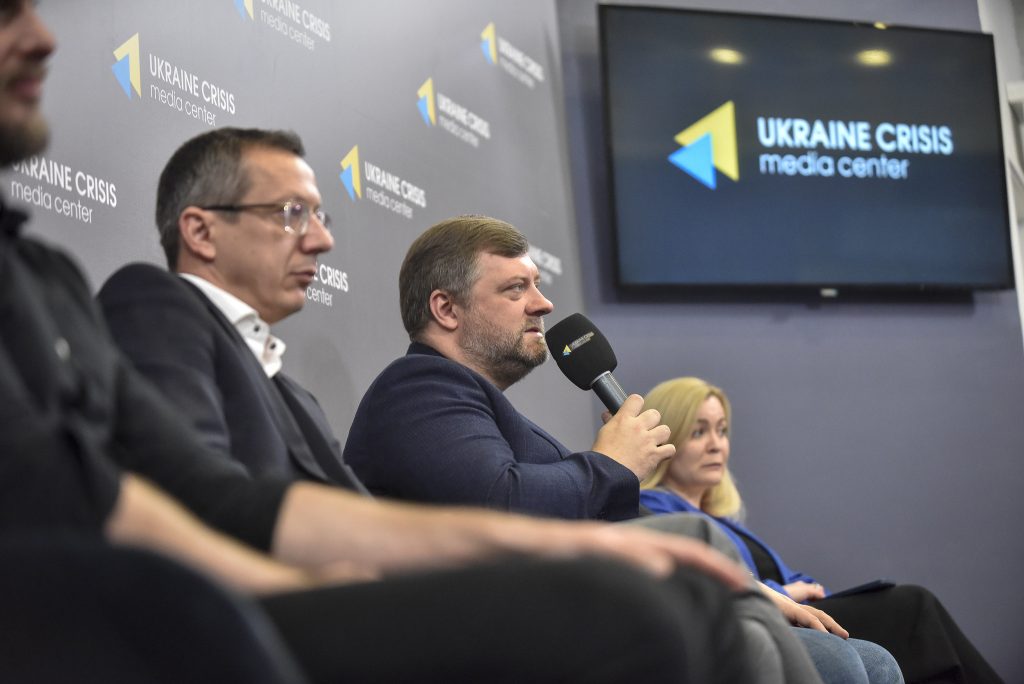
Soon, the study “The Impact of judicial intervention: the role of courts of General Jurisdiction in the course of Reforms in Ukraine” will be published on the website of the Agency for Legislative Initiatives and will also be sent to the relevant state bodies for further review and application in law-making activities.
For additional information, contact Mariia Hereles, Director of the Communications Department of the Agency for Legislative Initiatives, at mg@parliament.org.ua.
Announcement: ALI Presents a Study on the Impact of Courts on the Course of Reforms in Ukraine
On September 13, the Agency for Legislative Initiatives (ALI) will present the results of the study “The impact of Judicial Intervention: the role of General Courts in the reform process in Ukraine”. The paper was prepared within the framework of the “Civil Society for Ukraine’s Post-War Reconstruction and EU Readiness” project funded by the European Union.
The event will take place at 10:30 in the press centre of Ukraine Crisis Media Center (Khreshchatyk Street, 2 («Ukrainian House», Kyiv).
Context. Implementing reforms is always a lengthy and complex process, and their proper implementation is crucial in European integration and post-war recovery planning. However, the experience of reforms in Ukraine is not always positive, as the results of changes often do not meet expectations. Quite often, the final point in the debate on the effectiveness of a particular reform is put by the courts, which act as arbitrators in these disputes.
The event aims to present and discuss the results and key findings of the study: typical mistakes that accompany the reform process in Ukraine and recommendations that would reduce the risks of court interference in implementing state policy in this area.
| What? | Presentation of the study “The impact of judicial intervention: the role of general courts in the reform process in Ukraine”. |
| Where? | Kyiv, Ukraine Crisis Media Center, Khreshchatyk Street, 2 («Ukrainian House»). An online broadcast will also be available. |
| When? | September 13, 2023, 10:30 – 12:00. |
| Participants: | Svitlana Matvienko, executive director of the Agency for Legislative Initiatives Oleksandr Zaslavskyy, director of the analytical direction of the Agency for Legislative Initiatives Oleksandr Korniyenko, First Deputy Chief of the Verkhovna Rada of Ukraine Oleksandr Ilkov, Director General at Government Office for Coordination on European and Euro-Atlantic Integration. |
Media representatives are warmly invited to attend. The working language is Ukrainian.
Contact person: Mariia Hereles, Head of Communications of the Agency for Legislative Initiatives, mg@parliament.org.ua, tel. + 38 063 531 61 06.
Why Aren’t Reforms in Ukraine Always Successful, and How to Prevent It?
Ukraine is currently at a crucial stage of its development when reforms are mandatory for improving the existing social and political order. These processes have acquired particular significance in the conditions of the Revolution of Dignity when Ukrainians opted for a pro-European vector of their state’s development. A new impetus to implement large-scale changes emerged after the russian federation’s invasion of Ukraine in 2022 when Ukraine received a real chance to bring its long-standing plans concerning European integration to life and become a member of the European Union.
After signing the Agreement on Association with the European Union, Ukraine committed to aligning its legislation and the functioning of state institutions with European standards. This, in turn, indicates the need to modernise a significant portion of public life domains significantly. In addition, the urgent need for reforms has emerged in the conditions of destruction brought about by the war in Ukraine. Therefore, the primary goal today is not just to preserve but also to rebuild the state, which is what Ukraine’s Recovery Plan is aimed at. Because of this, our country faces a vital objective – to think carefully about how these reforms will be developed and implemented. It takes a balanced approach to enable the possibility of speeding up Ukraine’s European future.
The previous experience of reforms, when the processes of upgrading and considerably improving governmental institutions were launched after a crisis, may become the benchmark for building a strategy for implementing changes. At the same time, this experience shows not just positive developments achieved but also highlights problems to avoid. Quite often, courts considering cases on reforms in appeal proceedings join the process of identifying deficiencies. In this regard, within the framework of the “Civil Society for Ukraine’s Post-Ware Reconstruction and EU-Readiness” Project, which is funded by the EU, the Agency for Legislative Initiatives conducts a study on judicial intervention in the course of reform implementation.
The practice of reforms in the Ukrainian context: what is wrong with it?
The experience of implementing reforms in the public law domain confirms that not all changes are successful. This is predominantly related to how responsibly and professionally representatives of the authorities approach the matter of their design and implementation. Consequently, we end up in a situation where the success of reforms depends on the quality of governmental institutions at two levels:
- legislative, which concerns designing the essence and goal of the reform, conducting preparatory works (including developing draft laws and regulatory acts) and adopting regulatory acts that govern the reform process;
- law enforcement, where reforms are implemented in practice through the activities of authorised government authorities (and sometimes public sector representatives).
The practice of holding a series of reforms and procedures for state power lustration that took place in 2014–2023 indicates that, unfortunately, quite often, each of these stages is accompanied by a considerable number of errors. Consequently, the results of some reforms and procedures were massively appealed in courts. The cases of lustration in 2014, re-attestation of the staff of the National Police of Ukraine in 2015–2016, the cleansing of courts from “Maidan judges,” and the attestation of prosecutors of the Prosecutor General’s Office in 2019 were all evidence of this.
The case law for these cases was initially heterogeneous, which was also reflected in court cases on recognizing lustration reforms or procedures as “legal” or, on the contrary, “illegal.” However, later, Ukrainian courts started following the single line in assessing the quality of these proceedings. In this case, the stance of international judicial institutions also had a significant influence. This is associated with the fact that, in some cases, disputes go beyond the national jurisdiction and become the subject of consideration for the European Court of Human Rights (for instance, this was the case in the situation with lustration). This fact indicates the scale of the problems accompanying the course of reforms in our state. This does not add a positive assessment in the eyes of international partners.
Overall, the case law analysis shows that many reforms are characterized by typical shortcomings, which traditionally go together with implementing social and political changes. Hence, the following are quite often valid reasons to appeal to introduced innovations:
- Low quality of preparation of regulatory acts accompanying the reform process in Ukraine.
- Disregard of international standards.
- Authorities involved in implementing reforms often act contrary to specific legislative requirements.
- Decisions made during reform implementation are not adequately substantiated.
The Constitutional Court of Ukraine often joins in the process of recognising reforms as not effective enough or elaborated incorrectly. The CCU that has the authority to determine whether a particular rule of law is unconstitutional and, consequently, to inquire about the legality of the reform. Such developments in reform implementation are the most telling since they directly indicate negative trends in the law-making process.
Furthermore, the cost of errors made during failed reform design and practical implementation is often relatively high. Courts award significant compensation amounts if the reform has been recognised as a failure and results in harm to the interests of other individuals. It is revealing that such consequences were observed in cases of lustration, attestation of the personnel of the National Police and prosecutors of the Prosecutor General’s Office. Undoubtedly, these compensations are a considerable blow to the state budget of Ukraine.
In conclusion, court judgements indicate that the current practice of reforms in Ukraine must be changed. One of the key moments on the way to achieving this is considering negative experiences to subsequently improve the strategy for reforming social relations.
Is everything that bad?
Noteworthy, the practice of implementing changes in the public-law domain in Ukraine is not always so sad. Judicial interventions do not necessarily presuppose unanimous revocation of the results of innovations. The procedure for banning pro-Russian parties in 2022–2023 is a tangible manifestation of this. This case demonstrated that when the enacted changes are free of legislative flaws and fully satisfy the needs of society, they can withstand re-consideration by the court appeal process.
Accordingly, such positive experiences should be considered by the authorities and form the basis for the future design of reforms and their implementation. This is associated with the fact that the success of results has already been tried and tested, so the only thing left to do is spread this practice further.
How to rectify the situation and make reforms more effective?
Indeed, there is no clear and step-by-step plan of reforms. This is primarily because each reform has distinct characteristics of its arrangement and implementation. Nonetheless, this does not mean a complete lack of guidelines, following which would be a guarantee for effective reformation of social relations. Here are the key ones.
The legislative stage should be given special attention. This implies that it is imperative to establish clear and comprehensive regulations for national legislation, ensure the development of regulatory acts based on international standards, and involve experts in the elaboration process.
Second, when developing new reforms, it is essential to consider previous experiences, both positive and negative. A significant number of typical shortcomings may be prevented in advance with this approach.
Finally, the authorities in charge of implementing reforms in practice should strictly adhere to the statutory boundaries that define their competence. Therefore, any duplication of powers, unjustified decisions, or violations of the reform implementation procedure must be excluded.
Therefore, the Ukrainian authorities still have a lot to work on because enhancing the reform process is our strategic objective in war and post-war reconstruction conditions. Implementing well-thought-out reforms will bring victory close and pave the way for Ukraine to the European future.
Announcement: Expert Discussion of Study Results Concerning the Impact of Judicial Intervention
On 14 September 2023, ALI will hold a discussion of the existing ALI study “Impact of Judicial Intervention: Role of Judges of General Jurisdiction in Reforms in Ukraine” for an expert environment. The study was prepared as part of the project “Civil Society for Ukraine’s Post-War Recovery and EU-Readiness”, funded by the European Union.
The event will take place at 16:00 in the office of the Agency for Legislative Initiatives (Kyiv, 45 Vozdvyzhenska Street, office 404).
Context. Today, it is obvious that even such long-awaited and promising reforms as those that commenced following the Revolution of Dignity do not always work out as successful cases. There are many reasons for this. Judicial intervention is one of them. To achieve Ukraine’s aspirations of Eurointegration, however, Ukraine must fulfil its obligations regarding reforms and harmonising Ukrainian legislation with EU laws. And here, the sustainability of law adoption and reform commencement, rather than the mere fact of them, will be an important criterion. Therefore, quality reforms must be developed without legislative gaps and deficiencies.
The goal of the presentation is to discuss the study results and recommendations for legislators, including the phenomenon of judicial intervention, its impact on the reform progress and possible steps to improve future reforms and cooperate with different branches of power.
| What? | Expert discussion of the study “Impact of Judicial Intervention: Role of Judges of General Jurisdiction in Reforms in Ukraine.” |
| Where? | Kyiv, Office of the Agency for Legislative Initiatives (Kyiv, 45 Vozdvyzhenska Street, office 404) |
| When? | 14 September 2023, 16:00–18:00 |
| Participants: | Alina Makhno, involved analyst of the Agency for Legislative Initiatives; Oleksii Tseliev, Candidate of Legal Sciences, Associate Professor, expert of the Rule of Law Research Centre of the National University Kyiv Mohyla Academy and representatives of the National University Kyiv Mohyla Academy; Volodymyr Chaban, Chief National Expert (Judiciary component) of the EU Project “Pravo-Justice” in Ukraine. Oleksandr Zaslavskyi, Director of the analytical sector of the Agency for Legislative Initiatives, will act as the event moderator. |
We invite representatives of expert circles to participate in the event.
Event language: Ukrainian. Contact person: Mariia Hereles, Communications Director at the Agency for Legislative Initiatives, mg@parliament.org.ua.
At a Meeting with Pat Cox, the Agency Discussed the Continuation of Parliamentary Reform During the Full-Scale War
These days, the Agency for Legislative Initiatives has been participating in meetings with Pat Cox, former President of the European Parliament and Head of the Mission to promote the reform of the Verkhovna Rada of Ukraine. Discussions were devoted to further steps to continue parliamentary reform during the full-scale war.

The reform of the Ukrainian Parliament began in 2015 with the launch of the Assessment Mission of the European Parliament under the leadership of Pat Cox. The Mission has developed a Roadmap with specific recommendations on how to strengthen the Verkhovna Rada of Ukraine institutionally and solve the existing problems of Ukrainian parliamentarism – the lack of political dialogue, constant “legislative spam” from MPs and replacing the quality of legislative initiatives with quantity, the weakness of the Apparatus of the VRU and the lack of understanding the importance of this structure and parliamentary officials.
The Agency for Legislative Initiatives supports the parliamentary reform from the very beginning and monitors its implementation. As of mid-2021, we estimate that the reform of the parliament has been completed less than half. And although at the beginning of 2022 the priorities of both the Verkhovna Rada and the entire Ukrainian society have changed, we are convinced that the reform of the parliament must be continued.
The Verkhovna Rada of Ukraine is the centre of Ukrainian democracy. Even in the darkest times, we cannot allow the institutional capacity of the parliament to be forgotten and the democratic gains of the last 30 years to be jeopardized. Of course, parliamentary reform during the war cannot be so comprehensive, but there are concrete actions, the implementation of which will strengthen the Verkhovna Rada and, as a result, will help Ukraine to endure and retain the support of partners.
During the full-scale invasion, we propose to concentrate, first of all, on the following areas of reform:
Business continuity management and disaster recovery planning
Before the start of the full-scale invasion, the Ukrainian parliament was definitely not ready for the challenges of wartime. If the parliament could not, however chaotically, continue its work in February-March 2022, the capacity of the Ukrainian authorities in the eyes of partners and enemies would be in serious danger.
Therefore, the Verkhovna Rada of Ukraine should have an appropriate plan to ensure business continuity management and disaster recovery planning in case of crisis situations. The Ukrainian parliament should develop of such a plan, taking into account the existing experience of the VRU after February 24, 2022, as well as the experience of parliaments of other countries with similar plans.
New Digital Strategy
The fact that the VRU continued to perform its functions after the beginning of the full-scale invasion is largely due to the achievements of the VRU Apparatus, and in particular the Computerized Systems Department, which was, just one example, able to provide the remote and secured functions of various systems and subsystems very quickly. This is the result of the implementation of the previous digital strategy.
Now is the time to create a new, more up-to-date strategy that will take into account experience with the most modern technologies, including machine translation.
Parliamentary Сode of Сonduct
At the end of 2022, draft law No. 8327 was registered in the parliament, which introduces the Code of Conduct for MPs with clear principles, rules, and, most importantly, sanctions for their violation, as well as mechanisms for monitoring their compliance. The Agency for Legislative Initiatives was also involved in preparing this draft law.
The adoption of the Code of Conduct is an extremely important step both for the Verkhovna Rada as a sign of the independence and legitimacy of the institution, and for our partners and allies, because it is a direct recommendation of the Roadmap of Parliamentary Reform, OSCE/ODIHR, GRECO and the Council of Europe.
Development of parliamentary diplomacy
With the beginning of the full-scale invasion, every member of parliament had turned into an ambassador of the Ukrainian people. At the same time, there are several issues that require an adequate solution now, so that the general public diplomacy of Ukraine would become more coherent.
Improving the quality of legislation
The low level of expert-analytical support and, as a result, not very well written legislative initiatives, which then turn into conflicts in legislation or simply non-working laws, is a long-standing problem of the Ukrainian parliament.
Currently, MPs lack the practice of assessing the legislative impact of draft laws before their adoption, as well as understanding why this analysis is needed.
At the same time, improving the quality of laws produced by the parliament is a priority task now, both so that wartime legislative initiatives do not undermine the legitimacy of the Verkhovna Rada, and in order to create a quality framework for future legislative initiatives related to the restoration of post-war Ukraine.
We are grateful to the current convocation of the Verkhovna Rada for their willingness to continue parliamentary reform even during a full-scale war, and to Pat Cox and international partners, including National Democratic Institute in Ukraine, for supporting important changes and dialogue with civil society.
The Agency for Legislative Initiatives will always support the Ukrainian Parliament on this path.
Event “Toward Ukraine’s Membership in NATO: Strengthening Euro-Atlantic Security”
The Agency has always contributed to the Euro-Atlantic integration of Ukraine and makes a lot of efforts to develop parliamentary diplomacy. This week, together with the Embassy of Ukraine in Canada / Посольство України в Канаді and the Parliamentary Centre, we organized a panel discussion, “Toward Ukraine’s Membership in NATO: Strengthening Euro-Atlantic Security” at the Parliament of Canada.
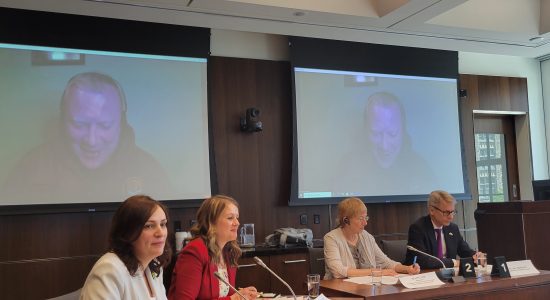
The event’s main goal was to discuss the future of Ukraine, its security and the security of the entire Euro-Atlantic community. Considering Ukraine’s path to NATO – how fast we are progressing, what reforms are being implemented and which are just being planned, what kind of support, in terms of legislation, we need from allies and how Ukraine’s accession to NATO will strengthen the Alliance and Euro-Atlantic security in general.
The event was attended by Canadian parliamentarians, the deputy chairman of the VRU Committee on National Security, Defense and Intelligence, the Head of the Permanent Delegation of Ukraine to the NATO Parliamentary Assembly Yehor Chernev, Deputy Minister of Defense for European Integration Andriy Shevchenko and representatives of the diplomatic corps, including Ambassador Extraordinary and Plenipotentiary of Ukraine to Canada Her Excellency Yuliya Kovaliv and Ambassador Extraordinary and Plenipotentiary of Finland to Canada His Excellency Roy Eriksson.
The event was held as part of the project “Parliament and Accountability of the Security Sector in Ukraine” (PASS Ukraine), which the Agency implements jointly with the Parliamentary Centre (Canada), in cooperation with the Verkhovna Rada of Ukraine, and with the support of Global Affairs Canada within the framework of the Peace and Stabilization Operations Program (PSOPs).
Why Do We Need to Change Public Policy Regarding Veterans Already Now?
The text was prepared for Ukrainska Pravda
The state should take care of veterans, or veterans will take care of the state (not in the good sense of this expression) – this and similar thoughts are often heard during discussions of the future of veteran policy.
According to modest estimates, veterans and their family members will make up at least 10% of the population of Ukraine. But is Ukraine ready to face millions of veterans who will return from the front?
The basic law of veteran policy is the Law “On the Status of War Veterans, Guarantees of Their Social Protection”. It is this law that defines who are veterans and what benefits they receive.
This is a 1993 law, and it generally focuses on veterans of Soviet-era wars. Of course, this approach is outdated for modern conditions and needs to be reviewed and updated.
To understand to what extent the 1993 law does not correspond to modern realities, let us give two examples.
Who is considered a veteran by law?
According to the law, veterans are participants of various wars and military operations, among which there are many non-obvious, at first glance, groups of people.
Thus, partisans and guerrillas of the Civil (1917-1921) and Second World Wars are considered veterans. A separate question is: who are the partisans and guerrillas of the civil war – Red Army soldiers or soldiers of the Ukrainian People’s Republic?
Participants of military operations of the USSR abroad are also veterans by law. The Cabinet resolution of 1994, which lists such operations, is valid and very interesting. There are a total of 47 military operations of the USSR since 1924. Among them are the civil wars in Spain (1936-1939) and China (1924-1949, with interruptions), the Korean War (1950-1953), the suppression of the Hungarian revolution (1956) and of the Prague Spring (1968), etc. Soviet soldiers who took part in these combat operations are considered veterans who have the right to receive benefits in Ukraine.
According to the law, veterans are the Ukrainian Insurgent Army and NKVD soldiers who fought against the Ukrainian Insurgent Army. Those who fought for the independence of Ukraine and those who fought against it. In the language of the law, it is called “liquidation of subversive-terrorist groups, banditry in 1944-1951 on the territory of Ukraine, Belarus, Latvia, Lithuania, Estonia.”
Benefits: what and to whom?
And what do veterans of all these wars (as well as veterans of the modern Russian-Ukrainian war) get? They receive benefits – benefits that were prescribed 30 years ago.
The list of these benefits includes, among other things, a discount on the installation of a home phone or the right to provision of food products of an improved assortment. Let’s remember that there was a shortage of goods in the USSR, so next to ordinary stores, where there was almost nothing, there were stores of an improved assortment.
Why are these parts of the legislation still unchanged after general decommunization, revision of historical, symbolic and humanitarian policies? Because the law has not been changed.
Why has the law not been changed? It is quite possible that the reason lies in inattention or incomplete processing, but there are also deeper reasons for this at the constitutional level.
Constitutional Court of Ukraine vs reforms
While policy changes for veterans are important, they are not easy to achieve. In its practice, the Constitutional Court has repeatedly issued judgments (judgments of 2004, 2004, 2002, 1999) in favor of preserving the current model. For example, the judgment in the case regarding the social protection of veterans in 2018.
In the same year, a law was declared unconstitutional, according to which a veteran should not receive statutory benefits if the income of the veteran and their family exceeds a certain level. Benefits, in this case, are free medicines, a discount on utility services or other less popular benefits.
The Constitutional Court decided that “restriction or cancellation of such benefits and other guarantees of social protection is possible only in case of introduction of equivalent or more favorable conditions of social protection”, and “the provision of benefits (…) should not be conditioned by the lack of financial capabilities of the state”.
In other words, benefits and other social guarantees can only be increased but not reduced in any way. And the provision of these benefits and social guarantees must be fulfilled, regardless of whether the state has money for this or not. If the state does not have the money for this, does not fulfill the relevant social obligations, then the current government violates the Constitution in terms of protecting the rights of citizens.
The debate about how justified and fair this approach is, or to what extent this position is a Soviet legacy and a manifestation of state paternalism, has been smoldering without much result and excessive public attention for already a long time. However, there are specific and quite negative consequences of such a position, when unscrupulous politicians make advances to citizens with the prospect of increasing social guarantees.
To put it simply, any populist majority in the Verkhovna Rada can add new and new benefits, which are not justified financially in any way, in order to receive short-term electoral dividends. But it is impossible to cancel these benefits.
Even a deep reform with the introduction of equivalent conditions of social protection is risky because, at an appropriate moment, the Constitutional Court of Ukraine may be asked whether these conditions are equivalent or whether they are a limitation/cancellation of social protection. And the Constitutional Court can then cancel such reform. And this is a big challenge for any attempts to reform the state policy regarding veterans.
For example, targeted social support, where a veteran receives assistance according to his needs, is not possible in such conditions. It is also impossible to review the list of old benefits or deprive the veterans of the NKVD of benefits. But veteran policy is not only about veterans of the NKVD.
According to some estimates, there will be about 5 million veterans and their family members in Ukraine. It means that the veteran policy will concern every seventh citizen of Ukraine. The 1993 legislation will need to be reformed. It was created for pensioners who went through the Second World War, and now the vast majority of veterans and their family members will be people of working age.
Finding legal ways to resolve this situation is an urgent task for Ukraine. Another urgent task is a public debate about what veterans’ policy should and should not consist of. However, talking about it is not enough. It is necessary to already make changes to already start forming a new policy. After all, the longer we drag out this process, the harder it will be for us to integrate the veterans when they return home.
The text was prepared with the financial support of Sweden.
3 Priorities of Parliamentary Reform in Ukraine
The Agency for Legislative Initiatives has been promoting the implementation and monitoring the parliamentary reform for many years. According to our latest monitoring data for 2021, the reform of the Ukrainian Parliament has been completed by 45.7%. In recent years, the rate of implementation of the reform has decreased, but the political leadership of the Verkhovna Rada recognizes the need to fulfil the commitments made regarding the implementation of the parliamentary reform. In addition, judging by the public statements of the political leadership of the Parliament, the authorities are fully aware of the actual state of implementation of the reform and the problems in its implementation. And the very fact of a realistic assessment of the situation gives hope for the solution of these problems and the successful completion of the reform.
Today, the Agency is included in the working subgroup on parliamentary reforms in Ukraine and has the opportunity to actively and constructively cooperate directly with representatives of the Verkhovna Rada in this direction.
What are the current priorities in the implementation of the reform of the Parliament? What should be emphasized to change the situation for the better? Oleksandr Zaslavskyi, Director of the Analytical Direction of the Agency, during the forum “Democratic reforms for the integration of Ukraine into the EU: a dialogue with leading reformers”, voiced for our European partners and Ukrainian colleagues from civil society and the Parliament 3 priorities of parliamentary reform in Ukraine.

1. Increasing the requirements for expert-analytical supporting documents, particularly explanatory notes, in the legislative process.
A well-known problem that complicates the work of the Verkhovna Rada is the production of a large number of legislative initiatives. And this affects the quality of legislative initiatives, as well as the workload of MPs and structural divisions of the Apparatus of the Verkhovna Rada. At the IX convocation of the VRU, there is a steady decrease in the number of, first of all, legislative initiatives by MPs, which is certainly a positive trend. However, it is possible to reduce the amount of “legislative spam” in other ways. In particular, by increasing the requirements for expert-analytical support, generally by increasing the quantity and quality of accompanying analytics in the legislative process. There are global examples when such a step, in particular, increasing the requirements for the preparation of impact assessments of draft acts, reduced the number of these same drafts by many times. This indicates an increase in their quality, as the share of draft laws that change existing laws is radically decreasing.
This also includes strengthening European integration expertise at the parliament level. In particular, by strengthening the capacity of the Committee on Ukraine’s Integration into the European Union. The Verkhovna Rada has three committees whose conclusions are binding on all draft laws: budget, anti-corruption, and European integration. During the convocation, thousands of draft laws pass through these committees. Accordingly, increasing the requirements for accompanying documents, particularly for draft laws related to European integration, and increasing the ability of the Committee on Ukraine’s Integration into the European Union to develop a large number of draft laws will improve the entire European integration direction of legislation. And this, as we understand it, is currently becoming extremely important and relevant.
2. Strengthening of parliamentary control.
The war actualized the issue of democratic control in the sphere of security and defence. Changes to the legislation in this direction have already been adopted in Ukraine, which will come into force next year. In particular, a special control committee unique to the Verkhovna Rada will be created, which will carry out control in the field of security and defence.
In terms of parliamentary control, it is worth giving an example of how the Verkhovna Rada adapted to the conditions of war. Since February 24, we have not had the time of questions to the Government, but a special format was introduced when individual ministers met with the heads of parliamentary factions or with representatives of the majority in the Parliament. Some ministers managed to go through this format several times. As for specific actions to strengthen parliamentary control, we must talk about strengthening the system and the regularity of its implementation. Including at the level of committees.
3. Ensuring the sustainable development of the Parliament as an institution, in particular, increasing the personnel potential of the staff of the Verkhovna Rada Apparatus.
This is also a crucial aspect of the reform. Since the Apparatus is, in fact, a parliamentary service. Although we currently do not have a separate parliamentary public service, the Apparatus of the VRU is the structure that ensures the stability and institutional memory of the Verkhovna Rada. These are people who ensure the work of the parliament even during the war. Among the Apparatus employees, a significant number of those have been working there for more than 15 years. These are high-class specialists. Their experience should be preserved and multiplied, and the status of a parliamentary employee should be strengthened. For this purpose, the draft law on parliamentary service was developed and adopted in the first reading. It would be excellent to adopt it as a whole. The strategy for building the staff potential of the Apparatus of the Verkhovna Rada was also adopted and is already at the final stage of implementation. It should be updated with an emphasis on maintaining the Apparatus employees’ high level of professionalism and preserving institutional memory.
The Agency for Legislative Initiatives will, as far as it can, support these and other areas of parliamentary reform. And we once again emphasize the importance of the stable functioning of such an institution as the Parliament for the implementation of all other reforms and for Ukraine’s progress on the European integration path.
This publication was prepared with the financial support of Sweden.