
Lessons Learned from Members of the Verkhovna Rada: ALI Research on Gender Equality as an Element of Democratic Governance
Traditional masculinity, as well as conservative views on gender and sexuality, are at the very heart of Russia’s hybrid warfare strategy against Ukraine. By opposing equal rights, Russia is trying to substantiate its aggression. By arguing that ‘men are strong and women are weak’ or ‘men do what they can, and women do what they have to’, Russia wants to convey that it is ‘normal’ for ‘the strong to do what they can and the weak to bear what they have to’. With its consistent anti-gender policy, Russia is trying to separate Ukraine from the European value and cultural dimensions. In both senses, Russia is creating a space for disinformation and propaganda aimed at dividing Ukraine and the international community.
Thus, this study aims to explore how members of the Verkhovna Rada understand and stand for gender equality and whether this understanding is sufficient to protect against the gender equality component of Russia’s hybrid warfare.
Indicators of gender equality in the Verkhovna Rada of Ukraine
- Gender stereotypical roles in lawmaking: while women are getting more involved in ‘male’ topics, men are rarely perceived as working on ‘female’ topics. This version of gender equality mainly involves women’s engagement in areas traditionally considered to be male and not vice versa.
- Gender stereotypical roles in the family: men and women expressed concern about the excessive pressure women experience in caring for children and family, especially in the context of evacuation and separation. However, few mentioned that men may also have difficulties fulfilling family responsibilities.
- Recognising hostile rather than ‘benevolent’ sexism: Lawmakers recognise harmful, aggressive sexism as an issue. However, they often fail to recognise that idealising women or focusing only on their roles as mothers and caregivers also undermines gender equality.
Methodology
- The qualitative research is based on 14 in-depth semi-structured interviews with nine women and five men MPs. The interviewed MPs represented four parliamentary parties: seven from the majority party and seven from the opposition parties.
- The interviews were analysed and compared using inductive narrative analysis, which allowed for the identification of patterns and themes in the interview transcripts, and discourse analysis, which allowed for the identification of common meanings in the socio-cultural, political, and historical context of the full-scale invasion.
Read more about gender (in)equality in the Ukrainian parliament — in the new ALI study.
The study was conducted within the framework of the project “Parliamentary Accountability of the Security Sector in Ukraine” (PASS Ukraine), which the Agency implements together with the Parliamentary Centre, in cooperation with the Verkhovna Rada of Ukraine, and with the support of Canada’s Foreign Policy — Global Affairs Canada as part of the Peacebuilding Program and stability(PSOPs).
Committees and NGOs: A Checklist for Building Cooperation
Preserving and strengthening this cooperation, even under martial law, is a vital task for both the Ukrainian government and civil society.
Indeed, if not now, when is the right time to foster systematic collaboration at all levels and with a range of institutions — including the committees of the Verkhovna Rada of Ukraine? Parliamentary committees, as key actors in the legislative process, play a crucial role in conducting public consultations. Involving non-governmental organisations (NGOs) in law-making is an established practice, supported by Council of Europe documents, the EU–Ukraine Association Agreement, and other international treaties.
So, how is cooperation between non-governmental organisations and parliamentary committees in Ukraine organised? How are openness and inclusivity ensured in this collaboration? How can new NGOs begin working with committees of the Verkhovna Rada? And how has the full-scale war affected these processes? These are the questions at the heart of a new study by the Agency for Legislative Initiatives, which explores the cooperation between parliamentary committees and non-governmental organisations in Ukraine.
Demand vs Need — Why Does It Matter?
Parliament has several forms of public engagement, which can be divided into five stages: informing, education, communication, consultation, and participation. NGOs, in turn, play a significant role — including in the development of legislation and in providing analytical support to the Verkhovna Rada of Ukraine.
For example, the Council of Europe identifiesCode of Good Practice for Civil Participation in the Decision-Making Process. the principles of inclusivity, openness, and transparency as fundamental to building effective cooperation mechanisms between public authorities and civil society. Decision-making processes should remain open to ensure that diverse perspectives are taken into account and that balanced, well-informed policies are developed.
Considering the expertise, experience, and reputation of organisations — as well as their readiness for long-term cooperation — is a key priority when building partnerships with non-governmental organisations. This inclusive approach, backed by practical measures, helps to shape higher-quality legislative initiatives that respond to the real needs of society.
According to the ALI research, non-governmental organisations recognise the importance of the same criteria used by parliamentary committees — expertise, reputation, and experience. These factors determine the level of trust in organisations and their capacity to influence policymaking: the expertise of organisations that provide high-quality analytical materials allows their in-depth knowledge in the field to be taken into account, while the reputation of NGOs depends on their previous activities, financial transparency, and participation in significant projects.
Of course, existing legal acts — such as the laws On the Committees of the Verkhovna Rada of Ukraine and On Law-making Activity — provide for various forms of cooperation, including parliamentary hearings, round tables, working groups, and public consultations. At the same time, they do not always specify the procedures for their implementation in detail, which creates gaps in practical application. For example, individual consultations or informal communication with experts remain outside the scope of clear regulatory frameworks. At the same time, the effectiveness of cooperation between the committees of the Verkhovna Rada and NGOs is based on mutual transparency, the involvement of a broad range of stakeholders, and a focus on practical outcomes. For committees, this creates opportunities to develop high-quality legislative initiatives that reflect the needs of society; for NGOs, such cooperation offers a means to influence decision-making processes that serve the public interest.
Checklist of Criteria for Selecting Non-Governmental Organisations for Effective Cooperation with Verkhovna Rada Committees
Based on information collected through surveys and interviews with representatives of parliamentary committees and NGOs, we have identified key criteria for establishing effective cooperation with committees of the Verkhovna Rada. This checklist may serve as a reference point for the characteristics and capacities that committees typically expect from potential partner organisations — and can help NGOs assess their own readiness for collaboration.
Relevance to the Committee’s Area of Activity (High Priority):
- Does the NGO’s work align with the main topics and objectives of the committee?
Expertise and Professional Competence (High Priority):
- Does the NGO have proven experience in the relevant field?
- Does the NGO represent the interests of a specific community (for stakeholder organisations)?
- Does the NGO have the capacity to conduct high-quality analysis (for think tanks)?
- Does the NGO have publications demonstrating its experience in the field?
Organisational Capacity (Medium Priority):
- Is the NGO willing to engage in long-term cooperation within a specific topic?
- Does the NGO have sufficient resources (human, technical, financial, etc.) to carry out joint tasks?
- Is the organisation capable of responding promptly to committee requests?
- Who are the NGO’s donors, and does it participate in large-scale projects?
Communication Capacity (Medium Priority):
- Is the NGO able to effectively communicate the results of its cooperation with the committee?
Previous Experience of Cooperation with Public Authorities (High Priority):
- Does the NGO have experience working with government bodies or participating in parliamentary hearings?
Proactiveness (High Priority):
- Does the NGO initiate cooperation and independently propose ideas and activities?
Partnership Network (Low Priority):
- Does the organisation have established connections with other NGOs or international organisations?
We invite you to explore the full set of recommendations for both parliamentary committees and NGOs in the study prepared by the Agency for Legislative Initiatives.
Experience of Male and Female Parliamentarians During Martial Law in Ukraine
Over the years, war has left its stamp on the existence of the state. It has forced key decision-making institutions to adapt to new realities quickly. Legislative priorities, possible formats of lawmaking, the role of parliamentary diplomacy, and interaction with voters — everything that used to form the basis of the Verkhovna Rada’s work has changed.
Amid the visible transformations, the Agency for Legislative Initiatives decided to study the changes in the work of the parliament by looking at the personal experience of MPs.
The ALI study incorporates a gender perspective, which allows us to examine the experience of MPs in the work of the parliament at a critical time for Ukraine, as well as the impact of extraordinary circumstances on the lives and work of people at the very ‘heart’ of Ukrainian democracy.
The study focuses on the following issues:
- Key Changes in Parliamentary Activities During the Full-Scale War;
- The Impact of Full-scale War on Lawmaking;
- Parliamentary Diplomacy During the Full-Scale War;
- Parliamentary Oversight;
- The Image of MPs in the Media During the Full-Scale War;
- Positive and negative practices and solutions.
Methodology
The research was conducted using quantitative and qualitative methods.
- Desk research included an analysis of legislation and policies on gender equality in the Verkhovna Rada of Ukraine, as well as an analysis of foreign studies.
- The empirical part of the study included 14 in-depth semi-structured interviews with MPs representing four parliamentary factions. The interviews were analysed using the open coding method, which allowed us to identify peculiarities in the coverage and perception of the activities of male and female MPs.
The study results will provide a deeper understanding of the diverse personal experiences of MPs. This experience, including the challenges and solutions found, will be an influential source of information for parliamentarians around the world in today’s world.
Read more about the work of the parliament in times of war — in the new research by ALI.
The study was conducted within the framework of the project “Parliamentary Accountability of the Security Sector in Ukraine” (PASS Ukraine), which the Agency implements together with the Parliamentary Centre, in cooperation with the Verkhovna Rada of Ukraine, and with the support of Canada’s Foreign Policy — Global Affairs Canada as part of the Peacebuilding Program and stability (PSOPs).
Cooperation of Committees with Civil Society: New Study by ALI
All over the world, including in Ukraine, parliamentary committees, as key actors in the legislative process, play an essential role in holding discussions with the public. Committees engage in various forms of interaction with society and facilitate the creation of platforms for citizen participation in the legislative process. At the same time, non-governmental organisations (NGOs) play a significant role in providing analytical support to the Parliament. Of course, the involvement of NGOs is not limited to participation in the discussion of draft laws. Still, it covers various activities, from organising events and events for committees to providing expert opinions and training. Interaction between state institutions and civil society is an organic part of democratic governance.
The ALI study details this aspect of public-private interaction and the cooperation process between the Verkhovna Rada committees and NGOs.
The study answers the following questions:
- How is cooperation between non-governmental organisations and parliamentary committees organised in Ukraine?
- How can cooperation between parliamentary committees and non-governmental organisations ensure openness and inclusiveness?
- How can new non-governmental organisations initiate cooperation with the committees of the Verkhovna Rada?
Methodology
- An analysis of international experience in cooperation between parliamentary committees and non-governmental organisations;
- An empirical section on cooperation between the Verkhovna Rada committees and non-governmental organisations: a survey and in-depth interviews with representatives of the Verkhovna Rada committee secretariats and non-governmental organisations engaged in cooperation with these committees.
Read more about cooperation between the parliament and the civil society — in our study.
The study was conducted within the framework of the project “Parliamentary Accountability of the Security Sector in Ukraine” (PASS Ukraine), which the Agency implements together with the Parliamentary Centre, in cooperation with The Verkhovna Rada of Ukraine, and with the support of Canada’s Foreign Policy—Global Affairs Canada as part of the Peacebuilding Program and stability (PSOPs).
Revisiting the Status of Local Council Members: ALI and Parliamentary Committee Host Expert Roundtable
A special focus of the event was the presentation and discussion of ALI’s analytical study “The Status of Local Council Members,” previously developed at the Committee’s request. The report examines how current legislation was applied during the 2020 local elections and presents findings from a nationwide survey involving 2,279 local self-government officials across various regions of Ukraine.
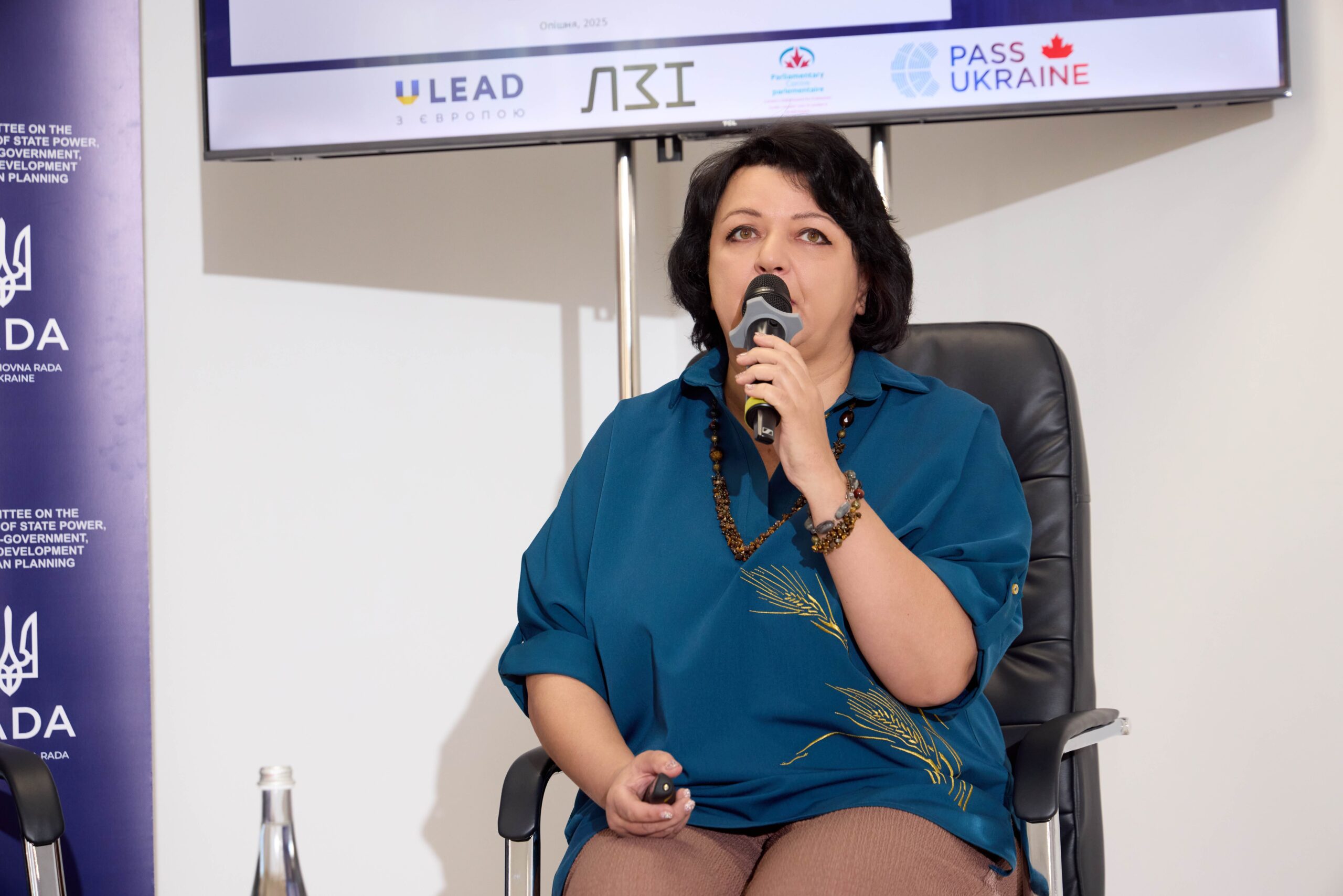
Olena Boiko, contributing expert with ALI, delivered the study’s key findings, highlighting areas for legislative improvement regarding the status of local council members. The presentation covered a wide range of issues, including challenges posed by the Russian Federation’s full-scale invasion; early termination of mandates; underrepresentation in local councils; the imperative mandate; guarantees and safeguards for council members’ activities; communication between the public and local council members, and mechanisms of accountability, oversight, and responsibility of local council members.
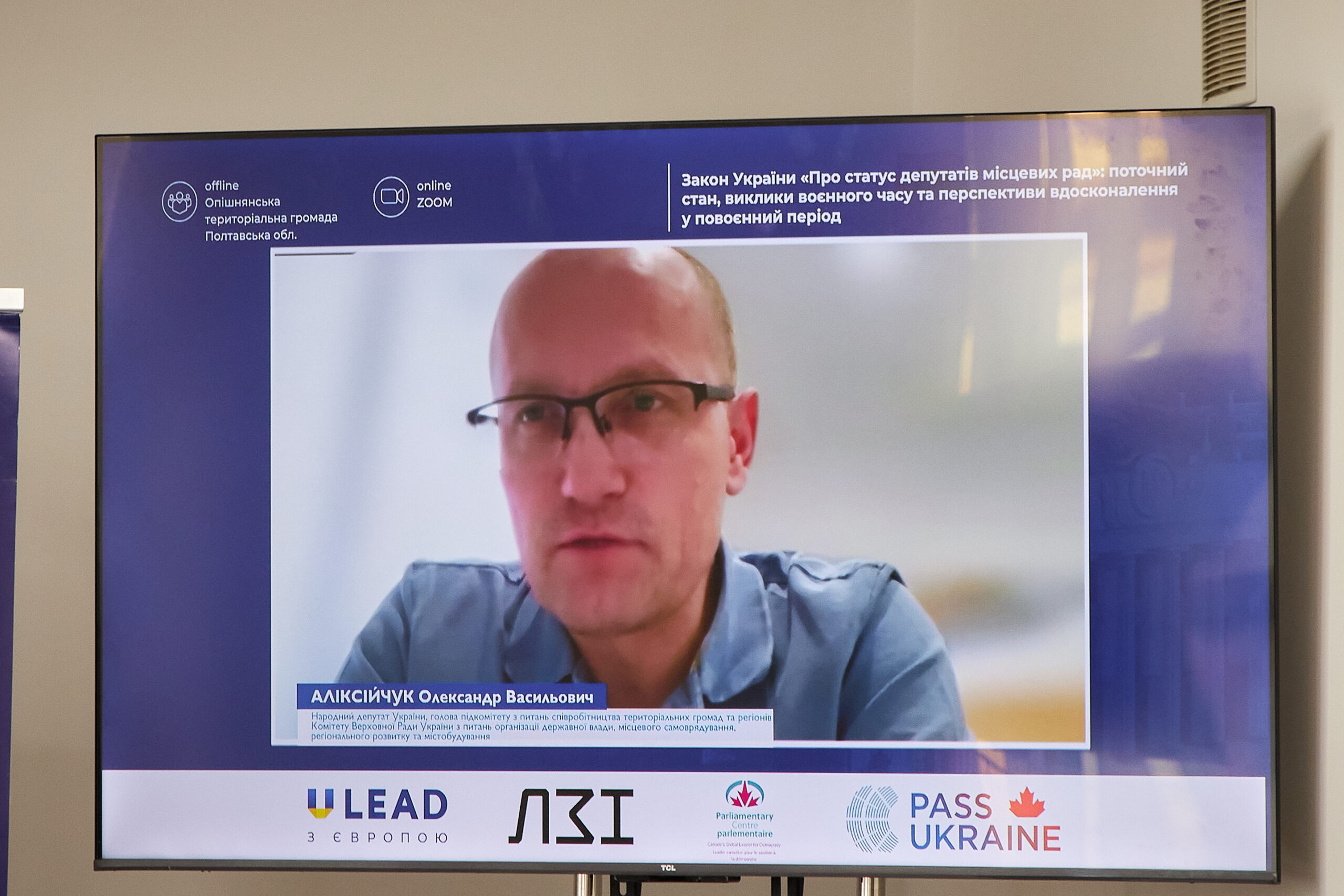
The discussion brought together a wide range of stakeholders, including Members of Parliament Oleh Dunda, Dmytro Mykysha, Dmytro Chornyi, Oleksandr Aliksiychuk, Andrii Klochko, Oleksii Ustenko, and Kostiantyn Kasai. Participants also included representatives from national and local government bodies across the Poltava region: Volodymyr Kohut, Acting Head of the Poltava Regional State Administration and Acting Head of the Regional Military Administration; Oleksandr Bilenkyi, Head of the Poltava Regional Council; and Mykola Riznyk, Head of the Opishnia Settlement Council. Also present were local council members of various levels, representatives of leading local self-government associations, as well as experts and international partners.
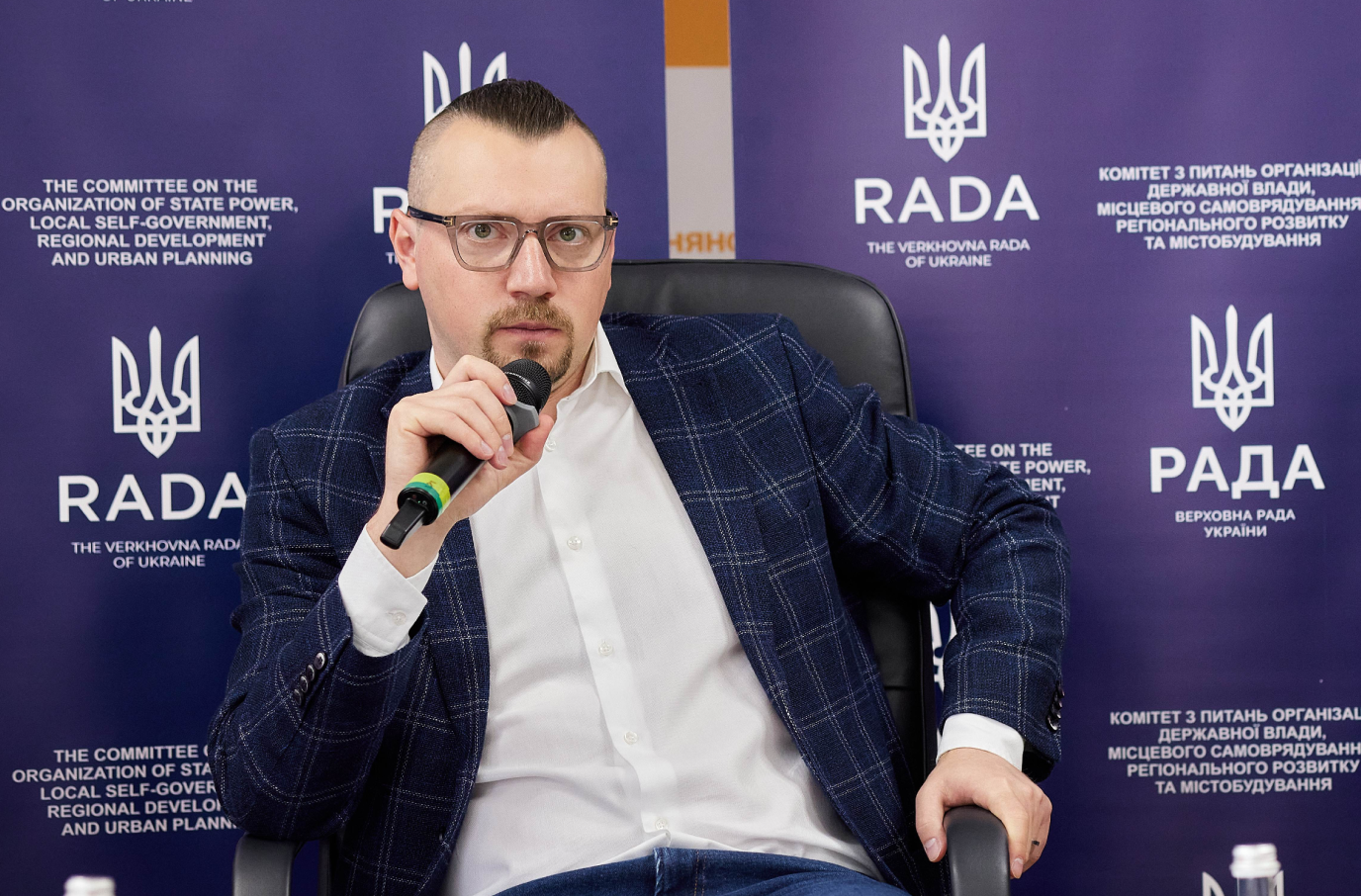
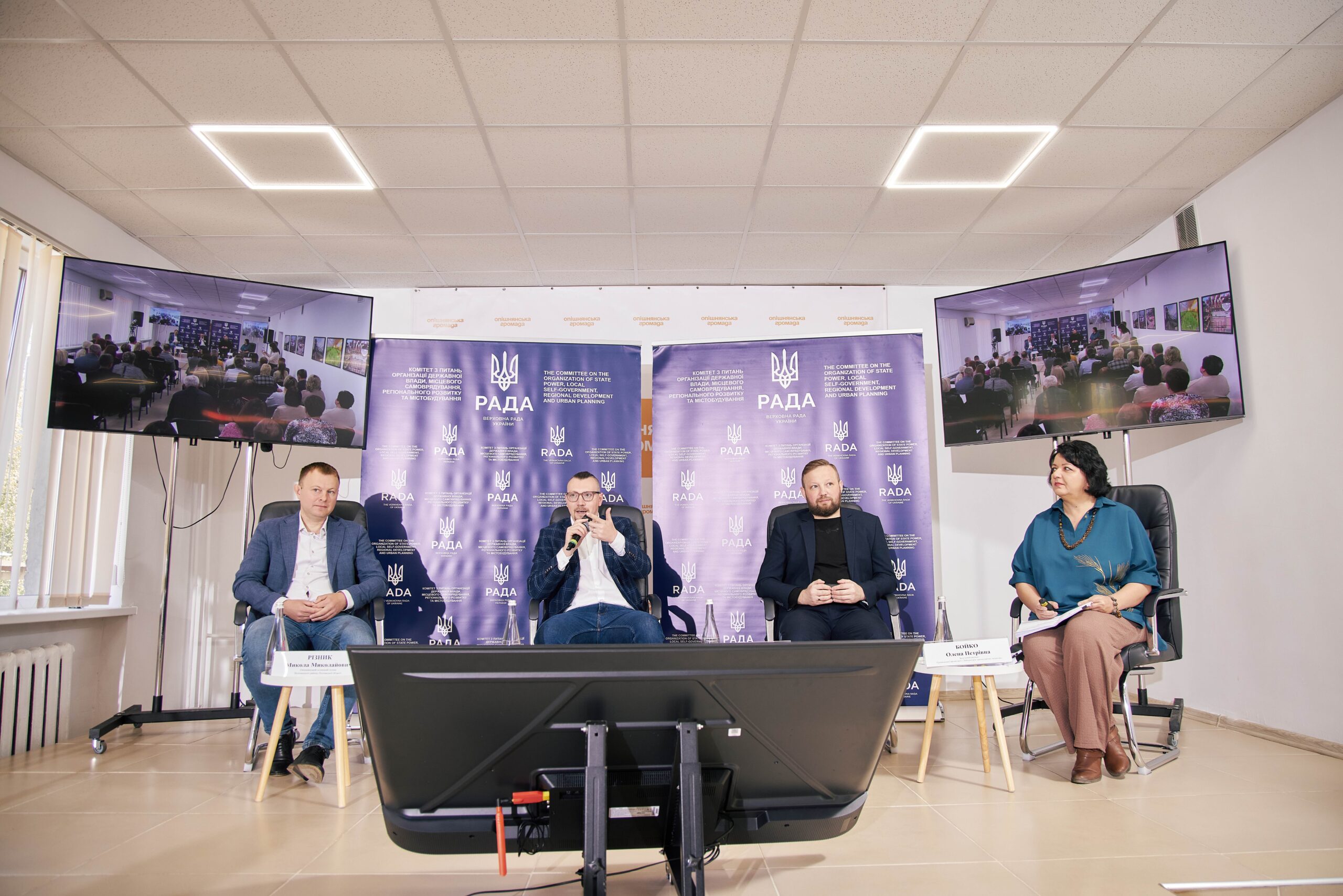
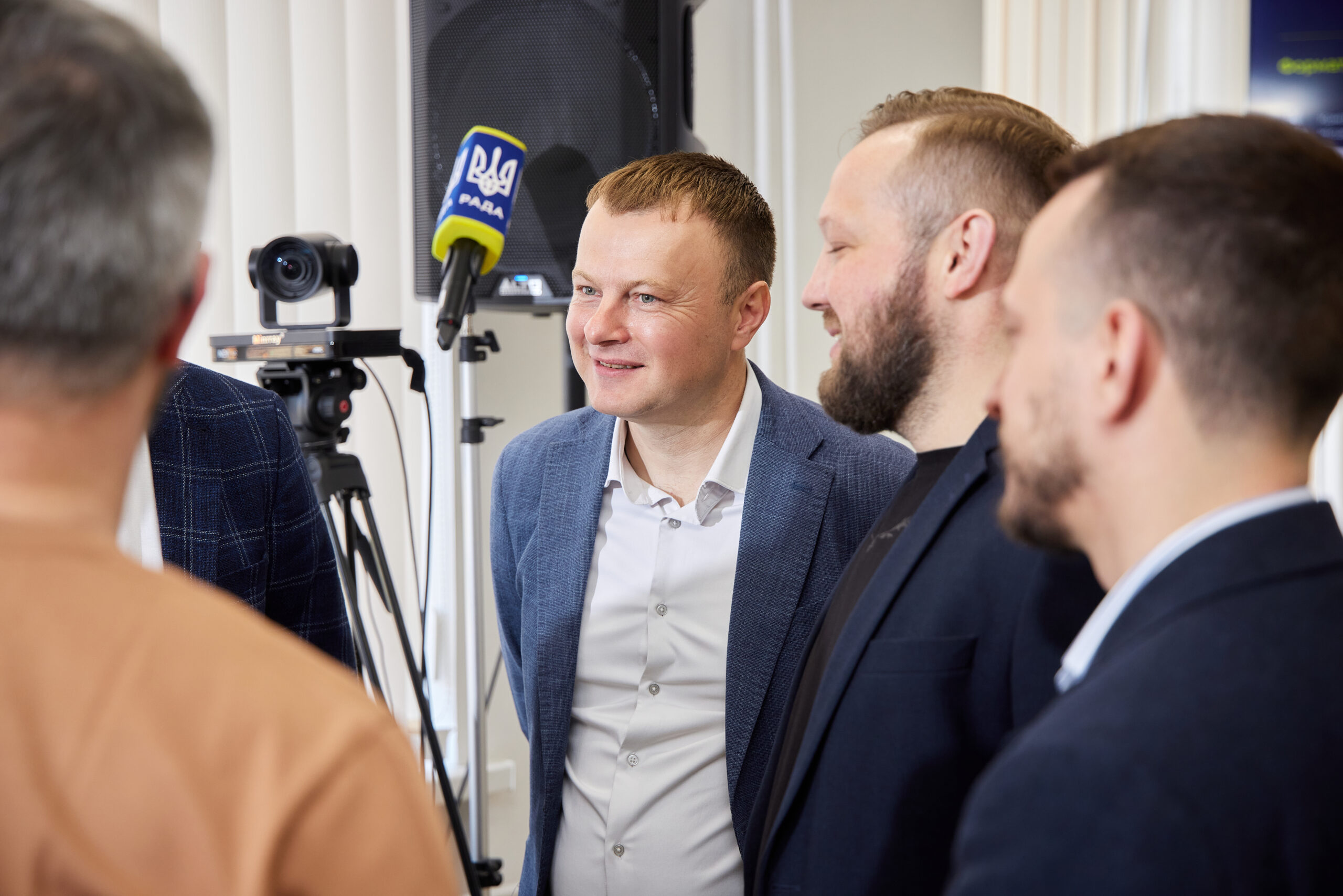
Vitalii Bezghin, Head of the Subcommittee on Administrative and Territorial Structure and Local Self-Government of the relevant Committee of the Verkhovna Rada, emphasised the importance of maintaining feedback and transparent dialogue between government representatives at all levels.
During the panel discussion, participants addressed several pressing issues, including:
- the specific challenges of operating local councils under martial law;
- the procedures for acquiring and prematurely terminating the mandates of local council members;
- the impact of the banning of certain political parties on the work of local councils;
- guarantees for the activities of local council members;
- alignment of the status of local council members with European standards;
- ensuring proper representation in local councils;
- the need to regulate questions of council members’ ethics;
- problematic aspects of local council members’ work within the local council and their constituencies;
- strengthening the accountability and responsibility of local council members to their constituents.
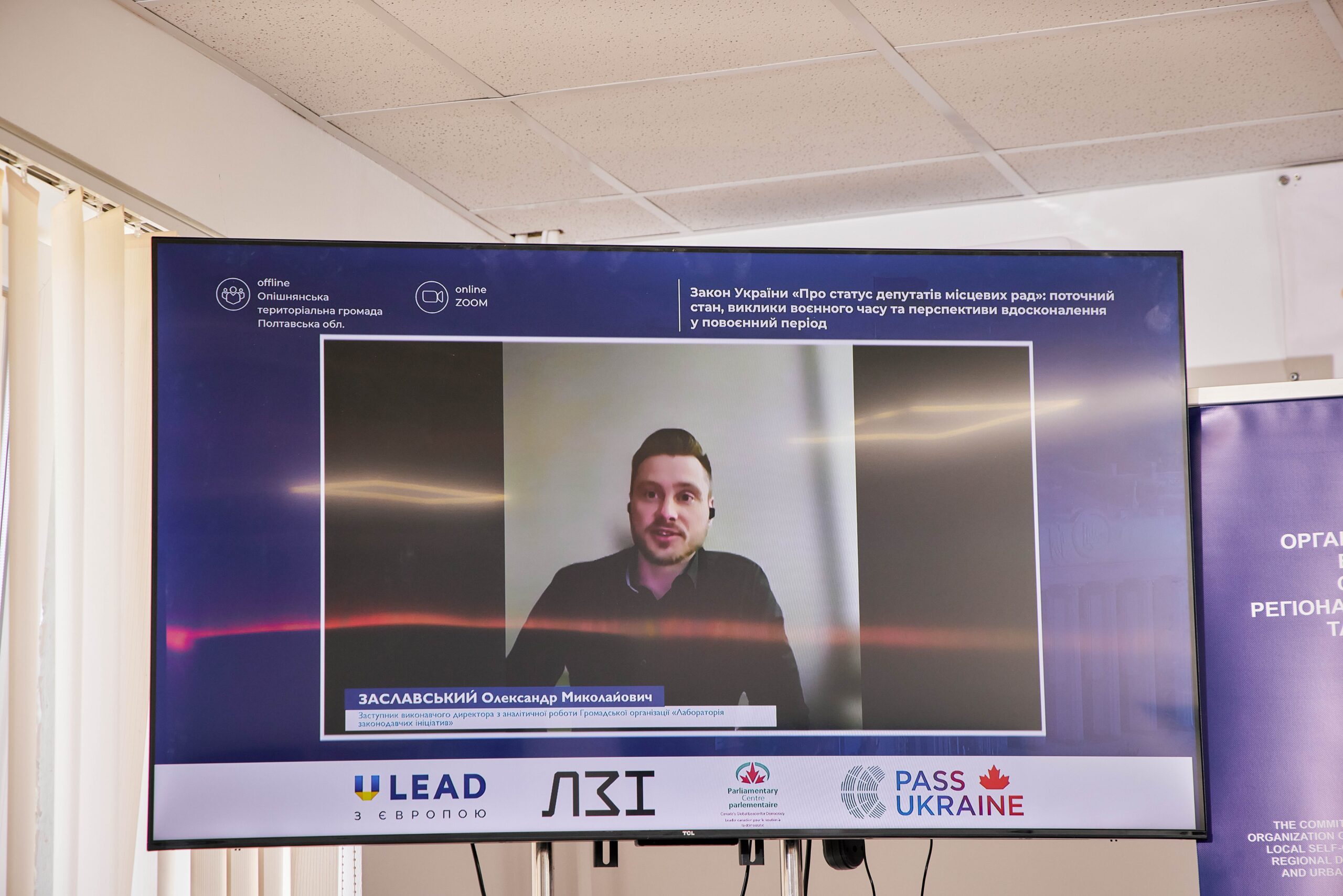
Oleksandr Zaslavskyi, Deputy Executive Director of the Agency for Legislative Initiatives, stressed the need for a consolidated approach to all key issues related to the status of local council members, as well as the practical application of mechanisms such as public consultations on legislative initiatives.
In this context, the ALI study holds particular value, as it is methodologically grounded in field research — specifically, a survey of local self-government representatives. These are not merely stakeholders, but one of the target groups for future legislative changes.
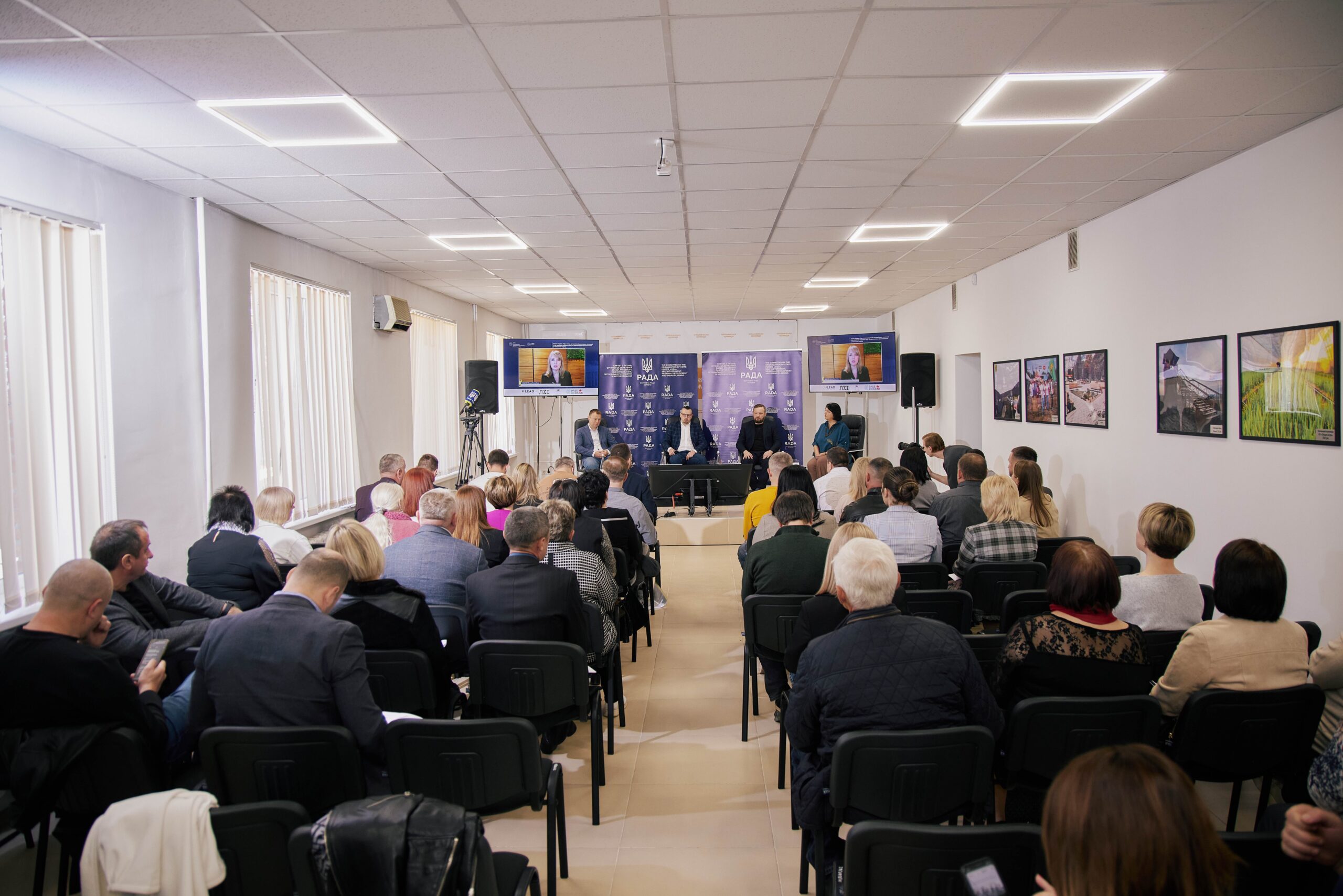
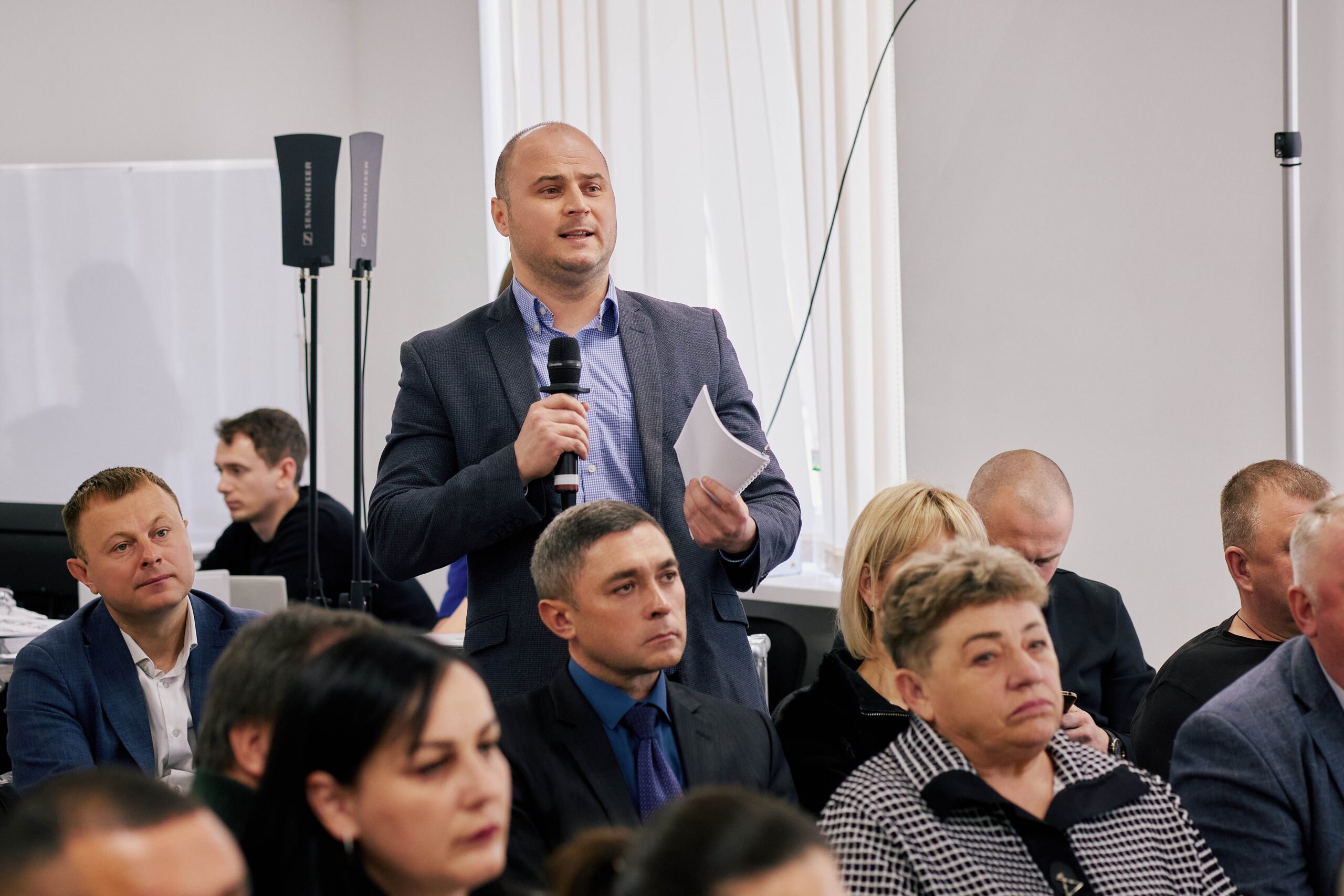
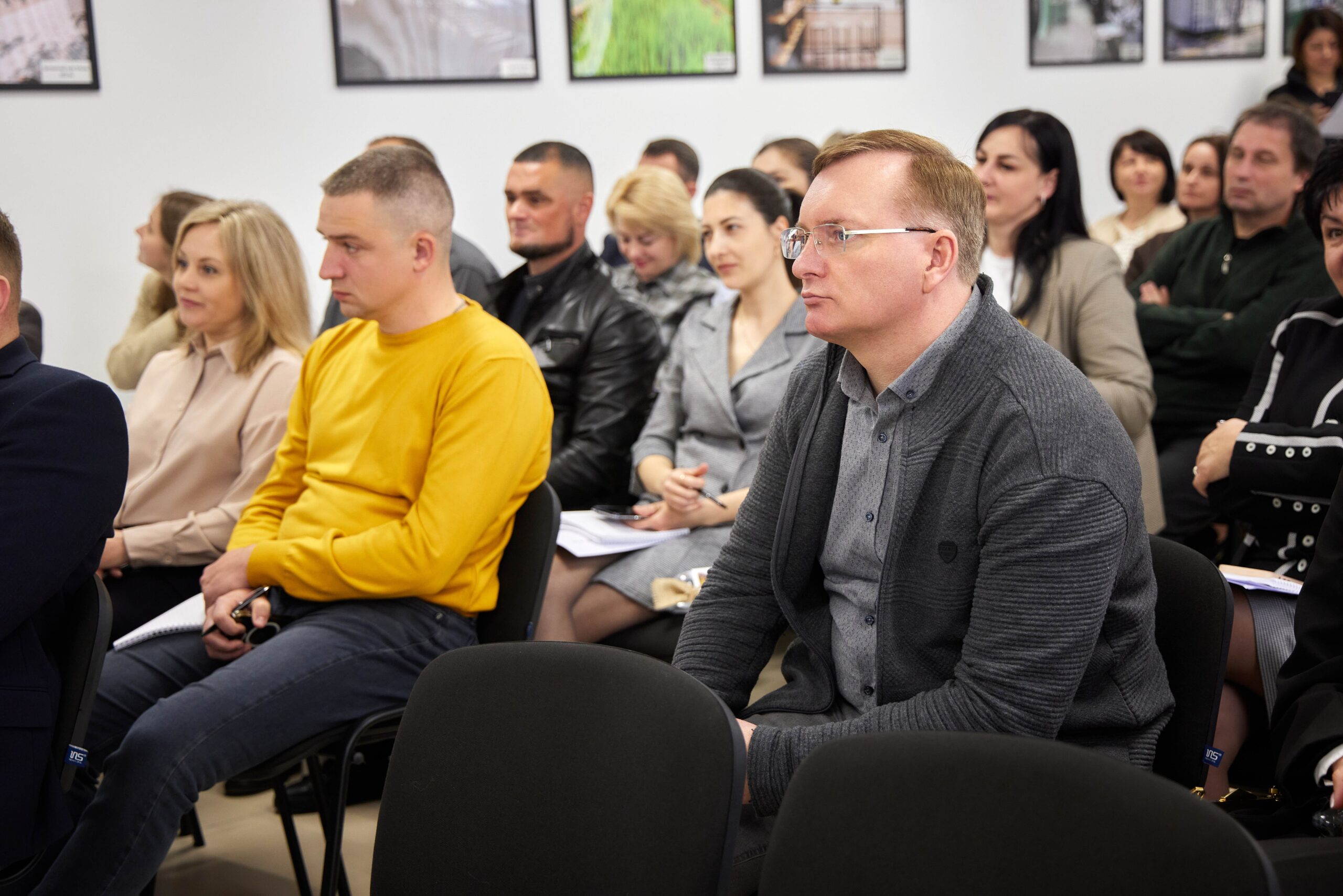
Olena Shuliak, Head of the Verkhovna Rada Committee on State Building, Local Self-Government, Regional and Urban Development, highlighted the importance of addressing issues related to the accountability and responsibility of local council members. However, she noted that the topic of ethical standards for council members — both at the national and local levels — remains largely unregulated.
As a reminder, in late 2022, a draft law on the Code of Ethical Conduct for Members of Parliament was registered in the Verkhovna Rada. Among its co-authors are experts from the Agency for Legislative Initiatives. However, the process has yet to move forward beyond its registration.
A recording of the roundtable discussion is available at the link.
The roundtable took place within the framework of the project “Parliamentary Accountability in Ukraine’s Security Sector” (PASS Ukraine), implemented by the Agency for Legislative Initiatives in cooperation with the Parliamentary Centre (Canada), the Verkhovna Rada of Ukraine, and with the support of Global Affairs Canada through the Peace and Stabilization Operations Program (PSOPs).
The event was also supported by the “U-LEAD with Europe” programme.
Gender Impact Assessment and Legal Gender Expertise: Prospects for Implementation in the Verkhovna Rada
During the training, participants explored how gender analysis and legislative impact assessment methodologies can be integrated into the legislative process, learned about international and EU-level practices, and examined tools used in other countries. In the practical part of the session, participants applied gender analysis methodologies to fundamental draft laws.
Mykhailo Tepliuk, Deputy Head of the Secretariat of the Verkhovna Rada of Ukraine — Head of the Main Legal Department, highlighted recent developments that will help align legislation with constitutional norms. He noted that when referring to the Constitution, one must pay particular attention to Article 3. It stipulates that human rights and freedoms, and their guarantees, determine the content and focus of state activities, and that the state is accountable for the outcomes of its actions.
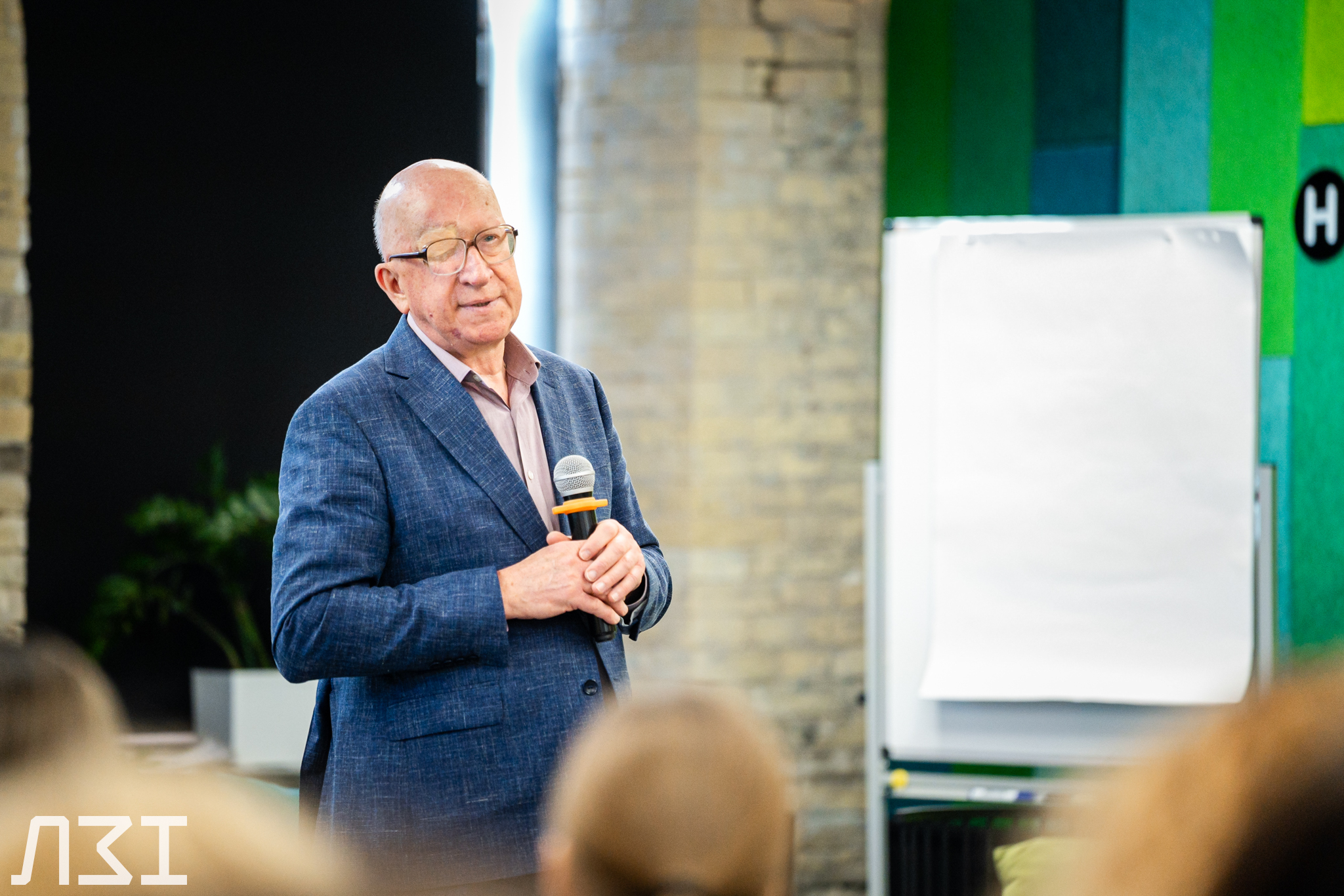
The event was moderated by Oleksandr Zaslavskyi, Deputy Executive Director of the Agency for Legislative Initiatives. He highlighted the importance of implementing gender analysis and impact assessment tools, noting that doing so would benefit Ukraine both in the context of European integration and in strengthening domestic decision-making processes.
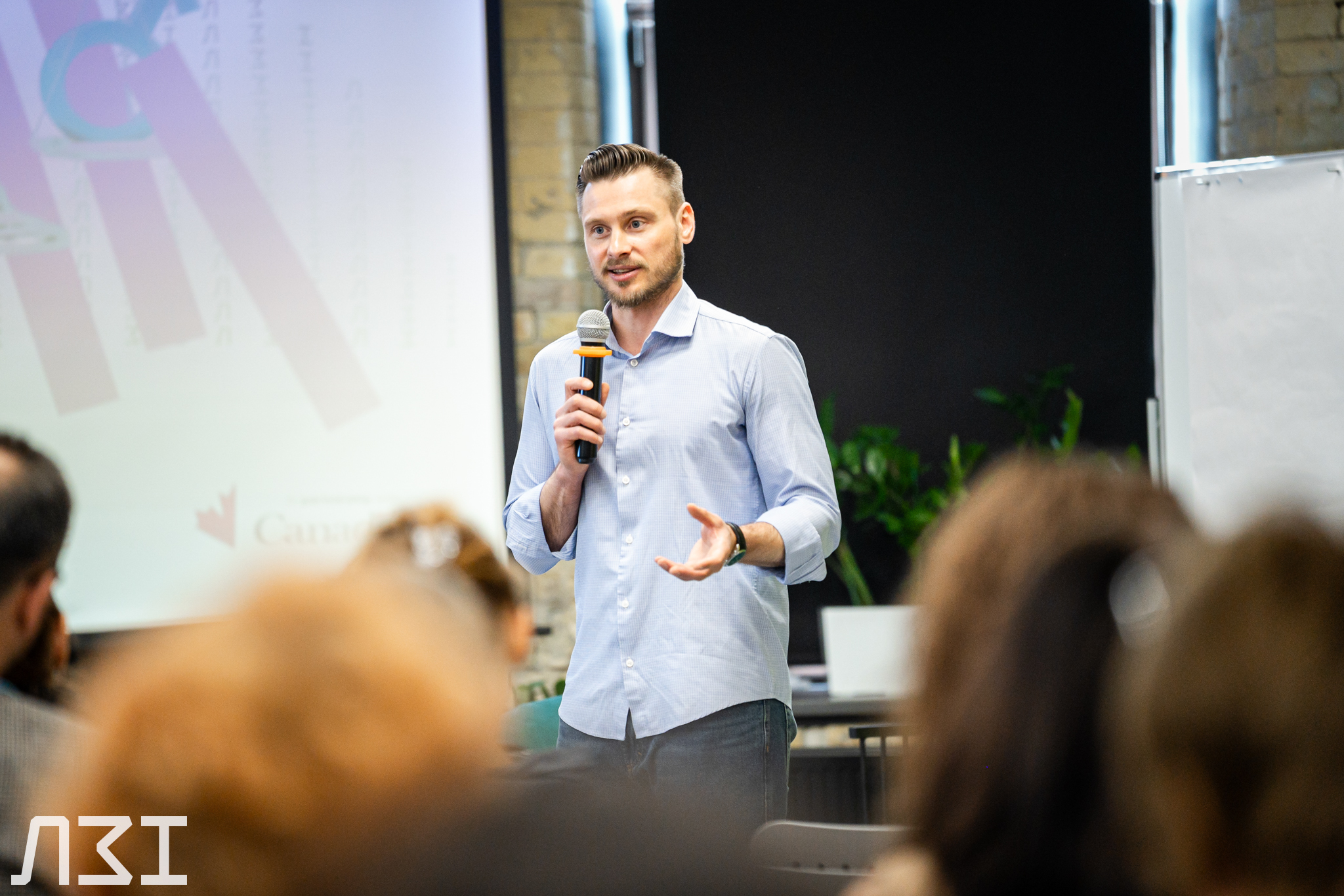
Volodymyr Skrypets, the Analytics Lead at the Agency for Legislative Initiatives, shared with the training participants the experience of piloting and adapting the gender-sensitive impact assessment methodology within the Verkhovna Rada. His presentation covered a wide range of materials: the Guide to Legislative Impact Assessments — a joint product of ALI and four parliamentary committees — almost fifty conducted assessments, European experience, European Commission practices, and an analysis of the Law “On Law-Making Activity”. Together, these provide a broad basis for understanding gender-sensitive impact assessment tools and frameworks.
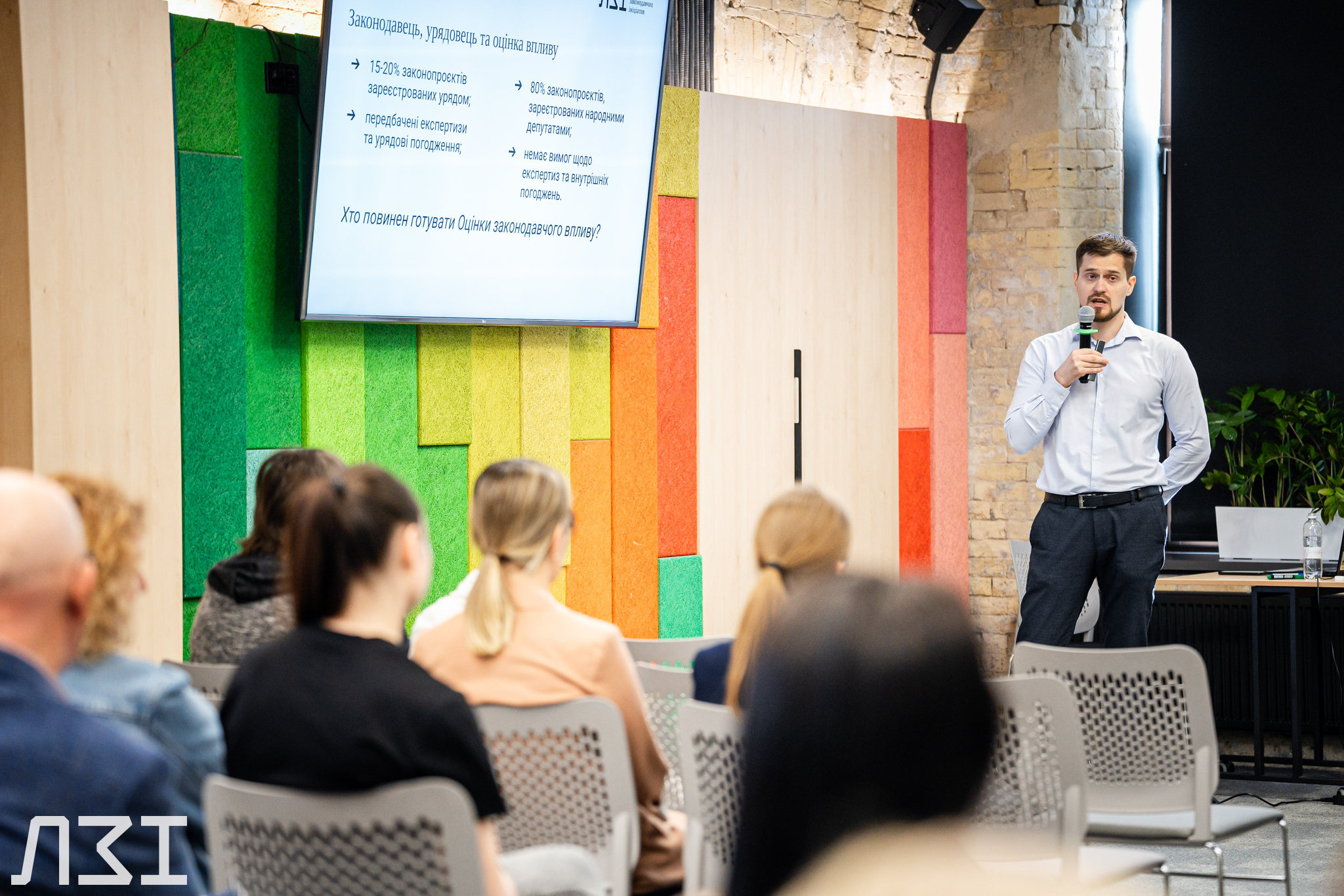
The training also explored similarities and differences in approaches to gender analysis in various countries — Sweden, Canada, several EU states — as well as global examples of gender-responsive tools and methodologies and how they are implemented in stages. Participants, including gender analysis expert Olena Zaitseva, underscored the importance of such measures.
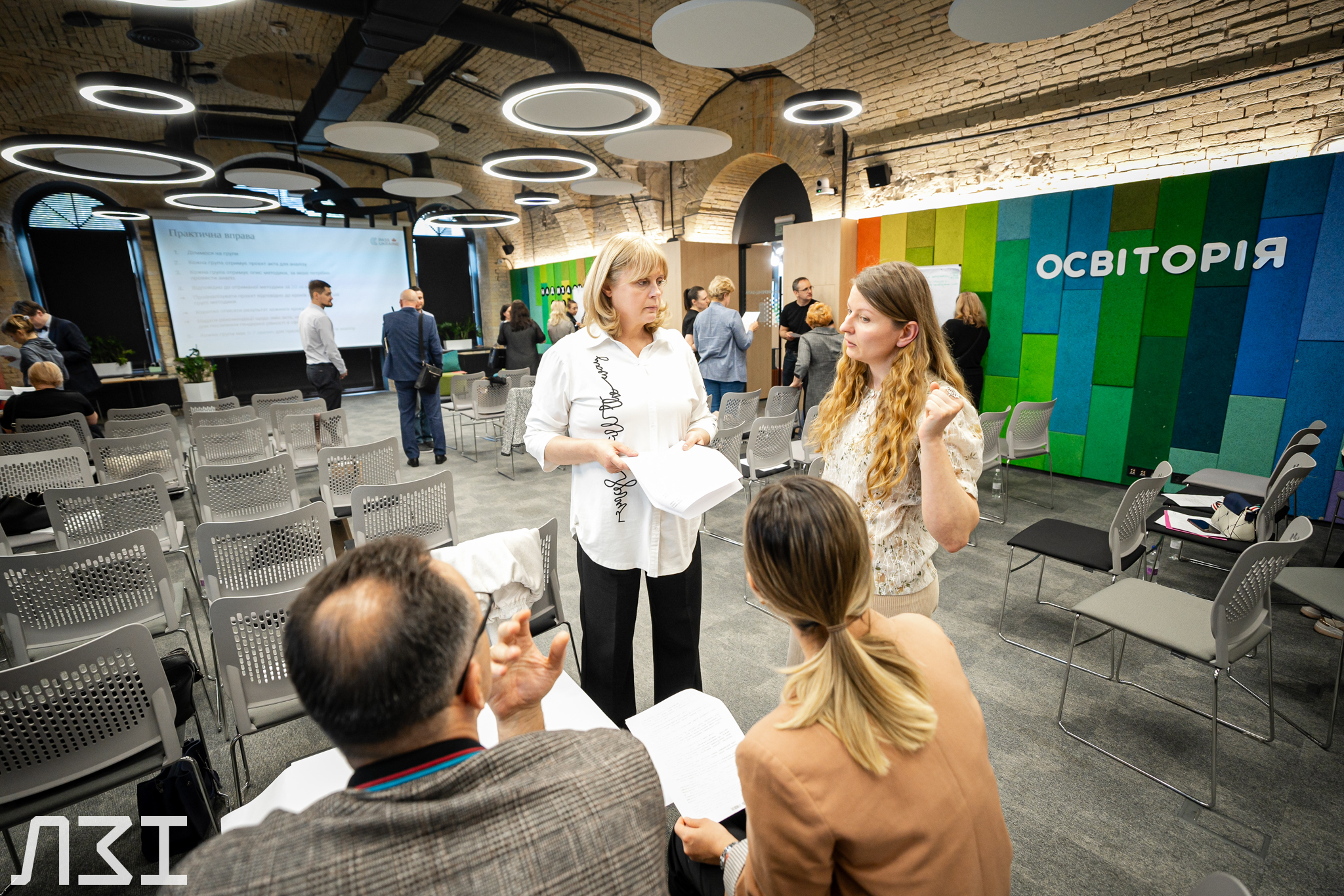
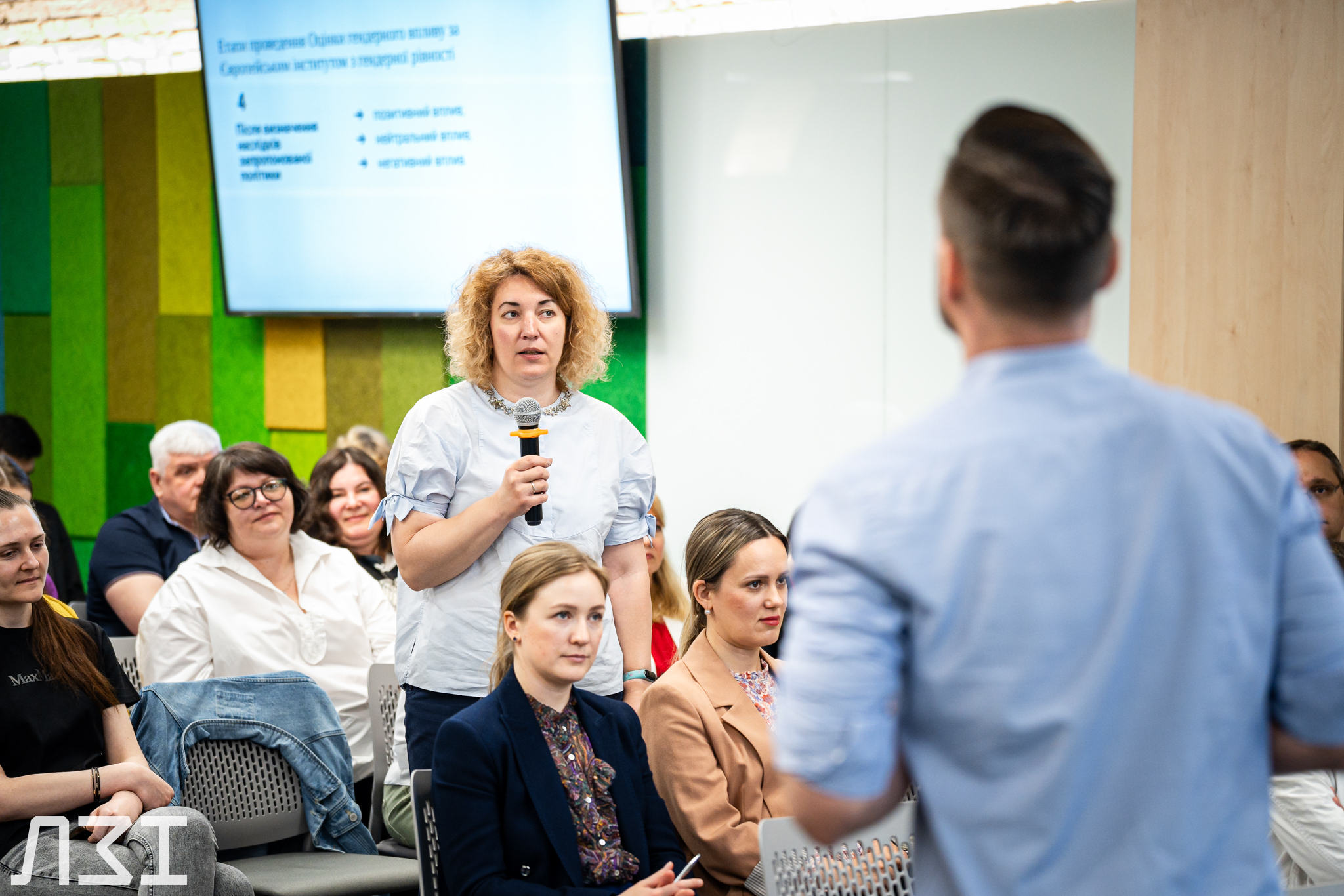
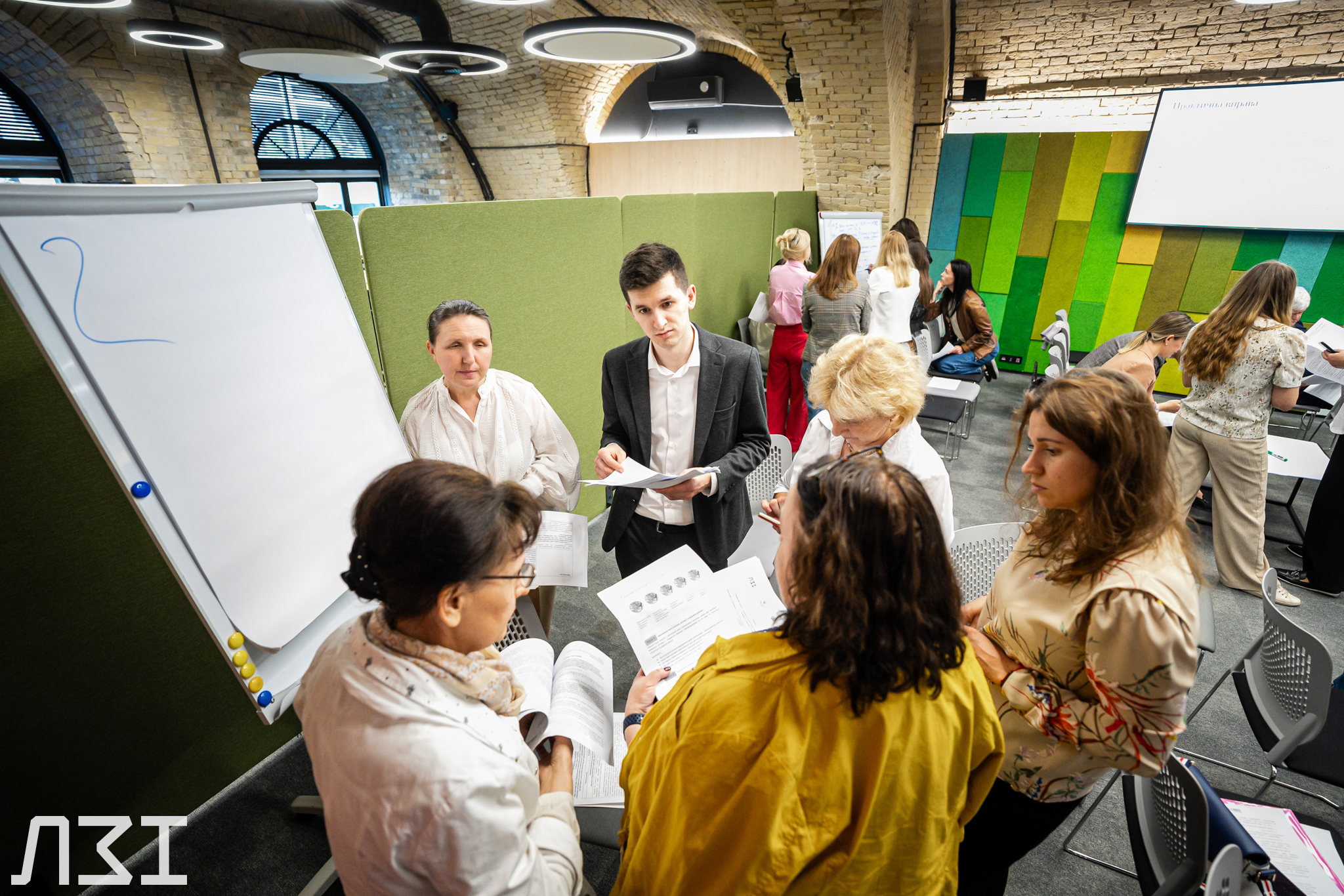
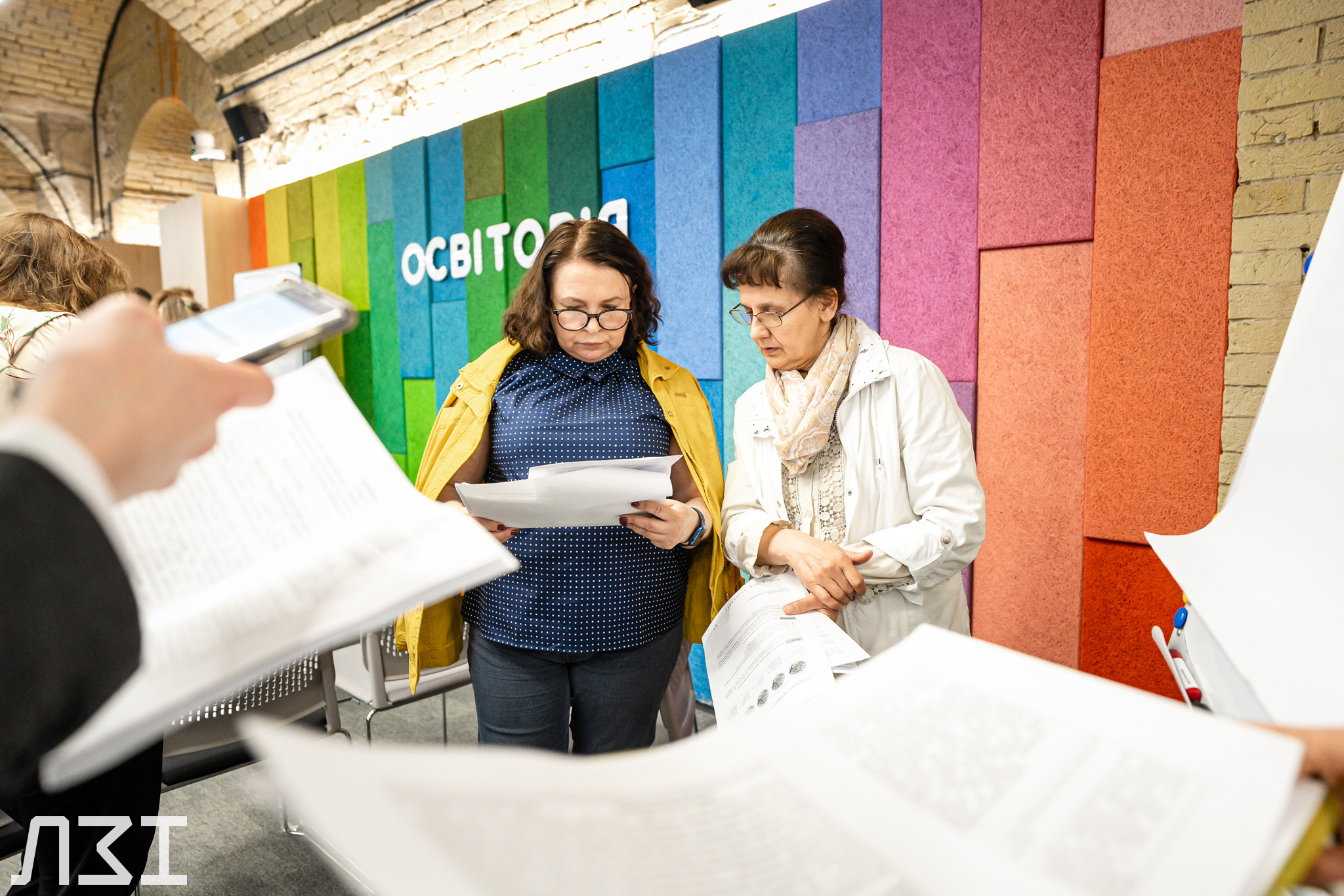
This part of the training also featured a hands-on workshop on applying gender-sensitive methodologies to the analysis of specific draft laws across different sectors.
The roundtable took place within the framework of the project “Parliamentary Accountability in Ukraine’s Security Sector” (PASS Ukraine), implemented by the Agency for Legislative Initiatives in cooperation with the Parliamentary Centre (Canada), the Verkhovna Rada of Ukraine, and with the support of Global Affairs Canada through the Peace and Stabilization Operations Program (PSOPs).
Status of Parliamentary Civil Servants: Experience Exchange Between Ukraine, Moldova, and Armenia
On 23 April 2024, parliamentary civil servants from the Verkhovna Rada of Ukraine, the Parliament of Moldova, and the National Assembly of Armenia held an expert exchange on “Status of Parliamentary Civil Servants: International Experience and Lessons Learned.”
During the meeting, participants discussed the status of parliamentary civil servants — including the legislative frameworks that regulate their work and the similarities and differences between parliamentary and general civil service in their respective countries. A key focus was placed on the legal regulation of parliamentary staff, their independence, and the distinct nature of their role compared to broader public service.
Artem Yanchuk, Deputy Head of the Secretariat of the Verkhovna Rada of Ukraine, shared insights on the current state of the parliamentary civil service in Ukraine — including ongoing reform efforts, key challenges, and available opportunities. He noted that establishing a separate parliamentary civil service helps reinforce the institutional independence of parliament and makes it possible to introduce tailored conditions for those employed within it.
He specifically highlighted that in Ukraine, the status of parliamentary civil servants is part of the internal reform roadmap of the Verkhovna Rada and is referenced in the parliamentary Resolution “On Measures to Implement the Recommendations on Internal Reform and Strengthening the Institutional Capacity of the Verkhovna Rada of Ukraine.” Ukraine has been moving in this direction – in 2020, the Draft Law “On Parliamentary Service” was registered and subsequently adopted as a basis.
Ultimately, the question is not whose approach is better — many aspects depend on a country’s legal system, population size, available resources, and other structural factors. However, learning how parliamentary service is organised in countries that are on the path toward EU integration is valuable for all parliamentary representatives. In this light, experience-sharing initiatives can serve as effective platforms for discussing key regulatory aspects of parliamentary service.
Background
In line with the recommendations of the European Parliament’s Needs Assessment Mission, Draft Law No. 4530, “On Parliamentary Service”, was registered in the Verkhovna Rada of Ukraine in December 2020 and adopted at first reading in January 2021. The goal of this draft law is to define the specific legal framework governing parliamentary service and the legal status of parliamentary civil servants, as well as to ensure the effective functioning of the Secretariat of the Verkhovna Rada of Ukraine.
The event took place as part of the project “Parliamentary Accountability of the Security Sector in Ukraine” (PASS Ukraine), implemented by ALI in partnership with the Parliamentary Centre (Canada), in cooperation with the Verkhovna Rada of Ukraine, and with support from Global Affairs Canada under the Peace and Stabilization Operations Program(PSOPs).
Sustainability of Processes and Continuation of Parliamentary Reform: Visit of the Delegation of the Verkhovna Rada to Canada
At the beginning of April, a delegation of the Verkhovna Rada of Ukraine made a study visit to Canada to learn about the experience in areas related to the sustainable operation of the parliament.
The status of parliamentary staff, its similarities and differences with the public service, work with parliamentarians, issues of the Rules of Procedure for plenary and committee meetings, tools and processes used for translation of documents and ongoing work — during the visit, many thematic meetings and trainings were held for the representatives of the Verkhovna Rada. Canada is currently preparing for a parliamentary election, so it is a very valuable opportunity to see how similar processes are carried out in another country.
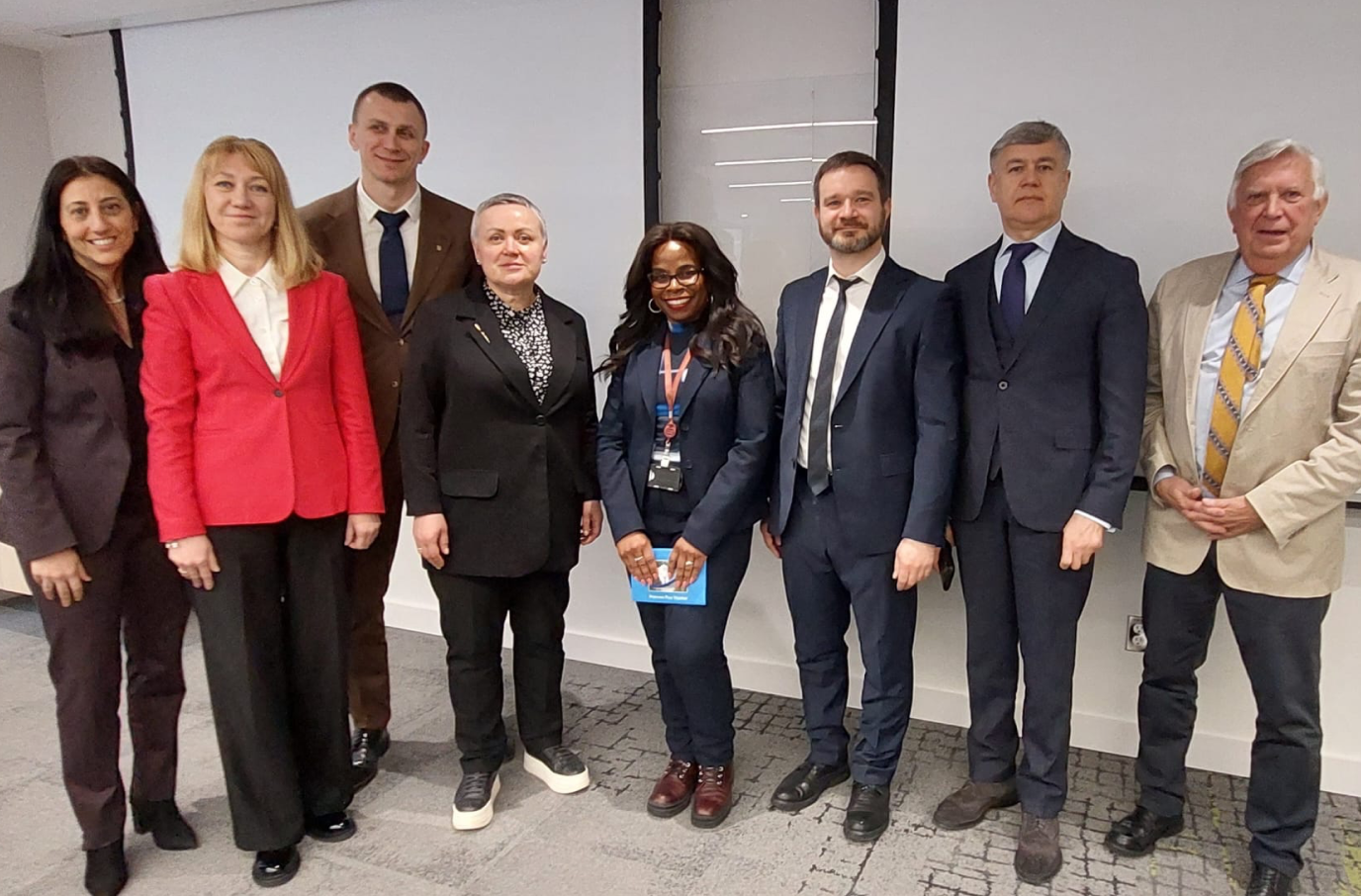
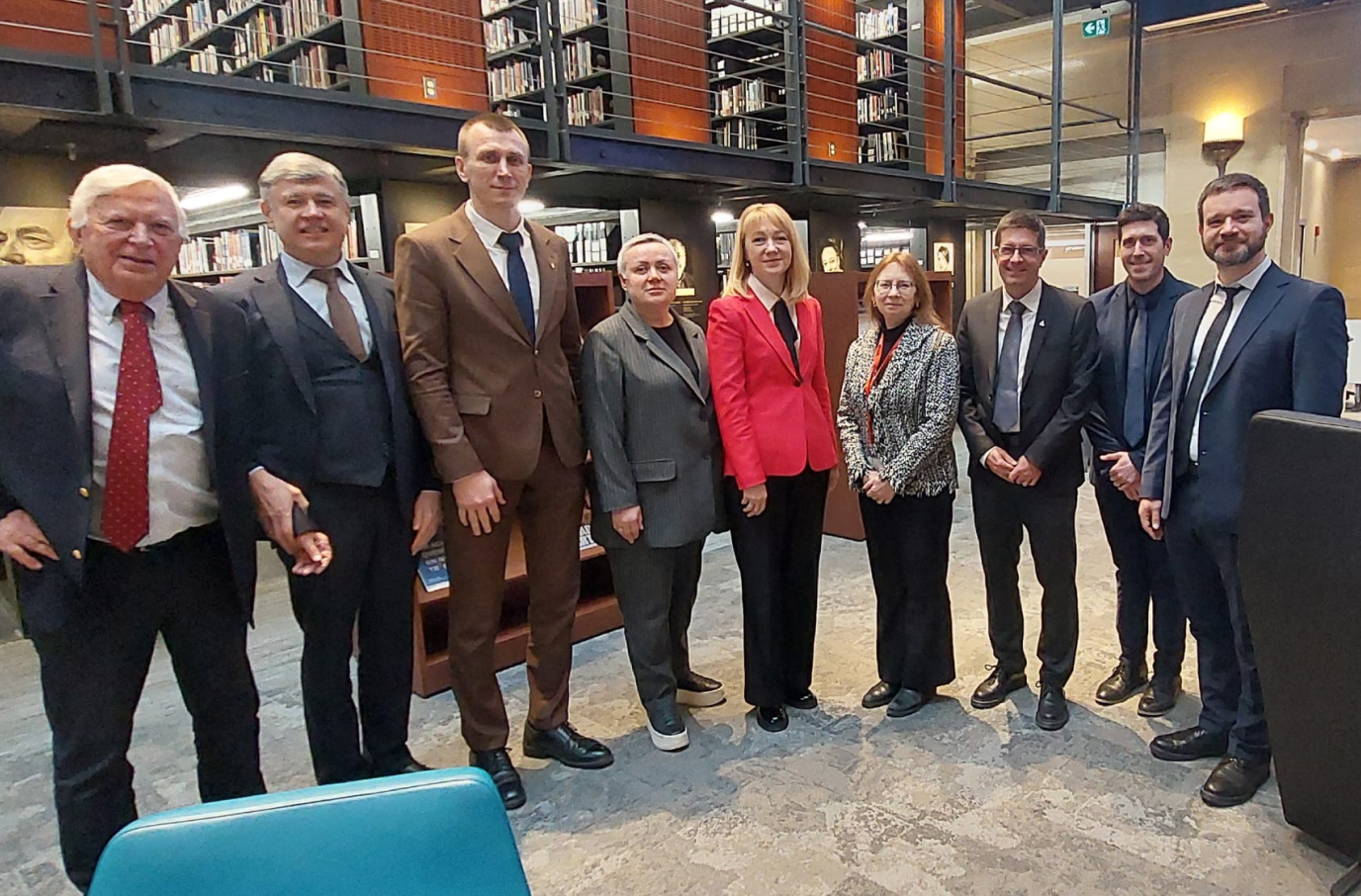
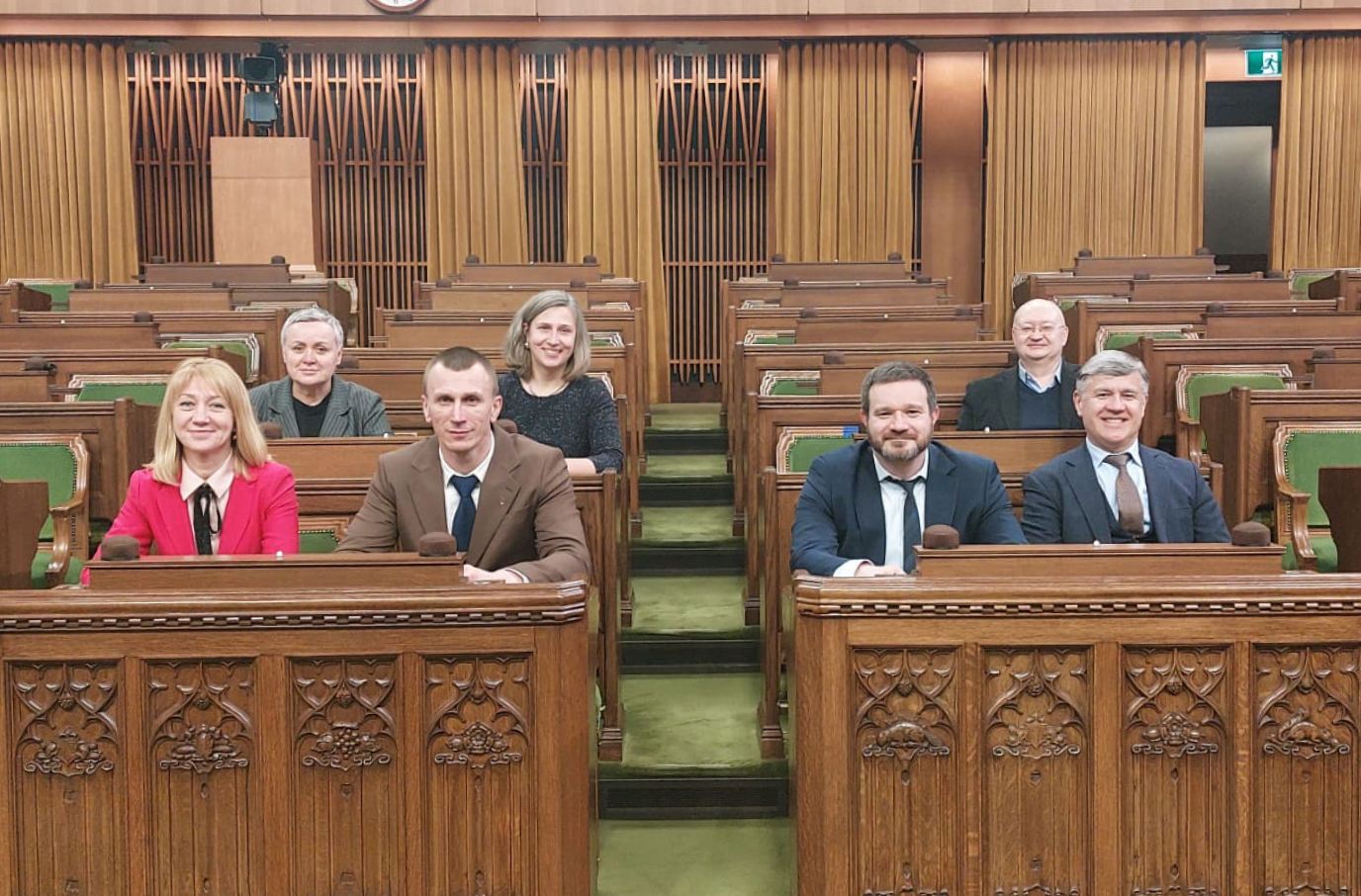
It is important for Ukraine to maintain the sustainability of its institutions, and the visit focused on aspects of business continuity of the Parliament. This remains a priority due to the numerous security challenges faced by the Ukrainian parliament during martial law. The work of the parliament did not stop even during the most critical period — the beginning of the full-scale invasion of russia. The Verkhovna Rada was able to adapt and develop organisational processes under martial law, which is undoubtedly an important step for institutional development. Therefore, including within the framework of the PASS Ukraine project, documents and plans to ensure the continuity of the Verkhovna Rada’s activities have already been developed and are in the process of implementation and adoption.
In the context of parliamentary reform and the need to balance competing demands, the Ukrainian delegation gained valuable experience from Canadian colleagues in legislative and research support for parliamentarians, as well as professional training programs for parliamentary staff. The topics of the visit were based on the requests and challenges for the Verkhovna Rada: the continuation of parliamentary reform, Ukraine’s accession to the European Union, and russian aggression against Ukraine. All these topics remain extremely relevant for improving various aspects of parliamentary work, especially in wartime.
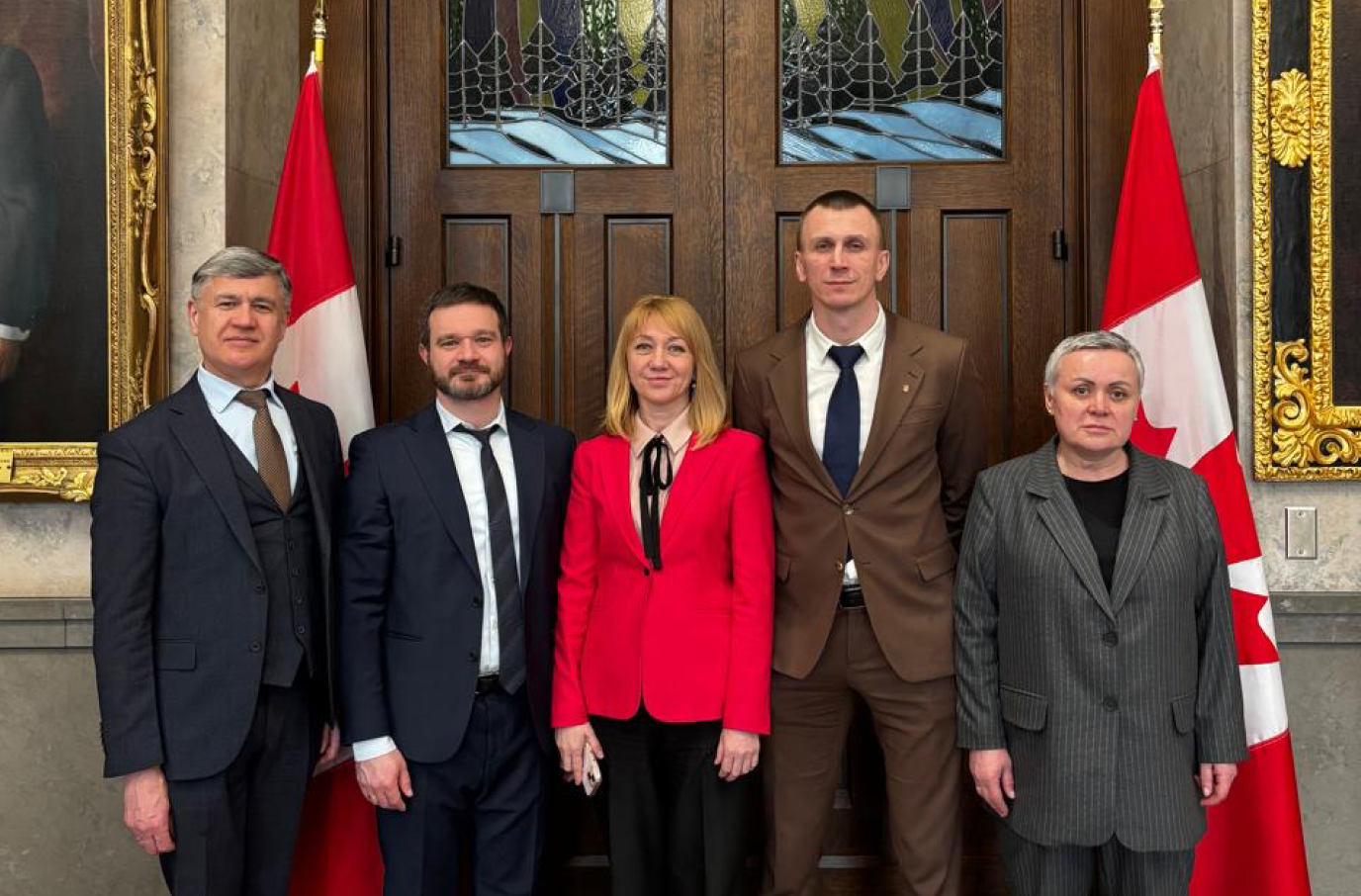
The visit took place as part of the “Parliamentary Accountability of the Security Sector in Ukraine” (PASS Ukraine) project, which the Agency is implementing in partnership with the Parliamentary Centre (Canada) in cooperation with the Verkhovna Rada of Ukraine and with the support of Global Affairs Canada under the Peace and Stabilization Operations Program (PSOPs).
Parliament of War: Verkhovna Rada Works Longer in Wartime Than in Peace
911 days — that is how much time passed between the first sitting of the Verkhovna Rada of Ukraine of the ninth convocation and the day Parliament approved the Presidential Decrees on the imposition of martial law and general mobilisation. On 3 September 2024, when the Verkhovna Rada opened its twelfth session, 923 days had passed since the declaration of martial law in 2022. In other words, the Verkhovna Rada has now been operating under martial law for longer than it functioned in normal conditions. Undoubtedly, the war in Ukraine has been ongoing since 2014, but the challenges that arose on 24 February 2022 were unprecedented.
At that point, Parliament had to adapt to a new reality — a shift that affected not only the content of legislative initiatives but also the structure of the legislative process itself. In the past three sessions, no more than 5% of adopted draft laws had been registered before the start of the full-scale invasion. In effect, the Verkhovna Rada formed a new agenda tailored to wartime conditions. However, this agenda is gradually losing its “emergency” nature and is beginning to resemble a regular parliamentary process.
The Agency for Legislative Initiatives conducted a monitoring of the Verkhovna Rada’s work from September 2024 to February 2025. Below are the key findings and trends.
Back to “Peacetime” Legislative Pace
Parliament has returned to the “peacetime” pace of work that was typical before the start of the full-scale invasion. The average time taken to adopt draft laws and the duration of debates in the plenary hall have increased significantly.
One of the most notable changes in the work of the Verkhovna Rada is the gradual return to the pre-war pace of legislative review. At the onset of the full-scale invasion (during the Rada’s seventh session), draft laws were adopted quickly, with consensus and efficiency — at that time, 90% of draft laws were considered in first reading in under two minutes.
Over the three years of full-scale war, the average duration from the registration of a draft law to its adoption in second reading has steadily increased. A substantial backlog of draft laws related to the “wartime” agenda has accumulated, pushing the average time for consideration to a record-high 335 days — the longest duration observed during the ninth convocation. This indicates that the speed of lawmaking, which was extremely high in the early months of the invasion, has now returned to standard levels.
Another sign of the return to pre-war working conditions is the increased duration of draft law debates in the plenary hall. Debates have returned to the Verkhovna Rada — and they are becoming longer. Some indicators over the past year and a half already show more time being spent on discussion than before the invasion. At times, MPs spend three hours or more debating a single draft law. If this trend continues, we may soon see new records set during the ninth convocation.
What Explains This Shift?
In the first six months of the war, there was an urgent need to rapidly adapt legislation to the conditions of martial law and the realities of full-scale war. Now, however, Parliament no longer needs to adopt laws in an emergency manner. The Verkhovna Rada has more time for drafting and discussing legislative proposals. Moreover, the agenda has once again come to include issues not directly related to martial law.
Secondly, the share of draft laws receiving consensus support has decreased. In the early months of the full-scale war, MPs adopted most decisions almost unanimously, as they concerned pressing security and defence needs. Today, that period of “unity” has ended, and Parliament is increasingly faced with contentious issues — leading to significantly longer debates.
Thirdly, the easing of information restrictions on covering the work of the Verkhovna Rada has contributed to the return of lengthier plenary sessions. MPs have once again begun to use the parliamentary rostrum actively to express their positions. While in the early months of the full-scale invasion plenary sessions took place under conditions of maximum secrecy, journalists have now returned to Parliament, and political statements have become an integral part of the Rada’s work — although live broadcasts of sessions have yet to resume.
Lastly, there is the issue of security. In 2022, sessions of the Verkhovna Rada took place under conditions of high threat, so limiting the duration of discussions was a necessary safety measure. Now, with no Russian troops advancing on Kyiv, MPs feel more confident and can afford to engage in longer deliberations.
Legislative Spam and the “Restoration of Ukraine” Group
The situation with legislative spam in the Ukrainian Parliament is rather ambiguous. Overall, there have been some positive trends over the past year. The number of registered draft laws is gradually decreasing. More and more initiatives are the result of collective work rather than individual efforts by MPs. And this is a positive development, as we have repeatedly emphasised: a large number of registered draft laws is not a sign of an MP’s effectiveness. Quite the opposite — it places a huge burden on Parliament without delivering real results. A vivid example is the parliamentary group “Restoration of Ukraine”.
This group of MPs continues to demonstrate disproportionate activity. During the twelfth session, they registered 20% of all draft laws (by comparison, the larger “Dovira” group registered just 0.7%). On average, each MP from the “Restoration of Ukraine” group registered nearly five draft laws — five and a half times more than members of any other faction or group.
And what is the outcome? Despite this extraordinary “productivity” in registering draft laws, not a single one was adopted during the twelfth session. This reflects not quality law-making but rather attempts by individual MPs to create the illusion of active work without enjoying real support in Parliament.
Such initiatives clog the agenda, creating chaos in the legislative process. At the same time, other factions are moving toward submitting coordinated proposals that have a better chance of being adopted. The problem of legislative spam not only overloads parliamentary committees but also diverts attention and resources to low-potential initiatives.
Violation of Constitutional Procedure: The President and His Legislative Deadlock
During the twelfth session of the Verkhovna Rada of Ukraine, the share of violations of constitutional deadlines for signing laws stopped growing, a trend that had been ongoing since the beginning of the full-scale invasion. In the last session, 44% of draft laws were affected by such violations. In other words, nearly every second law adopted during this period was either signed by the President after the 15-day deadline or not signed (or vetoed) at all. This is not merely a statistic — it is a reflection of how one loophole in the legislation can paralyse the entire legislative process of the country. The Constitution stipulates that, after a law is adopted by the Verkhovna Rada, the President has two weeks to either sign it or return it with proposals. If the President does neither, the law is considered approved. However, in practice, such a law cannot enter into force.
The Legislative Vacuum That Never Disappears
This situation is not new — it has been causing serious problems for quite some time. Previous Presidents of Ukraine also frequently ignored the constitutional deadlines for signing laws. Today, some laws do not receive the President’s signature at all, which means they remain effectively suspended in a legislative vacuum, with no possibility of implementation.
The use of this “silent veto” applies to both the controversial draft law No. 5655 of 11 June 2021 and draft law No. 11090 of 18 March 2024 on increasing excise duties. The latter was signed by Volodymyr Zelenskyy with a delay of three and a half months. As a result, according to MP Yaroslav Zhelezniak, the state budget lost out on UAH 2,116.8 million (over UAH 2 billion) in revenue as of 1 January.
A Deadlock With No Way Out
What can be done in such a situation? Practically nothing. The Constitution does not provide a mechanism to compel the President of Ukraine to sign a law. Unlike the veto override procedure — where Parliament can re-adopt a draft law by a two-thirds majority — if the President neither signs nor returns a draft law with proposals, the document simply remains in limbo. This is the essence of the “silent veto” — a tool that effectively allows the President to ignore decisions adopted by the Verkhovna Rada.
The President’s failure to act on such laws not only delays important decisions but also undermines the very principles of legislative activity. Systematic violations of the law and the exploitation of legal loopholes raise concerns about the disproportionate powers of the Head of State.
The only way to resolve this issue is by amending the Constitution to clearly define what should happen if the President fails to sign a draft law within the established timeframe. However, constitutional amendments are not permitted under martial law, meaning this problem will remain on the agenda for an indefinite period.
Expanding Parliamentary Diplomacy: Ukrainian MPs Visit Singapore
Halyna Mykhailiuk, Deputy Chair of the Committee on Law Enforcement, Anastasiya Radina, Chair of the Committee on Anti-Corruption Policy, and Yuliya Svitlychna, MP, represented Ukraine at the event.
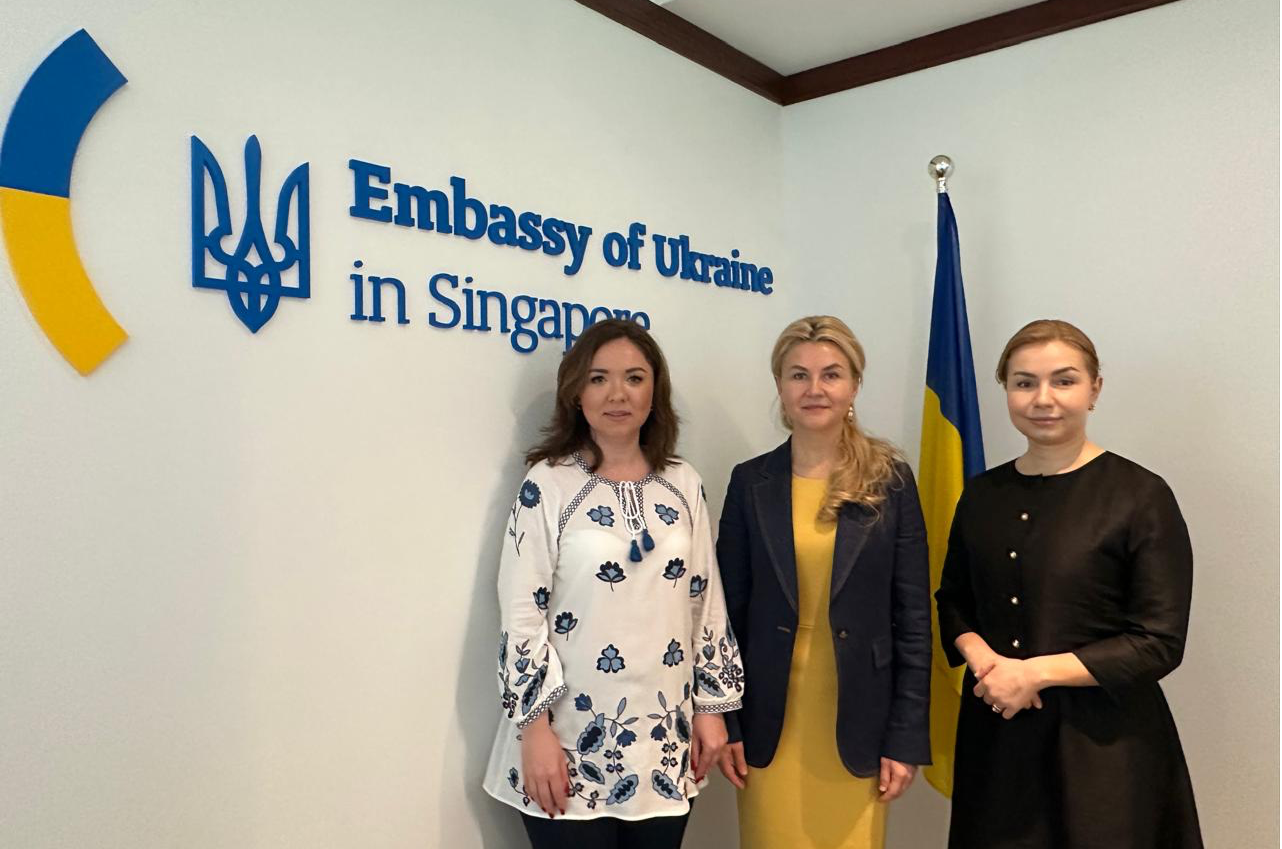
Ukrainian women parliamentarians took part in several strategic discussions, in addition to various panels dedicated to the challenges they face in their professional work: the following topics were discussed:
- the role of women parliamentarians in conflict resolution and post-conflict processes;
- the importance of participation in decision-making processes, in particular in peace negotiations, etc.;
- disinformation campaigns and their impact on women parliamentarians;
- codes of ethics in parliaments and mechanisms to promote gender equality.
The MPs spoke about the peculiarities of the work of the Verkhovna Rada during the martial law regime in Ukraine, based on the materials of a study prepared by the Agency for Legislative Initiatives as part of the Parliamentary Accountability for the Security Sector in Ukraine (PASS Ukraine) project. It examines such aspects as changes in the lives of MPs after the full-scale invasion, gender differences and gender equality in parliament in the face of current challenges, changes in the work of the Verkhovna Rada and legislative activity during martial law.
It is particularly important to share the extraordinary experience of the Ukrainian Parliament in order to deepen inter-parliamentary cooperation and to better understand the context in which Ukraine lives and in which Ukrainian democracy functions, given the global challenges facing the country as a whole and the personal stories and professional challenges faced by parliamentarians.
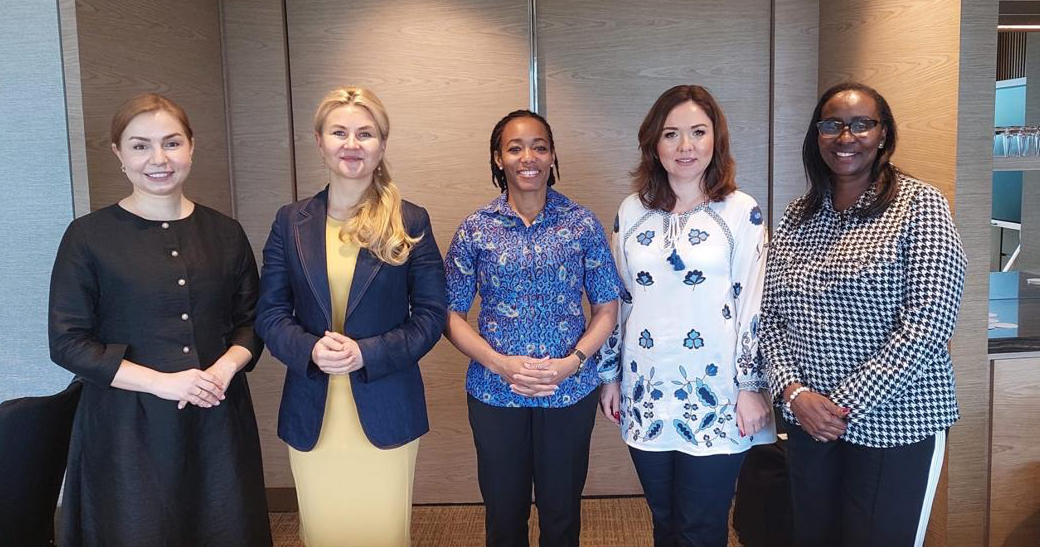
Context
The Global Network of Women Legislators in Defence, Security and Peace (WLID) is a platform for mutual support among women parliamentarians with the aim of removing obstacles to their participation in decision-making, particularly in the areas of security, defence and peacekeeping.
The event was held within the framework of cooperation between the Agency for Legislative Initiatives, the Parliamentary Centre (Canada) and the Asia Pacific Foundation of Canada with the financial support of Global Affairs Canada.