Reform of the Civil Servants’ Remuneration System
The implementation of the remuneration reform as a key measure for rebooting public administration is being carried out in accordance with the Public Administration Reform Strategy of Ukraine for 2022–2025 under the direction of Professional Public Service and Human Resource Management.
The main tasks for implementing this direction of the Strategy regarding Motivation and Remuneration are as follows:
- introducing a classification of civil service positions;
- carrying out a comprehensive reform of the remuneration system, which includes increasing the fixed component and limiting the variable part, reducing the number of elements of the remuneration structure, eliminating the causes for pay gaps, and bringing remuneration closer to the level in the private sector;
- preventing a reduction in the level of remuneration for civil servants.
The main indicators for implementing the tasks outlined in this direction of the Strategy are as follows:
- the share of civil service positions for which a remuneration system based on position classification has been introduced: in 2022–2023, it was set at 1%, in 2024 — 75%; in 2025 — 90%;
- staff turnover rate in Category ‘A’ civil service positions in 2022 — 17%, in 2023 — 15%, in 2024 — 13%, in 2025 — 10%;
- staff turnover in civil service positions of categories ‘B’ and ‘C’ in 2022 — 20%, in 2023 — 15%, in 2024 — 13%, in 2025 — 10%.
The reform of the remuneration system is driven by the need to optimise state budget expenditures in the context of the war, as well as by Ukraine’s fulfilment of its European integration commitments. After all, the implementation of the civil servants’ remuneration system reform is based on the European Principles of Public Administration developed by the OECD/SIGMA. Moreover, the remuneration reform is one of the requirements of the Ukraine Facility programme, under which Ukraine receives up to EUR 50 billion from the EU until 2027.
Status and Progress of Changes
The reform of civil servants’ remuneration commenced on 1 January 2024 on the basis of the Law of Ukraine ‘On the State Budget of Ukraine for 2024′, introducing a transition period of one budget year.
The reform was planned to be implemented in 2020. However, due to a number of socio-economic factors, the framework draft law No. 8222, intended to implement the remuneration reform on a permanent basis, was registered only in 2022 and passed in the first reading in the summer of 2023. Since then, the draft law has been suspended in Parliament due to a large number of amendments.
According to the NACS, in the first half of 2024, the results of the reform implementation have a number of strengths and weaknesses, and the tasks and indicators of the reform set out in the Strategy for 2024 have been achieved only partially, in particular:
- Based on Government Decisions No. 1109 and No. 1409, state authorities ensured that civil service positions would be classified in 2024 under martial law. Consequently, about 74% of civil service positions were classified in the first half of 2024. At the same time, despite the increase in the volume of classification of positions compared to 2023, there are a number of government agencies that refused to conduct it during the war, including the Ministry of Internal Affairs, the Ministry of Defence, the State Tax Service, the State Customs Service, etc.
- In fact, certain steps have been taken towards implementing a comprehensive reform of the remuneration system, as the reform has been implemented for only one budget year and needs to be extended by laws on the state budget until the legislative framework is established. At the same time, the measures implemented as part of the reform have ensured predictability and transparency in the remuneration system, facilitating the process of budget planning of the payroll fund. It also reduced the discretion of managers to set unlimited bonuses, and the number of salary components, including the cancellation of incentive bonuses for work intensity and performance of particularly important tasks, and ultimately balanced the salary structure, reaching a ratio of 70% (fixed)/30% (variable). By the end of the first half of 2024, the average guaranteed portion of a civil servant’s salary increased from 65% to 88% compared to 2023.
- Disparities in the remuneration of civil servants in regional and district state (military) administrations persist, with wage gaps remaining at the 2023 level — 69%. For example, the average salary of a Category ‘B’ civil servant in district state (military) administrations in 2024 amounts to UAH 16,164, while a civil servant in equivalent positions in first-tier state bodies (e.g., the Secretariat of the Cabinet of Ministers of Ukraine, the Secretariat of the Verkhovna Rada Commissioner for Human Rights, the Ministry of Economy of Ukraine, etc.) earns UAH 43,587.1. Such disproportions in remuneration may primarily indicate the lack of alignment between public sector salaries and those in the private sector. At the same time, government agencies at the central level (first-tier jurisdiction) have shown a positive trend in reducing imbalances in remuneration, as wage gaps decreased by approximately 41% compared to 2023.
- Overall, the level of civil servants’ salaries has been increased, in some cases reaching competitiveness in the labour market. This trend is observed mainly in central government agencies. According to the NACS survey, 54% of civil servants reported a salary increase due to the reform, while 31% noted a decrease, and 16% experienced no significant changes.
- The trend of staff turnover across all categories of positions and the general outflow of personnel from the civil service is increasing. In 2023, the staff turnover rates were not achieved (did not decrease as expected) and remain high, namely for Category ‘A’ positions — 29%, 20% — for Category ‘B’, and 27% — for Category ‘C’. However, in 2022, staff turnover rates were significantly lower: 24% for Category ‘A’, 14% for Category ‘B’, and 20% for Category ‘C’. With the reduction of staffing and vacant positions in the civil service, there is a risk of losing the institutional capacity of the public administration system.
- Insufficient awareness of civil servants about the procedure, methodology and other specifics of the job classification based on the results of the information campaign. Specifically, 84% of civil servants were notified of the start of the classification, 66% received information and explanatory materials, and only 51% received internal training on the classification of positions. Only 69% of people were familiarised with the results of their position classification. This indicates that the Strategy’s communication measures were not effective enough.
Shortcomings of the remuneration system reform
While implementing the remuneration reform, several problematic issues have been identified that require urgent resolution, including the following:
- Lack of a legislative framework for the reform and imperfections in the current legislation. Draft Law No. 8222 has been suspended due to a large number of amendments and proposals since 2023 , exceeding 125 in total. According to Nataliia Aliushyna, Head of the NACS, the draft law should be considered and adopted in the second reading in October–November 2024, as, under the Ukraine Facility Plan, it is expected to become operational in the first quarter of 2025.
- Shortcomings in the organisation and implementation of position classification, which is accompanied by a delay in the entire procedure due to the ‘manual’ processing of documents. Furthermore, repeated classifications are continuously carried out, which are often not related to changes in the functionality of the position, but to the need to increase the salary (grade). This leads to both a lack of operational statistics and the risk of losing state oversight of the classification results.
- Non-compliance with the principle of competitiveness of civil servants’ salaries. In addition, the minimum official salary in state bodies is lower than the minimum wage. According to the NACS, the state lacks information on competitive salaries in the labour market. This raises doubts about the validity of the salaries and the success of the reform in the future.
Further implementation of the remuneration system reform
Currently, the implementation of the reform is at an early stage, with the prospect of continuing in the following years. According to Nataliia Aliushyna, Head of the NACS, certain steps are being taken to reform the system, as it is necessary to build a ‘framework’ for the entire system and eliminate existing subjective factors. This requires the adoption of a legislative framework — Draft Law No. 8222 — by the first quarter of 2025. Also, as part of the budget process, the Law of Ukraine ‘On the State Budget of Ukraine for 2025’ has included nearly the same foundations for civil servants’ remuneration as in 2024.
Recommendations for Implementing the Remuneration System Reform
The results of the intermediate stage of the new remuneration system implementation have revealed several problematic issues. Further successful implementation of the reform requires the following key measures:
- Adoption and implementation of the framework draft law No. 8222, adoption of other legislative acts and regulations to ensure proper implementation of the remuneration system based on position classification.
- Ensure automation of the position classification process, clarifying the procedure for approving the results of classification, including the introduction of annual position classification. This will provide up-to-date and timely information on the state of play and make the procedure more transparent.
- Ensure that salaries for typical civil service positions are comparable to those in the private sector. Due to the lack of information on the comparison of salaries in the public and private sectors, the state cannot reasonably adjust the grades to changes in the labour market and the state budget capacity. Therefore, ensuring the comparison of salaries will enable the state to be a competitive employer in the labour market, make timely and informed decisions aimed at saving budget funds.
- Unification of legislation related to the activities of public authorities to formulate unified criteria that will make the implementation of the remuneration system and the procedure for classifying positions transparent and predictable.
- Continuing efforts to eliminate significant gaps between salaries (grades) across positions, job families, types and jurisdictions of state bodies, taking into account the capacity of the state budget.
This publication has been prepared within the framework of the ‘Improvement of Governance in Ukraine: Enhancing Policy Making for Social Progress’ Project with the support of Switzerland. The content of this publication is the sole responsibility of the NGO ‘Agency for Legislative Initiatives’. The opinion of the authors does not necessarily reflect the views of the donor.
ALI Joined the Discussion on Decentralisation and Regional Development
On October 3, 2024, the Agency for Legislative Initiatives in cooperation with the Committee of the Verkhovna Rada of Ukraine on State Building, Local Governance, Regional and Urban Development held a panel discussion “Platform for Territorial Development: Decentralisation and Regional Development”, the purpose of which was to discuss the priorities and formats of interaction between the expert environment and state authorities.
The interaction of civil society organisations with the authorities, including the parliament, is one of the important principles of any democratic society. And in the conditions of the ongoing war, even despite certain limitations, the Verkhovna Rada should strengthen its agency, promote and develop various tools and practices of interaction with other state authorities, and use all available resources more effectively.
The event was opened by the First Deputy Chairman of the Verkhovna Rada of Ukraine, Oleksandr Korniyenko. He emphasised the need to hold discussions that will help to actualise problematic issues, and most importantly, to consolidate the efforts of all parties for what can be resolved even under martial law.
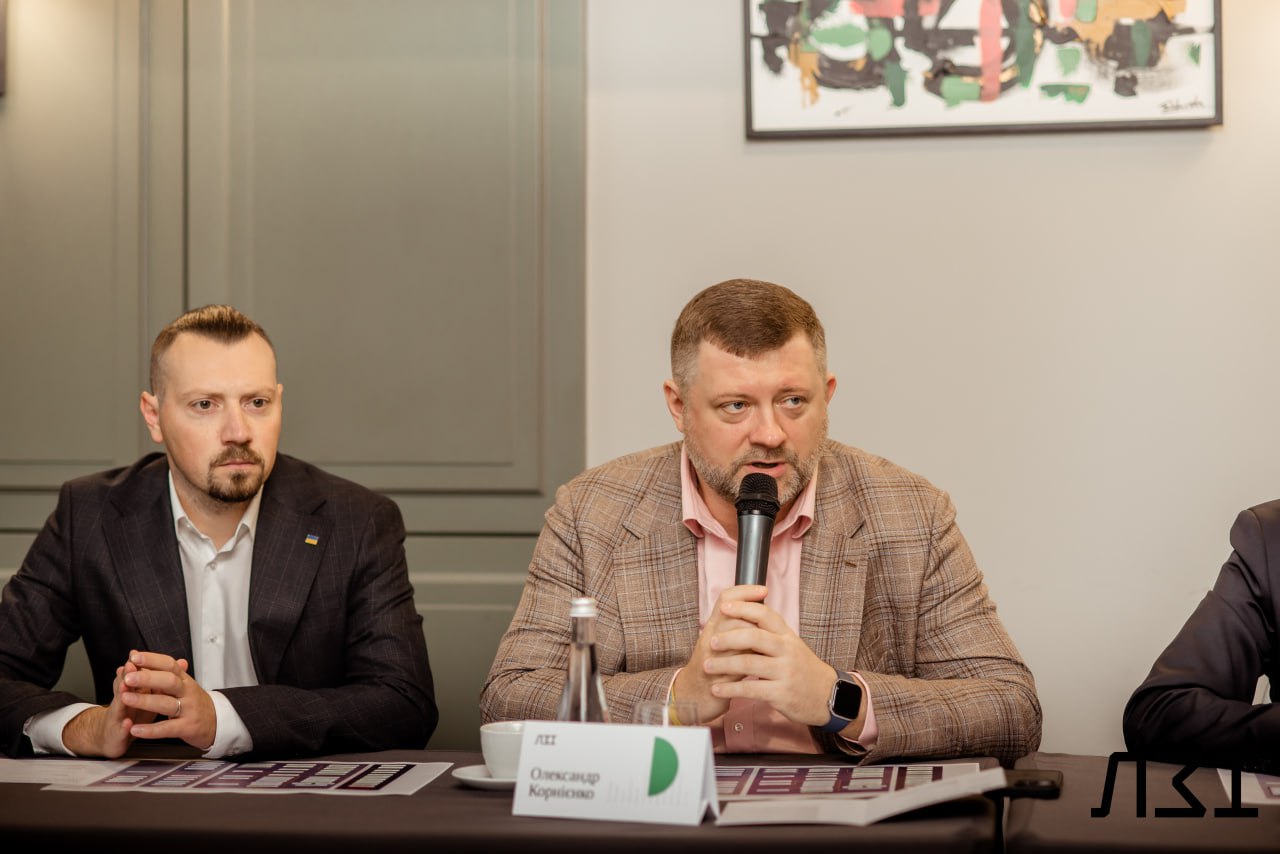
“Now is a very burning moment when something can be systematically changed in our joint work, and I am glad to have the opportunity to hold a meaningful conversation with representatives of various institutions and organisations dealing with the topic of regional policy and decentralisation processes. At this stage, it can and should help us — update current tasks, prepare to work out things for implementation after the end of the war, maintain communication on priority issues. Let us develop and seek such opportunities — and work on what we can do in this convocation”
Oleksandr Korniyenko
First Deputy Chairman of the Verkhovna Rada of Ukraine
The event was attended by the First Deputy Chairman of the Verkhovna Rada of Ukraine Oleksandr Korniyenko; MP’s of the Committee of the Verkhovna Rada of Ukraine on State Building, Local Governance, Regional and Urban Development; an invited analyst from the Agency for Legislative Initiatives, Tetiana Lukeria; expert on local self-government and regional policy Yuriy Tretiak; director of science and development of the CSO “Civil Society Institute” Anatoliy Tkachuk; director of the Institute of Territorial Development Yuriy Hanushchak; head of regional programs, deputy head of the advocacy and international relations department, Public Union “Reanimation Package of Reforms Coalition” Yuriy Mykytyuk; an independent expert Olena Boyko, as well as representatives of the donor community. Taras Khavunka, Head of the Lviv Regulatory Hub, acted as moderator.
Tetiana Lukeria presented the experience of various countries regarding the cooperation of authorities and civil society, various models, formats and tools of such cooperation — so that the lessons learned would be useful for state decisions.

“The Agency for Legislative Initiatives, like 10 years ago, conducts research on the mechanisms of participatory democracy in different countries. Both our and international experience show the critical need for two things: on the one hand, it is awareness of the need for cooperation on the part of the authorities, and even more — their leadership in this process. And on the other hand, the professionalism and expertise of the institutions involved in the development of legislative decisions and state policy. Therefore, the leadership of the parliament in such a matter is extremely necessary and important”
Tetiana Lukeria
Invited analyst at the Agency for Legislative Initiatives
Yuriy Tretyak emphasised that this event is important not only in the context of discussing current challenges, but also because the past two years have seen a certain regression in this area, despite the fact that Ukraine has correctly built a framework for regional policy.
Anatoliy Tkachuk emphasised the priorities of building an ecosystem of cohesion, because the aggression of the russian federation has caused irreparable damage, foremost, to the human potential of Ukraine. That is why it is important to conduct a policy that will be sensitive in the context of the value of human life.
Yuriy Hanushchak noted that the organisation of public governance at the local level still remains at an unsatisfactory level — and therefore will require reform at the level of organisational powers that ensure legitimacy, institutional stability and responsibility of local authorities to the community.
Yurii Mykytiuk highlighted the importance of normalising interaction between specialised state bodies and institutions with an expert environment. And Olena Boyko spoke about the prospects for the further development of the reform and the existing platforms for interaction with the authorities, which should be preserved. After all, for the post-war state, it will be important to unite people and show that even amid the war challenges, the state can care about them — primarily because of the quality of public services. And this is impossible without an obvious condition — further consolidation at various levels of government and qualitatively organised work at the community level.
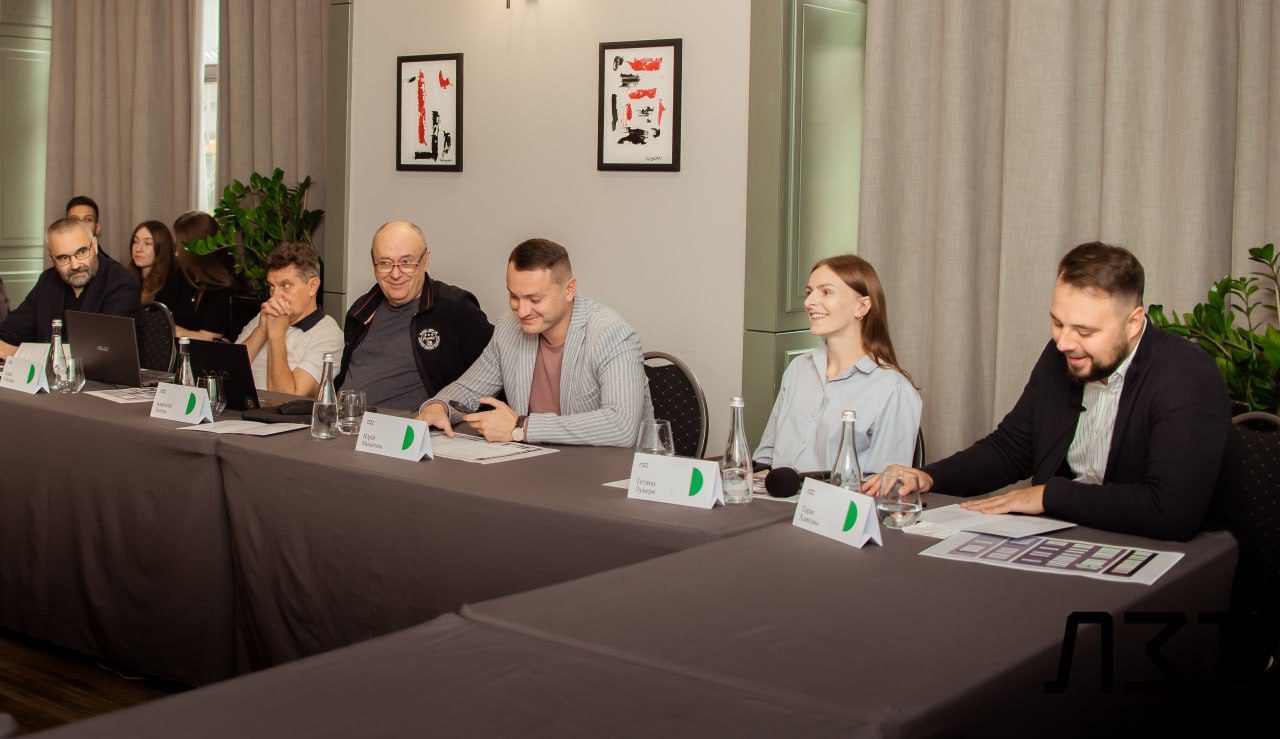
The event was held by “Parliamentary Accountability of the Security Sector in Ukraine” (PASS Ukraine), which the Agency implements together with the Parliamentary Centre in cooperation with the Verkhovna Rada of Ukraine and with the support of Global Affairs Canada as part of Peace and Stabilization Operations Program (PSOPs).
President and “Good Governance”: Q&A Time
Over the past six months, public trust in President V. Zelenskyy has declined from 77% to 59%; the Government has approved the “Reform Matrix for 2024”; negotiations on EU accession were officially launched at an intergovernmental conference in Luxembourg on 25 June.
What do all these events have in common? They are the result of the government officials’ actions, both in Ukraine and abroad. Moreover, these events are directly interconnected.
First, 50% of respondents to a poll conducted in May believe that the President has fulfilled a minority or none of his election promises. According to the poll, the main reasons for this failure are dishonest and incompetent people in his team, as well as the full-scale Russian invasion.
Another poll showed that public trust in the President as a person exceeds trust in the President as a social institution – 54% and 50%, respectively. Since the 2019 elections, the presidential institution has been increasingly interacting with the government and other executive authorities, so the public demand for accountability is addressed to them.
Second, in the third year of the war, Ukraine managed to bring together all of its commitments to key donors, namely the EU, the US, the IMF and the World Bank, and to identify political priorities in finance and the economy. The list of these commitments is impressive. What is not clear is how we have managed to implement reforms up to this point, how many reforms were successfully implemented in 2022 and 2023? And the issue of efficiency is the most important here. This is what our international partners are currently concerned about.
Third, despite its political readiness for enlargement, the European Union cannot ignore the principles of good governance on which it is built. One of them is adherence to EU values, and the other is effective implementation of agreements and decisions achieved. And here, citizens of many EU member states are asking themselves how effective the assistance provided to Ukraine is?
Why is all this important right now?
As we move closer to the EU, we will learn more and more rules of the game that we will have to unconditionally follow from the first day of our accession. These rules are called “better regulation,” which is a set of agreed-upon rules and regulations by which the executive authorities of EU member states address public problems.
Better regulation encompasses evidence-based policy and a transparent lawmaking process that takes into account the views of those most affected by such regulation. Evidence and voice. It sounds simple, but it is also complicated. Why? Because Ukraine is not yet ready for this.
The issue of trust in the President and the Government does not give us an understanding of why this trust is declining. What exactly is being done wrong? Is there something important that is not being done? The President’s election programme, to which sociologists refer, is de facto an irrelevant criterion for evaluation in the context of war. And there are no other criteria – the Government has not had an Action Programme since 2020. The Government has suspended the publication of its annual performance reports since 2022.
Ukraine has not yet developed a culture of public assessment of the government’s actions based on facts rather than emotional and informational background. One of the reasons for this is the lack of accountability of the executive branch. Another reason is the low informational value of government reports on what has been done. It would seem that they have produced a million drones, repaired several hundred schools, rebuilt dozens of bridges and opened new kindergartens and hospitals.
However, society still has not received answers to many sensitive questions. How much cheaper are eggs for the Ukrainian Armed Forces now? Do the soldiers have enough logistical support? How much more efficiently have taxpayers’ funds been used compared to the pre-war period and compared to 2022? To what extent are combat commanders satisfied with the quality of basic military training of the mobilised? Do the security means, in which tens of billions of hryvnias have been invested, effectively protect our borders?
The lack of answers to these questions is not only a concern for domestic consumers – our international partners have begun to ask similar questions, and they need to convince their taxpayers that the money spent has made a difference and, therefore, had an impact. That is why it is important for our partners to present a proper evidence base for such an impact. This is difficult to accomplish because the Ukrainian government is the source of information, which is not very used to reporting on efficiency. Not on the number of roads, bridges, schools or shelters but on the number of people who have been able to use this public infrastructure. On increasing efficiency of every hryvnia invested in the defence industry, civilian infrastructure or preserving the quality of human capital.
We have been watching the “Trump and Weapons” saga for almost six months but refused to honestly admit that his questions were really important because the key to winning a war is not the mere presence of weapons but their timely delivery and sufficiency to achieve decisive influence on the battlefield. Unless a miracle happens next year and our international partners once again fail to provide us with the necessary military support, the President and the Government of Ukraine will have to address the issue of the efficiency of using the funds available in the state budget in a critical time frame.
That is why the “reform matrix” is the first step towards the evidence-based policy that taxpayers in the EU and the US value. The citizens of Ukraine should soon appreciate it, changing the question from “How will the Government manage to implement more than 200 reforms in 2024?” to “What specific results and for whom should each of the reforms implemented in 2024 bring?”
After all, while Ukrainians can feel the effects of reforms somewhere and somehow, only specific numbers will be obvious for more than 700 million taxpayers in the EU and the US. Not “how many children went to school and how many teachers taught them”, but “how much the skills and knowledge of Ukrainian schoolchildren have increased according to PISA”. Not “how many veterans have been treated in hospitals”, but “how many veterans have returned to full working life”? Not “how many square kilometres have been de-occupied”, but “how many lives of military personnel have been saved thanks to Western weapons in a particular section of the frontline”?
What needs to be done now?
If we are moving towards a pool of countries where voters are accustomed to getting answers to complex questions, then the public administration system (including local governments) needs to switch to the “European rails”. What does it mean?
- To resume the Government’s reporting on its political priorities, sectoral strategies and action plans, and to cover this in a daily “telethon”. After that, society will better understand what the Government is doing and for whom.
- To introduce the practice of publishing regular analyses of the efficiency of government policiesrather than a chronology of trips and events. This way, budget resources will be allocated to the best and most effective politicians and policy areas.
- To voluntarily join the EU’s better regulation instruments, i.e., with appropriate assessments of government decisions (before and after the introduction of the relevant regulatory instruments). Then, we will be able to go through the negotiation process with the maximum benefit for society and business.
Assessment of the State of Public Services in De-Occupied Communities (Kherson Oblast)
Ukrainian communities are vested with one of the main roles in the system of state functioning. Territorial communities plan, arrange, and provide various types of services to people in need. In the first days of the full-scale war, they resisted the aggressor and continue to do this today. Despite current challenges, some territorial communities, in addition to providing services to residents, help the Armed Forces of Ukraine, undertake active international activity, as well as restore the damaged infrastructure in their territories.
In November 2022, the Ukrainian army liberated the right-bank part of Kherson Oblast, which had been under occupation for almost nine months. In the territory of Kherson Oblast, controlled by Ukraine, there are currently 17 de-occupied communities with a total area of 6,830 sq. km. During their occupation, the infrastructure was damaged, particularly schools, hospitals, social centres, and administrative institutions, making it difficult or impossible for residents to access basic public services. In addition, the explosion at Kakhovka HPP in June 2023 caused at least USD 2 billion of direct losses, mostly within Kherson and Mykolaiv Oblasts. The explosion at Kakhovka HPP exposed almost 37,000 residential buildings, most of them in Kherson Oblast, to the risk of flooding. The explosion at Kakhovka HPP also damaged port terminals on both banks of the Dnieper and flooded roads in Kherson Oblast.
Another challenge is the loss of human resources that left affected territories. In some communities, more than 60% of residents left their homes during the occupation. The hostilities also led to the ruining of business property, which caused enterprises to either relocate or wind up their activities in Kherson Oblast.
Up to the present moment, constant shelling of the right-bank part of Kherson Oblast continues, which makes the provision of services in the communities difficult. Considering these problems and limited financial and human resources, there is a need to evaluate the availability and optimise public services for residents of the de-occupied territories of Kherson Oblast.
A study of the state of public services testified to the unique experience of de-occupied territorial communities of Kherson Oblast, which, despite the lack of financial and human resources, continue to provide residents with public services, engaging the support of various entities. By all means, the provision of services in each community varies depending on the security situation and available resources. Analysing and studying this experience is extremely important, as it will help aggregate it and prepare for possible challenges after the de-occupation of other regions of the country.
In addition, the study findings made it possible to develop recommendations for optimising public services in de-occupied communities in the current situation. In the future, they will help model the ability of territorial communities to function in full scope, taking into account a set of various indicators (in addition to public services, availability of infrastructure, financial resources, etc. shall be taken into account).
This research was prepared within the framework of the project “Parliamentary Accountability of the Security Sector in Ukraine (PASS Ukraine), which the Agency implements jointly with the Parliamentary Centre (Canada) in cooperation with the Verkhovna Rada and with the support of Global Affairs Canada within the framework of the Peace and Stabilization Operations Program (PSOPs).
Funding the Social Sphere: Who Funds and What Are the Procedures?
The full-scale invasion of Russia caused crisis phenomena in the state: the departure of young people, population aging, ruined and damaged infrastructure, an acute shortage of labour and financial resources, the impossibility of attracting sufficient private investment, etc. To compensate for these negative phenomena, a high-quality social policy of the state is important, considering the increase in the number of vulnerable categories of society.
During 2022–2023, there is a regression of the position of Ukraine in the Global Social Progress Index, which characterizes the level of social development of countries. Thus, in 2021, Ukraine ranked 48th, in 2022 – 52nd, and in 2023 – 59th.
Considering the problems in the sphere of social services and the challenges that constantly appear in connection with the war, the social services system needs modernization: involving non-government players, changing the funding model, creating equal conditions for government and non-government providers, and, in general, creating a market for social services. However, problems in funding procedures currently prevent the creation of a competitive social service market, which we will consider in this article.
Who provides and funds social services?
In communities, social services are provided mainly by providers from the government and municipal sectors. About 80% of social service providers belong to the government and municipal sectors (according to the Register of Providers and Recipients of Social Services). These can be territorial centres of social services, centres for social service provision, centres for comprehensive rehabilitation for children with disabilities, etc. These institutions are primarily budgetary, non-profit, and established by administrators of budget funds (according to the Unified Register of Administrators and Recipients of Budget Funds). The share of non-government providers in the social services market is no more than 20%. Such data indicate low competition among service providers in territorial communities, which actually depends on their timeliness, availability, efficiency, and quality. And since municipal providers are maintained or receive financial support from local budgets, this puts them in a privileged position among other service providers and excludes them from market mechanisms. The introduction of financial mechanisms to attract non-government providers, in particular, through social ordering, public-private partnerships, social project competitions, social programmes, etc., can be the push for the development of the social service market.
The legislation establishes various sources of funding for social services. These are the funds of the state and local budgets and the funds of designated funds, enterprises, institutions, and organisations. Also, recipients of services can be responsible for funding, and funds from charitable assistance (donations), grants, etc. can be attracted. However, funding of social services in communities is mainly performed at the expense of local budgets because, in the course of decentralisation, powers and resources for the implementation of social policy, including the provision of social services, were transferred from the state to the local level, in fact, to territorial communities. This, of course, made it possible to bring social services as close as possible to their direct consumers and ensure subsidiarity of the social service system. Still, there are not always enough resources to satisfy all the needs of community residents.
The main problems of funding the social sphere
The funding of the social sphere has problems in two dimensions:
- Institutional. Municipal service providers’ lack of autonomy limits their expenditure planning and decision-making regarding the provision of certain social services.
- Regulatory. There are inconsistencies and contradictions in the legislation; somewhere, there are no necessary norms. This makes developing a market for social services impossible and prevents equal conditions for all providers.
The institutional dimension of problems
One of the sources of funding services is payment for services by recipients. In fact, these are additional revenues of budget institutions, which are included in the special budget fund and are directed exclusively to the organisation of key activities of the institution, organisation, and provision of social services. It follows that the principle “the money follows the recipient of social services” is nullified since local budgets do not fund the provision of social services to citizens but the maintenance of institutions that provide such services.
A common problem is the lack of assessment of social service needs, which makes it impossible to plan high-quality expenditures in the social sphere. According to the Ministry of Finance, following the results of 2023, local budget expenditures for implementing the social policy increased by almost 60% compared to 2021. In 2022, budget performance for social expenditures comprised 83.17% of the revised annual plan; almost UAH 5.9 billion was not used. Following the results of 2023, the performance of the budget for expenditures on social protection and social security makes up 90.97% of the revised annual plan; that is, almost UAH 4.45 billion of local budget funds planned for the social sphere were not used. This may indicate the failure to receive the planned amount of budget revenues, the low quality of budget planning in the social sphere, and, in some cases, the adoption of untimely management decisions, which is also related to the lack of assessment of the population’s needs for social services.

Regulatory dimension of problems
There are several reasons why it is impossible to direct funding specifically to social services and not to the maintenance of institutions. The value of social service is determined based on the rate, which is under the state standards of social service. That is the planned economically justified costs and the planned scope of social service provision, considering its content, shall be calculated. In May 2024, the amended CMU Resolution 486 entered into force, which set out the procedure for regulating rates for social services, which not only failed to resolve the problems with state standards for social services but, in some cases, exacerbated them. First, not all social services have state standards; some were approved even before 2019, that is, before the adoption of the new Law “On Social Services.” Second, state standards must be brought in line with the norms of the updated Procedure.
This way, it is impossible to establish a rate and calculate the value of a social service in the absence of state standards and, therefore, to form planned budget expenditures for the social sphere.
The legislation offers various opportunities for attracting non-government providers, but it also has some drawbacks from the point of view of the funding and tendering systems. Hence, according to social ordering procedures, non-government providers contract with the community to provide services. However, due to the limited funds of local budgets, implementation of the contract entered into may be inhibited by delays in payments from the budget. According to the approved mechanism for procurement of social services, the expected deadline for receiving compensation for social services provided may be more than two months unless otherwise specified in the contract. This leads to non-government service providers having to cover costs, including for payment of salaries and provision of social services at their own expense, without receiving any advance payments. Here, it is worth considering that if an organisation or foundation is small in the scale of economic activity, it does not always have unallocated funds to cover the costs. Moreover, there is a risk of artificially underestimating the value of social services since the amount of budget funds required for compensation is determined, taking into account the financial capabilities of the local budget.
These complex financial and procurement procedures have negative consequences for the development of the social service market. It is easier for non-government providers to attract funds for operating activities through grants, charitable assistance, and other permitted sources. Clear solutions are needed to solve these problems. Otherwise, new ones will gradually be added to the already accumulated problems, which can lead to more acute consequences.
What to start with to change the situation?
To institutionally strengthen the work of state service providers, it is necessary to ensure the autonomy of their activities. This is necessary so that they can independently plan and use funds to ensure the provision of the necessary social services, make decisions about their provision, and maintain the institution’s activities. A possible solution for this may be to reorganise their legal and financial status by turning them into municipal non-profit enterprises.
The regulatory part of the social sphere needs to be developed and improved to ensure equal conditions for government and non-government providers. First, it concerns the state standards of social services, which shall be uniform for all types of social service providers. For non-government providers, the procurement mechanism for social services needs to be simplified and adapted to real conditions, i.e., the procedure for compensating funds for social services provided shall stipulate timely payment and coverage of costs to non-government providers.
Executive Director of the ALI Svitlana Matviienko on Air of Radio Svoboda
Amid the recent news of personnel reshuffles in the Government, including the dismissal of the heads of the Ministry of Agrarian Policy and Food and the Ministry for Communities, Territories and Infrastructure Development of Ukraine, people are talking a lot about what is happening behind the scenes. However, very little is said about the aspects that shape the presentation, communication, and, ultimately, decision-making on important state issues.
Executive Director of the ALI Svitlana Matviienko spoke on the air of Radio Svoboda about the format of decision-making on personnel changes, their communication, and what society should pay special attention to in these processes:
“I think that all of us, both the expert community and civil society, should talk about three key things: political culture – how the liberation processes took place; institutions – how all the ministries are merged and separated for a particular person, and how this destroys the institutional capacity of the state; and responsibility – whether certain decisions are responsible. These criteria should be the main ones for us as a country at war”
Svitlana Matviienko
Executive Director of the ALI
So, no ministerial term, especially during a full-scale war, has ever gone perfectly. However, given the current personnel hunger and the reluctance of people to take up leadership positions, decisions to fire certain individuals seem somewhat unreasonable.
At the same time, you can decide whether the proposal to separate the ministries (of infrastructure and communities and territories development) again aligns with the Government’s idea of optimising ministries in general by reading the Agency’s latest article here.
Mission Is (Still) Impossible: Disadvantages of Social Service Sector and How to Eliminate Them
Social services are an important component of the due support of community residents and, therefore, the entire society. After the full-scale invasion began, their importance grew even more. This is associated with the fact that a huge number of people lost or left their homes because of hostilities and a lack of normal living conditions. The number of people with disabilities has increased several times. According to the Ministry of Social Policy, their number is already 3 million persons. The number of military service members and their families, as well as veterans who need and will need various social services, also increased. Therefore, the state’s task is still to continuously analyse social groups’ needs and review state policy in this area. How is the social service system regulated today, and what changes are needed for effective service provision?
The information provided is based on the interim results of the research on social services, which the Agency for Legislative Initiatives has been performing since August 2023.
The Classifier of social services and state standards: why do they exist?
The Agency for Legislative Initiatives recently analysed social service provision procedures, focusing on changes in wartime conditions. We have considered in detail which services citizens are entitled to receive in peacetime and which are stipulated in martial law conditions. At the same time, for a person to receive a social service to which they are entitled under the law, distinct procedures must be followed by social service providers at the respective level.
The Classifier of Social Services prescribes the list of social services that a person is entitled to receive. In addition to the general definition, brief description, and terms of provision, it also contains a list of social groups that are able to receive a specific service. For example, homeless persons, victims of domestic violence, persons/families affected by a fire, natural disaster, catastrophe, hostilities, terrorist act, temporary occupation, armed conflict and those who are left without housing or cannot live in their home may receive a “shelter provision” service.
On the other hand, there are State standards for social services. In fact, this is a detailed Classifier; that is, for each particular service, steps and measures of its provision shall be developed. Simply put, the State Standard is a roadmap showing all stages of social service provision, from applying for help to evaluating the result. Moreover, the cost of services depends on the State Standard since it prescribes the scope of measures stipulated within the service framework. Therefore, it seems logical that the State Standard shall exist for every social service (spoiler – it is far from being true currently).
Let’s take an example of “consulting” social service. This service is one of the most common for all social groups and stipulates consultations based on the person’s individual problems. A State Standard was developed for this service, which was approved back in 2015, that is, before the adoption of the new Law of Ukraine, “On Social Services,” in 2019. This standard contains conditions for its provision:
- Grounds for a decision to provide this social service and its termination. Consultations are mostly provided at the first request of a person in need of the service. Grounds for terminating service provision are associated with both the achievement of the goal (that is, resolution of the problem that was established at the stage of individual needs assessment) and the recipient’s refusal or termination of the agreement (external factors are also possible: the person’s death, the existence of medical contraindications for service provision, failure to fulfil agreement terms by the recipient, etc.);
- The provider shall conduct an individual assessment of the individual’s needs. Namely, the type of consultation and the term shall be determined based on this, as well as an individual plan for social service provision shall be drawn up and an agreement concluded;
- It describes what kind of premises and equipment are needed to provide service. For example, the availability of technical equipment for remote consultations (computer, Internet, etc.);
- The content of the consultation shall be indicated, and measures for its provision shall be provided. For each of the measures included in the State Standard on social consulting service, as well as duration and frequency shall be established (may vary from 30 to 150 minutes, can be provided once, as needed, or according to the schedule);
- The final stage is assessing the efficiency of service provision. That is, quantitative and qualitative indicators shall be calculated, which would certify that the service was provided with high quality.
As it is evident, the State Standard defines a service as an action with a particular result. These are official norms that help establish the service quality and correctly calculate the scope of activities within the framework of one service. Their existence is essential for several reasons. First, they guarantee community residents that specific types of services are available regardless of their financial situation, status, etc. That is, they are the marker for minimising social inequality. Second, the standards serve as a guarantee for local authorities, who are responsible for planning, organising, and providing services. The very existence of standards confirms that the services are legitimate and the funds allocated for social services are spent for their intended purpose. Third, the standards permit monitoring the quality of a certain service, as they stipulate the evaluation of the quality of service and measure quantitative and qualitative indicators. Fourth, state standards contribute to the sustainability of social services since they include both the planning and monitoring of service provision. This helps prevent potential abuse and neglect by ensuring due assistance to community residents.
What is the situation with the legal provision of social services today, and what should be done about it?
Although it seems that there are norms in the legislative field that allow the implementation and adoption of legitimate decisions, in practice, communities face several problems in implementing legislative norms. See some interim results of research on social services, as these issues need to be regulated:
1) First, it is worth noting that not all social services listed in the Classifier have State Standards. In fact, communities cannot provide some social services due to a lack of state standards; moreover, they cannot adopt programmes of measures to provide services. In addition, some social services may be provided to different social groups. For example, shelter can be provided for homeless persons, victims of domestic violence, etc. However, the State Standard for this service is not unified for all categories but exists to provide this service to homeless persons only. So, there is an urgent need to regulate and harmonise social services, which are approved in the Classifier, with the State Standards.
2) obsolescence of some state standards for social services. A part of the existing State Standards is irrelevant. This is because the new Law of Ukraine, “On Social Services,” was adopted in 2019, but most state standards have not been updated, although they still have the status of “applicable.” As a result, the provisions of standards are not harmonised with the norms of the new law. For example, the State Standard for social consulting services (and it is not the only one) states that the provider shall make the decision on the provision of social services, but the Law of Ukraine “On Social Services” establishes that “the decision to provide or refuse to provide social services at the cost of the budget funds shall be made by the structural unit on social protection of the population within the authorised bodies of the social service system. The decision to provide or refuse social services is made by a non-governmental social service provider” (Article 21). Therefore, it is necessary to review and update state standards to fulfil the provisions of the law and avoid chaos in providing services at the community level.
3) People’s needs often fail to correspond to services and measures in the standards available in the Classifier’s list. Everyone has individual needs; moreover, considering the ongoing war, people have additional needs. For example, services for veterans, military personnel and their families, vitality service, career advisor service, etc. These services are currently missing among those approved in the Classifier and do not have any standards of provision. That is why it is necessary to review and update the Classifier, that is, the list of all services, based on the people’s needs. It shall be flexible, general and adapted to the actual needs and conditions. There shall be a division into general and special services (which specify the first group), and this way, it will be possible to examine a person’s individual needs separately from general needs. For example, the awareness-raising service may be common (as it is intended for all social groups), while the career advisor service can be specialised. It concerns not only information provision but also permanent support of a person on their way to finding a job (this service is relevant for IDPs, veterans, etc.).
4) the problem of unclear description of social services in the Classifier. Although, at first glance, it seems that services are comprehensive, the description does not correspond to the practical possibilities of service provision at the community level. For example, the “shelter” service is of a financial nature to the Classifier. That is, “providing a bed with utility household services; providing hard and soft equipment, clothing, footwear, food; ensuring conditions for sanitary and hygienic activities, keeping personal hygiene; arranging the storage of personal belongings; assisting in organising interaction with other specialists, services”. Instead, in practice, this service is not only about financial support but also about psychological support for people in need since the reason for providing the service may be violence in the family or crisis situations in the person’s life.
5) the description of services in the Classifier is duplicated, which complicates service provision at the community level and, in general, decision-making by social service providers about the services needed by recipients. Duplication of service components leads to chaos in service planning, allocation of funds at the community level, and monitoring or assessment of service efficiency. For example, if the Classifier contains the “social adaptation” service, its measures are duplicated with measures of the “social integration and reintegration” service. Or measures of in-kind assistance and care at home services, which are almost identical. In practice, this makes the work of social service providers more difficult since the same measures are provided by two services delivered by different employees. Moreover, such regulation of standards leads to social employees undertaking more activities and having a bigger load. At the same time, they cannot report on the work performed.
6) a question emerges as to the services available in the Classifier, which relate to temporary rest for persons who take care of children or persons with disabilities. It is noted that this service shall be provided temporarily or as a one-time assistance. However, services for this social group shall be provided permanently, and therefore, there shall be a permanent opportunity to receive this service.
This way, aligning the Classifier with the standards is important for planning, providing, and assessing social services. Currently, the established legislative framework does not allow for fully ensuring individual needs and implementing the prescribed measures of services in practice. Moreover, as is evident, the standards for a number of social services are either obsolete or absent. Therefore, it is necessary to review the needs of residents and update the list of services right now. The standards of social services shall ensure the high quality of services and be flexible and real for their delivery by both governmental and non-governmental providers. This is also important for shaping and developing the service market, that is, when communities purchase services from other non-governmental providers.
This material was prepared with the support of the International Renaissance Foundation. The material represents the opinions of the authors and does not necessarily reflect the opinion of the International Renaissance Foundation.
Optimising Ministries and Reducing Vacancies Will not Increase the Flexibility of the Government and the Quality of Policy Coordination
During the recent press conference on the 2023 results, Prime Minister Denys Shmyhal announced that the Government needed greater flexibility and speed in making necessary political decisions. Therefore, reducing officials (and the relevant reduction of participants in the chain of draft law approval) intuitively seems a correct decision for taxpayers. Among other reasons, the need to improve the coordination quality between state bodies was mentioned. This is planned to be achieved through the compactness of ministries and strengthening of the so-called “Government Centre,” the idea of which is gradually being discussed by government officials and the expert environment.
Why did the Prime Minister announce this now?
The share of the population which still trusts the Government, has reduced twice over the past year. If 52% of respondents trusted the Government in December 2022, only 26% did so in December 2023.
A month ago, results of the monitoring report of the SIGMA Programme about the state of public management in Ukraine as of the end of 2023 were presented, which stated that the public management system “has major functions and procedures for policy shaping and coordination, including in the field of European integration (EI), but their actual implementation shall be strengthened in future.”
It was in the context of subsequent reform of the state management system that the Secretariat of the CMU announced the nearest plans: strengthening the Government centre, improving the interaction between the Cabinet of Ministers and the Verkhovna Rada, as well as bringing the structure of the ministries office in order.
However, the government’s announced plans were not the most critical, and the consequences of their implementation are by all means positive.
In the opinion of the Agency for Legislative Initiatives experts, the Government lacks communication and transparency in explaining its decisions. After all, in conditions where the results of a functional examination of the ministries in 2022 are confidential, salaries of officials are financed at the cost of international support in exchange for a significant list of reforms, it is important to explain to society how exactly decisions announced by the Prime Minister will improve the stability of the state office and ensure the positive influence of government policies on the quality of life of the citizens, their safety and well-being.
The list of problems noted by the Prime Minister is not exhaustive. Urgent and chronic problems of the state management system are the high turnover of the state officials (according to the 2023 results, the net outflow made up 6.8 thousand people), the lack of competitive selection for positions since the beginning of the full-scale invasion, as well as non-competitive and unbalanced remuneration for state officials, which negatively affects the quality of political decisions, the efficiency of bureaucratic processes and the effectiveness of policies. Their solution requires time and resources, which the Government lacks critically. Additional challenges for the state management system are the implementation of reforms within the framework of macro-financial support by the Ukraine Facility, as well as preparation for discussing and further implementing new requirements for EU membership, which will require much greater efforts and expertise of the Government in terms of Ukraine’s position on each direction of the negotiation framework.
What decisions of the Government will allow to raise the trust in it and the efficiency of governance in the near future?
1. Resuming competitive selection for state service positions and completing the introduction of the KPI system for state officials
The Government definitely needs “fresh blood” because the results of the initial self-screening regarding the possibility of joining the EU identified a significant gap in the ability to qualitatively and timely ensure due harmonisation of legislation and defend Ukraine’s interests during negotiations with European bureaucrats. Renewing merit-based rather than loyalty-based employment will help engage better expertise to prepare government decisions. At the same time, this actualises the issue of just and decent remuneration.
2. Ensuring a high-quality transition to the new remuneration system developed by the National Agency of Ukraine on Civil Service (NAUCS).
More than 160 thousand state and local government officials have been waiting for several years for the adoption of draft law No. 8222, which should regulate the new model of remuneration, which both SIGMA experts and the European Commission have been insisting on for many years. The limited capacity of the authorities and a lack of political will of the country’s top political management lead to an imbalance in the remuneration mechanism, further dismissal of state officials, and blurring of the institutional memory and capacity of the state authorities.
3. Leadership of the top political management regarding the full and comprehensive implementation of the state management reform in accordance with the Strategy until 2025, which has been approved by the Government.
It is not only Ukraine that the bureaucratic system is a holder of the conservative (administrative command) approach to solving social problems when the Government clarifies the norms of behaviour of the subjects in specific social relations by changing regulatory acts (game rules) and then controls their implementation. Good governance was identified by the European Commission in November 2023 as one of the five key priorities on the way to EU membership.
Therefore, the Government shall focus not on half-measures in the form of fast solutions to reduce ministries but on strengthening the ability for quality, result-oriented management that puts people and their needs at the centre of all policies. Otherwise, we will witness another collapse of the state management system, which was last observed in late 2019 – early 2020.
What Is It Like When Social Services Do Work? Experience of Novhorod-Siverskyi Community in Chernihiv Oblast
Under full-scale war conditions, the eternal problem of “how to provide the community with social services?” is escalating. Financial resources for this are evidently limited, but people cannot be deprived of their right to help from the community. So, what shall be done?
Social services: paid or free?
The first and most obvious option seems to be receiving grants and other charitable assistance. However, even without attracting external support, communities have a tool which can help partially cover the costs of social services. We are talking about the approach when a person who gets social services pays for them in whole or in part. This contributes not only to providing people with the services they need but also changes the idea of the system itself. Services are transformed into products with definite parameters and value but are not considered solely charitable or free assistance.
Partial or full payment for services is not an innovation and has been implemented by communities since 2020. However, with the full-scale invasion, some communities decided to provide social services to everybody who needed them at the local budget’s expense. This has its own explanation, as the security and the difficult financial situation of socially vulnerable groups do not permit local governments to limit access to social assistance. However, some communities are already coming back to the practice of providing social services for full or partial payment. Novhorod-Siverskyi City Territorial Community is one of them. It shared its experience during our research on social services.
Novhorod-Siverskyi community is located in Chernihiv Oblast, which is in the area of possible hostilities. At the moment, the most numerous categories in need of social services are persons with disabilities, elderly people who need assistance, and internally displaced persons. The community states that the demand for social services significantly increased since the full-scale invasion. A lot of elderly people are left without the necessary support as their relatives, who used to help them, moved to safer places and cannot visit them regularly.
The only provider of social services is the municipal institution – the Social Service Centre of Novhorod-Siverskyi City Council.
There are no non-government providers, such as public associations and charitable organisations, in the community now. Most of the services provided by the Centre are free of charge for people and are funded from the local budget. For example, informational support on issues of social protection, consultations regarding possibilities of resolving complicated life situations, and social support for children living with adoptive parents and others. However, some services are provided based on the partial or full payment by the people who get them. According to estimates from the Social Service Centre, approximately 20% of people receiving social services pay for them either fully or partially.
Payment for social services is the guarantee of their provision
This mostly relates to home care services, in-kind assistance, and inpatient stays in the Centre’s department. For people in need due to the inability to undertake household matters on their own, this is a way to get help with maintaining the household, cooking, cleaning, and purchasing and delivering food and medicines.
The Centre also provides clothing repair services and has a hairdresser on staff. People apply to the Centre for these services. Their needs are evaluated, and an agreement is concluded stating the list, frequency, and terms of social services and establishing the form of payment depending on income level. This allows all vulnerable categories of residents to receive necessary services and get basic household matters done, even on the condition of partial or full payment. This way, concluding agreements and receiving social services for partial or full payment becomes a certain guarantee of the needed assistance that people can count on.
For the Centre, this kind of social service delivery also has a positive effect. After all, this is the opportunity to cover the institution’s expenses partially. In Novhorod-Siverskyi community, they note that the total income from the provision of social services is currently not significant and cannot satisfy all needs, such as purchasing a specialised car for a “social taxi,” which is relevant for the community. However, providing paid social services is still a reliable financial basis. The funds received enable the Centre to plan additional expenses or quickly cover unexpected expenses. The community also engages additional resources through participation in social projects and grant competitions. However, as stated in the Social Service Centre, concluding agreements for service provision at partial or full payment is a more systematic way of attracting additional funds.
The positive effects of this approach are manifested at different levels. This is both an opportunity to reduce the burden on the community’s local budget and to obtain additional resources for the Centre’s functioning, as well as an incentive to increase the responsibility of people receiving social services because they invest their own resources. This not only ensures partial self-funding of providers and satisfies a greater number of needs of vulnerable population categories but also promotes the development of a more efficient and competitive social service market.
The Agency for Legislative Initiatives, with the support of the International Renaissance Foundation, performs research on the provision of social services in communities.
How Are the Things with Public Services in De-Occupied Communities?
Occupation and hostilities resulted in damage to infrastructure, including schools, hospitals, social centres and administrative institutions, making residents’ access to basic public services difficult or impossible. In addition, communities faced a shortage of qualified personnel, in particular doctors, teachers, and social workers. These specific problems, which vary by de-occupied community, require different approaches to their solution. On the other hand, in conditions of the ongoing war, it is impossible to foresee when exactly temporarily occupied communities will be liberated and, moreover, when the military aggression of Russia, whose actions cause harm to the communities on a daily basis, will stop.
Bearing this in mind, tools to analyse the problems existing in communities in various sectors and those that will permit responding to them immediately after the community’s de-occupation are needed right now. Representatives of the local government, especially those from frontline communities, also noted the importance of the preparatory stage. Based on research conducted by the Agency for Legislative Initiatives (ALI) in 2023, we found that since damage assessment and prioritisation are most likely impossible until the actual liberation of territories, it is expedient to have a preparatory stage, which should include the following:
- arranging resources and personnel (volunteers, NGO, businesses) who will quickly join the recovery upon the de-occupation;
- accumulating humanitarian stock in geographically close territories (that is, if Ukraine liberates the territory of Donetsk Oblast, it is important to have necessary humanitarian aid for residents in the closest region and ensure its prompt delivery to the designated territories);
- providing necessary equipment, including computers and construction materials;
- training the team of experts in the delivery of psychological and medical services;
- creating damage assessment commissions.
The preparatory stage refers to the recovery of various spheres, in particular, the field of public services. So, what is the current situation with public services in communities, and why is it important to assess them for subsequent modelling of their recovery?
The Agency for Legislative Initiatives performed pilot research in 17 de-occupied communities based on the developed methodology for assessing the state of public services. In the course of analysing all collected data, we identified the main aspects affecting the organisation and provision of public services:
After the de-occupation, services were not provided immediately, as certain arrangements were being made, personnel were being recruited, and registers were being opened.
Access to the territorial community’s register, which is linked to the State Migration Service, was restored as a matter of priority. Opening these registers helped to quickly issue registrations, abstracts, certificates and other necessary documents. Second, access to the “social community,” i.e., the recovery of registers for the registration of subsidies, benefit payments, etc. Considering this, community representatives note that it is already necessary to train a personnel pool and prepare the appropriate technical support since administrative and social services will be especially in demand after the de-occupation.
The processes in the provision of administrative services are especially well-established and are mostly provided in full.
Certainly, the arrangement of service provision in each of the communities varies depending on the security situation, proximity to the area of active hostilities, population, personnel pool, etc. However, even under such conditions, administrative services are being provided. In some communities, there are mobile administrative service centres (ASC), or administrators visit settlements following the established schedule. For example, if a total of 500 people are living in a settlement, there is no need for an administrator to work 24/7. Accordingly, there is one reception day when the administrator goes to the settlement and provides services. In addition, the community should make the decision to avoid gathering people in one place, as it is dangerous today. Starostas work in settlements with disabled and elderly people. If issues concerning document drafting arise, residents should contact the starosta, who forwards requests to the ASC.
At the same time, the system of administrative services in de-occupied communities experienced overloading. This is mostly due to the number of people who need documents, housing recovery, consultations, etc.
A significant share of residents of de-occupied communities are socially vulnerable, and this requires strengthening of the social sphere.
In some communities, this is connected with a large number of IDPs, in others – with the presence of elderly people, disabled people and people in difficult life circumstances. In addition, active internal migration within the regions increases imbalances between the communities, which is evident in connection with varying security situations. Rapid migration is also associated with the lack of coordination and control of humanitarian aid, which can cause residents to move both within the community and a certain region.
Social services are provided in accordance with residents’ motions and requests. Some services may not be provided in connection with the lack of persons in need of such services. Charitable organisations, volunteers, and international partners are actively involved in providing services. However, they mostly provide humanitarian aid. Therefore, one cannot definitely state the sustainability of the social service system in communities. Moreover, in some communities, there are no Social Service Centres, and there is a shortage of social workers. In communities with social workers available, they can perform various tasks, from managing social processes to directly providing social services.
Community representatives note that the lack of social specialists is associated with low salaries. This generally affects the motivation of employees and makes it impossible to attract new people when vacancies are available.
Second, the lack of insurance. Insurance is necessary to strengthen the work of social employees since they frequently travel to settlements that are constantly shelled. In addition, they work with difficult cases, i.e. people with disabilities for whom evacuation arrangements are needed, families in difficult life circumstances, elderly people, etc. Communities focus on changing the approach to social policy in general since social services should be provided to support people in need rather than fully provide for their living.
Lack of housing for internally displaced persons.
In some small communities, most often, there are no temporary accommodations for IDPs. Therefore, people are temporarily accommodated in abandoned but not destroyed houses whose owners allow other people to live there. However, as community representatives state, a significant share of local residents return to the communities over time, so there is less and less unoccupied housing left to accommodate IDPs.
Replacing social services with humanitarian aid.
As community representatives state, there are certain risks in excessive engagement of humanitarian missions. In particular, it encourages unwillingness to work among community residents and creates apathy and dependence.
The need to provide personnel resources.
A shortage of personnel has been identified in various areas. The relocation of the population had its toll on the shortage of staff. In this case, it is necessary to attract experts from other communities, and even other regions. Communities have to engage different employees in urgent tasks, and in fact, one expert works in different spheres.
The situation with the engagement of social specialists varies. For example, even if any of the social specialists leave, there are people who are registered at the Employment Centre and, accordingly, perform the duties of social workers. At the same time, in some communities, social worker duties are performed by public organisations or representatives of various initiatives (for example, the “Army of Recovery” initiative). However, this does not eliminate the problem of personnel shortage since social services include not only humanitarian aid but also the assessment of the needs of vulnerable populations, delivery of relevant social services, monitoring of work with vulnerable populations, etc. In particular, community representatives noted that professional knowledge is needed to assess the needs qualitatively; that is why there is a shortage of training for social workers at the community level.
Healthcare services are provided partially with the involvement of charitable organisations.
In particular, family doctors, therapists, cardiologists, and psychotherapists come to settlements, and partners provide the communities with technical equipment, etc. In addition, charitable foundations contribute to the reconstruction of medical and obstetric stations. In some communities, telemedicine is functional, while employees also undergo training in relevant public organisations.
An important tool is the conclusion of agreements between communities to provide the population with healthcare services. For example, joint funding for primary healthcare care maintenance. This way, doctors of one community may go to the starosta’s office in another community and provide services there.
Difficulties in providing services related to land issues.
At present, even land surveyors do not have access to the public cadastral map because it is not fully functional. Restricting such access makes working more complicated and generally does not allow for resolving any issues. Another community cannot provide this service either since most communities enter into agreements with the Department of Land Resource Management of the Oblast. After all, this service is not needed today in those communities where territories are heavily damaged and mined, but communities noted that there were certain cases when this service had been requested.
“Formal” procedures for reporting on service delivery.
Community representatives are informed of the additional load on employees due to different reports on services provided. Therefore, in addition to the compulsory reporting standard required by central executive authorities, communities continuously receive requests from population categories, settlements, certain types of services, etc. This often creates an extra load on the employees.
OMA and DMA request information concerning the number of services provided, social and demographic characteristics, and the financial situation. Often, this information is duplicated by OMA and DMA. In turn, this requires significant time. Moreover, there is no interaction between OMA and DMA. While working with communities, we learned that often, OMA does not receive information from DMA, which is transmitted to it by the settlement military administrations. Community representatives consider optimising the reporting system through digitalisation of the process to be a possible solution.
The need for consultative support.
This is associated not only with the support of residents. Representatives of communities stated the need for consultations on taxation since there are many issues, and communication with the tax service takes place only for the purpose of tax accrual.
Delivery of housing and utility services.
In communities where the infrastructure was heavily shelled, the delivery of housing and utility services is challenging. Although municipal companies operate in the community, the biggest problem is the lack of equipment for full-scope work.
Thus, measuring the state of public services in de-occupied communities is necessary for the development of certain solutions since services are not only about supporting residents but also about communication between local authorities and residents. It is critical to assess the condition immediately after de-occupation to understand the problems and model the renewal of service provision based on the data and facts. This is a compulsory constituent part of the process of the community’s return to normal life. It should be realised at all levels, so the work must be started now.