
Presentation of the Shadow Report in the Verkhovna Rada Committee on Education and Science
An extended meeting of the Committee on Science and Education dedicated to topical education issues took place at 18/2, M. Hrushevsky Str. on December 21, 2016.
The meeting was attended by MPs Oleksandr Spivakovsky, Ivan Kyrylenko, Oleksiy Skrypnyk, Taras Kremin, academics, experts, representatives of NGOs, and members of committees of the Verkhovna Rada of Ukraine.


To implement the supervision functions of the Committee on Science and Education, the following issues were addressed:
• the status of implementation of the Law of Ukraine On Higher Education,
• the status of implementation of the Law of Ukraine On Academic and Scientific Research Activities
• the implementation of the Decision of the Committee on Science and Education of April 12, 2016 On the Activities of the State Enterprise Inforesurs.
ALI experts and authors of the studies, Yevhen Nikolayev, PhD, Assistant Professor of Political Economy at KNEU named after V. Hetman, and Oleksandr Dluhopolskyi, PhD., Professor of Economics at the Ternopil National Economic University, presented the Shadow Report “Reform of Higher Education in Ukraine: Implementation of the Specialized Law in 2014–2016”

The study examines the issues of developing a new quality assurance system for higher education, developing academic and financial autonomy of higher educational institutions, ensuring fair conditions for admission to higher educational institutions, and integrating Ukraine’s higher education into the European educational and scientific environment. The report also contains some suggestions concerning further necessary steps in this area.
Shadow reports are a method whereby NGOs present alternative information to the periodic government reports concerning the implementation of government programs.
Based on the results of the presentation, the committee members initiated a roundtable discussion of the results of the submitted report pre-scheduled for January 2017.

Presentation of the shadow reports to the Committees of Parliament is part of the project implemented by the Agency for Legislative Initiatives with the support of USAID RADA Program: Responsible, Accountable, Democratic Assembly implemented by the East Europe Foundation.
Gender-Based Training on Women-Owned Business
On December 7, 2016, a business on specifics and benefits of doing business by women was held at the office of the USAID RADA Program: Responsible Accountable Democratic Assembly (7a, Shovkovychna Str., Kyiv).
The training was organized with the support of the Embassy of the State of Israel and the IFU Equal Opportunities.
At the training, the following issues were raised:
- personality and psychological characteristics of the business initiator;
- gender traits in doing business and business benefits for women;
- development and expansion of business;
- examples of successful business initiatives (Israeli experience of supporting business ladies).

The training was conducted by experienced Israeli business coaches, Yan Zusman and Yacov Gorokhovsky.
Yan Zusman is a psychologist of the highest category in the field of social, organizational and occupational psychology. He is leading psychologist at the Center for Testing and Employment (Haifa, Israel), specialist in group and individual career counseling and career advancement. As a business trainer, he conducts seminars and lectures in the field of business initiatives and organization development. Yan Zusman collaborates with various public and private organizations as an independent expert and lecturer.

Yacov Gorokhovsky has been the owner of Segment Y.G. Business Development Ltd since 1990. The company provides services in the field of financial and business consulting, marketing, and strategy management as well as conducting business seminars and courses in cooperation with the Ministry of Foreign Affairs of Israel, the Ministry of Immigrant Absorption of Israel, the Ministry of Industry and Trade of Israel, private individuals, and organizations.


More about the Embassy of Israel in Ukraine http://embassies.gov.il/kiev/Pages/default.aspx
More about MASHAV http://embassies.gov.il/kiev/mashav/Pages/mashav.aspx
More about IFU Equal Opportunities http://bit.ly/2fSHiez
Colloquium Presentation of Teaching Materials on Social Studies
The event consisted of the presentation of methodological guidelines for secondary school teachers concerning the introduction of civic education in school curricula and testing of the role-playing game “AGORA: Democratic Procedure of Law Adoption in the Parliament of Ukraine” which simulates the legislative process in Ukraine.
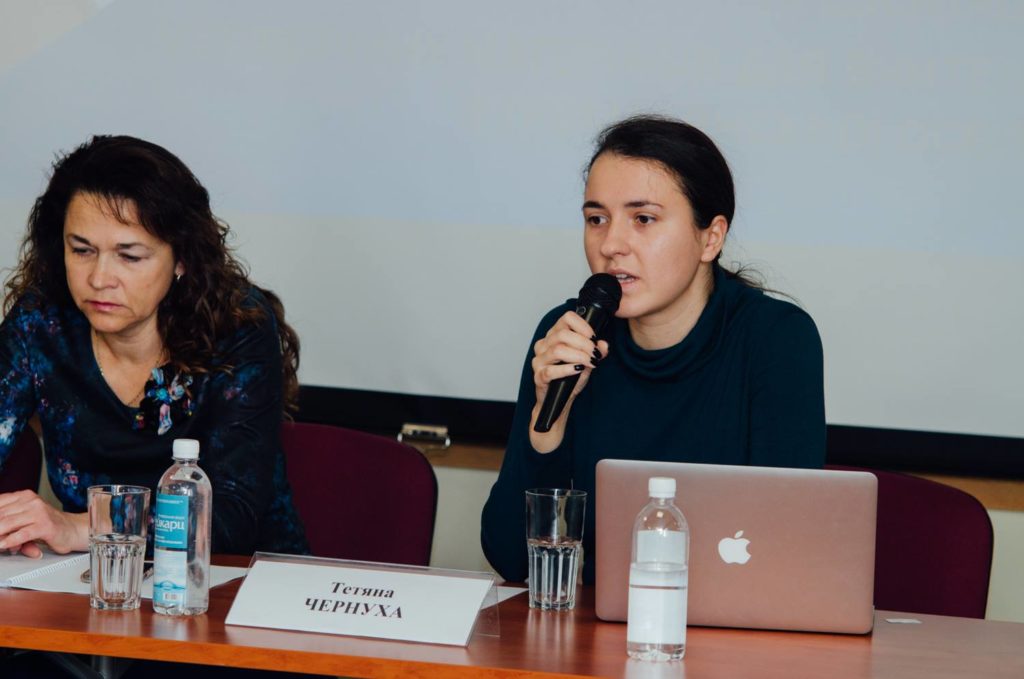
Tetiana Chernukha, ALI Program Coordinator, presents guidelines for teachers of senior forms:
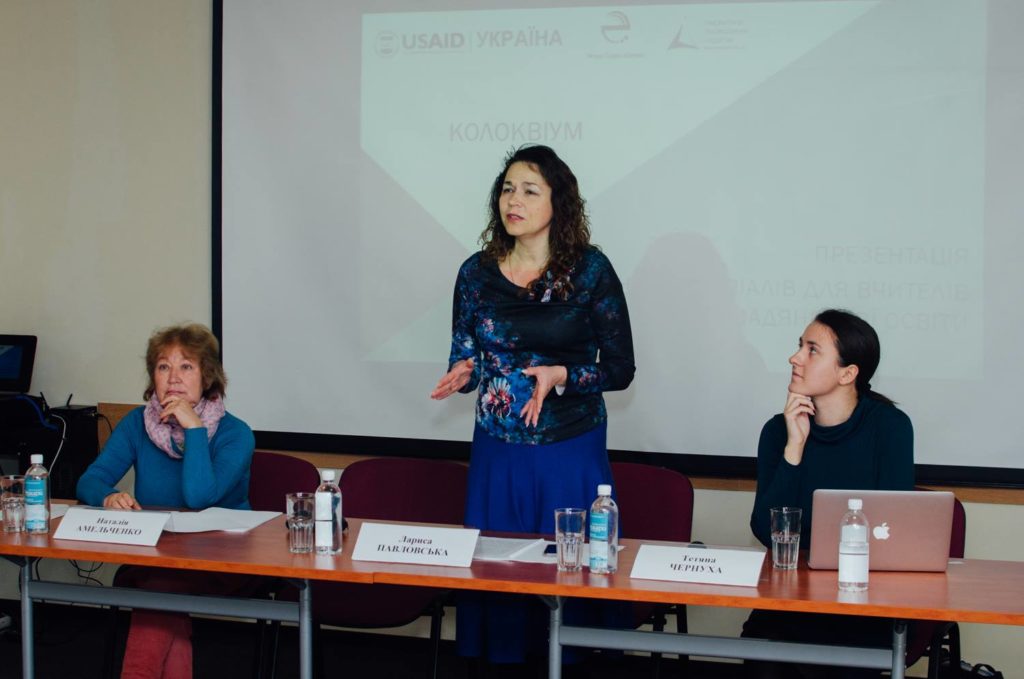
Larysa Pavlovska, Head of the Division of Pre-School and Secondary Education of the Department of Education and Science of the Sumy Oblast Administration, said the following:
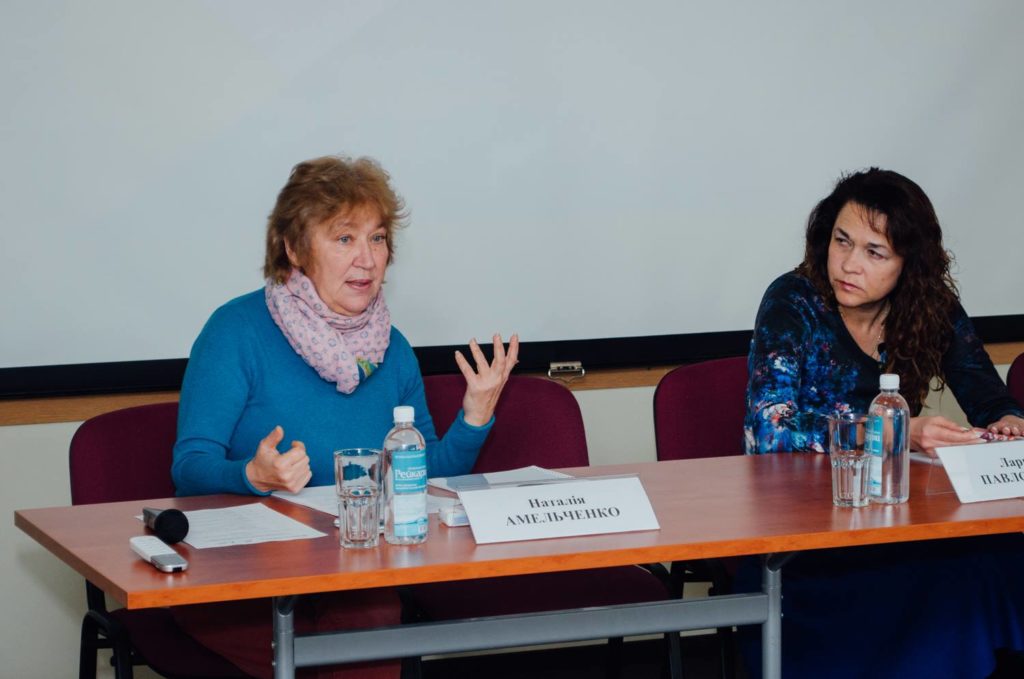
Natalia Amelchenko, PhD, professor of political science (NaUKMA), discusses with Sumy teachers the issues of facilitating students’ understanding of the legislative process, including through the role-playing game “AGORA”.
The discussion of the concept of the New School and testing of the role-playing game “AGORA” aroused lively interest among the teachers of Sumy oblast.
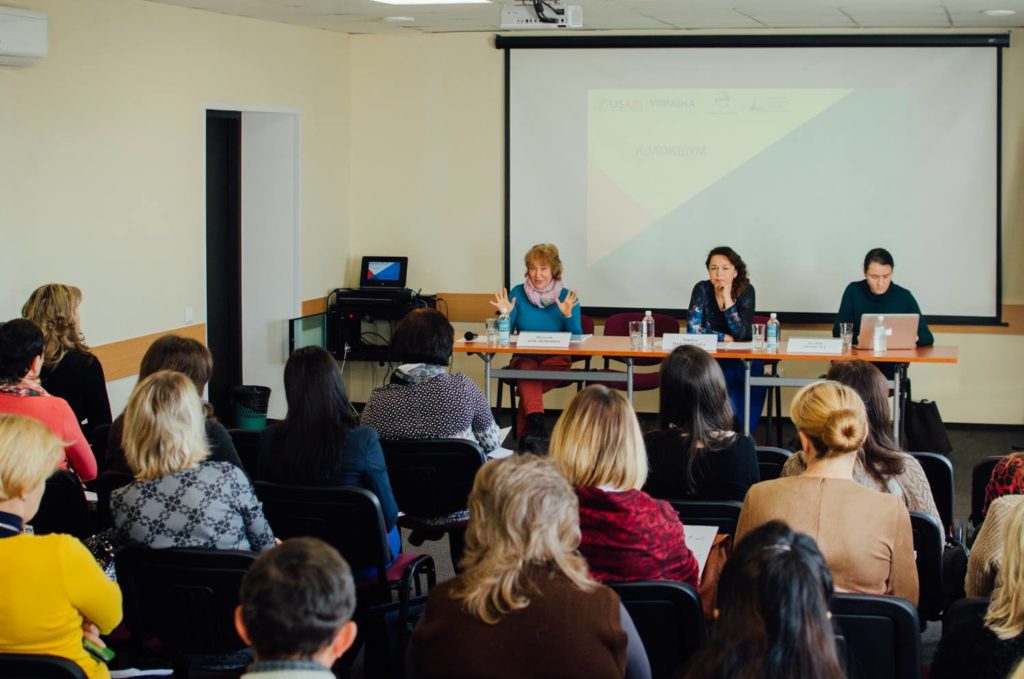
The methodological guidelines for the Colloquium were prepared by the Agency for Legislative Initiatives within the framework of the USAID RADA Program: Responsible Accountable Democratic Assembly, implemented by East Europe Foundation.
Dialogues on Civic Education and the Concept of the New School in Poltava
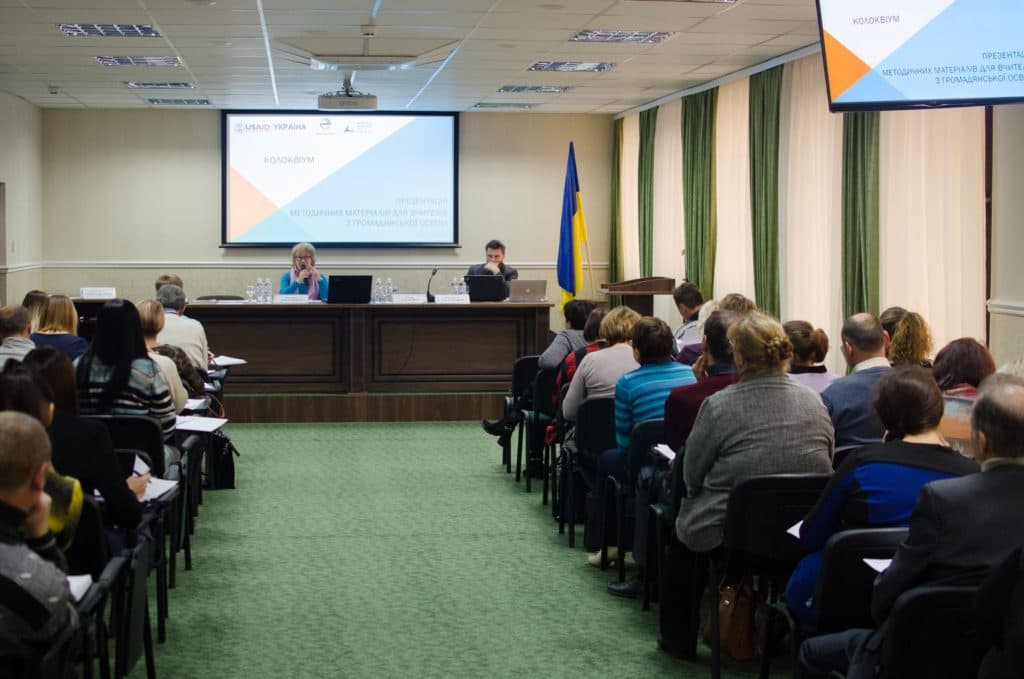
On October 27, 2016, Poltava hosted the Colloquium Presentation of Teaching Materials on Social Studies.
The event included the presentation of methodological guidelines for secondary school teachers of senior forms concerning the introduction of civic education in school curricula and testing of the role-playing game “AGORA: Democratic Procedure of Law Adoption in the Parliament of Ukraine”, which simulates the legislative process in Ukraine.
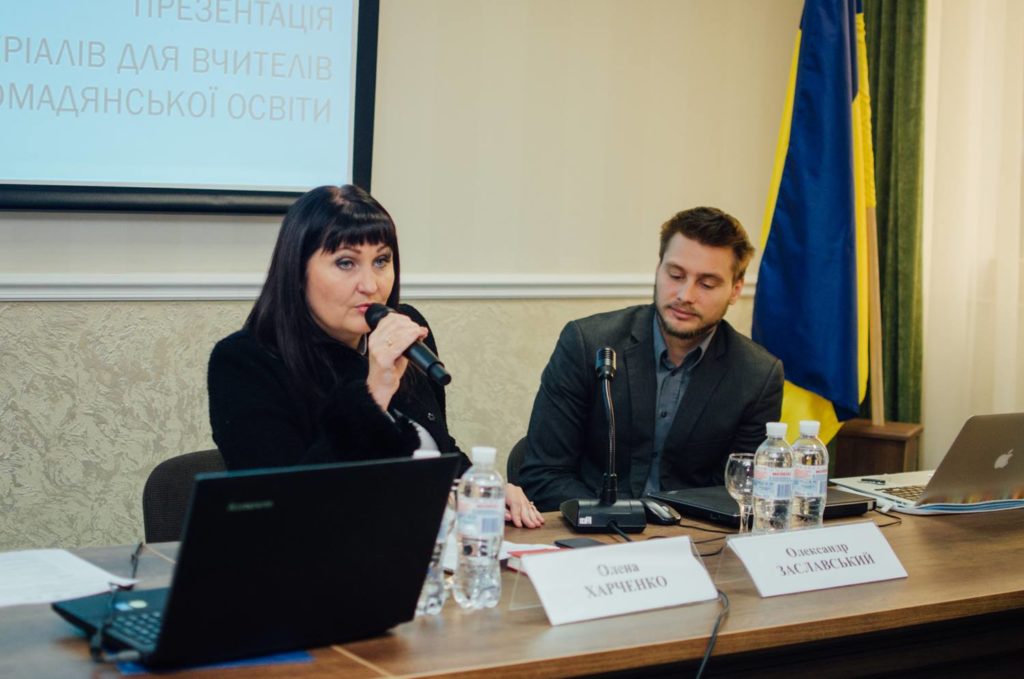
The opening speech was delivered by Olena Kharchenko, Director of the Department of Education and Science of the Poltava Oblast State Administration. Ms. Kharchenko observed that it was extremely important to update the curriculum that provide students with knowledge about the place of the citizen in society, the role of citizens in state governance, and the fundamental rights and duties of a person and of a citizen. She said the following:
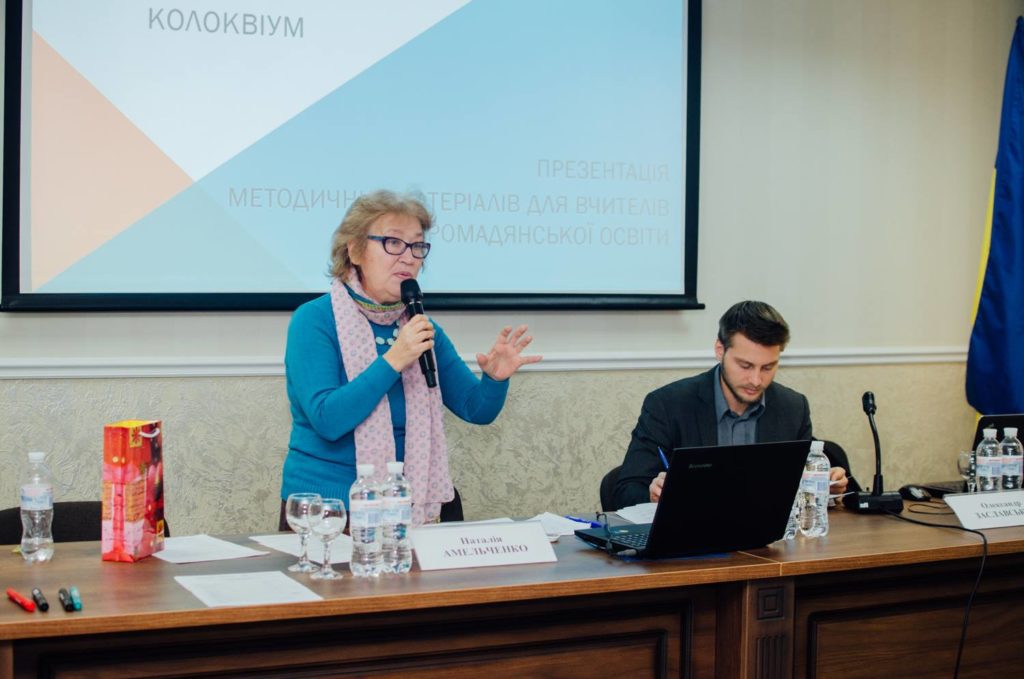
Natalia Amelchenko, PhD, professor of political science (NaUKMA), explains the essence of the Agora game that simulates the legislative process in the Verkhovna Rada.
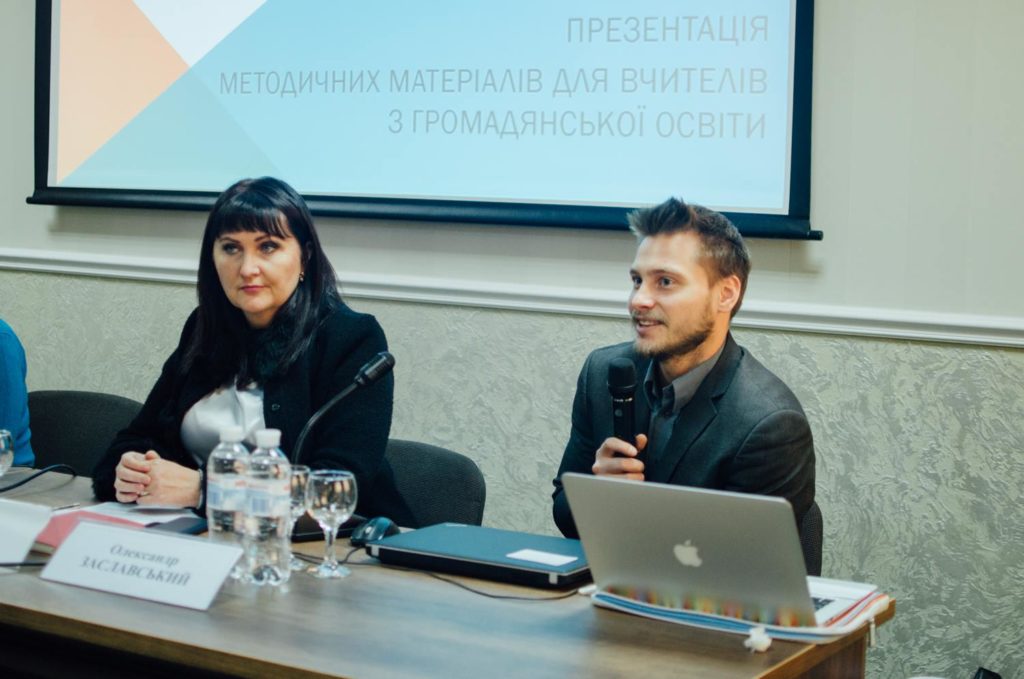
Oleksandr Zaslavskyi, Deputy Chairman of the Agency for Legislative Initiatives, emphasized that the introduction of civic education in schools would neutralize unreasonably high expectations of the Parliament and will raise the political culture in general. He argues that ever since the early 2000s the improvement of the functioning of the Verkhovna Rada – which the Agency for Legislative Initiatives has been working upon – had been problematic in view of the problems that lied outside the Parliament and distorted the legislative adoption process:
The project is aimed at strengthening the political culture, making basic information and skills of “citizenship” available to the widest possible range of people, consolidating new practices of interaction between citizens and institutions of governance. It is only under such conditions one can expect qualitative changes in the activity of authorities themselves. Changes in the political culture should begin with the secondary school when the basic ideas of future citizens emerge.
Guidelines for the Colloquium are prepared by Agency of Legislative Initiatives with the support of USAID RADA Program: Responsible Accountable Democratic Assembly, implemented by East Europe Foundation.
Presentation of Methodological Guidelines for Teachers in Chernihiv
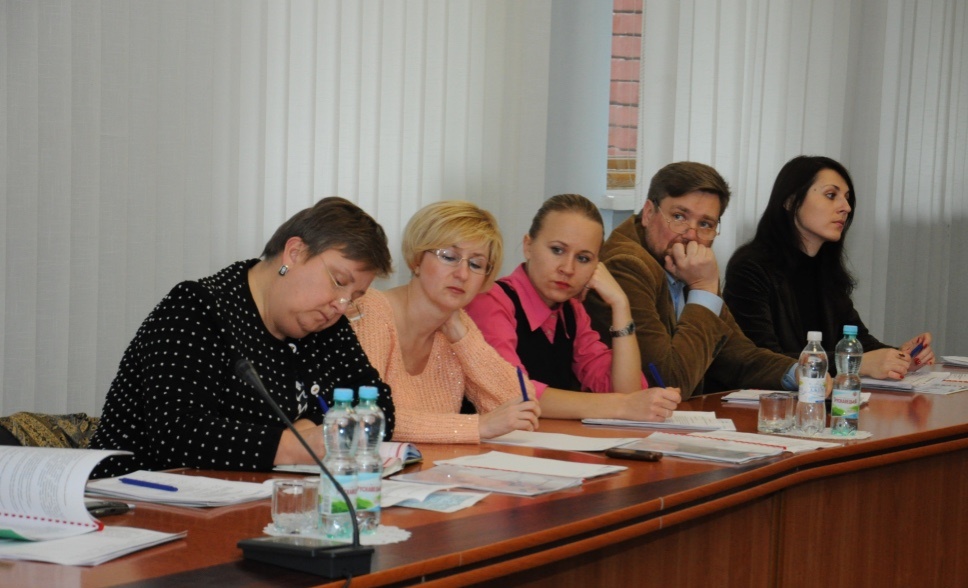
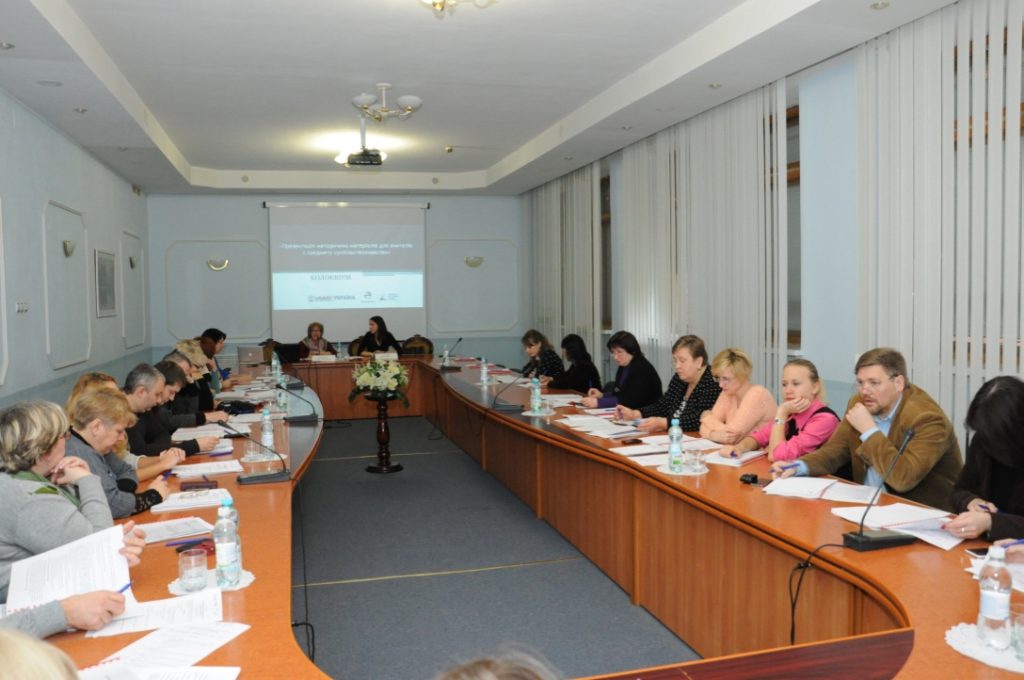
On October 21 at 10:00, Chernihiv hosted a discussion of civic education and the Concept of a New Ukrainian School. More than 30 teachers discussed the competency-based learning and the key competences which a school-leaver ought to have.
Natalia Amelchenko, PhD, Professor of Political Science in NaUKMA, presented methodological guidelines for teachers of civic education and the role-playing game Agora which simulates the legislative process in the Verkhovna Rada of Ukraine.
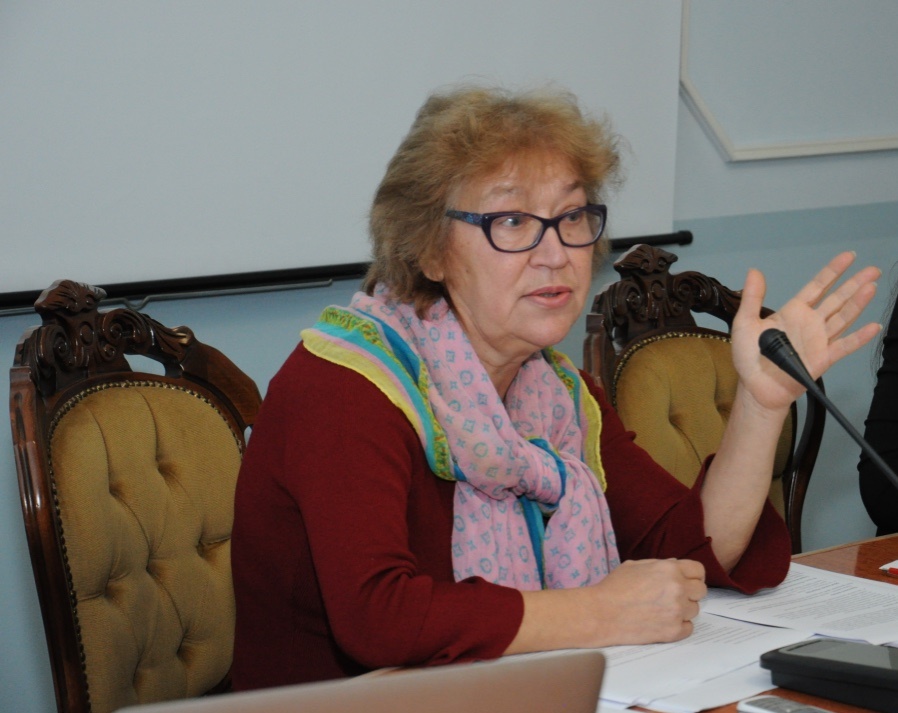
The event was devoted to the presentation of methodological guidelines for teachers of senior forms in order to introduce components of civic education in Ukraine, such as in particular “Legislative Power for Youth”, “Youth in State Programs”, “Political System of Ukraine”, and “Election Process”. The guidelines were prepared by the Agency for Legislative Initiatives within USAID RADA Program: Responsible Accountable Democratic Assembly, implemented by East Europe Foundation.
The significance of the integration of civic education into the curricula is stipulated in such documents of the Government of Ukraine as the draft Concept of the State Target Social Program ‘Youth of Ukraine’ for 2016-2020 and the draft Concept of Education Development by 2025.
Reform of Higher Education in Ukraine: Implementation of the Relevant Law in 2014–2016 (Shadow Report)
The report is devoted to the evaluation of progress in the implementation of the key reforms in higher education in Ukraine, which were defined by the new version of the law «On higher education» adopted in the summer of 2014. Research is being carried out on the development of a new system for ensuring the quality of higher education, developing the academic and financial autonomy of higher education institutions, and ensuring fair conditions for admission to higher education institutions, Integration of higher education in Ukraine into the European Educational and Scientific Area.
The publication examines progress in the implementation of relevant public policies in the two years between September 2014 (date of entry into force of the new law on higher education) and September 2016 and contains separate proposals for further necessary steps in this area.
The preparation and presentation of analytical reports in the Shadow Report format is part of the project embodied by the Agency for Legislative Initiatives, supported by the USAID Rada Program: Responsible Accountable Democratic Assembly, implemented by the East Europe Foundation.
Town Hall Meeting “School Education: Budget and Parents’ Funds”
A town hall meeting on “School Education: Budget and Parents’ Funds” was held in Kharkiv on July 20th.
The event was organized on the initiative of MP Olena Sotnyk by the Agency for Legislative Initiatives in cooperation with the Interns’ League within the Model District project under the aegis of USAID RADA Program: Responsible Accountable Democratic Assembly implemented by the East Europe Foundation.

Oleksandr Zaslavskyi, Deputy Chairman of the Board of the Agency for Legislative Initiatives, familiarized the participants with the methodology of the event and told about the tangible results of the previous Town Hall Meetings within the Model District project.

The author of the scenarios, Iryna Kohut, expert at the CEDOS Center, told the audience that the public education subvention is currently one of the “cheapest” public subventions. Recently, there has been a change in attitude towards parents’ contributions throughout Ukraine – from legalization and “unshadowing” of the funds offered by parents to educational institutions monthly to their full ban. The expert stressed the importance of an active public stance as regards settling the issue of parental contributions:

The discussion was held at ten desks and involved more than a hundred representatives of the Kharkiv community: teachers, parents, activists, and representatives of local authorities. The participants considered the pros and cons of each of the 5 alternative solutions to the problem of school budgets and legalization of parental contributions.

Eventually, 27 participants (majority of those who took part in the voting) chose the option of imposing a total ban on parental contributions. One of the alternatives was not supported by anyone at all, and only 7 people chose the option “do not change anything”.

At the end of the event, all interested persons had an opportunity to express their ideas concerning the format and content of the event, to briefly comment on it, and ask questions.
Olena Sotnyk is convinced that a complete ban on parental contributions is too radical a decision. The MP expected some more willingness in terms of personal initiative and responsibility. Therefore, based on the results of the discussion, the best proposals and ideas will be collected to be used for amendments to the law On Education.
Materials of the Town Hall Meeting:
Description of the problem
Option 1. Arrangement and collection of parental contribution should be left to the discretion of school administrations and parents (status quo)
Option 2. Creation of a charitable foundation
Option 3. School administration opens an account at a state bank (or treasury) and independently manages its own school fund
Option 4: Local authorities make it obligatory to transfer all parental contributions to special accounts in the State Treasury
Option 5. Completely ban parental contributions at schools
On the occasion of the 10th anniversary of Ukraine’s accession to the council of Europe Ukrainian school of political studies is opened
Ukraine joined the Council of Europe on 9 November 1995. The ten years that followed have been marked by fruitful cooperation which resulted, among other, in the opening of the Ukrainian School of Political Studies.
It is the thirteenth School of this type established by the CE Directorate General of Political Affairs in the CEE countries. The Ukrainian partner of the project is the Agency for Legislative Initiatives.
This School is an independent non-party project aiming at formation, education and support of the new generation of managers and politicians, NGO leaders and heads of trade unions, journalists and businessmen able to define and implement Ukraine’s European idea.
As one of its priority steps, the School intends to organize a broad campaign for the selection of 35 candidates that will become entitled to participate in three School sessions in Ukraine and one in Strasbourg (France). The eligible candidates will include young people up to 35 years old that have already achieved a visible success in journalism, business, public service, as well as civil, political or trade union activities. Trainers and lecturers of the School will include the leading Ukrainian and foreign public and political figures. The School participants will not only receive knowledge, but they will also be able to develop the skills necessary for a successful political carrier, participation in the decision-making processes and solution of social problems.
The need to establish the School has been spurred by the last November and December events in Ukraine, following which, since February 2005, Ukraine has witnessed a real staff revolution that has become probably one of the most broad-scale replacements of staff at all levels of government after the independence. Observing this process, however, one can hardly fail to notice the substantial deficit of properly qualified leaders able to demonstrate new democratic thinking. This calls forth urgent efforts to be made to train a new young generation of politicians that would introduce modern European standards into the political life of Ukraine.
More information on the School will be disseminated at the presentation to be organized at the beginning of December 2005. It will also be published on the web-site: parlament.org.ua.
Through Civil Education to Civil Society
The Ukrainian School of Political Studies is an independent and non-party project of the Agency for Legislative Initiatives and the Council of Europe (Directorate General of Political Affairs) carried out in partnership with the Institute for Political Education.
The implementation of democratic political and economic reforms in Ukraine, integration of our country into the European society, adaptation of the European standards to the conditions and traditions of the Ukrainian society, establishment of the political rights and liberties, freedom of expression and information, rule of law and protection of human rights – these are the objectives faced by the new generation of politicians, civil servants, businessmen, managers, and journalists.
The Ukrainian School of Political Studies aims to ensure the maximum support to the formation of such new generation of managers and politicians, NGO leaders and heads of trade unions, journalists and businessmen that are able to form and implement Ukraine’s European idea. Today, Ukraine really needs professionals educated on the basis of the European democratic values.
The Ukrainian School of Political Studies sees its objective in the formation and education of new Ukrainian leaders, as well provision of intellectual and information support to the Ukrainian leader network and its value orientation, development of such leaders’ civil self-consciousness and understanding of the functioning mechanisms and principles of the democratic system.
The Ukrainian School of Political Studies intends to organize and conduct seminars, conferences, summer schools, strategic games and training visits for the purpose of civil and political education of the national and regional politicians, civil activists, scholars, civil servants, businessmen and journalists.
The Ukrainian School of Political Studies will involve participants from all regions of Ukraine representing different political views, various nationalities and religious beliefs.
The Ukrainian School of Political Studies will be directed by the Director and managed by the Executive Secretariat. The supervisory and advisory functions will be fulfilled by the Supervisory Board formed of the prominent Ukrainian and foreign civil and public figures and business leaders.
The School was opened on November 09, 2005 on the occasion of the 10th anniversary of Ukraine’s accession to the Council of Europe. Upon the selection of the School participants, in 2006 three 3-day seminars will be organized in Kyiv and other Ukrainian regions for 35 selected students, as well as one training visit to Strasbourg (France) for them to learn how the European institutions operate.
Short-Term Strategy:
-
Creation of the School regional branch in Eastern Ukraine;
-
Formation of the School Alumni Association;
-
Creation of the network of school information partners; and
Supplement of the curriculum with the additional forms and types of activities (round tables, summer schools, conferences etc).
Long-Term Strategy:
Formation of the School Library and establishment of the Advanced Political Party Courses (for the system-based training of political party staff).