
Agency for Legislative Initiatives Presents a Green Paper on the Civil and Patronage Service in Courts
The presentation gathered the leadership of the Supreme Court, heads of staff from appellate courts across Ukraine and district courts in Kyiv, representatives of the High Council of Justice, the High Qualification Commission of Judges, the State Judicial Administration of Ukraine, and members of judicial associations.
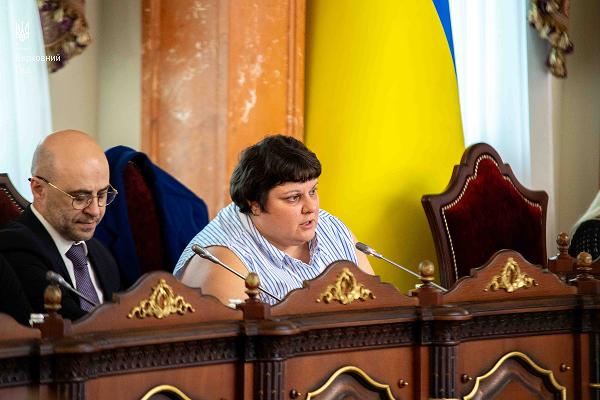
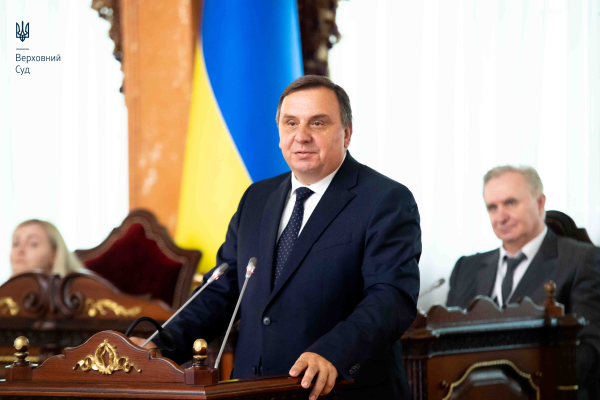
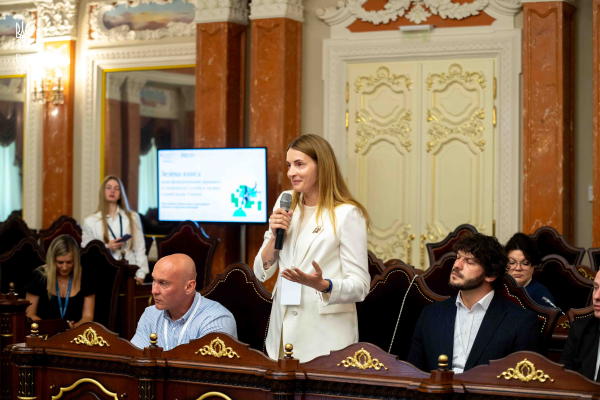
Rasim Babanly, First Deputy Chief of Staff of the Supreme Court, emphasised that ALI research marks a crucial step toward constructive dialogue between civil society and the judiciary. He noted that the Green Paper is not just a critical assessment of existing problems but also a commitment to joint solutions grounded in thorough analysis and respect for institutions.
The Green Paper focuses on civil servants, judicial assistants, and technical staff who ensure the daily functioning of courts — from record-keeping and technical support to public communication. The research is based on a survey of more than 1,000 court staff members and 42 in-depth interviews covering all jurisdictions of first-instance and appellate courts.
Stanislav Kravchenko, President of the Supreme Court, stated in his address:
However, Karyna Aslanian, Head of the Rule of Law area at ALI, pointed out that court staff remain overlooked in reforms: ‘Court employees are systematically undervalued — in terms of status, pay, HR policy, and professional development’.
The Green Paper also highlights long-term risks to institutional memory, ethics, and the independence of the judiciary. A significant share of court staff (judicial assistants) is not covered by anti-corruption policies, face substantial disparities in social guarantees and career advancement, while training and professional development often remain merely formal.
ALI experts not only analyse problems but also propose institutional solutions. Key challenges include:
- Overtime work: According to the survey, 21% of court staff work overtime almost daily, 19% often, 22% occasionally, 17% rarely, 16% very rarely, and only 5% never;
- Underfunding and out-of-pocket expenses for court needs: More than 70% of respondents reported having to purchase office supplies, refill cartridges, or even repair court premises at their own expense. Specifically, 696 respondents bought paper and stationery, 424 refilled cartridges, 231 purchased furniture and equipment, 218 paid for postage, 175 carried out office repairs, and 61 covered other expenses;
Oleksandr Sasevych, member of the High Council of Justice, emphasised:
Maksym Pampura, Acting Head of the State Judicial Administration of Ukraine, highlighted low salaries in the judiciary as a critical issue:
- Lack of a clear HR strategy: More than 3,000 vacancies in court staff positions remain unfilled;
Viktor Kapustynskyi, the Supreme Court’s Chief of Staff, added that without a sustainable vision for personnel development, we cannot build an effective strategy for the judiciary. According to him, it is crucial to lay the groundwork for tomorrow’s solutions by rethinking HR philosophy and revising approaches to job classification, remuneration, and digitalisation.
- Low salaries: 74% of court staff consider their pay demotivating. Respondents also identified it as one of the key factors affecting their professional independence;
Taras Neshyk, Head of the Secretariat of the High Qualification Commission of Judges, emphasised that low salaries and outdated functional models prevent the judiciary from attracting a new, qualified workforce. According to him, the current work format is also incompatible with the digital era.
- Unsatisfactory working conditions: Most courts lack bomb shelters or stable internet access.
Nataliia Fulei, a representative of the National School of Judges of Ukraine, noted that the Green Paper is not only an analytical document but also a tool for shaping state policy that should serve as a starting point for systemic changes in the treatment of court staff.
The Agency for Legislative Initiatives hopes the Green Paper will lay the groundwork for reforming the court staff, and its recommendations will help improve the efficiency of the judiciary in Ukraine. Key findings are published in the presentation, and the full report is forthcoming.
The event took place as part of the Improvement of Governance in Ukraine: Enhancing Policy Making for Social Progress Project, with the support of Switzerland and the organisational assistance of the Supreme Court. The content of the research and presentation is the sole responsibility of the Agency for Legislative Initiatives. The views expressed in the presentation and research do not necessarily reflect those of the donor and the Supreme Court.
Implementation of the Public Sector Remuneration Reform
Remuneration is one of the most problematic aspects of civil service. Unsatisfactory salary levels and a non-transparent mechanism for incentive payments are among the key demotivating factors for civil servants, which not only reduce their interest in delivering results but also call into question the rationale for continuing a career in civil service.
According to data from the National Agency of Ukraine on Civil Service (NAUCS), the outdated and inefficient remuneration system had 11 components, with base salaries accounting for only 39–49% of total pay. About 50% of payments were variable: bonuses, allowances, and incentive payments, the amount of which was typically determined by managers, often based not on performance but on subjective judgement and personal attitudes towards employees.
NAUCS surveys conducted between 2019 and 2023 to determine the level of organisational culture in civil service recorded a low level of satisfaction among civil servants with their salaries (21–22%). Only about 60% of civil servants agreed that bonuses depend on the quality of their work, while roughly half believed that performance evaluation is based onAnalytical paper based on the results of interviews with civil servants on organisational culture, 2019–2021, National Agency of Ukraine on Civil Service; and Analytical paper on the study of organisational culture, ‘Public Service in Ukraine: Your Point of View’, National Agency of Ukraine on Civil Service, 2023. actual results.
Internal tension was further exacerbated by the remuneration of civil servants in positions of Reform Support Specialists (RSS)According to the Concept for the Introduction of Positions for Reform Specialists, positions for reform specialists are civil service positions in categories ‘A’, ‘B’ and ‘C’ with job responsibilities that include preparing and implementing reforms in relevant areas (identifying problems, preparing proposals and action plans to address them, preparing draft legislation, organising and participating in the implementation of these action plans, evaluating the results of their implementation, performing other analytical functions), as well as performing the main tasks related to strategic planning of the activities of a state authority, ensuring the formation and/or implementation of state policy in the relevant areas, to which special conditions of remuneration apply within the general system of remuneration of civil servants., whose special working conditions entitled them to a monthly allowance for high-priority tasks.
Until 2022, this allowance was funded by donor programmes without burdening the government payroll budget. Starting from 1 January 2022, funds for RSS salaries were included in the payroll budgets, intensifying tension and ultimately leading to the liquidation of directorates in most ministries.
Thus, a comprehensive strategic solution was needed to address the duality of remuneration (RSSs vs. other civil servants) and to introduce a transparent, easy-to-administer remuneration model that would ensure:
- a fair distribution of remuneration under the principle of ‘equal pay for equal work’ (both within a single government body and between other bodies for similar positions);
- the competitiveness of the public sector compared to the private sector.
The remuneration system reform is one of the key initiatives to reboot public administration and is being implemented under the Strategy for Public Administration Reform in Ukraine for 2022–2025, specifically under the pillar ‘Professional Public Service and Personnel Management’.
The Strategy outlines the following tasks regarding motivation and remuneration:
- introduction of a civil service position classification system;
- implementation of a comprehensive reform of the remuneration system, including increasing the fixed component while limiting the variable one, reducing the number of salary elements, eliminating pay gaps, and bringing salaries closer to the levels available in the private sector;
- prevention of salary reductions for civil servants, in particular, for specialists involved in implementing the public administration reform (RSSs).
A key indicator for tracking progress in implementing this part of the Strategy is the share of civil service positions covered by the new classification-based remuneration system: 1% in 2022–2023, 75% in 2024, and 90% in 2025.
The communication measures of the Strategy include an information campaign to raise awareness of civil servants of the remuneration system reform and its position classification approach.
The reform aims to optimise state budget expenditures during wartime and fulfil the EU integration commitments of Ukraine. Its implementation aligns with the European Principles for Public Administration developed by OECD/SIGMA and is a requirement of the Ukraine Facility programme, under which Ukraine receives up to €50 billion from the EU by 2027.
State of Play and Progress in Implementing the Reform
As of year-end 2024 and mid-2025, the reform has shown some positive progress.
In March 2025, the Parliament adopted the long-awaited Law of Ukraine ‘On Amendments to Certain Laws of Ukraine Regarding the Introduction of Unified Approaches to the Remuneration of Civil Servants Based on Position Classification’ (Law No. 4282).
At the time Law No. 4282 took effect, an interim reform had already introduced remuneration adjustments based on position classification under the State Budget Laws for 2024 and 2025. The classification of positions was conducted according to the Catalogue of Standard Positions and Qualification Criteria, approved by the Parliament in October 2023.
The Parliament and NAUCS ensured the timely preparation of regulatory acts necessary to implement Law No. 4282, which entered into force together with the Law:
- Resolution of the Cabinet of Ministers of Ukraine No. 369 of 1 April 2025 ‘Certain Issues of Civil Service Position Classification’, which: 1) updates approaches to defining role functions, agreeing on classification results, and interacting with NAUCS; 2) approves an updated Catalogue of Civil Service Positions with clarified and supplemented standard role descriptions; 3) introduces a procedure for reclassification; 4) provides for the decentralisation of the position classification approval in local state administrations.
This government decision is expected to ensure greater consistency and transparency in assessing the functional workload of each position.
- NAUCS Order No. 45–25 of 7 April 2025, which: 1) transfers the authority to approve the results of position classification in local state administrations to the NAUCS territorial bodies; 2) introduces an important restriction: an NAUCS territorial body is not allowed to process documents from the territory within which it operates to ensure objectivity and avoid potential conflicts of interest.
Since April 2025, the NAUCS has actively worked to clarifyOn 11 April 2025, a seminar entitled ‘Classification of civil service positions: novelties in legislation in 2025’ was held; an online course entitled ‘Classification of civil service positions’ is now available on the StudyiЯ High School of Public Governance platform for training, in particular, individuals involved in organising and conducting the classification of civil service positions in state authorities. Source: Classification of Civil Service Positions 2024: Current Status, Challenges and Prospects, National Agency of Ukraine on Civil Service. May 2025. P. 45. the new legislative provisions. In 2022–2024 and the first quarter of 2025, the classification of civil service positions was conducted by government bodies in accordance with the Algorithm for Classifying Civil Service Positions Under Martial Law and the Catalogue of Standard Civil Service Positions, approved by the Parliament in 2023. By mid-2024, 146,333 positions across over 4,000 government bodies were classified (74% of the 198,638 total positions according to staffing tables).
The comprehensive reform of the remuneration system has been implemented in most government bodies, ensuring predictability and transparency of the remuneration system and simplifying the process of payroll budget planning. Key changes include a reduced number of salary components and limited discretionary powers of managers in establishing allowances, particularly for work intensity and high-priority tasks. As a result, the salary structure has been balanced, with a target ratio of 70% of fixed pay and 30% of variable pay.
In 2024, the average salary of civil servants showed an upward trend compared to 2023. The salary for category ‘B’ positions in district state (military) administrations amounted to UAH 22,210 in 2024, compared to UAH 13,781.2 in 2023. For similar positions in first-tier government bodiesOn 11 April 2025, a seminar entitled ‘Classification of civil service positions: novelties in legislation in 2025’ was held; an online course entitled ‘Classification of civil service positions’ is now available on the StudyiЯ High School of Public Governance platform for training, in particular, individuals involved in organising and conducting the classification of civil service positions in state authorities. Source: Classification of Civil Service Positions 2024: Current Status, Challenges and Prospects, National Agency of Ukraine on Civil Service. May 2025. P. 16. of the first jurisdiction (e.g., the Secretariat of the Cabinet of Ministers of Ukraine, the Secretariat of the Ukrainian Parliament Commissioner for Human Rights, the Ministry of Economy of Ukraine), the average salary in 2024 was UAH 49,955 (compared toSummarised statistical report on the results of monitoring the remuneration of civil servants in 2023, National Agency of Ukraine on Civil Service, 2024. P. 22. UAH 35,698.47 in 2023).
In January 2025, the Accounting Chamber of Ukraine launched an important compliance audit for further reform monitoring, titled ‘Reforming the Remuneration System in Public Administration’, covering the period from 2023 through the first half of 2025 and lasting until August 2025Work plan of the Accounting Chamber of Ukraine for 2025, approved by the decision of the Accounting Chamber dated 19 December 2024, No. 58–5 (as amended). Clause 1.26.. Auditors are examining the implementation of measures aimed at increasing the competitiveness of salaries of civil servants, eliminating pay disparities in state authorities, and strengthening the role of the fixed component while limiting the variable one. In particular, they are conducting a comparative analysis of the salaries paid to civil servants for two periods: 2023 (before the reform) and 2024 (the first year of its implementation).
Challenges in Reform Implementation
Most planned measures remain at the previous implementation stage, with only minor improvements. Overall, the objectives set out in the Strategy have so far been only partially achieved, in particular:
The process of classifying civil service positions was hindered by an actual ‘refusal’ to carry it out in some government bodiesAdministration of the State Special Transport Service, Antimonopoly Committee of Ukraine, Secretariat of the Verkhovna Rada of Ukraine, Economic Security Bureau of Ukraine, State Customs Service of Ukraine, State Tax Service of Ukraine, Ministry of Internal Affairs of Ukraine, Ministry of Defence of Ukraine, National Securities and Stock Market Commission, National Energy and Utilities Regulatory Commission, National Agency on Corruption Prevention, National Anti-Corruption Bureau of Ukraine, Specialised Anti-Corruption Prosecutor’s Office.. The reasons for this include both the prolonged process of adopting and signing Law No. 4282 and potential losses in salary levels after the classification of positions. Specifically, the average salary in government bodies that carried out the classification of positions in 2024 was UAH 37,249, compared toStatistical report on the results of monitoring the remuneration of civil servants in 2024. May 2025. pp. 16, 20. the average salary under the old system — UAH 59,078. This is due to structural differences and varying approaches to bonuses and incentive payments, as defined by special legislation regulating salaries in the respective government bodies.
As of early 2025, the number ofSome state authorities did not provide the NAUCS with information on the results of position classification as of December 2024. The State Treasury Service refused to provide information, the Chernihiv Regional State Administration did not provide data in the prescribed manner, and the State Bureau of Investigations, the Foreign Intelligence Service of Ukraine, and the Intelligence Department of the State Border Guard Service of Ukraine provided confidential information. Source: Classification of civil service positions 2024: current status, challenges and prospects. National Agency of Ukraine on Civil Service, May 2025. P. 6. classified positions (over 146,000 civil service positions across more than 3,000 government bodies) remained unchanged from the level recorded in the first half of 2024.
A significant number of reclassifications of civil service positions were recorded — 1,640. Most often, this was due to changes in the structure, staffing schedule, and functions of the government body (91%), employee requests or other reasons related to appointments/transfers to positions (5%), changes in the payroll fund (3%), or all of these factorsClassification of civil service positions 2024: current status, challenges and prospects, National Agency of Ukraine on Civil Service, May 2025. P. 49. combined (1%). Not all decisions were properly formalised — specifically, 20 reclassifications were conducted in violation of the Algorithm, without a corresponding decision from the authorised body. This practice has led to the lack of up-to-date statistics and the risk of losing control over classification outcomes.
Processing the results of position classification is still carried out manually, slowing down the process and explaining the absence of up-to-date statistics. NAUCS has prepared proposals for the draft terms of reference for developing an information system, ‘Classification of Civil Service Positions’. However, further development and implementation of such a system will require time and financial resources, which are currently limited.
Despite the established formula for distributing salary portions between fixed and variable components at a 70/30 ratio, the actual distribution for classified civil service positions is 85% fixed and 15% variable.
The highest variable salary portionStatistical report on the results of monitoring the remuneration of civil servants in 2024. May 2025. P. 8. is observed in Type 1.3 jurisdiction government bodies (17%), while the lowest is in Type 1.1 jurisdiction bodies (13%).
Along with the overall increase in salaries of civil servants, significant disparities persist within the same category of positions across bodies of different jurisdiction types, as well as between different categories of positions within the same body.
For example:
- for category ‘B’ positions, the gap in the average salary level between national-level bodies (jurisdiction 1.3) and regional-level bodies (jurisdiction type 2) in 2024 amounted to 27% (compared to 24% in 2023);
- for category ‘C’ positions, this gap reached 32% in 2024 (compared to 33% in 2023).
Significant pay disparities also exist between categories of positions within the same jurisdiction. In particular, the difference between average salaries for category ‘B’ and ‘C’ positions was:
- 73% in ministries (jurisdiction 1.2) in 2024 (compared to 33% in 2023);
- 58% in regional state (military) administrations (jurisdiction 2) in 2024 (compared to 45% in 2023).
The largest gaps were recorded at the central level (jurisdiction 1.1):
- the difference in salaries between categories ‘A’ and ‘B’ in 2024 amounted to 88% (compared to 112.5% in 2023);
- between ‘B’ and ‘C’ — 72% (compared toStatistical report on the results of monitoring the remuneration of civil servants in 2024. May 2025. P. 18. Summarised statistical report on the results of monitoring the remuneration of civil servants in 2023, National Agency of Ukraine on Civil Service, 2024. P. 22. 71.7% in 2023).
Such salary disparities complicate the recruitment of highly qualified personnel to the civil service and may also indicate the lack of a comparable level of salaries between the public and private sectors.
The provision of Law No. 4282 regarding the alignment of salary levels in typical civil service positions with salary levels in the private sector in Ukraine will only enter into force on 1 January 2027. As a result, salary planning for civil service positions in 2026 will not account for the principle ofThe principle of competitiveness implies that government agencies offer competitive remuneration to attract highly qualified specialists to the labour market. competitiveness.
Comparing salary levels in the public and private sectors is complex, particularly due to the lack of reliable sources of information on pay levels:
- official statistics collect data on average salaries by types of economic activity, but do not provide a detailed breakdown by profession or position;
- commercial job platforms (such as Work.ua, grc.ua, and Jooble) do have some data, but it is not always representative, as it is based on job postings rather than actual payroll records.
Accurate salary comparisons are also hindered by structural differences in remuneration between the public and private sectors, as well as variability in salary levels: in the public sector, they depend on the body and type of jurisdiction, and in the private sector, on the region and type of economic activity.
There is currently no methodology for comparing similar positions in the public and private sectors in terms of functions, responsibilities, and salary levels. Law No. 4282 also does not include provisions for approving such a methodology, which casts doubt on the fairness of civil service salaries and could undermine the future success of the reform.
Following position classification, 88% of government bodies still report a need for additional training for responsible staff. This includesClassification of civil service positions 2024: current status, challenges and prospects, National Agency of Ukraine on Civil Service, May 2025. pp. 45, 52. the need for clarifications regarding legislative changes, practical aspects of reviewing classification results, conducting reclassification, and addressing common mistakes made during this process.
The significant number of reclassifications, combined with legislative changes, underlines the need for better outreach activities regarding the classification of positions. This applies to both HR departments and civil servants whose positions are subject to classification or reclassification.
The lack of complete and reliable information about the composition of the civil service in the Human Resource Management Information System (HRMIS) in government bodies is a major obstacle to implementing the remuneration reform.
Recommendations
The state should become a competitive employer, attracting top talent and motivating employees to achieve results. Successful implementation of the reform requires the following key measures:
- Automation of the position classification process remains a priority task. It will ensure transparency of the procedure and enable up-to-date information on its status. This requires assessing the resources needed for software development and launch, training responsible staff to work with the system, and determining sources of project funding.
- Improve the classification procedure based on analysis of best practice and international experience, particularly regarding: 1) grouping similar positions into job families with shared tasks and main responsibilitiesFor example, the families of positions ‘information security and cyber defence (12)’, ‘management of information and communication systems (23)’, ‘management of informatisation projects (25)’, whose main functionality involves working with information and communication technologies., while identifying sub-familiesFor example, the family of positions ‘public policy analysis and rule-making (3)’ includes functions that can be divided into a sub-family of positions, in particular, regarding the formation of public policy/strategic planning/conducting legal, scientific and/or professional expertise and preparing conclusions on draft legislation, expertise on adopted legislation. with narrower specialisation; 2) standardising approaches to determining job families for positions with typical functions that belong to the same jurisdiction and type of government bodies, including local-level bodies.
- Enhance outreach efforts regarding the procedures for organising and conducting classification and reclassification of civil service positions, as well as implementing and executing measures of the civil service remuneration reform.
- Continue addressing significant disparities in salary (grades) between individual positions, job families, and types of government jurisdictions, taking into account state budget constraints.
- Ensure a justified and transparent comparison of salary levels for typical civil service positions with salary levels in the private sector in Ukraine by: 1) conducting a pilot comparison of salary levels during the preparation of the draft salary scale for civil service positions for 2026. Independent labour market experts should be involved to ensure impartiality, and the pilot comparison findings should inform the development of the methodology for comparing salary levels for typical civil service positions with those in the private sector; 2) introducing amendments to Part Three of Article 51 of the Law of Ukraine ‘On Civil Service’ regarding the powers of the relevant legislative body to approve such a methodology; 3) approving the methodology under which such a comparison of salary levels will be conducted, starting 1 January 2027Date of entry into force of paragraph six of subparagraph 4 of paragraph 2 of Section I of Law No. 4282.. This approach will facilitate the timely adoption of well-grounded decisions on remuneration, more efficient use of budget funds, and increased trust in the state as a competitive employer.
- It is essential to ensure that the future HRMIS information system is capable of administering the modified remuneration system.
This publication has been prepared within the framework of the ‘Improvement of Governance in Ukraine: Enhancing Policy Making for Social Progress’ Project with the support of Switzerland. The content of this publication is the sole responsibility of the NGO ‘Agency for Legislative Initiatives’. The opinion of the authors does not necessarily reflect the views of the donor.
Digital Transformation of the Human Resource Management System in the Civil Service
Digitalisation of the human resource management system, as a key element of rebooting public administration, is implemented in accordance with the Strategy for Public Administration Reform in Ukraine for 2022–2025 under the area ‘Professional Civil Service and Personnel Management’.
The main objectives of this strategic direction regarding personnel management capacity are:
- implementation of a Human Resource Management Information System (HRMIS) in state authorities, enabling the collection and analysis of quantitative and qualitative indicators on the representation of women and men in various civil service positions;
- conducting an analysis of the needs of state authorities in ensuring the necessary number of civil servants with appropriate qualifications to address strategic tasks.
The key performance indicator for these objectives of the Strategy is the share of state authorities that have implemented HRMIS: 25% in 2022, 50% in 2023, 65% in 2024, and 80% in 2025.
Additionally, as part of the communication measures outlined in the Strategy, the implementation of HRMIS is accompanied by the development and introduction of an effective mechanism for internal communication, interaction, and feedback within the civil service. For instance, the National Agency of Ukraine on Civil Service (NAUCS) provides methodological support to HR departments in state authorities, makes inquiries, and conducts surveys. The final output of these efforts includes clarifications and training.
The digitalisation of human resource management aims to address the lack of comprehensive data and analytical information regarding the number of employees in state authorities. Fragmented and limited information on the effectiveness of the public administration system in Ukraine highly complicates the process of optimising the number of employees in executive authorities. While state authorities do have their own personnel management information systems, the information stored in these systems is often insufficiently transparent and does not allow for a comprehensive analysis of the overall human resource management system in the civil service.
The digitalisation of civil service and human resource management is one of Ukraine’s EU integration commitments in the area of public administration reform, which is carried out in line with the OECD/SIGMA European Principles of Public Administration and is also one of the requirements of the Ukraine Facility programme, under which Ukraine will receive up to €50 billion from the EU during 2024–2027.
State of Play and Progress of Reform
From a practical perspective, the reform will result in upgrading all outdated digital HR systems in state authorities (including their interregional and territorial bodies). On the one hand, this will ensure the formation of accurate data on staffing levels in state authorities and enable operational and transparent monitoring of the number of their employees. On the other hand, it will improve the efficiency of decision-making processes related to staffing.
Tools for Addressing Key Issues
The key steps of the reform to ensure the digitalisation of HR management functions in public administration include:
- implementation of the Human Resource Management Information System (HRMIS) as a centralised database of civil servants and other public sector employees, aimed at automating and digitalising processes related to personnel management functions;
- operation of the Unified Portal of Civil Service Vacancies (career.gov.ua) as a key platform for posting current job openings in state authorities, providing information on competitive selection procedures, and enabling electronic document submission;
- use of the Unified State Web Portal of Electronic Services Diia for employment purposes.
Human Resource Management Information System
The HRMIS system was launched on 31 March 2021, with EU support within the Public Finance Management Support Programme for Ukraine (EU4PFM). The share of state authorities that implemented the HRMIS, as a key indicator of the Strategy, has been steadily growing: 67% in 2022Reports on the implementation of budget programmes for 2017–2022. National Agency of Ukraine on Civil Service. (against a target of 25%), 80% in 2023Reports on the implementation of budget programmes for 2017–2022. National Agency of Ukraine on Civil Service. (against a target of 50%), 82% in 2024Reports on the implementation of budget programmes. National Agency of Ukraine on Civil Service. (against a target of 65%), and 87% as of May 2025XXXIV Coordination Council on Public Administration Reform. Public administration reform. (against a target of 80%). According to NAUCS, over 90% of state authorities are expected to be connected to the system by June 2025.
The implementation of the HRMIS information system in state authorities faces several obstacles, including:
- insufficient material, technical, and staffing capacity of certain state authorities to connect to the system. NAUCS has repeatedly emphasised the shortage of specialists, particularly in system implementation support, cybersecurity, and business analytics, which hinders the scaling of HRMIS adoption;
- overburdening of HR departments in state authorities due to the duplication of functions for populating the HRMIS and maintaining internal digital HR systems or databases, including in paper format. Although most state authorities are connected to HRMIS, data completeness across functional modules remains insufficient. For instance, the HRMIS Public Portal lacks data on gender, length of civil service, types of positions, and age of employees;
- insufficient knowledge, skills, and competencies of HR staff in state authorities regarding the use of the HRMIS.
According to an NAUCS study, as of 1 October 2024, 66.4% of surveyed respondents identified HRMIS implementation and operation as their greatest need for methodological support. The most pressing needs for methodological support among respondents from state authorities where the HRMIS is being implemented include: 54.5% — working with the ‘Personnel’ and ‘Personnel Orders’ functional modules; 47.6% — working with the ‘Self-Service Account’ subsystem (the ‘Personal Account’ module); 30.9% — working with the ‘Organisational Structure’ functional module.
Due to delays in populating the HRMIS, there is a lack of accurate personnel data and difficulties in making decisions on human resource management.
In addition, several information systems (applications and web platforms) are currently in operation, including the NAUCS dashboard on the quantitative composition of civil servants in Ukraine, the Ministry of Finance dashboard on the number and salaries of all public sector employees, the HRMIS, NAUCS statistical data, and others. However, the information on the number of civil servants and other employees differs significantly across these systems.
For instance, according to the NAUCS dashboard on the number of civil servants in Ukraine, as of the first quarter of 2025, the number of established positions amounted to 191.89 thousand, and the actual number of employees was 156.79 thousand. Whereas the HRMIS contained informationHRMIS portal. Information as of 11 July 2025, 15:00. on 70.7 thousand positions, with 48.7 thousand actual employees.
Accelerating the implementation and population of the HRMIS is necessary for making effective management decisions, particularly for strategic workforce planning in the civil service. This is especially important given the recent trend of staff outflow from the civil service: in 2023, 36.2 thousand individuals were appointed to positions, while 40.2 thousand were dismissed; in 2024, 35.1 thousand were appointed, while 37.7 thousand were dismissed.
The HRMIS is still in the process of integration with payroll systems, which ultimately leads to a lack of transparency and delays in obtaining accurate salary data within the framework of public administration reform. The Law of Ukraine ‘On Civil Service’ (as amended) stipulates that salaries for civil service positions should be established based on the catalogue of standard civil service positions, criteria for assigning such positions, and a comparison of civil service salaries with those in the private sector in Ukraine. Since the comparison of salary levels has been postponed until 1 January 2027, and the HRMIS has not yet been implemented in all state authorities, this hinders the ability to assess the effectiveness of HR management in the civil service.
Unified Portal for Civil Service Vacancies
Since the onset of the full-scale invasion, the Unified Portal for Civil Service Vacancies has been suspended due to a technical failure. However, according to the 2022 NAUCS Work Plan Implementation Report, the main reasons for suspending the Portal were the protection of personal data of citizens and the prevention of cyberattacks on the system.
The suspension of the Portal for more than three years complicates staffing processes for state authorities and creates obstacles for job seekers, who do not have access to complete and up-to-date information on available vacancies.
The situation is further complicated by the suspension of competitive selection for civil service positions, which in turn leads to limited access for potential candidates to vacancies, a lack of transparency in appointments, staffing shortages, and increased corruption risks during the recruitment process.
Experts and international partnersRichelieu Forum ‘Civil Service in Wartime: Rethinking Identity’. have repeatedly called for the resumption of competitive selection for civil service positions and the provision of automated tools to ensure safe hiring processesThere was a discussion on access to public service and the competitive procedure. Centre of Policy and Legal Reform.. However, the relevant draft law on improving the procedure for entering, serving, and terminating civil service has not yet been registered. According to the Ukraine Facility Plan, legislative changes are expected to take effect in the third quarter of 2025, and the operation of the Unified Portal of Civil Service Vacancies is planned to be restored in the first quarter of 2026.
In addition, the Unified Portal of Civil Service Vacancies requires upgrades, taking into account the need to improve the procedures for entering, serving, and terminating civil service and to expand its functionality to include vacancies in local self-government authorities. This will contribute to competency-based recruitment, increased transparency of human resource management, and the formation of reliable statistical data on all types of competitive procedures and vacancies.
Unified State Web Portal of Electronic Services Diia
Before the Unified Portal of Civil Service Vacancies resumes its operation, the government has supported the proposal by the Ministry of Digital Transformation to implement a two-year experimental project on the use of the tools of the Unified State Web Portal of Electronic Services Diia for employment in civil service positions. Within this project, it is planned to publish information about current vacancies in certain pilot bodies and institutions (the Ministry of Digital Transformation, the NAUCS, the Ministry of Economy, and the state enterprise ‘Diia’ — with their consent), as well as staff selection without competitive recruitment procedures.
It is expected that the implementation of this project will help address staffing issues in the pilot state authorities and later be scaled up to other state authorities and institutions. Within two months from the date of the government’s decision entering into force (by 23 July 2025), the Ministry of Digital Transformation must ensure the technical implementation of the use of the Unified State Web Portal of Electronic Services for employment purposes.
However, the Diia portal is primarily aimed at providing electronic public and other services and is not a specialisedRegulations on the Unified State Web Portal of Electronic Services, approved by Resolution of the Cabinet of Ministers of Ukraine No. 1137 dated 04.12.2019 (as amended by Resolution of the Cabinet of Ministers of Ukraine No. 937 dated 16.08.2022). application for posting vacancies and job searching. Solving the staffing problem in the civil service using the Diia portal appears quite questionable. Moreover, in the absence of integration, information exchange, and interaction with other job search websites and employment platforms, the issue of comparing salaries in civil service positions with those in the private sector remains unresolved, which complicates evidence-based salary planning within the civil service system.
Recommendations
On the path towards reforming the digitalisation and automation of the human resource management system in the civil service, only partial steps have been taken to implement the objectives of the Strategy. The successful implementation of the reform requires the following key measures:
- Accelerate the implementation and data population of the HRMIS in all state authorities, including their interregional and territorial units.
- Provide systematic methodological support to HR departments of state authorities on personnel management, particularly regarding the use of the HRMIS and work organisation within the system, including the ‘Personnel’ and ‘Personnel Orders’ functional modules.
- Reinstate competitive selection procedures for all categories of civil servants in government-controlled territories, utilising digital tools to ensure safe and transparent recruitment processes.
- Resume and modernise the Unified Portal of Civil Service Vacancies (career.gov.ua), particularly regarding the optimisation of competitive selection procedures and the expansion of functionality to post vacancies for local self-government authorities.
- Ensure integration, information exchange, and interaction between the Unified Portal of Civil Service Vacancies, the HRMIS, state cybersecurity systems, and other job search platforms to create a coherent, secure, and transparent ecosystem for human resource management in the public sector.
This publication has been prepared within the framework of the ‘Improvement of Governance in Ukraine: Enhancing Policy Making for Social Progress’ Project with the support of Switzerland. The content of this publication is the sole responsibility of the NGO ‘Agency for Legislative Initiatives’. The opinion of the authors does not necessarily reflect the views of the donor.
The System of Law and Order in the Process of European Integration: ALI Joined the Conference
The conference was attended by Olha Stefanishyna, Deputy Prime Minister for European and Euro-Atlantic Integration of Ukraine — Minister of Justice of Ukraine, Ihor Klymenko, Minister of Internal Affairs of Ukraine, Stefan Schleuning, Chargé d’Affaires of the Delegation of the European Union to Ukraine, Rolf Holmboe, Head of the European Union Advisory Mission for Civilian Security Sector Reform in Ukraine, representatives of the international community and civil society.
The first panel featured the performance of the Ministry of Internal Affairs in wartime conditions. In this regard, the EU representatives reaffirmed their commitment to further support Ukraine in implementing reforms designed to make the law and order system more operational, accountable, and human-centred.
At the second panel, ‘Perspectives from Civil Society and International Partners’, Yevhen Krapyvin, Head of the ‘Law and Order’ Area at the Agency for Legislative Initiatives, stated that the Comprehensive Strategic Plan is a unique public policy document, since it covers not only institutional dimensions of law enforcement entities, but also a broader set of issues, including the rules and policies under which these agencies operate.
That is primarily because the Plan covers such matters as:
- enforcement of a consistent criminal policy;
- strategic priorities of law enforcement entities;
- simplification of procedural rules (amendments to the criminal procedure);
- reinforcement of the coordination role and extent of the prosecutor’s discretion in criminal proceedings, etc., i.e. criminal law instruments applied by the prosecutor and investigator in criminal prosecutions.
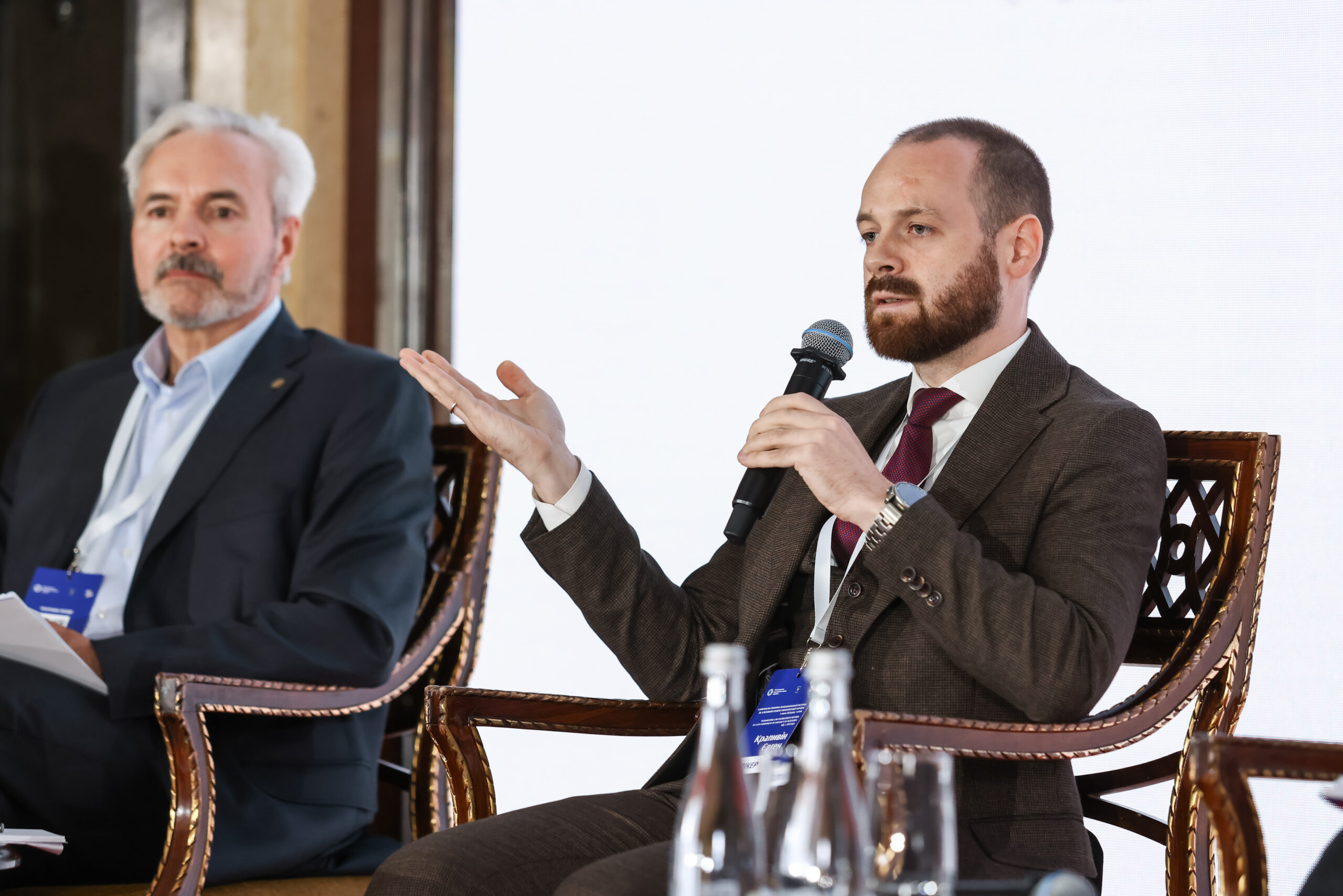
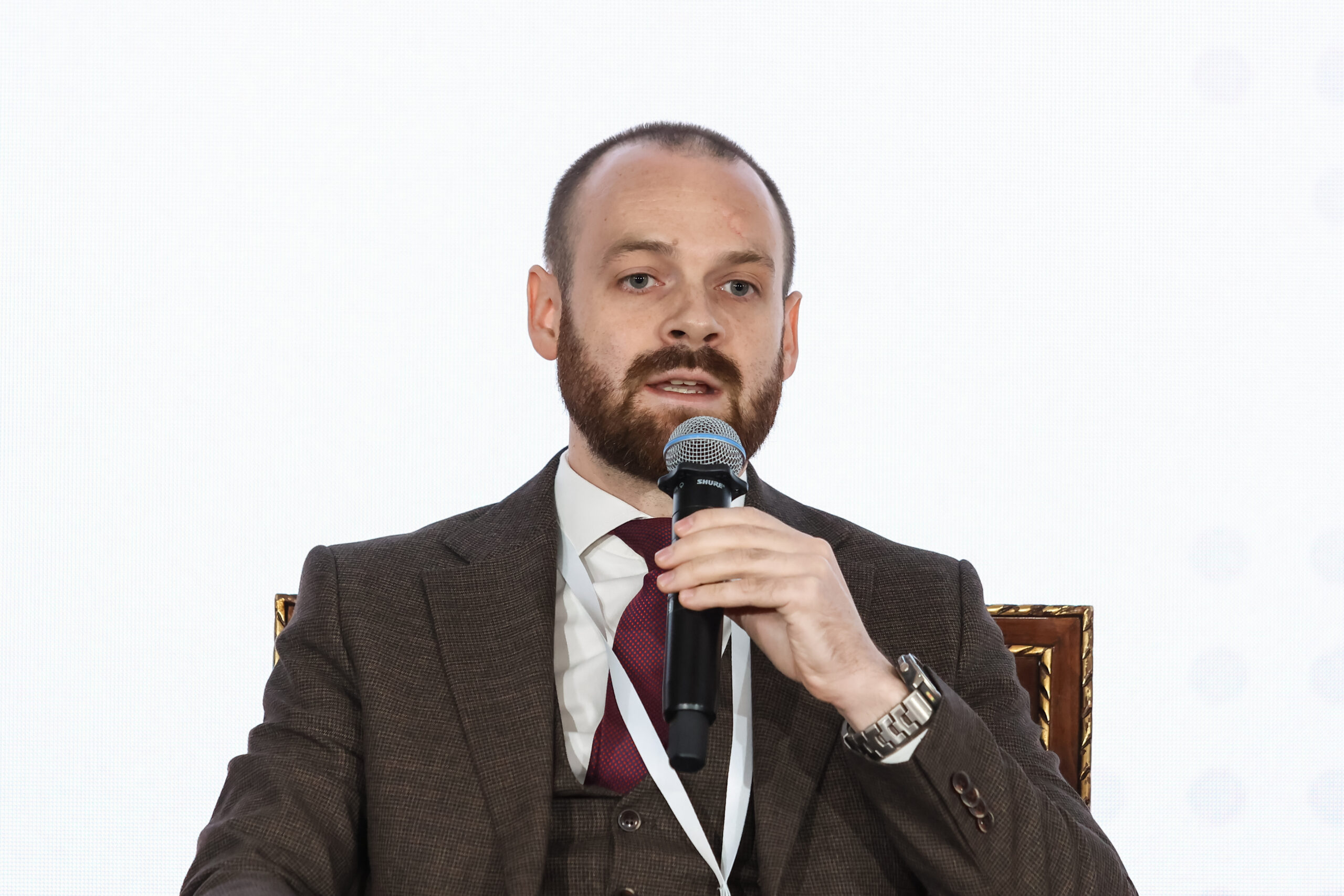
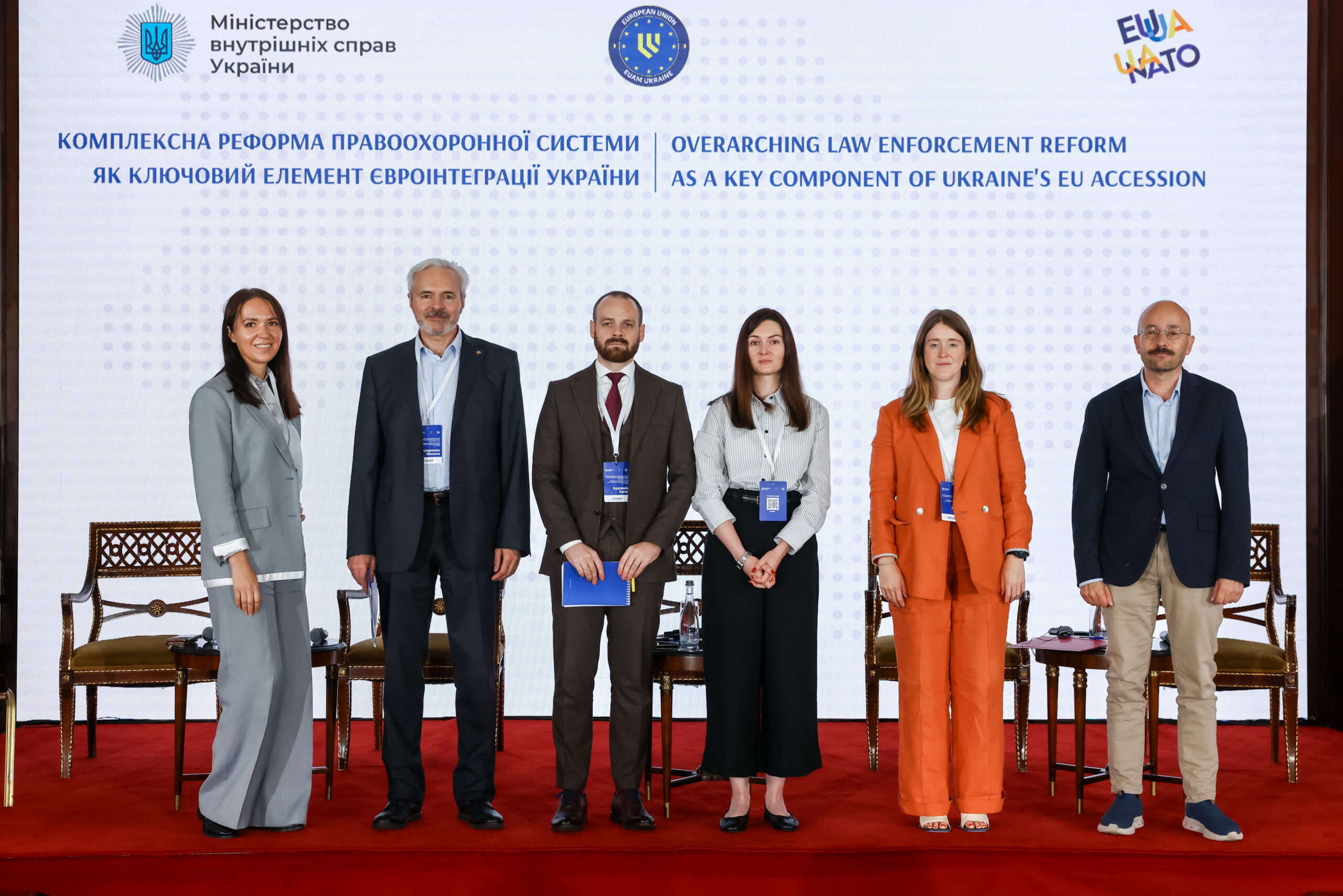
Yevhen Krapyvin additionally mentioned that two years have passed since the President of Ukraine approved the Comprehensive Strategic Plan, and almost a year since the Government approved the Action Plan. In fact, over this time, we can attempt to weigh the progress of its implementation. However, given the measures’ complex structure and multi-level nature, a separate implementation mechanism should exist. To this end, a two-tiered Coordination Council is to be established shortly to oversee the assessment of the Action Plan.
Not by Quorum Alone: What the Constitutional Court Still Lacks for Effective Work
On the eve of Constitution Day, June 27, 2025, President Zelensky appointed Oleksandr Vodiannikov as a judge of the Constitutional Court of Ukraine (CCU). This was the first appointment to the CCU since September 2024 and the third under the new procedure — an open competition conducted by the Advisory Group of Experts (AGE), which consists of three Ukrainian and three international legal experts. The public and thorough selection process for the CCU, which excluded questionable candidates, confirms the effectiveness of competition commissions with foreign experts involved.
On July 3, 2025, Oleksandr Vodiannikov solemnly took the oath, formally restoring the quorum in the Grand Chamber of the Constitutional Court of Ukraine (CCU), which had been lost since the end of January 2025.
Undoubtedly, the appointment of a new judge to the CCU is a step in the right direction. However, unfortunately, it does not resolve all the problems that directly affect the institutional capacity of the Constitutional Court of Ukraine.
Quorum is present — decisions are absent
Nominally, from today, the Constitutional Court is fully operational, but its actual effectiveness remains questionable. On paper, the appointment of Oleksandr Vodiannikov looks good: the Court now has 12 judges out of 18. This is enough to hold sessions of the Grand Chamber of the CCU and its two Senates (the Second Senate had been blocked for six months due to a lack of judges). However, to make a full-fledged decision at the level of the Grand Chamber requires at least 10 votes. And this is the main problem, as gathering 10 out of 12 votes is extremely difficult.
This was effectively confirmed by Constitutional Court judge Vasyl Lemak in his Facebook post on June 29, 2025:
‘During the years of large-scale war (since February 2022), the CCU has made 41 substantive decisions. In 30 of these 41 decisions, provisions of the law were declared unconstitutional. Three quarters! Despite the war, the Court managed to do this — defending the Constitution of Ukraine. Even this year, before January 27, 2025, the Court managed to issue three decisions, in two of which the provisions of the laws were declared unconstitutional […]. Show me another Constitutional Court that acts more actively, especially during wartime, implementing the principle of separation of powers and respect for human rights […].’
The number of decisions made is not impressive, but the fact that three-quarters of them recognise existing legal norms as unconstitutional is significant. Thus, a non-functioning Constitutional Court is a blessing for those who would prefer to continue violating the Fundamental Law. A country at war obviously needs a greater number of CCU decisions, especially given that most of them declare laws unconstitutional. Most European democracies face fewer challenges than Ukraine currently does, yet they consider up to 60 cases per year. Therefore, the Constitutional Court of Ukraine still has room to evolve.
It is worth recalling that six positions for Constitutional Court judges remain vacant. As practice shows, even a single appointment takes several months. For example, ranked candidate lists for the CCU were submitted to the Competition Commission under the President and to the Verkhovna Rada Committee on Legal Policy back in February 2025. Since then, only one appointment has been made, despite the fact that there are enough candidates to fill all quotas from both the President and the Parliament.
An old system in a new reality
The next problem is that in 2025, the Constitutional Court continues to operate according to a system from the 1990s: the reporting judge independently gathers votes for “their” decision. This opens the door to internal politicisation and mutual protection, where decisions are made not based on law but according to “who benefits”. Judges themselves lobby for the cases they are interested in, while others remain pending for years. For example, in 2024, the Court functioned with 13–14 judges. Most decisions were made almost unanimously, which is rare given the broad legal discussions and differing opinions among the CCU judges. With the current number of judges, each decision will be even harder to pass or may be blocked altogether due to a lack of votes.
The minimal quorum exacerbates another problem: it creates opportunities to influence judges and puts the independence of the Constitutional Court at risk, making its decisions politically biased. Consequently, this does nothing to build public trust in the CCU. The draft law “On Constitutional Procedure” should partially resolve at least some of these issues. However, since 2020, it has been gathering dust within the Parliament.
Bureaucratic deadlock or irresponsibility
Currently, two judges are to be appointed to the CCU by the Parliament. Is the Verkhovna Rada willing to accept a half-functional Constitutional Court operating under outdated procedures? Since February 2025, the Parliament has not reviewed the candidates for the Constitutional Court recommended by the Advisory Group of Experts. The nuance is that the Committee on Legal Policy cannot reach an agreement with the AGE regarding the provision of candidate documents. It seems rather odd when an advisory body withholds these documents. Delays in appointments harm not only the reputation of the CCU but also the functioning of the entire system of checks and balances.
It is also worth recalling that in 2022, Parliament appointed Olha Sovhyria to the Constitutional Court. She had previously served as the permanent representative of the Verkhovna Rada of Ukraine to the CCU. At that time, MPs ignored the Venice Commission’s recommendations regarding adherence to proper vetting procedures and simultaneously violated the constitutional principle of political neutrality that all Constitutional Court judges must uphold. This appointment, to put it mildly, does not inspire trust in the institution, especially concerning the impartiality and independence of a Constitutional Court judge. Therefore, once the Court is fully staffed, Olha Sovhyria should undergo a thorough review to dispel doubts about her professionalism and integrity — both within Ukrainian society and among international partners. The Agency for Legislative Initiatives and other civic organisations have repeatedly raised this issue. This will, of course, require targeted amendments to the law on the Constitutional Court, but there has been no movement in this direction from the Verkhovna Rada.
Notably, prior to her appointment to the CCU, Olha Sovhyria was a member of Parliament and voted on a number of laws currently under the Court’s consideration. For this reason, she should recuse herself from relevant cases and must not participate in their hearings. As a result, even with a formal quorum of 12 judges, the review of some cases may be effectively “on hold” until new judges are appointed if Olha Sovhyria or others file recusals.
A full and truly effective operation of the Constitutional Court of Ukraine is possible not only with a complete composition of the Court but also through the implementation of systemic reforms. It is necessary to update internal procedures and strengthen institutional guarantees. The Parliament, as one of the key actors in this process, must finally move from passive observation to active engagement — fulfilling its duties regarding transparent appointments and the expected legislative changes.
The Constitutional Court itself also faces numerous challenges — above all, the public expects systemic approaches to its work and overcoming the backlog of longstanding unresolved cases, especially those pending for five or more years. A priority must also be the expedited consideration of all constitutional submissions, petitions, and complaints within a six-month timeframe. Delays in constitutional proceedings prevent the Court from timely responding to institutional conflicts, which negatively affect the effectiveness of the entire system of checks and balances, and most importantly — the protection of citizens’ constitutional rights and freedoms.
The implementation of a modern organisational structure within the Constitutional Court, full digitalisation of all processes, staff renewal, and adequate funding will also contribute to resolving these issues.
To enhance the authority of the Constitutional Court in society, it is also necessary to establish effective communication, through which the Court clearly explains its decisions. Only comprehensive reforms will lead to greater independence and efficiency of the Constitutional Court and enable it to make decisions deserving of trust — both within Ukraine and beyond its borders.
Reform of the Secretariat of the Verkhovna Rada of Ukraine: Parliamentary or Public Administration Reform?
The Public Administration Reform Strategy for 2022–2025, although aimed at reforming the entire system of professional and politically neutral public service focused on protecting citizens’ interests, excludes from its scope the reform of the civil service within the Secretariat of the Verkhovna Rada of Ukraine. This is explained, in part, by the fact that parliamentary service reform is most often explicitly viewed as part of parliamentary reform rather than as a component of public administration or civil service reform. However, such an assumption is unlikely to be justified. The implementation of public administration reform should be carried out in accordance with the European Principles of Public Administration, developed by the OECD/SIGMA, which state that these principles also apply to parliaments and other independent constitutional bodies, with due respect for their constitutional independence and specific functional characteristics.
The Verkhovna Rada of Ukraine is the sole legislative body, which, in turn, determines the specific features of the functioning of the Secretariat of the Verkhovna Rada. This body performs a wide range of tasks — from financial and logistical support to scientific, expert, and analytical assistance to the work of Parliament. The Secretariat operates in an environment characterised by a plurality of political positions and a high level of politicisation in the decision-making process. For an institution that provides support, consultation, and daily services to the Parliament and its members, it is essential to have mechanisms in place that ensure Members of Parliament receive impartial assistance in exercising their powers, while staff are protected from potential abuses of status by MPs.
Among such abuses are the registration of many low-quality draft laws and the formal compliance with explanatory note requirements, or the practice of adopting draft laws ‘on the same day’This refers to draft laws that are registered and passed on the same day or the next day.. In the first case, the responsible structural units do not have the authority to refuse registration of draft laws and supporting documents that do not meet the requirements of the Rules of Procedure of the Verkhovna Rada, which in turn contributes to the phenomenon of ‘legislative spam’. In the second case, units responsible for conducting legal and analytical assessments of draft laws and other acts are only able to provide a superficial evaluation of the consequences of their adoption and their consistency with existing legislation. For example, during the 12th session, in the case of 45 draft laws (60% of the draft laws adopted in the second reading), the deadline for Members of Parliament to review the relevant conclusions before their consideration in the plenary session was violated.
Particularly vulnerable in this context are, for example, the committee secretariats, as they are subject to dual subordination: to the Head of the Secretariat of the Verkhovna Rada and to the respective parliamentary committee. While this situation is not unique to committee secretariats in UkraineFor example, in the Estonian parliament, the head of the committee’s secretariat reports to the head of the Parliamentary Office and the committee chair on matters directly related to advising and servicing the committee’s work., parliamentary civil servants are constantly forced to balance the need to comply with the Rules of Procedure against political pressure from interest groups that use administrative leverage to ‘bypass’ certain parliamentary procedures.
In addition to the protection of the Secretariat staff from political pressure exerted by parliamentarians (or groups of parliamentarians, such as party factions or committees), another important dimension of the Secretariat’s ‘independence’ is its independence from the executive branch of power — i.e., administrative autonomy. This may include such components as: the existence of a separate legal framework with clearly defined powers; freedom in organising its internal structure; an independent mechanism for hiring parliamentary civil servants, including the appointment of the head of the parliamentary service; autonomy in budget formation; and transparency and accountability to Parliament rather than to the executive branch, among others.
Staff of the Secretariat of the Verkhovna Rada represent a relatively small portion of all civil servants in Ukraine, especially when compared to those employed in ministries and other central executive bodies. Nevertheless, their work in supporting the functioning of the sole legislative body is regulated only in a fragmented manner. The Law of Ukraine ‘On Civil Service’ stipulates that the procedures for entry into, progression through, and termination of civil service within the Secretariat of the Verkhovna Rada are governed by this law, taking into account the specifics defined by special legislation. For instance, the Rules of Procedure of the Verkhovna Rada of Ukraine set out specific provisions only for the appointment and dismissal of a single individual — the Head of the Secretariat of the Verkhovna Rada. Similarly, the Law of Ukraine ‘On Committees of the Verkhovna Rada of Ukraine’ establishes procedures for appointing and dismissing the heads of committee secretariats by order of the Chairman of the Verkhovna Rada, based on a proposal by the relevant committee and in agreement with the Head of the Secretariat.
The Chairman of the Verkhovna Rada has approved the Regulation on the Secretariat of the Verkhovna Rada of Ukraine. However, this regulation does not outline the specifics of parliamentary service either. It merely stipulates that the procedure for recruitment, hiring, transfer, application of disciplinary measures, and dismissal within the Secretariat is determined by the Chairman of the Verkhovna Rada.
Both the Rules of Procedure and the Regulation on the Secretariat of the Verkhovna Rada primarily define the operational areas of the Secretariat across various domains, rather than setting out the actual conditions for civil service within it.
State of Play and Reform Progress
To ensure the independence and administrative autonomy of the Secretariat of the Verkhovna Rada, it is essential to establish a legal framework that does not necessarily require a separate regulatory regime for parliamentary civil servants, but which nonetheless protects staff of the Secretariat from potential external influence.
Draft Law of Ukraine No. 4530 'On Parliamentary Service'
In December 2020, the Draft Law No. 4530 ‘On Parliamentary Service’ was registered in Parliament. The authors of the draft law noted that the existing Law of Ukraine ‘On Civil Service’, which is primarily aimed at regulating the work of civil servants within executive bodies, is insufficient for addressing the specific conditions and nature of civil service in Parliament. In January 2021, Draft Law No. 4530 was adopted at first reading, and the lead committeeThe lead committee is the Verkhovna Rada Committee on Organisation of State Power, Local Self-Government, Regional Development and Urban Planning. was instructed to prepare it for a second reading.
The draft law outlines three categories of parliamentary staff:
- parliamentary civil servants;
- employees of the parliamentary patronage service;
- parliamentary staff performing service-related functions.
The draft law clarifies the principle of political impartiality, stating that parliamentary civil servants must ensure equal treatment of every Member of Parliament of Ukraine, their assistant-consultants, staff of parliamentary faction (group) secretariats, and other employees of the parliamentary patronage service.
The draft law provides for:
- setting requirements for candidates seeking parliamentary civil service positions;
- conducting competitions for Category ‘A’ positions (first deputies and deputies of the Head of the Secretariat) not by the High Civil Service Commission established by the Cabinet of Ministers of Ukraine, but by a Commission for the Selection of Parliamentary Civil Servants of Category ‘A’ directly formed by the Head of the Secretariat;
- streamlining the regulation of parliamentary civil servants’ career progression: the Head of the Secretariat is tasked with approving the Procedure for the Advancement of Parliamentary Civil Servants, the Procedure for Evaluating Performance Results, and the Procedure for Internships for young professionals;
- establishing a Disciplinary Commission by the Head of the Verkhovna Rada to conduct disciplinary proceedings aimed at determining the presence and degree of guilt, nature, and severity of disciplinary offences committed by parliamentary civil servants holding Category ‘A’ positions, among other responsibilities.
The mentioned provisions only partially address the issue of dependence on the executive branch by granting the Head of the Verkhovna Rada Secretariat significant powers regarding the organisation of service within the Secretariat. At the same time, the problem of dual influence on committee secretariats is not only unresolved but even exacerbated: the draft law proposes that the results of performance evaluations of committee secretariat staff should be approved by the committee chair. This may seem logical, as the Secretariat’s work is meant to satisfy the committee itself. However, it creates conditions for undue influence over employees, mainly since the evaluation results determine the payment of an annual bonus. The opinions of committee members and chairs should be advisory and used to improve interaction between the Secretariat and the committee, but should not directly affect the evaluation of individual employees.
Among other things, to harmonise with the relevant law, the Personnel Management Department is replaced by a Personnel Management Service, which, in addition to the tasks and functions stipulated by the Law of Ukraine ‘On Civil Service’, will undertake:
- the development of standard professional competency requirements for parliamentary civil servants holding Category ‘A’ parliamentary civil service positions;
- the development of a list of test questions for conducting competitions for parliamentary civil service positions;
- personnel support for Members of Parliament of Ukraine;
- preparation of legally mandated materials concerning individuals elected or appointed to positions, and the granting of consent for appointments within the jurisdiction of the Verkhovna Rada of Ukraine.
However, this draft law does not create a new type of public service — the ‘parliamentary’ service — but merely establishes certain specific features of the work of civil servants within the Verkhovna Rada of Ukraine. The law is aimed more at regulating the parliamentary civil service rather than the parliamentary service as a whole.
After its adoption at first reading, Draft Law No. 4530 has not been brought toAccording to First Deputy Chairperson of the Verkhovna Rada of Ukraine O. Kornienko, the draft law on parliamentary service was ready for consideration in the second reading already in October 2021. a vote at the second reading for four years. This delay indicates that for the majority of Members of Parliament, the draft law is not among the priority issues requiring consideration in the plenary session. Furthermore, should it be brought back to the Verkhovna Rada’s agenda, it will be necessary to assess the draft law’s compliance with the EU acquis (the parliamentary committee on European integration had raised concerns about its content already at the first reading), as well as to determine its place within the ongoing public administration reform.
Recommendation No. 39 of the Needs Assessment Mission to the Verkhovna Rada of Ukraine
The legislative establishment of a separate parliamentary civil service is one of many recommendations aimed at internal reform and strengthening the institutional capacity of the Verkhovna Rada of Ukraine. Some of these recommendations focus on enhancing the administrative capacity of the Verkhovna Rada and thereby reforming public administration within Parliament.
One recommendation (Recommendation No. 36) suggests consolidating the entire regulatory framework governing the work of the Verkhovna Rada’s Secretariat into a single internal regulation on staffing. This has not been achieved at the institutional level — apart from the aforementioned Regulations on the Secretariat of the Verkhovna Rada, other regulations govern the work of individual structural units, such as the Regulations on the Secretariat of the Verkhovna Rada Committee, and the Regulations on the Secretariat of a Parliamentary Faction (or Group) within the Verkhovna Rada. Additionally, recommendations relating to the regulation of the work of parliamentary assistants-consultants have not been implemented at all. This issue is also not addressed by Draft Law No. 4530.
At the same time, the Secretariat has implemented another recommendation (Recommendation No. 39) concerning the elaboration of a comprehensive human resources development strategy of the Verkhovna Rada of Ukraine.
Adopted in 2019, the Strategy for Building the Personnel Potential of the Verkhovna Rada Secretariat until 2022 is aimed at optimising, preserving, strengthening, and developing the personnel capacity of the Secretariat. This capacity should be competent and responsible in fulfilling its tasks and functions, and timely and effectively support innovative processes aimed at the efficient execution of the powers of the Verkhovna Rada of Ukraine. One of the primary objectives set by this Strategy was to align the main directions of personnel work within the Secretariat with the goals of the public administration reform, particularly in terms of the ability to analyse, develop, implement, timely adopt, and adjust management decisions. Another objective was to define, in legislation regulating the activities of the Verkhovna Rada of Ukraine and its Secretariat, the status of the Secretariat’s employees, as well as the specifics of entry, tenure (including professional training), and termination of civil service, patronage services, and other staff. Measures implemented within the Strategy included conducting a functional review of the Verkhovna Rada’s Secretariat, carrying out a gender audit, developing an online training platform for the Verkhovna Rada’s Secretariat, adopting methodological recommendations on the development of corporate culture within the Secretariat, and adopting other documents related to the system for improving professional competence and performance evaluation.
Remuneration of Parliamentary Civil Servants
For a long time, parliamentary civil servants remained excluded from the reform of the civil service remuneration system based on job classification. The main measure of the remuneration reform was the establishment of the fixed and variable components of salaries according to a ’70/30′ formula. The reform commenced in January 2024 pursuant to the Law of Ukraine ‘On the State Budget of Ukraine for 2024’. However, Clause 22 of the Final Provisions of this Law introduced an exception for civil servants in the Secretariat of the legislative body. Thus, without a conducted job classification, they retained the possibility to receive incentive payments based on decisions by the head of the civil service. At the same time, the size of the wage fund was to be no less than that provided for in 2023.
The Law of Ukraine ‘On the State Budget for 2025’ established that until the first job classification is carried out for civil servants in state bodies that did not conduct a job classification in 2024, the remuneration conditions set for 2024 will remain in effect, but no later than 1 April 2025. Such bodies include the Secretariat of the Verkhovna Rada. Job classification in this office is to be conducted in accordance with the catalogue of civil service positions in the Secretariat of the legislative body, approved by the Chairman of the Verkhovna Rada of Ukraine upon submission by the Head of the Secretariat of the Verkhovna Rada. On 11 April 2025, the Government adopted a resolution establishing the scheme of official salaries for civil service positions, taking into account job families and levels of positions in the Secretariat of the legislative body, effective from 1 April 2025. This resolution also determined that the Chairman of the Verkhovna Rada approves the catalogue of typical civil service positions in the Secretariat of the legislative body.
On 11 March 2025, the Verkhovna Rada adopted the Law of Ukraine ‘On Amendments to Certain Laws of Ukraine Regarding the Implementation of Unified Approaches to the Remuneration of Civil Servants Based on Job Classification’, which aims to introduce unified approaches to civil servants’ remuneration based on job classification. The law establishesThe Cabinet of Ministers of Ukraine issued Resolution No. 369 dated 1 April 2025 “Certain Issues of Classification of Civil Service Positions”, which comes into force simultaneously with the Law of Ukraine No. 4282-IX dated 11 March 2025 ‘On Amendments to Certain Laws of Ukraine on the Implementation of Unified Approaches to Remuneration of Civil Servants Based on Position Classification’ (Draft Law No. 8222). that in 2025, the classification of civil service positions shall be carried out in accordance with the Algorithm for Conducting Job Classification of Civil Service Positions under Martial Law, which is to be approved by the Cabinet of Ministers of Ukraine.
Another adopted draft law, No. 9478, stipulates that the National Agency of Ukraine on Civil Service does not approve job classifications conducted by certain bodies, including the Secretariat of the Verkhovna Rada. This draft law is currently awaiting the President’s signature.
The Draft Law No. 4530 ‘On Parliamentary Service’, regarding remuneration, refers to the Law of Ukraine ‘On Civil Service’, although it establishes certain particularities. For example, the salary for civil servants of the Secretariat of the Verkhovna Rada cannot be lower than the salary of civil servants in the permanent auxiliary body that supports the exercise of the powers of the President of Ukraine (considering the notes to the salary scale determined by the Cabinet of Ministers of Ukraine). However, unlike other civil servants, the draft law allows parliamentary civil servants to receive an additional payment for an academic degree.
Recommendations
In its latest report on Ukraine’s progress within the 2024 Enlargement Package, the European Commission noted that the public administration reform strategy requires more effective implementation, particularly regarding the broader application of the remuneration system across the entire civil service.
The reform of the parliamentary civil service is proceeding in an unsystematic and inconsistent manner, disconnected from the overall civil service reform. For instance, the Strategy for Building the Personnel Potential of the Verkhovna Rada Secretariat was designed only for the period up to 2022, and the lack of reporting on the measures implemented prevents a comprehensive assessment of its outcomes. Nevertheless, it provided impetus for planning human resources policies and actively undertaking initiatives to develop the human resources capacity of the Secretariat of the Verkhovna Rada. Adoption of a new Strategy for Building the Personnel Potential as a programme document aimed at strengthening the human resources of the Secretariat would be appropriate.
It is also worth continuing the discussion on the distinction between the parliamentary civil service and the civil service in general, particularly through the renewed consideration of Draft Law No. 4530. This discussion is especially important in the context of the adoption of the Law of Ukraine ‘On Lawmaking’, which defines the actors responsible for supporting the lawmaking process (which undoubtedly includes the Secretariat of the Verkhovna Rada) as participants in lawmaking activities and assigns them certain powers, such as conducting mandatory expert reviews of draft legal acts. Ensuring the lawmaking process will require strengthening the analytical human resources capacity and enhancing the administrative capability of the Secretariat of the Verkhovna Rada, starting with the regulation of the status of parliamentary civil servants by developing robust mechanisms aimed at ensuring their independence and impartiality.
This publication has been prepared within the framework of the ‘Improvement of Governance in Ukraine: Enhancing Policy Making for Social Progress’ Project with the support of Switzerland. The content of this publication is the sole responsibility of the NGO ‘Agency for Legislative Initiatives’. The opinion of the authors does not necessarily reflect the views of the donor.
On the Issue of Anti-Corruption Justice: ALI Joins the VIII Kyiv Polylogue
The discussion focused on challenges in the adjudication of criminal offences related to corruption, particularly regarding legislative support and enforcement practices, as well as addressing the abuse of procedural rights by parties to criminal proceedings.
One of the thematic discussions of the Kyiv Polylogue — dedicated to ensuring the right to a fair trial in criminal proceedings — was moderated by Yevhen Krapyvin, Head of the “Law and Order” Area at the Agency for Legislative Initiatives.
The need to counter the abuse of procedural rights has been widely acknowledged within the professional community for some time. Back in 2017, this legal concept was introduced into the Commercial Procedural Code of Ukraine, the Civil Procedural Code of Ukraine, and the Code of Administrative Procedure of Ukraine — yet it still remains absent in criminal proceedings. Of course, there are differing views on whether this should be considered a general principle of law or a sector-specific one; on which actions should be classified as abusive and which should not; and on what types of sanctions ought to be applied in response. However, all participants in the legal process agree on one fundamental point — such abuses do exist, and this kind of bad-faith behaviour must result in procedural, disciplinary, or even financial consequences.
At the same time, criminal proceedings are often plagued by practices such as so-called “scattergun” motions aimed at having cases heard by a “favourable” judge; unjustified absences of participants; repeated postponements due to constant changes of defence counsel, even when multiple lawyers are already engaged; motions submitted on issues not subject to review at that stage of proceedings; or simply filing motions with identical content. An ALI expert noted that these problems are especially apparent in cases before the High Anti-Corruption Court of Ukraine, where the defence side often has the most resources at its disposal. However, abuse of procedural rights is not solely a defence issue — it also concerns prosecutors.
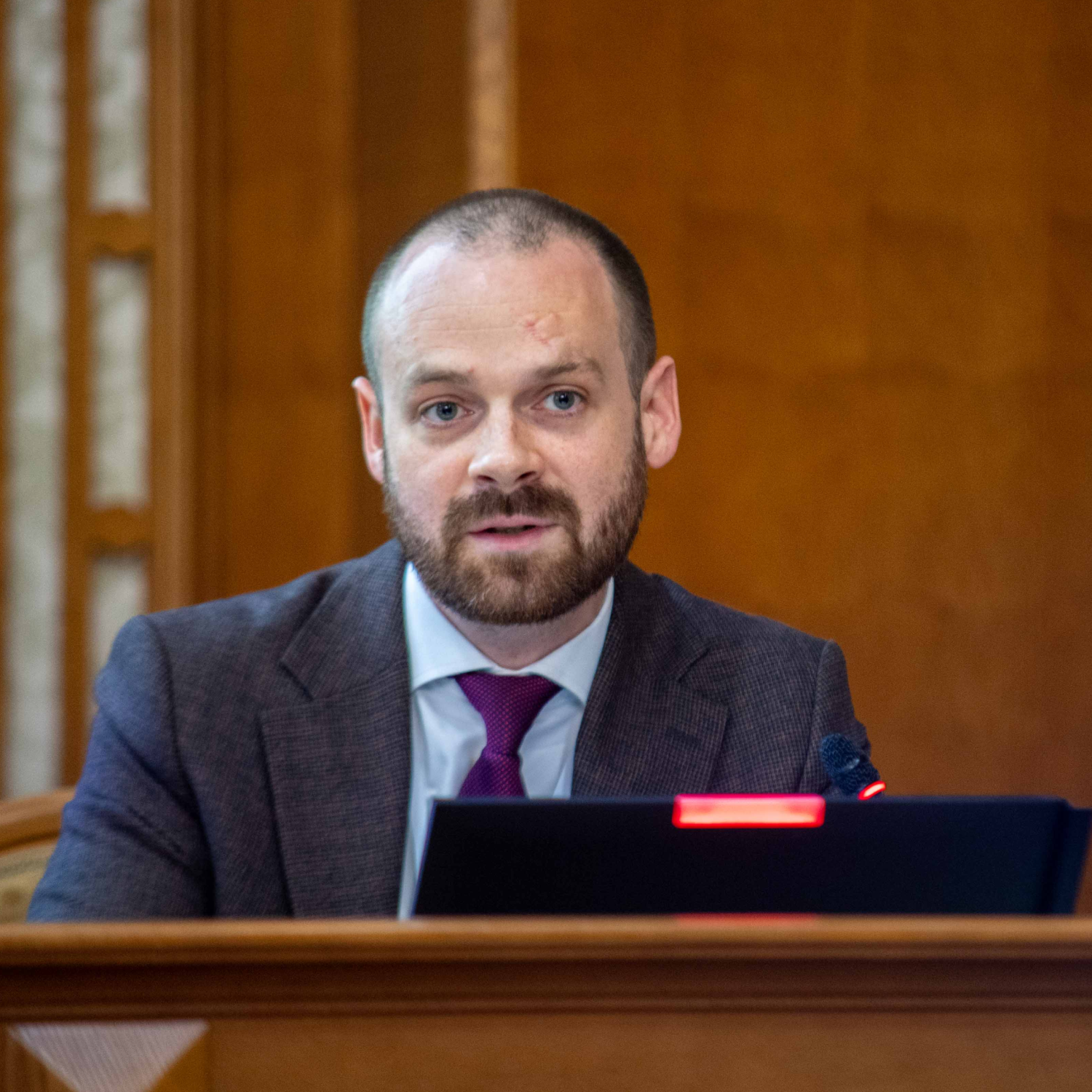
Yevhen Krapyvin emphasised that the format of the polylogue demonstrates support for such a step from various participants in the criminal justice process, as these discussions encompass the views of judges, prosecutors, representatives of the legislative branch, as well as the legal and academic communities. A consolidated position should serve as a catalyst for important decisions to be made by the Government and Parliament.
Human Rights Reforms: ALI Joins Human Rights Dialogue
The event focused on the need to improve human rights mechanisms in Ukraine, the impact of European Court of Human Rights (ECHR) rulings against Ukraine on the EU’s reform expectations, the government’s readiness to implement those rulings, and the role civil society can and must play in ensuring accountability in this process.
ALI contributed to the panel discussion titled “When Will Detentions Become European?” — a critical topic given that unlawful detention remains a serious issue in Ukraine. Over the past 18 months alone, the ECHR has ordered Ukraine to pay over €1.4 million in compensation for violations of Article 5 of the European Convention on Human Rights (ECHR) — the right to liberty and security.
Yevhen Krapyvin noted that in just the first quarter of this year, the ECHR issued 17 rulings under Article 5, accounting for a third of all rulings. Key, recurring violations include: deprivation of liberty without a court order; detention orders lacking specified time limits; court rulings authorising pre-trial detention without proper justification; delays in releasing individuals from custody after court decisions; delays in drawing up arrest protocols; detention without legal basis prior to judicial review, etc.
So, what’s the core problem? While the Criminal Procedure Code of Ukraine formally regulates the procedures for detention, application of preventive measures, and their extension, systemic issues persist in practice.
Separately, Yevhen noted the Custody Records system Custody Records systemA system of electronic recording of all actions taken with detained persons., which has been expanding significantly in recent years. However, it does not cover all the “grey zones” where investigative and operational units may attempt to extract information in an extralegal manner for further use. Such practices are often accompanied by isolation from legal assistance, failure to notify relatives, psychological pressure, and improper treatment. The system has been actively implemented in the National Police for over five years, yet there is still a lack of a comprehensive assessment of its effectiveness and overall impact on the problem. Therefore, conducting such an evaluation should be a priority for experts in this field — especially since this issue is increasingly raised in the context of European integration.
Undoubtedly, to achieve tangible progress in all aspects related to human rights, it is essential to comprehensively improve the mechanisms of the rule of law and law enforcement in Ukraine. Supporting and providing expert assistance to state institutions on this path is one of the core missions of the Agency, which is precisely why we have begun to engage more deeply with issues related to the prosecution service and public order.
High Qualification Commission of Judges: Between Competitions and Criminal Cases
The High Qualification Commission of Judges of Ukraine (HQCJ) — the main judicial body responsible for appointments — has now been working in its new composition for two years (half its term).
At present, it is conducting several important personnel procedures simultaneously: a competition for 550 vacant positions in appellate courts; selection for 1,800 positions in local courts; and a competition for 25 judicial positions in the High Anti-Corruption Court — in which, on the first attempt, only two winners were selected.
Two more competitions are approaching for new higher administrative courts that will hear cases against central executive authorities (replacing the now-defunct DACK).
Equally important is the qualification assessment of sitting judges to determine their fitness to remain in office. Yet in a year and a half, just over 300 out of 1,800 judges (20%) have undergone this assessment.
However, the Commission’s new composition has been plagued by various challenges and scandals throughout its term. In March of last year, HQCJ Head Roman Ihnatov resigned. While in March–April of this year, searches were carried out both at HQCJ’s premises and at the homes of some of its members.
HQCJ members called this pressure from the State Bureau of Investigation (SBI) and appealed to the High Council of Justice (HCJ) to protect their independence.
Will criminal proceedings hinder the successful completion of the qualification assessment of current judges and the selection of new ones? Who is trying to destabilise the process — and why? Most importantly, what has the HQCJ actually achieved over these two years? This article attempts to unpack the situation.
Competition for Appellate Courts
In May 2025, the HQCJ began interviews with candidates for positions in the appellate courts. It took one year and eight months for the HQCJ and the candidates to reach this stage — and Ukraine had to wait a full 11 years. The last appointments of new appellate judges took place back in the Yanukovych era without any open competitions or integrity checks.
An attempt to launch a competition for appellate courts was made in 2019. However, following the dissolution of the previous HQCJ by Parliament, this and other staffing processes were put on hold for four long years.
The result is not just a staffing shortage in the appellate courts — it’s a full-blown collapse. Of the 1,357 judicial positions in the appellate courts, 768 (56.6%) are vacant. For instance, in Sumy, only four judges are currently in office, while the competition is being held for 21 positions.
Over the past year and a half, candidates for the appellate courts have passed exams on legal knowledge and their chosen specialisation, undergone cognitive ability testing and completed a practical written task. For comparison, competitions for the Supreme Court in 2017–2019 took nine and seven months, respectively — and involved fewer vacancies.
This is not an example of slow work by the current HQCJ composition but rather the result of unsuccessful political decisions that halted all qualification procedures in the judiciary for nearly four years. Naturally, this is a story that must never be repeated: halting any institution without transferring its functions to another is a failure of state policy, poor governance, and ultimately harms the population — in this case, severely restricting citizens’ access to justice for years to come. The decision to dissolve the HQCJ in 2019 will only be rectified by 2027 (optimistic forecast) or even 2029 (pessimistic).
Currently, candidates for the appellate courts include judges, academics, and advocates. Of the 2,076 applicants, 41% have progressed to the interview stage.
During the interviews, candidates are assessed against criteria of integrity, professional ethics, and personal and social competencies. They are questioned about assets, trips to Russia, rulings made during the Revolution of Dignity, citations of Russian sources in dissertations, plagiarism, and so forth.
Within two weeks, five of the sixteen candidates interviewed were eliminated. Of the remaining eleven, nine received a negative opinion from the Public Integrity Council. This means their candidacies must be reviewed and confirmed by the HQCJ plenary (15 members), as interviews for candidates to administrative and commercial appellate courts are conducted by chambers (seven to eight members), while those for general courts are conducted by collegiums (three members).
This is quite an unusual situation, as it concerns a single competition. The inconsistency of approaches within the same competition is a serious mistake on the part of the HQCJ, which could lead to parts of the Commission’s decisions being overturned in court. The order in which interviews are conducted is equally problematic, since the most acute shortage of judges is in the general appellate courts — yet they were not prioritised.
There are also differences in how the court assignments for successful candidates are determined. Candidates for the general appellate courts immediately choose the court to which they are applying and are interviewed specifically for “their” court. By contrast, candidates for the appellate administrative and commercial courts first receive a score and ranking, and only then select a court in turn according to their place in the ranking.
There is no logical explanation for applying different approaches within the same competition.
However, this is not the first serious mistake by the HQCJ. The first was the failed competition for the High Anti-Corruption Court.
Competition for the High Anti-Corruption Court (HACC)
Unlike the competition for the appellate courts, where at the outset, there were about four candidates per vacant post, the competition for the HACC had 10.5 candidates per vacancy. However, in the end, only two winners were selected for the first instance, and no candidates succeeded in the competition for the HACC’s Appeals Chamber.
Why did this happen?
Primarily because candidates took cognitive tests that were not adapted for judicial competitions while facing an exceptionally high passing threshold of 75%, established by legislation based on proposals from certain international technical assistance (ITA) projects. At the same time, no relevant examples were provided from other countries where such tests had been used to screen judicial candidates.
Moreover, even those who passed the cognitive ability tests failed to correctly solve the practical task — delivering a judicial decision in a criminal case. Some members of the HQCJ, speaking anonymously, explained that the requirements for the practical assignment for the HACC Appeals Chamber were so high that “no one could have managed it”. When logically asked why such a high bar was set, the response was that the task had been developed by external experts engaged by specific ITA projects. The result: a failed competition, missed deadlines for Ukraine’s commitments under the Ukraine Facility and IMF Memoranda, an understaffed HACC, prolonged consideration of high-profile corruption cases, and the necessity to start the competition from scratch.
Last week, Parliament allowed candidates who were unsuccessful in the first competition for the HACC to reapply now, whereas previously, the law only permitted them to do so after a year. This draft law now awaits the president’s signature.
Under favourable circumstances, the HACC will see new judges only in 2026. And even if all 25 vacancies are eventually filled, it will be a Pyrrhic victory — one that could have been avoided if the HQCJ had managed to strike a better balance between the demands of certain donors and the interests of the judiciary. After all, it is the HQCJ’s responsibility to ensure that Ukrainian courts have judges.
Selection for Local Courts
Another major qualification procedure is the selection of 1,800 local court judge positions, which attracted over 9,000 applicants. Ukraine has never undertaken a staffing project of this scale before. The previous selection in 2017 was for 700 positions, with more than 5,000 applicants. Those successful candidates from that round joined the ranks of local court judges last year, preventing a collapse at the first instance level.
However, large-scale projects like this have a significant drawback — time. Last year, the Commission spent approximately four months conducting 430 interviews, averaging about 100 candidates per month.
For 1,800 interviews, it may take a year and a half. Adding ongoing parallel competitions for appellate and higher specialised courts, the process could take even longer.
Does Ukraine have that much time? The question is rhetorical. So, what can be done?
The fact is the HQCJ is primarily a qualification commission.
The legislator has established that for the selection of judges to the first instance courts, a qualification exam is conducted, followed by an interview on integrity with the competition winners. At the same time, for the selection of judges to appellate courts, higher specialised courts, and the Supreme Court, a different procedure is applied — qualification assessment, where candidates’ knowledge is first tested, then their integrity and ethics are checked, and only after that is the candidate’s status as a competition winner decided.
Meanwhile, the body responsible for forming a professional and ethical judicial corps is not the HQCJ but the High Council of Justice (HCJ). Therefore, it would be logical to transfer the function of conducting integrity interviews with candidates for local courts from the HQCJ to the HCJ, as this is precisely its authority.
This would, first of all, save at least a year (more likely a year and a half), but most importantly — align the functions of the two bodies with their legal nature and help avoid duplication, which is obviously important if Ukraine aims to move towards the EU quickly and efficiently. This is especially crucial in situations where these bodies operate with incomplete membership, often barely meeting quorum, and are also subject to interference from law enforcement agencies — whether lawful or not, that remains to be examined.
Searches and Suspicions
The morning of March 11 began at the HQCJ premises with searches. As later reported by the HQCJ, this investigative action was carried out based on a ruling by the Pechersky District Court of Kyiv dated March 10, within the framework of a criminal proceeding registered on July 25, 2024, under Part 1 of Article 376-1 of the Criminal Code of Ukraine (illegal interference with the operation of automated systems in judicial bodies and institutions). This case dates back to last summer, when, during testing as part of the qualification assessment of judges for compliance with their position, the automated system malfunctioned and incorrectly generated sets of test questions. A crime report on this matter was then filed by some judges of the notorious DACK, who, let me remind, have been sabotaging the qualification assessment since 2018.
Why were searches related to the “malfunction” case from July only conducted in March of the following year?
That same week, the State Bureau of Investigations (SBI) conducted searches at the home of the Deputy Head of the HQCJ, Oleksii Omelyan. However, this was in a different case unrelated to the Commission’s work — deception of the court or another authorised body (Article 384 of the CC of Ukraine). Oleksiy Omelyan himself described the SBI’s actions as “unlawful” and appealed to the High Council of Justice (HCJ), reporting interference with the work of an HQCJ member.
The Commission, in turn, appealed to the HCJ with a request to ensure guarantees of independence. At the time this article was prepared, the HCJ had not yet issued a decision on the matter.
The SBI is also conducting a criminal investigation regarding the reinstatement of the initial qualification assessment of Pechersky District Court judge O. Tsarevych (Part 1 of Article 182, Part 3 of Article 382 of the CC of Ukraine).
In April 2025, the NABU and the SAPO announced that HQCJ member Volodymyr Luhansky had been served with a notice of suspicion “for embezzlement of public funds in the amount of over UAH 576,000”. According to the investigation, while serving as a judge, Luhansky used a “Doctor of Philosophy” degree as grounds to receive a 15% salary and pension bonus. He obtained this degree in 2011 from the Interregional Academy of Personnel Management (IAPM) in violation of proper procedure since no Ukrainian university at that time had the legal authority to award such a degree. Luhansky’s actions have been qualified under Part 4 of Article 191 of the Criminal Code of Ukraine.
Why, then, has only Luhansky been served with a suspicion so far? After all, he did not issue the diploma to himself — nor did he process the bonus payments on his own.
In June, the High Qualification Commission of Judges (HQCJ) plans to independently assess the actions of Volodymyr Luhansky, which may result in his suspension from office. A similar scenario could unfold in the case of Oleksii Omelian.
This situation poses potentially serious consequences for both the HQCJ and the judiciary as a whole.
Quorum
The matter is that the HQCJ must have at least six judges in its composition to be legally competent. Following the dismissal of Roman Ihnatov, only seven judges remain. If two more are suspended, the Commission will be left with five judges, which would automatically halt its operations under the law.
What is the status of appointing a new HQCJ member?
The Selection Commission has been working for over a year. During this time, it held a competition and submitted two finalists to the HCJ for appointment. However, the HCJ concluded that neither candidate met the standards required of an HQCJ member. This raises the question: where are better-qualified candidates supposed to come from, if this was the quality of the applicant pool?
The Selection Commission has launched a new competition. However, it was soon announced that all USAID projects — including the one providing technical, expert, and financial support to the Commission — would be suspended.
Later, members of the Selection Commission were able to secure alternative funding, which was provided by our Dutch partners (a substantial and invaluable contribution at this stage, for which we owe them sincere gratitude). However, two important nuances remain: first, the funding is channelled through the International Development Law Organization (IDLO), whose experts and contractors are expected to function as the Commission’s secretariat; and second, the term of the Selection Commission expires on June 1. Whether the Commission and its secretariat will have enough time — just two weeks — to review the candidates’ documents (first translating them into English, as half the Commission’s members are international representatives), conduct interviews, and select the winners remains an open question.
We reached out to the Head of the Selection Commission, Ivan Mishchenko, who stated: “At the moment, all Commission members are working around the clock to process the candidates’ documents. We are doing everything possible to meet the June 1 deadline. However, given that the Commission operates under specific rules and procedures, it is essential to strike a balance between those procedures and the compressed timeline so that speed does not come at the expense of the quality of candidates selected as winners of this competition”.
Given the circumstances, it would be reasonable to extend the mandate of the Selection Commission until the current competition is completed (in our estimate — essentially two to three additional weeks). However, this would require a vote in Parliament. And are there enough votes for that?
In truth, the issue is broader: the involvement of international experts is currently limited to the Commission’s first composition. But is Ukraine ready to forgo international experts in selection processes for high judicial positions today? Clearly, it is not. That, however, is a subject for deeper analysis in one of our upcoming pieces.
Instead of a Conclusion
Summing up two years of work by the HQCJ, we can draw seven key conclusions:
- Even the best-designed competition cannot guarantee the absence of future problems with its winners.
- A prolonged suspension of the Commission’s activities resets all selection procedures by years, making it impossible to promptly resolve longstanding systemic issues — even if Commission members and the Secretariat work 24/7.
- All procedures must be logical and consistent: divergent approaches within a single competition, or among similar competitions, can have damaging consequences that could have been avoided through unified rules and procedures.
- Timing matters: duplication, added layers, or repeated procedures are harmful and should only be applied in exceptional cases — not as a norm.
- “Not everything that comes from overseas is gold”. Procedures successful in other countries or sectors may not work within Ukraine’s justice system. Building domestic ownership is essential to Ukraine’s successful path toward EU membership.
- Many actors — directly or indirectly — seek to influence judicial selection procedures. It is doubtful that the wave of criminal investigations is merely coincidental (a topic that also merits future examination). Judicial independence, regrettably, often remains just a principle in law, not in practice.
- Most importantly: despite all challenges, nearly 9,000 legal professionals aspire to become judges. This is the human capital Ukraine must work with in the coming years — to join the EU and to build a strong, independent judiciary. Our collective task is not to waste this potential but to strike the right balance between independence (including adequate funding), accountability, and dignity. After all, only a truly independent and dignified judge can properly balance the scales of justice.
Rule of Law in the EU Enlargement Process: Current Status and Challenges for Ukraine
The first panel discussion focused on the regulation of Ukraine’s integration into the European Union. It also addressed a recently proposed approach that would allow candidate countries to gradually participate in EU institutions, policies, and programmes even before obtaining full membership.
Vsevolod Chentsov, Representative of Ukraine to the European Union and the European Atomic Energy Community, commented on Ukraine’s European integration process:
Olha Stefanishyna, Deputy Prime Minister for European and Euro-Atlantic Integration of Ukraine — Minister of Justice of Ukraine, spoke about mutual strengthening and Ukraine’s readiness for the negotiation process:
Just last week, the Cabinet of Ministers of Ukraine reviewed and approved Reform Roadmaps in the areas of the rule of law, public administration reform, and the functioning of democratic institutions. Representatives of civil society were involved in developing these roadmaps – the Agency for Legislative Initiatives provided expert support in their preparation.
During the discussion panel “The Impact of the Rule of Law in Ukraine”, Karyna Aslanyan, Rule of Law Lead at the Agency for Legislative Initiatives, spoke about the progress and challenges faced by the judiciary on Ukraine’s path toward EU membership. In particular, she reminded the audience that in 2024, a coalition of civil society organisations led by ALI prepared the first Shadow Report under Chapter 23, “Judiciary and Fundamental Rights”. The coalition is now working on the second Shadow Report, which will cover both Chapter 23, “Judiciary and Fundamental Rights,” and Chapter 24 “, Justice, Freedom and Security.”
However, challenges in the area of the rule of law remain substantial: issues with quorum in the High Council of Justice and especially in the Constitutional Court of Ukraine, which has been non-operational since January; the Prosecutor General’s position remains vacant; there are ongoing problems with interference in the activities of judges and members of judicial governance bodies. The issue of uneven workload among judges remains relevant, as does the insufficient funding of the judiciary. Although there has been some positive momentum in the selection of judges for local courts (around 400 new judges were appointed last year), there is still a critical shortage of judges in appellate courts (particularly in criminal specialisation).
What could be the solutions to these problems?
This includes the strategic development of a new judicial map, the unification of procedures for selecting judges and members of judicial governance bodies, and the revision of the model for the functioning of the Public Integrity Council — including ensuring its proper funding and technical support — as well as the gradual reform of judicial education.
It also encompasses the digitalisation of judicial proceedings, including remote hearings in frontline regions, adequate funding for the judiciary, and the immediate appointment of judges to the Constitutional Court of Ukraine.
This panel discussion also featured the participation of Oleksii Omelian, Deputy Head of the HQCJ, and Vitalii Hatseliuk, a member of the HQCJ.
Oleksii Omelian spoke about the current situation and the challenges facing the Commission — namely, the shortage of judicial personnel, outdated material and technical infrastructure, and the consequences of the war. At the same time, he highlighted the ongoing work of the Commission: the completion of competitions for positions in local courts and the High Anti-Corruption Court, the renewal of the composition of the Public Integrity Council and the Public Council of International Experts. In addition, a competition for appellate courts is currently underway, a new competition for the Appeals Chamber of the High Anti-Corruption Court has been announced, and the largest judicial selection process in Ukraine’s history is in progress — the Commission has begun selecting candidates for 1,800 positions in local courts. Over 8,500 individuals have applied for these posts, and nearly 600 current judges have submitted applications for transfer.
Vitalii Hatseliuk emphasised that the HQCJ continues to focus on ensuring functional sustainability, building public trust by involving civil society in the selection processes, and coordinating with international partners. However, he noted that successful implementation of these efforts requires improvements in legislation, optimisation of the processing of personal data for candidates and judges, and an overall strengthening of the Commission’s institutional capacity.
He also stressed the importance of forming resilient institutions grounded in the rule of law.
Thus, it is crucial for Ukraine today to focus on all aspects that support and develop independent and effective judicial institutions — institutions capable not only of consolidating their achievements and results but also of responding to current challenges.