
ALI Embarks on a New Project to Digitalise Ukraine’s Judicial System and the Constitutional Court of Ukraine, Supported by Sweden
The project will be implemented jointly with the following key judicial institutions: the Supreme Court, the High Council of Justice, the High Qualification Commission of Judges of Ukraine and the Constitutional Court of Ukraine. To this end, the project partners signed a Memorandum of Intent on 23 October 2025. On behalf of the Agency for Legislative Initiatives, the Memorandum was signed by Svitlana Matviienko, ALI’s Executive Director.
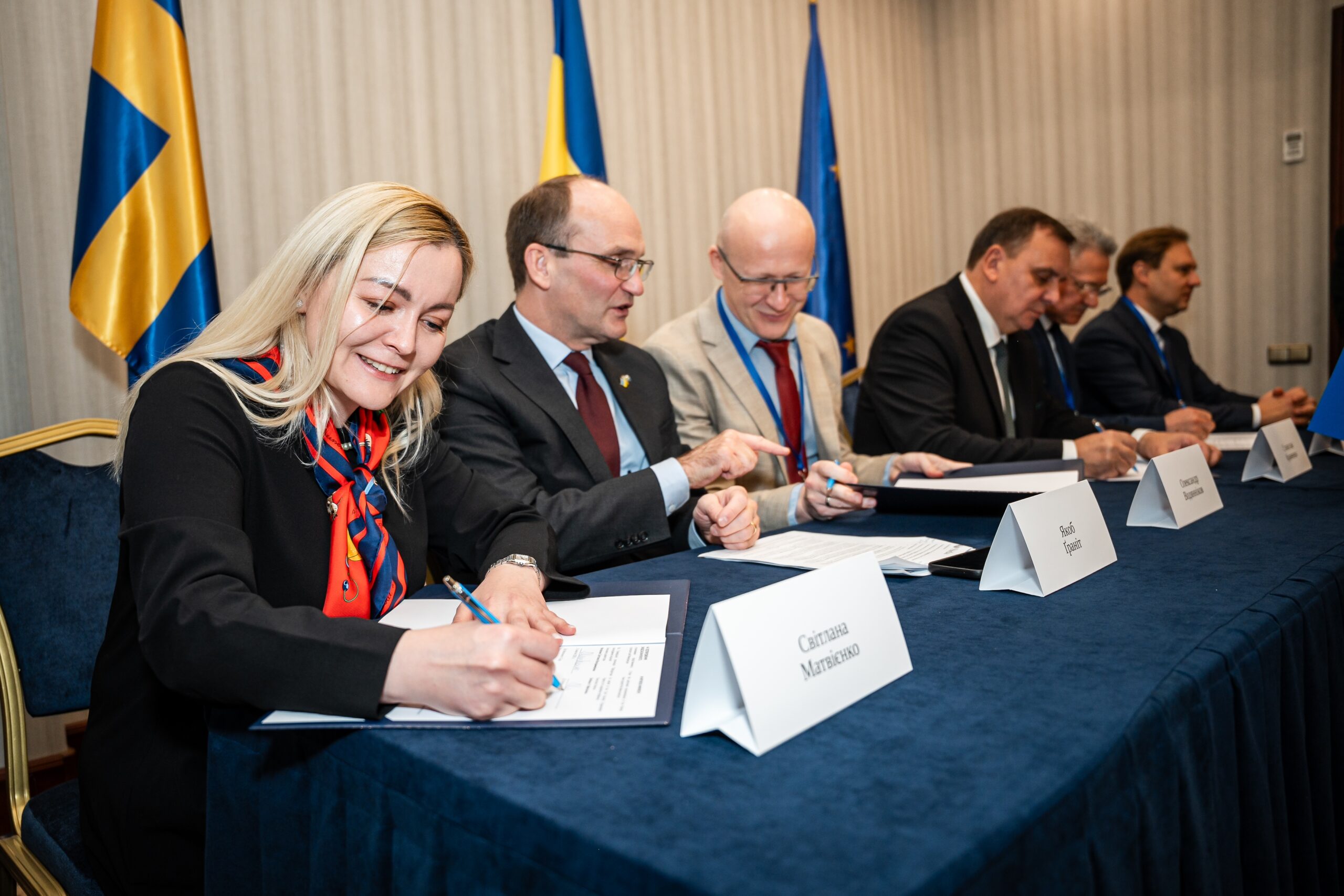

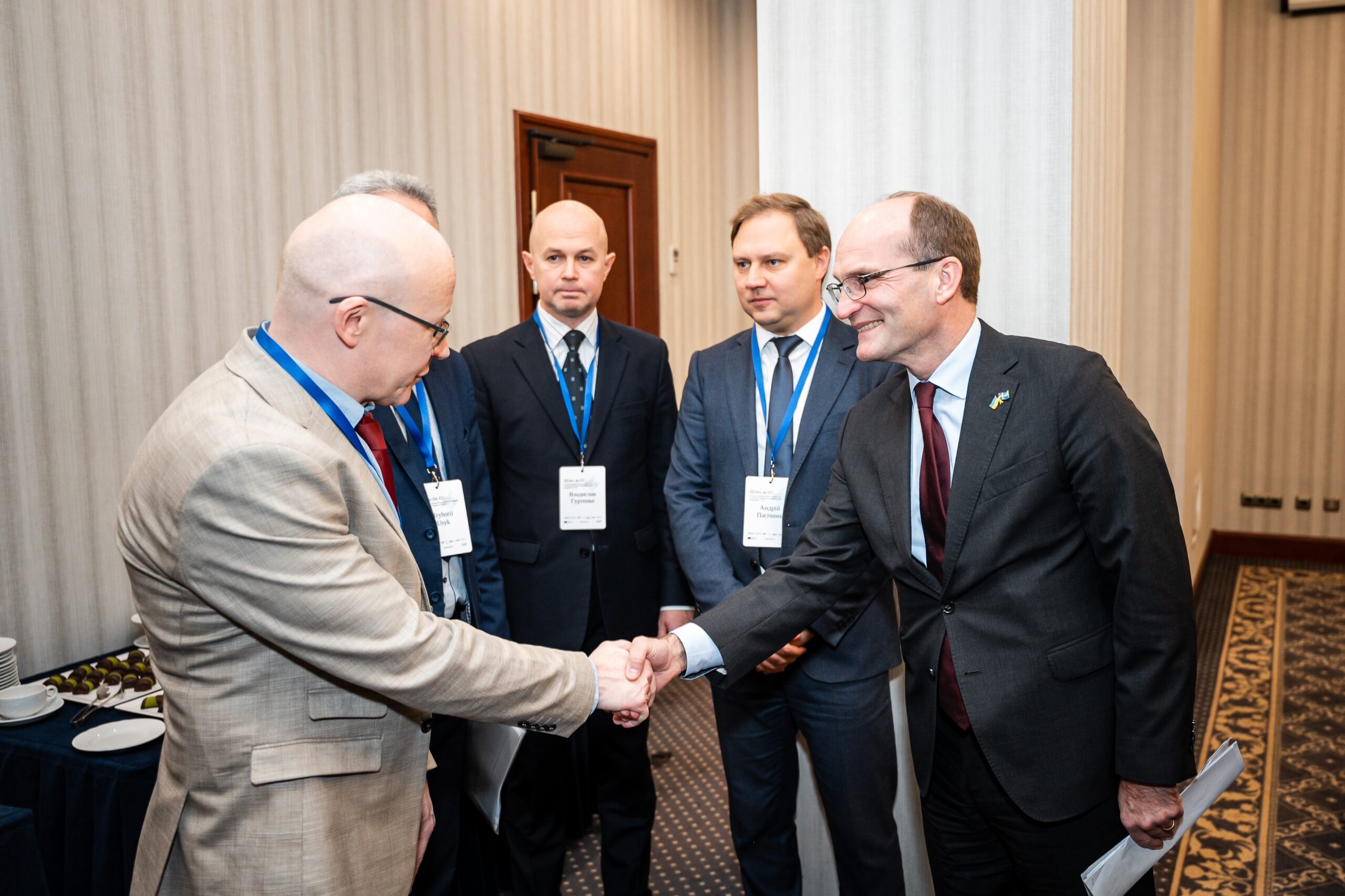
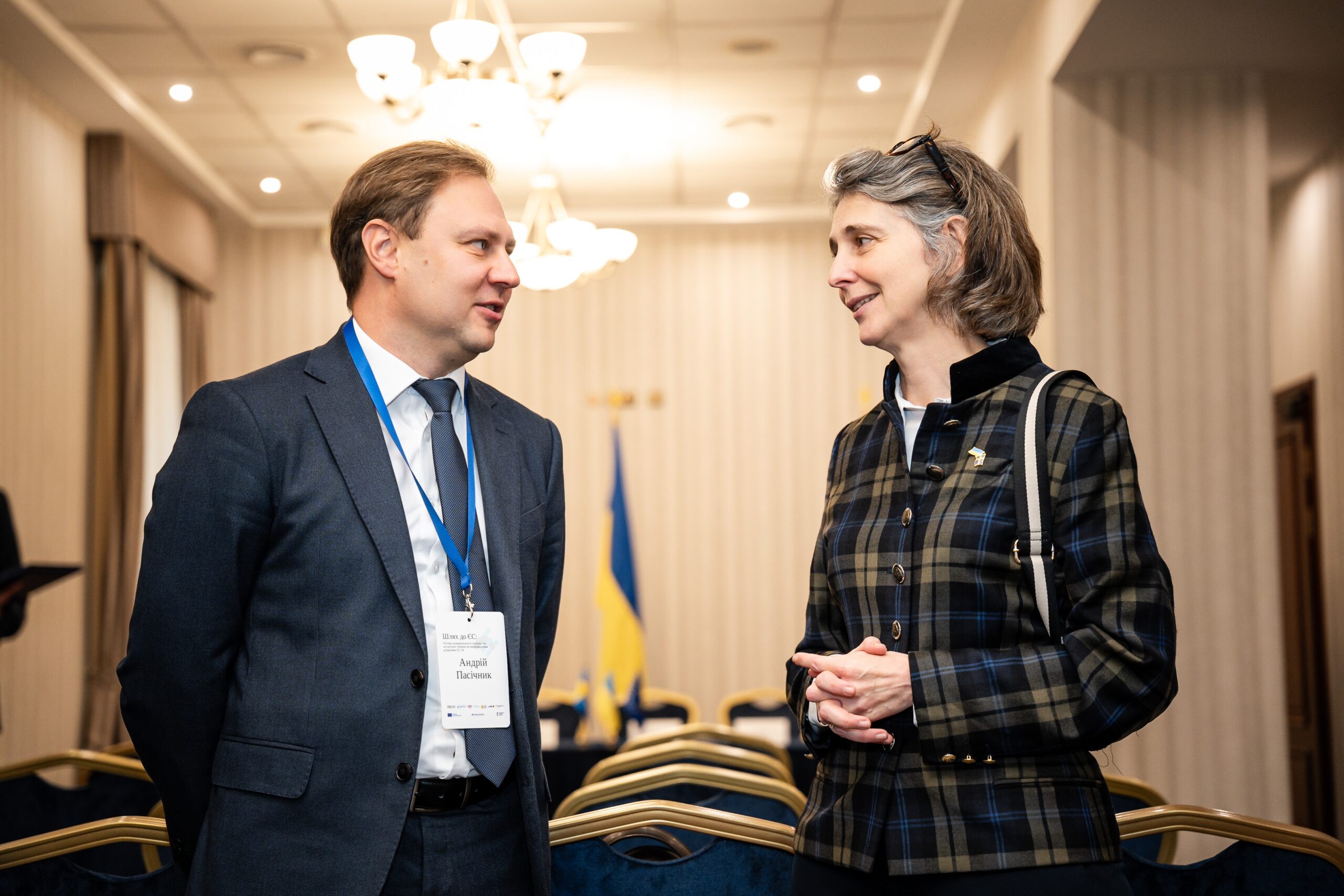

On behalf of the judiciary, the Memorandum was signed by Stanislav Kravchenko, President of the Supreme Court; Hryhorii Usyk, Chairman of the High Council of Justice; Andrii Pasichnyk, the Chairman of the High Qualification Commission of Judges of Ukraine; and, on behalf of and in accordance with the order of the Acting President of the Constitutional Court of Ukraine, Judge Oleksandr Vodyannikov of the Constitutional Court of Ukraine.
The Memorandum was signed under the auspices and, in the personal presence of, Jakob Granit, Sida’s Director-General, the project donor.
The project starts in October 2025 and is to last for 30 months. The project aims to strengthen the capacity of the judiciary and constitutional justice by digitalising internal processes in key institutions and designing new solutions for interacting with the public. The project’s achievements are expected to be scalable and extendable to other judicial institutions, particularly the higher, specialised, appellate, and first-instance courts. This approach will contribute to the comprehensive modernisation of the entire judicial system.
This project is an integral part of the tasks outlined in the Roadmap on the Rule of Law and the Ukraine Facility Plan 2024–2027, which are essential for Ukraine’s further path towards EU membership.
Ukraine’s Mirror of Progress on the Path to the EU: ALI Presents the Shadow Report
On 23 October 2025, in Kyiv, a coalition of civil society organisations led by the Agency for Legislative Initiatives (ALI) presented the Shadow Report to the European Commission’s 2024 Report on Ukraine. The report covers Chapters 23, ‘Judiciary and Fundamental Rights’ and 24, ‘Justice, Freedom and Security’ — chapters that the European Union considers fundamental to Ukraine’s integration process. The presentation became a platform for open dialogue between government, experts and European partners — about Ukraine’s progress towards EU integration and the challenges that still lie ahead.
The main goal of the Shadow Report is not criticism but to propose a roadmap for strengthening the state on its path to the EU. This was underlined by Svitlana Matviienko, Executive Director of the Agency for Legislative Initiatives:
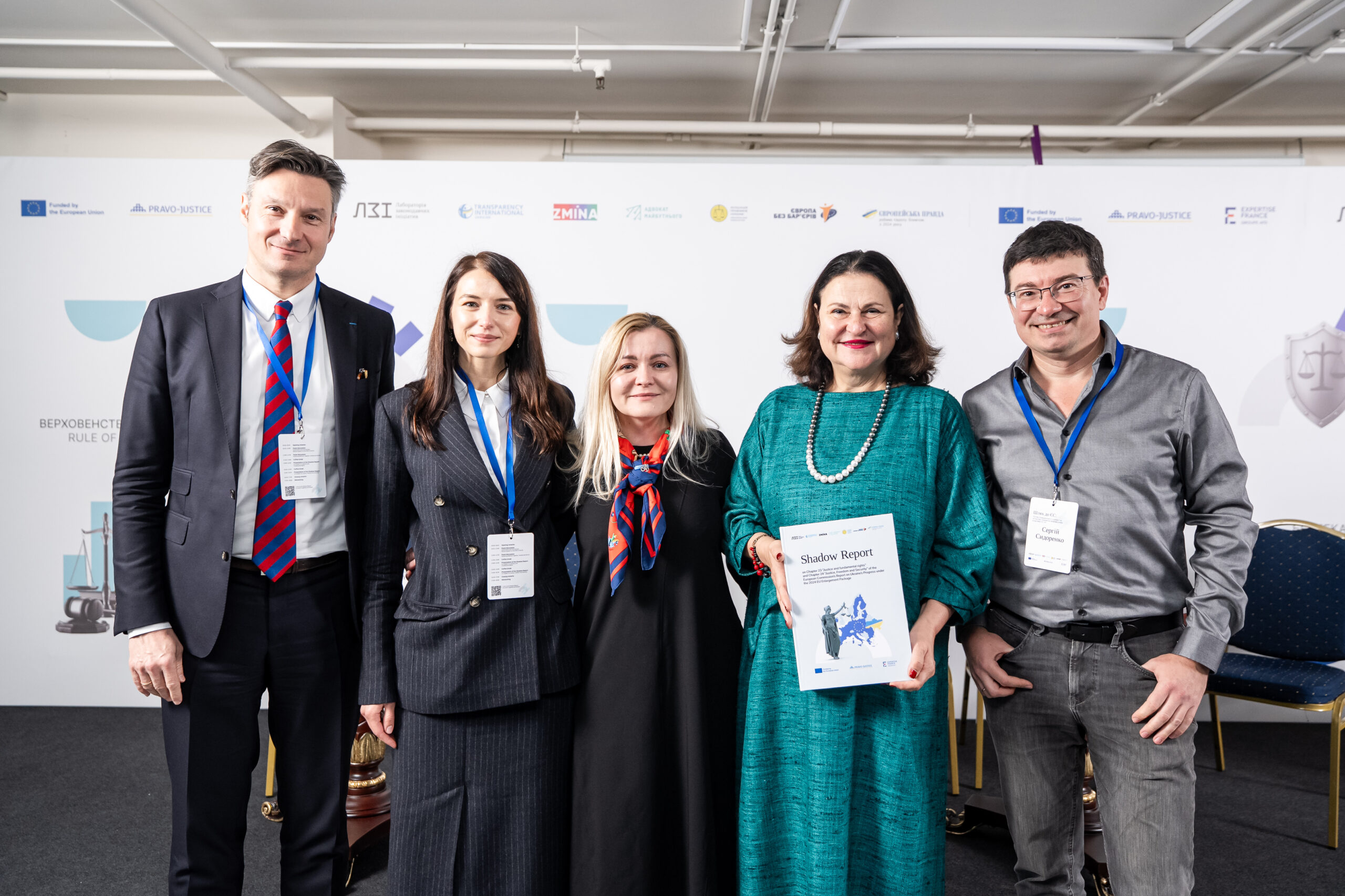


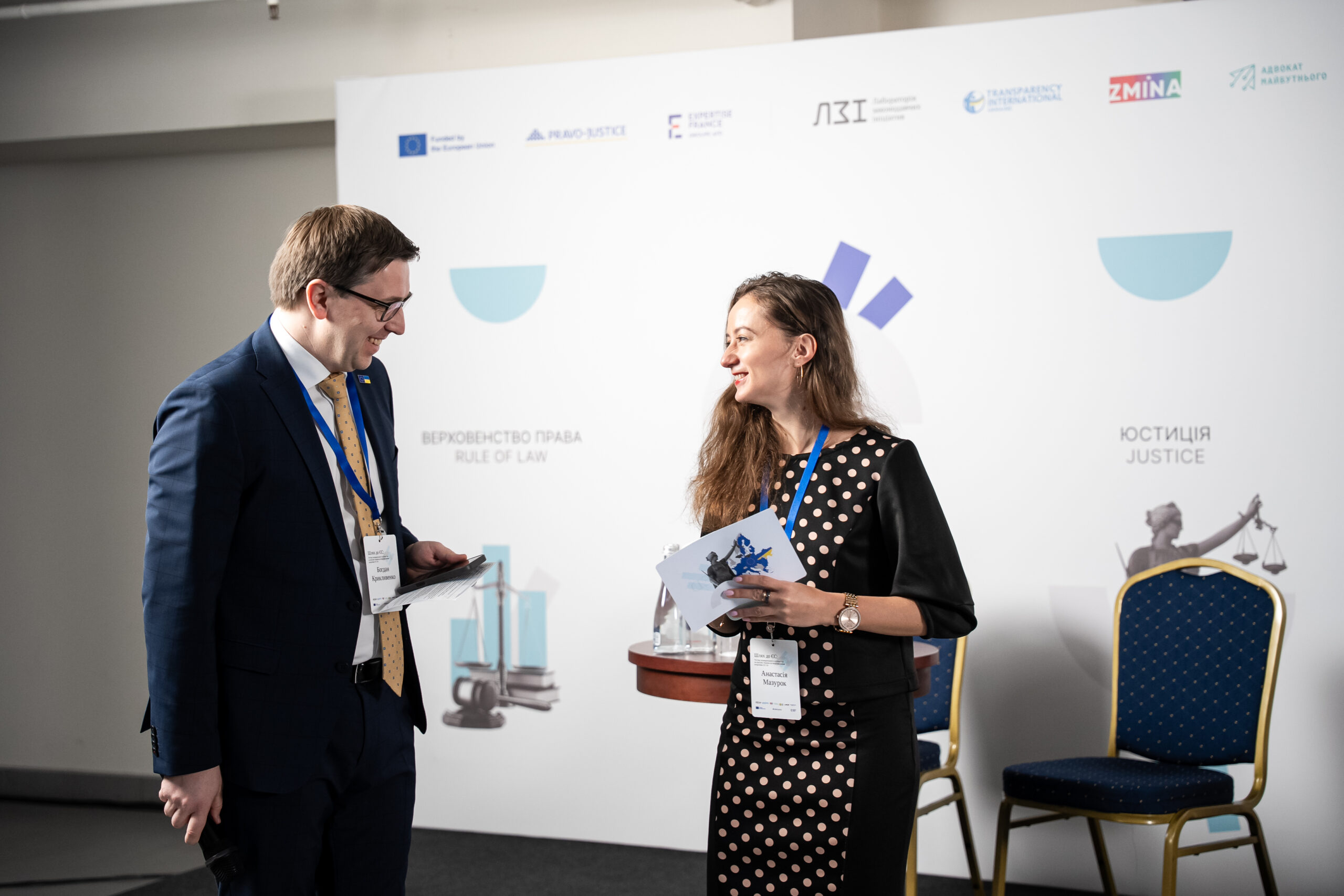

The document contains more than 500 specific recommendations covering the rule of law, judicial independence, reform of law enforcement agencies, human rights protection and the fight against corruption and organised crime. The practical value of this analytical work was emphasised by Oksana Tsymbrivska, Head of the EU Project Pravo-Justice:
The event took place on the eve of the release of the new EU Enlargement Report, in which the European Union will assess Ukraine’s reform progress. As Katarína Mathernová, EU Ambassador to Ukraine, noted, the accession process should be measured not by speed, but by resilience:
Taras Kachka, Deputy Prime Minister for European and Euro-Atlantic Integration, stressed in his remarks that cooperation between government, civil society and international partners is the key to reform effectiveness:

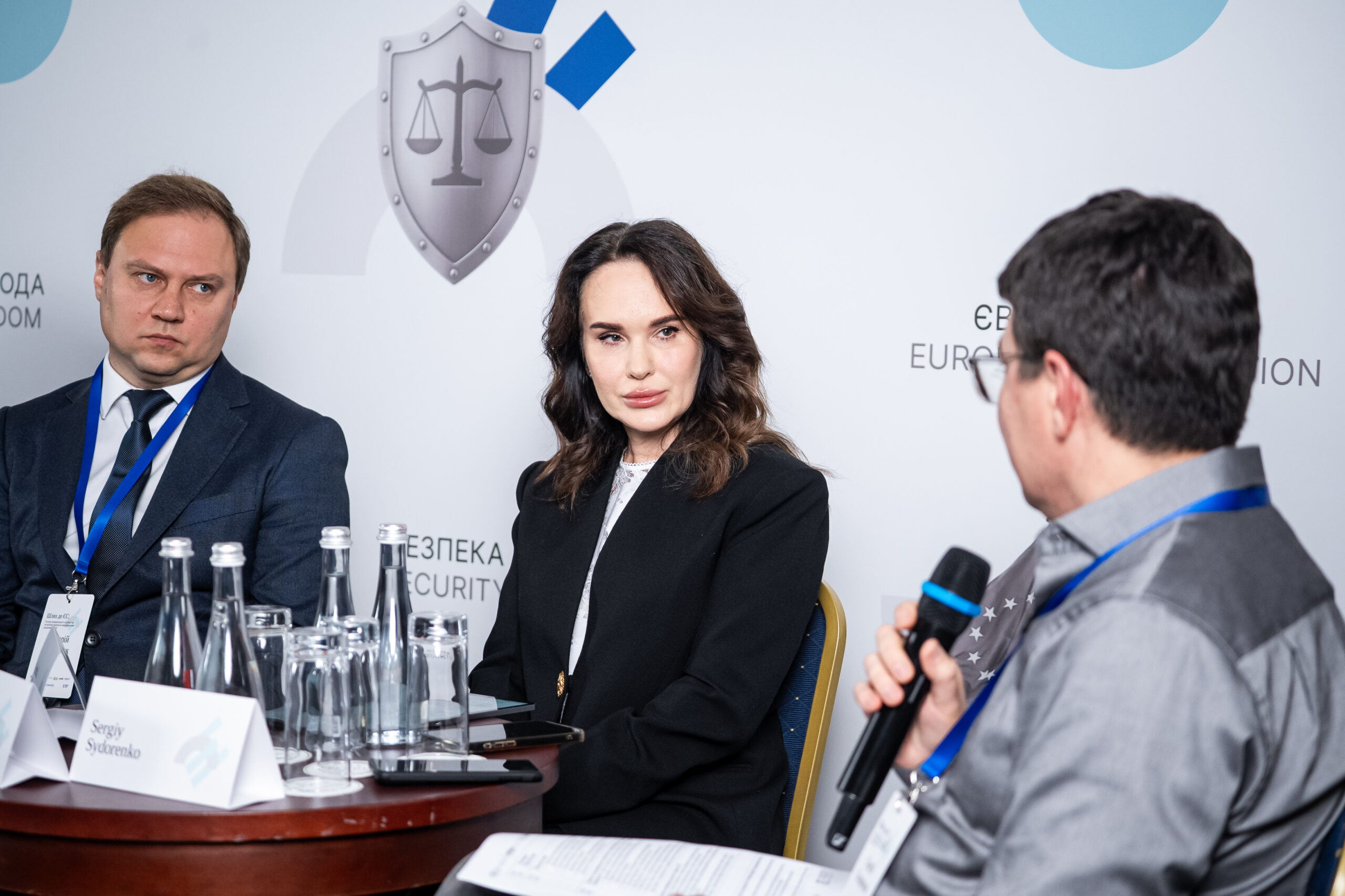

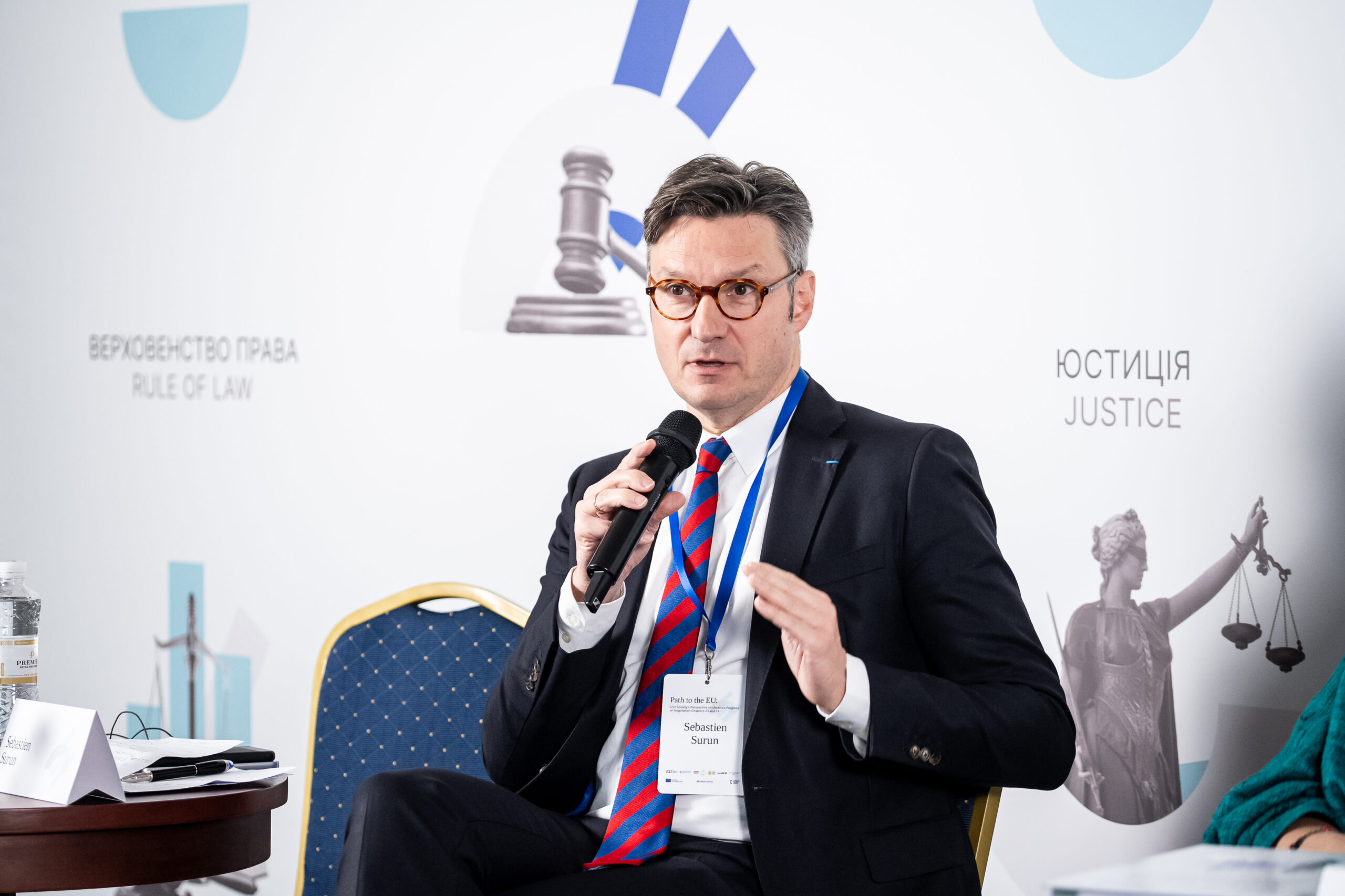
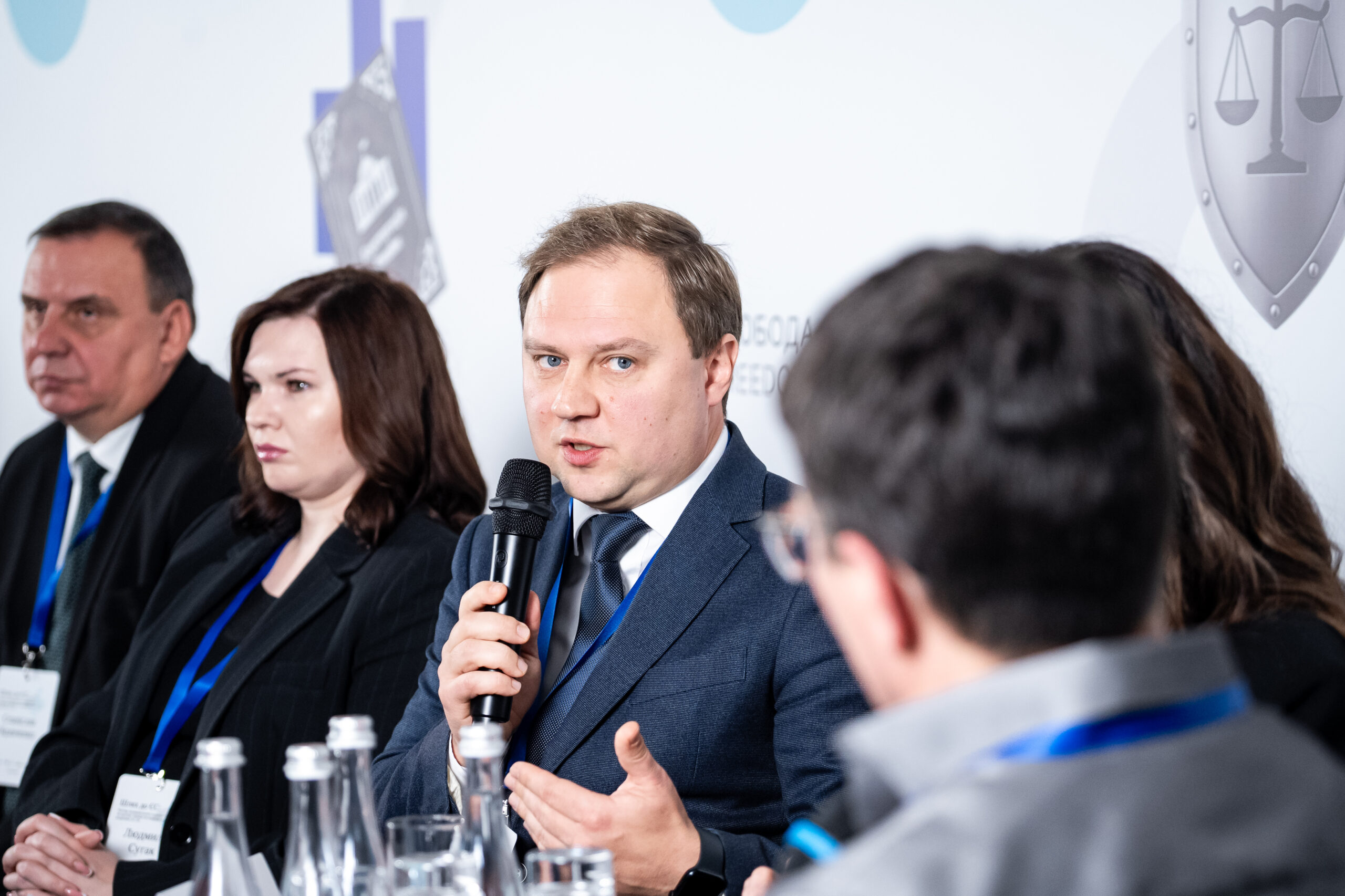
The importance of mutual support between government and civil society was also highlighted by Iryna Mudra, Deputy Head of the Office of the President:
She added that despite challenges, the President and his team have acted within their powers and at the necessary pace: ‘Over the past year, everything within the President’s powers has moved forward without delay’.
Experts, meanwhile, pointed out that progress in the justice sector remains uneven. Karyna Aslanyan, Head of the ‘Rule of Law’ Area at the Agency for Legislative Initiatives, noted:
Yevhen Krapyvin, Head of the ‘Law and Order’ Area at the Agency for Legislative Initiatives, emphasised the need to ensure the full independence of the prosecution service — a key to fostering a European justice culture:
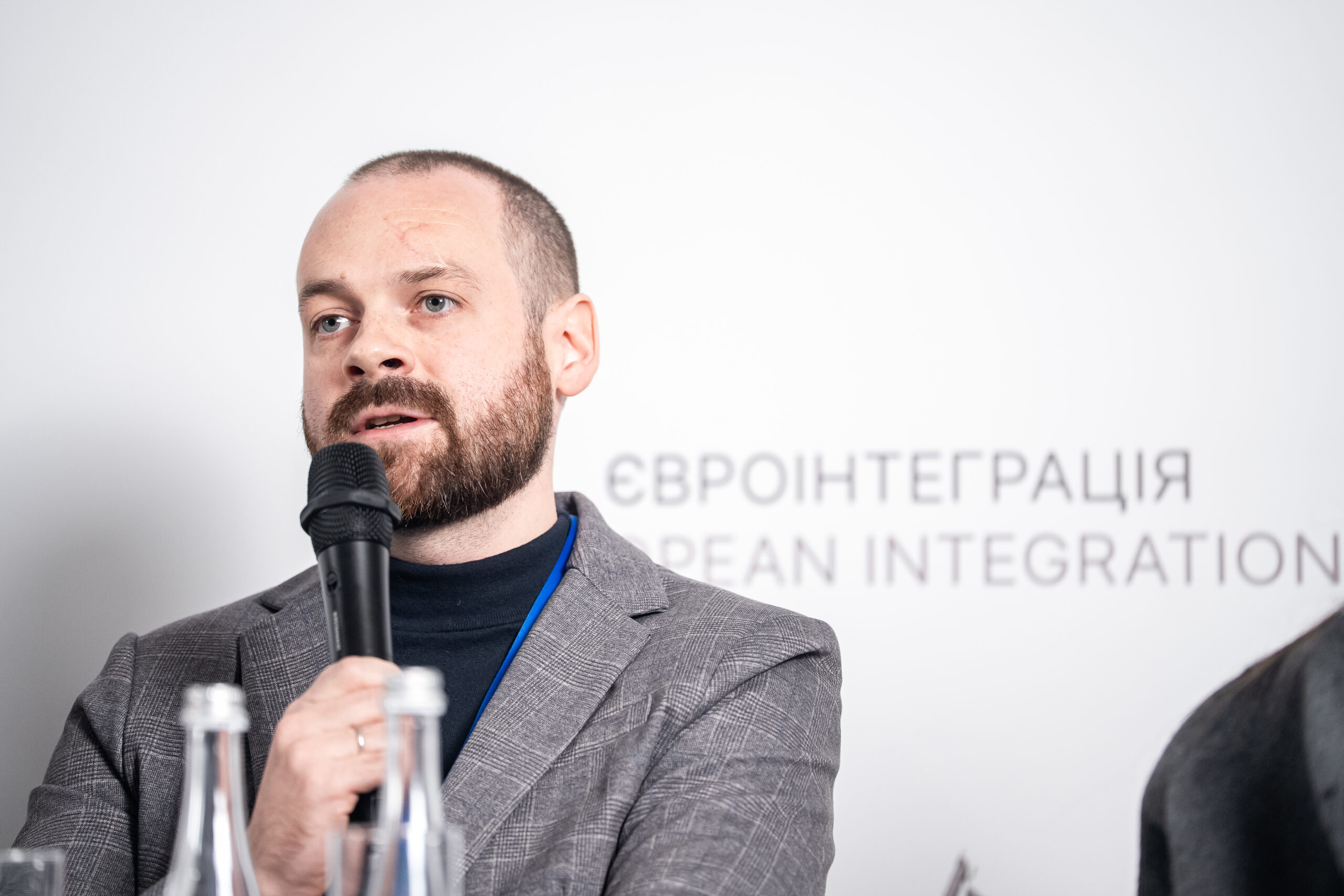

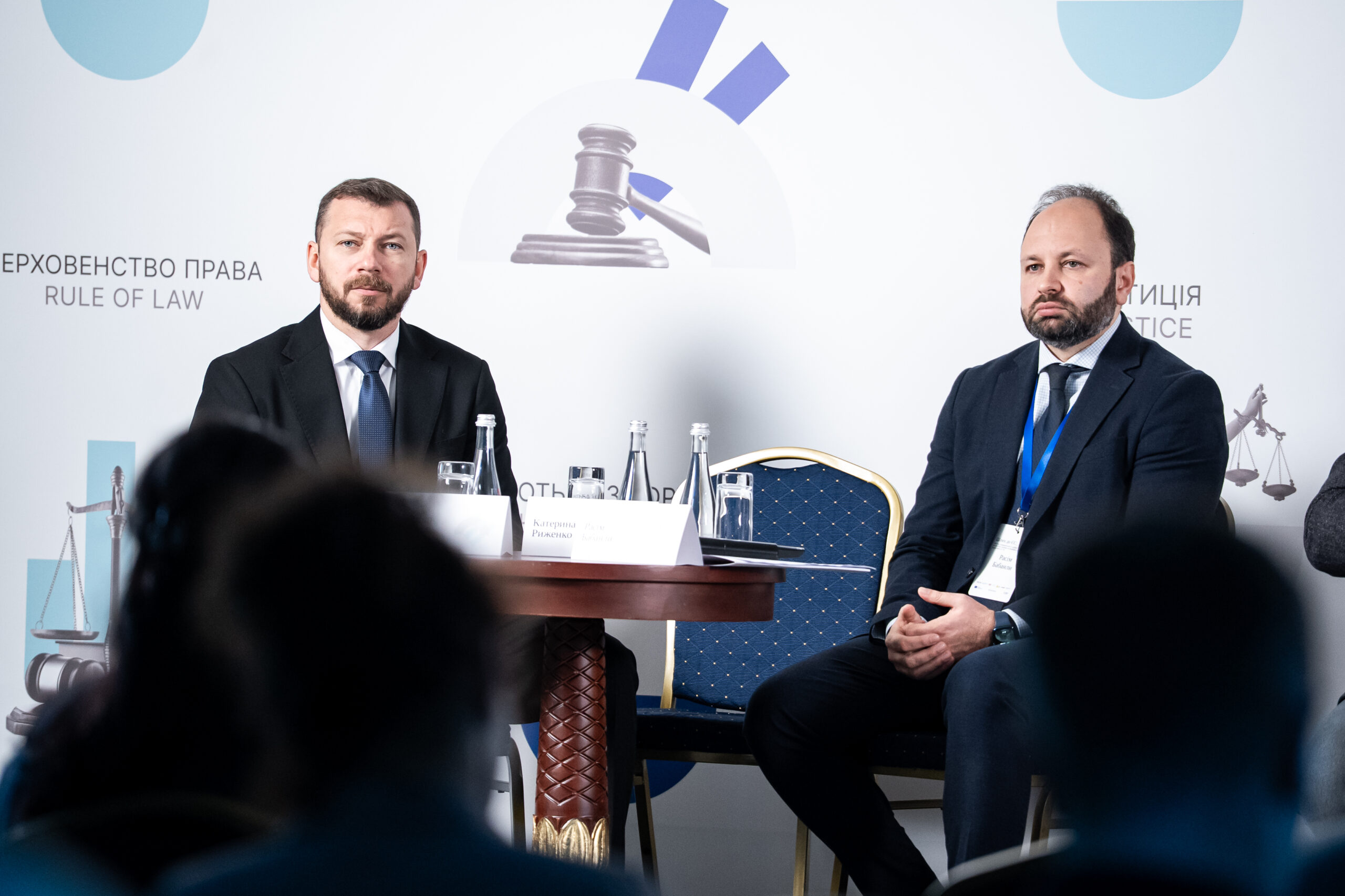

The Shadow Report is the result of joint work by the Agency for Legislative Initiatives, Transparency International Ukraine, the Human Rights Centre ZMINA, Tomorrow’s Lawyer, Europe Without Barriers, European Pravda and the Ukrainian Bar Association. Its aim is to provide a comprehensive, independent assessment of Ukraine’s implementation of the European Commission’s recommendations, identify reform gaps and outline priorities for the next phase of the country’s movement towards EU membership.
The Shadow Report was prepared by a coalition of civil society organisations led by the Agency for Legislative Initiatives, under a grant provided by the EU Project Pravo-Justice, implemented by Expertise France. The content is the sole responsibility of the authors and does not necessarily reflect the views of the European Union.
500+ Recommendations for Ukraine’s Path Towards the EU: Coalition of CSOs Releases a Shadow Report on the European Commission’s Report on Ukraine
The document assesses Ukraine’s progress under Chapters 23 (“Judiciary and Fundamental Rights”) and 24 (“Justice, Freedom and Security”) of Negotiation Cluster 1, “Fundamentals of the Accession Process”. Progress in this cluster plays a decisive role in Ukraine’s EU accession negotiations.
The period reviewed by experts spans from September 2024 to August 2025 for Chapter 23 and includes earlier data up to August 2025 for Chapter 24. One of the key achievements during this period was the approval of the Rule of Law Roadmap, whose recommendations will serve as guidance for opening negotiations under Cluster 1. The roadmap is the result of close cooperation between state authorities, civil society representatives, and international experts.
The Shadow Report highlights not only Ukraine’s progress but also the challenges and shortcomings in implementing European standards in areas such as the rule of law (courts, prosecution, legal profession, legal education), the fight against corruption and organised crime, the protection of fundamental human rights and freedoms, as well as visa policy, migration, and related fields.
Experts from the participating civil society organisations (CSOs) have formulated over 500 recommendations, ranging from legislative amendments to institutional reforms. These are designed to help public authorities address current challenges, secure sustainable results, and, together with international partners, set clear reform priorities.
The preparation of shadow reports is a standard practice for all EU candidate countries. In Ukraine, this work has been carried out systematically since 2024, when a coalition of CSOs first produced an alternative analysis to the European Commission’s Report. That document was positively received by the European Commission and the expert community, with its recommendations subsequently reflected in the Rule of Law Roadmap.
Despite the challenges surrounding the opening of Cluster 1, Ukraine must continue to pursue reforms with consistency and strengthen its institutions, demonstrating its ability to meet European standards regardless of external political dynamics. This approach not only enhances the prospects for successful accession negotiations but also reinforces the state from within. The 2025 Shadow Report, prepared by the CSO coalition, serves as an important instrument for public oversight — helping to identify gaps and encouraging more effective implementation of reforms that bring Ukraine closer to EU membership.
The Report includes the following sections:
- Judicial and prosecution reform, combating organised crime (selected topics excluded), cooperation in the field of drug control, counter-terrorism and judicial cooperation in criminal, civil and commercial matters — Agency for Legislative Initiatives;
- Fighting corruption and certain aspects of combating organised crime — Transparency International Ukraine;
- Protection of fundamental rights and freedoms, selected topics on combating organised crime, legal and illegal migration and granting asylum to refugees (asylum seekers) — the Human Rights Centre ZMINA;
- Bar reform — Tomorrow’s Lawyer;
- Legal education reform — Ukrainian Bar Association;
- Visa policy, Schengen and external borders, certain aspects of legal and illegal migration and euro counterfeiting — Europe Without Barriers.
The Shadow Report was prepared by a coalition of civil society organisations, led by the Agency for Legislative Initiatives, within the framework of the EU Project Pravo-Justice grant, implemented by Expertise France. Its contents are the sole responsibility of the authors and do not necessarily reflect the position of the European Union.
Politically Neutral Civil Service: Human Capital Driving Reform or a Vulnerable Link in Public Administration?
The functioning of the civil service can be broadly divided into two interrelated dimensions:
- the role of the civil service in society (practical implementation of tasks and functions of the state);
- civil service management processes (the mechanisms governing the working conditions of civil servants).
The human capital of the civil service, working conditions, and the organisational structure of state authorities directly affect the quality of state functions and determine the role the civil service plays. This means human capital can become one of two options:
- a driver of positive change — when civil servants possess the necessary expertise, experience, and ability to implement new policies, digital solutions, and European governance standards, while the organisational structure of state authorities aligns with specific sectoral needs. In such cases, the responsibilities of each authority are clearly defined, vertical and horizontal coordination between them is strong, and continuity is ensured even during justified institutional transformations;
- a factor of stagnation — when civil servants face a lack of motivation, political pressure, inadequate remuneration, limited opportunities for professional growth, high staff turnover, or corruption risks. Under these conditions, the organisational structure of public administration is often fragmented and misaligned with current challenges and results in blurred institutional competencies, overlapping responsibilities, or accountability gaps.
The quality of state functions directly depends on how well the civil service is organised and managed, as well as on the level of training, motivation, and support of civil servants. State functions shape the requirements for the civil service — its workforce, structure, professional standards, and management principles. Civil service management should flexibly adapt to evolving state functions to ensure their effective implementation.
Thus, these dimensions are interdependent and should be considered in public administration reform processes.
The current composition of the civil service has been shaped by three key factors:
Power transition, organisational and functional shifts (2019)
Following the 2019 presidential and early parliamentary elections, Ukraine experienced a sweeping change in political leadership at all levels. This triggered turbulenceResolution No. 829 of the Cabinet of Ministers of Ukraine dated 2 September 2019 marked the beginning of turbulence in the system of central executive authorities. within the system of central executive authorities (CEAs), altering their coordination mechanism, redistributing competencies, and prompting structural changes in ministerial staff. Amendments to civil service legislation simplifiedLaw of Ukraine No. 117-IX dated 19 September 2019 ‘On Amendments to Some Laws of Ukraine on Restarting Power’ (effective as of 25 September 2019). both hiring and dismissal procedures. It became possible to sign contracts for civil service positions (categories ‘B’ and ‘C’) without a competitive selection process. Additionally, a mechanism was introduced for the politically unmotivated dismissal of senior officials, while competitive selection procedures for these roles were dismantled. Such sweeping changes intensifiedStatistical data on the quantitative composition of civil servants for 2019 is not available on the NAUCS website, but the relative data for the first quarter of 2020 show staff turnover due to the reorganisation of agencies, with 29,428 vacant positions at the end of the first quarter of 2020 (73 in category ‘A’, 7,460 in category ‘B’, and 21,895 in category ‘C’), the number of dismissals was 11,826 (14 in category ‘A’, 3,011 in category ‘B’, and 8,801 in category ‘C’), the number of appointments was 9,181 (20 in category ‘A’, 2,165 in category ‘B’, 6,996 in category ‘C’). Interdepartmental migrations in the first quarter of 2020 covered 5,421 persons appointed to positions by transfer (8 — category ‘A’, 1,243 — category ‘B’, 4,170 — category ‘C’). staff turnover.
The new political leadership created legal grounds to recruit a new, loyal team. At the same time, the simplified competition procedures revealed a shortage of qualified civil service candidates willing and able to undergo the previously required stages of the civil service selection process.
The COVID-19 pandemic (2020–2021)
In response to the COVID-19 pandemic, the government introduced quarantine measures, and Law No. 117-IX suspended civil service competitionAccording to paragraph 8 of Section II ‘Final Provisions’ of the Law of Ukraine dated 13 April 2020 No. 553-IX ‘On Amendments to the Law of Ukraine “On the State Budget of Ukraine for 2020”’, it is established that temporarily, for the duration of the quarantine and for 30 days from the date of its cancellation, the provisions of the Law of Ukraine ‘On Civil Service’ and the Law of Ukraine ‘On Central Executive Authorities’ regarding the conduct of competitions for civil service positions and appointments to civil service positions based on the results of the competition shall be suspended.. An alternative hiring mechanism was introduced for exceptional cases related to fulfilling public functions during quarantine, involving interviews with authorised officials, including remote formats such as videoconferences. Contracts were limited to two months after the end of quarantine, leading to mass appointments of individuals without civil service experience8,281 people with no work experience were appointed to civil service positions, with the highest number in the first quarter before the quarantine was cancelled — 2,441..
In February 2021, Law No. 1285-IX reinstatedAccording to the Law of Ukraine dated 23 February 2021 No. 1285-IX ‘On Amending Certain Laws of Ukraine to Resume Competitions for Public Service Positions and Other Public Service Issues’ (which came into force on 6 March 2021), it has been established that: 1) competitions for positions held by individuals with whom contracts for civil service have been concluded for the duration of the quarantine period shall be announced within six months from the date of entry into force of this Law in accordance with the order in which contracts for civil service for the relevant positions were concluded; 2) contracts for civil service during the quarantine period shall remain in force until the appointment of a candidate to a civil service position based on the results of a competition, but for no longer than nine months from the date this Law comes into force. competitive hiring starting in August that year, with the possibility of extending existing contracts signed during quarantine for up to nine months after the law took effect. The government instructed ministries to limit contract extensions and relaunch competitions. This partially restored merit-based hiring (at least legitimising prior non-competitive appointments), though some exceptions remained, particularly regarding contract extensions and, consequently, the tenure of civil servants hired without competition.
Overall, the simplification of competition procedures following the power transition and the suspension of competitions during quarantine enabled the influx of new people loyal to the political leadership and a rapid staffing of newly created ministries without competitive hurdles.
Full-scale Russian aggression against Ukraine (since 2022)
The introduction of martial law in Ukraine profoundly impacted civil service operations. Law No. 2259-IX established special provisions for the operation of state authorities, including appointments to positions without competitive selection. The war has also imposed severe financial constraints on central and local executive authoritiesIn accordance with resolutions of the Cabinet of Ministers of Ukraine No. 245 dated 10 March 2022 and No. 401 dated 1 April 2022, expenditures and lending from the general fund of the state budget allocated to central and local executive authorities have been reduced., further destabilising the civil service system.
The first months of the war were marked by a massive outflow of personnelIn 2022, 30,440 people resigned from civil service, in 2023 — 40,193, in 2024 — 37,673, and in the first half of 2025 — 19,049 people. from the civil service. Actual hiring for civil service positions only resumedAccording to data from the Report on the quantitative composition of civil servants, as of 15 May 2022, no appointments to positions had been made, but there had been a staff turnover. Since the beginning of 2022, 5,971 civil servants have resigned, including 901 since 15 April 2022. Staff turnover exceeded appointments to positions in 2022 by 3,674 people. This trend continued in 2023. in June 2022 under budgetary restrictions and without competitive procedures.
Appointments made without competition during martial law, combined with staff shortages due to mobilisation, temporary displacement, including abroad, and subsequent resignations, negatively impacted the quality of the civil service workforce. Many new hires lacked prior experience and needed time to get up to speed and adapt to the differences between the private sector and civil service. However, this measure allowed the government to maintain operations during wartime.
Ukraine’s professional civil service currently faces a series of systemic problems that undermine its ability to conduct evidence-based policymaking and effectively monitor policy implementation, including:
- frequent changes in the structure of central executive authorities (reorganisation, liquidation, changes in mandates and coordination mechanisms), which destabilise their operations. These changes lead to staff turnover, reduced productivity, loss of institutional memory, and a decline in work dynamics;
- erosion of meritocracy in civil service selection due to the suspension of competitive procedures during martial law;
- lack of a unified methodology for assessing candidates’ suitability for civil service positions under martial law (each institution conducts evaluations at its own discretion);
- lack of clear legal safeguards protecting civil servants from politically driven dismissals;
- underdeveloped HR tools for onboarding and adaptation to help new hires (or those returning after long absences) realise their professional and personal potential and integrate effectively into the team;
- performance evaluations of civil servants are often superficial, failing to provide career growth opportunities and incentivise professional development.
The 2023 SIGMA Monitoring Report highlighted most of these systemic challenges. Throughout 2023–2024, the European Commission repeatedly emphasised key problems affecting the civil service in Ukraine: the failure to uphold merit-based selection, the underdevelopment of human resource management, and the ineffective regulation of the remuneration of civil servants. In response, the Ukraine Facility Plan for 2024–2027 (under Component I) outlines a priority reform agenda in these areas to serve as the foundation for improving the public administration system in Ukraine.
The Public Administration Reform Roadmap also provides a set of measures aimed at achieving strategic outcomes in the areas of ‘Civil Service and Human Resource Management’ and ‘Accountability’. These aim to build a capable, professional, and motivated civil service, optimise organisational structures, and strengthen accountability.
The Public Administration Reform Strategy for 2022–2025 (hereinafter — the Strategy) sets out three key reform goals, including the establishment of a professional and politically neutral civil service that prioritises the interests of citizens.
Within the areas of ‘Professional Civil Service and Human Resource Management’ and ‘Effective Administration’, the Strategy identifies several tasks aimed at achieving the expected outcomes, specifically:
- attracting highly qualified specialists to strengthen the civil service by ensuring fair and transparent selection based on merit, achievements, and equal treatment of candidates;
- revising requirements for forming the Senior Civil Service Commission and competitive selection committees in state authorities to improve the quality of civil service selection procedures;
- improving the organisation and operations of central executive authorities, including refining coordination mechanisms, optimising organisational structures, clearly defining and distributing functions and responsibilities, eliminating overlap, and introducing accountability for performance results.
State of Play and Progress of Reform
As of 2025, progress in building a professional and politically neutral civil service in Ukraine remains uneven across different areas. According to the European Commission, the most notable achievements have been made in reforming the remuneration system, while human resource management lags behind. The selection process for civil service positions remains the most problematic area. The ongoing full-scale war has significantly impacted these processes, slowing or halting procedures that were underway before 2022.
In several briefs, the Agency for Legislative Initiatives has outlined the reform progress in various areas and issues unresolved within the Strategy implementation.
Government and parliamentary legislative proposals (draft laws No. 13478 and No. 13478-1) aim to address some of these issues, including:
- introducing new concepts and related procedures into the Law of Ukraine ‘On Civil Service’: adaptationThe process of familiarisation, adaptation and social integration of newly appointed civil servants in a state body to the content and conditions of official activities in the state body and the team, based on the gradual acquisition of new professional knowledge and skills, learning the strategic goals and objectives of the state body, becoming familiar with the team and joining the organisational culture of the state body (adaptation period — from 1 to 4 months). For persons appointed to category ‘B’ civil service positions for the first time, adaptation is mandatory. For others — at the discretion of the head of the civil service., internal competitionThe selection of candidates for civil service positions in a state body from among the civil servants of that body is carried out in order to quickly and effectively fill civil service positions in the state body., newly appointed civil servantAn individual appointed to public service for the first time, or a public servant appointed to another position in public service in one or another state body., candidate and personnel reserveThe candidate reserve includes individuals who, during the competition, are included in the overall ranking of candidates for civil service positions. The personnel reserve is formed from candidates for civil service positions in categories ‘B’ and ‘C’, whom the appointing authority may redesignate as winners of the competition (deferred right).;
- clarifying requirements for the formation and membership of the Senior Civil Service Commission, its functions, and safeguards against interference with its activities;
- refining requirements for the organisation and conduct of competitions for civil service positions, with an emphasis on achieving gender balanceIn order to ensure gender balance in a civil service authority, affirmative action may be taken to give preference in the selection of the winner of a competition to a candidate of the gender that is underrepresented in that civil service authority within the job category, provided that the candidates who have scored the highest total number of points in the overall ranking have equal professional competence.;
- enabling career advancement for civil servants based on their professional competence, performance evaluation results, and diligent fulfilment of their duties by allowing them to occupy higher positions within the same category and institution;
- clarifying requirements for performance evaluations: tasks and performance indicators should reflect the employee’s role in achieving institutional goals; a re-evaluation procedure is introduced for poorly rated employees.
These draft laws introduce an algorithm for resuming competitive selectionFor category ‘A’ — from 1 June 2026, the deadline for announcing competitions is 9 months; for category ‘B’ — from 1 July 2026, the deadline for announcing competitions is 12 months; for category ‘C’ — from 1 September 2026, the deadline for announcing competitions is 18 months. for civil service positions held by individuals appointed without competition during martial law.
If martial law ends or is lifted before 1 June 2026, the process of announcing competitions for civil service positions will begin immediately, with no further delays envisaged.
The draft laws also set a deadlineFor categories ‘A’ and ‘B’ — 18 months from the date of resumption of competitions; for category ‘C’ — 24 months from the date of resumption of competitions. for how long civil servants appointed without competition may retain their positions.
However, an extension may be granted, provided that the civil servant appointed without competition meets the legally established requirements for the position and continues workingFor category ‘A’ — at least one year at the time of resumption of competitions for this category of positions and at least one positive or excellent rating based on the results of the annual performance appraisal; for categories ‘B’ and ‘C’ — at least 6 months at the time of resumption of competitions for the respective categories of positions. in the respective state authority.
This algorithm aims to protect the civil service from a staffing crisis that could arise once competitive selection resumes, while also retaining experienced professionals (individuals who, although appointed to senior civil service positions or reinstated to the civil service without a competitive procedure, took their positions based on their professional merits).
Problems in Implementing the Reform
The processes of reforming public administration remain inconsistent, raising several personnel-related issues.
Staff Turnover
Experiments with restructuring the system of central executive authorities are ongoing, highlighting the lack of a coherent strategic vision for the system’s architecture and a clear division of roles and powersThe Cabinet of Ministers adopted a number of decisions on the reorganisation of central executive authorities: it renamed ministries, liquidated several of them and transferred functions, particularly in the areas of social policy, economy, ecology, defence and reintegration.. These processes destabilise the system, dragging it into prolonged legal and organisational procedures linked to the liquidation or reorganisation of legal entities. This negatively affects the human capital of the civil service, contributes to chronic instability, and complicates proper staffing, particularly at middle and senior levels.
Over the years of implementing the Strategy, staff turnover has not decreased to the planned levels and, as of the second quarter of 2025, stood at 12.4%The calculation considers the ratio of the number of dismissed employees to the actual number of civil servants.. Another noteworthy figure is the vacancy rate, which reached 19.6%The calculation considers the ratio of the number of vacancies to the total number of civil servants. by the end of the same period.
Political Neutrality vs. Political Bias
The absence of clear legislative protections against politically motivated dismissals remains one of the most vulnerable spots of the civil service. Following the 2019 government reshuffle, based on Law No. 117-IX, state secretaries of ministries and heads of central executive authorities, whose work is coordinated by the government directly or through respective ministers (Category ‘A’ civil service positions), remain at the mercy of political figures, namely the Prime Minister or ministers.
The state secretary of a ministry is the highest-ranking civil servant within that ministry, accountable and subordinate to the minister. State secretaries are appointed by the government for a five-year term, with the possibility of reappointment.
Heads of central executive authorities are appointed by the Cabinet of Ministers of Ukraine.
Appointments to these positions are made through competitive selection conducted by the Senior Civil Service Commission (hereinafter — the Commission) in accordance with the Law of Ukraine ‘On Civil Service’.
However, since 29 September 2019 (the effective date of Law No. 117-IX), the Commission (like any competition commission within a state authority) no longer selects a single winner but instead identifiesPrior to the adoption of Law No. 1285-IX of 23 February 2021, the number of candidates for one position selected by the Commission or the competition commission in a civil service authority was higher — up to five persons. the top candidates for each position (up to three per vacancy), based on their overall ranking. The final decisionPrior to the adoption of Law No. 117-IX, in accordance with the Law of Ukraine ‘On Central Executive Authorities’, it was stipulated that: 1) the State Secretary of the Ministry, whose main tasks include ensuring stability and continuity in the work of the Ministry, is appointed by the Cabinet of Ministers of Ukraine upon the recommendation of the Senior Civil Service Commission for a term of five years with the right of reappointment; 2) the head of the central executive authority, whose activities are supervised and coordinated by the Cabinet of Ministers through the relevant minister, and their deputies are appointed and dismissed by the Government on the recommendation of the Senior Civil Service Commission. on the winner rests with the appointing authority or the head of the civil service.
Winning a competitive selection for a civil service position is not enough — a candidate should also ‘please’ the appointing authority. This undermines the essence of a competitive selection, even despite the efforts of the National Agency of Ukraine on Civil Service (hereinafter —NAUCS) to ensure transparency by publishing the video recordings of interviews for Category ‘A’ positions on its YouTube channel. This approach creates opportunities for pre-selected candidates, who would not be able to win in a fair competition, to be appointed to top positions.
Moreover, the laws of Ukraine ‘On Civil Service’ and ‘On Central Executive Authorities’ contain discrepancies, particularly in defining the number of candidates the Commission must submit to the appointing authority for selecting the head of a CEA. According to the Law ‘On Central Executive Authorities’, the Commission submits up to five candidates for government consideration. However, recent amendments to the Law ‘On Civil Service’ overlooked this provision.
Additionally, the Law ‘On Central Executive Authorities’ allows dismissals at the request of the Prime Minister or the relevant minister, without requiring any justification. This opens the door to politically motivated dismissals of high-ranking civil servants.
In practice, state secretaries of ministries are often replaced alongside (or even more frequently than) their ministers. For instance, over the past five years, the Ministry of Culture (in all its variations) has had four state secretaries (A. Bidenko, Y. Dul, Y. Leshchuk, O. Kurochenko). None completed the legally mandated five-year term (though the current one still has a chance). Such practice prevents state secretaries from fulfilling one of their core function — ensuring stability and continuity within the ministry. Instead of being a symbol of institutional resilience and a guarantor of state policy continuity, this position increasingly becomes a dependent element of political expediency, undermining the effectiveness of ministerial operations and eroding its strategic function.
As of today, no legislative initiatives have been proposed to revise this flawed mechanism. This likely indicates that the current political leadership finds such a model convenient, as it retains levers of influence over staffing decisions, bypassing competitive selection.
Recommendations
In recent years, Ukraine’s civil service system has faced serious challenges that have significantly impacted staffing policies, appointment and dismissal mechanisms, as well as the stability and professionalisation of the state apparatus.
While some reform successes are evident, creating a truly professional and politically neutral civil service remains a complex task. Achieving this requires coordinated efforts at all levels of public administration and depends on a range of factors — legislative, institutional, personnel-related, and political.
A paradox of civil service reform lies in the fact that civil servants themselves shape policies in this area. They deeply understand existing problems, systematise them, and draft proposals in the form of regulatory legal acts. Yet final decisions rest with political leaders, who change regularly, each bringing their own vision of priorities and directions of the reform. As a result, reform loses consistency, and its strategic orientation shifts, making it difficult to achieve long-term goals such as professionalisation and depoliticisation of the civil service.
Thus, civil servants are simultaneously the most valuable asset and the most vulnerable link in public administration reform. They provide stability, expertise, and institutional memory, but remain dependent on political decisions, which often prevents the full and consistent implementation of the reform.
One of the critical future tasks is to eliminate factors that create excessive dependence of the civil service on political figures. This requires strengthening the institutional autonomy of civil servants, ensuring the stability of their status, improving competitive procedures, and protecting them from politically motivated appointments and dismissals. To achieve this, the following steps are necessary:
Introduce coordinated amendments to the Laws of Ukraine ‘On Civil Service’ and ‘On Central Executive Authorities’, including:
- restoring the practice of having the Senior Civil Service Commission and internal competition commissions select the winners for all categories of civil service positions;
- ensuring that state secretaries fulfil their core function of guaranteeing stability and continuity in the work of ministries, regardless of changes in political leadership. This requires clear legal guarantees protecting them from politically motivated dismissals when a new minister is appointed, thereby strengthening institutional memory and the continuity of policy implementation in their respective areas;
- providing safeguards against politically motivated dismissals for heads of CEAs.
Introduce a practice of restructuring the CEA system based solely on a functional review of the entire system, identifying all possible alternatives, and providing justification for proposed changes, including financial and staffing resources necessary to implement such transformations.
This publication has been prepared within the framework of the ‘Improvement of Governance in Ukraine: Enhancing Policy Making for Social Progress’ Project with the support of Switzerland. The content of this publication is the sole responsibility of the NGO ‘Agency for Legislative Initiatives’. The opinion of the authors does not necessarily reflect the views of the donor.
Green Paper by the Agency for Legislative Initiatives: Key Aspects of the Functioning of the Staff of First-Instance and Appellate Courts
Attention to court staff, unlike the judiciary itself, which has been the focus of constant reform, has remained fragmentary and usually limited to responses to current challenges. Yet it is court staff — civil servants, judicial assistants, technical personnel — who organise the work of the court on a daily basis. Nevertheless, despite the decisive role of staff in ensuring the effective functioning of justice, this category of employees remains systematically undervalued in both legal regulation and in public perception.
The issue of paying attention to the activities of court staff has become particularly important since the start of the full-scale invasion, as the conditions under which the justice system now operates have undergone fundamental change.
Focus and Methodology of the Study
Given the identified relevance, the new study by the Agency for Legislative Initiatives not only describes existing problems in the period 2020–2024 but also provides a comprehensive assessment of the effectiveness of the functioning of the civil and patronage service in courts based on empirical data, practices, regulatory analysis and European approaches. Moreover, the study initiates a discussion on forming new personnel and the ethical and managerial culture of the judiciary.
In conducting the study, the ALI relied on both qualitative and quantitative methods of analysis:
- In-depth interviews: 42 semi-structured interviews were conducted with judges and court staff, which allowed a deeper understanding of the situation and the identification of structural and regional features.
- Survey of court staff: more than 1,000 employees of the civil and patronage service in first-instance and appellate courts took part.
- Examination of legal regulation, organisational approaches and funding.
- International context: the study analysed models of judicial administration and career development of court staff in such countries as Spain, Germany, Switzerland, the United Kingdom, the United States, Canada, Mexico and others.
Systemic Challenges
The study revealed deeply rooted problems that have developed over a long period and have been exacerbated by martial law:
- a critical staffing shortage that has become chronic;
- a personnel selection system that is fragmented and non-transparent;
- non-competitive remuneration that does not correspond to the level of responsibility and workload;
- insufficient material and technical support for courts;
- inequality of working conditions between lower-level courts and higher courts;
- problems of professional development and training of staff. Respondents pointed to formalism, lack of practical orientation and limited accessibility of training;
- the impact of the war and the absence of adaptation mechanisms. The judiciary of Ukraine, under the extremely difficult conditions of martial law, has demonstrated an ability to maintain its functionality. At the same time, the adaptation mechanisms themselves have proved insufficiently flexible and slow;
- corruption risks and the absence of proper control mechanisms, as well as a lack of anti-corruption training, which reduces trust in the judiciary.
Such systemic shortcomings have both objective and managerial causes. Some are driven by external factors, above all the impact of martial law; others are the result of the long-term neglect of personnel policy and proper funding of the judiciary.
Recommendations
Based on the analysis of respondents’ answers, interviews and collected documents, the Agency for Legislative Initiatives has prepared more than 40 comprehensive recommendations for the legislative, executive and judicial authorities, in particular regarding:
- reforming the system of remuneration and material and technical support;
- improving the existing system of recruitment for the civil and patronage service in judicial bodies;
- ensuring internal independence and effective interaction;
- improving the system of professional training for court staff;
- increasing the efficiency of the functioning of the civil and patronage service in judicial bodies under martial law;
- reducing corruption risks in the civil and patronage service of courts.
More on the key problems and recommendations for addressing them can be found in the new study by the ALI.
This study was carried out within the framework of the project ‘Ukraine Governance and Policy Improvement Initiative: Empowering Policymaking for Social Progress’, supported by Switzerland. Responsibility for the content of this study lies solely with the NGO Agency for Legislative Initiatives. The views expressed by the authors do not necessarily reflect those of the donor.
Public Consultations as a Tool for Public Participation in Governance
Public participation is an integral part of the democratic policymaking process. Engaging stakeholders in discussions on pressing policy issues, including draft regulatory legal acts, allows them to voice their opinions, provide recommendations or comments, and fosters effective dialogue between state authorities and society. One of the OECD/SIGMA Principles of Public Administration stipulates that policy development should involve active consultations with key external and internal stakeholders, as well as the public.
Currently, the primary legal frameworkVarious legal acts also stipulate consultations in one form or another. For example, the Law of Ukraine ‘On the Principles of the State Regulatory Policy in the Sphere of Economic Activity’ contains the obligation to publish each draft regulatory act in order to receive comments and proposals from individuals, legal entities and their associations. Environmental impact assessment reports, draft professional standards, etc., also require public discussion. regulating consultations conducted by executive authorities is the Procedure for Conducting Public Consultations on the Development and Implementation of State Policy (hereinafter — the Procedure), approved by the Cabinet of Ministers.
Under this Procedure, the executive authority organising consultations should draft an annual tentative plan for their implementation, considering:
- key objectives outlined in the Programme of Activities of the Cabinet of Ministers of Ukraine;
- the State Programme for Economic and Social Development of Ukraine;
- the legislative work plan and other strategic documents;
- results of previous public consultations.
However, an analysis of tentative plans of ministries reveals a lack of a uniform approach to their formation. For instance, the tentative plan of the Ministry of Defence of Ukraine does not include any draft regulatory legal acts, instead proposing only general issues of state policy for public discussion, such as providing housing for service members or anti-corruption restrictions during military service under martial law. A similar pattern is observed in the tentative plan of the Ministry of Justice of Ukraine.
The Procedure stipulates that public consultations may take three formats: public discussions, electronic consultations (a direct form), and public opinion surveys (an indirect form). Ministries tend to use only one format. For instance, the tentative plan of the Ministry of Digital Transformation of Ukraine includes only electronic public consultations.
The Procedure also allows for consultations on issues not covered by the tentative plan to be initiated by the public itself, provided that the relevant proposals are submitted to the public council or directly to the executive authority.
Public discussions are mandatory when a draft regulatory legal act concerns citizens’ vital interests or affects the legal status, funding, or activities of NGOs.
In the 2023 SIGMA Monitoring Report, public consultations regarding state policy received a low score on the relevant indicatorThe value of this indicator is one point on a five-point scale., largely due to insufficient regulation of the process and the absence of a requirement for mandatory public consultations on all draft laws and regulatory acts approved by the government.
Limiting the range of issues that must be subject to public discussionThe Procedure defines ten categories of draft regulations for which public consultations are mandatory, including issues related to the socio-economic development of the state, the implementation and protection of citizens’ rights and freedoms, the fulfilment of their political, economic, social, cultural and other interests, etc. allows authorities to decide at their own discretion which projects require consultations. This approach turns what should be a tool for public engagement in decision-making into a mere formality by narrowing opportunities for citizens to participate in discussions on issues that may significantly impact society, weakening the effectiveness of consultations, and reducing the transparency of policymaking.
An analysis of explanatory notes to government draft laws shows that ministries that did not hold public consultations neither justify such decisions nor even mention them.
While the Procedure sets a two-week deadline for publishing consultation results, it ties this to the date a relevant decision is made following the discussions, without setting a clear timeframe for when the decision must be made. This creates a risk of delays in both decision-making and report publication.
Some authorities fail to comply with the reporting requirements set out in the Procedure. They either publish reports that omit information on whether public proposals were considered and how they influenced the final decision, or do not publish reports at all. Without transparent reporting on the impact of public consultations on policymaking, this process of engaging citizens in state governance risks becoming a box-ticking exercise.
The Public Administration Reform Strategy for 2022–2025 (hereinafter — the Strategy) provides for a review of procedures and workflows in state authorities, with a particular focus on public consultations on policy development and implementation, as well as monitoring and controlling the execution of administrative decisions. Auditing these processes will help identify systemic negative trends and make these processes more user-friendly for citizens, particularly through the use of modern digital solutions.
The Strategy sets out tasks aimed at improving the process of public consultations on issues related to the development and implementation of state policy.
The Strategy Implementation Action Plan includes two components directly related to public consultations:
- supporting the Draft Law of Ukraine ‘On Public Consultations’ (No. 4254 of 23 October 2020) in the Verkhovna Rada of Ukraine;
- ensuring the reengineering of the process of public consultations on the development and implementation of state policy.
State of Play and Progress of Reform
In June 2024, the Verkhovna Rada adopted the Law of Ukraine ‘On Public Consultations’ (Law No. 3841-IX), which will take effect 12 months after the termination or cancellation of martial law.
Law of Ukraine ‘On Public Consultations’
Law No. 3841-IX establishes the principles and procedure for conducting public consultations. Specifically, the consulting authority must publish a consultation document on the online platform for public consultations and/or on its official website, while also informing relevant stakeholders. After the consultations, the body must publish the submitted proposals, analyse them, and prepare and publish a report on the consultation results. The consultation period cannot be shorter than 15 working days, and the final report is published within 30 working days after the end of the consultation.
Law No. 3841-IX defines an exhaustive list of consultation formats:
- electronic consultationsPublication of the consultation paper on the online platform for public consultations and/or on the official website of the authority conducting public consultations.;
- targeted consultationsSending consultation paper to stakeholders, conducting surveys and questionnaires.;
- public discussionsHolding public events (roundtable meetings, hearings, conferences, focus groups, online and video conferences)..
Public consultations can be held in multiple formats simultaneously; however, according to Law No. 3841-IX, online consultations are mandatory. Public discussions are also obligatory for some authorities in specific cases, such as when a draft act affects constitutional rights, freedoms, and obligations of citizens or impacts the environment, ecological, biological, or genetic safety.
The Law also clearly defines the liability of state authorities that attempt to evade public consultations or violate the procedure. The adoption of the act in violation of the Law may serve as grounds for its cancellation or invalidation by a court.
Thus, one of the measures outlined in the Action Plan is fully implemented.
Between its first and second readings in Parliament, Draft Law No. 4254 lost several crucial provisions. Specifically, the adopted Law No. 3841-IX does not mandate public consultations for MPs or parliamentary committees. While MPs may hold public consultations before submitting a draft law to the Verkhovna Rada, and committees may do so after a draft law passes its first reading, the President is not mentioned among the authorities holding public consultations at all.
UnlikeThe Procedure stipulates that consultations are held on issues related to the socio-economic development of the state, the implementation and protection of citizens’ rights and freedoms, and the fulfilment of their political, economic, social, cultural and other interests, i.e. not necessarily only on legal acts. the current Procedure, Law No. 3841-IX does not allow civil society to initiate consultations. Stakeholders are limited to submitting proposals on the subject of consultations to the relevant authority, in line with legal requirements.
Unlike the current Procedure, Law No. 3841-IX somewhat narrows the scope of public consultations, limiting them to the preparation of draft programme documents and regulatory legal acts, leaving out current issues related to the implementation of state policy.
Also, the requirement for mandatory public consultations covers numerous regulatory legal acts of varying legal force and significance. This creates additional workload for state authorities and raises the risk of them being unable to manage the volume of consultations, particularly when it comes to processing received proposals effectively within the timeframes set by the Law, which may undermine the very essence and purpose of this procedure.
Law No. 3841-IX states that consultation reports by consulting authorities should include only generalised summaries of received proposals and generalised information about their acceptance or rejection, with justification for the decisions made. However, the Law fails to define how generalised the received proposals may be (their number, substance, etc.), leaving authorities free to report in an arbitrary manner and depriving stakeholders of clear information on whether their proposals were considered.
The Laws of Ukraine ‘On Public Consultations’ and ‘On Lawmaking’ are interconnected, as public consultations are an important element of law-making, although the latter somewhat downplays their role. These laws also use different terminology (for example, the term ‘programme document’), which creates inconsistencies and calls for harmonisation.
Special attention is needed to harmonise the principles underlying law-making activities and the conduct of public consultations. The Law of Ukraine ‘On Lawmaking’ statesArticle 45 of the Law of Ukraine ‘On Lawmaking’. that public consultations are held to implement the principles of openness and transparency in law-making. However, the list of law-making principles defined in this very Law does not actually includeArticle 3 of the Law of Ukraine ‘On Lawmaking’. these concepts. It is Law No. 3841-IX that establishesArticle 4 of the Law of Ukraine ‘On Public Consultations’. the principles of participation, openness, and transparency, though only in the context of public consultations.
Another measure provided for in the Plan for reengineering the process of conducting public consultations is directly linked to the implementation of Law No. 3841-IX. Yet, according to the final and transitional provisions of this Law, the government is required to adopt and/or update regulations arising from this Law only six months after the termination or cancellation of martial law to ensure that the relevant regulations come into force simultaneouslyParagraphs 1 and 4 of Section IV ‘Final and Transitional Provisions’ of Law No. 3841-IX. with the Law. Until then, the existing requirements for conducting public consultations, regulated by the current Procedure, remain in effect.
Online Consultations
Law No. 3841-IX also provides for the creation of an online public consultation platform for interaction with citizens and civil society institutions. The Cabinet of Ministers is tasked with determiningArticle 14 of Law No. 3841-IX. the operation procedure, functional requirements, and technical administrator of the platform.
The introduction of a unified platform is seen as beneficial, as it would allow stakeholders to access consultations across all state authorities and local government authorities. It would also simplify the identification and verification of stakeholders and help standardise the process of submitting proposals. Currently, ministries and other central executive authorities publish information about public consultations and reports on their results on their own websites.
However, the future of this platform remains uncertain. Law No. 3841-IX stipulates that until the technical capacity for holding electronic consultations on a specialised online platform is created, such consultations are to be carried outParagraph 2 of Section IV ‘Final and Transitional Provisions’ of Law No. 3841-IX. on the websites and/or social media pages of the consulting authorities. Additionally, the Law does not set a deadline for creating the online platform, specify when it should become operational, or clarify what exactly is meant by ‘creating technical capacity’. As a result, there is a risk that the ‘creation of technical capacity’ could be delayed, blocking the launch of the platform for an unknown period.
The VzaemoDiia portal was initially expected to include a public consultation module, but it currently functions only as a platform for conducting competitions within NGO projects and for submitting petitions to local self-government authorities.
In December 2022, changes were made to the Strategy that narrowed the scope of one of the tasks under the ‘Effective Governance’ pillar by removing the provision on implementing a public consultation module on an online platform for interaction between executive authorities, citizens, and civil society institutions. This suggests that implementing online consultations is currently not a priority in public administration.
Recommendations
Public consultations serve as a tool for public participation in shaping and implementing state policy and decision-making. To ensure effective communication between consulting authorities and stakeholders, the following measures are needed:
- making public consultations mandatory for MPs and Verkhovna Rada committees, since MPs initiate most draft laws;
- setting clear deadlines for creating an online public consultation platform;
- ensuring analytical and reporting components in the consultation process: public consultations should not just collect proposals from stakeholders but also analyse them properly. State authorities must review received proposals, justify decisions to accept or reject them, and publish reports on the results of consultations;
- harmonising Law No. 3841-IX with the Law of Ukraine ‘On Lawmaking’;
- making necessary amendments to Law No. 3841-IX and the Law of Ukraine ‘On Lawmaking’ before they come into force, which would facilitate proper implementation of the processes they regulate.
This publication has been prepared within the framework of the ‘Improvement of Governance in Ukraine: Enhancing Policy Making for Social Progress’ Project with the support of Switzerland. The content of this publication is the sole responsibility of the NGO ‘Agency for Legislative Initiatives’. The opinion of the authors does not necessarily reflect the views of the donor.
Lawmaking on New Foundations: How the Laws ‘On Lawmaking’ and ‘On Public Consultations’ Will Change the Quality of Governance in Ukraine
The peculiarities of legal regulation of lawmaking in Ukraine lie in the existence of a ramified but insufficiently organised system of legal acts (LAs) with varying legal force.
The requirements for the preparation of draft LAs are enshrined in both Ukrainian laws and bylaws. They vary significantly depending on the subject of rulemaking and the level of legal force. The fewest such requirements are established for MPs as holders of the right of legislative initiative, while the Government is obliged to comply with a number of requirements in the preparation of LAs, including draft laws. This leads to the submissionPublic Administration in Ukraine. Assessment against the Principles of Public Administration. SIGMA. December 2023. P. 38. of draft laws developed by ministries to the Verkhovna Rada of Ukraine through MPs.
The assessment of the potential impact of draft LAs is fragmented and inconsistent and does not cover all lawmaking entities. Monitoring of the implementation of LAs is largely limited to the Government’s oversight of the preparation of acts of lower legal force (if necessary).
The exception is regulatory acts, for which the law establishesThe Law of Ukraine ‘On the Principles of State Regulatory Policy’ outlines the requirements for preparing draft regulatory acts, which cover planning the preparation of draft regulatory acts, preparing a regulatory impact analysis, publishing the draft act for discussion, mandatory approval by the State Regulatory Service of Ukraine, and basic and repeated monitoring of the performance of the act. legal and organisational requirements for their preparation, which are implemented only by the ministries that prepare such acts and, accordingly, by the Government as the holder of the right of legislative initiative. At the same time, such requirements are not adapted for MPs, as they do not contain a mechanism for implementation.
Ukrainian legislation contains minimum requirements for public participation in the process of making decisions that are important to society. Moreover, most of these requirements relate to draft laws prepared by ministries. To a large extent, the current procedures remain formal, as the Procedure for Public Consultations on the Formulation and Implementation of State Policy (Procedure No. 966) does not provide for mandatory consultations on all LAs developed by executive authorities and narrows the scope of necessary consultationsPublic Administration in Ukraine. Assessment against the Principles of Public Administration. SIGMA. December 2023. pp. 71–74..
A separate challenge for Ukraine is the scale of legislative work, driven by the reform agenda and the EU accession process. This requires a critical rethinking of the results of implementing the Public Administration Reform Strategy for 2022–2025 (hereinafter referred to as the Strategy), in particular with regard to strengthening the capacity of ministries to develop policy. Currently, ministries are overburdened with policy implementation functions, and their internal organisational structure cannot provide an adequate level of analytical capacity and effective policy development. The incomplete reform of ministries is not only a formal changeNo time for slow change: lessons from Rome for public governance. Ugis Sics, Head of the EU4PAR project. in organisational structures, but also a lack of the necessary skills, motivation and a ‘can-do’ culture.
This has a negative impact on the quality of legislation, its effectiveness, clarity, timeliness and predictability of changes for citizens and businesses.
The SIGMA Programme pointed out systemic shortcomings characteristic of the policy-making and legislative development process in its 2023 Monitoring Report, noting in particular:
- the limited rolePublic Administration in Ukraine. Assessment against the Principles of Public Administration. SIGMA. December 2023. P. 13. of the Government as an initiator of draft laws (compared to the practice of EU member states), where governments have better opportunities to ensure the quality of draft laws. Therefore, the limitations that exist in Ukraine may pose a challenge in promoting the coordinated political agenda of the Cabinet of Ministers;
- absence of internal LAs and consistent practices for developing draft laws and policies in ministries;
- low quality ofUkraine 2024. Report. European Commission. P. 25. explanatory notes and impact analyses accompanying legislative proposals;
- insufficient effectiveness of expert examination ofPublic Administration in Ukraine. Assessment against the Principles of Public Administration. SIGMA. December 2023. P. 37. draft laws;
- shortcomings in the verification of the financial justification of draft laws and their consistency with the Government’s priorities.
The Government’s capacity to develop policy is one of the components assessed in the context of Ukraine’s fulfilment of the requirements for European integration. Throughout 2023–2024, the European Commission emphasised in its annual reports on Ukraine’s progress within the Enlargement Package that the Government’s capacity in this area remains unsatisfactory.
The Strategy focuses on some of the above-mentioned issues in the area of ‘Effective Governance’. The goal of this area is to create conditions in which authorities will formulate state policy based on the results of analysis and communication with stakeholders in line with the OECD/SIGMA Principles of Public Administration (in particular, principles 4Principle 4: Public policy is developed based on evidence and analysis, with clear and consistent rules for lawmaking; laws and regulations are easily accessible. and 5Principle 5: Policy development is conducted in active consultation with all key external and internal stakeholders and the public.).
The Strategy focusesBlock ‘Effective Governance’. on addressing the following issues:
- inefficient system of central executive authorities;
- lack of clear division of functions in policy formulation and implementation;
- unregulated system of state strategic planning.
The need to review the process of public consultations on the formulation and implementation of state policy was also noted.
The main tasks for the implementation of this area of the Strategy for policy formulation and lawmaking are:
- improving the system for developing draft legal acts, in particular through the standardisation of rulemaking procedures and the conduct of expert examination;
- improving the process of public consultations and consultations with the public on the formulation and implementation of state policy.
To this end, the Action Plan for the Implementation of the Strategy for Reforming Public Administration in Ukraine for 2022–2025 proposes the following:
- adopt draft law No. 5469, which will assign ministries the function of developing draft legislative acts;
- create directorates within the structure of ministries, which will be 82% staffed in 2022, 85% in 2023, 88% in 2024 and 90% in 2025;
- adopt draft law No. 4254 on public consultations;
- adopt a CMU resolution on updating the process of public consultations.
State of Play and Progress of Reform
An important step towards unifying the processes of developing state policy and drafting LAs was the adoption of the laws of Ukraine ‘On Lawmaking’ (24 August 2023) and ‘On Public Consultations’ (20 June 2024).
Lawmaking
The Law of Ukraine ‘On Lawmaking’ establishes the status of the Government and ministries as lawmaking entitiesSubjects of lawmaking activity are state authorities, local self-government bodies, their officials and other entities vested with the powers to adopt (issue) regulatory legal acts by the Constitution of Ukraine and/or law.. Other public authorities whose jurisdiction extends to the entire territory of Ukraine acquire the status of lawmaking entities only if they carry out such activities on behalf of the state based on the law.
This Law establishes requirements for the lawmaking process, which covers virtually all stages of the preparation of draft legal acts ‘from start to finish’. It is important that the Law traces the cyclical nature of lawmaking activities: it does not end with the adoption of an act but provides for further evaluation of its effectiveness. Based on the results of such an evaluation, a decision may be made to revise the act, initiating a new cycle of lawmaking.
The requirements established by the Law largely correspond to the logic of the public policy cycle. They cover the planning of lawmaking activities, the preparation of analytical, forecast and programmatic documentsSection III ‘Planning of Lawmaking’ of the Law of Ukraine ‘On Lawmaking’. in the field of public policy, the expert examination of draft legal actsArticle 44 of the Law of Ukraine ‘On Lawmaking’., publicArticle 45 of the Law of Ukraine ‘On Lawmaking’. consultations and legal monitoringSection XII ‘Legal Monitoring’ of the Law of Ukraine ‘On Lawmaking’..
The main part of the regulatory provisions of this Law will come into force 12 months after the abolition or termination of martial law in Ukraine.
However, the testing of certain provisions of the Law, in particular those concerning amendments to the Rules of Procedure of the Verkhovna Rada of Ukraine, has already begun: the structure and content of the Verkhovna Rada’s legislative work plans for 2024 and 2025 correspond to the structure and content specified in the version of the Rules of Procedure of the Verkhovna Rada of Ukraine that has not yet been enacted. At the same time, the Government has already improved its position as a holder of the right of legislative initiative.
Public consultations
The Law of Ukraine ‘On Public Consultations’ establishes rules for involving stakeholders in decision-making through public consultations at all stages of problem statement, development, formulation and implementation of state policy. This Law is intended toPublic Administration in Ukraine. Assessment against the Principles of Public Administration. SIGMA. December 2023. pp. 71–74. resolve the issue of selective application of the public consultation tool during the preparation of draft LAs, as insisted upon by SIGMA Programme experts. The Law provides for mandatory e-consultations on all draft acts, while other forms of consultation (targeted consultations and public discussions) are optional and may be conducted in addition to e-consultations.
This law will come into force 12 months after the abolition or termination of martial law in Ukraine.
Together, these laws establish rules that are not only the result of the implementation of public administration reform, particularly in terms of improving rulemaking processes and consultations with the public, but also act as a catalyst for deeper transformations in the system of central executive authorities. They set out specific requirements to strengthen the capacity of the Government, central executive authorities and the state apparatus as a whole so that these laws can be effectively implemented by the time they come into force.
Currently, the impact of these laws, adopted ‘for the future’, on the activities of central executive authorities is potential. At the same time, their implementation requires an internal restructuring of these authorities, a review of approaches to the organisation of their work and the development of the capacity to operate under the new rules.
Problems in implementing the reform
The Law of Ukraine ‘On Lawmaking’ reinforces the model of the organisational structure of central executive authorities proposed in government draft law No. 5469. This draft law was aimed at improving the efficiency of the Cabinet of Ministers of Ukraine and strengthening the role of ministries in the process of state policy formulation. In particular, it provided for:
- establishing a unified structure for the ministry’s apparatus, including: a directorate, a ministry secretariat, departments, offices and other independent structural units;
- concentrating the functions of drafting legislative acts in ministries (except in cases where other central executive authorities have rulemaking powers in accordance with the law);
- clarifying the areas of competence and main activities of the Cabinet of Ministers of Ukraine, ensuring the improvement of the quality of government decisions and clearly distributing powers among members of the Government in all areas of its activity.
However, in September 2024, draft law No. 5469 was withdrawn by its initiator, which halted further progress of the reform in this area. As a result, the laws of Ukraine ‘On the Cabinet of Ministers of Ukraine’ and ‘On Central Bodies of Executive Power’ remain unadapted to the Law ‘On Lawmaking’ and do not provide an adequate regulatory basis for its full implementation.
The implementation of the Strategy’s objectives to complete the reorganisation of ministries and bring their structure into line with established requirements was hampered by russia’s full-scale armed aggression. Under martial law and with limited resources, in particular due to cuts in the wage fund of public authorities, the process of establishing new directorates in ministries was suspended, while a number of ministries reduced the number of staff and actual number of positions for reform specialists, and in some cases, directoratesFor comparison, at the beginning of 2021, more than 90 directorates were established, as of April 2025, there are 48 of them (in total, they function in only 11 ministries out of 19). White Paper on Reforms 2025. Section 1. Governance. Vox Ukraine Team Reform Research. were liquidatedReport on the implementation in 2023 of the Strategy for Public Administration Reform in Ukraine for 2022–2025. pp. 37–38, 58..
During three years of full-scale war, candidates for civil service positions have mostly been selected through non-transparent direct appointments. In addition, there is a growing trend of staff turnover in all categories of positions and, in general, an outflow of staff from the civil serviceThe ALI covered staffing for the civil service in its article Updating the Civil Service Selection Procedure.. This creates the risk of a significant weakening of the institutional capacity of public authorities, in particular ministries, to engage in high-quality and well-founded lawmaking, including the implementation of the full lawmaking cycle, encompassing analysis, consultation and impact assessment.
On 15 July 2025, the Government submitted to Parliament draft law No. 13478 aimed at developing the civil service, which, inter alia, provides for:
- resumption of competitions for civil service positions (with the exception of appointments to civil service positions in areas where hostilities are taking place);
- introduction of new modern personnel management tools in the civil service aimed at making effective management decisions (in particular, personnel and candidate reserves, civil servant induction and internal competitions);
- introduction of mechanisms for the career advancement of civil servants through transfer to higher civil service positions within the same category of positions within one year after receiving an excellent rating based on the results of the annual assessment.
The Verkhovna Rada of Ukraine is also considering an alternative draft law No. 13478-1 of 16 July 2025, prepared by MPs, which clarifies certain provisions of the Government’s draft law regarding the experience of members of the Commission on Senior Civil Service and the reduction of the time frame for announcing competitions for various categories of civil service positions.
The initiative of the MPs is explained by the need to speed up the preparation of legislation necessary to implement the indicators of Ukraine’s Reform Plan 2 ‘Procedure for Selection to the Civil Service’, one of which is due to be completed in the third quarter of 2025Explanatory note to draft law No. 13478-1..
On 17 July 2025, in connection with the resignation of the Government, draft law No. 13478 was withdrawn by the newly formed Cabinet of Ministers of Ukraine. There are now two possible scenarios: the newly formed Government will resubmit the Government’s draft law, thereby demonstrating its agency in shaping state policy, or Parliament will consider an alternative draft law initiated by MPs.
In any case, the adoption of a law that regulates the restoration of competitive selection and the introduction of modern personnel management tools is necessary not only to achieve a formal indicator. Such a law will be an important impetus for attracting skilled professionals to the civil service, which, in turn, will contribute to improving the quality of analysis, formulation and implementation of state policy.
The adopted laws of Ukraine ‘On Lawmaking’ and ‘On Public Consultations’ are undoubtedly valuable for systematising the process of developing draft legal acts and demonstrate progress in reforming the policy-making process. However, in some provisions, these laws give the impression of having been adopted in haste, which may complicate their implementation in the future. In particular, this concerns:
- internal inconsistency of the provisions of the Law of Ukraine ‘On Lawmaking’ with the rulemaking procedures established by it, in particular regarding the presentation of normative provisions in chronological order of the development of processes within the relevant social relations;
- uncertainty of the role, place and number of analytical public policy documents within the lawmaking process, which reduces the qualityFor example, impact assessment in the Law of Ukraine ‘On Lawmaking’ is mentioned as an analytical paper on public policy without explaining where and how it falls to be applied, except in the white paper, and as an assessment of the impact of normative legal acts carried out by the entity with the right of legislative initiative and set out in an explanatory note. The requirements for the content of an impact assessment as an analytical paper and an impact assessment of a normative legal act are different. That is, an impact assessment as an analytical paper can only partially cover the needs of the lawmaking entity for information to prepare an impact assessment of a normative legal act in an explanatory note. of the justification of draft LAs;
- preservation of the practice of preparing accompanying documents for draft LAs that duplicate each other (for example, analogues of ex-ante analysis — explanatory note with an assessment of the impact of LAs, analysis of the regulatory impact of LAs);
- lack of a clear concept of ex-post analysis of LAs — assessment of the impact of already adopted LAs on society and the economy after a certain initial phase of their operation, which examines whether the desired results of the act have been achieved, whether it is effective and whether it needs to be changed;
- uncertainty of legal monitoring mechanisms for acts adopted prior to the entry into force of the Law of Ukraine ‘On Lawmaking’;
- inconsistent terminology in the Ukrainian laws ‘On Lawmaking’ and ‘On Public Consultations,’ particularly regarding the scope of persons affected by LAs;
- limited coverage of the requirements of the Law of Ukraine ‘On Public Consultations’, which currently do not apply to MPs, reducing the consistency of their legislative initiatives with the interests of stakeholders and potentially creating problems for the Government in ensuring the implementation of laws;
- the absence in the Law of Ukraine ‘On Public Consultations’ of clear definitions of ‘interested party’ and ‘key interest of an interested party’, which hinders a qualitative analysis of the impact of LAs. Due to the absence of such definitions, impact assessments are often formal, and the entities that are actually affected by new regulations (civil servants, physicians, teachers, military personnel and others) are either not taken into account or are generalised as ‘the state’ or ‘citizens’.
The Law of Ukraine ‘On Lawmaking’ bypassed the issue of government expert examination of laws adopted by the Verkhovna Rada and submitted to the President of Ukraine for signature. Currently, such expert examination is regulated only by the Rules of Procedure of the Cabinet of Ministers of Ukraine, and the Government must meet the deadline set by the Constitution of Ukraine for the President to sign the law or apply a veto of 15 calendar days.
The deadline given to the Government (and actually to several ministries and the Secretariat of the Cabinet of Ministers of Ukraine) depends on when the President decides to send the law to the Government for expert examination. Usually, the Government has only one to three days to prepare reasoned comments and proposals. Therefore, despite the obvious expediency and usefulness of government expert examination, it is often conducted in a ‘shock’ mode, which can negatively affect the depth of analysis and the quality of the proposals provided.
Recommendations
Completing these reforms is not only a requirement of international partners or a formal obligation, but also the key to effective, transparent and professional public administration in conditions of martial law and post-war recovery.
The reform of the civil service and the lawmaking process in Ukraine remains structurally sound but incomplete. Therefore, the following measures should be taken to successfully implement comprehensive public administration reform:
Adaptation of the laws of Ukraine ‘On the Cabinet of Ministers of Ukraine’ and ‘On Central Bodies of Executive Power’ to the Law of Ukraine ‘On Lawmaking’, in particular, the preparation and adoption of laws that will ensure the effective implementation of reforms, in particular, regarding:
- strengthening the role of the Government as a holder of the right of legislative initiative in shaping the Parliament’s agenda;
- delineating the functions of formulating and implementing state policy between ministries and other central executive authorities, with ministries being assigned the functions of ensuring the formulation of state policy and other central executive authorities being assigned the functions of implementing state policy;
- distributing all areas of the Government’s competence among members of the Cabinet of Ministers of Ukraine, i.e., among ministries that will be responsible for ensuring the formulation of state policy in their respective areas;
- streamlining the structure of ministries to ensure the deepening of the analytical part of their work, improving the quality of state policy development and monitoring its effectiveness and adjusting it (if necessary);
- introducing modern personnel management tools in the civil service.
The laws of Ukraine ‘On Lawmaking’ and ‘On Public Consultations’ have the potential for a multiplier effect — they influence (or should influence) the development of an effective model of the system of central executive authorities capable of ensuring their practical implementation. This is one of the reasons for their further refinement so that, once they come into force, they can have a full positive impact on the processes of analysis, formulation and monitoring of state policy. In particular, regulatory provisions need to be clarified regarding:
- the stages of the lawmaking process and the actual work processes that take place at each stage in the Law of Ukraine ‘On Lawmaking’;
- the role, place and number of analytical public policy documents in the lawmaking process;
- optimising the number of accompanying documents to the draft LA that provide for an assessment of its potential impact. For example, it would be logical to combine in a single impact assessment of the LAs all aspects that potentially affect social relations, including regulatory impact. After all, when assessing the impact of an act on business entities, we must understand that such an impact has a multiplier effect on society, which can be expressed in an increase or decrease in prices for certain goods and services as a result of changes in the operating conditions of business entities (SMEs);
- introducing a full-fledged ex-post analysis of LAs;
- defining the specifics of legal monitoring of LAs adopted prior to the entry into force of the Law of Ukraine ‘On Lawmaking’ and therefore not prepared under the rules of this Law (including for this Law);
- establishing clear grounds and deadlines for the President to refer a law for government expert examination at the level of the Law of Ukraine ‘On Lawmaking’ would give the Cabinet of Ministers more time to prepare a balanced and reasoned position on laws adopted by the Parliament. In the future, after the abolition or termination of martial law, it is worth considering making relevant amendments to the Constitution of Ukraine, as well as setting a more realistic deadline for the President to decide on a law submitted to him for signature;
- harmonisation of the terminology used in the laws of Ukraine ‘On Lawmaking’ and ‘On Public Consultations’, which use different concepts when defining the circle of persons who will be affected by the adoption (issuance) of a certain LA, as well as clarifying the meaning of the terms ‘interested persons’ and ‘interested parties’ with due regard to the Law of Ukraine ‘On Lobbying’. In particular, in the Law of Ukraine ‘On Lawmaking’, the term ‘interested persons’ should be differentiated according to the categories of participants in lawmaking, in particular those who influence the adoption of LAs (lobbyists) and those who are affected by legal acts (interested parties);
- extending the full scope of the requirements of the Law of Ukraine ‘On Public Consultations’ to MPs as holders of lawmaking initiatives;
- introducing the concepts of ‘interested party’ and ‘key interest of an interested party’ into the Law of Ukraine ‘On Public Consultations’. This is important because interested parties (e.g. civil servants, physicians, teachers, military personnel and others) may be interested in regulation or oppose it and be veto players due to the impact of LAs on their key interests.
This publication has been prepared within the framework of the ‘Improvement of Governance in Ukraine: Enhancing Policy Making for Social Progress’ Project with the support of Switzerland. The content of this publication is the sole responsibility of the NGO ‘Agency for Legislative Initiatives’. The opinion of the authors does not necessarily reflect the views of the donor.
Green Paper 2.0: The Agency for Legislative Initiatives Deepens Dialogue with Court Staff
On 24 July 2025, the Agency for Legislative Initiatives held the second presentation of the Green Paper on civil and patronage service in judicial bodies. This time, the event was co-organised with the All-Ukrainian Association of Court Employees (UACES). The roundtable focused primarily on exchanging experiences, discussing the needs and visions of court employees themselves — heads of court apparatuses, their deputies, judicial assistants, and others. The presentation took the form of a professional dialogue: informal in tone yet centred on systemic issues and potential solutions.


Svitlana Matviienko, Executive Director of the Agency for Legislative Initiatives, emphasised that the Green Paper serves as a starting point for sustained dialogue:
The meeting was moderated by Bohdan Kryklyvenko, Head of the Secretariat of the High Anti-Corruption Court and UACES Board Member. According to him, the presentation of the study is a significant step towards ensuring that the voices of court staff are heard and that real change can begin.
Karyna Aslanyan, Head of the Rule of Law Area at the Agency for Legislative Initiatives, presented the findings of the research and invited everyone to the discussion:
The discussion participants — including Yurii Fedorovych (Commercial Court of Kharkiv Region), Olha Pasichnyk (Odesa District Administrative Court), Serhii Andrushchenko (Commercial Court of Odesa Region), Oksana Kolomiiets (Vyshhorod District Court), among others — shared experiences based on their day-to-day professional situations. All of them highlighted several pressing issues: a shortage of staff in courts located in smaller towns, a mismatch between workload and remuneration, and difficulties with digitalisation and the use of electronic systems due to inadequate technical support.
Olha Pasichnyk, Head of the Secretariat of the Odesa District Administrative Court, raised important concerns related to the recognition of court staff, professional training and its assessment, and the lengthy process of special vetting for candidates seeking civil service positions — noting that the lack of clear regulation around vetting timelines directly affects the court’s daily operations.
Nataliia Korol, Head of the UACES and Head of the Secretariat of the Vinnytsia Court of Appeal, noted:
All participants agreed that it is important not only to identify problems but also to propose solutions. It is vital that court staff are heard — something clearly demonstrated by the research conducted by the Agency for Legislative Initiatives. For instance, according to Karyna Aslanyan, one of the in-depth interviews lasted nearly four hours.
The Green Paper on the Functioning of Civil and Patronage Service in the Judicial Authorities of Ukraine is soon to be published on the platforms of the Agency for Legislative Initiatives.
The event took place within the framework of the project ‘Governance Improvement Initiative in Ukraine: Empowering Policy Making for Societal Progress’, supported by Switzerland. Responsibility for the content of the research and its presentation lies solely with the NGO Agency for Legislative Initiatives. The views and opinions expressed during the presentation and in the study do not necessarily reflect those of the donor.
Administrative Justice as a Tool for Influencing Public Administration
The task of administrative justice is to ensure the fair, impartial and timely resolution of disputes in the field of public law relations by the court in order to effectively protect the rights, freedoms and interests of individuals, as well as the rights and interests of legal entities from violations by public authorities.
However, administrative justice is not only a mechanism for resolving disputes, but also a tool of democratic oversight and reform of public administration. It ensures a balance between the authorities and citizens, promotes transparency, legal certainty and trust in the state.
The right of individuals and legal entities to challenge decisions, actions or omissions of public authorities enables them to provide feedback to the state and monitor the extent to which the authorities comply with the law.
Administrative courts also play a role in shaping law enforcement practice through judicial precedents and typical court decisions, which force authorities to review their decisions and approaches to decision-making.
Gaps identified during court proceedings stimulate changes in legislation, and thus, administrative justice acts as a catalyst for reform.
The existence of an effective administrative justice system is a sign of a democratic, law-abiding state where the government is accountable to its citizens, which is important in the context of European integration and the fulfilment of the Copenhagen criteria. In particular, an applicant country must have stable institutions that promote democracy, the rule of law, human rights and respect for minority rightsThe Copenhagen criteria.. That is why the liquidation of the District Administrative Court of Kyiv (DACK) (as an example of the instability of such institutions) came to the attention of the European Commission.
The DACK had exclusive jurisdiction over appeals against acts of the Cabinet of Ministers of Ukraine, ministries, other central executive authorities, the National Bank and other bodies whose powers extend throughout Ukraine. In other words, the DACK was a court that considered cases of national significance and had a direct impact on the functioning of the highest authorities.
The liquidation of the DACK was initiated due to a series of high-profile scandals, allegations of corruption and decisions that were considered politically motivatedFor example, the cancellation of PrivatBankʼs nationalisation, the cancellation of the new Ukrainian spelling rules, the scandal with the so-called ‘judicial roulette’ — a system for circumventing the automatic distribution of cases among judges, and many others.. On 13 December 2022, Law No. 2825-IX on the liquidation of the DACK was adopted, and on 15 December 2022, this court ceased to administer justice.
At the same time, this transformative decision, which civil society perceived as a step towards restoring trust in the judicial system and state authority, had a downside — it caused a collapse in the administrative justice system and led to violations of citizens’ rights and a weakening of the protection of state interests.
At the time of its liquidation, the DACK had more than 60,000 cases and files pending, of which almost 21,700 were received between 1 January and 14 December 2022 alone. This was one of the highest figures among all district administrative courts. During the same period, DACK judges considered 21,500 cases, of which 82% (17,500) were decided in favour of the plaintiffs.
To consider administrative cases with territorial jurisdiction in Kyiv (replacing the DACK), it was planned to establish a new Kyiv City District Administrative Court. Until its launch, the consideration of cases was temporarily transferred to the Kyiv District Administrative Court (Kyiv Oblast). However, at that time, only 23 judges were working in this court, who were already considering more than 30,000 cases, and the process of transferring files was delayed due to the low throughput capacityAccording to the then-head of the Supreme Court, V. Knyazev, the capacity of the Kyiv City District Administrative Court (if it only deals with this issue) is about 100–200 cases per day, or 3–4 thousand per month, and the transfer of all 60 thousand cases could take years. Administrative collapse, or how the ‘victory’ over the DACK will lead to widespread violations of Ukrainians’ right to a fair trial. of its office.
The citizens who appealed against the actions of state or local authorities were the most affected by the liquidation of the court. Significant difficulties also arose in cases that could previously only be considered by the DACK, which explained its special role in the national judicial system — in cases involving central executive authorities.
The Kyiv City District Administrative Court was only registered as a legal entity. Its launch was delayed due to a staffing crisis linked, in particular, to the fact that the bodies responsible for selecting judges — the High Council of Justice and the High Qualification Commission of Judges (HQCJ) — were undergoing reform and were not functioning.
Thus, after the liquidation of the DACK, the system was unable to promptly replace this key institution, which led to delays in the consideration of cases, violations of deadlines and restrictions on citizens’ access to justice.
The European Court of Human Rights in the case of Zimmermann and Steiner emphasised that the Convention for the Protection of Human Rights and Fundamental Freedoms obliges Contracting Parties to organise their legal systems in such a way as to enable courts to ensure that cases are heard within a ‘reasonable time’. However, a temporary backlog of unresolved cases does not lead to the Contracting Party being held liable if it takes prompt measures to resolve the situation. At the same time, as MPs note, Ukraine remains one of the few countries in the Council of Europe where the European Court of Human Rights systematically finds structural problems with excessive length of court proceedings. The complication of the situation could have an extremely negative impact on Ukraine’s European integration prospects.
The establishment of a new court to hear administrative cases involving public authorities is identified as one of the indicators of Ukraine’s implementation of the European Union’s Ukraine Facility within the framework of the reform of Ukraine’s judicial system to strengthen the accountability, integrity and professionalism of the judiciary.
In its EU Enlargement Report 2024, the European Commission noted that since the liquidation of the DACK in December 2022, a new court has not yet been established. The temporarily authorised Kyiv District Administrative Court is unable to cope with the volume of cases, which significantly undermines access to administrative justice, especially in cases against central executive authorities.
In the Memorandum of Economic and Financial Policies of 4 October 2024, Ukraine assured the International Monetary Fund (IMF) of its commitment to improving the rule of law and continuing judicial reforms. In particular, Ukraine’s intentions, as announced by the IMF, included the establishment of a High Court for Public Law Disputes (HCPLD) (with chambers of first and appellate instances), which would hear administrative cases against national state bodies (e.g. the NBU, NABU and NACP) by judges who have undergone proper screening for professional competence and integrity, with the decisive and determining vote of independent experts with international experience, based on the model of the Public Council of International Experts (PCIE). The new body will have jurisdiction over cases falling within the competence of the liquidated DACK regarding appeals against central executive authorities whose powers extend throughout Ukraine, as well as administrative cases regarding appeals against the procedures of competition commissions and external audit commissions involving the participation of independent experts (in particular, the NACP, NABU and SAPO). December 2024 has been set as the structural benchmarkA structural benchmark is a clear guideline or promise made by the government as part of its cooperation programme with the IMF, the fulfilment of which signals the successful progress of reforms..
Financial support from international partners and donors is usually tied to specific conditions and requirements set by the IMF. Fulfilling these conditions becomes the ‘key’ to further support and trust. According to the IMF, the establishment of a new administrative court will help strengthen the independence of the judiciary and predictability in dispute resolution for businesses.
State of Play and Progress of Reforms
In order to restore proper access to justice for citizens and legal entities in the Kyiv region in public law disputes, Law No. 3863-IX created the regulatory conditions for the distribution and transfer to all district administrative courts of Ukraine of the remaining unresolved cases of the DACK, which, under Law No. 2825-IX, were transferred to the Kyiv District Administrative Court.
In pursuance of Law No. 3863-IX, the State Judicial Administration of Ukraine adopted the Procedure for the Transfer of Court Cases Not Considered by the District Administrative Court of Kyiv, which stipulates that court cases that have not been considered by the District Administrative Court of Kyiv and have been transferred to the Kyiv District Administrative Court, but not distributed among judges, shall be transferred for consideration and resolution to other district administrative courts of Ukraine by means of their automatic distribution among these courts, taking into account the workload, according to the principle ofThe cases of the liquidated DACK will be distributed among the administrative courts of Ukraine in proportion to their workload. random chronological receipt of cases.
In order to restore access to administrative proceedings involving central executive authorities, Law of Ukraine No. 4264-IX of 26 February 2025 was adopted, which amended the Law of Ukraine ‘On the Judiciary and the Status of Judges’ and certain other legislative acts of Ukraine regarding the legal basis for the establishment and functioning of the Specialised District Administrative Court (SDAC) and the Specialised Administrative Court of Appeal (SACA). This Law aims to ensure the efficiency and transparency of the work of administrative courts in Kyiv through a clear division of jurisdiction between courts of first instance and courts of appeal, reducing corruption risks by adhering to the principle of judicial independence and bringing the judicial system in line with European standards. The law was signed by the President on 24 March 2025 (effective 26 March 2025).
Pursuant to Law No. 4264-IX, the High Qualification Commission of Judges of Ukraine shall announce a competition for the positions of judges of the relevant courts within one month after the law comes into force. These courts shall be established in order to take over the powers of the District Administrative Court of Kyiv (DACK).
As provided for by Law of Ukraine No. 4264-IX, from the start of its work, the SDAC will hear administrative cases against national state bodies, such as the NBU, NABU and NACP. It will be possible to appeal decisions on the appointment of ministers, heads of anti-corruption bodies, etc., as well as any acts (except for decrees of the President of Ukraine), actions or omissions of central executive authorities. In view of this, it can be argued that the decisions of these courts will have political and state significance.
The SACA will act as a court of appeal and review the SDAC’s court decisions. Cases will be heard by judges who have undergone proper screening for professional competence and integrity.
In order to assist the HQCJ in determining whether candidates for the position of judge of the SDAC and SACA meet the criteria of integrity and professional competence, an Expert Council will be established and will operate for the purpose of qualification assessment. It will consist of six members: three from the Council of Judges of Ukraine (CJU) and three from international and foreign organisations.
By its decision, the CJU announced on 3 April 2025 the commencement of the selection process for the position of member of the Expert Council (under the CJU quota). The deadline for the acceptance of documents from candidates was 21 April 2025. 11 candidates had submitted their documents as of the end of the selection process. As a result, the CJU decided to send the HQCJ a list of nine candidates for the Expert Council under the CJU quota.
The final decision on the composition of the Expert Council rests with the HQCJ, which decides on the appointment of members of the Expert Council both under the CJU quota and from the quota of international experts.
In May 2025, the President of Ukraine submitted draft law No. 13302 to the Verkhovna Rada of Ukraine, which provides for the establishment of the SDAC and SACA with their location in Kyiv and territorial jurisdiction extending to the entire territory of Ukraine.
In July 2025, draft law 13439-3 was registered in the Verkhovna Rada of Ukraine, which provides for changes to the State Budget of Ukraine for 2025, in particular for the implementation of the provisions of Law No. 4264-IX regarding the creation of a legislative basis for the functioning of two separate higher specialised courts: SDAC and SACA, as well as the implementation of the European Union’s Ukraine Facility. This draft law defines the tasks for the creation of a new court that will hear administrative cases against national state bodies: SDAC in the amount of UAH 880,400; SACA in the amount of UAH 880,300. That is, a total of over UAH 1.7 million in expenditures.
It is expected that the establishment of the SDAC and SACA will increase the effectiveness of protecting the rights, freedoms and interests of individuals in the field of public law relations. At the same time, there are certain risks involved in forming the judiciary of these courts and their subsequent activities.
Problems and Potential Risks
Attempts to overcome the collapse of the administrative justice system have not been sufficiently effective.
Failure to meet the structural benchmark for the IMF
Despite assurances that the issue of establishing the HCPLD would be resolved by the end of 2024, Law No. 4264-IX, which creates the legal basis for the establishment and operation of two courts — the SDAC and SACA — was only adopted in February 2025, while draft law No. 13302, which provides for the establishment of these courts, was submitted by the President in May this year and is still pending its second reading.
Participation of civil servants in competitions for positions of SDAC and SACA judges
In addition to current judges, lawyers and academics, candidates who have professional experience in civil service positions of A and B categories may apply for positions as judges of the SDAC and SACA.
For example, the head of a ministry’s legal department who has worked in that position for 20 years will be able to participate in the competition for the position of SDAC/SACA judge. At the same time, they can go through the competition procedures without leaving their position and remain a civil servant until the moment of appointment.
In such a situation, there is a risk of conflict of interest. A person who has worked in the public administration system for a long time, has been directly associated with the executive authorities and therefore depended on them, may in the future find themselves in the role of a judge hearing cases against these same authorities.
This could call into question the impartiality of the court and increase public distrust of the judicial system, especially in cases involving central executive authorities. This situation contradicts the principle of separation of powers and the independence of judges, who must be free from the influence of state institutions whose decisions they evaluate in court.
Integrity of candidates for Expert Council membership
Unlike the PCIE, which includes retired foreign judges, prosecutors and lawyers — experts who have no personal or professional interests in Ukraine and are responsible for selecting judges for the High Anti-Corruption Court (HACC) — the Expert Council is expected to have a different format of participation.
The Expert Council is to include three representatives from the Council of Judges of Ukraine and three from international or foreign organisations. This structure creates a potential risk of conflict of interest, as CJU representatives may be connected to the internal judicial community and have personal or institutional interests in the outcome of the selection process.
This raises concerns about the impartiality and independence of the candidate evaluation and selection procedures, especially in the case of key judicial institutions that are supposed to strengthen public confidence in the judicial system.
In addition, the list of candidates submitted by the CJU to the HQCJ includes individuals whose integrity is questionable. In particular, this concerns a DACK judge, a CJU member, regarding whom the Public Integrity Council (PIC) approved a conclusion in 2019 that they did not meet the criteria of integrity and professional ethics; a judge of the Kyiv District Administrative Court, a CJU member, who did not pass the qualification assessment at the HQCJ.
The presence of such candidates on the list of applicants for new institutions of the judicial system undermines confidence in the transparency and impartiality of the selection process and contradicts the overall goals of judicial reform aimed at establishing the principles of integrity, independence and professionalism.
Funding
Draft law No. 13439-3 provides for amendments to the Law of Ukraine ‘On the State Budget of Ukraine for 2025’, inter alia, with the aim of allocating funds for the establishment of SDAC and SACA. On 16 July 2025, draft law No. 13439-3 was adopted as a basis with a shortened preparation period, and it is currently pending consideration.
Similar provisions were contained in the initial government draft law No. 13439, regarding which the Verkhovna Rada Committee on Budget pointed out the risks to fiscal stability in its conclusion. In particular, it was noted that the implementation of this draft law would lead to an increase in public debt and the state budget deficit, and in the medium term — to an additional burden on the budget associated with servicing and repaying debt obligations.
In the context of high spending on the security and defence sector, as well as the overall budget deficit, these proposals require careful financial and economic justification and prioritisation of expenditures.
In addition, due to the lengthy procedure for selecting judges and the fact that there are only about five months left until the end of the current fiscal year, it makes no sense to allocate funds in the state budget for 2025 for the work of the SDAC and SACA, since their actual establishment and start of work will likely take place no earlier than the next fiscal period.
Expert Council’s conclusions
The conclusion of the Expert Council on the non-compliance of a candidate for the position of judge of the SDAC and SACA with the criteria of integrity and/or professional competence shall be considered adopted if it is voted for by at least four members of the Expert Council, at least two of whom are nominated by international and foreign organisations. After the conclusion of non-compliance is adopted, as well as in the event of an equal number of ‘for’ and ‘against’ votes, the further fate of the candidate will be determined by a joint meeting of the HQCJ and the Expert Council.
During the joint meeting, the support of the majority of the joint composition of the HQCJ and the Expert Council is required for the candidate to proceed further. At the same time, the decision shall be supported by at least two international experts.
This approach to the selection of SDAC and SACA judges will only be applied for three years, i.e., during the first selection process. In the future, the HQCJ, together with the CJU, will be responsible for the competition. In other words, the selection of judges will take place without the participation of international experts.
Reducing the role of independent international experts (as a safeguard against lobbying for ‘desired’ candidates) in the process of selecting judges for the new specialised administrative courts may affect the quality of selection and the independence of future judges.
Workload of the HQCJ as a factor delaying the launch of the SDAC and SACA
As of today, the HQCJ is facing a significant workload due to the simultaneous conduct of several large-scale procedures: (1) qualification assessment of current judges; (2) competitions for vacant positions in local and appellate courts; (3) selection of judges for the HACC.
These procedures are lengthy by nature, so there is a high probability that the selection of judges for the SDAC and SACA will also take a long time.
Therefore, it is unlikely that the new administrative courts will be launched before the third quarter of 2026. This, in turn, should be taken into account when forming the budget and planning organisational steps for their creation.
Recommendations
Considering all possible risks, it would be advisable to consider the following issues:
- introduction of a mechanism for verifying the integrity of candidates to the Expert Council from the CJU;
- the exclusion of category A and B civil servants from potential candidates for the SDAC and SACA through appropriate amendments to Law of Ukraine No. 4264-IX;
- excluding the 2025 State Budget expenditures for the functioning of the SDAC and SACA from draft law No. 13439-3.
This publication has been prepared within the framework of the ‘Improvement of Governance in Ukraine: Enhancing Policy Making for Social Progress’ Project with the support of Switzerland. The content of this publication is the sole responsibility of the NGO ‘Agency for Legislative Initiatives’. The opinion of the authors does not necessarily reflect the views of the donor.
Professional Training for Civil Servants as a Guarantee of High-Quality State Policy
Public participation is an integral part of the democratic policymaking process. Engaging stakeholders in discussions on pressing policy issues, including draft regulatory legal acts, allows them to voice their opinions, provide recommendations or comments, and fosters effective dialogue between state authorities and society. One of the OECD/SIGMA Principles of Public Administration stipulates that policy development should involve active consultations with key internal and external stakeholders, as well as the public.
Professional trainingProfessional training — the acquisition and improvement of professional knowledge, skills and abilities that ensure the appropriate level of professional qualification of a civil servant for their professional activities (paragraph 9, part 1, Article 2 of the Law of Ukraine ‘On Civil Service’). for civil servants is both their right and their duty.
Civil servants play a leading role in ensuring the formulation and implementation of state policy, so improving the quality of their professional training is a key factor in modernising the public administration system. Based on continuous analysis of policy and law enforcement practices, they generate proposals for further development of state policy, formalise the ideas and strategic plans of the state’s top leadership in documentary form (draft legal acts and other acts) and ensure the practical implementation of adopted decisions.
Therefore, the more motivated and professionally competent civil servants are, the higher the effectiveness of state policy and the likelihood of achieving the desired results.
The basis for changes in the professional training of civil servants is currently contained in the Strategy for Public Administration Reform in Ukraine for 2022–2025 (hereinafter — the Strategy), which identifies several problems in professional training, such as:
- the system for forming and placing state orders for the training and advanced training of civil servants and local government employees is ineffective, which hinders the development of the postgraduate education market and creates unequal conditions for educational institutions of different forms of ownership;
- mechanisms for determining professional training needs do not meet current needs and do not contribute to the proactive development of the competencies of civil servants and local government employees;
- a significant proportion of civil servants and local government employees are unable to fully meet their training and advanced training needs;
- the content of training programmes does not correspond to the real challenges and needs of civil servants and local government employees;
- insufficient funding for the system of training and advanced training;
- the professional training system does not provide timely preparation for future challenges and strategic priorities in public administration development.
One of the tasks of the Strategy in the area of ‘Professional Public Service and Human Resource Management’ is to create a modern, comprehensive, mobile and flexible professional training system with a developed infrastructure, effective management and adequate resource potential.
The task for implementing the reform of the professional training system includes the following components:
- identifying professional training needs;
- forming, placing and executing state orders;
- encouraging people to improve their professional competence;
- ensuring the functioning and development of the market for the provision of educational services in the field of professional training;
- monitoring and evaluating the quality of training.
The indicators used to assess progress in achieving results in this area of the Strategy are:
- percentage of civil servants who have undergone advanced training out of the total number of civil servants: in 2022 — 55%; in 2023 — 60%; in 2024 — 65%; in 2025 — 70%;
- the share of government spending on advanced training of civil servants and the wage bill: in 2022 — 1%; in 2023 — 1.5%; in 2024 — 1.75%; in 2025 — 2%.
The Strategy provides for the professional development of local government employees, but does not contain indicators for tracking progress in the training of this category of civil servants. The Law of Ukraine ‘On Service in Bodies of Local Self-Government’, adopted in 2023 (to enter into force after the abolition or termination of martial law), contains more specific provisions on the professional development of such persons, unlike the current Law.
State of Play and Progress in Implementing the Reform
The active phase of reforming professional training for civil servants lasted from 2018 to 2022 and began with the Government’s approval of the Concept for Reforming the System of Professional Training of Civil Servants and, subsequently, the Action Plan for its implementation. The National Agency of Ukraine on Civil Service (hereinafter — NAUCS) played a key role in these processes as the main developer of legislative changes in the area of ‘Professional Public Service and Human Resource Management’.
In 2023, the NAUCS Coordination Council approved the Strategy for the Development of the Professional Training System for Civil Servants until 2027, which contains a detailed description of the problems identified in the professional training of civil servants. In the same year, the Government approved the Action Plan for Professional Training until 2027.
Continuous professional training of civil servants and analysis of their training needs are based on the European Principles of Public Administration developed by OECD/SIGMA and is in line with the Public Administration Reform Roadmap within the framework of Ukraine’s European integration aspirations.
Of the whole range of activities in the field of professional training for civil servants, the following are worth noting:
The professional training of civil servants has, since 2025, been conducted under the educational and professional Master’s degree programme in speciality D4 ‘Public Governance and Administration’Until 2025, the area of study ‘Public Management and Administration’ was identified by code 281 and belonged to field 28 ‘Public Management and Administration.’ within the field ‘Business, Administration and Law’, as well as under general (specialised) professional (certificate) or general (specialised) short-term advanced training programmes. Professional training can also be carried out through self-education or internships. According to the NAUCS annual monitoring studies on the achievement of the Strategy’s indicators:
- in 2022, 56,737 civil servants underwent professional training (33%The NAUCS analysed information on 99% (170,152) of civil servants out of the actual number (171,469) as of 1 January 2022. of those actually working, which is 22% less than the expected result);
- in 2023 ― 74,417 civil servants (46%The NAUCS analysed information on 98% (161,826) of civil servants out of the actual number (165,422) as of 1 January 2023. of those actually working, which is 14% less than the number planned in the indicator);
- in 2024, 63,053 civil servants (43%The NAUCS analysed information on 99.7% (147,750) of civil servants out of the actual number (148,209) as of 1 January 2024. of those actually working, which is 22% less than the expected result).
Based on the results of professional training, civil servants are awarded credits under the European Credit Transfer and Accumulation System (hereinafter — ECTS). During the year, a civil servant must earn at least one ECTS creditRegulations on the system of professional training for civil servants, heads of local state administrations, their first deputies and deputies, local self-government officials and local council deputies: Resolution of the Cabinet of Ministers of Ukraine No. 106 of 6 February 2019..
Civil servants undergo advanced training through general or special programmes approved by the NAUCS. Advanced training can take various forms — full-time, distance learning or blended learning. As of 1 July 2025, the Register of Advanced Training Programmes approved by the NAUCS contains 2,149 programmes aimed at developing various competencies of civil servants. Compared to 2021–2023, the Register has been updated in terms of both the areas covered by the programmes, taking into account the current needs of participants (e.g. regarding the specifics of European integration processes), and the list of education providersFor example, through programmes funded by international technical assistance..
The selection of programmes for each civil servant is based on the results of an annual assessment of their performance, which takes into account the tasks and key indicators of performance, efficiency, and quality of service, as well as self-assessment of their competencies and professional needs. According to analytical materials from the NAUCS, in recent years, civil servants have expressed a need to improve their professional knowledge, particularly in the areas of European and Euro-Atlantic integration, cybersecurity, digital literacy, corruption prevention and integrity, gender equality, etc.
In accordance with the Action Plan, the NAUCS conducts research on the state of the professional training system based on specific indicators. Thus, according to data on the monitoring of the quality of advanced training, more than half (54.8%) of the respondents participating in professional training (32,060)A total of 32,060 people participated in the survey, including 29,153 civil servants, which represents 18% of the actual number of employees (158,091) as of 30 July 2024. are completely satisfied with the match between supply and demand (in terms of training topics) in the market for advanced training education services; one third of respondents (34.7%) are partially satisfied; in total, 89.5% of respondents.
A significant step forward in ensuring the accessibility of training for civil servants is the activity of the NAUCS in creating (2020) and continuously improving the Knowledge Management Portal. This digital product allows civil servants to familiarise themselves with the list and conditions of available educational programmes (using convenient filters), register for them and view information about completed programmes. In turn, education providers, lecturers and human resource management services can take advantage of other functionalities. Thanks to this Portal, local government employees also have the opportunity to improve their qualifications through general and specialised programmes in accessible formats.
In 2022, the High School of Public Governance (hereinafter — the High School) was established as a new type of postgraduate education institution aimed at the professional development and advanced training of civil servantsPersons holding political office, civil servants, heads of local state administrations, their first deputies and deputies, local government officials, and local council members.. In fact, this institution was formed by renaming the Ukrainian School of Governance, and therefore, at the time of its launch, it already had a developed institutional and material base. The High School has nine centres responsible for different areas of activity (e.g. development of management competencies; professional development in European and Euro-Atlantic integration; learning the official languages of the European Union; digitisation of professional training and development, etc.).
According to the High SchoolThe data were obtained from annual reports on the performance of the High School by summing up the number of civil servants of central executive authorities (hereinafter — CEAs) and local executive authorities (hereinafter — LEAs) who upgraded their qualifications in the respective year: in 2022 — 23,028 employees of CEAs and 702 employees of LEAs; in 2023 — 20,683 employees of CEAs and 1,110 employees of LEAs; in 2024 — 25,188 employees of CEAs and 2,932 employees of LEAs., it provided advanced training for 23,730 civil servants in 2022; in 2023 — 21,793; in 2024 — 28,120.
Educational services in the field of professional training for civil servants are provided by the High School of Public Governance, educational institutions, companies, institutions and organisations of any form of ownership that carry out educational activities in the field of professional training, international or foreign institutions and organisations that implement relevant programmes, international technical assistance projects and others registered on the Knowledge Management Portal. As of July 2025, the Portal contains information on 175 education providers.
Since 2022, the selection of education providers for the professional training of civil servants under the state order of the NAUCS has been carried out automatically form on a competitive basis using the capabilities of the Knowledge Management Portal. According to information from the NAUCS, three such competitive procedures have already been conducted. On 12 July 2025, the NAUCS announced another competitive selection of educational service providers.
Reform Issues Remaining Unresolved
Despite obvious progress, there are a number of problematic issues in professional training reform that require special attention:
- Over the years, funding for professional training and advanced training of civil servants has remained uneven and insufficient. The level of actual spending on training civil servants remains extremely low compared to the planned results. In 2022, government spending on training amounted to only 0.02% of the annual wage bill; it was 0.03% in 2023, and only in 2024 did it reach the pre-war level of 0.05% (2021). As an alternative to state funding, civil servants can undergo training at the expense of local budgets, international technical assistance, or at their own expense. The savings made by governmental authorities on the training of their employees may be linked to the desire to allocate these funds to remuneration and thus minimise staff turnover. However, this does not reduce the burden on the state budget. In particular, in 2024, the NAUCS spent over UAH 50 million on the advanced training of 47,925 employees, including 45,421 civil servants (i.e., 72% of the total number of civil servants who underwent training).
- There is a limited number of free advanced training programmes for this many civil servants. According to the Knowledge Management Portal, there are 570 free advanced training programmes (all types combined) for civil servants, but only 12 of them are open for registration. Some programmes have restrictions on participation by target groups (e.g. category A, human resources management employees, remuneration group, etc.). In practice, civil servants are actually forced to ‘hunt’ for free programmes, and if they fail, they have to pay for training out of their own pockets. There is another way out of this situation: in order to obtain the required number of ECTS credits, civil servants choose any available free courses, regardless of their relevance or practical value. And then the process of professional training and advanced training becomes formal.
- The relevance and timeliness of the topics offered by education providers for advanced training still do not meet expectations, especially given the specifics of certain areas of state policy. As already mentioned, one-tenth of the respondents participating in professional training believe that providers do not offer the necessary topics for advanced training.
- During 2021–2024, and especially under martial law, the remote format of advanced training for civil servants remains a priority (within 93%). At the same time, participants note that training activities take place mainly during working hours, and they often have to combine participation in the training process with the performance of their professional duties. Management does not exempt such employees from work for the duration of the training. As a result, civil servants are forced to either perform work tasks outside of working hours or be less than fully engaged in training, which undermines their effectiveness.
- The remote format of training can potentially affect its quality, as noted in the Strategy itself. Factors such as rolling blackouts, instability or lack of access to the Internet hinder civil servants in acquiring knowledge. In addition, during the monitoring of the quality of advanced training for 2021–2023, the NAUCS found that 27% of civil servants surveyed (8,851 people) did not have the technical capabilities for training (computer equipment with the necessary accessories — camera, speaker, or headphones).
- Even high achievements in acquiring new knowledge and applying it in practice are, in most cases, not a guarantee of higher pay or career advancement for civil servants. It all comes down to the need to complete an individual professional development programme for the relevant year.
- The current Law No. 5499-VI limits the list of providers of NAUCS state-funded education services to educational institutions and scientific institutions owned by the state or municipalities, which makes it impossible for education providers of other forms of ownership to participate in the competition. As a result, the potential for competitiveness and quality development of the professional training system is reduced. In 2021, Parliament adopted as a basis government draft law No. 5467 in the first reading, which was supposed to resolve this issue, but in 2023, this draft law was withdrawn from consideration.
As a result, the problematic issues described above have a negative impact on the motivation of civil servants to participate in professional training and, in the broader perspective, on the quality of state policy as a whole.
Recommendations
The professional training of civil servants needs to be further developed with due regard to the following measures:
- Increasing the number of training programmes available to civil servants free of charge, in particular by expanding the capabilities of the High School.
- Timely updating of the list of topics for special programmes for civil servants, taking into account changes in legislation, trends in state policy and the conditions of martial law.
- Conducting explanatory work and joint meetings between the NAUCS and heads of governmental authorities on: 1) the need to increase the volume of such authorities’ own expenditures, as well as to attract other sources of funding for employee training; 2) providing civil servants with the opportunity to improve their qualifications (in accordance with an approved individual professional development programme) while taking a break from their official duties, within the time frame provided for in the training programme, in particular by reducing the workload of civil servants for the period of advanced training, so that such training is not merely formal; 3) providing civil servants with the necessary technical equipment (at least for the period of training), especially those working in territorial offices.
- Gradual annual increase in state funding for professional training of civil servants under the relevant NAUCS programme in the State Budget of Ukraine.
- Amending Law No. 5499-VI, in particular regarding the possibility for educational institutions, companies and organisations of various forms of ownership to participate in competitions for the provision of educational services under the state order of the NAUCS. Such changes will contribute to increased competition between education providers and, accordingly, to an improvement in the quality of professional training programmes for civil servants. At the same time, civil servants themselves will have more opportunities to meet their educational needs owing to a wider choice of training programmes and education providers.
This publication has been prepared within the framework of the ‘Improvement of Governance in Ukraine: Enhancing Policy Making for Social Progress’ Project with the support of Switzerland. The content of this publication is the sole responsibility of the NGO ‘Agency for Legislative Initiatives’. The opinion of the authors does not necessarily reflect the views of the donor.