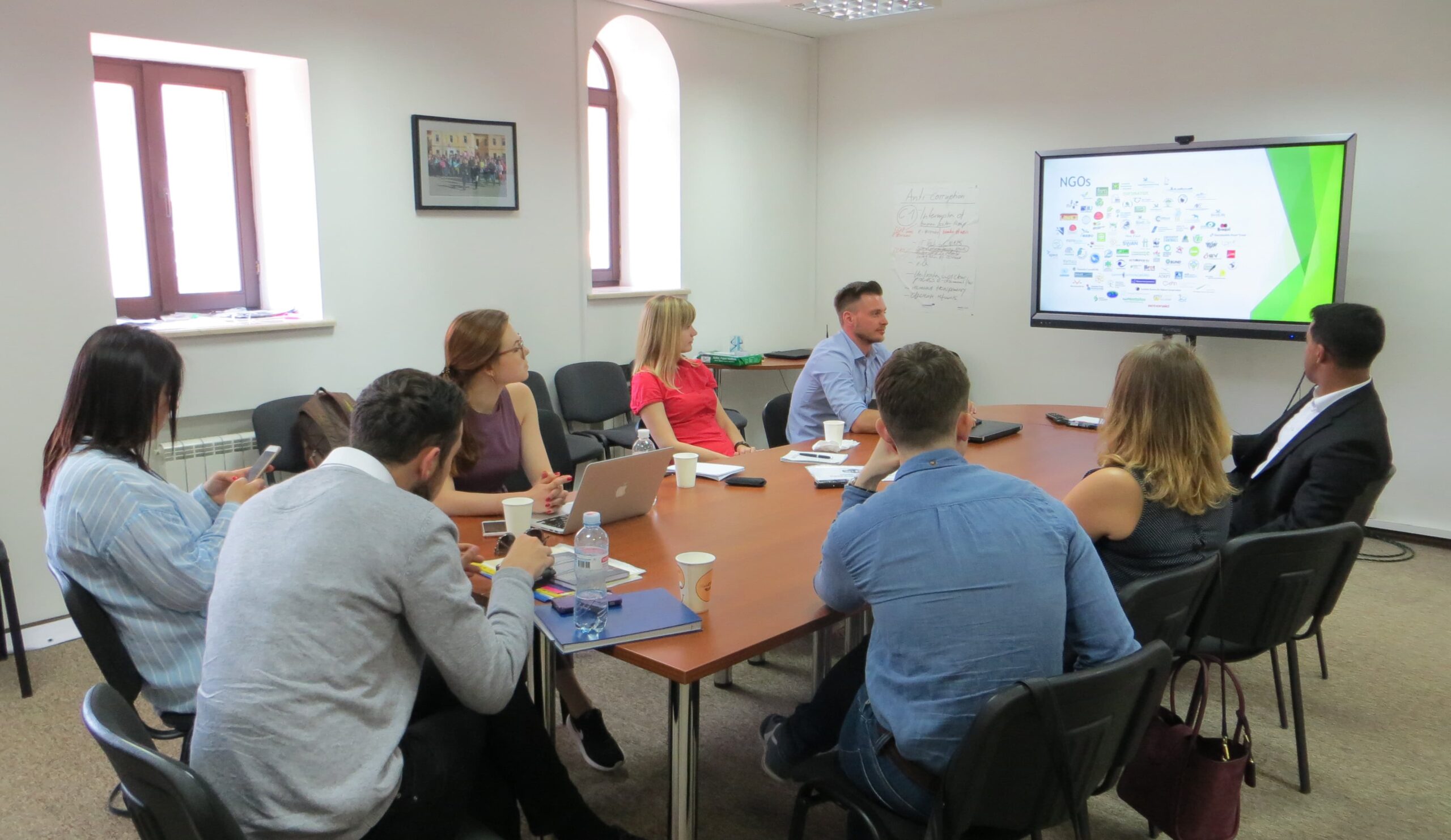
New Leaders: Politics can be different

The national television project “New Leaders” has ended, which came to existence with participation of the Ukrainian School of Political Studies and the Agency for Legislative Initiatives.
For over 13 years the Ukrainian School of Political Studies has been developing a network that connects successful and driven representatives of various fields (civil servants, lawyers, businessmen, scientists, politicians, journalists, activists and artists), leaders who determine the future of Ukraine.
In line with this mission, along with more than 30 key NGOs in Ukraine and the StarLightMedia group, USPS has launched the National Television Project “New Leaders”. This project’s goal is to find active, energetic and ambitious leaders who know how to change Ukraine and are ready to start implementing these changes today.
Guarding the project’s non-partisanship, transparency of rules and their compliance by all participants is Civil Supervisory Board, formed by leading NGOs of Ukraine. The Board is an independent and impartial supervisory authority and has formed the Selection Committee of the project.
The Selection Committee includes: Olga Aivazovska (Civic Network OPORA), Roman Bondar (Odgers Berndston Ukraine), Hlib Vyshlinskyi (Center for Economic Strategy), Andriy Vyshnevskyi (NGO “Lawyer of the Future”), Tetyana Durnyeva (Public Holding “Impact Group”), Svitlana Matviienko (Agency for Legislative Initiatives, Ukrainian School of Political Studies), Tamila Tasheva (NGO “Crimea-SOS”), Yaroslav Yurchyshyn (Transparency International Ukraine).
The project started in March. Altogether, nearly 1,400 applications were received from across the country, 854 of them passed the preliminary check and inspection. Following the principles of transparency and openness, the New Leaders site was screened for security, the votes were constantly checked, and several leaders were excluded from the project for certain violations of the Code of Conduct.
100 leaders were selected: 50 leaders received the largest number of votes from the voters and 50 leaders were selected by the Selection Committee. Of these 100 leaders, the Selection Committee selected 10 candidates who went onto the live shows. And among those TV viewers chose the winner of the project.
During the project the University of Leaders was organized for leaders and viewers online, which aimed to provide the project participants and other interested citizens with an educational platform for the learning and making new skills that modern leaders need. The lecture archive is available at https://novilidery.com/university-of-leaders.
The television part of the project started in October and lasted through November.
Among the participants of the project, there are 22 alumni of the USPS and 5 alumni of the School of Community Leaders. The first show was watched by over 2 mln viewers. Three USPS alumni went through to the top-10: Gennadiy Druzenko (2006), Oleksandr Slavskyi (2014) and Olga Matyushyna (2018). Many other alumni took high positions in the overall rating: https://novilidery.com/news/vidbirkovii-komitet-opriludniv-protokol-golosuvanna-za-prezentacii-usih-ucasnikiv-novih. Olga Matyushyna was a finalist of the project.
During the project period, almost 5000 commercials, stories in news blocks were shown and 7 shows were made. The audience on the Internet was about 8 million people and more than 300,000 viewers. Overall coverage (18+) was 26.3 million people. Every 4th Ukrainian among young people watched the show.
USPS at the World Forum for Democracy-2018
This year’s USPS delegation participated in the World Forum for Democracy that took place on 19-21 November in Strasbourg.
World Forum for Democracy that is annually held in the Council of Europe in Strasbourg is always a part of the program of the School. This year’s Forum’s topic was “Gender equality: Whose Battle?”. What role does unequal division of powers between men and women play? How to avoid gender-based violence? Why now, in 2018, gender stereotypes still hinder women’s ability to achieve their goals in civil, political and economic areas even in democratic states? How exactly all of us, women and men, can win from gender equality? These and other topics were raised during three days of the Forum.
First day of the Forum
First panel discussions were dedicated to the following topics:
– Women and power: towards 50/50;
– Problem of sexism, discrimination and violence against women;
– Security, democratization and women.
USPS delegation addressed the audience at the Council of Europe several times this days with questions regarding the attacks on civic activists, securing rights of women on the territories occupied by Russia – Crimea and Donbas, and gender equality in different professional spheres.
Second day of the Forum
On this day, USPS participated in round tables and labs on the following topics: artificial intelligence and gender equality, women and migration, feminist investigative journalism, religion and feminism, women in cinema etc. USPS participants also met with Permanent Representative of Ukraine in the Council of Europe Mr Dmytro Kuleba and Ukrainian Judge of the European Court of Human Rights Ms Hanna Judkivska. The delegation discussed topical issues for Ukraine at the Council of Europe, possibilities for development of institutions and reform of Ukrainian diplomacy. With Ms Hanna Judkivska at ECHR, the delegation discussed difficulties of implementation of decisions of the Court in Ukraine and reasons for popularity of the Court among Ukrainians.
Third day of the Forum
The morning of the last day of the Forum begain with a protest of the USPS in the PACE hall in support of Oleh Sentsov and other political prisoners of Kremlin. The protest took place during the speeches by the former and incoming chairs of the Committee of Ministers of the Council of Europe – Vice-Prime-Minister of Croatia Marija Pejcinovic Buric and Finland’s Minister for Foreign Affairs Timo Soini. Symbolically, this day was also the anniversaity of the Euomaidan, 21 November.
The same day USPS delegation also held a protest in the Council of Europe telling the story of Kateryna Handziuk, an activist and USPS alumna of 2015, as well as other 50 unresolved attacks on activists in Ukraine.
Later, the Forum was closed with a plenary session “Women, security and democratization” where conclusions were made. USPS Director also received diplomas for School’s students.
Guidelines for Assessment and Monitoring Public Policy Through Alternative Reports (Shadow Report)
Preparation of the alternative reports (Shadow Reports) is a part of the Agency for Legislative Initiative project in terms of USAID RADA Program: Responsible, Accountable, Democratic Assembly, which aims at institutional support of the Verkhovna Rada. Due to the preparation of alternative reports on problematic issues in the reform of civil service and higher education, the implementation of the law on the opening of property registers, etc., the Agency managed to argue the position of NGOs on possible ways to settle these issues. In addition, one of the most important tasks of the project is to strengthen the control function of parliament and parliamentary committees. For this purpose, the accepted format of alternative reports from the international practice has been adapted to Ukrainian context as a tool for policy monitoring and evaluation.
In the context of these guidelines we consider alternate reports as expert analytical documents created by civil society organizations that propose a sound alternative approach to the state of implementation of government policy, assessment of its impact during implementation, review of existing approaches and finding ways to improve public policy. The main task of an alternative report is a reasoned demonstration of position that was developed and consolidated by expert civil society organizations on an important political issue. These reports are not only published in the open access, but are also presented at the meetings of specialized parliamentary committee in order to get civil society organizations’ point across MPs and other participants of the political process. Although reports may be submitted to any parliamentary committee meeting, they are especially in need during Government Annual Report review by relevant parliamentary committees.
Alternative reports of the Agency for Legislative Initiatives were prepared by profile civil society organizations or specially invited experts and were presented at the committee meetings with the participation of responsible representatives of government ministries. The popularization of such an instrument among parliamentary committees allows to introduce step-by-step an institution of policy monitoring and evaluation at the stage of decision-making, facilitates communication between committees and government (and / or ministries), and involvement of profile NGOs in policy development.

The preparation and presentation of analytical reports in the Shadow Report format is part of the project embodied by the Agency for Legislative Initiatives, supported by the USAID Rada Program: Responsible Accountable Democratic Assembly, implemented by the East Europe Foundation.
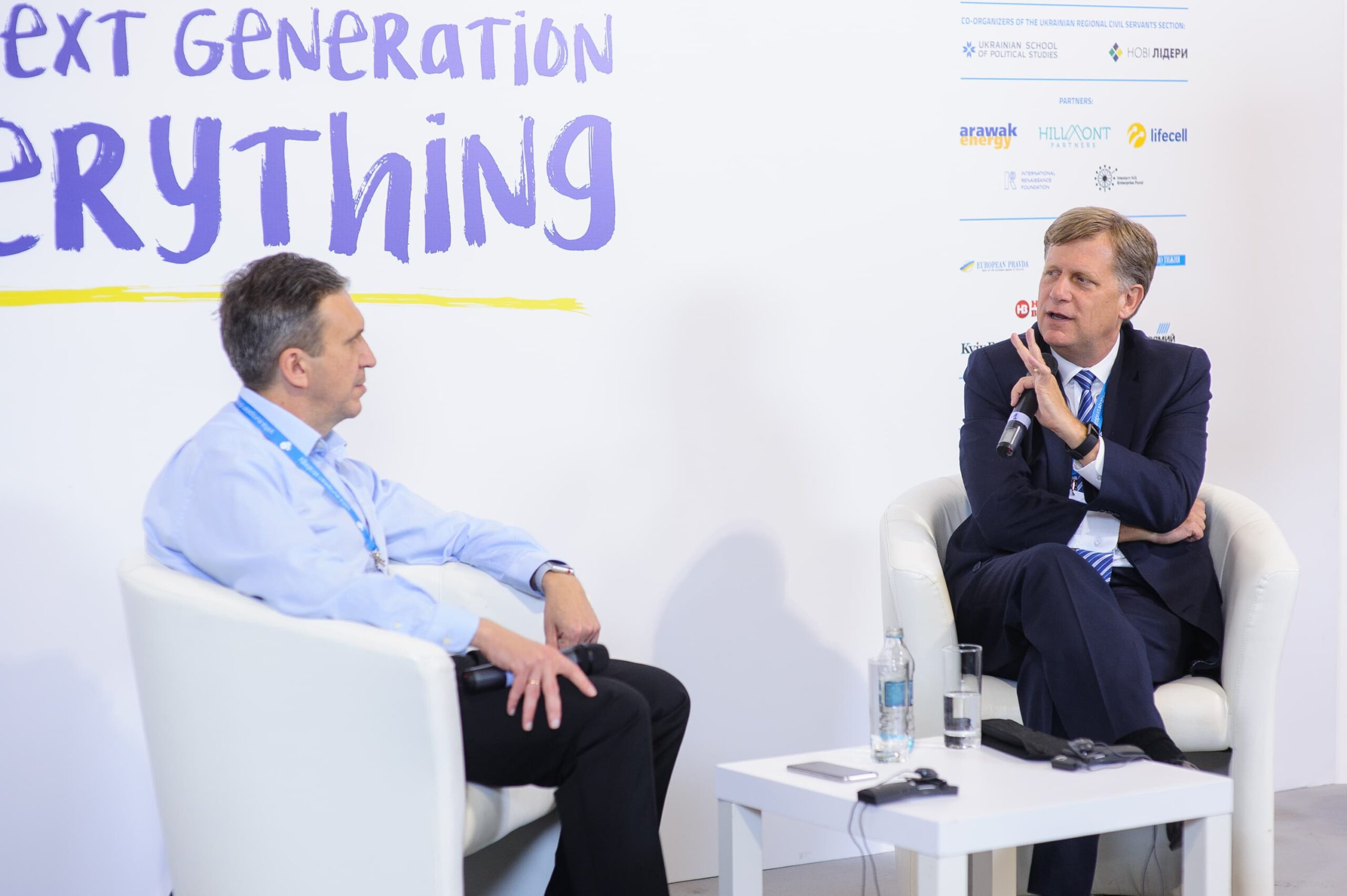
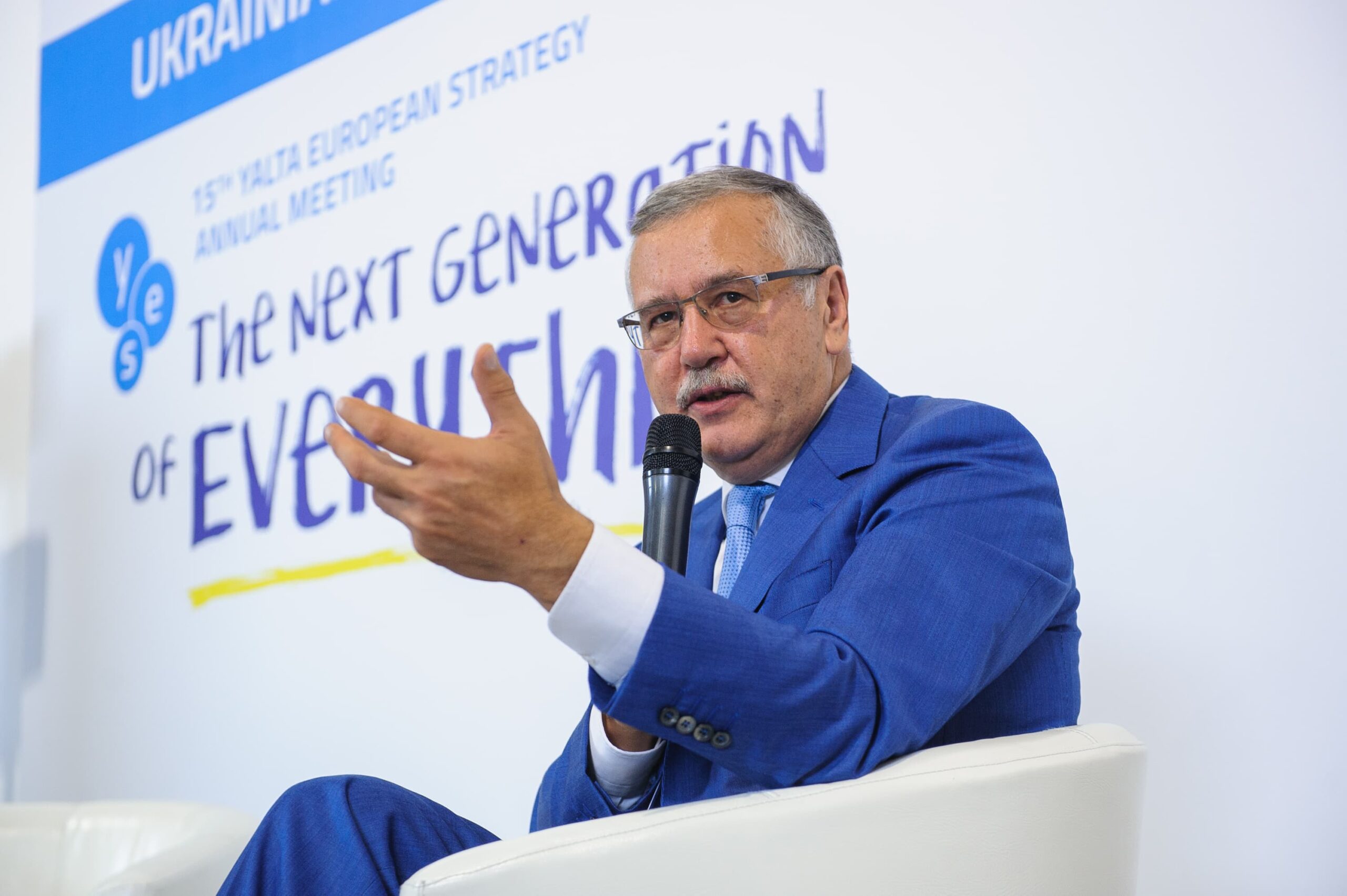
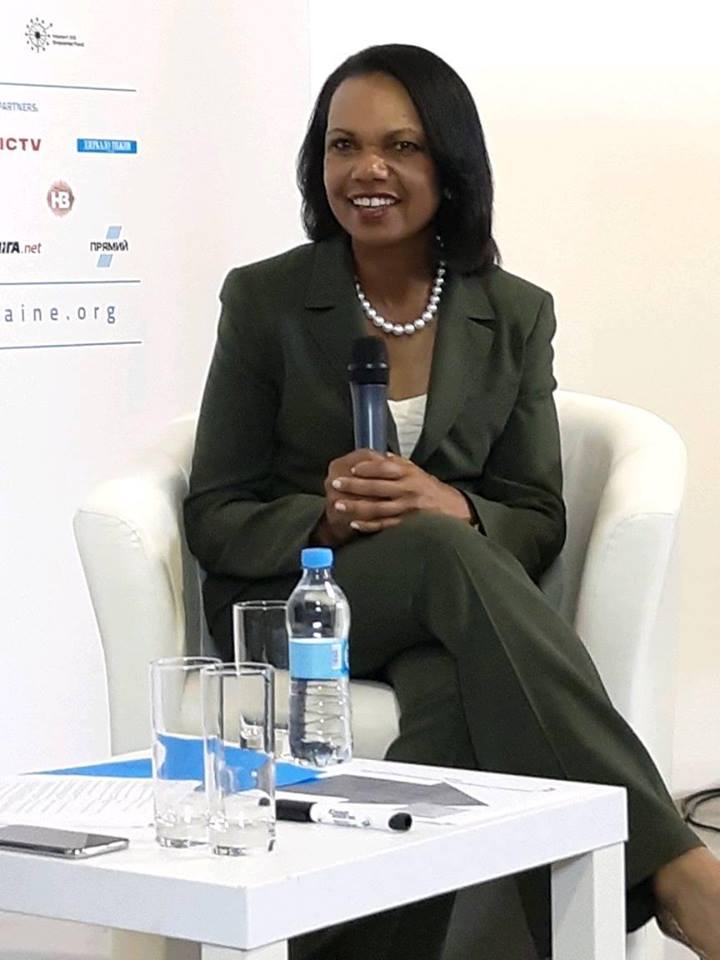
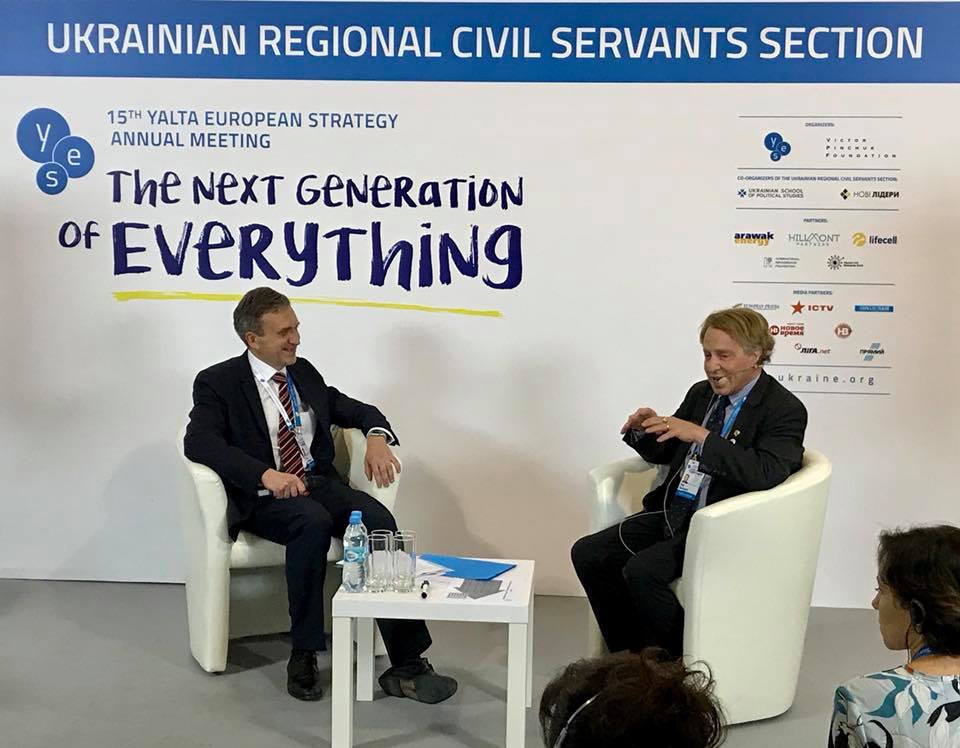
Forum of Regional Civil Servants in the framework of the YES Annual Meeting
Its participants have an opportunity to discuss the main challenges facing the world, as well as the interaction of Ukraine with its partners. They will take on the experience of leading international and Ukrainian politicians, experts, businessmen and statesmen. This year, regional civil servants, civil society representatives, and participants of the national TV project “New Leaders”, who were selected after an all-Ukrainian competition, joined the Forum.
The speakers of the Forum were Ivanna Klympush-Tsintsadze, Vice-Prime-Minister for European and Euro-Atlantic Integration of Ukraine; Oleksandr Bogutsky, Director-President of the ICTV TV channel; Gennadiy Zubko, Vice-Prime-Minister, Minister of Regional Development, Construction and Housing and Communal Services of Ukraine; Ray Kurzweil, American inventor and futurist; Condoleezza Rice, 66th United States Secretary of State (2005-2009); Andriy Illarionov, Senior fellow in the Center for Global Liberty and Prosperity at the Cato Institute; Hernando de Soto, President of the Institute for Liberty and Democracy; Alastair McBain, Executive Director of Arawak Energy; Nataliya Katser-Buchkovska, MP of Ukraine; Michael McFaul, Professor at Stanford University, Senior Researcher at the Hoover Institution, US Ambassador to the Russian Federation (2012-2014); Manuel Valls, Prime Minister of France (2014-2016); Anatoliy Grytsenko, Leader of the Civic Position party, Defense Minister of Ukraine (2005-2007); Pat Cox, President of the European Parliament (2002-2004).

Ivanna Klympush-Tsintsadze, Vice-Prime-Minister for European and Euro-Atlantic Integration of Ukraine, told the civil servants about the the difficulties and daily challenges of working as Vice-Prime-Minister. She noticed that coordinating different departments is the most difficult part of her job, since historically different departments were not accustomed to cooperate with each other, and there was no tradition of interagency coordination.
Vice-Prime-Minister noted that last year Ukraine managed to enter the brightest page in the biography of integration into the European Union. Starting from June 11, 2017, Ukrainians felt the benefits of one of the fundamental European freedoms – freedom of visa-free travel to the EU. More than a million Ukrainian citizens have already taken advantage of a visa-free stay and felt the effect of European norms and standards. “I am convinced that the Association Agreement and the visa-free travel are a watershed between the European future and the Soviet past of Ukraine”, said Ivanna Klympush-Tsintsadze.
She stressed that the European and Euro-Atlantic integration of Ukraine should be carried out of political fight. National interests cannot be the subject of political speculation and manipulation. The rates are too high and the risks are too obvious.
(Source: https://bit.ly/2IBIpKT)

Gennadiy Zubko, Vice-Prime-Minister, Minister of Regional Development, Construction and Housing and Communal Services of Ukraine, told the Forum participants about the smart specialization of regional development. He shared the experience, which European states introduce to strengthen their communities in order not to preserve their economies in a regional aspect, but to think what can be added in the future.
Energy saving is one of the most urgent issues for Ukraine, since the issue of energy efficiency is a security issue in Ukraine. When we talk about the independence of the country, first of all, we talk about its energy independence. This is not only a matter of increasing the extraction of natural resources, but the question of saving the energy we consume, both private consumers and enterprises.
“The key role of smart-specialization is to strengthen the community, transform the regional economies rather than retain traditional industries”
Smart-specialization involves identification of the region’s competitive advantages and assets, use of its innovative and scientific potential, and consolidation the human resource. Strategy formation below in close cooperation and dialogue between government, business, science and community is a significant feature of smart-specialization.
Six steps to develop regional strategies for smart-specialization: 1. Analysis of regional potential for innovation; 2. Establishing a reliable management structure; 3. Developing a common vision for the future of the region; 4. Choice of a limited number of regional development priorities; 5. Creating an appropriate policy combination; 6. Integration of monitoring and evaluation mechanisms.
“The key to regional strategies development is to be able to find solutions that will allow us to “run ahead” and see the real prospect of a direction that will definitely work to develop and strengthen the community in the future”
Michael McFaul, Professor at Stanford University, Senior Researcher at the Hoover Institution, US Ambassador to the Russian Federation (2012-2014)
The Russian elites will split after President Putin leaves his office and the transfer of power to another will not be a smooth process, says Michael McFaul.
“It would not be correct to say that they are united. When the post-Putin era begins, do not expect all the elites to behave in the same manner. I think we should expect a big fight. Also, some of theses people, who did not like the path taken, will start questioning: are we going the right way? … I think there will be a split in the elite”
McFaul added that an attempt to hand over the power to other members of the security agencies will not gain support from all the members of the Russian elite. “The Russians won’t go for Bortnikov or Patrushev. There were twenty years of “Putinism”, and now they promise another twenty years of the same course but without that charisma and luck Putin has had? I think it would be very difficult to hand over the reins of power to the security agencies”, McFaul concluded.
(Source: https://bit.ly/2P8B4Vp)
Anatoliy Grytsenko, Leader of the Civic Position party, Defense Minister of Ukraine (2005-2007), said that building a successful Ukraine requires an effective protection of citizens’ rights, freedoms and property.
“The State must not be one where one person plants seeds in the soil and another comes and takes the whole harvest away, with the police watching and smiling. We cannot be a State where the Government requests an $2bn loan from the IMF while people are keeping much more cash under their mattresses because they are afraid of bringing that money into banks”
He stressed that in order to protect citizens’ rights, fair justice should be put in place in the first instance, the anti-corruption bloc function should be improved, the Anti-Monopoly Committee should be reformed and boosted, and the State’s monopoly over use of force should be restored.
“We must protect rights, freedoms and property… There is no democracy without a sound economic base”
Condoleezza Rice, 66th Secretary of State of the United States (2005-2009), stressed that the US political system is built in such a way that it remains stable and balanced under any president.
“President Donald Trump is one of many actors within our political system. The US Founding Fathers – and this will be a good lesson to young democrats in Ukraine – were very cautious about the executive power. They provided for a system of checks and balances: a two-house parliament, the civil society, the press … This system is not one-person based, it is not relying on one person”
At the same time, Condoleezza Rice believes that there is a range of issues in the United States that give grounds for populism and require addressing.
“The US has their own challenges. We are a polarized country where many citizens feel left beyond the new reality that has emerged due to globalization and automation”
Ray Kurzweil, American inventor and futurist
“There are two aspects: hardware and software … Processors have already the capacity that is equivalent to 100 thousand human brains. As for the software, there is also the wonderful progress in solution of key issues. I believe that by 2029, creation of the full-fledged artificial intellect may be expected”, said Ray Kurzweil.
He added that the artificial intellect will not be something detached from a human, but it will be an extension and a complement to the human brain. “These are not some extraterrestrials or aliens from Mars, it will be our extension… We will just merge”
According to Ray Kurzweil, the human life may be prolonged, and the capacity of the brain may be much extended thanks to the use of artificial intellect.
Also, the inventor believes that thanks to the new technologies, such common domains of life will get automated in the near future as agriculture: it will become possible to use up to 90% of soils that are not cultivated now.
(Source: https://bit.ly/2QqQZyu)
Photo: YES © 2018. Maksym Nesterenko
Statement of the NGO “Agency for Legislative Initiatives” on the attack on Kateryna Handzyuk

Today Kateryna Handzyuk, Manager of Affairs at the Executive Committee of the Kherson City Council, was assaulted. In severe condition, she was hospitalized and now stays in intensive care unit.
Kateryna Handzyuk has been working in local self-government since November 2016. She advocates the disclosure of all data held by the City Council and establishing communication between officials, the media and the community. Kateryna is a well- known as a Kherson activist who fights corruption in the ranks of police. In the autumn of 2017, she brought evidence of corruption of Artem Antoshchuk, Head of the Department of Economy Protection of the National Police in the Kherson Region.
The Agency for Legislative Initiatives has been working with Kateryna Handzyuk since 2015, when she joined the Ukrainian School of Political Studies’ Community. In 2017, Kateryna became an expert of the Agency for Legislative Initiatives after conducting the research and preparing an analytical paper “The Policy Proposals to Regulate the Status of the Local Council Members” on its basis.
The Agency for Legislative Initiatives’ team condemns the attack on Kateryna Handzyuk. We consider it unacceptable that in the 21st century in a democratic state, the struggle of citizens against corruption in state bodies is accompanied by intimidation of activists and brutal physical harassment, which usually remain unpunished.
It is necessary to draw attention to the fact that the recent attacks on journalist Sergiy Nikitenko in Kherson and activist Vitaly Ustymenko in Odesa remain unpunished. Our Community has not forgotten about the attack on Dmytro Bulakh (2014 USPS alumnus), a well-known Kharkiv anti-corruption activist. The lack of adequate investigation and punishment of the executors and organizers of these attacks is unacceptable. The brutal impunity of crimes generates an escalation of violence in society.
We appeal to the President of Ukraine Petro Poroshenko, the Minister of Internal Affairs of Ukraine Arsen Avakov, and the General Prosecutor of Ukraine Yuriy Lutsenko with the requirement of an immediate and objective investigation of the attack on Kateryna Handzyuk. The performers, possible organizers and customers of the assassination attempt should be brought to criminal justice. We also ask for assistance from our international donors and partners. Ukraine should be an example of adherence to the rule of law: only then we can talk about any reforms, when human life and health are supreme values and are protected by the state.
Seminar “Legislative Process in the United States: Procedures, Steps and the Role of Public”
The event was organized by the Agency for Legislative Initiatives in co-operation with the The Center for Innovation Development and the Interns’ League under the Professional Fellows Program, administered by the American Councils for International Education with the support of the Bureau of Educational and Cultural Affairs of the United States Department of State.
Jacob Ventura has an extensive work experience at the Massachusetts Legislative Office (USA); he also provided legal assistance in reforming the ethical standards of the French judicial system. In addition, Mr. Ventura was a member of the rule-making teams of elected representatives both at the state level and at the federal level.
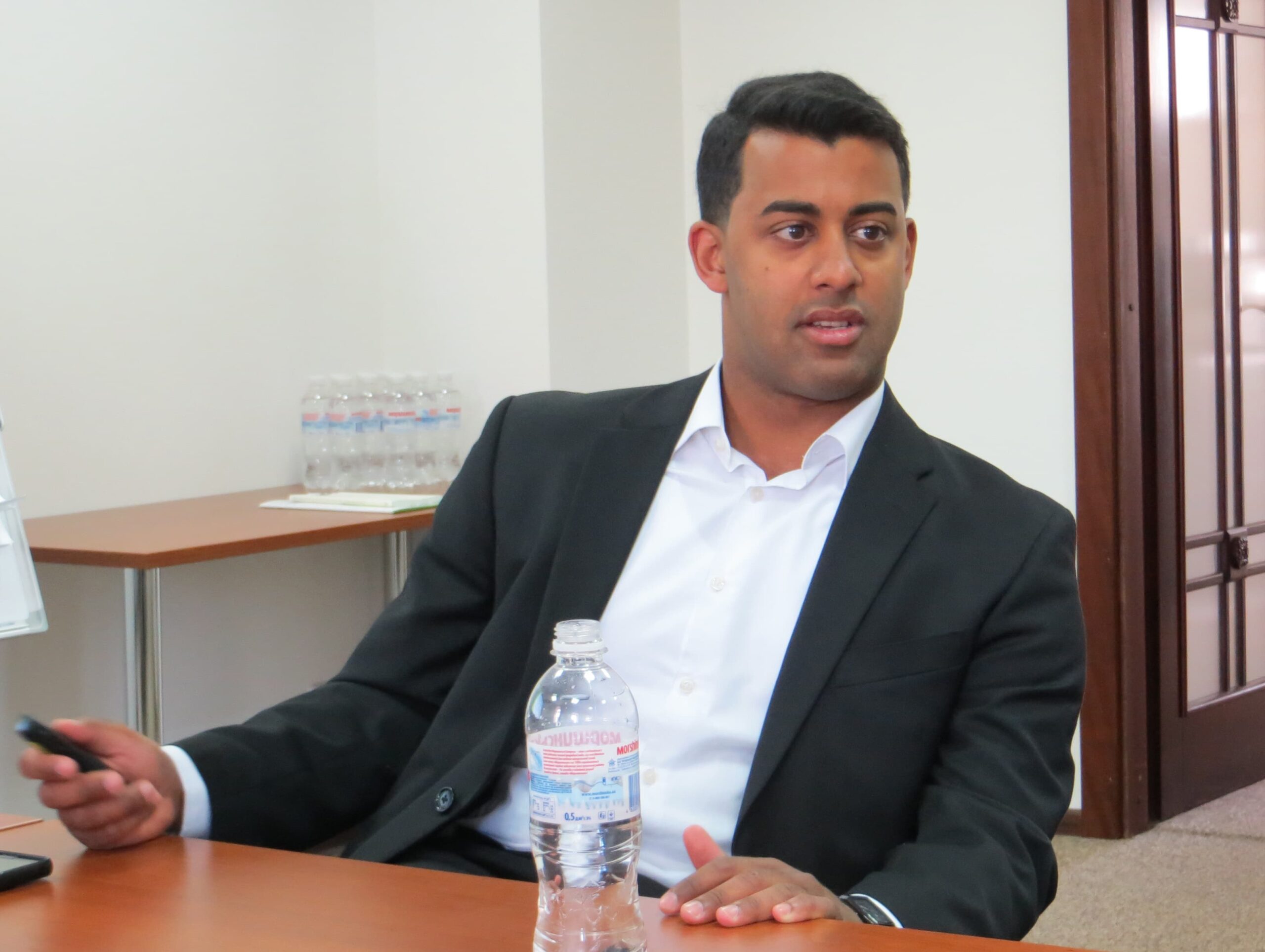
During the seminar, Jacob Ventura outlined the peculiarities of governance in the United States, key competences and principles for the functioning of the executive, legislative and judicial branches of government; he also described in detail the legislative process in the United States: from the idea for a bill and until its final vote. In addition, he revealed the peculiarities of work and interaction of the government with the non-governmental organizations in the United States.
“The separate but equal branches of government was derived from the Massachusetts Constitution, approved in 1780 and drafted by John Adams. It is the oldest written constitution in continuous effect in the world”
Idea for a Bill
Someone will have an idea for a bill as a result of a public policy need or a need to update or repeal a current law already in existence. Often times members of the legislature and their staff (House or Senate) will have the idea. Other times, a constituent, a citizen of the district will have an idea based on a societal or individual need. NGOs, lobbyist, businesses, non-profits, health care, industry, education, transportation and other groups will have an idea for the bill and propose it to a member of the legislature.
Generally, NGOs, lobbyists, constituents and organizations will directly lobby their Representative or Senator. Often times, larger organizations will lobby many legislators to get the necessary support for or opposition to a bill. Depending on the issue, and in many cases, just as many people are for a bill as are against the same bill. In this case, a particular legislator must weigh the pros and cons to voting ‘yes’ or ‘no’ for the bill. Considerations include how their particular district feels about the bill and the prospects of re-election during the next cycle; special interest political funding; personal relationships with the particular parties lobbying; the merits of the bill and the likelihood of legislative success; influence from party leadership in the legislature.
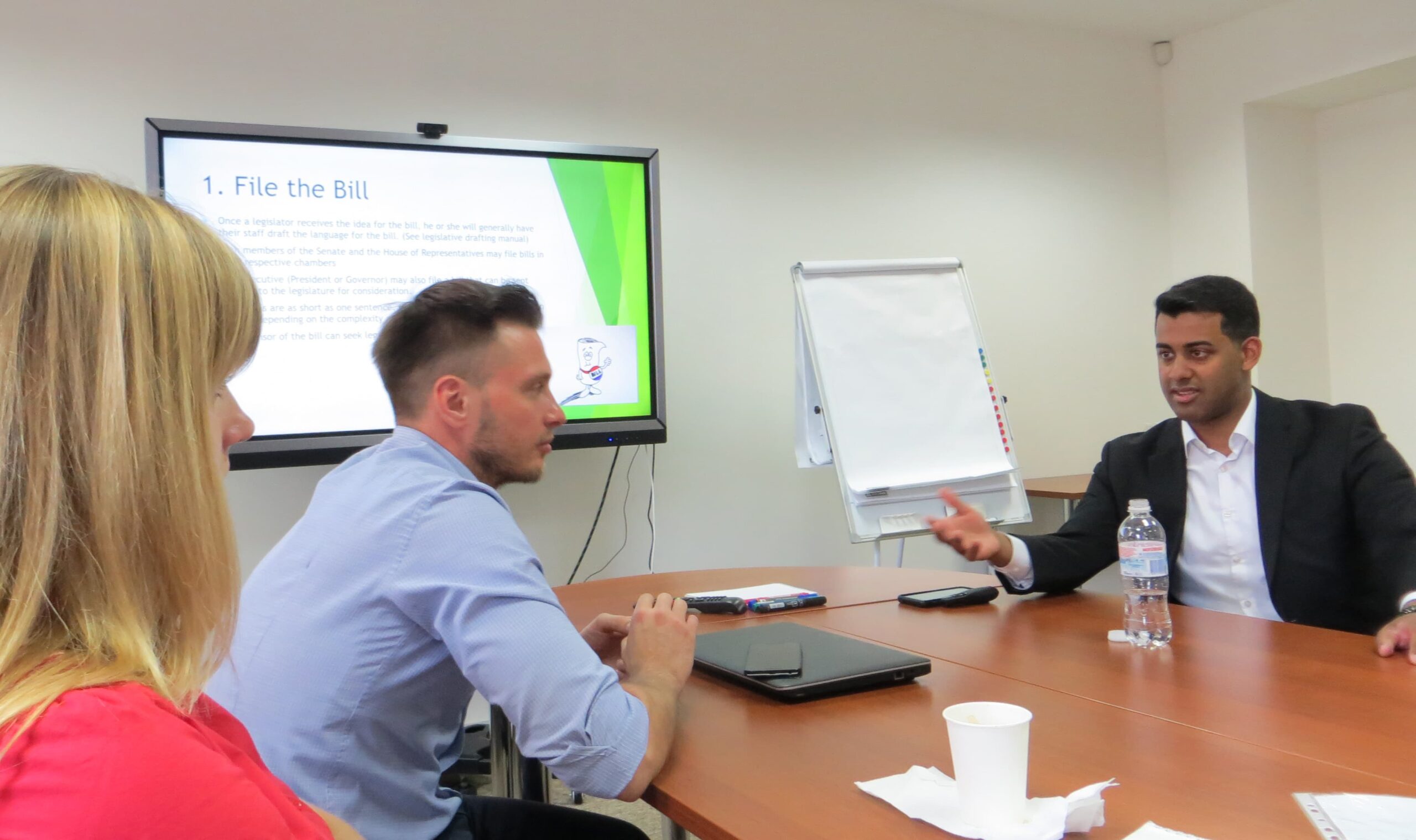
Components of the legislative process
- File the bill. Once a legislator receives the idea for the bill, he or she will generally have their staff draft the language for the bill. Both members of the Senate and the House of Representatives may file bills in their respective chambers. The Executive (President or Governor) may also file a bill that can be sent directly to the legislature for consideration.
- Committee Hearing. Many bills that are filed never make it to a hearing. In some states, every bill filed must have an opportunity to be assigned to a committee for pubic testimony. Bills are assigned to committees based on issue areas. Once a bill has been assigned to a committee, the committee leadership will schedule a hearing on the bill sometime during the legislative session. Hearing rules are determined by committee membership. Generally, experts and concerned parties will be allowed to testify to the committee on the bill at hand, either for the bill or against the bill. After a bill has been heard at a committee hearing and all testimony has been submitted, the Committee will often take a private poll of the members and leadership to determine the level of support for the bill.
- Debates.
- Conference. In the U.S. Congress, there are 435 members of the House of Representative apportioned by population throughout the states. There are 100 U.S. Senators in the upper chamber, each state getting equal representation in this body, 2 Senators per state. In State Legislatures, the number of House and Senate members may vary. Generally, simple majorities are required for bill approval however there are hundreds of procedures and rules in each body that could lift the requirements for particular actions.
- Final Legislative Vote. Once a bill has finally passed both chambers for final approval after conference, the House and the Senate, it is sent to the Executive Branch.
- Executive Approval / Veto. The President of the United States owns the right of legislative approval or a veto at the Federal Government level. In any of the state governments, the executive is the Governor. The Executive is prescribed a certain amount of time to sign a bill in to law. The President has 10 days to sign the bill in to law or veto. Many governors have line-item veto power which allows them to change only portions of the bill or budget. The President does not have line-item veto power. The President must sign the entire bill in to law, or veto it, sending it back to the Congress for reconsideration. The President can also refuse to sign a bill but still allow it to become law.
- Legislative Override of Veto. Usually, if the Executive fails to sign a bill, the bill is automatically vetoed. If the legislature disagrees with the executive’s veto, both chambers must re-vote to override the veto (usually by a 2/3 majority in each chamber). This is a very tough task and high threshold at the federal government level and in many states.
- Constitutional Challenges. Once a bill becomes a law, citizens, members of the legislature and even the executive may challenge the law on constitutional grounds. The third, and often times most important branch of the U.S. government, the Judicial branch will decide if the law is to remain valid and if people’s constitutional rights are violated.
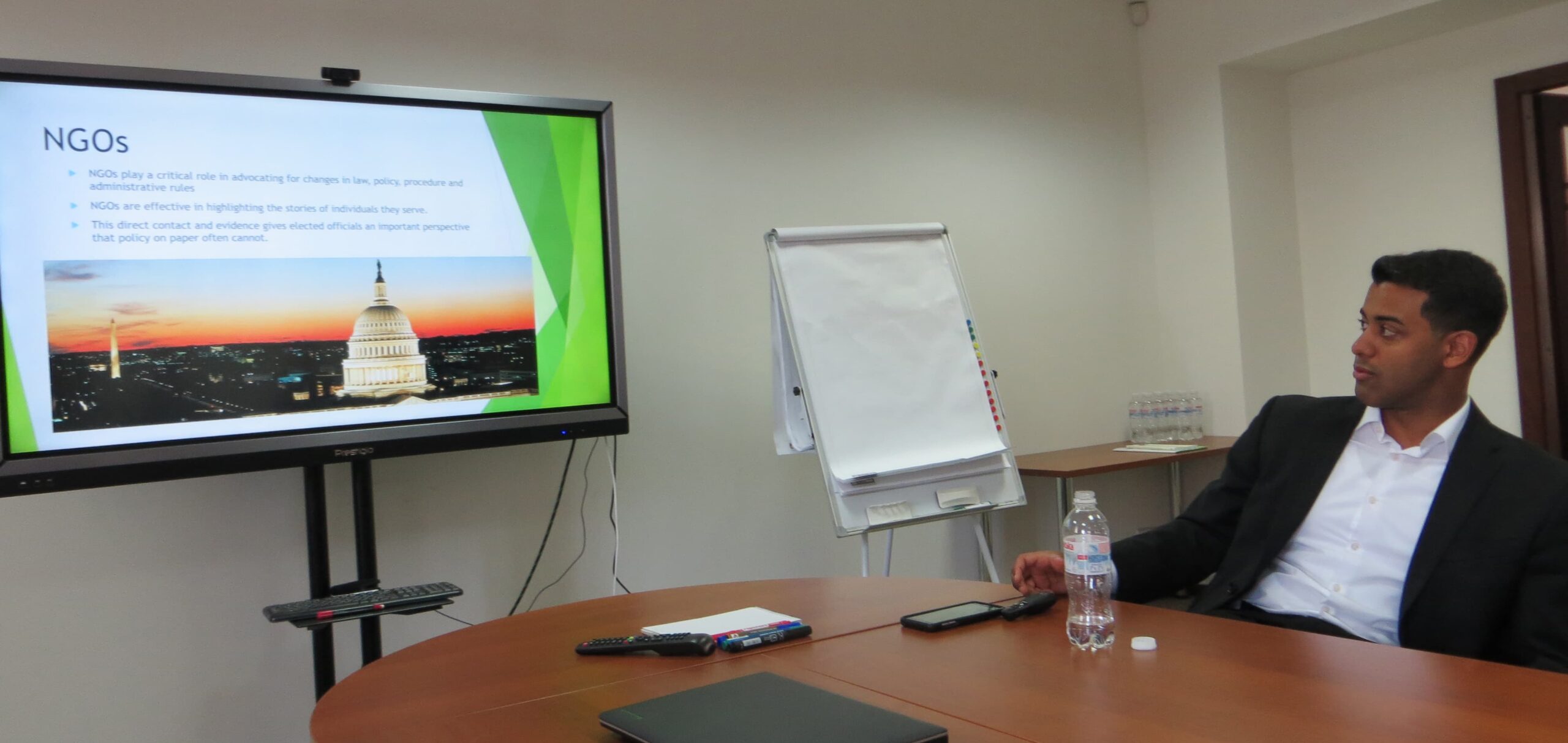
NGOs in the United States
Article 71 of the Charter of the newly formed United Nations first defined ‘non-governmental organization’ in 1945. An NGO can be any kind of organization so long as it is independent from government influence and it is not-for-profit. There are approximately 10 million NGO organizations world-wide. Global Journal. There are 1.5 million NGOs in the United States that employ approximately 11.4 million Americans. According to the CAAF World Giving Index, nearly 31.5 percent of people worldwide donated to a charity/NGO in 2015 and 24 percent volunteered for one. According to Walden University, 80 percent of citizens across the globe believe that NGOs make it easier to be involved in positive social change.
NGOs address a variety of issues including women’s rights, human rights, economic development, political rights, health care, environmental regulation, the battling of disease, and increasing the standards of living for the most vulnerable populations.
NGOs play a critical role in advocating for changes in law, policy, procedure and administrative rules. NGOs are effective in highlighting the stories of individuals they serve. This direct contact and evidence gives elected officials an important perspective that policy on paper often cannot. NGOs must determine the ability of its organization to be a successful advocate for its cause. NGOs must strategically ‘pick their battles’ to determine if a cause should become a legislative priority (considerations are timing, funding, will of Congress, current events, and likelihood at success).
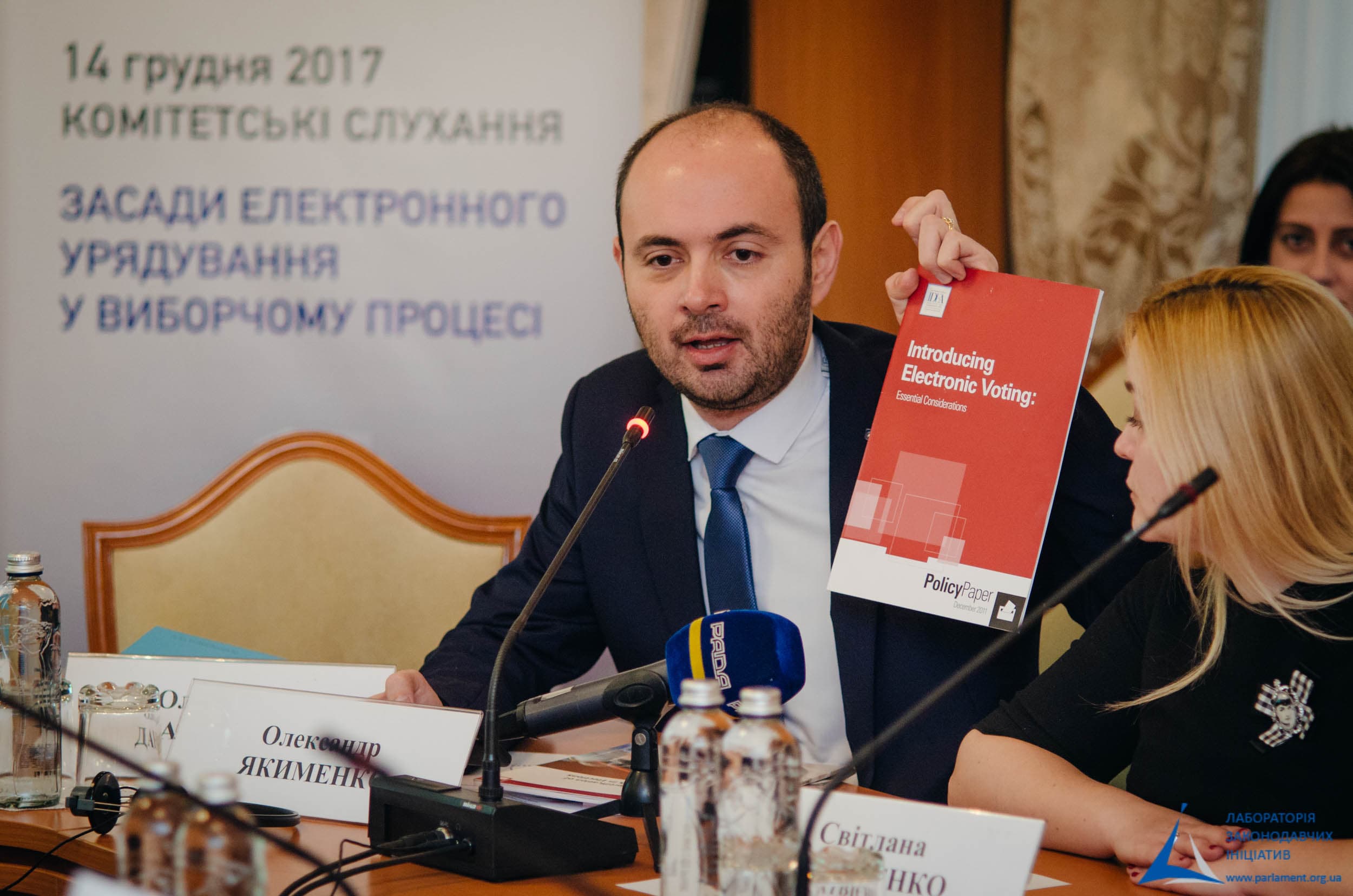
Presentation of the Concept of the Green Paper on the Information Security of the Electoral Process at the Committee Hearings “Principles of E-Governance in the Election Process”
The event was organized by the Agency for Legislative Initiatives in partnership of the Committee for Informatization and Communications and International IDEA.
Oleksandr Danchenko, Chair of the Parliamentary Committee for Informatization and Communications said at the Committee Hearings:
“As Ukraine is on the path of democratization, not only the society as a whole, but all its state institutions, need to make the appropriate changes. In particular, when it comes to the electoral process, it is expected that the use of modern information technology and the standardization of mechanisms during its conduct will be widely used.
The development of e-democracy and e-governance is impossible without the introduction of electronic will”
Olena Matuzko, Secretary of the Committee for Informatization and Communications of the Verkhovna Rada of Ukraine mentioned:
“The current legislation of Ukraine does not yet support the introduction of electronic voting, but the foreign experience of democratic states regarding electronic elections should become the basis for the development and adoption of legislative acts aimed at developing e-elections and digitization of the electoral process.
The introduction of information technology in the domestic electoral process should take into account the best legal experience of the countries in the context of both progressive expression of will and protection of the results of expression of will during the electronic voting”

Svitlana Matviienko, Chairwoman of the Agency for Legislative Initiatives, noticed that the changes which occur around the whole world induce developments also in Ukraine. In particular, this refers to the possibility of electronic voting to be implemented in Ukraine in 2024. Nonetheless, it is quite an exaggeration to insist on the preparedness of the state. The Green Paper on the Information Security of the Electoral Process, which will be finalized taking into account today’s discussion and recommendations, aims to accelerate this progress.

“In our opinion, the introduction of electronic voting, the challenges and risks, which accompany this process, as well as a number of other related and important issues, is matter of great urgency in Ukraine.
Electronic voting is not only a tool to learn the results of people’s will. We believe that this is a tool that makes the election process more effective and increases confidence in it.
Appropriate decisions pertaining to electronic voting could improve security of voting, speed up vote counting, and simplify the voting process. Nevertheless, such decisions involve many problems. They need to be carefully planned and developed; otherwise, they will shatter confidence in the election process as a whole”
Oleksandr Iakymenko
Programe Coordinator in Ukraine, International IDEA
Electronization of the electoral process: establishing an interinstitutional dialogue and developing common vision

Danylo Mialkovskyi, Head of the Department of the Administration of the State Service for Special Communication and Information Protection, spoke of up-to-date mechanisms for information security in the election process. Mr. Mialkovskyi emphasized the fact that the introduction of electronic voting could motivate youth to take part in elections, which indicates the stage of democracy development in the country. The introduction of electronic voting requires not only the reassessment of the election infrastructure but also revision of institutional and resource capabilities of Ukraine. Considering the practices for building confidence in electronic voting, Mr. Mialkovskyi claimed that it is very important to accurately identify a person who votes. This is possible to do by using the Ukrainian passport as ID-card as well as by implementing the technology of digital signing with mobile terminals – mobile ID. On the other hand, we need to pay special attention to the legal regulation of these technical tools.

Oleksandr Stelmakh, Director of the Disposer Service of the State Register of Voters, Central Election Commission, said that since 1998 the Central Election Commission has a data analytics system “Elections”, which embraces all stages of the election process. Mr. Stelmakh pointed at issues and challenges to the high-quality election process, which are the following: the replacement of the electoral legislation every election; the absence of regular election commissions; the neglect of new election technologies; unreasonable cutbacks to funding for information programs; the poor status on the state register data accumulation and ID-card distribution.

Yevhen Yakovenko, Deputy Head of the Division as part of the Department of the Counterintelligence Protection of the State Interests in the Field of Information Security of the Security Service of Ukraine, noticed that the Central Election Commission was one of the first institutions in Ukraine that built two of the most important information systems – a system of election automatization and system of the state register of voters. These systems are under constant cyberattacks of hostile intelligence agencies. Two main types of attacks are the following: information field, which is a creation of a bad reputation for the state, and intrusion into the work of these systems with the aim to block information or distort it.

Oleksandr Ryzhenko, Head of the State Agency on e-Governance of Ukraine, emphasized the importance of the adoption of the Law of Ukraine “On Electronic Trust Services”, which can help to introduce new election technologies and election services for citizens that will simplify the exchange of electronic documents for citizens. Nevertheless, there are some questions that persist. Those are the following: access to information; digital inequality between the citizens who live in big cities and those who live in Ukrainian regions; improvement of the electronic identification of citizens. Mr. Ryzhenko agreed with previous speakers on the fact that informatization needs citizens’ confidence.
International experience of using information and telecommunication technologies in the election process
Peter Wolf, Technical Manager and Expert on Elections, Constitution-building, ICTs in elections, International IDEA, gave attention to electoral technologies and main trends in cybersecurity. Peter Wolf named main problems with cybersecurity during elections, which are the following: DDoS attacks, web hacking and manipulation with content; system hacking; information leaks; information and data accumulation; distribution of disinformation. Appropriate measures to undertake would be national interdepartmental coordination, detailed analysis of all processes, resource enhancement for protection, control, detection and counteraction to dangers.

Prof. Carsten Schürmann, IT University of Copenhagen, told how to provide elections with information and communication technologies and how to protect election systems. Prof. Schürmann paid attention to the fact that it is necessary to carefully prepare legislature and technologies to make elections transparent and effective. In addition, he specially emphasized the fact that the very technical system of elections is vulnerable to cyberattacks, no matter how much it is protected from hackers. You need to have hard evidence, such as bulletins, which you can verify after the publication of results. It is usually best to use both technologies and bulletins because only technologies guarantee transparency, and confidence in elections is formed by a conducted audit.

Peter Erben, IFES Ukraine Senior Country Director, IFES Senior Global Electoral Adviser, laid bare the specifics of the use of electoral technologies in Ukraine. Mr. Erben pointed out that ten years ago people were optimistic regarding the use of technologies in the election process, while today they have become very sceptical because of constant cyber threats and attacks. There has been a regression in the use of electoral technologies because of the confidence issues. Thanks to technologies we can promptly process big data, but they cannot replace old ‘manual’ methods. They can only complement and improve them. Mr. Erben mentioned that the state register of voters in Ukraine is very good. And traditionally, it is the most problematic election tool in the whole world. Nonetheless, Ukraine is not up to speed on the election result management.

Oleksii Koshel, Head of the Committee of Voters of Ukraine, emphasized the importance of a high-quality and clearly spelled out legislative framework to avoid additional risks while using new technologies. Mr. Koshel indicated the risks for the Ukrainian electoral system, which are the following: constant Russian interventions and distrust in election results.
Roadmap for the introduction of the e-Governance in the election process
Yegor Aushev, Project Director at Cyber Guard, Co-founder of HACKEN, during the presentation of the conception of the Green paper for information security of the election process, made a point that this document is created to present some aspects of information security of the election process, detect problems, assess the scope, dynamics and acuteness of detected problems, and propose possible solutions.
“We can make a general conclusion that, despite risks, known technical solutions are confirmed in practice. In addition, after the systematic reviewing of all questions, it has become obvious that cyber threats which can influence the election process are only in part related to technical issues. Inadequate perceptions of threats and vulnerability are also dangerous and even more difficult to counteract”
Ihor Malchenyuk, Technology Strategist, Microsoft, Associated Member, Ukrainian Information Security Group (NGO), Co-founder of City Innovation Platform (NGO), emphasized that the Green paper gave attention to the analysis of important components of the election process, such as the state register of voters, vote counting, personal data protection. Cyberattacks of foreign countries is a challenge to national sovereignty, and they are threatening the political system, ruining confidence, damaging data, and hindering the use of technologies.

Victor Zhora, Director of Infosafe IT, analysed the evolution of the “Elections” system; investigated into how the Ukrainian electoral system changed from 2002 till 2017; revealed main phases of attacks on the electoral system of Ukraine, such as non-sanctioned interventions, distortion of results, and DDoS attacks; in addition, told about ways how to make the election process in Ukraine safer. Mr. Zhora emphasized that Ukraine was a testing platform to cyberattack an electoral system. Cybersecurity is a stumbling block in regards to the confidence in the election process.
Volodymyr Flonts, Head of SCO “Electronic Democracy”, made a point that the term ‘Internet-voting’ is already present in the Ukrainian legislation. Mr. Flonts mentioned that there are no hindrances to introduce open Internet-voting. It is harder to implement ballot voting. Without trust in the voting process we do not have the legitimacy of election.
At the end of the committee hearings, prof. Carsten Schürmann showed an example of a cyberattack on the electronic voting system – hacking of a voting machine. With the help of his computer, information search in the Internet, and simple tricks, prof. Schürmann could enter in 5 minutes in the system of the voting machine and changed the saved data.
Presentation of the Policy Paper “Proposals for Policy on Cybersecurity Reform in Ukraine”
On December 14, 2017, the Committee hearings on “Principles of E-Governance in the Electoral Process” were held including presentation of the Policy Paper “Proposals for Policy on Cybersecurity Reform in Ukraine”.
The event was organized by the Agency for Legislative Initiatives in cooperation with the Committee on Informatization and Communications of the Verkhovna Rada of Ukraine with the support of the International IDEA.
The Hearings were attended by 42 people, including representatives of the Cabinet of Ministers, specialized parliamentary committees, a representative of the Central Election Commission and representatives of NGOs working on the improvement of the electoral process in Ukraine.
The Policy Paper “Proposals for Policy on Cybersecurity Reform in Ukraine” identifies and describes the problem; examines the regulatory principles of cybersecurity; analyzes the respective reform of EU legislation and its implications for the cybersecurity of Ukraine; offers alternatives and analyzes the barriers and ways to overcome them.
The paper was presented by one of its authors – Yegor Aushev, Project Manager of the Cyber Guard, co-founder of HACKEN.
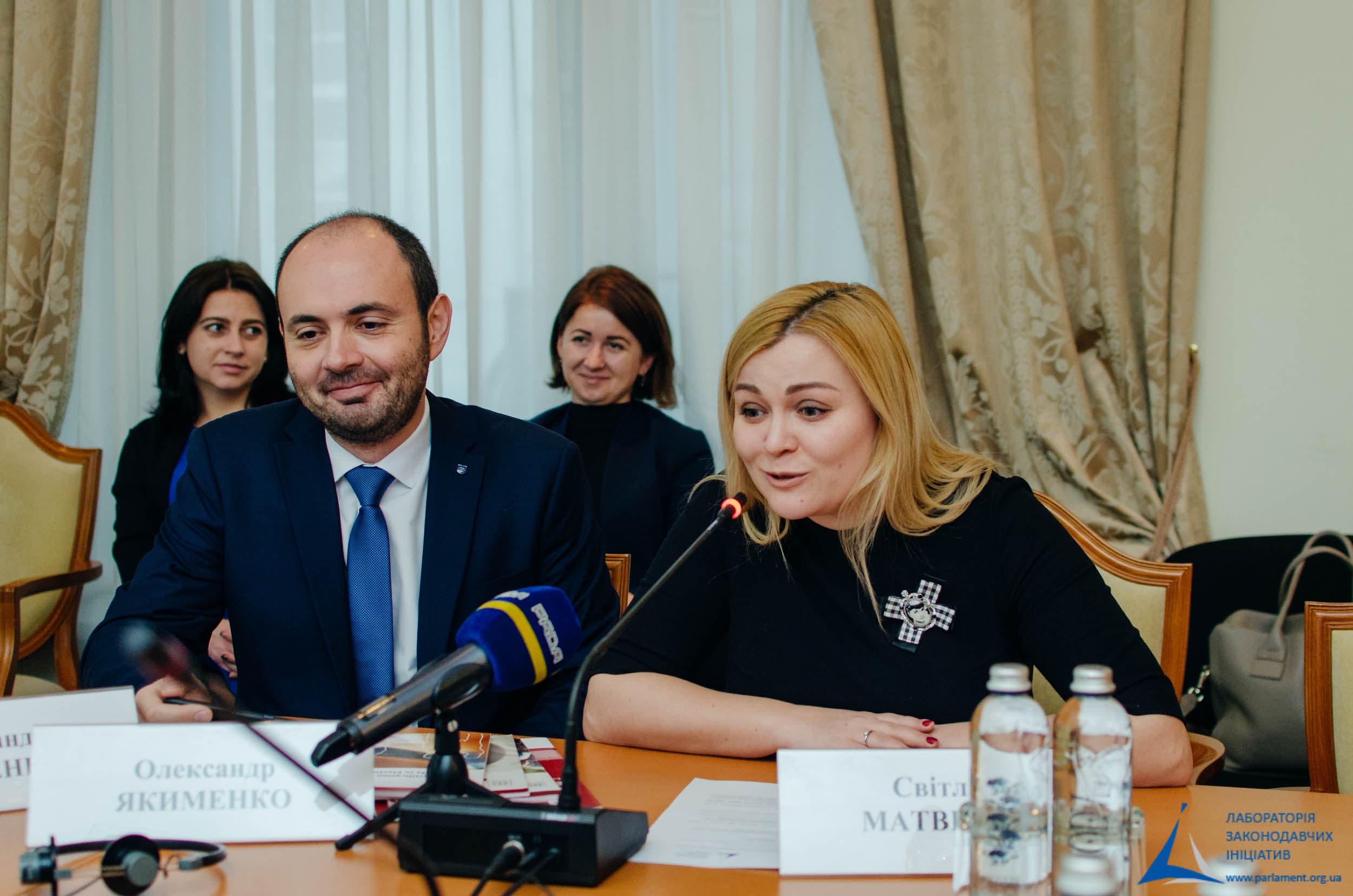
Svitlana Matviienko, Chairwoman of the Board of the Agency for Legislative Initiatives, noted that changes taking place around the world were encouraging Ukraine to change too. In particular, this concerns the prospect of the introduction of an electronic electoral process in Ukraine by 2024. However, it would be a great exaggeration to claim that our country is ready to this process. The Green Paper on the Information Security of the Electoral Process, which will be finalized following today’s discussions and recommendations, aims to at least partially fill this gap.
Oleksandr Yakymenko, Program Coordinator in Ukraine, International IDEA:
“We believe that the issue of introducing e-voting, the challenges and risks associated with it, as well as a number of other related and important issues, are extremely topical for Ukraine.
E-voting is not only a tool one can use to find out the result of the popular vote, we see it as a tool that makes the entire electoral process more effective and increases the level of trust in managing this process.
When correctly applied, solutions in the field of e-voting, can step up the protection of vote, accelerate the processing of results, and simplify the voting process. However, such decisions are fraught with significant problems. If they are not properly planned and carefully designed, they can undermine confidence in the entire election process.”
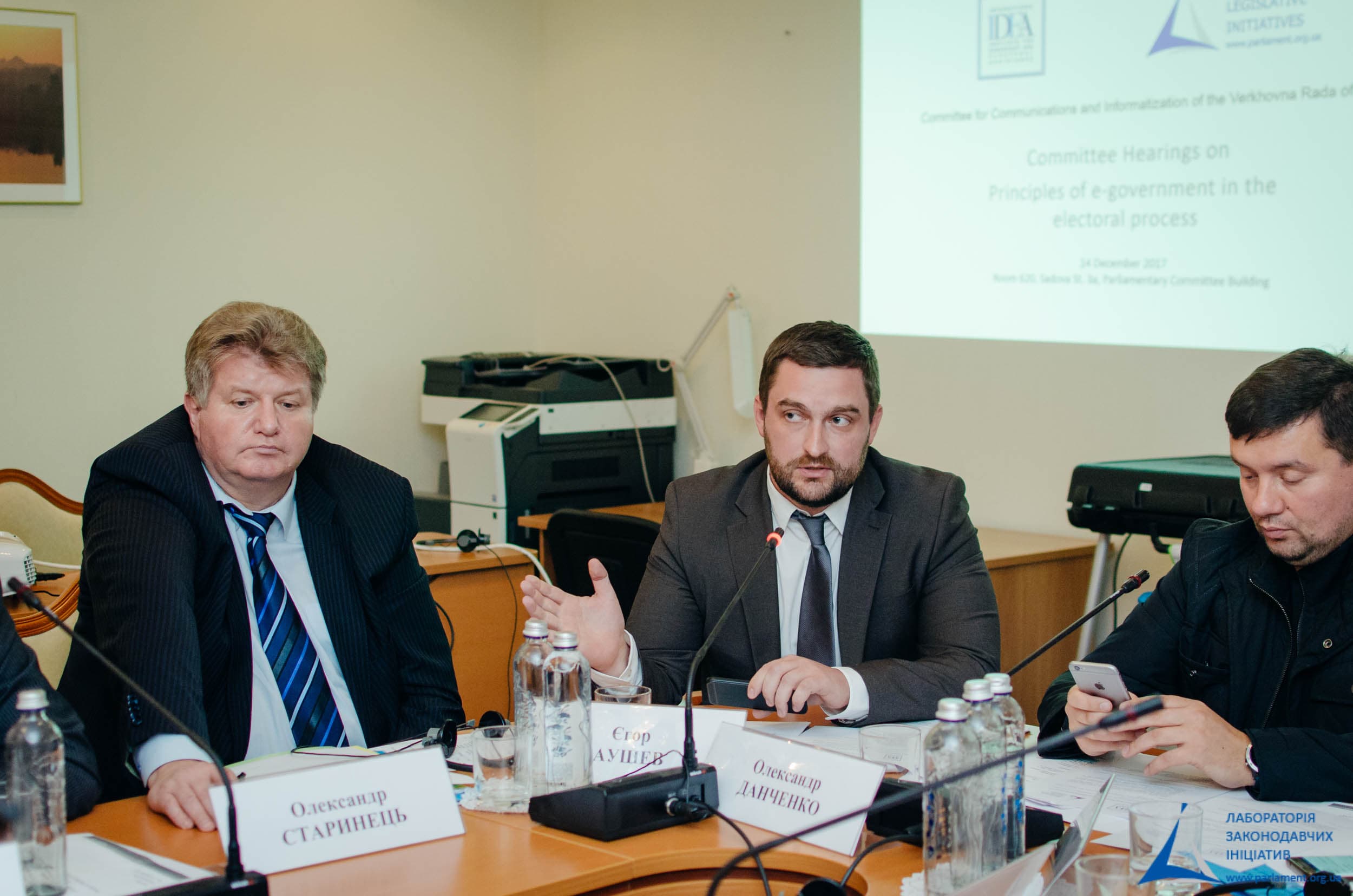
“The Internet, the Internet of Things (IoT) and information technologies open up boundless opportunities for mankind, but also generate new, very serious threats. More and more information is being transferred online; and according to recent estimates, presently more than 20 billion devices are connected to the Internet, which is several times more than the Earth’s population. Billions of gigabytes of different data are being accumulated on servers. The world is becoming open, and this rapid growth requires that “rules of the game” should be set forth”
Yegor Aushev
Project Manager of the Cyber Guard, co-founder of HACKEN
“Under conditions of hybrid warfare, lack of a legislative framework for cybersecurity in Ukraine significantly increases the risk of collapse of the national cybersecurity system (if any) and challenges the possibility of integration of Ukrainian cybersecurity components at European and world levels. To date, Ukraine has established no single center for coordinating the work on legislative and regulatory support to ensure effectiveness of the system of cybersecurity based on a comprehensive analysis of the current state of affairs in this area, challenges, existing and potential threats that would take into account the interests of all stakeholders, would be integrated into the European and global international cybersecurity system, and would have sufficient financial, organizational, technical, and personnel support”
Yegor Aushev
Project Manager of the Cyber Guard, co-founder of HACKEN
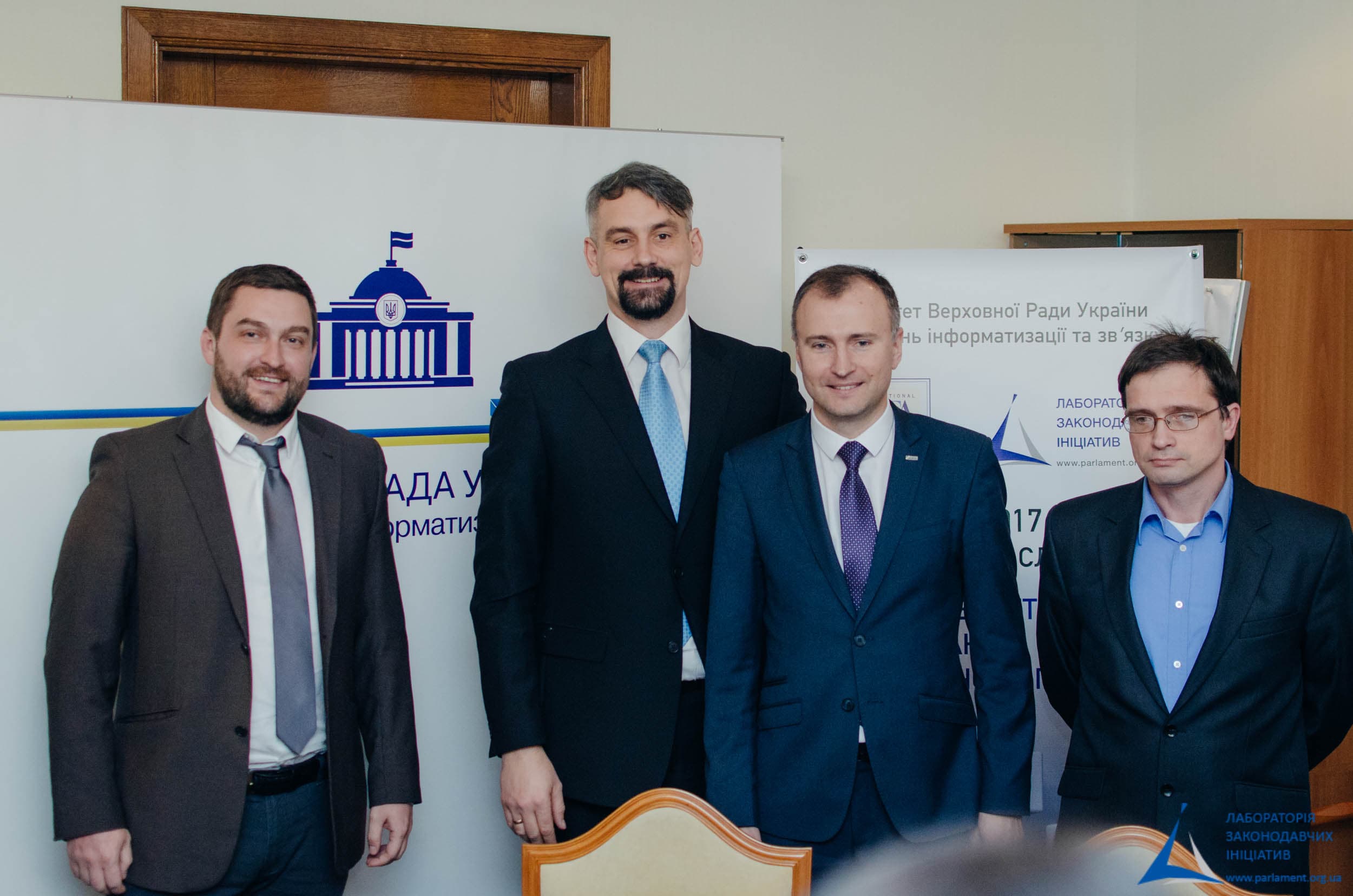
Preparation of the analytical materials is a part of a project implemented by the NGO Agency of Legislative Initiatives with the support of USAID RADA Program: Responsible Accountable Democratic Assembly, implemented by East Europe Foundation.
Presentation of the Policy Paper “Proposals for the Policy of Rehabilitation for People with Health Problems”
On November 21, the Kyiv hotel hosted a presentation of the policy paper “Proposals for the Policy of Rehabilitation for People with Health Problems”.
The event was organized by the Agency of Legislative Initiatives with the support of USAID RADA Program: Responsible Accountable Democratic Assembly, implemented by East Europe Foundation.
As of now, the public system of rehabilitation services does not ensure an adequate coverage, which makes access complicated for people in need of such services. This issue requires public attention.
The study examines the capacity of the rehabilitation system to ensure the further implementation of the UN Convention on the Rights of Persons with Disabilities and the International Classification of Functioning, Disability, and Health (ICF). The purpose of the policy paper is to elaborate proposals for the public policy in the field of rehabilitation of persons with health problems based on the implementation of the UN Convention on the Rights of Persons with Disabilities and promote their maximum independence. It focuses on the international and national standards for rehabilitation of persons with disabilities, as well as gaps in Ukrainian legislation and law enforcement practice as regards access to rehabilitation services and auxiliary aids.
Proceeding from the analysis results, the paper suggests possible ways to improve the public policy in this area, outlines the prospects for introducing an alternative system that would be based on the ICF implementation.
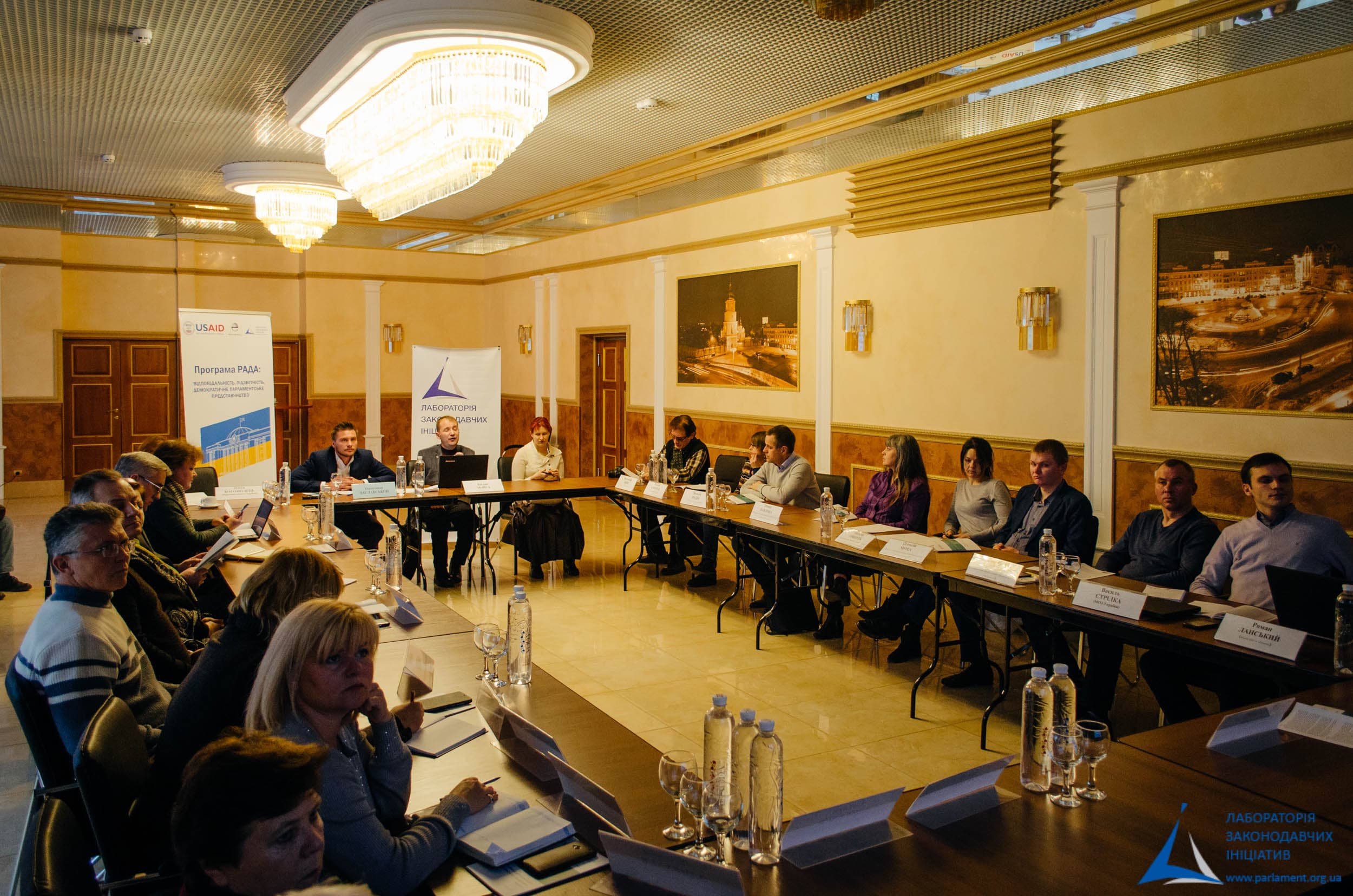
Photo by Oleksandr Kovalenko
The event was attended by around 3o participants, including MPs’ assistants, representatives of the Secretariat of the VRU Committee on Health Care, the Secretariat of the VRU Commissioner for Human Rights, the State Service of Ukraine for War Veterans and Anti-Terrorist Operation Participants, the Institute of Social Technologies, International University of Human Development ‘Ukraine’, eHealth, Clinical Hospital ‘Feofaniya’, and representatives of the public.
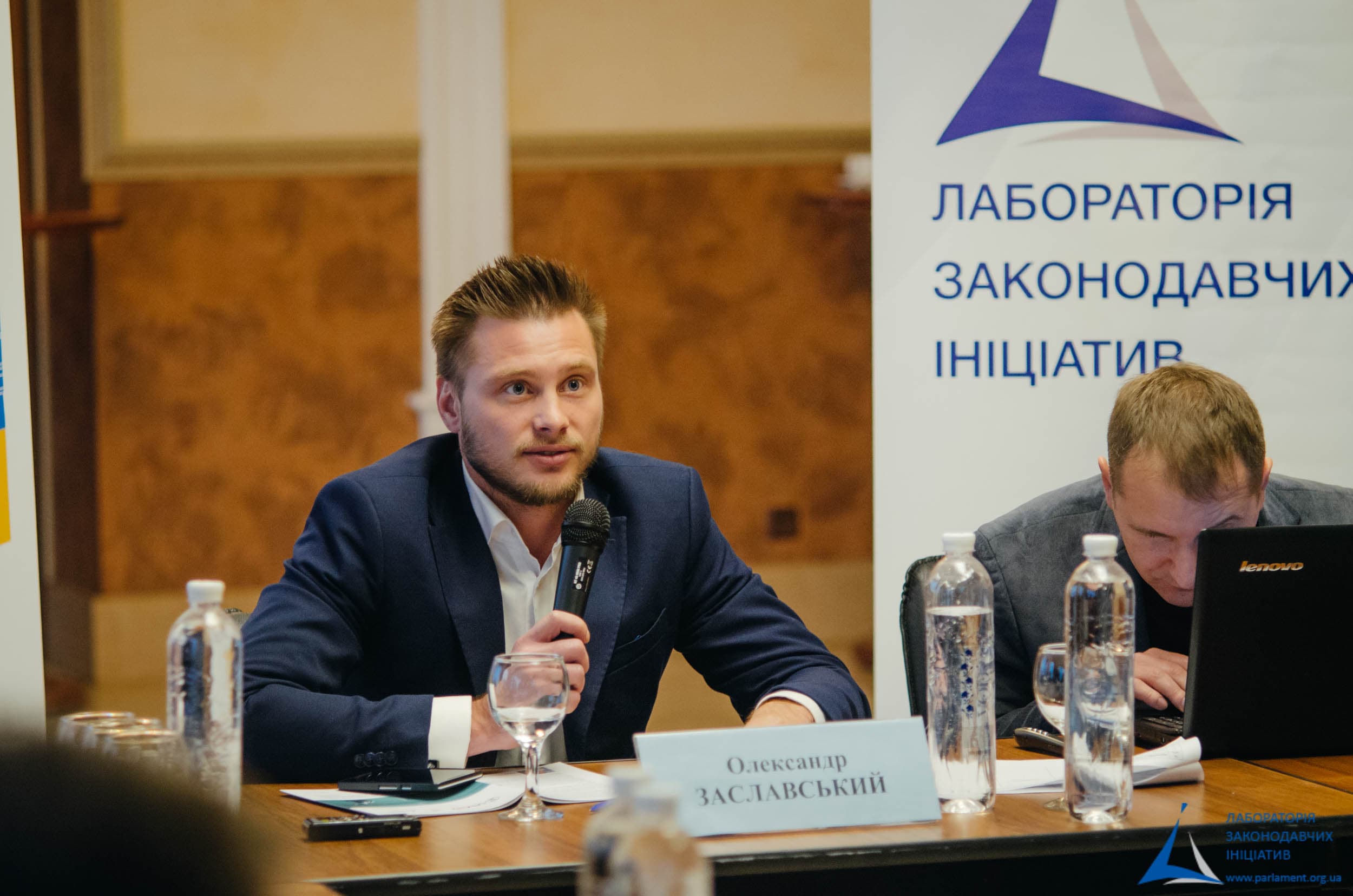
Photo by Oleksandr Kovalenko
Oleksandr Zaslavskyi, Deputy Chairman of the Board of the Agency for Legislative Initiatives, pointed out that the Agency for Legislative Initiatives, within the framework of the RADA Program, promotes the strengthening of the analytical capacity of the Verkhovna Rada of Ukraine in the legislative process. Specifically, the Agency resumed the activity of the European Information and Research Center, which currently operates autonomously preparing policy briefs and responses to MPs’ requests. The Agency for Legislative Initiatives proposes two types of documents for consideration by committees: Policy Papers and Shadow Reports. Shadow Reports are aimed at strengthening the oversight function of committees and focus on analyzing certain laws; Policy Papers are documents that should be considered first and foremost within the policy cycle, prior to the bill itself. The Agency for Legislative Initiatives intends to introduce the practice of consideration of analytical papers that examine the outlined problem, the current policy, its effectiveness and flaws, provide stakeholder analysis and alternative solutions to the problem. Such documents are considered at committees’ meetings, during roundtables involving the broadest number of stakeholders; besides, they are handed out to MPs in the session hall. All these measures are aimed at improving the quality of legislation.
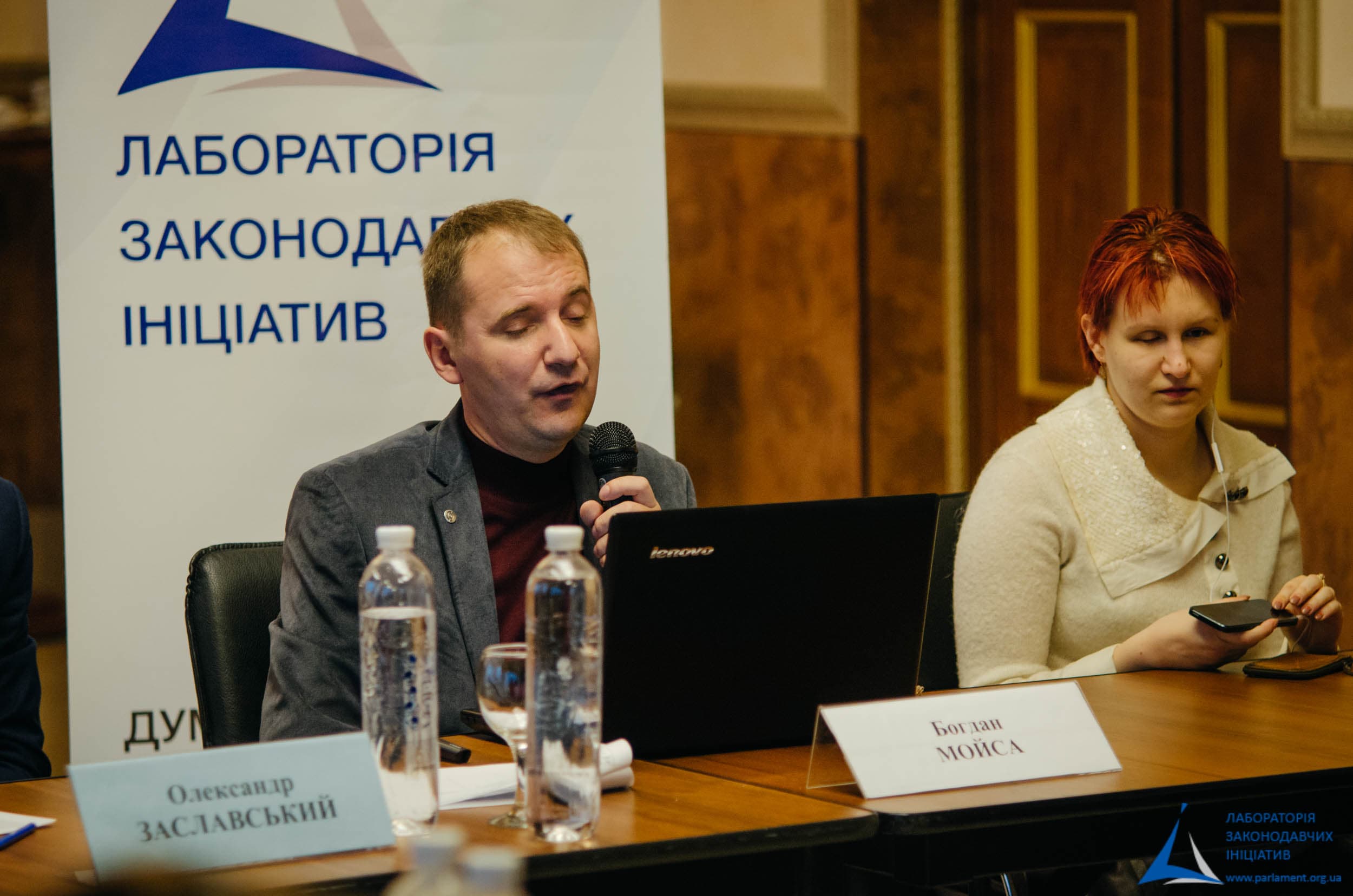
Photo by Oleksandr Kovalenko
Bohdan Moisa, Coordinator of the analytical division of the Ukrainian Helsinki Human Rights Union, said that the existing rehabilitation system could not effectively respond to current challenges. Moreover, its legal framework does not comply with the international commitments undertaken by Ukraine in 2009 when it ratified the UN Convention on the Rights of Persons with Disabilities. The World Health Organization (WHO), whose mission carried out an assessment in December 2015, also confirmed that Ukraine’s rehabilitation system did not meet the international standards.
“Unfortunately, Ukraine lacks any tangible interagency coordination of healthcare, education and social protection as regards the issues of rehabilitation of people with disabilities, while the established system of rehabilitation does not meet the needs of people with disabilities in terms of access to services, especially in rural areas. The current rehabilitation industry lacks a comprehensive system for assessing needs, interdisciplinary work in providing services and their direct focus on the client”
Mr. Moisa elaborated on the groups of people in need of rehabilitation services, outlined problems associated with ascertaining disabilities, and examined the responsible organizations and institutions. Mr. Moisa also covered the topic of availability and diversity of rehabilitation centers, drawing attention to the fact that the lack of such centers affects most people with psychosocial and intellectual disorders. Speaking about positive initiatives, the author mentioned the launching of the pilot project “Creation of a System for Early Intervention Services”, as well as the introduction of professions such as physical rehabilitation physician, physical therapist, and ergotherapist into the Occupational Classification.
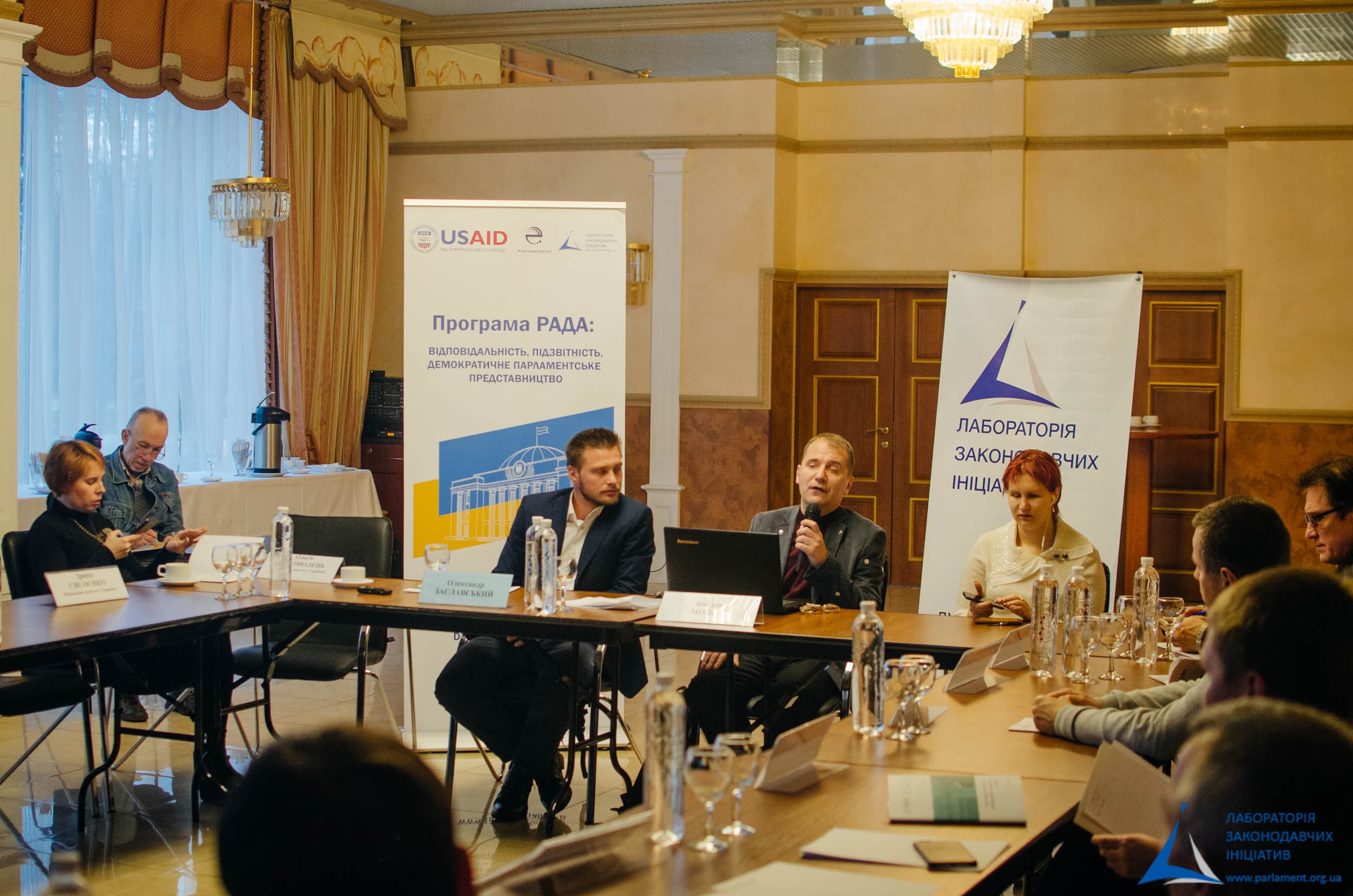
Photo by Oleksandr Kovalenko
Mr. Moisa also elaborated on the international experience of providing rehabilitation services, focusing on the gradual transition from inpatient rehabilitation facilities to service provision at the place of residence and day care facilities. He described the British, Swedish, Czech, Polish and Israeli models of rehabilitation services. Mr. Moisa concluded his presentation with the proposal to adopt the ICF implementation approach proposed by the Ministry of Health while preserving the current achievements of the rehabilitation system for persons with disabilities.
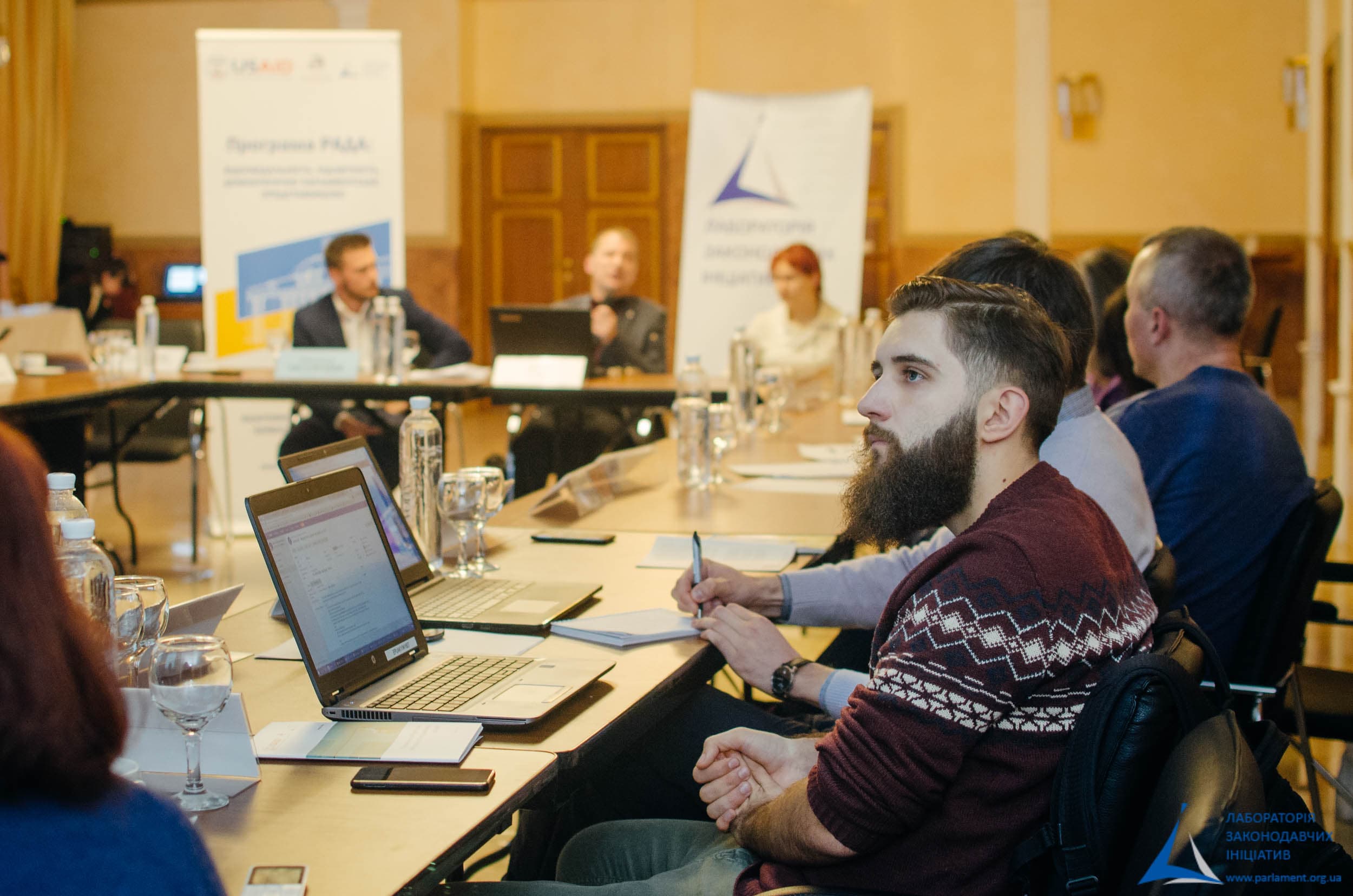
Photo by Oleksandr Kovalenko
The discussion focused on such issues as financing the provision of quality rehabilitation services; social protection of persons taking care of persons with disabilities (guardians); bias in disability assessment; limited possibilities of the ICF for adequate assessment of disability; staffing schedule of specialists providing rehabilitation services; clarification of the terms “physical rehabilitation”, “social rehabilitation” and “psychological rehabilitation”; and building multidisciplinary teams in rehabilitation institutions.
Presentation of the Policy Paper on “Proposals Concerning Policy on Conflict of Interests of MPs of Ukraine”
On November 15, 2017, the Ukrainian Crisis Media Center hosted a presentation the policy paper on “Proposals Concerning Policy on Conflict of Interests of MPs of Ukraine”.
The event was organized by the Agency for Legislative Initiatives within the framework of the USAID RADA Program: Responsible, Accountable, Democratic Assembly implemented by the East Europe Foundation.
Speakers:
- Svitlana Matviyenko, Chairwoman of the Board of the Agency for Legislative Initiatives;
- Serhiy Leshchenko, MP of Ukraine, Chairman of the Subcommittee on International Cooperation and Implementation of the Anti-Corruption Legislation of the Verkhovna Rada Committee on the Corruption Prevention and Counteraction;
- Ulyana Poltavets, Program Director of the Agency for Legislative Initiatives;
- Yaroslav Yurchyshyn, Executive Director of Transparency International Ukraine;
- Oleksandr Lemenov, Senior Expert, RPR Anticorruption Group.

The document focuses on the phenomenon of conflict of interest in the Ukrainian parliament and suggests possible ways to manage conflicts of interest and develop relevant policies. Based on the conducted analysis, it was found that 9% of MPs display signs indicative of a conflict of interest. However, due to the incoherence of legislation, lack of a comprehensible policy concerning conflicts of interest, insufficiency of penalties and inertia of controlling bodies, neither existing conflicts can be resolved, nor new ones can be prevented. The nature of the parliamentary representative function implies the existence of certain conflicts of interest, therefore it is extremely important to prevent conflicts of interest and to ensure the inevitability of punishment for violating the existing rules and conflicts of interest measures through the use of a coherent conflict-of-interest policy.

“The issue of conflict of interests arose in the context of our cooperation with MPs of Ukraine when drafting a Code of Conduct for parliamentarians. This is an extremely important and topical issue for Ukraine and we have been working on it for many years with a number of international partners. Due to the proposed codification for MPs including the main provisions of the Law “On the Status of the People’s Deputy of Ukraine”, the Law “On the Rules of Procedure of the Verkhovna Rada of Ukraine” and the Constitution of Ukraine, we created the basis for every MP to understand what exactly is included in ethical codification, how it is regulated and how we can prevent corruption of the work of MPs. Because the MP’s work is a professional activity that must be regulated, just like the activity of a doctor or teacher”
Svitlana Matviienko
Chairwoman of the Board of the Agency for Legislative Initiatives
Ms. Matviienko emphasized that this study was done as a Policy Paper, a standard format for documents prepared within the framework of the RADA Program. The paper offers proposals concerning policies, that is, it suggests specific solutions as to preventing MPs’ conflicts of interests based on the current legislation and proposals for the future in the field of regulation of parliamentary activity as such.
“The current situation in the Ukrainian parliament is the result of the lack of proper regulation of the issue of conflict of interest. Because when an MP is elected to parliament, there appears a customary and constant drive to use the position for self-enrichment through the use of opportunities given by the parliamentary seat. This is especially true for MPs who have permanent business connections with their either previous companies, or the ones they presently continue to manage having withdrawn from business pro forma, on paper only”
Serhiy Leshchenko
MP of Ukraine
Mr. Leshchenko claims that he has become used to hearing MPs in the session hall blatantly discussing the most effective ways to attract budget funds to the area of their interests. Mr. Leshchenko believes that a Code of Conduct can help avoid corruption problems that keep arising. MPs who are involved in business cannot make decisions in the relevant area.
Mr. Leshchenko argues that this study shows how acute the problem is and how it is settled in different countries of the world. He hopes that after the adoption of the Code of Conduct the Ukrainian parliament will have fewer conflicts of interest. It is better to prevent them than to spend money to fight their consequences. The present study will contribute to the elimination of conflicts of interest.

“Parliament’s role in combating corruption is not limited to adopting anti-corruption laws. First of all, a democratic parliament must conform to its own standards of openness and transparency. Of course, the main obstacle to adhering to these principles is MPs’ conflicts of interests. The Ukrainian parliamentary practice abounds in examples when a representative of a particular industry is a member or the head of the specialized parliamentary committee. Despite the popularity of the term “cronyism”, the phenomenon of “a conflict of interest”, which essentially illustrates this term in the Ukrainian parliament, is not a priority on the agenda of parliamentary reform and corruption counteraction. However, MPs’ conflicts of interests are the prime source of corruption. MPs make extensive use of the impunity for existence and exploitation of private interests.
According to the analysis of the 2016 electronic declarations of 422 MPs of Ukraine of the 8th convocation, 31% have equity rights, and 25.6% are the final beneficiaries of legal entities. At the same time, the analysis revealed that 38 MPs have a conflict of interests, including two chairpersons of committees (Chairperson of the VRU Committee on Health Care and Chairperson of the VRU Committee on Transport). The record holders in terms of the number of members with conflicts of interests are the Committee on Agrarian Policy (20 MPs) and the Committee on Construction, Urban Development and Housing and Communal Services (7 MPs).
Some enterprises may belong to family members rather than MPs themselves, which anyway is contrary to the provisions of the Law of Ukraine “On Prevention of Corruption”: rights cannot be transferred to the benefit of family members. However, only 3 out of 131 MPs who have equity rights indicated that their company was put in trust for a management entity. However, neither the Committee on Rules of Procedure nor the NACP takes the necessary measures to eliminate existing conflicts of interest, not to mention avoiding them. MPs exploit their status and enjoy impunity by voting on issues of direct interest to them.
Given the above described, it is advisable to introduce a comprehensive conflict-of-interest policy. This policy will include a series of measures that will help to effectively manage conflicts of interest, as well as prevent them. To this end, according to the OECD recommendations, policies will be developed in following key areas: completeness of the definition of the concept of conflict of interest in legislation, transparency, openness and accountability, conflict of interest management, raising awareness concerning conflicts of interest, enforcement and monitoring of enforcement of the current regulations”
Ulyana Poltavets
Program Director of the Agency for Legislative Initiatives

Yaroslav Yurchyshyn, Executive Director of Transparency International Ukraine, emphasized the importance of the study that draws attention to the permanent violations of conflict-of-interest principles, focusing on the precedence of private interests over public ones in the actions of some politicians. Mr. Yurchyshyn argues that Ukraine is gradually moving towards solving the conflict-of-interests issue. The importance of this problem lies in the fact that combating the effects of corruption is rather complicated since corruption schemes remain in place, they can easily be resuscitated and re-channeled. It is more effective to prevent such situations by setting rules that inhibit corruption. Also, Mr. Yurchyshyn emphasized that in the realities of Ukraine the Code of Conduct would only be effective if major penalties were imposed for violations.

According to Oleksandr Lemenov, Senior Expert, RPR Anticorruption Group, despite the anti-corruption regulations integrated into Ukrainian legislation since 2014, neither the specialized anti-corruption institutions nor MPs can settle this problem in their activity. Mr. Lemenov drew attention to the fact that very often senior officials did not even understand the very essence of the principle of conflict of interest. That is why it is extremely important that MPs should study the paper in detail.
Preparation of the analytical materials is a part of a project implemented by the NGO Agency of Legislative Initiatives with the support of USAID RADA Program: Responsible Accountable Democratic Assembly, implemented by East Europe Foundation.