Presentation of the functional analysis of the gender mechanism in Ukraine
Agency for Legislative Initiatives presented the results of the analysis of the scope and distribution of responsibilities for the implementation of gender equality policy.
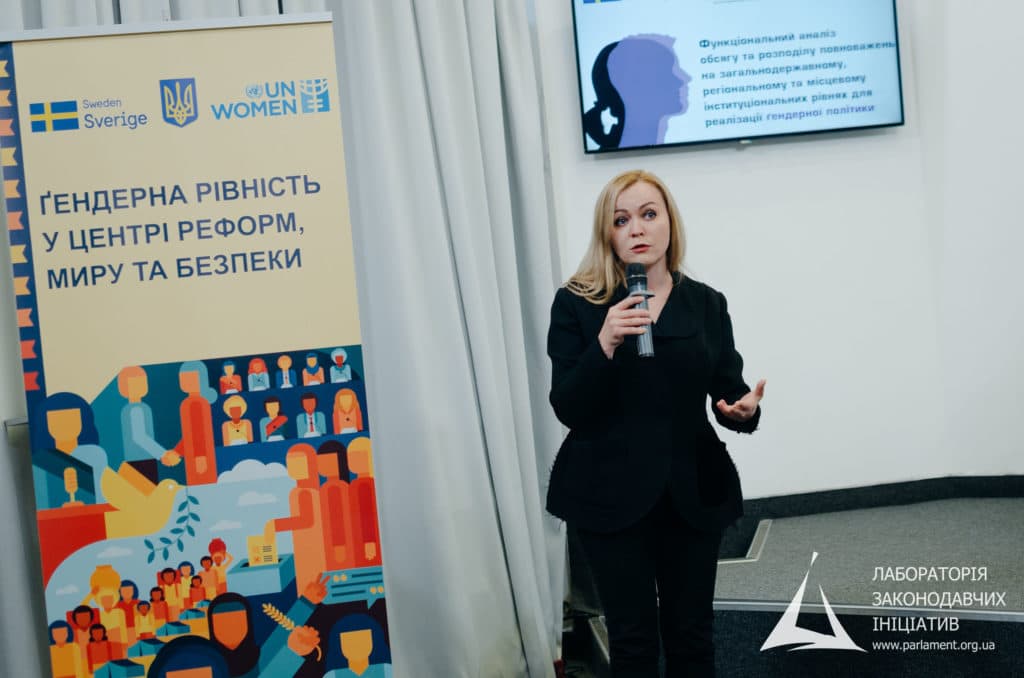
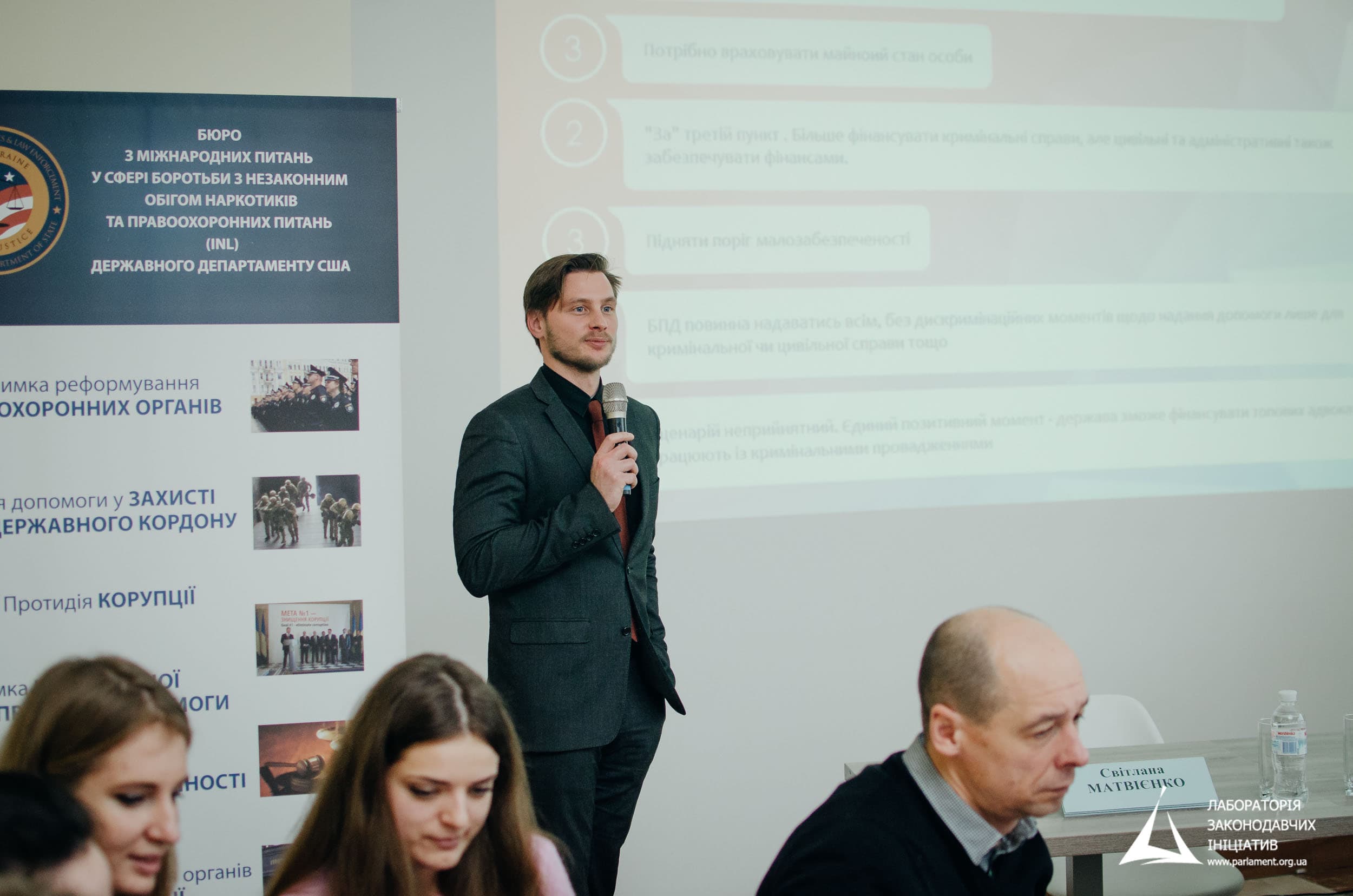
Svitlana Matvienko, the Chairwoman of the Council of the Agency for Legislative Initiatives, began the presentation.
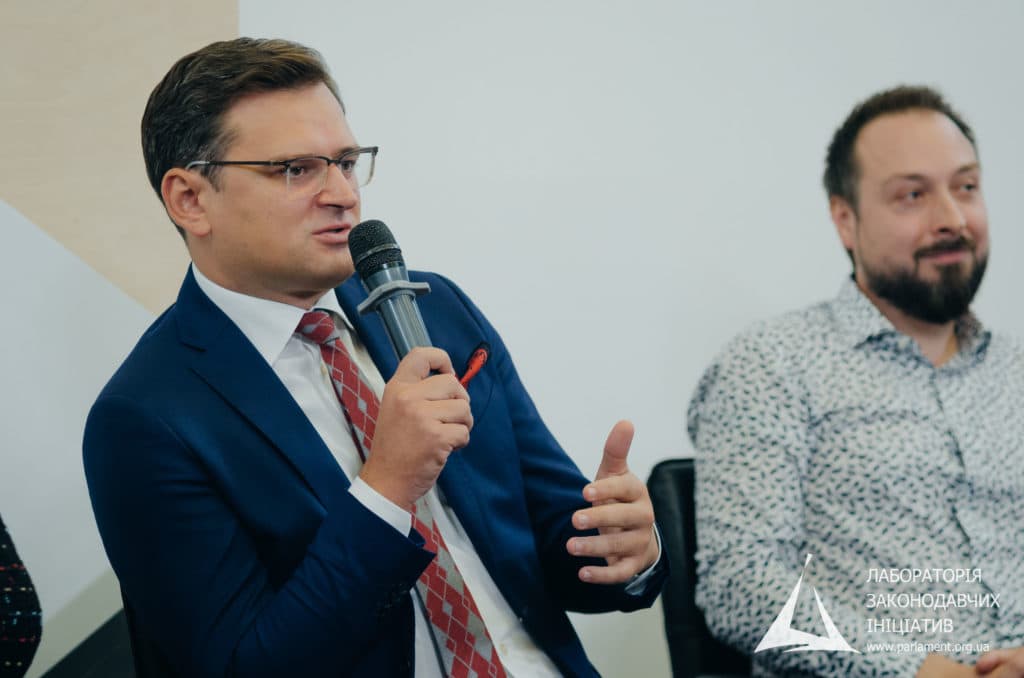
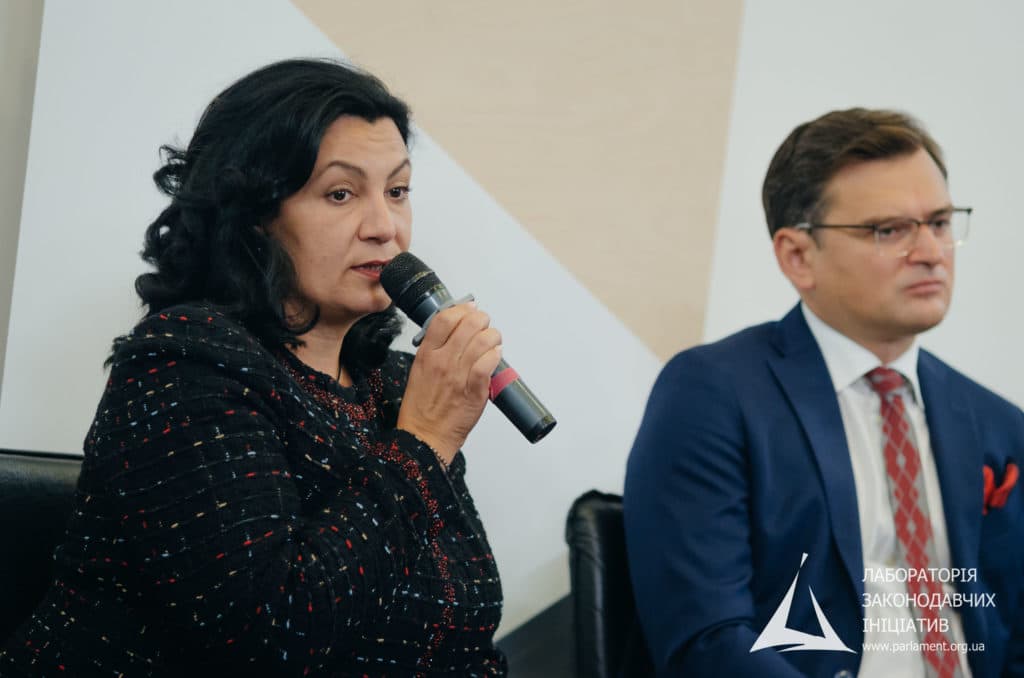
Dmytro Kuleba, the Deputy Prime Minister of Ukraine for European and Euro-Atlantic Integration, has attended the event. He said that the new government will continue to implement gender equality policies in Ukraine initiated by the previous government.
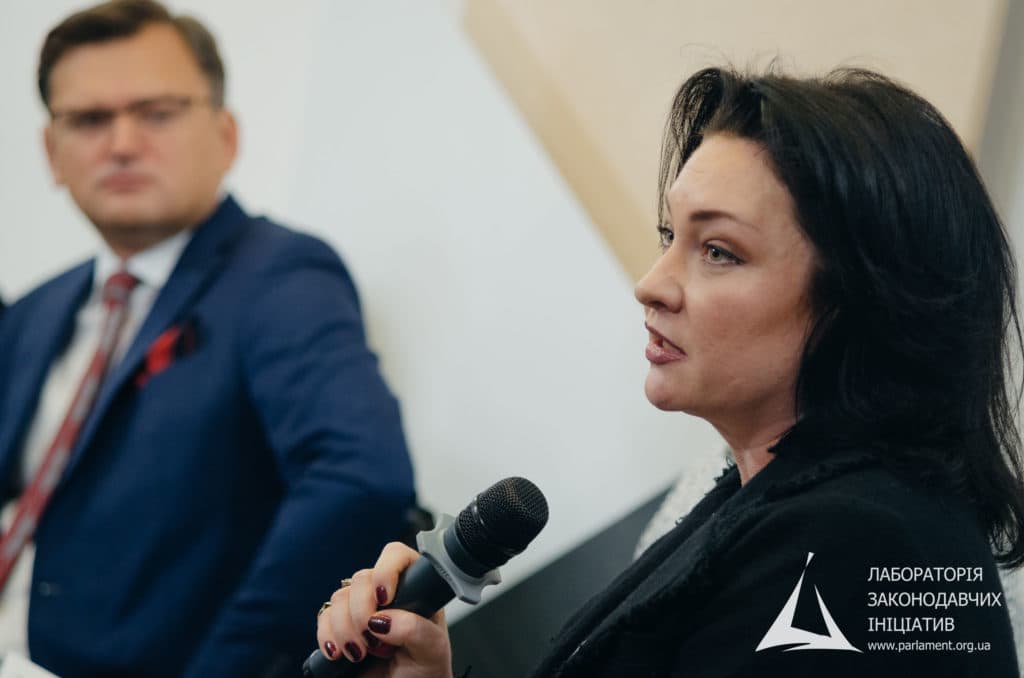
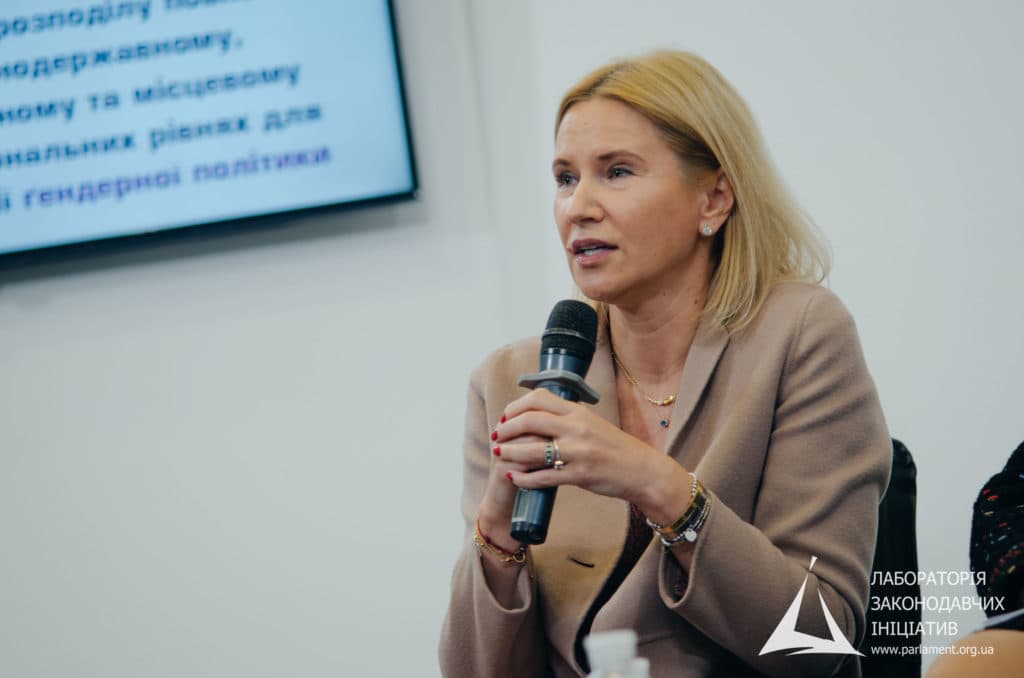
Ivanna Klympush-Tsintsadze, currently the Chairwoman of the Verkhovna Rada Committee on Integration of Ukraine into the European Union, and in 2016-2019 the Deputy Prime Minister for European and Euro-Atlantic Integration in Ukraine, said that to achieve gender equality there is still much work to be done in Ukraine.
“In spite of all the regulations and changes to the legislation that we have been able to adopt in recent years, there is still a lot of work to be done in order to say that our country ensures equality, makes it impossible to discriminate on the basis of sex and display sexism at the public level”, – said Ivanna Klympush-Tsintsadze.
She also noted that it is necessary to work with the regions so that the national mechanism could ensure equal rights for men and women.
“Our society is full of stereotypes. All of us have seen the rush that has caused the introduction of feminitives in the Ukrainian language. It means that in society it is necessary to explain what equality is and why it is important”, – the politician emphasized.
The Head of the UN Office for Women in Ukraine, Anastasia Divinskaya, agreed with Ivana Klimpush-Tsintsadze. She noted that according to the Beijing Platform for Action, a national mechanism can only succeed if it is part of the government. But it must also be implemented at all levels of the country. It is important to engage with civil society organizations.
“The national mechanism should be able to influence all policies developed by the state so that all laws inevitably have a positive result equal for men and women, boys and girls living in this country”, – Ms. Divinska summed up.
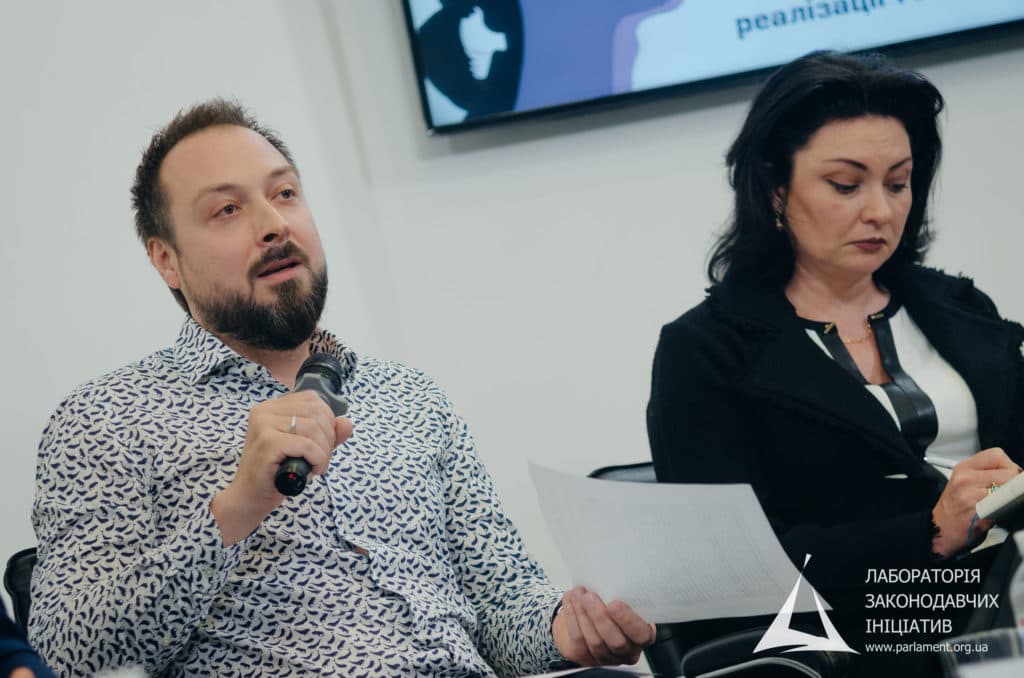
Andriy Vyshnevsky, a lawyer and public administration expert, emphasized that Agency had submitted a draft report that needs further public discussion. He described the methodology of the study, which took place in three stages.
“The main conclusion is that we have a gender mechanism and it is sufficiently developed. But that does not mean that there is nothing to improve. There are a lot of serious problems”, – said Andrey Vyshnevsky.
Finally, Olena Kondratyuk, the Deputy Speaker of the Verkhovna Rada of Ukraine, took the word. She said that the implementation of gender equality policies requires a coordinated work of government, public and legislative sectors.
You can watch the full presentation here.
Functional Analysis of the Scope and Distribution of Responsibilities for the Implementation of Gender Equality Policy
Agency for Legislative Initiatives presented the results of the functional analysis of the scope and distribution of responsibilities for the implementation of gender equality policy.
The study was presented by:
- Svitlana Matvienko, the Chairwoman of the Council of the Agency for Legislative Initiatives;
- Ivanna Klympush-Tsintsadze, currently the Chairwoman of the Verkhovna Rada Committee on Integration of Ukraine into the European Union, and in 2016-2019 the Deputy Prime Minister for European and Euro-Atlantic Integration in Ukraine;
- Anastasia Divinskaya, the Head of the UN Office for Women in Ukraine;
- Andriy Vyshnevsky, a lawyer and public administration expert;
- Dmytro Kuleba, the Deputy Prime Minister of Ukraine for European and Euro-Atlantic Integration.
In its study, Agency for Legislative Initiatives analyzed the world experience of building gender mechanisms at the state level and compared the practices of other countries with Ukrainian realities. Agency also studied in detail how the mechanisms for ensuring gender policy in Ukraine work. The study was conducted in several stages, including an analysis of legislation and a survey of government officials responsible for implementing gender equality policy.
At the end of the study, Agency made several recommendations to improve the organization of the mechanism in Ukraine – more effective implementation of gender policy.
The study was requested by the Deputy Prime Minister for European and Euro-Atlantic Integration of Ukraine in the framework of the UN Women’s Project “Strengthening Accountability for Gender Equality and Women’s Empowerment in National Reforms, Peace and Security”, which aims to support joint efforts of the government, parliament, women’s groups and civil society organizations in fulfilling state commitments on gender equality and women’s rights in the process of reforming and ensuring peace and security.
The round table “When and how will land reform end?”
Dzerkalo Tyzhnia (Mirror Weekly), Agency for Legislative Initiatives and Internews held the round table “When and how will land reform end?”. Among the speakers were experts who are engaged in the implementation of the open land market and experts with alternative views on this process.
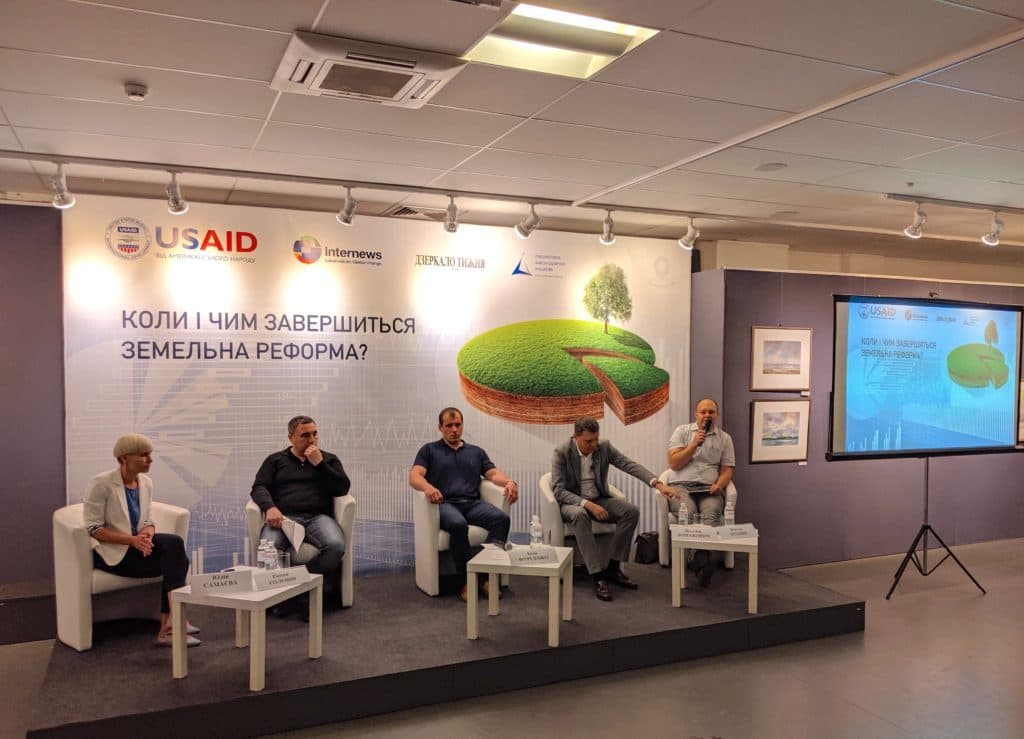
Photo: Dzerkalo Tyzhnia
According to Oleg Nivievsky, Assistant Professor of the Kyiv School of Economics, Ukraine is ready to open the agricultural land market. Studies of the Kyiv School of Economics show a significant macroeconomic impact of the land market opening. In particular, Ukraine could expect accelerating economic growth by 1.5-2% of GDP each year. But Mr. Nivievsky thinks that without the introduction of effective mechanisms for the development of farming this effect will not be so sustainable. In his opinion, there should be a special guarantee fund that would provide loans for the farmers. The government and the World Bank are working now together to create it.
According to Hlib Vyshlinskiy, Executive Director of the Center for Economic Strategy, Ukraine needs other transformations to strengthen investment protection and property rights, simplify business for farmers.

Photo: Tatiana Unkovska / Dzerkalo Tyzhnia
Tatiana Unkovska, Director of the Optima Expert-Analytical Center, said that the launch of free land markets without the necessary regulation to the loss of land, which was in possession of the citizens of rural areas, and increased food risks in several countries. According to her colleague Vitaliy Lomakovych, a free market of agricultural land, which is controlled and regulated by the state preventing abuse and manipulation in the market, is good for Ukraine. Mr. Lomakovych reminded the audience that the land cadaster is now filled by only 70% and until this indicator reaches 100%, it will be impossible to avoid abuse.
Almost all the experts agreed that the main purpose of opening the market should be stimulation of the farms’ development in Ukraine since it is the easiest way to increase productivity in the agriculture and it has a direct impact on the development of rural areas.
However, Ivan Fursenko, Deputy Chairman of the All-Ukrainian Association of Rural and Settlement Councils, is convinced that until territorial communities don’t have the opportunity to dispose of agricultural lands on their territories (including lands outside settlements), it is difficult to say about the development of farming and the positive effect for the development of territories.
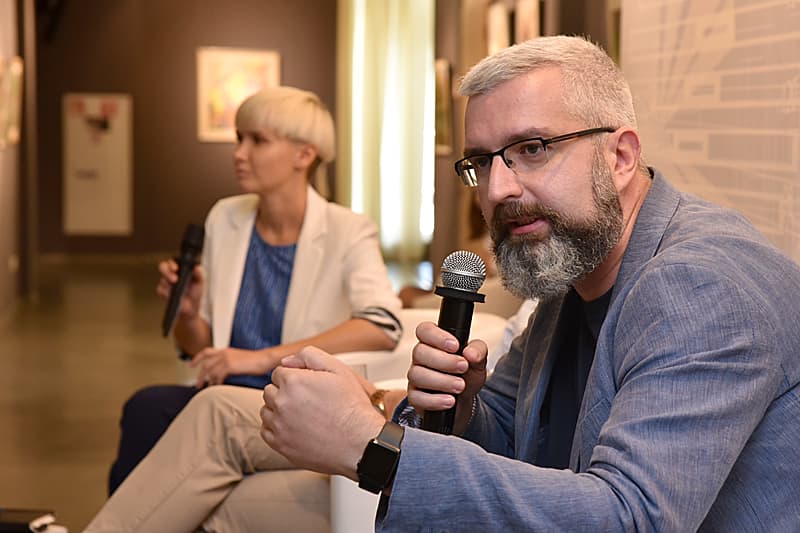
Photo: Andriy Martyn / Dzerkalo Tyzhnia
The experts think that the right of priority purchase of land by the agrarians, who are now renting these lands, is a doubtful solution because in the vast majority the renters are large producers. According to Andriy Martyn, Senior Project Manager for Land Reform in the Reforms Delivery Office (RDO) of Ukraine’s Cabinet of Ministers, the large agricultural companies now have both the will and the financial resources needed to buy the land they are currently renting.
The experts agreed that the land market is necessary for Ukraine. However, hurry and lack of public discussion can hamper the process of its implementation.
Svitlana Matvienko about the challenges and risks for the new authorities
The election race in Ukraine is over, but the newly elected MPs and the president have no time to relax. The hardest part is ahead.
During the broadcast on the 5 Channel, the Chairwoman of the Council of the Agency for Legislative Initiatives Svitlana Matvienko has discussed what kind of challenges await the new authorities and how not to lose the achievements of the past and increase them in the future.
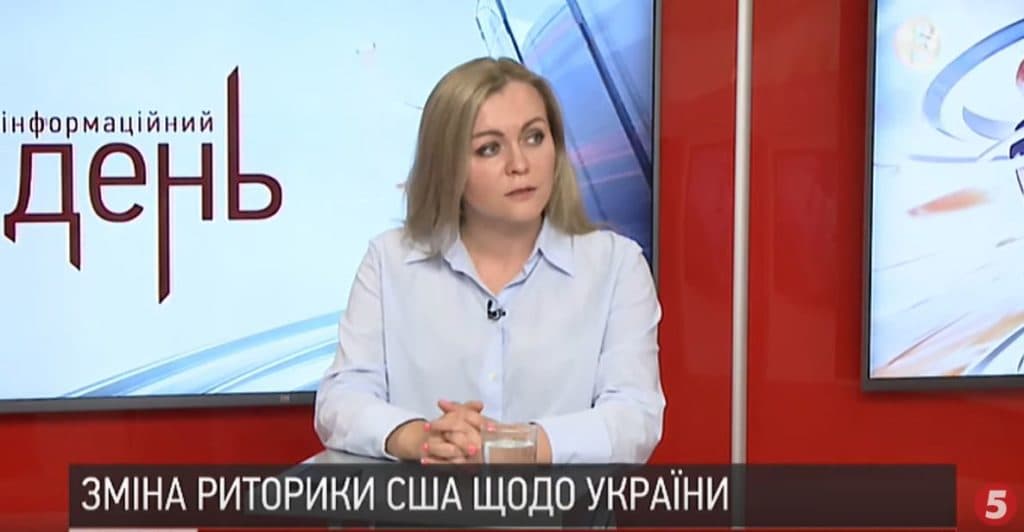
According to Svitlana, after the elections, Ukraine is in a situation of fragile stability. Therefore, in order to establish the subjectivity of Ukraine on the international arena, the new authorities must continue to stick to the line they have defended before – that means not to talk about Ukraine without Ukraine and not to hide the truth about the war. The rhetoric with international partners should remain unchanged, no matter what kind of agenda may be beneficial for them.
“Representatives of civil society and journalists should keep an eye on what’s going on. The new government has received a huge package of trust, but it means only one thing – the people in Ukraine have completely transferred the responsibility for everything that is happening in the country to one person,” – Svitlana said.
At the same time, the Chairwoman of the Council stressed that Ukrainians are expecting changes from the new president and the Verkhovna Rada in a short time. Therefore high-ranking officials should be prepared for serious challenges and risks.
The second season of the TV project “New Leaders” has ended
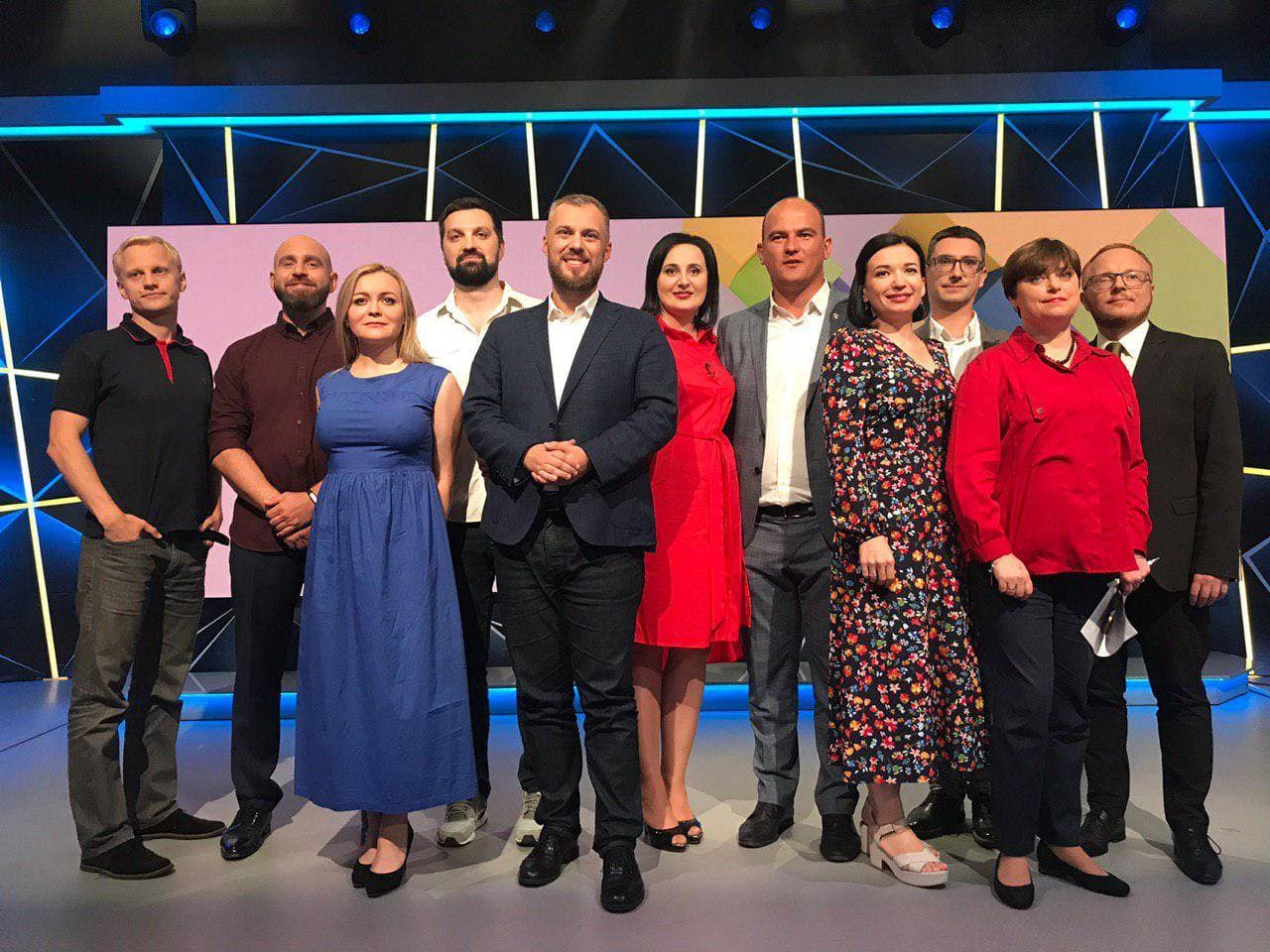
The Agency for Legislative Initiatives was included in the Supervisory Board of the national television Project “New Leaders” for the second season. Chairwoman of the Council of the Agency and the curator of the Ukrainian School of Political Studies Svitlana Matvienko was part of the jury.
Thanks to the project Ukrainians have learned about a lot of initiatives and projects, each of which is worthy.
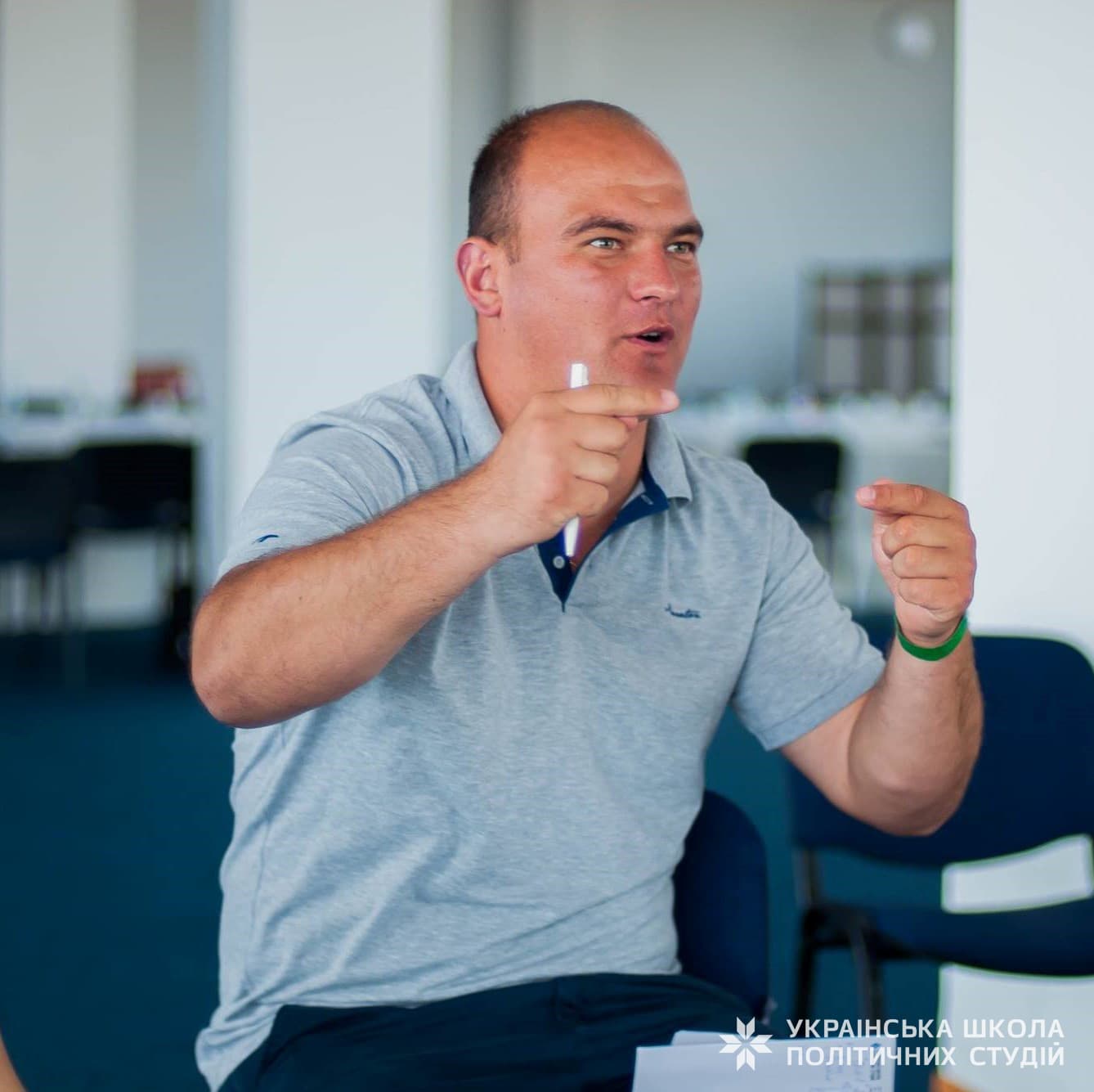
However, the winner is always one. This year, Ukrainians determined Volodymyr Shmatko’s idea as the best one. Volodymyr is the Mayor of Chortkiv and alumnus of the Ukrainian School of Political Studies. During the project, he fought for the implementation of his idea, which would contribute to the economic growth of communities throughout the country.
Decentralization is an extremely important reform for an economically successful Ukraine. Volodymyr has developed an action plan. The implementation of his project will allow to support local entrepreneurs and develop innovative projects such as business incubators, startups, and economic clusters in the communities.
We congratulate Volodymyr on victory and wish him success in the implementation of the project!
The Agency for Legislative Initiatives presented the organization at the Atlas Weekend Festival
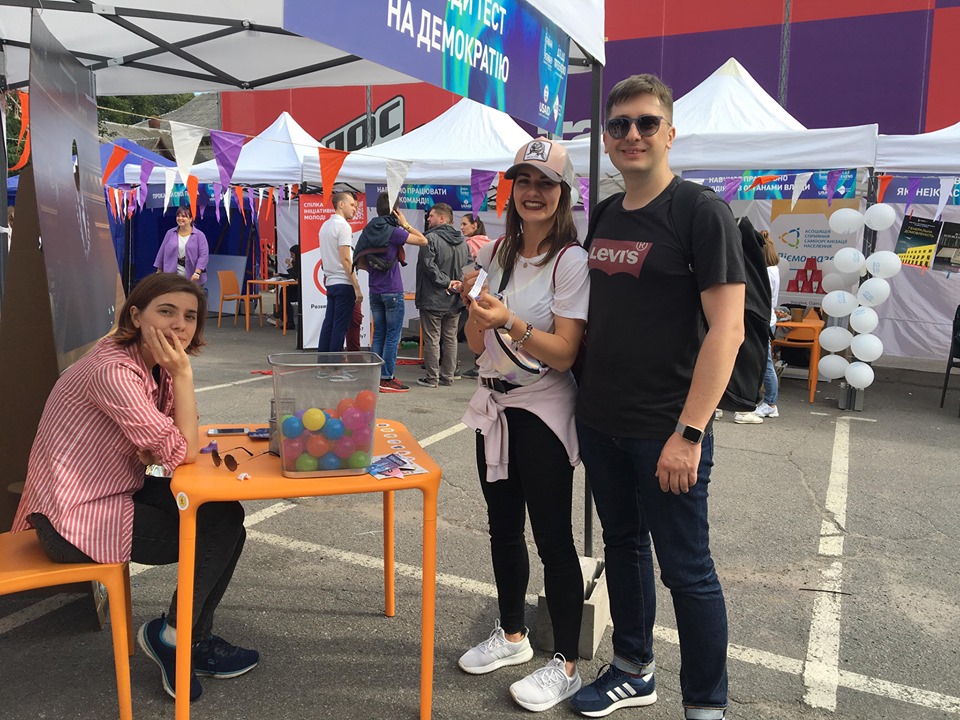
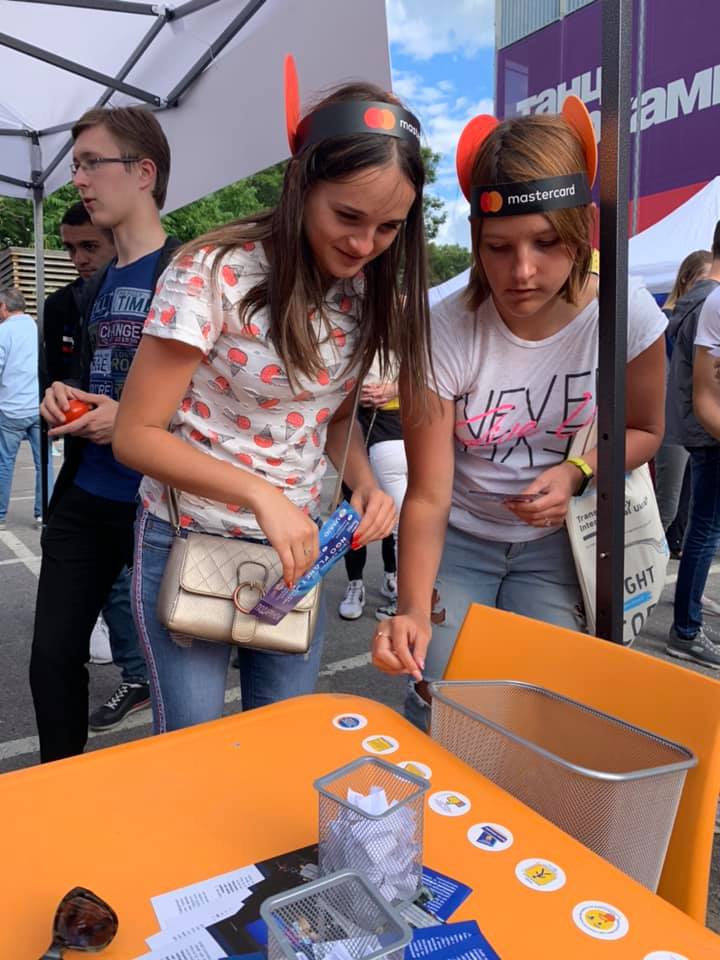
This year, the Agency for Legislative Initiatives presented the organization at the Atlas Weekend Festival. Our team carried out rapid testing for those who are interested in democracy.
From now on, more Ukrainians will know how democracy really works, who decides and how to overcome difficulties. Indeed, democracy is not only the freedom of speech and deeds. First and foremost, this is an instrument that should be used correctly: if there is a problem, then it is necessary to initiate its solution by yourself, instead of waiting until someone else, higher in the vertical power will do it.
Civic education, even if it is during the festival, is a vaccine against populism for teenagers and young Ukrainians who liked our activities.
During the festival, we met many active and knowledgeable people – Ukrainians and foreigners, open to knowledge and ready for action. We understood more of what the youth needs in order to be interested in social and political processes. The youth, in turn, has learned how to find the right way out of the situation and to distinguish power of the Government and Parliament.
It was a valuable experience for the Agency. We hope that not the last one.
Workshop “Upcoming Elections – Avoiding Risks in Cyber”
During the elections, political parties must learn how to resist cyber threats. Therefore, the Agency of Legislative Initiatives in partnership with Cybexer Technologies (Estonia) on July 9 held a training on “Upcoming Elections – Avoiding Risks in Cyber” in Kyiv for representatives of communications departments of parties, digital marketing departments of parties, information technologies and security departments of parties, as well as party members who are running for parliament during this election.
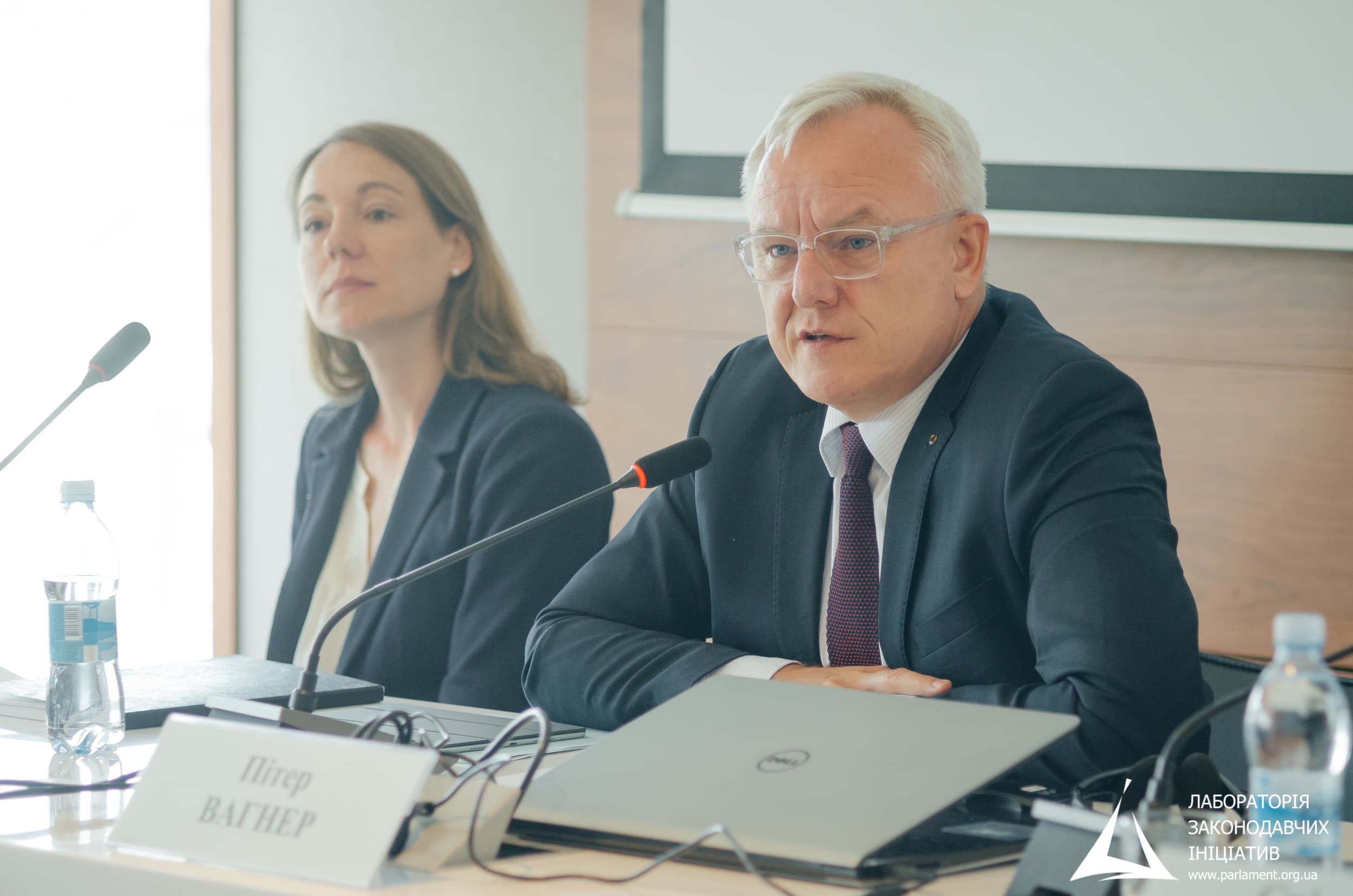
“Securing free and fair elections has become a fundamental pillar of a functioning democracy. The EU will continue to support Ukraine by reinforcing its legislative framework, strategy and coordination mechanisms that are in line with EU legislation and best practices, particularly with the EU Directive on security of network and information systems (NIS Directive)”, – summarized the Head of the Support Group for Ukraine at the European Commission Peter Wagner.
During the training, participants learned the best way to protect company information systems from manipulation, how to raise awareness of party members about targeted cyber breaches, such as phishing attacks and advanced persistent threats (APT), fake news, leaking, and ransomware.

In addition, each party representative has undergone individual online training about digital literacy and has completed a digital test that can identify areas of cyber risk in different categories, such as personal attitude, knowledge about technology, exposure to social media and organizational culture. As a result of testing, participants received recommendations on how to protect themselves and their party from specific cyber threats.

“Independently of our jobs, age or level of responsibility, we all need some technological literacy at the individual level, if we want to function safely in today’s digitally dependent society and to make sure that we don’t create risks to it by your behavior,” – said the Executive Vice President of the Estonian company for providing countermeasures against cyber-threats Cybexer Technologies Merle Maigre.
Reference information:
As a follow-up to the EU-Ukraine Summit statement of 2018, the European Union has launched an action in Ukraine to strengthen the capacity of the key participants of the electoral process. The training was conducted following the EU launch of a project “Support to Cybersecurity of Parliamentary Elections” in Ukraine.
New Leaders – 2: ideas of change
This year, voting takes place for 50 leaders who present their policy ideas that contain a specific action plan in a particular area. 25 of the leaders will be selected by Internet voting, the other 25 will be selected by the professional jury. Chairwoman of the Council of the Agency for Legislative Initiatives and the curator of the Ukrainian School of Political Studies Svitlana Matvienko is part of the jury.
8 leaders that will have the most points will go onto the live shows. The project will last for four months.
For 14 years, Agency for Legislative Initiatives and the Ukrainian School of Political Studies have been building up a network of successful and dedicated representatives of various spheres (civil servants, lawyers, businessmen, academics, politicians, journalists, public figures) who are leaders in their respective fields and define the future of Ukraine.
As part of its mission, the Agency and the School are participating in the “New Leaders” project. This project is designed to find active, energetic and ambitious leaders who know how to change Ukraine and are ready to implement these changes today. The public watchdog of the project, transparency of the rules and their observance by all the participants is the Civil Supervisory Board, created by the leading civil society organizations of Ukraine. The Civil Supervisory Board is an independent and impartial supervisory body and has formed the Selection Committee of the project.
Last season, the project “New Leaders” was watched by every fourth young Ukrainian, and the total audience of the project amounted to 26.3 million viewers.
Town Hall Meeting “Implementation of the Law of Ukraine “On Legal Aid”
The event was organized by the Agency for Legislative Initiatives within the project “Ensuring Access to Justice in Ukraine: Ethical Standards and Institutional Aspects” with the support of the Law Enforcement Section of the US Embassy in Ukraine. The project aims directly at the comprehensive provision of the rule of law principle in Ukraine by strengthening the institutional capacity of the advocate’s self-government and strengthening the place of ethical norms and standards in the work of lawyers for the better protection of human and citizen rights.
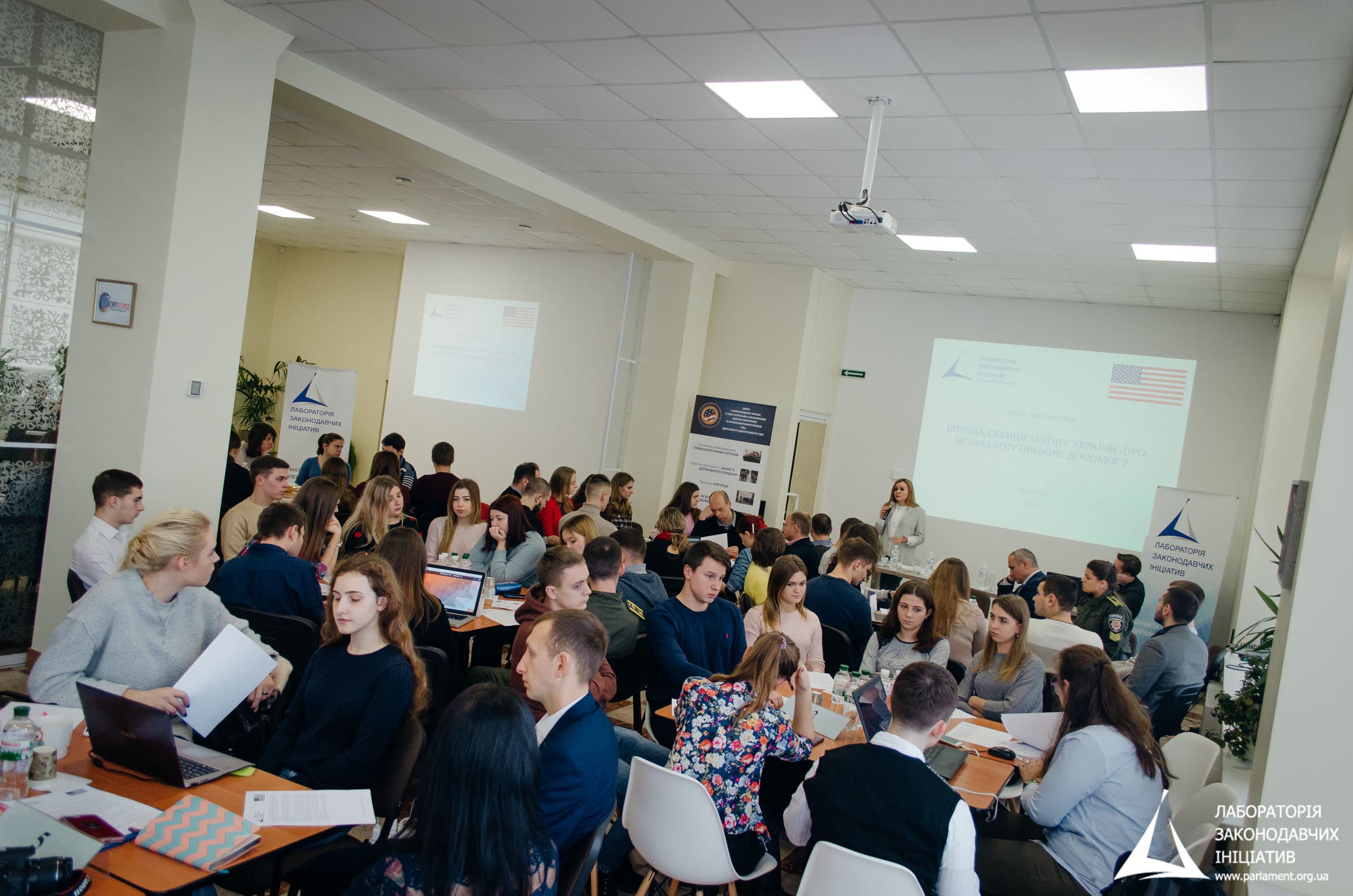
The urgency and necessity of the event for Chernihiv residents was confirmed by a large number of participants, more than 70, who expressed their desire to participate in the discussion of a number of problems of provision of legal aid. Among the participants were: lawyers, human rights activists, public activists, representatives of the Novozavodsk District Court, Chernihiv Appeal Court, Chernihiv Regional Council, Chernihiv Regional State Administration, Main Directorate of the National Police in Chernihiv Oblast, Desnianska District Council in Chernihiv city, legal advisers of Chernihiv City Council, students and lecturers of Chernihiv National Technical University, cadets of the Academy of the State Penitentiary Service, as well as ordinary citizens, who are not indifferent to the state of the legal aid system in Ukraine.
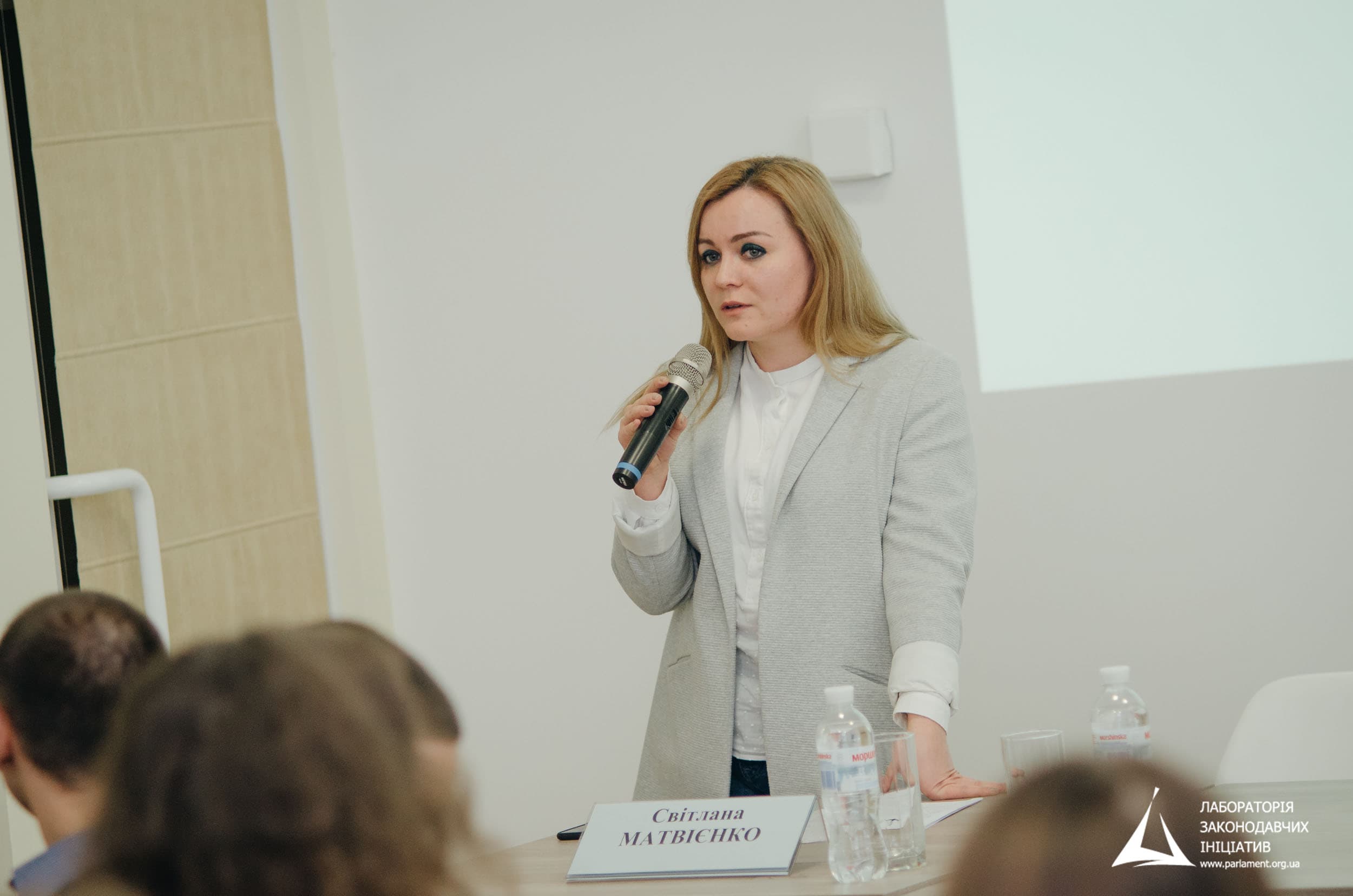
During her introductory speech Svitlana MATVIIENKO, Chairwoman of the Board of the Agency for Legislative Initiatives, stressed the need to bring up the discussion of providing legal aid to a new level in order to develop effective and efficient mechanisms for the provision of this type of service.
“Legal aid provides access to legal protection for a society, since the right to professional legal assistance, including free of charge, is guaranteed by article 59 of the Constitution of Ukraine, and provided by a number of conventions and international documents, which are part of the international system of ensuring human rights. Sometimes, legal aid is the only opportunity for insecure groups of people to get legal protection and representation of their interests in court or during communication with other state bodies”
Oleksandr ZASLAVSKYI, Deputy Chairman of the Board of the Agency for Legislative Initiatives, introduced to the participants the Town Hall Meeting (THM) format, and also emphasized the importance of such formats in decision-making both at the national and local levels:
“The THM format is primarily intended for public participation in decision making at the local level. In particular, it is great for finding out the community’s priorities when forming a local budget. However, this format can also be used to discuss options for solving more complex problems, and even draft legislation”

Participants of the event got acquainted with the main aspects of legal aid provision, the grounds for its provision, and peculiarities of primary legal aid and secondary legal aid.
During an active two-hour discussion the participants discussed the proposed scenarios and developed their own approaches to the issues of the financial and organizational basis for providing services in legal aid system, the subordination of legal aid system, as well as improving the accessibility and quality of the provision of these services.
As a result of lively discussions, voting on scenarios took place. The scenarios address the main issues of providing legal aid.
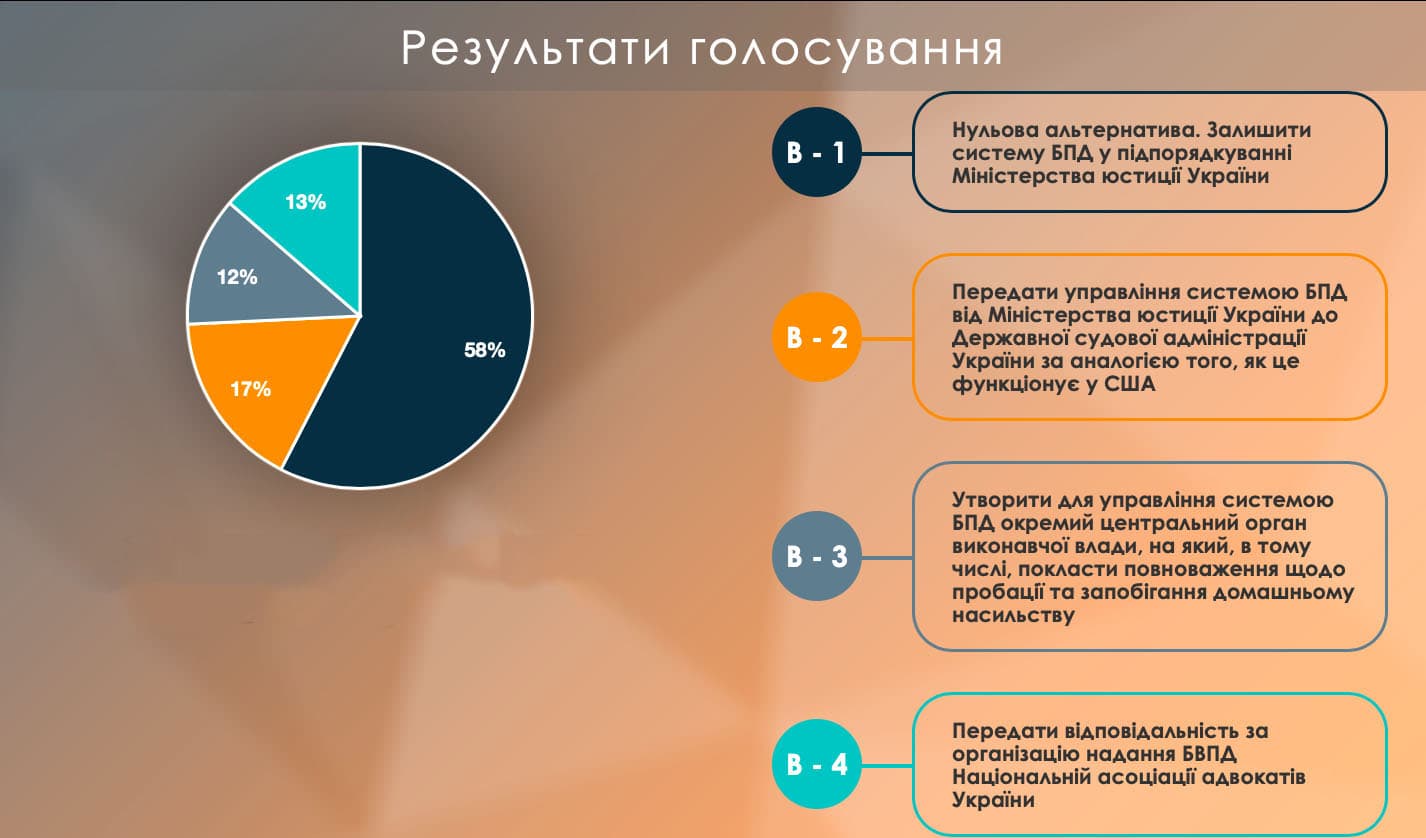
After the discussion on the system of financial and organizational basis for the provision of services, the status quo scenario, that is, the implementation of the law “On Free Legal Aid” unchanged, won the vote. For this option, 67% of the participants gave their votes. The option to diversify the sources of financing of secondary legal aid between the state budget, local budgets, as well as recipients of free legal aid came second (21% of votes).
The smallest number of votes (12%) was given to the version according to which state funding is guaranteed primarily or exclusively for secondary legal aid in criminal proceedings.
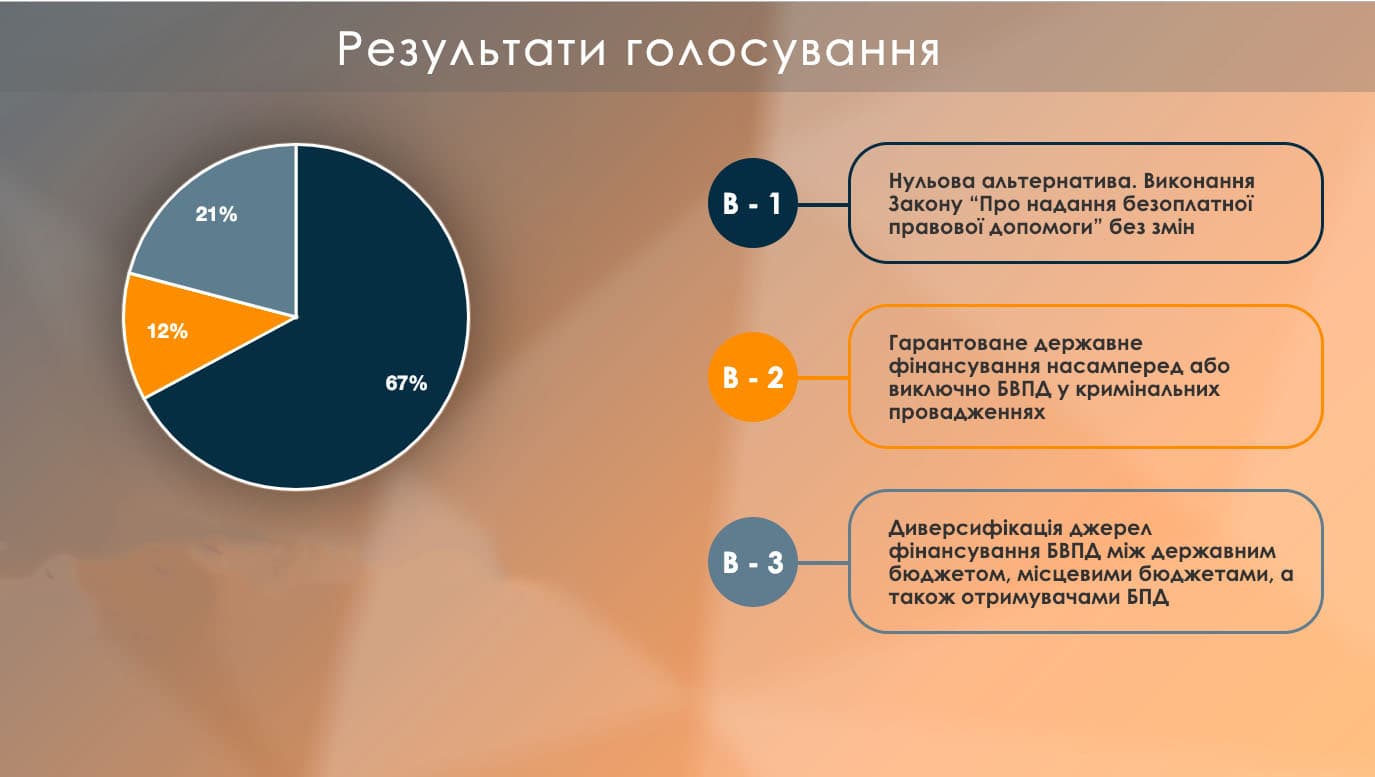
During the consideration of the problem of subordination of the legal aid system, according to the results of the voting, the status quo scenario also won the vote, which means the subordination of the legal aid system to the Ministry of Justice of Ukraine (58% of votes).
The second place (17%) was given to the option according to which the transfer of management of the legal aid system from the Ministry of Justice of Ukraine to the State Judicial Administration of Ukraine, as for example is in USA. Almost the same number of votes got the Scenario 4 (transfer of responsibility for the provision of secondary legal aid to the National Bar Association of Ukraine – 13%) and Scenario 3 (management of the legal aid system by a separate central executive body – 12%).
During the voting for the third problem (Improving accessibility and quality of the secondary legal aid), each participant had the opportunity to cast his or her vote for more than one option. This is due to the fact that the proposed options in their essence are not so much alternative as complementary, that is, they can be implemented in parallel or in a complex. The largest percentage of participants of the event voted for the option of introducing an additional mechanism for issuing certificates with the option of free choice of lawyer by the recipient of the secondary legal aid (32%). The status quo option took the second place, that is, to retain the existing mechanisms provided for by the Law of Ukraine “On Legal Aid” (30%). The third place was taken by the involvement of private lawyers on a contractual basis (18%). Scenario 5 (assigning a lawyer to provide a certain amount of legal aid pro bono) and Scenario 3 (mandatory verification of the quality of the legal aid) were the least popular (10% support each).
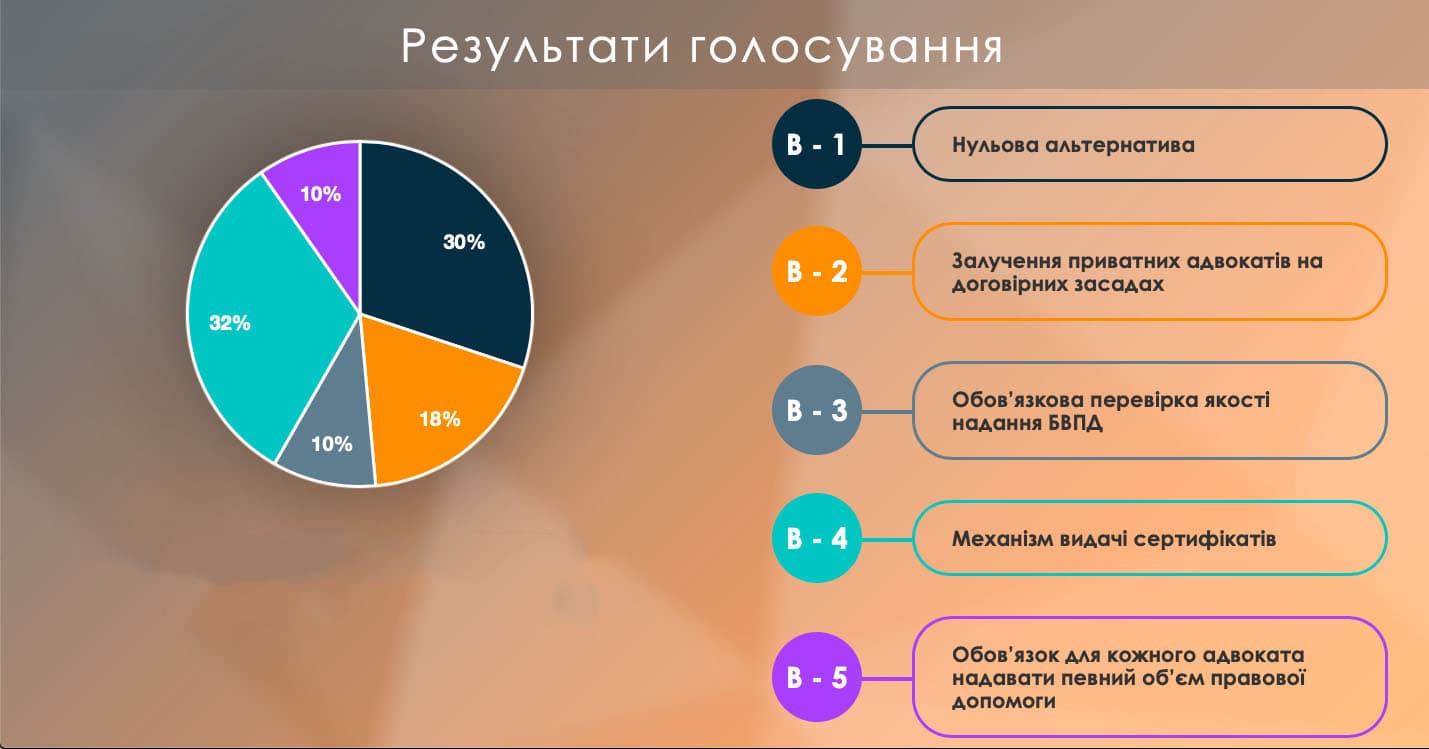
As well as during the discussion of problems related to the Rules of Legal Ethics(December 11, 2018 in Zhytomyr), the systemic problem of lack of open discussions about the prospects for development of legal aid system in Ukraine became obvious.
The opinions and proposals of the participants, the voting results, which were recorded during the discussions, after processing and including in the report, will be sent to each participant of the events in Chernihiv and Zhytomyr, as well as distributed among the wider range of stakeholders.
Report “Legal Ethics in Ukraine”
The report is dedicated to the assessment of the ethical principles of the professional conduct of a lawyer in terms of their compliance with the Constitution of Ukraine, the laws of Ukraine and generally accepted international standards of professional conduct.
The report presents a retrospective and comparative analysis of the ethical principles of the professional conduct of a lawyer that were in force or are in force during the period of 1999-2018. Particular attention is paid to the issue of regulation of legal ethics in the draft Law of Ukraine No. 9055 “On Bar and Practice of Law” as of September 6, 2018, which was introduced by the President of Ukraine, and its alternative draft laws. The report compiles the main international documents defining the ethical standards of practice of law, the Constitution of Ukraine, the Law of Ukraine “On Bar and Practice of Law”, the Model Rules of Professional Conduct in editions of 1999, 2012 and 2017 years, the Report “On the Needs Assessment Conducted in Respect of the Self-governance of Lawyers in Ukraine” under the Project “Consolidating Ukraine’s Justice Sector Reform”, implemented by the CoE in 2017-2018, Shadow Report “The Bar of Ukraine: the Lessons Learned from the Early Years of Independence” developed by the Agency for Legislative Initiatives and open source information.
The preparation of the report “Legal Ethics in Ukraine” is part of the project implemented by the Agency for Legislative Initiatives within the project “Ensuring Access to Justice in Ukraine: Ethical Standards and Institutional Aspects” with the support of the Law Enforcement Section of the US Embassy in Ukraine. The project is dedicated directly to the comprehensive support of the principle of rule of in Ukraine by strengthening the institutional capacity of the lawyers’ self-governance and enhancing the place of ethical norms and standards in the lawyers’ work for better protection of human rights and a citizen.
The opinions expressed in this publication do not necessarily reflect the position of the US Government or the Law Enforcement Section of the US Embassy in Ukraine.
Author:
Dmytro Kuhniuk, Lawyer, PhD in Law, Associate Professor, Notary and Executive Process and Bar Department, Law Faculty, Kyiv Taras Shevchenko National University, Managing Partner at LF “Melnyk, Kuhniuk & Partners”.