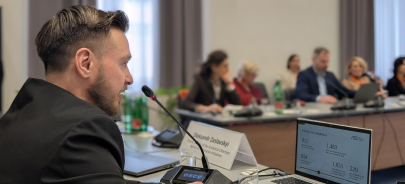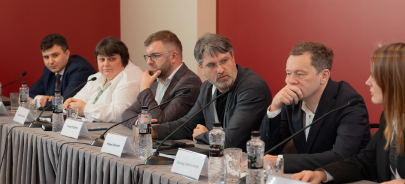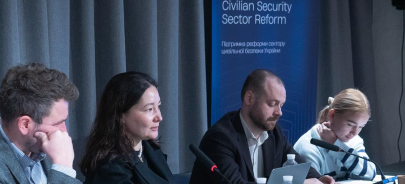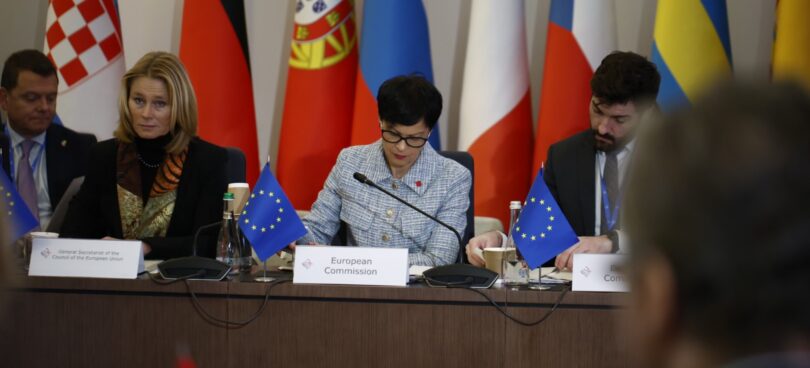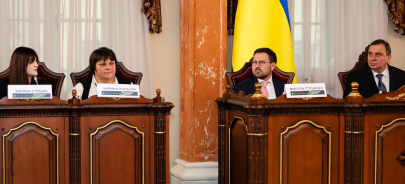
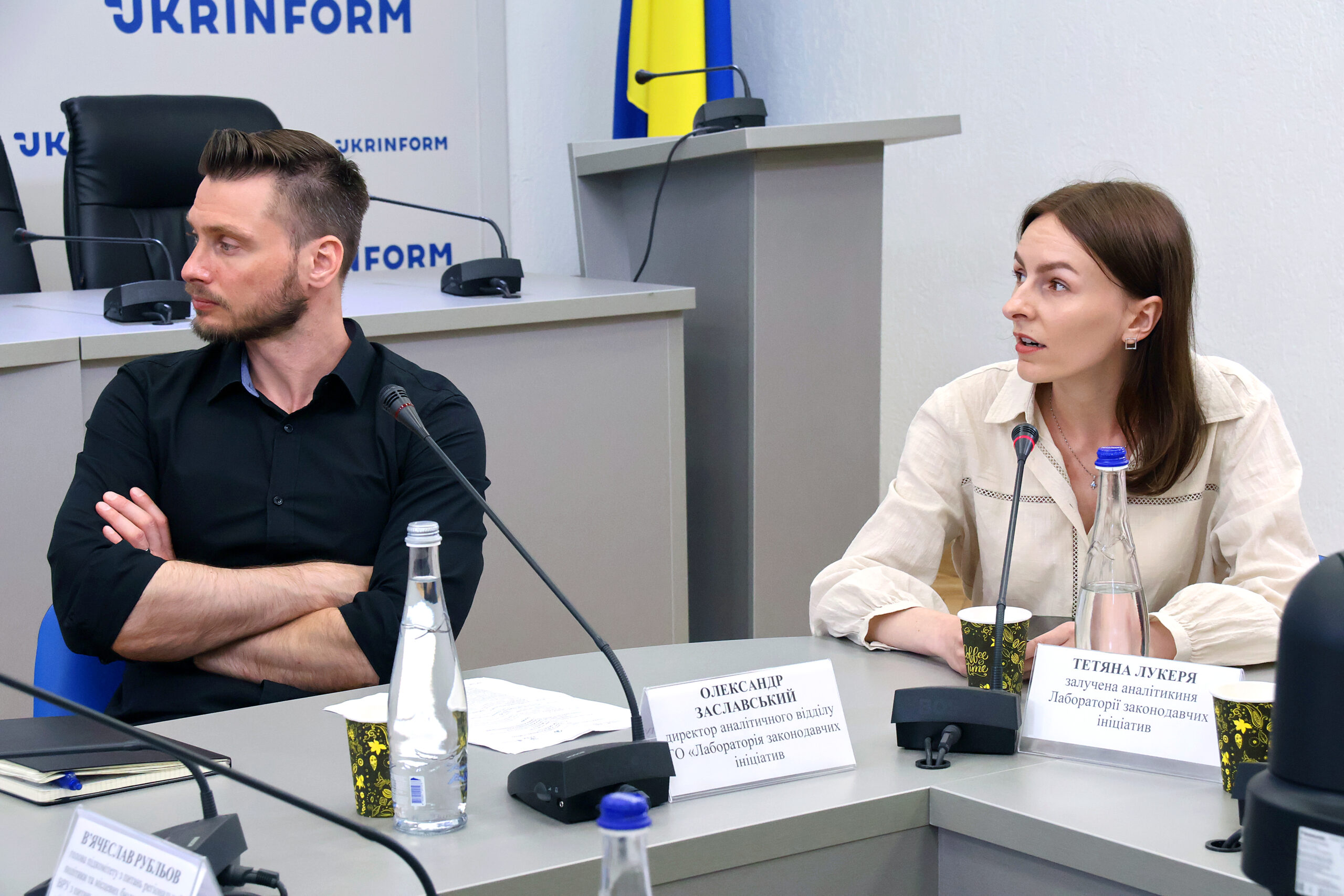
On 8 July 2024, the Agency for Legislative Initiatives (ALI), together with the Committee of the Verkhovna Rada on the Organisation of State Power, Local Self-Government, Regional Development and Urban Planning, presented the results of the study “Assessment of the State of Public Services in De-Occupied Communities: Kherson Oblast.” This work was prepared within the framework of the project “Parliament and Accountability of the Security Sector in Ukraine” (PASS Ukraine), which the Agency implements jointly with the Parliamentary Centre (Canada) in cooperation with the Verkhovna Rada and with the support of the Global Affairs Canada within the framework of the Peace and Stabilization Operations Program (PSOPs).
Study concept
The study was conducted in several stages during September – December 2023 and covered 17 de-occupied communities of Kherson Oblast. During the course of the study, ALI collected more than 800 datasets on the provision of public services in the following main areas: administrative, social, medical, educational, security, housing and utility services. We also held in-depth semi-structured interviews with heads of military administrations in individual settlements.
Context
In November 2022, the Ukrainian army liberated the right-bank part of Kherson Oblast, which had been under occupation for almost nine months. The occupation fallout includes the destroyed industrial and social infrastructure, the explosive demolition of the Kakhovka HPP, which caused at least $2 billion in direct losses, the outflow of businesses, and the loss of human resources — in some communities, more than 60% of residents left their homes. All this made it much more difficult for residents to access basic public services. At the same time, relentless shelling of the right-bank part of Kherson Oblast continues, and this worsens the public service provision situation.
During the event, participants discussed the experience and problems faced by the de-occupied territorial communities of Kherson Oblast, which, despite limited resources, continue to provide residents with services as they find various opportunities for this. In addition, the Agency presented recommendations and proposals that would later help in the development of a dedicated national policy package on this issue.
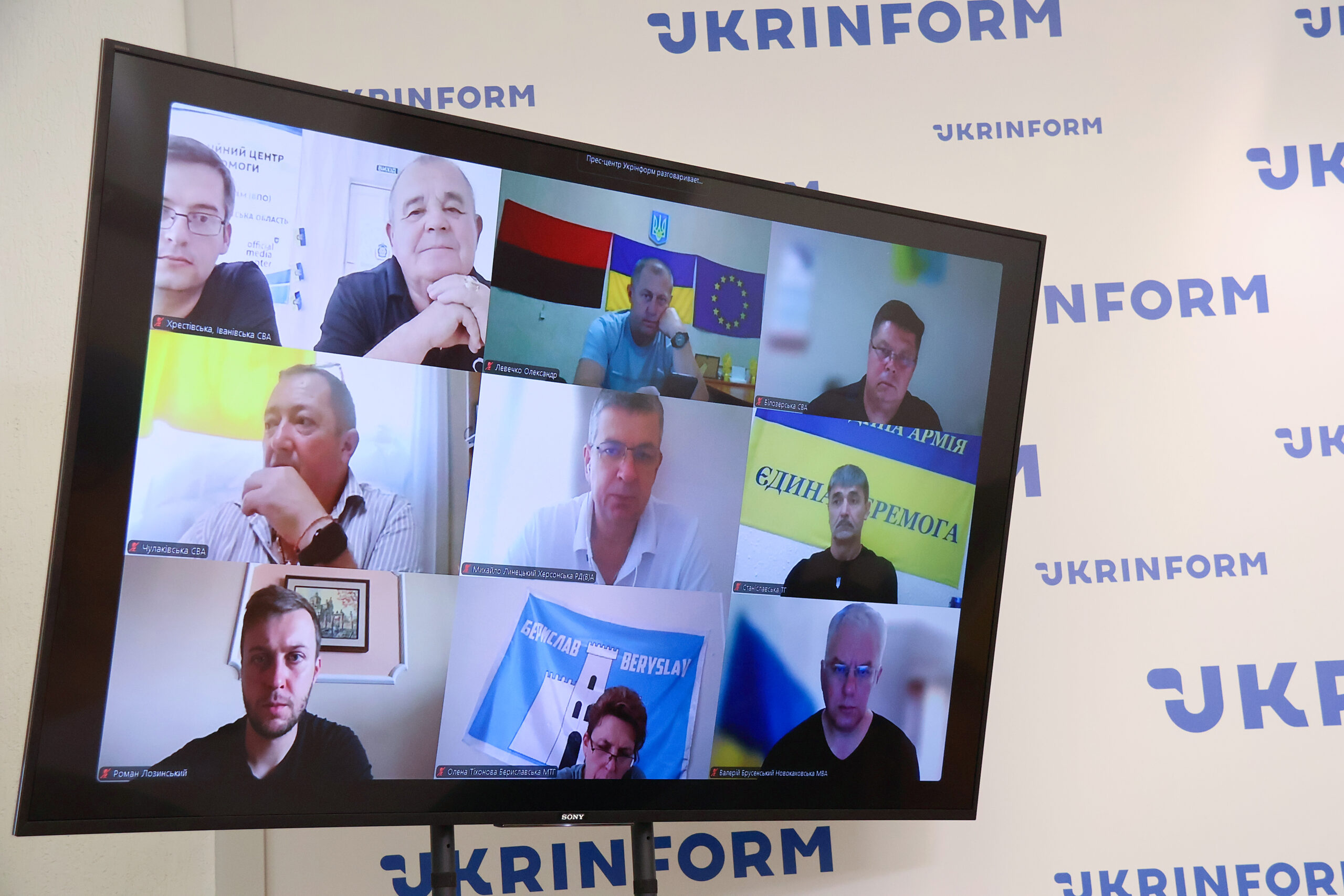
The director of the analytical department at the Agency for Legislative Initiatives, Oleksandr Zaslavskyi, moderated the discussion. He noted the importance of such studies and their role in reconstruction processes:
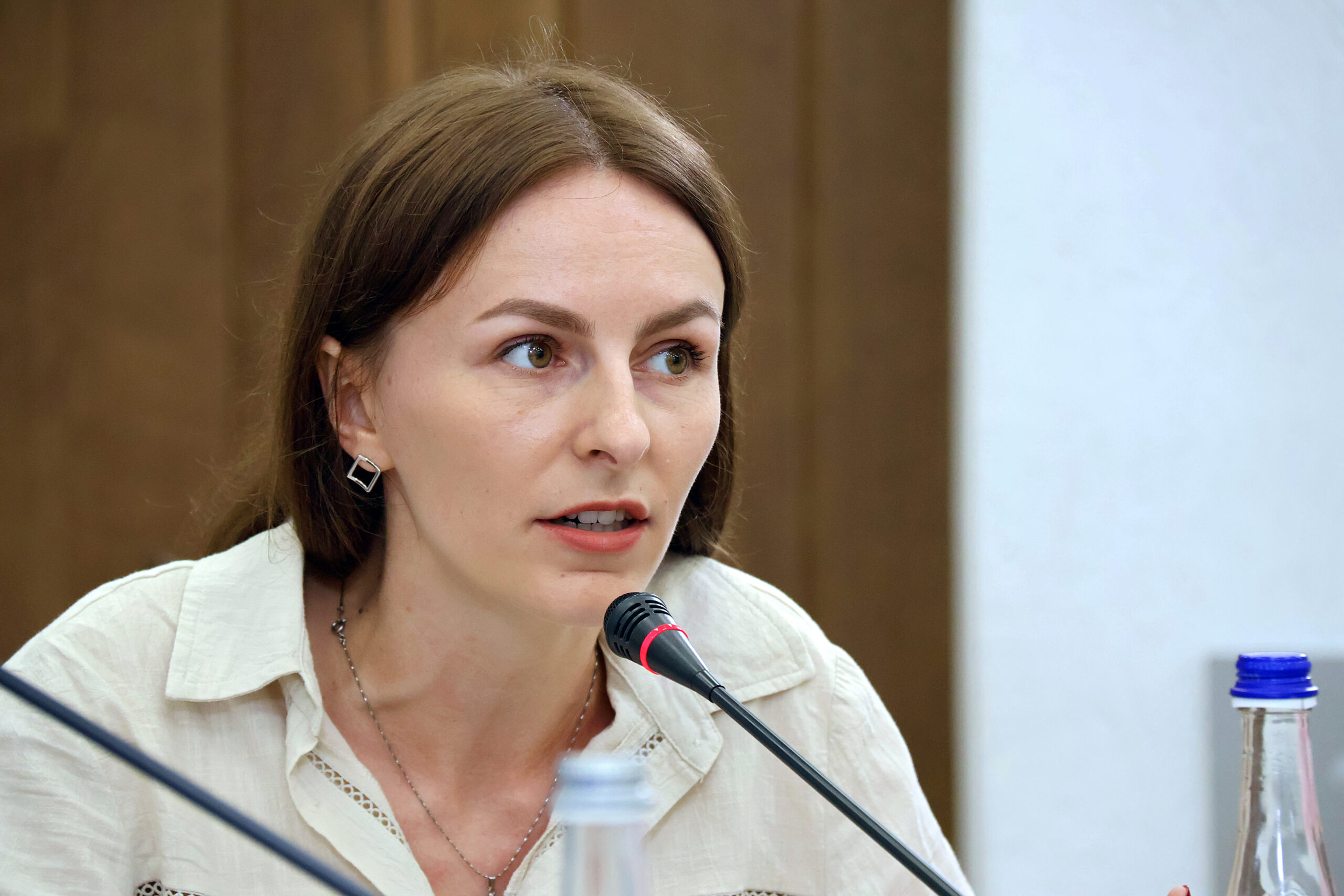
Tetiana Lukeria, the invited analyst of the Agency for Legislative Initiatives, told the audience about the principal issues covered in the study, its main directions and proposals.
MPs sitting on the relevant Committee of the Verkhovna Rada of Ukraine also emphasised the importance of the experience and challenges faced by the de-occupied communities of Kherson Oblast.

And I am grateful, in particular to the Agency for Legislative Initiatives, for enabling us to start this process. I hope that this study will form the basis of the national policy that concerns de-occupied territories, including those located at an extremely short distance from enemy positions”
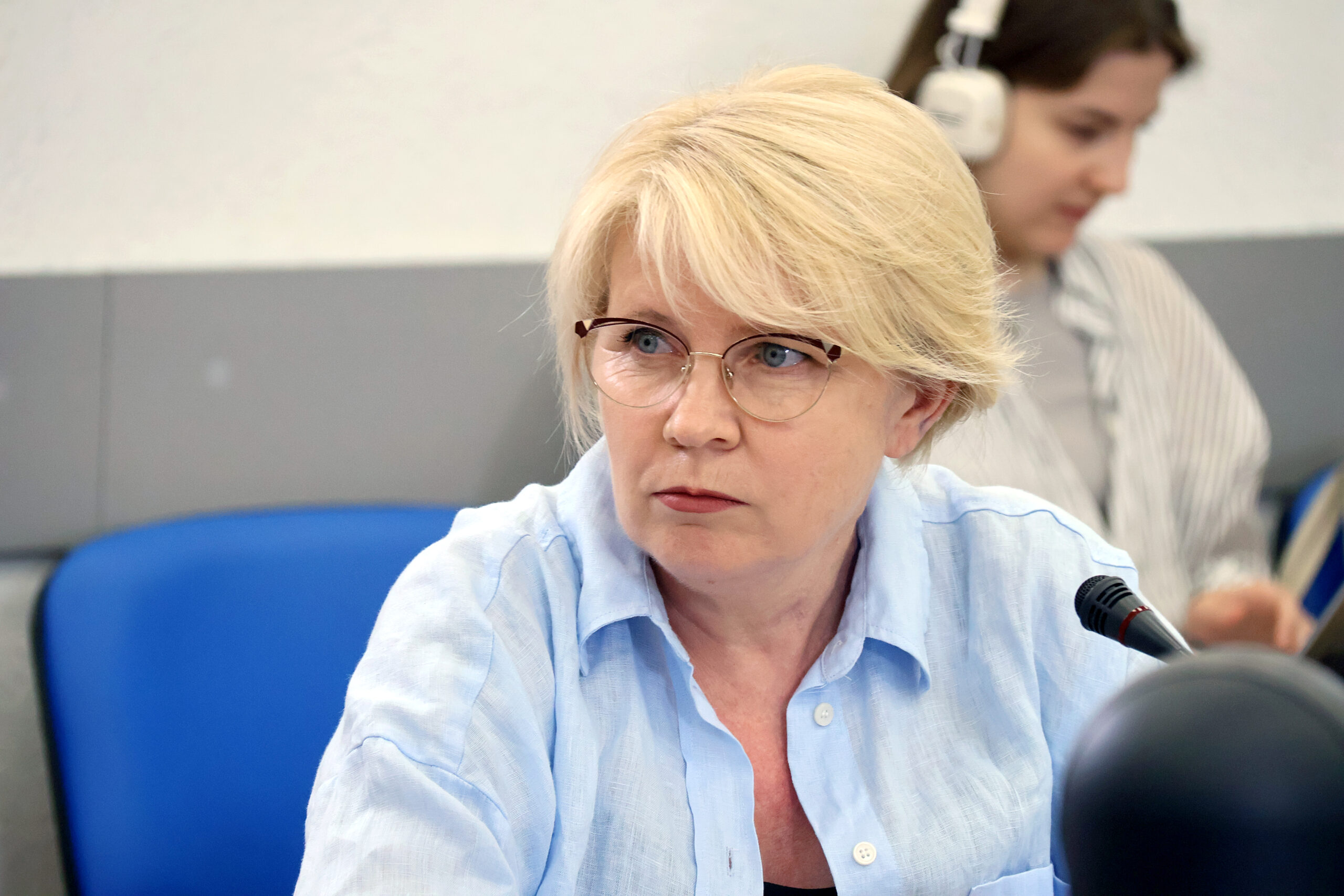
Liudmyla Kostiuk, Head of Kochubeivka Village Military Administration of Beryslav Raion (Kherson Oblast), noted urgent problems associated with the organisation and provision of public services in communities.
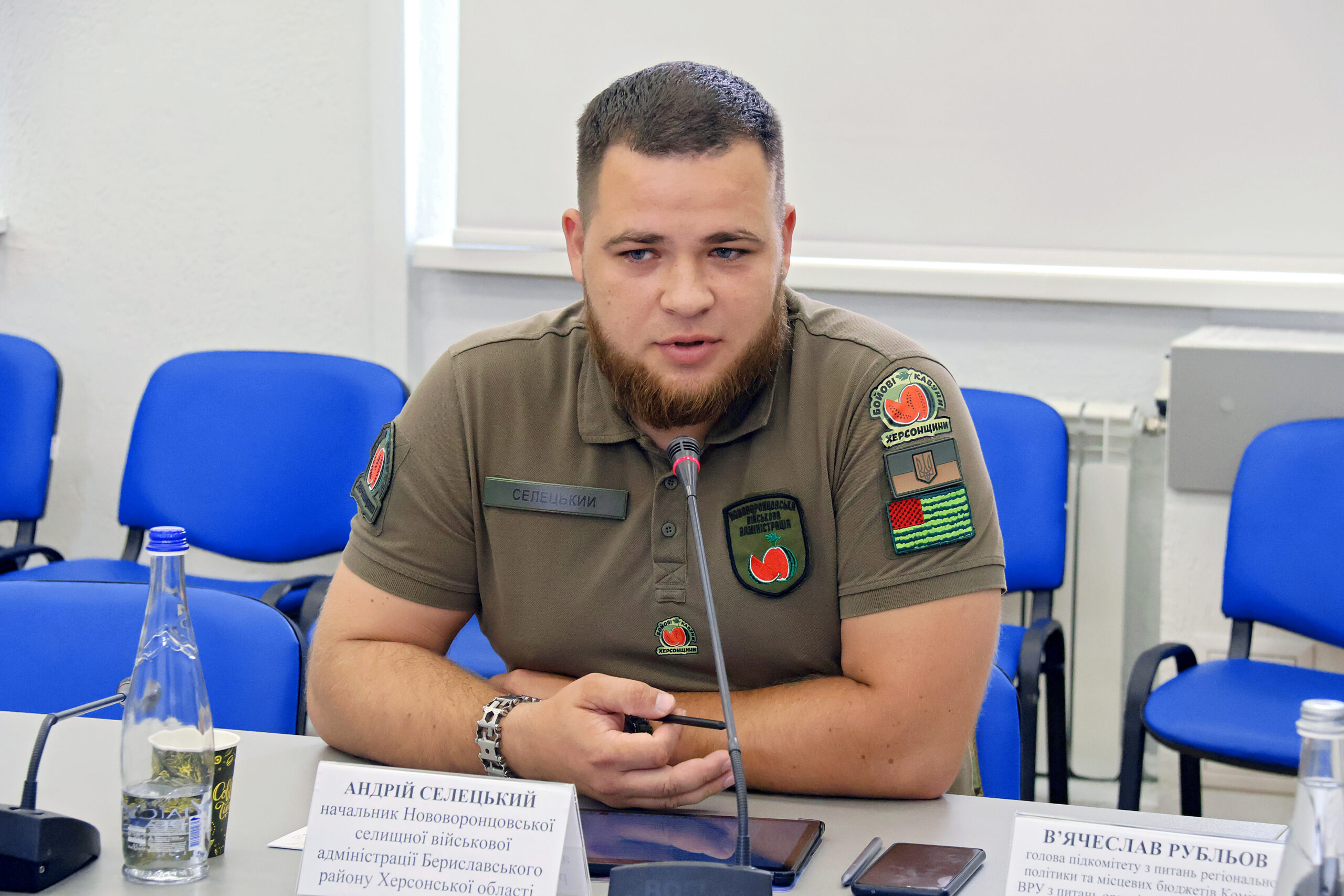
Andrii Seletskyi, Head of Novovorontsovka Town Military Administration of Beryslav Raion (Kherson Oblast), shared successful practices already being implemented in communities, from digitalisation solutions to the implementation of a system of incentives for school students and youth support.
However, comprehensive Internet coverage throughout the oblast remains a big issue, which requires resolution at a higher level than that of individual communities. It needs to be done as soon as possible because the research on access to information, which was conducted in the community, shows that it is a very pressing issue. Outmigration of the workforce and businesses is a painful issue. Therefore, the development of mechanisms that will allow us to keep people in Kherson Oblast, not by force, but by prospects of improvement, is urgent, and it must be done at the level of the relevant policy as well”
The study “Assessment of the State of Public Services in De-Occupied Communities: Kherson Oblast” will soon be published on the website of the Agency for Legislative Initiatives and sent to government bodies for further examination and incorporation in the development of relevant national policies and measures.
For more information, contact Maria Hereles, Director of the Communications Department at the Agency for Legislative Initiatives, at mg@parliament.org.ua.