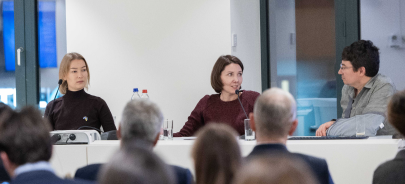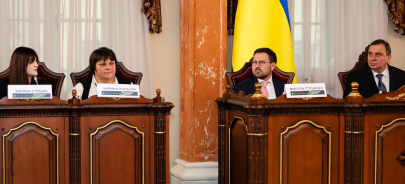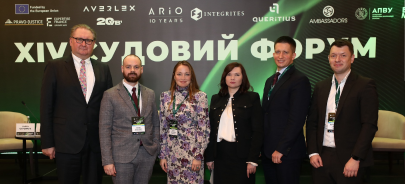

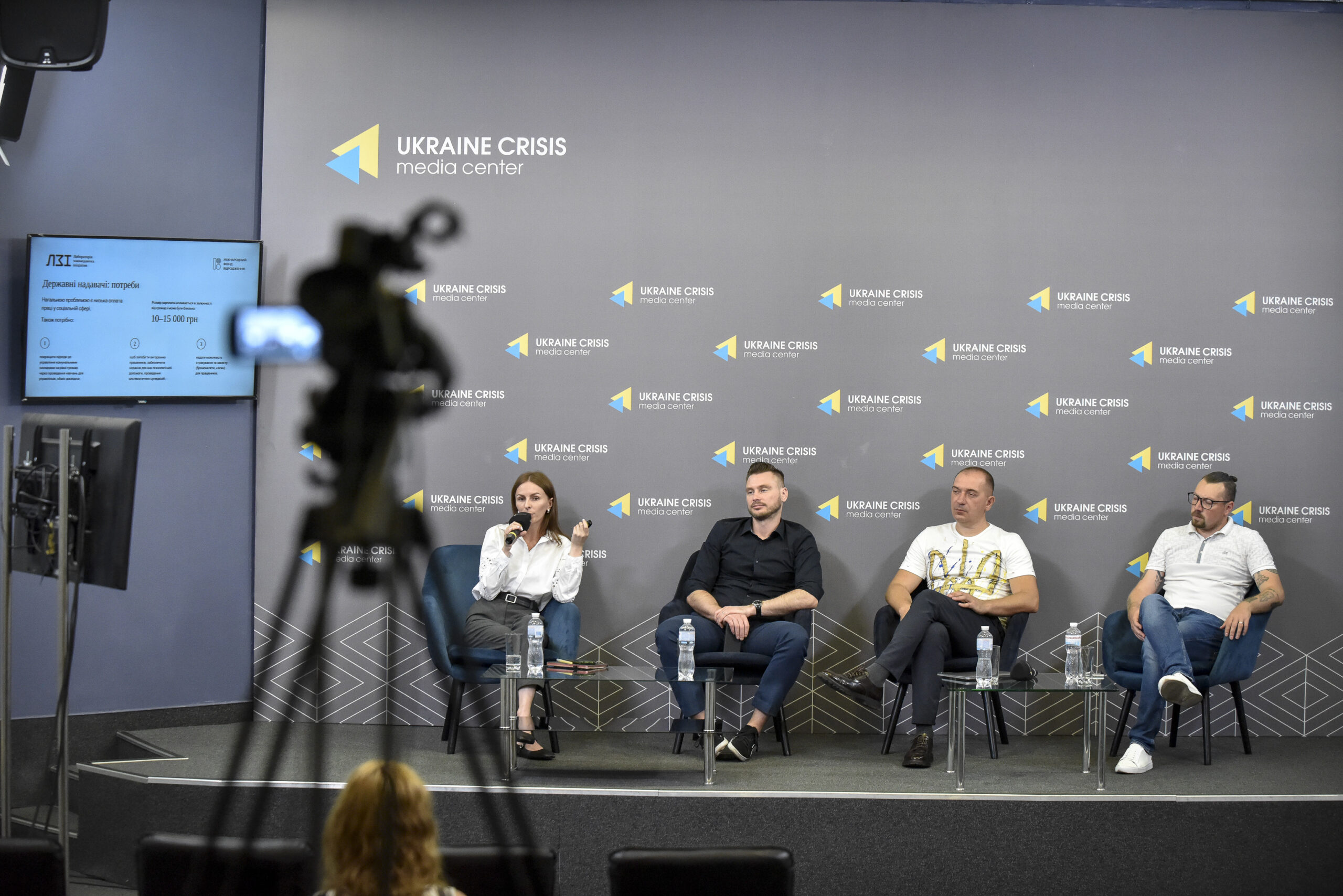
On 8 August 2024, the Agency for Legislative Initiatives presented the results of the research “Social Services in Ukraine: Current Status, Problems and Limitations.”
Concept of the research. The research identifies problems in the social service system and recommendations that will help solve them. The research consists of several parts and was conducted in several stages: analysis of Ukrainian legislation and international experience; semi-structured in-depth interviews with representatives of local governments, social protection agencies, municipal providers and experts – 30 interviews; focus group discussions with representatives of NGOs and charitable foundations – 12 focus groups.
Context. In Ukraine, the social service sector has become particularly important, as the challenges for the social sector increase significantly during the full-scale war. In 2022–2023, Ukraine’s position in the global Social Progress Index deteriorated significantly: in 2021, Ukraine ranked 48th (out of 168 countries), in 2022 – 52nd (out of 169 countries), and in 2023 – 59th out of 170 countries. That is why the social sector needs to change, improve approaches and make social services more accessible to all social groups. At the same time, the challenges in the social sector are only increasing – the full-scale invasion has exacerbated existing problems and revealed all the systemic shortcomings that have been accumulating over the years.
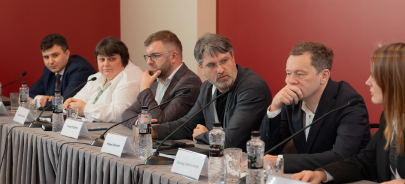
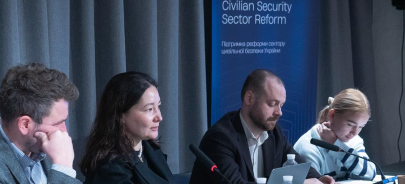
At the event, participants discussed the main challenges of the social service system in Ukraine and recommendations developed by the Agency for government agencies, local governments, and NGOs.

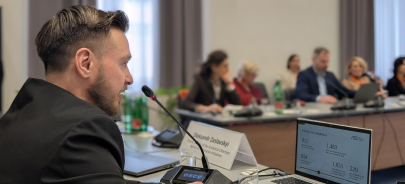
Oleksandr Zaslavskyi, ALI Head of Analytics, stressed that this research was needed, inter alia, to develop more effective policies in the social sector:

Tetiana Lukeria, an involved ALI analyst, outlined the problems that the Agency had identified during the research and presented recommendations that will improve the quality and accessibility of services in communities:

Uliana Tokarieva, Deputy Minister of Social Policy of Ukraine, noted that the research was useful because it would help shape the strategy for social services that the Ministry was working on:
We understand how difficult it is for communities now and what a heavy workload they have in all areas. Nevertheless, it is important that local governments respond to the initiatives proposed at the central level. To decide how the social service sector should develop further, the Ministry has launched several major processes, namely the elaboration of the Social Service Development Strategy, the development of a new Classifier of Social Services – updated and focused on today’s challenges – and work on amending the Law of Ukraine "On Social Services"”

Vitalii Bezgin, Chair of the Subcommittee on Administrative and Territorial Structure and Local Self-Government of the Verkhovna Rada Committee on State Building, Local Governance, Regional and Urban Development, stressed that despite the decentralisation reform, the issue of sectoral reforms at the local level has not been resolved yet. Therefore, flexible social policy for different regions is a priority:
For example, when we talk about de-occupied territories, it is not enough to plant a Ukrainian flag there – we need a systemic policy to ensure that residents of de-occupied communities feel that the state treats them with dignity. Of course, given the scale of destruction and the outflow of people, this isn’t easy to accomplish. But there must be an understanding and implementation of a flexible approach”
Larysa Bilozir, Chair of the Sub-committee on Administrative Services and Administrative Procedures of the Verkhovna Rada Committee on State Building, Local Governance, Regional and Urban Development, stressed the importance of supporting community capacity and working on a comprehensive update of legislation in the social sector:
However, there are also specific positive cases in social service delivery: for example, there are charitable and public organisations that probably do not enter into contracts for the provision of services (i.e., do not make money from it) but which support social service centres for the elderly. This format of cooperation is also useful because it gives communities an impetus to develop, seek funds and capacities, and this should be supported”
Nataliia Petrenko, Head of the Shulhynka Village Military Administration of Starobilsk Raion in Luhansk Oblast, Head of the Temporarily Occupied and De-occupied Communities Platform, representative of the Association of Amalgamated Territorial Communities, spoke about the situation concerning social service delivery in frontline areas and noted the need to change approaches to the provision of social services:

Oleksandr Khoruzhenko, Project Advisor of the GIZ Ukraine: Resilient Society Cluster, EU4ResilientRegions – Special Assistance Programme Ukraine, spoke about the areas of social support that international donors and partners are helping Ukrainian communities with:
Through such international partnerships, we have managed to address a number of social challenges, especially in the area of mobility and barrier-free access, inter alia, in frontline and de-occupied communities. However, I would like the state policy to be more holistic and more proactive towards the southern and eastern regions because here the question is not so much about justice as about the expectation of justice and whether the state is ready to meet such expectations”
A recording of the research presentation is available here.
The research on social service delivery in communities is supported by the International Renaissance Foundation. The full report will be published shortly.
Photo: Ukraine Crisis Media Centre