
For almost 25 years, the Agency for Legislative Initiatives has been a think tank working to strengthen state institutions and develop democracy in Ukraine. This material summarises ALI’s achievements in various areas through research and events implemented in 2024.
We share the most essential things, and thank all our partners for their support. Our systemic work allows us to continue fulfilling our mission, expanding it, and developing our expertise in analytics and civic education.
Analytics about and for the Parliament
In 2024, we prepared several Parliamentary Monitors, which have been an important component of the ALI’s research for many years. Trends, main and side issues of Verkhovna Rada’s work processes, a lot of data and accompanying analytics on a number of factors – all this is analysed and reflected in the Monitors because based on data and regular monitoring, we can analyse the activities of the Parliament and strengthen its institutional capacity as the most important body in a democratic state.
You can read the ALI’s analytics on the Parliament for the 9th, 10th and 11th sessions here:
- Monitoring Report of the Activity of the 9th Session of the 9th Verkhovna Rada
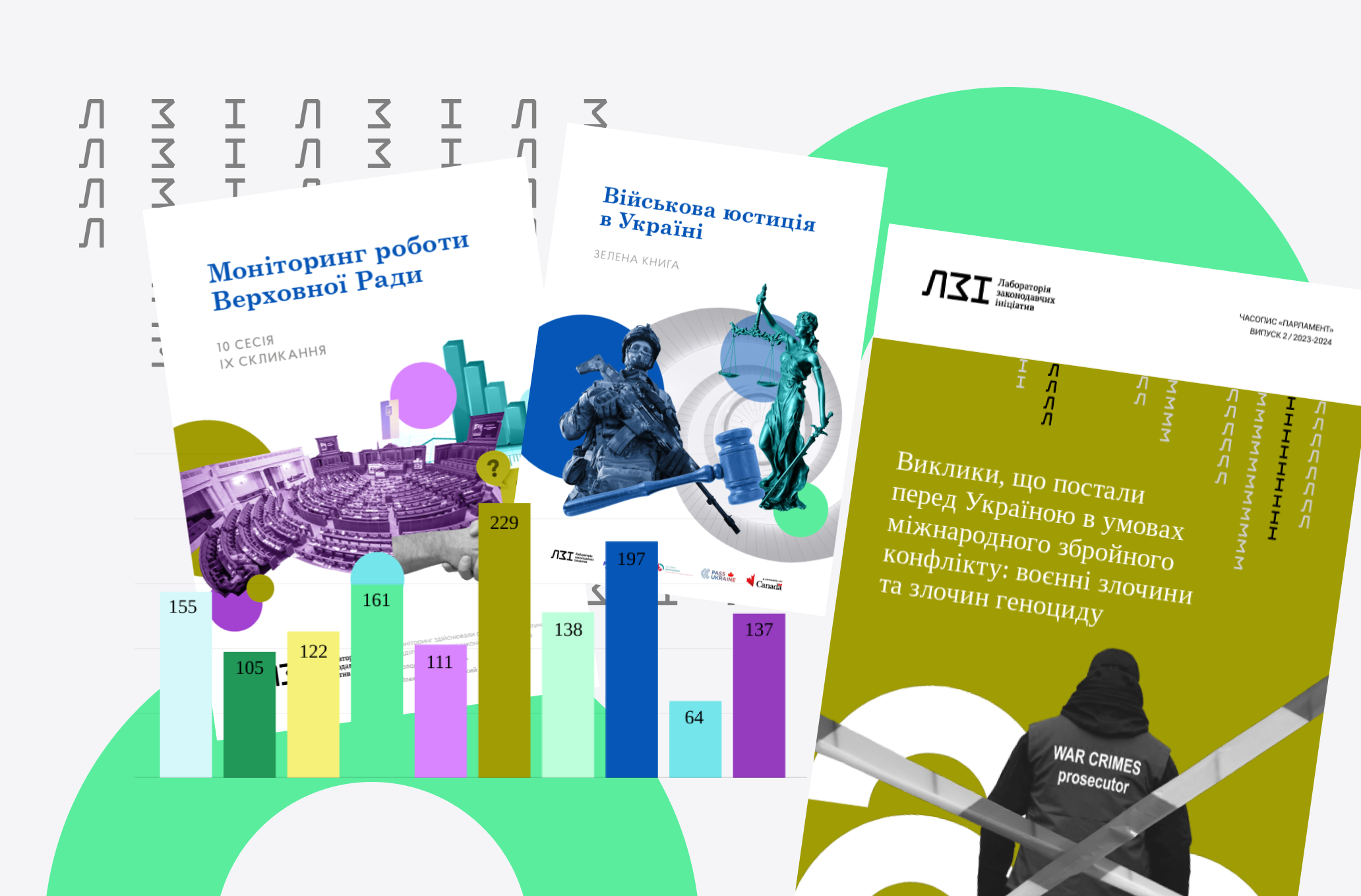
- Monitoring Report of the Activity of the 10th Session of the 9th Verkhovna Rada
- Monitoring Report of the Activity of the 11th Session of the 9th Verkhovna Rada
In addition, ALI released two issues of the Parliament Journal in 2024:
- Temporary commissions in the Parliament: oversight without the ability to influence, where ALI analysed in detail what MPs did within the framework of temporary ad hoc and temporary investigative commissions, the effectiveness of their work, and what problems prevent temporary commissions from being an effective tool for solving the problems that concern citizens the most.
- Challenges Faced by Ukraine in the Context of International Armed Conflict: War Crimes and the Crime of Genocide. Since the first days of Russia’s full-scale war against Ukraine in February 2022, Ukraine, as well as the entire international community, has been facing the issue of qualifying crimes committed against Ukraine – it has become a real challenge in practice. That is why ALI’s research raises the following questions: “Do the norms of national legislation comply with the norms and principles of international law in terms of international crimes: war crimes and genocide?” and “How to legally justify the qualification of Russia’s crimes against Ukraine as the crime of genocide?”.
As well as periodic summary articles:
- Code of Parliamentary Ethics: Easy to violate, difficult to adopt, impossible to negotiate. Regulation of the rules of MPs’ ethical conduct in the public space is a long-standing “homework” for the Verkhovna Rada. After all, rash actions damage the image and undermine trust not only in individual MPs but also in the entire current convocation and the parliament as an institution. In other countries, unethical conduct can even result in the loss of a mandate. However, the Ukrainian parliament still has significantly limited ways to influence MPs’ actions, and these methods are currently not effective enough to prevent unethical actions and public scandals involving MPs outside the session hall.
- Achievements, Failures, Records and Myths of the Verkhovna Rada, 9th Convocation. On the occasion of the fifth anniversary of the 9th convocation of the Verkhovna Rada, ALI recalled the most memorable moments in the work of the parliament over the years – what surprised, pleased and worried the 9th convocation.
- On the Beaten Path: What Should the Verkhovna Rada of Ukraine Do to Get Closer to the European Union? The European Commission presented its Enlargement Report, which assessed the annual progress made by the candidate countries, including Ukraine. The Agency for Legislative Initiatives analysed the part of the report concerning the Verkhovna Rada, highlighted these points and explained why they are a priority for the parliament and its development as an institution that embodies Ukrainian democracy.
The work of the Parliament is systemically monitored thanks to the support of Sweden, which is ALI’s institutional partner.
In the context of challenges posed by Russia’s full-scale war against Ukraine, ALI has also prepared a Military Justice in Ukraine Green Paper, which is an analytical document covering information on the international experience of regulating and functioning of military justice, considering previous work on military prosecutors, advocacy, military police, military counterintelligence and military courts, and highlighting the challenges of creating new bodies of the military justice system in Ukraine.
The Green Paper was prepared within the framework of the Parliament and Accountability of the Security Sector in Ukraine (PASS Ukraine) project, which the Agency implements jointly with the Parliamentary Centre (Canada) in cooperation with the Verkhovna Rada of Ukraine and with the support of the Global Affairs Canada within the framework of the Peace and Stabilization Operations Program (PSOPs).
Parliamentary diplomacy
Throughout the year, we helped establish interparliamentary relations between Ukraine and several other countries, primarily our Canadian partners. Within the framework of the Parliament and Accountability of the Security Sector in Ukraine (PASS Ukraine) project, there were several working visits of Ukrainian parliamentarians to share experience in the field of military justice and law enforcement, practices of working with classified information, external audit processes in the security and defence sector, building civil-military culture, and the experience of Canadian colleagues in exercising parliamentary oversight of the armed forces and defence agencies. During these visits, the Ukrainian delegation joined events in the Canadian Parliament and, inter alia, the plenary session of the NATO Parliamentary Assembly in Montreal.
- Working Visit to Canada for MPs from the VRU Committee on Law Enforcement
- Results of the working visit of Ukrainian MPs to Canada
- Ukrainian parliamentary delegation to Canada: Results of the working visit


A new area of work – the rule of law
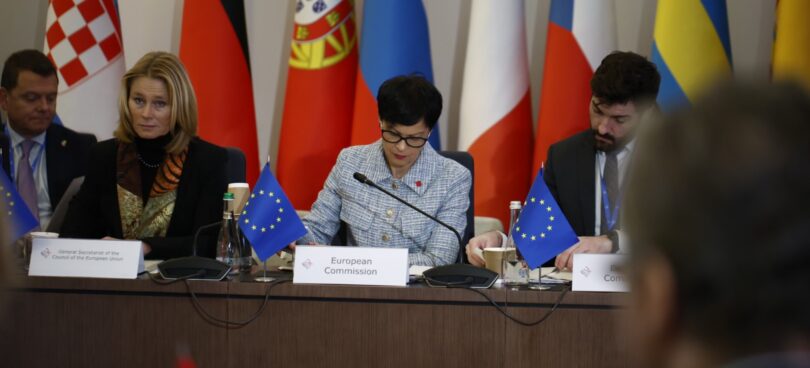
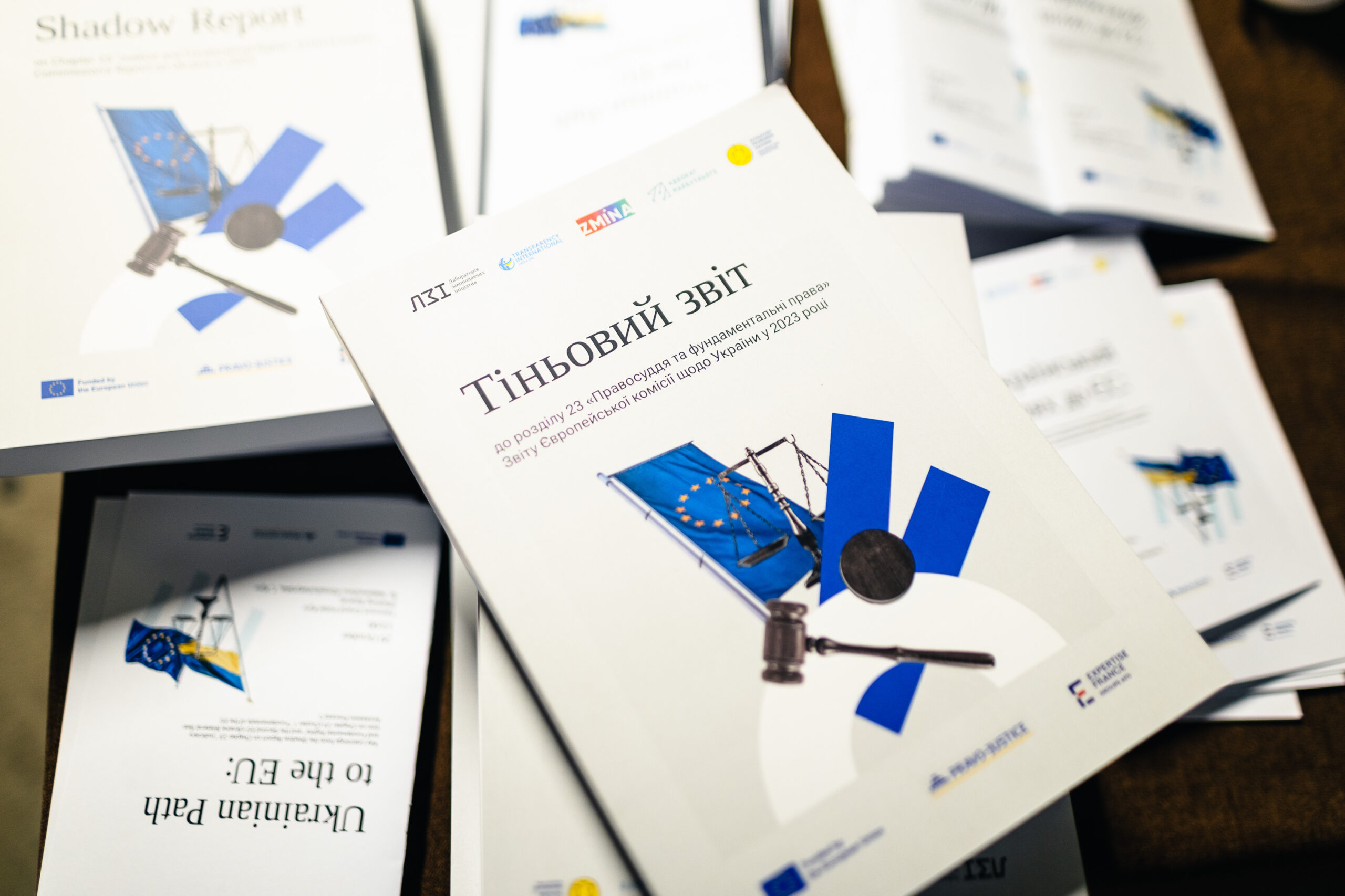
An important and honourable achievement for us was the new Rule of Law area of work led by Karina Aslanyan, which we launched in 2024: In Coalition with other NGOs, we prepared and presented to the European Commission the Shadow Report on Title 23 Justice and Fundamental Rights, held discussions on its key findings, and regularly issued expert materials on judicial reform, its related problems and challenges, competitive selection of judicial institutions, etc.


Decentralisation, communities and recovery
The current state of de-occupied communities and their recovery was a separate focus of our research. In particular, ALI published:
- The Assessment of the state of public services in de-occupied communities (Kherson Oblast) shows the unique experience of de-occupied territorial communities in Kherson region. These communities continue to provide public services to their residents despite lacking financial and human resources. Analysing this experience is extremely important, as it will help aggregate it and prepare for possible challenges after the de-occupation of other regions of Ukraine.
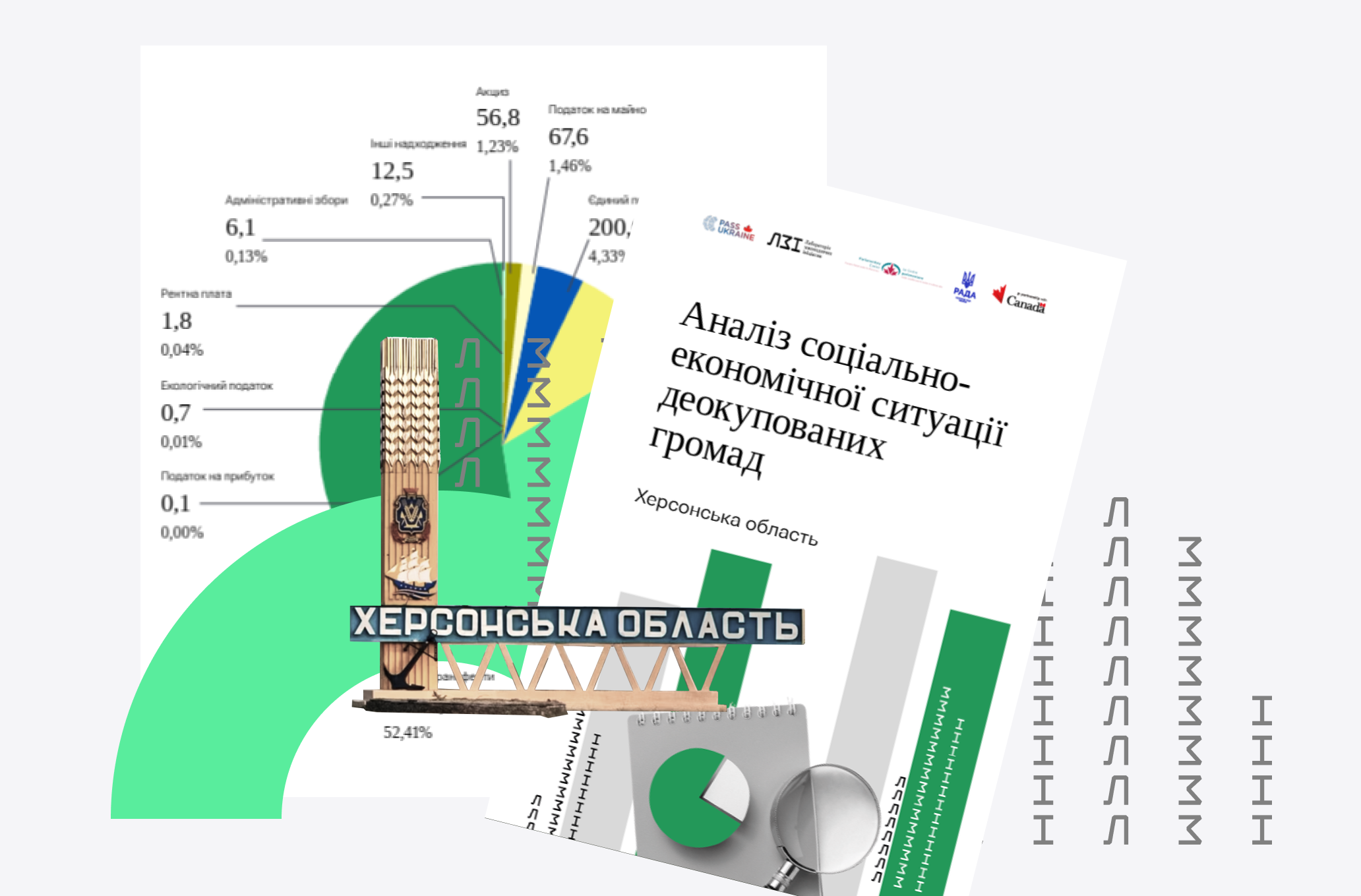
- The Analysis of the Socio-Economic Situation in De-Occupied Communities: Kherson Oblast research highlights the general trends in the development of de-occupied communities in Kherson Oblast. Special attention is paid to five key indicators: socio-demographic, financial, infrastructure accessibility, migration processes and cooperation. This is unique data that is needed to plan the recovery of de-occupied territories in a balanced manner.
These studies were prepared within the Parliamentary Accountability of the Security Sector in Ukraine (PASS Ukraine) project.
The growth of social demands and the complexity of their provision are illustrative, but not exhaustive, challenges faced by the central government, local governments, NGOs, and charities in building an effective social services market in Ukraine. Therefore, the Agency conducted the Social Services in Ukraine: Current Status, Problems and Limitations research, which describes the state of social services in the context of a full-scale invasion and provides recommendations for improvement. The research was carried out with the support of the International Renaissance Foundation.
Public administration reform
In 2024, the Agency for Legislative Initiatives continued to work on public administration reform. In previous years, ALI comprehensively monitored the implementation of the reform. Returning to this topic, we have prepared a series of info briefs on various aspects and challenges of public administration reform.
- Place of service in local governments in the public administration reform
- Place of administrative services in the public administration reform
- Place of civil service remuneration system reform in the public administration reform
- Updating the civil service selection procedure
The info briefs were developed with the support of Switzerland as part of the Improvement of Governance in Ukraine: Enhancing Policy Making for Social Progress Project.
Outreach activities
Of course, the Agency for Legislative Initiatives continued to implement the programme of the Ukrainian School of Political Studies, an educational project launched by ALI and the Council of Europe in 2024. In addition to the annual USPS-2024 programme, we managed to implement the You Are Important programme designed to support servicewomen and women veterans and hold six thematic USPS Clubs and two USPS Alumni Programmes. Moreover, a new video course, “Political Science with Ivan Gomza,” was released as part of the USPS Lectorium.
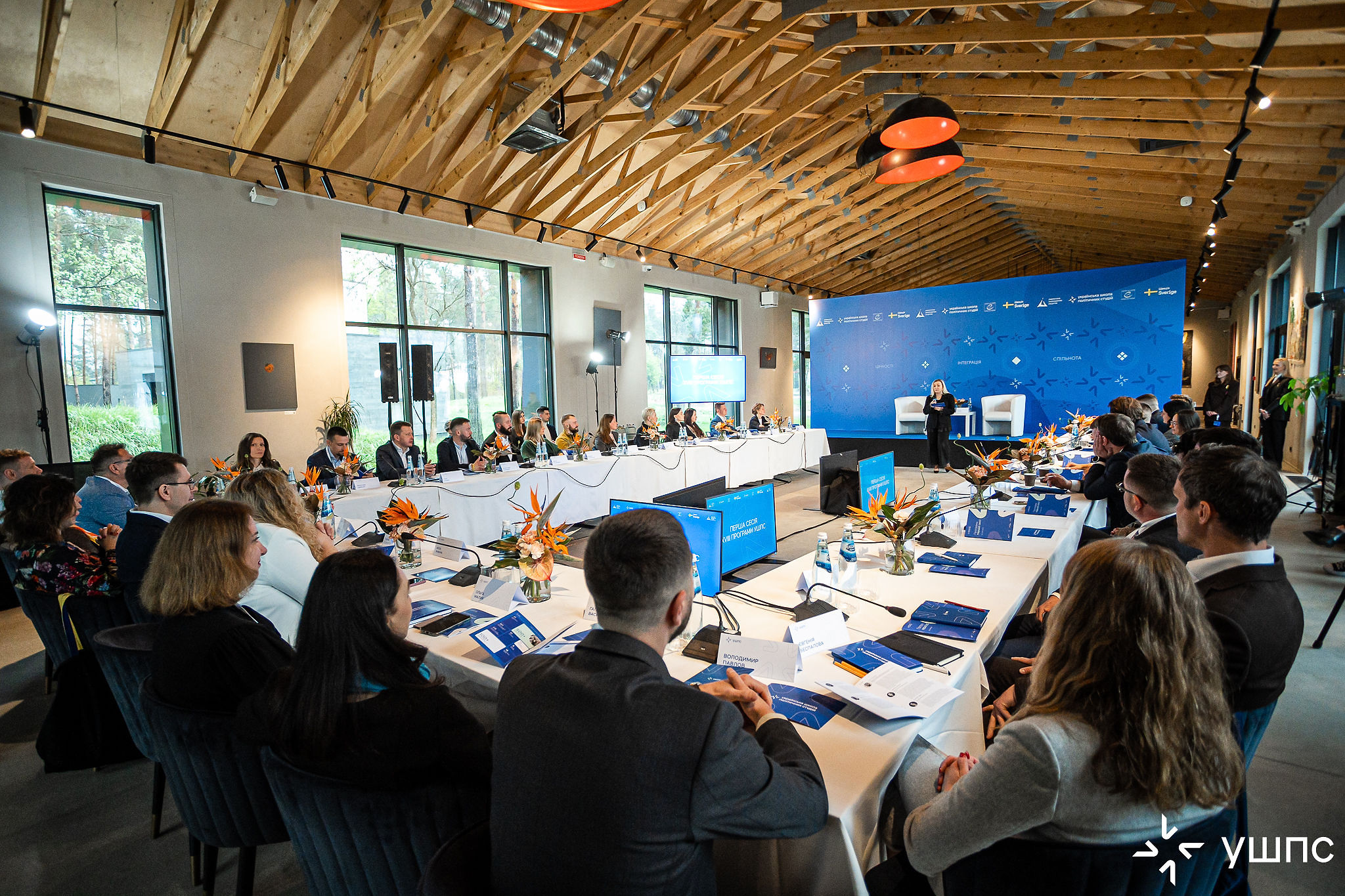
In addition, we held a series of training events for representatives of the Verkhovna Rada Secretariat and other government agencies:
- Workshops on Principles and Practices of Legislative Impact Assessment
- Workshop on Legislative Impact Assessment and Its Application in the Context of Defence and Security Sector Reform
- Workshop on Principles and Practices of Gender-Sensitive Legislative Impact Assessment for the Verkhovna Rada
In the report “The Role of Legal Education in Shaping Students’ Understanding of the Law,” we focused on how students perceive the law, how law and legal education affect their lives, and what legal instruments they tend to use to solve practical situations. This report was prepared with the support of Sweden, an ALI’s institutional partner.

We would like to thank all the partners and friends of the Agency for Legislative Initiatives who helped strengthen the Ukrainian state in 2024. Thanks to your support, we continue to work hard and diligently to implement our mission.