Ukraine’s Path to the EU: Coalition of NGOs Holds a Discussion on Key Findings from the Shadow Report on Chapter 23 “Justice and Fundamental Rights”

On 29 October 2024, at the initiative of the Coalition of NGOs, namely Agency for Legislative Initiatives, Transparency International Ukraine, ZMINA Human Rights Centre, Tomorrow’s Lawyer and Ukrainian Bar Association, the key findings of the Shadow Report to Chapter 23 “Justice and Fundamental Rights” and the Second EU-Ukraine bilateral session on Chapter 23 (Cluster 1 “Fundamentals of the EU Accession Process”) were discussed.

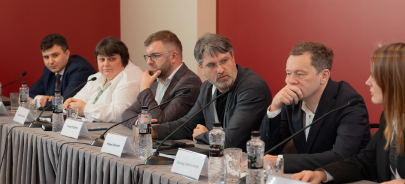
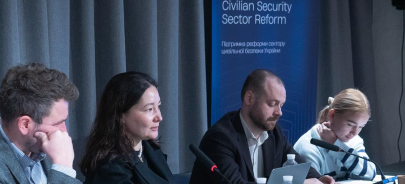
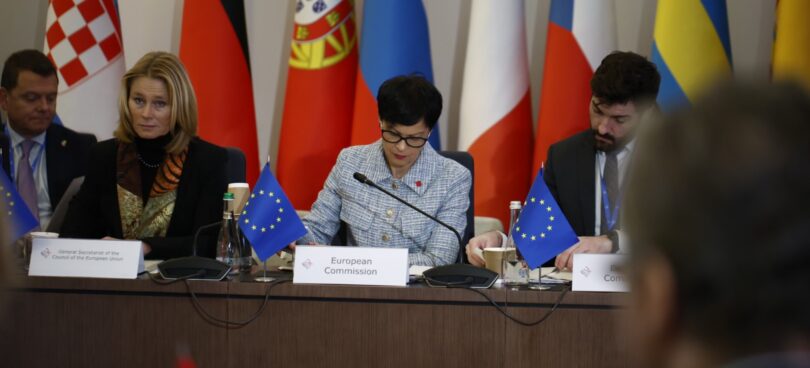
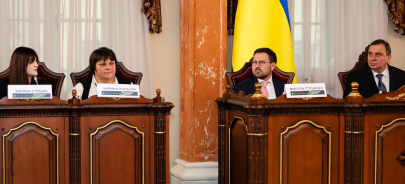
During the event, the heads of judicial and anti-corruption bodies shared their vision of the current state and next steps in Ukraine’s integration into the EU in terms of justice, fighting corruption and ensuring fundamental rights, and discussed it together with representatives of the civil sector and international partners.

Olha Stefanishyna, Deputy Prime Minister for European and Euro-Atlantic Integration of Ukraine – Minister of Justice of Ukraine, stressed that cooperation with civil society was the basis of reforms bringing Ukraine closer to EU membership.

“This is a unique format when the government joins the presentation of the Shadow Report, which was developed by Ukrainian civil society. Such cooperation has already enabled the achievement of what was considered impossible a few years ago, and I always say that changes aimed at establishing the rule of law are a requirement of Ukrainian society, which is the biggest watchdog of all transformation processes in the country. So, of course, we have to take into account the recommendations mentioned in the Report. After all, our goal is not only to join the EU but also to consolidate European principles and values in legislation, institutions, and our thinking. State institutions will not be as effective in achieving these goals without the support, criticism and interaction with the public”
Olha Stefanishyna
Deputy Prime Minister for European and Euro-Atlantic Integration of Ukraine – Minister of Justice of Ukraine

For her part, Katarina Mathernova, Ambassador of the European Union to Ukraine, noted the uniqueness of discussions on Chapter 23’s fundamental issues in the context of Ukraine’s existential war. Ms Mathernova thanked the study’s authors and the organisations that had performed extensive work on drawing up this Report and stressed its role in Ukraine’s European integration process.
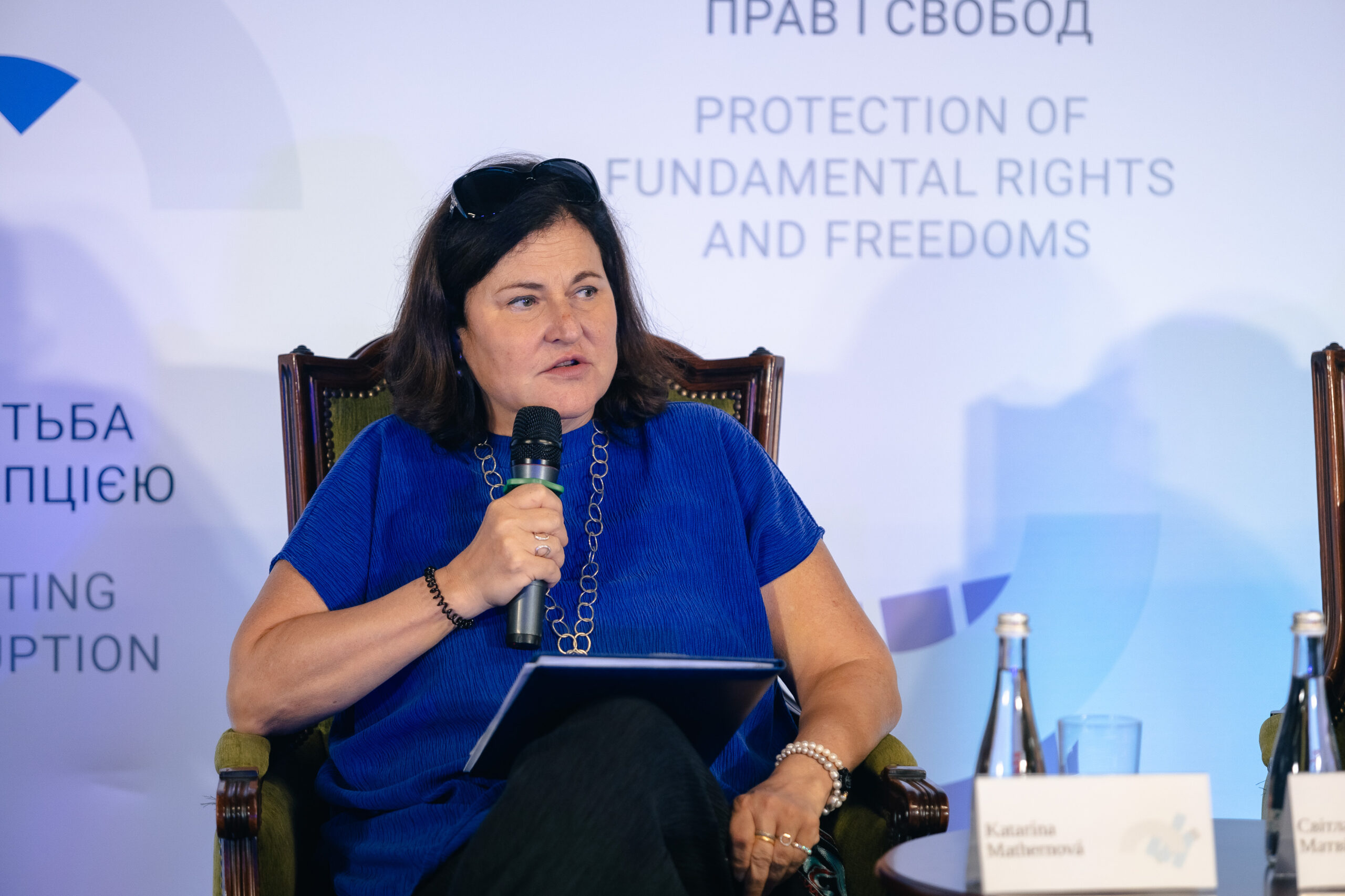
“The reform of the judiciary, and in a broader context, reforms related to the entire spectrum of legal activity and the legal functioning of the state, are fundamental to Ukraine’s future in the European Union. Such reforms can only be implemented by a cohesive society, not by one government or another. I very much believe that such work and such reports will be prepared in the future not only on areas that are part of the cluster of fundamental issues but also on other issues. And Ukraine’s huge advantage in this regard is its professional civil society, which deals with completely different issues”
Katarina Mathernova
Ambassador of the European Union to Ukraine

Svitlana Matviienko, Executive Director at the Agency for Legislative Initiatives, noted that the ALI and its Coalition partners had done everything to ensure that the bilateral meetings were successful and that everyone had analytical and objective information collected with the involvement of a wide range of experts.
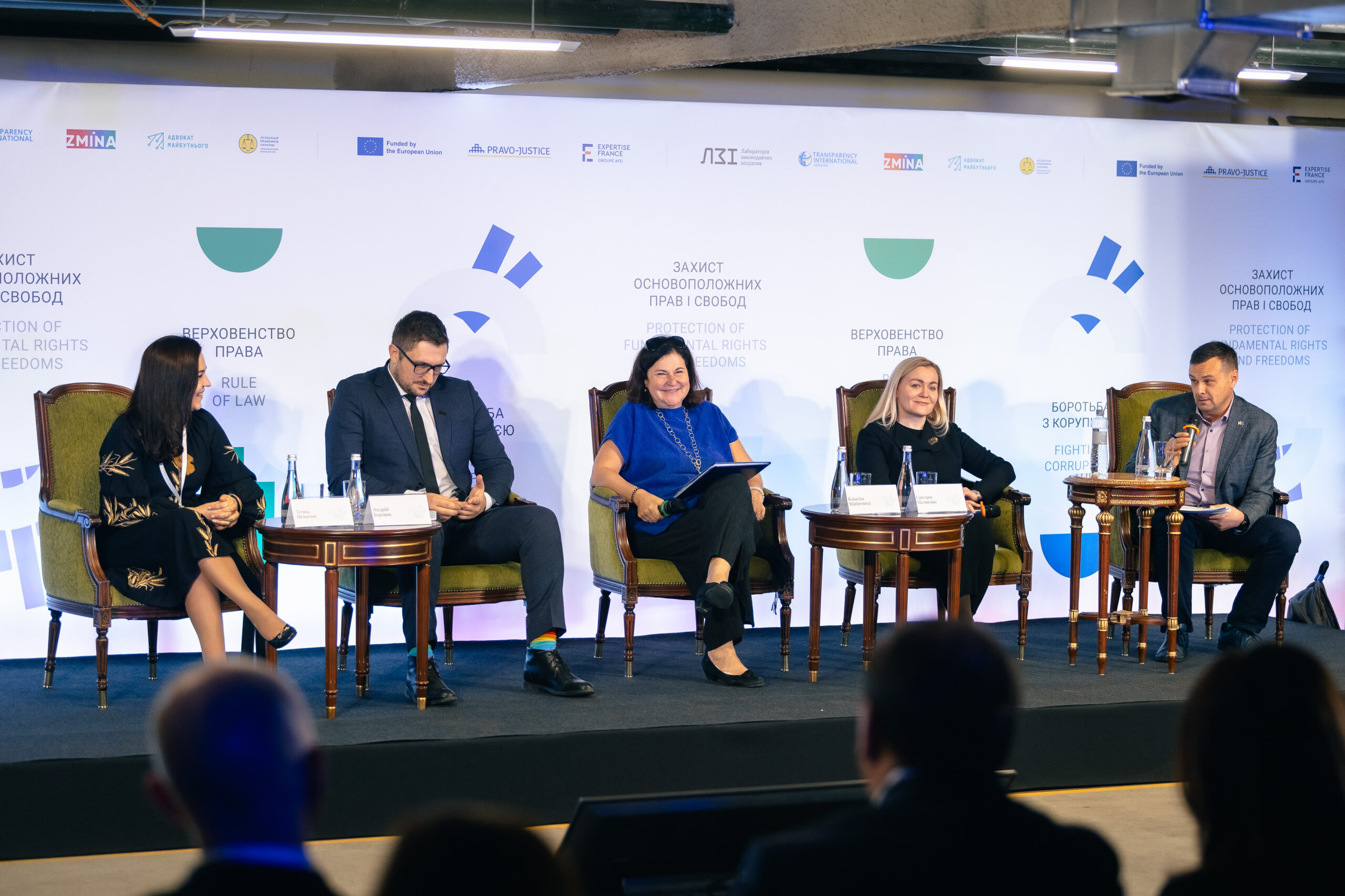
“It was a great honour for the Agency for Legislative Initiatives to receive an offer from the Pravo-Justice project to work on this Report, but it was even more honour to work in a coalition with Transparency International Ukraine, ZMINA Human Rights Centre, and to involve the Ukrainian Bar Association and the Tomorrow’s Lawyer in the justice section. When we published this report, we were pleased to receive both critical and positive feedback. We are handling all the critical feedback because, as you know, everything begins and ends with Chapter 23. No matter how many years Ukraine has been on its way to the EU, we will start with this chapter and end with this chapter”
Svitlana Matviienko
Executive Director at the Agency for Legislative Initiatives

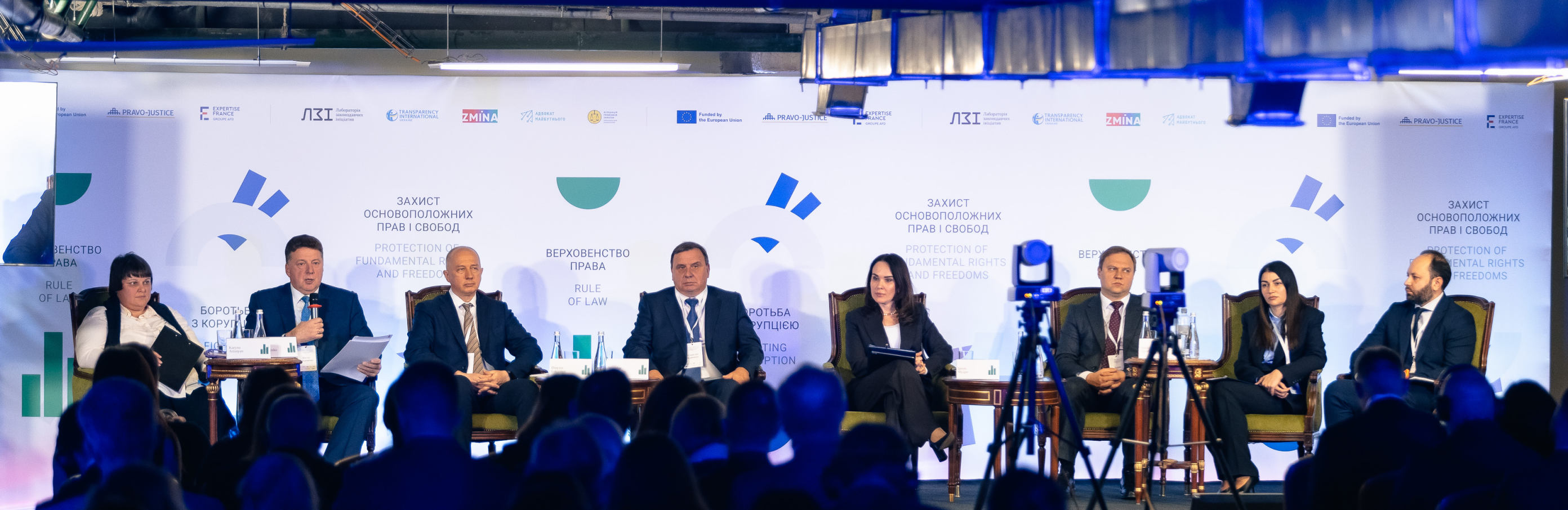
The discussion under the Justice pillar focused on the Strategy for Sustainable Development of the Judiciary, capacity building of key judicial institutions, and cooperation between civil society organisations and governmental authorities to successfully implement the EU integration roadmap. The discussion panel was moderated by Karina Aslanian, Head of the Rule of Law at ALI, and Rasim Babanly, First Deputy Chief of Staff of the Supreme Court.

The speakers of this panel were Stanislav Kravchenko, President of the Supreme Court; Dmytro Lukianov, Deputy Chair of the High Council of Justice; Andrii Pasichnyk, Chair of the High Qualification Commission of Judges of Ukraine; Viktor Horodovenko, Judge of the Constitutional Court of Ukraine; Iryna Mudra, Deputy Head of the Presidential Office; and Viktoriia Litvinova, Deputy Prosecutor General.

Rasim Babanly spoke about the September EU-Ukraine bilateral session, which was dedicated to negotiating Chapter 23 in Brussels as part of the screening of Ukrainian legislation for compliance with EU legal norms.
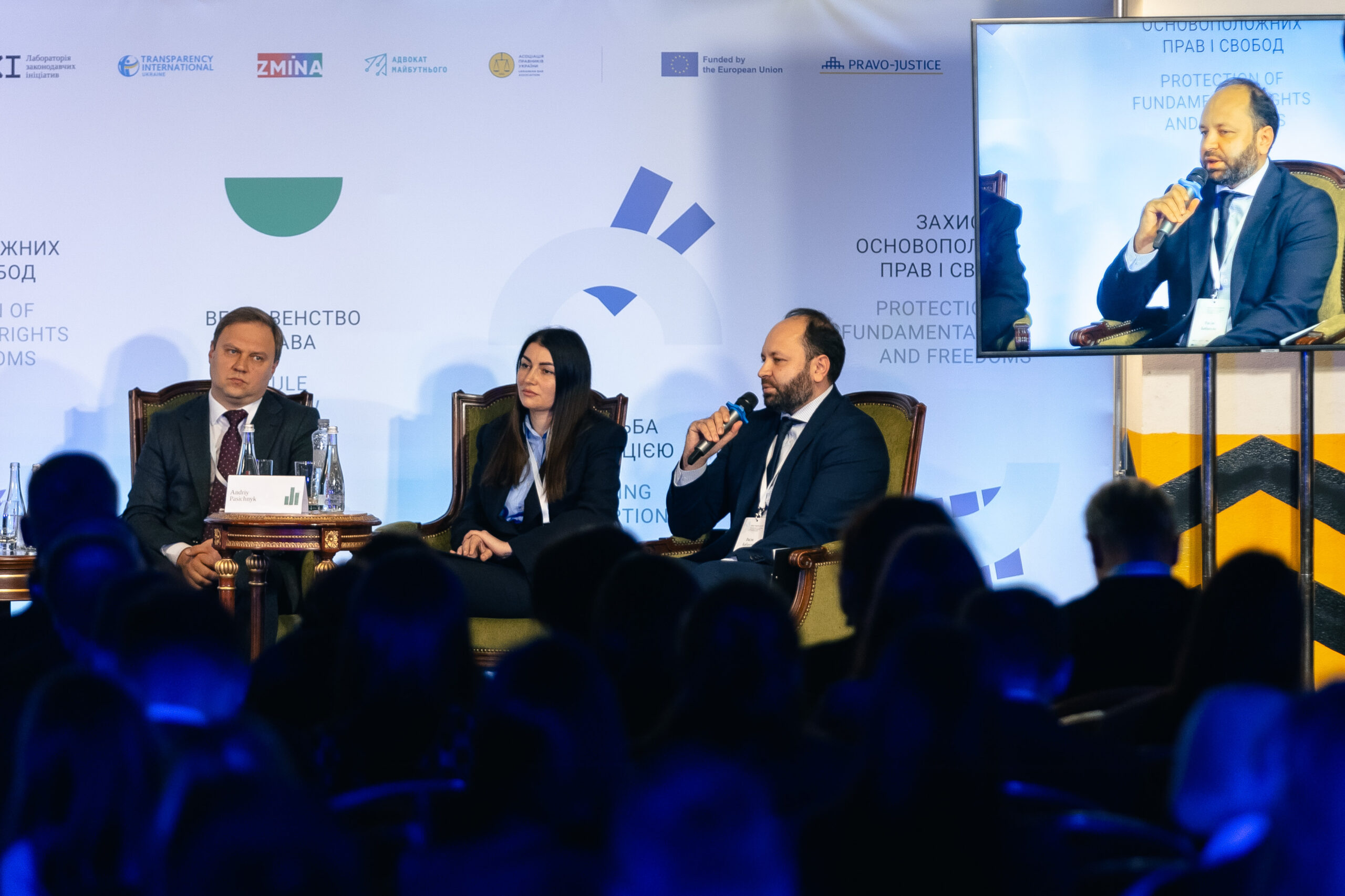
“The screening process showed that the EU requirements are quite specific. The European Commission asked the Ukrainian authorities a long list of questions, which we answered. In the same process, there was a so-called self-screening. During the negotiations, the authorities were expected not only to show the current state of regulation of certain things but also to identify the problems and how to solve them. It is important to understand that Ukraine, its citizens, and civil society are the ultimate beneficiaries of the integration process and its preparations. Ultimately, the beneficiaries are the authorities themselves, which can improve themselves in this process”
Rasim Babanly
First Deputy Chief of Staff of the Supreme Court

Iryna Mudra emphasised the importance of cooperation between civil society and authorities in moving towards a common goal – the European future of Ukraine. She also highlighted the key points of the draft Strategy for the Development of the Justice System and Constitutional Justice, which was developed based on an analysis of the current state of the judiciary and the justice system as a whole. Iryna Mudra also noted that the Strategy contained measures to address many of the issues highlighted in the Shadow Report.
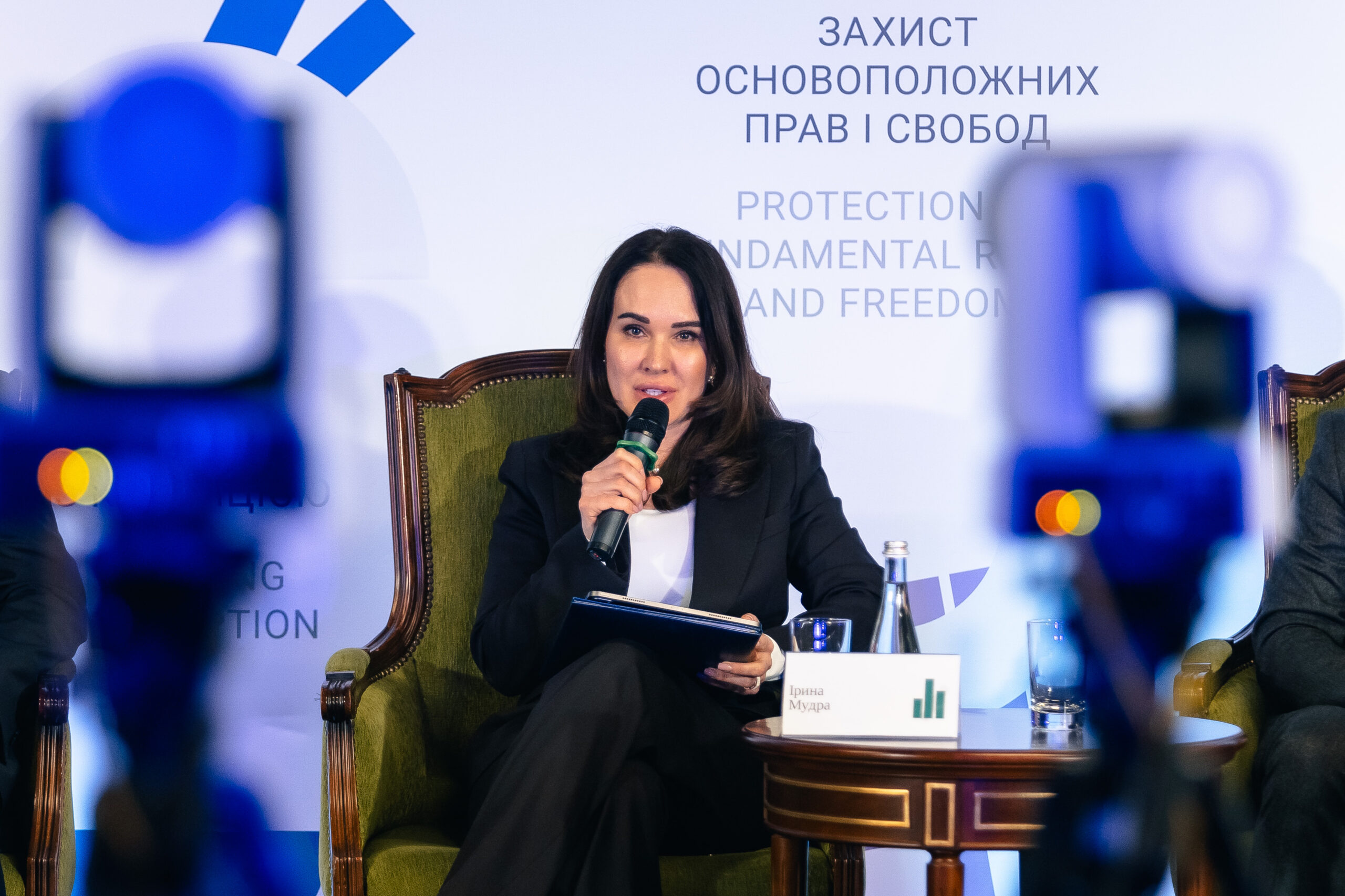
“You already know that the Presidential Office has prepared a draft Strategy for the Development of the Justice System and Constitutional Justice for a period of five years. It is very important to have a unified strategy for the development of the justice system. Given the existing capacity of our governmental authorities and the synergy between the government and civil society, of course, with the help of our international partners, it will yield the result we expect to meet the demand of our society for justice and, accordingly, the request of the European Union to become a full member of the big European family”
Iryna Mudra
Deputy Head of the Presidential Office

Stanislav Kravchenko spoke about the readiness of Ukrainian judicial practice to harmonise with European legislation and practice, the role of the Supreme Court in this, and generally about the stage at which Ukraine is in this process.
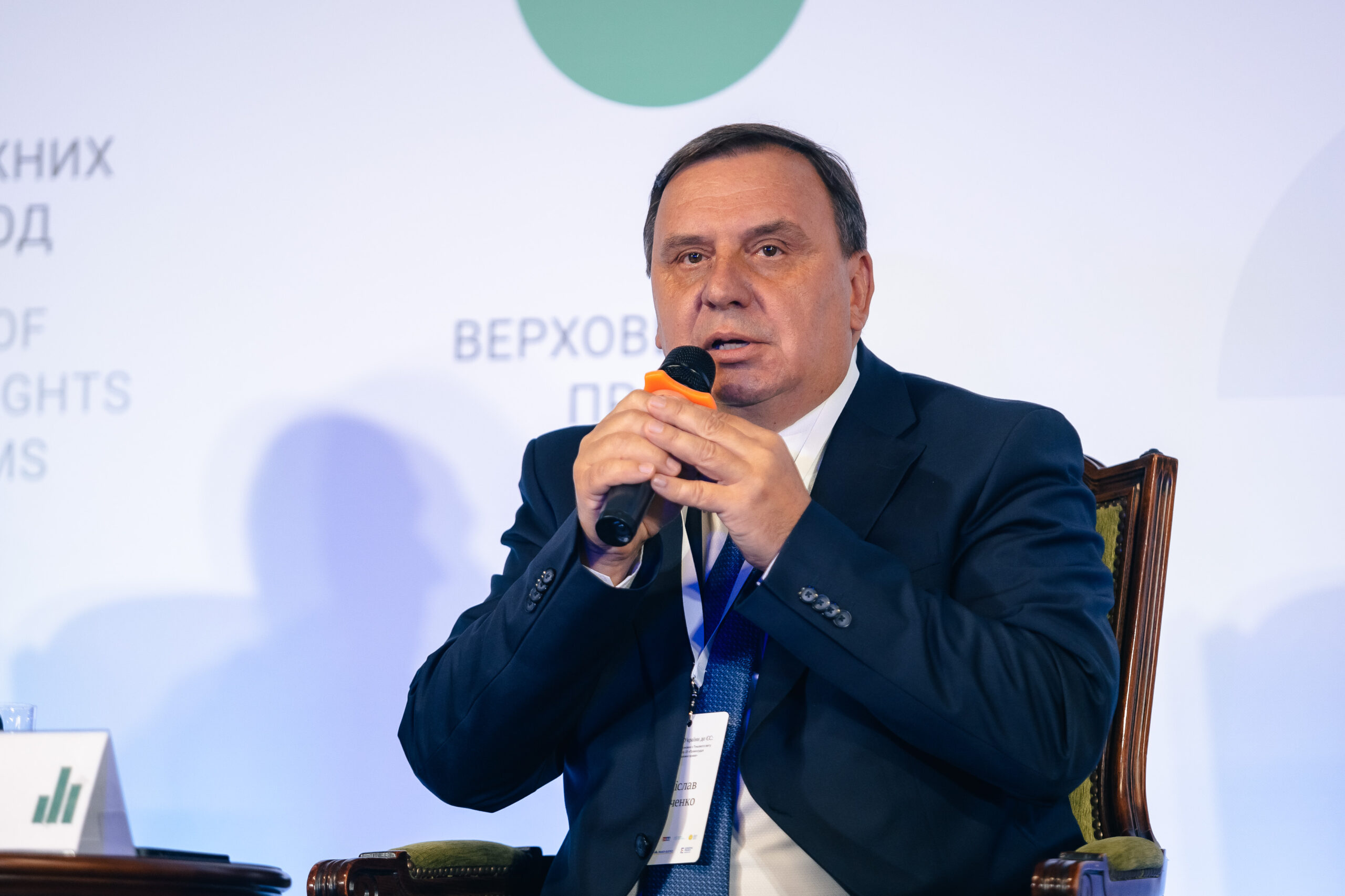
“We clearly understand that the justice system in the country either works or does not work. And this will be the main measure of whether we are a democratic country. Our priority now is to ensure the unity of judicial practice and access to justice, as society expects consistent movements and clear rules and, obviously, for a longer period than it is now. I am grateful for the work done on this Report. You may like or dislike something, but there is an understanding that we will definitely achieve a better result when we consider all positions. The opinion of the entire legal community and Ukrainian society is very important to us”
Stanislav Kravchenko
President of the Supreme Court

Dmytro Lukianov shared his experience in the EU-Ukraine negotiation process and spoke about further risks faced by the High Council of Justice in its work.
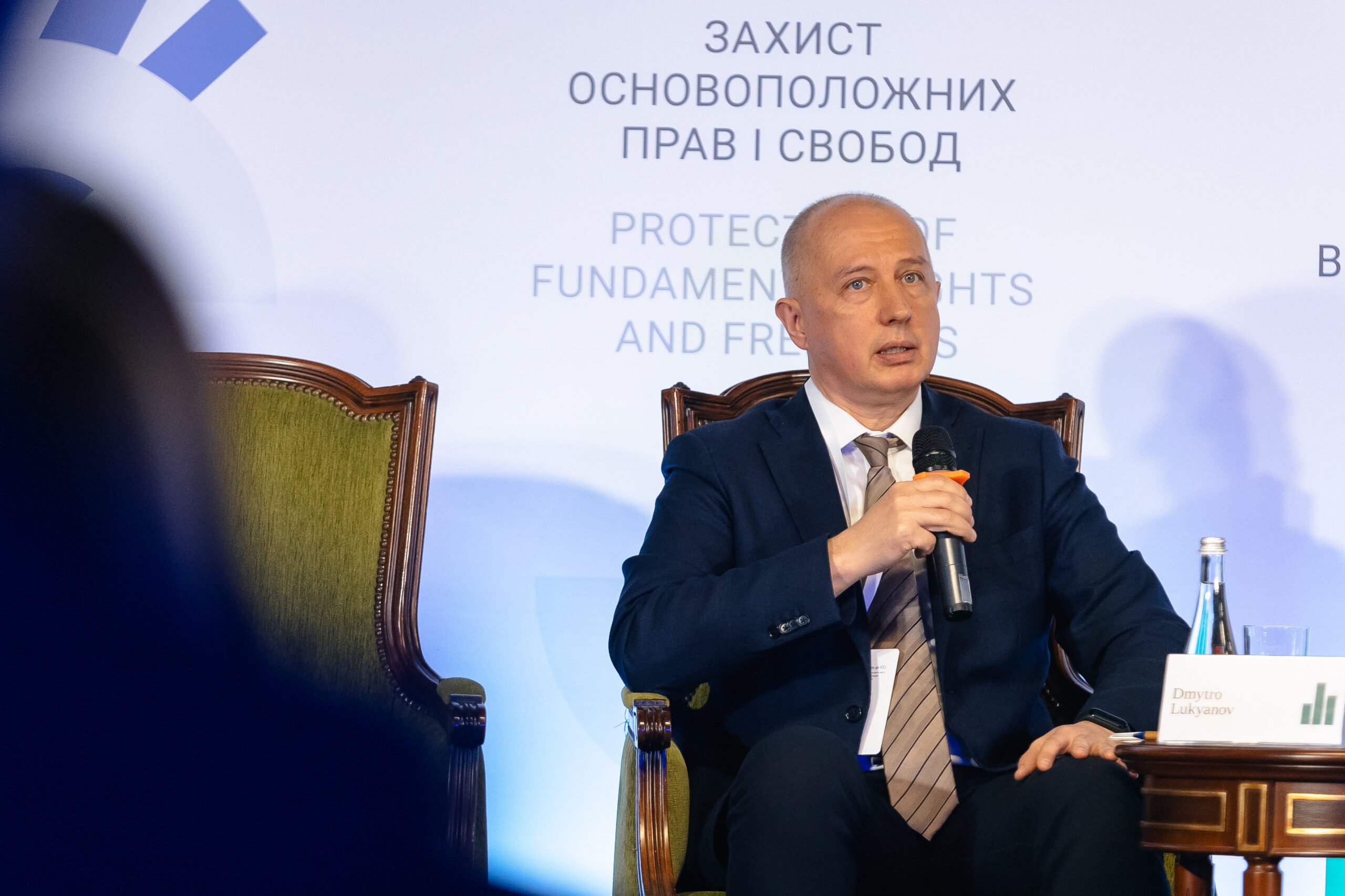
“The High Council of Justice is involved in many processes that are necessary for the judiciary: appointment of judges, disciplinary liability, secondment of judges and approval of regulations. Accordingly, ensuring the continuity of the HCJ becomes a key condition for implementing reforms in all these areas. Currently, our composition is incomplete: out of 21 members of the High Council of Justice, we have 17 members, which means that we are four HCJ members short. The European Commission has drawn attention to this. It also noted that the terms of office of two HCJ members would soon expire, and we would be left with 15 members, the minimum quorum established by the Constitution for exercising all HCJ powers. In the conditions of war and unpredictable circumstances in which we exist, this creates risks of having an incompetent body at any time and, accordingly, all these processes in which the HCJ is a necessary subject of making certain decisions will be stopped”
Dmytro Lukianov
Deputy Chair of the High Council of Justice

Andrii Pasichnyk spoke about the results of the selection procedure carried out by the High Qualification Commission of Judges of Ukraine to solve the judiciary’s staffing problems and the progress made in fulfilling international obligations in the process of European integration.
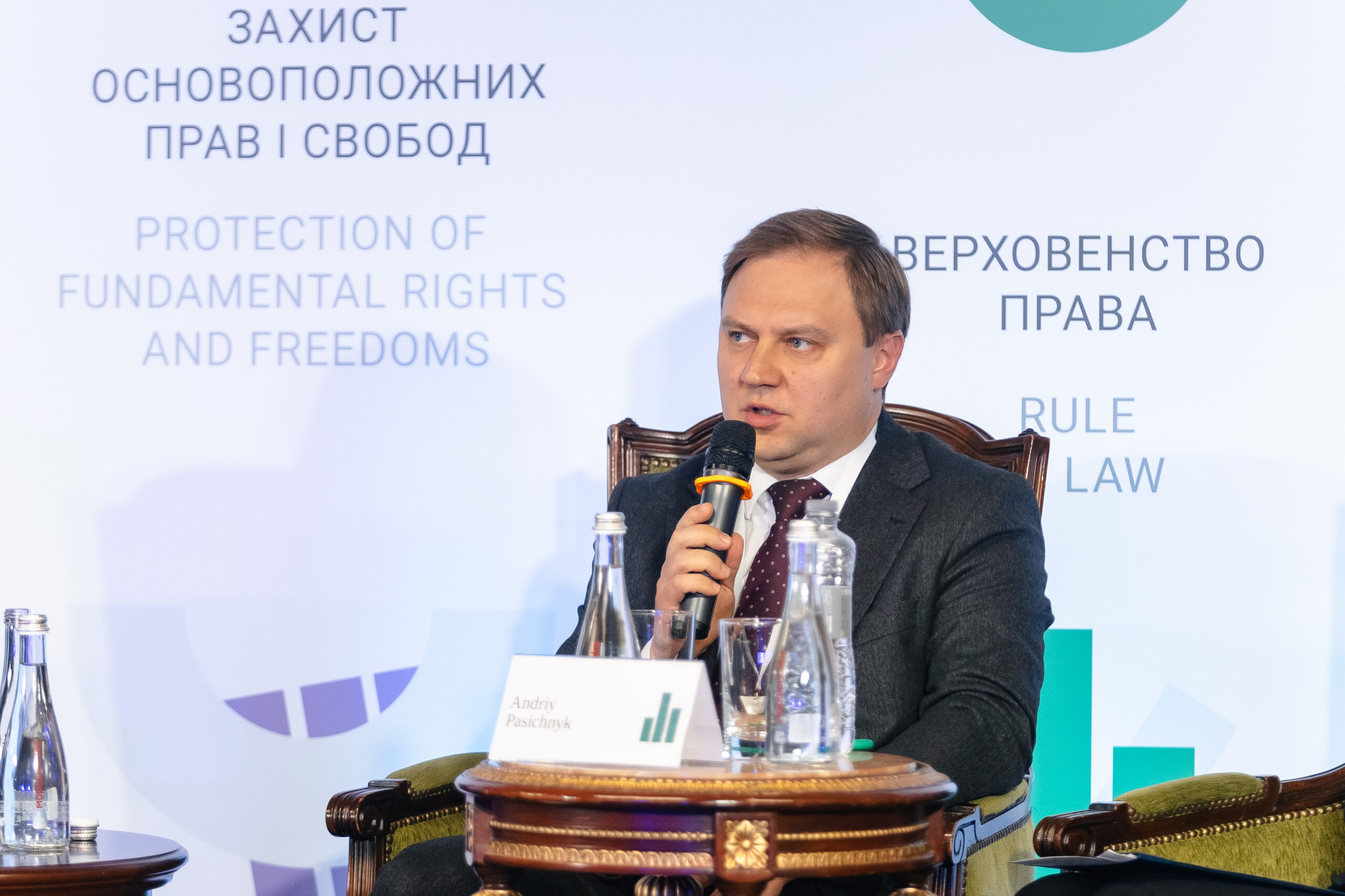
“I would like to thank the organisations that created the Shadow Report – it is a really thorough analytical document, and I am sure that it will have a serious impact on the justice system in Ukraine in the near future. Indeed, the tasks currently facing both the Commission and the state as a whole are not trivial. I would like to note that the Commission has already completed some of these tasks: about 400 people have received recommendations for appointment as first-instance judges, the relevant orders have already been issued, and the judges have taken the oath. We also plan to complete the qualification exam for the courts of appeal this year and to conduct interviews in 2025. If everything goes well, I think that by the end of next year, we will be able to provide recommendations for the appointment of judges to the courts of appeal”
Andrii Pasichnyk
Chair of the High Qualification Commission of Judges of Ukraine

Viktor Horodovenko shared his vision of the role of the Constitutional Court in the process of European integration. In particular, he spoke about the challenges related to the Court’s institutional capacity in the context of a full-scale invasion.
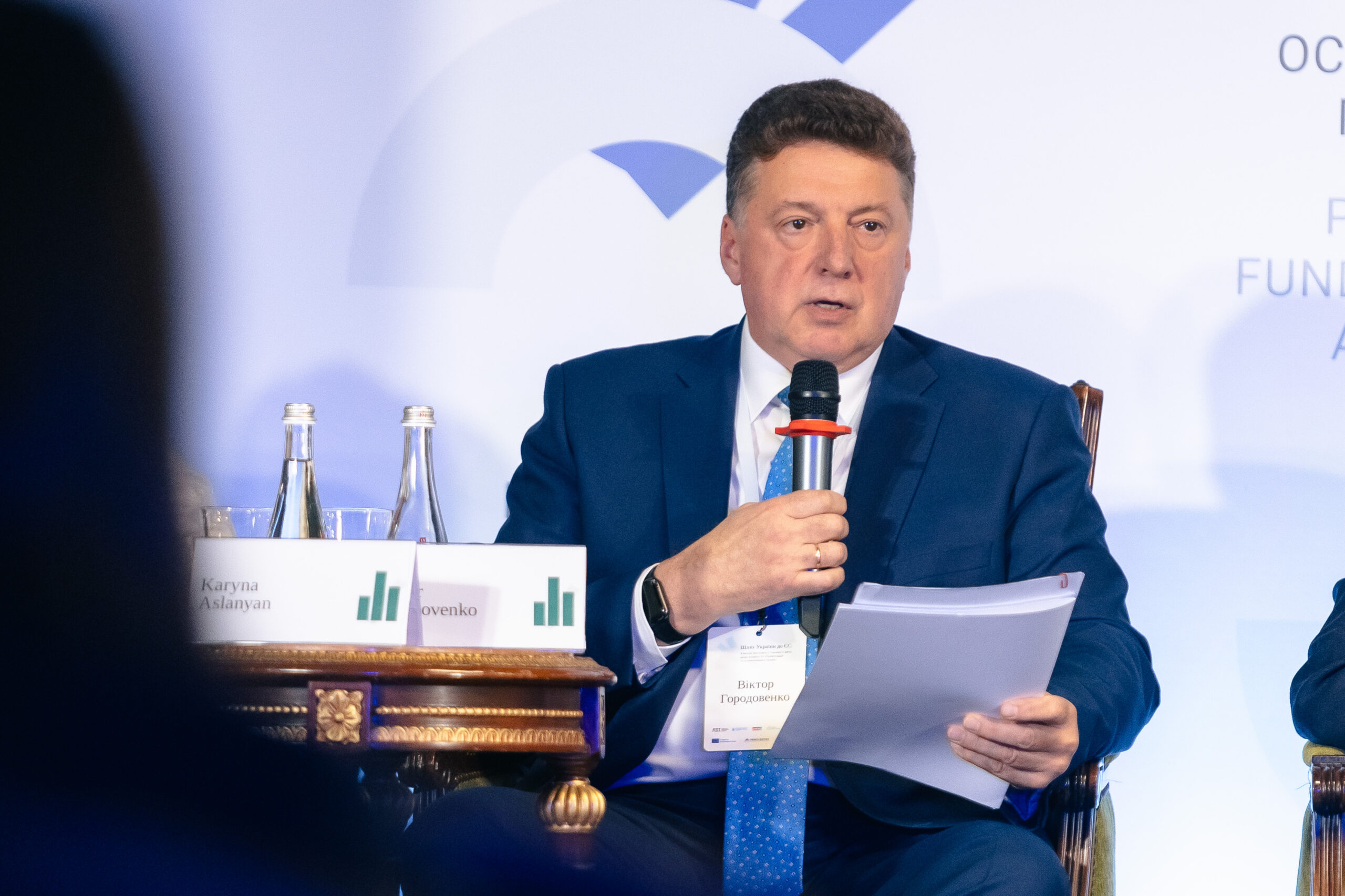
“The mission of the Constitutional Court is to stand guard over the Ukrainian Constitution and to be the guardian of Ukrainian statehood. The Ukrainian Constitution stipulates that our country is a democratic state, and democratic institutions must be protected even in the face of a full-scale war. This can only be achieved through the institutional capacity of the Constitutional Court, but, unfortunately, this problem remains unresolved, as we lack a large number of judges in the Constitutional Court. Even now, in the absence of a Roadmap, this Shadow Report is helping government agencies. And the Constitutional Court is no exception, as we have taken several extremely interesting and useful aspects from the Shadow Report when developing the Roadmap”
Viktor Horodovenko
Judge of the Constitutional Court of Ukraine

Viktoriia Litvinova highlighted the progress and challenges of the current stage of reforming the public prosecution service and the Prosecutor General’s Office in the context of European integration. In particular, she emphasised the important role of sustainable transformation of the law enforcement sector and prosecution authorities in bringing Ukraine closer to full EU membership.
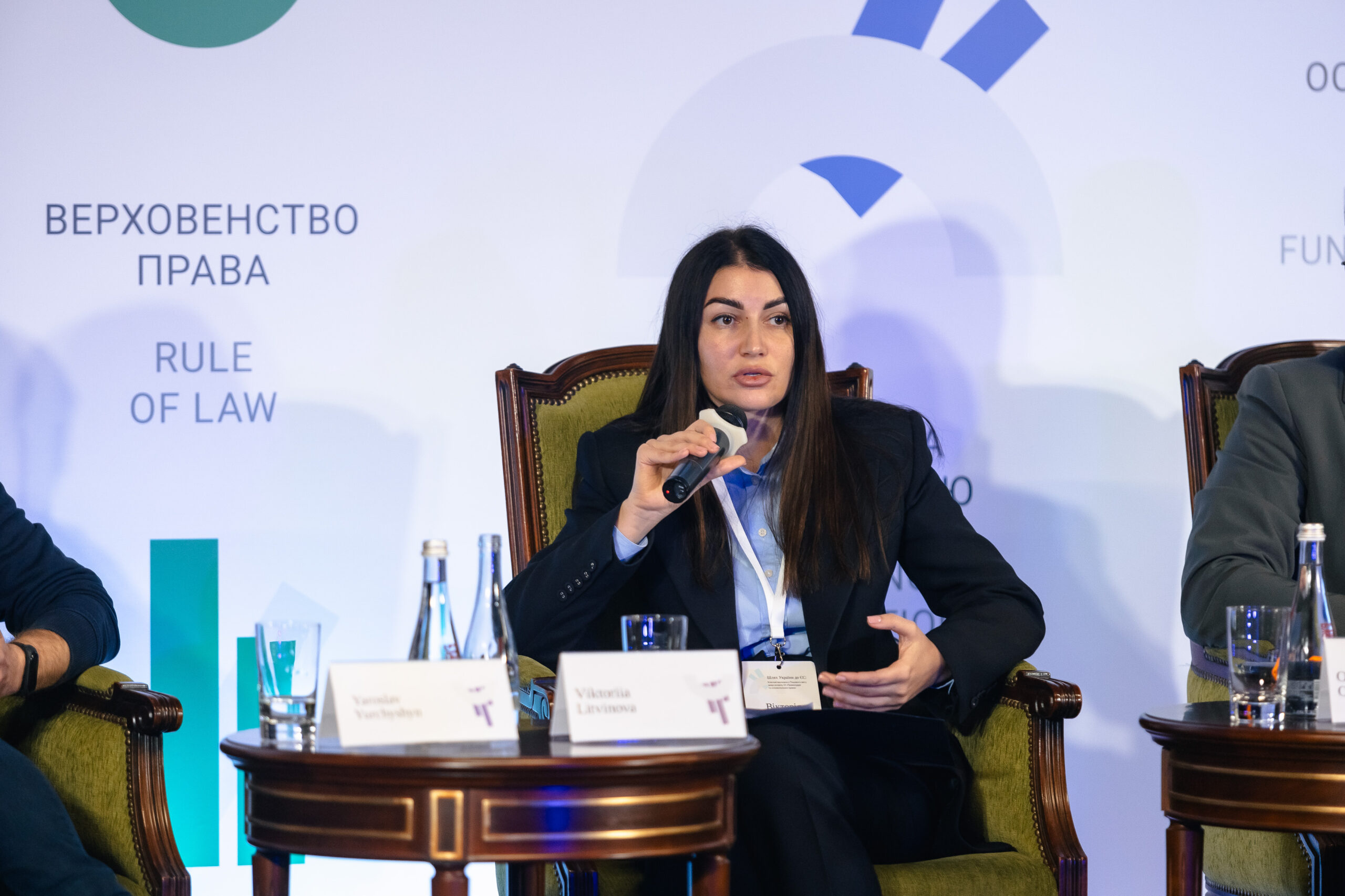
“Comprehensive reform of the law enforcement and prosecution sectors is an important step towards Ukraine’s EU membership. And now we have started to actually implement the changes formulated in the strategic documents”
Viktoriia Litvinova
Deputy Prosecutor General

Yevhen Krapyvin, an expert of the Tomorrow’s Lawyer NGO, shared his vision of prosecution reform. Daria Pysarenko, Executive Director at Tomorrow’s Lawyer NGO, also spoke about the need for systemic reform of the bar.

In addition, during the thematic panel, a Q&A session was held with the participants of the event, namely representatives of organisations from the Coalition of NGOs that drew up the Shadow Report, the expert community and representatives of relevant judicial institutions. The questions covered the following aspects:

  • Development and support of prosecutorial self-government;
  • Accountability of the bar and bar self-government bodies to the lawyers themselves and to the public;
  • Institutional capacity of the judiciary, in particular, the functioning of advisory bodies – the Ethics Council and the Selection Commission for Selecting Members of the HQCJ;
  • News on the Unified Judicial Information and Telecommunication System (UJITS).

For reference. The Shadow Report prepared by experts from relevant NGOs led by the Agency for Legislative Initiatives includes the following sections:

  • Judicial reform (Agency for Legislative Initiatives);
  • Combating corruption (Transparency International Ukraine);
  • Protection of fundamental rights and freedoms (ZMINA Human Rights Centre);
  • Reform of the public prosecution service (Tomorrow’s Lawyer);
  • Reform of the bar (Tomorrow’s Lawyer);
  • Legal education reform (Ukrainian Bar Association).

The Shadow Report was monitored, analysed and prepared in February – August 2024.

The report has been prepared with the financial support of the European Union within the EU-funded Project Pravo-Justice. Its contents are the sole responsibility of the Agency for Legislative Initiatives and other NGOs and do not necessarily reflect the views of the European Union.
Other news

Subscribe to the newsletter with up-to-date analytics by ALI
You will then be the first to learn about our news and new analytical pieces
62
%