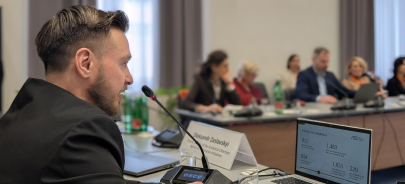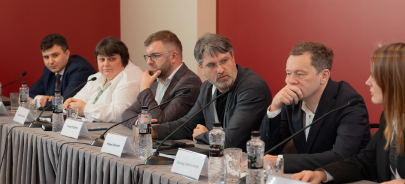

On 23 January 2025, the Agency for Legislative Initiatives conducted a training session titled “Gender Analysis. Tools and Examples of Use” for representatives of the Secretariat of the Verkhovna Rada of Ukraine.
During the training, the participants considered integrating gender-sensitive approaches in developing legal acts. They learned what tools can be used for gender legal expertise, including the gender marker as an example of a toolkit for rapid gender assessment of draft laws. In the practical session, the participants analysed existing laws and previously proposed draft laws for gender expertise.
Gender legal expertise in drafting laws is an important mechanism for ensuring the principle of equal rights and opportunities for women and men in legislative activities. In fact, its key role is to:
- Identifying gender risks in draft laws that may create or exacerbate inequality.
- Ensuring harmonisation of Ukrainian legislation with international commitments in the field of gender equality (e.g., the UN Convention on the Elimination of All Forms of Discrimination against Women, the Beijing Declaration, the European Social Charter (revised), and the Convention on the Rights of Persons with Disabilities).
- Developing an inclusive legal framework that considers the different needs of women and men, including those from vulnerable groups.
This mechanism allows for a comprehensive analysis of different population groups rather than viewing the population as an abstract whole. It is gradually becoming a part of the Legislative Impact Assessment, a comprehensive tool designed to identify and assess the potential consequences and probable impacts of public policy in a particular area, including at the stage of drafting legislation and its analysis.
The event’s speakers included Oksana Moskalenko, Head of the Women’s Consortium of Ukraine; Myroslava Babak, gender expert and member of the Bureau of Gender Strategies and Budgeting; and Tetiana Ivanina, gender expert, trainer and facilitator.

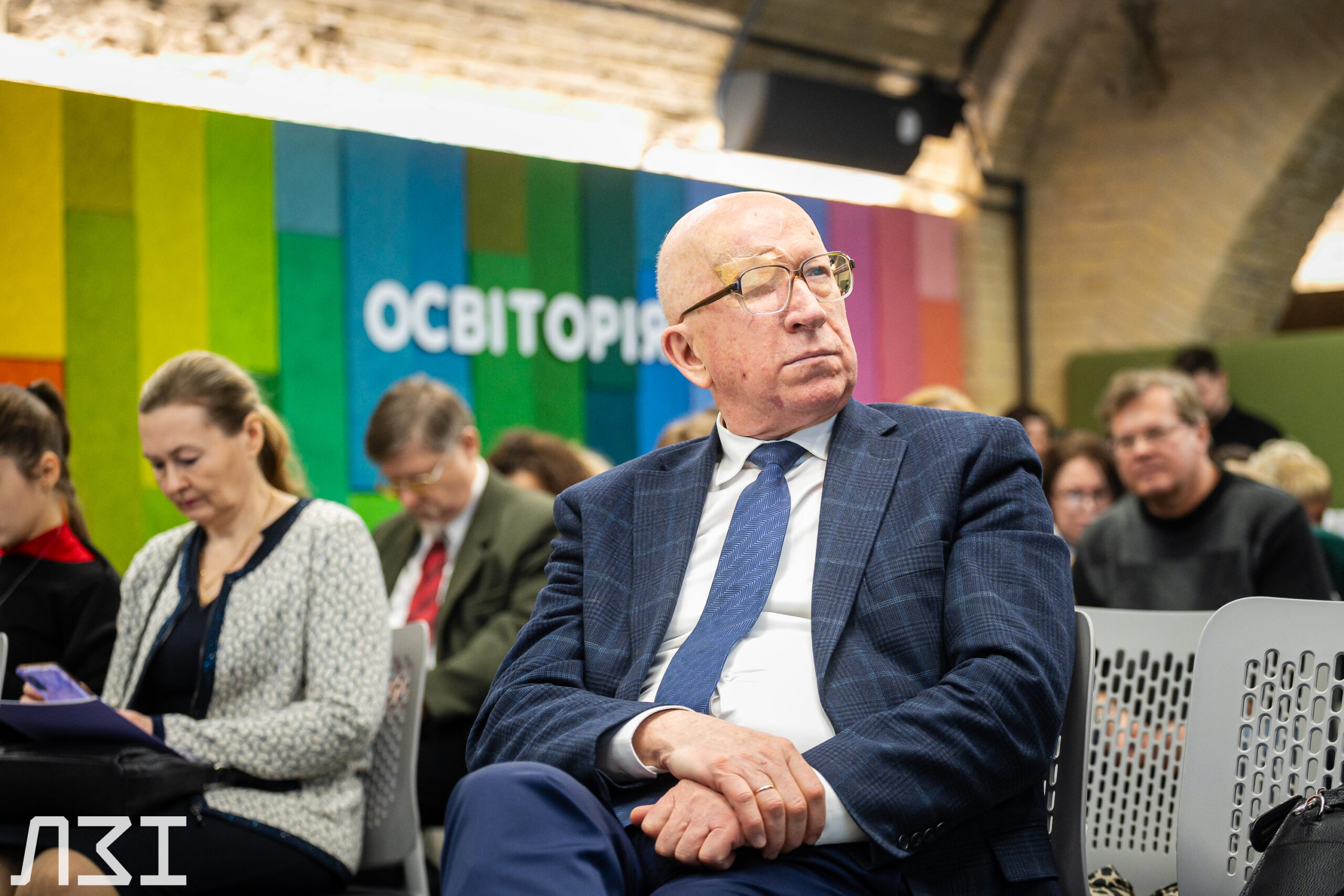
At the beginning of the event, Oleksandr Zaslavskyi, Deputy Executive Director of the Agency for Legislative Initiatives, noted that it was not the first time that the Verkhovna Rada had joined and initiated such events, thus confirming its agency in this matter and demonstrating its understanding of the necessity of gender legal expertise and gender-sensitive impact assessment of legislative proposals. After all, for the EU, this dimension of analysis is fundamental. Without it, the development of decisions or draft acts does not begin, and it allows for an assessment of how the same decisions affect various population groups in different ways. While this is actually about the diversity of such impacts.
Oksana Moskalenko stressed that it is a great responsibility to start a discussion on the search for implementing gender mainstreaming tools in legislative practice, and certain tools allow measuring the impact of draft laws in a more personal, targeted way. Therefore, the training should be the first step towards not only looking at what these tools are but also at what exactly should be introduced — because for this mechanism to work, it must be based on the resources and capacities of the Verkhovna Rada.
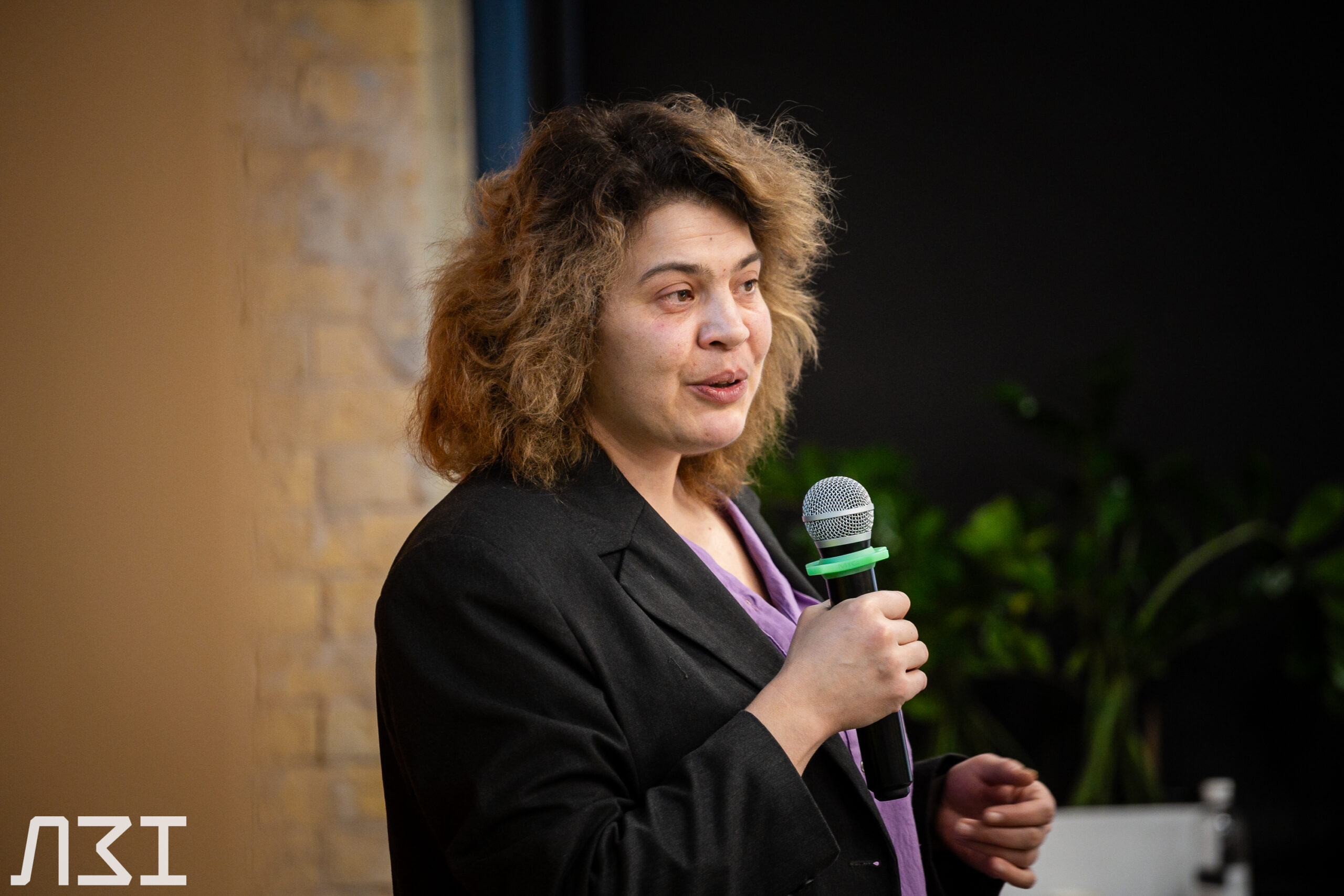
Myroslava Babak noted that considering all possible analysis tools, including the gender perspective, provides greater opportunities to track the impact after adopting the law. Therefore, the training aims to showcase the diversity of such tools — so that professionals working with legislation daily can identify ways and methods to apply gender analysis in legislative expertise. The state, through legislation, must understand the barriers people face and recognise and analyse the diversity of these features and needs.


Tetiana Ivanina emphasised that gender legal analysis tools can be useful because gender expertise “unpacks” what is behind a person — their experience and needs, and directly addresses their opportunities and barriers. Only such an approach allows for the creation of human-centred draft laws, seeing not just the population as a whole but different groups of people and the impact on them. For its part, the Verkhovna Rada is the institution that should set the direction for such an approach. Therefore, understanding which tools should be used and what data is needed for this is about a parliament meeting all citizens’ needs.
The event took place as part of the “Parliamentary Accountability of the Security Sector in Ukraine” (PASS Ukraine) project, which the Agency is implementing in partnership with the Parliamentary Centre (Canada) in cooperation with the Verkhovna Rada of Ukraine and with the support of Global Affairs Canada under the Peace and Stabilization Operations Program (PSOPs).