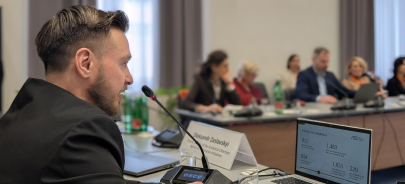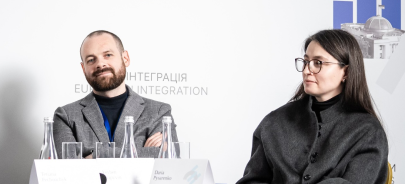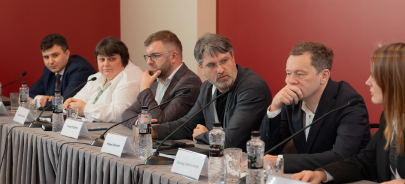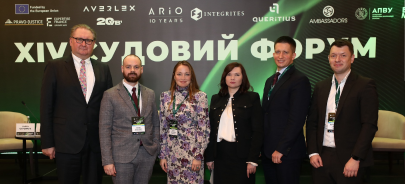

On 17 October, the Agency for Legislative Initiatives, jointly with the Verkhovna Rada Committee on State Power, Local Self-Government, Regional Development and Urban Planning, presented the study “Status of Local Council Members.”
ALI analysed the issues of legislative support for the status of local council members at the Committee’s request to further develop legislative changes in this area. The study includes an analysis of the practices of applying the current legislation during the 2020 elections, as well as the results of a survey of local government representatives. 2,279 officials from different regions of Ukraine participated, of whom 94.7% are representatives of local governments and 67.2% have experience as local council members.
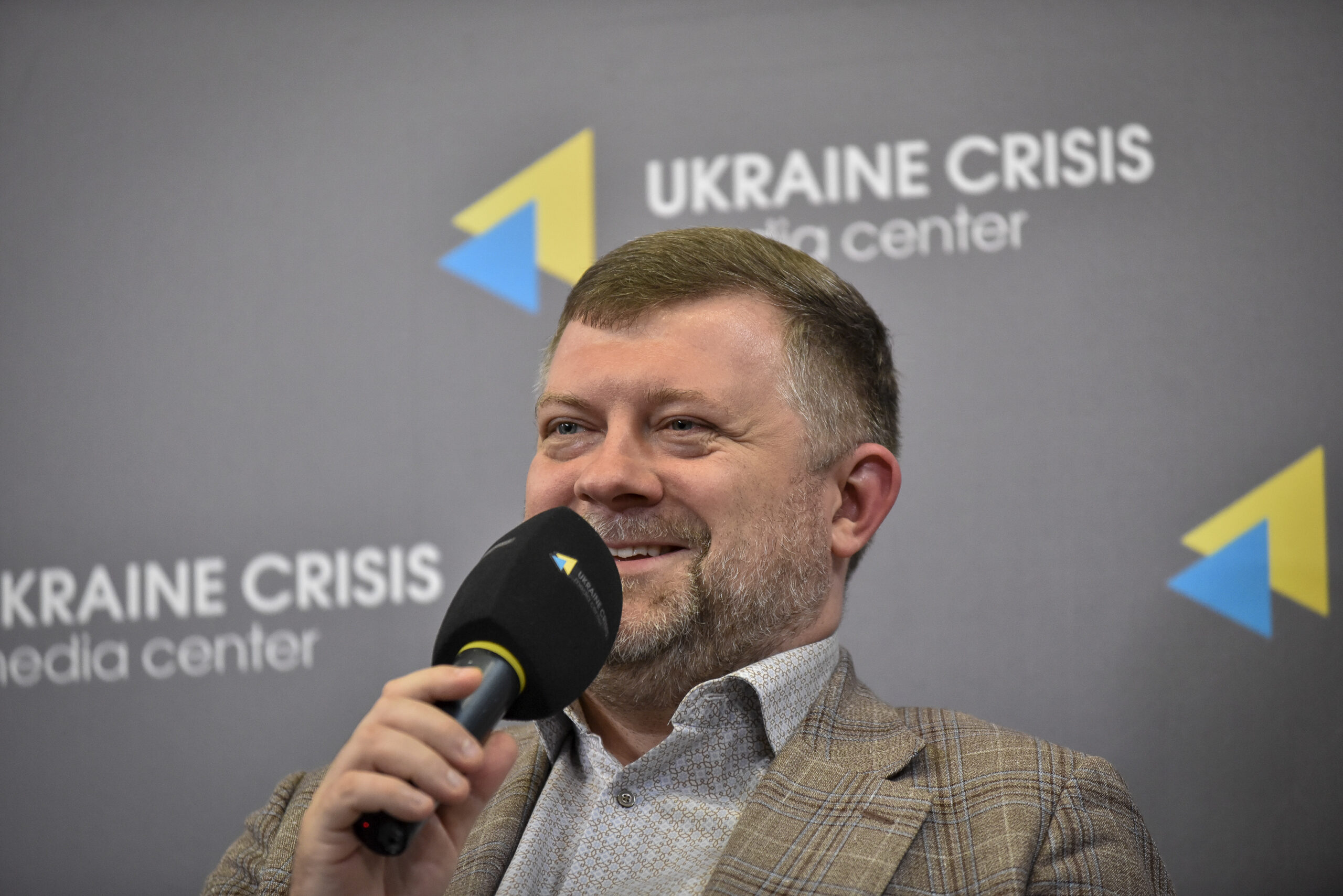
Oleksandr Korniienko, First Deputy Chair of the Verkhovna Rada of Ukraine, noted that the findings of the research by the Agency for Legislative Initiatives are needed to develop the concept of a new law “On the Status of Local Council Members”:
Vitalii Bezgin, Chair of the Subcommittee on Administrative and Territorial Structure and Local Self-Government of the relevant Committee of the Verkhovna Rada, stressed the importance of returning to this topic in the Committee’s work. After all, many issues have accumulated in this area, and they will arise in the negotiation framework for European integration in the context of transparency of functioning.
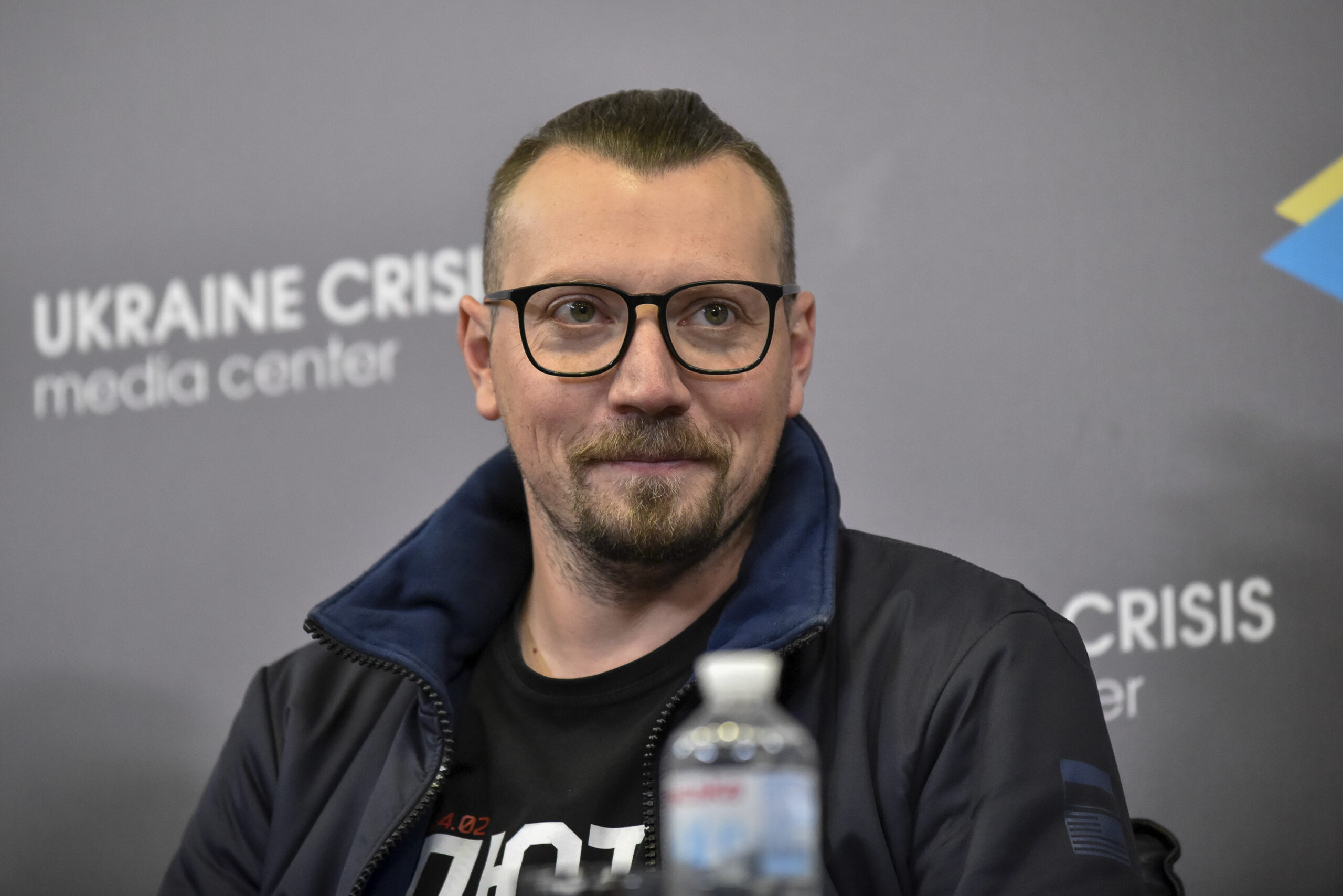
Olena Boiko, an engaged expert at the Agency for Legislative Initiatives, presented the main results of the study and key recommendations for legislative improvement of the status of local council members.
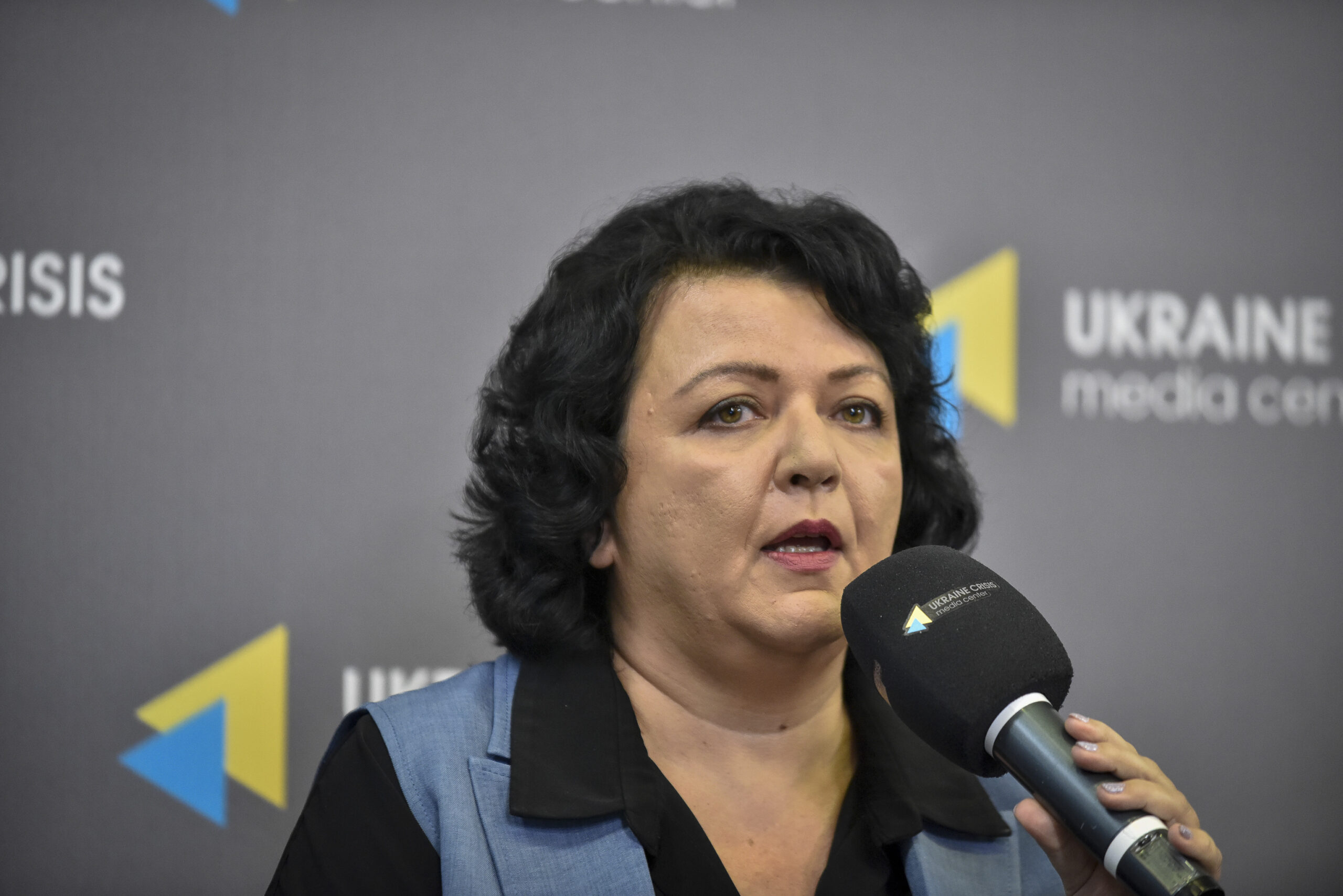
Oleksandr Zaslavskyi, Deputy Executive Director of the Agency for Legislative Initiatives, stressed that such a study was the basis of evidence-based policy in the context of local self-government.

Olena Zhuk, Head of the Zaporizhzhia Oblast Council and Vice President of the Ukrainian Association of Raion and Oblast Councils, spoke about the challenges in Zaporizhzhia Oblast related to gaps in the current legislation. In particular, this concerns the early termination of powers for local council members in frontline communities due to cooperation with the occupation authorities and the lack of appropriate regulation of this issue.
Yaroslav Raboshuk, Deputy Executive Director of the All-Ukrainian Association of Local Governments “Association of Ukrainian Cities” and Head of the Think Tank, noted that the study should be divided into two parts – those problems and fundamental issues that need to be addressed now, according to the results of the study, and conceptual issues that can be considered later.
Yurii Kotok, acting Head of the Department for the Development of Local Self-Government, Territorial Organisation of Power and Administrative and Territorial Structure of the Ministry for Communities and Territories Development, stressed the significant changes that require the creation of relevant tools to regulate the status of local council members. After all, with the beginning of Russia’s full-scale aggression, the problems of representative democracy have become much more acute at the local level.
Serhii Sharshov, an expert on the Legislation for the ATC Platform of the All-Ukrainian Association of Local Governments “Association of Amalgamated Territorial Communities,” focused on the archaic nature of the existing mechanisms for regulating local government activities, especially in the context of the status of local council members.
The event was part of the project “Parliament and Accountability of the Security Sector in Ukraine” (PASS Ukraine), which the Agency implements with the Parliamentary Centre (Canada), in cooperation with the Verkhovna Rada of Ukraine, and with support from Global Affairs Canada within the framework of the Peace and Stabilization Operations Program (PSOPs).