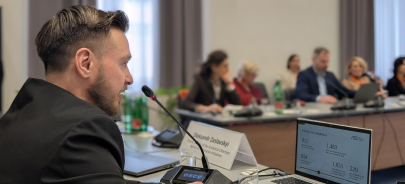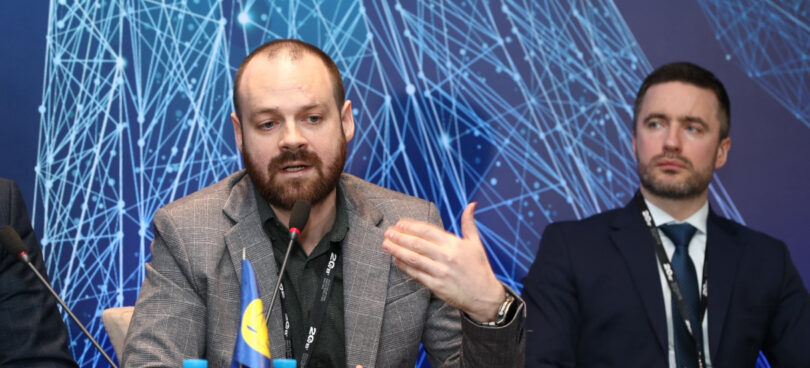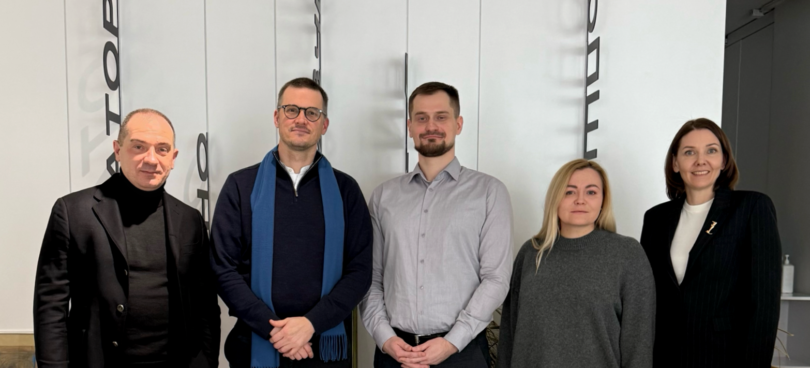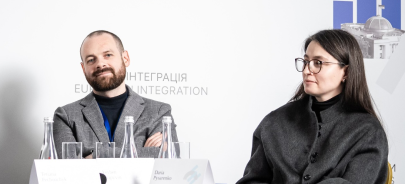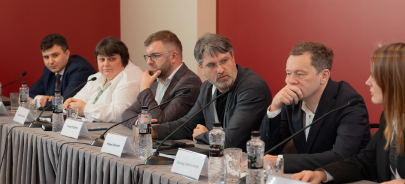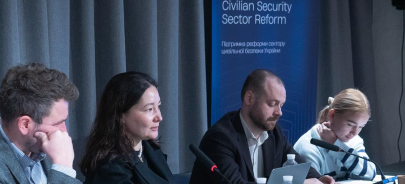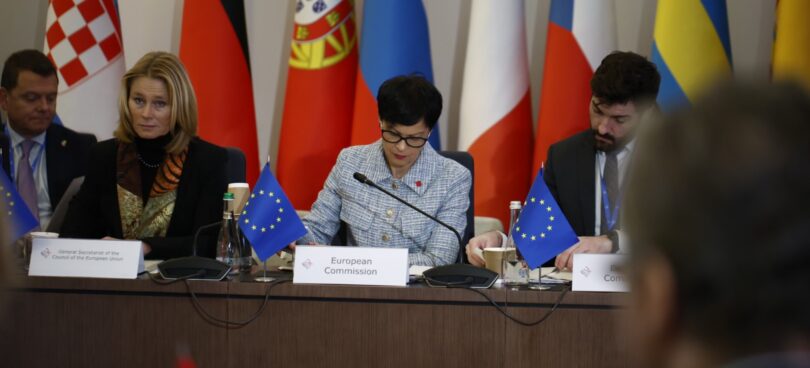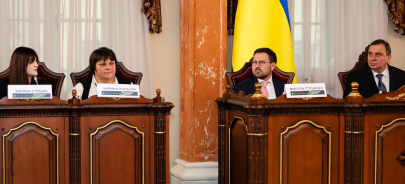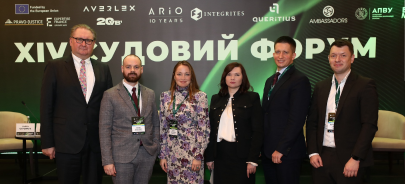
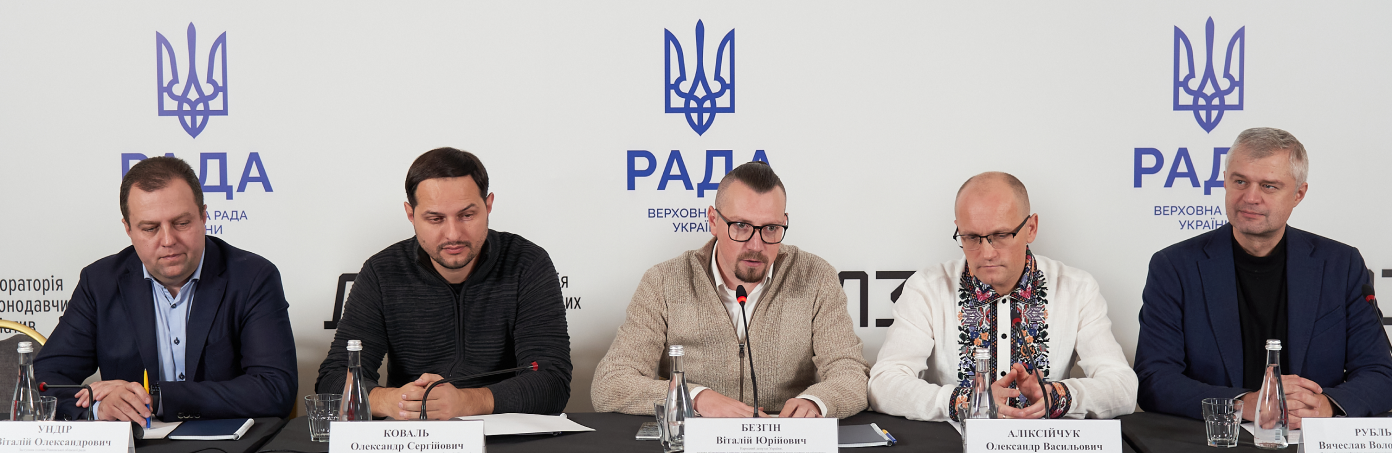
On 12 November, the Agency for Legislative Initiatives, together with the Verkhovna Rada Committee on State Power, Local Self-Government, Regional Development and Urban Planning, held a roundtable discussion entitled “The Law of Ukraine “On the Status of Local Council Members”: current status, wartime challenges and prospects for improvement in the postwar period.”
Context. Earlier, ALI analysed the issues of legislative support for the status of local council members at the Committee’s request with a view to further developing legislative changes in this area. The study includes an analysis of the practices of applying the current legislation during the 2020 elections, as well as the results of a survey of local government representatives. 2,279 officials from different regions of Ukraine participated, of whom 94.7% are representatives of local governments and 67.2% have experience as local council members. This is the second presentation of this study.
The event was attended by Ukrainian MPs, members of the Verkhovna Rada Committee on State Power, Local Self-Government, Regional Development and Urban Planning, representatives of governmental authorities, local governments and their associations, international organisations, and the expert community.
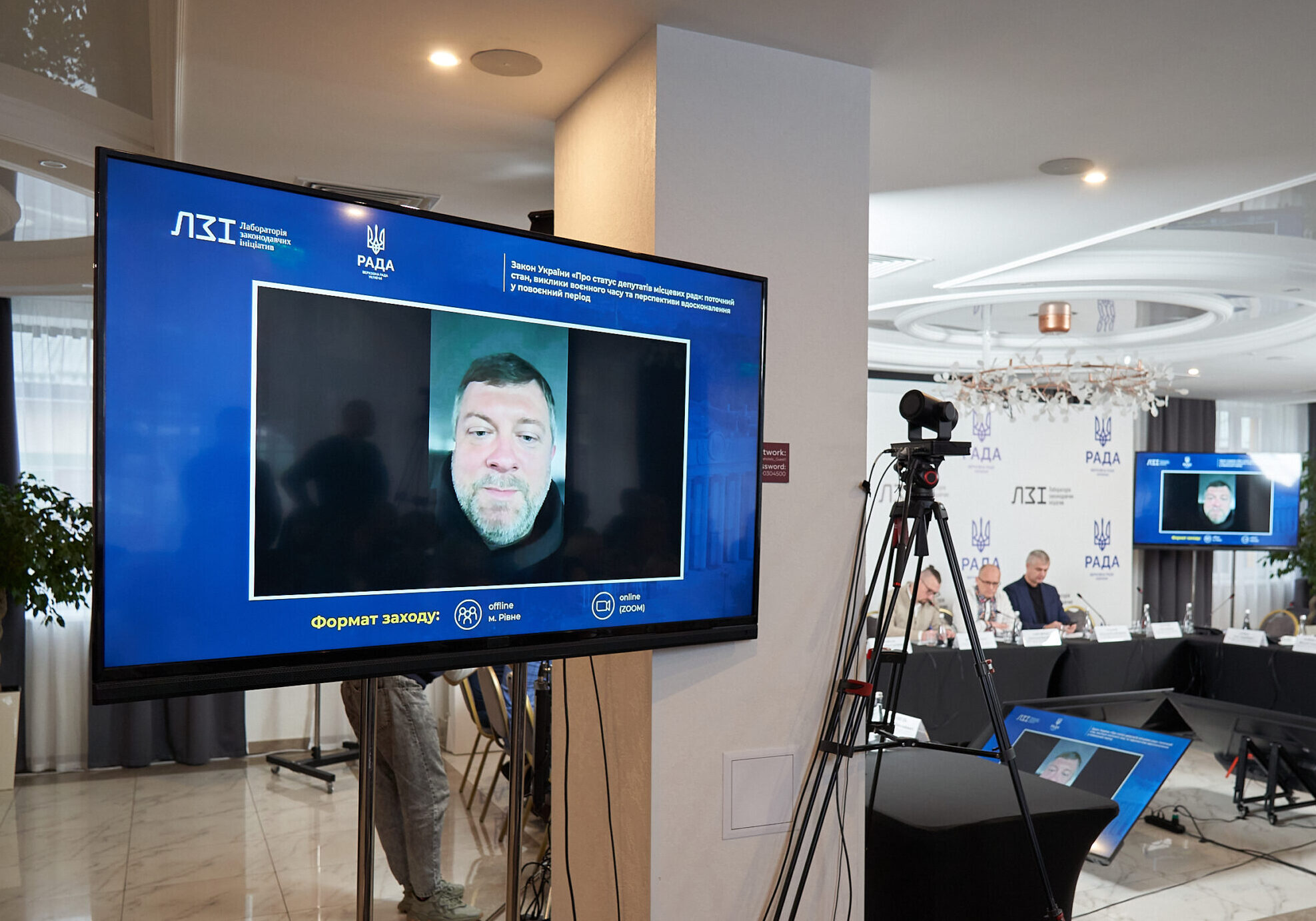
Oleksandr Korniienko, First Deputy Chair of the Verkhovna Rada of Ukraine, opened the event and stressed the need to work on issues relevant to local self-government, from updating the legislation on the status of local council members to updating the approach to community capacity.
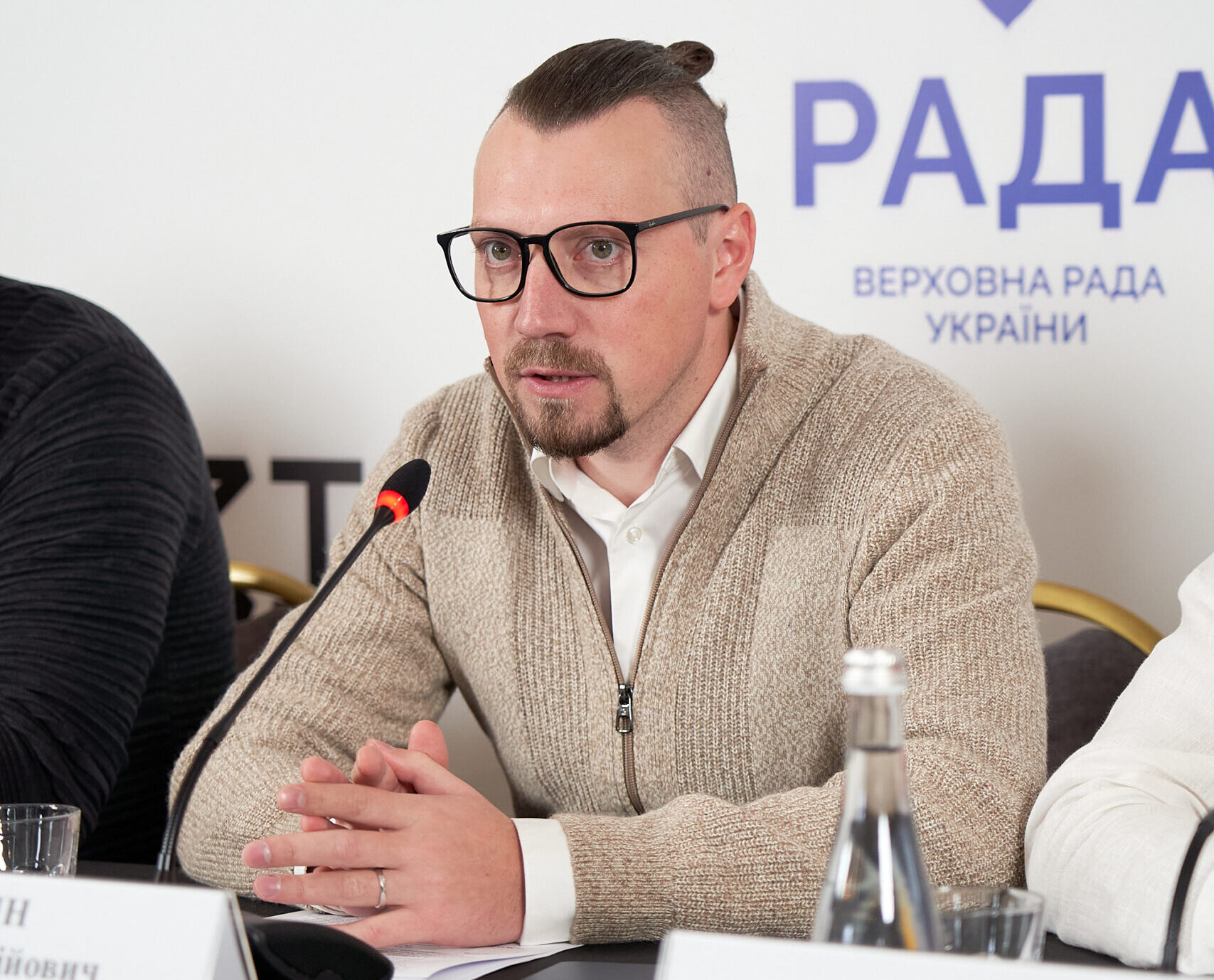
Vitalii Bezgin, MP of Ukraine, Chair of the Subcommittee on Administrative and Territorial Structure and Local Self-Government of the relevant Committee of the Verkhovna Rada, stressed the importance of such discussions and the opportunity to communicate with representatives of parliament and local government on problematic issues.
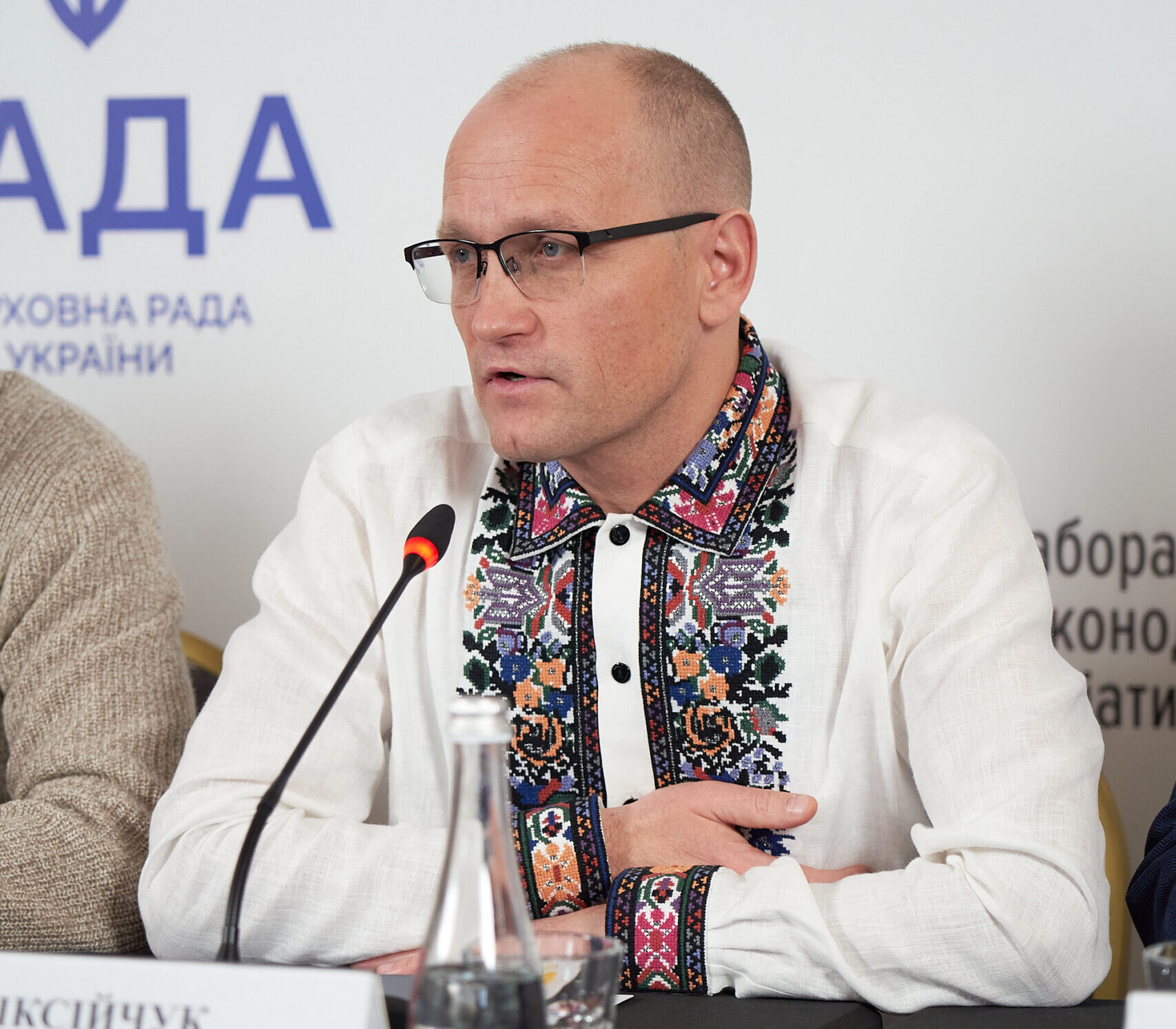
Oleksandr Aliksiichuk, MP of Ukraine, Chair of the Subcommittee on Cooperation of Territorial Communities and Regions of the Verkhovna Rada Committee on State Power, Local Self-Government, Regional Development and Urban Planning, stressed the importance of gradual but constant joint cooperation with local self-government.
Oleksandr Zaslavskyi, Deputy Executive Director of the Agency for Legislative Initiatives, stressed that further discussions on various aspects of the study were necessary and would help in further work.
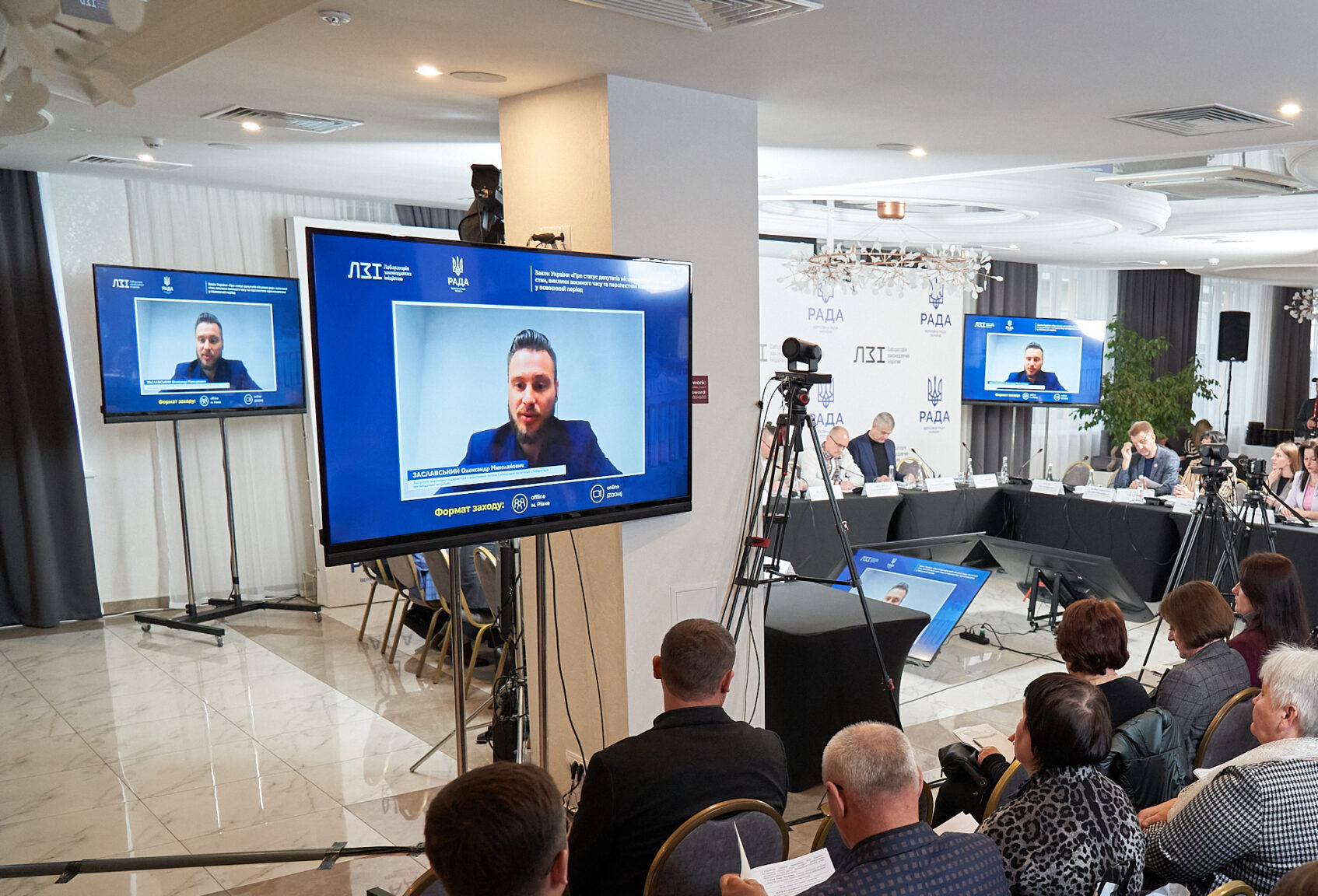
Olena Boiko, an ALI-engaged expert, presented the main results of the study and key recommendations for improving the status of local council members through legislation.
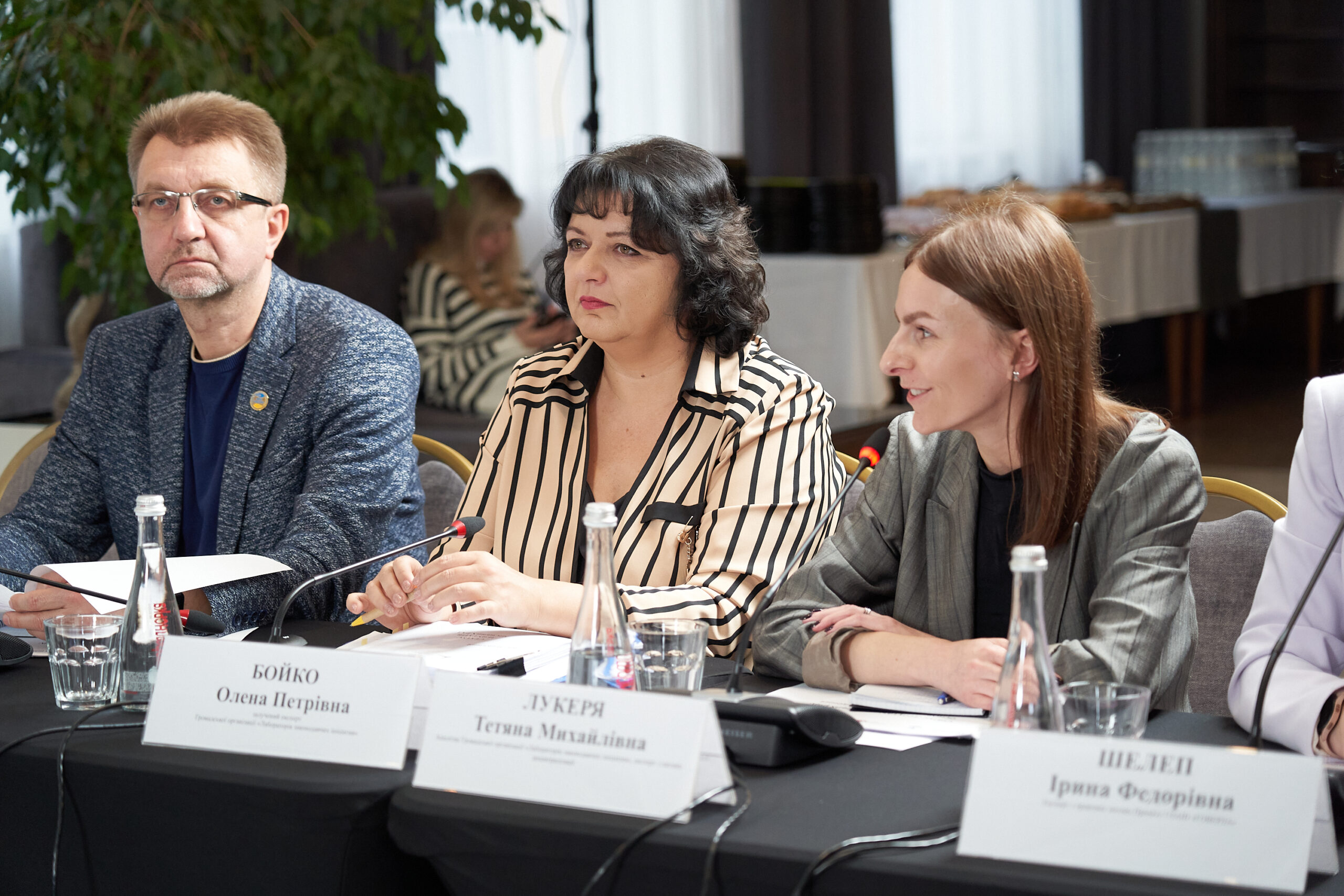
Tetiana Lukeria, an ALI-engaged expert, stressed that the Agency had already studied the issue of the status of local council members – the first study was conducted by ALI in 2017. In particular, it mentioned the imperative mandate and the fact that this practice is not used in European countries, where they either strengthen the local electoral system or local democracy. She also noted that ALI was conducting research with de-occupied communities, in particular on the status of local council members when the powers of local governments are transferred to the military administration, so the discussion of the imperative mandate is very important.
Viacheslav Rublov, MP of Ukraine, Chair of the Subcommittee on Regional Policy and Local Budgets of the Verkhovna Rada Committee on State Power, Local Self-Government, Regional Development and Urban Planning, stressed that local self-government should also be concerned about its problems, in particular, by sending appeals regarding decisions that impede or even block the work of councils.
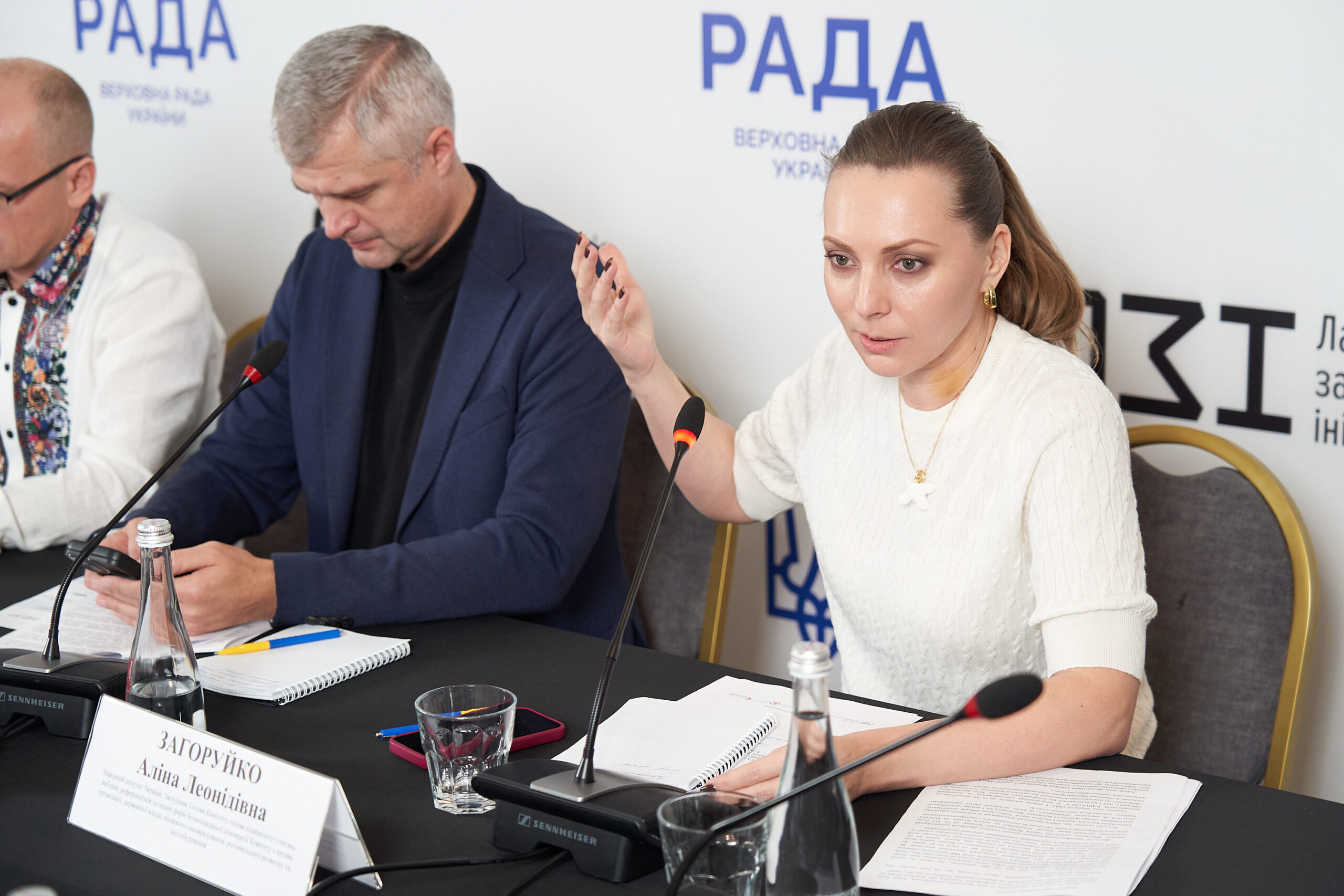
Alina Zahoruiko, MP of Ukraine, Deputy Chair of the Committee, Chair of the Subcommittee on Elections, Referendums and Other Forms of Direct Democracy of the Committee on State Power, Local Self-Government, Regional and Urban Development, answered questions about partisanship and the imperative mandate of local self-government representatives. After all, Ukrainian legislation is outdated and does not fully meet the current challenges, and changes need to be made, not just on a piecemeal basis, but systematically and carefully.
During the panel discussion, participants exchanged views and shared possible working models on the following current issues affecting the work of local councils in wartime:
- issues of acquiring and early termination of powers of local council members;
- impact of the ban on certain political parties on the work of local councils;
- guarantees for the activities of a local council member;
- compliance of the status of a local council member with European standards;
- ensuring proper representation in the local council;
- regulation of MP ethics;
- strengthening the accountability and responsibility of local council members to the voters.
In particular, much attention was paid to the problems of quorum, the possibility of organising meetings of local councils in a mixed format, the risks of deepening partisanship of local councils and the preservation of human resources, as all, even purely organisational aspects of local councils’ work subsequently affect the capacity of communities.
The event was part of the project “Parliament and Accountability of the Security Sector in Ukraine” (PASS Ukraine), which the Agency implements jointly with the Parliamentary Centre (Canada), in cooperation with the Verkhovna Rada of Ukraine, and with the support of Global Affairs Canada within the framework of the Peace and Stabilization Operations Program (PSOPs).