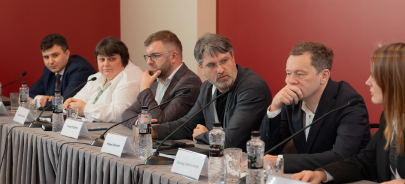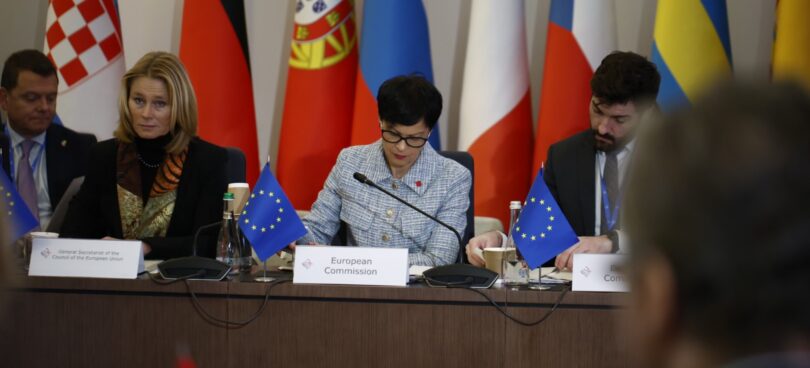
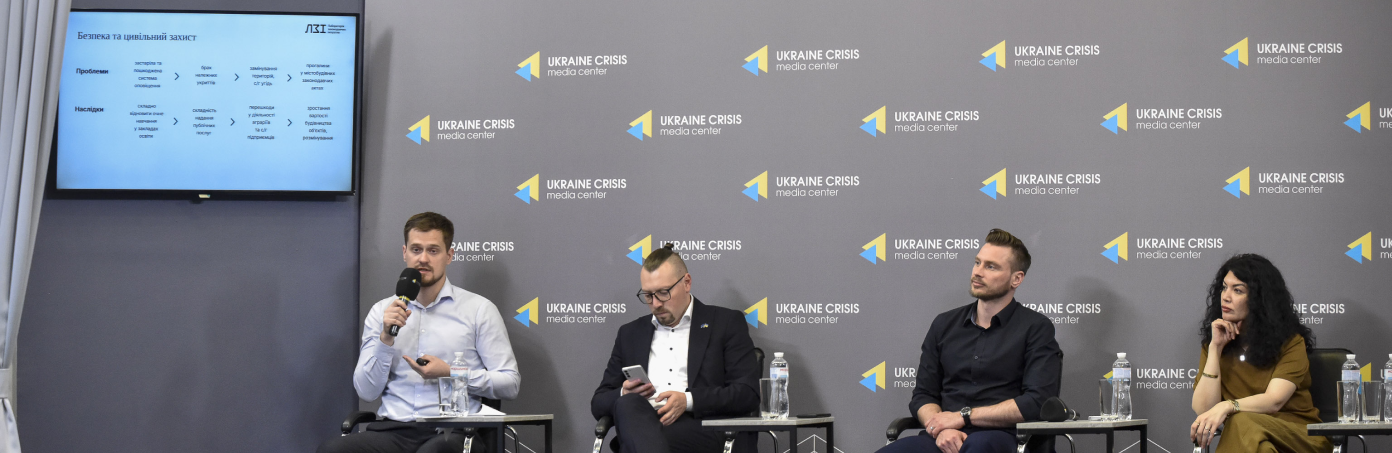
On 29 April 2025, the Agency for Legislative Initiatives (ALI) presented the key findings of its new study, “Analysis of the Socio-Economic Situation in Deoccupied Communities and Modelling Their Recovery Prospects: Kyiv, Mykolaiv, and Kharkiv Regions”.
The study offers a comprehensive overview of socio-economic conditions across the deoccupied territories, spanning 15 communities in the Kyiv region, 10 in the Mykolaiv region, and 28 in the Kharkiv region. One of the major challenges in conducting such a complex analysis was the complete absence of baseline data. To address this, ALI initiated data collection from scratch and developed a custom data matrix to provide decision-makers with the necessary information.
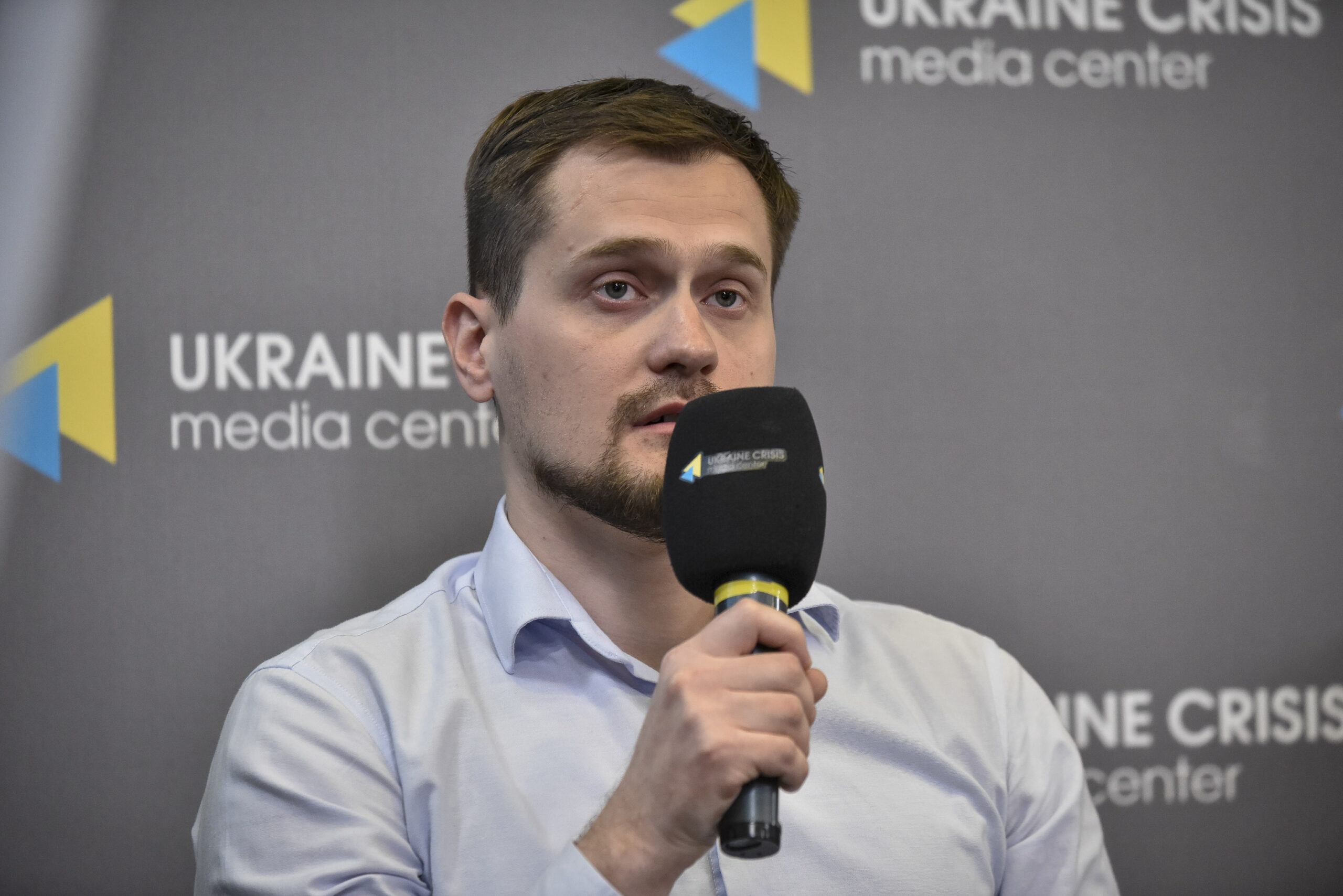
Oleksandr Zaslavskyi, Deputy Executive Director of ALI, explained the team’s decision to scale the study to three additional regions after piloting the methodology in the Kherson region.
The second value lies in the practicality of the recommendations — including insights into the data collection process itself, since we experienced it from the inside. They also address very hands-on issues, like maintaining communication with displaced residents to bring them back to their communities and prioritising recovery policy steps. The state simply can’t afford to do everything simultaneously with the limited available resources.”
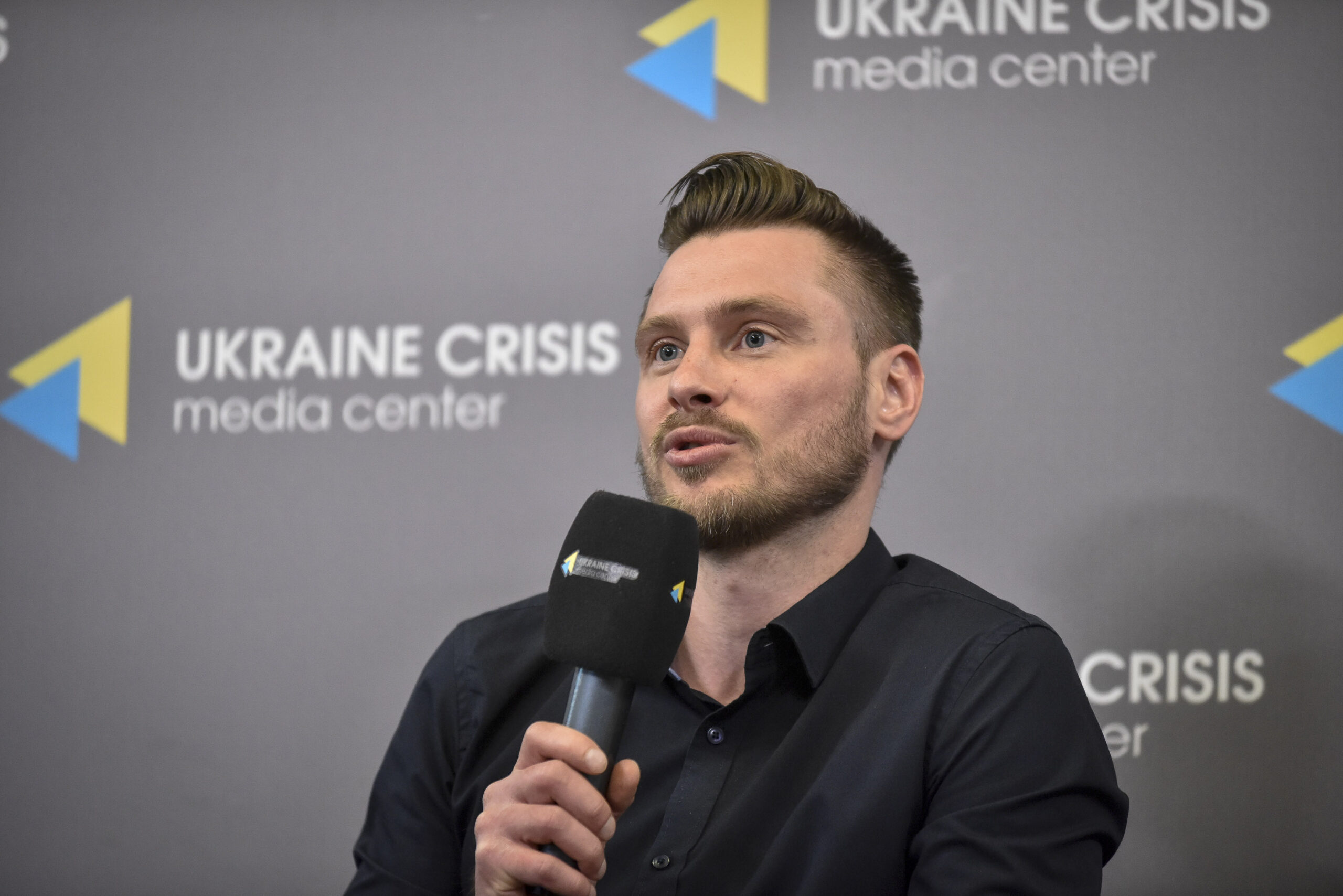
Vitalii Bezghin, Head of the Subcommittee on Administrative and Territorial Structure and Local Self-Government of the Verkhovna Rada Committee on State Building, Local Governance, Regional and Urban Development, noted that ALI’s research on Kherson region had offered a comprehensive picture of the current situation — which sparked demand for similar analysis in other formerly occupied, now liberated regions. Such findings, he said, should form the foundation for the next steps by both Parliament and the relevant ministry, and the study’s detailed data would be of interest to both the public and key stakeholders.
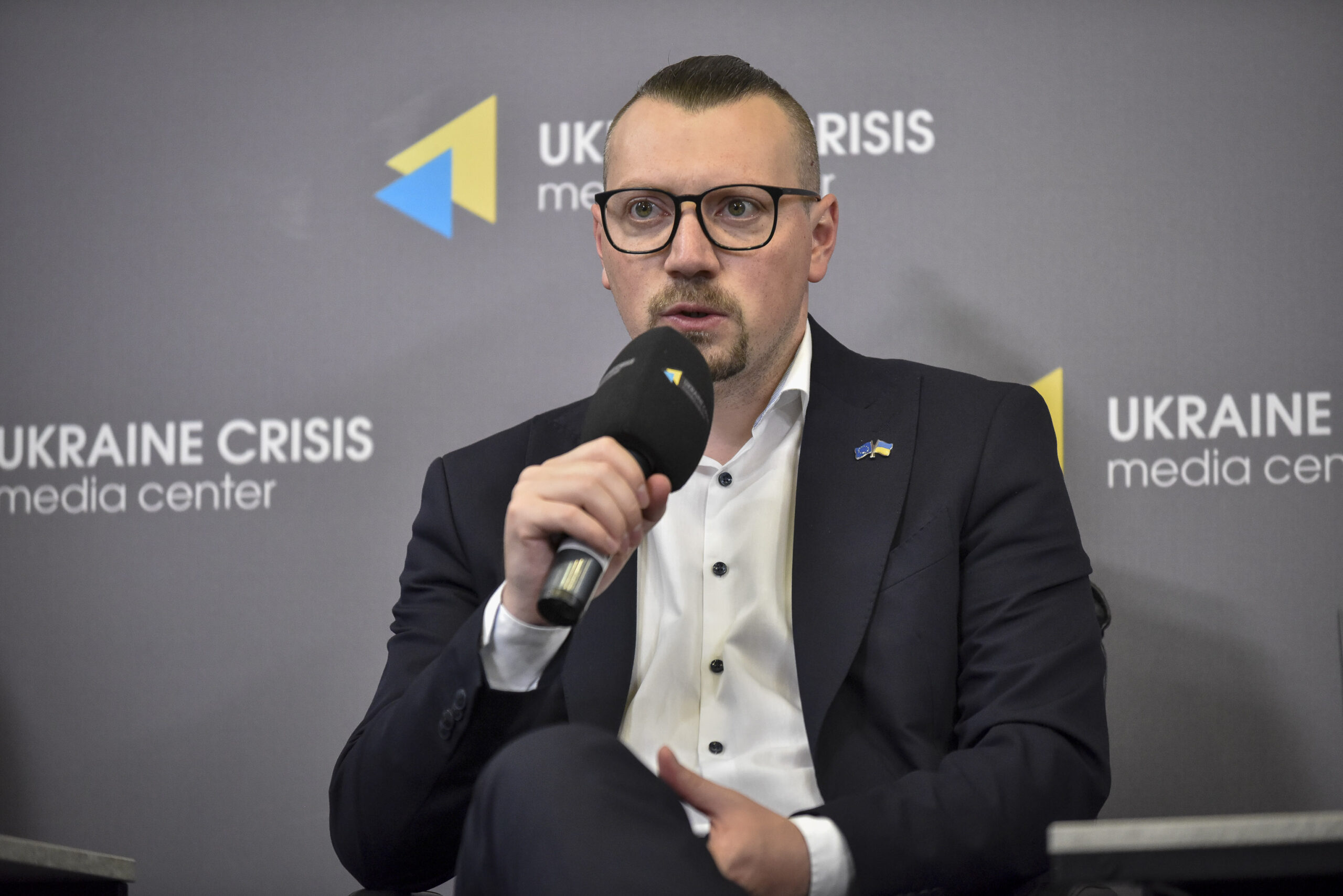
How Can ALI’s Data Be Interpreted and Understood?
The study was conducted in three stages. In the first stage, the Legislative Initiatives (ALI) collected statistical data across six groups of indicators: socio-demographic, infrastructure, financial, migration trends, cooperation, and access to public services. The second stage involved assessing the financial capacity of communities using a composite index made up of 11 indicators, including revenues, expenditures, and the level of budget dependence. In the third stage, ALI interviewed local officials, including heads of communities and military administrations. The research period spanned January to April 2025.
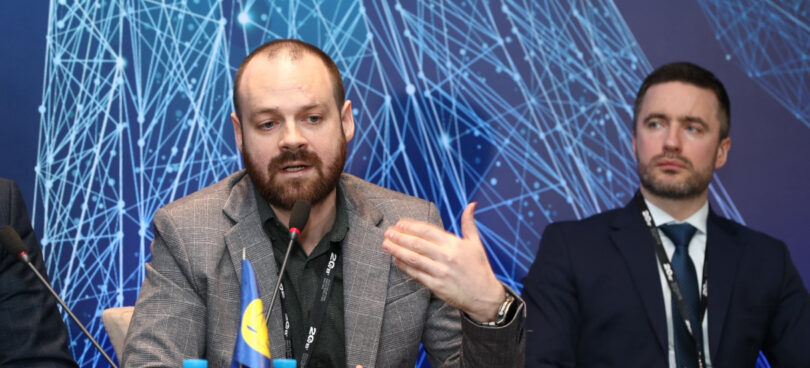
Volodymyr Skrypets, the Analytics Lead at ALI, presented the study’s key findings:
The study covered blocks such as infrastructure, security and civil protection, socio-demographic shifts, access to public services, financial capacity, and cooperation potential across various formats. Just as importantly, it allowed us to develop proposals and recommendations that can help model the recovery process for deoccupied communities.”
Tamila Tasheva, Member of the Verkhovna Rada Committee on State Building, Local Governance, Regional and Urban Development, emphasised that in regional development planning, the unique challenges of deoccupied communities are often insufficiently taken into account — and that studies like this one offer a foundation for a more systemic understanding of those challenges.
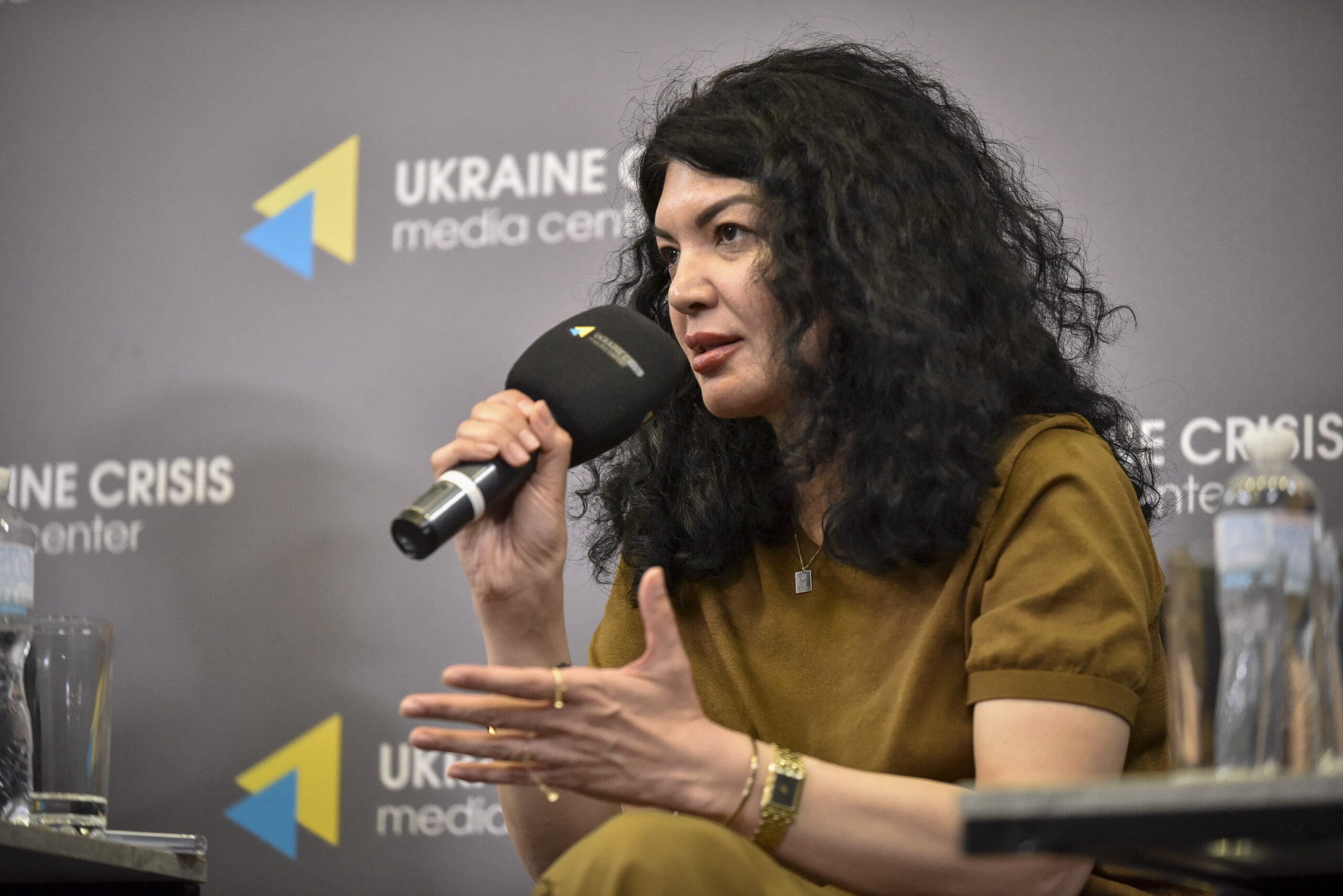
She also stressed the importance of communicating such findings to Ukraine’s international partners — who need to see the real picture on the ground and the progress made despite all odds.
Context. Back in 2023, the Agency for Legislative Initiatives (ALI), in cooperation with the Verkhovna Rada Committee on State Building, Local Governance, Regional and Urban Development, conducted a study on the state of public services in deoccupied communities of the Kherson region. During the research, it became clear that information was neededbeyond the scope of public services. ALI, therefore, launched an additional study to enable a more comprehensive analysis and to uncover interrelated challenges across sectors. Following the completion of work on the Kherson region, demand emerged for similar research on deoccupied communities in Kyiv, Mykolaiv, and Kharkiv regions.
The complete study “Analysis of the Socio-Economic Situation in Deoccupied Communities: Kherson Region” is available here. The study on Kyiv, Mykolaiv and Kharkiv regions is currently being finalised and will be published soon.
The presentation took place as part of the project “Parliamentary Accountability of the Security Sector in Ukraine” (PASS Ukraine), implemented by ALI in partnership with the Parliamentary Centre (Canada), in cooperation with the Verkhovna Rada of Ukraine, and with support from Global Affairs Canada under the Peace and Stabilization Operations Program (PSOPs).