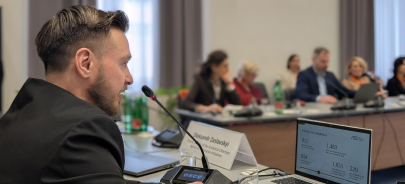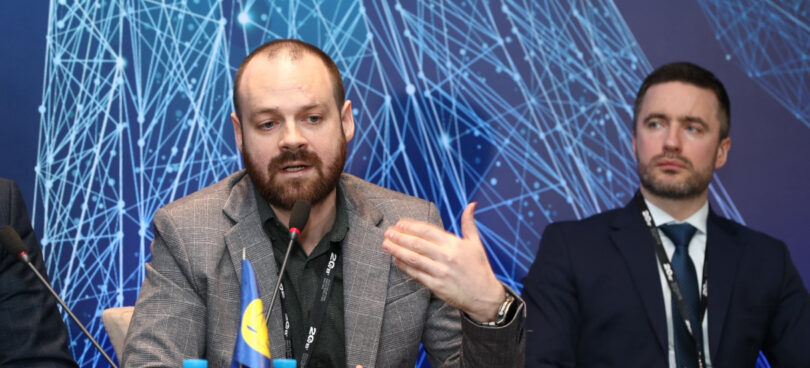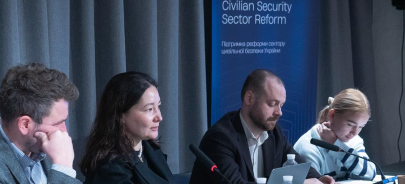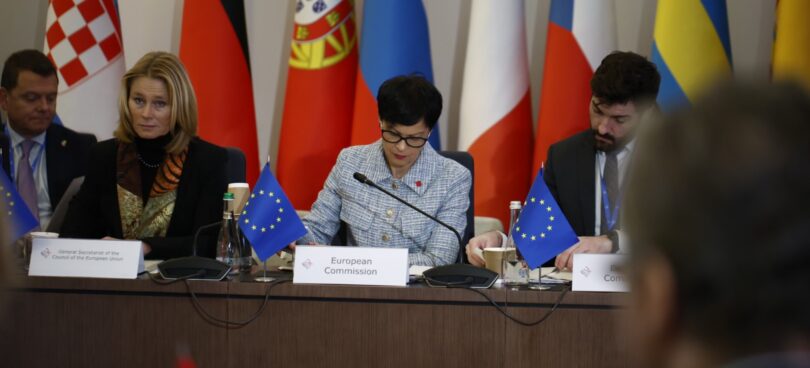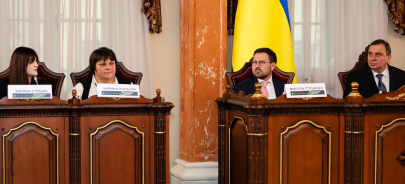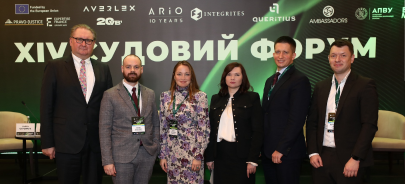
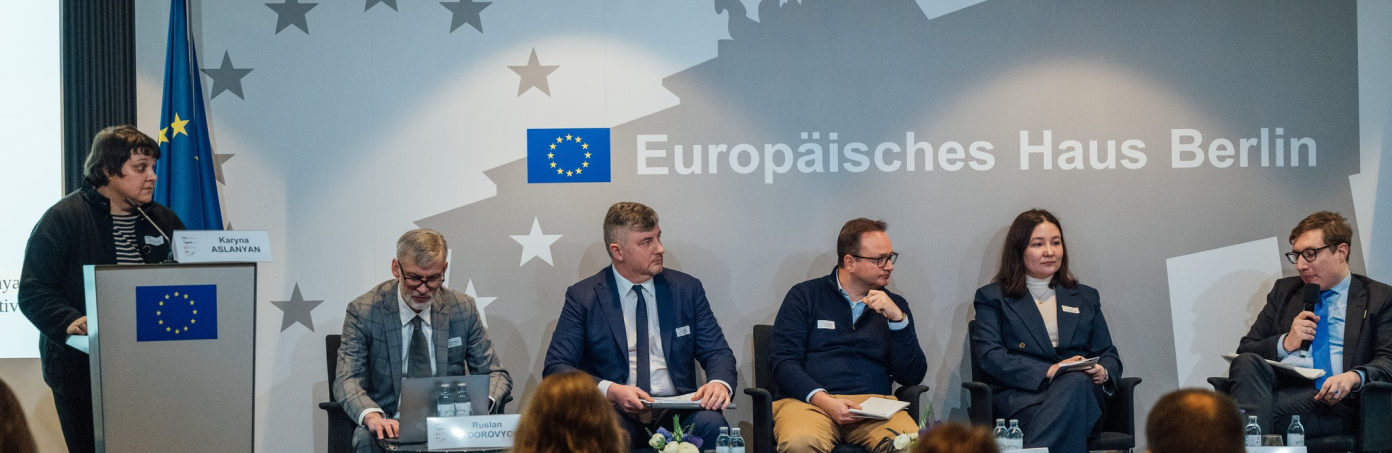
The Agency for Legislative Initiatives participated in the conference “Pathways to Progress: Germany-Ukraine Dialogues on Rule of Law for EU Accession.”
The meeting focused on how Ukraine, with the support of Germany and its EU partners, can promote the rule of law and safeguard fundamental values in a time of war. Issues such as electoral democracy, migration challenges, and the implementation of judicial reform were the main topics of discussion.
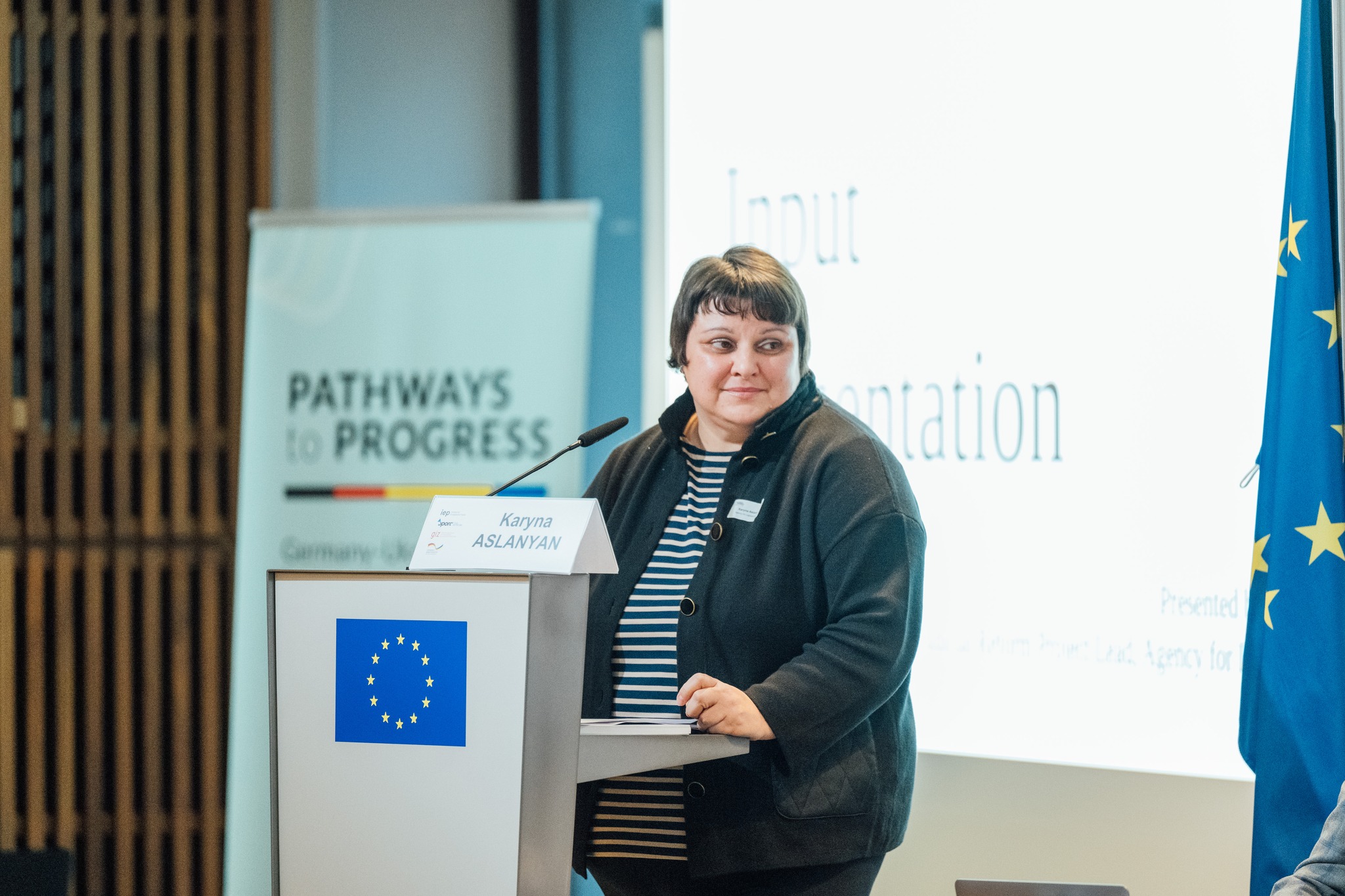
The discussion “Advancing judicial reform in Ukraine: modernisation and strengthening accountability” began with a report by ALI on the state of the rule of law in Ukraine. Karyna Aslanyan, Judicial Reform Project Lead at the Agency for Legislative Initiatives, spoke about Ukraine’s progress in 2024, risks, challenges, and necessary steps in the context of the Shadow Report to Chapter 23 “Justice and Fundamental Rights” of the European Commission’s 2023 Report on Ukraine, prepared by ALI in coalition with NGOs.
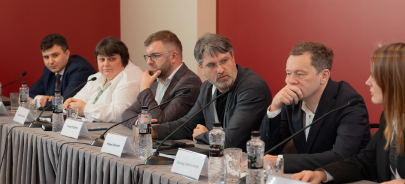
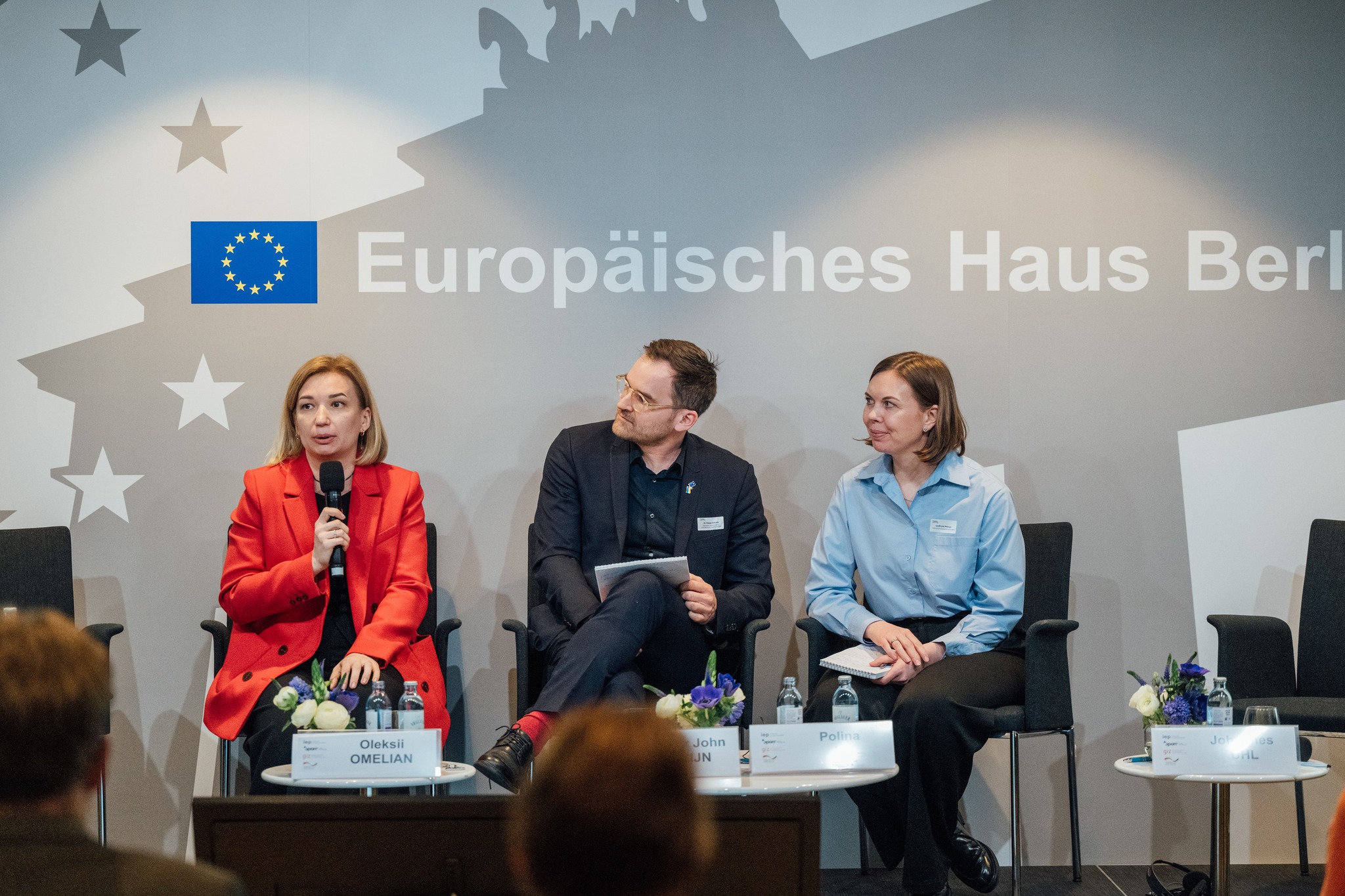
The discussion brought together a wide range of leading experts to address one of the most pressing issues on Ukraine’s path towards integration with the EU. The discussion was moderated by Johannes Uhl, Implementation Manager, 3*E4U Project, Deutsche Gesellschaft für Internationale Zusammenarbeit (GIZ). He noted that the judiciary, and in particular judicial reform, is currently the cornerstone of this process, as Ukraine’s accession to the EU makes European law a full-fledged body of law to be applied.
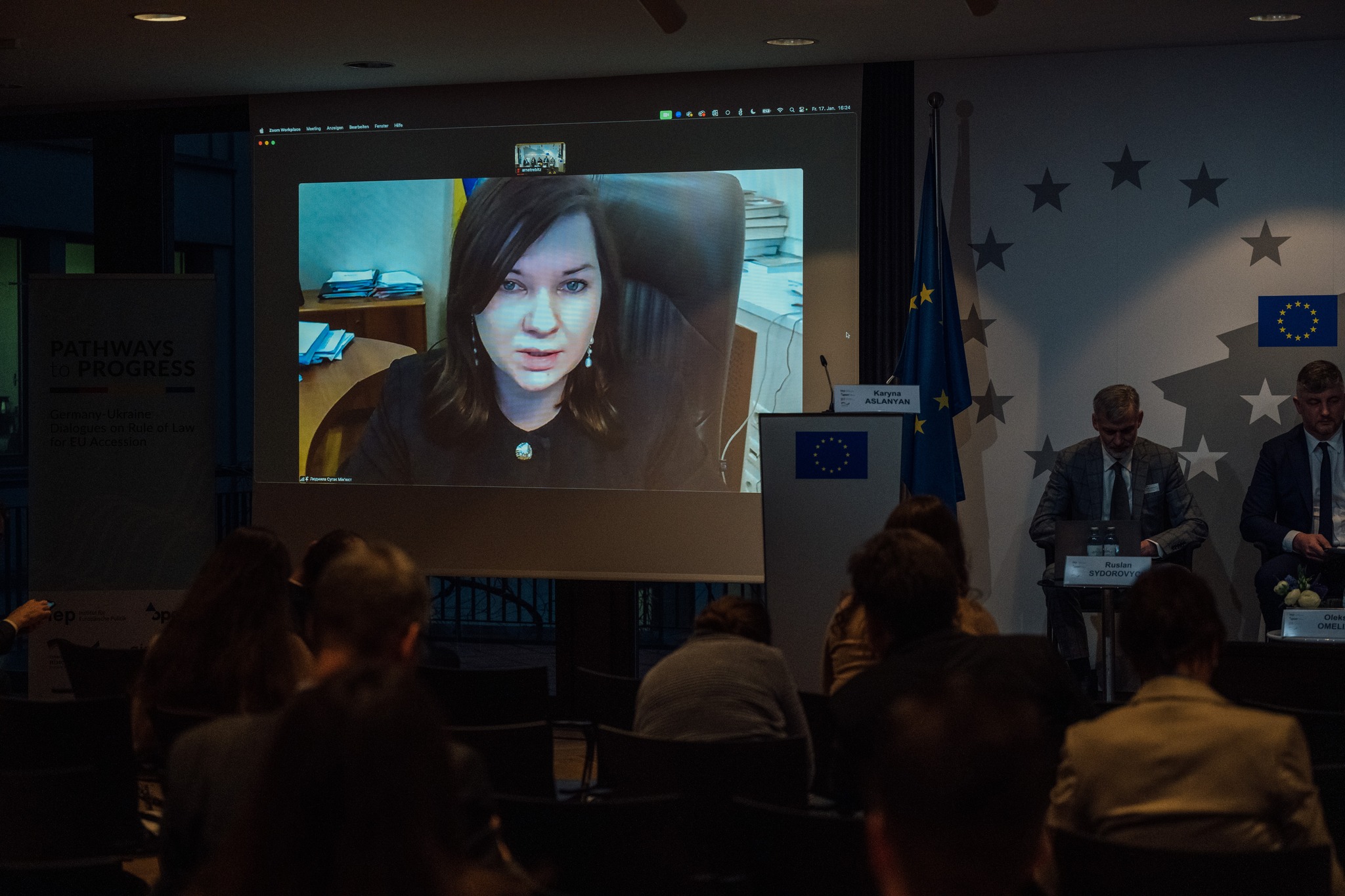
The Ministry of Justice is coordinating the development of the Rule of Law Roadmap in Ukraine, the draft of which was submitted to the European side in December 2024, and the process of consultations with the European Commission is currently ongoing, said Liudmyla Suhak, Deputy Minister of Justice of Ukraine for European Integration. The main areas of focus in the justice sector are judicial and prosecutorial reform, including ensuring the independence and impartiality of the judiciary and the constitutional judiciary, ensuring judicial accountability, improving the quality and efficiency of the judiciary, and strengthening the independence and institutional capacity of the Constitutional Court of Ukraine.
Polina LI, Adviser to the Deputy Prime Minister for European and Euro-Atlantic Integration of Ukraine, Minister of Justice of Ukraine, emphasised that Ukraine should be responsible for the selection procedures for judicial bodies before EU accession — and should strengthen its own capacity rather than being dependent on international assistance in these processes. The challenges for the Ukrainian side associated with the transition period, when the mandates of the relevant selection commissions will expire, were particularly highlighted.
The main priorities of the current phase of judicial reform were highlighted by John Morin, Lead Legal Expert, 3*E4U Project, Deutsche Gesellschaft für Internationale Zusammenarbeit (GIZ). Priority should be given to the implementation of the EU standard requirements for the judiciary’s independence and to the judiciary’s institutional architecture. He stressed that it is very important to see this as a shared responsibility, as the independence of the judiciary is not the responsibility of the judges, the politicians, or the society alone.
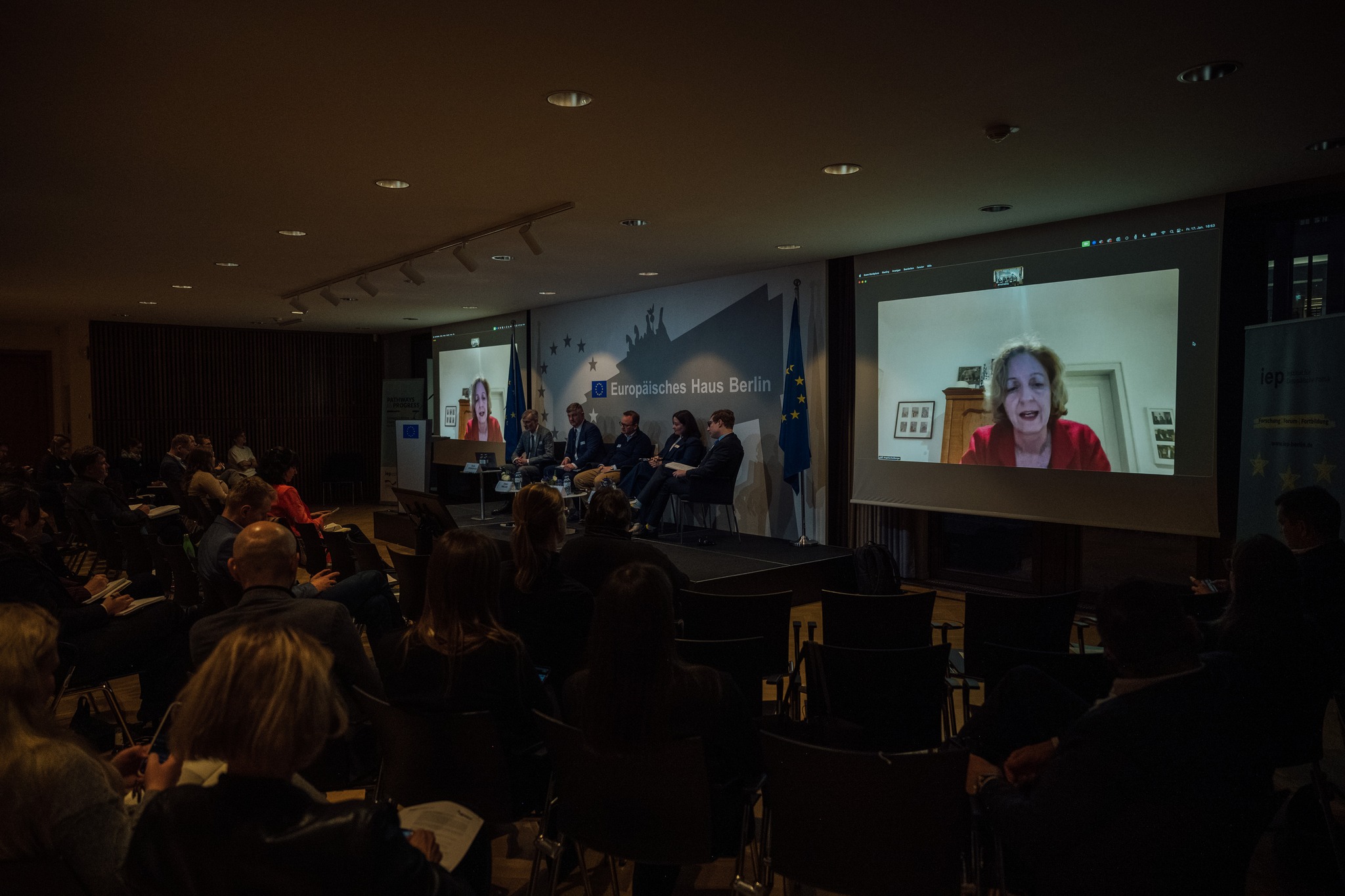
Angelika Nußberger, Vice-President of the Constitutional Court of Bosnia-Herzegovina and Professor at the University of Cologne stressed the importance of increasing public trust in the judiciary as a key element of the country’s judicial model. According to the speaker, an equally important trend that requires a proactive approach is the problem of the “shortage of human resources.” The process of change is being significantly slowed down by the conditions and consequences of the war, which are leading to a constant exodus of qualified professionals. This phenomenon, according to the expert, hampers the sustainability and success of justice sector reforms.
Oleksii Melian, Deputy Chairman, the High Qualification Commission of Judges of Ukraine, noted that there is currently a personnel crisis in the rule of law in Ukraine and that there is a need for more than just judges. Therefore, the HQCJ selects honest and professional legal professionals as the personnel agency of the Ukrainian judiciary. An important aspect of the Commission’s work is an extraordinary procedure — an assessment of qualifications for the position to be filled.
Ruslan Sydorovych, a member of the High Qualification Commission of Judges of Ukraine, spoke about the risks associated with the current situation in the Ukrainian judiciary: a significant shortage of judges in various instances, the difficulty of holding competitions for new judges, and the need to complete competitions for appellate courts this year, despite all the procedural difficulties. He also underlined the need to work on the issue of public trust in the judiciary, in particular in the key bodies that are involved in the reform of this sector.
The conference was organised as part of the project Strengthening Ukraine’s EU Accession in the Rule of Law in cooperation with the civil network OPORA and with the support of GIZ Ukraine, Auswärtiges Amt and Institut für Europäische Politik.