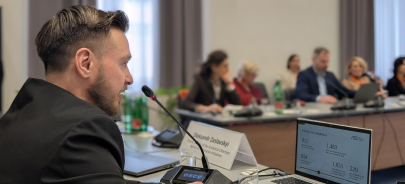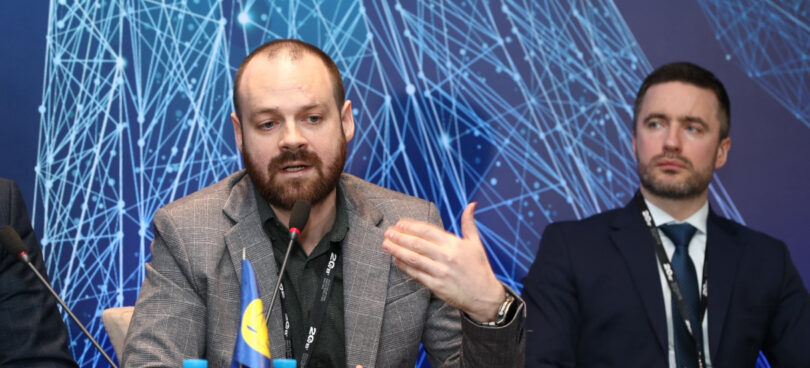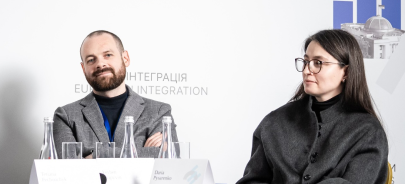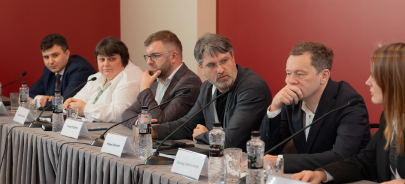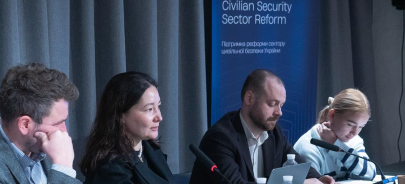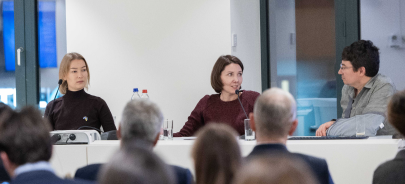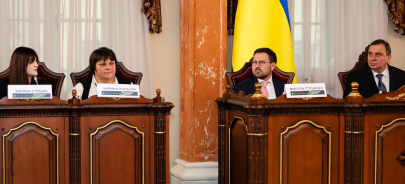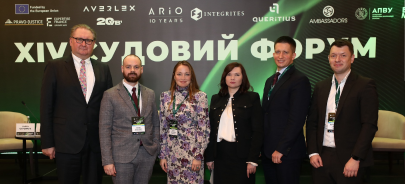
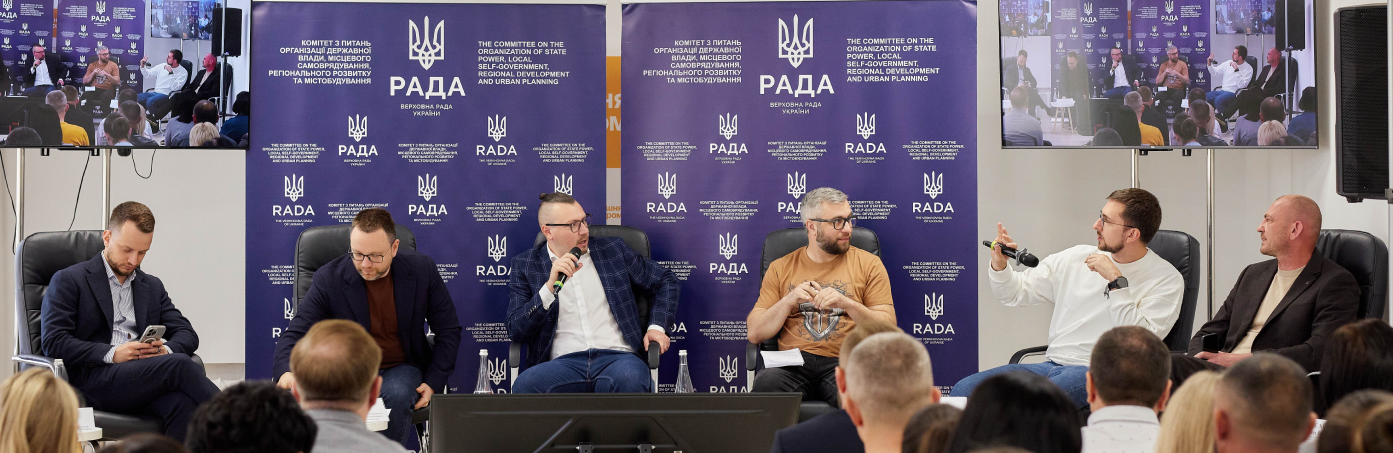
On 28 April 2025, the Agency for Legislative Initiatives (ALI), in cooperation with the Verkhovna Rada Committee on State Power, Local Self-Government, Regional and Urban Development, held a roundtable discussion in Opishnia titled: “The Law of Ukraine ‘On the Status of Local Council Members’: Current Realities, Wartime Challenges, and Opportunities for Post-War Improvement.”
A special focus of the event was the presentation and discussion of ALI’s analytical study “The Status of Local Council Members,” previously developed at the Committee’s request. The report examines how current legislation was applied during the 2020 local elections and presents findings from a nationwide survey involving 2,279 local self-government officials across various regions of Ukraine.
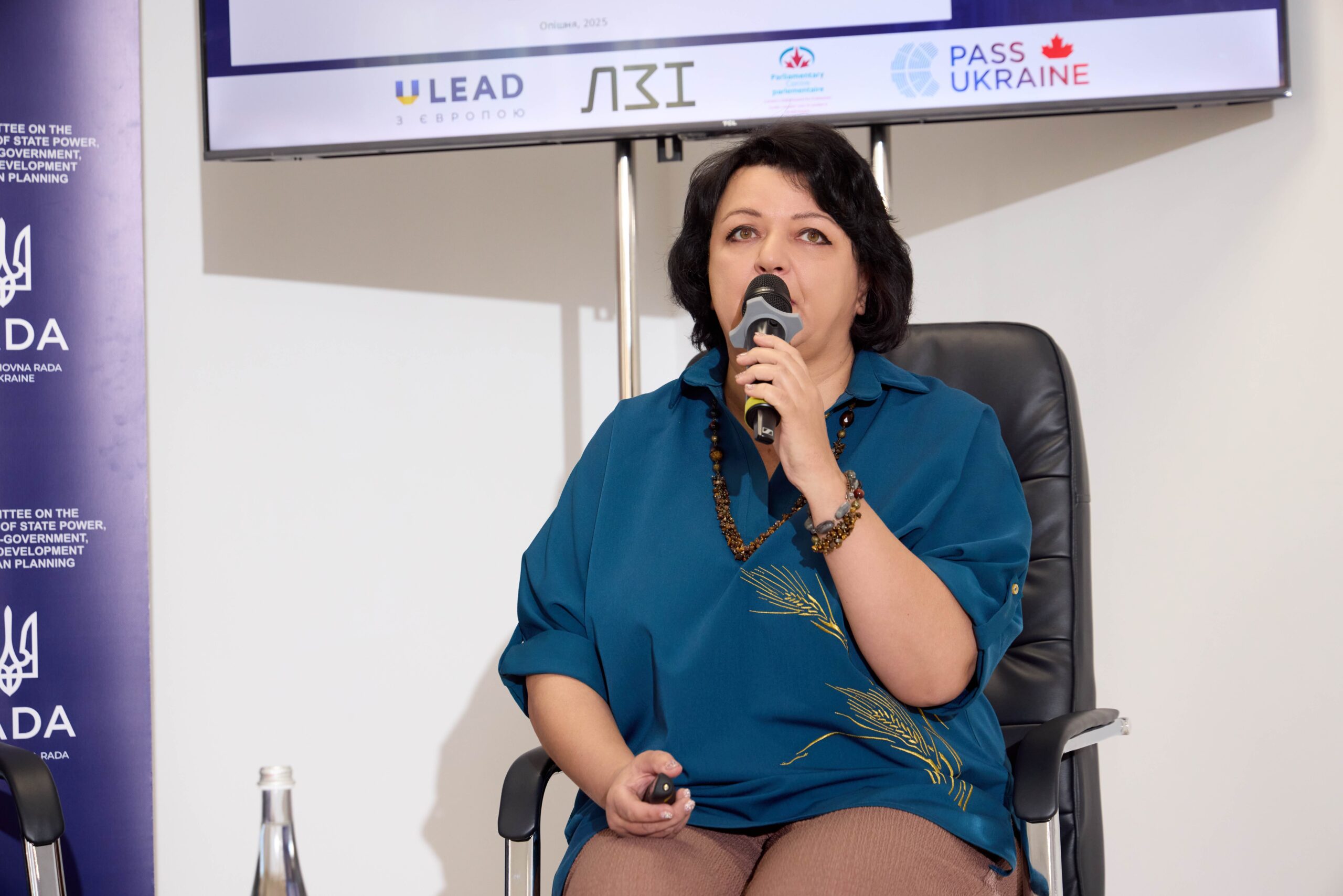
Olena Boiko, contributing expert with ALI, delivered the study’s key findings, highlighting areas for legislative improvement regarding the status of local council members. The presentation covered a wide range of issues, including challenges posed by the Russian Federation’s full-scale invasion; early termination of mandates; underrepresentation in local councils; the imperative mandate; guarantees and safeguards for council members’ activities; communication between the public and local council members, and mechanisms of accountability, oversight, and responsibility of local council members.
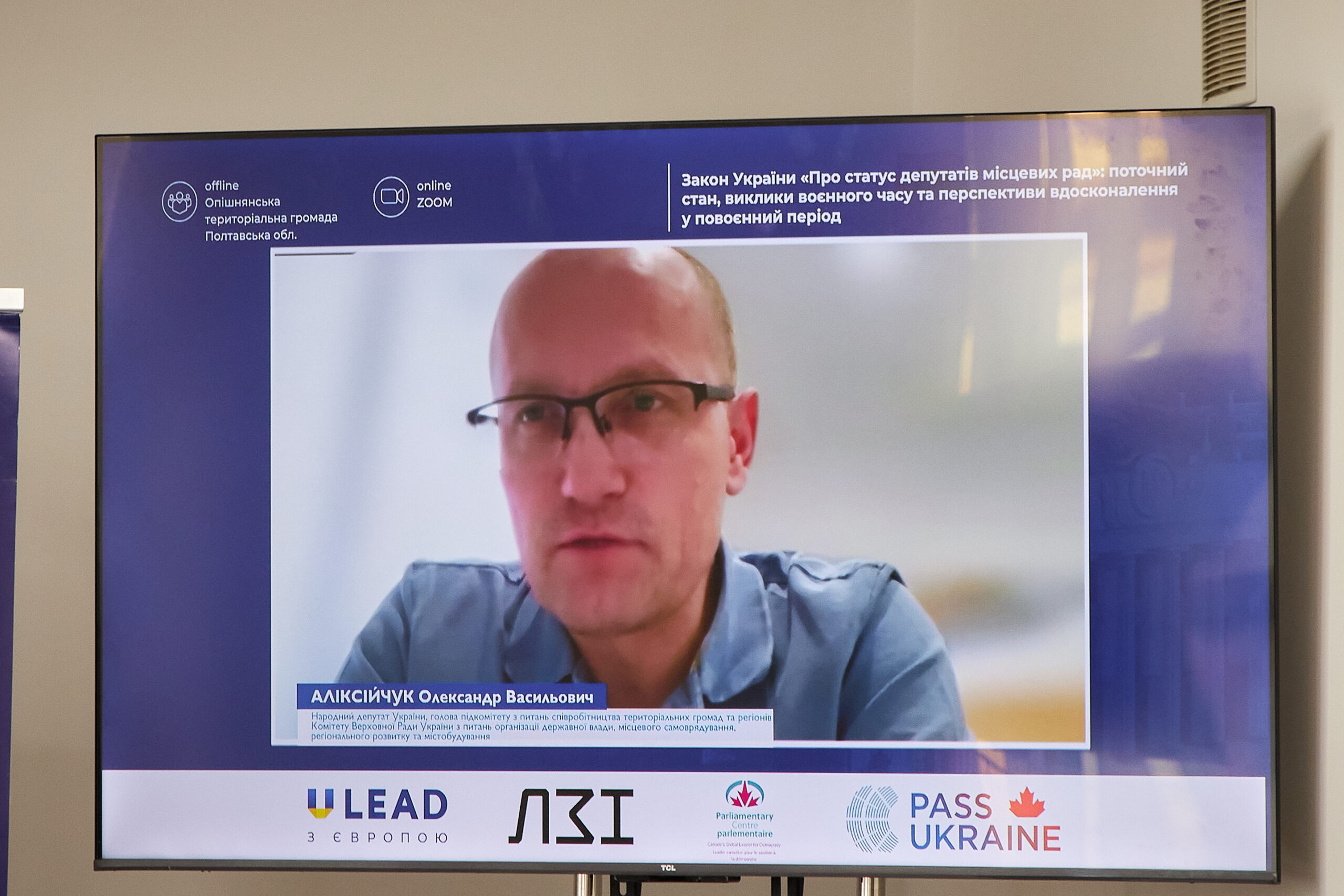
The discussion brought together a wide range of stakeholders, including Members of Parliament Oleh Dunda, Dmytro Mykysha, Dmytro Chornyi, Oleksandr Aliksiychuk, Andrii Klochko, Oleksii Ustenko, and Kostiantyn Kasai. Participants also included representatives from national and local government bodies across the Poltava region: Volodymyr Kohut, Acting Head of the Poltava Regional State Administration and Acting Head of the Regional Military Administration; Oleksandr Bilenkyi, Head of the Poltava Regional Council; and Mykola Riznyk, Head of the Opishnia Settlement Council. Also present were local council members of various levels, representatives of leading local self-government associations, as well as experts and international partners.
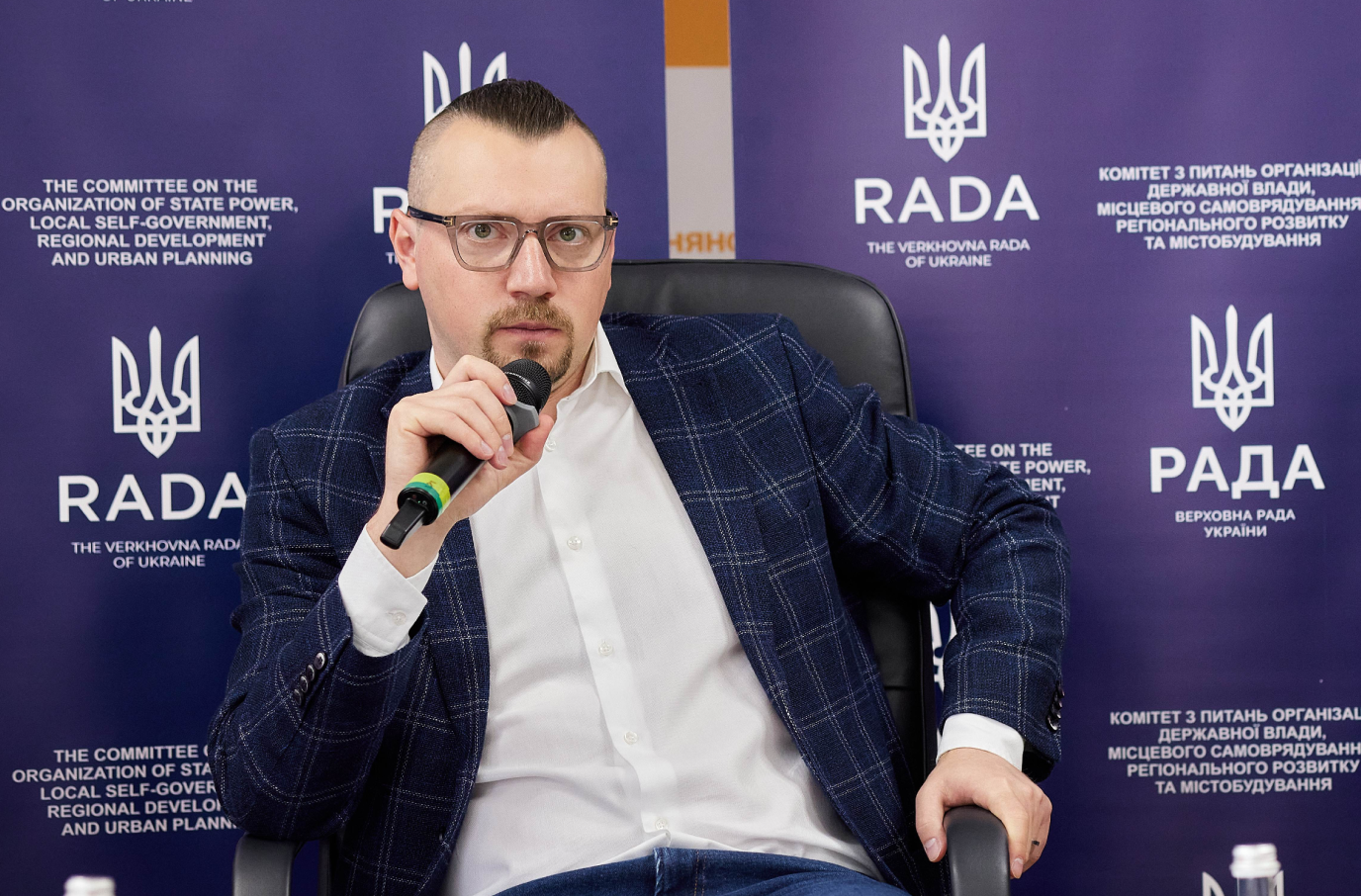
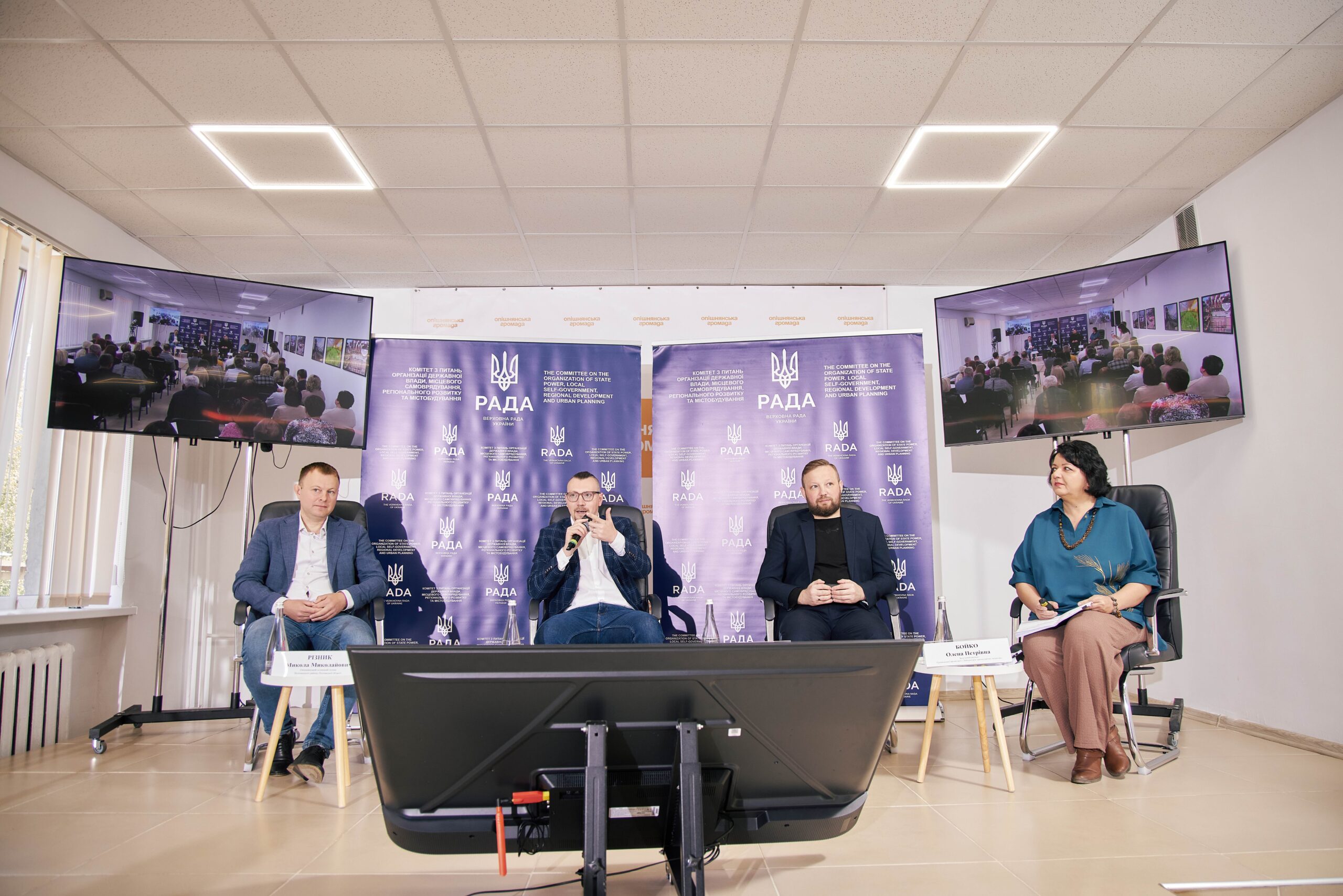
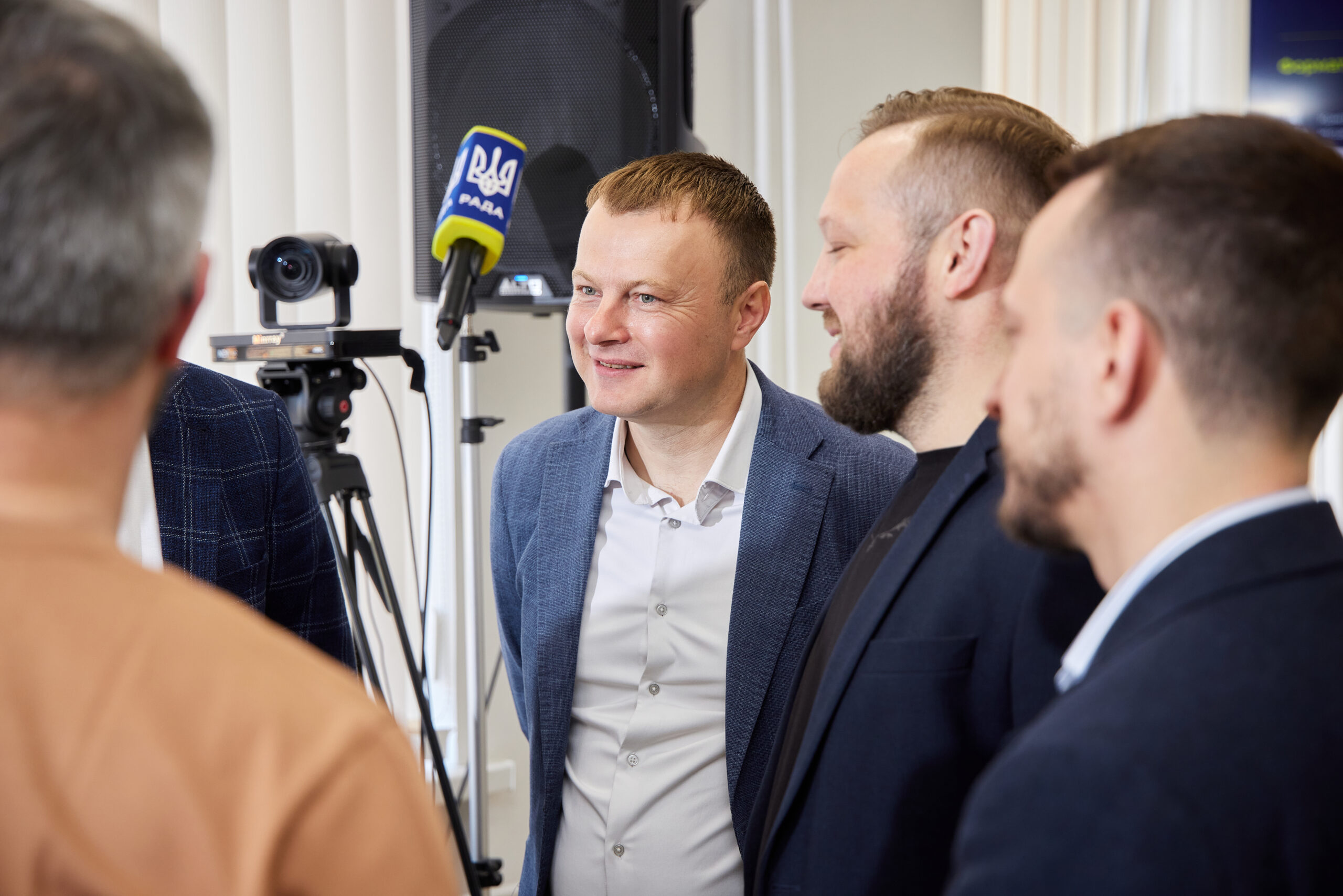
Vitalii Bezghin, Head of the Subcommittee on Administrative and Territorial Structure and Local Self-Government of the relevant Committee of the Verkhovna Rada, emphasised the importance of maintaining feedback and transparent dialogue between government representatives at all levels.
During the panel discussion, participants addressed several pressing issues, including:
- the specific challenges of operating local councils under martial law;
- the procedures for acquiring and prematurely terminating the mandates of local council members;
- the impact of the banning of certain political parties on the work of local councils;
- guarantees for the activities of local council members;
- alignment of the status of local council members with European standards;
- ensuring proper representation in local councils;
- the need to regulate questions of council members’ ethics;
- problematic aspects of local council members’ work within the local council and their constituencies;
- strengthening the accountability and responsibility of local council members to their constituents.
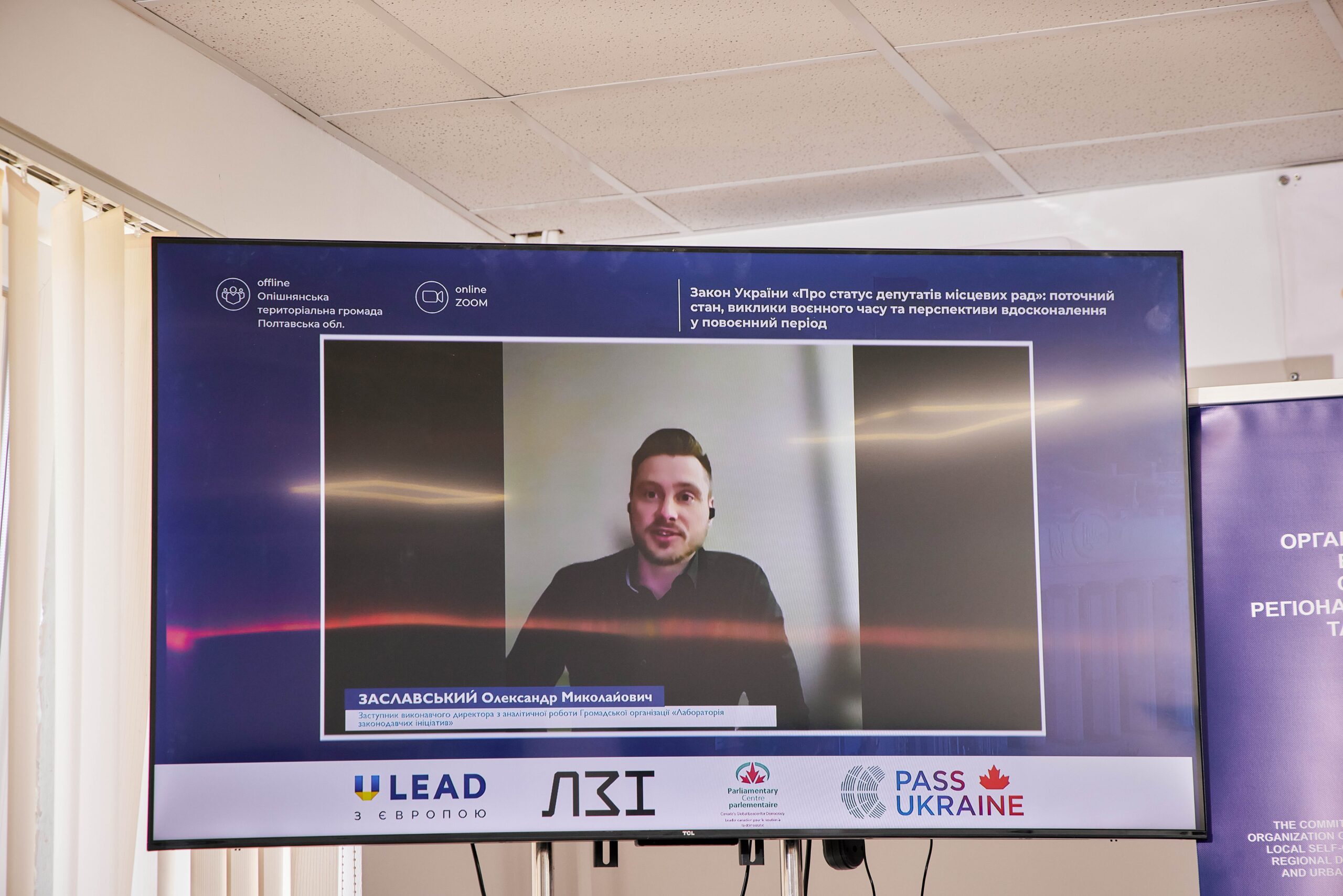
Oleksandr Zaslavskyi, Deputy Executive Director of the Agency for Legislative Initiatives, stressed the need for a consolidated approach to all key issues related to the status of local council members, as well as the practical application of mechanisms such as public consultations on legislative initiatives.
In this context, the ALI study holds particular value, as it is methodologically grounded in field research — specifically, a survey of local self-government representatives. These are not merely stakeholders, but one of the target groups for future legislative changes.
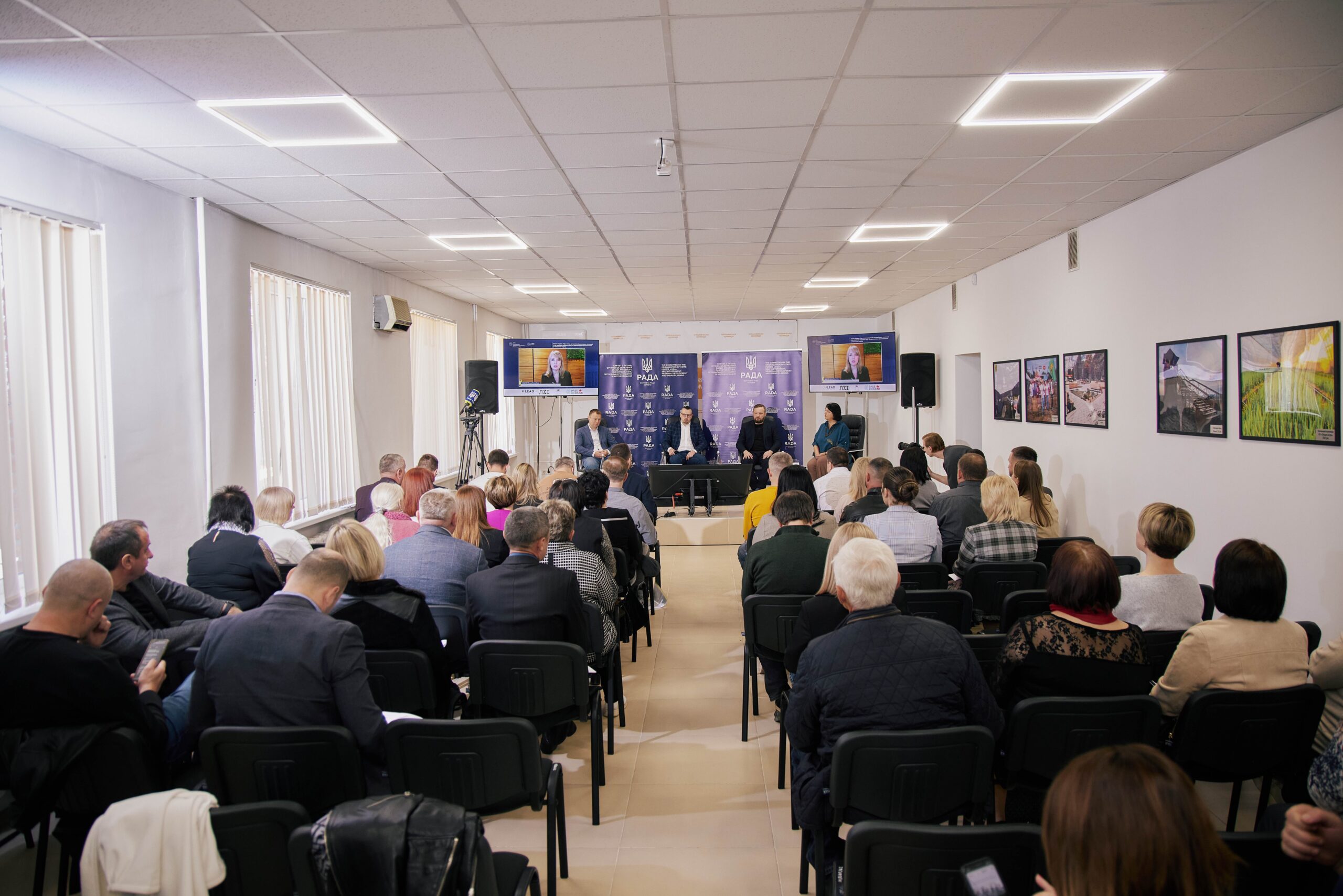
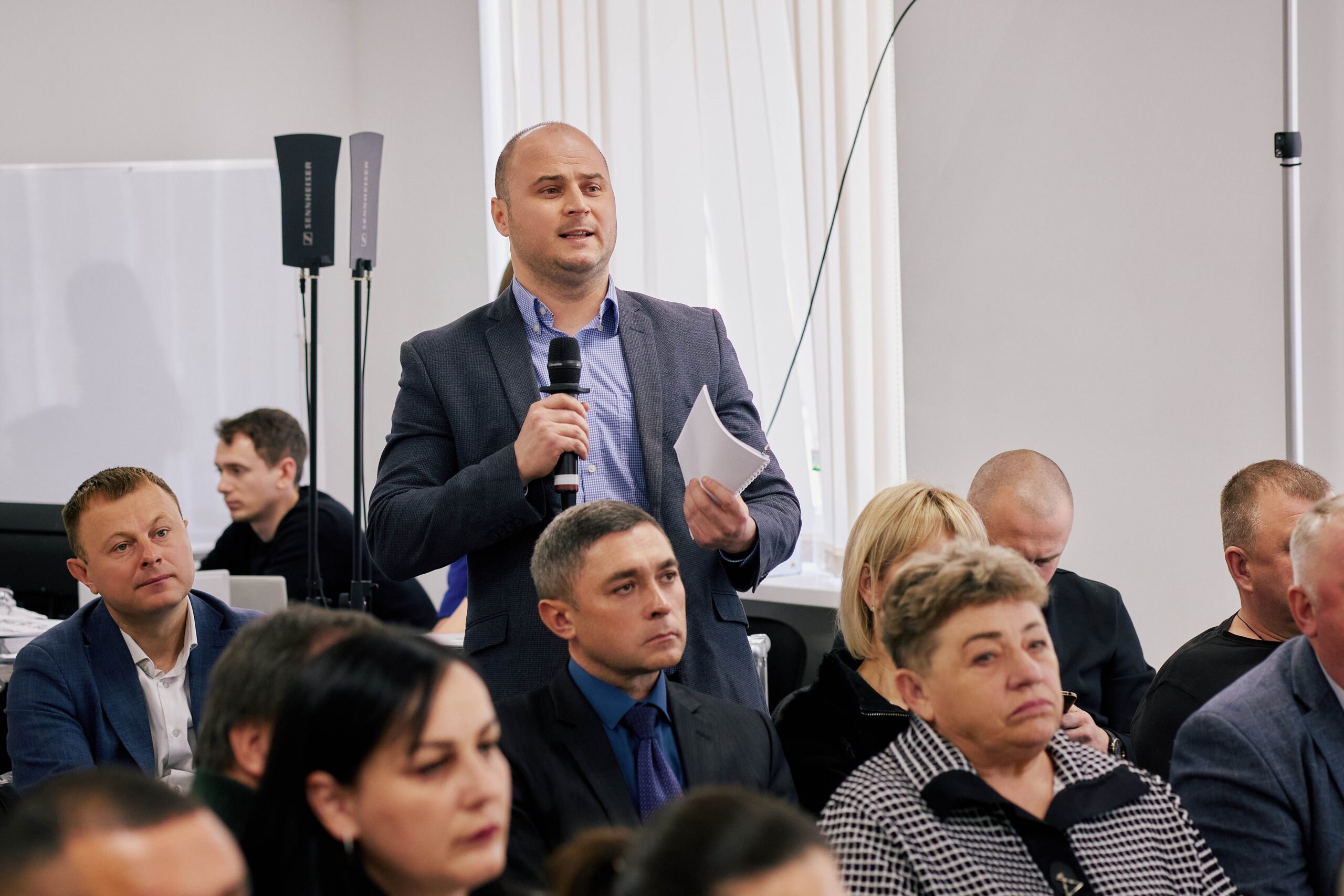
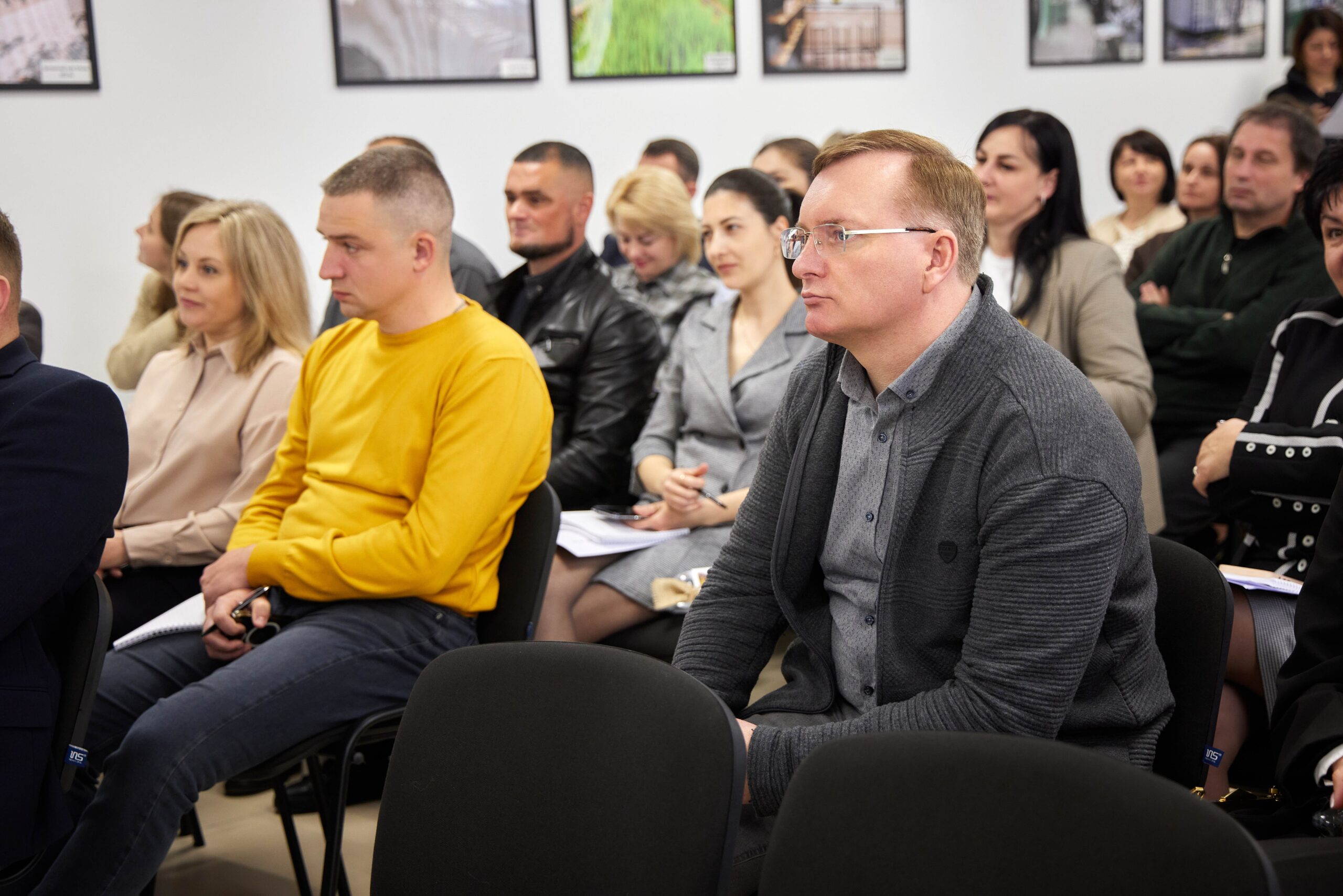
Olena Shuliak, Head of the Verkhovna Rada Committee on State Building, Local Self-Government, Regional and Urban Development, highlighted the importance of addressing issues related to the accountability and responsibility of local council members. However, she noted that the topic of ethical standards for council members — both at the national and local levels — remains largely unregulated.
As a reminder, in late 2022, a draft law on the Code of Ethical Conduct for Members of Parliament was registered in the Verkhovna Rada. Among its co-authors are experts from the Agency for Legislative Initiatives. However, the process has yet to move forward beyond its registration.
A recording of the roundtable discussion is available at the link.
The roundtable took place within the framework of the project “Parliamentary Accountability in Ukraine’s Security Sector” (PASS Ukraine), implemented by the Agency for Legislative Initiatives in cooperation with the Parliamentary Centre (Canada), the Verkhovna Rada of Ukraine, and with the support of Global Affairs Canada through the Peace and Stabilization Operations Program (PSOPs).
The event was also supported by the “U-LEAD with Europe” programme.