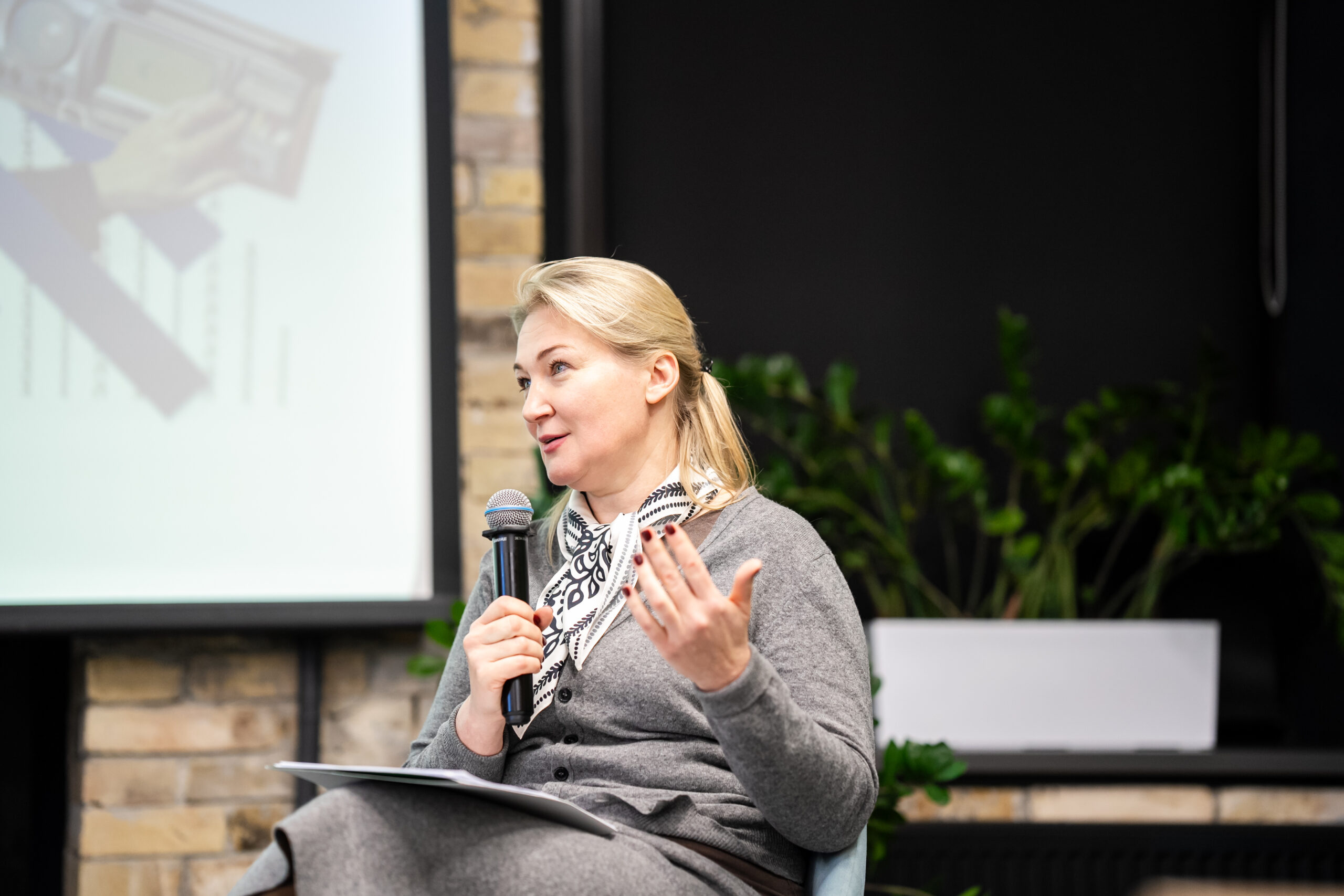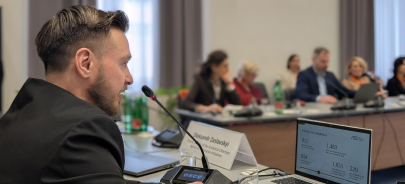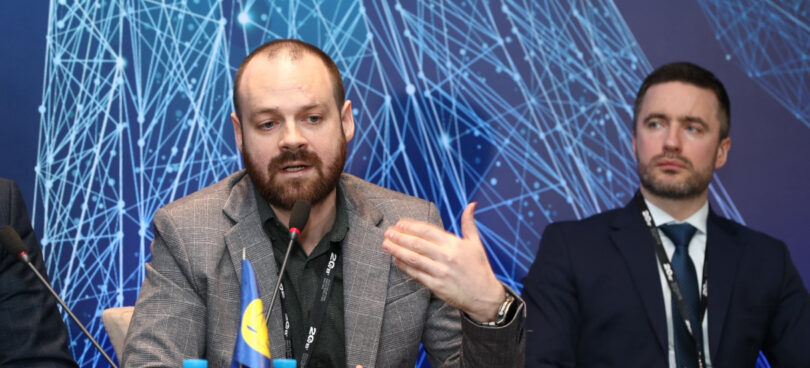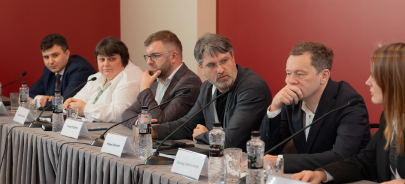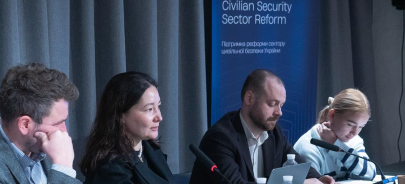
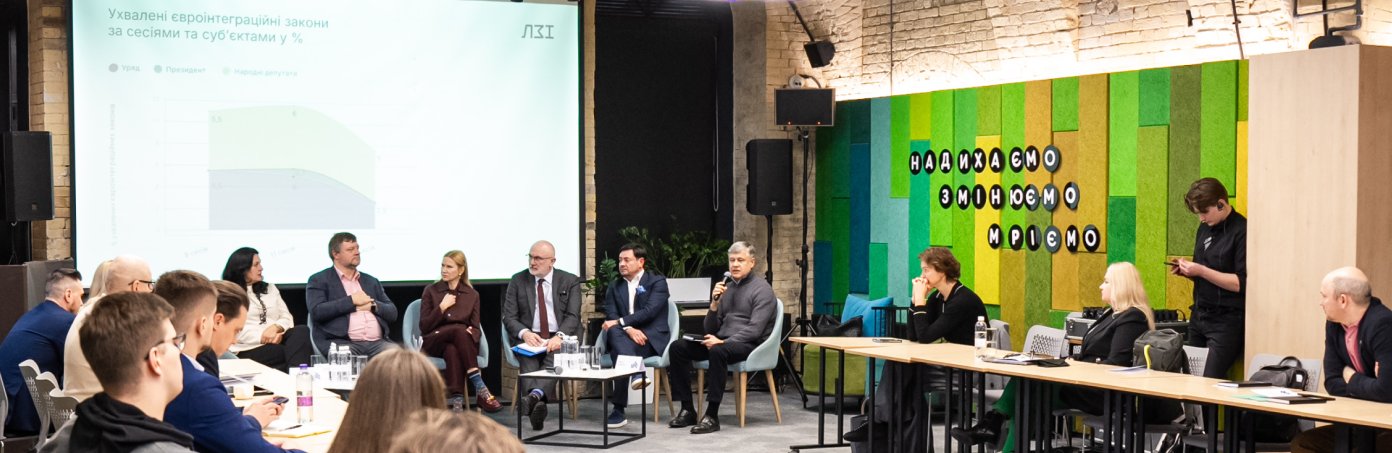
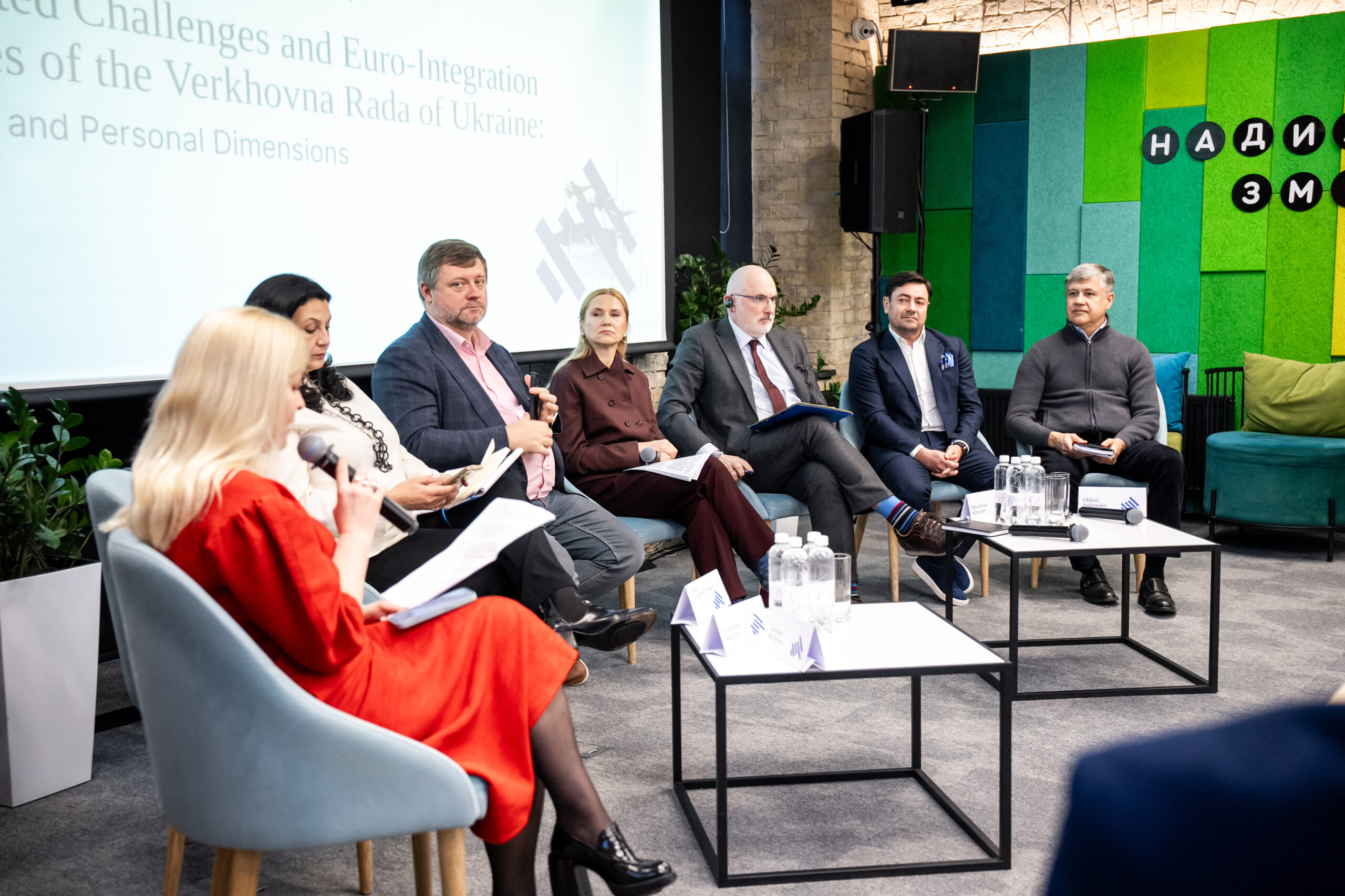
On 5 November 2025, the Agency for Legislative Initiatives (ALI) held an expert discussion entitled ‘Wartime Challenges and the European Integration Tasks of the Verkhovna Rada of Ukraine: Institutional and Personal Dimensions’. The event followed ALI’s recent publication of its Parliamentary Monitoring Report for the 13th session, which analysed trends, practices and performance indicators.
Members of Parliament, the leadership of the Verkhovna Rada and its Secretariat, as well as representatives of the expert community and international projects, gathered to openly discuss the current situation, key challenges and risks in the work of the Ukrainian Parliament. They also outlined the steps needed to improve the functioning of the Verkhovna Rada, strengthen its agency and ensure its institutional resilience.
Svitlana Matviienko, Executive Director of ALI, emphasised that the Parliament of the ninth convocation can already be described as a wartime Parliament, as it has operated under wartime conditions for 1,350 days — no previous convocation has ever worked for so long. The work of the Verkhovna Rada in such circumstances enables us to speak about its European integration tasks and its role in these processes, as without the active work of Members of Parliament, Ukraine would not have been able to advance so far on its path towards the EU.
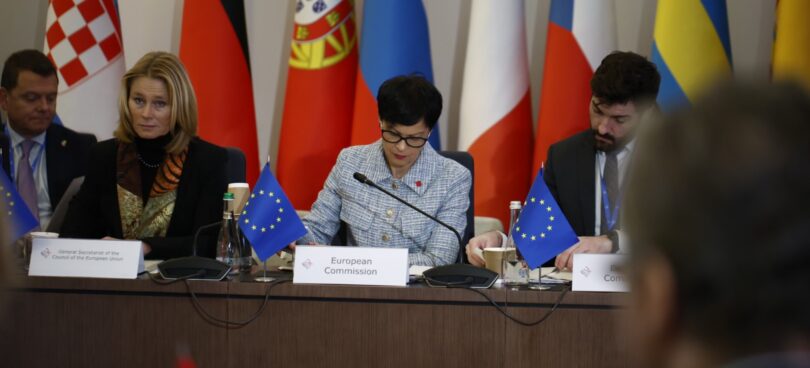
Maximilian Schröder, Head of the European Parliament Office in Ukraine, noted that Ukrainians continue to do extraordinary things daily under such circumstances — including in the Parliament.
At the same time, looking at this from a broader perspective, you may be considering how best to prioritise your future work and which issues to focus on to achieve strategic goals and to continue the fight for freedom against tyranny. To this end, effective dialogue — both within Parliament and between the legislative and executive branches — is crucial for building and sustaining the political consensus needed to achieve strategic objectives’.”
First Deputy Chair of the Verkhovna Rada of Ukraine, Oleksandr Korniienko, spoke about the work already carried out — as well as the further tasks and challenges facing the Verkhovna Rada. He recalled that European integration is one of the priority workstreams alongside support for defence and security.
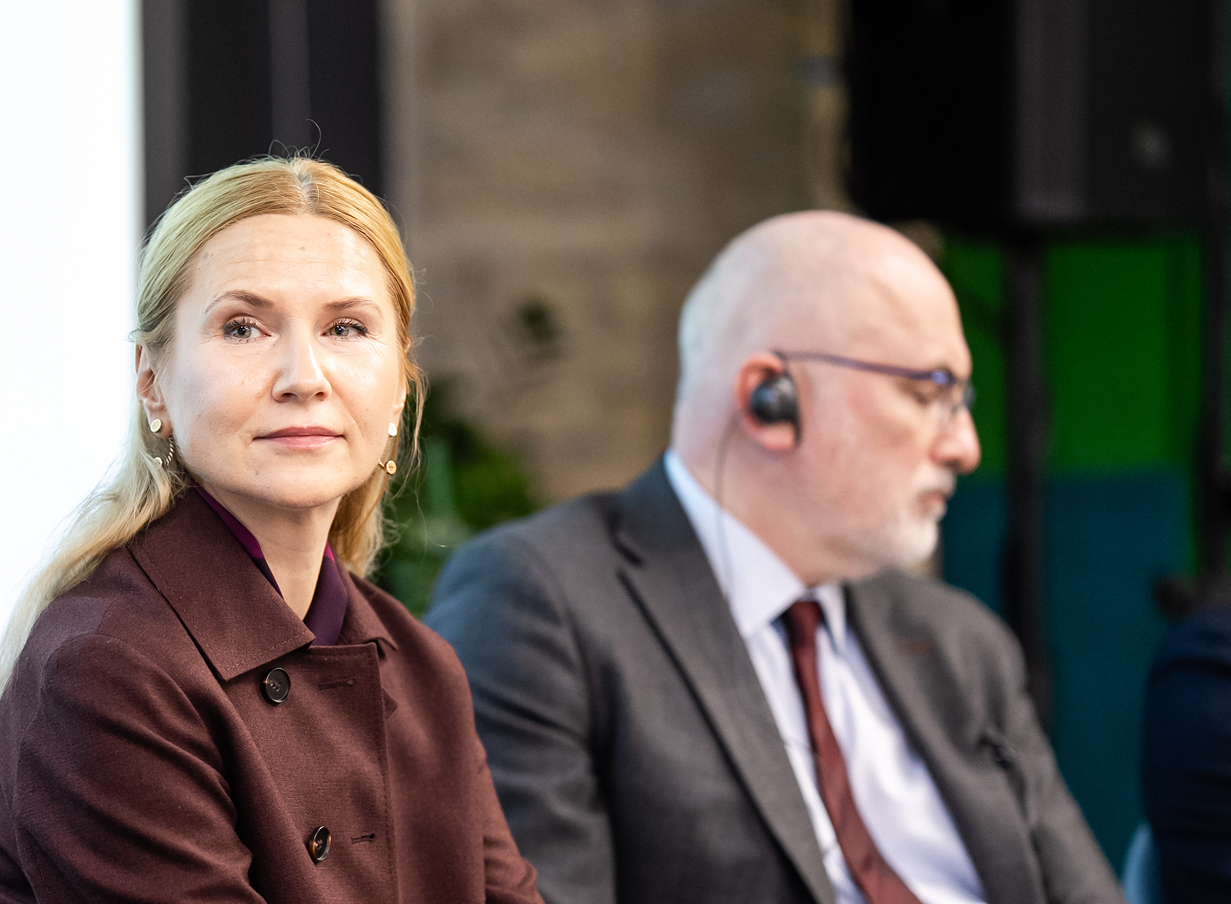
The need to strengthen internal mechanisms and processes within the Verkhovna Rada was also highlighted by the Deputy Chair of the Verkhovna Rada of Ukraine, Olena Kondratiuk.
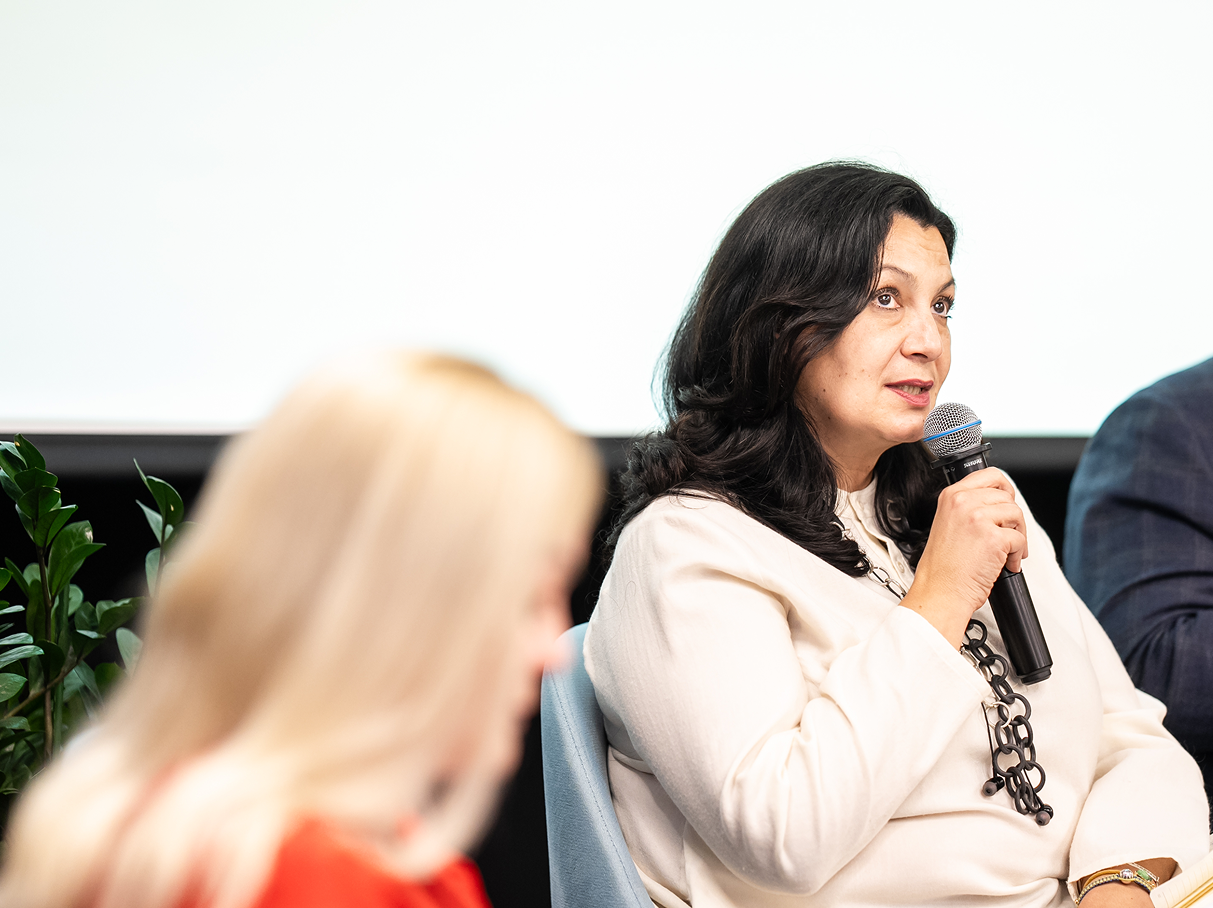
The Chair of the Verkhovna Rada Committee on Ukraine’s Integration into the European Union, Ivanna Klympush-Tsintsadze, emphasised the importance of the Monitoring conducted by ALI — as it makes it possible to view, from the outside, how Members of Parliament are fulfilling their duties and exercising their powers.
The Secretary-General of the Verkhovna Rada, Viacheslav Shtuchnyi, stressed that ensuring the uninterrupted work of Parliament has been one of the key tasks since the beginning of the war. ‘The uninterrupted operation of Parliament is a symbol of resistance, a symbol of resilience and devotion to the state’, he underlined.
An important and correct step for the development of Parliament was the decision to open the European Parliament Liaison Office in Ukraine and the Verkhovna Rada Office in the European Parliament. Over the past six years, the Verkhovna Rada has been working both within the Jean Monnet Dialogue format The Jean Monnet Dialogue format involves meetings between parliamentarians on a given subject in order to develop a common ground on a specific issue. This format aims to foster political dialogue and consensus between political parties. and on implementing the recommendations of the Roadmap for Internal Reform — which the Secretariat of the Verkhovna Rada has completed by 99%.
Particular attention must also be paid to the technical support of parliamentary work. A worthy response by the Ukrainian Parliament to the challenges of wartime has been the Continuity Plan of the Verkhovna Rada of Ukraine.
Oleksii Sydorenko emphasised that the Secretariat continues to strengthen cyber resilience and cybersecurity components. He also noted that Parliament recently completed its successful connection to the PULS system, a tool for monitoring the fulfilment of European integration commitments — and an additional platform for interaction between the Verkhovna Rada and the Government on all initiatives.
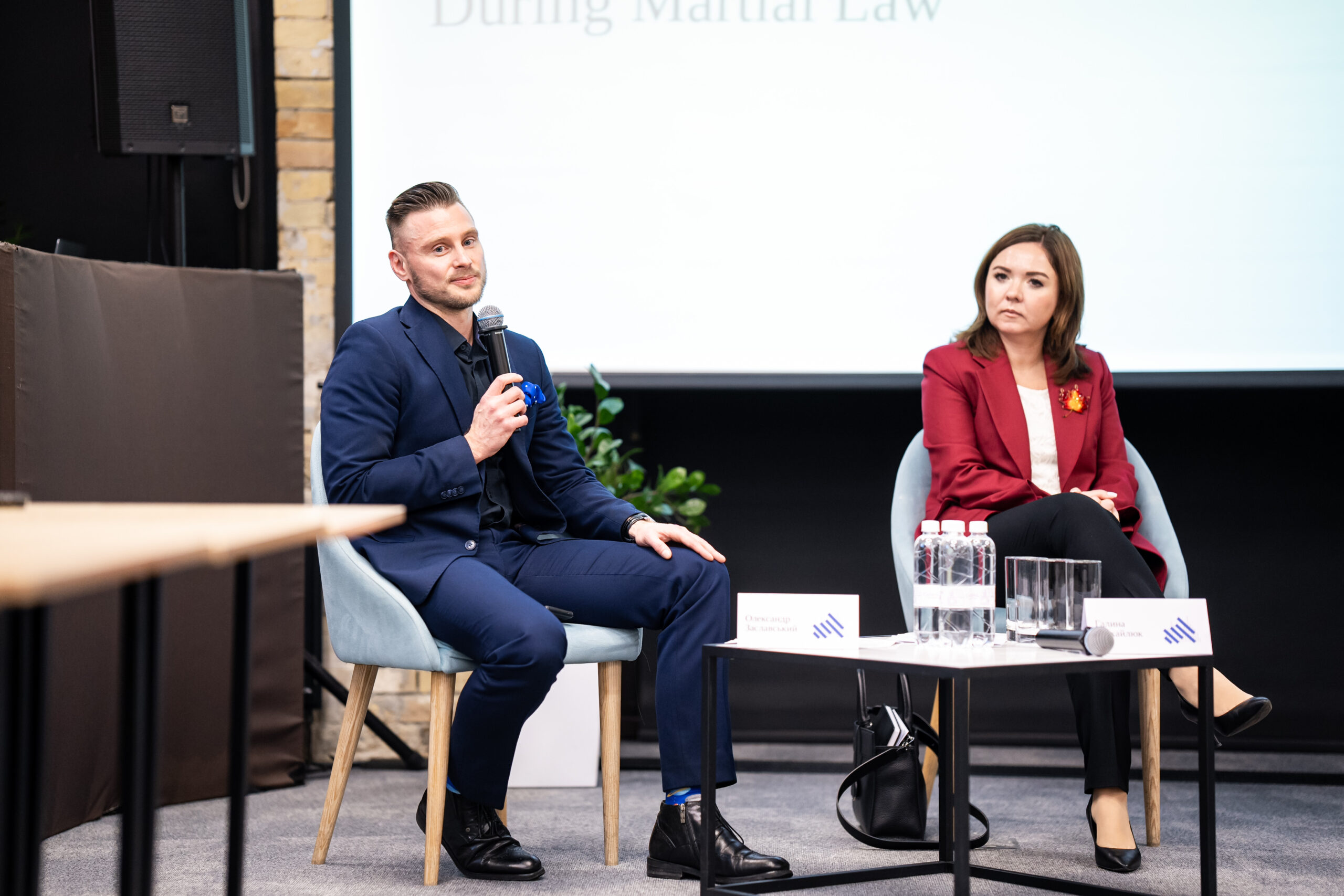
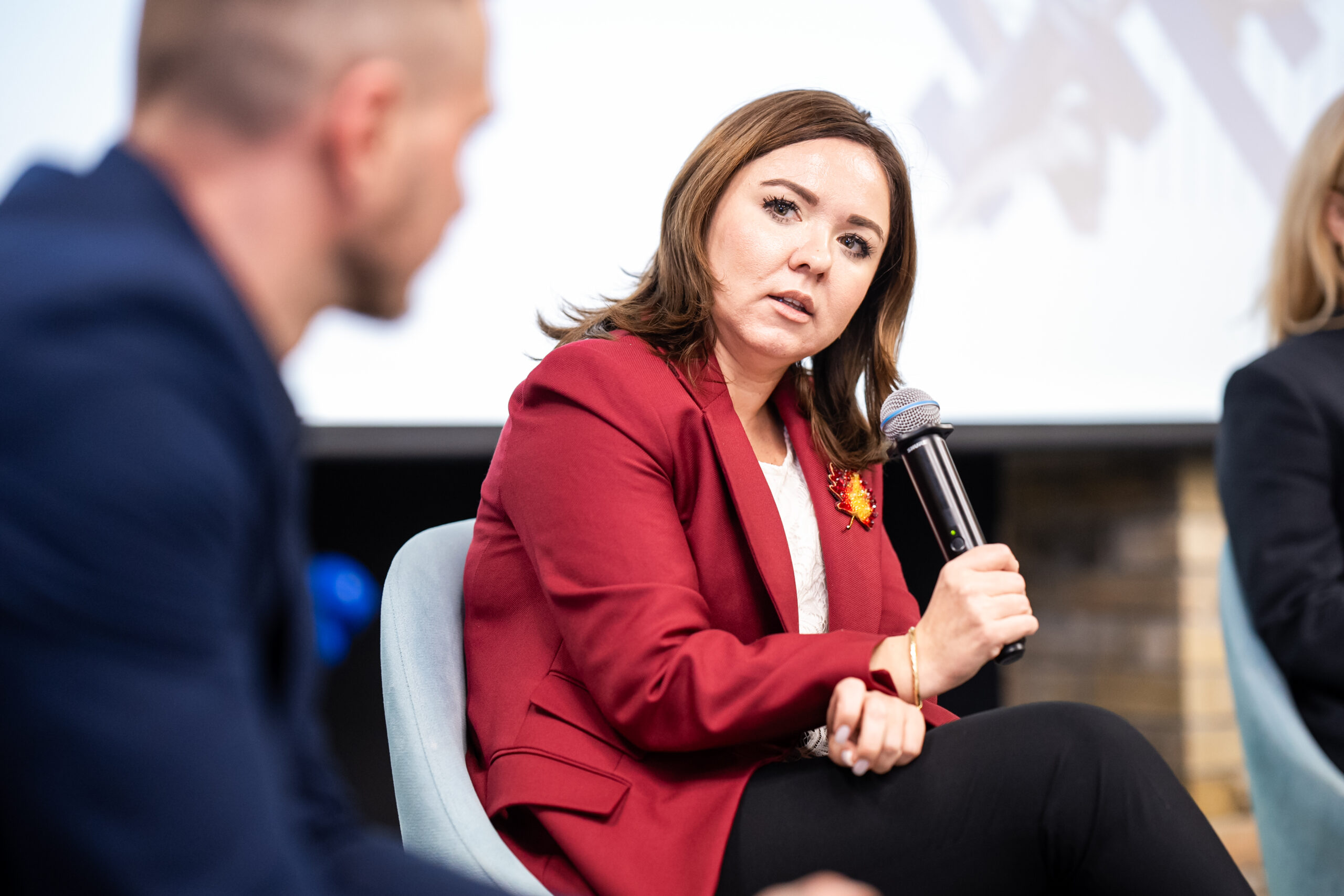
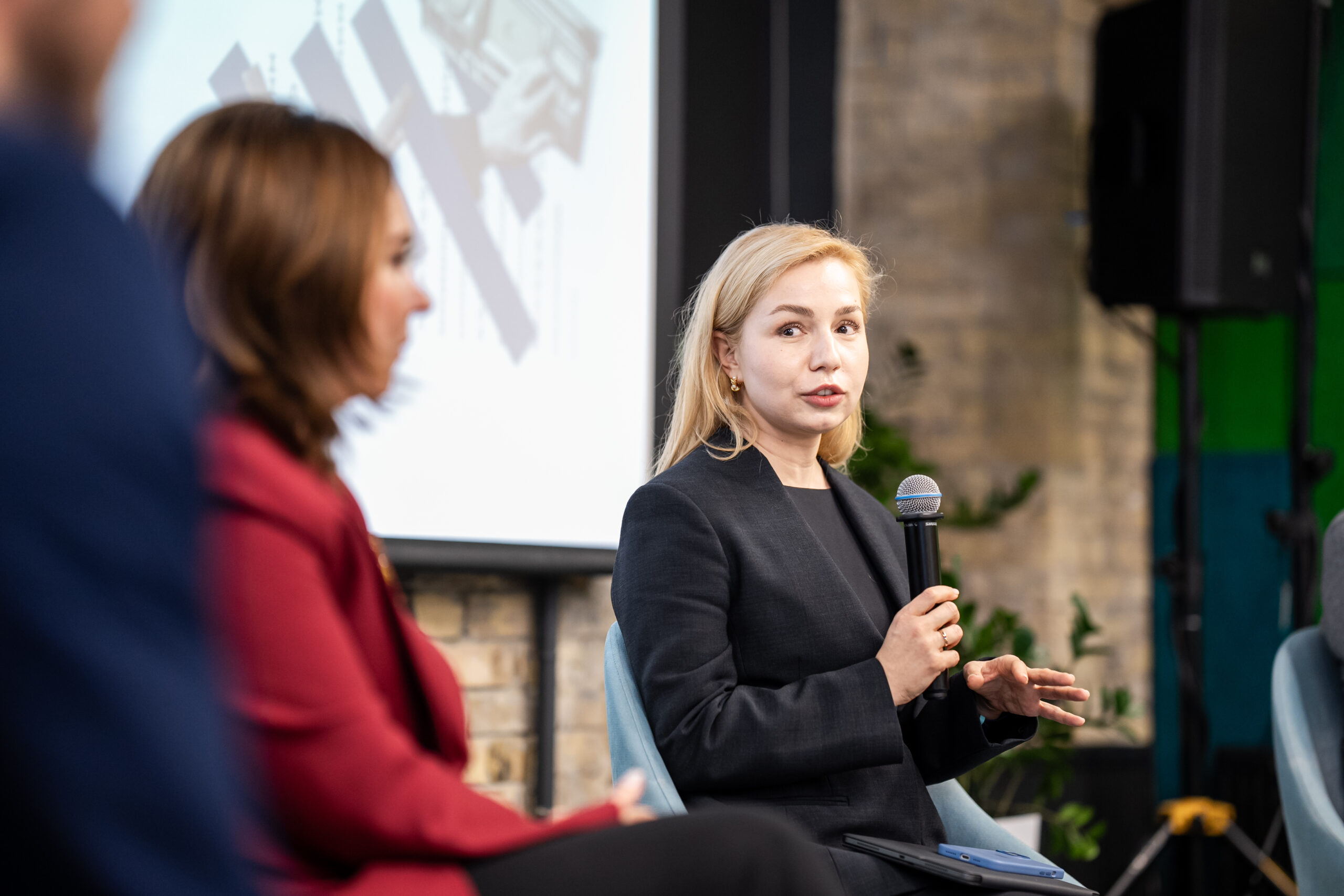
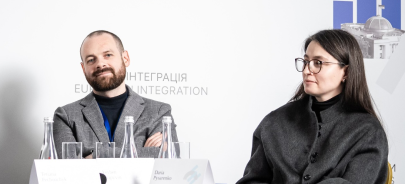
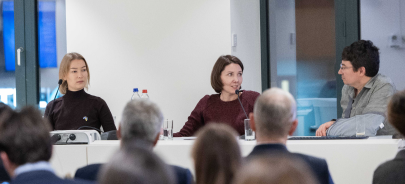
The second part of the discussion focused on the work of Members of Parliament during martial law. Three Members — Halyna Mykhailiuk, Anastasiia Radina and Mariia Ionova — shared their experiences as well as their perspectives on priorities and changes needed in parliamentary work.
Oleksandr Zaslavskyi, Deputy Executive Director of the Agency for Legislative Initiatives, stressed that in 2022, the Verkhovna Rada increased the intensity of parliamentary diplomacy many times over.