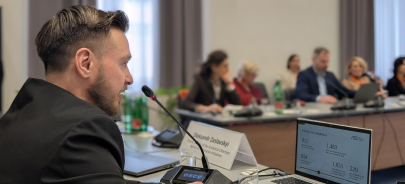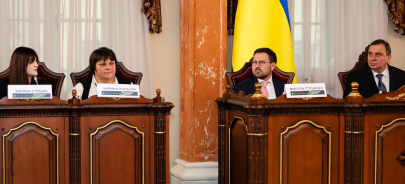
The Agency for Legislative Initiatives (ALI) took part in the VIII Kyiv Polylogue titled “Effectiveness of Anti-Corruption Justice: Focus on Countering the Abuse of Procedural Rights”, organised by the Supreme Court in cooperation with the High Council of Justice, the V. M. Koretsky Institute of State and Law, and the OSCE Support Programme for Ukraine.
The discussion focused on challenges in the adjudication of criminal offences related to corruption, particularly regarding legislative support and enforcement practices, as well as addressing the abuse of procedural rights by parties to criminal proceedings.
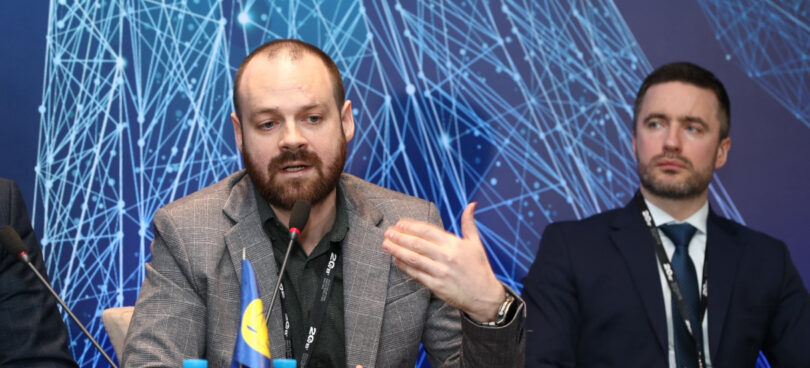
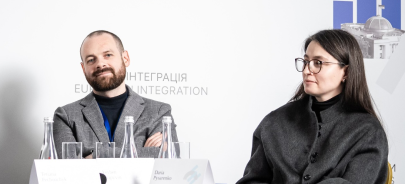
One of the thematic discussions of the Kyiv Polylogue — dedicated to ensuring the right to a fair trial in criminal proceedings — was moderated by Yevhen Krapyvin, Head of the “Law and Order” Area at the Agency for Legislative Initiatives.
The need to counter the abuse of procedural rights has been widely acknowledged within the professional community for some time. Back in 2017, this legal concept was introduced into the Commercial Procedural Code of Ukraine, the Civil Procedural Code of Ukraine, and the Code of Administrative Procedure of Ukraine — yet it still remains absent in criminal proceedings. Of course, there are differing views on whether this should be considered a general principle of law or a sector-specific one; on which actions should be classified as abusive and which should not; and on what types of sanctions ought to be applied in response. However, all participants in the legal process agree on one fundamental point — such abuses do exist, and this kind of bad-faith behaviour must result in procedural, disciplinary, or even financial consequences.
At the same time, criminal proceedings are often plagued by practices such as so-called “scattergun” motions aimed at having cases heard by a “favourable” judge; unjustified absences of participants; repeated postponements due to constant changes of defence counsel, even when multiple lawyers are already engaged; motions submitted on issues not subject to review at that stage of proceedings; or simply filing motions with identical content. An ALI expert noted that these problems are especially apparent in cases before the High Anti-Corruption Court of Ukraine, where the defence side often has the most resources at its disposal. However, abuse of procedural rights is not solely a defence issue — it also concerns prosecutors.
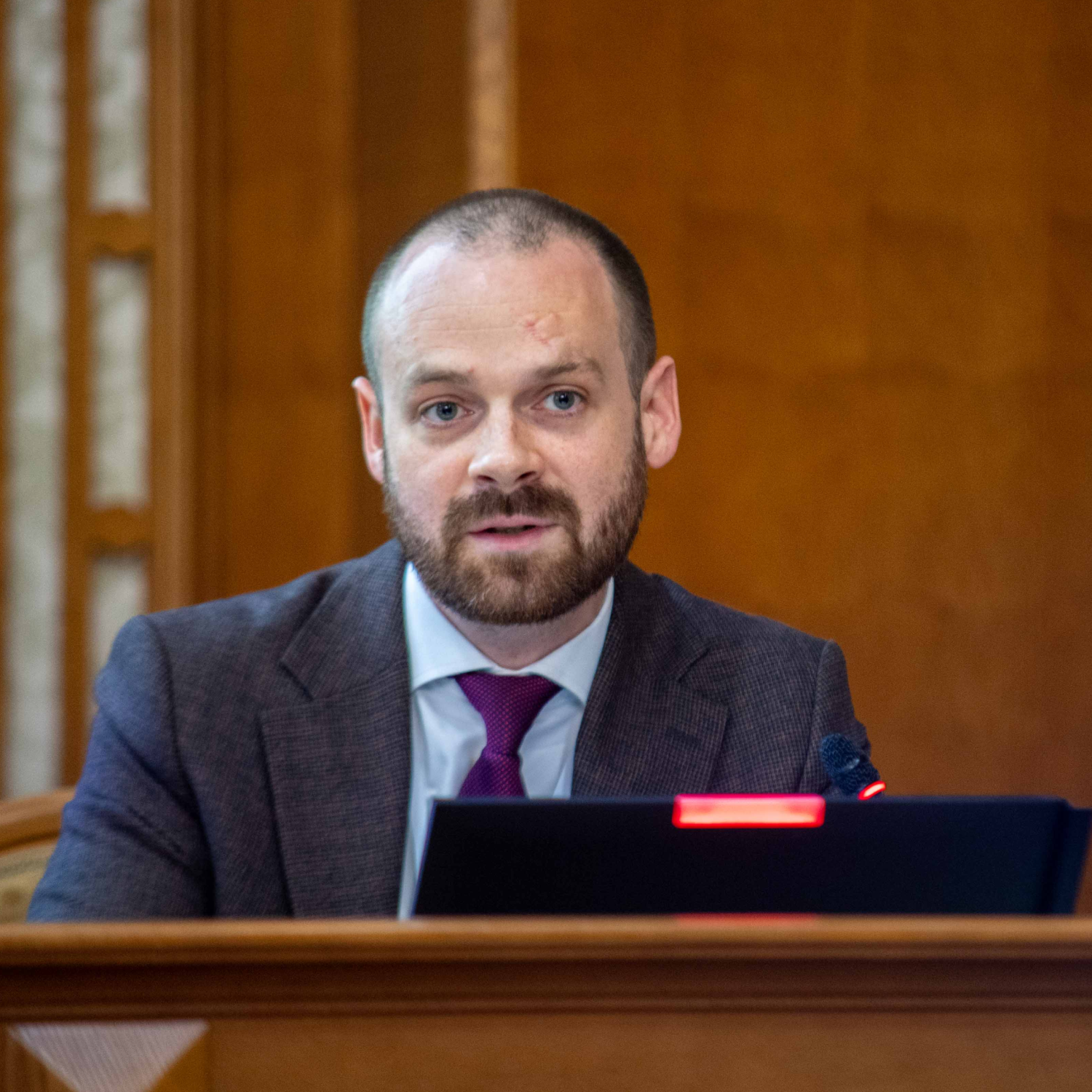
Yevhen Krapyvin emphasised that the format of the polylogue demonstrates support for such a step from various participants in the criminal justice process, as these discussions encompass the views of judges, prosecutors, representatives of the legislative branch, as well as the legal and academic communities. A consolidated position should serve as a catalyst for important decisions to be made by the Government and Parliament.