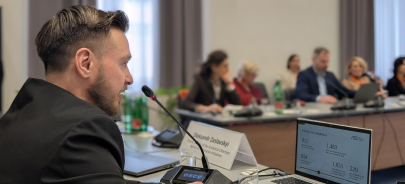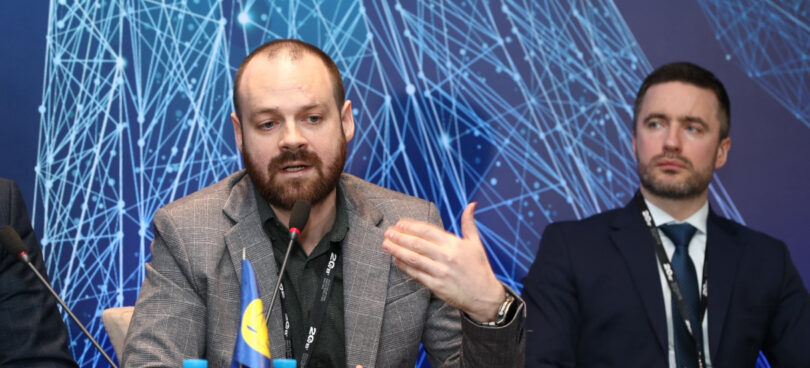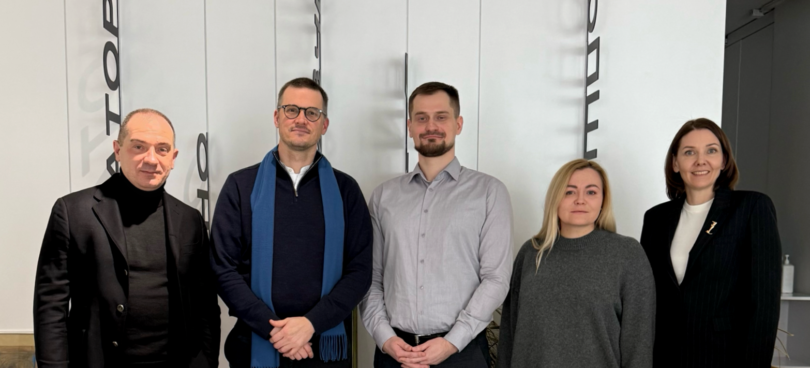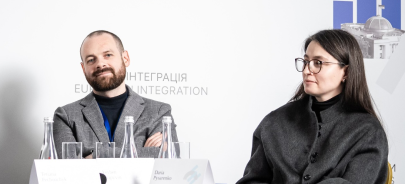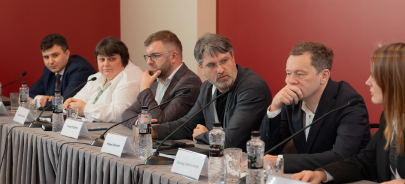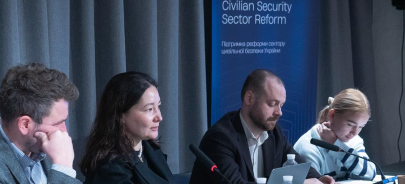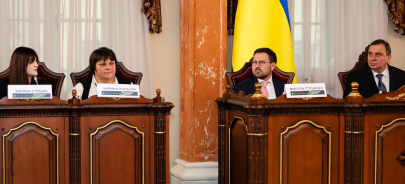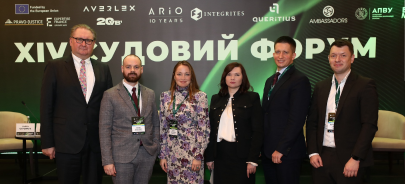

On 24 April 2025, the Agency for Legislative Initiatives (ALI) conducted a training session on gender analysis approaches and methodologies for gender-sensitive legislative impact assessment for representatives of the Secretariat of the Verkhovna Rada of Ukraine.
During the training, participants explored how gender analysis and legislative impact assessment methodologies can be integrated into the legislative process, learned about international and EU-level practices, and examined tools used in other countries. In the practical part of the session, participants applied gender analysis methodologies to fundamental draft laws.
Mykhailo Tepliuk, Deputy Head of the Secretariat of the Verkhovna Rada of Ukraine — Head of the Main Legal Department, highlighted recent developments that will help align legislation with constitutional norms. He noted that when referring to the Constitution, one must pay particular attention to Article 3. It stipulates that human rights and freedoms, and their guarantees, determine the content and focus of state activities, and that the state is accountable for the outcomes of its actions.
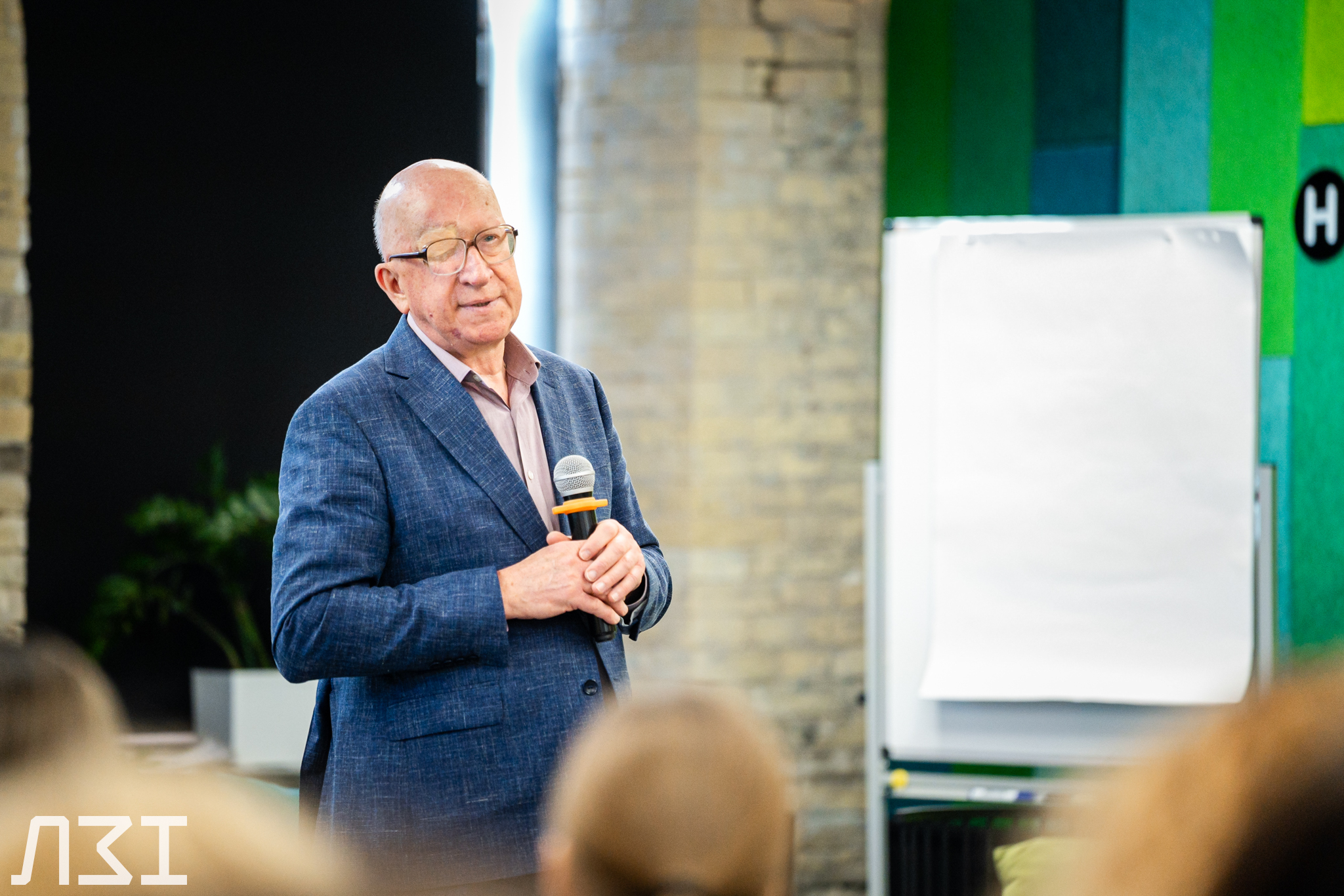
The event was moderated by Oleksandr Zaslavskyi, Deputy Executive Director of the Agency for Legislative Initiatives. He highlighted the importance of implementing gender analysis and impact assessment tools, noting that doing so would benefit Ukraine both in the context of European integration and in strengthening domestic decision-making processes.

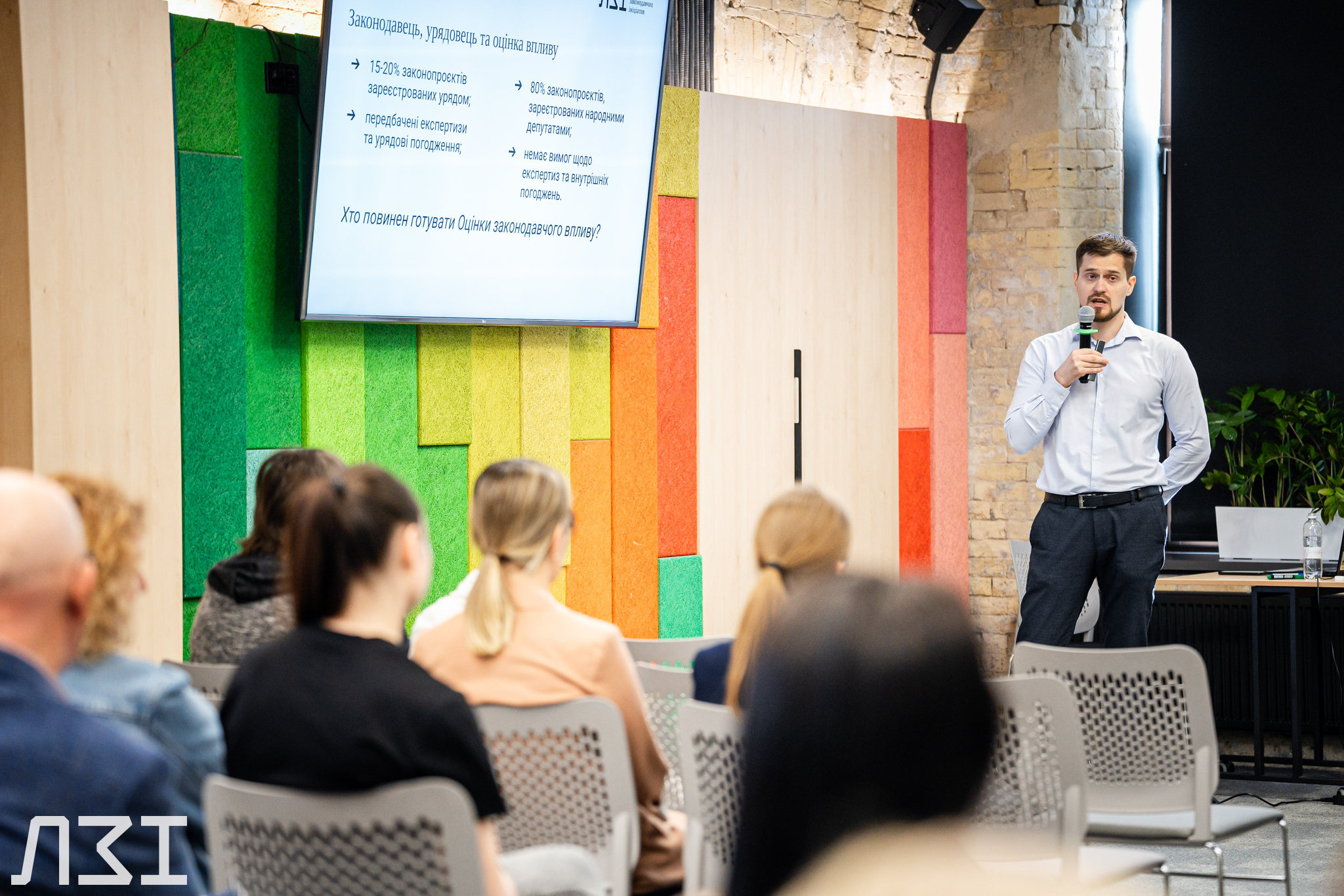
Volodymyr Skrypets, the Analytics Lead at the Agency for Legislative Initiatives, shared with the training participants the experience of piloting and adapting the gender-sensitive impact assessment methodology within the Verkhovna Rada. His presentation covered a wide range of materials: the Guide to Legislative Impact Assessments — a joint product of ALI and four parliamentary committees — almost fifty conducted assessments, European experience, European Commission practices, and an analysis of the Law “On Law-Making Activity”. Together, these provide a broad basis for understanding gender-sensitive impact assessment tools and frameworks.
The training also explored similarities and differences in approaches to gender analysis in various countries — Sweden, Canada, several EU states — as well as global examples of gender-responsive tools and methodologies and how they are implemented in stages. Participants, including gender analysis expert Olena Zaitseva, underscored the importance of such measures.
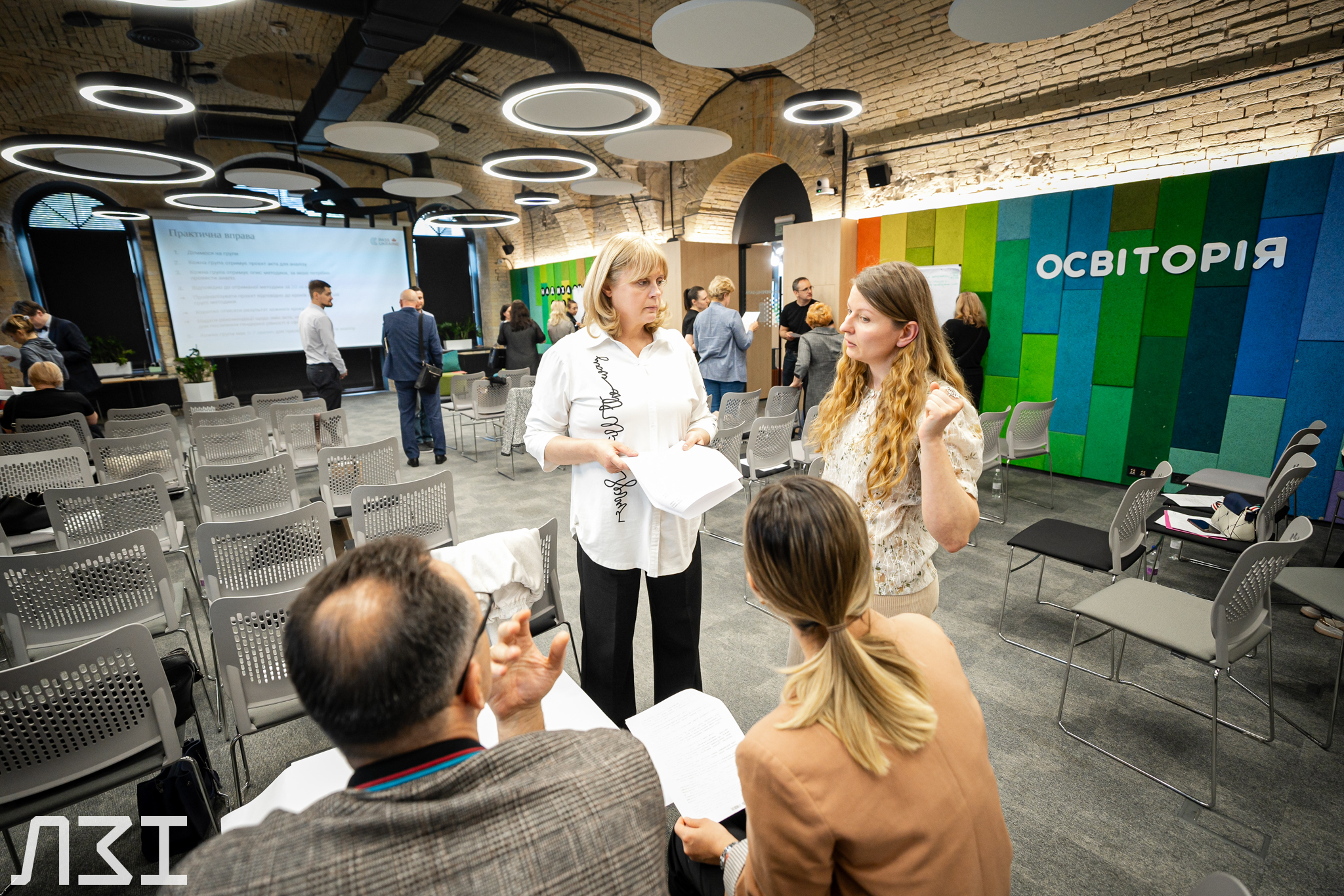


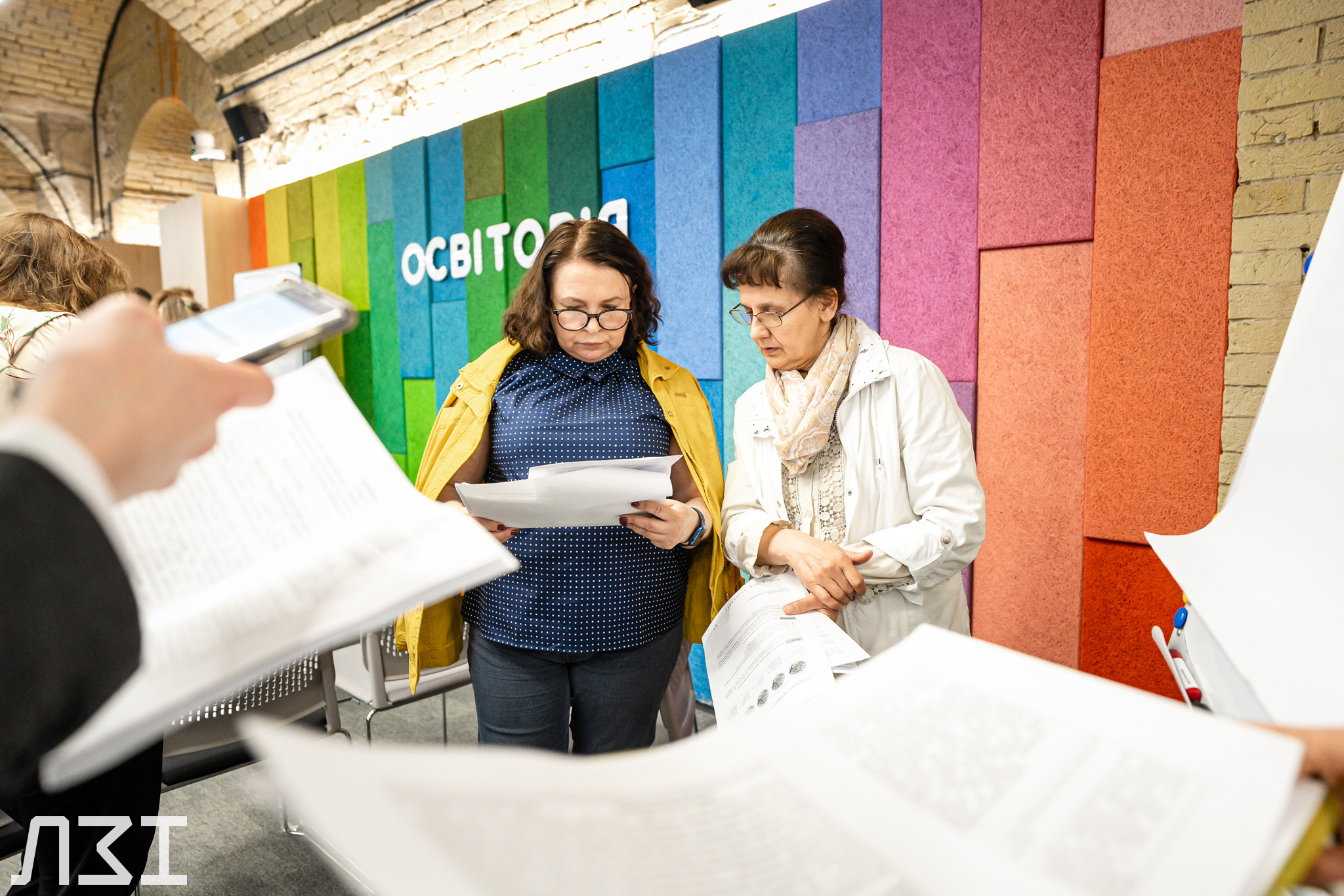
This part of the training also featured a hands-on workshop on applying gender-sensitive methodologies to the analysis of specific draft laws across different sectors.
The roundtable took place within the framework of the project “Parliamentary Accountability in Ukraine’s Security Sector” (PASS Ukraine), implemented by the Agency for Legislative Initiatives in cooperation with the Parliamentary Centre (Canada), the Verkhovna Rada of Ukraine, and with the support of Global Affairs Canada through the Peace and Stabilization Operations Program (PSOPs).