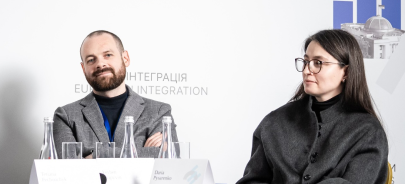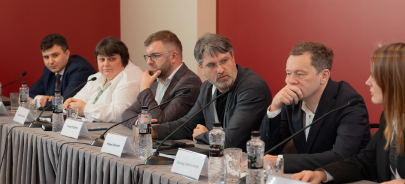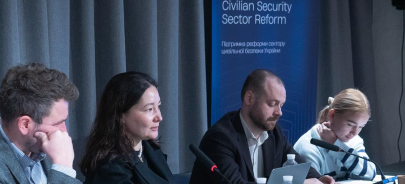

Ukrainian Regional Civil Servants Section – is a joint project of the Ukrainian School of Political Studies and the Yalta European Strategy (YES).
Its participants have an opportunity to discuss the main challenges facing the world, as well as the interaction of Ukraine with its partners. They will take on the experience of leading international and Ukrainian politicians, experts, businessmen and statesmen. This year, regional civil servants, civil society representatives, and participants of the national TV project “New Leaders”, who were selected after an all-Ukrainian competition, joined the Forum.
The speakers of the Forum were Ivanna Klympush-Tsintsadze, Vice-Prime-Minister for European and Euro-Atlantic Integration of Ukraine; Oleksandr Bogutsky, Director-President of the ICTV TV channel; Gennadiy Zubko, Vice-Prime-Minister, Minister of Regional Development, Construction and Housing and Communal Services of Ukraine; Ray Kurzweil, American inventor and futurist; Condoleezza Rice, 66th United States Secretary of State (2005-2009); Andriy Illarionov, Senior fellow in the Center for Global Liberty and Prosperity at the Cato Institute; Hernando de Soto, President of the Institute for Liberty and Democracy; Alastair McBain, Executive Director of Arawak Energy; Nataliya Katser-Buchkovska, MP of Ukraine; Michael McFaul, Professor at Stanford University, Senior Researcher at the Hoover Institution, US Ambassador to the Russian Federation (2012-2014); Manuel Valls, Prime Minister of France (2014-2016); Anatoliy Grytsenko, Leader of the Civic Position party, Defense Minister of Ukraine (2005-2007); Pat Cox, President of the European Parliament (2002-2004).
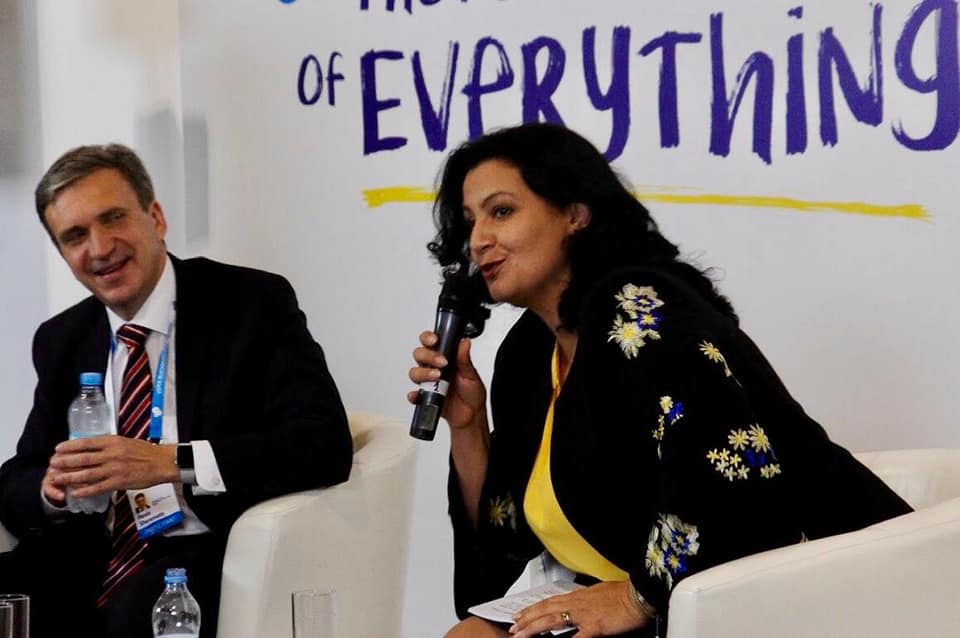
Ivanna Klympush-Tsintsadze, Vice-Prime-Minister for European and Euro-Atlantic Integration of Ukraine, told the civil servants about the the difficulties and daily challenges of working as Vice-Prime-Minister. She noticed that coordinating different departments is the most difficult part of her job, since historically different departments were not accustomed to cooperate with each other, and there was no tradition of interagency coordination.
Vice-Prime-Minister noted that last year Ukraine managed to enter the brightest page in the biography of integration into the European Union. Starting from June 11, 2017, Ukrainians felt the benefits of one of the fundamental European freedoms – freedom of visa-free travel to the EU. More than a million Ukrainian citizens have already taken advantage of a visa-free stay and felt the effect of European norms and standards. “I am convinced that the Association Agreement and the visa-free travel are a watershed between the European future and the Soviet past of Ukraine”, said Ivanna Klympush-Tsintsadze.
She stressed that the European and Euro-Atlantic integration of Ukraine should be carried out of political fight. National interests cannot be the subject of political speculation and manipulation. The rates are too high and the risks are too obvious.
(Source: https://bit.ly/2IBIpKT)
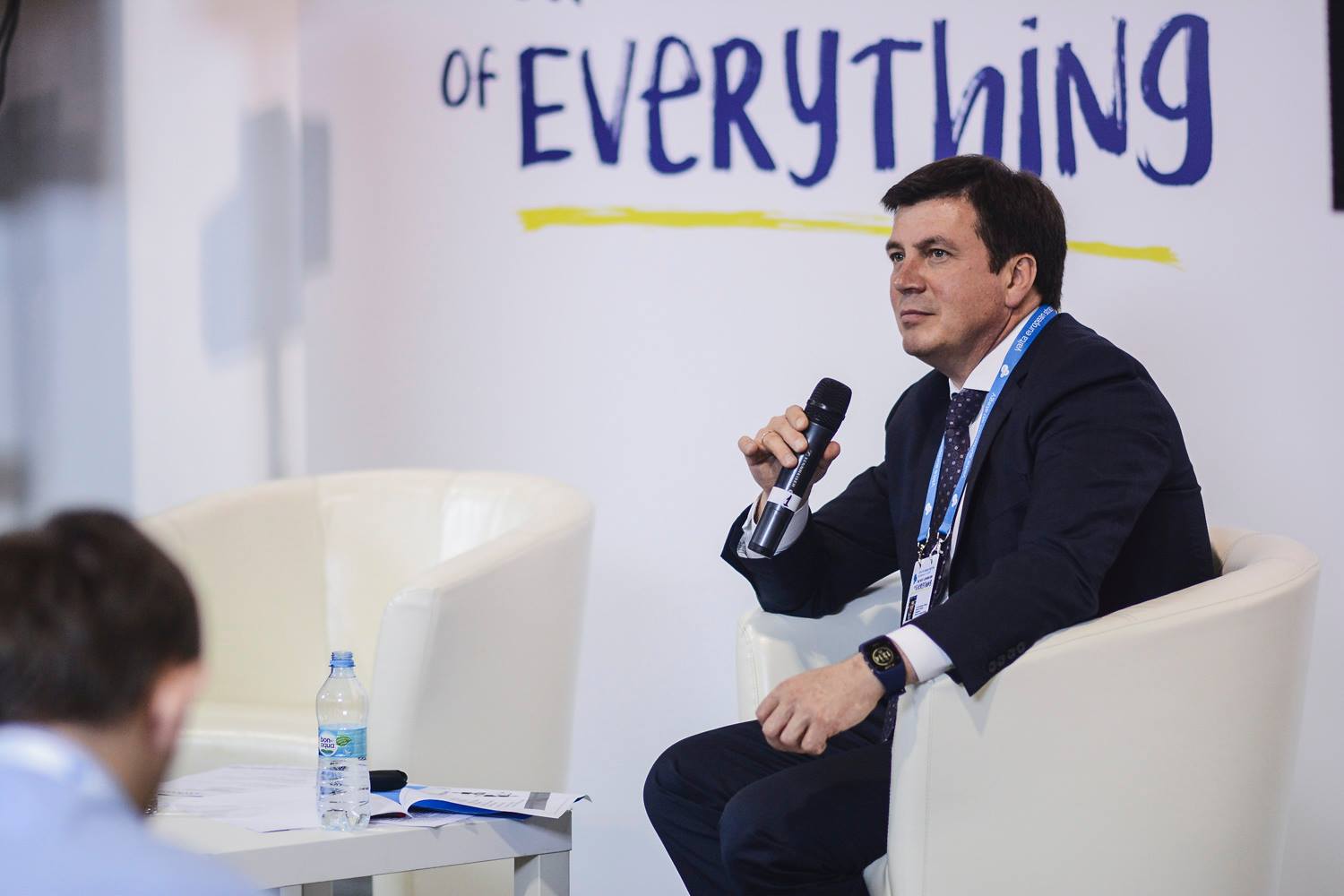
Gennadiy Zubko, Vice-Prime-Minister, Minister of Regional Development, Construction and Housing and Communal Services of Ukraine, told the Forum participants about the smart specialization of regional development. He shared the experience, which European states introduce to strengthen their communities in order not to preserve their economies in a regional aspect, but to think what can be added in the future.
Energy saving is one of the most urgent issues for Ukraine, since the issue of energy efficiency is a security issue in Ukraine. When we talk about the independence of the country, first of all, we talk about its energy independence. This is not only a matter of increasing the extraction of natural resources, but the question of saving the energy we consume, both private consumers and enterprises.
Smart-specialization involves identification of the region’s competitive advantages and assets, use of its innovative and scientific potential, and consolidation the human resource. Strategy formation below in close cooperation and dialogue between government, business, science and community is a significant feature of smart-specialization.
Six steps to develop regional strategies for smart-specialization: 1. Analysis of regional potential for innovation; 2. Establishing a reliable management structure; 3. Developing a common vision for the future of the region; 4. Choice of a limited number of regional development priorities; 5. Creating an appropriate policy combination; 6. Integration of monitoring and evaluation mechanisms.
(Source: https://bit.ly/2Q2Pern)
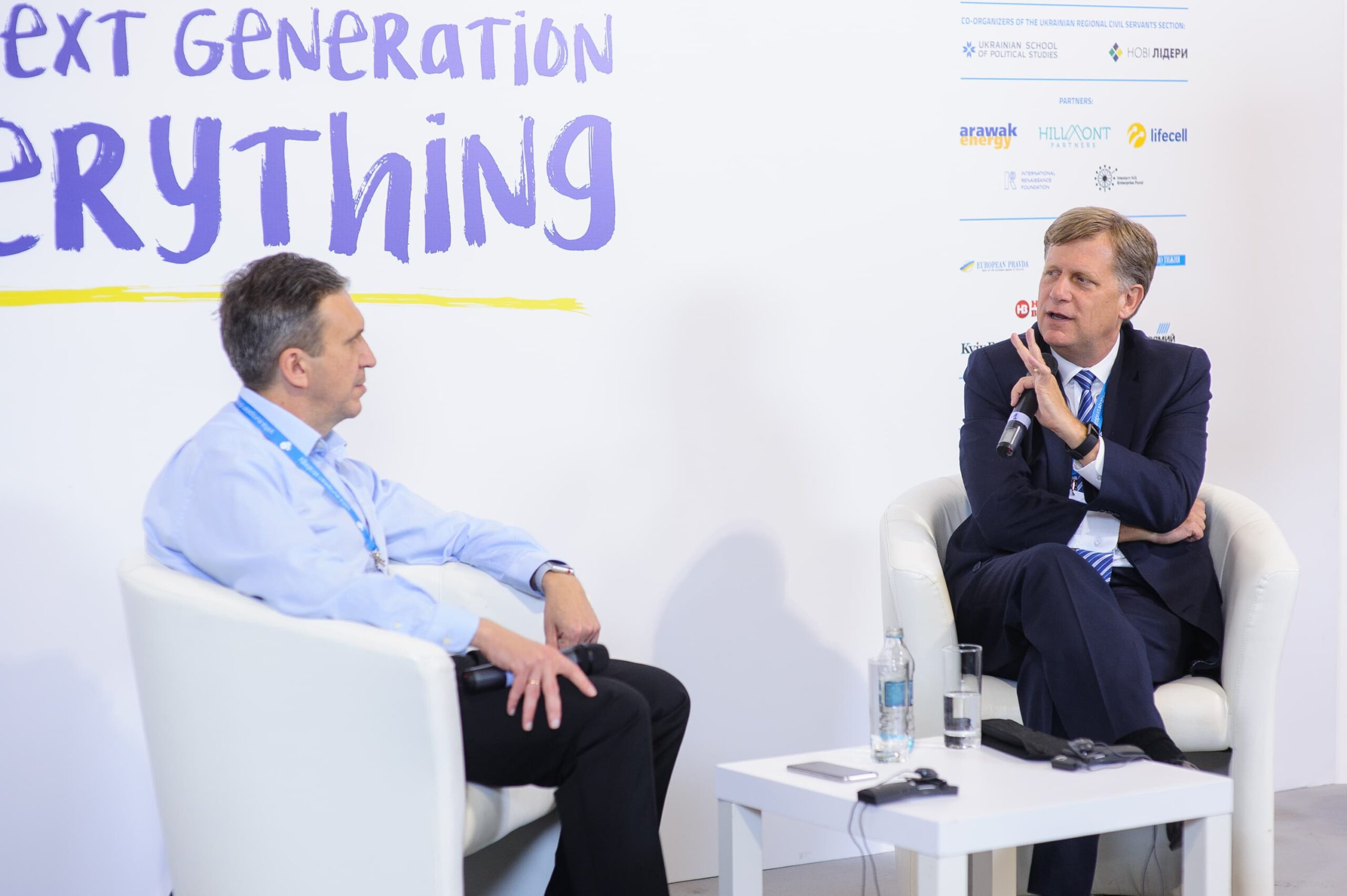
Michael McFaul, Professor at Stanford University, Senior Researcher at the Hoover Institution, US Ambassador to the Russian Federation (2012-2014)
The Russian elites will split after President Putin leaves his office and the transfer of power to another will not be a smooth process, says Michael McFaul.
McFaul added that an attempt to hand over the power to other members of the security agencies will not gain support from all the members of the Russian elite. “The Russians won’t go for Bortnikov or Patrushev. There were twenty years of “Putinism”, and now they promise another twenty years of the same course but without that charisma and luck Putin has had? I think it would be very difficult to hand over the reins of power to the security agencies”, McFaul concluded.
(Source: https://bit.ly/2P8B4Vp)
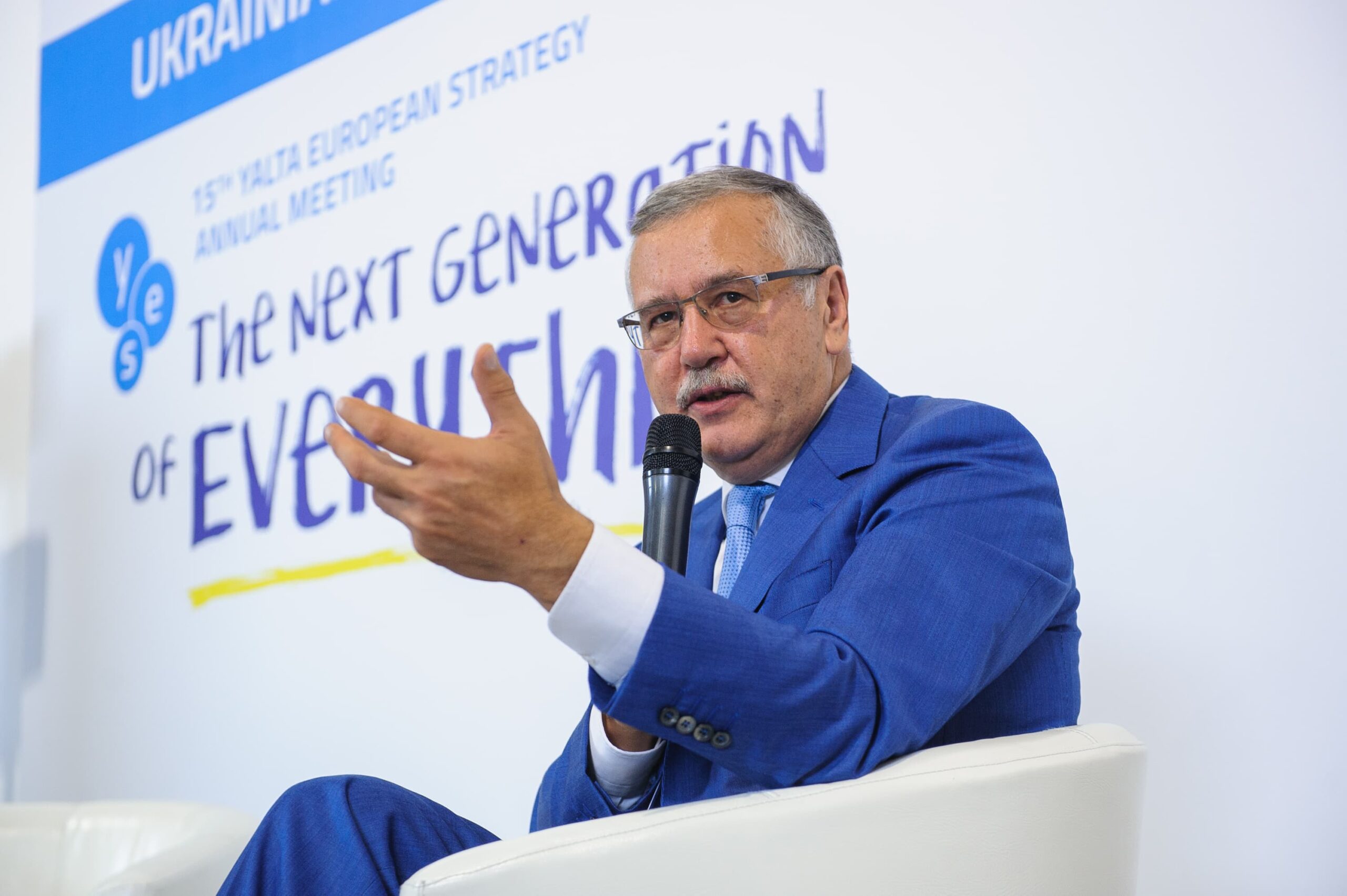
Anatoliy Grytsenko, Leader of the Civic Position party, Defense Minister of Ukraine (2005-2007), said that building a successful Ukraine requires an effective protection of citizens’ rights, freedoms and property.
He stressed that in order to protect citizens’ rights, fair justice should be put in place in the first instance, the anti-corruption bloc function should be improved, the Anti-Monopoly Committee should be reformed and boosted, and the State’s monopoly over use of force should be restored.
(Source: https://bit.ly/2QrJTd9)
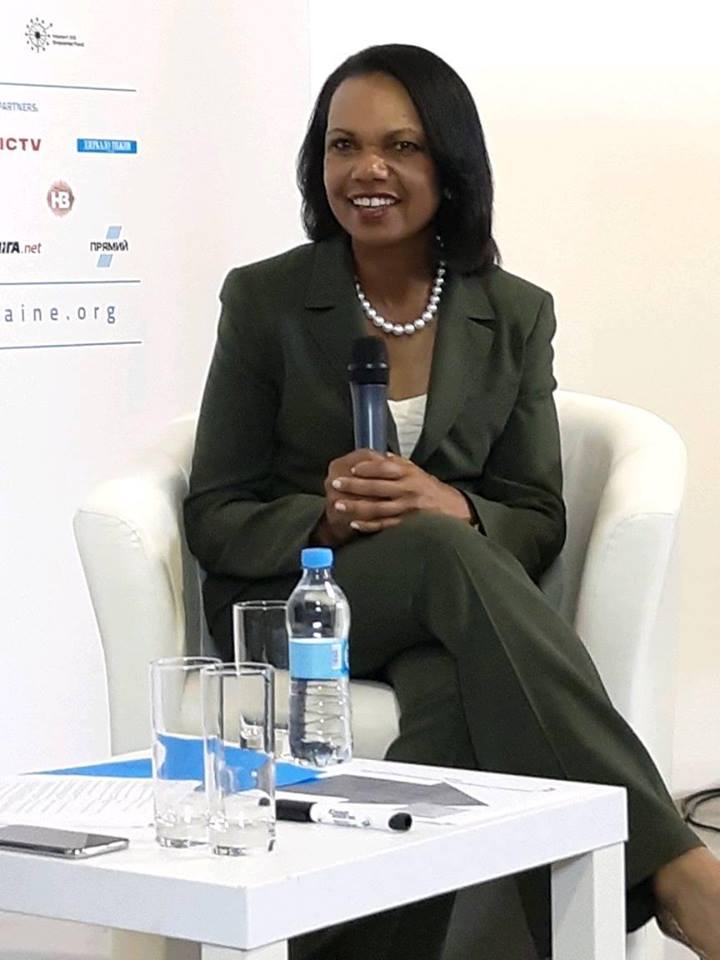
Condoleezza Rice, 66th Secretary of State of the United States (2005-2009), stressed that the US political system is built in such a way that it remains stable and balanced under any president.
At the same time, Condoleezza Rice believes that there is a range of issues in the United States that give grounds for populism and require addressing.
(Source: https://bit.ly/2DVAadU)
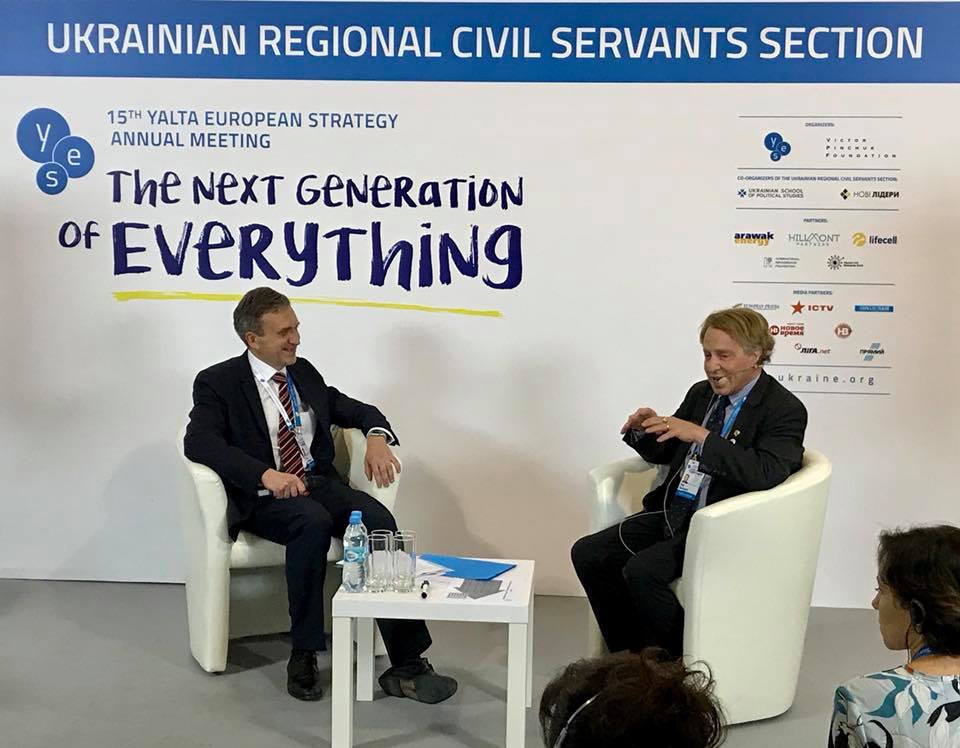
Ray Kurzweil, American inventor and futurist
He added that the artificial intellect will not be something detached from a human, but it will be an extension and a complement to the human brain. “These are not some extraterrestrials or aliens from Mars, it will be our extension… We will just merge”
According to Ray Kurzweil, the human life may be prolonged, and the capacity of the brain may be much extended thanks to the use of artificial intellect.
Also, the inventor believes that thanks to the new technologies, such common domains of life will get automated in the near future as agriculture: it will become possible to use up to 90% of soils that are not cultivated now.
(Source: https://bit.ly/2QqQZyu)
Photo: YES © 2018. Maksym Nesterenko