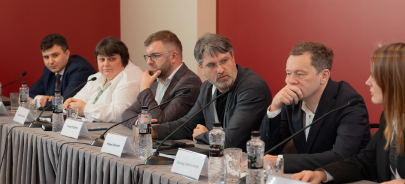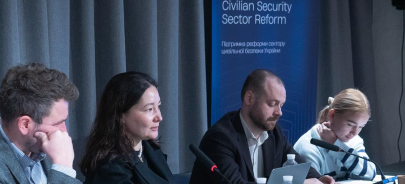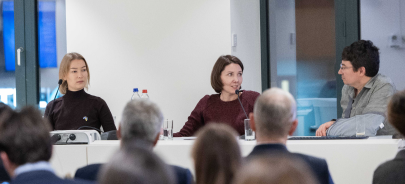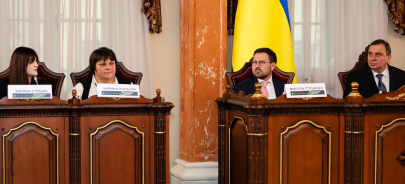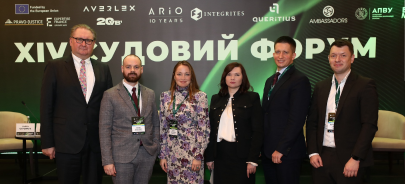
On 28 October 2024, the Agency for Legislative Initiatives presented the study “Analysis of the socio-economic situation in de-occupied communities: Kherson Oblast.”
The study encompasses the main trends in various spheres of de-occupied communities of Kherson Oblast based on the results of the analysis of data on the socio-economic situation in 17 communities, i.e., the entire de-occupied part of the oblast. The data set was collected based on five indicators: socio-demographic, infrastructure, financial, migration trends and cooperation.
Context. Back in 2023, the Agency for Legislative Initiatives, in cooperation with the Verkhovna Rada Committee on the Organisation of State Power, Local Self-Government, Regional Development and Urban Planning, studied the state of public services in the de-occupied communities of Kherson Oblast. During this study, the need to collect information beyond the issue of public services appeared, so ALI conducted an additional study to analyse the situation fully and identify interdependencies between the problems.
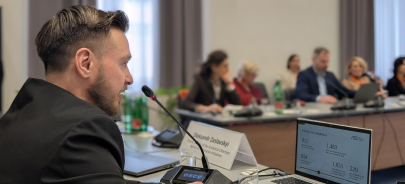
Oleksandr Zaslavskyi, Deputy Executive Director of the Agency for Legislative Initiatives, presented the study prepared at the request of the relevant Committee and stressed that such data was very much needed by stakeholders – both MPs responsible for legislation and government representatives developing public policies – to refer to substantiated data in their work.
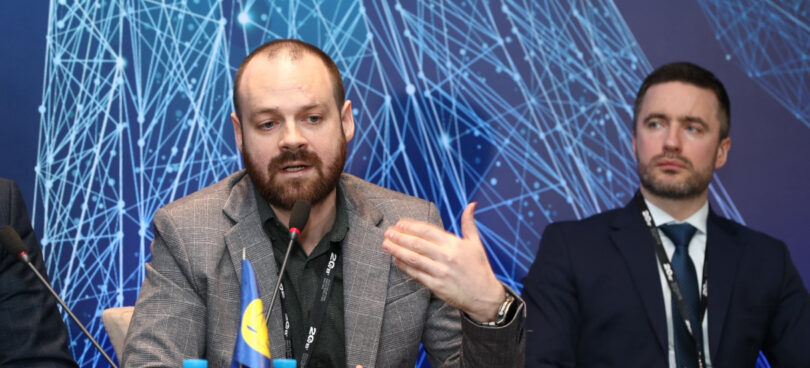
Vitalii Bezgin, Chair of the Subcommittee on Administrative and Territorial Structure and Local Self-Government of the Committee on the Organisation of State Power, Local Self-Government, Regional Development and Urban Planning, stressed the critical importance of such research and the need for continued cooperation to scale it up:
Oleksiy Riabykin, Deputy Minister for Communities and Territories Development of Ukraine, noted that it was necessary to continue the study, and the Ministry was ready to help:
Tetiana Lukeria, an engaged analyst at the Agency for Legislative Initiatives, discussed the study’s key findings and recommendations. She also reminded that this was the second study covering Kherson Oblast – in July, ALI presented a study on public services, in which it measured the extent to which communities can provide residents with various types of services:
Alina Zahoruiko, Deputy Chair of the Committee, Chair of the Subcommittee on Elections, Referendums and Other Forms of Direct Democracy of the Verkhovna Rada Committee on State Power, Local Self-Government, Regional Development and Urban Planning, noted the complexity and need for research on the socio-economic situation in the de-occupied communities:
Dmytro Mykysha, member of the Verkhovna Rada Committee on State Power, Local Self-Government, Regional Development and Urban Planning, shared the findings of the study, which could potentially be developed further:
The study “Analysis of the socio-economic situation in de-occupied communities: Kherson Oblast” is available here.
The event is held within the Parliamentary Accountability of the Security Sector in Ukraine (PASS Ukraine) project, which the Agency for Legislative Initiatives is implementing jointly with the Parliamentary Centre (Canada), in cooperation with the Verkhovna Rada of Ukraine, and with support from Global Affairs Canada within the Peace and Stabilization Operations Program (PSOPs).