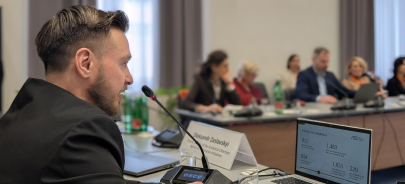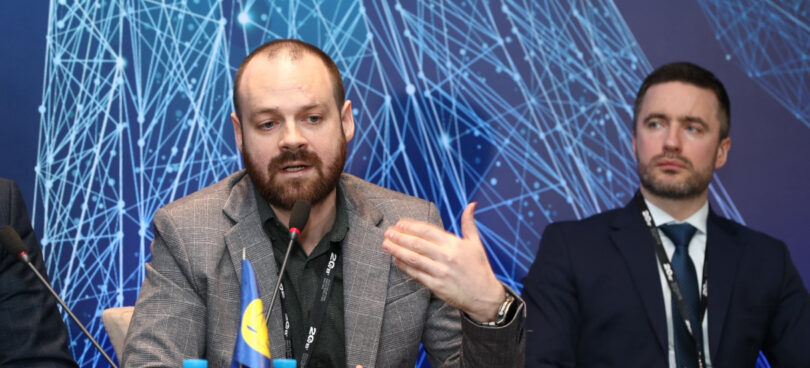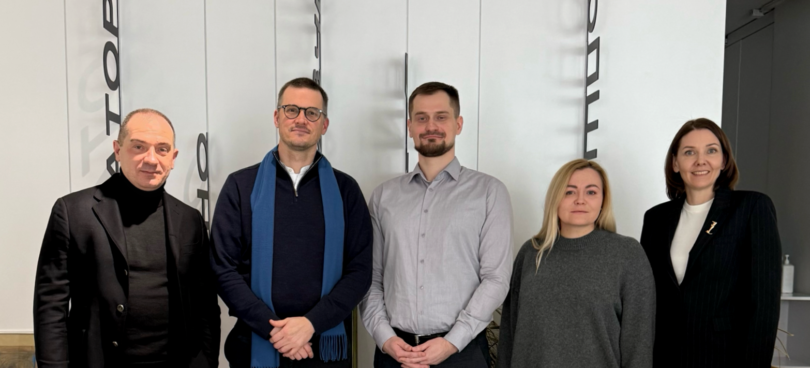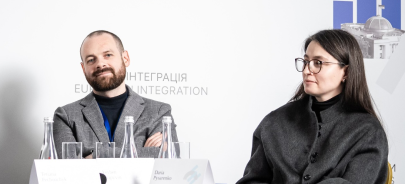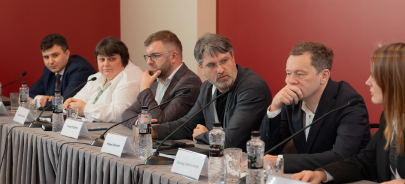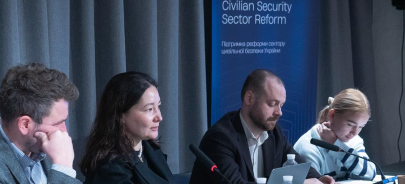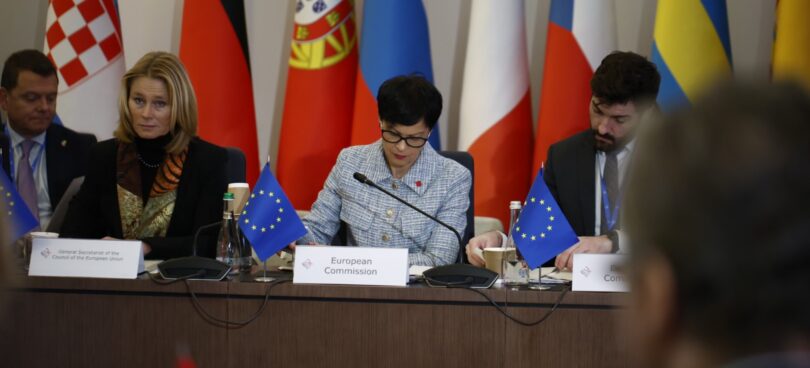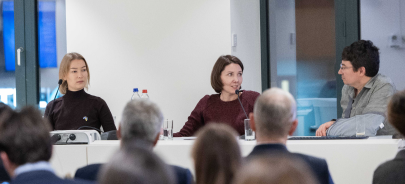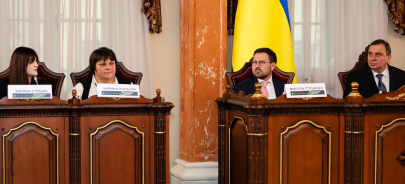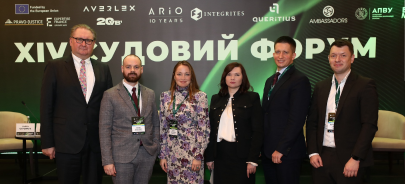
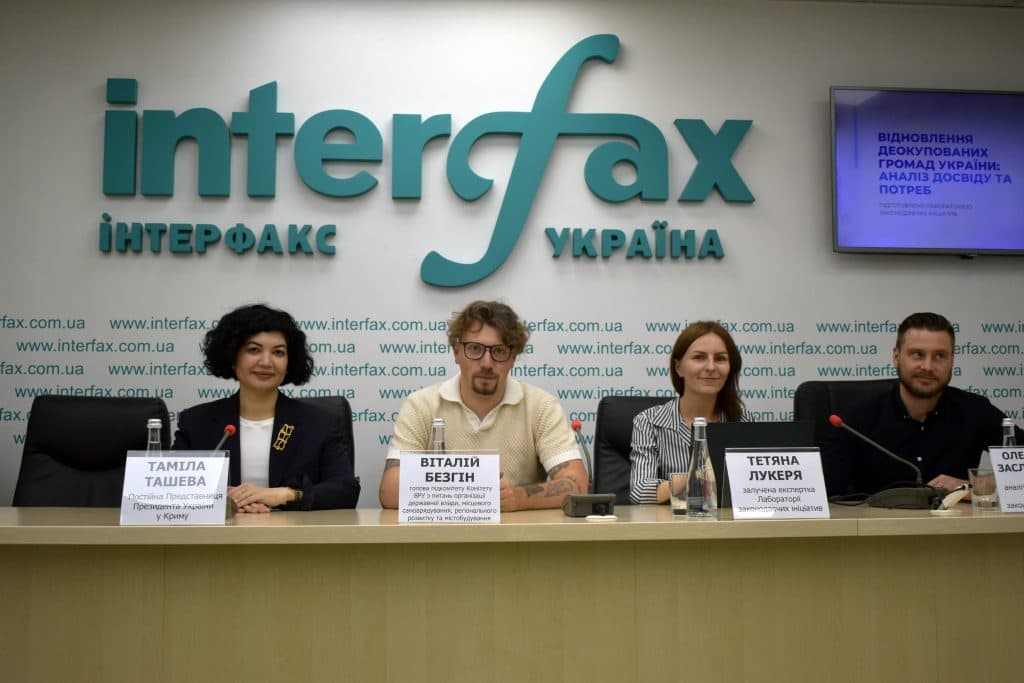
On August 22, 2023, the Agency for Legislative Initiatives (ALI) presented the results of the study “Restoration of de-occupied communities of Ukraine: analysis of experience and needs”. The study was prepared as part of the implementation of the “Civil Society for Ukraine’s Post-war Recovery and EU-Readiness” project financed by the European Union.
Background. State policy regarding the restoration and development of the territories affected by the russian occupation, both in the period 2014-2022 and after the full-scale invasion, changed from point reconstruction of only infrastructural facilities to the setting of long-term goals for the development of the territories. However, a general systemic approach to the restoration of de-occupied communities has not yet been established at the state level.
During the event, the participants discussed the factors, advantages, and disadvantages of reconstruction until 2022, as well as the prospects of the new stage of restoration.
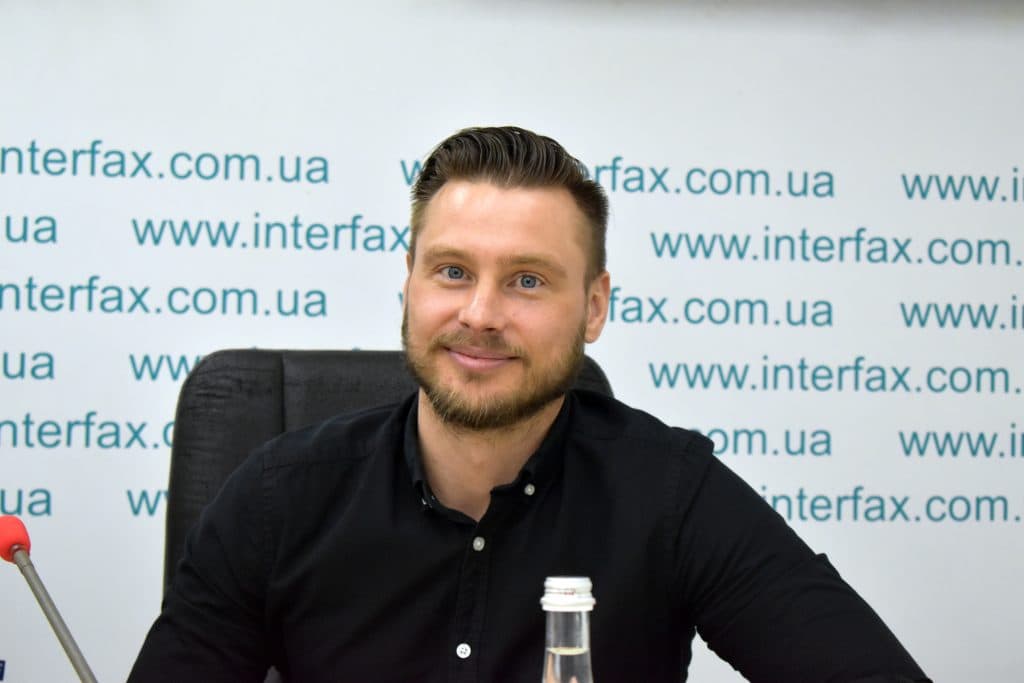
The discussion was moderated by Oleksandr Zaslavskyy, Director of the analytical direction of the Agency for Legislative Initiatives. He talked about the project, the research idea and its main plot.
“The idea of the study was to analyse the state policy, its legislative framework and the practical dimension of implementation regarding the territories that have been de-occupied since 2014 in the Donetsk and Luhansk regions. This should have given us an idea of how similar, but large-scale policies could be developed more effectively in the future. We hope that all the collected and analysed information will be useful to the authorities for developing and implementing an effective policy for restoring the de-occupied territories of Ukraine. Now and in the near future”
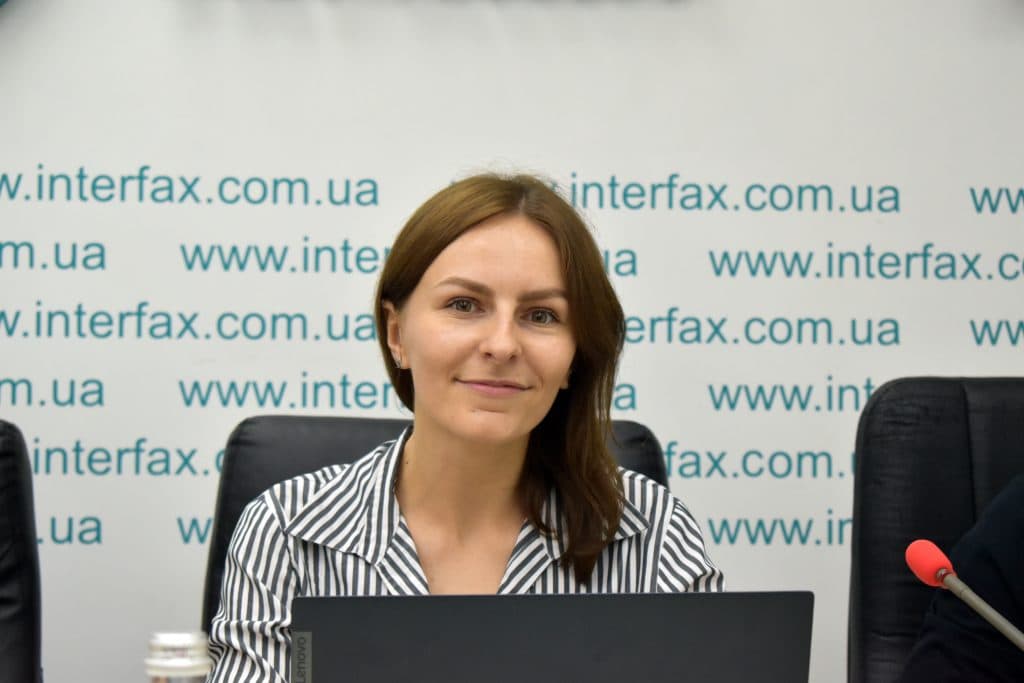
The involved analyst of the Agency for Legislative Initiatives, Tetiana Lukeria, spoke about the main results of the study and the key elements for the effective restoration of communities and territories:
“There is no universal approach to the restoration of the de-occupied territories of Ukraine. The communities have different scales of damage, different human and financial resources, were under the temporary occupation of Russia for different periods of time. However, a coordinated process at the state level is necessary, which should provide a certain algorithm for assessing the situation on the ground and determining priority tasks for local authorities, which can be adapted to each specific situation. To implement the community restoration policy, there must also be systematic coordination and interaction of all subjects, the involvement of various departments from various ministries”
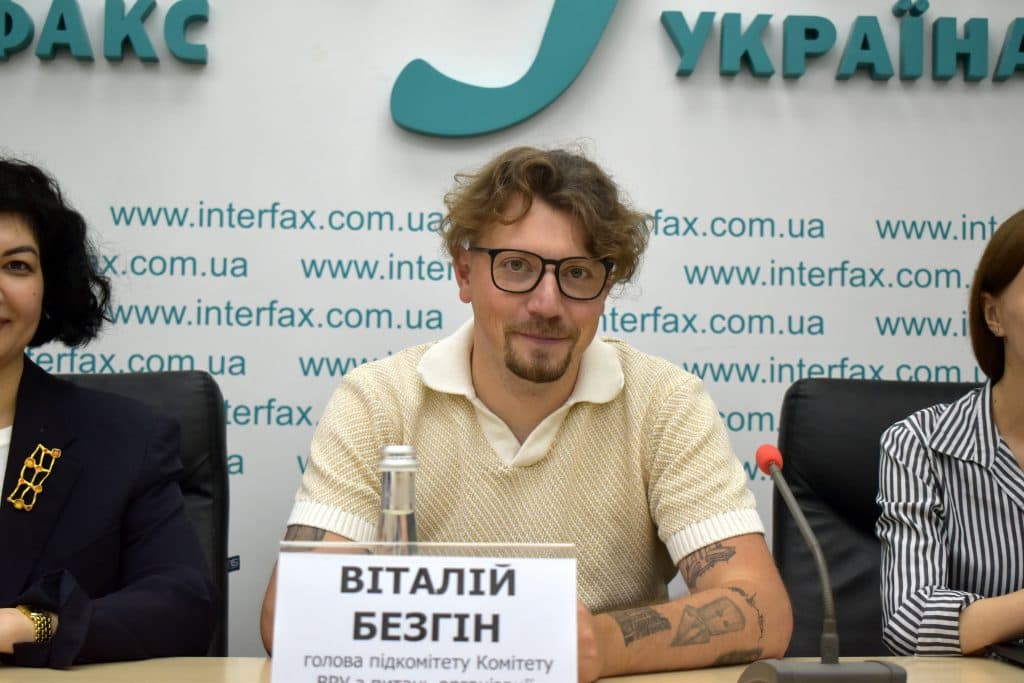
Vitaliy Bezgin, Chairman of the Subcommittee of the Parliamentary Subcommittee on State Building, Local Governance, Regional and Urban Development, noted certain aspects and the importance of prioritizing recovery processes:
“If we talk about the restoration policy, then at the state level, we must figure out two things: does it apply only to the territories that were directly temporarily occupied or suffered as a result of hostilities, or will such a policy generally apply to the entire territory of Ukraine? It was absolutely rightly noted that the same policy cannot be applied to all communities. Indeed, the degree of destruction, the time the territory has been under occupation, and the proximity to the demarcation line or the border with the aggressor state will greatly affect the recovery process. All this must be taken into account”
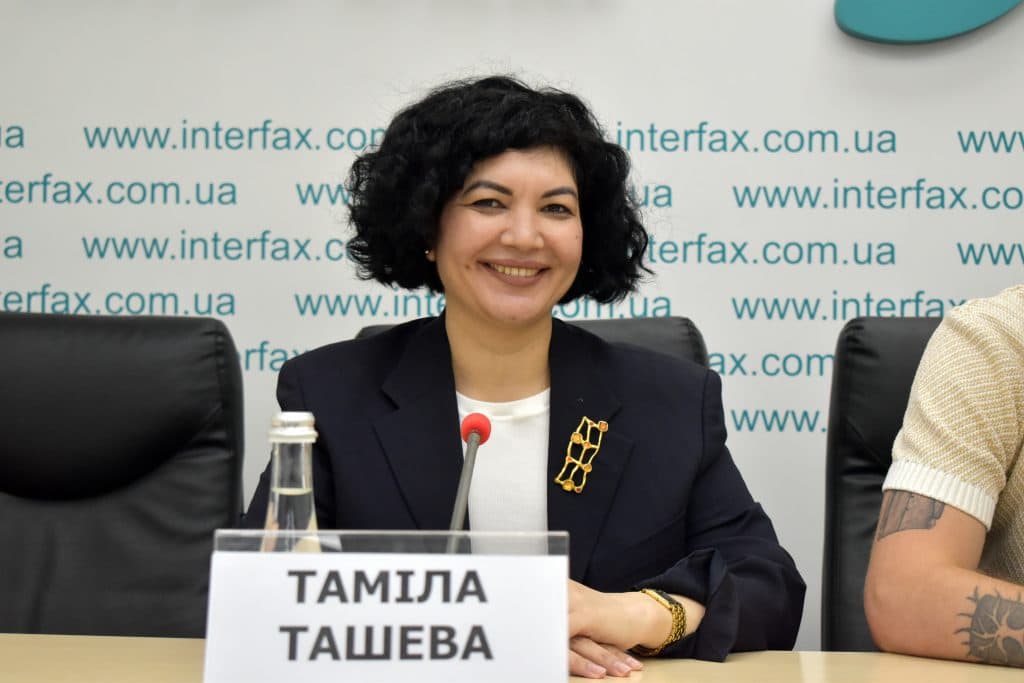
Tamila Tasheva, Permanent Representative of the President of Ukraine in the Autonomous Republic of Crimea, noted that the territories occupied by the russian federation for more than 9 years are significantly different from those occupied after the full-scale invasion of 2022. There is a wider range of problems and challenges that the occupiers have caused and that we will have to deal with.
“First of all, in the liberated territories, we must restore the public authorities, in particular, create military and military-civilian administrations, which will allow us to ensure a certain controllability of the process and a gradual post-occupation transition. We are also discussing restoring educational, medical services, communications, and infrastructure. Work with documents issued in the occupied territories will be particularly important as all of it will be subject to verification”
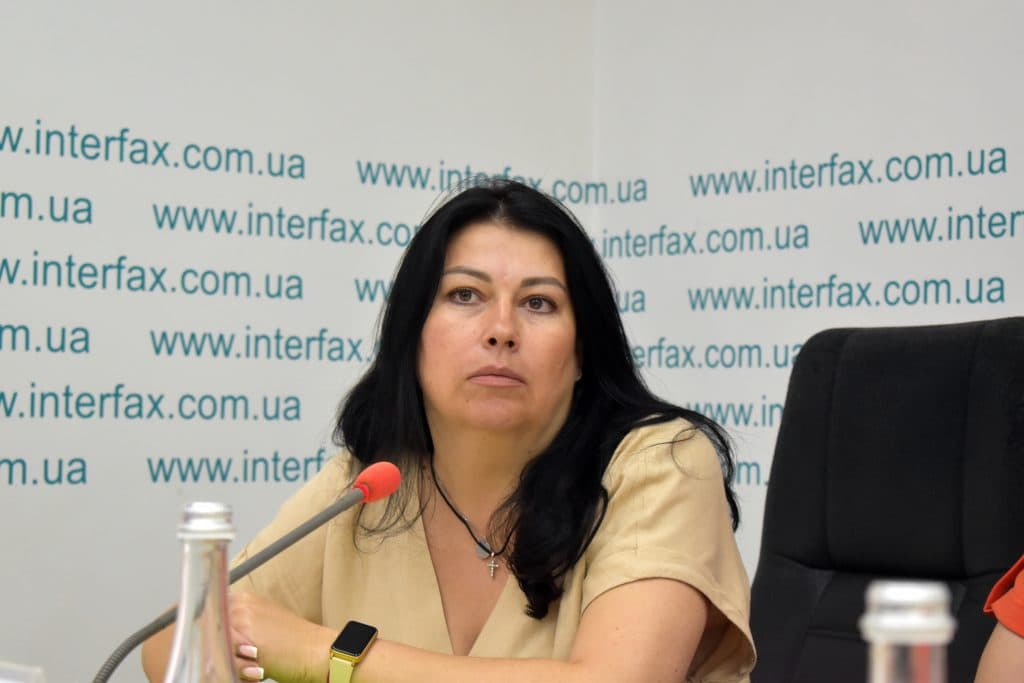
Nataliia Petrenko, a member of the Board of the All-Ukrainian Association of Amalgamated Territorial Communities, Head of the Shulhynka territorial community of Luhansk region, noted that recovery will depend on many factors, in particular, the state in which Ukraine will return the de-occupied territories:
“Before starting the restoration, we must understand the territories to which we will return. Damage analysis, community needs assessment and planning are needed now. Luhansk and Donetsk regions approved a priority action plan to stabilise and reintegrate territories. Each community already understands what needs to be done. A platform on de-occupied and occupied territories was also developed. It is a tool to ensure the participation of local self-government in developing and implementing an effective policy for the recovery and development of communities affected by the aggressor, taking into account the specifics of each region. We are creating reserves for recovery, we have approved budgets and agreed structure, but the lack of specialists is a very big problem”
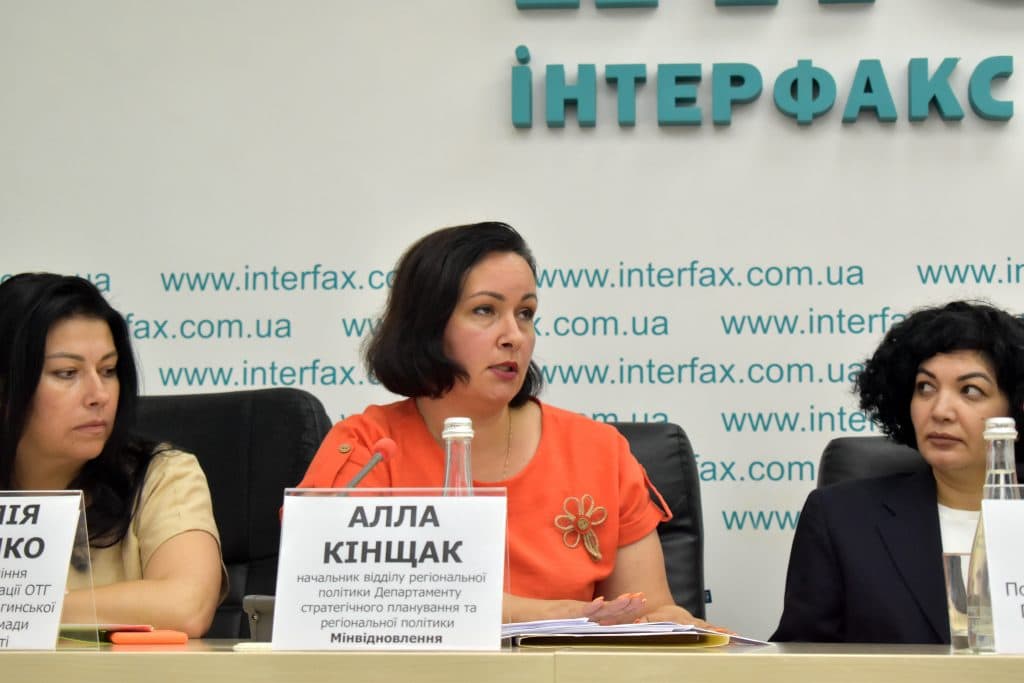
Alla Kinschak, Head of the Department of Regional Policy of the Department of Strategic Planning and Regional Policy of the Ministry of Reconstruction, spoke about the Ministry’s priority plans for the restoration of territories:
“Currently, the process of identifying communities that will be included in the recovery areas has already begun. Also, the Ministry is working on defining indicators for assigning territories to other functional types, such as: regional poles of growth, territories of sustainable development and territories with special conditions for development, which will include, in particular, territorial communities, which include temporarily occupied settlements. Additionally, we started to work on updating the State Regional Development Strategy until 2027, which is the main planning document for the implementation of sectoral development strategies and the coordination of state policy in various areas, including the field of recovery, which is an end-to-end element of regional development policy formation. The updated Strategy will determine the list of territorial communities that will be included in the recovery areas, and from that moment the process of developing a plan for the recovery and development of regions and territorial communities will begin”
After considering the positions of stakeholders, the full version of the study “Restoration of de-occupied communities of Ukraine: analysis of experience and needs” will be published on the website of the Agency for Legislative Initiatives.
For additional information, please contact Mariia Hereles, Head of Communications, Agency for Legislative Initiatives, via mg@parliament.org.ua.