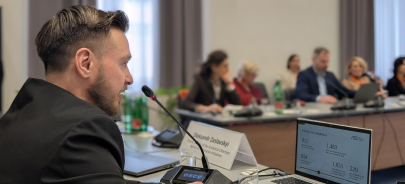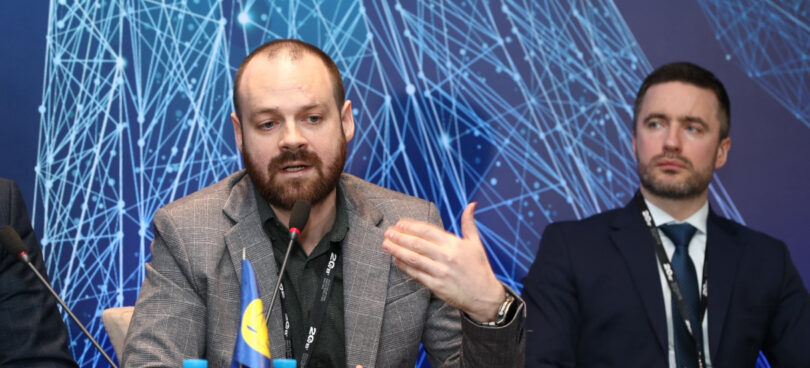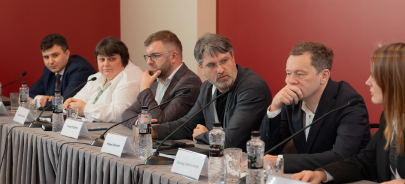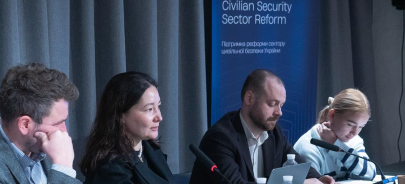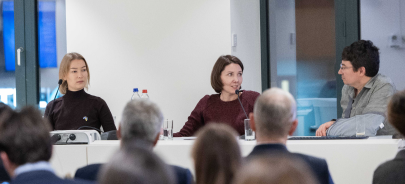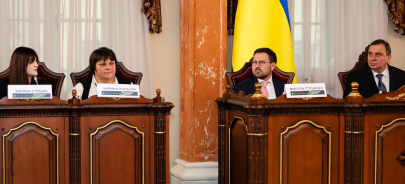
On October 3, 2024, the Agency for Legislative Initiatives in cooperation with the Committee of the Verkhovna Rada of Ukraine on State Building, Local Governance, Regional and Urban Development held a panel discussion “Platform for Territorial Development: Decentralisation and Regional Development”, the purpose of which was to discuss the priorities and formats of interaction between the expert environment and state authorities.
The interaction of civil society organisations with the authorities, including the parliament, is one of the important principles of any democratic society. And in the conditions of the ongoing war, even despite certain limitations, the Verkhovna Rada should strengthen its agency, promote and develop various tools and practices of interaction with other state authorities, and use all available resources more effectively.
The event was opened by the First Deputy Chairman of the Verkhovna Rada of Ukraine, Oleksandr Korniyenko. He emphasised the need to hold discussions that will help to actualise problematic issues, and most importantly, to consolidate the efforts of all parties for what can be resolved even under martial law.
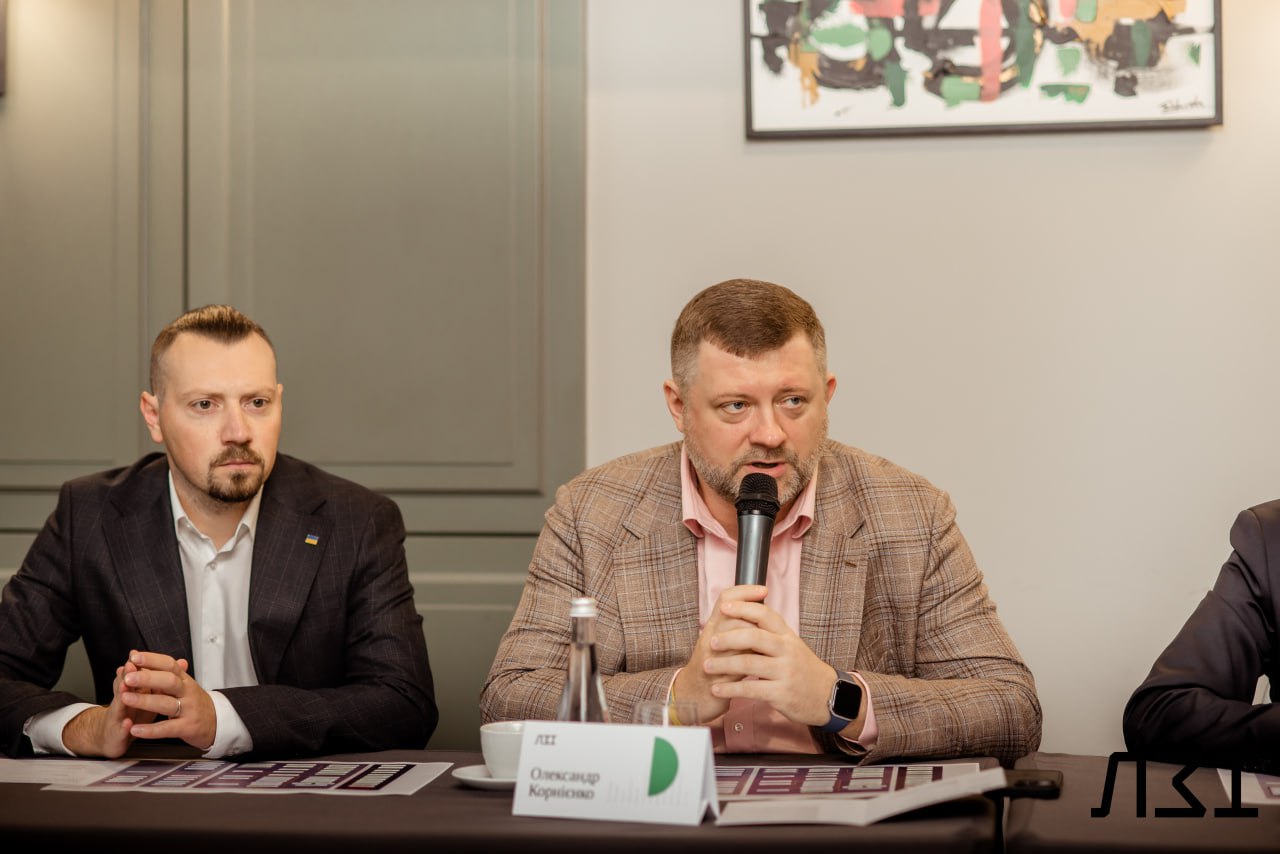
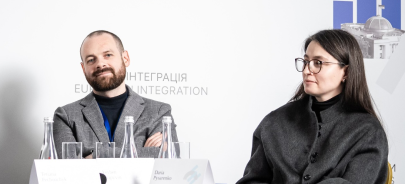
The event was attended by the First Deputy Chairman of the Verkhovna Rada of Ukraine Oleksandr Korniyenko; MP’s of the Committee of the Verkhovna Rada of Ukraine on State Building, Local Governance, Regional and Urban Development; an invited analyst from the Agency for Legislative Initiatives, Tetiana Lukeria; expert on local self-government and regional policy Yuriy Tretiak; director of science and development of the CSO “Civil Society Institute” Anatoliy Tkachuk; director of the Institute of Territorial Development Yuriy Hanushchak; head of regional programs, deputy head of the advocacy and international relations department, Public Union “Reanimation Package of Reforms Coalition” Yuriy Mykytyuk; an independent expert Olena Boyko, as well as representatives of the donor community. Taras Khavunka, Head of the Lviv Regulatory Hub, acted as moderator.
Tetiana Lukeria presented the experience of various countries regarding the cooperation of authorities and civil society, various models, formats and tools of such cooperation — so that the lessons learned would be useful for state decisions.
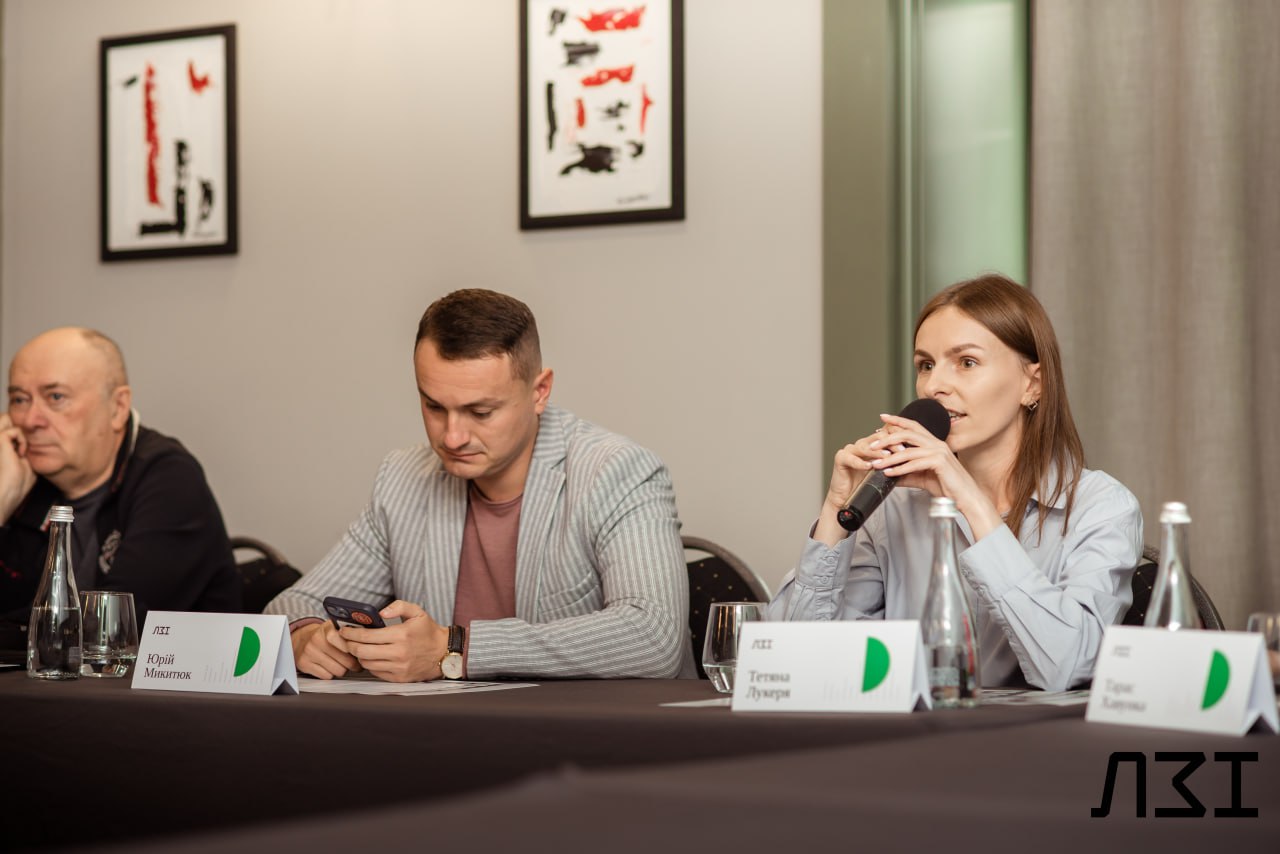
Yuriy Tretyak emphasised that this event is important not only in the context of discussing current challenges, but also because the past two years have seen a certain regression in this area, despite the fact that Ukraine has correctly built a framework for regional policy.
Anatoliy Tkachuk emphasised the priorities of building an ecosystem of cohesion, because the aggression of the russian federation has caused irreparable damage, foremost, to the human potential of Ukraine. That is why it is important to conduct a policy that will be sensitive in the context of the value of human life.
Yuriy Hanushchak noted that the organisation of public governance at the local level still remains at an unsatisfactory level — and therefore will require reform at the level of organisational powers that ensure legitimacy, institutional stability and responsibility of local authorities to the community.
Yurii Mykytiuk highlighted the importance of normalising interaction between specialised state bodies and institutions with an expert environment. And Olena Boyko spoke about the prospects for the further development of the reform and the existing platforms for interaction with the authorities, which should be preserved. After all, for the post-war state, it will be important to unite people and show that even amid the war challenges, the state can care about them — primarily because of the quality of public services. And this is impossible without an obvious condition — further consolidation at various levels of government and qualitatively organised work at the community level.
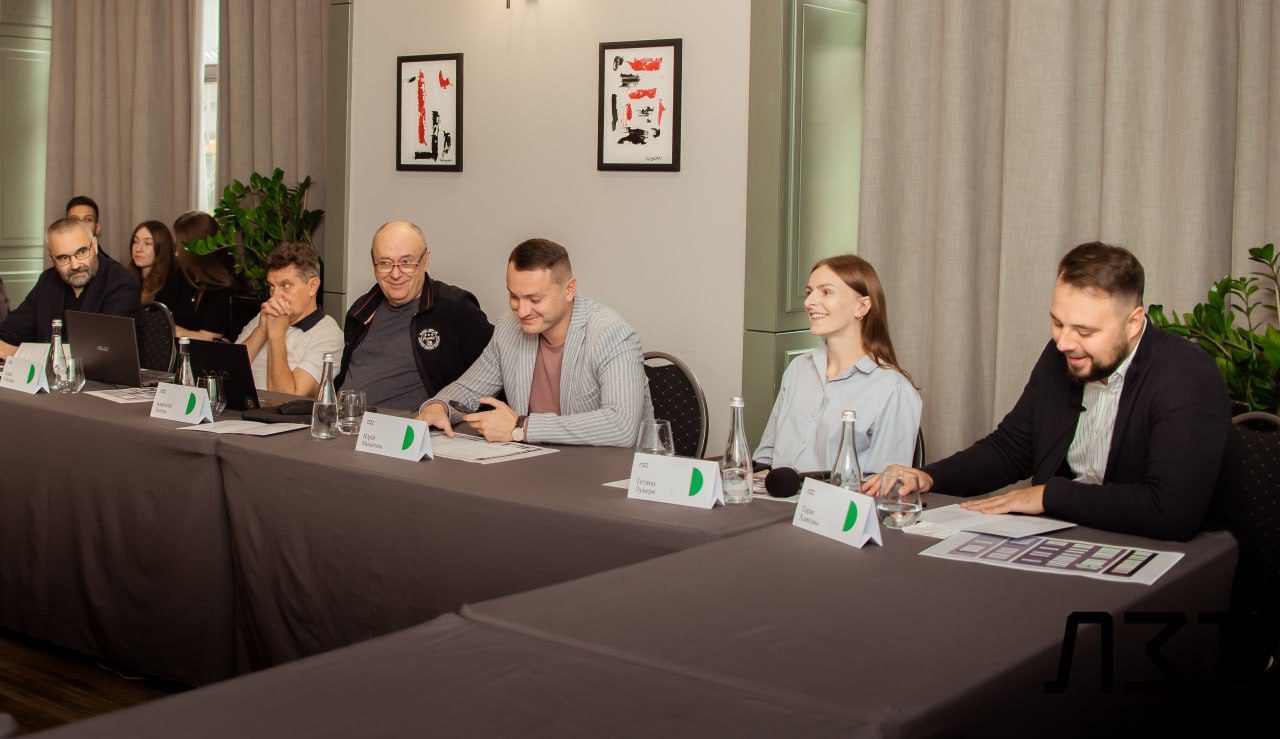
The event was held by “Parliamentary Accountability of the Security Sector in Ukraine” (PASS Ukraine), which the Agency implements together with the Parliamentary Centre in cooperation with the Verkhovna Rada of Ukraine and with the support of Global Affairs Canada as part of Peace and Stabilization Operations Program (PSOPs).