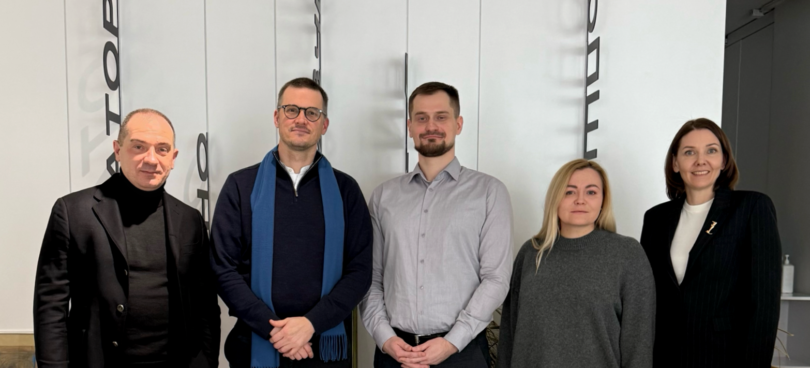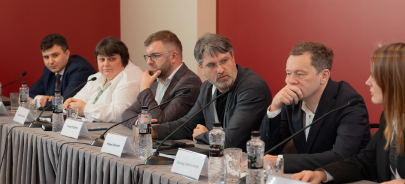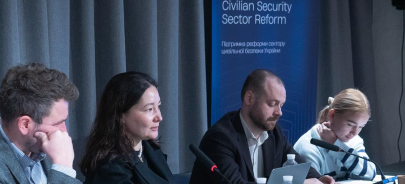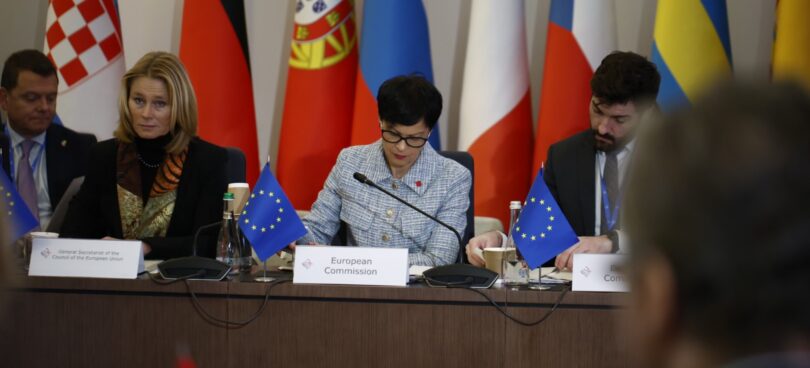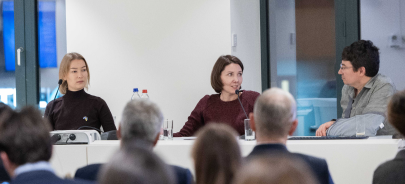
Democratic governance and the rule of law are essential components of European integration and of our long-term security and defence capabilities. The Agency for Legislative Initiatives consistently upholds these values and works to implement them within Ukrainian state institutions. Therefore, as part of a delegation of Ukrainian non-governmental organisations, the ALI participated in the First Supplementary Meeting on the Human Dimension organised by the Organization for Security and Co-operation in Europe (OSCE). Ukraine was represented by Oleksandr Zaslavskyi, Deputy Executive Director for Analytics at the ALI, Ihor Kohut, Director at the Ukrainian Parliamentary Institute, Anastasiia Datsiv, European Integration Advocacy Manager at the Human Rights Centre ZMINA, and Halyna Petrenko, Director of Detector Media.
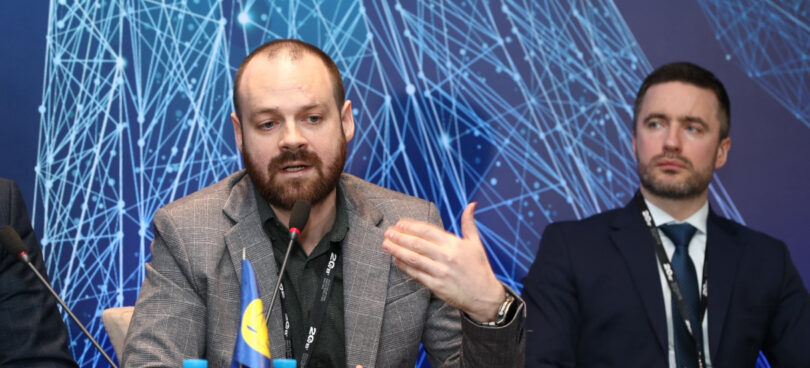
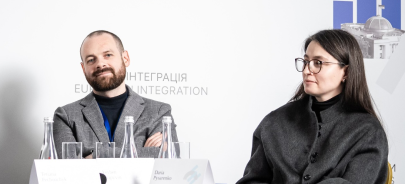
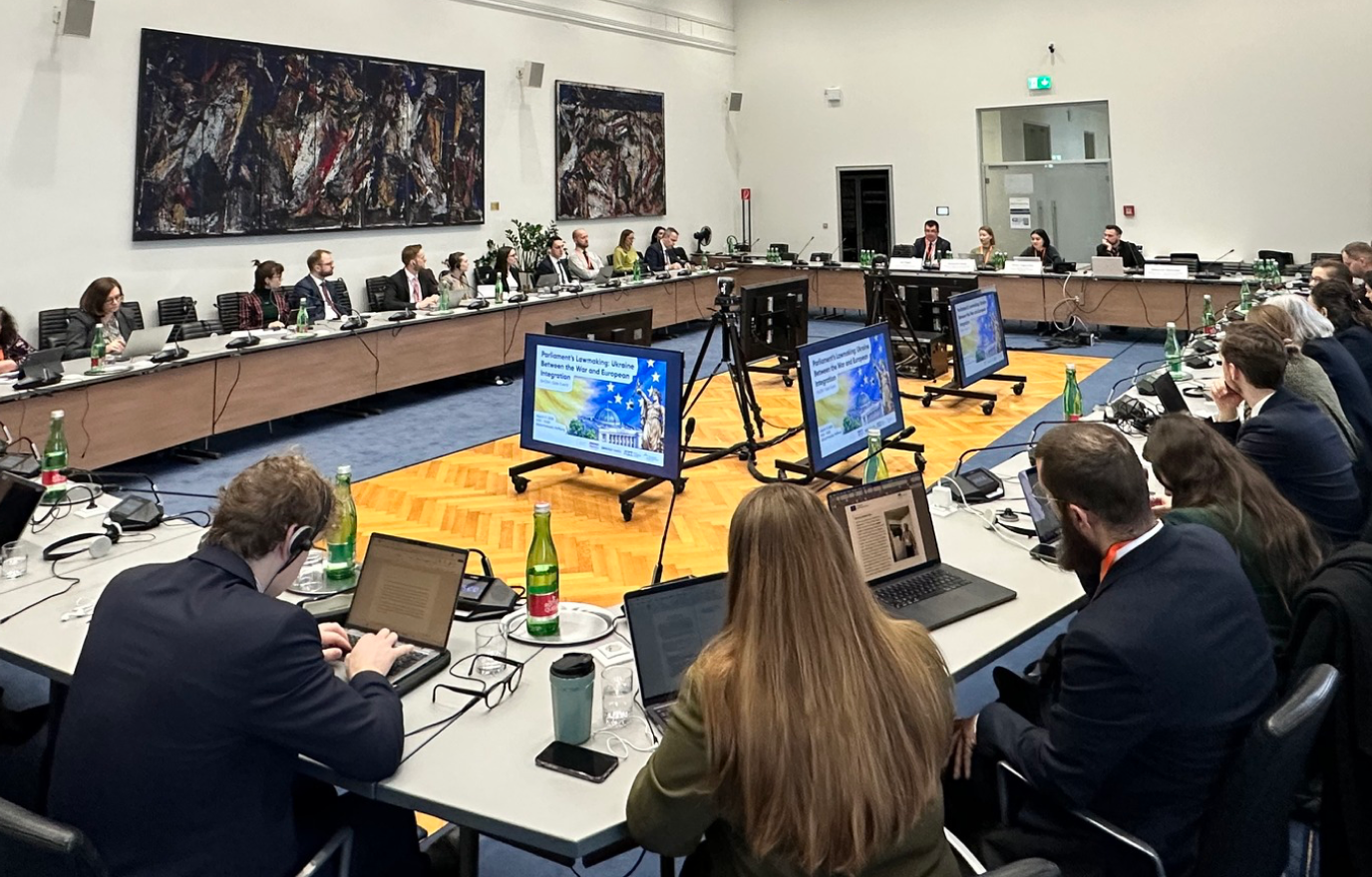
EU accession requires the implementation of institutional reforms and transparent legislative changes, with the participation of civil society. Responsibility for this lies with the Ukrainian Parliament, whose work is undoubtedly influenced by a number of wartime circumstances. During the panel discussion ‘Parliament’s Lawmaking: Ukraine between the War and European Integration’, ALI and other participants discussed how parliamentary procedures are being adapted during wartime while preserving transparency and accountability. They also exchanged views on the role of civil society in supporting legislative quality, EU acquis alignment, and independent monitoring.
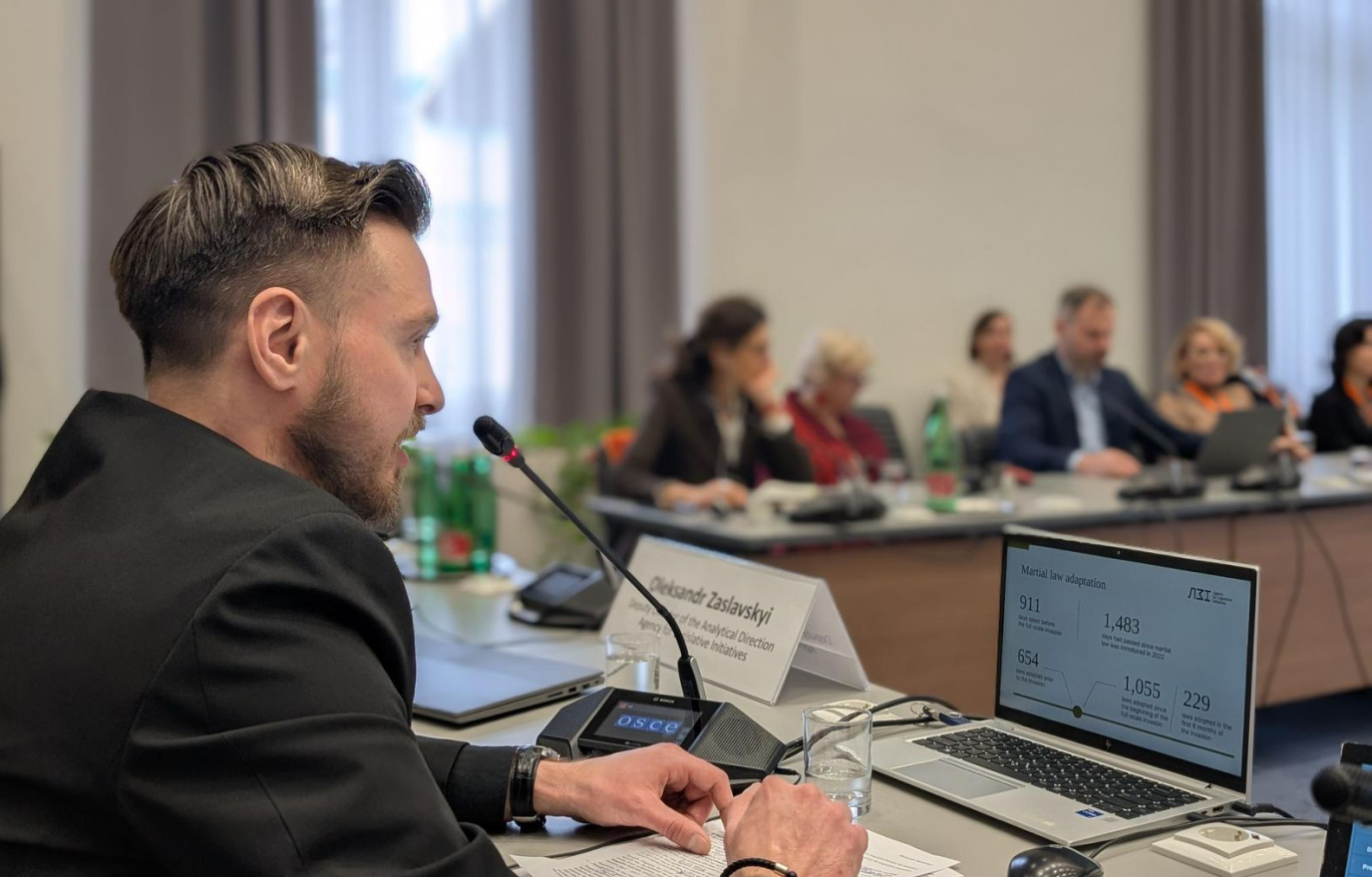
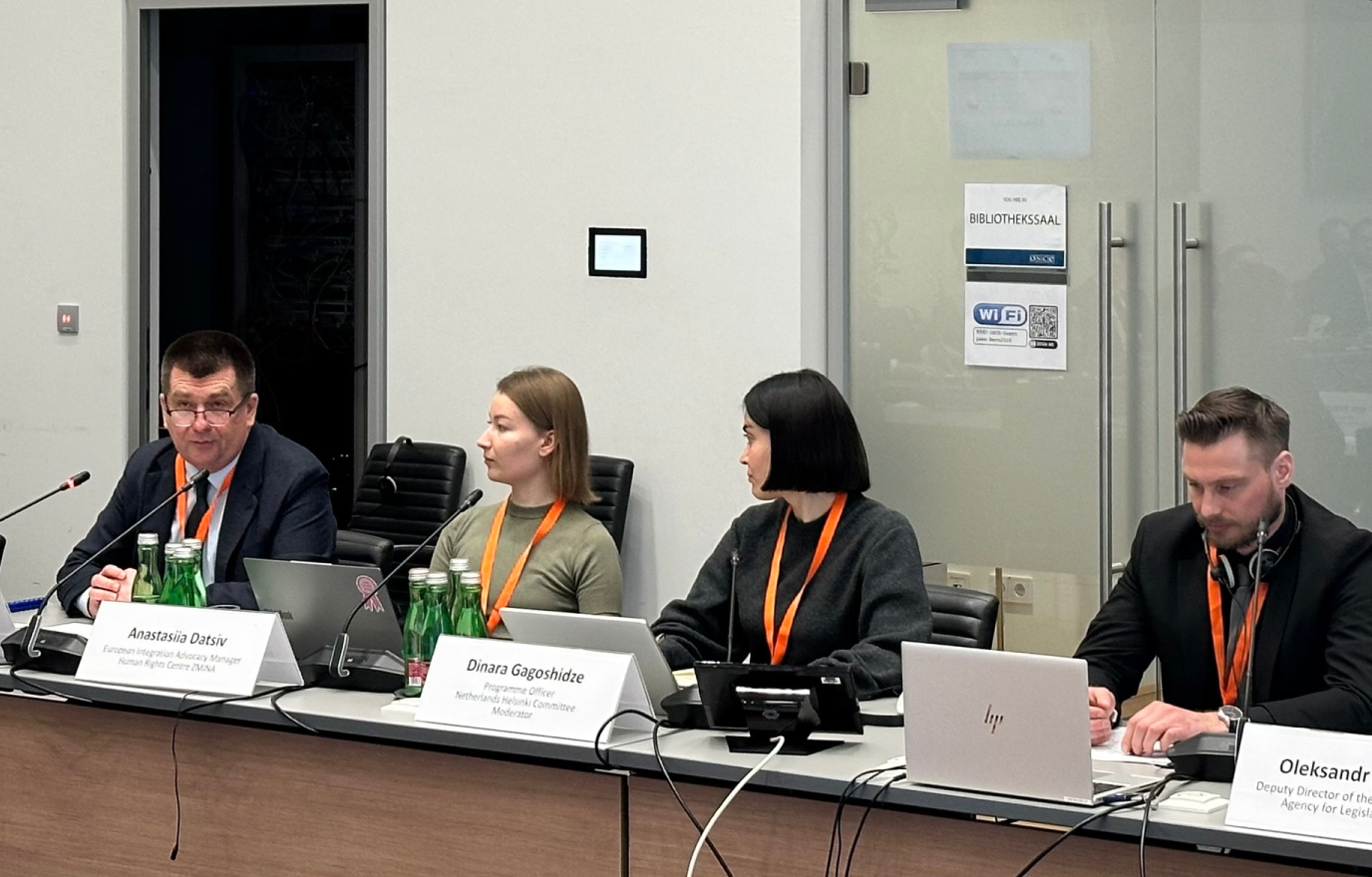
Oleksandr Zaslavskyi emphasised that the Verkhovna Rada of the 9th convocation has been working under the conditions of a full-scale war for longer than in peacetime and has gone through several stages of transformation. The first months were characterised by extraordinary speed of decision-making and an exceptionally high level of legislative activity and political unity.
A special focus should be on strengthening Parliament’s ability to operate amid new and existing security challenges and to progress toward the EU, noted Ihor Kohut. Important areas include developing the parliamentary administration and implementing the Roadmap for democratic institutions along with the European Commission’s recommendations on enlargement.
In other words, despite procedural obstacles, the Verkhovna Rada has largely adapted to the conditions of a protracted war and continues to function despite obvious difficulties. What, then, can help the Parliament achieve stability in the current Ukrainian context:
- Full implementation of a methodology for assessing the legislative impact of draft laws, in conjunction with post-legislative oversight tools, as well as a methodology for gender-sensitive legal expertise of legislative initiatives.
- Adoption of a law strengthening ethical standards for Members of Parliament.
- Updating priorities regarding next steps, in particular, the adoption of a new Resolution on parliamentary reform.
- Inclusion in the Rules of Procedure of the Verkhovna Rada of special procedures and mechanisms in case of the need to operate under extreme (including wartime) conditions.
These recommendations from the ALI will contribute to the consistent improvement of legislative work and to effective legislative support for European integration. In this process, it is important for Parliament to be open to cooperation and dialogue with civil society.
Despite the security risks associated with martial law, the Verkhovna Rada is gradually becoming more open, though it has not yet returned to pre-war levels.
Background
Supplementary Human Dimension Meetings provide a platform for exchange of views between OSCE participating States, OSCE institutions, international organisations, civil society, and other stakeholders to discuss implementation of specific OSCE commitments in the human dimension. In 2026, the OSCE will hold three supplementary human dimension meetings. The first focused on threats to democratic lawmaking and the role of preventive safeguards, the contribution of civil society and independent oversight, and the importance of judicial review and accountability throughout the legislative process.
The series of meetings was organised by the Organisation for Security and Co-operation in Europe (OSCE)/Office for Democratic Institutions and Human Rights (ODIHR). The discussion titled ‘Parliament’s Lawmaking: Ukraine between the War and European Integration’ was held with the support of the Netherlands Helsinki Committee.