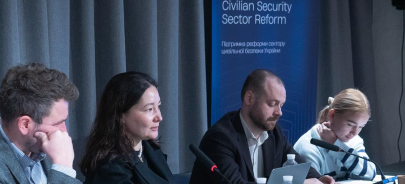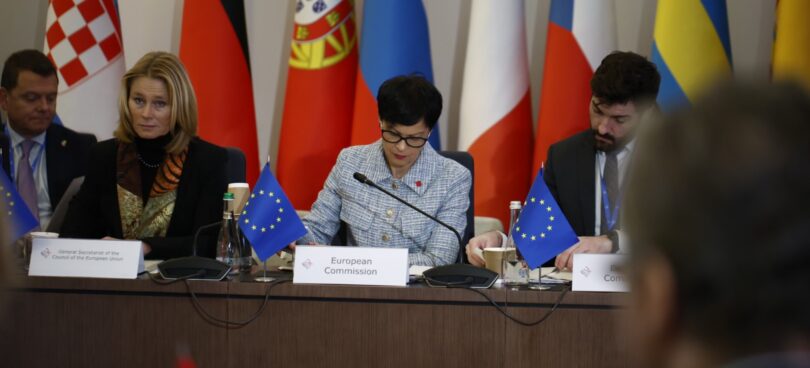
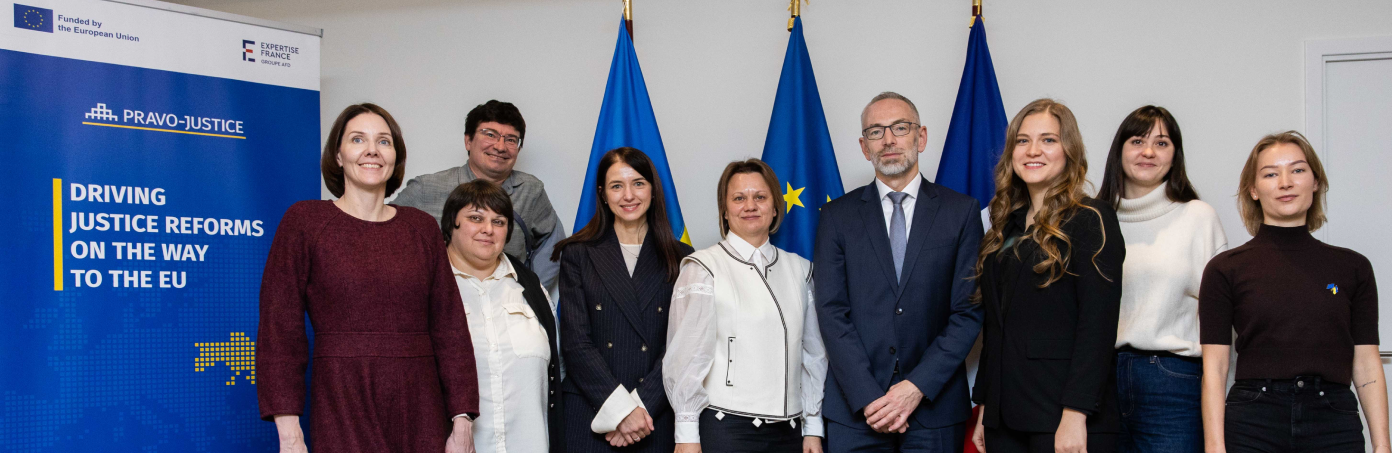
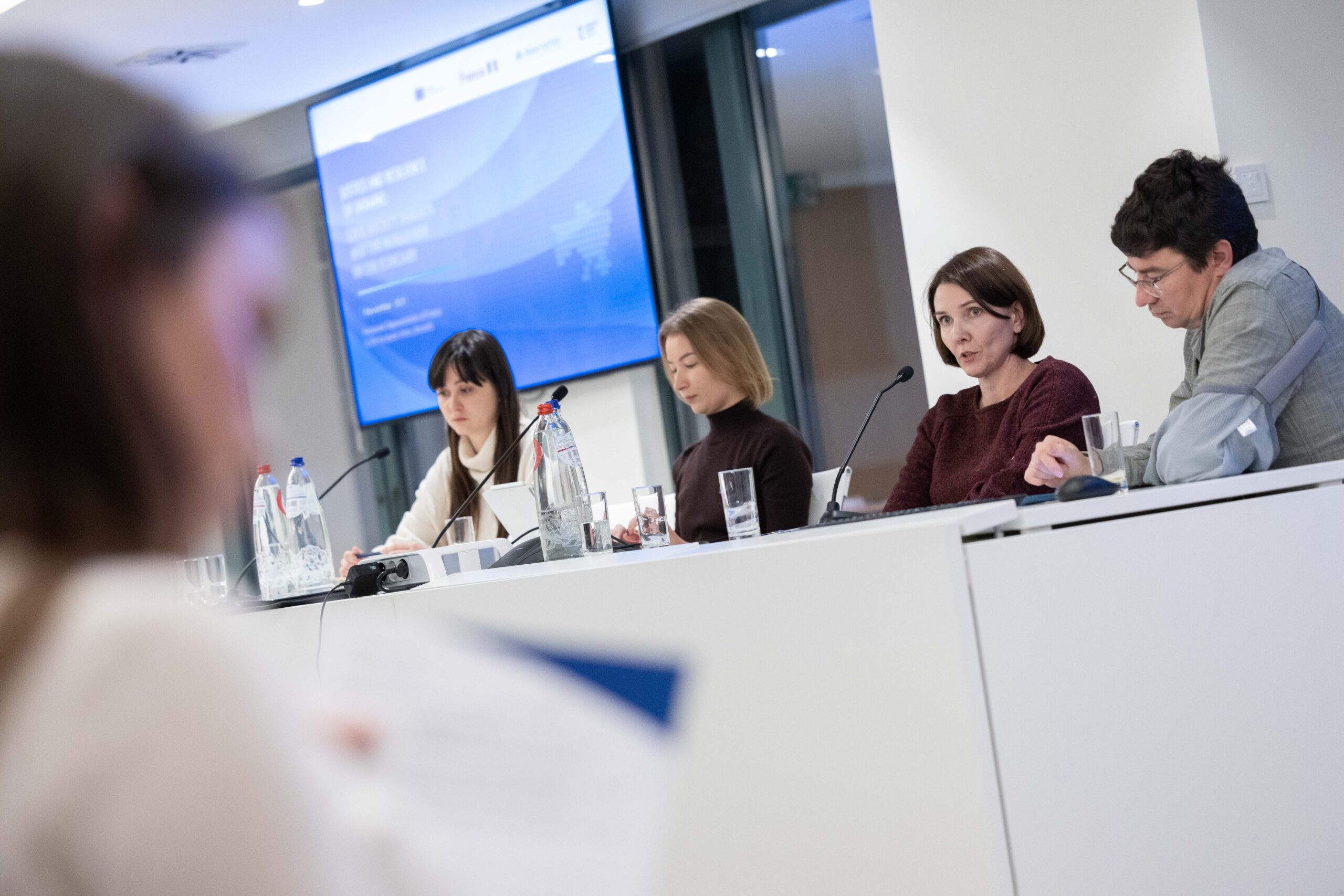
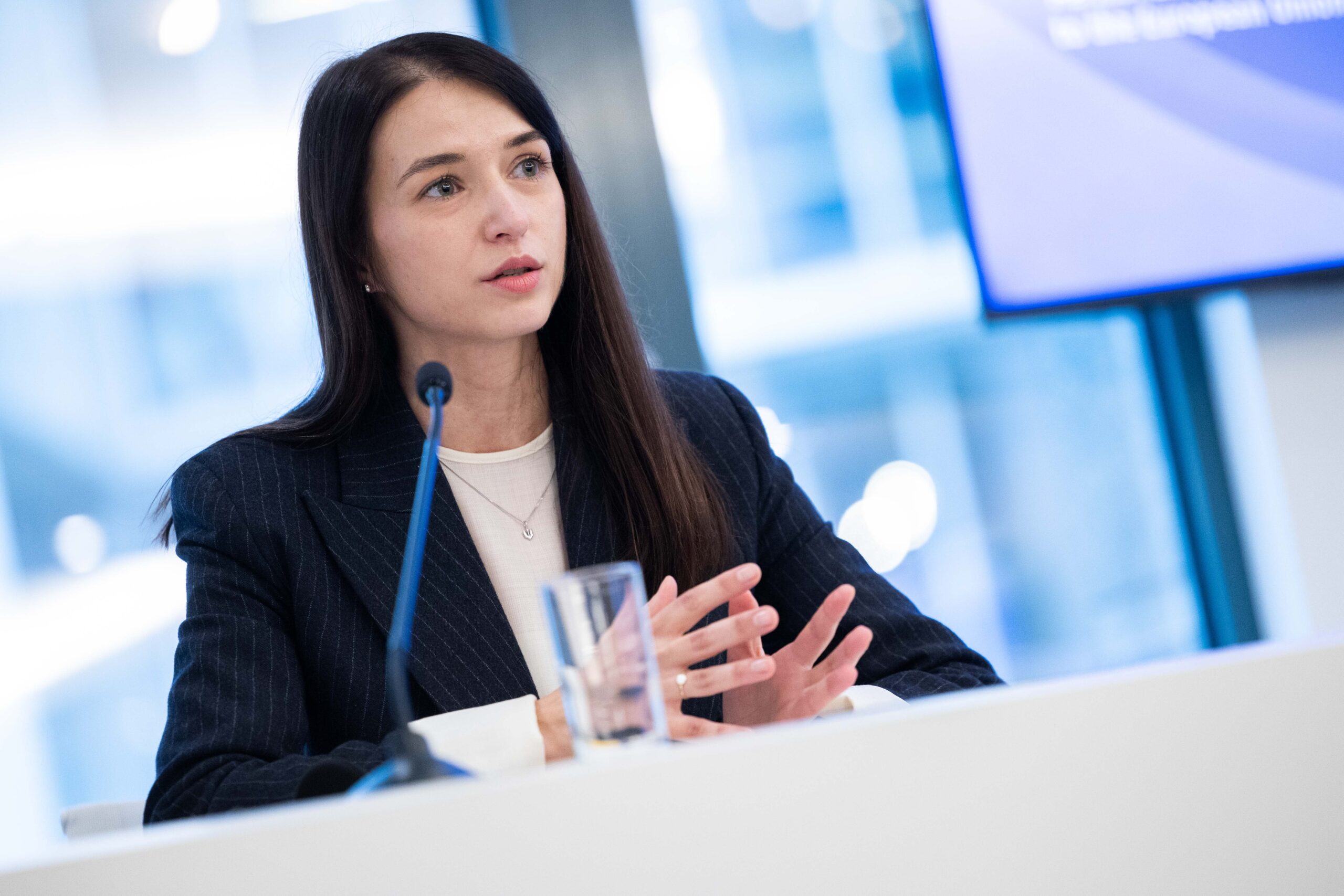
A coalition of civil society organisations led by the Agency for Legislative Initiatives presented the Shadow Report on Chapter 23 ‘Justice and Fundamental Rights’ and Chapter 24 ‘Justice, Freedom and Security’ of the European Commission’s 2024 Report on Ukraine in Brussels (Belgium).
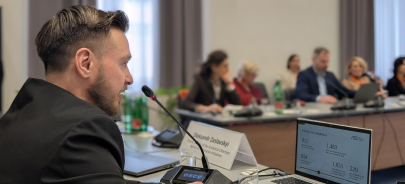
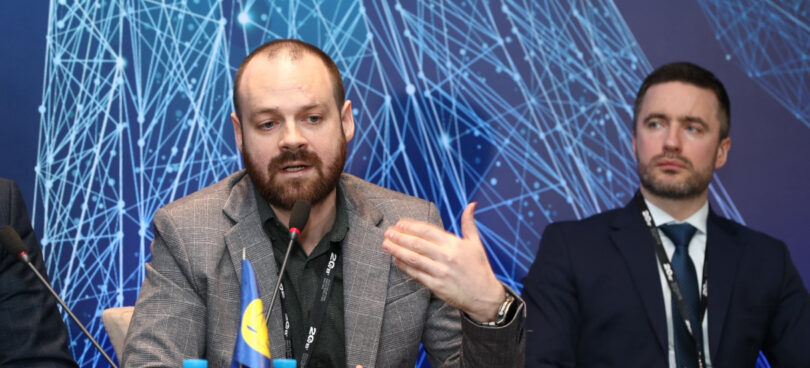
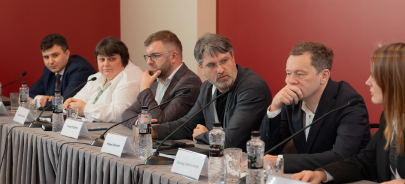
The presentation took place as part of the event ‘Justice and Resilience in Ukraine: the Perspective of Civil Society and the Human Dimension of the Judiciary’, organised with the support of the EU Project Pravo-Justice, implemented by Expertise France, at the Permanent Representation of France to the EU. The event brought together representatives of Ukrainian civil society, the judiciary, EU institutions and the international expert community.
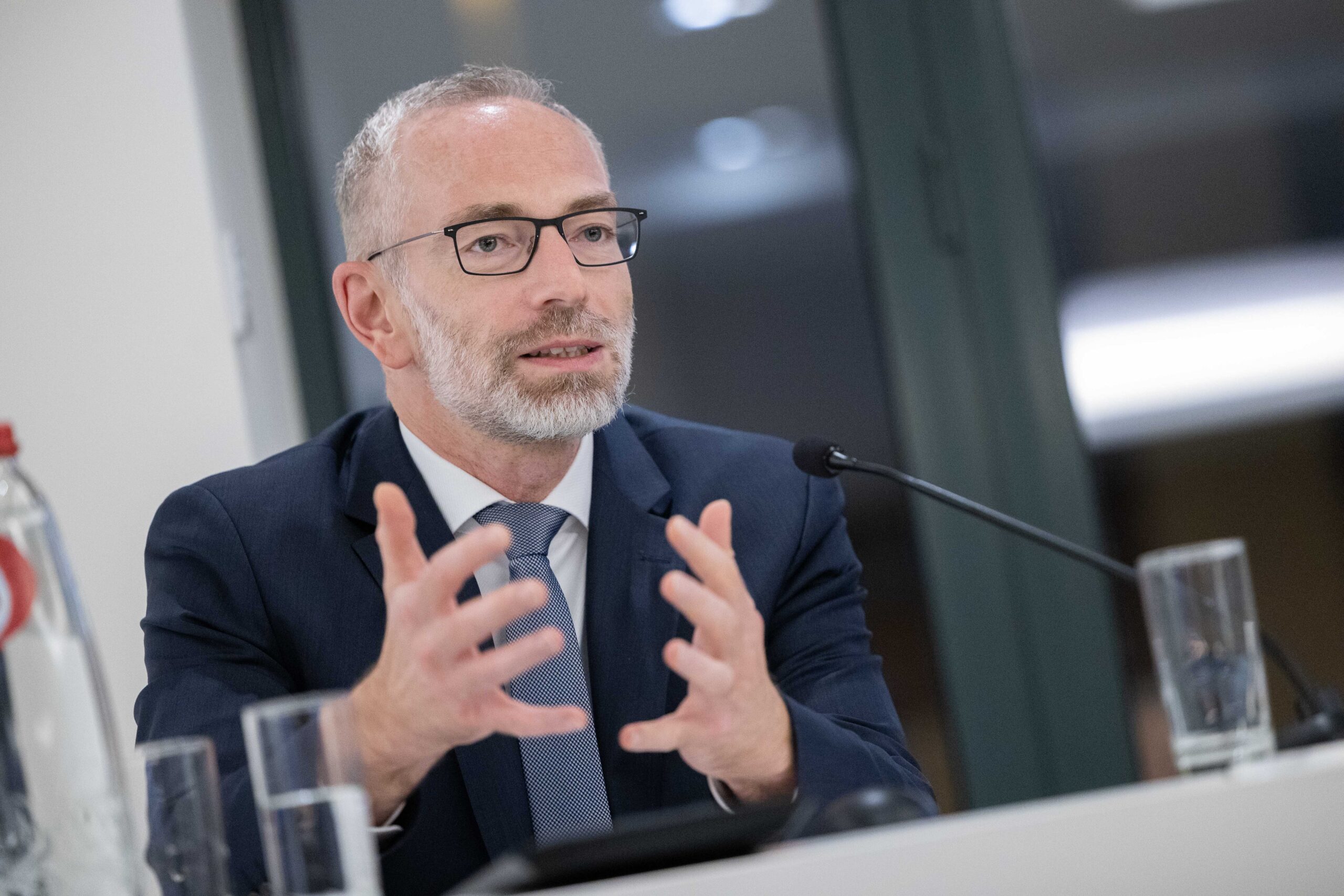
The European path to membership is Ukraine’s own choice. This was underlined by Wolfgang Nozar, Head of the Rule of Law, Anti-Fraud and Financial Management Unit of the Directorate-General for Neighbourhood and Enlargement Negotiations of the European Commission.
‘The reforms that need to be implemented are of critical importance. We fully support the efforts Ukraine is making to carry out reforms; however, Ukraine must assume responsibility and set clear deadlines. It is important that these deadlines are both ambitious, as Ukraine seeks rapid accession to the EU, and realistic, so that the reforms can in practice be implemented,’ he noted.
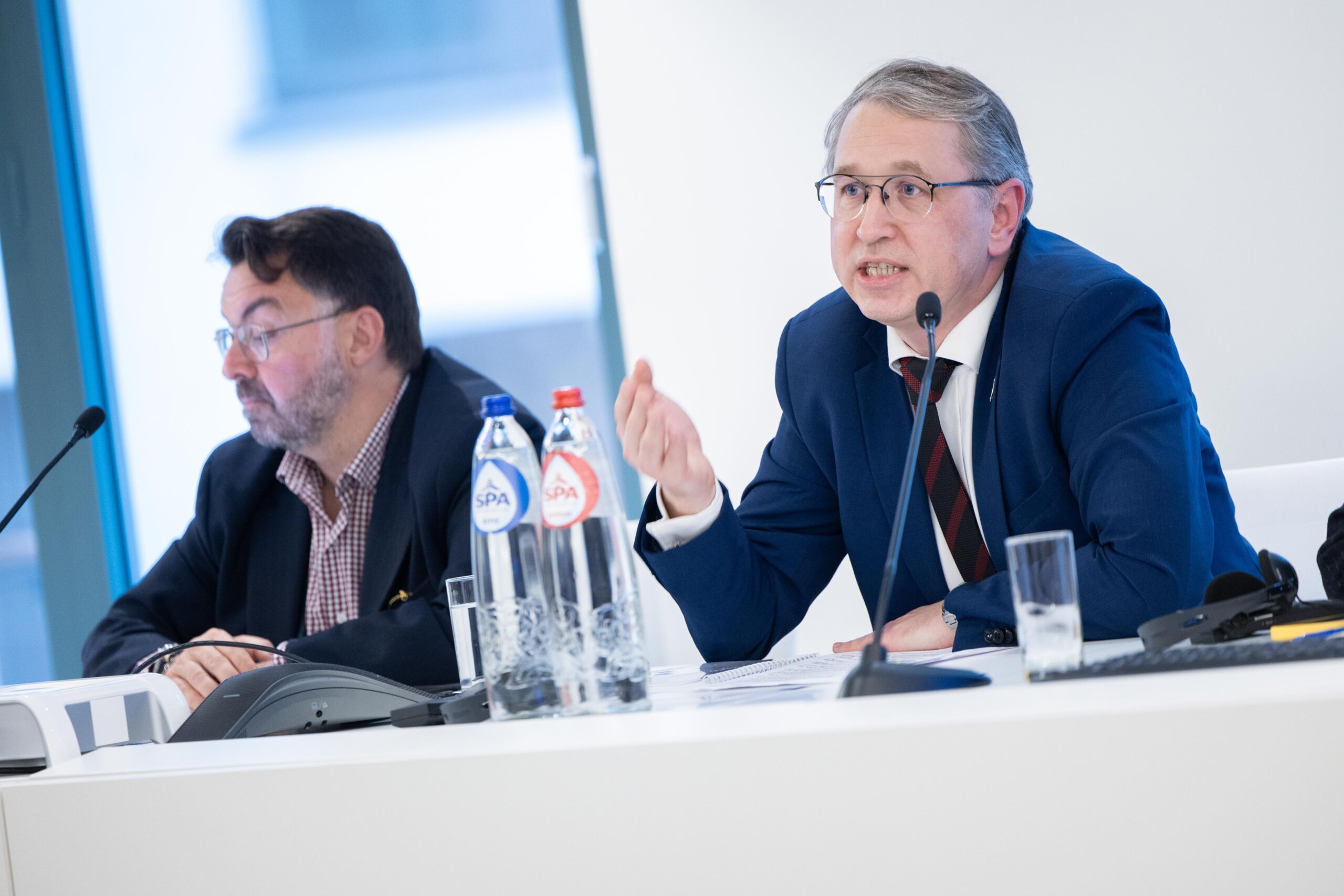
Representatives of the Agency for Legislative Initiatives also stressed the need to move more actively and swiftly in implementing reforms, particularly in the areas of the rule of law and law and order.
Karyna Aslanian, Head of the ‘Rule of Law’ Area at the ALI, noted that despite constant power cuts, missile strikes and drone attacks, Ukrainian courts continue to operate during the war:
The expert noted some progress in judicial reform, while at the same time drawing attention to critical challenges that could slow this progress or even undo years of work. These include delays by appointing authorities in selecting members of the High Council of Justice and judges of the Constitutional Court of Ukraine, as well as the urgent need to maintain the involvement of international experts in the selection processes for judicial governance bodies and key courts. More recently, an additional concern has been the activity of the Temporary Investigative Commission on alleged corruption- or corruption-related offences in law enforcement bodies, courts and judicial authorities. ‘Instead of focusing on systemic problems in the justice sector and law enforcement bodies, the TIC has begun questioning members of the High Qualification Commission of Judges, the Public Integrity Council and civil society activists. This is an attempt to interfere with the independence of the judiciary and to obstruct the work of civil society,’ Karyna Aslanian stressed.
At the same time, Oleksandra Egert, Deputy Executive Director for Operations and Project Coordination at the ALI, highlighted Ukraine’s progress in meeting the requirements of Chapter 24 ‘Justice, Freedom and Security’ through strengthening institutions, improving policies and deepening cooperation with European partners.



Experts from specialised civil society organisations — the Agency for Legislative Initiatives, Transparency International Ukraine, the ZMINA Human Rights Centre, Tomorrow’s Lawyer, Europe without Barriers and the Ukrainian Bar Association — have formulated more than 500 recommendations. The Shadow Report has, in effect, become a detailed answer to the question of how the Ukrainian authorities can fulfil the European Commission’s requirements.
For his part, Serhii Tereshko, Deputy Representative of Ukraine to the EU, underlined that it is the Shadow Report of the CSO coalition led by the ALI that provides an alternative view of developments in the rule of law, human rights protection and the state of the judicial system in Ukraine.
‘The Ukrainian Government remains firmly and consistently committed to advancing along the path of the rule of law. We are fully aware that without adherence to key European principles, progress on the road to EU membership is impossible,’ he noted.
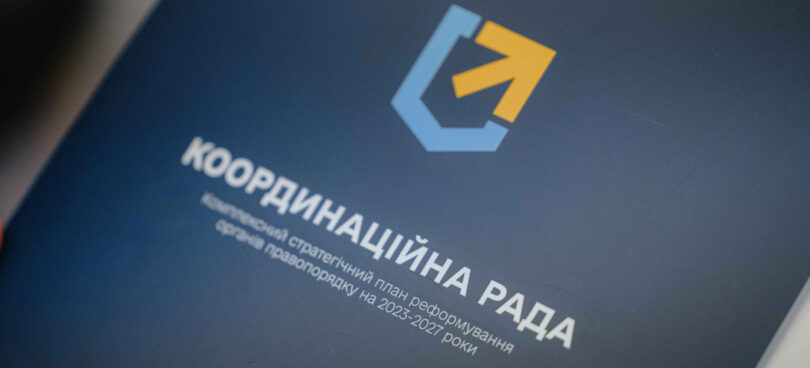
By way of reminder, the Shadow Report focuses not only on Ukraine’s progress but also on the challenges and problems the state faces in implementing European standards in the areas of the rule of law (the judiciary, prosecution service, Bar and legal education), the fight against corruption and organised crime, the protection of fundamental human rights and freedoms, visa policy and migration. It serves as a complement to the EU Enlargement Report, offering an independent expert analysis with step-by-step, concrete and practical recommendations. The Shadow Report is based not only on the subjective views of civil society organisations but also assesses the compliance of Ukrainian legislation with EU law and of the system as a whole with EU standards.
The Report has been prepared with the financial support of the European Union under the EU Project ‘Pravo-Justice’. Its contents are the sole responsibility of the Agency for Legislative Initiatives and other civil society organisations and do not necessarily reflect the views of the European Union.