Digitalising the judiciary was at the centre of the 14th Judicial Forum as one of the critically important tools for adapting public services to wartime conditions. The digital transformation of justice became the focus of the first session.
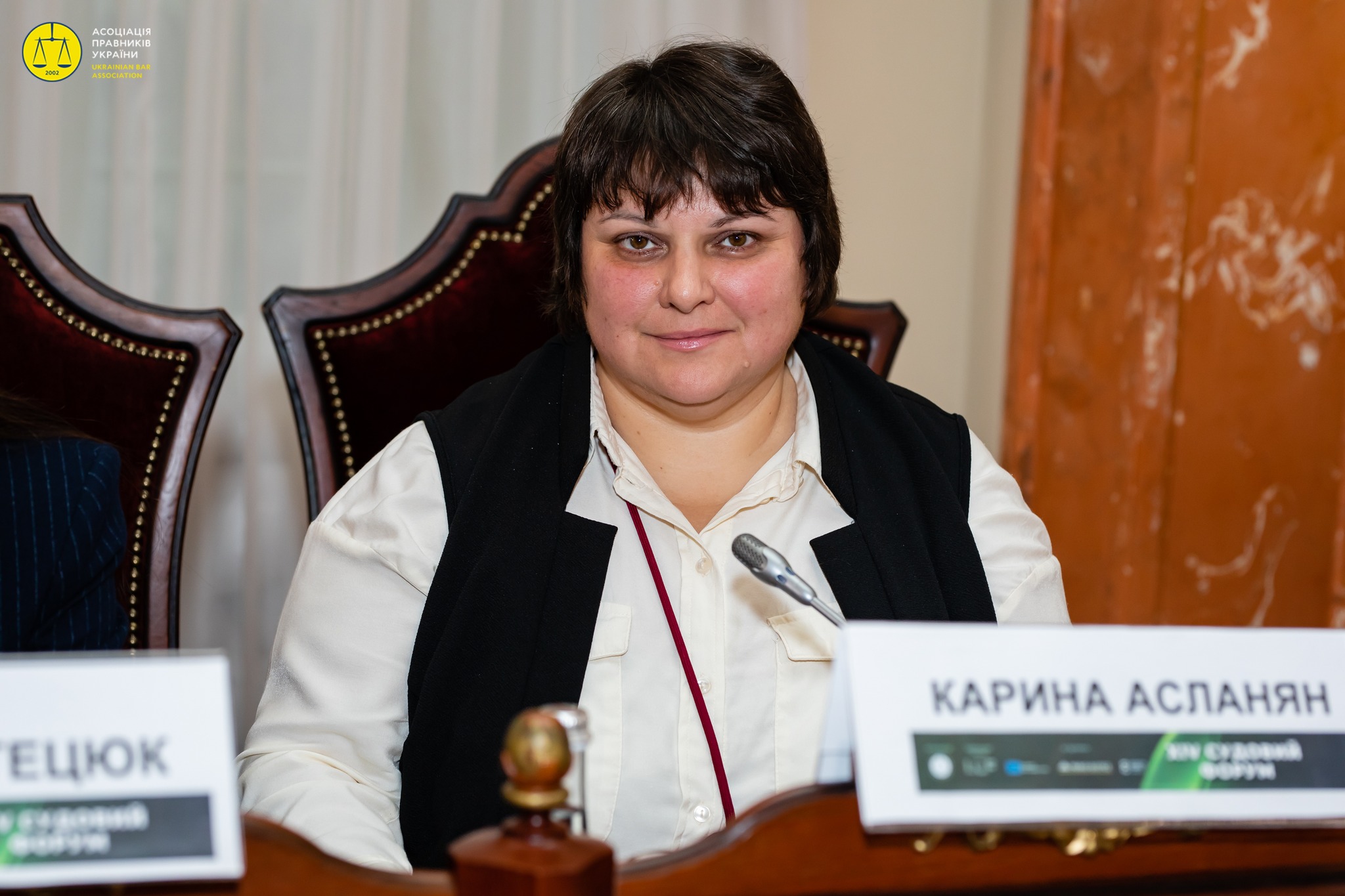
Experts, representatives of the judiciary and the Government discussed how technology is reshaping justice in Ukraine and which steps are needed to ensure the sustainable development of new digital solutions. The discussion was moderated by Karyna Aslanian, Head of the Rule of Law Area at the ALI.
Speakers underlined that successful digitalisation requires coordinated decisions and a systemic approach across key institutions – from the High Qualification Commission of Judges of Ukraine (HQCJ) and the State Judicial Administration (SJA) to the Supreme Court (SC) and the Ministry of Digital Transformation. This applies to the introduction of electronic document management, the digitisation of judicial statistics, the use of artificial intelligence as well as the modernisation of databases and interfaces that are convenient both for judges and for the public.
President of the Supreme Court, Stanislav Kravchenko, noted that digital tools are needed wherever they improve the quality of justice, while respecting procedural standards and taking into account international experience.
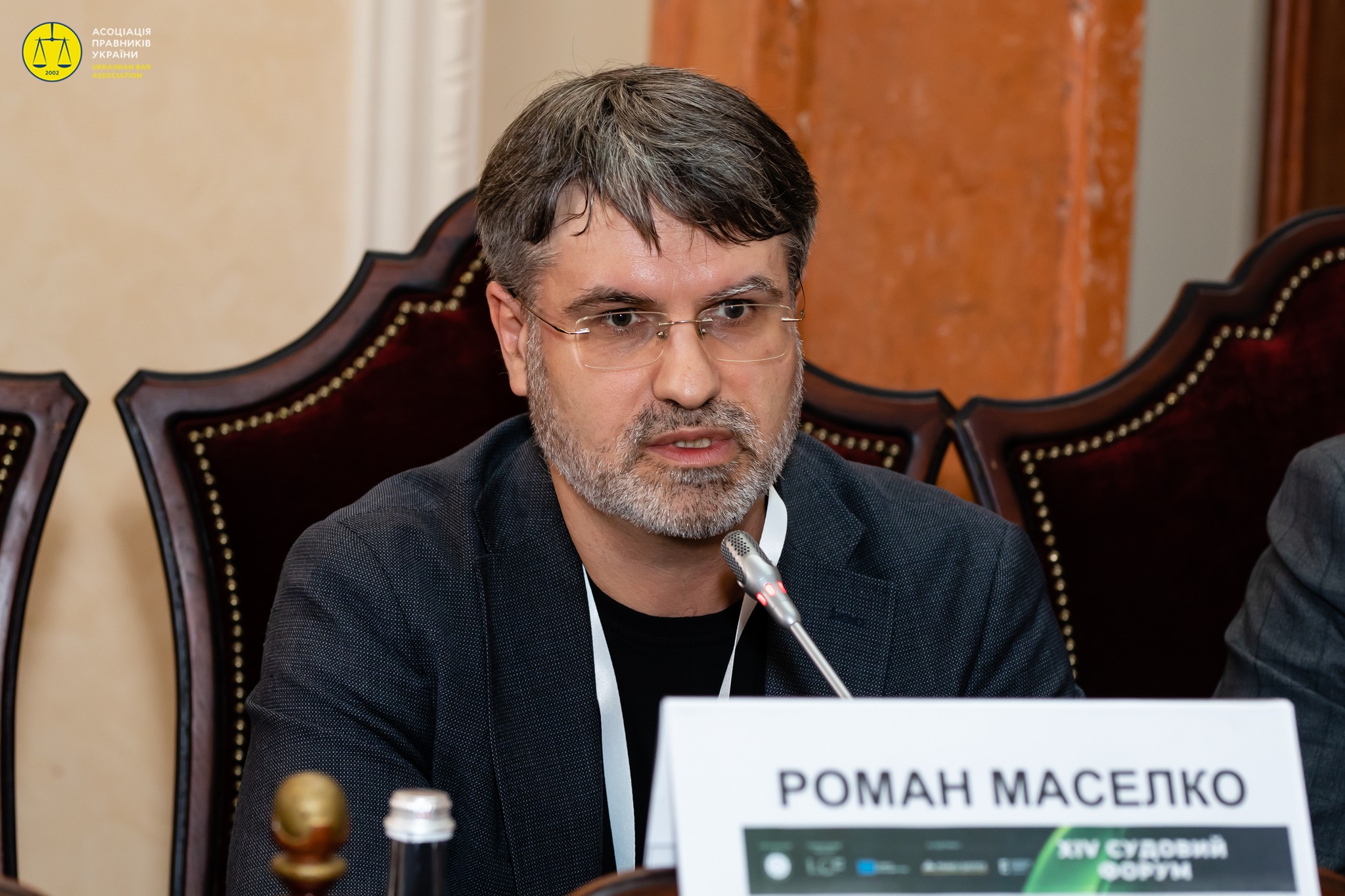
Member of the High Council of Justice, Roman Maselko, stressed that digitalising procedures is not merely a technical option but an important precondition for ensuring people’s access to justice.
During the discussion, participants also reflected on what has already been achieved in terms of digitalisation over the past year and what is still planned. Zoriana Stetsiuk, Deputy Minister of Digital Transformation of Ukraine, spoke about joint initiatives of the Ministry of Digital Transformation and the State Judicial Administration designed to ease the burden on courts and speed up the consideration of cases. These include a module for generating decisions in standard cases, the integration of enforcement documents into the Diia application and the future possibility of choosing an enforcement officer online.
Leonid Sapelnikov, Deputy Head of the SJA responsible for digital development, noted that a concept for the development of digital services has already been prepared and that digital priorities for 2026 have been defined.
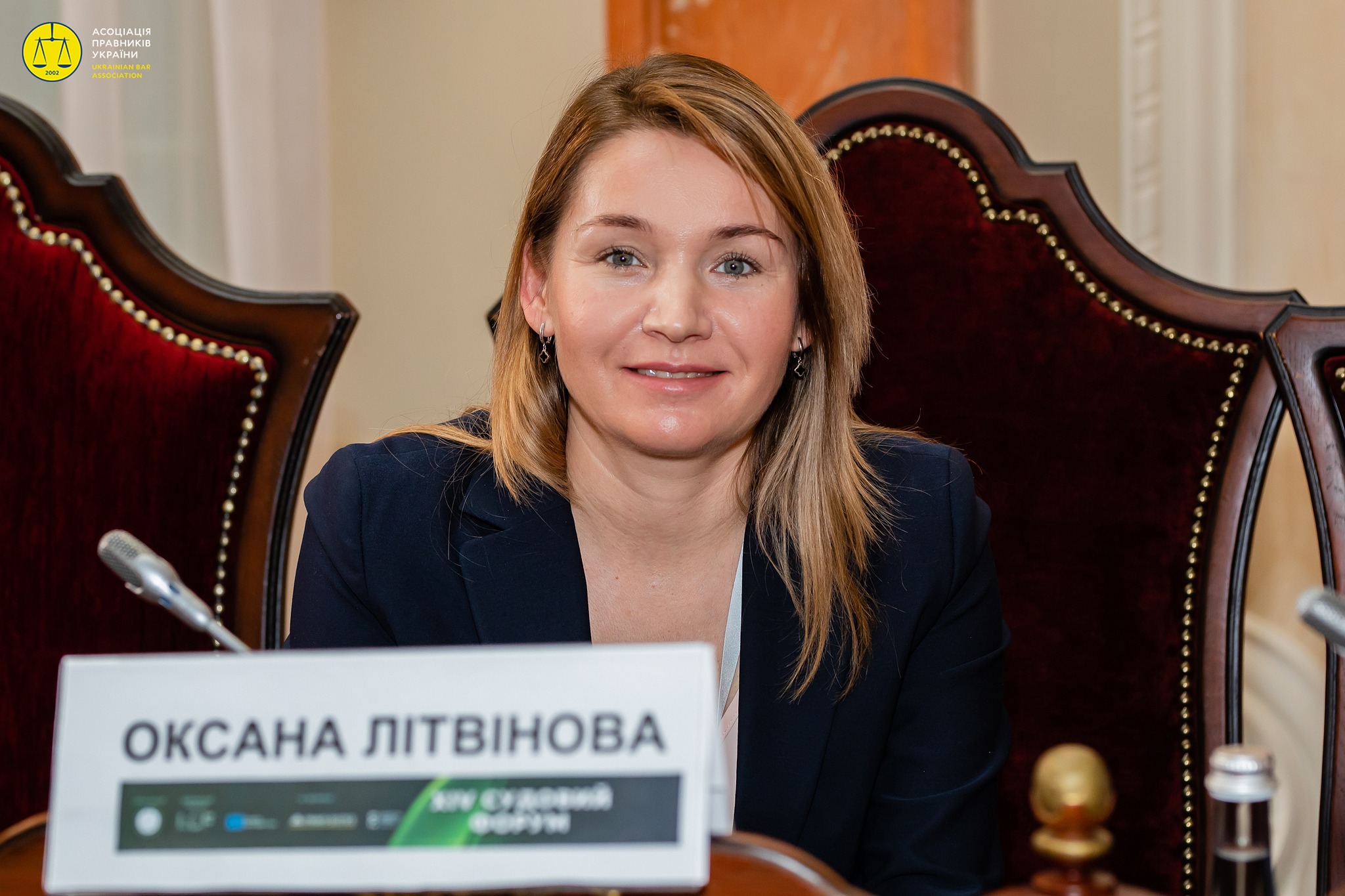
Oksana Litvinova, Adviser to the First Deputy Prime Minister and Minister of Digital Transformation, underlined that three key services — court notifications, access to court decisions and online payment of fines — are already part of the everyday routine of almost 13 million Ukrainians.


During the discussion, Roman Sabodash, member of the HQCJ, spoke about the introduction of an electronic format for submitting documents by candidates for judicial positions, which has reduced the burden on the HQCJ Secretariat and on competition participants. According to him, three goals should become strategic priorities for the HQCJ and the judiciary: electronic document management, a judicial dossier and an online account for candidates — all of which will be implemented within ALI’s project on digitalising the justice sector.
Rasim Babanli, First Deputy Head of the Supreme Court’s Secretariat, outlined the opportunities offered by the Supreme Court’s Case-Law Database and shared the experience of the Secretariat, where artificial intelligence is already being used to improve the search for legal positions and the analysis of case-law.
Judge-spokesperson of the Dnipropetrovsk District Administrative Court, Andrii Ryshchenko, stressed that data quality may become a key challenge in the digitalisation of the judiciary. In his view, Ukraine therefore needs to develop its own model of digital justice, tailored to the realities of wartime and limited resources.
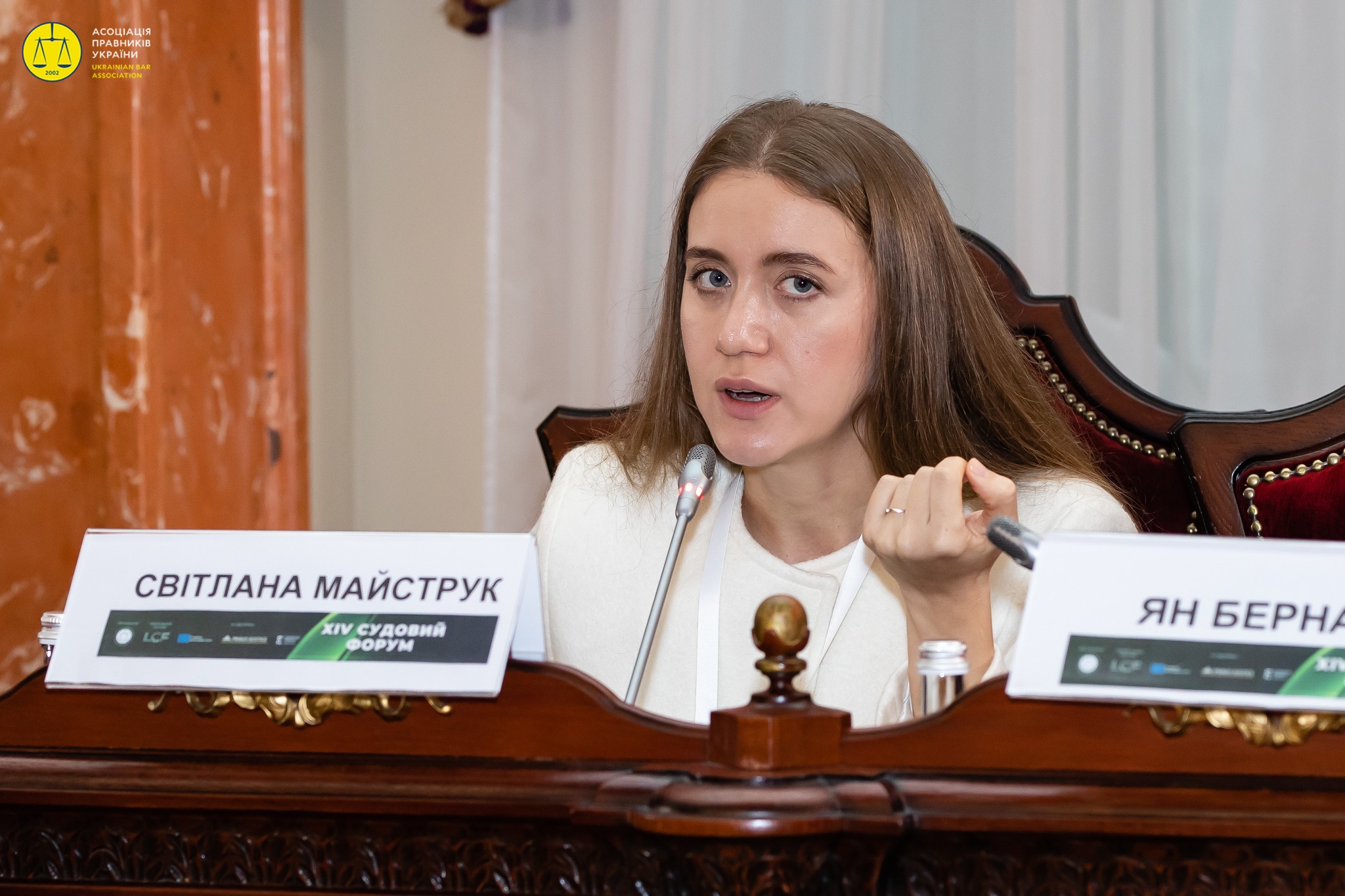
Svitlana Maistruk, Lead National Expert of the EU Project Pravo-Justice, recalled that the digitalisation of justice is part of Ukraine’s European integration commitments. She underlined that the roll-out of the e-Court reform must proceed consistently, taking into account completed audits, the updated concept of the Unified Judicial Information and Telecommunication System and close coordination among all stakeholders.
This panel discussion at the Judicial Forum once again confirmed that digitalisation in the justice system is about both innovation and embedding EU-level standards of the rule of law. Achieving this will require joint efforts from all stakeholders and a long-term strategy.