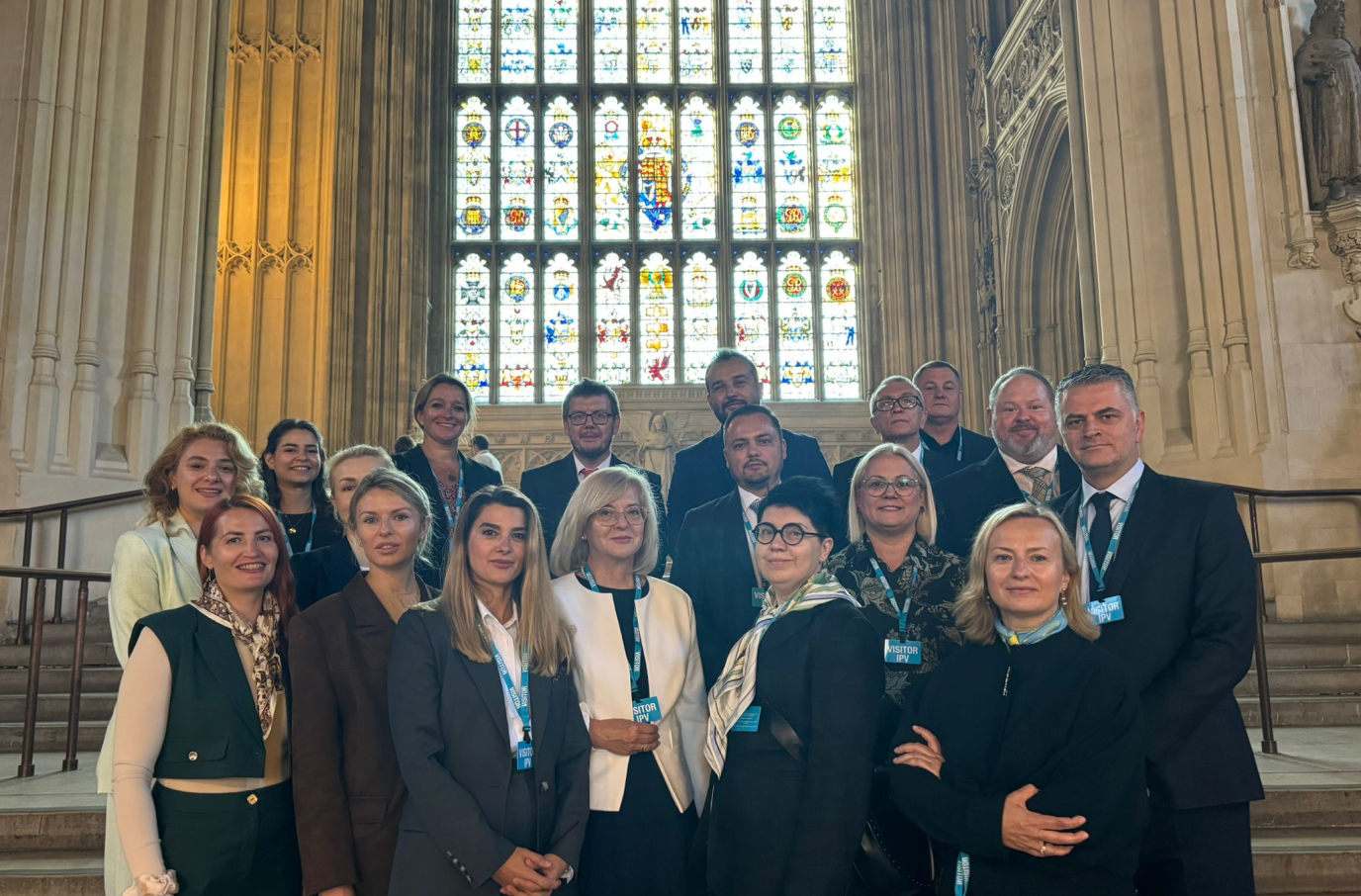
In early September, Kateryna Ryabiko, Chair of the Board of the Agency for Legislative Initiatives, joined the visit of the Verkhovna Rada of Ukraine and the National Assembly of North Macedonia to the United Kingdom. In the British Parliament, the delegation studied the experience of one of the world’s oldest democracies in regulating the rules of ethical conduct for Members of Parliament. The visit involved Members of Parliament of Ukraine, parliamentarians of the National Assembly of North Macedonia, as well as representatives of the OSCE/ODIHR, the Parliamentary Assembly of the Council of Europe and the National Democratic Institute.
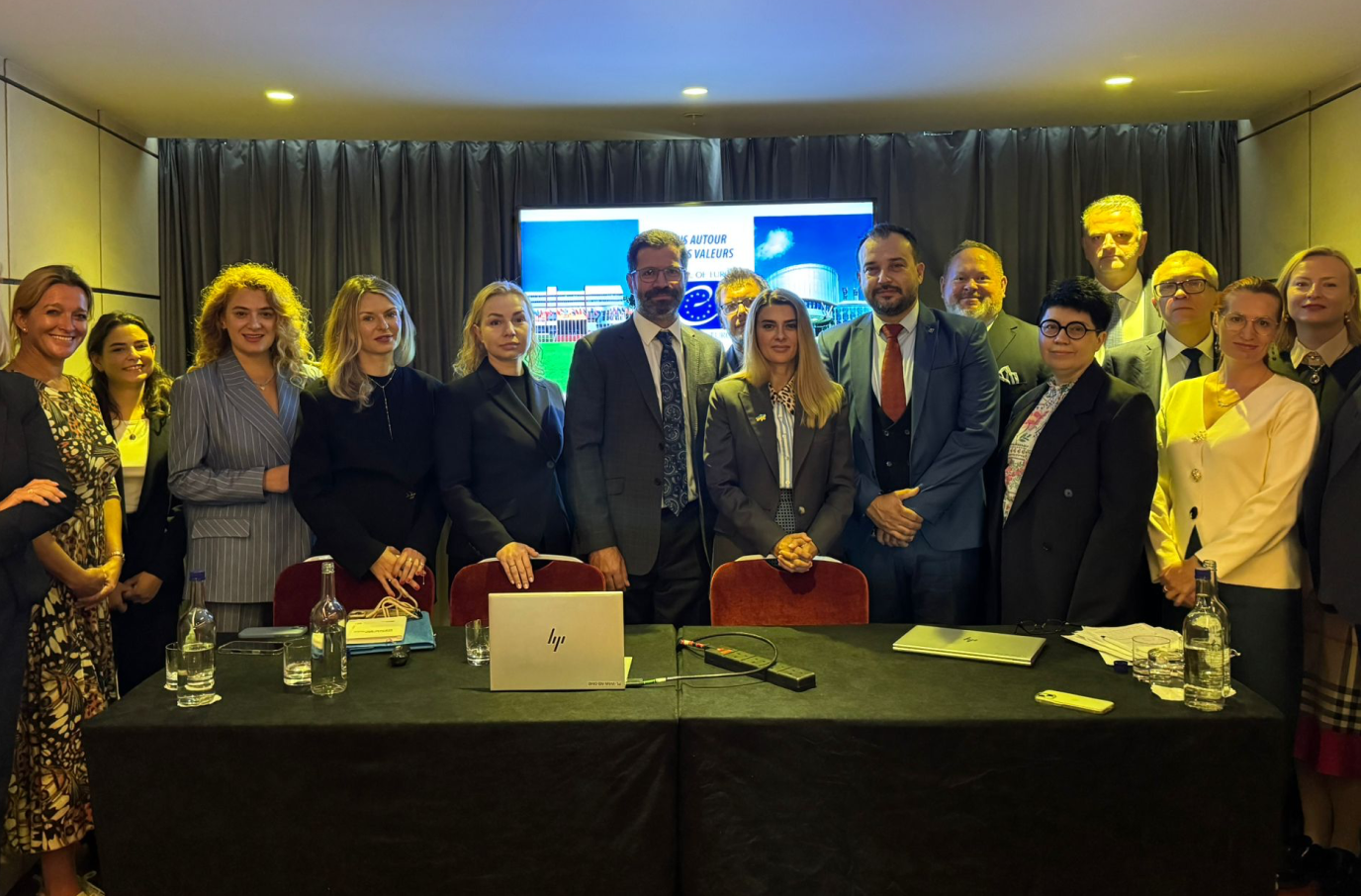
For the Ukrainian delegation, the key focus was parliamentary ethics and the introduction of a corresponding Code in Ukraine, a draft of which was submitted to the Verkhovna Rada at the end of 2022. At present, the Rules of Procedure of the Verkhovna Rada of Ukraine regulate only breaches of conduct in the chamber, exclusively during plenary meetings, and only in cases of insulting another Member of Parliament or a parliamentary faction or group. The existing mechanisms are insufficient for the Ukrainian Parliament to respond in a substantive way and regulate the unethical behaviour of MPs. At the same time, every violation of ethical standards by them undermines trust in Parliament as an institution and damages Ukraine’s reputation abroad.
That is why the Agency for Legislative Initiatives consistently advocates for the adoption of a Code of Conduct for Parliamentarians, for the adoption of Draft Law No. 8327, the purpose of which is to modernise the existing rules of parliamentary ethics and to create an effective system for their implementation.
The draft Code extends ethical standards beyond the chamber and provides for the establishment of a dedicated Ethics Committee, bringing the Ukrainian Parliament closer to OECD/GRECO norms and the practice of the UK Parliament. However, the draft law on the Code of Ethics has already been awaiting consideration in the Verkhovna Rada for two years: at present, there is simply not enough political will for its adoption. Achieving consensus on this issue, as well as the broader societal importance of introducing ethical restrictions, is not only one of the priority tasks for the Verkhovna Rada of Ukraine, but also an element of strengthening political culture — even in wartime.
Read more on why the Ukrainian Parliament needs a Code of Ethics in the ALI article.